Mount PutuoTravel guide

Mount PutuoVideos

Mount PutuoItinerary

Mount PutuoShort videos

Mount PutuoVisitor guide

I. Overview
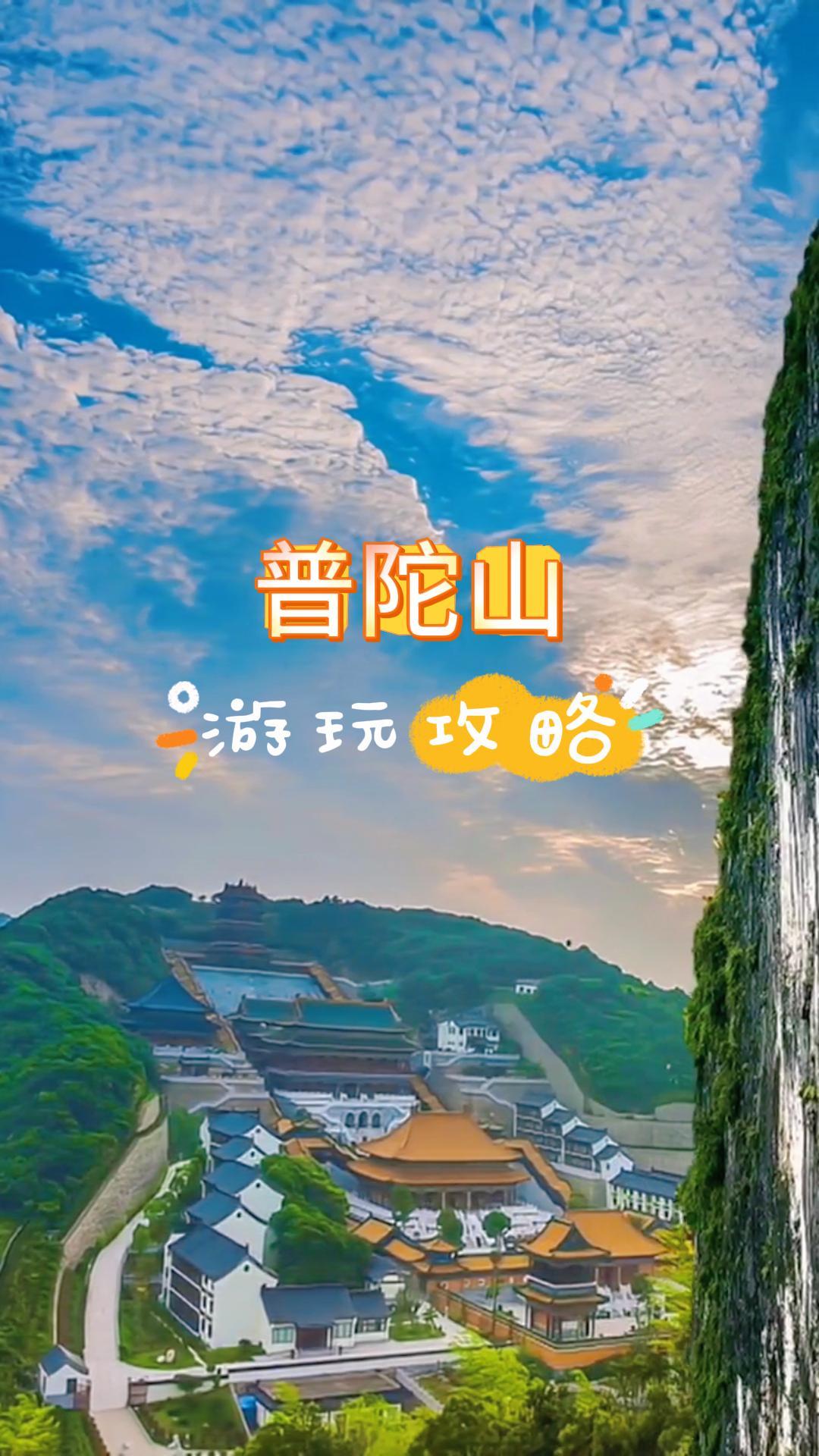
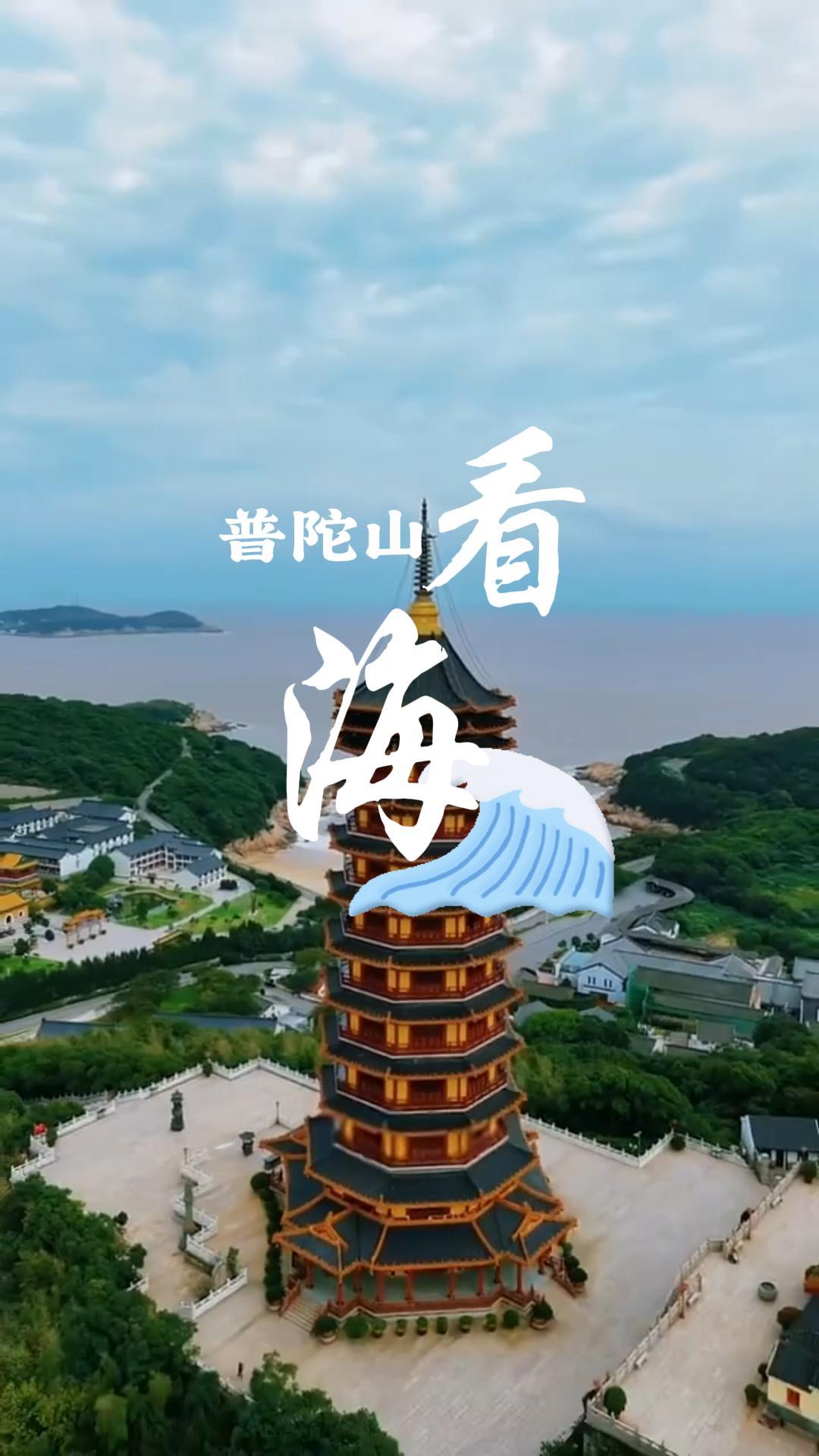
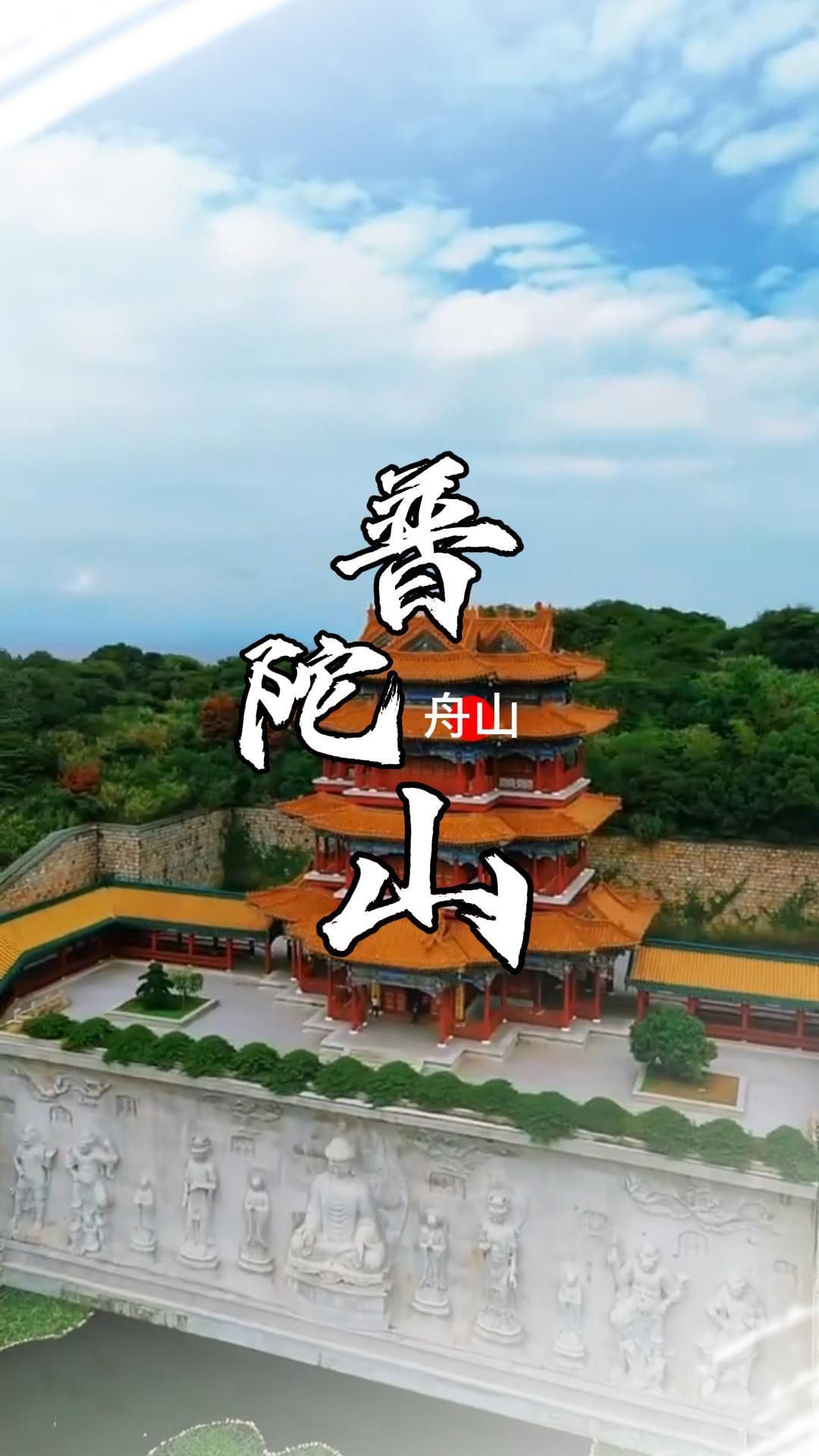
Mount Putuo is located in the southeastern part of the Zhoushan Archipelago in Zhejiang Province. It is a small island measuring 8.6 km north to south and 3.5 km east to west, with its highest peak, Foding Mountain, rising 288.2 meters above sea level. Along with Mount Wutai in Shanxi, Mount Emei in Sichuan, and Mount Jiuhua in Anhui, it is one of China's Four Sacred Buddhist Mountains. As the sacred site of Guanyin Bodhisattva, it has long been known as the "Buddhist Kingdom on the Sea."
Mount Putuo combines temples, ocean, sand, and rocks, featuring twelve major landscapes including Lianyang Noon Ferry, Duangu Sacred Site, Meiwan Spring Dawn, Pantuo Sunset Glow, Lotus Pond Night Moon, Fahua Sacred Cave, Ancient Cave Tide Sounds, Chaoyang Sunrise, Thousand-Step Golden Sand, Guangxi Snow Clearing, Chashan Morning Mist, and Tianmen Pure Chanting, as well as nine scenic areas such as Puji Temple, Fayu Temple, Foding Mountain, Fanyin Cave, Zizhulin, and Luojia Mountain. In 2007, Mount Putuo was designated a National 5A Tourist Attraction.

II. Transportation Guide
External transportation (the only access point: Wugongzhi Wharf in Zhujiajian)
Mount Putuo is an island where private cars are prohibited, so all visitors must arrive by boat. Banshengdong Wharf in Shenjiamen is no longer in service, so please don't go there by mistake.
High-speed train/bus: Take the high-speed train to Ningbo Station. Exit via Exit 4 to reach Ningbo South Bus Station, then transfer to a bus to Wugongzhi Wharf in Zhujiajian (about 1.5-2 hours, approx. ¥72), and take a boat to the island.
Flight: After arriving at Zhoushan Putuoshan Airport, take a taxi to Wugongzhi Wharf (about 10 minutes, approx. ¥30), then board a boat to the island.
Driving: Navigate to "Wugongzhi Wharf Parking Lot, Zhujiajian." Parking fees are ¥6/hour on weekdays and ¥8/hour during peak season, capped at ¥48-64 per day. After parking, take the free shuttle bus to the waiting hall.
Ferry: Regular boats cost ¥30 one way, taking 10-15 minutes; business speedboats cost ¥100. We recommend buying tickets in advance via the "Mount Putuo One-Code Pass" mini program and scanning your ID to enter.

III. Highlights
The Three Great Temples – The Core of Pilgrimage
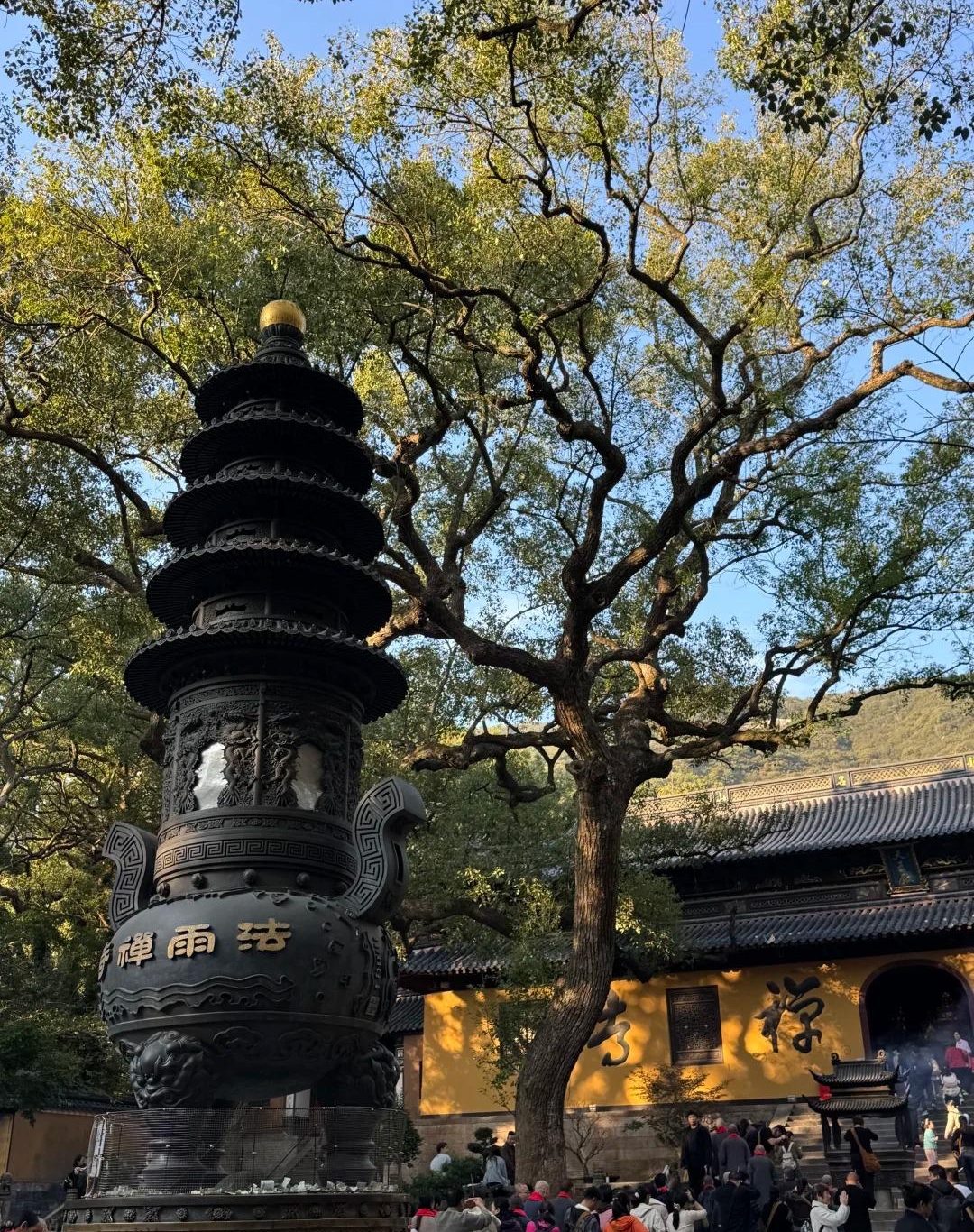
Mount Putuo has three great Zen temples: Puji Temple (Front Temple) is the main temple dedicated to Guanyin, and its main hall, the Grand Yuantong Hall, is so magnificent it's called the "Living Grand Hall"; Fayu Temple (Rear Temple) is famous for its Nine-Dragon Caisson Ceiling, a national cultural relic; Huiji Temple sits atop Foding Mountain and is the only one of the three facing south, with Shakyamuni Buddha enshrined in its main hall.
South Sea Guanyin – The Landmark Statue
Standing on Longwan Ridge, the South Sea Guanyin statue is 33 meters tall. Consecrated in 1997, this gilded bronze statue faces the ocean with a solemn and compassionate expression, serving as the iconic landmark of Mount Putuo.
Natural Wonders and Beaches
Qianbu Beach: A 1,300-meter-long beach with fine sand and gentle slopes, praised as being "golden as dust and soft as moss."
Pantuo Rock: A unique rock formation in the West Heaven Scenic Area that appears suspended yet has stood firm for a thousand years, offering stunning light and shadows at sunset.
Fanyin Cave / Chaoyin Cave: Sacred spots for viewing the sea and listening to the tides, said to be places where Guanyin appeared.

FAQ

The general admission ticket for Mount Putuo costs ¥160 per person during peak season (Feb–Nov) and ¥120 per person during off-season (Dec–Jan). Incense tickets for individual smaller temples cost an extra ¥5–6, and round-trip ferry tickets are ¥60. Free admission: Children under 1.2m tall or under 6 years old, seniors aged 70+, active-duty military personnel, and people with disabilities with valid ID. Half-price admission: Minors aged 6–18, full-time students, and seniors aged 60–69. Zhoushan residents can apply for an annual mountain pass (¥50/year) with their ID card; the pass is suspended during the three major incense festivals and on certain dates around Chinese New Year, Labor Day, and National Day. We recommend booking tickets in advance via the "Mount Putuo One-Code Pass" mini program, as tickets sell out fast during peak season.
Private cars are not allowed on Mount Putuo, so visitors mainly get around by scenic area buses. Bus fares are ¥5-10 per segment, covering major attractions like the wharves, Puji Temple, Fayu Temple, South Sea Guanyin, and the cable car. A one-day pass for ¥50-70 is a better deal. There are also walking paths between attractions, so you can walk short distances, but the island has many steps and slopes, so comfortable flat shoes are recommended. The Foding Mountain cable car costs ¥40 one way and ¥70 round trip, making it an easy way to reach Huiji Temple. If you're staying at a guesthouse on the island, drop off your luggage first before sightseeing; guesthouse owners usually pick guests up at the wharf. Note that island buses run from about 6:00 to 17:30, so you'll need to walk or arrange a pickup with your guesthouse for nighttime travel.
When entering temples, be sure to follow these rules: never step on the threshold—step over it (use the side doors; the middle door is reserved for monks); walk clockwise around Buddha statues, pagodas, and temples, as counterclockwise is considered disrespectful; photography is prohibited inside the halls, especially of Buddha statues; dress modestly—no tank tops, short skirts, or flip-flops. Regarding incense: don't buy incense from street vendors outside the temples (overpriced and may not be allowed inside). The three main temples have incense counters where a small bucket costs just a few yuan, which is plenty. Three sticks of incense are appropriate, representing the Buddha, Dharma, and Sangha. Sincerity matters more than quantity. Light incense with your left hand (the left hand is considered pure in Buddhism), and never blow out the flame with your mouth.
We highly recommend staying on the island for at least one night to experience the peaceful atmosphere before the crowds arrive in the morning and to attend the temple's morning chanting. Accommodation options on the island: Longwan Village and Xishan New Village have the most guesthouses, within walking distance of the temples and beach, at ¥200-400 per night—great value. Comfortable hotels like Xilai Xiaozhuang and the Mount Putuo Hotel cost ¥400-800 per night. Temple guest rooms require advance booking; they're basic but let you experience the morning bells and evening drums. Off-island accommodation (in Zhujiajian) is cheaper (¥200-350 per night), but you'll need to take a ferry back and forth daily (¥60 per day for boat tickets), making it best suited for day tour visitors.
Absolutely! Luojia Mountain lies in the sea southeast of Mount Putuo. From afar, it resembles a reclining Buddha, earning it the nickname "Reclining Buddha on the Sea." Locals say, "If you haven't been to Luojia Mountain, your pilgrimage to Mount Putuo isn't complete," because legend has it that Guanyin Bodhisattva first attained enlightenment on Luojia Mountain before establishing a sacred site on Mount Putuo. Admission plus round-trip boat fare is ¥70 per person, and the boat ride takes about 30 minutes. Boats depart daily on a fixed schedule, usually at 7:00, 8:00, and 9:00 from Duangu Wharf on Mount Putuo. After about 1.5 hours on Luojia Mountain, return boats leave at approximately 9:00, 10:00, and 15:00. Important reminders: there are no shops or restaurants on the mountain, so bring your own snacks and water; keep track of your return boat time—if you miss it, you may wait hours for the next one; allow at least half a day for the visit.