
A vegetarian meal at a Mount Putuo temple costs just a few yuan: breakfast at Puji Temple is ¥5, lunch and dinner ¥10; Fayu Temple is ¥5; Huiji Temple is ¥10 but only serves lunch; Dacheng Nunnery is ¥8. Most accept cash only, and meal tickets are sold until they run out. If you miss mealtimes, the island also has vegetarian restaurants like Changsheng Vegetarian (¥38 buffet). For seafood, try the small eateries on the island or head to the Shenjiamen food stalls.
This leaves many people wondering: why can you eat at a temple? And why are the prices so affordable?
In fact, this reflects a tradition and wisdom that Chinese Buddhism has carried on for over a thousand years.
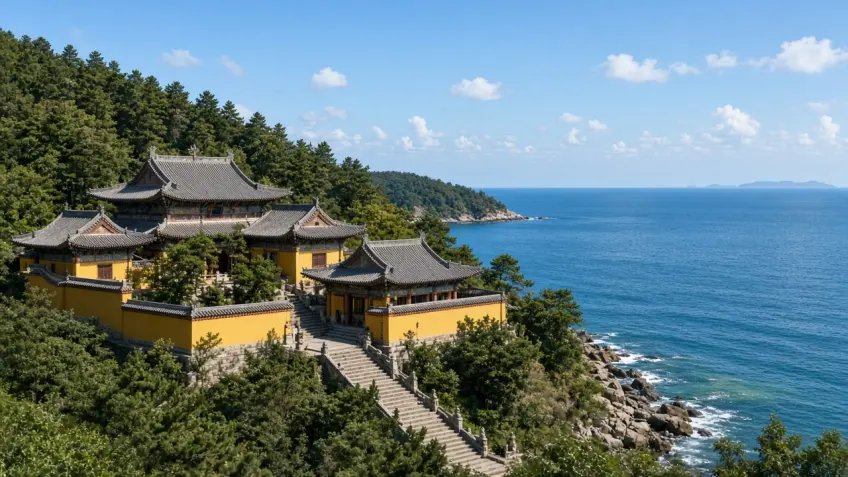
For dining on the island, start with two options: temple vegetarian meals (Puji Temple, Fayu Temple, Huiji Temple, Dacheng Nunnery, etc.; cash only, meal tickets limited) and fishing village seafood (small island eateries or Shenjiamen stalls). To save hassle with ferry tickets and pier transfers, compare group tour packages that include meals; to freely hop between vegetarian meals and seafood spots, choose a custom private trip or private car; book a transfer from the high-speed rail station or airport to the pier first; if the route is winding or you want to hear local stories, hire a guide to lead you to the best eateries.
The true spirit of vegetarian temple meals: connecting with all beings
When Buddhism was first introduced to China, monks traveling outside the temple usually begged for food with their alms bowls, eating whatever donors offered. There was no strict rule about "eating vegetarian."
The real turning point came during the Northern and Southern Dynasties. Emperor Wu of Liang, Xiao Yan, was a devout Buddhist. One day, after reading a passage in the Lankavatara Sutra stating that "bodhisattvas are so compassionate they cannot bear to eat the flesh of sentient beings," he was deeply moved. He personally wrote the "Text on Abstaining from Alcohol and Meat" and convened monks for a debate. Finally, using his imperial authority, he mandated a vegetarian diet for all temple monks nationwide.
From then on, vegetarianism became one of the most distinctive hallmarks of Chinese Buddhism.
Temple vegetarian meals originally existed simply to form connections with all people: rich or poor, anyone who came could get a hot meal. A bowl of vegetarian noodles and a few dishes of greens not only gave travelers a chance to rest their feet, but also offered devotees an opportunity to "cultivate blessings."

Vegetarian meals are an act of compassion
When you travel in Zhejiang, you'll find that temples have always served as "public spaces" in traditional Chinese culture. Whether merchants on the road, scholars heading to the capital for exams, refugees fleeing hardship, or pilgrims from afar—anyone who arrived at a temple was given shelter from the wind and rain, along with a vegetarian meal.
Even today, whether you're a believer or not, you can walk into a temple and enjoy a clean, hot meal for just a few yuan. It isn't a business—it's a convenience Chinese temples offer to visitors.
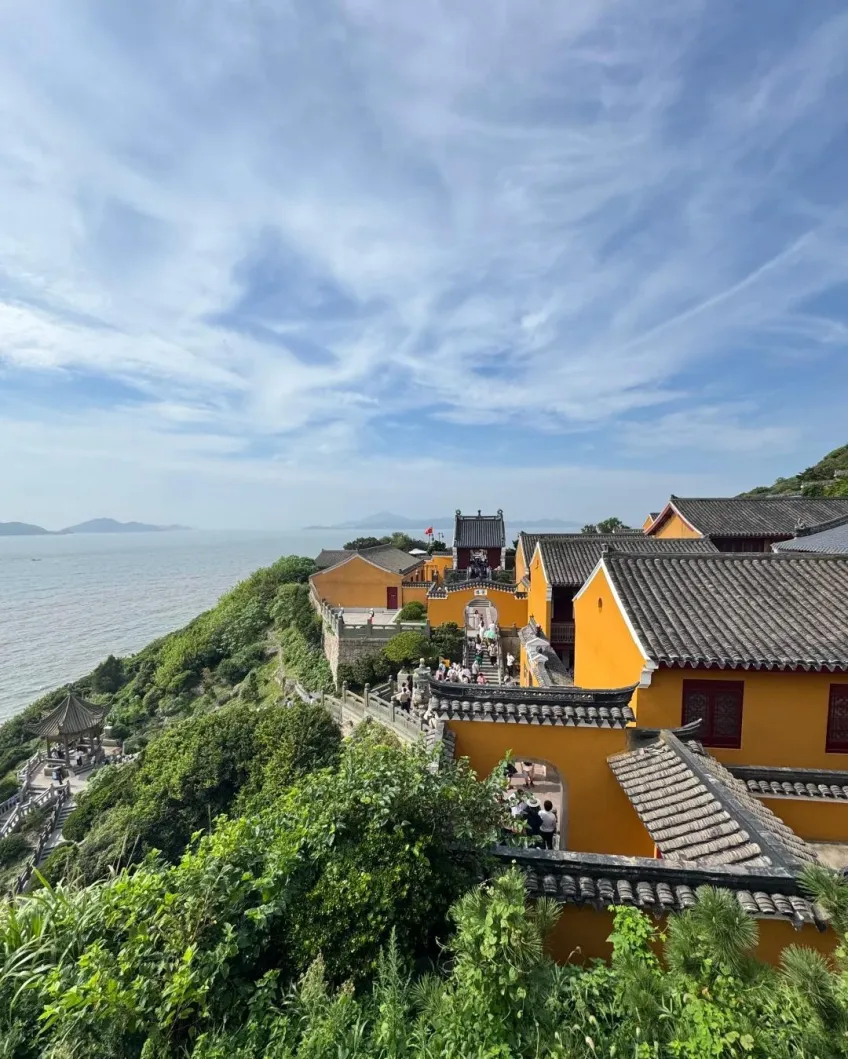
Eating at a Chinese temple is called Guotang
In a temple, eating isn't called "eating"—it's called "guotang" (communal dining).
Morning chanting, lunch, and evening chanting are daily routines for the monks. Talking is not allowed during meals, bowls and chopsticks must be set down gently when finished, and no food should be left in your bowl. At the same time, dining at a temple means serving yourself and washing your own bowl. These aren't rules made just for you—they're meant to remind you that eating deserves your full attention.

Guide to Vegetarian Meals on Mount Putuo, Zhoushan
In Mount Putuo, the "Buddhist Kingdom on the Sea," temple vegetarian meals are both a part of spiritual practice and a dining experience many visitors come specifically to enjoy. To avoid long lines and time your meal right, check out the three major temples and lesser-known nunneries below.
For getting to the island and routes around it, see the Mount Putuo travel guide video.

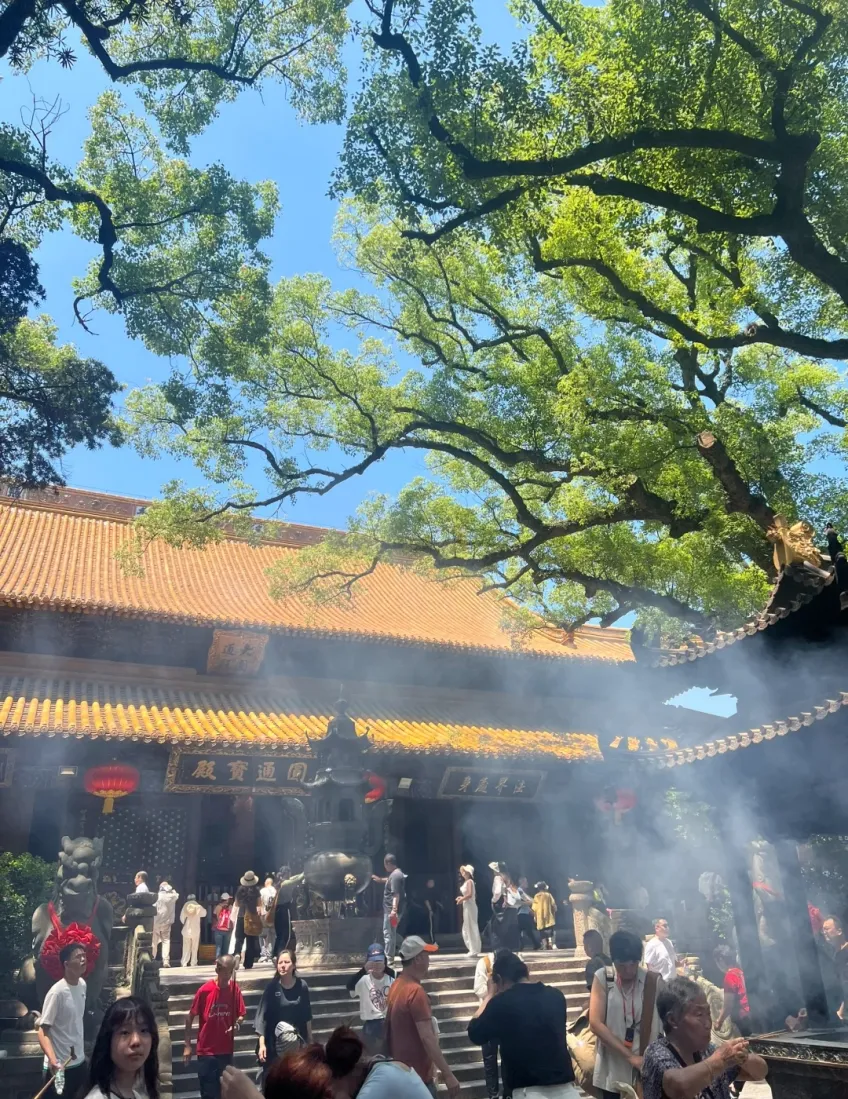
Zhoushan Food: Vegetarian Meals at the Three Major Temples of Mount Putuo
Vegetarian Meal at Puji Temple
Location: Inside Puji Temple on Xianghua Street, on the right after entering
Meal times: Breakfast 5:30–6:30, lunch 10:20–11:40, dinner 16:10–17:00 (subject to the temple's schedule on the day).
Vegetarian meal prices: Breakfast ¥5, lunch and dinner ¥10 (subject to the posted prices on the day).
How to eat at Puji Temple: After entering, each person can take two bowls. You can serve yourself rice and dishes, or ask a monk to help. The daily vegetarian meals are mostly similar, featuring black fungus, fried tofu, cabbage, glass noodles, and other mixed vegetarian dishes—light and not greasy.
Remember to wash your own bowls after eating. There is a designated washing area in the dining hall. First wash them in soapy water, then rinse under the tap, and finally place them in the basket. Locals call this "benefiting others and yourself, Amitabha."
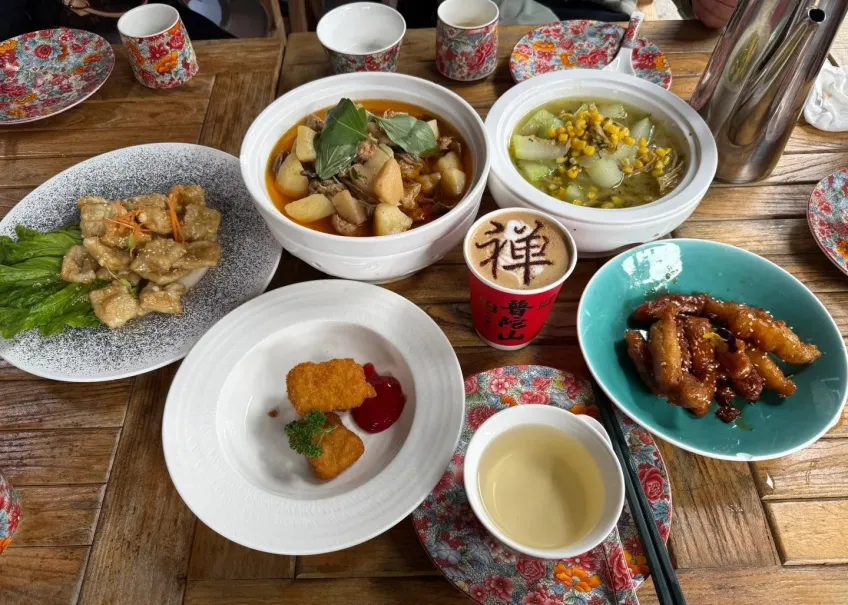
Fayu Temple Vegetarian Meal
Location: Buy tickets at the Dharma Affairs Office; meals are served inside, where the wooden fish hangs.
Times: Lunch 10:30–11:30; dinner 16:20–17:20 (subject to the posted times on the day).
Price: ¥5/person (subject to the posted price on the day).
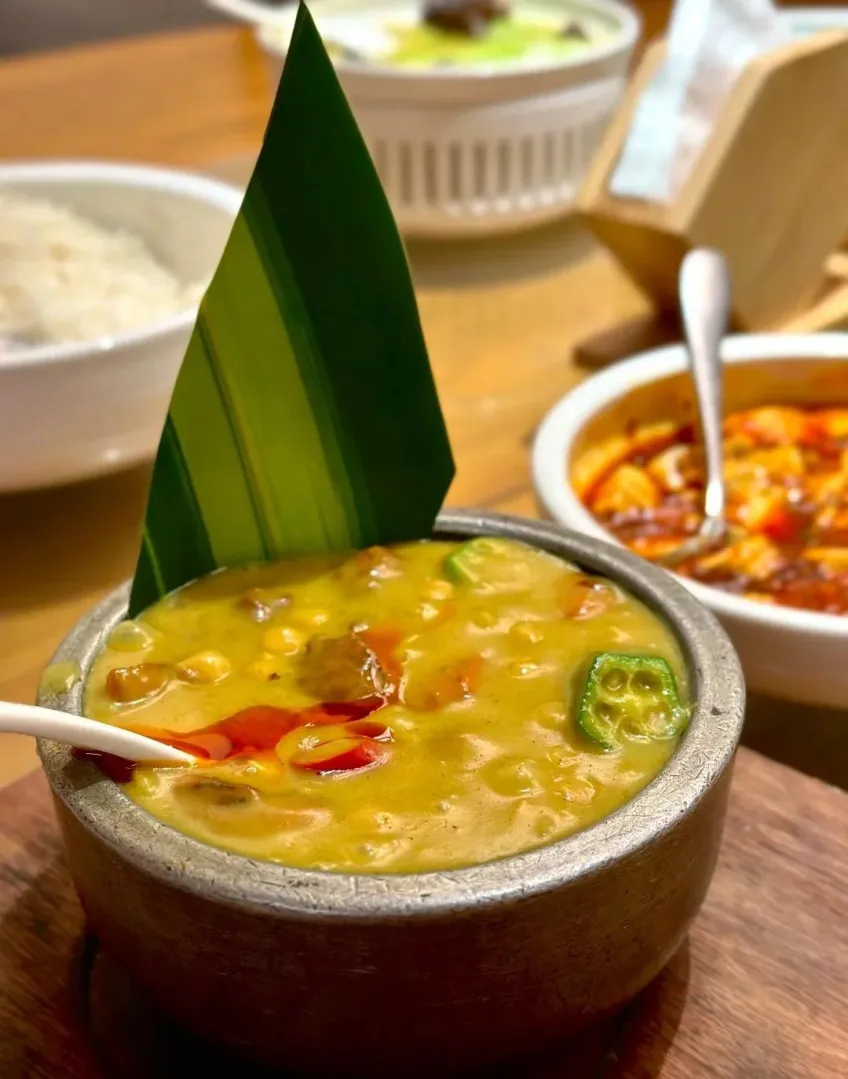
Huiji Temple Vegetarian Meal
Location: Summit of Foding Mountain. After entering the temple, turn right to the vegetarian dining hall.
Time: Lunch 10:30-11:50 (lunch only; subject to the day's posted notice).
Price: ¥10 per person (subject to the day's posted notice).
The dining rules at the vegetarian halls in every temple on Mount Putuo are the same, and all encourage you to serve yourself and wash your own bowl. However, because Huiji Temple is located at a higher elevation, there are relatively fewer people here. If you want to avoid the crowds, the Huiji Temple vegetarian hall should be your first choice—just pay attention to the meal times.
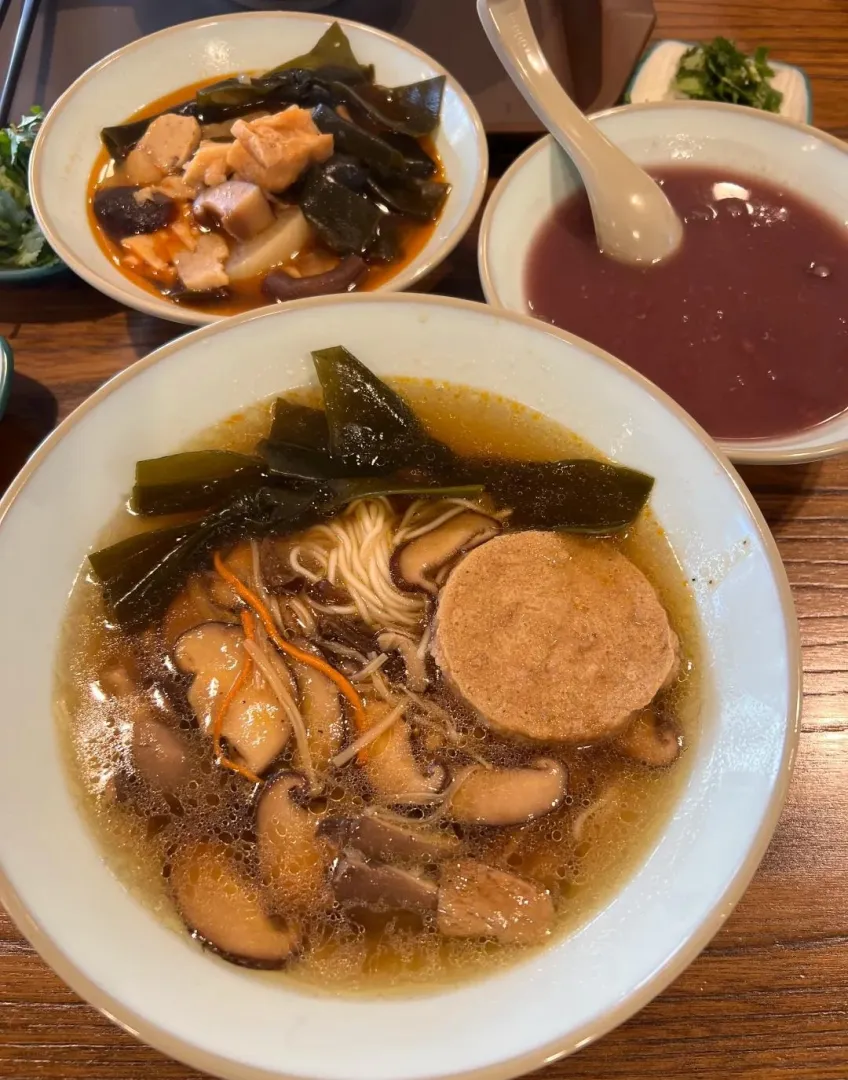
Vegetarian meals at lesser-known temples on Mount Putuo: unbeatable value
Dacheng Hermitage
Location: Dining hall inside Dacheng Hermitage
Time: lunch served from 10:40
Price: ¥8/person (great value; subject to the day's posted price). Arriving early is recommended.
Dasheng Nunnery is the most popular vegetarian dining hall on Mount Putuo and the top choice for locals. If you want to eat here, be sure to arrive early so you don't miss out on the popular dishes.
Purple Bamboo Grove Temple
Location: Near Bukenqu Guanyin Temple
Hours: Breakfast 5:20-6:00; Lunch 10:00-11:00; Dinner 16:00-17:00.
Price: About ¥10
Purple Bamboo Grove Temple is much smaller than other temples on the island, but also quieter and more peaceful. The vegetarian meals here are simple, offering a back-to-basics experience.
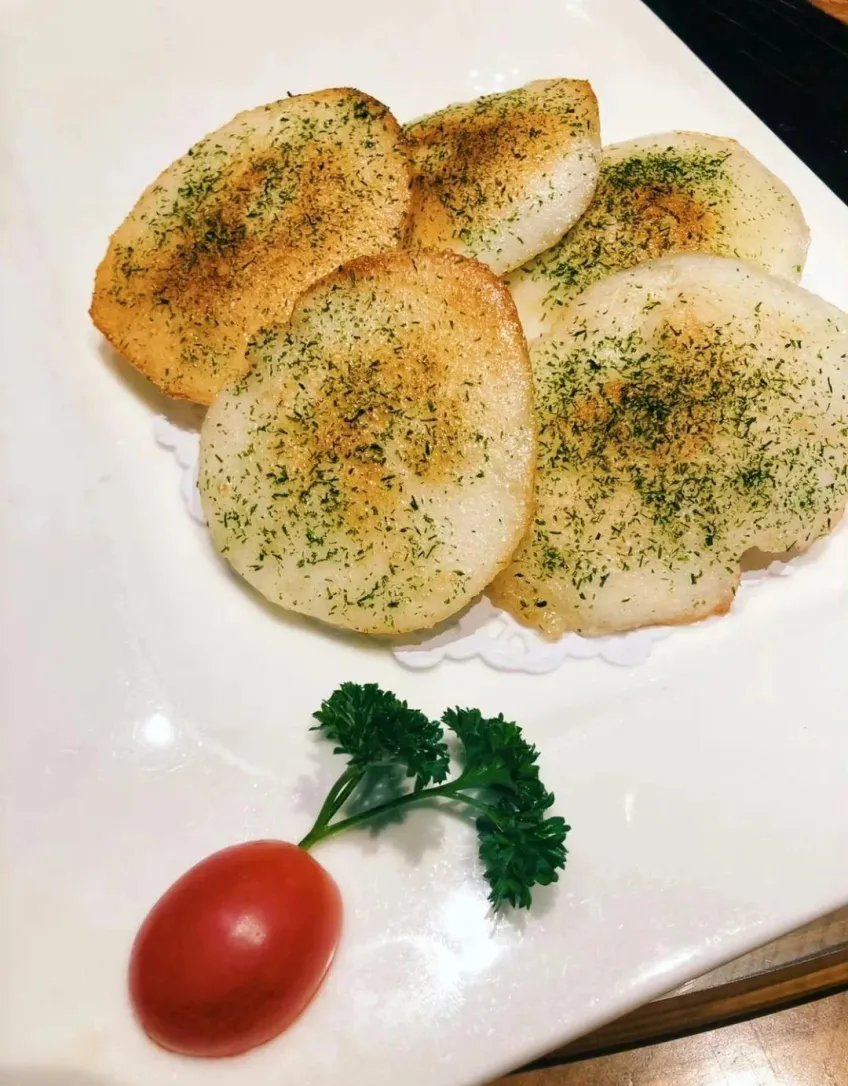
Dining Tips for Mount Putuo, Zhejiang
Cash only: Temple vegetarian dining halls generally don't accept mobile payments, so bring small change in advance.
Limited meal tickets: Available while supplies last. Plan your mealtimes around your itinerary.
Keep quiet: Please stay silent during meals and respect temple traditions.
No food waste: Take only what you can eat, and go back for more if needed.
Wash your own dishes: Clean your bowl and chopsticks after eating—it helps everyone.

Recommended Vegetarian Restaurants on Mount Putuo
If you happen to miss mealtimes at the temple vegetarian halls or simply want a change of pace, there are also dedicated vegetarian restaurants on the island.
Changsheng Vegetarian Restaurant (near Dacheng Hermitage)
Address: No. 51 Fayu Road (near Dacheng Hermitage).
Hours: Lunch 11:00-14:00; Dinner 17:00-19:30.
Price: Buffet ¥38/person (cash only); private rooms on the second floor start at ¥150/person
Vegetarian meal recommendation: Changsheng Vegetarian Restaurant offers stir-fried noodles and a variety of fresh vegetables, with more options than the temple dining halls. You also need to wash your own dishes here after eating!
Xilei Vegetarian Restaurant
Location: Next to Puji Temple
Not many people know about this vegetarian restaurant, so the dining environment is more comfortable. If you want to enjoy a quiet vegetarian meal, this place is recommended.
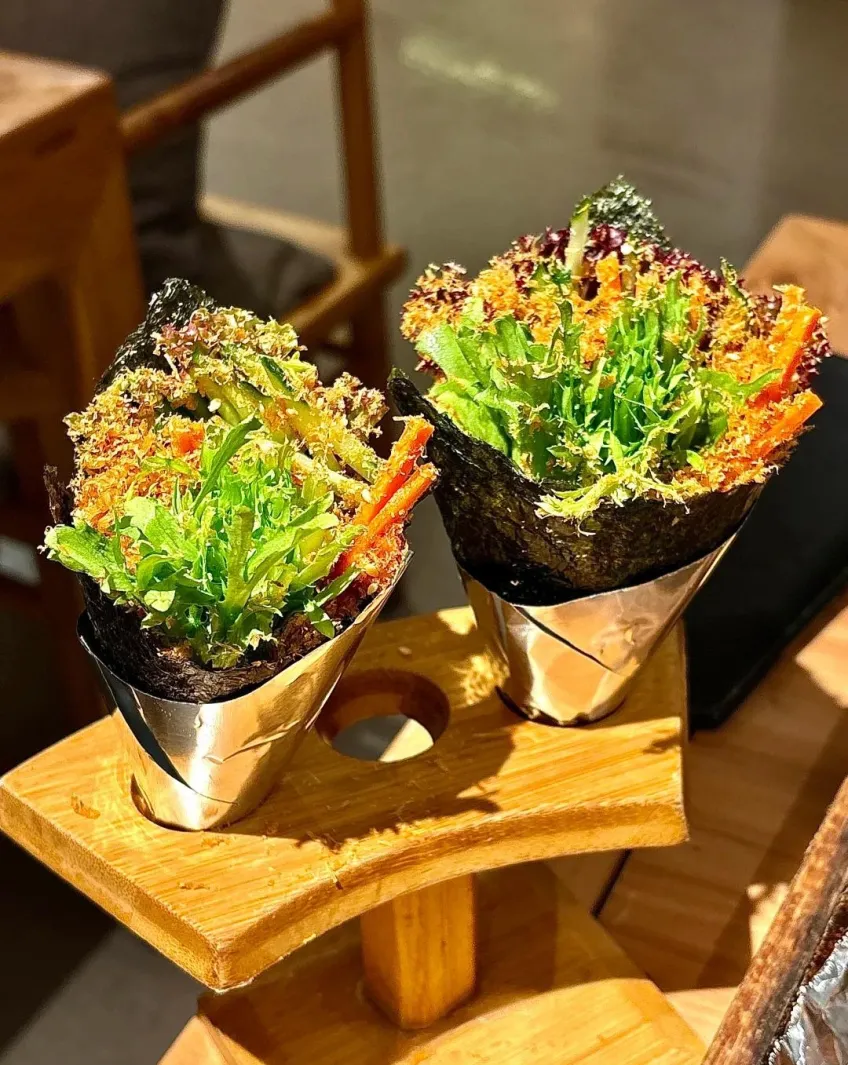
Zaozishu Vegetarian Restaurant
This vegetarian restaurant has a great reputation on the island.
Signature dishes:
Luohan Zhai (Buddha's Delight): Slow-simmered mushrooms, bamboo shoots, carrots and other seasonal vegetables. Even if you're not used to vegetarian food, you'll love the flavor.
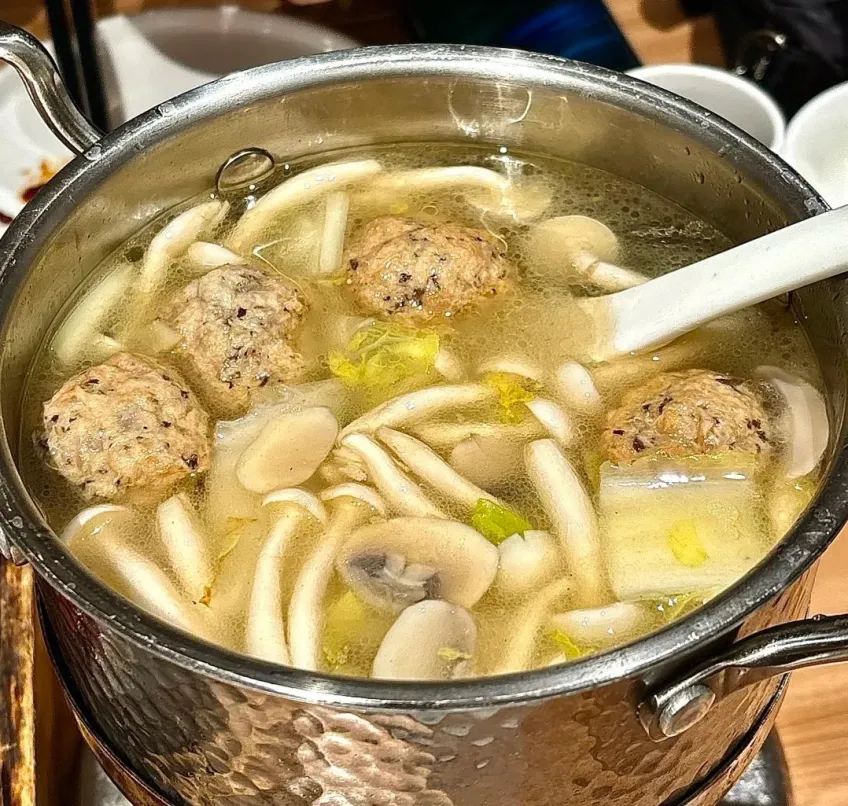
If you miss the temple meal times or want a change of pace, head to one of the island's vegetarian restaurants. If you also want to try Shenjiamen seafood, you can combine the vegetarian meal and the fishing village in a single day. Need a travel consultant to help time everything around the ferry schedule? Ask us to customize your itinerary.
Authentic Mount Putuo flavors, recommended by locals
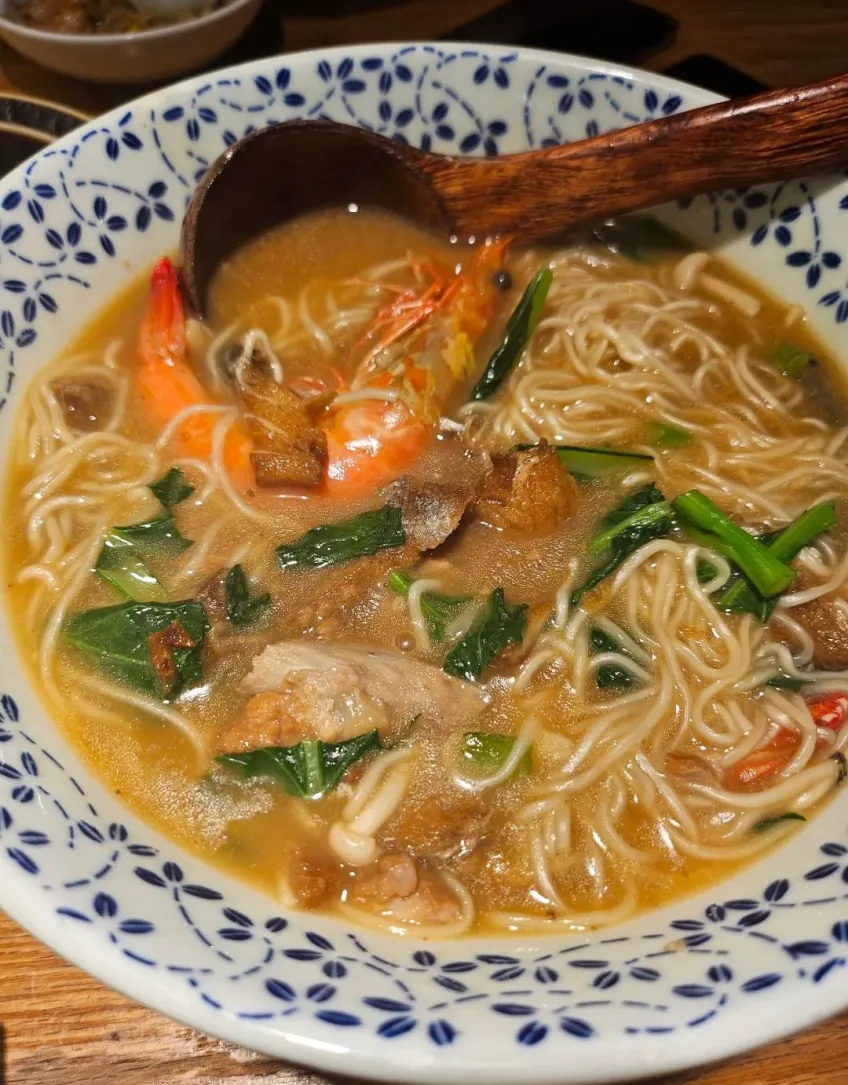
Seafood noodles: Small shops on the island commonly let you pick your own swimming crabs, shrimp and clams. Served in a fish bone and shrimp shell broth, about ¥20 will fill you up.
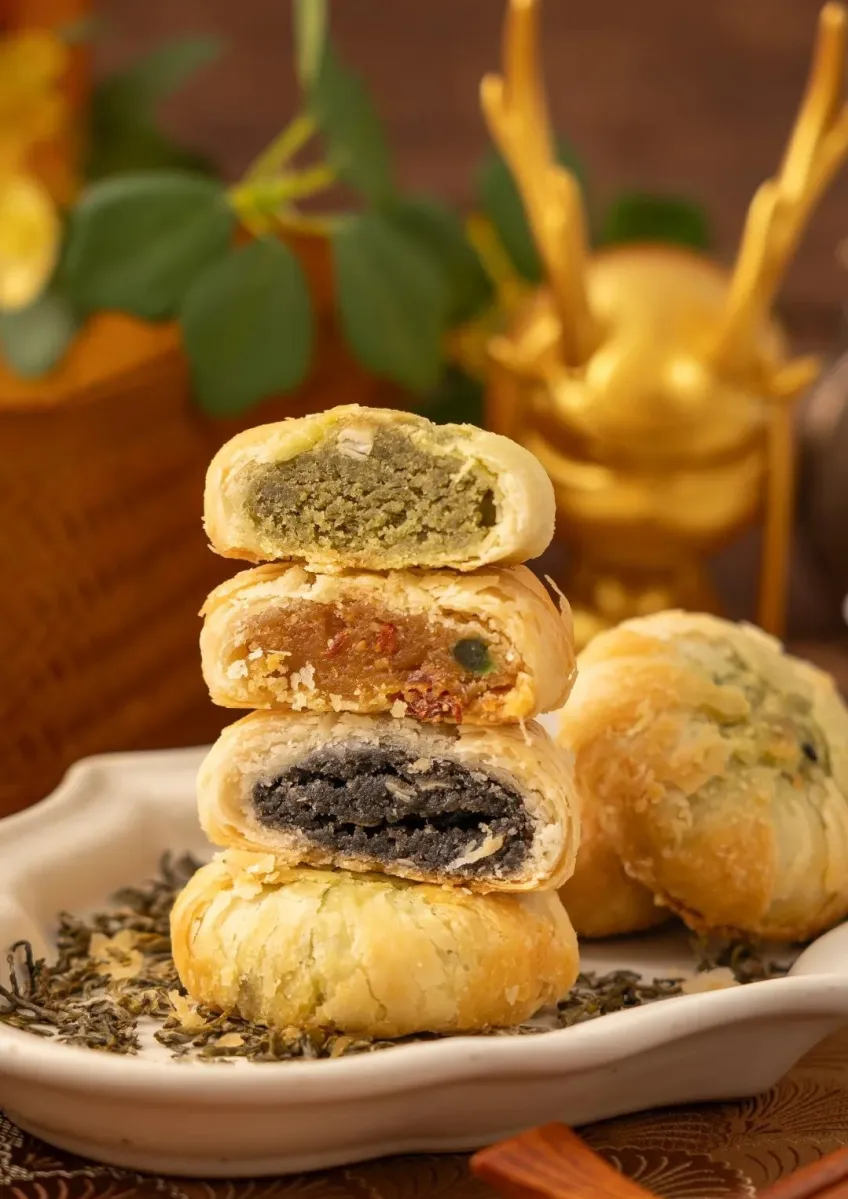
Guanyin cake: An intangible cultural heritage snack of Mount Putuo, filled with sweet vegetarian ingredients like red bean paste or sesame. Perfect for eating on the go.
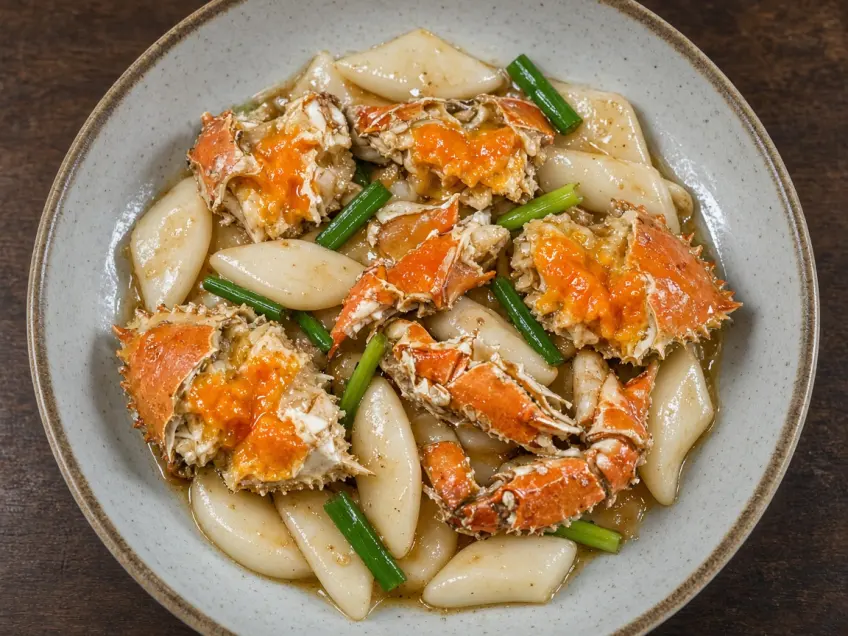
Zhoushan rice cakes: Water-milled rice cakes can be stir-fried or steamed. The authentic way to eat them is stir-fried rice cakes with swimming crab.
Dried and pickled seafood: If you love seafood, we highly recommend trying the local pickled mud snails and jellyfish heads on Mount Putuo. Crisp, tender, and flavorful, they make excellent side dishes for rice.
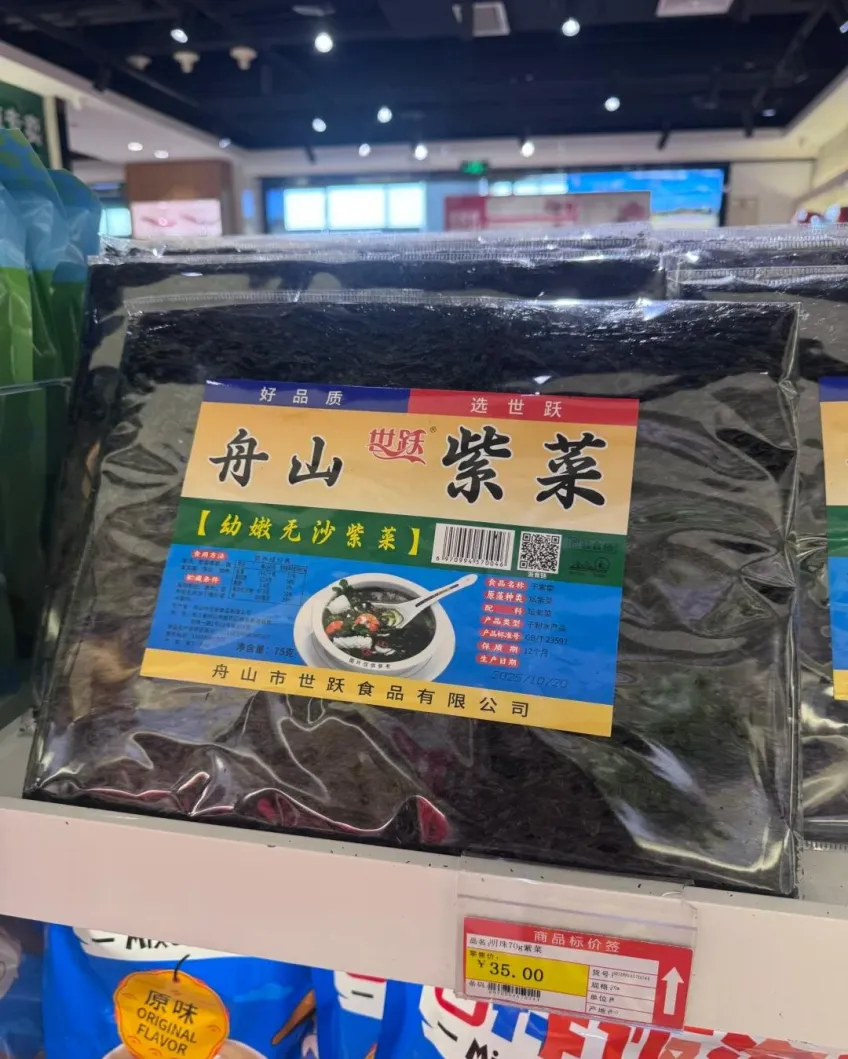
Where to find the most authentic food when traveling in Zhoushan?
Budget-friendly: Stay at a local guesthouse on the island, buy seafood at the farmers' market and have the owner cook it for you—about ¥50–70 per person.
Bustling local food scene off the island: Take a boat to the seafood stalls at Shenjiamen Fishing Port on Zhoushan Island.

[Peaceful Journey 2 Days 1 Night] Mount Putuo 2-Day Tour – Devout Pilgrimage
[Top Attractions] Mount Putuo, Puji Temple, South Sea Guanyin and more [Thoughtful service] Custom vehicle models and East China drivers with years of safe driving experience for a worry-free trip! [Pure travel] No-shopping quality group tour for a pure journey—one trip, memories for a lifetime! [Bonus] One bottle of branded mineral water per person per day!
Mount Putuo souvenirs
After savoring Mount Putuo's unique mountain-and-sea flavors, pick up a few meaningful souvenirs for yourself, family, and friends before you leave. How do you choose Mount Putuo souvenirs? Here are some Buddhist-inspired picks that best reflect the island's character, cultural heritage, and blessings:
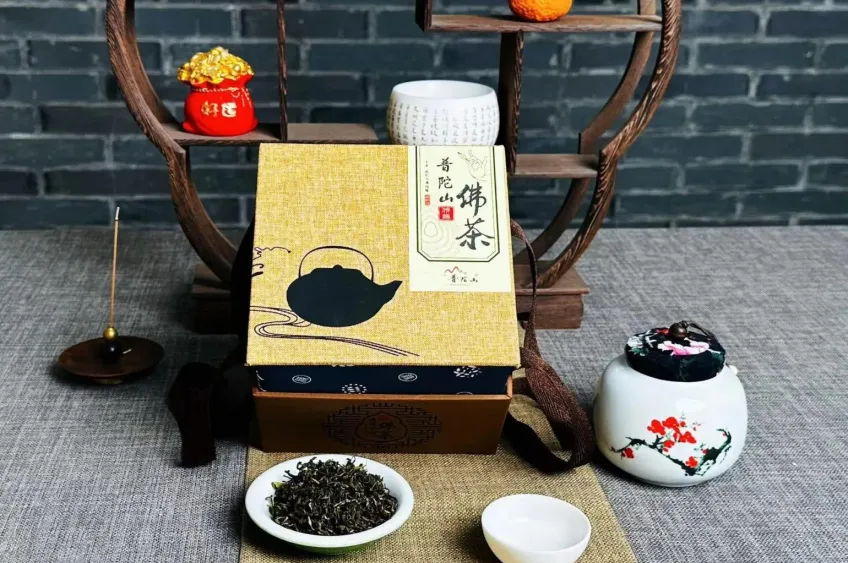
Putuo Buddha Tea: Also known as Foding Mountain Cloud and Mist Tea, it holds a national agricultural geographical indication and makes a great gift for elders.
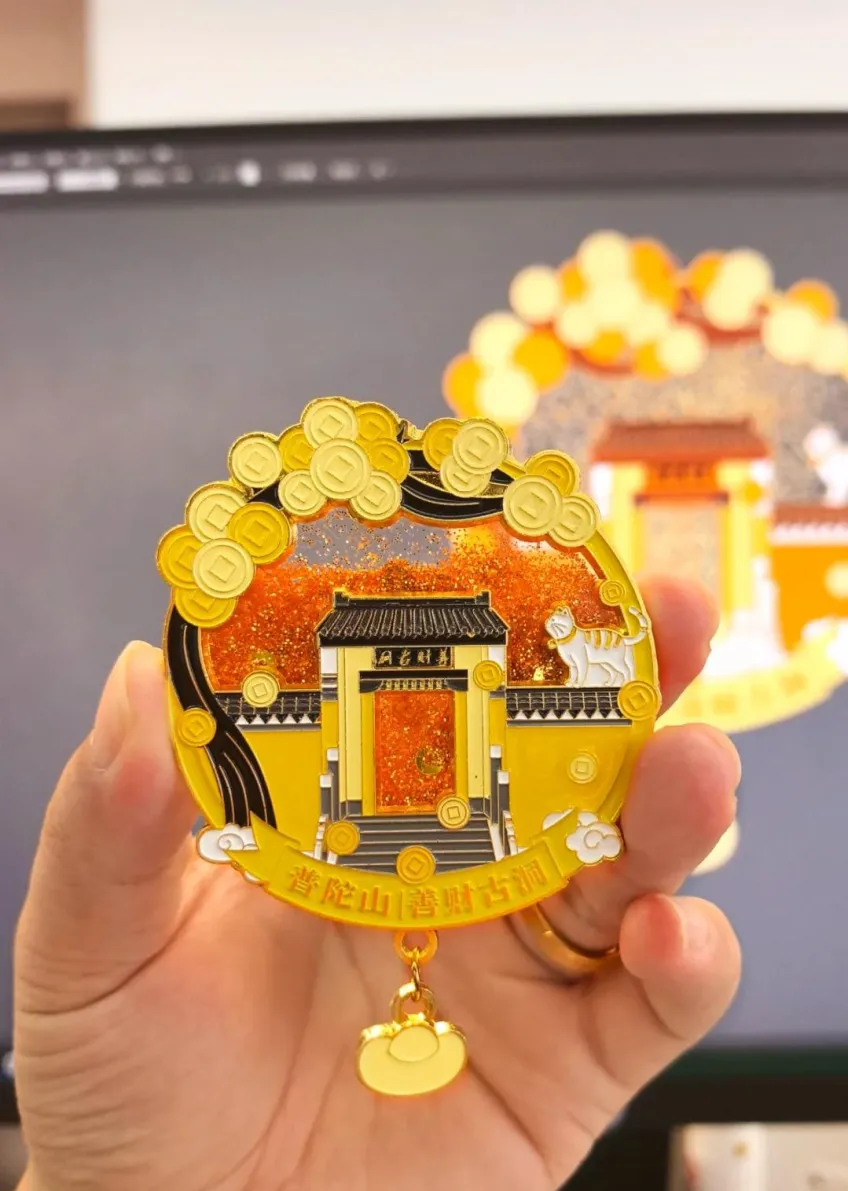
Cultural bracelets and charms: Bracelets and car charms are Mount Putuo's most popular cultural items. Bracelets come in many styles—white bodhi lotus, gold-thread jade pumpkin, eighteen seeds, and more—each with its own special meaning. The "Futian Lacquer Gourd Charm," officially released by Mount Putuo, was named a 2025 Zhejiang Signature Souvenir and makes a great collectible.
Cultural fridge magnets and figurines: Fridge magnets are another Mount Putuo favorite, featuring local landmarks or Buddha statues. They're beautifully designed, affordable, and perfect as a keepsake for yourself or a gift for friends~
Art desk calendar: This is the latest "Mount Putuo Landscape Series Art Desk Calendar" officially released by Mount Putuo. It features 12 iconic landscapes of Mount Putuo in hand-drawn illustrations and is one of those cultural souvenirs that sells out fast.
Mount Putuo Specialty Foods & Souvenirs
Guanyin cake: One of the top 10 specialty rural snacks in Zhejiang; the time-honored brand Guansutang is often recommended by locals (brands and stock are subject to in-store availability).
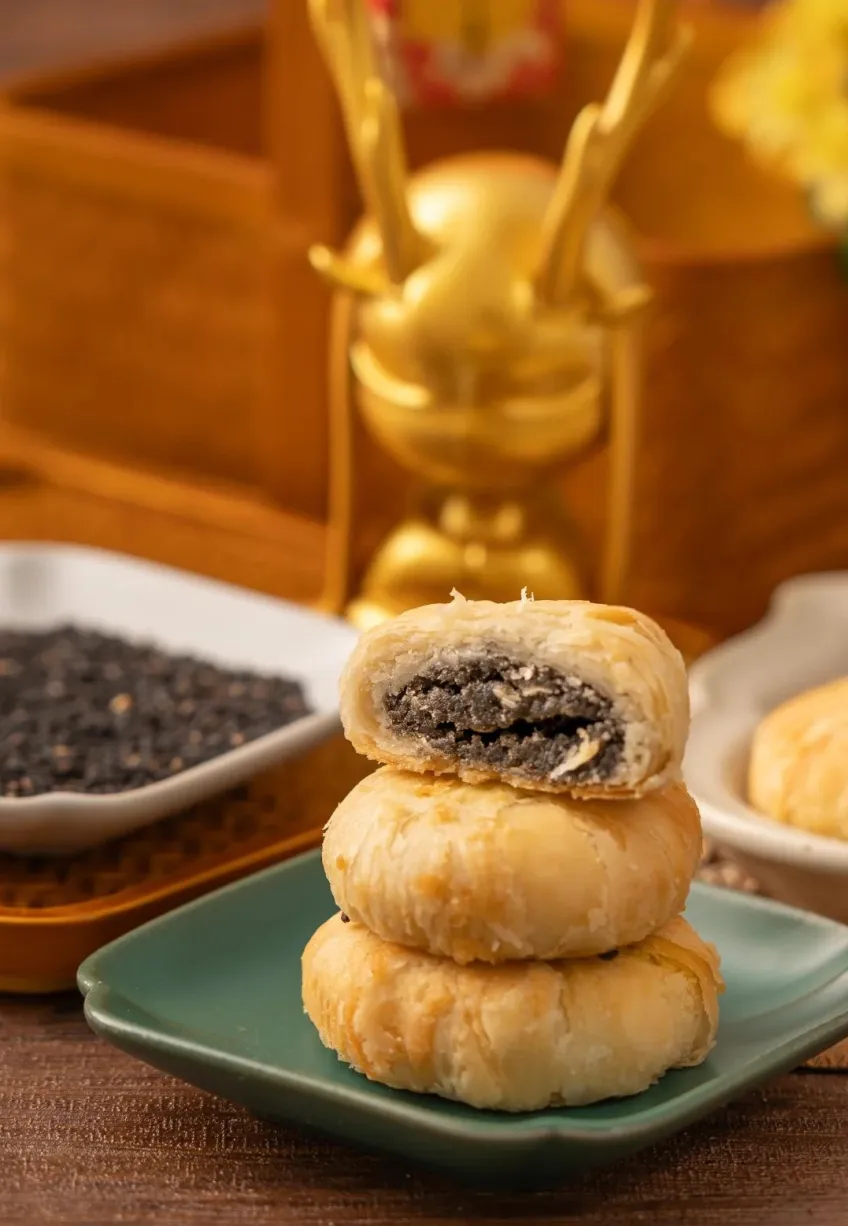
Mount Putuo fu cakes: A Zhejiang Time-honored Brand, handmade using traditional methods. It comes in four flavors—walnut osmanthus, walnut seaweed, walnut black sesame, and walnut white sesame. Each is packed with large walnut pieces and has a crispy texture. Even locals buy these as gifts!
Guanyin Buddha tea pastry: Think of it as an upgraded version of the Guanyin cake. It was named a "Zhoushan Specialty Souvenir" in 2025.
Zhanmao rice wine: Brewed with local Guanyin rice and mountain spring water, it is sweet and mildly intoxicating—a distinctive local drink to pair with meals.
Recommended Mount Putuo Seafood Souvenirs
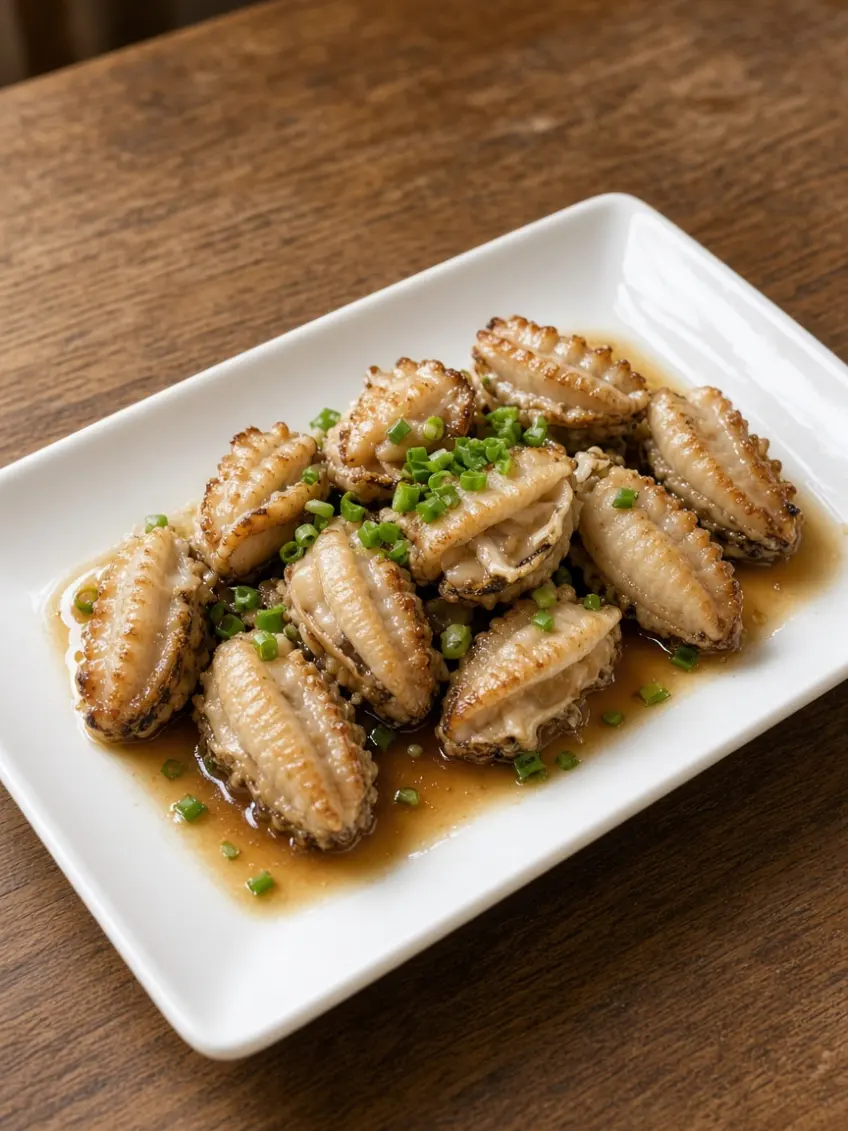
Buddha's hand shell: A Mount Putuo specialty shellfish shaped like a Buddha's finger; tastes best around August. Better eaten fresh at local restaurants, as it doesn't travel well.
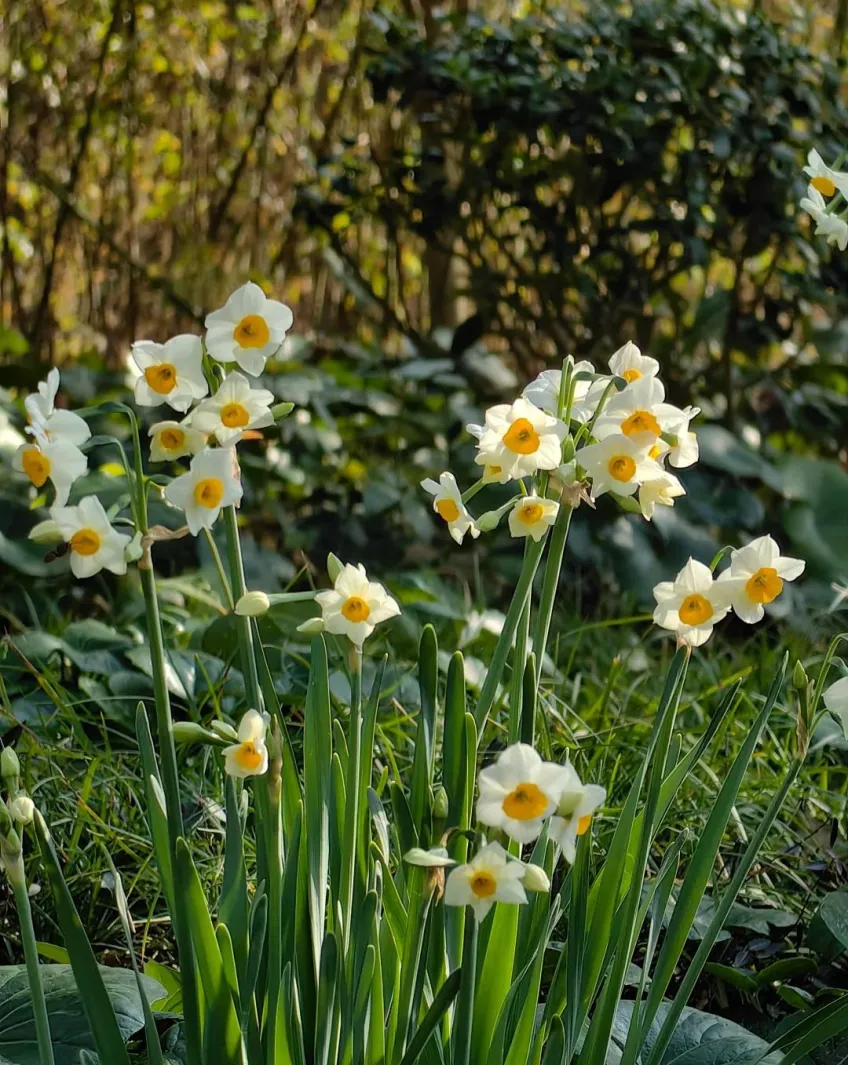
Mount Putuo narcissus: As famous as Zhangzhou and Chongming narcissus, it ranks among China's top three narcissus varieties. Known for its large bulbs, abundant blooms, and rich fragrance, it's the best way to bring Mount Putuo's spring vibes home~
If a single day isn't enough to satisfy your appetite on Mount Putuo, consider staying overnight so you can take your time and try all the local delicacies.
Recommended Accommodations on Mount Putuo
Around Puji Temple: Plenty of dining options. Common choices include Xilei Baotuo Xingshe and the Mount Putuo Hotel (room availability subject to the booking page).
Near Fayu Temple: Quieter area. A common choice is Landison Retreat.
Budget guesthouses: In Xishan Xincun or Longwan Village, around ¥200–400/night.
Recommended Mount Putuo Itineraries
Day tour: Puji Temple → South Sea Guanyin → Zizhulin / Bukenqu Guanyin Yard → Fayu Temple or Foding Mountain (cable car).
2-day tour (in-depth pilgrimage):
Day 1: Puji Temple → Foding Mountain (Huiji Temple) → Fayu Temple → Fanyin Cave / Shancai Cave.
Day 2: Luojia Mountain (ferry tickets sold separately) → South Sea Guanyin → Purple Bamboo Grove → Bukenqu Guanyin Temple.
3-day tour (full experience):
Day 1: After arriving on the island, visit Xitian Scenic Area (Xinzi Stone, Pantuo Stone) → Puji Temple → Baibu Beach.
Day 2: Fayu Temple → Foding Mountain (Huiji Temple) → Shancai Cave → Fanyin Cave → Qianbu Beach.
Day 3: Luojia Mountain (by ferry) → South Sea Guanyin → Purple Bamboo Grove → return trip.
For travel to and from the island from Jiangsu, Zhejiang and Shanghai, you can also refer to the private car and guide details; just let your travel consultant know your dates, group size and departure city.
FAQs
Where can I have a vegetarian meal on Mount Putuo?
You can have vegetarian meals at the three major temples on Mount Putuo: Puji Temple, Fayu Temple and Huiji Temple, as well as Dacheng Nunnery and Zizhulin Temple. Dacheng Nunnery is the most popular choice among locals; Huiji Temple sits atop Foding Mountain with fewer visitors, but only serves lunch.
What time are vegetarian meals served at Puji Temple on Mount Putuo, and how much do they cost?
The vegetarian dining hall at Puji Temple is inside the temple on Xianghua Street, just to the right after you enter. Breakfast is 5:30–6:30 for ¥5; lunch is 10:20–11:40 and dinner is 16:10–17:00 for ¥10. Prices are subject to the notices posted at the temple that day.
What should I know about eating vegetarian meals on Mount Putuo?
Temple dining halls on Mount Putuo generally accept cash only, so prepare small change in advance. Meal tickets are limited and sell out quickly, so plan your mealtimes around your itinerary. Keep quiet while eating, take only what you'll finish, and wash your own bowl and chopsticks afterward.
What else is good to eat on Mount Putuo besides vegetarian meals?
Small shops on Mount Putuo commonly serve seafood noodles where you can pick swimming crab, shrimp or clams — about ¥20 will fill you up. There's also Guanyin Cake, an intangible cultural heritage snack, stir-fried rice cakes with swimming crab, and side dishes like mud snails and jellyfish heads. For seafood stalls, take a boat to Shenjiamen Fishing Port.
What souvenirs should you buy on Mount Putuo?
Popular Mount Putuo souvenirs include Putuo Buddha Tea, bracelets and pendants, fridge magnets and other cultural creative items, as well as Guanyin cakes, Mount Putuo blessing cakes, Guanyin tea pastries, and Zhanmao rice wine. The spring-blooming Putuo narcissus is also a local specialty, known for its large bulbs, abundant flowers, and rich fragrance.