
Mount Putuo is the sacred site of Guanyin, and each temple hall has its own focus: pray for family health at Yuantong Hall in Puji Temple, for safe travels at Huiji Temple on Foding Mountain, for peace, love and health at Fayu Temple, and—according to local tradition—for wealth at Shancai Cave. Finally, offer blessings for your family before the 33-meter-tall South Sea Guanyin statue. You can pray with deep devotion, or ask for nothing at all and simply sit for a while.
The usual route is to arrive in Zhujiajian, Zhoushan, and take a ferry to the island. Tell us your group size, dates and departure city, and customer service can help you confirm ferry tickets and your itinerary.
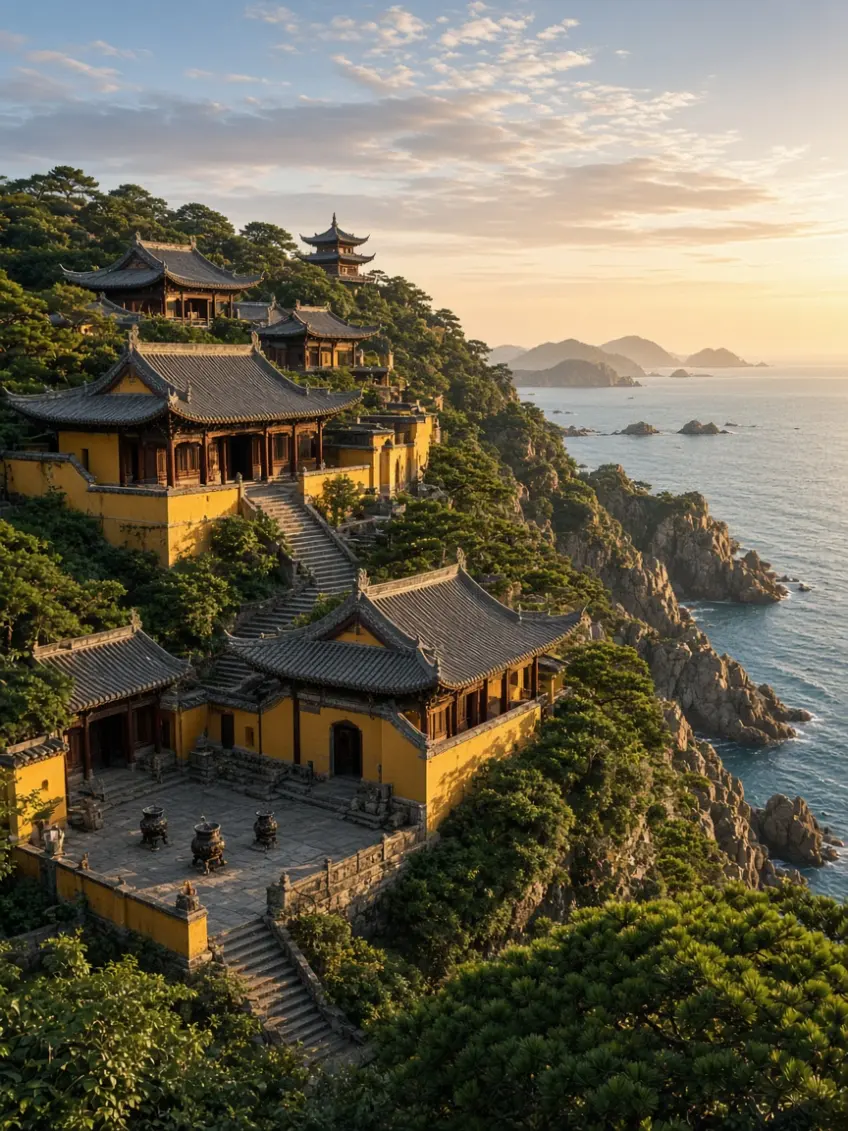
When is the best time to pray at Mount Putuo?
Off-season (November–March): Fewer crowds, quieter, and perfect for zoning out. If you catch it after a snowfall, you'll see a completely different side of Mount Putuo.
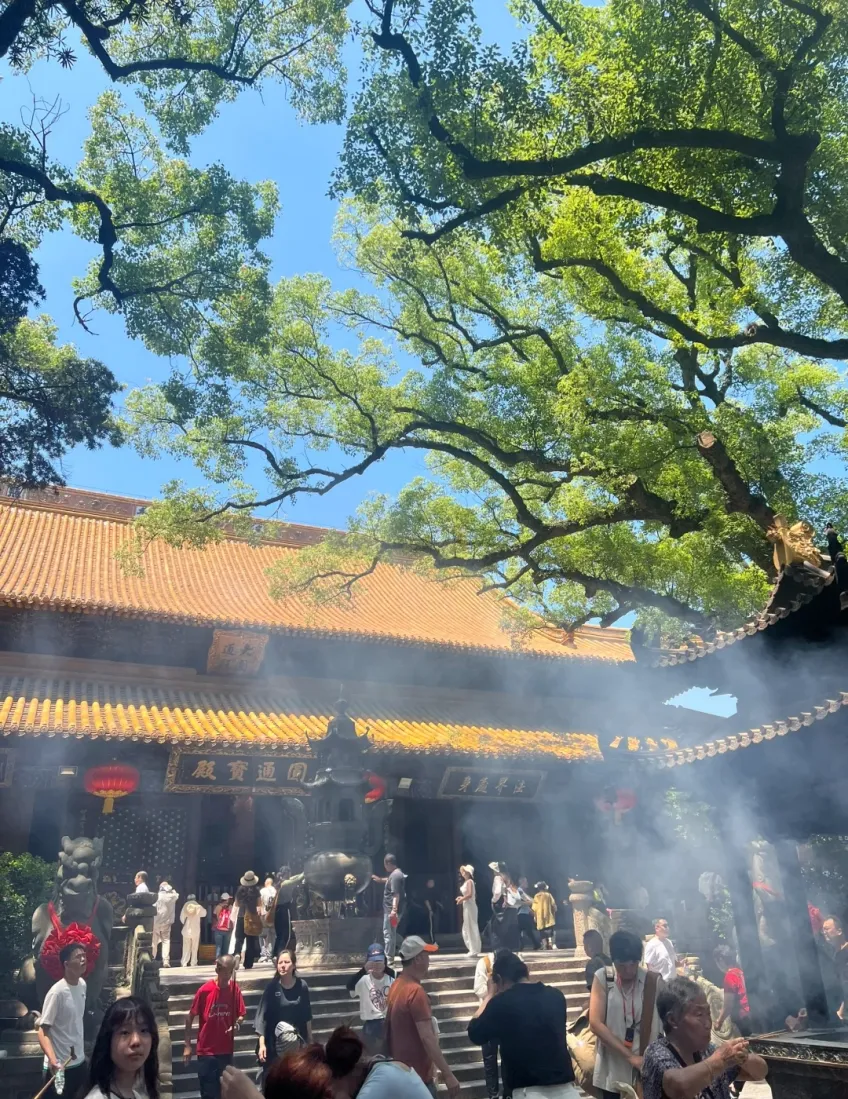
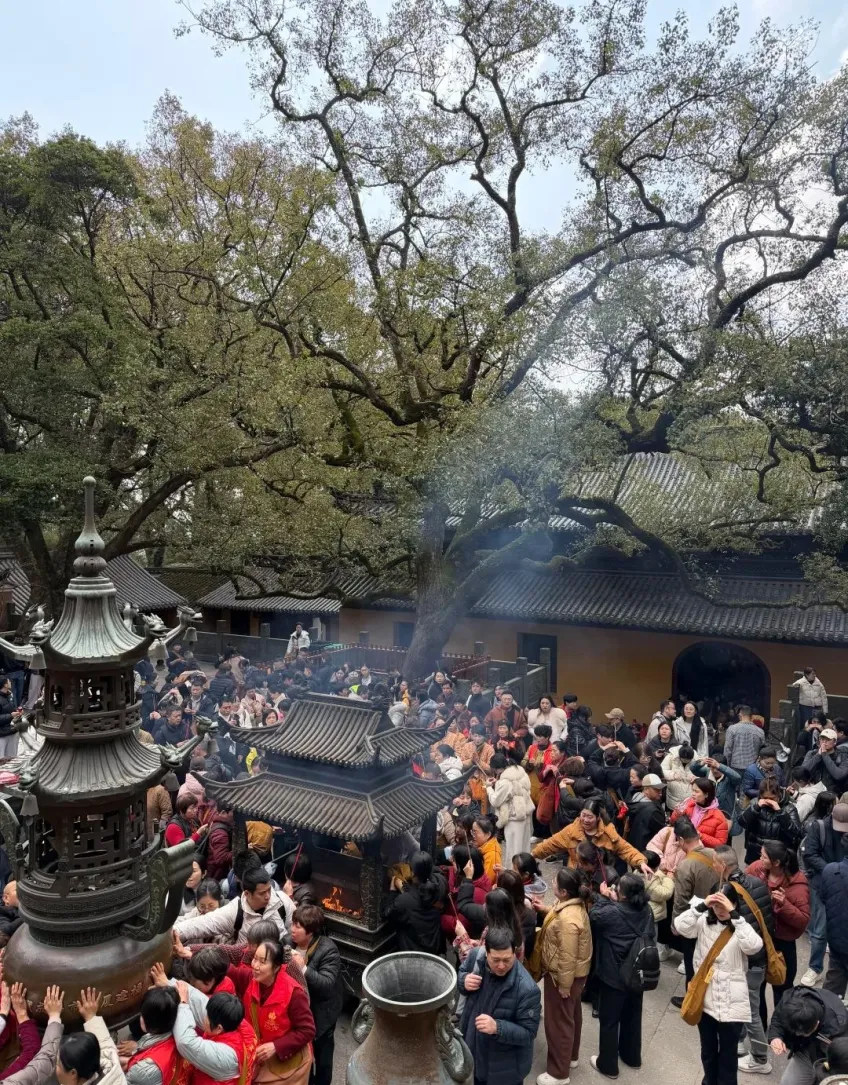
Peak season (April–October): Crowded, lively, and thick with incense smoke. Especially on Guanyin's birthday (19th day of the 2nd lunar month), enlightenment day (19th day of the 6th lunar month), and ordination day (19th day of the 9th lunar month), the entire Mount Putuo is packed with people, giving you a real feel for the aura of this "Buddhist Kingdom Amidst the Sea and Sky."
Tip: If it's your first visit, avoid major lunar dates and Golden Week holidays. Pick a regular weekend—arrive on the island Friday afternoon and leave Sunday morning—and you'll be all set.
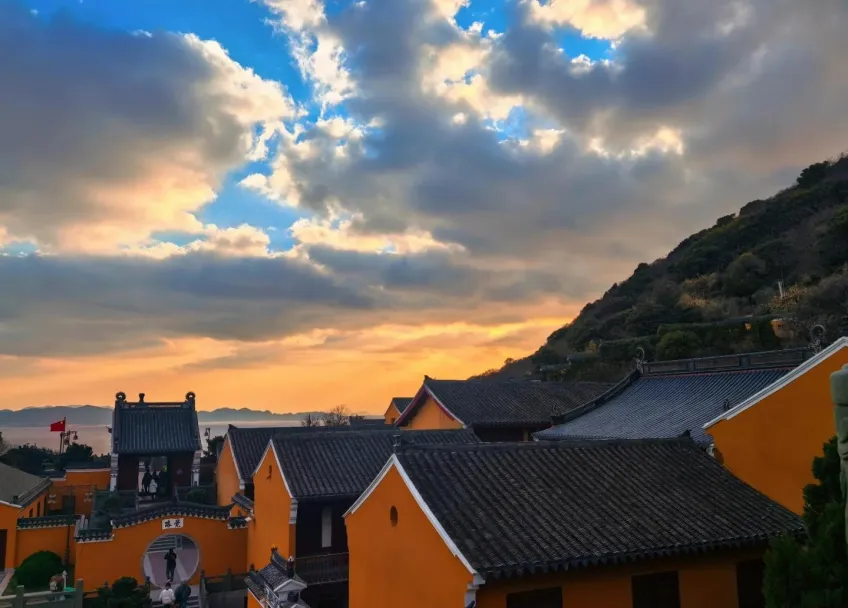
How to pray correctly at Chinese temples?
No studying, no memorizing. Walk up to the cushion, stand still, press your palms together, kneel down, and close your eyes. Say whatever you want, or stay silent if you prefer.
The Buddha doesn't need your rituals—just your sincerity in that moment.
What prayers are most likely to come true? There's a local saying on Mount Putuo: when you pray for yourself, the Bodhisattva listens halfway; when you pray for others, the Bodhisattva remembers forever.
Should you return to fulfill your vow? If you made a wish and it came true, go back and give thanks. If you didn't make a wish and just came to sit for a while, there's no need. The Bodhisattva isn't that petty.
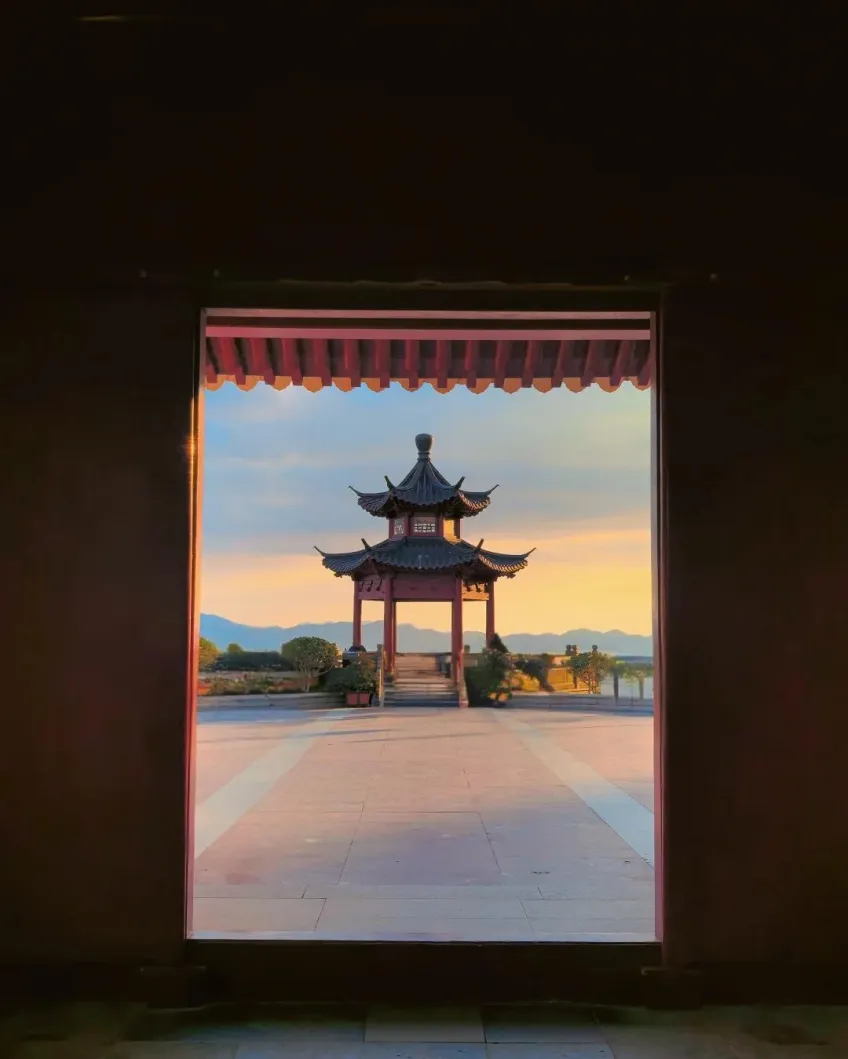
Five dos and don'ts of praying on Mount Putuo
Praying on Mount Putuo has its own etiquette—which temples to visit, which route to take, and what time of day is most auspicious. It's all in the details.

Five must-dos for praying at Mount Putuo
First do: Dress modestly and avoid revealing clothing.
Second do: Follow the right route.
We recommend this prayer route on Mount Putuo — it's logical and not too tiring.
First stop for prayers: Puji Temple. A bus runs from the pier to Puji Temple, but it takes only about 20 minutes on foot. Walking is recommended—it warms you up and calms your mind before you enter the temple. Puji Temple is the largest and most popular temple on Mount Putuo, and for many visitors it marks where the pilgrimage truly begins. Once inside, pay your respects to the Bodhisattva first, worship from left to right, then light incense. Pray for family health at Yuantong Hall, for academic success at Wenshu Hall, for career success at Puxian Hall, and for wealth at Qielan Hall.
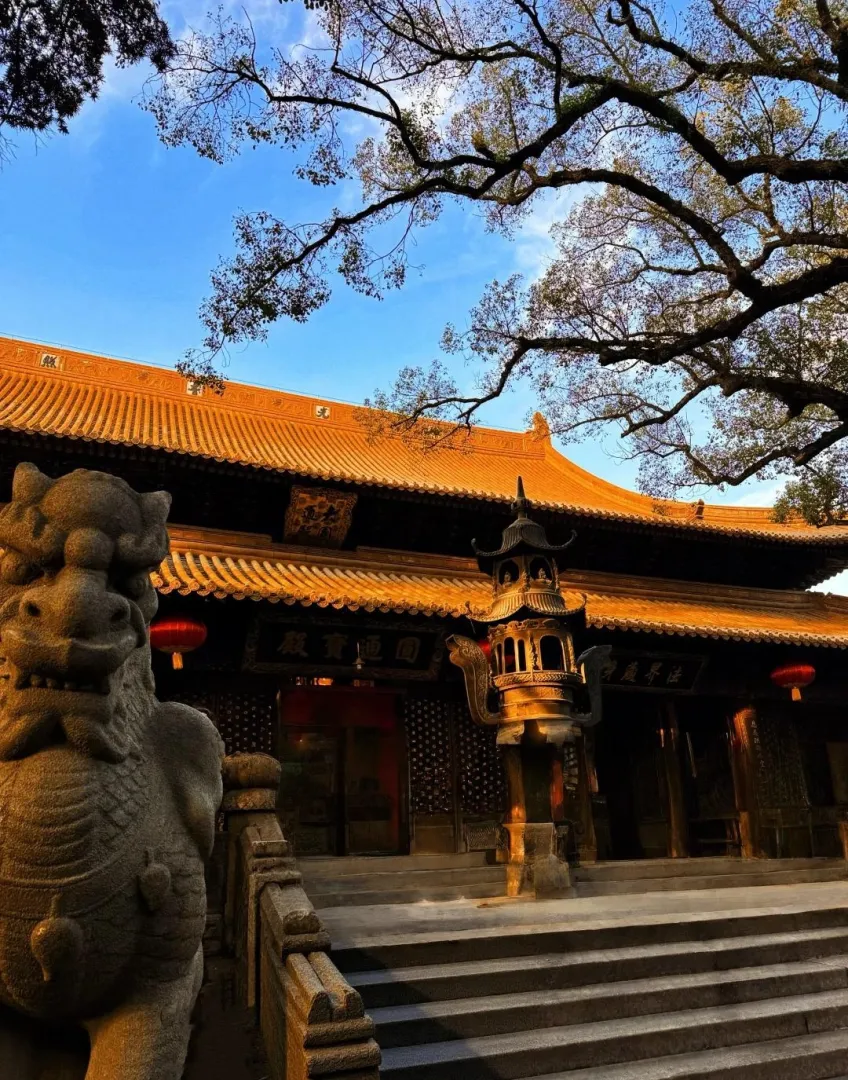
Stop 2: Huiji Temple. Take the cable car up Foding Mountain to Huiji Temple, where people mainly pray for family safety and safe travels. It sits at the highest elevation on Mount Putuo, often wrapped in clouds and mist, and houses the famous white jade Guanyin statue that blesses couples with children. After praying, you can have lunch here. The temple has a vegetarian dining hall that serves lunch only, in limited quantities, until it sells out. When getting your food, just let the monk know if you have a small appetite so they give you less—don't waste food. Remember to wash your own bowl when you're done; it's the rule, and part of the practice.
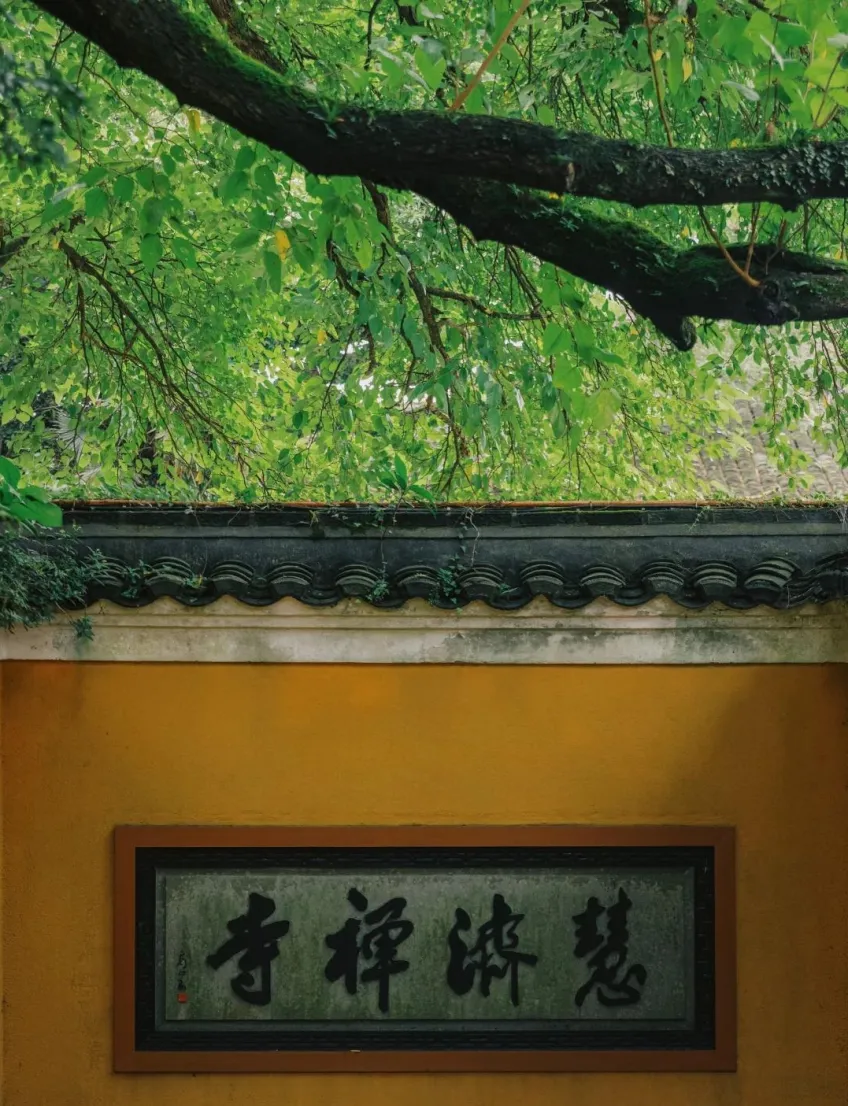
Stop 3: Fayu Temple. After leaving Huiji Temple, skip the cable car and walk down the mountain.
This path is called Xiangyun Road, with a total of 1,088 steps. Take it slow, and you'll reach Fayu Temple in 30 to 40 minutes. Along the way, you might spot cats and devout pilgrims bowing once per step. At Fayu Temple, people mainly pray for safety, love, and health. For safety, visit Hall of Heavenly Kings, Jade Buddha Hall, or Nine-Dragon Guanyin Hall; for love, go to Pumen Hall; for health, head to Jade Buddha Hall and Mahavira Hall.
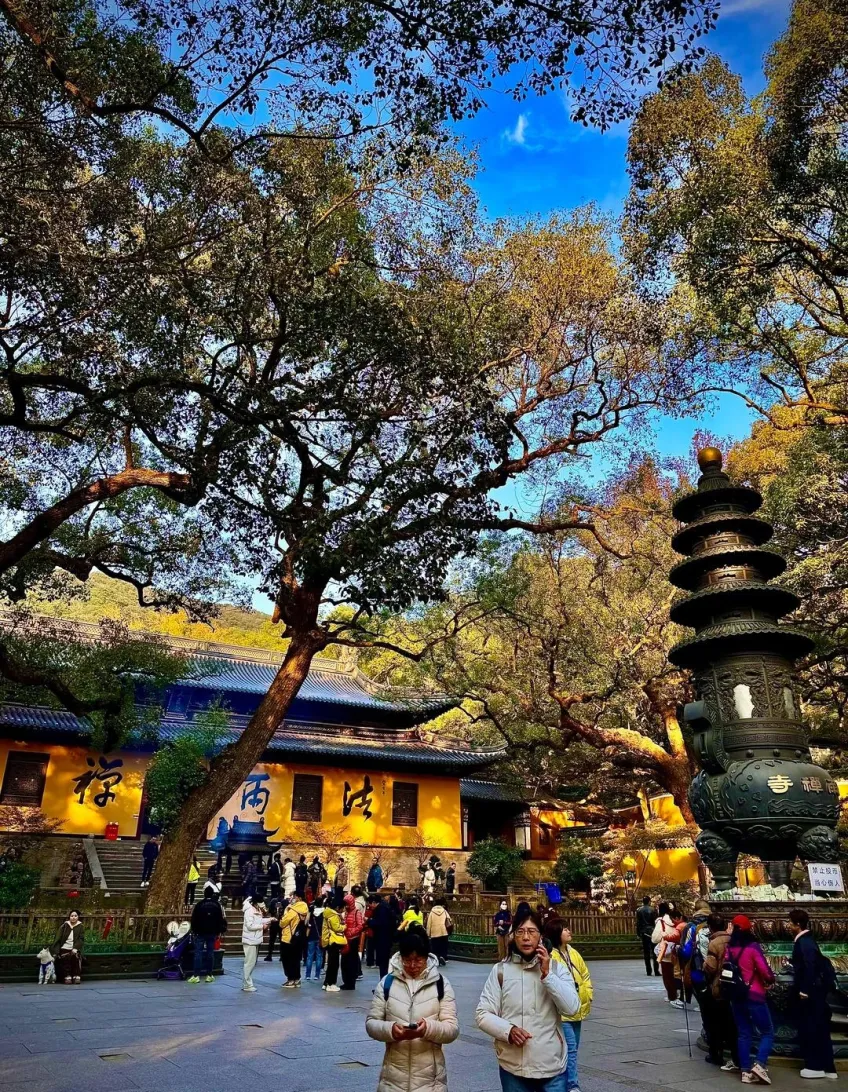
Stop 4: Shancai Cave and Fanyin Cave.
Shancai Cave enshrines Sudhana, the boy attendant of Guanyin. Locals say this is the most effective place to pray for wealth (a folk belief, for reference only). Fanyin Cave is better for ocean views—the cave hangs between cliffs, and when the tide rushes in, it sounds like Buddhist chanting, hence the name "Fanyin" (Sanskrit Sound). There's also a local saying: those destined to see Guanyin appear will see her in Fanyin Cave. Of course, it's three parts eyesight and seven parts fate. These two spots are right next to each other, so visit them together. For Shancai Cave, prepare ¥100 bills ending in 8 or 9 ahead of time—8 attracts wealth, and 9 keeps it. Hold a bill ending in 8 and a gold card in your left hand, and one ending in 9 and a silver card in your right. Rub them in three circles against the cave wall, moving both hands inward from the outside, symbolizing gathering wealth into your own pocket to take home. Then bring the rubbed bills back to the incense burner where you just offered incense, circle it clockwise three times, pass them over the smoke, and carry them with you when you go home until you return next year to fulfill your vow.
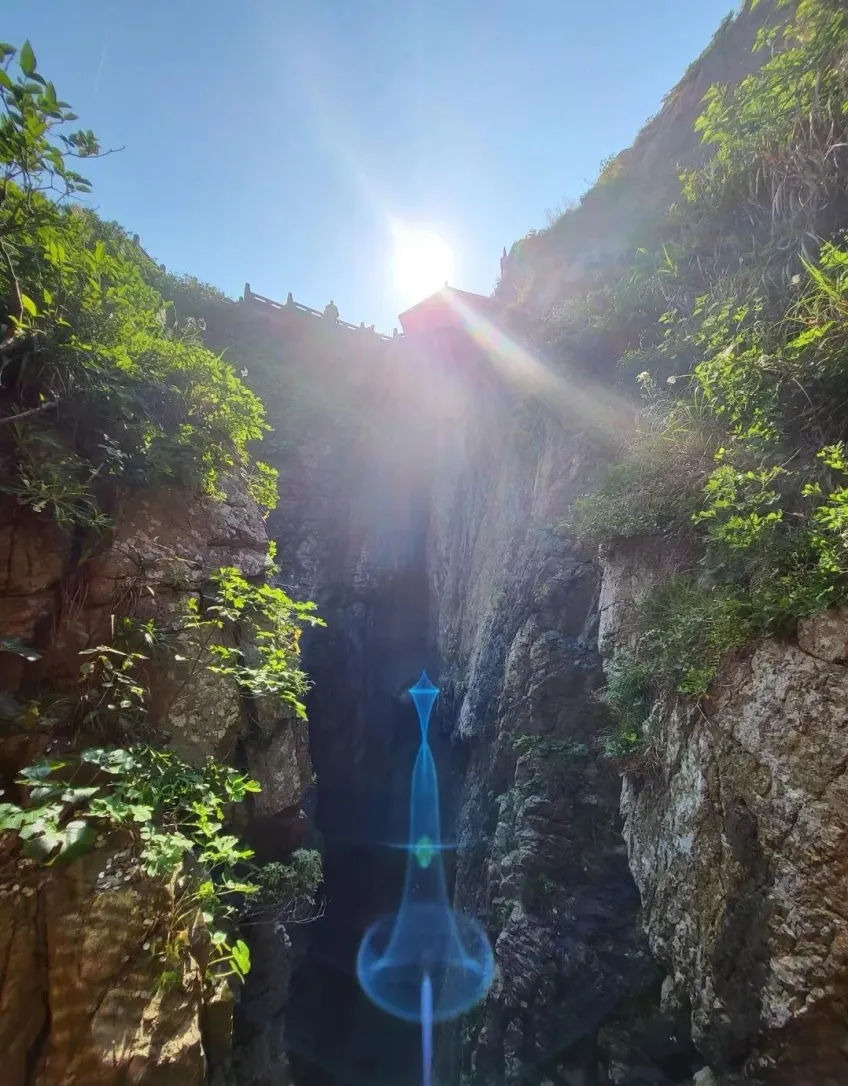
Stop 5: South Sea Guanyin.
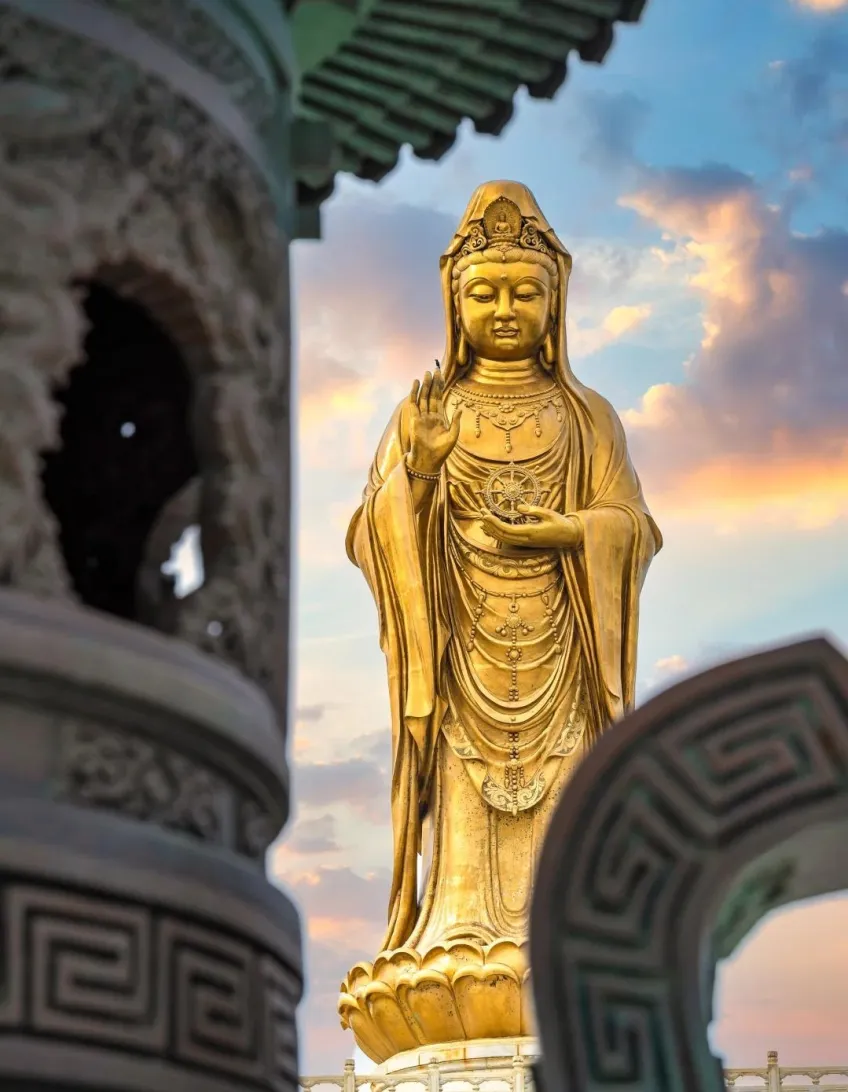
This is the final stop and the soul of Mount Putuo, where you can pray for your family and yourself. The South Sea Guanyin statue stands 33 meters tall, holding a dharma wheel in her left hand and forming the fearlessness mudra with her right—meaning: don't be afraid. Legend has it that typhoons have steered clear ever since the statue was erected.
After leaving the South Sea Guanyin, follow the signs to the scenic area exit. Along the way, you'll see a blessing stone carved with four characters meaning "better and better"—Mount Putuo's final wish for you.
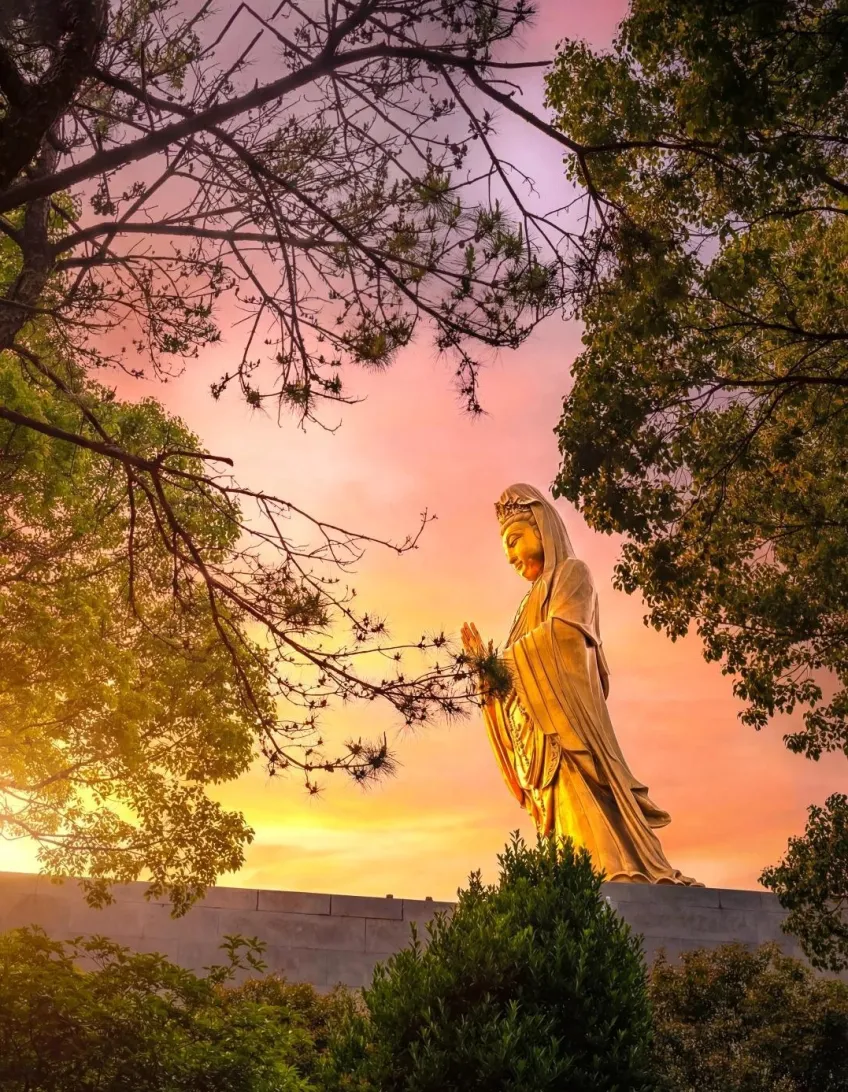
Third must-do: offer incense correctly. After entering the temple, each visitor is given three joss sticks at the entrance.
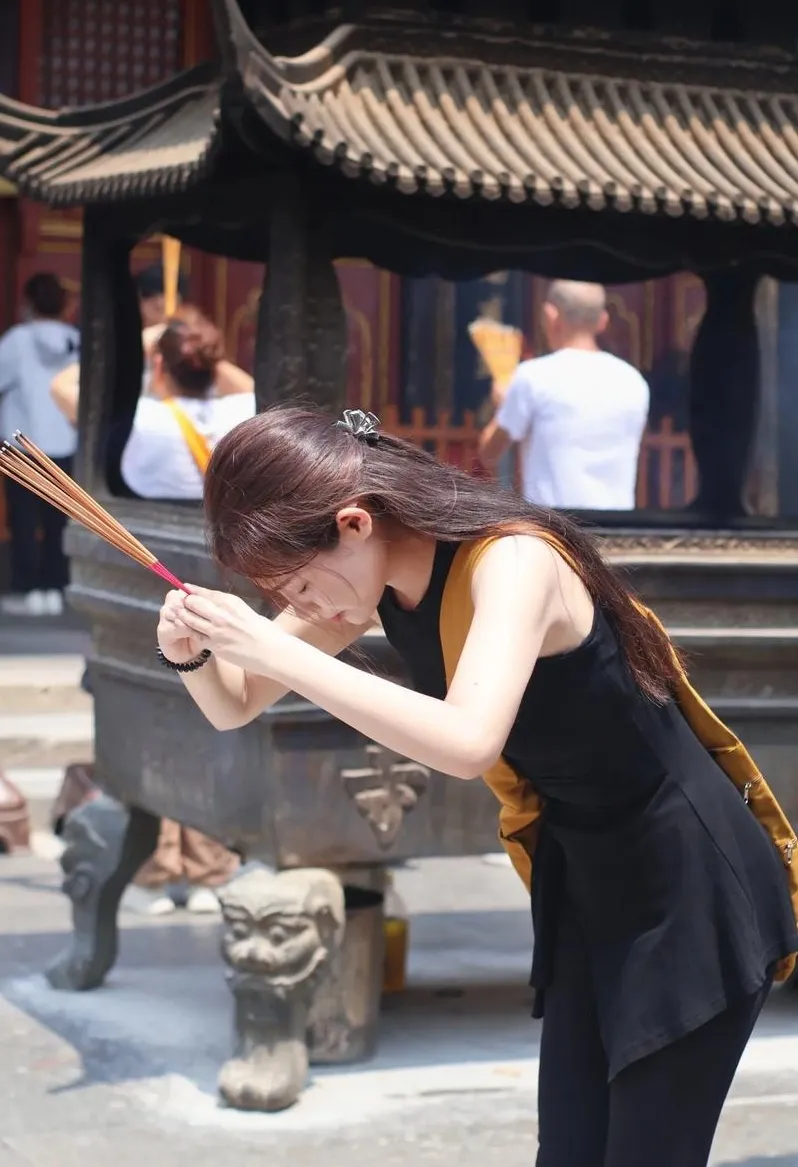
Use your left hand to light the incense, as the left hand represents the "pure hand" in Buddhism. Once lit, don't blow it out—gently wave it until the flame goes out. This is called "waving the incense," and sincerity is what matters. How you hold the incense also matters: left hand on the outside, right hand on the inside, index and middle fingers together gripping the stick, thumbs supporting the base, then raise the incense to eyebrow level. Tilt the incense slightly forward, first bow toward the South Sea Guanyin, then clockwise bow to all four directions—east, south, west, and north. Only after bowing to each direction is the ritual complete. When finished, use your left hand to place the incense into the burner. There's no need to rush through this process; take your time—the Bodhisattva can wait.
Fourth do: Make wishes for all beings. When others thrive, so do you. For example, if you wish for your parents' health and safety, extend that wish to all parents everywhere.
Fifth do: Sincerity brings blessings. Come with a devout heart, and once you're here, be at peace.
Five Don'ts for Praying at Mount Putuo
Don't step on the threshold. The threshold symbolizes the Buddha's shoulders, so step over it rather than on it.
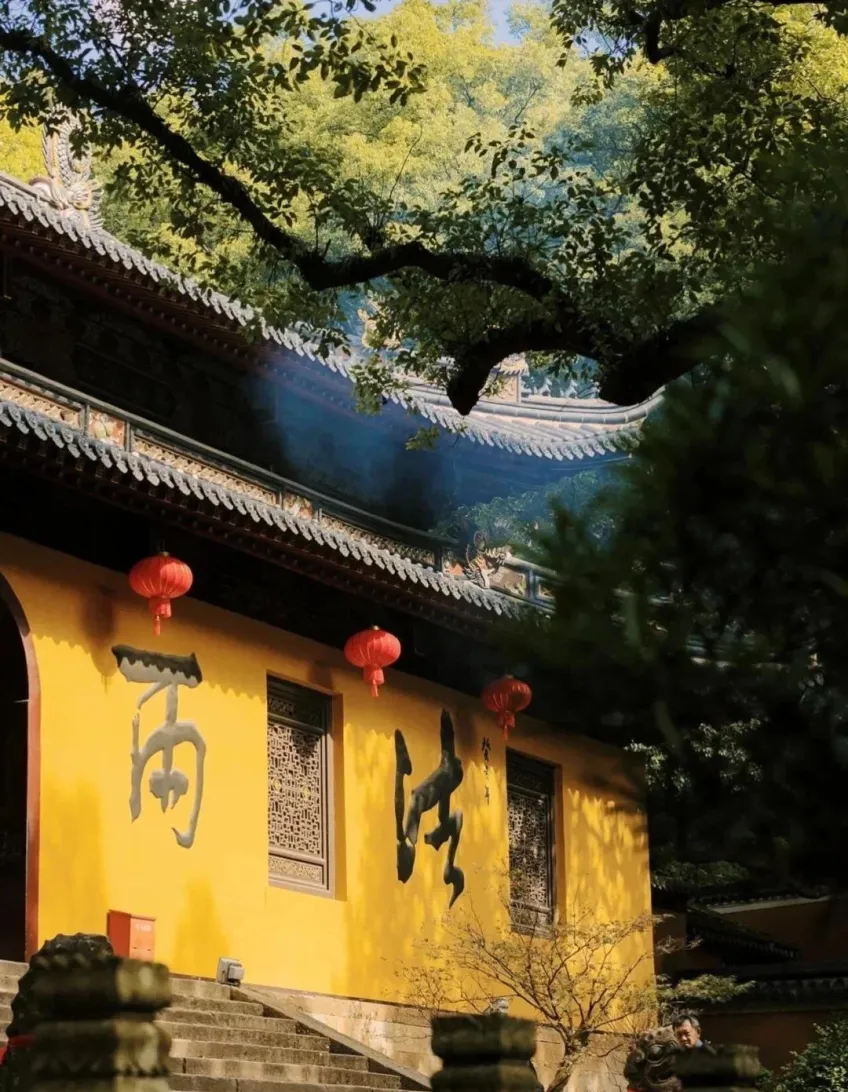
Don't use the center door. Enter the main hall from the left and exit from the right. The center door is the "empty gate," reserved for monks and nuns.
Don't randomly strike the temple bells, drums, or ritual instruments, to avoid unnecessary misunderstandings.
Don't come without checking the weather. Always check the forecast before your trip—the island is closed during typhoons.
Don't make loud noises.
Prayer Etiquette at Mount Putuo, China
Avoid meat and strong-smelling foods on the day you worship, and wear modest, plain-colored clothing.
Incense: Three sticks is the standard
Lighting incense: Light and place the incense with your left hand; never blow out the flame
Entering: Don't step on the threshold when entering a hall. Men step in with the left foot first, women with the right
Bowing: Keep your fingers together and palms facing up when bowing
Making wishes: make no more than three wishes. Tell the Bodhisattva your name, birthday, home address, what you are asking for, and how you will give thanks. Remember to return within 3 years to fulfill your vow once your wish comes true. Never retrace your steps along the route, and never burn incense twice at the same spot.
Tips for praying at Mount Putuo, Zhoushan
1. The 1,088 steps down from Foding Mountain to Fayu Temple: if you decide to walk them, eat well first.
2. Photographing Buddha statues is prohibited. The only statue on the entire island where photos are allowed is the South Sea Guanyin.
3. We recommend bringing ¥5/¥10 bills and ¥100 in cash for buying incense, making donations, and purchasing temple entry tickets.
4. The ferry from Wugongzhi Pier in Zhujiajian to Mount Putuo takes about 15 minutes (schedules are subject to the ferry company's daily announcements). It's quick enough—no need to pay extra for a speedboat.
5. The stretch from the cable car station to Huiji Temple is uphill. We strongly recommend taking the cable car, as walking up is quite tiring.
For more tips on praying for blessings, feel free to contact us. If it's your first visit and you want to avoid common pitfalls, ask our online customer service first: just tell us your group size, dates, and departure point, and we'll suggest a detailed route so every wish finds its way to the right place.
Zhejiang Mount Putuo Attractions Travel Guide
South Sea Guanyin of Mount Putuo
The spiritual landmark of Mount Putuo and the destination countless pilgrims travel thousands of miles to reach. The sacred statue stands facing the sea, holding a dharma wheel in its left hand and forming the fearlessness mudra with its right—a gesture that means "don't be afraid." Whether you're praying for something or not, standing here gives your heart's words a place to rest.
Address: Take a boat from Wugongzhi Pier in Zhujiajian to Mount Putuo. A large parking lot is available at the pier for those driving.
Tickets: Incense flower coupons are charged separately. Free admission for seniors aged 70 and over and holders of a valid lay Buddhist certificate (prices and discounts are subject to on-site notices).
Opening hours: Open 24 hours (may change due to major events or weather; please confirm before departure)
Puji Temple, Mount Putuo
The largest temple on Mount Putuo and the most popular spot for incense offerings. First built during the Xiantong era of the Tang Dynasty, it enshrines Guanyin Bodhisattva and is considered by pilgrims to be the most sacred "place of great vows."
Address: Center of the main Mount Putuo scenic area, within walking distance of major attractions
Opening hours: 6:00–18:00 (closes 30 minutes earlier in winter; recommended to enter before 5:00 PM; subject to the temple's daily schedule)
Admission: Xianghua coupons are charged separately (amount subject to on-site notice)
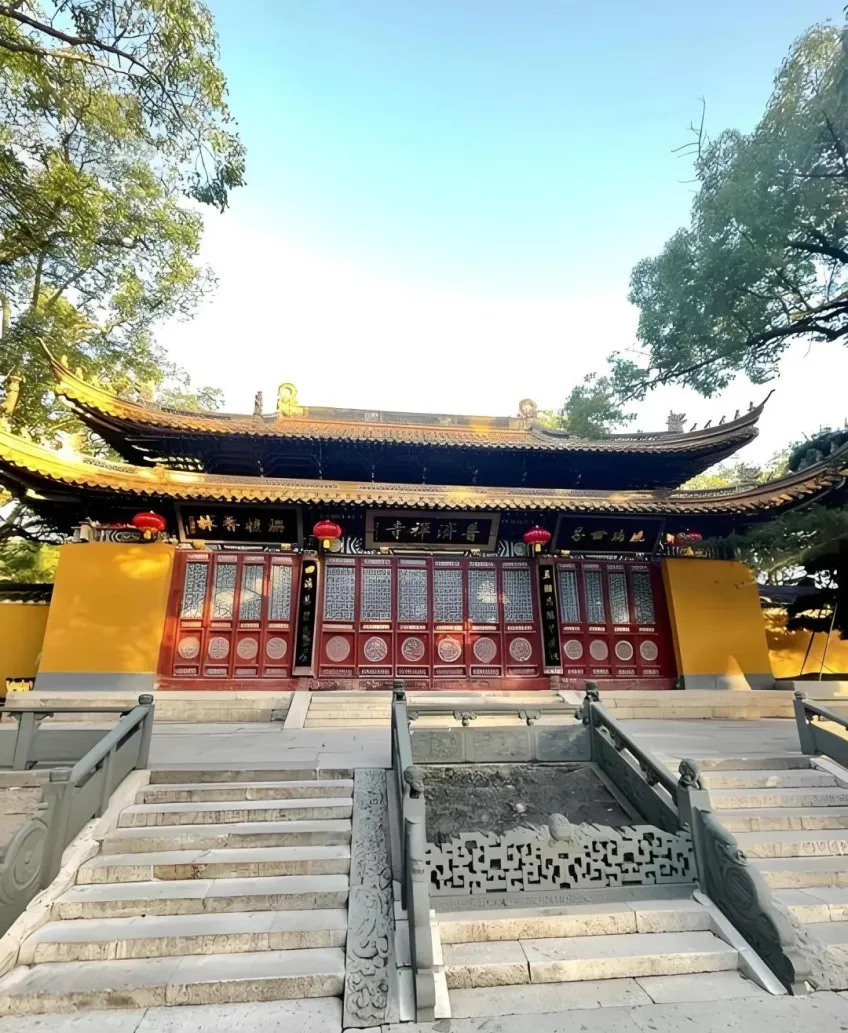
Fayu Temple, Mount Putuo
One of the three great temples of Mount Putuo, its most distinctive feature is the layout—five tiers of halls rise along the mountainside, each higher than the last. Walking through the entire complex feels like completing a small pilgrimage. The coffered ceiling in Jiulong Hall (Nine Dragon Hall) is a relic from the Ming Palace in Nanjing; when you look up, take a moment to pause. Locals say Fayu Temple blesses you with peace and safety, so don't forget to light a lamp for your family while you're here.
Address: North end of Qianbu Beach, below Guangzhao Peak, about a 20-minute walk from Puji Temple
Opening hours: 6:00–18:00 (reference; subject to the temple's daily schedule)
Admission: Xianghua coupons are charged separately (amount subject to on-site notice)
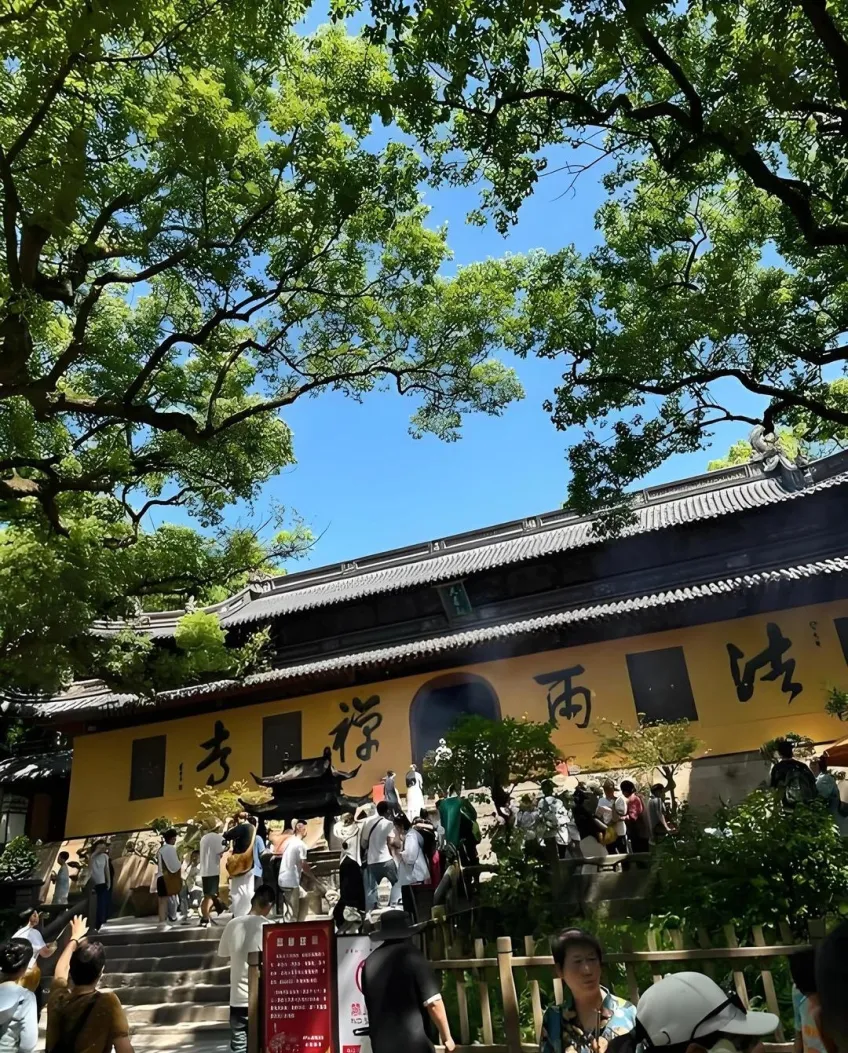
Huiji Temple, Mount Putuo
The highest temple on Mount Putuo, tucked away at the summit of Foding Mountain. To reach Huiji Temple, you can either climb the 1,088 steps of Xiangyun Road or take the cable car—but whichever route you choose, that moment at the top is worth it. The white jade Child-Giving Guanyin enshrined in the Guanyin Hall makes this the most powerful spot on Mount Putuo for praying for children. Every year, countless visitors come just to bow here.
Address: Summit of Foding Mountain
Getting there: Hike up from Fayu Temple (about 30-45 minutes) or take the cable car
Opening hours: 6:00-17:30 (for reference only; subject to the temple's daily schedule)
Admission: Xianghua coupons are charged separately (amount subject to on-site notice)
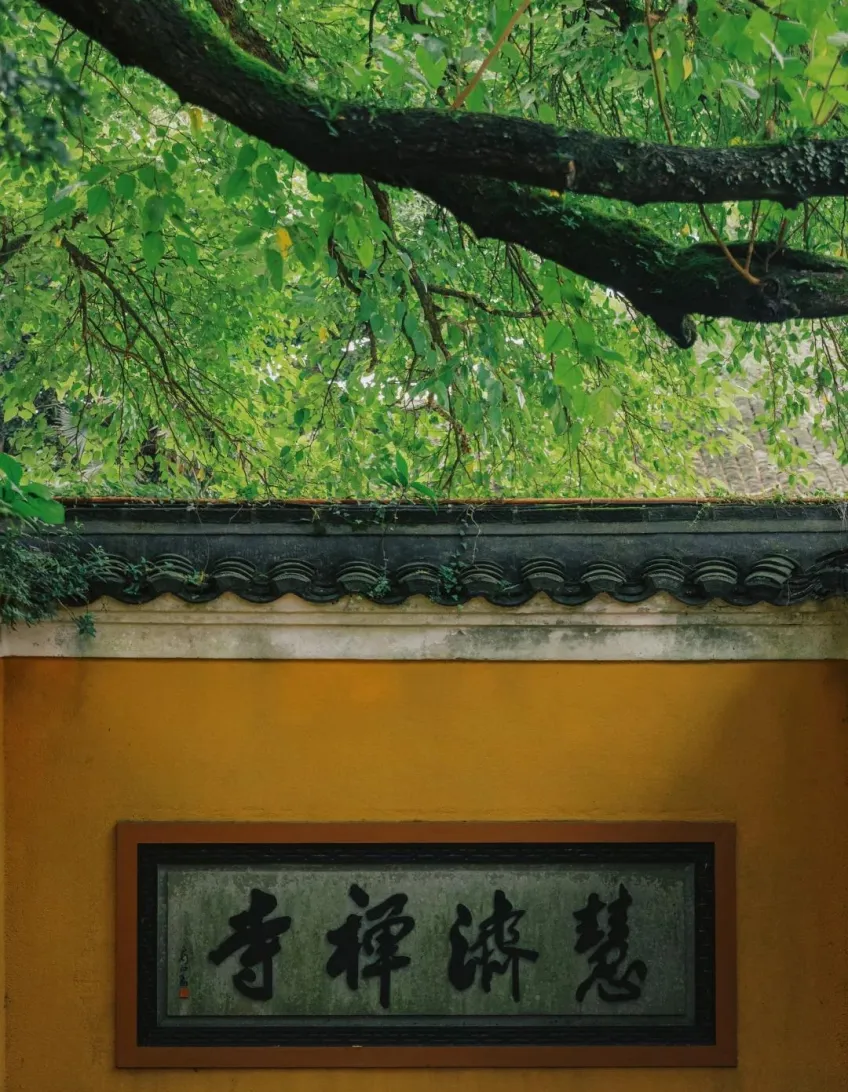
Foding Mountain, Mount Putuo
"If you don't climb Foding Mountain, you haven't really been to Mount Putuo." That's what the locals say. As the highest peak on Mount Putuo, it offers the island's most stunning view of mountains meeting the sea—temple eaves rising and falling on one side, an endless ocean on the other. If you have the time and energy, we recommend hiking up and down. Along the way, you'll pass stone carvings, shaded paths, and the occasional cat that stops to keep you company.
Address: Central Mount Putuo, connecting Fayu Temple and Huiji Temple
Getting there: Cable car or on foot (about 30-45 minutes walking, 1,088 steps)
Tickets: Cable car ¥40 one way, ¥70 round trip (reference price; subject to the cableway's posted rates on the day)
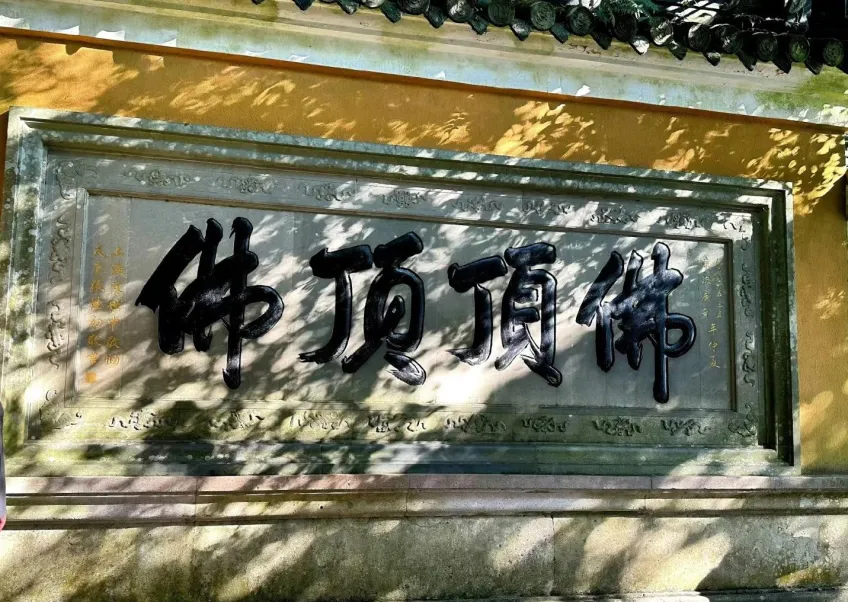
Where to stay on Mount Putuo
If you want to deeply experience Mount Putuo while traveling in Zhejiang, be sure to stay overnight.
Recommended hotels in Zhoushan: Mount Putuo Hotel and Xiangsheng Hotel offer nice surroundings but higher prices, around ¥500-1,500/night (reference rates; prices fluctuate widely in peak season).
Recommended homestays in Zhoushan: Longwan Village and the Xishan Community area are clean and comfortable, around ¥200-600/night, doubling on weekends (reference rates).
Temple lodging: Puji Temple and Fayu Temple can accommodate pilgrims for about ¥100/night, including morning and evening chanting sessions. Advance contact is required (availability depends on current temple rules).
Tip: If your budget allows, stay one night. Head to a temple at dawn for the morning chanting, and watch the sunset by the sea at dusk—this is the Mount Putuo that day-trippers never get to experience.
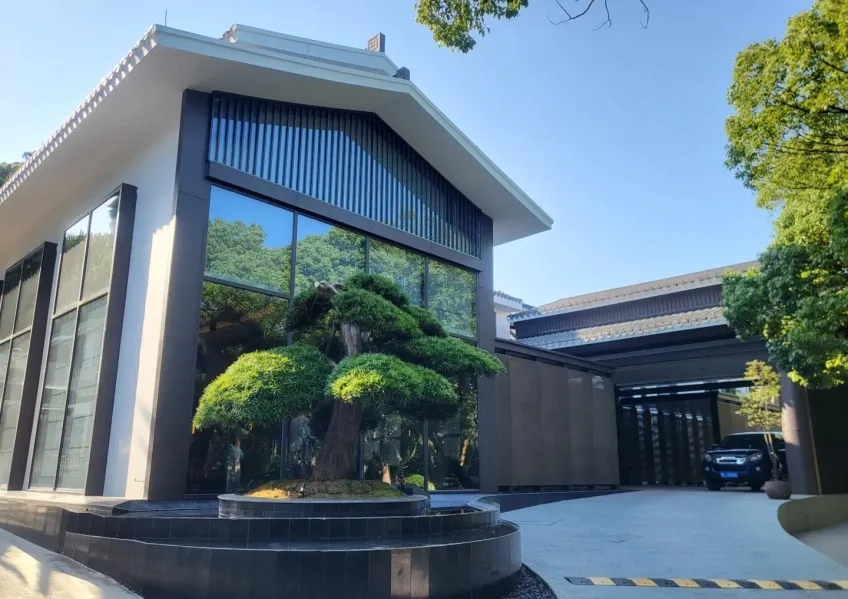
Tips to avoid hassles
Don't bring large luggage: The island has many stone-paved paths, and dragging a suitcase is exhausting. Leave it at the pier or your hotel.
Don't wear new shoes: You'll walk a lot, and new shoes will give you blisters. Comfortable sneakers are your best bet.
Don't trust roadside "guides": Official guides wear uniforms and wait at the visitor center. Anyone who approaches you first is likely trying to take you shopping.
Don't buy incense at the pier—it's overpriced. Every temple on the island has an incense stand at the entrance where a bundle costs just a few yuan, which is plenty.
Don't rush: the last ferry is subject to that day's schedule. It gets less crowded after 5 PM, and the sea at dusk is beautiful—worth lingering a while.
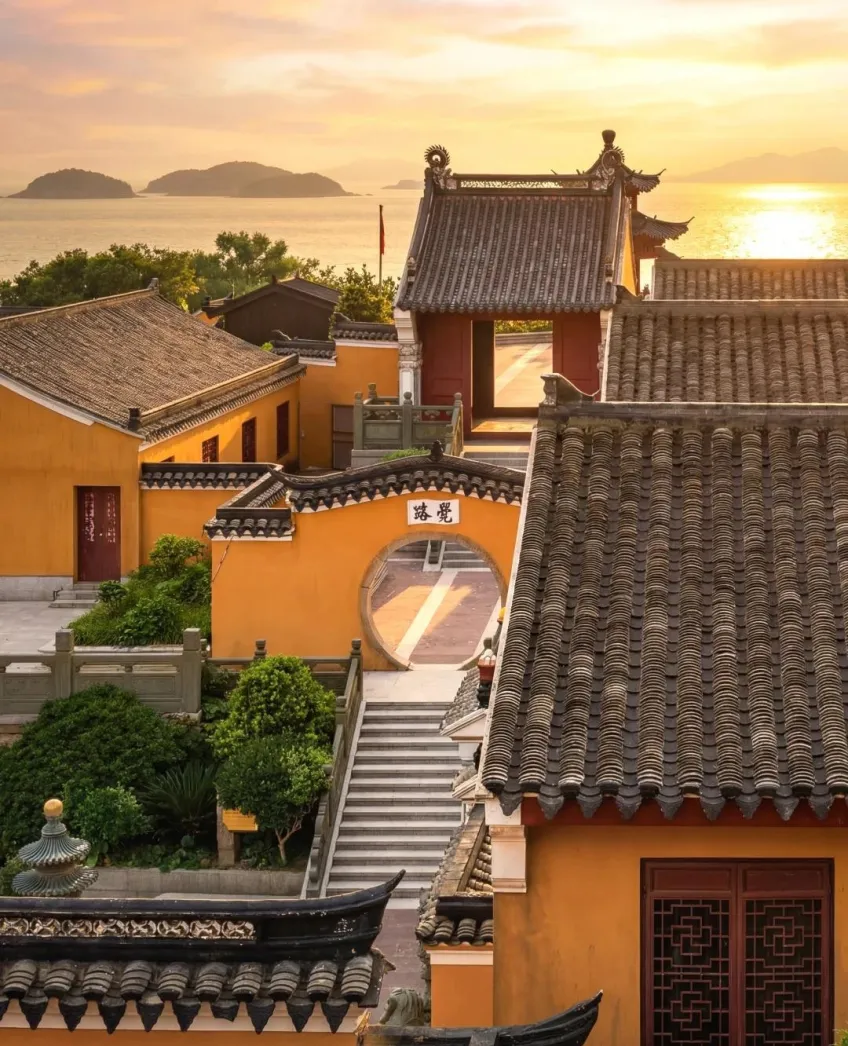
Mount Putuo Vegetarian Meal Guide
A vegetarian meal on Mount Putuo is a key part of your blessing journey, blending Buddhist culture, healthy eating, and spiritual renewal.
The three major temples on Mount Putuo (Puji Temple, Fayu Temple, and Huiji Temple) all serve vegetarian meals—the best way to experience traditional temple dining culture.
Fayu Temple: breakfast is about ¥3, lunch and dinner about ¥5 (for reference; subject to the vegetarian hall's daily menu). Meals are usually big-pot stews of cabbage, wood ear mushrooms, and fried tofu. If you're lucky, you might get stir-fried bean sprouts or vegetarian dumplings, but that's mostly down to chance.
Puji Temple: breakfast is about ¥5, lunch and dinner about ¥10 (for reference). There's slightly more variety here, such as shredded potatoes, green beans, and broccoli.
Huiji Temple: breakfast is about ¥5, lunch and dinner about ¥10 (for reference). Meals here are also big-pot stews, but with glass noodles added, and occasionally you'll get stir-fried glass noodles.
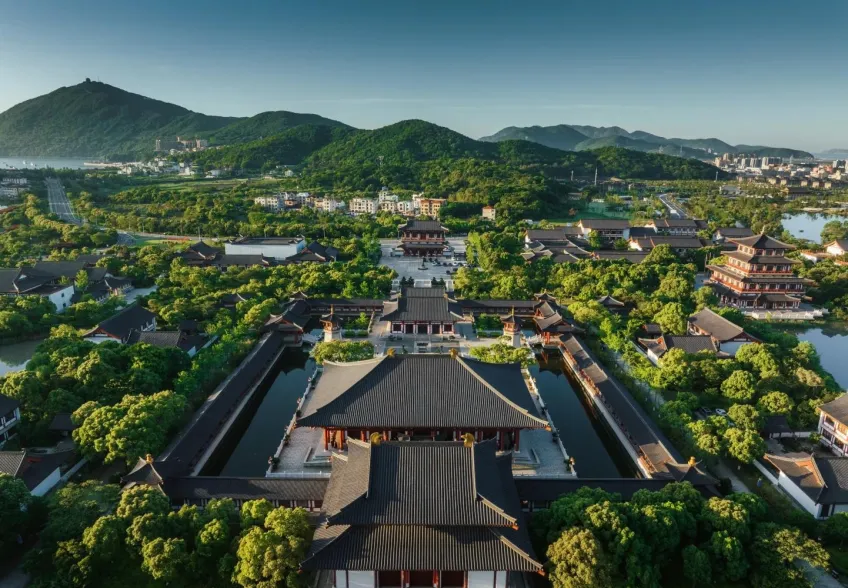
Finally, a word for those about to visit the island: "Ask for nothing when you arrive; cling to nothing when you leave."
These eight characters appear on signposts everywhere on Mount Putuo. It doesn't matter if you can't live up to them, because the most touching thing about Mount Putuo is that it allows you to ask for everything—or nothing at all.
Just being here is enough.
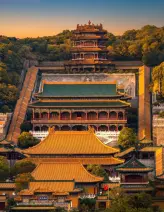
[Peaceful Journey 2 Days 1 Night] Mount Putuo 2-day tour – Devout pilgrimage
[Top sights] Mount Putuo, Puji Temple, South Sea Guanyin and more [Thoughtful service] Custom vehicle models and experienced East China drivers for a worry-free trip! [Pure travel experience] A no-shopping quality group tour for a pure journey—unforgettable memories! [Free bonus] One bottle of branded mineral water per person per day!
Of course, if it's your first time, don't push yourself too hard. Do whatever feels comfortable—the Bodhisattvas aren't picky. Just follow along, admire the Ming dynasty caisson ceiling in Jiulong Hall, and space out on Foding Mountain. Leave the rest to a reliable itinerary. You can also check out the Mount Putuo 2-day tour, or ask our online customer service with your group size, dates, and departure city.
FAQs
When is the best time to visit Mount Putuo?
For your first visit, avoid major lunar calendar dates and Golden Week holidays. A regular weekend works best—arrive Friday afternoon and leave Sunday morning. The off-season from November to March is quiet with fewer crowds; the peak season from April to October draws more worshippers, especially around the 19th day of the 2nd, 6th and 9th lunar months.
How do I get to Mount Putuo?
Take a boat from Wugongzhi Wharf in Zhujiajian to Mount Putuo. The ferry takes about 15 minutes, so there's no need to pay extra for a speedboat. If you're driving, park in the large lot at the wharf. Schedules follow the ferry company's daily announcements. Always check the weather before setting out—you can't board the island during typhoons.
What's the best prayer route on Mount Putuo?
The recommended order is Puji Temple, Huiji Temple, Fayu Temple, Shancai Cave, Fanyin Cave and South Sea Guanyin. First, walk about 20 minutes from the wharf to Puji Temple, then take the cable car up Foding Mountain to worship at Huiji Temple. Next, walk down the 1,088 steps of Xiangyun Road for 30–40 minutes to Fayu Temple, and finish with the two caves and South Sea Guanyin.
How much are Mount Putuo tickets?
The Mount Putuo entrance ticket costs ¥160 in peak season (February to November), ¥120 in off-season (December to January of the following year), and ¥180 on public holidays. Xianghua coupons for each temple and the Foding Mountain cable car are charged separately, with prices subject to official announcements by the scenic area; a separate ferry ticket is also required to reach the island.
Should I stay overnight when praying at Mount Putuo?
An overnight stay is recommended so you can attend morning chanting at a temple and watch the sunset by the sea in the evening. Most guesthouses are in Longwan Village and Xishan Community. Puji Temple and Fayu Temple accept pilgrims for overnight stays, including morning and evening chanting, but you need to contact them in advance, and availability depends on current temple rules.