
There are three main ways to stay for Mount Putuo (普陀山). Stay on the island near Puji Temple (普济寺) or Fayu Temple (法雨寺), and you can walk out for the morning chanting and the sunrise. Stay off the island in Zhujiajian, just over 10 minutes by car from Wugongzhi Pier (蜈蚣峙码头), where prices often run 30–50% below the island's. Or stay in Shenjiamen, near Banshengdong Pier (半升洞码头) and the fishing port's night food stalls. The main sights fit into one day, so plenty of visitors come and go the same day.
If you have time and don't want to rush, we suggest a night on the island.
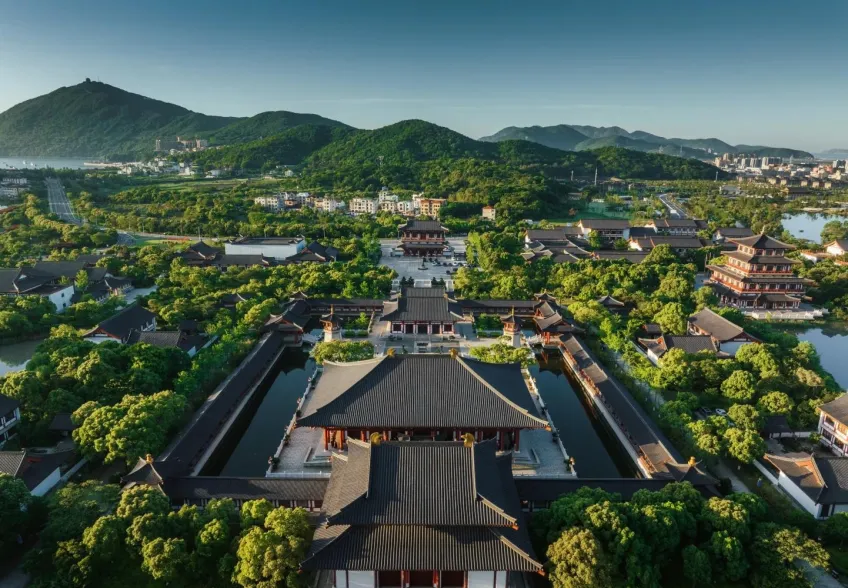
Stay one night and the day connects, from the morning bells and drums to the temple pillars at dusk. A same-day trip usually misses that rhythm.
Light and shadow in the temples
The temples on Mount Putuo aren't just places to burn incense—they're museums of light and shadow.
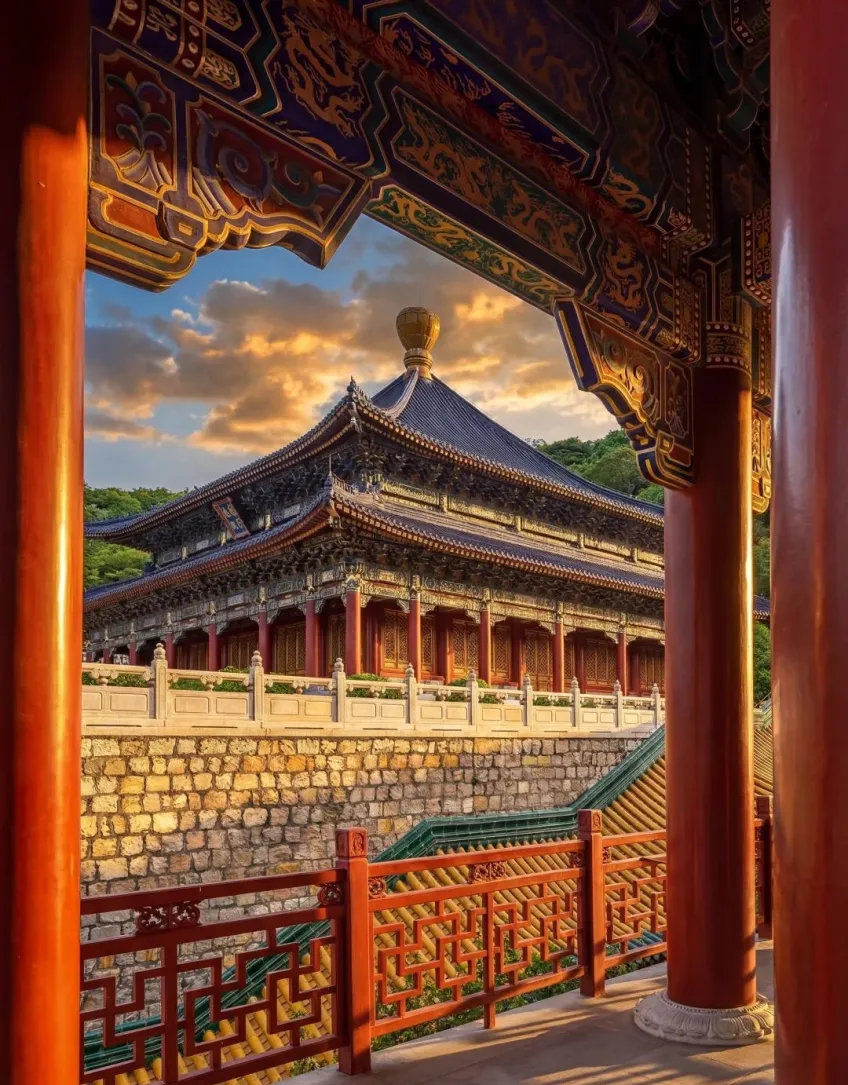
In the early morning, as the sun rises over the hills and its light passes through the incense burners of Puji Temple, the smoke casts shadows on the ground. In the afternoon, the coffered ceiling of the Nine-Dragon Hall at Fayu Temple glints in the sun. At dusk, the setting sun stretches the shadows of Huiji Temple's pillars. These scenes say more about why it's called a "Buddhist kingdom" than any guidebook.
Morning chanting: times and places
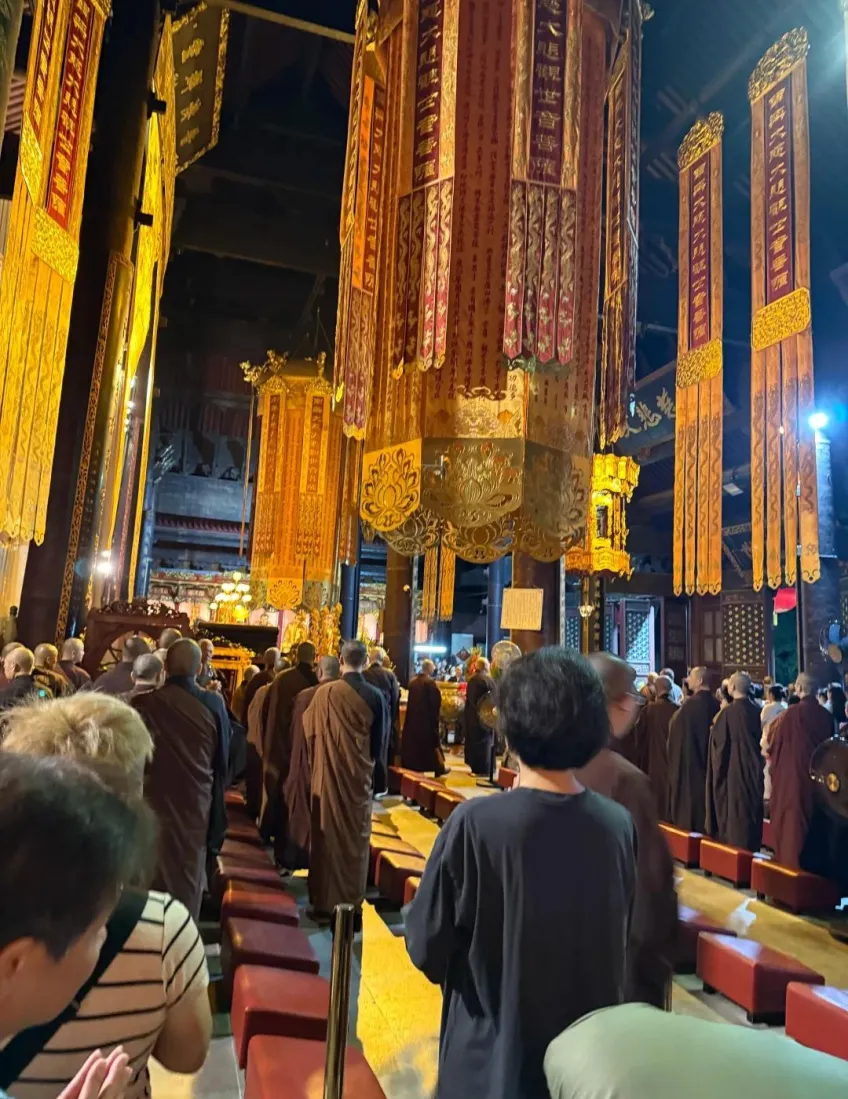
Morning chanting is part of the monks' daily practice, and visitors generally cannot enter the halls to observe. Below we explain when it starts, which temple holds it, where to stay for an early start, and what to keep in mind.

Around 4:30 a.m., the bell of Puji Temple usually rings out, deep and long, and carries across the island. It's when the monks rise for morning chanting. Stand by the sea and listen: the bell comes down from the hills, the surf rolls in, and the two sounds blend. In that moment you understand why people call this the "Buddhist Kingdom of Sea and Sky." If you stay on the island, get up early at least once.
At 5 p.m., it's time for the monks' evening chanting. When it begins, a drum is struck first. The beat rises slowly from deep within the main hall—unhurried and steady. Once the drumming fades, the whole temple falls silent.
The bells and drums of Mount Putuo have sounded day after day for over a thousand years. They're truly worth listening to closely at least once.
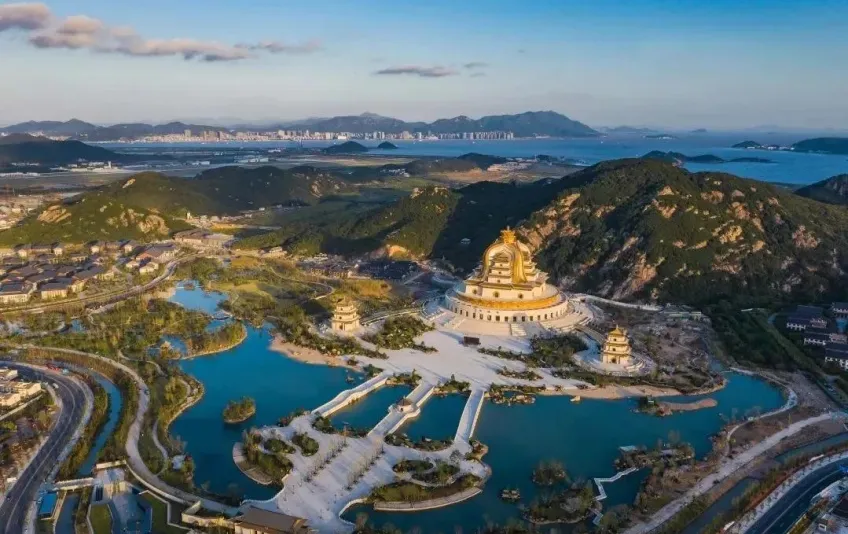
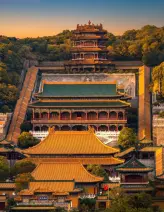
Seen from above, the golden roof of the Guanyin Dharma Realm in Zhujiajian, ringed by water, is a landmark you'll often see before or after the ferry.
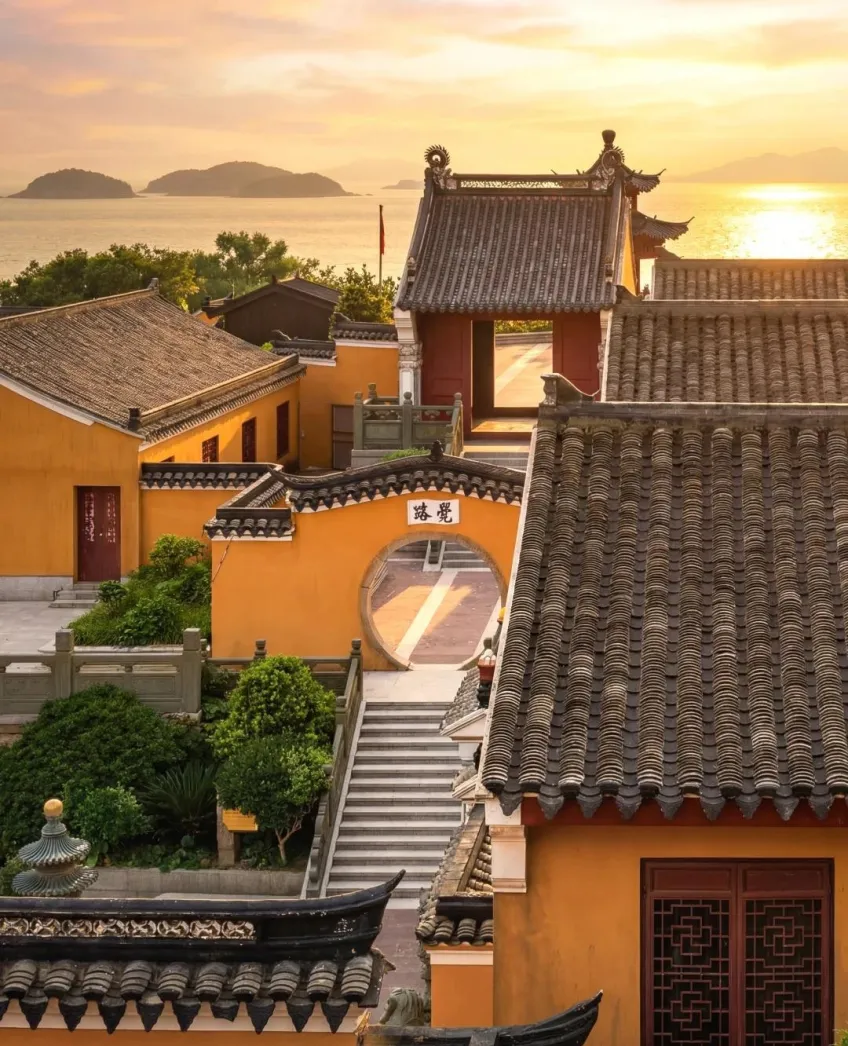
When the temples open around 6 or 7 a.m., the courtyards are quieter, and footsteps and sweeping sounds stand out more clearly. Occasionally a monk walks by carrying water — this moment feels closer to the true rhythm of the "Buddhist Kingdom of Sea and Sky."
Timing your visit around morning chanting
Between about 4:30 and 5:30 a.m., monks hold morning prayers in the main hall. Visitors generally can't enter to observe, but once the service ends, tourists begin arriving on the island one after another.
So if you stay overnight on the island and head to Fayu Temple around 7 a.m., you may catch the crowds and monks going about their routines after the hall ceremonies end. That firsthand experience explains monastic life better than any guided commentary.
Vegetarian meals
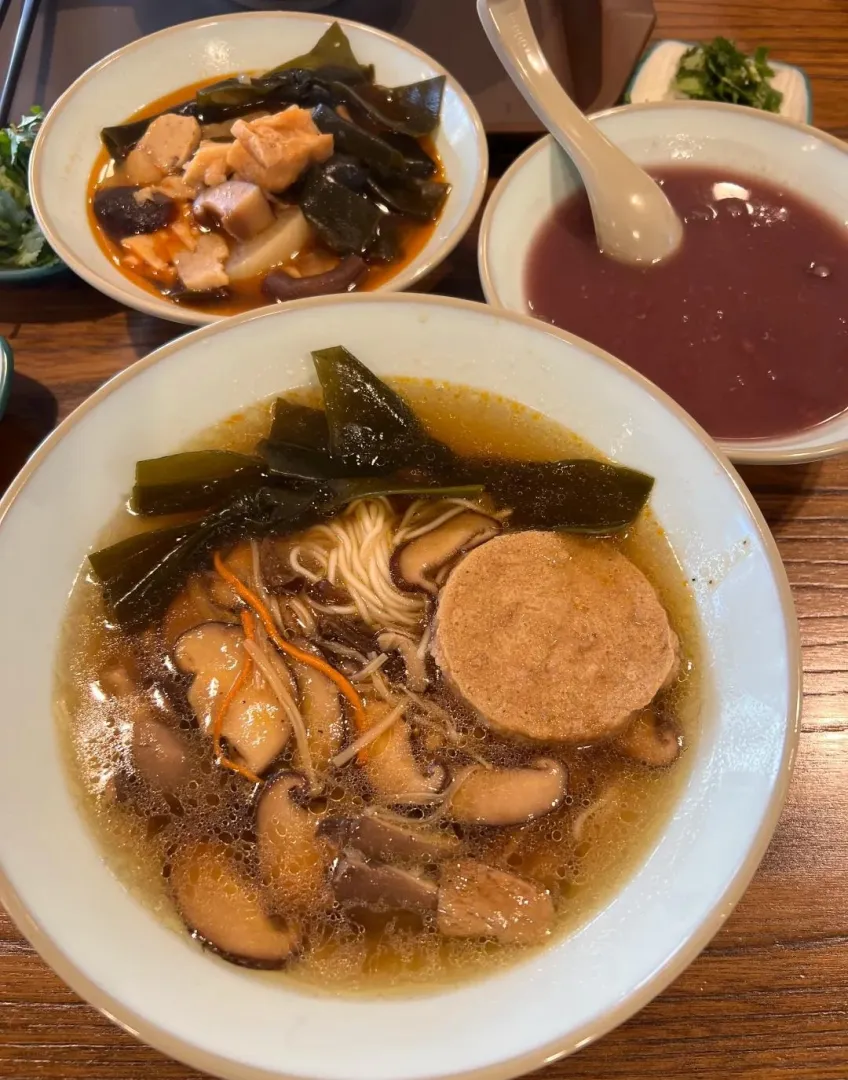
Temple dining halls on the island mostly serve lunch and dinner. Stay overnight and you might also catch an authentic vegetarian breakfast at a local guesthouse.
Watching the sunrise
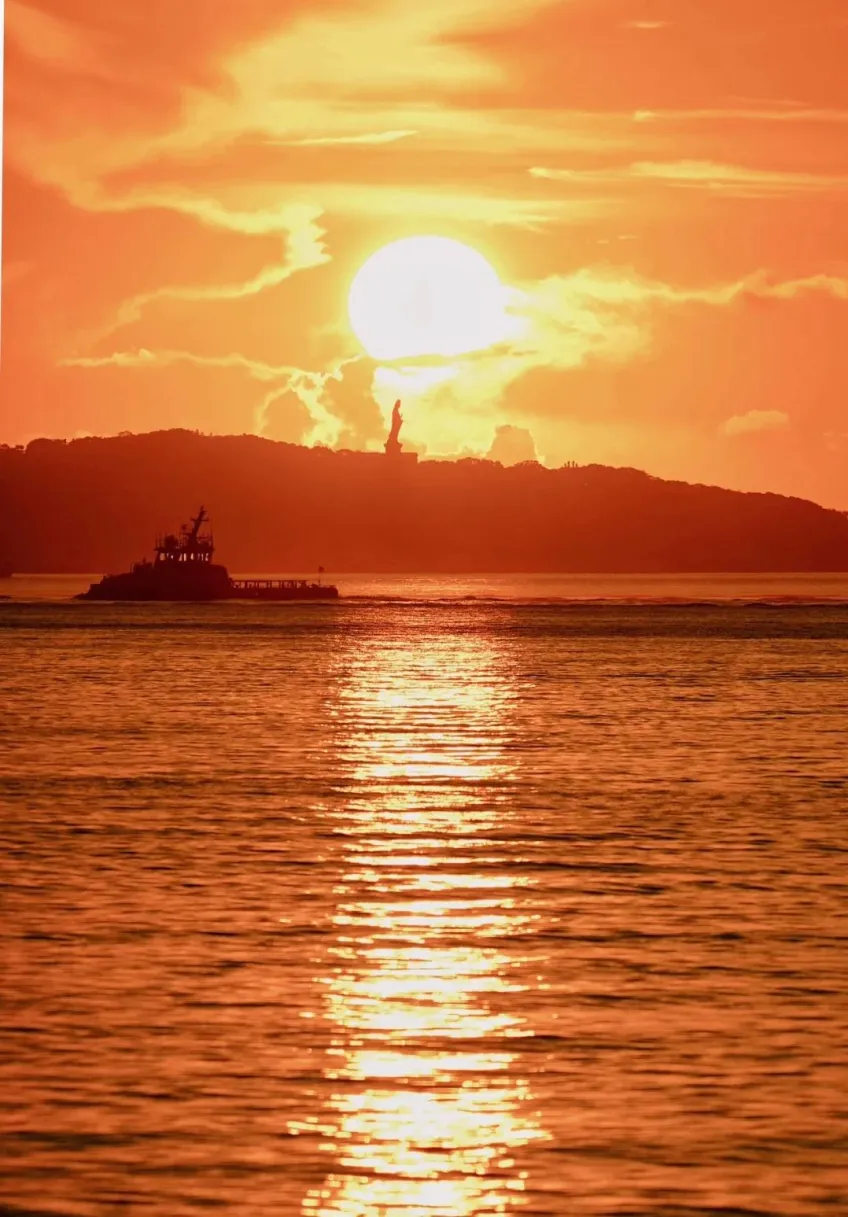
On clear days, get up early to watch the sunrise at Qianbu Beach (Thousand-Step Beach) or Baibu Beach. Neither is a formal viewing deck, but watching the sun come up over the sea and light the sand bit by bit is worth the early alarm.
If you'd like to add a sunrise viewing to your itinerary, contact customer service to arrange your departure time based on your hotel location and that day's sunrise time.
Feeding pigeons in the early morning

Flocks of pigeons often sweep across the sky above Mount Putuo. In the early morning when there are fewer visitors, they grow bolder. Standing quietly in an open spot to watch them for a while is what many people picture as "the true Mount Putuo."
These scenes aren't spectacular, and they won't be on anyone's checklist. But they are Mount Putuo as it really is. Some sights also only reward travelers with time to spare, such as the rocks with stories behind them.
Pantuo Stone, Two Turtles and Heart Stone
The stones of Mount Putuo all have stories to tell.
As you walk the mountain paths of Mount Putuo, look closely and you'll notice these aren't just ordinary rocks. Some are carved with characters, some sit in odd places, and some have been washed by ocean waves for a thousand years. They're scattered all over Mount Putuo, but if you stop to take a closer look, you'll find every single one has its own backstory.
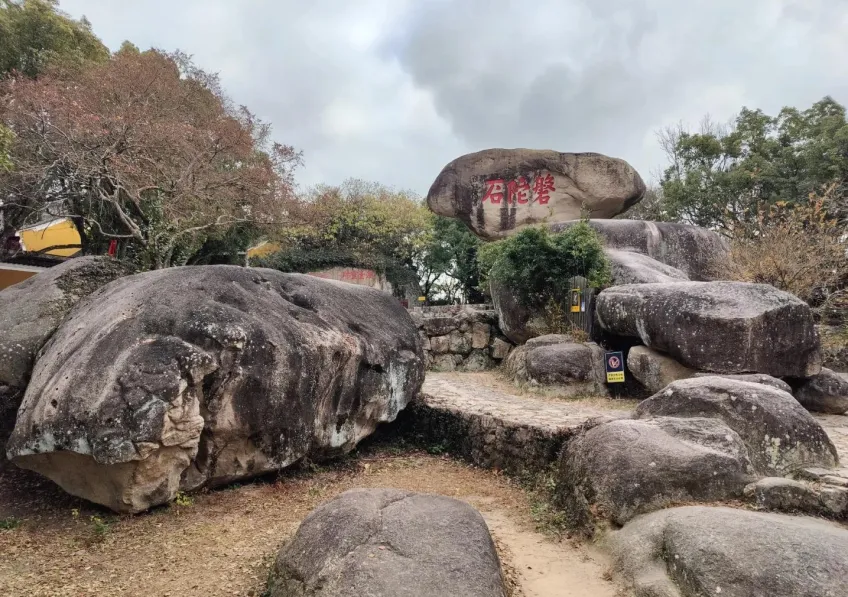
Pantuo Stone: The most famous rock on Mount Putuo. Two boulders are stacked like plates, with barely a seam between them. It looks like it's about to topple, yet it has stood firm for a thousand years.
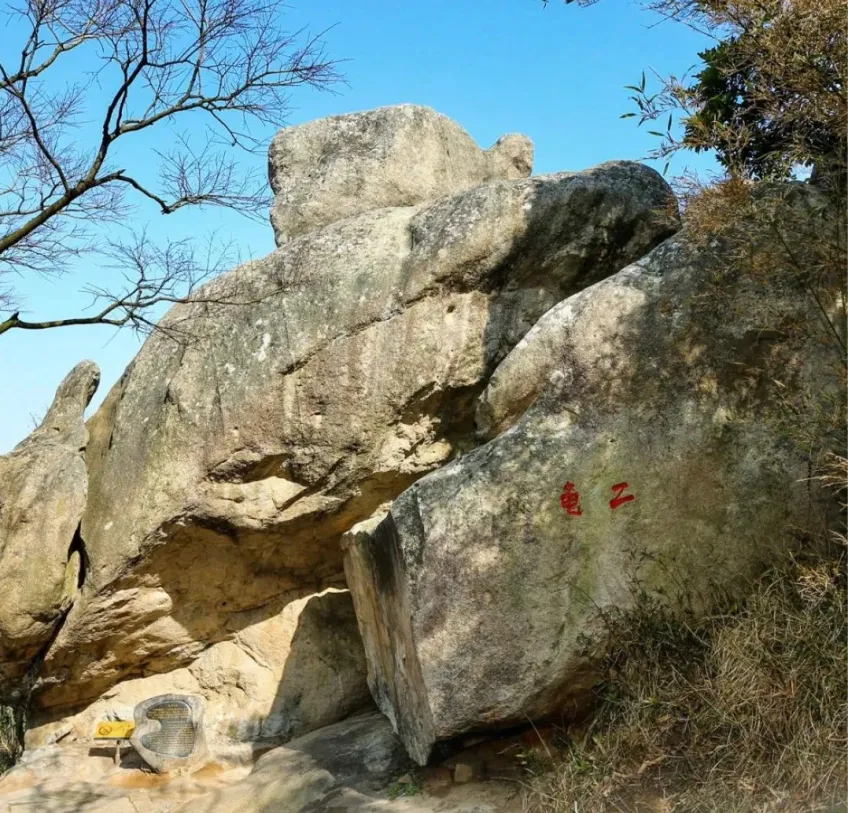
Two Turtles Listening to the Dharma (Ergui Tingfa Stone): two huge boulders shaped like turtles. One crouches on top looking back; the other stretches its neck as it climbs, as if listening to Guanyin teach. Legend says the Turtle Minister of the East Sea sent them to eavesdrop on the Buddha's teaching, but they became so absorbed that they forgot to go back and were turned to stone.
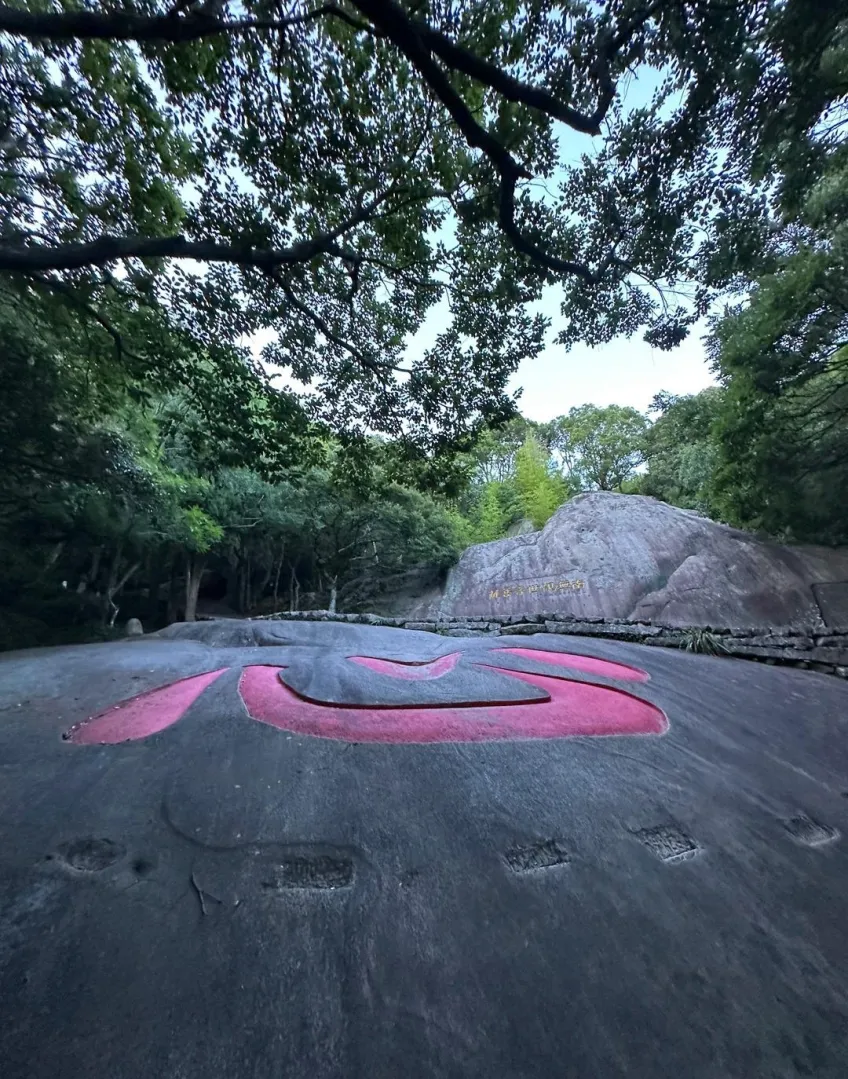
Heart Stone (Xinzi Stone): a natural boulder carved with a huge character for "heart," big enough to stand on for photos. Locals say that if you stand on the "heart" for a while, much of what weighs on you will lift.
Shuofa Terrace Rock: The three characters for "Shuofa Terrace" are carved on the rock. Legend has it that Guanyin once preached here, so believers still come to kneel and pray.
After reading all this, would you like to spend a night on Mount Putuo?
Mount Putuo 2-day 1-night private tour | departing from Hangzhou, stay on Mount Putuo
A 2-day 1-night private tour to Mount Putuo with pickup and drop-off in Hangzhou. Stay overnight on the island so you don't have to rush for a ferry the same day: visit Puji Temple and Purple Bamboo Grove on day one, then Fayu Temple and the South Sea Guanyin on day two. Includes transport, guide, hotel, entrance tickets and round-trip speedboat tickets to Zhujiajian. English-speaking guide available.
Staying on the island: choose by area
Decide what you want to do before you book. For morning chanting and the sunrise, stay on the island. On a budget or after late-night seafood, choose Zhujiajian or Shenjiamen. Prices below are nightly reference ranges; they rise sharply on holidays and in peak season, so check the booking platform for the day's rate. Hotels register foreign guests with their passport at check-in. A few guesthouses may not take passport holders, so confirm when you book.
Around Puji Temple
Pros: The most central part of Mount Putuo, an easy walk to Puji Temple, Baibu Beach and Xianghua Street. Restaurants, buses and shops are close at hand. Good for travelers short on time who want to rise early for worship without much moving around.
Prices: Guesthouses ¥300–600; hotels ¥600–1,200.
Recommended stays: Mount Putuo Hotel, Xilei Xiaozhuang, Zizai Villa, Yinyun Villa.
Mount Putuo Hotel: At the foot of West Hill, near Puji Temple and the island's commercial center, just a 3-minute drive from the passenger ferry terminal. It's one of the best-known and largest hotels on the island.
Xilei Xiaozhuang: The name comes from leisi, an ancient plow, and suggests "put down the plow and rest at the lodge." This four-star tourist hotel sits between Puji Temple and the Xitian (West Heaven) area, a 1-minute walk from Puji Temple.
Around Fayu Temple and Qianbu Beach
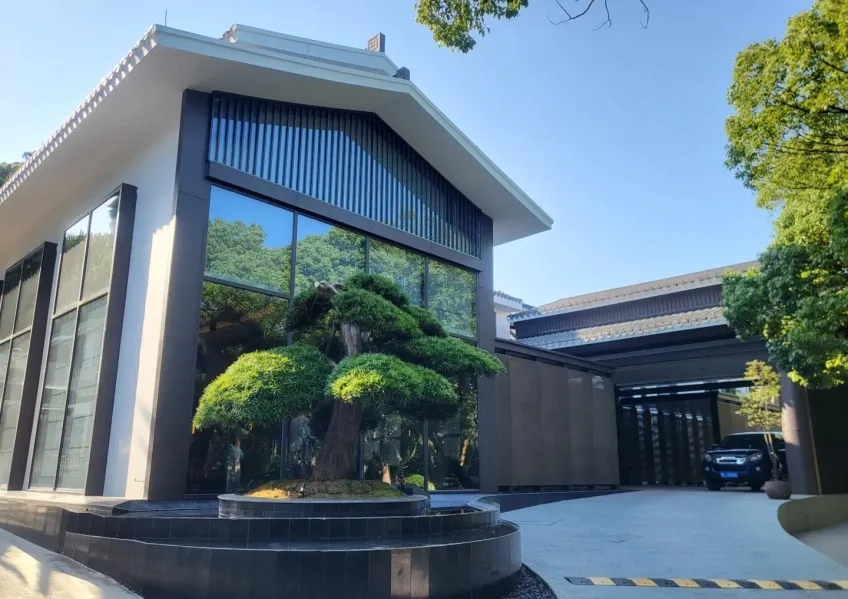
Pros: Close to the beaches of Mount Putuo with a peaceful setting. Accommodations here are mostly mid-range to upscale, offering comfortable surroundings—ideal for travelers who want to worship quietly, enjoy the sea, and explore at a relaxed pace.
Prices: Guesthouses ¥400–800; hotels ¥800–1,500.
Recommended hotels: Xilei Baotuo Xingshe, Bihai Villa, and Zen-style guesthouses.
Xilei Baotuo Xingshe: A south-facing courtyard hotel right next to Puji Temple and easy to reach. Next door, the Yuanwei Jingcui restaurant serves breakfast, lunch and dinner, so meals are simple.
Bihai Villa: The hotel has two branches on the island, one by Baibu Beach near Puji Temple and one on Xianghua Street, both close to Puji Temple and the main sights. The outside follows the Republican-era blend of Chinese and Western styles. Inside are carved wooden doors and windows and gray brick walls, and the lobby has an antique-style front desk and Ming- and Qing-style furniture. Few hotels on the island have this period look.
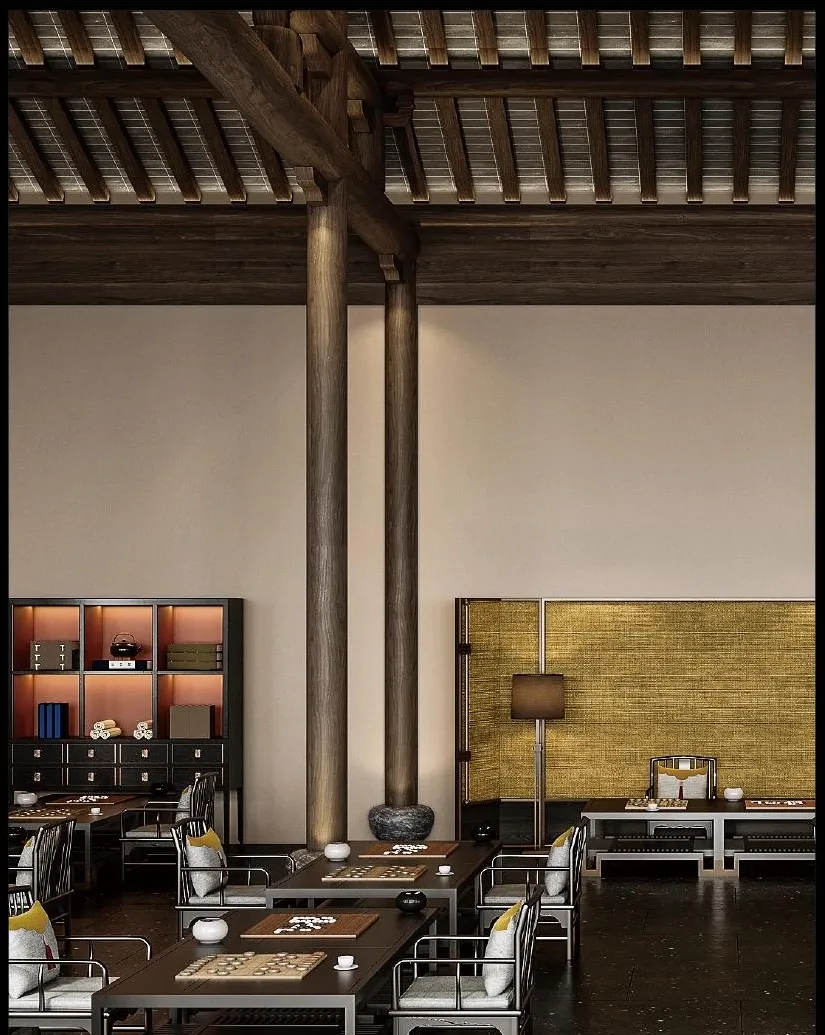
Longwan, Purple Bamboo Grove and South Sea Guanyin
Pros: Very close to landmarks such as the ferry terminal, South Sea Guanyin, and the Purple Bamboo Grove. There are also many ocean-view guesthouses here, ideal for travelers who care about their surroundings.
Prices: Guesthouses ¥300–700; ocean-view rooms cost slightly more.
Recommended hotels: CITIC Putuo Hotel, Longwan Village guesthouse cluster.
CITIC Putuo Hotel: The South Sea Guanyin statue and Purple Bamboo Grove lie to its left, and Nantian Gate, the Duangu holy site, a parking lot and the ferry terminal are a few hundred meters to the right. The setting is pleasant and getting around is easy. Its buildings, set at different levels, cover about 8,000 square meters, and rooms include triples.
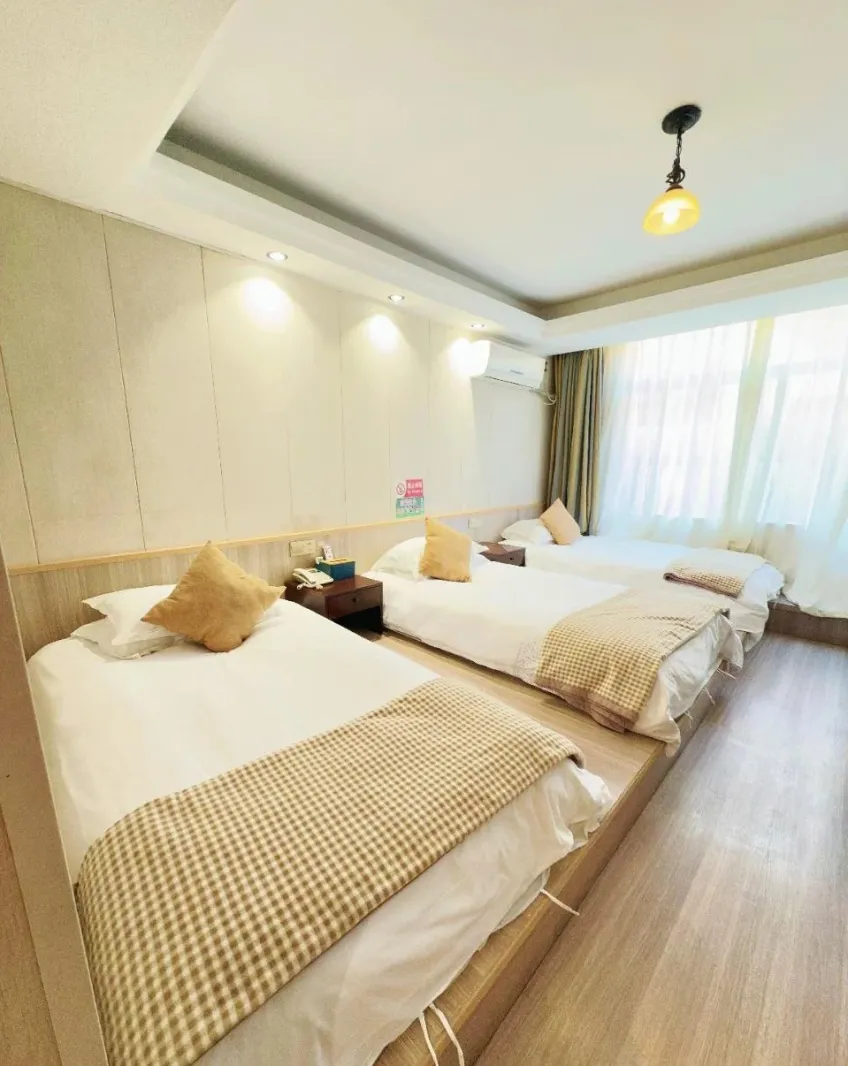
Xishan Zone 2 and Longsha Zone 1
Pros: Mostly homestays converted from local residential areas, with affordable prices; close to local markets and supermarkets for convenient daily needs.
Cons: Requires a 1–1.5 km walk or a bus ride to Puji Temple.
Best for: Travelers on a budget who want to experience local life and don't mind walking a bit more.
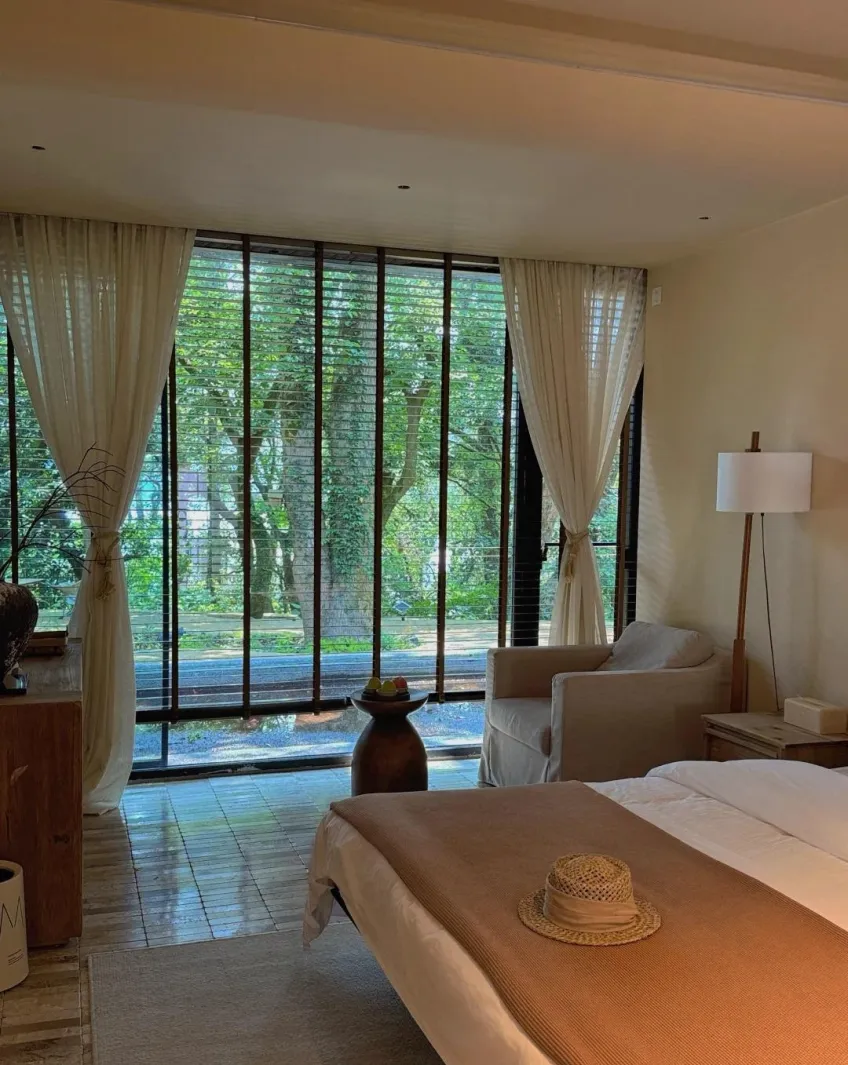
Foding Mountain (Huiji Temple)
Pros: Great views from the summit and a strong Zen atmosphere; ideal for those who want to deeply experience Buddhist devotion or watch the sunrise from the mountaintop.
Cons: Limited accommodation and high prices; transportation mainly relies on the cable car, so be sure to check its operating hours.
Price: ¥800–2,000 per night.
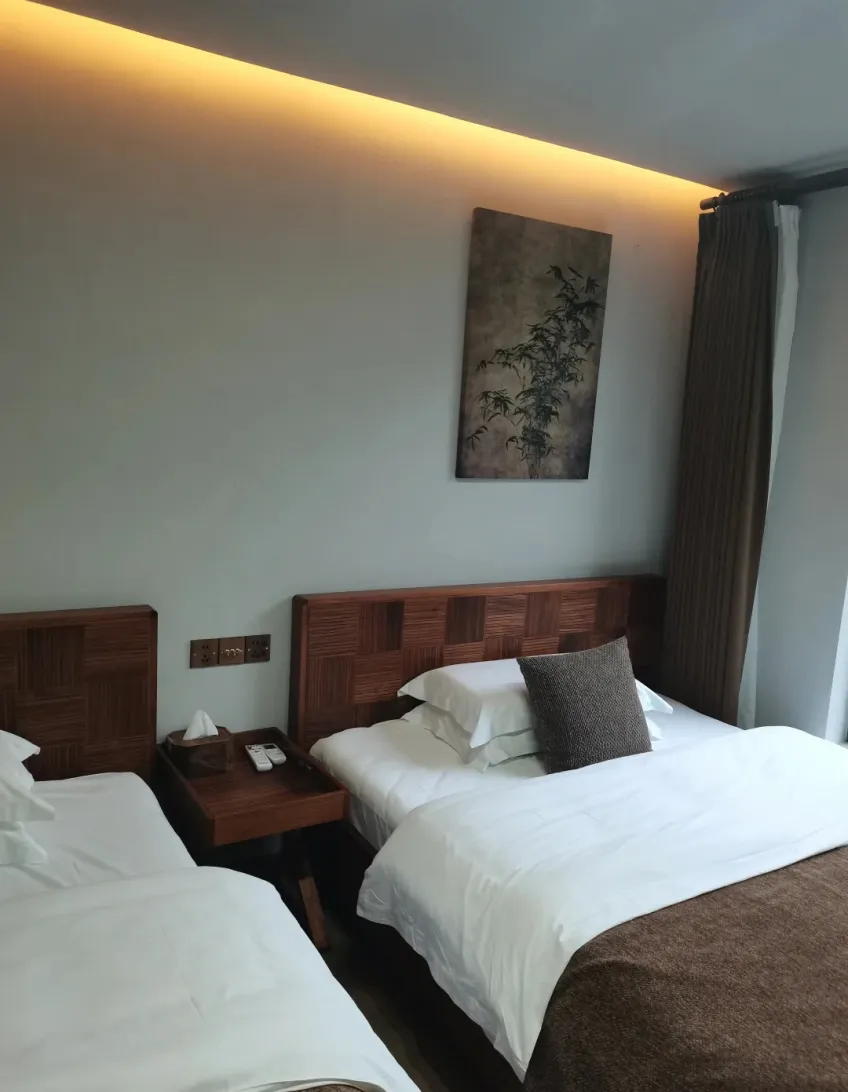
If you can't book accommodation on the island during holidays or peak season but still want to catch the first ferry over, consider staying off-island in Zhujiajian or Shenjiamen.
Staying off the island
Zhujiajian: next to the main ferry pier
Zhujiajian is the gateway to Mount Putuo. From here, it takes just over ten minutes by car to reach Wugongzhi Pier for the ferry, making it the top choice for most visitors. Accommodation options are abundant, ranging from budget homestays to high-end resort hotels.
Pros: Prices are 30%–50% lower than on the island; plenty of choices (chain hotels, guesthouses, luxury hotels); convenient parking at the pier; livelier nightlife.
Getting around: A 15-minute ferry ride from Wugongzhi Pier to the island; some hotels offer free pier transfers.
Prices: Chain hotels/guesthouses ¥200–400; mid-range ¥400–600; high-end ¥800–1,500.
Shenjiamen: by the fishing port
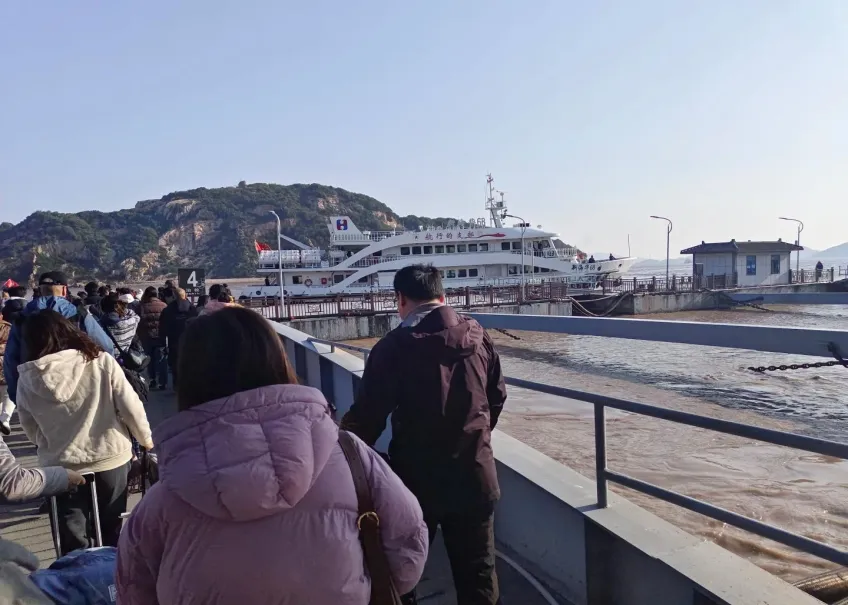
Shenjiamen is a famous fishing port in Zhoushan and home to the Fishing Port Night Food Stalls. If you don't mind a slightly longer boat ride than from Wugongzhi, stay here and eat seafood at the night stalls.
Getting there: Take the boat from Banshengdong Pier; the crossing takes about 20 minutes.
Price range: ¥200–500, mostly budget hotels and local guesthouses.
Ferry tickets and pier tips
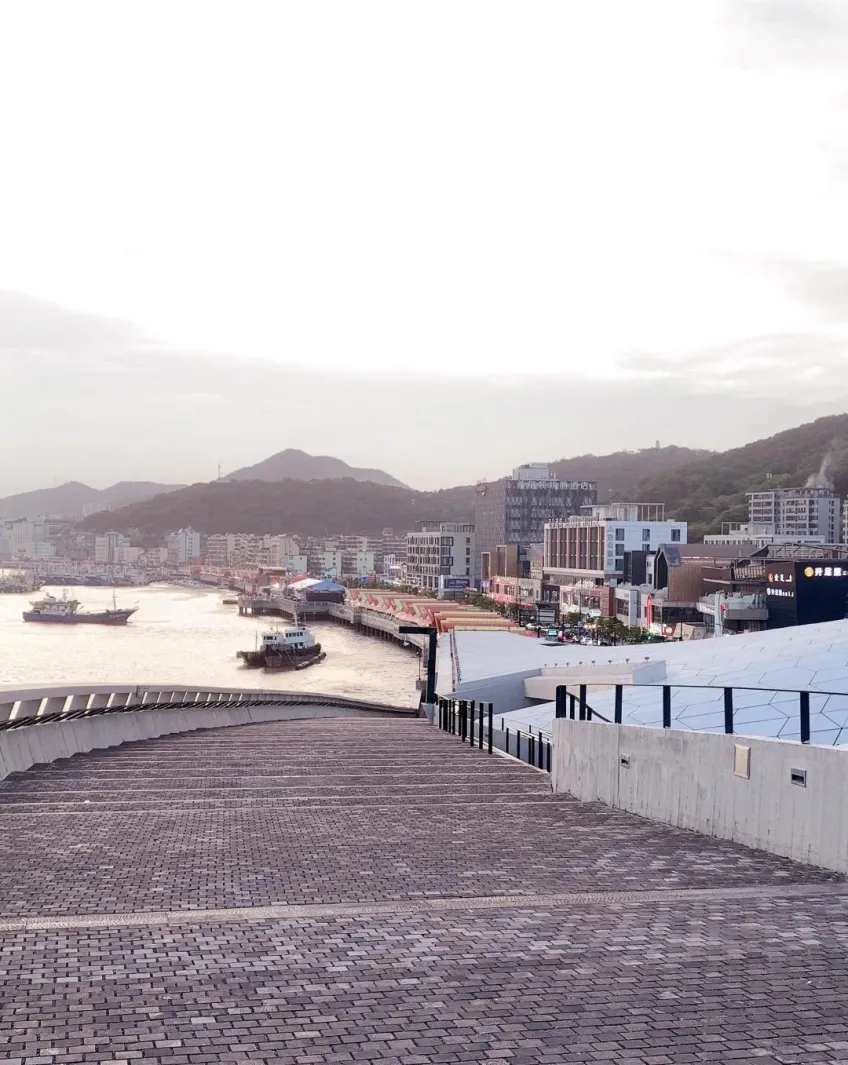
Buy ferry tickets in advance. Ferry tickets and Mount Putuo entry tickets are both sold under your real name. Chinese ID card holders can usually book ahead on the official WeChat account or mini-program (an app inside WeChat). Foreign visitors generally have to buy tickets with their passport at the general service window of the Zhoushan Tourism Distribution Center (舟山旅游集散中心). Travelers from Hong Kong, Macao and Taiwan who can't book online can use the same window. Allow time for the line.
Pier options: Ferries from Zhujiajian to Mount Putuo depart from Wugongzhi Pier (most frequent and convenient), while those from Shenjiamen depart from Banshengdong Pier. Be sure to check which pier is closest when booking your hotel.
Check the last ferry. The last boat back from Mount Putuo changes with the seasons, so check the schedule posted that day and plan ahead so you don't miss it.
For first-time visitors to Mount Putuo, especially those visiting China for the first time, the biggest hurdles are language and information gaps: how to buy ferry tickets, how to pay respects at the temples, and what stories lie behind the rocks. It's hard to figure all of this out on your own.
You can join a group tour or hire a guide to show you around, with itineraries covering the South Sea Guanyin, Purple Bamboo Grove, Puji Temple, Fayu Temple and Huiji Temple. Choose a private small group so you don't have to share with strangers, and set your own pace—whether you want to sit longer listening to the waves or avoid the crowds for a photo.
FAQs
Is it better to stay on Mount Putuo, or in Zhujiajian or Shenjiamen?
If you want morning chanting, the sunrise and fewer transfers, stay on the island (around Puji Temple, Fayu Temple or Longwan). If budget matters more or you want seafood and nightlife, choose Zhujiajian (near Wugongzhi Pier) or Shenjiamen (Banshengdong Pier, a longer drive).
Where should I stay if I want to join the morning chanting?
Morning chanting usually starts around 4:30 a.m. Visitors generally can't enter the halls; access depends on the temple on the day. Staying near Puji Temple or Fayu Temple means the shortest walk.
Should I book a car between the island and the pier?
With lots of luggage, older travelers or kids, or a ferry to catch, book a transfer between an off-island hotel and the pier, or between the airport and your hotel. To cover Zhujiajian, Shenjiamen and the ferry pier in one day, a private car saves changing rides. Ferry times, including the last boat, follow the seasonal schedule, so don't rely on past experience and cut it close.
How do I book hotels and ferry tickets for a 2-day tour?
A common plan: on Day 1, arrive in Zhoushan and stay near the Zhujiajian ferry pier. On Day 2, take an early boat to the island and visit the South Sea Guanyin, Purple Bamboo Grove, Puji Temple, Fayu Temple and Huiji Temple. Ferry and entry tickets are sold under your real name, and foreign visitors usually buy them with their passport at the general service window of the Zhoushan Tourism Distribution Center.
Should first-timers join a group tour or hire a guide?
Language and information gaps are the biggest hurdles for independent travel: ferry tickets, Buddhist etiquette, and stories about Pantuo Stone are hard to figure out on your own. For a first visit, consider a private tour or add a private guide. If you just need a ride without commentary, choose private car. Just tell your travel consultant your language and group size.
Mount Putuo 2-day, 1-night itinerary
Day 1: Arrive in Zhoushan (by air or at the long-distance bus station) and check into a hotel or guesthouse near the Zhujiajian ferry pier. If you're up for it in the evening, head to a nearby seafood stall for a proper Zhoushan seafood dinner.
Day 2: Go over to the island, ideally before 7:30 a.m. Take the ferry from Wugongzhi Pier; the crossing takes about 15 minutes, and you can start sightseeing as soon as you land.
Recommended route: South Sea Guanyin → Purple Bamboo Grove → Puji Temple → Fayu Temple → Huiji Temple (accessible by cable car)
After sightseeing, rest at your hotel, then walk Qianbu Beach or Baibu Beach in the evening for the sea breeze. If you move your night onto the island, you gain an extra morning: watch the sunrise at Qianbu Beach, or take the cable car up Foding Mountain to see it from the top, then find a small local shop for a bowl of vegetarian noodles.
To avoid pitfalls on a 2-day tour: leave the main attractions and hotels to a private tour; use airport/pier transfers for arrivals and departures in Zhoushan; choose private car for getting around on and off the island; add a private guide if you want the full story behind the temples and rocks; for where to stay on the island or in Zhujiajian/Shenjiamen, go with custom travel planning based on your itinerary. Just send your dates, group size, and departure city to a travel consultant.