
January is the coldest month in Shanghai. From 1991 to 2020, Xujiahui Station recorded an average high of 8.7°C and a low of 2.9°C. July is the hottest, averaging 33.2°C highs and 26.2°C lows. Rainfall peaks during the June plum rains and the August thunderstorm and typhoon season, each bringing over 220 mm of precipitation. October is the driest month, with just 7.5 rainy days on average. Wear a down jacket or heavy coat in winter, breathable short sleeves in summer (plus an umbrella for sun protection), and keep a jacket handy in spring and fall when temperatures swing between morning and evening.

12-month temperature, rainfall and clothing guide
The figures below come from the 1991–2020 climate normals recorded at the Xujiahui station of the China Meteorological Administration. They are 30-year averages, not forecasts for any specific year. A "rainy day" means at least 0.1 mm of precipitation, drizzle included. About a week before your trip, check the latest forecast on the China Weather Network or the Shanghai Meteorological Bureau website, and treat this table as your packing baseline.
January: Average high 8.7°C, low 2.9°C, 72 mm of rain over about 11 rainy days, with snow on roughly 2 days. The coldest month of the year—bring a down jacket or heavy wool coat with a sweater and thermal underwear; a scarf and gloves are worth packing.
February: Average high 10.7°C, low 4.1°C, 65 mm of rain over about 10 rainy days. Still winter wear, though late in the month you may get warm spells above 10°C, so layer something lighter under your down jacket that's easy to take off.
March: Average high 14.9°C, low 7.6°C, 97 mm of rain over about 13 rainy days—the wettest month of spring. A light down jacket or windbreaker with a sweater works well; temperatures swing back and forth, so a waterproof shell is more practical than a heavy coat.
April: Average high 20.9°C, low 12.6°C, 84 mm of rain over about 11 rainy days. A long-sleeve shirt or knit top is enough during the day; add a windbreaker or jacket for mornings, evenings, and rainy spells.
May: Average high 25.8°C, low 17.9°C, 91 mm of rain over about 11 rainy days. Short sleeves are common by day, but bring a thin long-sleeve layer for air conditioning and evening breezes. Sun protection starts to matter.
June: Average high 28.6°C, low 22.0°C, rainfall 225 mm, about 14 rainy days, relative humidity 79%—the muggiest month of the year. Breathable, quick-dry short sleeves, water-friendly shoes and a sturdy umbrella are standard gear.
July: Average high 33.2°C, low 26.2°C, rainfall 163 mm, about 12 rainy days. The hottest month of the year; after the plum rains end, expect stretches of sunny heat. Wear short sleeves and shorts, bring a sun hat and sunscreen, and pack a light layer for air-conditioned indoors.
August: Average high 32.6°C, low 26.2°C, rainfall 226 mm, about 13 rainy days—the wettest month of the year. Thunderstorms come and go quickly, and typhoons often affect Shanghai during this period. Dress as in July and keep rain gear with you at all times.
September: Average high 28.7°C, low 22.5°C, rainfall 132 mm, about 10 rainy days. Early September still feels like summer, and it only cools off in the mornings and evenings later in the month. Pack mostly short sleeves and bring one light long-sleeve layer.
October: Average high 23.5°C, low 17.1°C, rainfall 70 mm, about 8 rainy days—the fewest of the year. Long sleeves plus a light jacket make this the easiest month for outfits and getting out and about.
November: Average high 17.8°C, low 11.4°C, rainfall 61 mm, about 9 rainy days. A hoodie and windbreaker work early in the month; switch to a sweater and light down jacket later. An overnight drop of 7–8°C after a cold front is nothing unusual.
December: Average high 11.3°C, low 5.3°C, rainfall 50 mm, about 9 rainy days, averaging around 1 day of snow or sleet. Time for a down jacket or heavy coat—the key is blocking the damp chill and wind.
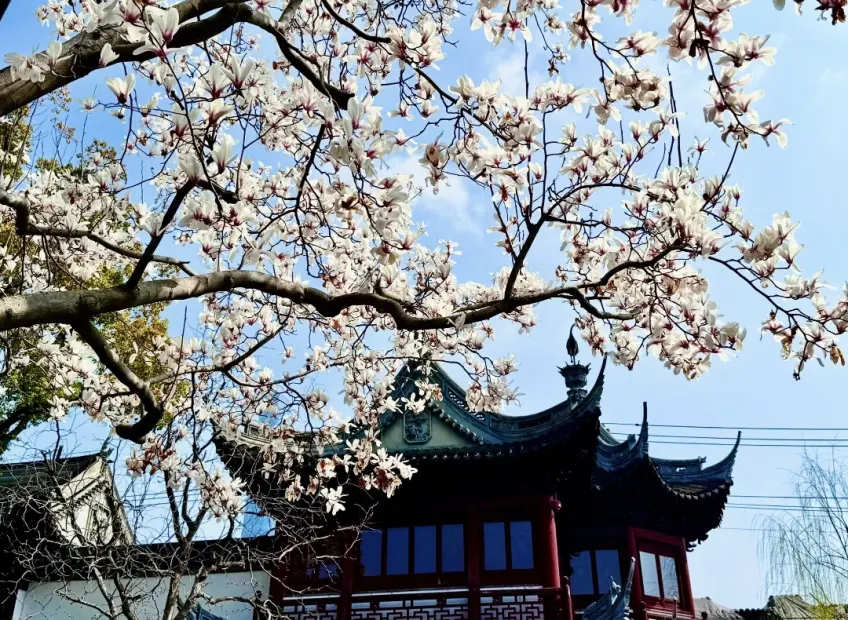
Shanghai's Four Seasons: Short Springs and Autumns, Long Summers and Winters
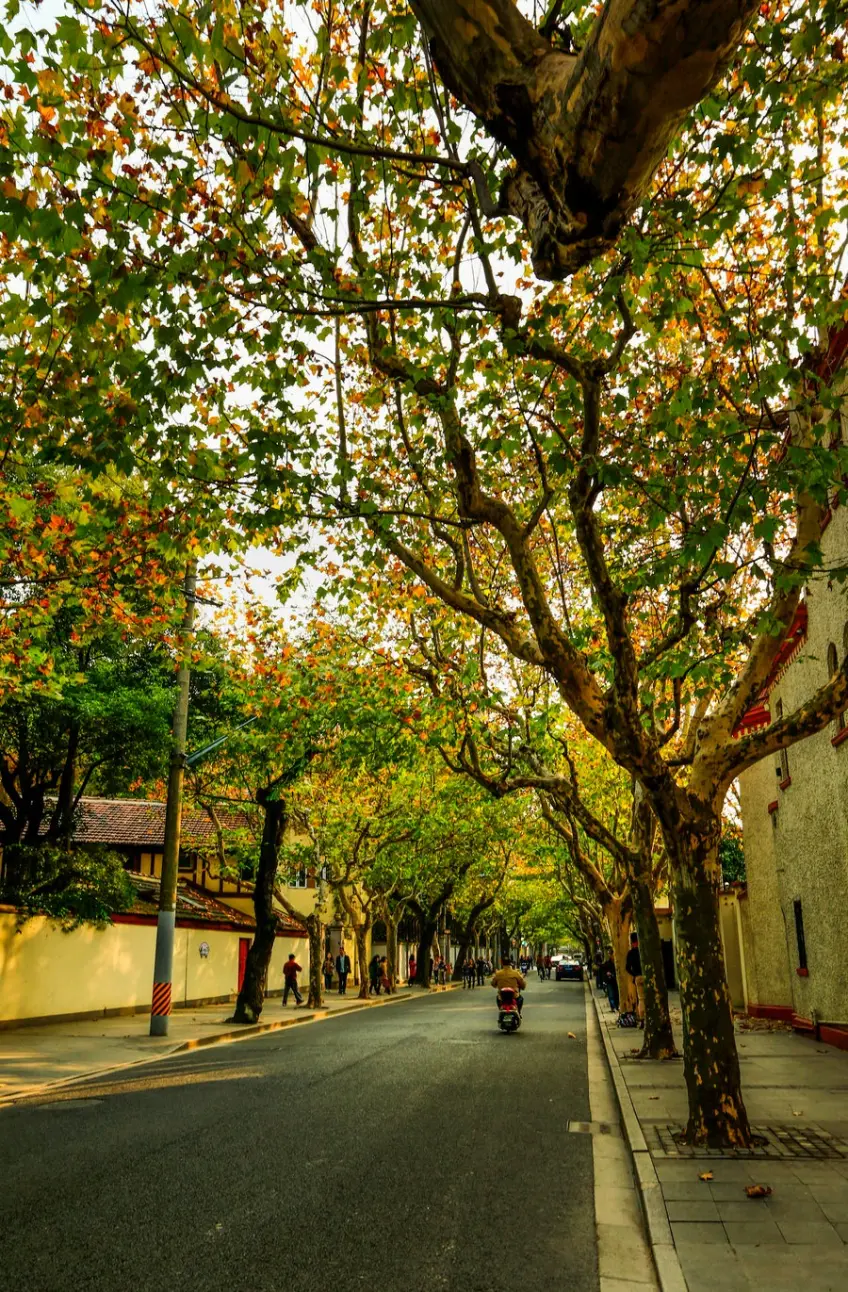
Based on meteorological standards for the start of a season (five consecutive days with an average temperature below 10°C marks winter; above 22°C marks summer), between 2001 and 2025 Shanghai entered spring on March 9, summer on May 15, autumn on October 5, and winter on December 4 on average. In other words, summer runs from mid-May to early October—nearly five months—while winter lasts from early December to early March, over three months. The truly comfortable spring and autumn each last only about two months.
This has a direct impact on your itinerary: if you want "neither too hot nor too cold" weather, choose April, the first half of May, October, or the first half of November. To avoid crowds, consider March or late November, though you'll need to pack an extra layer. Many readers from Taiwan and Hong Kong try to estimate based on their hometown experience, but keep in mind that January in Shanghai is much colder than in Taipei, with average lows under 3°C. It feels like a Taipei cold snap, except it lasts an entire month.
Another easily overlooked figure: Shanghai's relative humidity stays between 69% and 79% for most of the year. High humidity means winter cold seeps into your bones and summer heat clings to your body. At the same temperature, Shanghai often feels colder or hotter than drier regions, so dress one step more conservatively than the thermometer suggests.

June to August: What to Wear During Plum Rain, Heatwaves, and Typhoon Season
We don't publish separate monthly guides for the three summer months on this site, so we'll go into more detail here.
June: Muggy and Humid Plum Rain Season
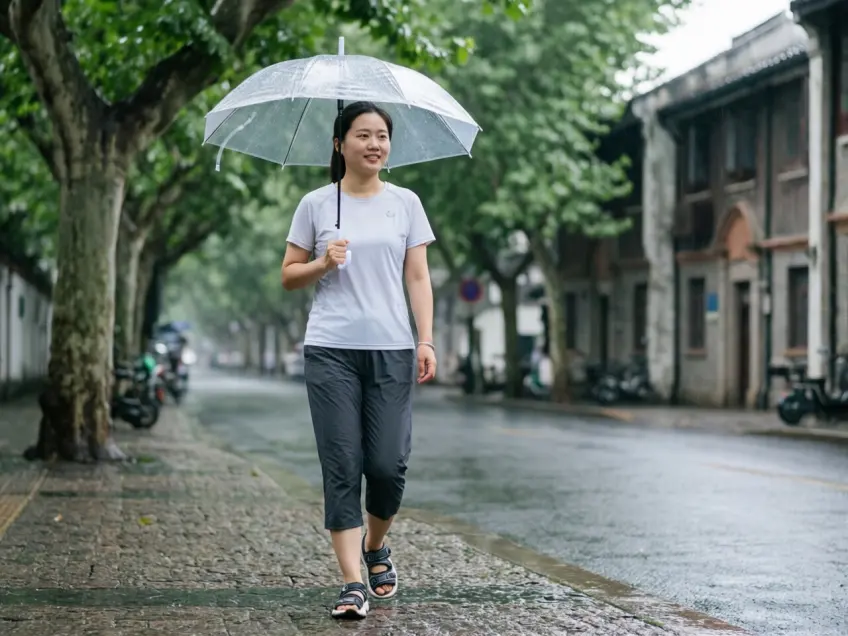
Shanghai's plum rain season usually starts around June 17 and ends around July 10, lasting an average of just over 20 days. Exact dates vary by year—some years it begins in late May, others not until July. Plum rain doesn't mean heavy downpours every day; more often it brings days of overcast skies and on-and-off drizzle. Clothes won't dry and the ground stays wet. June averages 14 rainy days and 225 mm of rainfall.
The key for this month is "dries fast": quick-dry short sleeves, cropped pants or knee-length shorts are far more comfortable than pure cotton. For shoes, choose non-slip sandals or sport sandals that can get wet—white canvas shoes will be ruined after one day. Use your hotel room's AC dehumidifier mode to dry clothes, and pack a couple extra pairs of socks. Stone paths and steps at places like Yu Garden and City God Temple get especially slippery in the rain, so slow down if you're traveling with seniors.
July: continuous heat after the plum rains
Once the plum rains end, Shanghai enters midsummer. The average July high is 33.2°C, but that's just an average—days above 35°C are common in peak summer. Xujiahui Station has recorded a high of 40.9°C twice (July 21, 2017 and July 13, 2022). Going out in the afternoon sun drains your energy fast, and July also has the most sunshine hours of the year.
Wear light-colored, loose, breathable clothing and a sun hat, and reapply sunscreen every two to three hours. A counterintuitive tip: malls, subways, museums and restaurants blast their air conditioning. Walking from 37°C streets into a 20°C-something interior and back out again makes catching a cold easy, so a thin long-sleeve shirt or cardigan in your bag comes in handy.
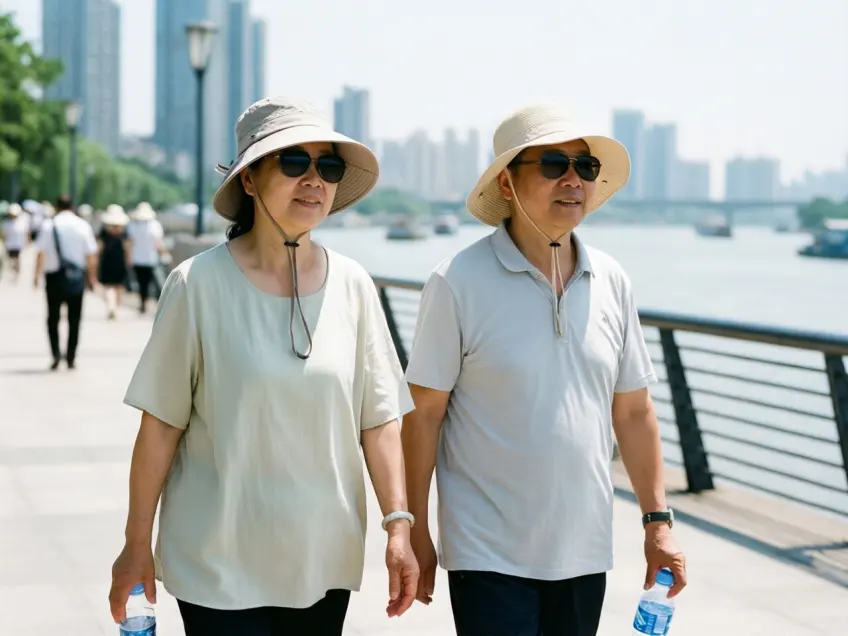
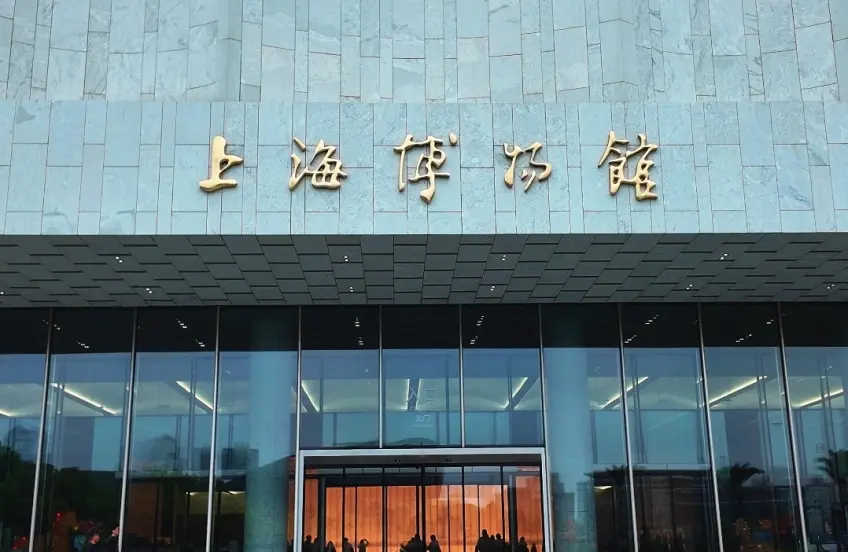
For your itinerary, schedule outdoor activities before 10 am and after dusk: visit The Bund early in the morning or Yu Garden right at opening, then duck indoors around noon—try the Shanghai Museum East Campus or Natural History Museum, or the Shanghai Science and Technology Museum—and head back out in the evening for river views. If you're taking kids to Shanghai Disneyland, note that the queue areas get scorching at midday in summer, so bring a small fan, plenty of water and a spare T-shirt.

August: thunderstorms and typhoons
Average rainfall in August is 226 mm, the highest of any month, but it falls differently than in June: mostly strong afternoon-to-evening convection—ten minutes of downpour followed by sunshine. Open the radar map on your phone's weather app; if you see a large red echo moving toward the city from the west, find shelter first.
July through September is the main typhoon season for Shanghai. According to the Shanghai Typhoon Institute, only 11 typhoons made direct landfall in Shanghai between 1949 and 2015, but 6 hit in the nine years from 2016 to 2024—a clear recent increase. More often, typhoons don't make landfall but brush past offshore to the east, bringing a day or two of wind and heavy rain. When a typhoon warning is issued, The Bund waterfront promenade, Huangpu River cruises and some outdoor attractions may close temporarily, and flights and high-speed trains may be adjusted. Check the Shanghai Meteorological Bureau's warnings the day before you set out, and leave a flexible day in your itinerary.
Layering tips that work year-round
In Shanghai, the challenge isn't the cold or heat itself—it's the swings within a single day and the gap between indoors and outdoors. So instead of one very thick garment, bring several pieces you can layer.
Daytime: Base your main layer on the day's high temperature. Long sleeves in spring and fall, a sweater or fleece in winter, short sleeves in summer. You'll walk a lot during the day, so keep clothes on the lighter side and add layers if you get cold.
Mornings and evenings: Add a layer based on the low temperature. In spring and fall, mornings and evenings are often 7–8 degrees cooler than the afternoon. A trench coat, denim jacket or light down jacket packs easily into a backpack. If you're heading out for night views, note that the wind along the river is noticeably stronger than on city streets.
Rainy days: Rain in Shanghai is rarely torrential, but it's frequent—about 130 rainy days a year on average. Bring a folding umbrella, and ideally a water-repellent jacket, which is more convenient than a raincoat. Typhoon winds will flip an umbrella inside out, so a hooded shell jacket works better then.
Indoors: Shanghai doesn't have the central heating found in northern China. Hotels, large malls, subway cars and newer museums run heating in winter and stay fairly warm, but halls in classical gardens, temples, exhibition spaces in old villas, many small restaurants and older guesthouses are about as cold inside as out—or even damper. In winter you may not be able to take off your coat when you step inside, so your mid-layer should be warm enough on its own. Summer is the opposite: air conditioning runs strong, so keep a light cover-up handy.
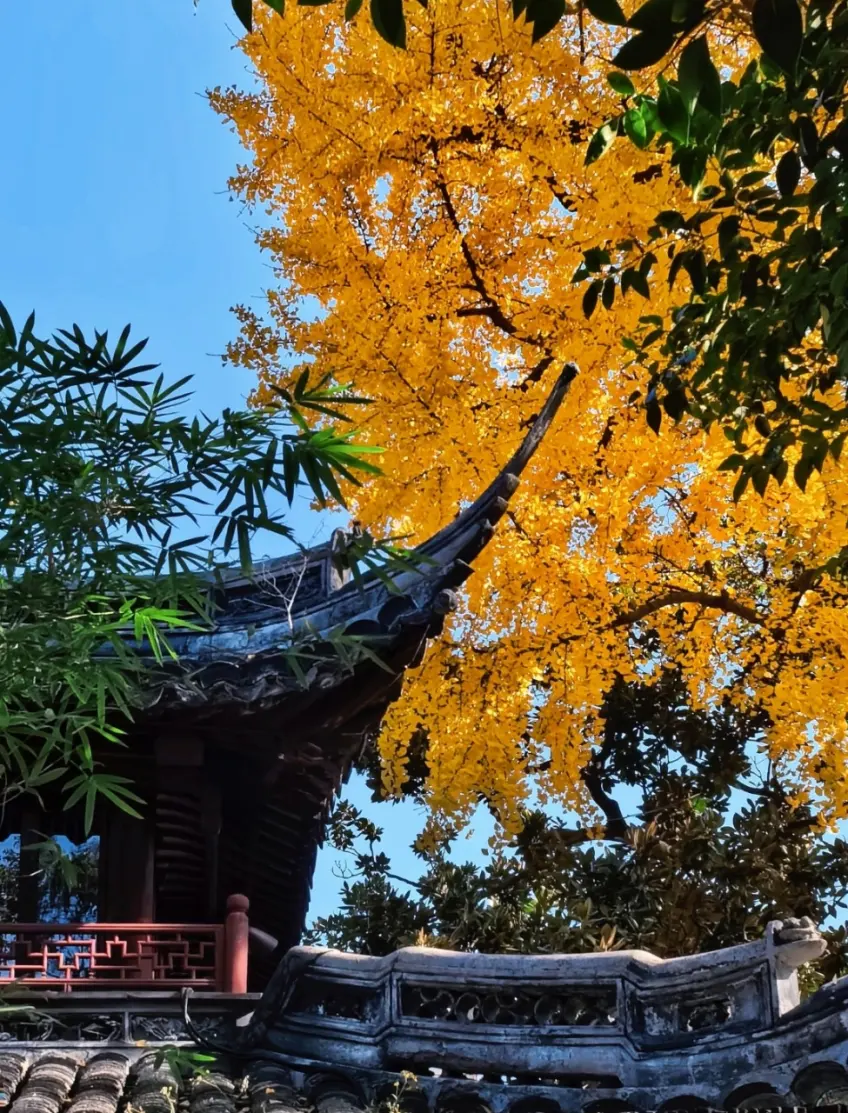
Shoes, rain gear, and small essentials
Walking 10,000 to 20,000 steps a day in Shanghai is normal, so shoes matter more than clothes. In spring and fall, bring comfortable sneakers; in winter, add waterproof ankle boots or water-resistant sneakers; during the plum rain season and summer, switch to non-slip sandals. The Old City, The Bund, and Wukang Road have lots of cobblestones and manhole covers that get wet and slippery in the rain, so make sure your soles have good tread.
For rain gear, carry a folding umbrella year-round—in summer it doubles as a sunshade. In winter, touchscreen gloves let you check maps while walking. In summer, bring a small fan and a reusable water bottle; convenience stores are everywhere, but carrying your own is easier. Truly dry seasons are rare here, but hotel heating runs all night in winter and can leave your throat parched by morning, so pack lip balm and moisturizer.
Tips for traveling with seniors and kids
Older travelers struggle most with winter dampness and summer humidity. In winter, dress them in thermal underwear plus a down vest under a coat so they can adjust easily when going indoors; bring knee warmers if their joints are sensitive to cold. In summer, avoid long walks outdoors in the afternoon, and find a place to sit and drink water every hour or two. For seniors with chronic conditions, air pressure and temperature swing sharply around typhoons and cold fronts, so keep daily medications in a bag you carry with you.
Kids regulate body temperature quickly and love to run, so one layer fewer than adults usually works—but always have a jacket handy to add. For theme parks or outdoor days, pack an extra set of clothes and socks to change into right after water play or sweating. Strollers need a rain cover on wet days, and since Yu Garden and Chenghuangmiao have lots of steps, a baby carrier is much easier than a stroller.
Adjusting your itinerary for the weather: how private cars and guides save time
Shanghai's weather rarely ruins an entire trip, but it can change the order of your day. On rainy days, push outdoor spots like The Bund and Yu Garden to later and head to museums, malls or indoor venues by subway first; on typhoon days, cancel all outdoor plans and boat rides and stay indoors downtown. On damp, chilly winter days, the most exhausting part is often waiting for a car on the street or lining up at attraction entrances. If you're traveling with seniors, kids or luggage, booking a Shanghai private car for drop-offs and pick-ups right at the gates is much easier than shuttling between subways and taxis. If it's raining or you arrive late on landing day, book a Pudong or Hongqiao airport transfer in advance so you don't have to drag your suitcases through the rain waiting for a taxi. To really understand Yu Garden and The Bund without standing outside too long, hire a Shanghai private guide who can adjust the route based on the weather. During long holidays like National Day and Chinese New Year, it's best to buy tickets for popular attractions such as Yu Garden in advance.

Shanghai 1-day tour: Shanghai, Oriental Pearl Tower
Private day tour with Shanghai airport transfers: walk the 259-meter glass corridor on the second sphere of the Oriental Pearl Tower, visit the Former Residence of Soong Ching Ling, and explore Yu Garden. Ideal for layovers or short stays in Shanghai. Includes vehicle, guide and admission tickets. English-speaking and other foreign-language guides available on request.

3 Days 2 Nights Oriental Pearl Tower & Disneyland: Shanghai (Nanjing Road + The Bund + Yu Garden Bazaar + City God Temple + Disneyland + Oriental Pearl Tower) No Shopping
A 3-day, 2-night private tour with airport transfers in Shanghai: Day 1 covers Nanjing Road, The Bund and Yu Garden. Day 2 is a full day at Shanghai Disneyland with an evening fireworks show (canceled in rain or if the show is suspended). On the final day, ascend the Oriental Pearl Tower. Includes transportation, guide, two nights' hotel and admission tickets. English-speaking guide available.
Weather risks at a glance: when to have a backup plan
Cold snaps: From November to March, when cold air masses move south, temperatures in Shanghai commonly drop 8 to 10 degrees within a day or two, and lows can fall below 0°C. At Xujiahui Station, the coldest day of the year averages around -3°C in January. Cold snaps bring strong winds that make it feel even colder than the thermometer shows, so a hat and scarf help a lot.
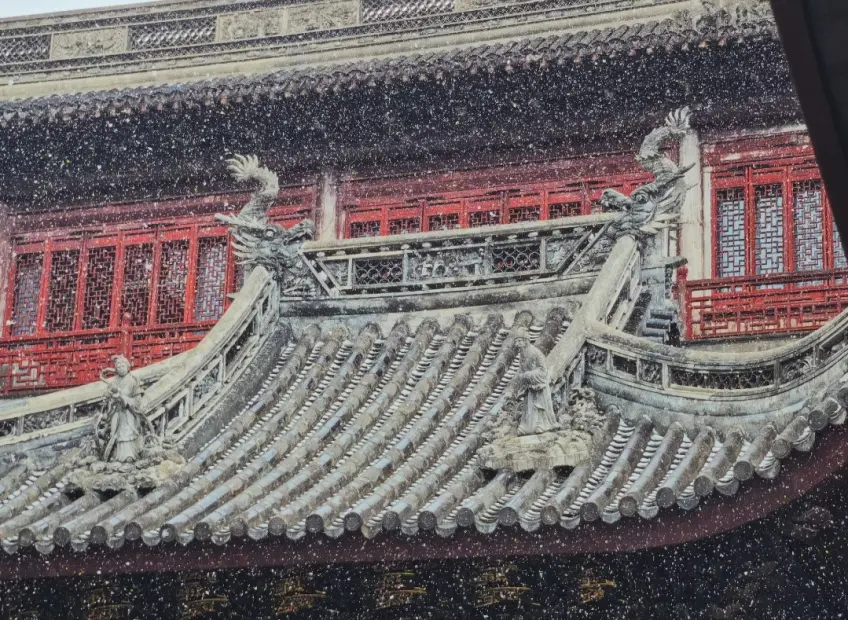
Rain and snow: Snow is rare in Shanghai. Xujiahui Station records only about five snowy days a year on average, and most flakes melt on contact—accumulation is unusual. If you do catch a snowfall, Yu Garden and The Bund look stunning, but the streets get slippery, so seniors should be careful.
Plum rains and heavy downpours: These are most frequent from mid-June to early July. In August, intense convective storms hit fast and low-lying roads occasionally flood, so check the weather warnings before heading out.
High temperatures: Mid-July to mid-August is the hottest period. Avoid outdoor activities around noon, and stay hydrated and protected from the sun.
Typhoons: Mainly from July to September. Check warnings in advance and leave room to reschedule flights, cruises, and water town day tours.
Fog and haze: Dense fog occasionally occurs on autumn and winter mornings, which may affect flight takeoffs and landings as well as travel on elevated roads and expressways. If you're catching an early flight, allow extra time.

If you already know your travel month, jump straight to the corresponding monthly article. If not, start with this year-round chart—pick the best weather first, then choose your attractions. A safe approach: if it's your first time in Shanghai and you want to fully explore The Bund and the Old City, go in spring or fall; for lantern festivals and festive vibes, choose January or February; if you're taking kids to theme parks, avoid midday heat in July and August as well as the Spring Festival and National Day crowds.

FAQs
What is the most comfortable month to visit Shanghai?
Based on 30-year averages, October has the fewest rainy days (about 7.5) and an average high of 23.5°C, making it the safest bet. The first half of April and May is also very pleasant, though rainier than October. Early November offers mild temperatures and fewer crowds than October, making it well worth considering too.
Do I need a down jacket for Shanghai in winter?
We recommend bringing one from December to February. In January, the average low is under 3°C and can drop below freezing during cold snaps. Combined with high humidity and limited indoor heating, a hip-length down jacket or heavy coat works better than layering multiple sweaters. For early March and late November, a light down jacket is enough.
When is Shanghai's plum rain season?
It usually starts in mid-June and ends in early July, lasting about 20 days, though the exact timing varies each year. It doesn't pour every day, but expect overcast skies, frequent drizzle and high humidity. Quick-dry clothing and non-slip shoes are your best bet.
Is it cold indoors in Shanghai during summer?
Yes. Malls, subways, museums and restaurants crank up the AC, so the temperature difference between indoors and outdoors can exceed 10 degrees. Keep a thin long-sleeve shirt or scarf in your bag—especially helpful for seniors and kids.
Should I carry an umbrella year-round in Shanghai?
We suggest always packing one. Even in October, the driest month, it rains on seven or eight days on average; spring, the plum rain season and August see even more rainy days. A folding umbrella doubles as a sunshade, so you'll almost never regret bringing it.