
January is the coldest month of the year in Shanghai. From 1991 to 2020, Xujiahui Station recorded an average high of just 8.7°C and a low of 2.9°C, with about 72 mm of precipitation over 10 to 11 rainy days, and snow falling roughly two days a year on average. Bring a thick down jacket or wool coat, layer thermal underwear and a sweater underneath, and pack gloves, a hat, and a scarf. Waterproof shoes are a must.
For a month-by-month comparison, see Shanghai year-round weather and what to wear. For the previous month, check Shanghai December weather and what to wear. January stands out for its consistently cold weather, sandwiched between the New Year's Day holiday and the pre-Spring Festival buzz. Chinese New Year falls on February 6 in 2027, so late January is exactly when the festive atmosphere peaks and Chunyun begins.
How cold is January: what the numbers really feel like
Looking at the averages, January days hover around 8–9°C and nights around 2–3°C, which sounds merely "a bit cold." But three things make it feel worse than the numbers suggest. First, humidity: the average relative humidity in January is 71%, so cold air carries moisture that seems to seep through no matter how much you wear. Second, little sunshine: 114 hours is the lowest of the year, and gray skies often linger for days. Third, cold snaps: over the past 30 years, the average temperature on January's coldest day is -3.2°C, and the lowest temperature ever recorded at Xujiahui Station is -10.1°C.
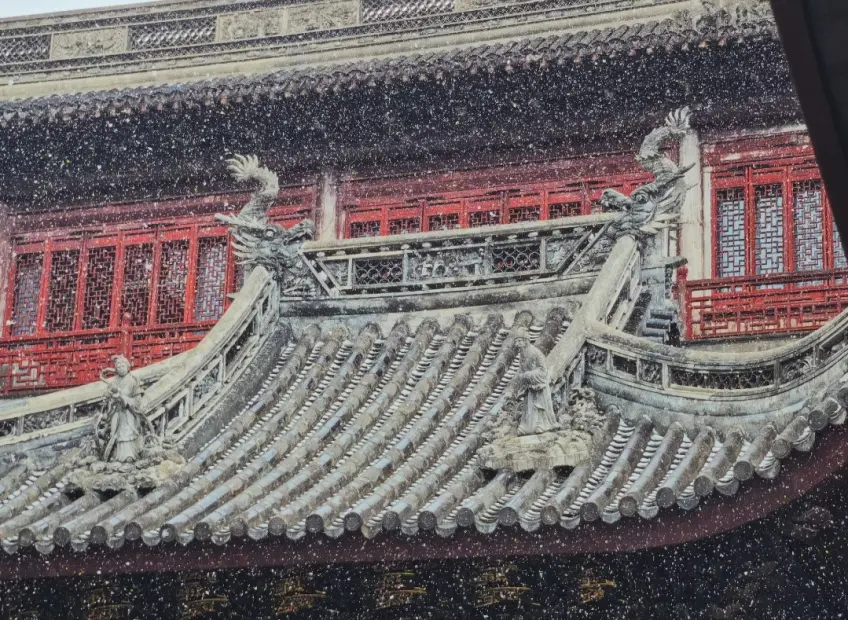
January is also Shanghai's snowiest month, averaging about two days of snowfall a year—more than December or February. Most of the time it's sleet or light snow that melts on contact; years with enough accumulation to build a snowman come along only a few times a decade. Rain, however, is frequent, falling on 10 to 11 days on average, usually as chilly drizzle or light rain, so carry an umbrella every day.
Occasionally there are unseasonably warm spells. The January record high is 21.6°C, and sometimes a warm, moist airstream pushes daytime temperatures up to around 15°C—but a cold snap usually follows right after. So don't be fooled by mild weather a day or two before departure; pack your heavy clothes anyway.
For comparison: Taipei's average January low is 13–14°C and Hong Kong's is around 14–15°C. Shanghai's January nights are more than 10 degrees colder, and its daytime highs barely match Taipei's nighttime lows. Many readers visiting Shanghai in winter for the first time bring the same clothes they wear at home, only to rush to a mall on day one to buy a down jacket. Better to pack extra—you can always take layers off if you get warm in Shanghai.
What to wear in January: focus on base layers and feet
Dressing for January in Shanghai differs from northern China. Up north, it's freezing outdoors but heated indoors, so you shed your coat when you step inside. In Shanghai, it isn't extremely cold outside, but interiors are rarely much warmer, so you need close-fitting layers to trap heat rather than relying on a single thick coat.
Base layer: A set of thermal underwear or heat-generating clothing, plus leggings under your pants. This layer determines whether you'll feel cold in unheated halls and old street shops.
Mid layer: A thick sweater, fleece, or down vest—pick one. A down vest is the most versatile: add it when you're cold, take it off when you're warm, and it stuffs into your bag without taking up space.
Outer layer: A hip-length (or longer) down jacket or a thick wool coat, ideally with a hood. The wind along the river at The Bund and Lujiazui cuts right through short jackets, while a long one makes a noticeable difference in protecting your waist and legs.
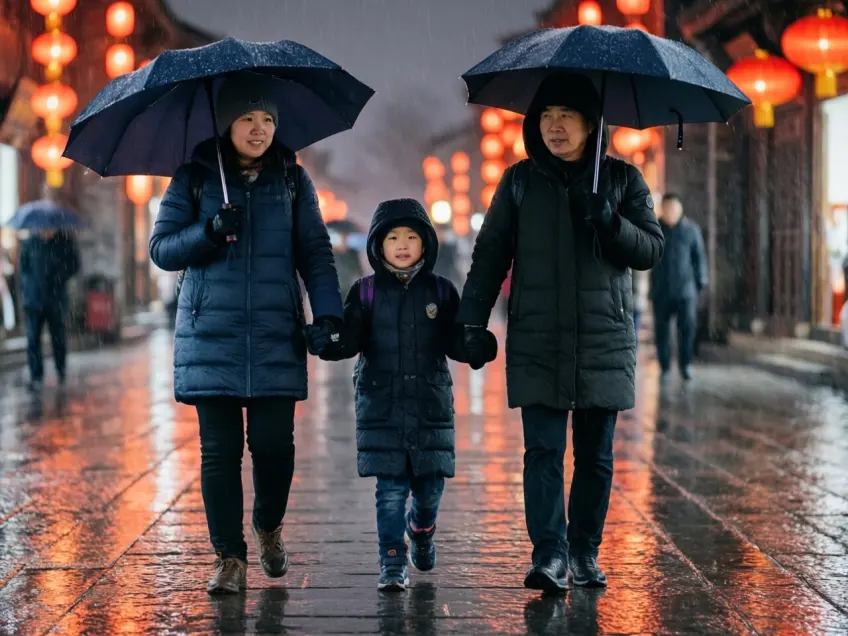
Hands and feet: Gloves and thick socks work better than an extra sweater. Choose waterproof boots or winter sneakers with thicker soles; thin-soled shoes on wet, cold flagstones let the chill come straight up through your feet. Convenience stores sell heat patches—stick one on the outside of your socks or on your lower back, and exploring all day feels much more comfortable.
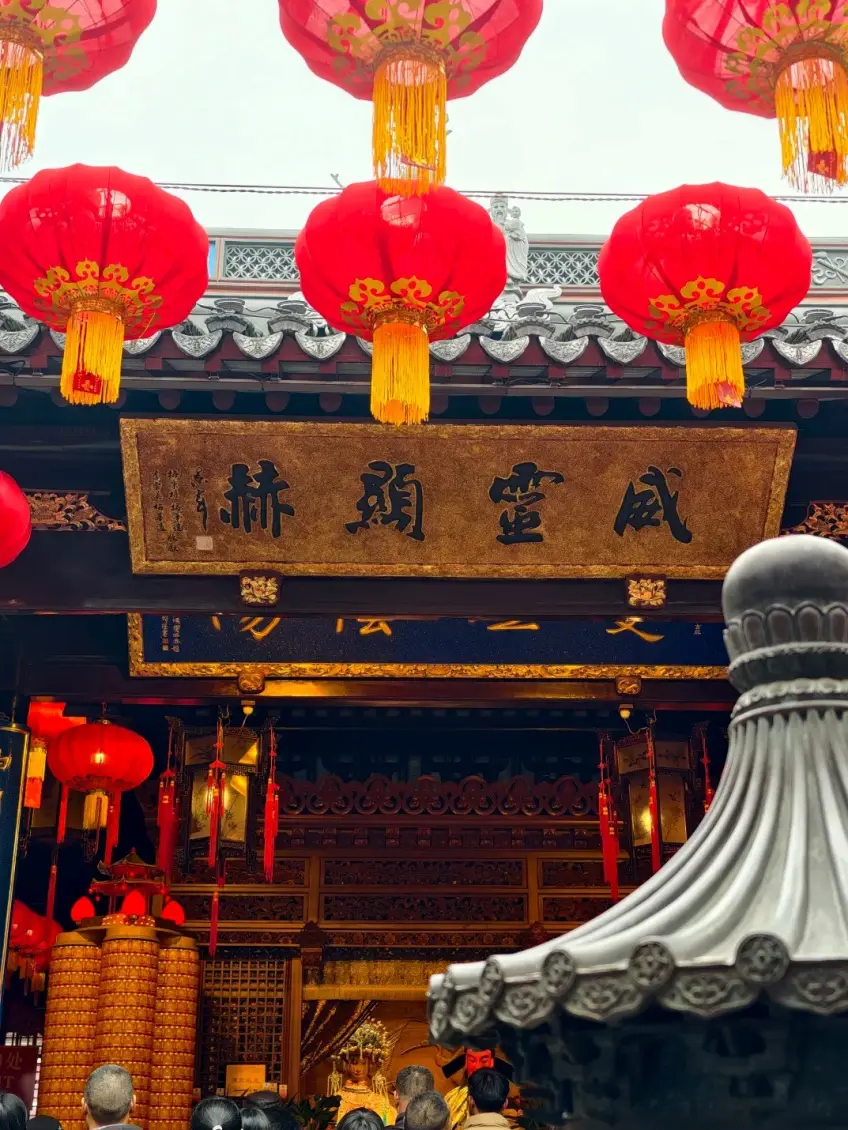
Indoors: Hotels, malls, the metro, and newer museums have heating, so unzip your coat when you go inside. The halls of Yu Garden, the temples at the City God Temple, galleries converted from old villas, and many small restaurants are basically unheated—you'll often keep your coat on even while sitting down to eat. Running the hotel AC all night dries out the room, so drink plenty of water and use moisturizer.

Tips for seniors, kids, and rainy days
Older travelers worry most about two things in January: catching a chill going out early or late, and slipping on wet ground. Don't schedule outings too early—head out around 10 a.m., wrap up outdoor activities before 4 p.m., and pick just one dry evening for night views. Choose non-slip shoes, and have someone offer an arm on rainy days when walking the steps and flagstones at Yu Garden and the City God Temple. Seniors with high blood pressure or heart conditions should stay indoors during cold snaps.
Dress kids in one fewer layer than adults, but don't skip the hat and gloves. If they work up a sweat running around outside, unzip their coats as soon as you go indoors, then zip them back up before heading out again. For families with babies, make sure the stroller has a wind cover. Metro cars and malls get crowded in winter, so a baby carrier is sometimes easier than a stroller.
Rainy days: January rain is cold and fine, and an umbrella won't block the wind-driven drizzle. A water-repellent jacket with a hood works best. Carry a spare pair of socks and a plastic bag for your wet umbrella. When you get back to the hotel, pull out the insoles to dry so your shoes are ready the next day.
Shanghai in January: New Year's Day, lantern festivals, and the pre-holiday city
New Year's Day holiday
The 2027 New Year's Day holiday runs from January 1 to 3. Crowds on The Bund, Nanjing Road, and Yu Garden swell noticeably over these three days, but the morning of January 1—right after New Year's Eve—is surprisingly quiet and perfect for catching the sunrise view on The Bund. Hotel rates and flights run high during the holiday, so if you want to avoid the crowds, schedule your Shanghai leg for January 4 or later.
Yu Garden Lantern Festival
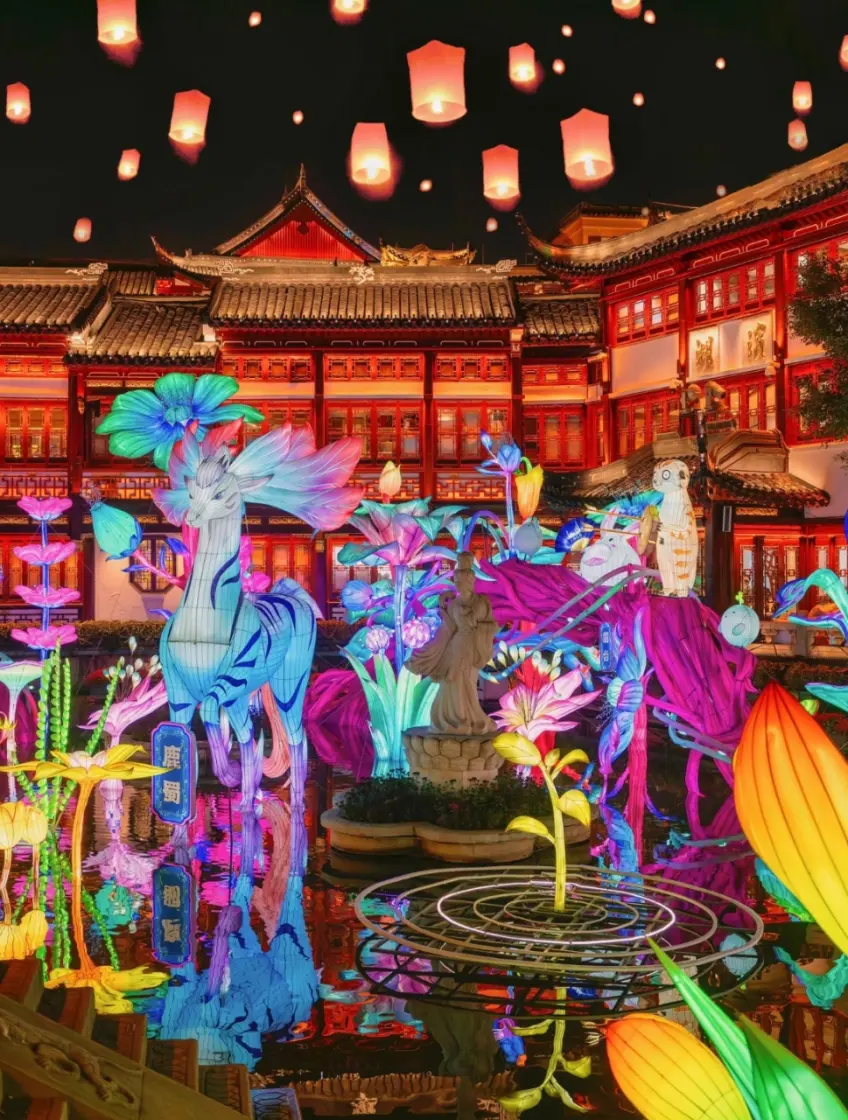
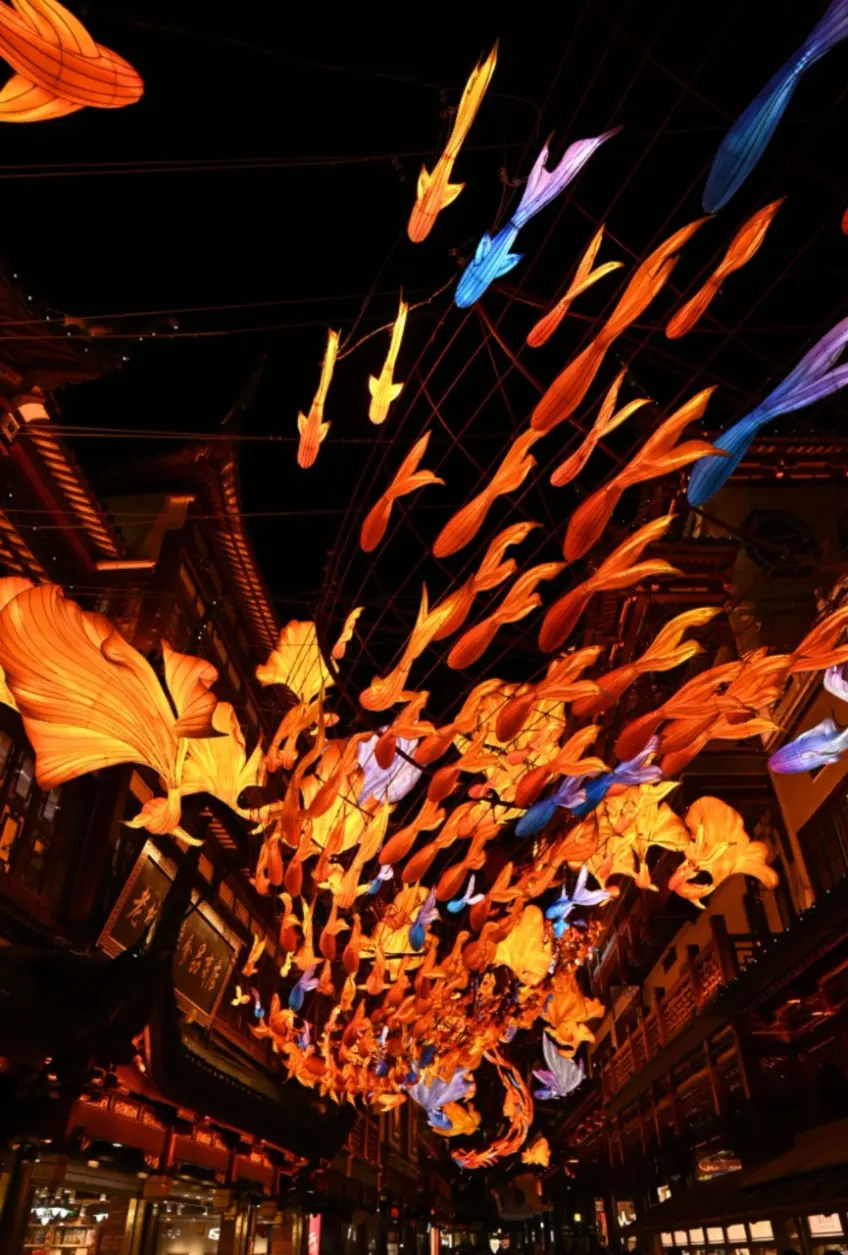
The Yu Garden Folk Art Lantern Festival is where Shanghai feels most festive. It usually lights up two or three weeks before Chinese New Year and runs until the Lantern Festival. The 2026 edition lit up on January 26 and ended on March 3 for the Lantern Festival, with no lights on Chinese New Year's Eve itself. Chinese New Year 2027 falls on February 6, so the lanterns will likely go up in mid-to-late January. Check Yu Garden's official announcements for exact dates and ticketing info. During the festival, the garden and Yu Garden Bazaar get packed at night, so book tickets in advance. After 7 p.m. is the busiest time—if you're traveling with seniors or kids, aim for early evening right when the lights come on.
Lantern viewing means standing and walking outdoors, and nighttime temperatures often hover between 0°C and 3°C, much colder than during the day. Wear your thickest coat, bring a hat and gloves, and stick a heat patch on your back. The area around Nine-Turn Bridge sits right by the water, so the wind hits harder there. The lantern displays flow into the City God Temple decorations, so you can start at the City God Temple and follow the old street into the lantern zone.
Shanghai before Chinese New Year and the Spring Festival travel rush
The Spring Festival travel rush starts about two weeks before Chinese New Year. By late January, high-speed trains and flights out of Shanghai get increasingly tight, so if you're heading to Suzhou, Hangzhou or back home, book your tickets early. Meanwhile, locals start leaving town, so downtown streets and the metro are actually less crowded than usual. Many time-honored shops and malls hang up New Year goods and lanterns, making it a great time to soak in Shanghai's festive atmosphere. If your trip runs into early February, note that many small restaurants and independent shops close for a few days around New Year's Eve, while major malls, chain restaurants and top attractions generally stay open as usual.
Shanghai Disneyland usually puts up Chinese New Year decorations around the holiday; check official announcements for specific events. Weekdays in January mean smaller crowds and shorter lines—a great time to bring the kids. Just dress for a full day outdoors: 5–6°C during the day, dropping to around freezing by the time the fireworks start at night.

Wintersweet and winter parks
January Shanghai isn't completely without color. Wintersweet usually blooms from late December through February, earlier than plum blossoms. When it flowers, the branches are nearly bare, and the small yellow blossoms are intensely fragrant—you'll find them in Shanghai Botanical Garden and many other parks. True plum blossoms don't peak until around Chinese New Year into February. For winter park visits, pick a sunny day around midday: wintersweet looks best in the sunlight, and it's the warmest time to be outside.
Winter trips to Hangzhou or the water towns
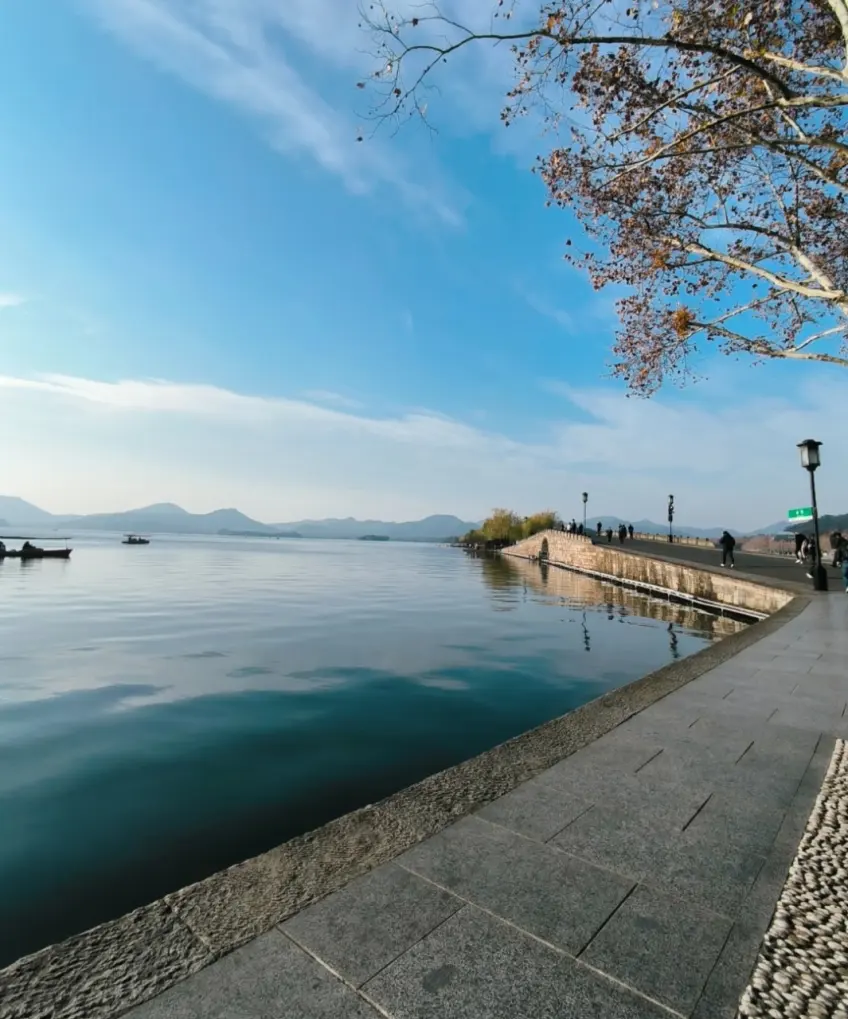
A high-speed train from Shanghai reaches Hangzhou in about an hour. January is your best chance to see the famous "Lingering Snow on the Broken Bridge" at West Lake, but just like in Shanghai, snow is a matter of luck. More often you'll find a crisp lake surface and bare willows—fewer tourists and a quiet lakeside with their own charm. Water towns like Zhouzhuang and Wuzhen are uncrowded in winter, but the riverside air is damp and cold, old houses aren't heated, and the wind cuts right through you on boat rides. Go on a sunny day and head back early in the afternoon. If traveling before Chinese New Year, book your train tickets as early as possible.
Where to go on cold, rainy days
In January, you'll definitely hit a few days when it's too unpleasant to stay outdoors for long. Plan some indoor options ahead of time so you don't end up wasting a day in your hotel.
Museums: The Shanghai Museum at People's Square and the Shanghai Museum East in Pudong can each easily fill half a day. They're warm and have food options. If you're traveling with kids, the Shanghai Natural History Museum and Planetarium are better at keeping them entertained.

City views from above: The observation decks at the Oriental Pearl Tower and Shanghai Tower are all indoors. Visibility is often great on clear, cold days, but poor in haze or rain—check conditions before you go.
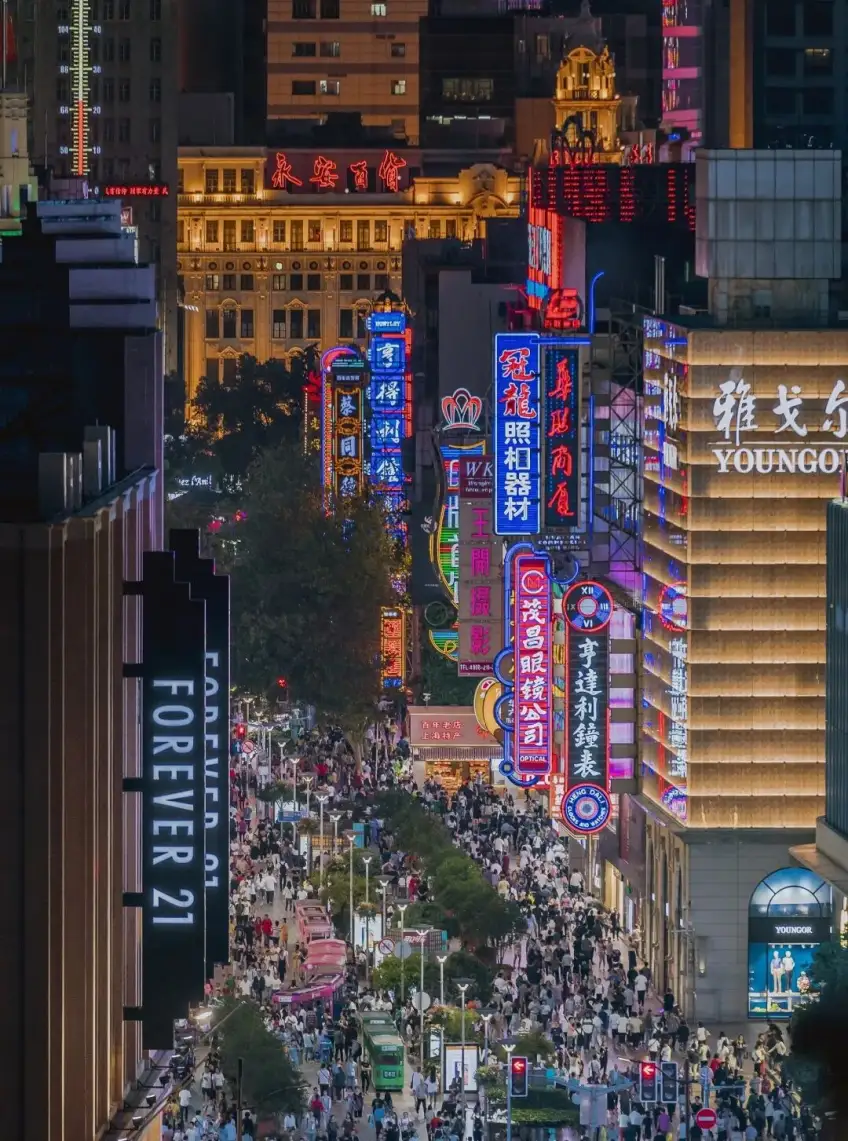
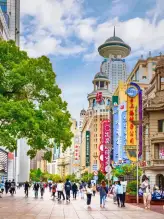
Shopping: Pop into the department stores and heritage shops along Nanjing Road Pedestrian Street one by one to warm up. You can also use the underground passage between People's Square and East Nanjing Road metro stations to avoid getting rained on.
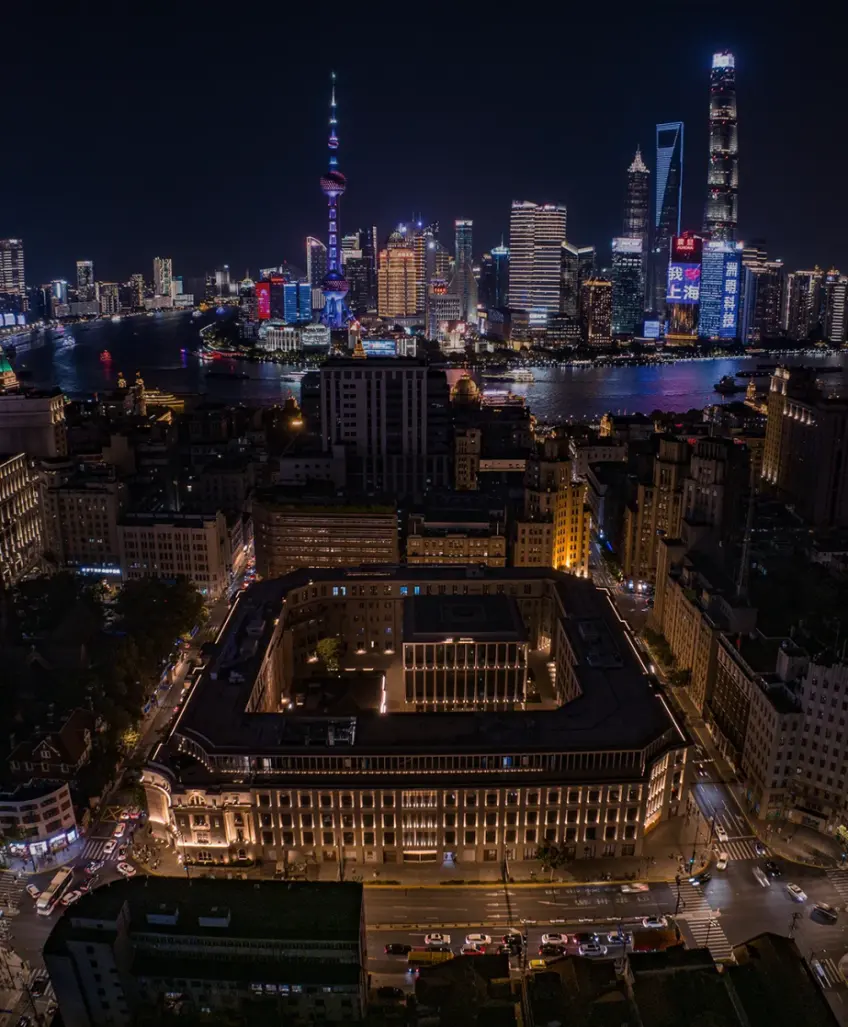
Snowy days: If it really snows, don't hesitate—head straight to The Bund and Yu Garden. Snow in Shanghai usually lasts only a few hours; once the sun comes out, the white on the rooftops melts fast, so take photos early. Roads get slippery, so wear non-slip shoes, and older travelers should avoid stairs.
How to plan a day when it's sunny and cold or during lantern festival nights
Sunny, cold days: Head out at 10am and go to The Bund first—the winter morning light on the historic facades is perfect for photos. At noon, take the subway to Yu Garden and City God Temple; finish exploring the garden before it closes at 4:30pm. Return to your hotel in the late afternoon to rest and layer up, then head back out in the evening for the lights or night views. Splitting your outdoor time into morning and evening blocks with a warm break in between is much easier than spending eight hours straight outside.
Rainy days: Visit museums in the morning, hit the malls or Nanjing Road in the afternoon, and if the rain stops by evening, go see the lights. Lantern festivals stay lit even in the rain, but the ground gets slippery and crowds with umbrellas make it tight—families with kids might want to reschedule for the next day.
A January packing list
One long down jacket or heavy coat (wear it on the plane), two sets of thermal underwear, two thick sweaters or fleece jackets, one down vest, two to three pairs of pants (at least one fleece-lined), one pair of waterproof ankle boots, five or six pairs of thick socks, one hat, scarf, and gloves each, a folding umbrella, plus lip balm, moisturizer, and basic medications. Hand warmers are sold at convenience stores and supermarkets throughout Shanghai, so there's no need to bring them from home.
What you can skip on transport and transfers when traveling in January
In January, waiting around in Shanghai is colder than walking: queuing for taxis at the airport, hailing a ride outside attractions, or squeezing onto the subway after a lantern festival all mean standing in the wind. Families traveling with seniors, kids, or bulky luggage should book Pudong or Hongqiao Airport transfers before landing, and arrange a day or two of Shanghai private car service in the city so the driver can wait near the attractions and you can hop back in whenever you get cold—much easier than hailing rides on the street. During the pre-Lunar New Year travel rush, if train tickets from Shanghai to Suzhou or Hangzhou are hard to get, consider a Shanghai to Hangzhou private car. Yu Garden tickets and theme park tickets during the lantern festival must be booked in advance.

Shanghai 1-day tour: Shanghai, Oriental Pearl Tower
Private day tour with Shanghai airport transfers: walk the 259-meter glass corridor on the second sphere of the Oriental Pearl Tower, visit the Former Residence of Soong Ching Ling, and explore Yu Garden. Ideal for layovers or short stays in Shanghai. Includes vehicle, guide and admission tickets. English-speaking and other foreign-language guides available on request.
3 Days 2 Nights Oriental Pearl Tower & Disneyland: Shanghai (Nanjing Road + The Bund + Yu Garden Bazaar + City God Temple + Disneyland + Oriental Pearl Tower) No Shopping
A 3-day, 2-night private tour with airport transfers in Shanghai: Day 1 covers Nanjing Road, The Bund and Yu Garden. Day 2 is a full day at Shanghai Disneyland with an evening fireworks show (canceled in rain or if the show is suspended). On the final day, ascend the Oriental Pearl Tower. Includes transportation, guide, two nights' hotel and admission tickets. English-speaking guide available.

Suzhou, Hangzhou and Shanghai 5 days 4 nights: Leifeng Pagoda - West Lake cruise - Hefang Street - Songcheng - Lion Grove Garden - Shantang Street - Nanjing Road pedestrian street - The Bund night view - Disneyland
A 5-day, 4-night private tour with airport transfers in Shanghai: Leifeng Pagoda, a West Lake cruise, Hefang Street and the Romance of the Song Dynasty show in Hangzhou; Lion Grove Garden and Shantang Street in Suzhou, returning to Shanghai in the evening for The Bund; a full day at Shanghai Disneyland on day four. Includes transport, guide, 4 nights' hotel and admission tickets. English-speaking guide available.
FAQs
How warm should I dress for Shanghai in January?
Pack like it's early winter up north: thermal underwear plus a sweater, topped with a long down jacket or heavy coat, along with gloves, a hat, a scarf, and waterproof shoes. The average low is under 3°C (37°F), dropping below freezing during cold snaps, and many indoor spaces have no heating.
Does it snow in Shanghai in January?
January is the most likely month for snow in Shanghai. Xujiahui Station averages about 2 snowy days a year, but it's usually sleet or light snow that rarely accumulates. If you see snow, consider yourself lucky—don't plan a trip just for it.
Does the Yu Garden Lantern Festival start in January?
The lights usually go on two or three weeks before Lunar New Year. In 2027, Lunar New Year falls on February 6, so the lantern festival is expected to run from mid-to-late January until the Lantern Festival. Check Yu Garden's official announcements for exact dates, and remember to buy tickets in advance.
Is it too cold to visit Shanghai Disneyland in January?
Daytime temperatures are around 5 to 9°C, and the queue areas are open on all sides. At night it drops to around freezing. Fewer crowds on weekdays is a plus; wear a long down jacket, hat and gloves, and bring hand warmers and a change of clothes for a comfortable visit.
Do I need snow boots for Shanghai in January?
No. Snow rarely accumulates in Shanghai. Cold rain and slippery streets are more common, so waterproof, non-slip ankle boots or winter sneakers with slightly thick soles are the most practical. Snow boots actually get soaked easily in the rain.
Is transportation difficult if I visit Shanghai before Chinese New Year?
The Spring Festival travel rush starts about two weeks before Chinese New Year, so high-speed trains and flights out of Shanghai sell out fast—book as early as possible. Within the city, however, subways and streets are actually less crowded than usual because many people have returned to their hometowns.