
Shanghai is already in winter by December. From 1991 to 2020, Xujiahui Station recorded average highs of 11.3°C and lows of 5.3°C, with about 50 mm of rain over 8 to 9 rainy days for the month. During the day, wear a hip-length down jacket or thick wool coat over a sweater or fleece. Add a scarf and gloves for mornings, evenings and rainy days, and choose waterproof shoes.
For a month-by-month comparison and a full packing list, see our Shanghai year-round weather and clothing guide. This article focuses only on December: how early and late December differ, why indoor spaces can still be cold, and how to plan around the last of the ginkgo leaves, the Shanghai Marathon and New Year's Eve.
December weather: early December feels like late autumn, but late December is real winter
By meteorological standards, Shanghai entered winter around December 4 on average between 2001 and 2025. In other words, the first week of December often still feels like late autumn, with sunny afternoons reaching 15–16°C—Xujiahui Station has even recorded a December high of 23.4°C. By mid-to-late December, however, cold fronts roll in one after another, and days with highs hovering around 7–8°C become common. Over the past 30 years, the average coldest day in December was -1.3°C, with an extreme low of -8.5°C.
As for rain, December is one of Shanghai's driest months, averaging just 50 mm over 8 to 9 rainy days. Rain usually comes in one- or two-day cold spells rather than heavy downpours. Humidity sits at 69%, which is low for Shanghai, but if you're used to winters in Taiwan or Hong Kong, 5–6°C with drizzle will still leave your fingers numb.
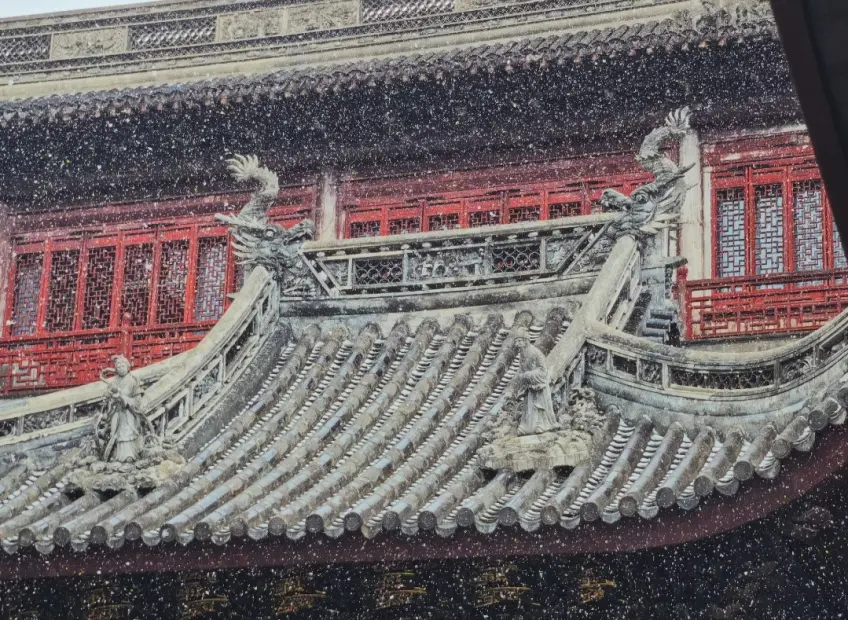
Don't get your hopes up for snow. Xujiahui Station averages less than one day of snowfall in December, and it's usually sleet or tiny flakes that melt on contact. If you do get lucky, the upturned eaves of Yu Garden and the old buildings along The Bund look stunning, but that's pure luck—don't plan your trip around it.
Another factor to work into your itinerary is the early sunset. December has the shortest days of the year, with darkness falling around 5 p.m. (the winter solstice is on December 22, 2026). The upside is you can see The Bund lit up without staying out late; the downside is less time for outdoor activities, so schedule attractions between morning and 3 or 4 p.m.
What to wear in December: packing for four scenarios
Daytime outings
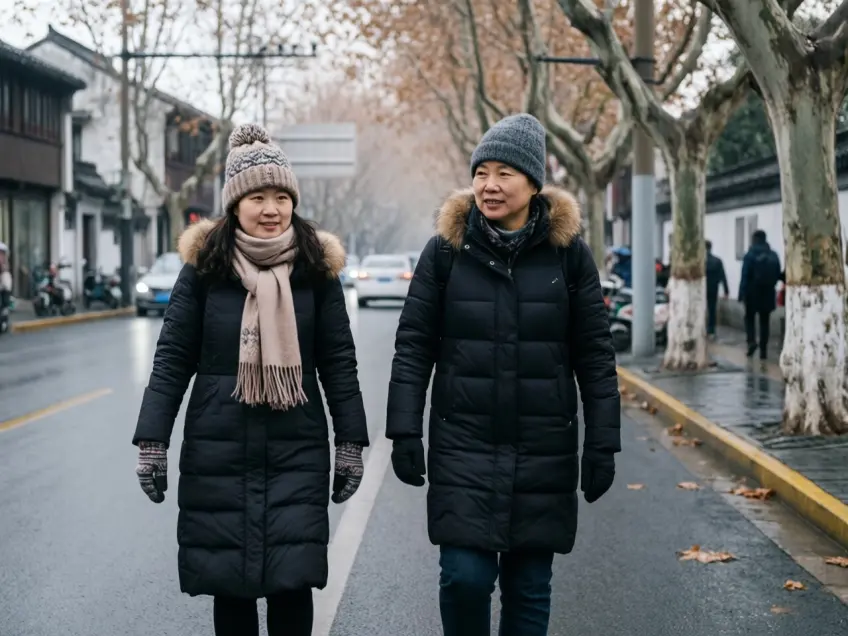
The most practical setup is three layers: a thermal base layer or heat-tech top, a mid-layer sweater, fleece, or light down vest, and a windproof long down jacket or heavy coat, ideally with a hood. For pants, go for fleece-lined options or add long johns underneath—jeans alone will leave you freezing in the wind. On warmer days early in the month, just swap the mid-layer for a long-sleeve shirt, but still bring the coat.
Mornings, evenings, and night lights
The waterfront promenades at The Bund, North Bund, and Lujiazui are completely exposed, and the river wind is much stronger than on the streets. Standing there for half an hour taking photos at night will feel several degrees colder than the forecast suggests. Before heading out in the evening, toss a scarf, gloves, and a beanie into your bag, and wear thick socks. If you're traveling with kids, a hat works better than an extra layer of clothing.
Rainy days
December rain isn't heavy, but it's cold. An umbrella keeps your head dry, but not your pant cuffs or shoes. Choose a water-resistant jacket and wear waterproof ankle boots or waterproof sneakers. Bring an extra pair of wool socks—once your feet get wet, you'll feel cold all over. Convenience stores sell heat pads (locally called "nuanbaobao"); stick one on your lower back or inside your shoe insoles. They're a lifesaver for shopping on rainy days.
Going indoors
This is something many people underestimate. Shanghai has no central heating. Hotels, large malls, subway cars, and newer buildings run air-conditioned heating, so unzip your jacket as soon as you walk in or you'll start sweating fast. But in garden halls, temples, memorial museums housed in old villas, and many street-side shops, it's about as cold inside as out—sometimes even damper. So don't count on "getting warm once you're indoors." Make sure your base layer is warm enough, and keep your outer layer easy to take on and off. Running the hotel AC all night dries out the air, so leave a glass of water by your bed or switch on the humidifier mode before sleeping.
Shoes, socks, accessories, and traveling with seniors or kids
Shoes: Bring waterproof ankle boots or sneakers with grippy soles, plus a lightweight pair to change into at the hotel. The cobblestones and manhole covers in the Old City and along The Bund get very slippery in cold rain. Accessories: A scarf, gloves (touchscreen-compatible ones make checking maps easier), a knit beanie, moisturizer, and lip balm. Buy heat pads after you arrive.
A sample packing list for a five-day December trip: one down jacket or heavy coat (wear it on the plane), two sweaters or fleece tops, two sets of thermal underwear, two pairs of pants (at least one fleece-lined), one pair of waterproof shoes plus one lightweight pair, four or five pairs of thick socks, one scarf, one pair of gloves, one hat, a folding umbrella, plus moisturizer and basic medications. Better to pack one less shirt and two extra pairs of socks—that's more practical.
Seniors: Layer thermal underwear, a down vest, and a coat. Going in and out just means unzipping the outer layer. If they have sensitive knees, bring knee warmers. Head out a little later in the morning, after the sun is up and temperatures rise, and return to the hotel to rest by late afternoon. One evening is plenty for night views. During the couple of days when a cold snap hits, seniors with blood pressure or heart issues should avoid standing in the wind along the river.
Kids: Dress them in one layer less than adults, but carry an extra jacket, a spare pair of socks and gloves. Sweating while playing and then catching the wind outdoors is the easiest way to get sick—unzip their jacket as soon as you go indoors. If you're bringing a stroller, pack a windproof and rainproof cover.
What to see in Shanghai in December
The last of the ginkgo and plane trees
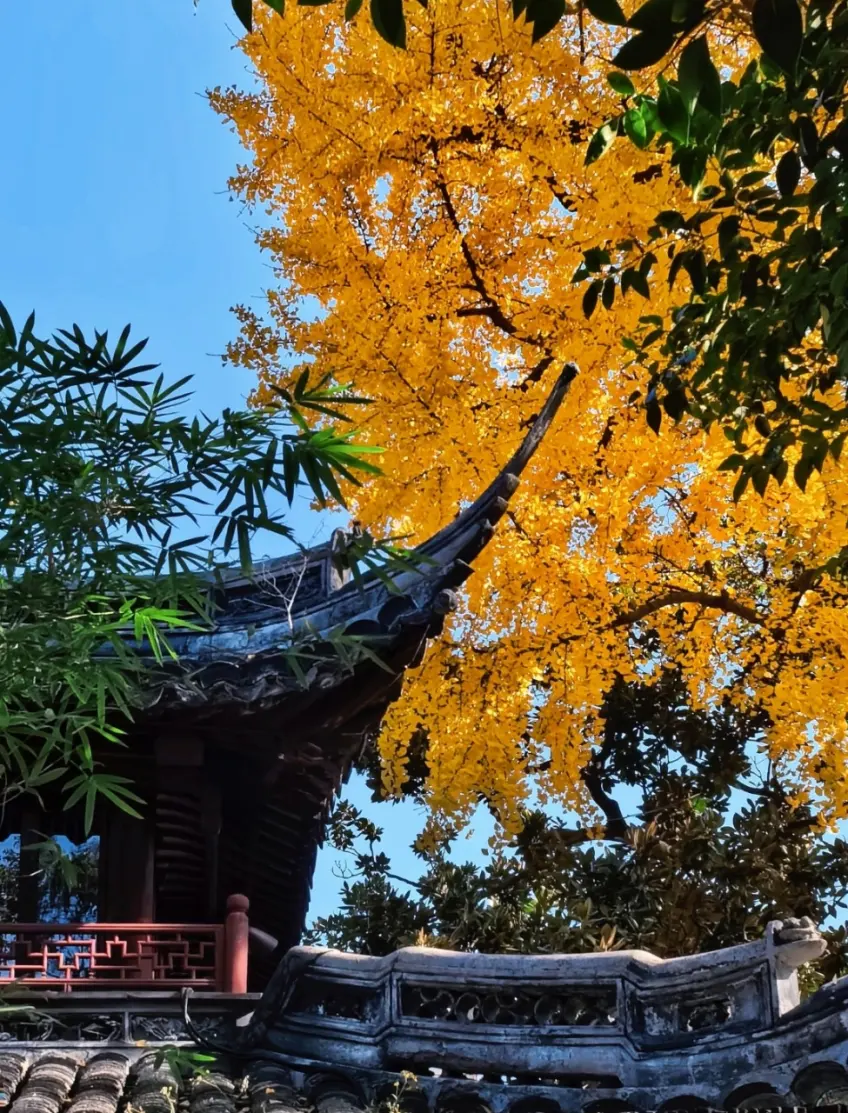
Autumn comes late to Shanghai. The yellow leaves of ginkgo, plane and zelkova trees peak in late November, and many streets are still golden in early December. Each year, the Shanghai Municipal Administration of Landscaping and City Appearance publishes a list of scenic roads where fallen leaves are left unswept. In 2025 there were 44 such roads across 14 districts, each with different start and end dates—the latest, in Pudong, ran until December 25. The 2026 list is usually released in late November, so just search for that year's list before you go.
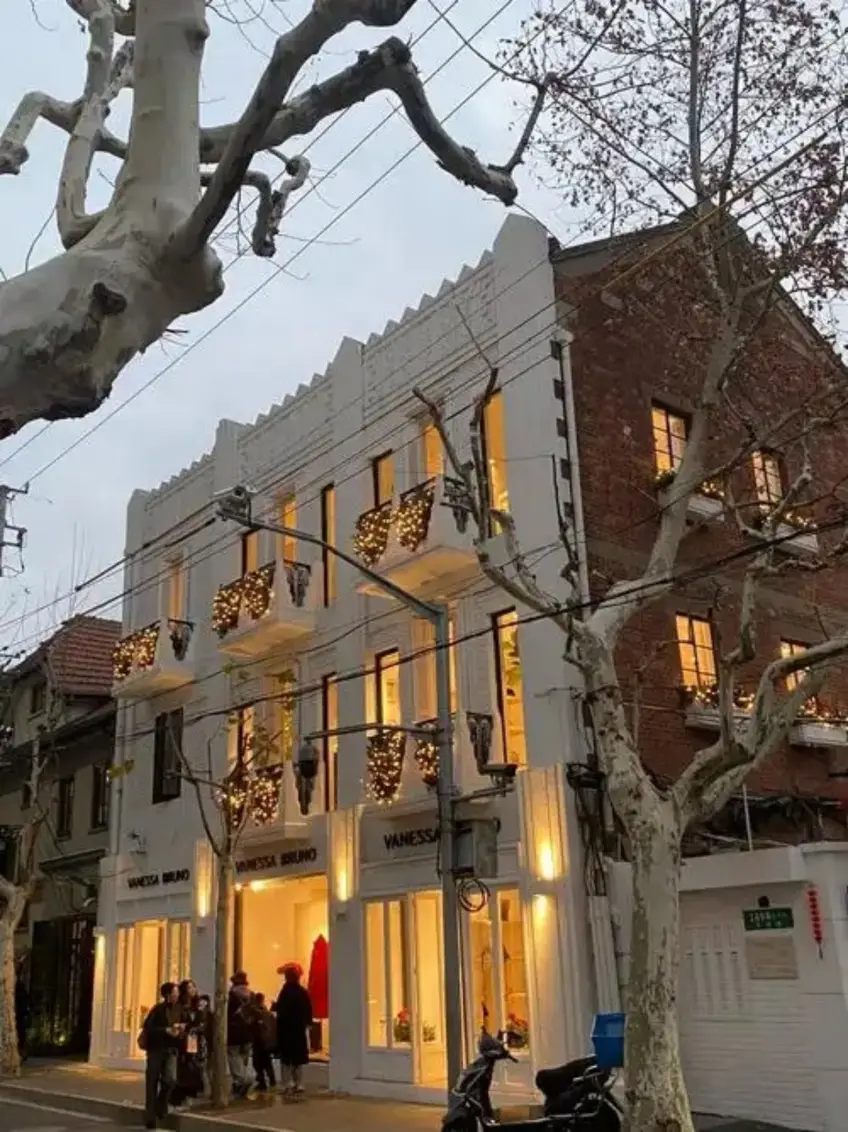
By mid-December, most plane trees have shed their leaves. Around Wukang Road and Anfu Road only bare branches remain, which paired with the old garden houses gives winter its own crisp charm. Start at Soong Ching Ling's Former Residence and stroll slowly along Wukang Road. The residence is closed on Mondays and open 9:00–17:00 on other days; for a neighborhood route, see Wukang Road and Anfu Road walking tour.
Shanghai Marathon day
According to Xinhua Finance, the 2026 Shanghai Marathon starts at 7:00 am on Sunday, December 6, with the starting line at Jinniu Square on The Bund. The health run takes place the day before, on December 5, and race packs are collected at the Shanghai World Expo Exhibition & Convention Center. On race morning, The Bund, Nanjing Road and roads along the course will be closed in stages. If you need to get from your hotel to the airport or train station that morning, or had planned to photograph the sunrise on The Bund, check the road closures in advance and take the metro instead.
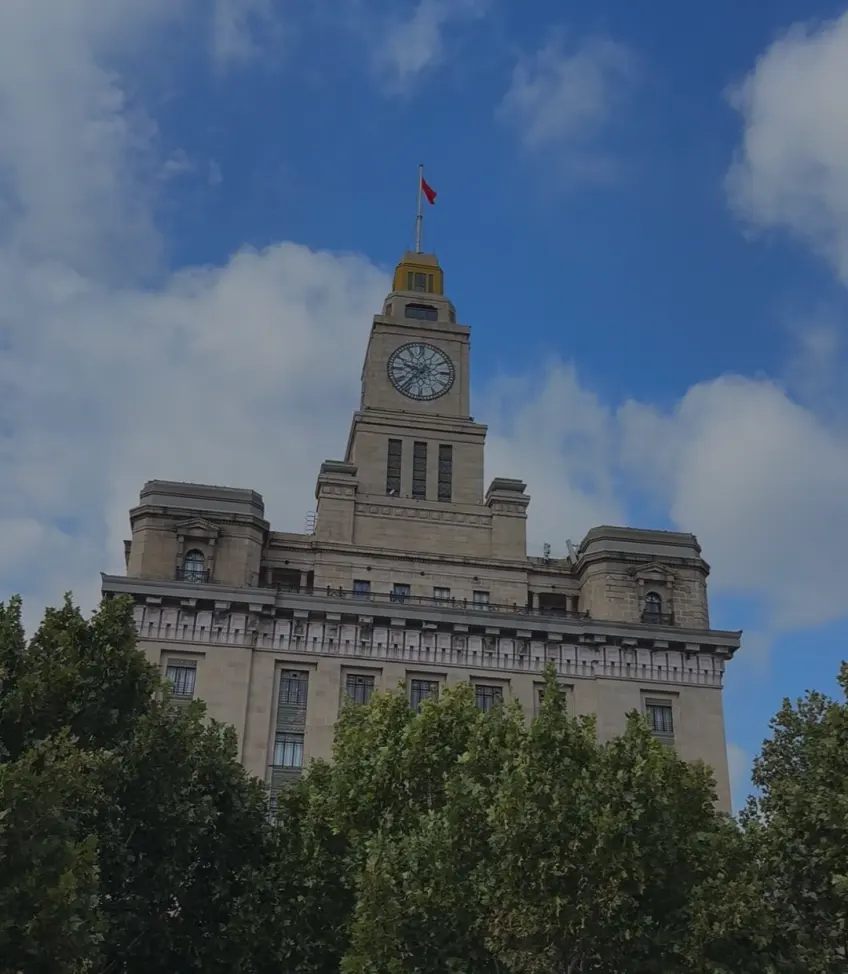
Christmas Season and New Year's Eve
In mid-to-late December, Nanjing Road, Huaihai Road, and major malls gradually put up Christmas decorations, and the evening shopping atmosphere is at its best. What you really need to plan ahead for is New Year's Eve on December 31: in past years, The Bund has drawn massive crowds, and police set up traffic control zones around it. For New Year's Eve 2025, vehicles are banned from entering from 8:00 PM to 1:00 AM the next day, and metro stations may temporarily limit entry or skip stops. Families with seniors or young children are advised not to ring in the new year in the crowds at The Bund—consider watching from a high floor of your hotel or from across the river instead. If you must go, arrive before 7:00 PM, agree on a meeting point in advance, and after the event walk to a farther metro station to catch a ride. The 2027 New Year holiday runs from January 1 to 3.
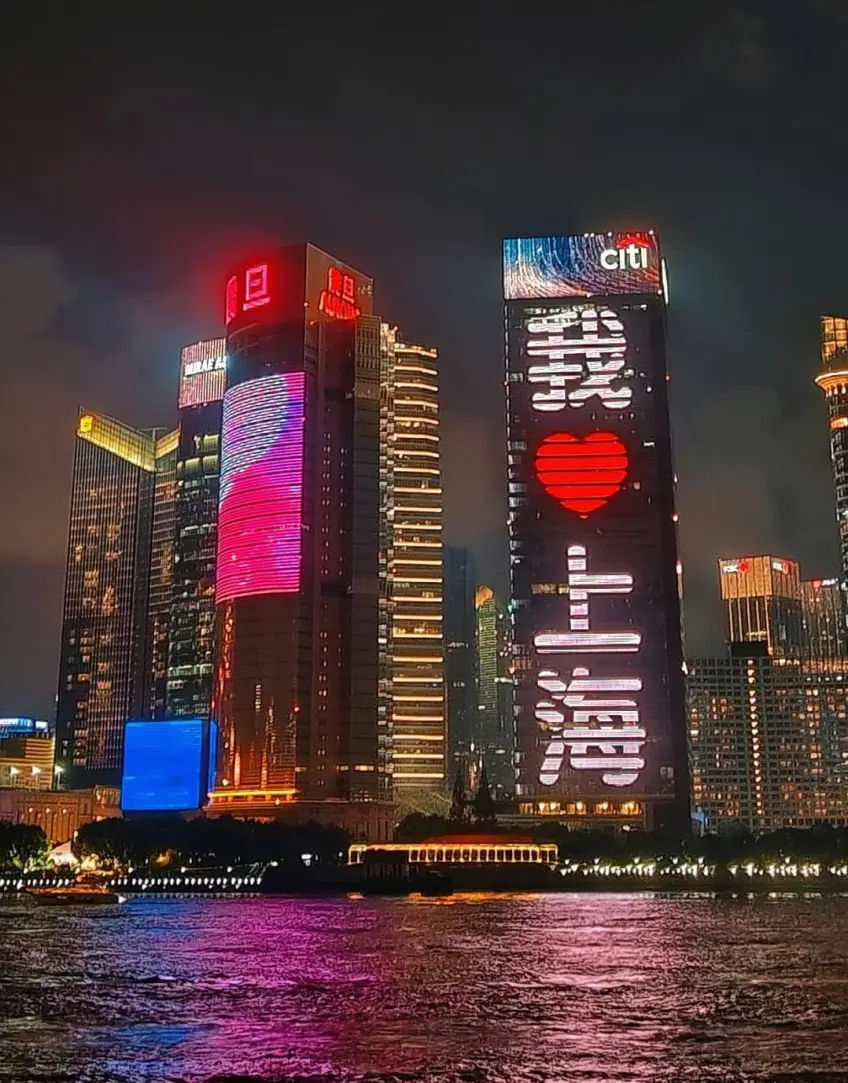
Winter in the Old City and at the Theme Park
Yu Garden switches to off-season ticket prices starting in December, with opening hours from 9:00 to 16:30. There are fewer visitors in winter than in spring or fall, and the first hour after opening is the quietest. The garden halls have no heating, so dress warmly. The adjacent City God Temple and Yu Garden Bazaar light up after dark, creating a better atmosphere than during the day.
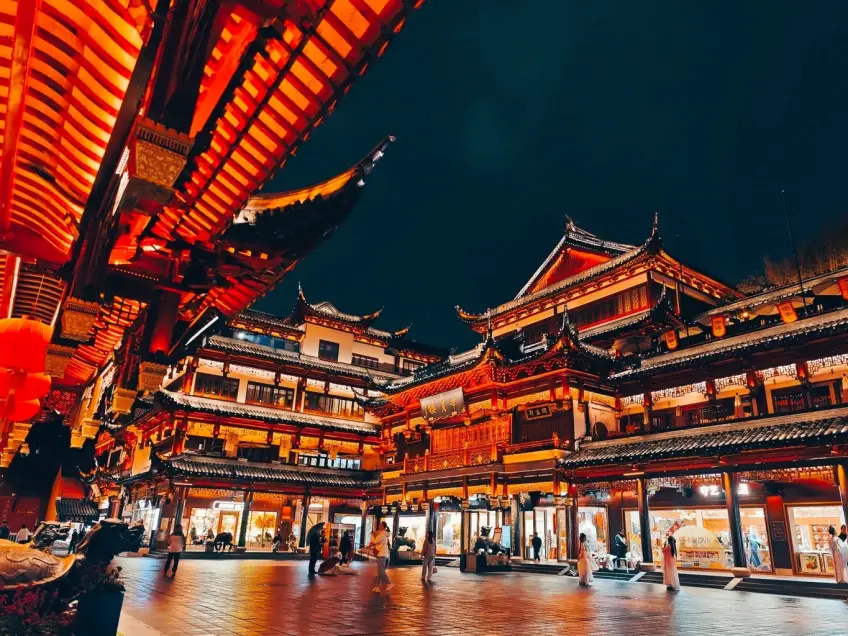
The Christmas season at Shanghai Disneyland usually features festive decorations and limited-time events; check official announcements for exact details and dates. Queue areas are open to the wind in winter, which feels better than summer, but temperatures can drop to 4–5°C during the evening castle fireworks show, so bring hats and hand warmers for the whole family. Tickets use date-based pricing, and both prices and crowds are higher around Christmas and the New Year weekend.

Is a winter trip to the water towns worth it?
In December, traveling from Shanghai to Zhouzhuang, Wuzhen or Xitang means far fewer tourists than in autumn. The stone bridges and canals photograph cleanly, which is the biggest perk of winter. The trade-off is heavy dampness by the water. Most old houses have no heating, and the wind makes them feel colder than downtown—especially noticeable on a boat ride. It's best to go on a clear day after a cold snap has passed: leave in the morning and head back before 3 or 4 p.m., and don't linger by the river after dark. The drive takes 1.5 to 2 hours each way; for route comparisons, see How to choose a day tour around Shanghai.
Cold snaps, chilly rain and fog: have an indoor backup plan
Cold snaps: When the cold front arrives, winds are often strong and temperatures can drop 8 to 10 degrees within a day or two. Move outdoor plans like waterfront walks and water town visits to warmer days, and schedule museums and indoor attractions instead.
Prolonged cold rain: Shanghai has plenty of indoor options. Near People's Square is the Shanghai Museum, while Pudong has the Shanghai Museum East. If you're traveling with kids, try the Shanghai Natural History Museum and Planetarium. The indoor observation decks of the Oriental Pearl Tower are also great on rainy days, though visibility is usually limited when it's overcast.
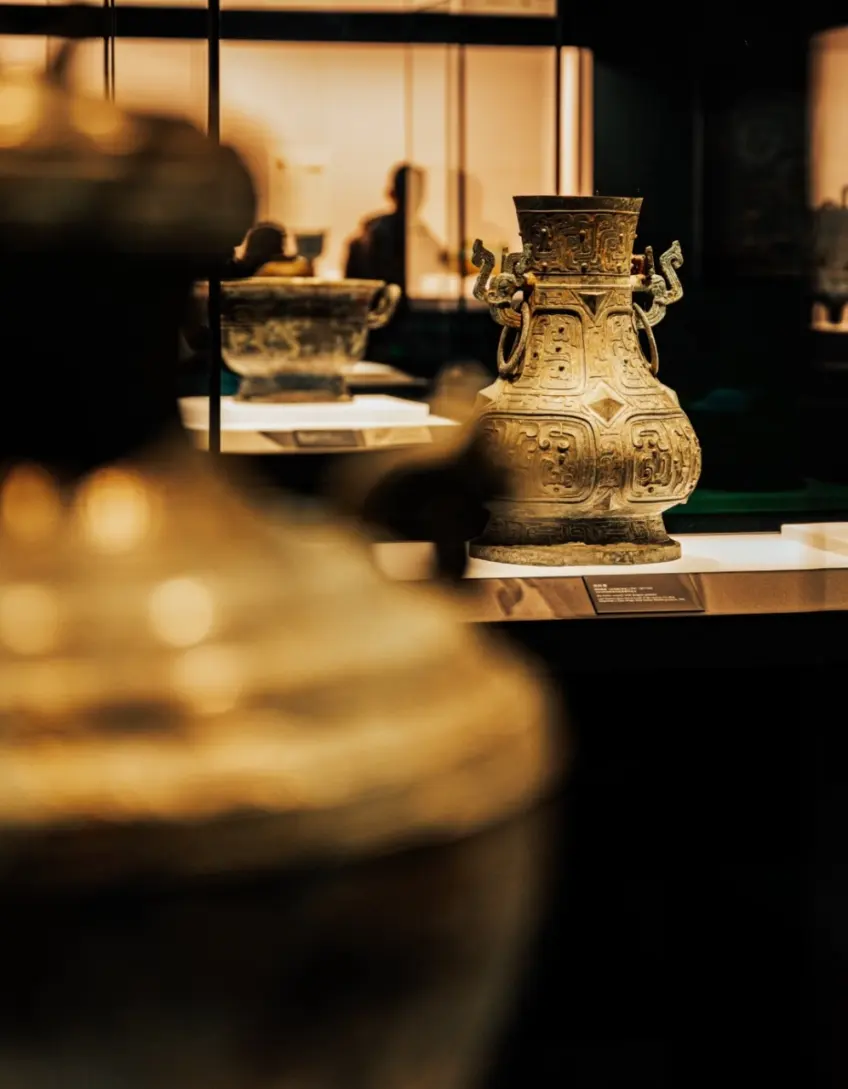

Fog: Early mornings in December occasionally bring dense fog, which can affect takeoffs and landings at both Pudong and Hongqiao airports as well as traffic on elevated roads and expressways. If you're catching an early flight, allow an extra 30 to 60 minutes and check your flight status before departure.
Sample itineraries for sunny and rainy days
Sunny, cold days: Head out around 10 a.m. once the sun is up. Start at Yu Garden and explore it while the crowds are thin. Have lunch near City God Temple to warm up. In the afternoon, walk along The Bund to Waibaidu Bridge, or take the ferry across the river to Lujiazui and wait for sunset by the water around 4 p.m. After dark at 5 p.m., watch both banks light up, then head indoors for dinner before 7 p.m. Keep total outdoor time under five hours so you don't get chilled to the bone.
Rainy days: Spend the morning at a museum—two or three hours in one place is plenty. In the afternoon, browse a mall or the heritage shops on Nanjing Road; underground passages and covered walkways keep you mostly dry. If the rain stops by evening, head to The Bund—the wet pavement actually makes for great reflections of the lights. Staying at a hotel near a metro station makes these days much easier.
Coordinating transport and guides for cold-weather trips
In December, what really wears you out isn't the cold itself—it's waiting in it: for a taxi, for an attraction to open, or walking twenty minutes between sights. If you're traveling with seniors or kids, a Shanghai private car can drop you right at the entrance, and it's easy to swing back to the hotel for an extra layer. Winter flights are delayed more often and it gets dark early, so book airport transfers ahead of time instead of queuing in the wind with your luggage. To spend less time standing around at Yu Garden and The Bund while still understanding what you're seeing, hire a private guide to cover the background in the car first, then focus only on the highlights on site—and switch to an indoor route if it rains. If you're traveling over New Year's Eve or a Christmas weekend, book theme park tickets and Yu Garden tickets in advance.

Shanghai 1-day tour: Shanghai, Oriental Pearl Tower
Private day tour with Shanghai airport transfers: walk the 259-meter glass corridor on the second sphere of the Oriental Pearl Tower, visit the Former Residence of Soong Ching Ling, and explore Yu Garden. Ideal for layovers or short stays in Shanghai. Includes vehicle, guide and admission tickets. English-speaking and other foreign-language guides available on request.

3 Days 2 Nights Oriental Pearl Tower & Disneyland: Shanghai (Nanjing Road + The Bund + Yu Garden Bazaar + City God Temple + Disneyland + Oriental Pearl Tower) No Shopping
A 3-day, 2-night private tour with airport transfers in Shanghai: Day 1 covers Nanjing Road, The Bund and Yu Garden. Day 2 is a full day at Shanghai Disneyland with an evening fireworks show (canceled in rain or if the show is suspended). On the final day, ascend the Oriental Pearl Tower. Includes transportation, guide, two nights' hotel and admission tickets. English-speaking guide available.

Suzhou, Hangzhou and Shanghai 5 days 4 nights: Leifeng Pagoda - West Lake cruise - Hefang Street - Songcheng - Lion Grove Garden - Shantang Street - Nanjing Road pedestrian street - The Bund night view - Disneyland
A 5-day, 4-night private tour with airport transfers in Shanghai: Leifeng Pagoda, a West Lake cruise, Hefang Street and the Romance of the Song Dynasty show in Hangzhou; Lion Grove Garden and Shantang Street in Suzhou, returning to Shanghai in the evening for The Bund; a full day at Shanghai Disneyland on day four. Includes transport, guide, 4 nights' hotel and admission tickets. English-speaking guide available.
FAQs
Do I need a down jacket for Shanghai in December?
Recommended. The average low is 5.3°C, dropping below freezing during cold snaps. Add damp chill, strong winds, and unheated indoor spaces, and a hip-length hooded down jacket is the easiest choice. If you run warm, pick a lightweight one and layer with a sweater underneath.
Does it snow in Shanghai in December?
Occasionally, but rarely. Xujiahui Station averages less than one day of snowfall in December, usually sleet or light flurries that seldom accumulate. Cold drizzle is far more common, so waterproof shoes are more practical than snow boots.
Can I still see ginkgo trees in Shanghai in December?
Usually yes in early December. Yellow ginkgo and plane tree leaves in the city peak from late November to early December, then fall off by mid-month. Timing varies each year, so check the current "unswept fallen leaves" street list and recent leaf-viewing updates before your trip.
What should I know about visiting The Bund on New Year's Eve?
It gets extremely crowded, with traffic controls blocking cars nearby and metro stations possibly limiting entry or skipping stops. Arrive early, pack light, agree on a meeting point if you get separated, and walk to a farther metro station when leaving. Not recommended for seniors or young children.
Are indoor spaces warm in Shanghai in December?
It depends on the place. Hotels, malls, the metro and new museums have heating; garden halls, temples, old villas and small shops are mostly unheated and about as cold as outdoors. So make sure your inner layers are warm enough, and wear a coat you can easily take off and put back on.