
Shanghai is still in winter in February. From 1991 to 2020, Xujiahui Station recorded an average high of 10.7°C and a low of 4.1°C, with about 65 mm of rain over 10 rainy days and fewer than 2 snowy days per year on average. Dress as you would in January: thermal underwear, a sweater, and a thick down jacket or coat. Late in the month, though, temperatures occasionally jump into the teens, so wear layers you can peel off.
For a month-by-month comparison, see Shanghai year-round weather and clothing guide. The coldest month is covered in Shanghai January weather and clothing. In 2027, February happens to contain the entire Spring Festival: Chinese New Year's Eve falls on February 5 and Lunar New Year's Day on February 6, with the public holiday running from February 5 to 13, and the Lantern Festival on February 20. This article covers Shanghai's weather, what to wear, and the Lunar New Year celebrations all in one place.
February weather: the tail end of winter drags on
On paper, February is a degree or two warmer than January, but far more changeable. Cold snaps are still common in early February; over the past 30 years, the average temperature on the coldest day of the month was -1.6°C, with a record low of -7.9°C. By late February, warm, moist air from the south begins moving north, occasionally bringing a day or two warm enough for short sleeves—the Xujiahui station even recorded a February high of 27.0°C. But such warmth rarely lasts more than two or three days before cold rain and a temperature drop follow. By meteorological standards, spring doesn't usually arrive in Shanghai until around March 9.
Rainfall is slightly higher than in December and January. Of the roughly 10 rainy days, many bring consecutive days of chilly drizzle, leaving the ground wet all day and clothes hung in your hotel slow to dry. Sunshine totals less than 120 hours, so clear days are precious. For readers traveling from Taiwan or Hong Kong for the holidays, prepare for weather a few degrees colder than your hometown's worst cold snap—and lasting an entire month.
What to wear in February: leave room for temperature swings
The packing strategy for February is "winter base layers, easy-to-remove outer layers."
Cold days: thermal underwear, a sweater or fleece, topped with a long down jacket, plus a scarf, gloves, and a hat. This is the same outfit as January—if a cold snap is forecast in the week before you leave, pack accordingly.
Warmer days: Swap your heavy coat for a lighter down jacket or wool coat, and layer a long-sleeve shirt with a knit cardigan underneath. If you get warm, just take off the cardigan and stuff it in your bag. The biggest mistake on mild days is dressing too lightly because the morning sun looks nice—temperatures drop by evening, and the wind can chill you to the bone.
Rainy days: Wet feet are the worst part of cold rain, so waterproof shoes matter more than a thick coat. Bring a sturdy folding umbrella, and wear a hooded, water-resistant jacket. Keep your pant legs from dragging on the ground so they don't soak up water.
Indoors: Just like in January, Shanghai has no central heating. During Chinese New Year, many people visit the old town, temples, and gardens. The halls and corridors in these places are basically unheated, and waiting in line to burn incense or view lanterns happens outdoors or in semi-outdoor areas, so make sure your base layers are warm enough. On the flip side, malls and subways get stuffy when crowded, so your outer layer should be easy to take off.
Shoes, socks, and small items: Pack a pair of waterproof ankle boots or winter sneakers and several pairs of thick socks. You can buy heat patches at convenience stores—they're great to stick on your back while watching lanterns. Don't forget lip balm and hand cream; damp cold weather can crack the skin on your hands too.
Tips for celebrating Chinese New Year with seniors and kids
Crowds, cold weather, and slippery roads during Chinese New Year mean you should slow the pace for older family members. When visiting Yu Garden for the lanterns or going to a temple to pray, try to go right when the lights turn on in the early evening or on weekdays, avoiding the busiest nights from the 1st to the 5th day of the lunar new year. In crowds, keep seniors in the middle of the group and agree on a meeting point in case you get separated. Standing still to watch lanterns for half an hour in the cold feels colder than walking, so bring a small folding stool for them or plan a stop at a cafe along the way.
Kids get excited about lanterns and temple fairs, but they easily work up a sweat and then catch a chill in the wind. Instead of a thick sweater under their coat, use a fleece layer that's easier to adjust. Attach their gloves to their sleeves with a string so they don't get lost in the crowd. Strollers are hard to maneuver through lantern festival crowds, so a baby carrier is much more practical.
Shanghai in February: Chinese New Year, lantern festivals and plum blossoms
New Year's Eve to the fifth day: a quieter big city
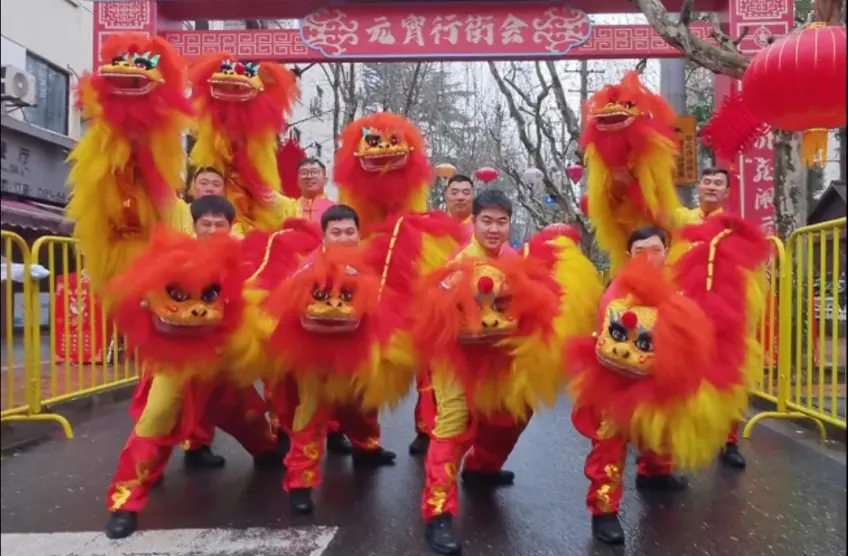
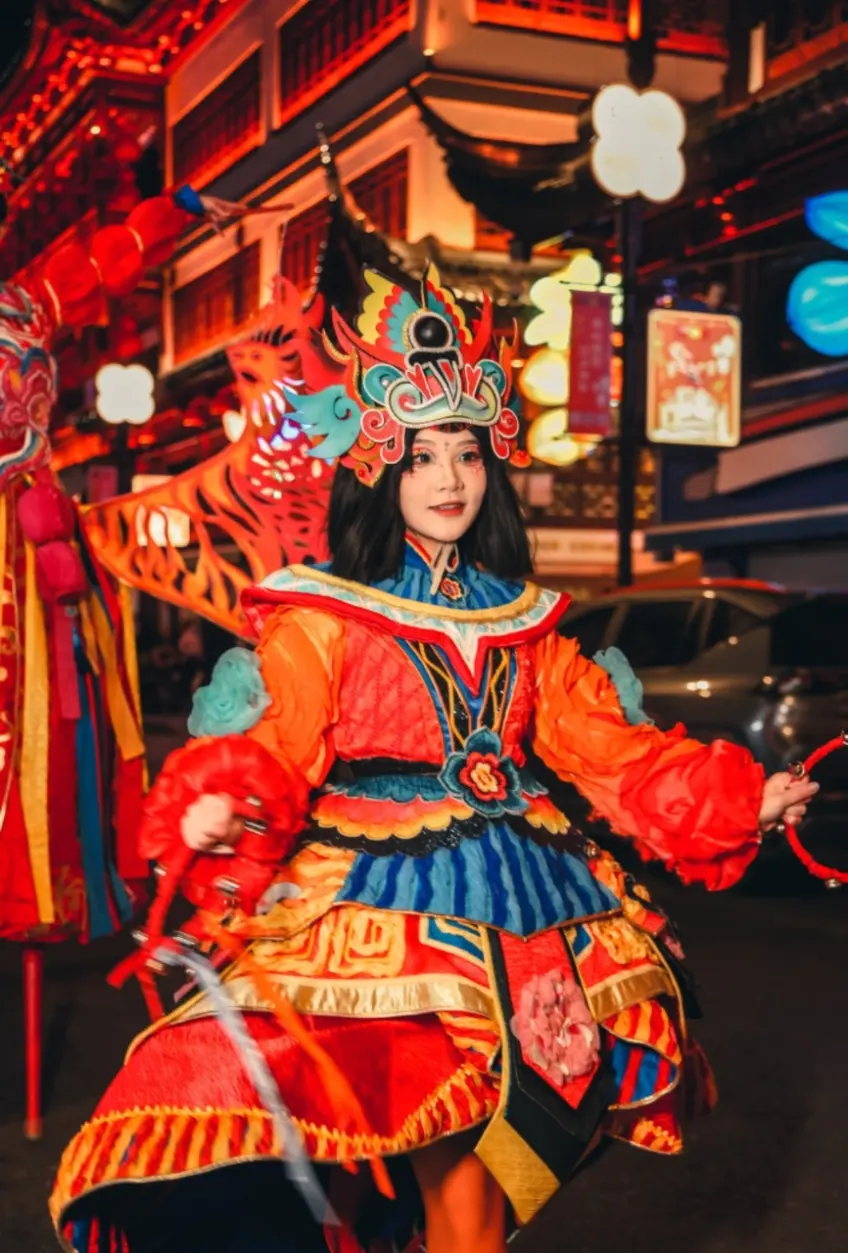
Celebrating Chinese New Year in Shanghai is different from what many people expect. With so many migrant workers heading home for the holidays, the downtown streets and subways are much emptier than usual from New Year's Eve through roughly the fifth day of the lunar new year. Fireworks and firecrackers are banned inside Shanghai's Outer Ring Road, so you won't hear them echoing across the city on New Year's Eve—it stays quiet. Major malls, chain restaurants, top attractions and museums generally stay open as usual, but many small street-side eateries, independent shops and time-honored brands close for a few days, so it's best to confirm ahead if there's a restaurant you want to visit.
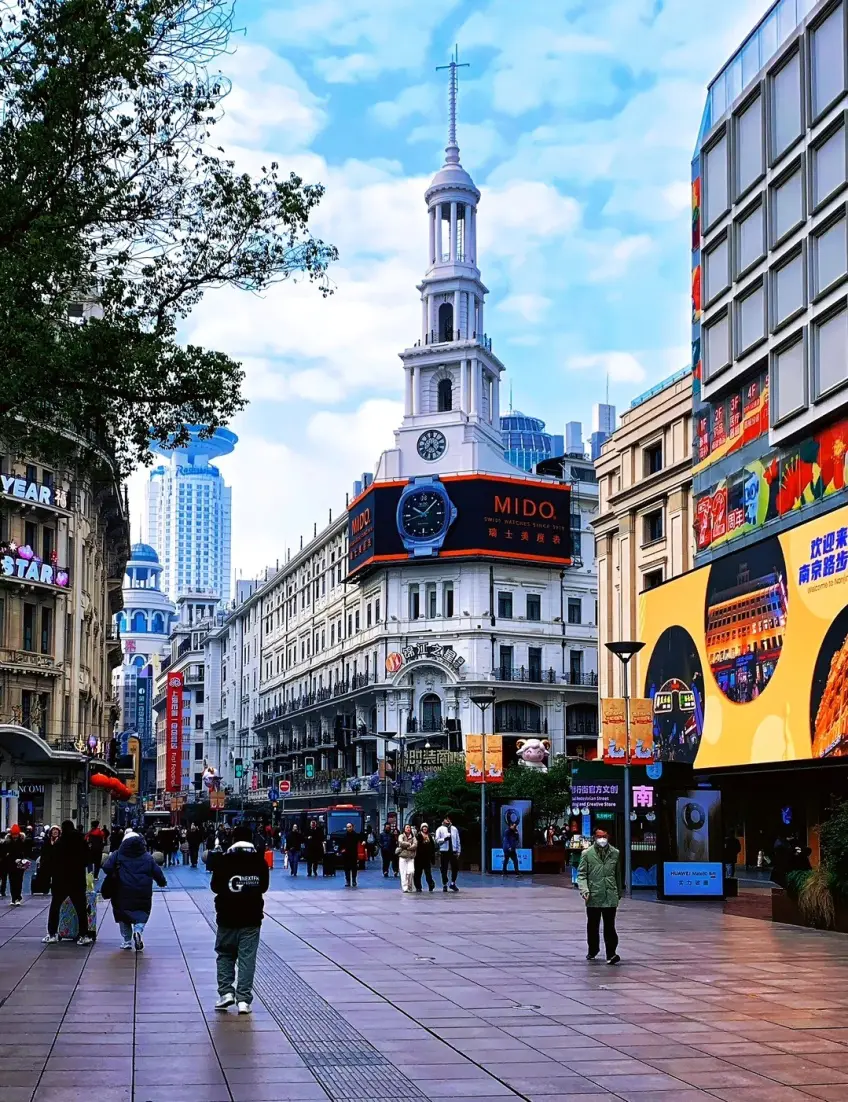
The action is concentrated in a few spots: the lantern festival and temple fair around Yu Garden and City God Temple, the night views along The Bund and Nanjing Road, and the Lunar New Year events at Shanghai Disneyland. Park tickets during Chinese New Year are pricier and crowds are heavier, so families with kids might want to skip the first through third days of the new year and go later in the holiday or on a weekday after it ends.
Yu Garden Lantern Festival: first day to the Lantern Festival
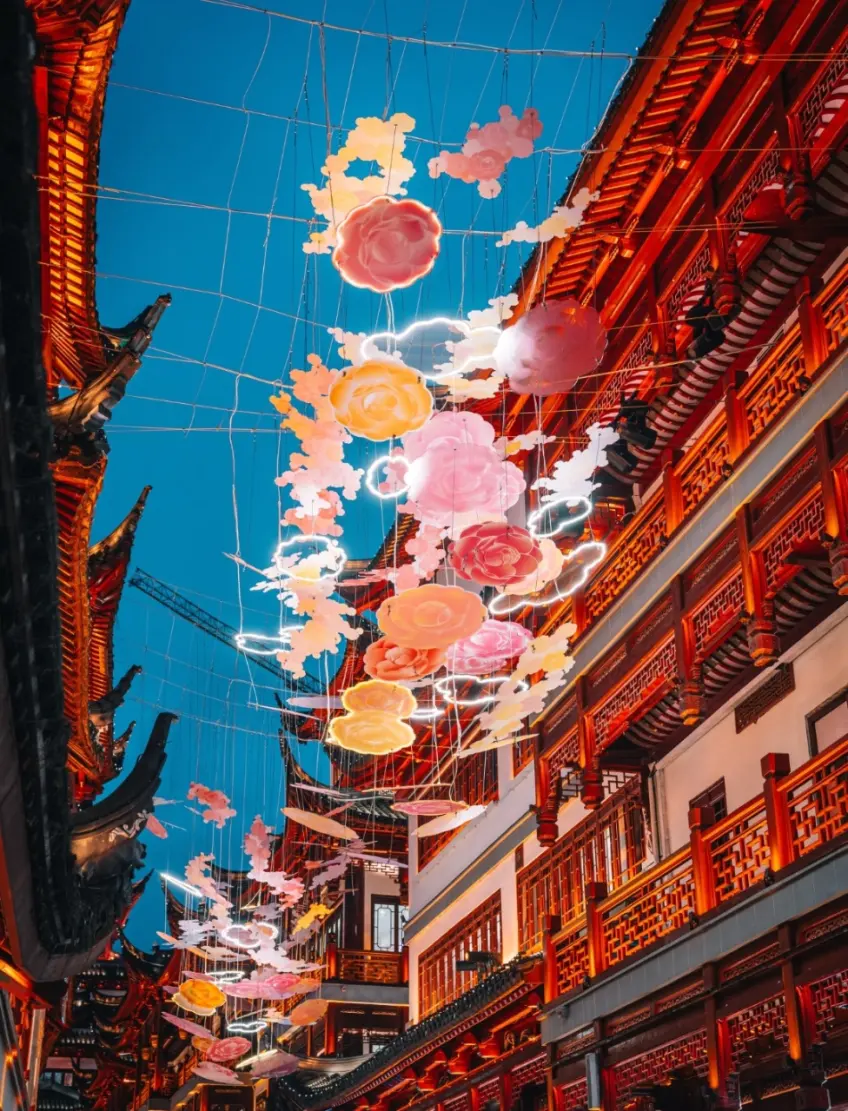
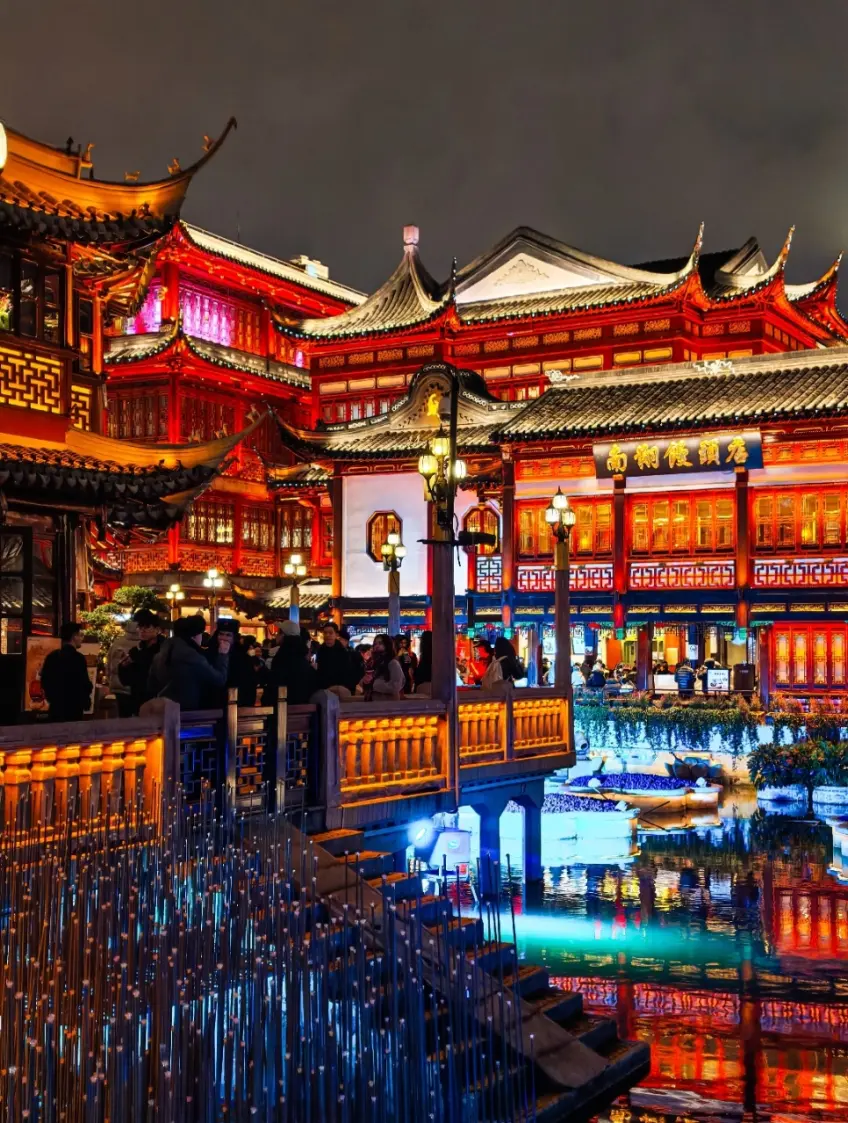
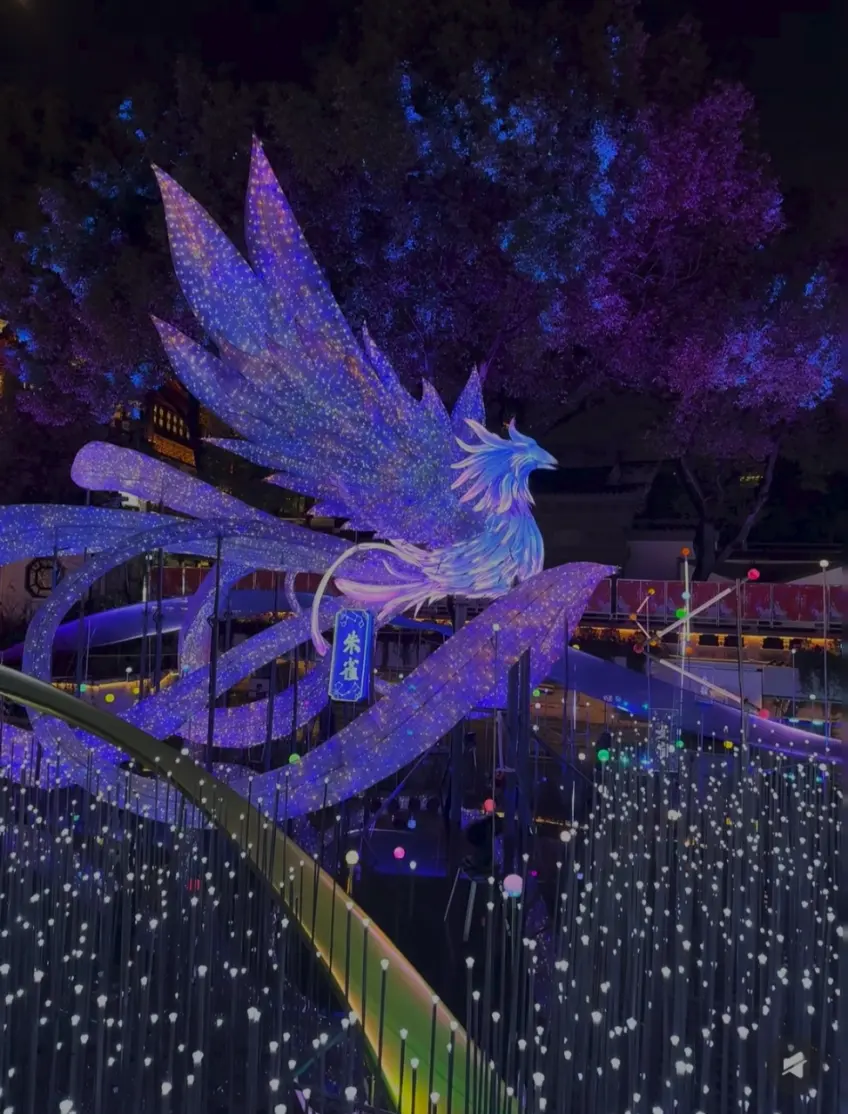
The Yu Garden Folk Art Lantern Festival usually lights up two or three weeks before Chinese New Year and runs until the Lantern Festival. Based on the 2026 edition (lit on January 26, ended on the Lantern Festival on March 3, with no lights on New Year's Eve), the 2027 festival should cover all of February and wrap up around the Lantern Festival on February 20—check Yu Garden's official announcements for exact dates. Tickets are required to enter, and the busiest times are the first through fifth days of the new year and the evening of the Lantern Festival, especially after 7 p.m.
Timing tip for viewing the lanterns: arrive around 4 p.m. to see the garden and lantern displays in daylight, then take another look after dark when they light up around 5 p.m., and leave before the biggest crowds arrive. The neighboring City God Temple draws lots of worshippers during Chinese New Year, with especially long lines early on the first day to offer the first incense. If you're not there to burn incense, just taking a look from outside is fine.
Lantern Festival
The Lantern Festival in 2027 falls on February 20 (Saturday). This night is the final and liveliest evening of the lantern festival, and crowd control is often enforced around Yu Garden. Yuyuan Station on the metro may temporarily adjust entry and exit routes. Families with seniors or young children are advised to visit the lanterns a day or two earlier, and spend Lantern Festival night somewhere else enjoying tangyuan (glutinous rice balls) and the city views. After the festival, the lantern displays are gradually taken down, bringing the holiday atmosphere to an end. By the last week of February, the city returns to its usual pace.
Plum blossoms are blooming
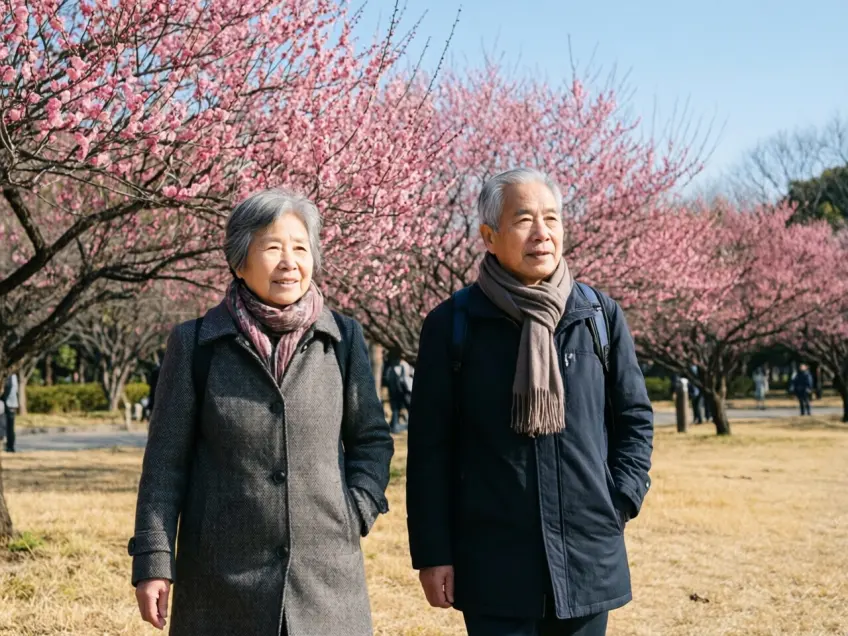
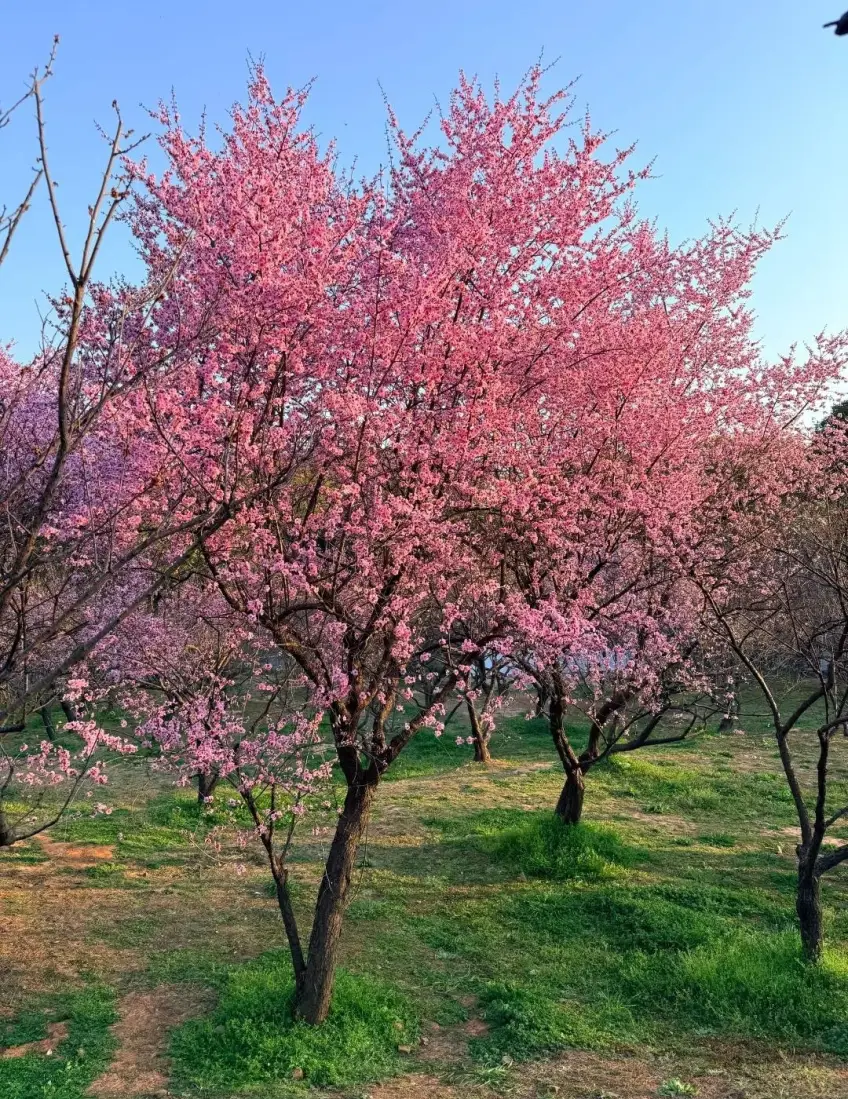
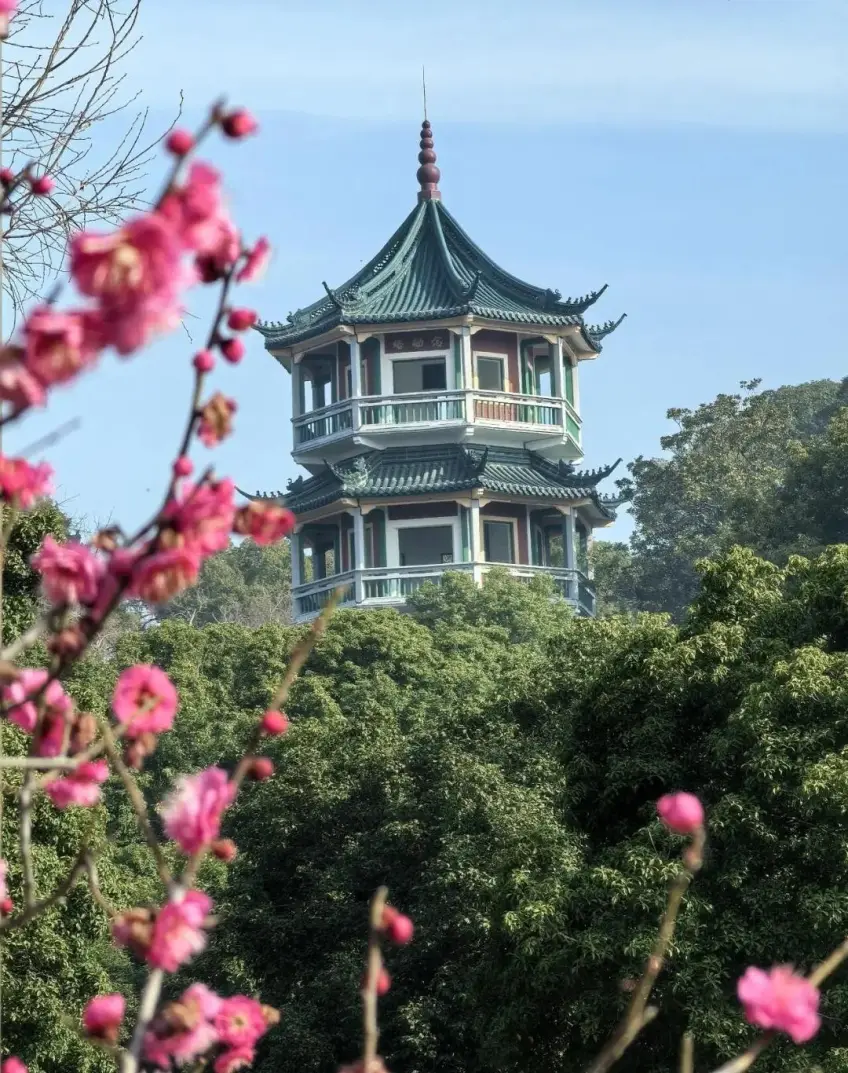
February is plum blossom season in Jiangnan. Early-blooming varieties start to open sporadically around Chinese New Year, while peak bloom usually runs from mid-to-late February through early March. In downtown Shanghai, Century Park and the Shanghai Botanical Garden both have plum gardens. In 2026, the plum blossom viewing event at Century Park runs from February 7 to March 15. For vast groves of plum trees, take a trip from Shanghai to Wuxi's Meiyuan Plum Garden. The high-speed train takes about 40 minutes to Wuxi. The garden stretches across a hillside covered in pink and white plum blossoms, and can easily be combined with Yuantouzhu (Turtle Head Isle) in a single day.
A winter night at The Bund
During Chinese New Year, the lights at The Bund and Lujiazui stay on as usual, and some buildings switch to festive light displays. With fewer cars in the city, it's one of the best times of year to photograph The Bund at night. It's windy along the river, and February nights often hover around 3–5°C, so standing outside for long gets very cold. After enjoying the lights, duck into a mall or restaurant on Nanjing Road nearby to warm up. The Bund is still busy on Lunar New Year's Eve and the first day of the new year, but far less crowded than on New Year's Eve (December 31), so bringing older family members is usually fine.
Celebrating the new year in a water town
Traveling from Shanghai to water towns like Xitang and Wuzhen for Chinese New Year means red lanterns hanging under covered walkways and the river reflecting the lights at dusk—a truly festive atmosphere. But the Spring Festival holiday also brings some of the biggest crowds of the year. Waterside areas are colder and damper than the city in February, and wind blows right into the sculling boats, so wear your thickest jacket. Temperatures drop quickly after 3 or 4 p.m. For smaller crowds, visit on a weekday after the holiday.

Three different paces: before, during, and after the holiday
Before the holiday (around Feb 1–4): The most festive days, with plenty of holiday goods. Malls and time-honored brands hang lanterns everywhere, and New Year shops are packed. This is also peak Spring Festival travel rush out of Shanghai, so roads to train stations and the airport get congested, and outbound tickets are hardest to buy. Great for shopping and viewing lights in the city, but not ideal for side trips.
During the holiday (Feb 5–13): Shanghai is at its emptiest—taxis and the metro are less crowded than usual—but hot spots like Yu Garden, City God Temple, and theme parks see some of their biggest crowds of the year. Visit popular attractions right when they open in the morning, spend the afternoon at a museum or resting at your hotel, and pick a quieter evening for the lantern displays.
After the holiday (Feb 14–28): The city returns to normal. The return travel peak falls on the 6th to 8th days of the lunar new year; after that, hotel prices drop and crowds thin out. Plum blossoms hit full bloom, and the Lantern Festival (Feb 20) offers one last burst of lantern fair excitement. If your dates are flexible, this two-week stretch offers the best value in February.
A February packing list
One long down jacket, one lightweight down jacket or wool coat (for warmer days), two sets of thermal underwear, two sweaters or fleece jackets, two long-sleeve shirts, two to three pairs of pants, one pair of waterproof shoes, five or six pairs of thick socks, a scarf, gloves and a hat, a folding umbrella, plus hand cream and basic medications. If you're visiting friends and relatives during Chinese New Year, bring a nice outfit for going out—you'll often need to take off your coat when dining indoors.
How to make the most of warm days: Save those rare sunny, mild February days for being outdoors. Take a walk around Wukang Road to see the bare plane trees and old villas, or ride the ferry back and forth across the Huangpu River, then soak up the sun at The Bund. These days usually last only one or two days before the cold air returns and you need winter clothes again, so move your outdoor plans forward whenever it's warm.
Weather risks: cold snaps, chilly rain and holiday crowds
Cold snaps and late-winter chills: Cold fronts in February hit hard—15–16°C one day can drop to 5–6°C the next. Don't ship your heavy clothes home on a warm day; keep that down jacket in your luggage.
Prolonged cold rain: If it rains for several days straight, swap outdoor plans for indoor ones: the Shanghai Museum, its East Campus and the Natural History Museum are usually open as normal during Chinese New Year. Crowds are large over the holiday, so book in advance; check each museum's announcements for exact opening hours.
Fog: Heavy fog occasionally rolls in on mornings in late winter and early spring. If you're catching an early flight or high-speed train around the holiday, allow extra travel time and check your flight status before departure.
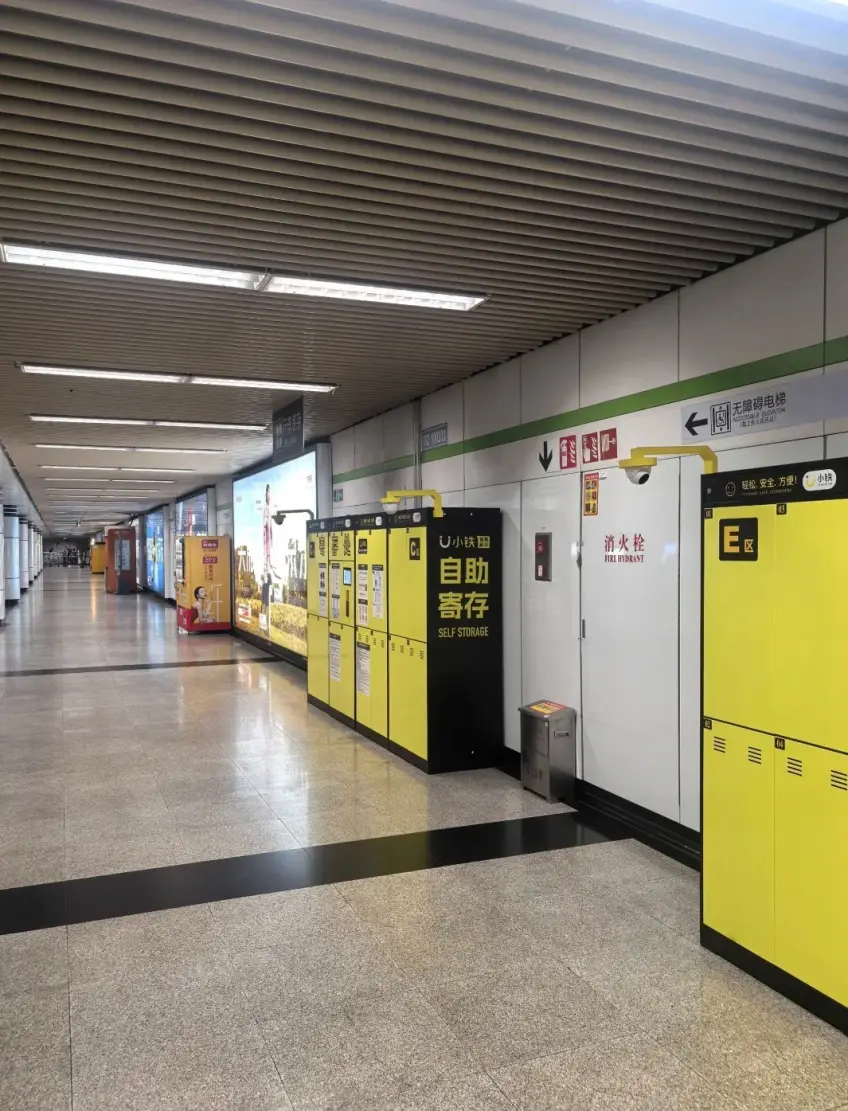
Spring Festival travel rush: Train tickets out of Shanghai are tightest in the week before the holiday, and the return peak falls from the 6th to the 8th day of the Lunar New Year. Book high-speed train tickets and flights to Suzhou, Hangzhou or your return destination well in advance, and allow extra time getting in and out of train stations. Store bulky luggage at subway station lockers or hotel storage to travel light.
Book your Chinese New Year transport early for peace of mind
In Shanghai around Chinese New Year, last-minute plans are the hardest: many drivers head home, so hailing a ride on the spot can mean longer waits; security lines at train stations are longer than usual; and same-day tickets for lantern shows often sell out. Families traveling with seniors, kids or bulky luggage should book airport transfers in advance and arrange a day or two of private car service in Shanghai, so the driver can pick you up near lantern fairs and temple fairs and you can warm up in the car when it gets cold. If you want to see plum blossoms in Wuxi or visit Suzhou and Hangzhou but can't get train tickets, check out our private car options for day tours around Shanghai. Book lantern fair and theme park tickets as early as possible.
3 Days 2 Nights Oriental Pearl Tower & Disneyland: Shanghai (Nanjing Road + The Bund + Yu Garden Bazaar + City God Temple + Disneyland + Oriental Pearl Tower) No Shopping
A 3-day, 2-night private tour with airport transfers in Shanghai: Day 1 covers Nanjing Road, The Bund and Yu Garden. Day 2 is a full day at Shanghai Disneyland with an evening fireworks show (canceled in rain or if the show is suspended). On the final day, ascend the Oriental Pearl Tower. Includes transportation, guide, two nights' hotel and admission tickets. English-speaking guide available.

Shanghai 1-day tour: Shanghai, Oriental Pearl Tower
Private day tour with Shanghai airport transfers: walk the 259-meter glass corridor on the second sphere of the Oriental Pearl Tower, visit the Former Residence of Soong Ching Ling, and explore Yu Garden. Ideal for layovers or short stays in Shanghai. Includes vehicle, guide and admission tickets. English-speaking and other foreign-language guides available on request.
Yuantouzhu Scenic Day Tour: In-depth Wuxi tour of Lingshan Grand Buddha, Lake Tai, Yuantouzhu and Huishan Ancient Town
Private day tour with airport pickup in Wuxi: cruise Lake Tai from Yuantouzhu (Turtle Head Isle), visit Sanshan Island, pay respects at the Lingshan Grand Buddha, and stroll through Huishan Ancient Town. Adds Lake Tai scenery to a Lingshan-only trip. Includes transport, guide and admission tickets. English and other language guides available on request.
FAQs
Do I still need a down jacket in Shanghai in February?
Yes. The average low is around 4°C, and cold snaps are common in early February, so a down jacket or heavy coat is essential. It warms up later in the month and you can switch to something lighter, but don't leave home without one.
Are shops and attractions open in Shanghai during Chinese New Year?
Large malls, chain stores, major attractions and museums generally stay open as usual, though some adjust their hours. Many small restaurants and independent shops close from New Year's Eve through about the fifth day of the festival. Check the day's opening hours before you go.
When does the 2027 Yu Garden Lantern Festival end?
Based on past years, it usually runs until the Lantern Festival, which falls on February 20 in 2027. Exact start and end dates and ticket prices are subject to official announcements from Yu Garden. The busiest times are the first to fifth days of the Lunar New Year and the evening of the Lantern Festival.
Can I see plum blossoms in Shanghai in February?
Yes. Early-blooming varieties open around Chinese New Year, with peak bloom usually from mid-to-late February to early March. Century Park and Shanghai Botanical Garden in the city center both have plum blossom gardens. For a large grove, you can take a day trip to Wuxi Plum Blossom Garden.
Is it easy to book hotels in Shanghai during Chinese New Year?
Hotels in the city center are generally not hard to book, as many local residents and migrant workers leave Shanghai for the holiday. However, popular hotels near Yu Garden, The Bund, and Disneyland fill up quickly and cost more from the first to fifth days of the Lunar New Year and around the Lantern Festival, so book early.
Can I see fireworks in Shanghai during Chinese New Year?
Basically no in the city center. Fireworks and firecrackers are banned within Shanghai's Outer Ring Road, so New Year's Eve is very quiet. The festive atmosphere comes mainly from lantern festivals, temple fairs, and holiday decorations at shopping malls.