
In March, warm and cold air battle it out in Shanghai. From 1991 to 2020, Xujiahui Station recorded an average high of 14.9°C and a low of 7.6°C, with about 97 mm of rain over nearly 13 rainy days—making it the wettest month of spring. Wear a sweater or hoodie as a base layer, topped with a water-resistant windbreaker or light down jacket. Add a scarf for mornings, evenings and rainy spells, and choose shoes that can handle getting wet.
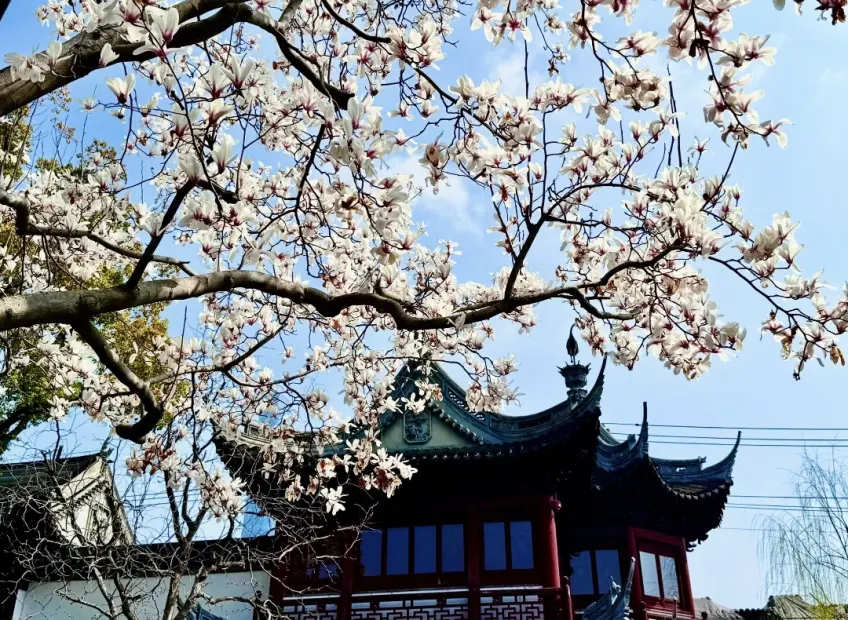
For a year-round comparison, see our Shanghai year-round weather and clothing guide. If your trip starts in late February, check Shanghai February weather and what to wear for winter details. The keywords for March are late cold snaps, spring rain and blossoms: white magnolias, cherry blossoms and peach blossoms bloom one after another, but the weather can change in a flash.
March weather: Spring arrives, but winter can return anytime
By meteorological standards, Shanghai entered spring around March 9 on average between 2001 and 2025. But "entering spring" only means the five-day average temperature stays above 10°C—it doesn't guarantee warmth from then on. March is when warm and cold air masses repeatedly clash over the lower Yangtze River. On warm days, afternoon temperatures can top 20°C; Xujiahui Station has even recorded highs above 29°C in March. When a cold front swings back, temperatures can plunge to 5–6°C. Over the past 30 years, the average low on the coldest day in March was 1.9°C, and a record low of -5.4°C has occurred. This is what locals call a "late spring cold snap."
Rain is the other star of March. With nearly 13 rainy days and 97 mm of precipitation, it's wetter than any winter month. Most of it comes as fine, lingering spring drizzle that sometimes lasts three or four days straight, dragging temperatures down with it. You might also catch the first thunderstorm of spring. Sunshine totals about 128 hours—a bit more than February—but sunny and rainy spells alternate quickly.
Readers from Taiwan and Hong Kong can think of it this way: the average temperature in Shanghai in March is roughly like Taipei at its coldest in January, plus more rain. Don't be fooled by the word "spring"—leave at least one windproof jacket in your luggage.
Early, mid, and late March feel like three different months
Early March: In most years, winter still sets the tone. Days with highs around 10°C are common, mornings and evenings drop to just 3–5°C, plum blossoms are fading, and magnolias are just budding. Pack as you would for late February—don't put away your down jacket yet.
Mid-March: The first few weeks after spring arrives bring daytime temperatures around 15°C, warmer on sunny days. Magnolias are at their peak and early cherry blossoms begin to open. This is when warm and cold spells alternate most frequently—you might get a 20°C day and a sudden cold snap within the same week.
Late March: Temperatures climb noticeably, often reaching 18–20°C in the afternoon. Cherry blossoms, peach blossoms, and crabapples bloom one after another, making this the best time to head out in March. But rainy days increase, and strong convective weather starts to appear.
These three phases reflect the pattern in most years, not exact statistics. The timing of the spring warm-up can vary by a week or two each year. In 2026, for example, an unusually warm start meant the cherry blossom festival opened about a week earlier than usual. Checking the forecast and bloom updates a week before departure is far more useful than looking up historical averages.
What to wear in March: layering is key
In March, don't rely on a single "just right" jacket. It might be 18°C today and 8°C tomorrow, so layer up and peel off pieces as needed.
Daytime: Start with a long-sleeve T-shirt or shirt, add a sweater, hoodie or cardigan, and top it off with a trench coat, windbreaker or denim jacket. On sunny afternoons, stripping down to just the cardigan feels perfect.
Mornings and evenings: Around 7–8 a.m. and after 9 p.m., temperatures often drop 7–8°C below the afternoon high. If you're watching the night skyline or catching an early bus, toss a light down jacket or down vest into your bag.
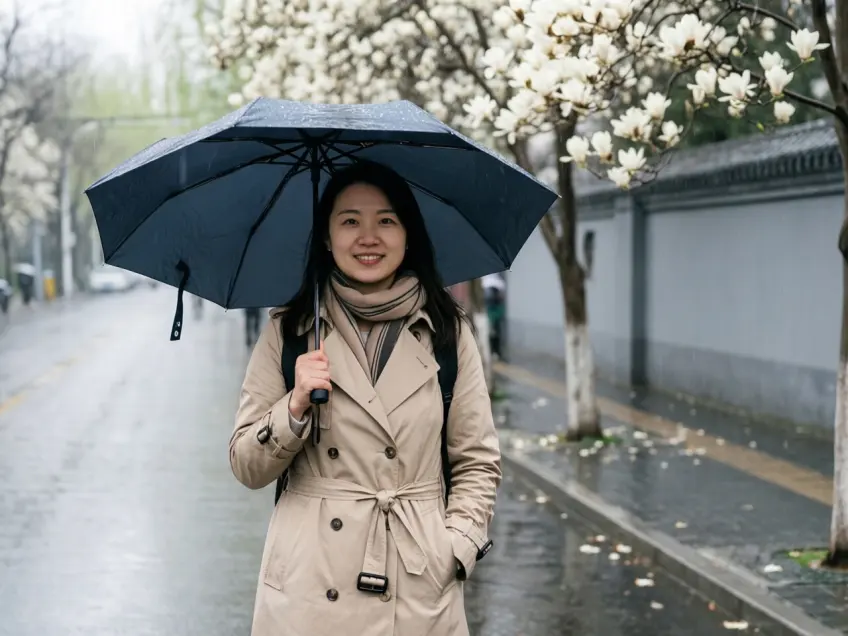
Rainy days: A hooded, water-resistant jacket works better than a raincoat, and carry a folding umbrella every day. Spring drizzle isn't heavy but lasts a while, soaking pant cuffs and shoes first—dark, quick-dry pants save hassle.
Indoors: At this time of year, most indoor spaces in Shanghai run neither heating nor AC. Old buildings, garden halls and basement galleries feel cooler than outside, so don't rush to take off your jacket; malls and subways can get stuffy when crowded.
Late cold snaps: Dress like it's winter—sweater plus down jacket and a scarf. Travelers departing in early March won't regret packing a down jacket; for late March, a light down jacket or thick trench coat is enough.
Shoes, rain gear and traveling with seniors or kids
March footwear needs to handle both walking and rain: waterproof sneakers or ankle boots are your best bet, plus a lightweight spare pair. Stone paths and the blue-brick floors of classical gardens grow mossy and slippery in spring showers. When visiting Yu Garden or water towns with older relatives, stick to flat ground and hold the handrails on stairs.
Elderly travelers are most vulnerable to sudden temperature swings—warm enough at noon to shed a jacket, then chilly when the evening wind picks up. Pack a thin down vest for them to slip on if they get cold. Kids burn energy fast, so dress them in quick-dry base layers under an easy-to-remove jacket. Grass is damp during flower viewing in parks, so bring a moisture-proof mat and a change of pants. March also marks the start of pollen season; if anyone in your group has allergies, pack masks and basic medication.
March in Shanghai: magnolias, cherry blossoms and peach blossoms
The tail end of plum blossoms
Early March still catches the last of the plum blossoms. In 2026, the plum blossom festival at Century Park runs through March 15, while the trees in the Plum Garden at Shanghai Botanical Garden fade around the same time. Late-blooming varieties at Wuxi Plum Blossom Garden can last until mid-March. To see both plum blossoms and magnolias, plan your trip for early to mid-March—just pack an extra layer.
White magnolia: Shanghai's city flower
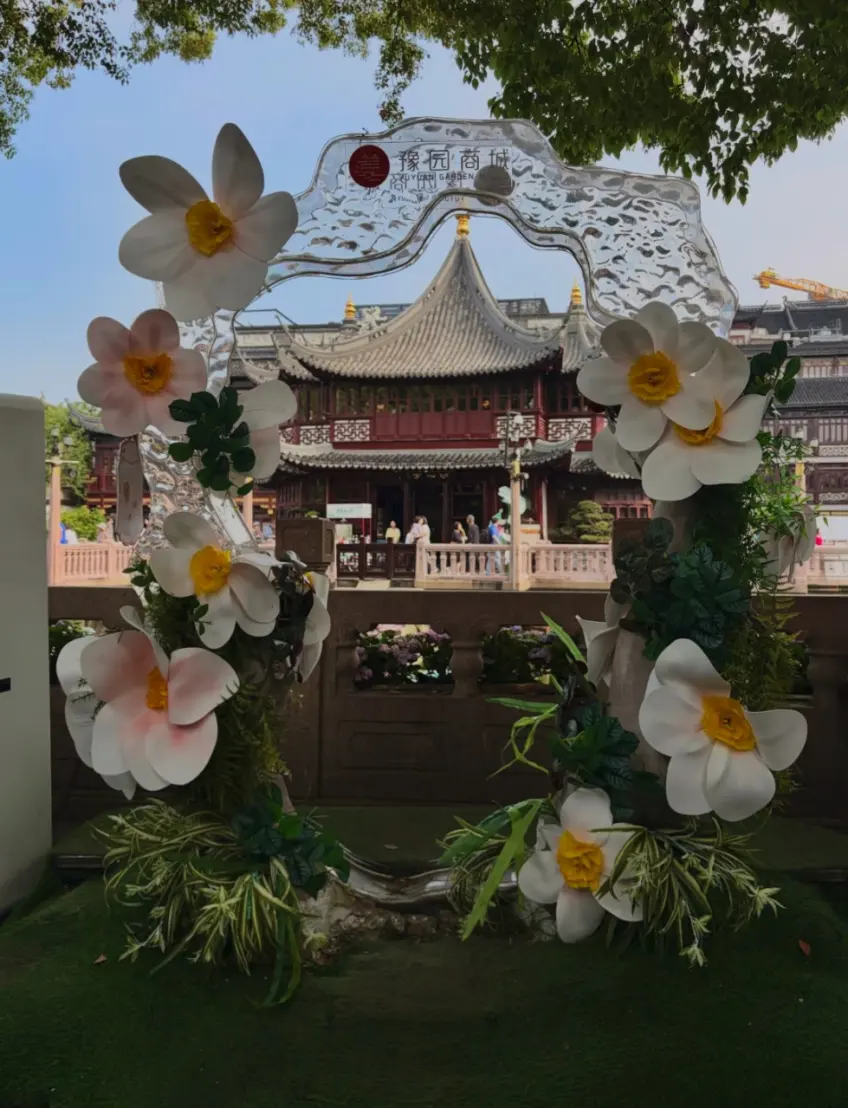
The white magnolia is Shanghai's city flower, usually blooming in early to mid-March, with peak viewing often around mid-March depending on that year's temperatures. Magnolias flower before their leaves emerge, so the trees are covered in white blossoms without a single green leaf—a stunning sight against old Western-style houses and the whitewashed walls of classical gardens. Yu Garden has several magnolia trees that photograph beautifully against the vermilion pavilions. In March, Yu Garden still charges off-season prices and stays open until 16:30, so visit in the morning when the light is softest for flower viewing.
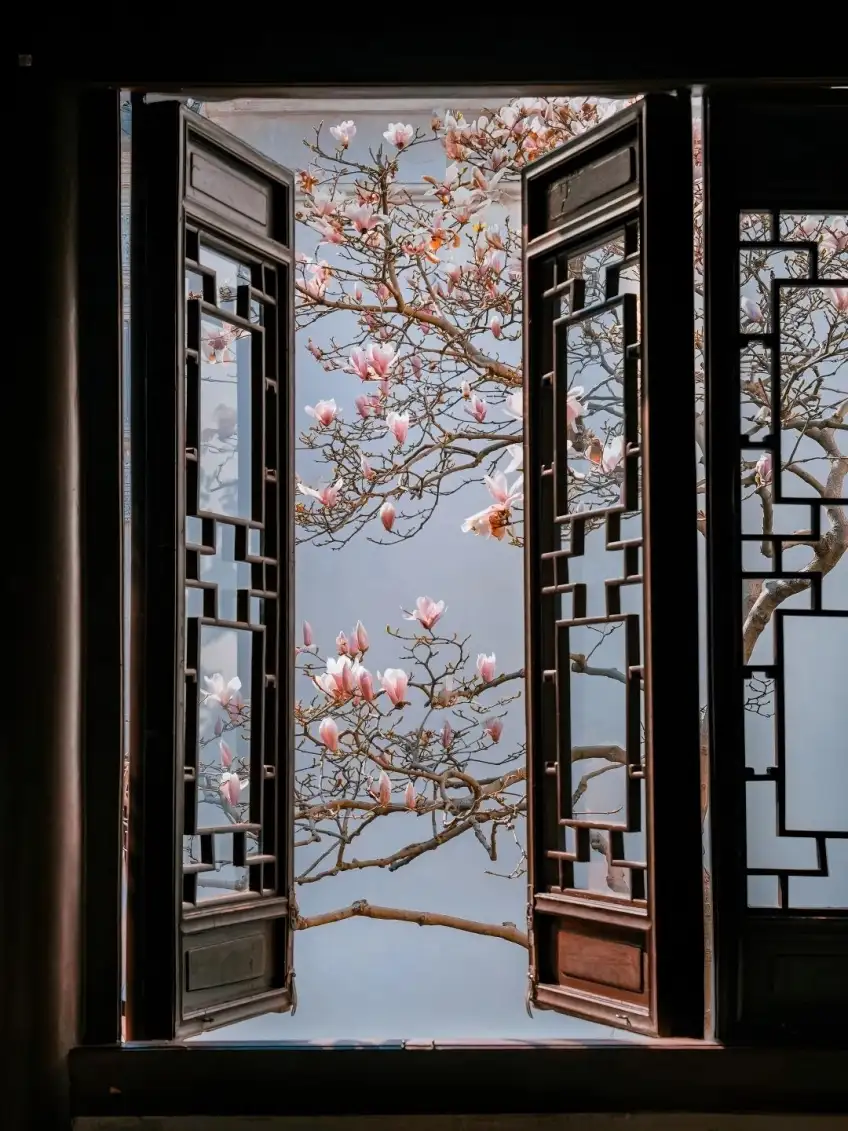
Gucun Park Cherry Blossom Festival
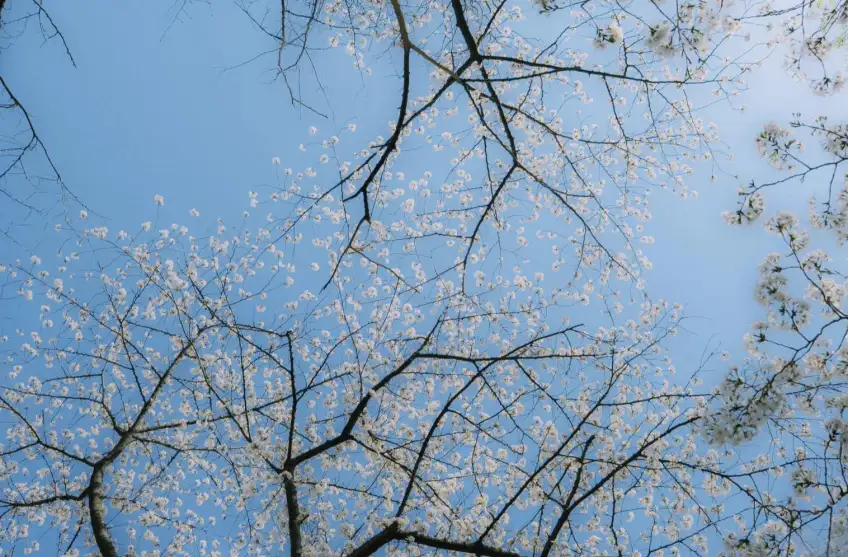
Shanghai's most famous cherry blossom spot is Gucun Park in Baoshan. The 2026 Shanghai Cherry Blossom Festival runs from March 9 to April 9 at Gucun Park, which has over 16,000 cherry trees of 120 varieties. Thanks to warmer-than-usual early-season temperatures, it opens about a week earlier than in previous years, and some areas stay open until 9:30 PM during the blooming period. Early-blooming cherries flower in mid-March, while main varieties like Somei-Yoshino peak from late March to early April. Dates for 2027 will be announced by the park later. Weekends get extremely crowded, so weekday mornings are best. Gucun Park is in Baoshan—just get off at Gucun Park Station on Metro Line 7. Expect lines for the subway and park entrances on weekends during the season, and if you're traveling with seniors, try to avoid midday.
Peach Blossom Festival
The Nanhui area in Pudong is Shanghai's peach-growing region. The 2026 Shanghai Peach Blossom Festival runs from March 26 to April 12, with the main venue at Nanhui Peach Blossom Village. You can also see peach blossoms at city parks like Zhongshan Park in Changning and Taopu Park in Putuo. Peach blossoms bloom slightly later than cherry blossoms, with late March to early April being the best time. Nanhui's orchards are in southern Pudong, over an hour's drive from downtown, and public transit requires several transfers. If you're bringing seniors or kids, driving straight there saves energy. Roads get busy on festival weekends, so leave early and head back early.
Spring Flowers in Wuxi and Suzhou from Shanghai
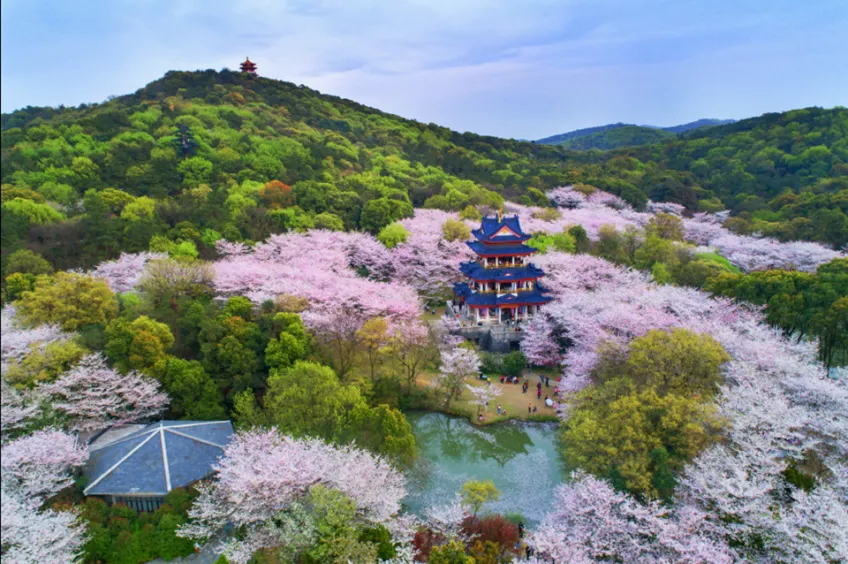
For lake views paired with cherry blossoms, head to Yuantouzhu (Turtle Head Isle) in Wuxi. Cherry Blossom Valley along Lake Tai peaks from late March to early April each year. A high-speed train from Shanghai to Wuxi takes about 40 minutes, then transfer to reach the scenic area. In Suzhou, the Humble Administrator's Garden is dotted with magnolias and cherry blossoms at this time too, making it perfect to combine with Wuxi into a two- or three-day trip.
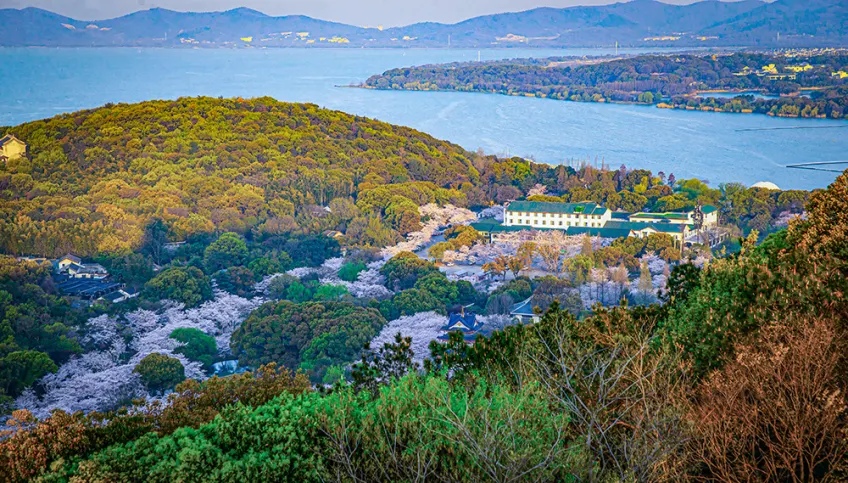
Early Spring in the Water Towns
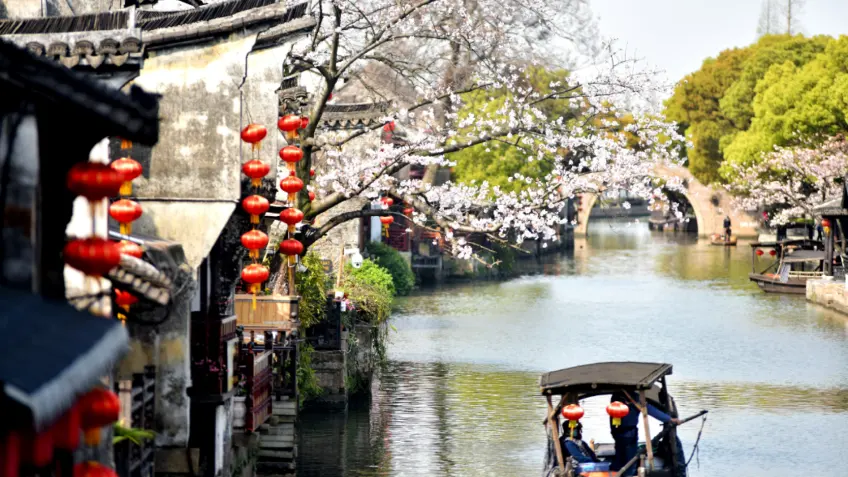
In late March, cherry blossoms, peach blossoms and willows along the canals of Xitang and Wuzhen start to bloom, and there are fewer visitors than in April. Spring rain leaves the water towns wrapped in mist—perfect if you don't mind wet feet. If you're traveling with older relatives, pick a day that clears up after the rain.
Crowds and Pace in March
March has no public holidays, so aside from weekend flower-viewing hotspots, it's one of the quieter months in Shanghai and hotels are easy to book. Crowds concentrate in three places: Gucun Park and Nanhui Peach Blossom Village on weekends, Yu Garden when the magnolias bloom, and Yuantouzhu (Turtle Head Isle) in Wuxi on cherry blossom weekends. Visit these on weekdays instead and the experience is completely different. Shanghai Disneyland is usually not crowded on March weekdays, and daytime temperatures are comfortable for queuing—just bring rain gear, as covered queue areas in the park are limited.
Plan One Sunny Day and One Rainy Day
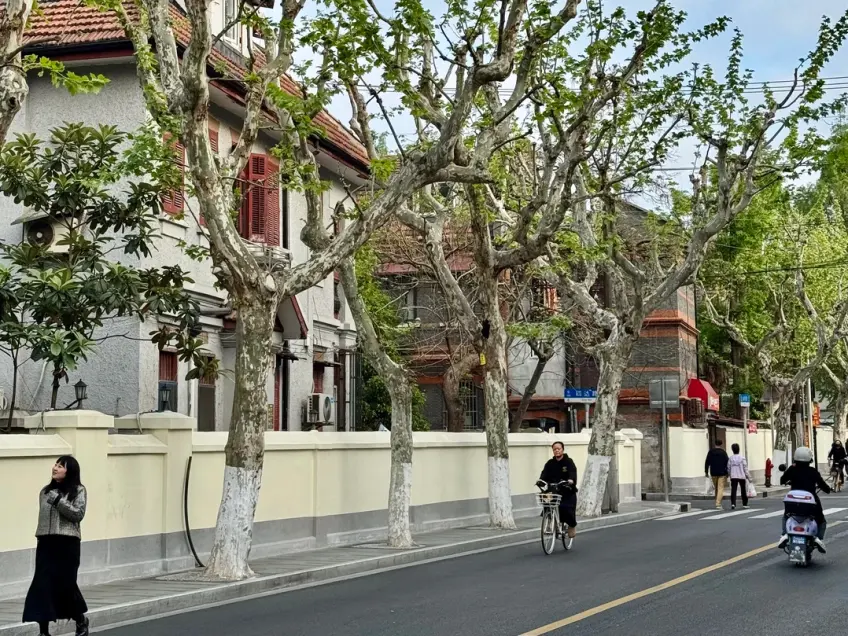
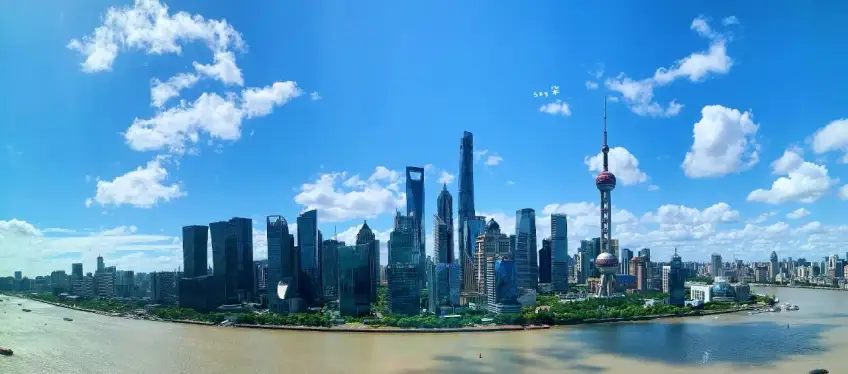
Sunny day: Start your morning at Yu Garden to see the magnolias, walking the grounds while it's still quiet right after opening. At noon, take the metro to Xuhui and stroll along Wukang Road and Anfu Road—in spring the plane trees are just sprouting new leaves, and flowers often bloom in the courtyards of the old villas. After 4 p.m., head to The Bund for sunset and the lights coming on. Spring brings strong winds and damp air along the river, and the tops of Lujiazui's skyscrapers sometimes disappear into low clouds, making clear evenings especially worth waiting for. If cherry blossoms are at peak bloom, swap the afternoon for Gucun Park and return to downtown in the evening.
Rainy days: Visit museums in the morning and indoor malls or historic shopping streets in the afternoon. When the rain eases, take an umbrella to The Bund—the lights reflecting off the wet pavement actually look better than on sunny days. On rainy days, the metro is more reliable than taxis, and try to use indoor passages when transferring.
A March packing list
One light down jacket or thick trench coat, one water-resistant outer layer (your trench coat can double as this), two sweaters or hoodies, three or four long-sleeve base layers, two or three pairs of long pants, one pair of waterproof shoes plus one pair of lightweight shoes, a scarf, a folding umbrella, plus masks and allergy medication (it's pollen season). If you're traveling in early March, pack an extra thermal base layer.
Weather risks: late cold snaps, spring rain and thunderstorms
Late cold snaps: When a cold front arrives, temperatures can drop 8 to 10 degrees in a single day—this is when flower watchers are most likely to catch a chill. If the forecast shows a sharp temperature drop, move your flower viewing to after it warms up and spend that day indoors.
Prolonged spring rain: On rainy days, head to the Shanghai Museum East Campus or People's Square Campus, or take kids to the Shanghai Science and Technology Museum and Natural History Museum. The first sunny day after the rain offers the clearest flowers and skies—perfect for catching up on outdoor plans.
Thunderstorms and strong winds: Late March may bring the season's first severe convective storms, and thunderstorms with strong winds can knock cherry blossoms down overnight. Don't wait until the last weekend to see the flowers—go when they're 70–80% in bloom.
Fog: Spring mornings are humid with occasional heavy fog. Allow extra time if you're catching an early flight or high-speed train.

How to save energy on transport during blossom season
The trickiest part of traveling in March is that both bloom times and weather are unpredictable: you book Gucun Park for Saturday, only for it to rain Friday and clear up Sunday. Build a day or two of flexibility into your schedule so outdoor plans can be shifted. Parking near popular parks is tough during blossom season and the subway gets crowded. If you're traveling with seniors or kids, booking a Shanghai private car lets you decide where to go first based on the day's weather—much more flexible than locking in a route in advance. For cherry blossoms in Wuxi or Suzhou, consider a Shanghai to Wuxi private car or a Shanghai to Suzhou private car to visit two or three spots in one day. On rainy days, if you want to really understand Yu Garden and The Bund without standing around too long, hire a private guide to explain the background before you enter.

Shanghai 1-day tour: Shanghai, Oriental Pearl Tower
Private day tour with Shanghai airport transfers: walk the 259-meter glass corridor on the second sphere of the Oriental Pearl Tower, visit the Former Residence of Soong Ching Ling, and explore Yu Garden. Ideal for layovers or short stays in Shanghai. Includes vehicle, guide and admission tickets. English-speaking and other foreign-language guides available on request.
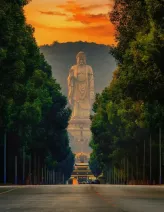
Yuantouzhu Scenic Day Tour: In-depth Wuxi tour of Lingshan Grand Buddha, Lake Tai, Yuantouzhu and Huishan Ancient Town
Private day tour with airport pickup in Wuxi: cruise Lake Tai from Yuantouzhu (Turtle Head Isle), visit Sanshan Island, pay respects at the Lingshan Grand Buddha, and stroll through Huishan Ancient Town. Adds Lake Tai scenery to a Lingshan-only trip. Includes transport, guide and admission tickets. English and other language guides available on request.

Old Dreams 6-day, 5-night tour: Hangzhou, Suzhou, Wuzhen and Xitang
A private tour visiting three water towns: Zhouzhuang, Wuzhen West Scenic Zone and Xitang, plus the Humble Administrator's Garden and Hanshan Temple in Suzhou, Lingyin Temple and a boat ride on West Lake in Hangzhou. Includes Shanghai airport transfers, transportation, guide, 5 nights' hotel and admission tickets. English or other language guides available on request. Flights not included.
FAQs
Do I need a down jacket for Shanghai in March?
In early March, bring a light down jacket—temperatures can drop near freezing during late cold snaps. By late March, a thick trench coat or jacket over a sweater is usually enough, but check the forecast before you leave and pack warmer layers if a cold front is coming.
Does it rain often in Shanghai in March?
Yes. The 30-year average is about 13 rainy days and 97 mm of precipitation, making it the wettest month of spring, mostly with steady drizzle. Carry an umbrella every day and wear waterproof shoes.
When do cherry blossoms bloom in Shanghai?
Early-blooming varieties open in mid-March, while the main varieties peak from late March to early April. The 2026 Gucun Park Cherry Blossom Festival runs from March 9 to April 9. Bloom times shift earlier or later each year depending on temperatures, so check the park's announcements.
Is there indoor heating in Shanghai in March?
Generally no. Hotels and malls that run air conditioning for heat in winter usually turn it off or keep it very low by March. Older buildings, garden halls and underground galleries can actually feel cooler than outdoors. Don't pack away your jacket too soon — if your hotel room is cold, just switch the AC to heat.
Is March a good time to visit Shanghai Disneyland?
Yes. With no long holidays, weekday lines are usually shorter than during summer, winter breaks and public holidays, and daytime temperatures in the teens aren't too hot. Just be prepared for rainy days and temperature swings between morning and evening. Bring a raincoat and a warm jacket — it gets noticeably colder at night during the fireworks show.
Where can I see magnolias in Shanghai in March?
The magnolia is Shanghai's city flower, blooming in early to mid-March across many streets, parks and gardens. At Yu Garden, magnolias framed by traditional architecture make great photos, while the Shanghai Botanical Garden offers even more varieties.