
For your first trip to China, get these five things ready before you go: a valid passport, Home Return Permit, or Taiwan Compatriot Permit—check whether you qualify for visa-free entry or need a visa; Alipay and WeChat Pay installed and linked to a card, plus a few hundred CNY in cash; a SIM card or eSIM with data; apps for maps, ride-hailing, and 12306 (train tickets); and a power adapter. Mainland China uses 220V/50Hz, and the most common outlets are two-flat-pin and three-flat-pin angled sockets. The checklist below is based on official rules as of November 2026.
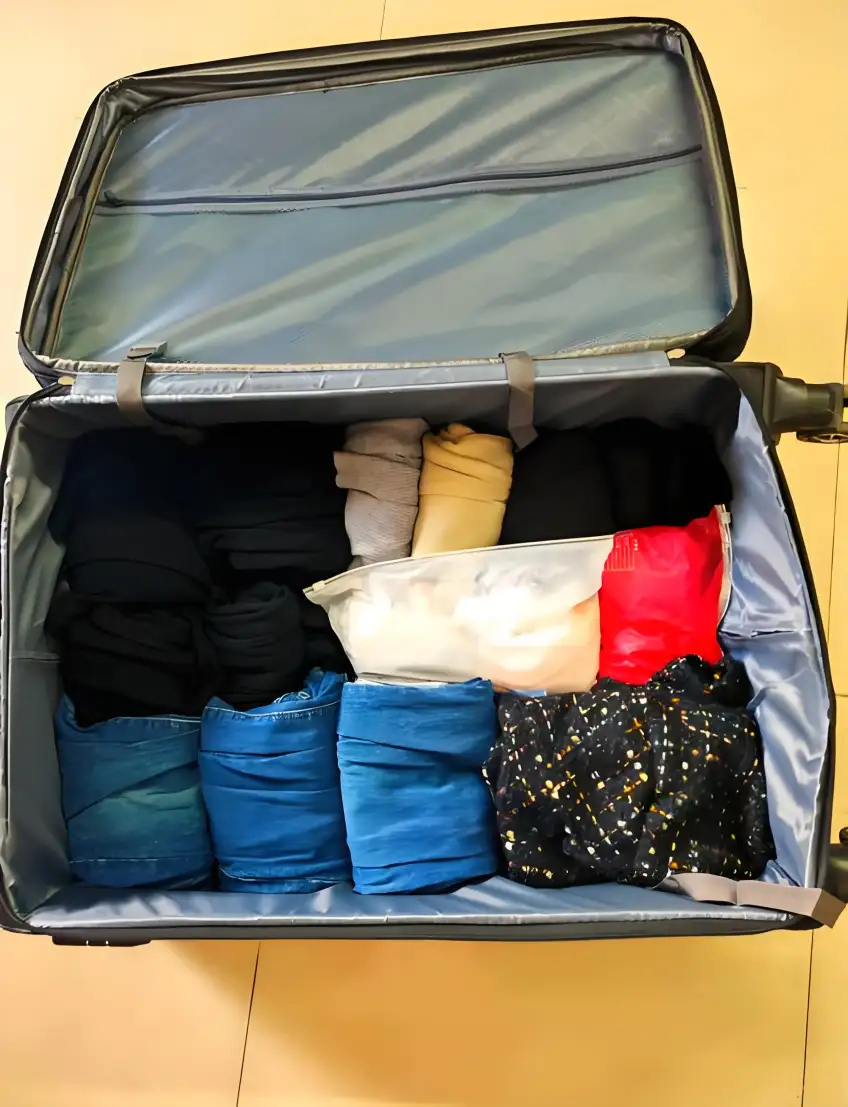
This guide is written for readers from Taiwan, Hong Kong, and overseas Chinese communities, but it also works for foreign visitors coming to China for the first time. It follows a timeline—one month before departure, one week before, and arrival day—with a printable checklist at the end. East China is most travelers' first stop, so the examples focus on Shanghai, Hangzhou, and Nanjing.
One month before departure: documents and visas
Readers from Taiwan, Hong Kong, and Macau: Enter with a Taiwan Compatriot Permit or a Home Return Permit—no visa required. Check the expiration date and renew it if it has expired or is about to. Non-Chinese permanent residents of Hong Kong and Macau can apply for a Home Return Permit (non-Chinese citizens), valid for 5 years with stays of up to 90 days per visit.
Readers holding foreign passports: First, check which category you fall into. Category one is unilateral visa-free entry: as of November 2026, China allows ordinary passport holders from 50 countries—including France, Germany, the UK, Canada, Australia, New Zealand, Japan, and South Korea—to enter visa-free for tourism, business, visiting relatives and friends, exchange visits, or transit for up to 30 days, counted from the day after arrival. For 48 of these countries, the policy runs until December 31, 2026; for Russia, until December 31, 2027; Brunei has no set end date. For travel in 2027 and beyond, follow the latest announcements from the Ministry of Foreign Affairs. Category two is mutual visa exemption: China has mutual visa-waiver agreements with 29 countries, including Singapore, Thailand, and Malaysia, and those terms apply.
If your country isn't on either list—the US, for example—you can apply for a visa or use the 240-hour visa-free transit policy: as of August 2026, this covers 57 countries. With a confirmed onward ticket (date and seat) to a third country or region (including Hong Kong, Macau, or Taiwan), you can enter through any of 65 designated ports and stay within the permitted area for up to 10 days. Shanghai Pudong and Hongqiao airports, Hangzhou Xiaoshan Airport, and Nanjing Lukou Airport are all included. Check the National Immigration Administration's website for the exact list of ports and permitted areas.
Your passport should ideally be valid for at least 6 more months, with at least two blank visa pages. Take a photo of the information page and save it to your phone and email—it makes replacing a lost passport much faster.
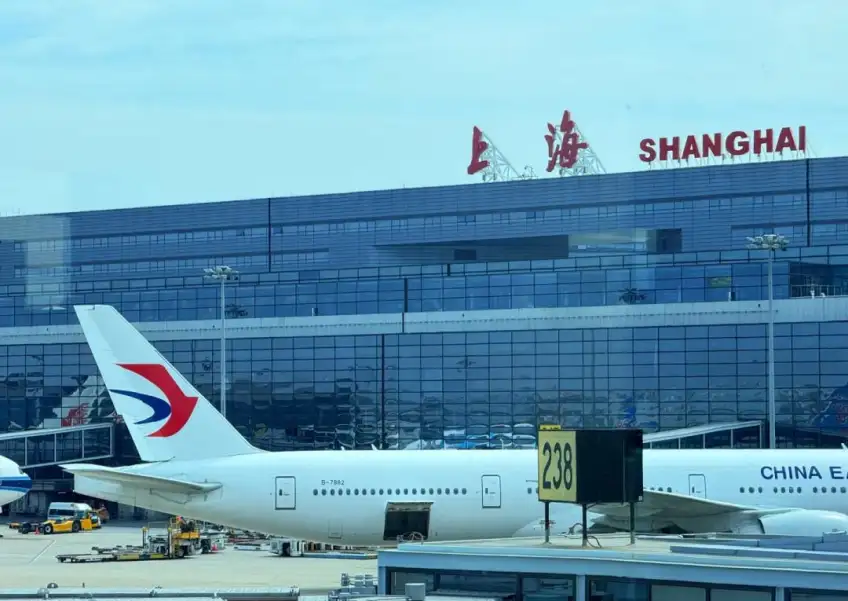
You can fill out the arrival card online in advance
Starting November 20, 2025, foreign nationals can complete their arrival cards online in advance via the National Immigration Administration website, the "NIA 12367" app, or the mini programs on WeChat and Alipay. Upon arrival at the port of entry, you can also scan a QR code, use a smart kiosk, or fill out a paper card. Holders of a Foreign Permanent Resident ID Card, a Mainland Travel Permit for Hong Kong and Macao Residents (non-Chinese citizens), and certain other documents are exempt.
This service is completely free. The National Immigration Administration warns that fake arrival card websites overseas may try to charge fees—only use official channels or the official QR codes posted at ports of entry. If you re-enter China within one year, you can simply reuse your previously submitted information.
One week before departure: money, internet, and apps
Payments. Install Alipay and WeChat before you leave home, register with your overseas phone number, and link a Visa or Mastercard. Transactions of ¥200 or less usually have no service fee; amounts over ¥200 may incur a 3% fee on the full transaction. For detailed steps, see How to use Alipay and WeChat Pay without a Chinese bank card. Also bring a few hundred yuan in cash for emergencies. Each person may carry up to ¥20,000 in RMB when entering China.
Internet. When using local networks in mainland China, common overseas services like Google, Gmail, WhatsApp, and Instagram are generally blocked. The easiest option is to activate international roaming on your home phone number, or buy a China data eSIM from an overseas carrier. You can also buy a short-term mainland SIM card after landing. For a comparison of options, see China travel SIM cards and eSIMs. Whichever you choose, keep your home number active to receive SMS messages—you'll need it for linking cards and registering apps.
Apps. We recommend installing and logging into these before departure: Alipay and WeChat; Railway 12306 (for buying high-speed train tickets, see How foreigners can buy China high-speed train tickets); Amap or Apple Maps (Google Maps doesn't work well in China, see Which maps to use for navigation in China); DiDi or just use the ride-hailing feature in Alipay (see How to hail a ride in China); Trip.com, the international version of Ctrip, for booking hotels; and a translation app that works offline.
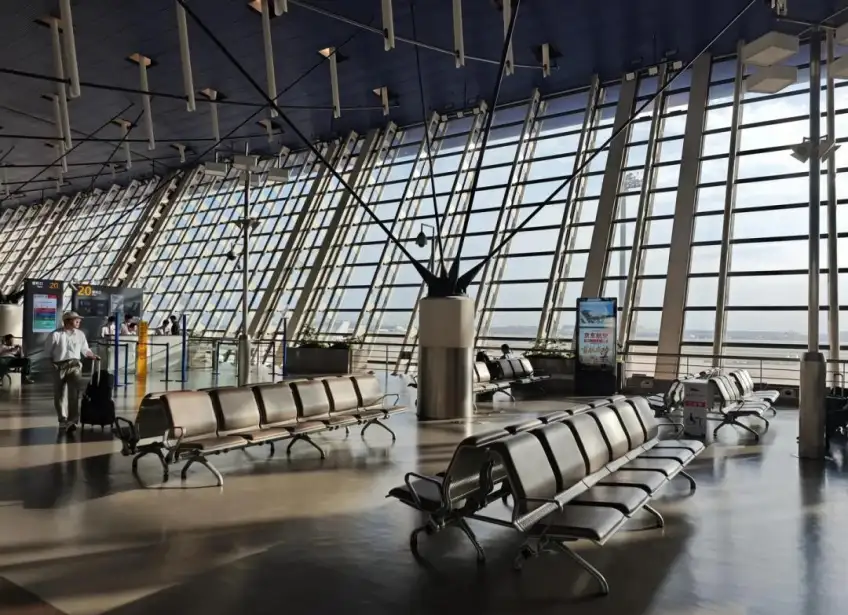
Outlets, plugs and voltage: the same in Shanghai, Hangzhou and Nanjing
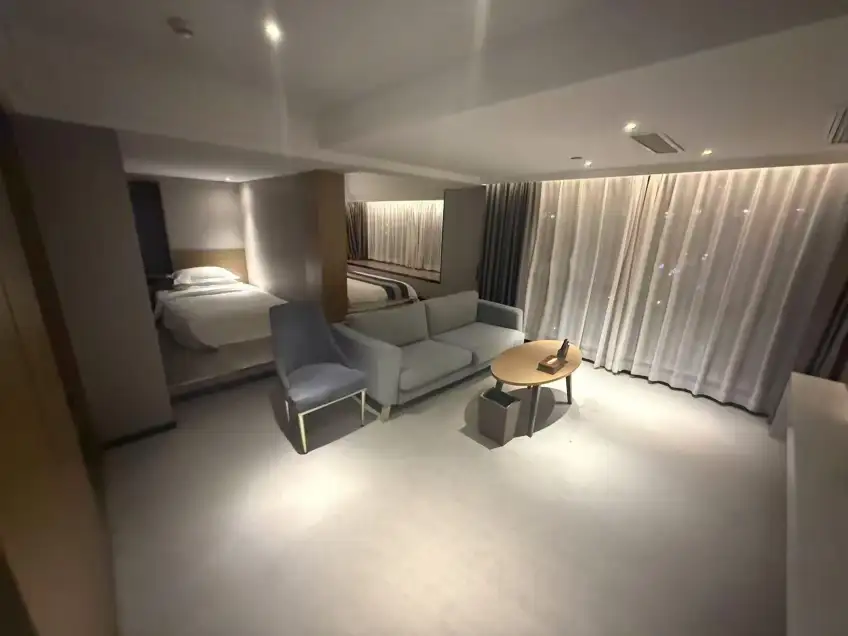
Mainland China uses 220 volts at 50 Hz. The most common wall outlet is the "five-hole" type: two flat slots on top for two-prong flat plugs, and three angled slots below for three-prong flat plugs. Many two-slot outlets also accept European two-prong round plugs. Hotels in Shanghai, Hangzhou, Nanjing and Suzhou all use these outlets, and some have universal sockets that fit multiple plug types plus USB ports on the desk, but this isn't guaranteed everywhere.
Coming from Hong Kong: Hong Kong also uses 220 volts, but the plugs are British-style three-prong square pins that won't fit mainland outlets. Bring a UK-to-China adapter.
Coming from Taiwan: Taiwan uses 110 volts at 60 Hz. Two-prong flat plugs will fit mainland two-slot outlets, but the voltage is different. Most phone, tablet, laptop and camera chargers are rated "100–240V" and work fine; appliances that only support 110V, such as hair dryers, curling irons and electric kettles, may burn out if plugged in—leave them behind or bring a voltage converter. Taiwanese three-prong plugs have a round bottom pin that won't fit mainland three-slot outlets, so you'll need an adapter.
Coming from the US, Canada or Japan: Two-prong flat plugs usually fit, but check whether your device supports 220V. European readers' two-prong round plugs fit most two-slot outlets; UK readers will need an adapter.
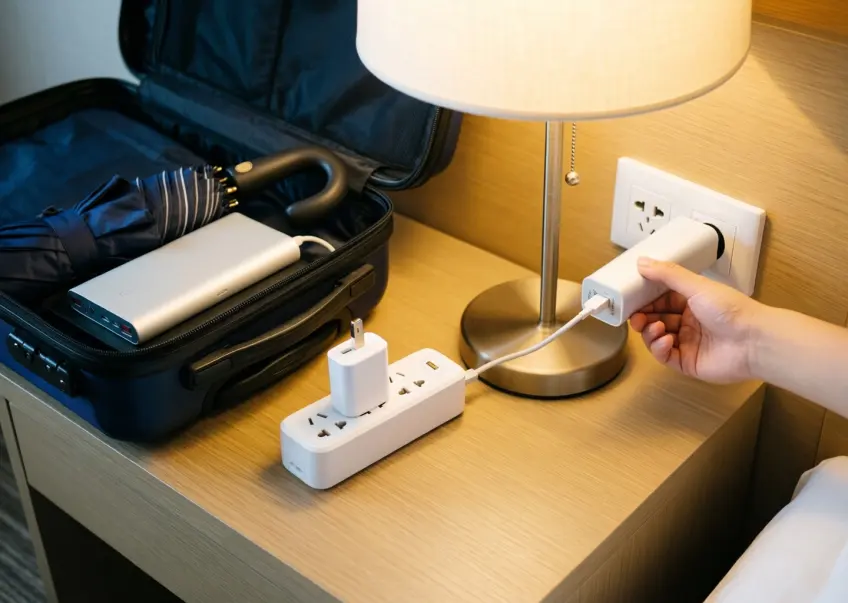
Power banks require attention too: since June 28, 2025, Chinese civil aviation regulations prohibit passengers from bringing power banks without a 3C mark, with an unclear 3C mark, or from recalled models on domestic flights. If your itinerary includes a domestic flight, bring a power bank with a clear 3C mark, carry it in your cabin baggage per airline rules, and never check it. Rules for bringing power banks on high-speed trains follow the prohibited and restricted items list published by railway authorities.
Clothing, shoes and rain gear
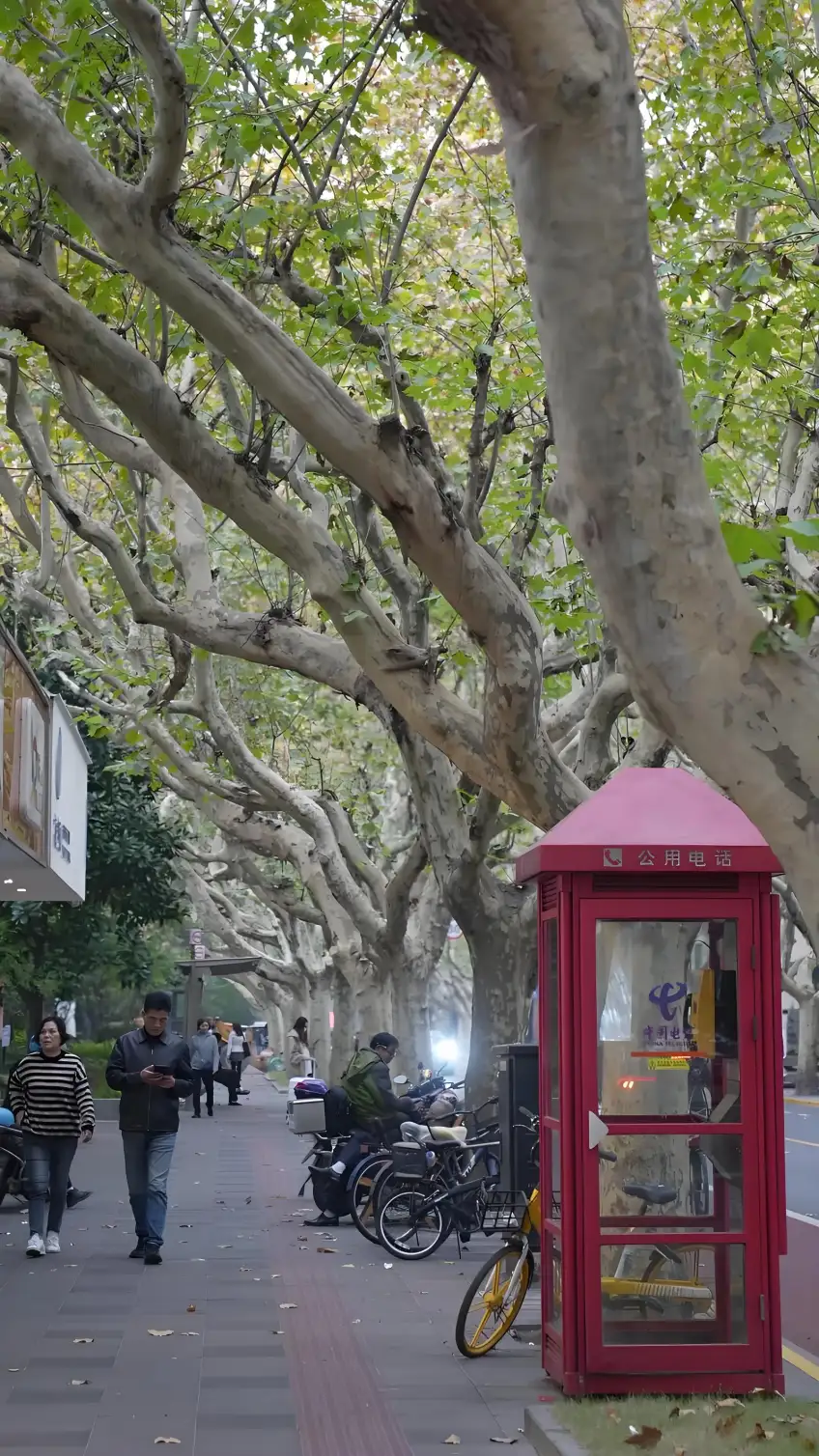
East China has four distinct seasons: damp, cold winters; hot, humid summers; and fast-changing springs and autumns. Check the local weather for your destination before you go. For Shanghai, see our year-round Shanghai weather and clothing guide; for Hangzhou, see Hangzhou weather and clothing; and for Suzhou, see the Suzhou year-round weather and clothing overview.
No matter the season, bring a pair of shoes comfortable enough for a full day of walking. Exploring The Bund, Yu Garden, West Lake or Confucius Temple easily means 10,000 to 20,000 steps a day. A folding umbrella is useful year-round. Winters in Jiangnan generally have no central heating, so hotels rely on air conditioning for warmth. If you get cold easily, pack thermal underwear—it works better than an extra heavy coat.
Arrival day: accommodation registration and getting around
When you check into a hotel, the front desk will register your stay using your passport or travel permit. This is a legal requirement, so you don't need to visit a police station yourself. If you're staying with friends or relatives, you or your host must report to the local police station within 24 hours of arrival. In Zhejiang and some other regions, this can already be done online via the National Immigration Administration's service platform.
Upon arriving in Shanghai, you can buy a SIM card, rent a pocket Wi-Fi device or exchange foreign currency in the baggage claim area of Pudong Airport's international arrivals. The "International Services Shanghai" one-stop center in the arrivals hall also offers 7-day, 15-day and 30-day short-term China Telecom SIM cards, and lets you buy or top up a Shanghai city tourist card. You can log in to the airport's free Wi-Fi by scanning your passport's information page—no Chinese phone number required.
To get from the airport into the city, you can tap a Visa, Mastercard or other bank card directly at the turnstiles on the Shanghai Metro. In Hangzhou and Nanjing, use the metro ride code in Alipay or buy a single-journey ticket at the machines. If you have bulky luggage, are traveling with seniors or children, or land on a late-night flight, booking a Shanghai airport transfer in advance makes things much easier.
Language. Airports, high-speed rail stations and subways in Shanghai, Hangzhou and Nanjing have signs in both Chinese and English, and front desk staff at major hotels usually speak some English. Taxi drivers and small shop owners, however, mostly speak only Chinese. Screenshot your hotel's Chinese name and address to show drivers or when asking for directions, and save the Chinese names of the attractions you plan to visit. Download offline language packs for your translation app ahead of time so it works even without a signal.

Attraction reservations and opening hours
Many popular attractions and museums in East China require real-name reservations, even free ones. For example, Lingyin Temple's Feilai Peak in Hangzhou requires timed-entry reservations with your real name via its official mini program, while the Nanjing Museum is free but requires a reservation and is closed on Mondays. Use your passport or travel permit to book, and bring the same document when you enter. Slots fill up fast on holidays and weekends, so reserve as soon as your dates are set.
Crowds surge during China's public holidays. There are no long holidays left in 2026, but Chinese New Year falls on February 6, 2027. The week before and after is peak season for travel nationwide, so book high-speed train tickets and hotels early—lines at popular attractions will be noticeably longer.

Health and getting help
Bring common medications in their original packaging, and ideally carry an English or Chinese prescription note for any prescription drugs. We recommend buying travel insurance that covers mainland China—check whether it includes medical care and trip delays.
In mainland China, dial 110 for police, 119 for fire, and 120 for ambulance. If you lose your passport, report it immediately to the local police station where it was lost. For immigration and entry/exit issues, call 12367. Shanghai's 12345 government hotline offers English service, and you can also dial 12345 for inquiries in Hangzhou and Nanjing.
What to prepare for a trip to Shanghai: a ready-to-check list
Documents: Passport (valid for more than 6 months), or Mainland Travel Permit for Taiwan/Macau/HK residents; visa or visa-free eligibility confirmation; arrival card filled out online; backup photos of your documents.
Money: Alipay and WeChat registered with a bank card linked; a physical Visa or Mastercard; a few hundred CNY in cash; notify your card issuer of your travel dates.
Internet and phone: International roaming or a China data eSIM activated; your original number able to receive SMS; charger and a power bank with a 3C mark.
Apps: Alipay, WeChat, 12306, Amap or Apple Maps, ride-hailing, Trip.com, and a translation app.
Electronics: Plug adapter (a must if you use UK-style plugs from Hong Kong or Macau); confirm your devices support 220V (especially important for 110V devices from Taiwan).
Clothing: Pack for the month's weather; comfortable walking shoes; a folding umbrella; thermal underwear in winter.
Reservations: Hotels, high-speed train tickets, and attractions that require real-name booking; airport pickup or private car on arrival.

If you'd like someone who knows East China well to handle everything except your visa, check out our East China Private Custom Tour. We arrange everything from airport pickup and private car service to daily itineraries and ticket reservations.


8-day Jiangnan private car tour | 9-seat vehicle with guide-driver
Start and end in Shanghai on this 8-day exclusive Jiangnan private car tour. Your guide doubles as the driver, so you and your family or friends can travel at your own pace without joining strangers. The route links West Lake, Wuxi, Nanjing, Yangzhou, Suzhou and Puyuan in Wuzhen, showcasing lakes and mountains, ancient towns and Shanghai's cityscape. Itinerary and stops can be arranged in advance. This is a private car service only — hotels, attraction tickets and meals are not included, so you can choose accommodation and activities to suit your preferences.

Ink-wash Jiangnan 5 days 4 nights: Nanjing, Wuxi, Wuzhen, Hangzhou, Shanghai
Arrive in Nanjing and depart from Shanghai on this 5-day private tour across six destinations: Sun Yat-sen Mausoleum and Qinhuai River, Slender West Lake in Yangzhou, Nianhua Bay in Wuxi, Panmen in Suzhou, Nanxun, East Gate of Wuzhen, a boat ride on West Lake and tea plantation photo session in Hangzhou, and The Bund in Shanghai. Includes transportation, a Chinese- or English-speaking guide, 4 nights of hotel accommodation and entrance tickets.

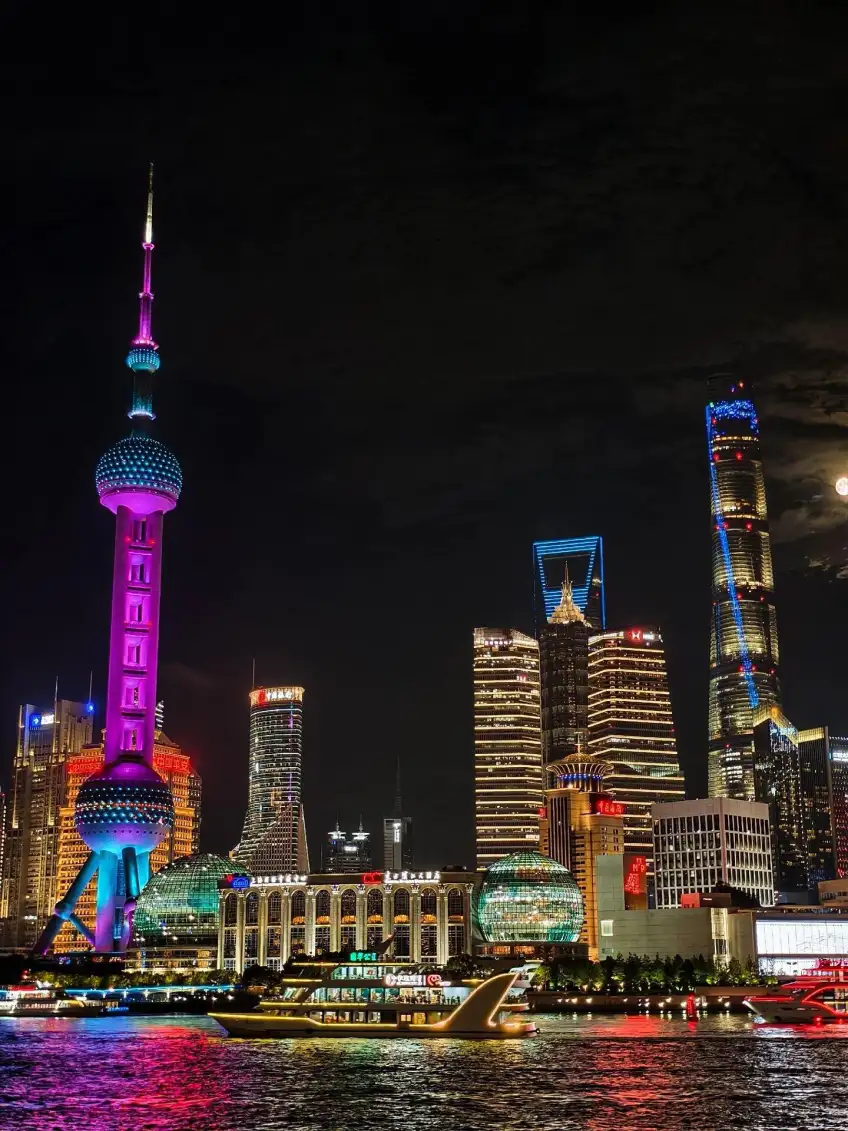
Oriental Pearl Tower and Disneyland 3-day, 2-night Shanghai tour (Nanjing Road, The Bund, Yu Garden Bazaar, City God Temple, Disneyland, Oriental Pearl Tower), no shopping stops
A 3-day, 2-night private tour with airport transfers in Shanghai: Nanjing Road, The Bund and Yu Garden on day one, a full day at Shanghai Disneyland on day two with an evening fireworks show (canceled in rain or if the show is suspended), and the Oriental Pearl Tower on the final day. Includes transport, guide, two nights' hotel and admission tickets. English-speaking guide available.
City info: Shanghai, Hangzhou, Nanjing, Suzhou.
FAQs
What do I need to prepare for a trip to China?
The five basics are: valid ID plus a visa or visa-free eligibility; Alipay and WeChat linked to an international card, along with a little cash; a SIM card or eSIM with data; apps for maps, ride-hailing, and 12306 (train tickets); and a power adapter. Before you leave, pack clothing suited to your destination's weather that month.
What do power outlets look like in Shanghai? Do I need a plug adapter?
Like the rest of mainland China, Shanghai commonly uses five-hole outlets: two flat slots plus three angled slots shaped like an inverted "V". Two-flat-pin plugs fit directly, but if you're bringing a UK-style three-pin plug from Hong Kong, you'll need an adapter.
What is the voltage in Shanghai? Can I use my Taiwan appliances directly?
The voltage in Shanghai is 220V at 50Hz. Appliances from Taiwan labeled "100–240V" can be used directly; devices that only support 110V, such as hair dryers and curling irons, cannot be plugged in directly or they may be damaged.
Do I need a visa to travel to China?
It depends on your nationality. Residents of Taiwan, Hong Kong, and Macau enter with a Taiwan Compatriot Permit or Home Return Permit. As of November 2026, ordinary passport holders from 50 countries including France, Germany, the UK, Canada, Australia, Japan, and South Korea can stay visa-free for up to 30 days; most of these policies run through December 31, 2026. Singapore, Thailand, Malaysia, and several other countries have mutual visa exemption agreements with China. Travelers from the US and other countries can apply for a visa or use the 240-hour transit visa exemption.
Do I need to bring cash to Shanghai?
We recommend bringing a few hundred CNY. You can scan QR codes or use cards almost everywhere in Shanghai, so cash is mainly for emergencies—like when your phone dies, you have no internet, or a small shop only accepts cash.