
January is Suzhou's coldest month, with average daytime highs around 8°C and nighttime lows near 2°C; July is the hottest, averaging 33°C. June's plum rain season brings the most rain, with monthly precipitation exceeding 200 mm. Wear long sleeves plus a jacket in spring and fall, short sleeves with sun protection and an umbrella in summer, and a down jacket from December to February. November and December bring less rain, off-season gardens, and the red maples at Tianping Mountain—making them the best value time of year.
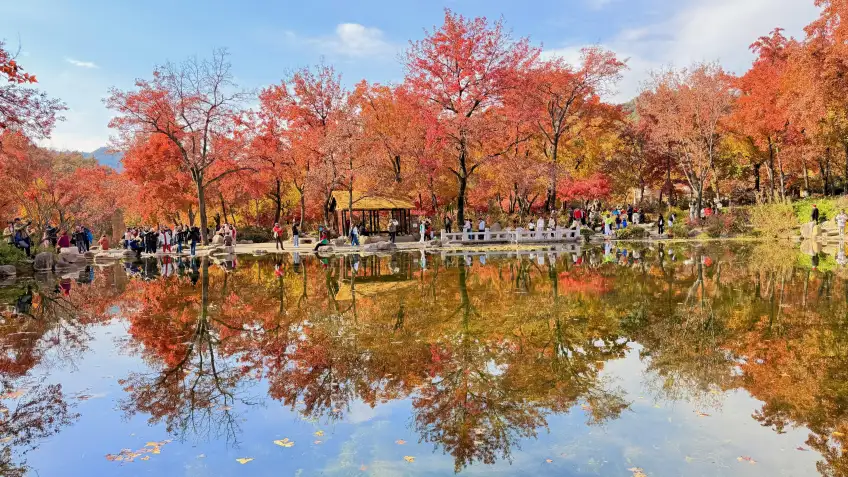
Below, we break down each month's temperatures, rainfall, and what to wear in twelve sections, then dive deeper into November and December—the busiest and most-searched months. Temperature and precipitation data come from the China Meteorological Administration's 1991–2020 climate normals for the Suzhou station. These are long-term averages, not forecasts for a specific year, so check the real-time weather a few days before your trip.
Suzhou weather and what to wear: a 12-month guide
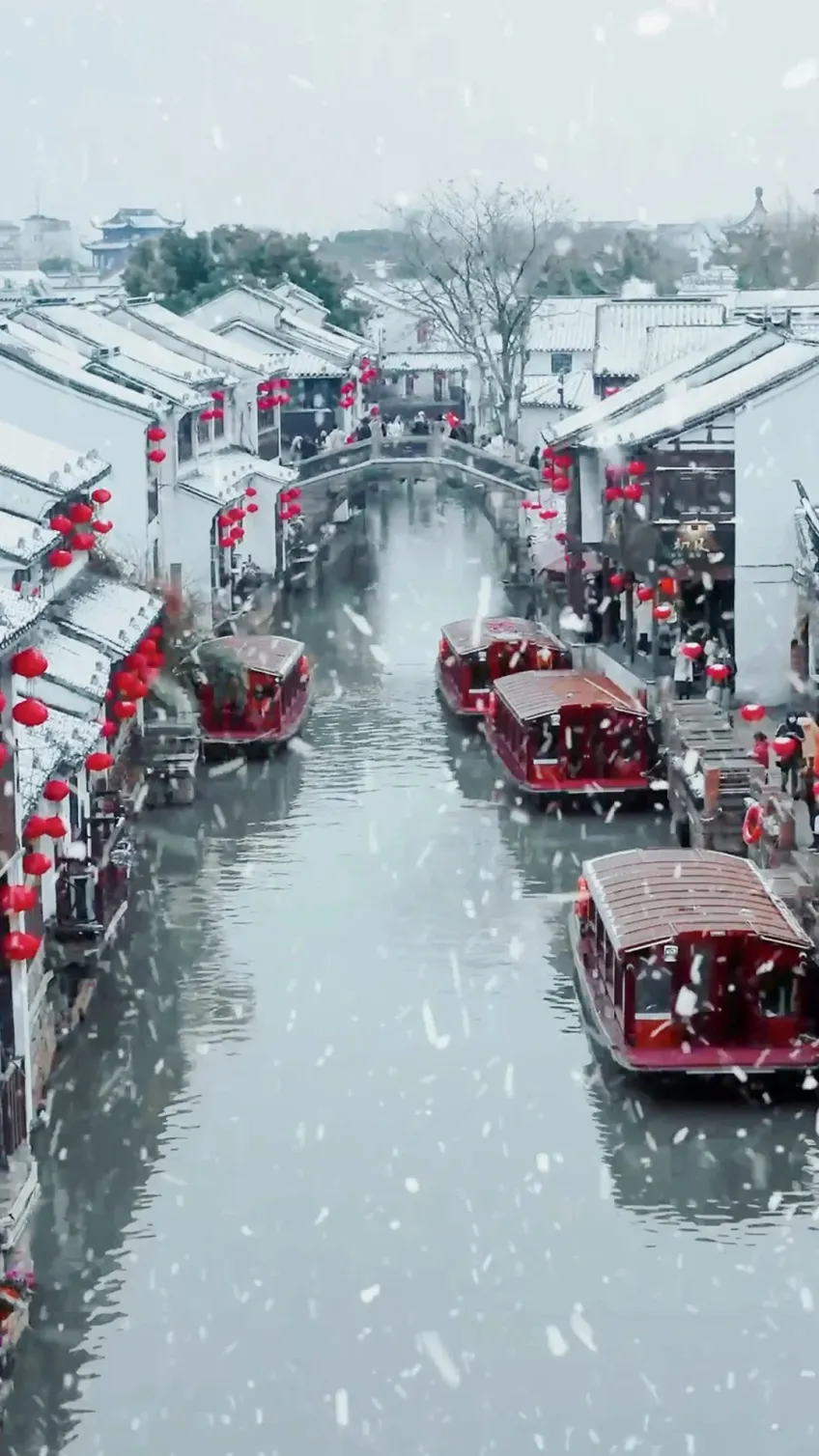
January | High 8.1°C, low 1.8°C, 75 mm rain, about 11 rainy days: The coldest month of the year, with snow on two or three days on average. Wear a mid-length or long down jacket, sweaters and thermal underwear, and waterproof shoes. The gardens are least crowded now, and Humble Administrator's Garden and Lion Grove Garden look their best after a snowfall.
February | 10.4°C / 3.4°C, 67 mm, about 10 days: Still winter clothing. Chinese New Year in 2027 falls on February 6, with the public holiday running from Lunar New Year's Eve on February 5 through the 13th—nine days in total. The old city and Panmen Gate host Spring Festival events, so crowds pick up. In mid-to-late February, plum blossoms begin to bloom around Guangfu Xiangxuehai.
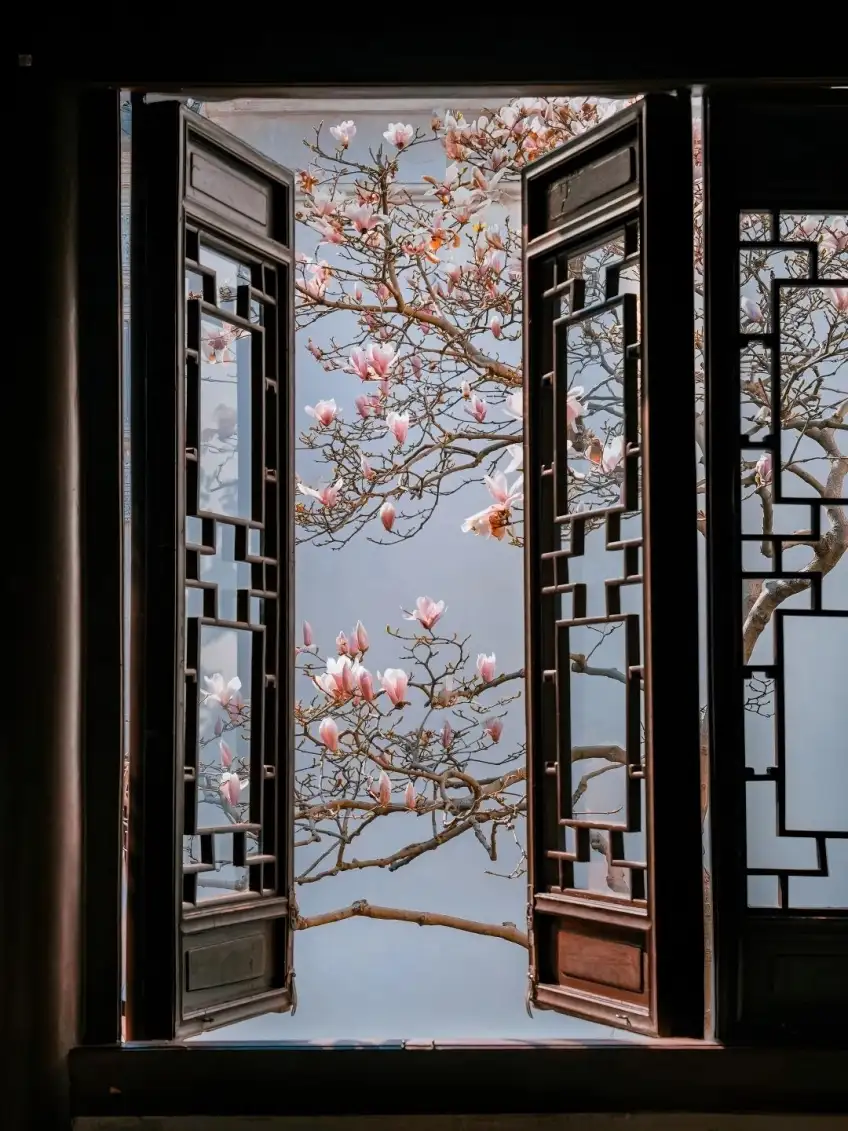
March | 15.2°C / 7.2°C, 87 mm, about 12 days: Temperatures start to rise but it rains often, and overcast, wet days still feel cold. Layer a light sweater under a trench coat or jacket, and bring an umbrella. After mid-March, magnolias and crabapples bloom one after another—the flower-and-branch views framed by the garden lattice windows make great photos.
April | 21.1°C / 12.5°C, 83 mm, about 11 days: The most comfortable spring month. Long sleeves plus a light jacket. Gardens switch to peak-season tickets from April 1. Crowds swell during Qingming Festival and on weekends, so book tickets for popular gardens in advance.
May | 26.1°C / 17.9°C, 104 mm, about 11 days: Short sleeves work during the day; keep a light jacket handy for mornings and evenings. The May Day holiday makes the old city, Pingjiang Road and Zhouzhuang very crowded, and rainfall starts to increase.
June | 28.7°C / 22.0°C, 211 mm, about 14 days: The rainiest month of the year. Suzhou usually enters the plum-rain season in mid-to-late June, lasting about three weeks (June 18 in 2026). It's hot and humid, so wear quick-dry clothes and breathable shoes, and keep an umbrella with you. Gardens charge off-peak ticket prices this month.
July | 33.0°C / 26.1°C, 156 mm, about 12 days: The hottest month. Once the plum rains end, midsummer begins, with afternoon thunderstorms common. Wear short sleeves, a sun hat and sunscreen, and plan outdoor activities before 10 am or after late afternoon. The lotus flowers at Humble Administrator's Garden are in bloom.
August | 32.6°C / 26.0°C, 156 mm, about 13 days: Just as hot as July. From late summer into September, watch out for strong winds and heavy rain from the outer bands of typhoons. Museums and indoor exhibitions are the best places to go at midday.
September | 28.4°C / 21.9°C, 104 mm, about 9 days: Early September is still summer, but it starts to cool down later in the month—short sleeves plus a light long-sleeve layer. Sweet osmanthus usually blooms from late September to early October, filling the whole city with its fragrance.
October | 23.4°C / 16.3°C, 69 mm, about 8 days: Mostly sunny with little rain; long sleeves and a light jacket are just right. The National Day holiday is the busiest time of the year (Oct. 1–7 in 2027), so arrive early and book gardens and ancient towns in advance.
November | 17.4°C / 10.2°C, 64 mm, about 9 days: The peak month for autumn colors. Gardens switch back to off-season tickets starting Nov. 1. Wear long sleeves with a hoodie or light sweater, plus a windproof jacket; add a light down jacket in late November. The red maples on Tianping Mountain peak in mid-to-late November.
December | 10.8°C / 4.0°C, 49 mm, about 8 days: Winter arrives. Rain is scarce but the damp cold sets in, so bring out the down jacket or heavy coat. You can still catch the last of the red leaves in early December, and at month's end there's the New Year bell-ringing ceremony at Hanshan Temple.
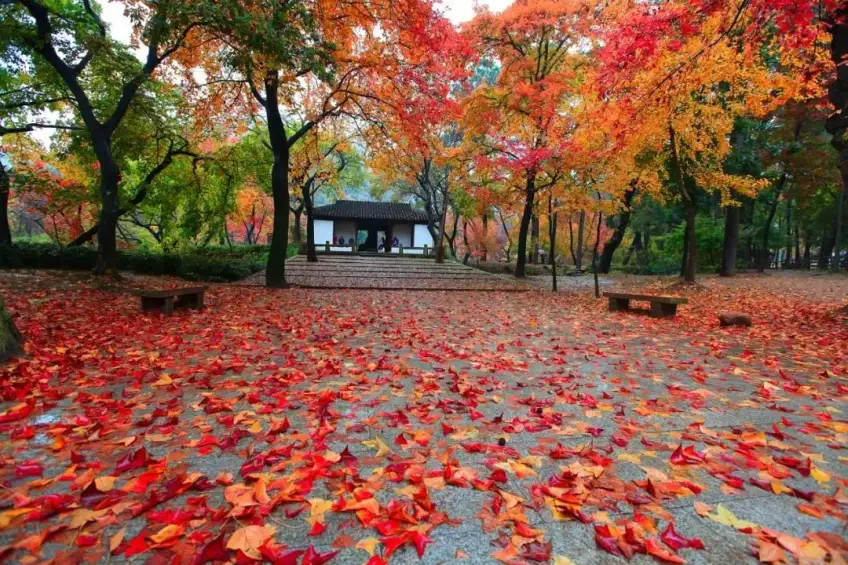
November: The best month of the year to visit Suzhou
In November, Suzhou averages 17.4°C during the day and 10.2°C at night—a bit cooler than Shanghai and two or three degrees warmer than Nanjing. Monthly rainfall is around 64 mm, with fewer than 9 rainy days and mostly clear to partly cloudy skies. Humidity hovers around 70%, and as sunlight slants into the gardens, the white walls, black tiles and red leaves show their richest colors of the year.
Pack for "early autumn, late winter." In early November, daytime temperatures often top 20°C, so a long-sleeve shirt and a cardigan are enough. By mid-month, switch to a hoodie or light sweater with a windproof jacket. Once cold air moves in later in the month, mornings can drop to just 5–6°C, so pack a light down jacket and a scarf. Garden paths are mostly pebble-paved walkways and narrow stone bridge steps, so wear soft-soled, non-slip sneakers—skip the brand-new shoes.
If you're coming from Taipei or Hong Kong, note that Suzhou's average November temperature is 8–9°C lower than yours, and it turns chilly as soon as the sun sets. Basking in the sun inside the gardens during the day feels great, but if you head to Pingjiang Road or Shantang Street at dusk to see the lanterns, the breeze off the canal will leave you shivering in just a shirt. Stowing your jacket in your bag is more flexible than wearing it all day.
Tianping Mountain red maples: mid-November to early December
In Suzhou's western suburbs, Tianping Mountain is home to ancient maple trees planted in the Ming Dynasty, making it one of Jiangnan's most famous spots for autumn foliage. In 2025, for example, red maple season runs from November 1 to December 7, with the park opening daily at 7am—an hour earlier than usual. Starting November 15, special red maple shuttle buses run on weekends and holidays; transferring near Mudu Station on Metro Line 1 is the easiest option. According to the scenic area's own figures, weekend days from mid-November to early December draw 30,000 to 40,000 visitors.
So if you want to see the red leaves without the crowds, go on a weekday or arrive right at 7am on a weekend. The timing of the color change varies each year, so check the scenic area's foliage updates before you go. For directions and how to catch the shuttle, see How to get to Tianping Mountain; for a low-climb route suitable for older travelers, see Visiting Tianping Mountain with your parents.
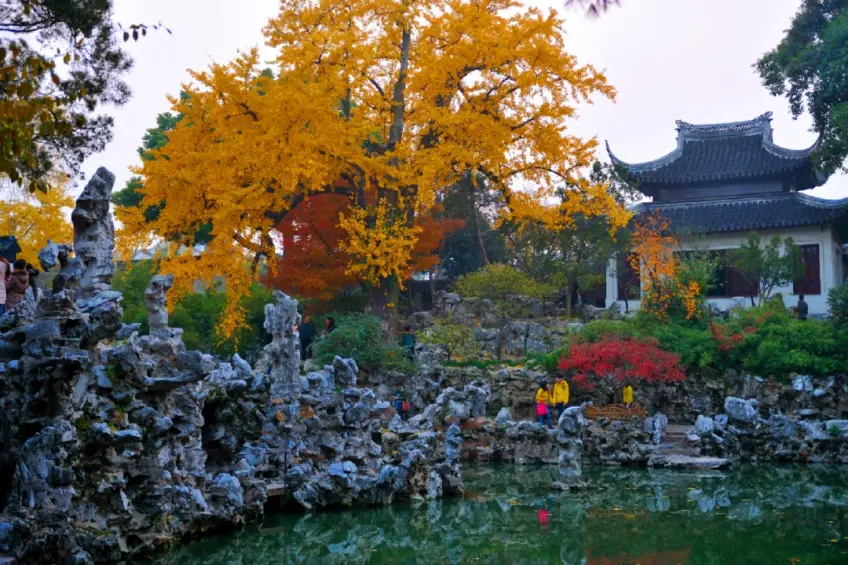
Autumn colors and off-season tickets in the gardens
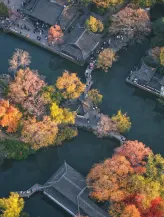
The gardens in the old city also show autumn colors in November—not in sweeping groves like Tianping Mountain, but as a single ginkgo tree or a few red maples framed by rockeries and ponds, like a miniature painting. Humble Administrator's Garden, Lion Grove Garden and Lingering Garden all switch to off-season ticket prices from November 1 through March of the following year. Humble Administrator's Garden requires real-name reservations, and we recommend booking the others online in advance too. At Tiger Hill in the north of the city, the ginkgos and maples below the pagoda change color together this month, making it easy to pair with Shantang Street in a single afternoon.
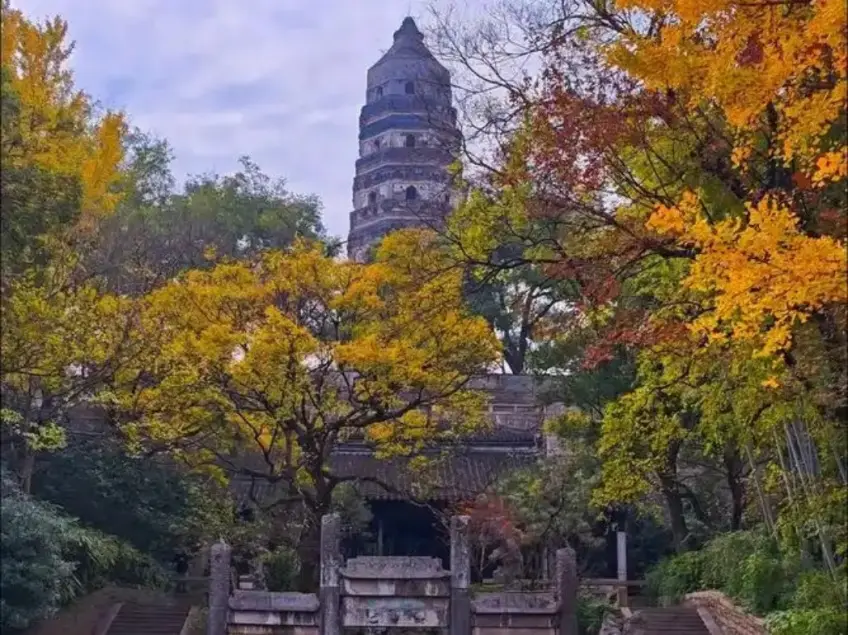
The gardens open early. Humble Administrator's Garden, Lion Grove Garden and Lingering Garden all open at 7:30 AM. During the first hour after opening, tour groups haven't arrived yet, and the autumn morning light on the water is at its clearest. Lingering Garden closes at 4:30 PM, half an hour earlier than Humble Administrator's Garden and Lion Grove Garden, so don't go too late if you plan to visit in the afternoon. For what to see at Humble Administrator's Garden in each season, read Humble Administrator's Garden Through the Seasons.
December: Cold, but fewer crowds and clear skies
In December, Suzhou averages a high of 10.8°C and a low of 4.0°C, with only about 49 mm of rainfall, roughly 8 rainy days, and less than one snowy day per year on average. Compared with Nanjing, Suzhou is a degree or two warmer in December, but the humidity is higher and winds blow off the water, so it feels just as cold. A down jacket or thick wool coat, sweater and thermal underwear are standard gear. Most garden halls and old street shops have no heating, so you'll need your coat indoors too. The upside is fewer crowds: except for the few days around New Year's Eve, you usually don't have to rush for a reservation at Humble Administrator's Garden on weekdays in December, and you won't have to wait in line to take photos at popular window views.
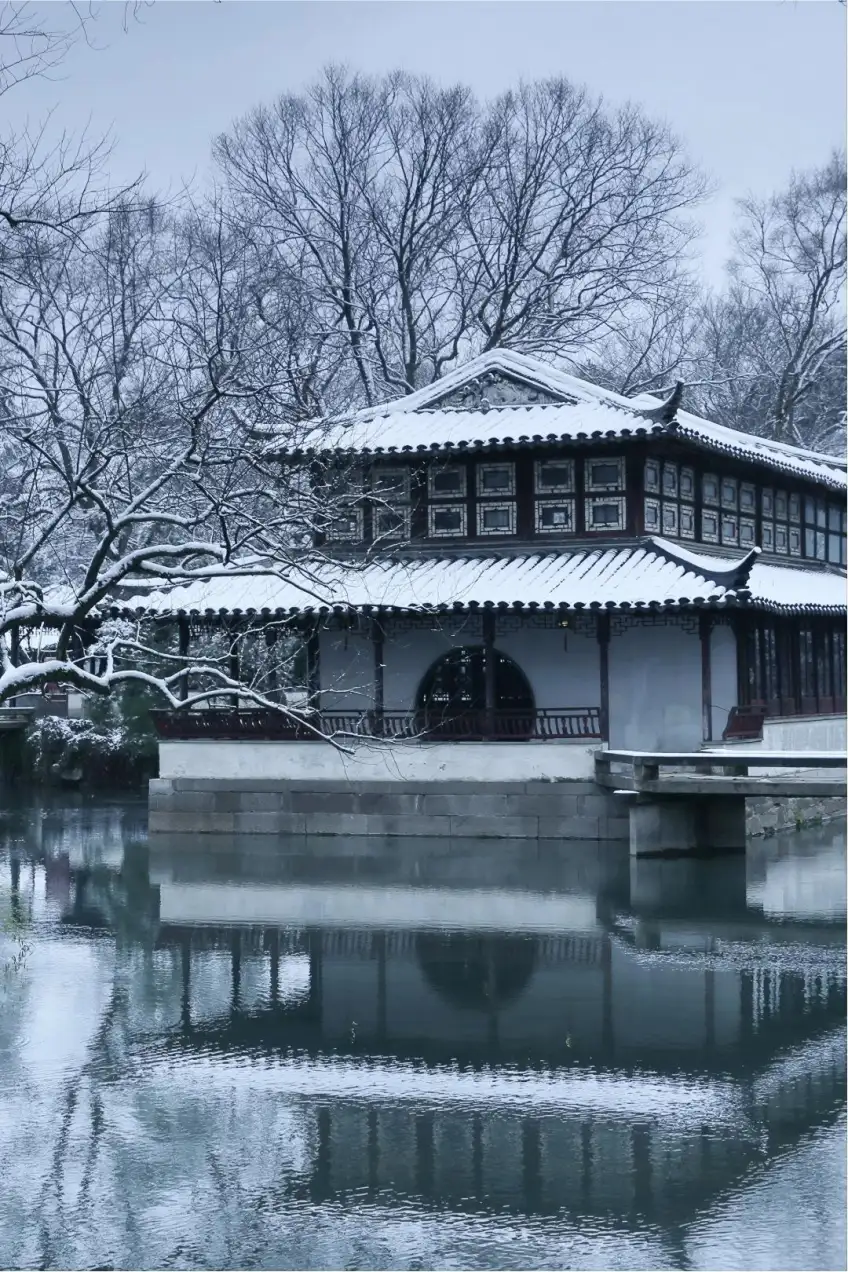
Early December marks the end of autumn colors: Tianping Mountain's red maple season usually runs into early December, and the last batch of red leaves still hangs on at Tiger Hill and in the gardens. From mid-December on, only evergreen pines and bamboos and bare branches remain, but this is also the quietest time. Strolling slowly through the corridors of Humble Administrator's Garden, you can often have a framed window view entirely to yourself. If it snows, head to a garden first thing the next morning—white snow on black tiles and lake stones is Suzhou's rarest winter sight.
New Year's Eve: Bell ringing at Hanshan Temple and Tongli
Suzhou's most iconic New Year's event is the bell-ringing ceremony at Hanshan Temple on the night of December 31: around midnight, the abbot strikes the bell 108 times to welcome the new year. Tickets must be bought in advance, and in past years the temple's daytime hours on that day have been adjusted—check the official announcements for the current year. Luoxingzhou in Tongli Ancient Town, Wujiang, holds a similar "evening drum and morning bell" ceremony starting late on December 31 each year, also striking 108 times. Standing outdoors for two or three hours on New Year's Eve means temperatures often hover around freezing, so wear your warmest clothes of the year.
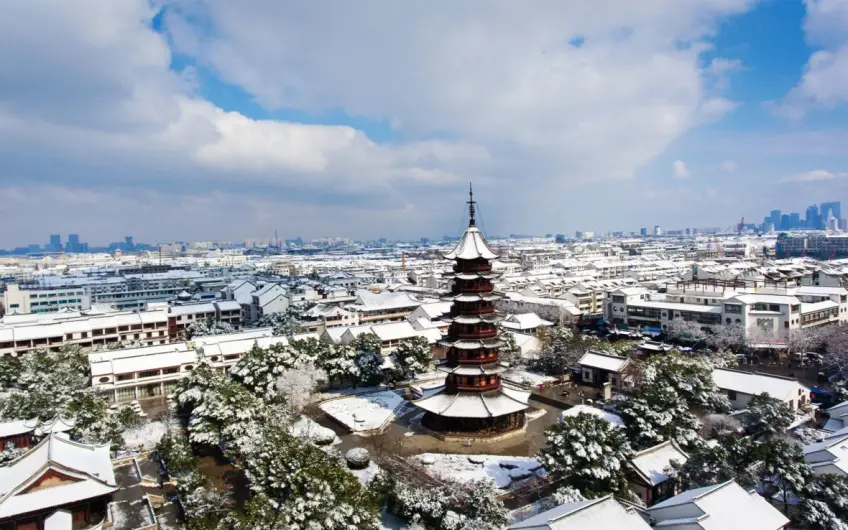
New Year and Spring Festival events around Panmen are covered in detail in our Panmen event travel guide. The Panmen scenic area stays open until 9 PM, and Ruiguang Pagoda looks beautiful lit up on winter nights.
Visiting water towns and Lake Tai in December: dress warmer
When visiting water towns like Zhouzhuang and Tongli in winter, the coldest part isn't walking—it's riding the sculling boats. The boat drifts slowly across the water with no shelter from the wind, and after 20 minutes your hands and feet will be freezing. Wear a hat and gloves before boarding, and if you have kids, cover their legs with a blanket. For help choosing between the two towns or deciding whether you can visit both in one day, see How to choose between Zhouzhuang and Tongli. Dongshan and Xishan by Lake Tai are even windier in winter, so plan lake views for midday when it's warmest, and head back after 3 or 4 PM.
What to wear by season: daytime, mornings and evenings, rainy days, and indoors
Spring (March–May): Big temperature swings between morning/evening and daytime. You'll still need a sweater in March; in April, a long-sleeve shirt plus a trench coat works; by May, short sleeves during the day and a light jacket for mornings and evenings. Spring rain is frequent, so a water-resistant outer layer is best.
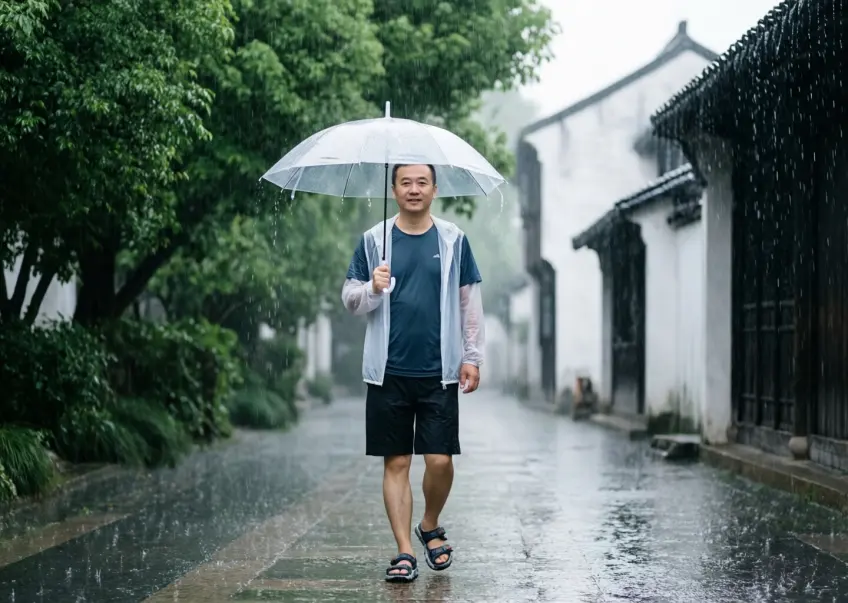
Summer (Jun–Aug): The plum rain season is muggy and damp, so clothes dry slowly—pack more quick-dry T-shirts than cotton. After the rains end, temperatures soar, so bring a hat, sunscreen, and plenty of water. Malls and museums blast the AC, so keep a light long-sleeve shirt in your backpack. Sandals are handy in the rain, but choose ones with non-slip soles for the stone-paved paths.
Fall (Sep–Nov): Short sleeves still work in September; add long sleeves and a light jacket in October; layer on a hoodie or sweater in November, and pack a light down jacket for late in the month. Rain is scarce in fall, so one folding umbrella is enough.
Winter (Dec–Feb): Bring a mid-length or long down jacket, thermal underwear, a scarf, and gloves. Winters in Jiangnan feel cold indoors, especially in guesthouses and inns converted from old houses—confirm that your room has heating when you book. Carry disposable heat packs; they're more flexible than piling on another sweater.
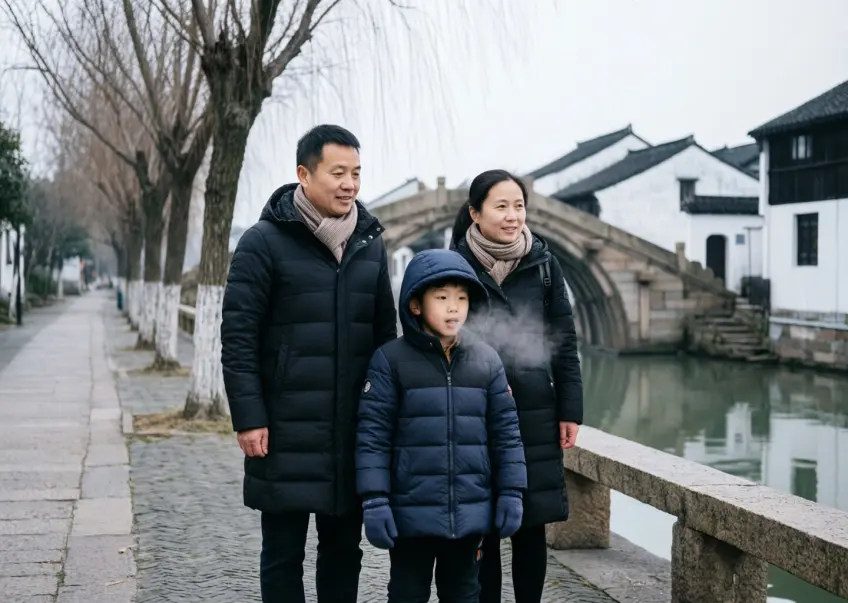
Traveling with seniors and kids: Classical gardens have lots of steps and high thresholds, and stone bridges are steep and extra slippery in rain or after snow. Seniors should stick to flat paths instead of scrambling through rockeries. Kids overheat easily in summer and catch chills after winter naps, so keep them hydrated and add layers promptly.
Weather risks and rainy-day backup plans
The weather most likely to disrupt your Suzhou itinerary includes lingering spring drizzle, early-summer plum rains, midsummer-to-early-fall heat and typhoons, and winter cold snaps. Typhoons usually affect East China between July and September. When one is forecast, boat rides and outdoor activities in the ancient towns may be suspended, and classical gardens occasionally close temporarily—always follow the attraction's notice for that day. During a cold snap, temperatures can plunge within a day or two with strong north winds, and it feels even colder by Lake Tai and up in the hills than in the city.
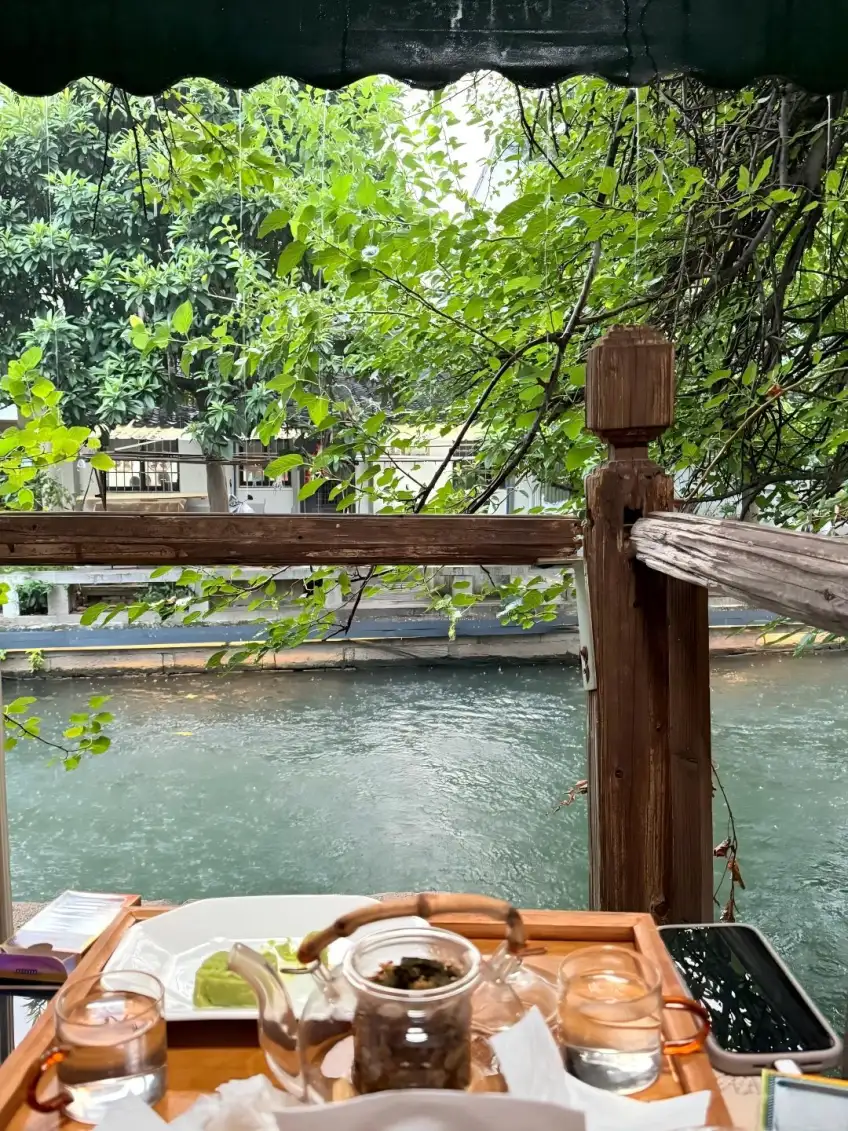
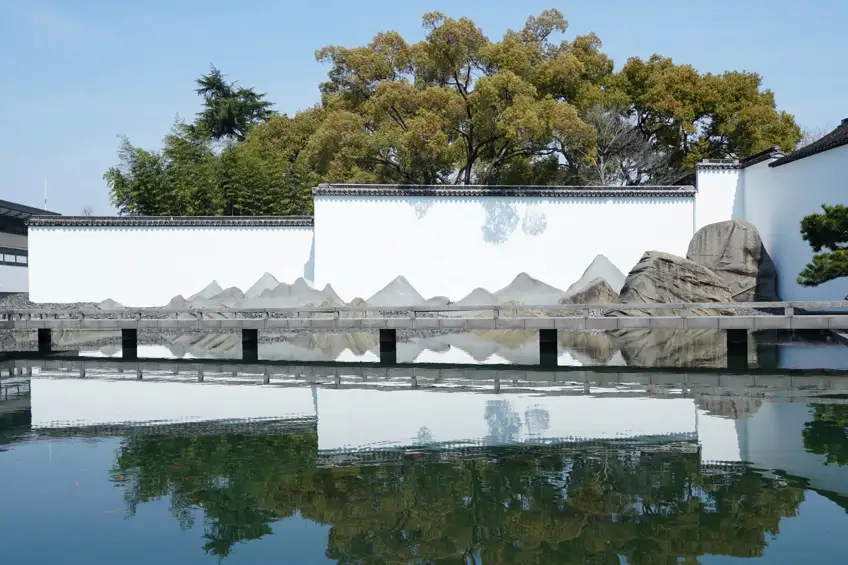
Rainy days are actually a great time to visit the gardens. Raindrops on banana leaves, ripples on the water, and fewer crowds; Lingering Garden and Humble Administrator's Garden have long covered corridors connecting the halls, so most routes keep you out of the rain. Pair them with the Suzhou Museum right next door to Humble Administrator's Garden—the main branch uses timed-entry reservations that can be booked up to seven days in advance and is closed on Mondays; if you'd rather skip the reservation, head to the West Branch. The riverside teahouses along Pingjiang Road are also perfect for sitting out a rainy day.
Planning your itinerary by weather: when you need a car and a guide
Suzhou's old town isn't large—on sunny days, the subway and walking easily connect Humble Administrator's Garden, Lion Grove Garden and Pingjiang Road. But there are two situations where bad weather makes getting around on your own exhausting: first, weekend trips to Tianping Mountain during red maple season, when both the shuttle buses and parking lots have long lines; second, winter or plum-rain-season days when you want to visit both the old-town gardens and ancient towns like Zhouzhuang or Tongli, as transferring and waiting for transport drains your energy. In these cases, booking a private car in Suzhou for hotel pickup, or taking a private car from Shanghai to Suzhou, saves all that waiting time. If you want to truly understand the garden design and history, hire a Suzhou tour guide—during peak season they can even help arrange your Humble Administrator's Garden time slot. More Suzhou ideas are on our Suzhou city page.

Suzhou Dream 2 Days 1 Night: Lion Grove Garden + Shantang Street free time for food and strolling + Tianping Mountain + Canglang Pavilion + Lingering Garden
A 2-day, 1-night private tour with pickup at Suzhou Railway Station: Lion Grove Garden, Hanshan Temple, Shantang Street and Tianping Mountain on day one, then Canglang Pavilion and Lingering Garden on day two. Ideal for travelers who want to see several gardens. Includes transport, a guide, 1 night in an upscale or luxury hotel, and admission tickets. An English-speaking guide is available on request.

Jiangnan Highlights 3 Days 2 Nights: Lion Grove Garden + Tianping Mountain + Hanshan Temple + Yuantouzhu (Turtle Head Isle) + Huishan Ancient Town + Ge Garden + Daming Temple
A 3-day, 2-night private tour starting in Suzhou and ending in Yangzhou: Lion Grove Garden and Tianping Mountain; Hanshan Temple, then a Lake Tai boat cruise at Yuantouzhu (Turtle Head Isle) in Wuxi and a stroll through Huishan Ancient Town; on the final day, Ge Garden and Daming Temple in Yangzhou. Choose from 4-star, 5-star or luxury 5-star hotels. Includes transport, guide and admission tickets, with English-speaking guides available.
Suzhou and Zhouzhuang day tour: Humble Administrator's Garden + Zhouzhuang Water Town (no shopping)
Gardens and water towns in one day: we pick you up at Suzhou North Station, visit the Humble Administrator's Garden first, then explore the ancient town of Zhouzhuang with its small bridges, waterside homes and traditional craft street, and return you to Suzhou North Station in the evening. This private tour includes a car, guide and admission tickets, and an English-speaking guide is available on request.
FAQs
Is Suzhou cold in December? Do I need a down jacket?
Yes, bring one. The average low in December is only around 4°C, and cold snaps can push it below freezing. There's no heating inside the gardens or old street buildings either. On sunny days, temperatures reach about 10°C, so you can wear your down jacket unzipped.
What should I wear in Suzhou in November?
In early November, wear long sleeves with a light jacket. In mid-November, add a hoodie or thin sweater under a windbreaker. By late November, bring a lightweight down jacket too. Visiting Tianping Mountain for the maple leaves means hiking trails, so wear non-slip sneakers.
When is the best time to visit Suzhou?
April and October to November are the most comfortable months. For red leaves and off-season ticket prices, go in mid-to-late November; for blooming gardens, choose late March to April. If you're on a budget and want to avoid crowds, weekdays in December work well—it's colder, but the gardens are peaceful. The plum rain season in June and the summer heat in July and August are the toughest times.
Does it snow in Suzhou in winter?
Yes, but not much. Based on climate averages, Suzhou gets about two or three snowy days in January, around two in February, and less than one in December—and it's usually light snow that melts quickly. Photographing snow-covered gardens takes luck and an early start.
When is the plum rain season in Suzhou?
It typically starts in mid-to-late June and ends in early-to-mid July, lasting about three weeks. In 2026, Suzhou's plum rain season begins on June 18. It rains almost every day during this period and humidity is high, so pack quick-dry clothes.