
In February, Hangzhou averages a high of 11.1°C and a low of 4.0°C, with about 12 rainy days and 90 mm of precipitation over the month, plus nearly 3 snowy days on average. It's still very much winter. In early and mid-February, wear a down jacket or heavy coat over a sweater and thermal underwear. When it warms up in late February, you can switch to a light down jacket or thick coat, but don't pack away your scarf and gloves just yet.
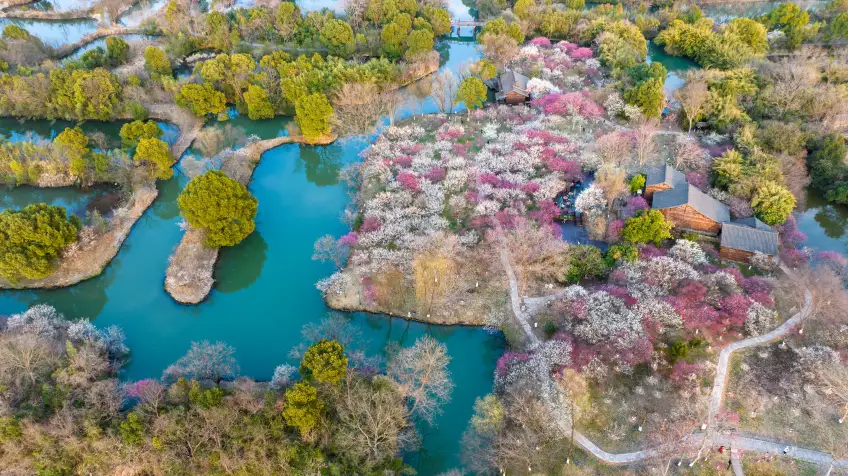
Two big things happen in Hangzhou in February: Chinese New Year and plum blossoms. In 2027, Chinese New Year falls on February 6 and the Lantern Festival on February 20, while plum blossoms peak in mid-to-late February. Using 1991–2020 averages from the China Meteorological Administration's Hangzhou station, this guide covers February temperatures and what to wear, where to see plum blossoms, crowd levels around Chinese New Year, and weather risks for the month. For a year-round comparison, see Hangzhou Weather & What to Wear Overview; for the colder month before, see Hangzhou January Weather & What to Wear.
February temperatures: Still winter, but starting to ease
February is two or three degrees warmer than January, with daytime highs around 11°C and early mornings around 4°C. On sunny afternoons it occasionally hits 15–16°C, making you think spring has arrived. Don't be fooled by those few days: February's record low is -9.6°C, even colder than January's record, and the coldest day each February averages around -2°C. Lichun (the Beginning of Spring) falls around February 4, marking spring on the traditional calendar, but Hangzhou's weather often keeps swinging back into cold snaps.
February sees plenty of rain, averaging 11.7 rainy days. It's usually a fine, cold drizzle that can last two or three days straight, making sunny weather the real rarity. Sunshine totals only about 98 hours for the month, tying January as the darkest time of year. Humidity sits at 73%, and on cold, rainy days it can feel close to freezing. If you're used to the pre-Spring Festival warm-up in Taipei or Hong Kong, pack one layer heavier for Hangzhou.
Snow is still possible. On average, February has about 2.8 snowy days—fewer than January—but snow this month often arrives suddenly and clears up fast. Lingering snow by the lake paired with blooming plum blossoms is one of the rarest sights of early spring in Hangzhou.
What to wear in February
Daytime: In early and mid-February, dress for winter—a down jacket or heavy wool coat over a sweater, with thermal underwear underneath. By late February, if there's a stretch of sunny, mild days, you can switch to a light down jacket or a shell jacket with a liner. For Spring Festival visits and temple fairs where you want to look sharp, a heavy coat with a turtleneck sweater looks better than a puffer and keeps you just as warm.
Mornings and evenings: Temperatures drop 7–8 degrees compared to daytime, and it's windy by the lake. People who go plum blossom viewing prefer early mornings, and it's colder at the foot of the hills and near the water than downtown, so don't skip the hat, scarf, and gloves. If you're going to Lantern Festival light shows or evening strolls, standing outside for an hour or two will chill your feet first—wear thick socks and shoes with thicker soles.
Rainy days: February's cold rain is the toughest part. Your outer layer should be water-repellent, and bring a windproof umbrella. Choose waterproof ankle boots or coated sneakers; the dirt paths in plum groves turn soft after rain, and light-colored shoes get dirty in a day. Always change out of wet shoes and socks, and dry them under the hotel air conditioner.
Indoors: Malls and restaurants are crowded during Spring Festival and crank up the heat, so wear a cardigan as your inner layer for easy removal when you walk in. Temple halls, old residences, and pavilions in plum groves have no heating, so keep your coat on. If you're staying at a guesthouse converted from an old house, ask ahead how the room is heated.
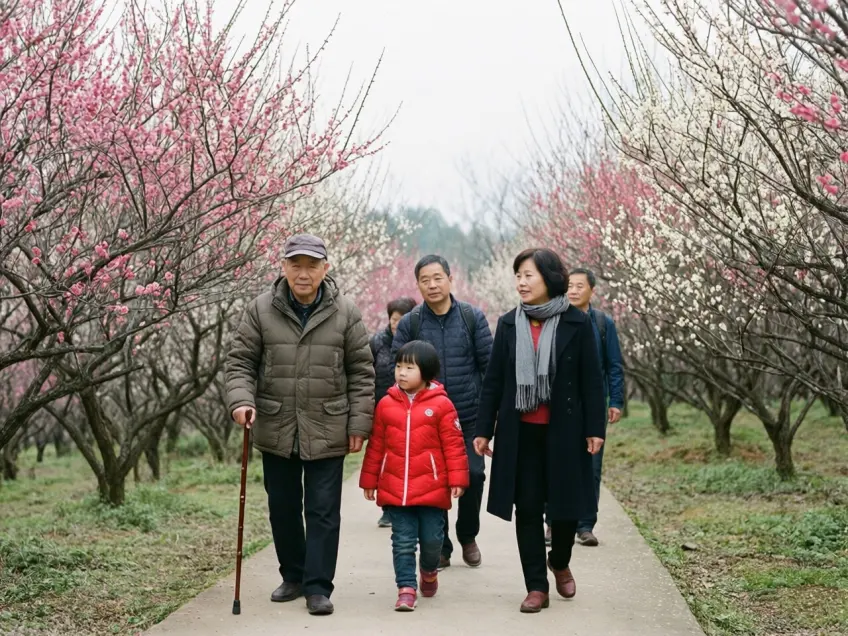
Traveling with seniors and kids: When taking elders out during Chinese New Year, the top priorities are preventing slips and staying warm. Pack knee pads, non-slip shoes, and warm hats. In crowded places, dress kids in bright jackets so they're easy to spot if you get separated, and slip a card with your phone number into their pocket. Plum blossom pollen can trigger allergies in some people, so bring medication if you have a history of allergies.
February packing list: One heavy down jacket or thick coat, one light down jacket (for late February), two sweaters, two sets of thermal underwear; hat, scarf, and gloves; waterproof ankle boots; folding umbrella; hand warmers. If you'll be visiting friends and relatives for Chinese New Year, pack one nicer outfit. Carry a small bag with tissues and a power bank—lines tend to be long during the holiday.
Plum blossoms in February: where to go and when it's best
Hangzhou has four classic spots for plum blossoms: Chaoshan, Lingfeng, Xixi, and Gushan. Bloom times shift by a week or two each year depending on temperatures. The info below covers typical conditions, but check recent bloom updates before you head out.
Chaoshan: Located in Linping District, it's famous as a "ten-mile sea of fragrant plum snow," with over 50 varieties including white, red, and green-calyx plums. The Chaoshan Plum Blossom Festival usually opens around Chinese New Year. In late February 2026, there were also evening sessions in the plum groves, with lights and market stalls running into the night. Chaoshan is farther from downtown—about an hour each way by car or private car—so plan at least half a day.
Lingfeng: Inside the Hangzhou Botanical Garden at the foot of Lingfeng Hill west of West Lake, this has been a famous plum-viewing spot since the Qing Dynasty, now home to about 5,000 trees across more than 100 varieties. In 2025, the peak viewing period at Lingfeng was late February. It's not far from West Lake, so you can combine it with the botanical garden and Yuquan.
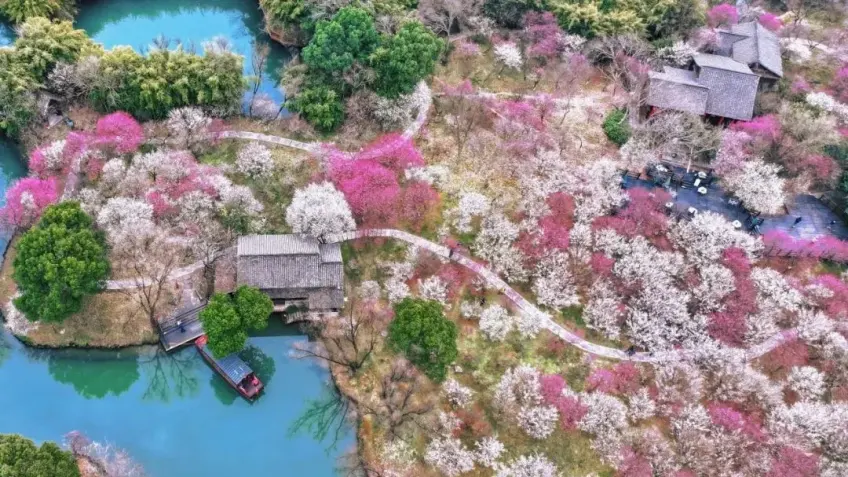
Xixi: Xixi Wetland holds a plum blossom festival every year from February to March. Xixi Meishu (Plum Villa) and Meizhu Shanzhuang (Plum & Bamboo Villa) are the main viewing areas. "Seeking plum blossoms along winding waters" is the highlight here—taking a boat along the waterways to view blossoms on both banks offers a completely different experience from hillside viewing. Admission and boat tickets are sold separately; see the Xixi Wetland scenic area page. For boat options, see How to choose a boat ride at Xixi Wetland.
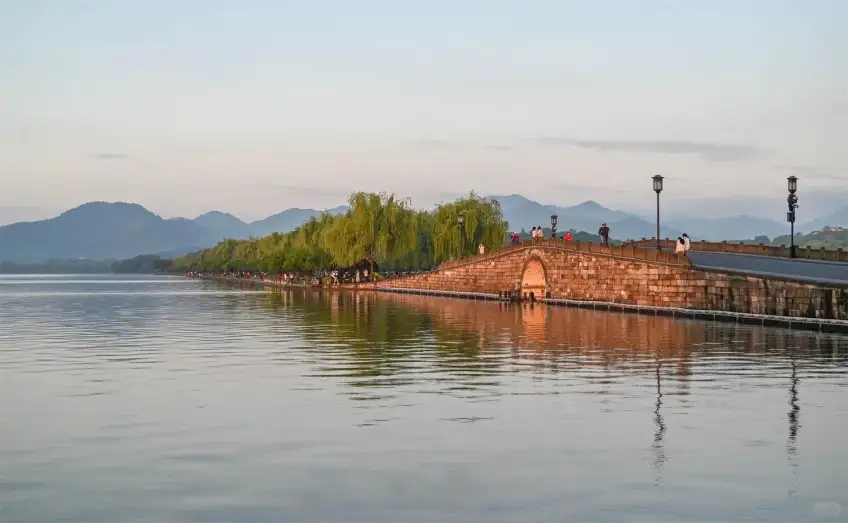
Gushan (Solitary Hill): Gushan sits in West Lake. Northern Song poet Lin Bu lived here as a hermit, leaving behind the legend of "plum blossoms for a wife, cranes for children" and the famous line about their sparse shadows slanting across shallow water. There aren't many plum trees on Gushan, but they're right by the lake—just walk over via Bai Causeway. It's perfect if you're short on time and only want a quick look at plum blossoms by West Lake.
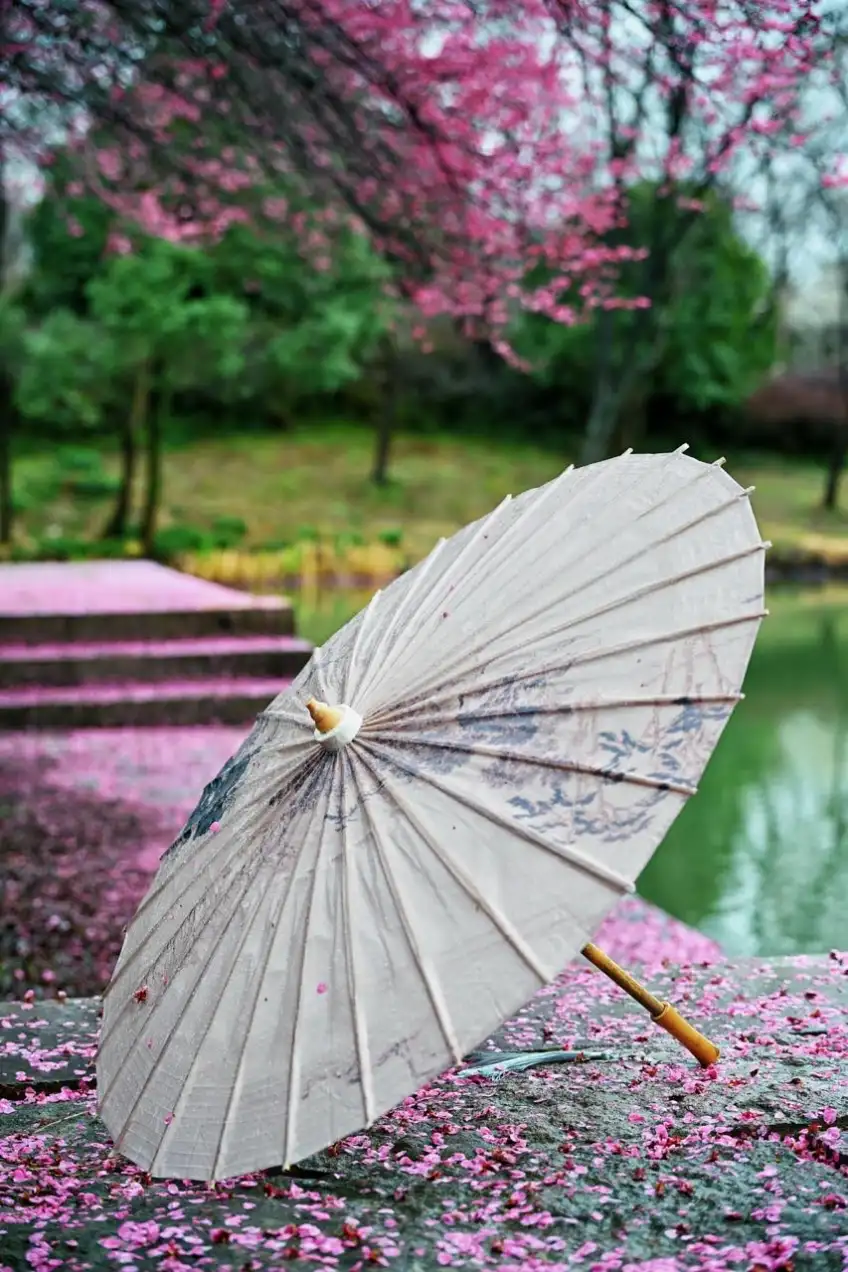
When to go: Mornings on sunny days have the best light and the flowers look most vibrant. The day after rain is also special, with petals scattered on the ground and water droplets hanging from the branches. Chaoshan and Lingfeng get very crowded on weekends and during the Spring Festival holiday, so weekday mornings are your best bet.
How to plan a two-day plum blossom trip: On day one, head to Lingfeng in the morning, then stroll through Hangzhou Botanical Garden nearby. Return to West Lake around noon, walk from Bai Causeway to Gushan in the afternoon to look for Lin Bu's plum trees near Fanghe Pavilion, and head back to Hubin along Beishan Street in the evening. For day two, check the weather: if it's sunny, go to Chaoshan, where the large plum groves give you plenty of room to wander, then return to the city in the afternoon. If it rains, switch to Xixi and view the blossoms from a covered boat so you won't get wet. Over two days, you'll see plum blossoms on the hills, by the lake, and along the water.
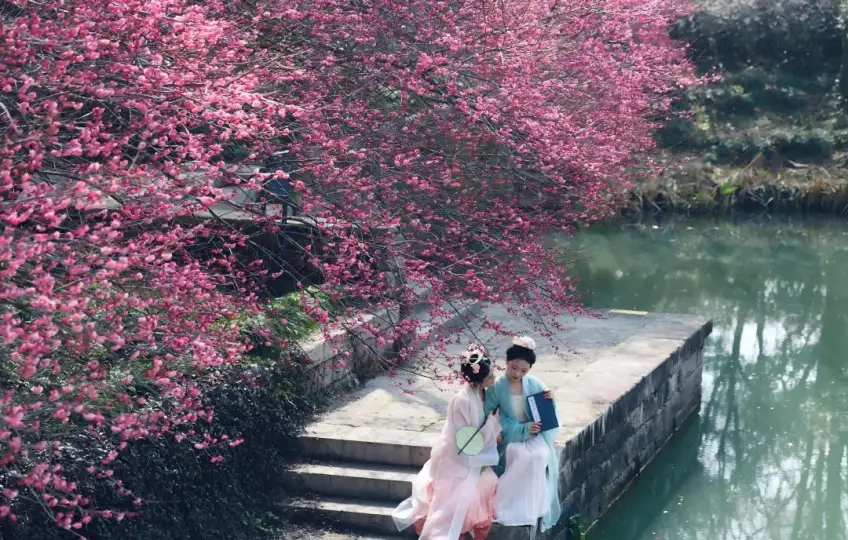
A few tips for viewing plum blossoms: the branches are brittle, so don't pull or shake them for photos, and never pick the flowers. You'll often see people in hanfu posing in the groves, so be considerate when framing your shots. Fallen petals on the ground look beautiful, but don't step into the flower beds to get an angle. Plum blossoms have a delicate fragrance that you can only catch up close—it's strongest after rain and in the early morning, when the groves are quieter and perfect for a slow walk.
Around Spring Festival: crowds, opening hours and transport
Spring Festival divides February in two. In the week or two before, travel peaks for the holiday rush, making high-speed rail and flight tickets hard to come by. Hangzhou locals are busy shopping for New Year goods, and the Southern Song Imperial Street and Hefang Street areas are full of festive spirit. Visit Hangzhou now and you'll see locals lining up for soy-braised duck and rice cakes, hanging spring couplets and pasting up "fu" characters. The streets feel completely different from usual, though popular roads and parking lots will be extra congested. From New Year's Eve to the third day, many small restaurants and heritage brands close or shorten their hours, while hotels and large malls operate as normal. Scenic areas generally stay open, though some venues may adjust their hours—check each venue's announcements for details.
The first to the seventh day of the Lunar New Year are the busiest days at the attractions. Lingyin Temple, West Lake, and Hefang Street are packed with people, and Lingyin Temple's reservation slots fill up in advance. Book early on the "Hangzhou Lingyin Feilai Peak" mini program. For details, see the Lingyin Temple attraction page. According to Hangzhou custom, there is a tradition of visiting Lingshun Temple on Beigao Peak to "welcome the God of Wealth" on the fifth day of the Lunar New Year. From the evening of the fourth day to the early hours of the fifth, the roads around Lingyin and the mountain itself get very crowded. If you want to avoid the crowds, stay away from that area on that day.
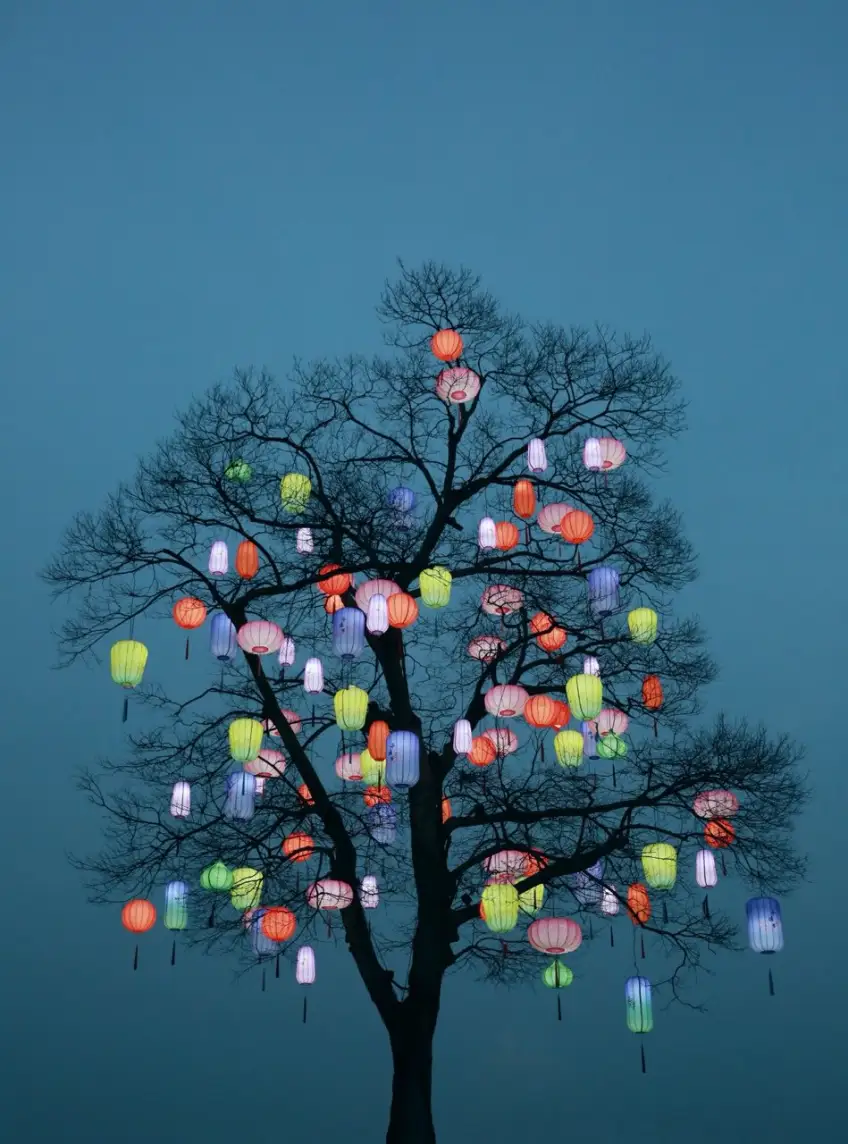
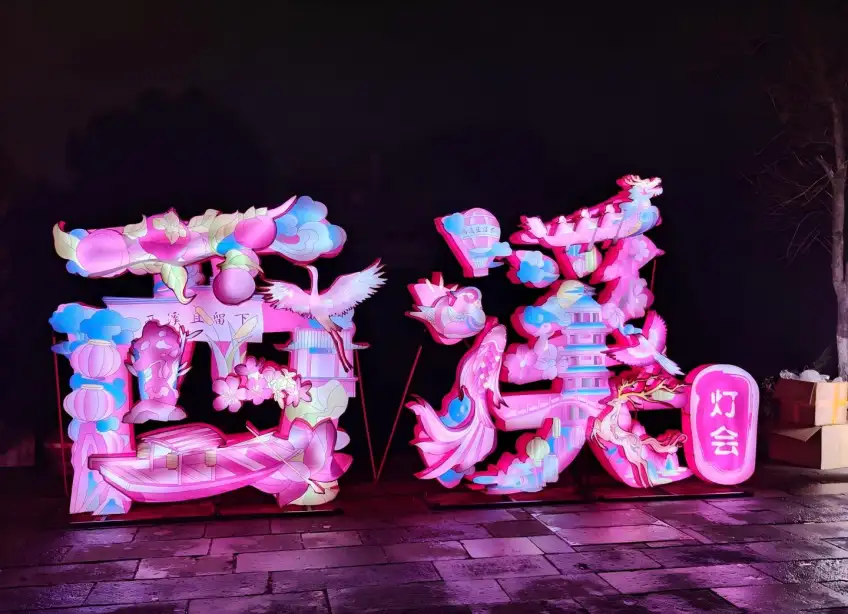
Around the Lantern Festival, lantern fairs and night tours are held everywhere, and the lakesides and ancient towns are lively at night. Once the festival passes, both out-of-town visitors and locals return to their work routines. Hangzhou suddenly quiets down in late February, just as the plum blossoms reach their peak—the most pleasant time of the month.
Weather risks in February
Late cold snaps: In late February, there are often a few days warm enough to feel like spring, followed by a cold front that drops temperatures back into single digits or even brings snow. Pack for the colder end of the spectrum—you can always take layers off when it warms up, but having nothing to add when it gets cold is miserable.
Prolonged rain: Rain in February often lasts for several days straight, leaving the lakeside and plum groves soaked. On rainy days, shift your plum blossom viewing to the morning when the rain is lighter, and spend the afternoon at covered spots like museums or the Former Residence of Hu Xueyan. For tickets and opening hours, see the Former Residence of Hu Xueyan attraction page.
Transportation in rain or snow: Traffic is already heavy around Chinese New Year, and rain or snow means long waits for taxis and ride-hailing cars. Expressways may be temporarily restricted, so allow extra travel time if driving from Shanghai or Suzhou. If taking the high-speed train, book tickets early and plan your onward transport from the station in advance.
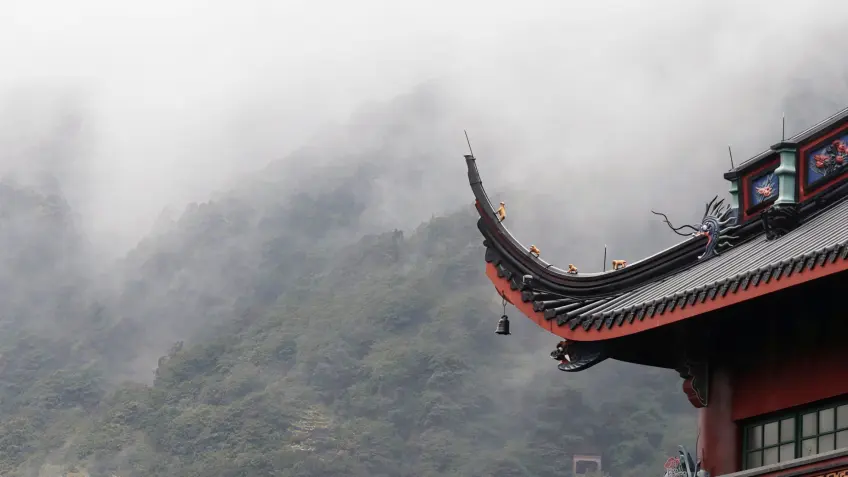
Fog: On early mornings at the turn of winter and spring, fog often rolls over West Lake and the surrounding hills. The forests around Lingyin Temple and Taoguang look especially atmospheric in the mist, but heavy fog can delay flights, so leave extra time if you're heading to the airport.
Dampness after it warms up: Once temperatures rise late in the month, the air gets noticeably more humid. Walls and floor tiles sometimes "sweat," making hotel wood floors and stone paths slicker than usual. If your clothes won't dry, use the hotel hair dryer or air conditioning to speed things up, and stuff newspaper into your shoes overnight to absorb moisture — they'll be ready to wear the next day.
Alternatives for cold rainy days and crowds
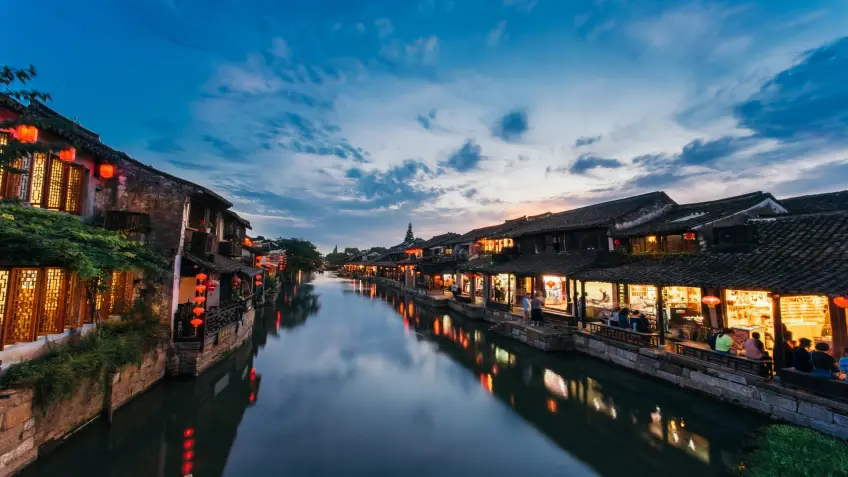
Downtown attractions get packed during Chinese New Year, and if cold rain hits too, try a change of plan: head to a water town. From Hangzhou, take a trip to Xitang, where covered walkways run continuously along the river so you stay dry even in the rain. After dark, the lights reflect off the water, creating an atmosphere that's arguably better than on a sunny day. Or spend a night in Wuzhen. The ancient towns are lively during the holiday, but far less hectic than the shores of West Lake.
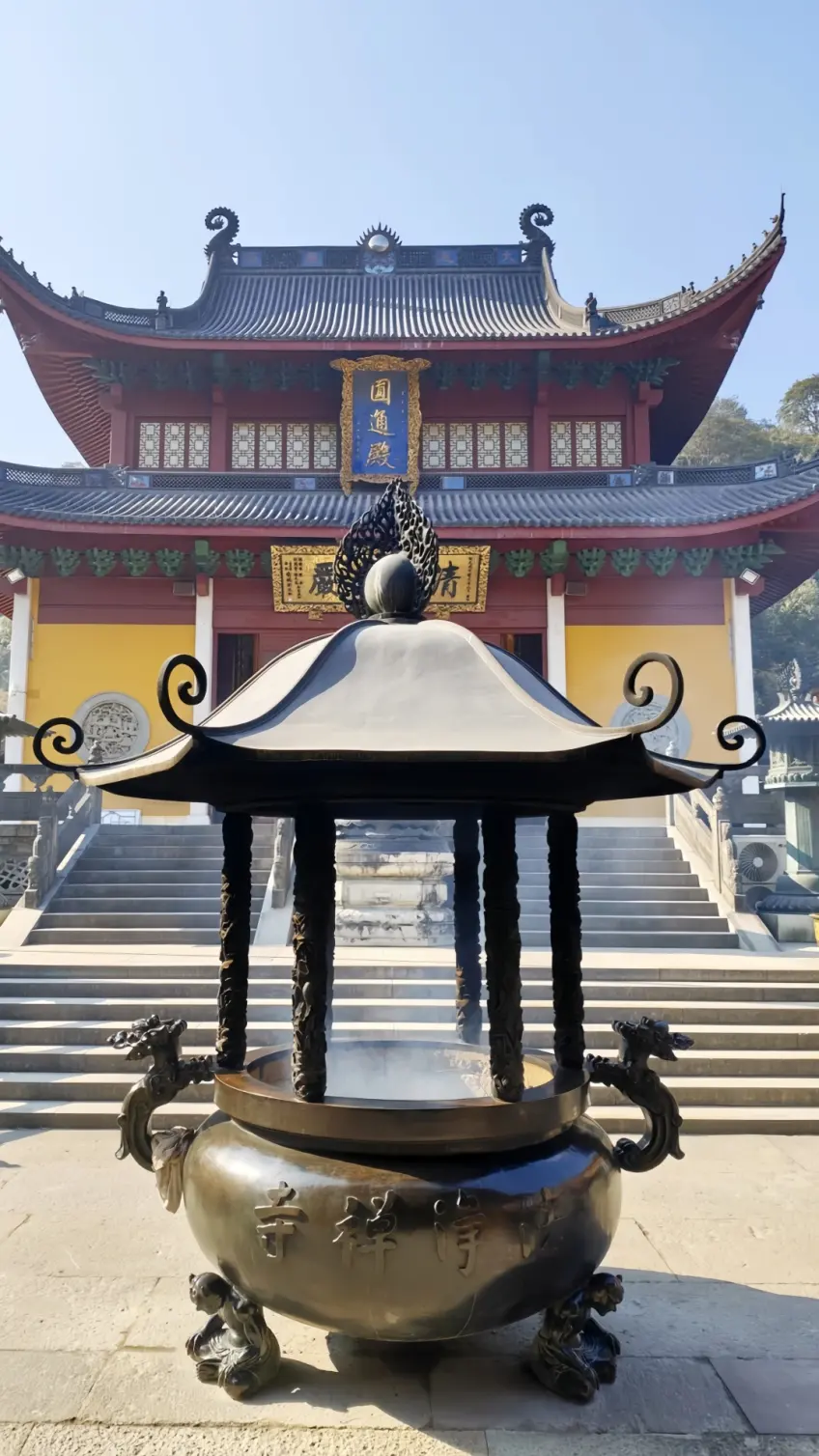
Visit the temples: Outside the busiest few days, the Tianzhu area — home to Lingyin Temple, Yongfu Temple and Fajing Temple — is peaceful and wooded, with eaves connecting the halls, perfect for a slow stroll in a light drizzle.
Watch a show: The "Romance of the Song Dynasty" show at Songcheng is staged in an indoor theater, so you won't get cold even on rainy evenings. Spring Festival showtimes are subject to the attraction's announcements. For details, see the Romance of the Song Dynasty viewing guide.
February vs. March: which to choose
February and March are both great for flower viewing, but the weather and crowds differ quite a bit. February is still winter-cold with a chance of snow, plum blossoms are at their peak, and it gets crowded around Chinese New Year. In March, the average high rises to 15.9°C, plum blossoms gradually fade and give way to peach blossoms, cherry blossoms, and tulips, and rainy days become more frequent. If you want to see plum blossoms and don't mind the cold, go after the Lantern Festival in late February. If you'd rather see West Lake in spring and dislike the cold, wait until late March—seeHangzhou March weather and what to wear.
How February weather affects your itinerary
Visiting Hangzhou in February means dealing with both cold rain and Spring Festival crowds. Plum blossom spots like Chaoshan, Lingfeng and Xixi are far apart, requiring transfers on public transit, and taxis are hard to find during Spring Festival. Families traveling with seniors can book a Hangzhou private car to set off early and avoid the crowds, switching to indoor plans if the rain gets heavy. If you'd like someone to handle Lingyin Temple reservations, Lantern Festival arrangements and stories behind the plum blossoms, hire a Hangzhou tour guide. High-speed train tickets sell out fast around Spring Festival, so travelers coming from Shanghai may want to consider a Shanghai to Hangzhou private car. For more attractions, visit the Hangzhou city page.
Feilai Zen Realm Day Tour: Hangzhou and Lingyin Temple
Private day tour in Hangzhou: climb Leifeng Pagoda, take a 45-minute boat ride on West Lake, and visit Lingyin Temple and the Feilai Peak grottoes in the afternoon. Pickup and drop-off at Hangzhou East Railway Station or Xiaoshan Airport included, along with transportation, guide and admission tickets. English, Japanese and other language guides available upon request. Choose your own date.
Xitang Dream day tour: water town Xitang, leisure day tour with no shopping stops
Private Xitang day tour from Hangzhou: stroll the Misty Rain Corridor and old streets by day, stay until dusk for the ancient town's night views, then return to Hangzhou East Railway Station or Xiaoshan Airport. Includes transport, guide and admission; boat rides are at your own expense. An English-speaking guide is available on request.

8-day Jiangnan private car tour | 9-seat vehicle with guide-driver
Start and end in Shanghai on this 8-day exclusive Jiangnan private car tour. Your guide doubles as the driver, so you and your family or friends can travel at your own pace without joining strangers. The route links West Lake, Wuxi, Nanjing, Yangzhou, Suzhou and Puyuan in Wuzhen, showcasing lakes and mountains, ancient towns and Shanghai's cityscape. Itinerary and stops can be arranged in advance. This is a private car service only — hotels, attraction tickets and meals are not included, so you can choose accommodation and activities to suit your preferences.
FAQs
Do I need a down jacket in Hangzhou in February?
Yes. The average low in February is 4.0°C, and cold rainy days can feel close to freezing. Temperatures have historically dropped as low as -9.6°C. Bring a thick down jacket for early and mid-February; you can switch to a lighter one in late February, but don't rely solely on spring clothing.
When is the best time to see plum blossoms in Hangzhou in February?
Usually in mid-to-late February, Chaoshan, Lingfeng, Xixi, and Gushan are popular spots. The timing can shift a week or two earlier or later depending on the temperature each year. In 2025, the best viewing period at Lingfeng is late February, which you can use as a reference.
Are Hangzhou attractions open during Chinese New Year?
Major attractions like West Lake and Lingyin Temple generally stay open as usual. Crowds peak from the first to the seventh day of the lunar new year, and Lingyin Temple requires advance reservations. Some small shops and time-honored brands close from New Year's Eve to the third day of the festival—check each venue's notice for details.
How far in advance should I book for a Chinese New Year trip to Hangzhou?
The earlier, the better. High-speed train tickets during the Spring Festival travel rush usually sell out fast on the day they go on sale. Hotels near West Lake have limited availability from the first to the sixth day of the lunar new year, and Lingyin Temple reservation slots fill up early too. Once your dates are set, book transportation and accommodation first, then reserve attractions according to their booking rules.
Does it snow in Hangzhou in February?
It's possible. Based on 1991–2020 averages, February has about 2.8 snowy days—fewer than January but more than December. If you head to West Lake on a clear morning after a snowfall, you might catch lingering snow and plum blossoms in the same frame.