
January is Hangzhou's coldest month, with average highs of 8.6°C and lows of 2.2°C. Rain falls on about 12 days (93 mm total), and snow occurs on roughly 4 days. Wear a thick down jacket over a sweater and thermal base layers during the day. Add a hat, scarf, and gloves in the morning, evening, or wet weather, and make sure your shoes are waterproof and slip-resistant.
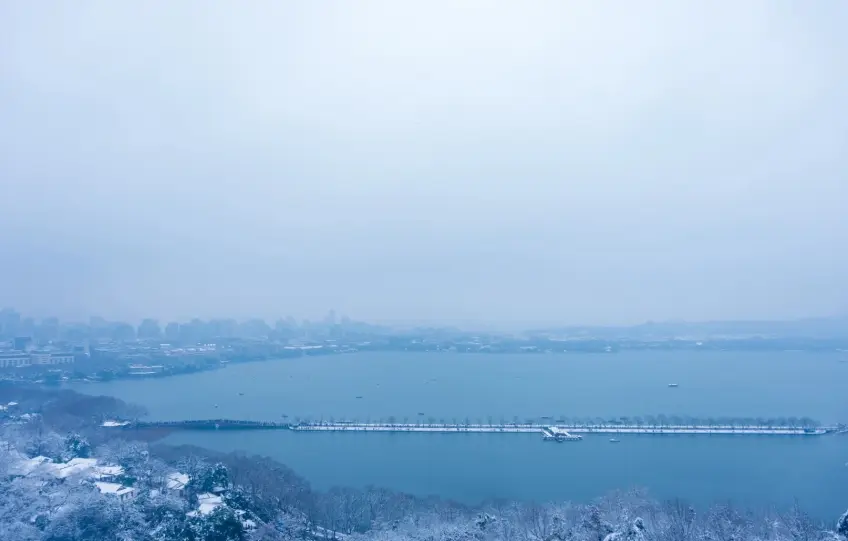
Cold is the first thing you notice about Hangzhou in January—but that chill also makes it the best month of the year to see West Lake under snow. Using 1991–2020 averages from the China Meteorological Administration's Hangzhou station, we'll cover just how cold January gets, what to wear, your chances of snow, and crowd levels around the Laba Festival and the run-up to Chinese New Year. For a full-year comparison, see Hangzhou Weather & What to Wear Overview; for the previous month, see Hangzhou December Weather & What to Wear.
January cold: how it really feels beyond the numbers
Daytime temperatures hover around 8–9°C and drop to about 2°C at night. That may sound similar to Taipei or Hong Kong during a cold snap, but it feels far colder here for three reasons. First, dampness: average humidity in January is 74%, and it's the least sunny month of the year with only about 95 hours of sunshine. Overcast skies mean clothes never fully dry, and the chill clings to you. Second, wind: West Lake is wide open, so north winds sweep straight across the water. Stand on Broken Bridge or Bai Causeway for a few minutes and your hands will go numb. Third, indoors aren't warm: Hangzhou has no central heating, so old buildings, small restaurants, and temple halls feel almost as cold as outside—even sitting down for a meal won't warm you up.
It can get even colder at the extremes. The historical low for January is -8.6°C, and the coldest day each year averages around -3.9°C. When a cold snap hits, frost forms on the lakeside grass in the early morning, and thin ice covers shaded paths. Fortunately, this weather usually lasts only two or three days. After the cold front passes, you often get clear, crisp days—sunshine during the day makes sheltered spots quite comfortable.
January is rainier than December, averaging 12 rainy days. It's mostly steady, chilly drizzle, sometimes mixed with sleet. Cold, rainy days are the hardest to handle, with wind chills often hovering around freezing. When planning your itinerary, it's best to have an indoor backup option ready for each day.
The traditional solar terms Minor Cold and Major Cold both fall in January. As locals in Hangzhou say, this is the coldest stretch of winter. Before and after a cold front passes, Hangzhou's weather typically cycles through "rainy, cooling down, clear and cold, warming up" every few days. Check the week-long forecast before you leave to figure out which days are good for outdoor exploring and which to save for indoor activities. Schedule your West Lake and mountain trips for those two or three clear, cold days.
What to wear in January: pack like it's two levels colder than home
Daytime: Wear a thick down jacket as your outer layer, ideally long enough to cover your hips, and one with an attached hood is even better. Add a sweater or fleece as a mid-layer, and thermal underwear as your base layer. For bottoms, wear fleece-lined pants or light long johns under regular trousers. If you're coming from Taiwan or Hong Kong, your usual "winter clothes" will likely only work as a mid-layer here—you'll need to seriously prepare that outer down jacket.
Morning and evening: Wear a knit hat, scarf, and gloves all together. Adhesive heat patches work best when stuck to your lower back and stomach. Whether you're heading to the lake in the morning to see the mist and snow or taking an evening stroll along the shore, you'll feel coldest when standing still. Better to overdress and just unzip if you get warm.
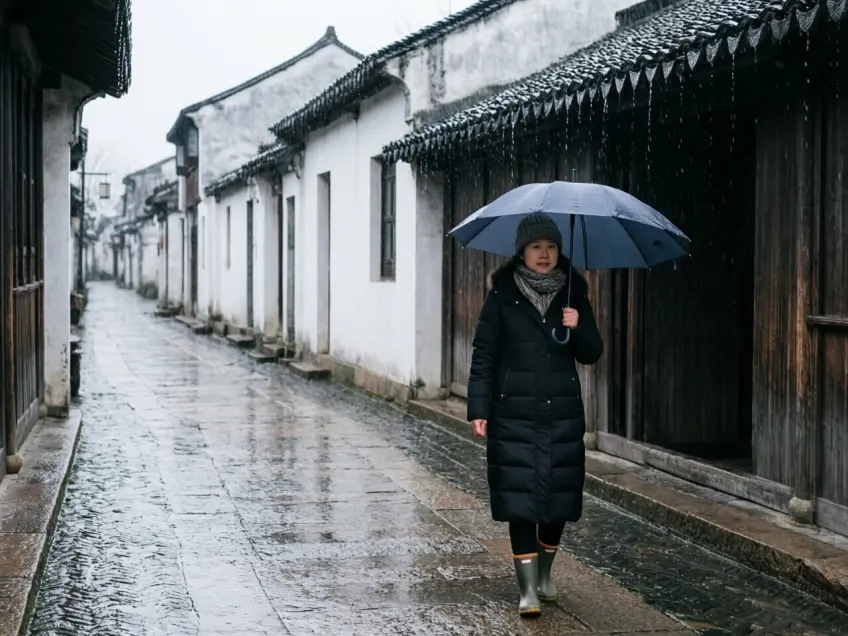
Rainy or snowy days: Choose a water-resistant jacket and bring a windproof umbrella. Wear waterproof ankle boots or snow boots with deep treads. The bluestone slabs by West Lake, the steps at Lingyin Temple, and the stone paths at Jiuxi all get very slippery after rain or snow. Pack extra socks—if your shoes or socks get wet, change them right away. Cold feet make your whole body feel cold.
Indoors: Hotels, malls, the metro and museums have air conditioning or heating, so you'll warm up quickly once inside. Don't wear a thick turtleneck as your base layer—choose a cardigan or zip-up fleece that's easy to take off. Keep your jacket on when visiting temples, old houses and small shops. Before bed, leave the next day's clothes where the heater can reach them so they won't feel cold in the morning.
Traveling with seniors and kids: For seniors, prioritize keeping the head, neck and knees warm. Avoid going out during the coldest hours of early morning; wait until the sun is up and temperatures rise. On rainy or snowy days the roads are slippery, so handrails and non-slip shoes matter more than anything. Kids sweat easily but also catch colds easily, so dress them in moisture-wicking cotton base layers and carry a spare set. Hotel rooms get dry with the AC on, so pack moisturizer for seniors and kids and have them drink plenty of warm water.
January packing list: One thick down jacket, two sweaters or fleeces, two sets of thermal underwear, fleece-lined pants; a knit hat, scarf and gloves; waterproof non-slip ankle boots plus a spare pair of shoes; 2–3 heat packs per day; moisturizer and lip balm. Hotel rooms get very dry with the AC running, so leave a basin of water or hang a damp towel in your room before bed—your throat will thank you the next morning.
Chances of snow: highest in January, but still down to luck
Based on 1991–2020 averages, Hangzhou has about 4.2 snowy days in January, the most of any month; December has about 1.4 and February about 2.8. However, many of these "snowy days" are just sleet or a few drifting flakes. Snow that actually accumulates around West Lake usually happens only once or twice all winter. In late January 2024, downtown Hangzhou saw its first snow of the year, and the lakeside quickly filled with people taking photos.
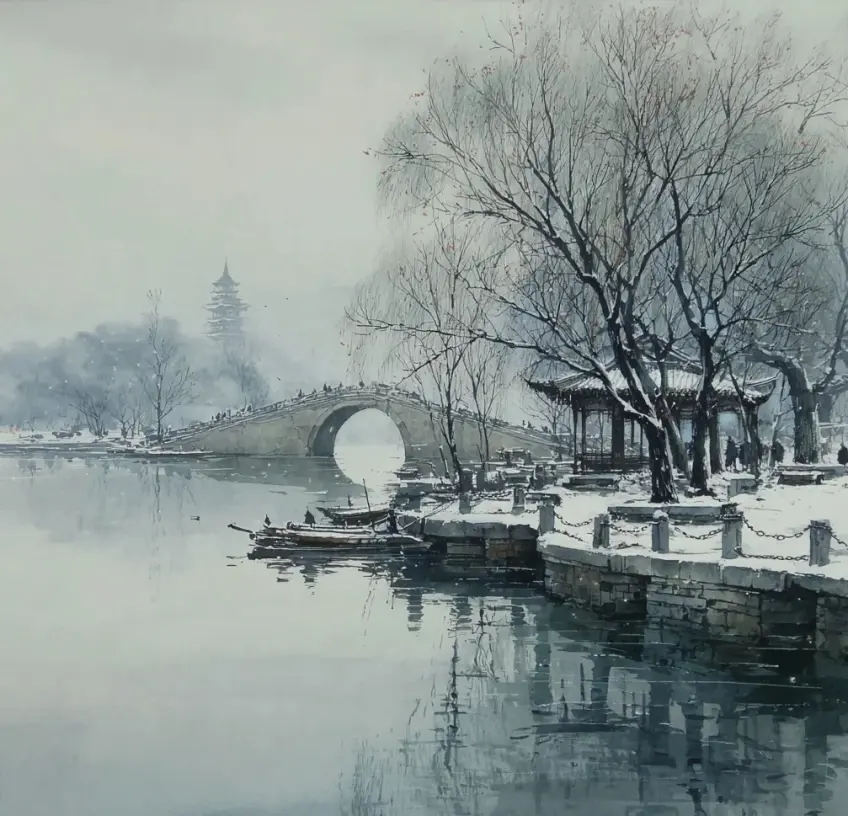
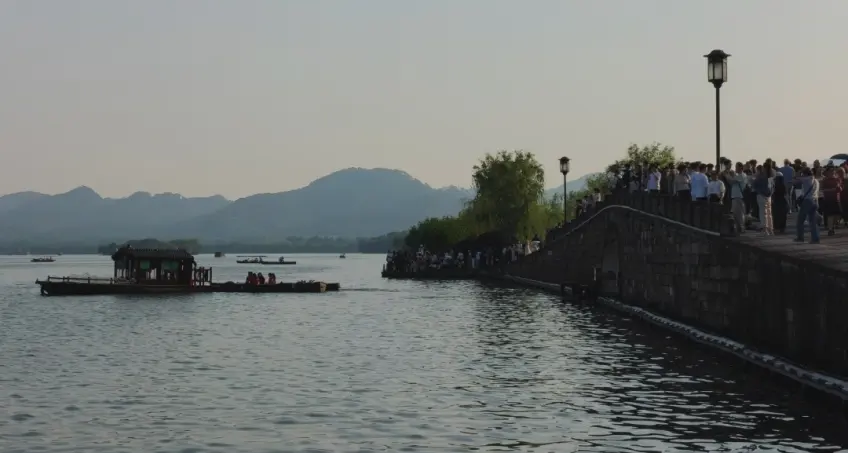
The most famous snowy scene at West Lake is "Lingering Snow on Broken Bridge." After the snow stops and the sun comes out, the snow on the sunny side of Broken Bridge melts first while the shady side stays white, making the bridge look broken from a distance. The best time to see this is early morning on the first clear day after a snowfall. Arrive at Broken Bridge before 8am, then walk along Bai Causeway to Solitary Hill. The pavilions on Solitary Hill and Baoshi Hill, the arches of Su Causeway and the yellow walls of Lingyin Temple all look stunning after snow.
If you want to chase the snow: check the Hangzhou weather forecast a week before departure, and if rain or snow is expected, keep one flexible day in your itinerary. There's less traffic on snowy mornings, but mountain roads may close and some activities may be suspended—follow the scenic area's announcements for the day. Protect your phone when shooting in the snow, as batteries drain fast in low temperatures.
Getting around in the snow: When it snows in Hangzhou, main city roads are usually cleared quickly, but traffic moves slowly and taxis are hard to find—ride-hailing wait times can double. Expressways may be temporarily closed, and airport flights are often delayed. On snowy days, take the subway whenever possible or book a car in advance. If you're catching a train or flight, allow at least an extra hour compared to normal.
A few tips for taking photos in the snow: keep your phone in an inside pocket and only take it out when shooting so the battery lasts longer; snow reflects a lot of light, so lower the exposure slightly for portraits; stone steps by the lake and bridge decks are the slipperiest spots, so don't step outside railings or onto ice just to get a better angle.
What to see in January
The tail end of wintersweet. Wintersweet in Hangzhou usually blooms until mid-January. You'll find it at Lingfeng in the Botanical Garden, Gushan, and Qianwang Temple. In early January, the flowers are at their peak—bright yellow and fragrant—and wintersweet after a snowfall is especially rare.
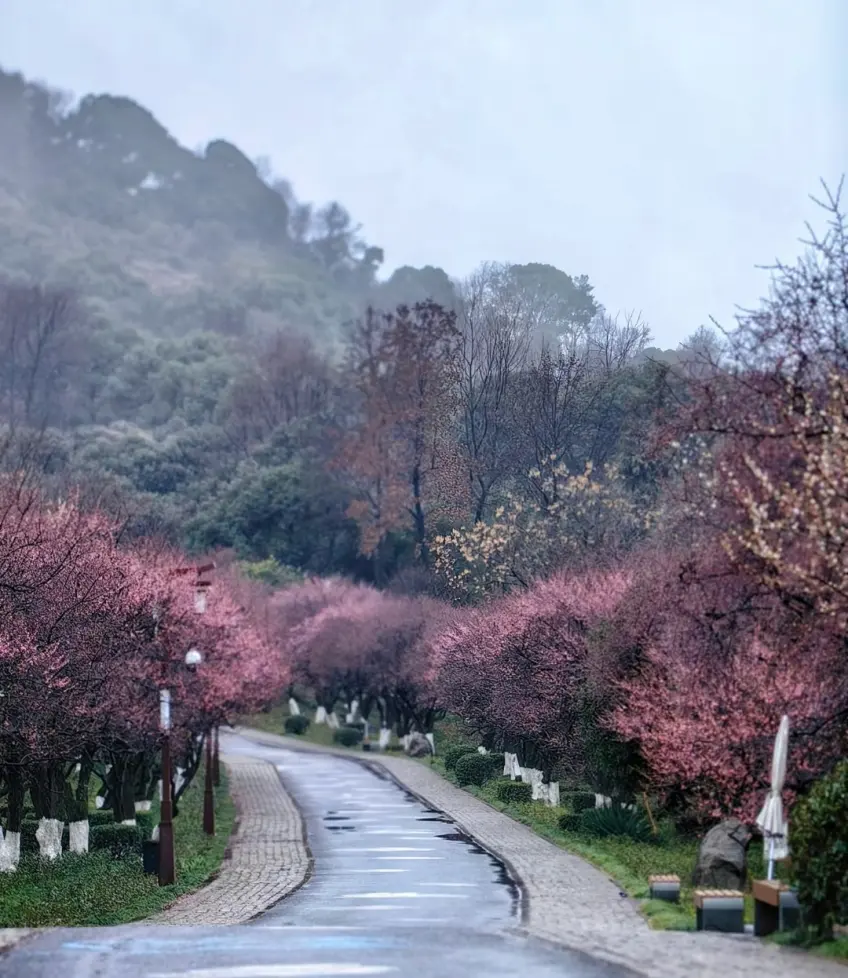
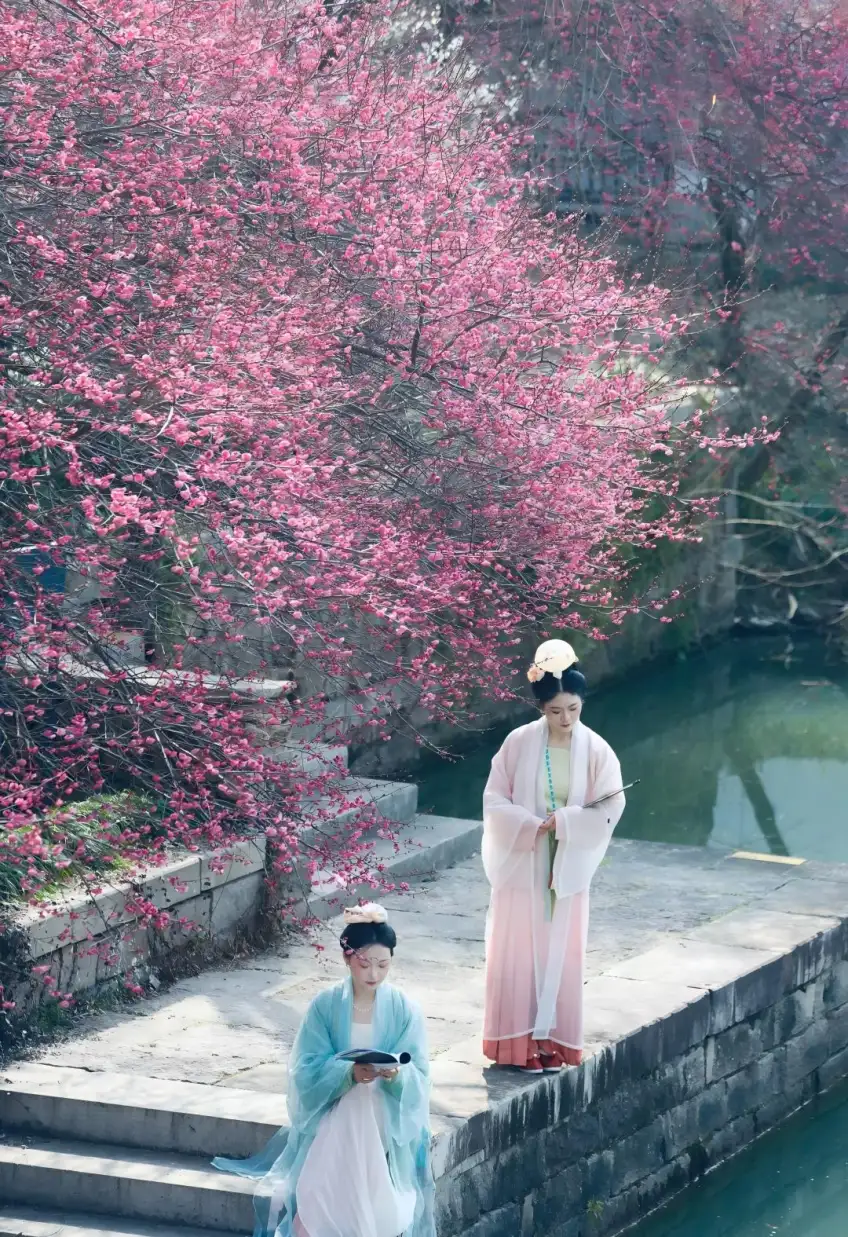
Early plum blossoms. Plum blossoms peak in February, but from late January onward, early-blooming varieties start appearing at Gushan, Lingfeng, and Xixi. The Chaoshan Plum Blossom Festival usually opens around Chinese New Year. In 2027, Chinese New Year falls on February 6, so if you visit Chaoshan in late January, most buds will still be closed. For fields of blossoms, February is the safer bet.
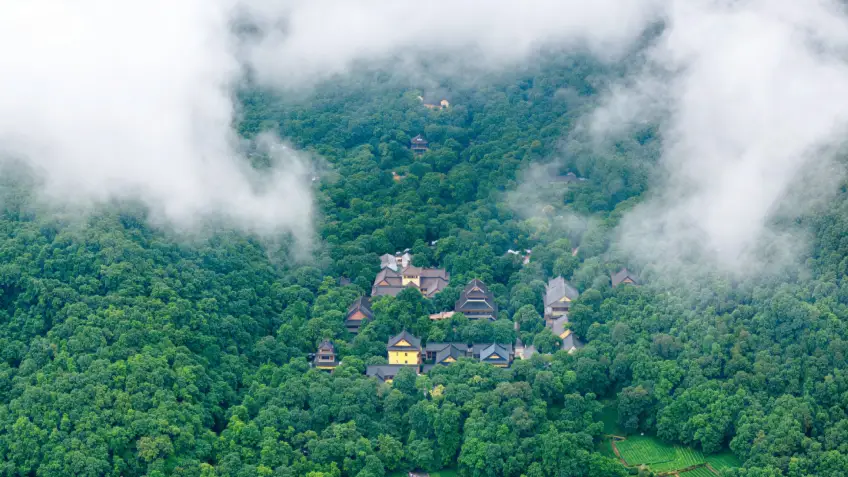
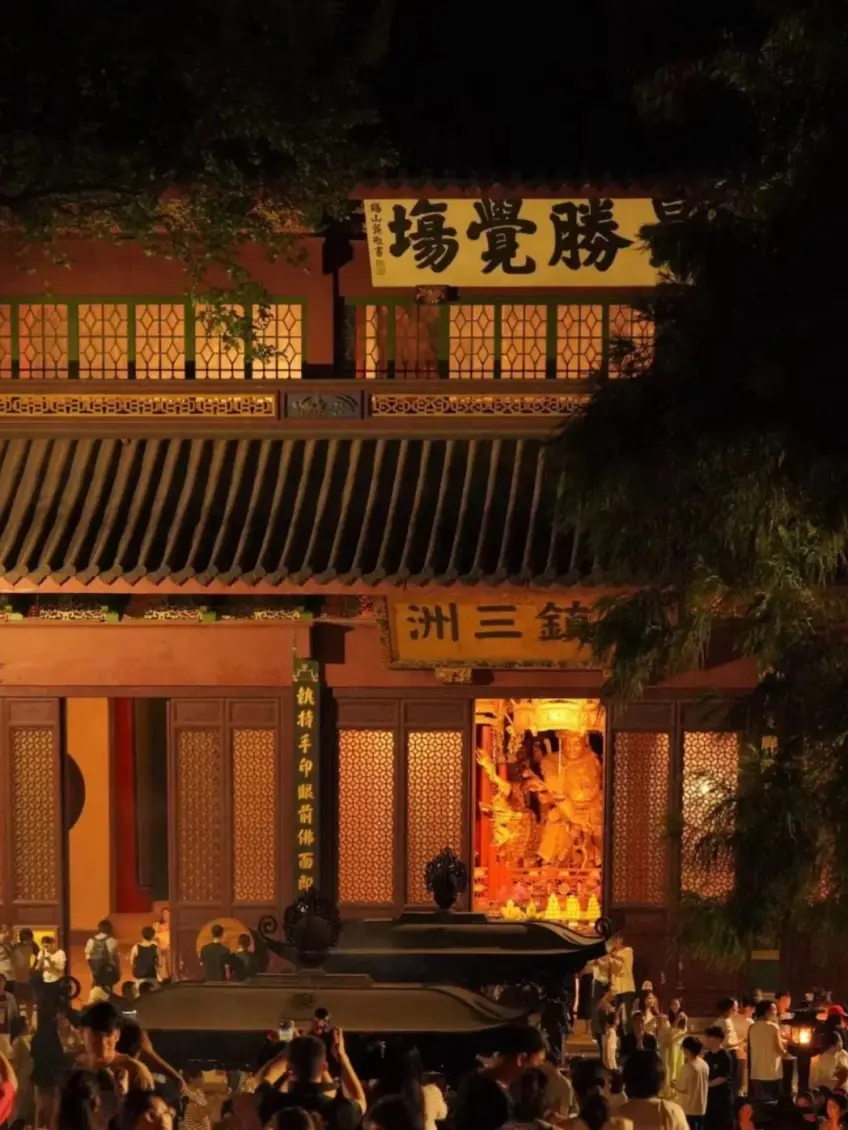
Laba porridge giveaway. Every year from the 1st to the 8th day of the 12th lunar month, Lingyin Temple gives away Laba porridge, simmered from before dawn and handed out at the temple and several community locations. In 2027, Laba falls on January 15, so the giveaway runs roughly from January 8 to 15—the closer to Laba itself, the longer the lines. To visit Lingyin Temple, you must first reserve a spot via the "Hangzhou Lingyin Feilai Peak" mini program. Slots fill up fast around Laba, so book a few days ahead. For more details, see the Lingyin Temple meditation experience guide and the Lingyin Temple scenic area page.
Drying the ponds at Xixi. The pond-drying festival at Xixi Wetland usually runs from November to January. Draining the fish ponds to catch fish in winter is an old Jiangnan water town tradition. Xixi entrance tickets and boat tickets are sold separately—see the Xixi Wetland scenic area page.
Festive atmosphere. In late January, stalls selling New Year goods start appearing around Southern Song Imperial Street and Hefang Street in Hangzhou. Locals busy themselves buying soy duck, rice cakes and spring couplets, and the streets turn bright red. This is the best time to see how Hangzhou locals get ready for Chinese New Year.
Crowds: New Year's Day, Laba Festival and Spring Festival travel rush
January is generally a low season, so West Lake and Lingyin Temple are relaxed on weekdays. Watch out for three periods: first, New Year's Day, when Hubin and Lingyin both have lines around New Year's Eve and January 1; second, around the Laba Festival, when Lingyin reservation slots fill up early; and third, the Spring Festival travel rush. Chinese New Year in 2027 falls on February 6, and based on past years the travel rush starts about two weeks before it. From late January, high-speed rail tickets become noticeably harder to get, so book your trains between Hangzhou, Shanghai and Suzhou—or your return trip—early. On the day or two it snows, the shores of West Lake suddenly pack with people, a "peak" unique to January.
How to plan a sunny cold day vs. a rainy or snowy day
Sunny cold days: Head out after the sun comes up, reach the lake around 9:30 am, walk along Bai Causeway to Solitary Hill, and take in the early plum blossoms and the lake. Have lunch nearby and grab a hot tea. In the afternoon, go to Lingyin Temple—enter before 3 pm and leave the hills before 4:30 pm, since temperatures drop as soon as the sun sets. No need to brave the wind by the lake at night; just stroll around near your hotel instead.
Rain or snow: Head to a museum or the Hu Xueyan Former Residence in the morning. Around noon, eat and stroll along Hefang Street and Southern Song Imperial Street—plenty of eaves keep you dry. If the snow stops and the sun comes out in the afternoon, hurry to Broken Bridge and Solitary Hill for photos; the snowy scenery at dusk looks great with the lights on. If it keeps raining, switch to an indoor show or head back to your hotel to rest, then check the weather again tomorrow.
January vs. February: which to choose
Both January and February are winter, and temperatures don't differ much. February's average high is 11.1°C, two or three degrees warmer than January. The main differences come down to three things: January has a better chance of snow, while February brings peak plum blossoms; the Spring Festival travel rush starts in late January, and the 2027 Chinese New Year holiday falls in early-to-mid February, so crowds are heavy before and after; once Lantern Festival passes, Hangzhou actually quiets down in late February. Go in mid-to-late January for snow, mid-to-late February for plum blossoms, and skip the two weeks around Chinese New Year if you want to avoid crowds.
Where to go on cold, rainy days
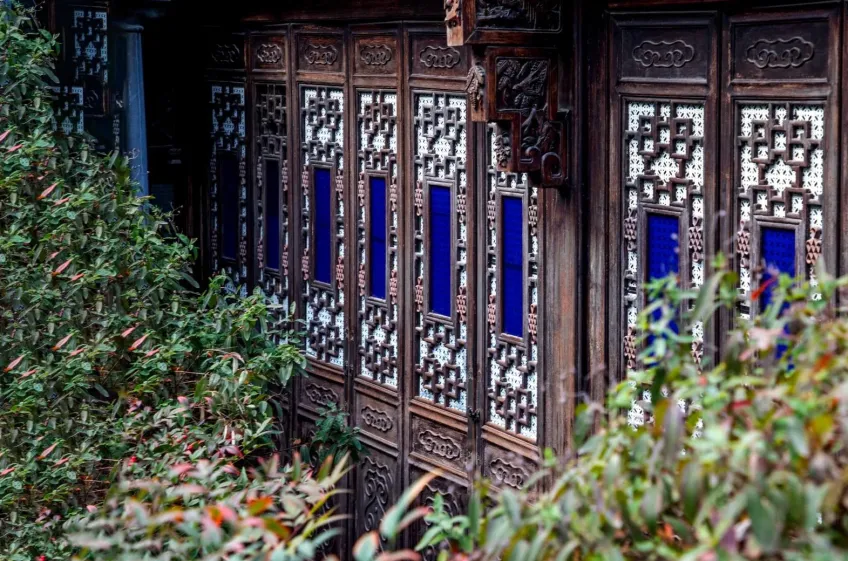
Hu Xueyan Former Residence: The courtyards, covered corridors, and halls are all connected, so you can see most of the place even in the rain. The stained-glass windows in the halls look striking even on overcast days. For tickets and opening hours, see the Hu Xueyan Former Residence page. For a nearby day tour itinerary, check out Hu Xueyan Former Residence, Deshou Palace & Wushan.
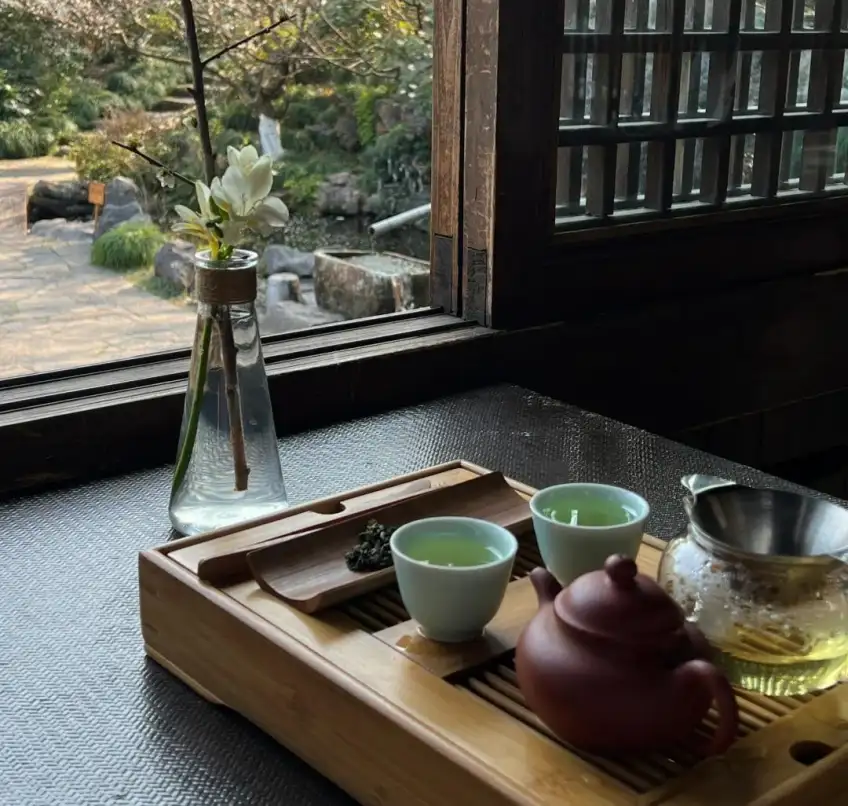
Museums: Zhejiang Provincial Museum and China National Tea Museum are both perfect for cold, rainy days—the galleries are warm, so you can take your time. China National Tea Museum is in the Longjing area; afterward, find a teahouse, settle in with a hot cup, and watch the rain outside.
Indoor shows: The performances at Songcheng are held in an indoor theater, so you won't get cold even if you go at night. For details, see the Songcheng Romance of the Song Dynasty show guide.
Temples: When it's only drizzling, the mountain path between Lingyin Temple and Yongfu Temple is shaded by trees, quiet, and uncrowded. You can take shelter from the rain under the temple eaves, which is much more comfortable than standing in the rain by the lake.
How January weather affects your itinerary
In January, two things in Hangzhou are best avoided: waiting for a ride on the roadside in the freezing rain, and navigating slippery mountain roads after snow. If you're traveling with older family members, leave West Lake, Lingyin Temple, and Longjing to a Hangzhou private car. The driver will drop you off at the pickup point closest to the entrance, so you walk less in rain or snow. On snowy days, the driver can also adjust the route to indoor attractions. If you'd like to hear more history at former residences, temples, and museums, hire a Hangzhou tour guide to arrange the stops based on that day's weather. Late January marks the start of the Spring Festival travel rush. If you're traveling round-trip from Shanghai, check out our Shanghai to Hangzhou private car service to skip the ticket scramble. For more attractions, visit the Hangzhou city page.
Best of Hangzhou 3 days 2 nights: West Lake north and south routes, Leifeng Pagoda, Dream Town, Xixi Wetland, Yuewang Temple guided tour and Hu Xueyan's Former Residence cultural discovery leisure tour
A 3-day, 2-night private tour exploring just one city, Hangzhou: Yuewang Temple and a boat ride on West Lake, Lingyin Temple and Feilai Peak, Dream Town and Xixi Wetland, plus Hu Xueyan's Former Residence and a stroll along Hefang Street. Airport transfers included, with vehicle, guide, hotel and admission tickets. An English-speaking guide is available upon request.

Feilai Zen Realm Day Tour: Hangzhou and Lingyin Temple
Private day tour in Hangzhou: climb Leifeng Pagoda, take a 45-minute boat ride on West Lake, and visit Lingyin Temple and the Feilai Peak grottoes in the afternoon. Pickup and drop-off at Hangzhou East Railway Station or Xiaoshan Airport included, along with transportation, guide and admission tickets. English, Japanese and other language guides available upon request. Choose your own date.
Enchanting Wuzhen 3 days 2 nights quality group tour
Group tour joining other travelers, meeting in Hangzhou at 14:00: daytime visit to Wuzhen West Scenic Zone plus an evening lantern-lit stroll, usually staying overnight in Wuzhen; next day Xitang (boat ride included, except on public holidays) and Lingyin Temple Feilai Peak; final day West Lake. Includes admission tickets, upscale or luxury hotel, 2 breakfasts and 1 meal, Chinese-speaking guide.
FAQs
How warm should I dress for Hangzhou in January?
Pack your heaviest winter gear: a thick down jacket, sweaters, thermal underwear, plus a hat, scarf, and gloves. The average low in January is 2.2°C, dropping below zero during cold snaps. Add the damp chill and lack of central heating, and it feels much colder than the number suggests.
Can I see snow in Hangzhou in January?
January is the snowiest month in Hangzhou, averaging about 4 days of snow. However, heavy snow that actually sticks around only happens once or twice all winter, so it comes down to luck. Check the forecast a week before your trip—the best time to visit Broken Bridge and Solitary Hill is the morning of the first sunny day after a snowfall.
Can I see plum blossoms in Hangzhou in January?
Wintersweet is the main attraction in early January; plum blossoms start blooming in late January, with peak bloom in February. To see the vast plum blossom groves at Chaoshan, Lingfeng and Xixi, February is a better time to visit. See Hangzhou February weather and what to wear.
Is January a good time to take elderly travelers to Hangzhou?
You can, but keep the pace slow: plan just one or two stops per day, head out after the sun is up, and return to your hotel before dusk. On rainy or snowy days, avoid mountain paths and stone steps. Choose a hotel with good heating rather than an older guesthouse—it's a safer bet.
Can I get Laba porridge at Lingyin Temple on the Laba Festival?
Lingyin Temple usually hands out porridge from the 1st to the 8th day of the 12th lunar month—roughly January 8–15 in 2027—with the biggest crowds on Laba Day itself. The exact schedule is announced each year. You'll need to book via the mini program before entering the temple, so reserve as early as possible.