
In December, Hangzhou averages a high of 11.3°C and a low of 4.3°C, with about 10 rainy days and 64 mm of precipitation—the driest month of the year. Still, the damp air and chilly wind make it feel 3–4 degrees colder than the numbers suggest. Wear a down jacket or thick wool coat over a sweater during the day; in the morning, evening, or on rainy days, add thermal underwear, a scarf, and gloves. Choose waterproof, non-slip shoes.
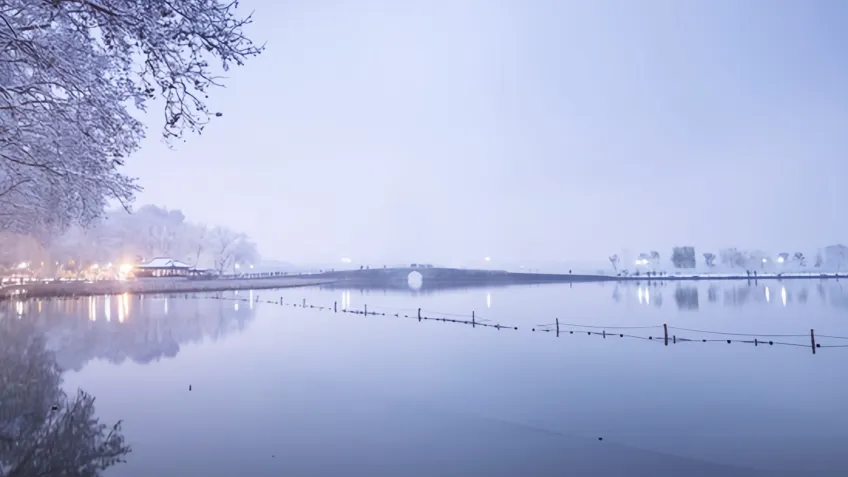
December is when Hangzhou shifts from late autumn into winter. A few scattered red leaves linger in early December; by mid-month the willows and plane trees along the lake have dropped their leaves and the wintersweet begins to bloom. If you're lucky, a cold snap at the end of the month may bring snow. The figures below are 1991–2020 averages from the China Meteorological Administration's Hangzhou station. For a month-by-month comparison, see Hangzhou weather and what to wear overview.
How cold is Hangzhou in December?
Looking only at the averages, December daytime highs of 11–12°C and early morning lows of 4–5°C don't sound that cold. But these numbers hide two important details. First, early and late December are very different: in early December, daytime temperatures often hover around 15°C, so a light down jacket over a sweater is enough; by late December around the Winter Solstice, 10°C feels warm, and on overcast days it can linger at 5–6°C all day. Second, cold fronts arrive suddenly: the record low for December is -8.4°C, and even the coldest day each year averages around -2.8°C. When a cold snap hits, a 10-degree drop overnight is common.
What really gets to visitors during Hangzhou winters is the "damp cold." Average relative humidity in December is about 72%, and the cold air carries moisture. A down jacket blocks the wind but not the chill that seeps into your bones. Travelers from Taiwan or Hong Kong, used to mild winters, often wonder why it feels colder than the forecast on their first day here—humidity and wind are the culprits. West Lake is wide open, and the breeze off the water is much stronger than in the city streets. After an hour walking along Su Causeway or Bai Causeway, your hands and feet will go numb.
The upside of December is less rain. It rains on fewer than 10 days on average for the month, mostly as drizzle or overcast skies, and stretches of several clear days are common. On sunny mornings, sunlight on the lake and sheltered spots feel warm—the most comfortable time to be out. But after 3 or 4 p.m., once the sun dips, temperatures drop fast, and by 5 p.m. it's already dark.
What to wear in Hangzhou in December
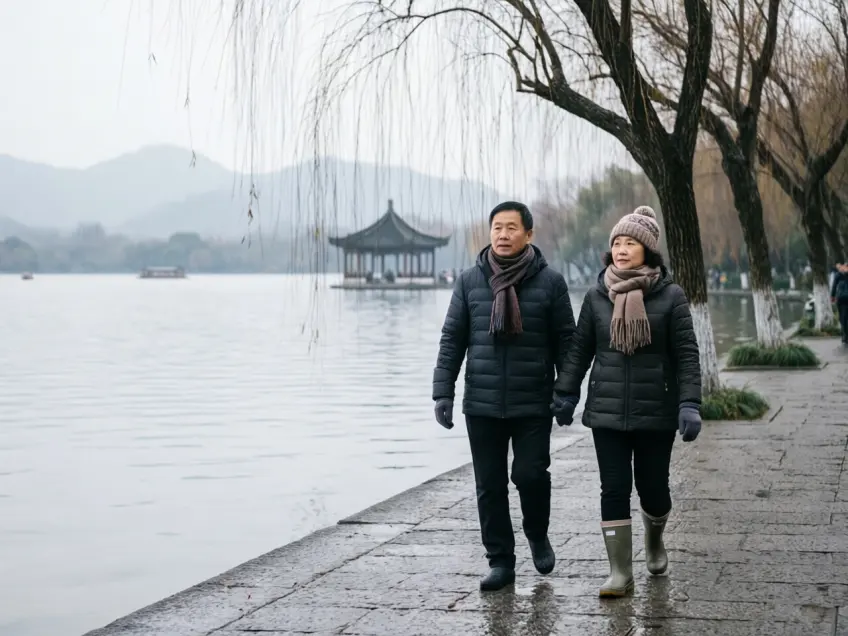
Daytime: A hip-length down jacket or thick wool coat on the outside, a sweater or fleece in the middle, and a long-sleeve base layer underneath. On sunny days in early December you can switch to a light down jacket, but keep a scarf in your bag. If you'll be walking a lot, choose a zip-up outer layer so you can vent heat while climbing Baoshi Hill or waiting in line at Lingyin Temple.
Mornings and evenings: Add thermal underwear after dawn and after dark, plus a hat and gloves. Whether watching the morning mist over West Lake or strolling the lakeside at night, standing by the water for half an hour means your neck and hands get cold first. Disposable heat packs are handy—stick one on your lower back or slip it in your pocket, and it lasts six or seven hours.
Rainy days: December rain isn't heavy, but once cold rain soaks your cuffs, you'll stay chilled. Bring a windproof folding umbrella, ideally wear a water-repellent outer layer, and avoid wide-leg cotton pants that soak up water. Footwear matters most: waterproof ankle boots or sneakers with coated uppers both work. The stone paths around West Lake and the steps at Lingyin Temple get slippery after rain, so make sure your soles have good tread.
Indoors: Most buildings in Jiangnan don't have central heating. Hotels, malls and museums rely on air conditioning, so you'll warm up as soon as you step inside. But small shops on old streets, temple halls and semi-open teahouse seats are barely warmer than outdoors. When visiting temples like Lingyin Temple, the halls are tall and drafty—no warmer than outside—so keep your jacket on. On the flip side, subway cars and malls crank up the heat, so don't wear anything too thick underneath; layering makes it easy to adjust when going in and out.
Traveling with seniors and kids: Seniors get cold easily and are prone to slipping. Knee pads, non-slip shoes and a warm hat are more useful than an extra jacket. For older travelers with high blood pressure or heart conditions, avoid heading out during the coldest early morning hours—wait until the sun is up. Kids run around and sweat easily, and catching a breeze after sweating is the quickest way to get sick. Dress them in moisture-wicking cotton base layers and bring a spare top to change into.
What to see in December
The tail end of autumn foliage. Red maples and ginkgo trees in Hangzhou usually peak in mid-to-late November, but in some years they hold on until early December. Maples around Lingyin Temple, Jiuxi and the Botanical Garden often stay red into early winter. If you arrive in Hangzhou in early December, a hike in the hills might still catch the colors.
Withered lotus and winter lake views. By early winter, West Lake's lotus leaves turn brown and reflect in the still water. Paired with bare willow branches, it creates the stark beauty unique to a Jiangnan winter. Quyuan Fenghe (Breeze-Ruffled Lotus at Quyuan Garden) and the bays behind Gushan Hill are the best spots to see this. On clear mornings, the soft light is perfect for photos.
Wintersweet. In a typical year, Hangzhou's wintersweet blooms from mid-December to mid-January. Popular viewing spots include the Lingfeng area of the Hangzhou Botanical Garden, Gushan Hill and Qianwang Temple. Wintersweet isn't the same as plum blossoms—it has waxy yellow flowers with a strong fragrance you can smell from several meters away. Visit Lingfeng in late December and the plum blossoms won't be out yet, but the hillside will already be filled with the scent of wintersweet.
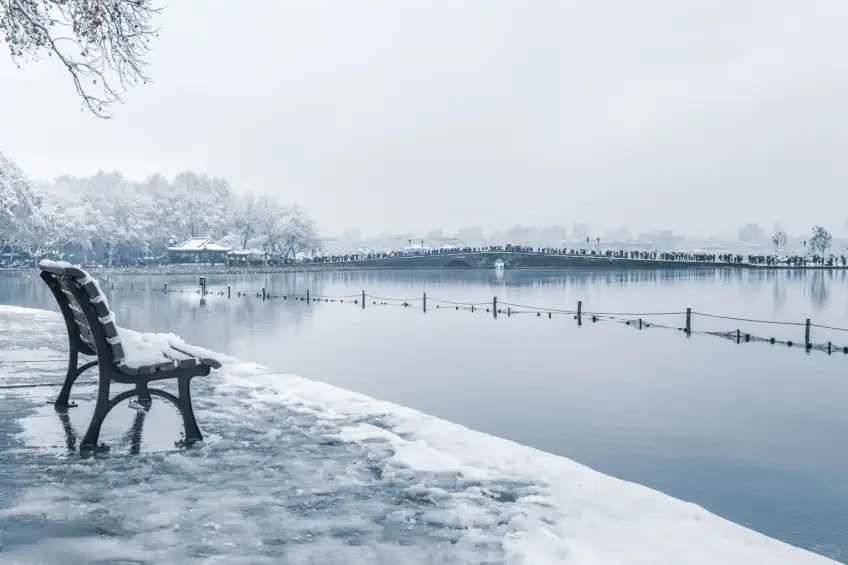
Possible snow. Based on 1991–2020 averages, Hangzhou only sees about 1.4 days of snow in December, and days with snow that actually sticks around West Lake are even rarer. "Lingering Snow on Broken Bridge," one of the Ten Scenes of West Lake, describes the view just after a snowfall when the sky clears: the sun-facing side of the bridge melts while the shaded side stays white, making the bridge look broken from a distance. This scene requires a decent snowfall followed by a sunny day—it's pure luck. If you do get lucky, head out first thing the next morning. After 9 a.m., the lakeside gets so crowded you can barely move.
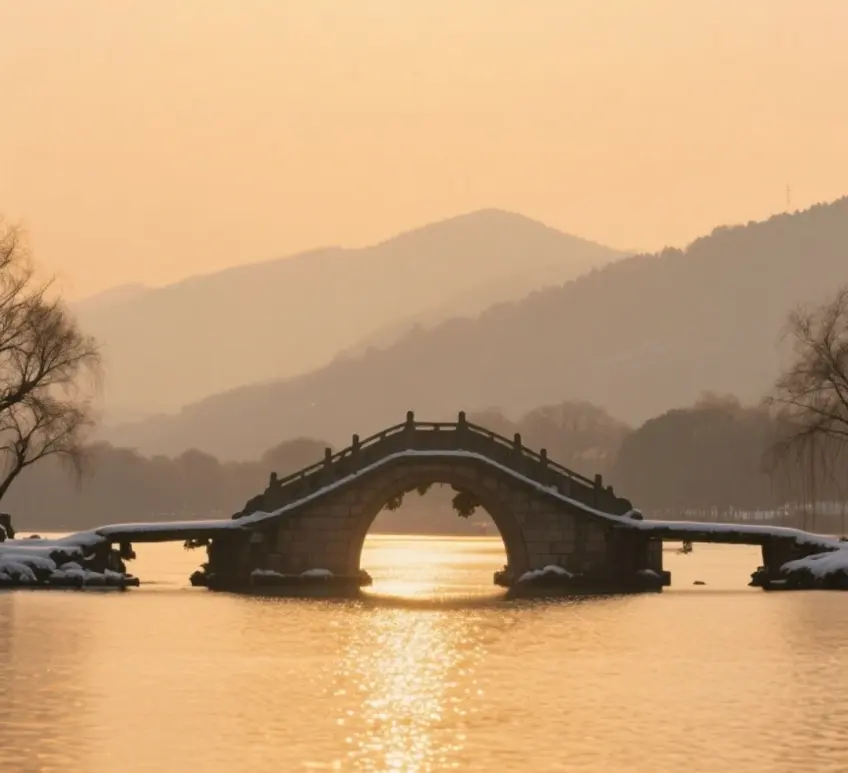
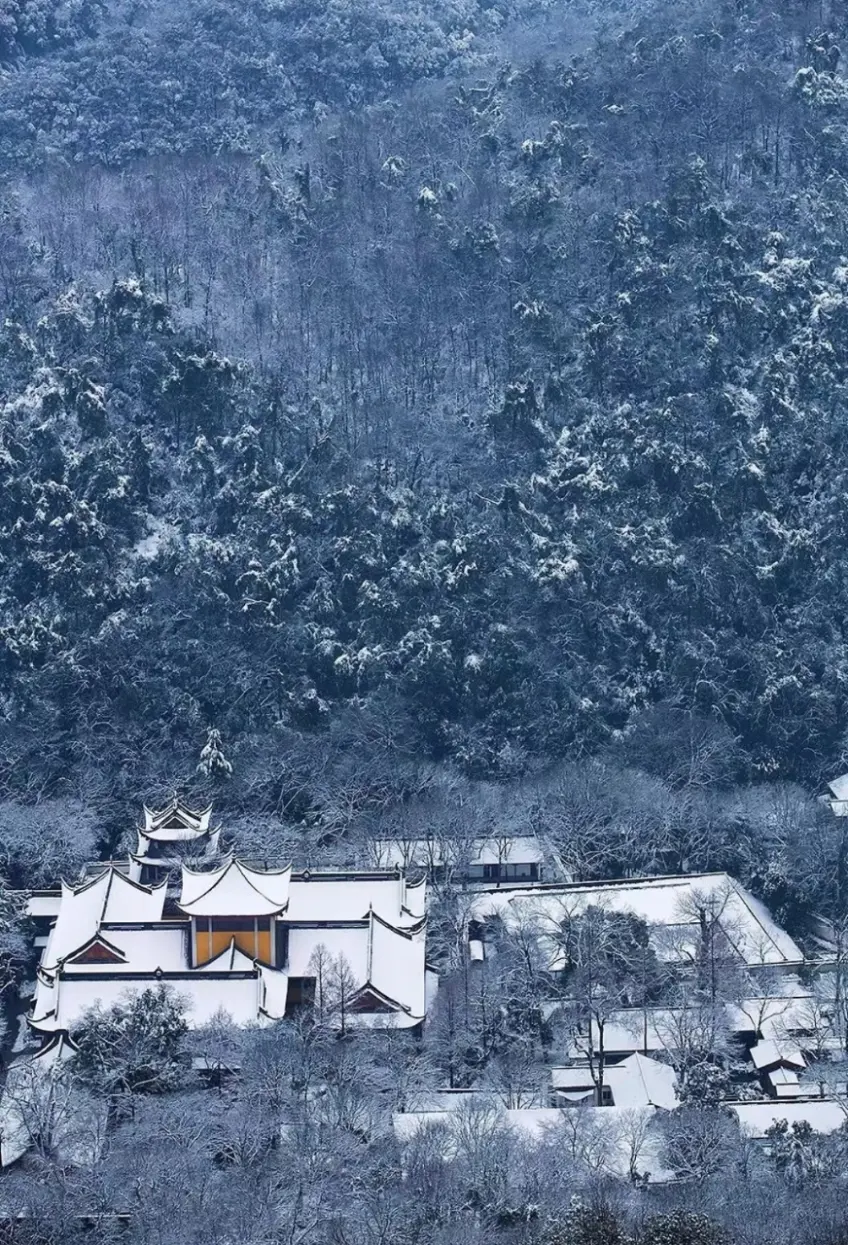
Winter Solstice and New Year's Eve. The Winter Solstice in 2026 falls on December 22. Locals in Hangzhou traditionally eat rice cakes and tangyuan (glutinous rice balls) on this day, and many families visit ancestral graves around this time. On New Year's Eve at the end of the month, large crowds gather around Hubin, and nearby roads often have temporary traffic controls. If you want to join the festivities, arrive early and be prepared for the possibility that taxis may be hard to find.
Crowds: two peaks in the off-season
December is generally the off-season for tourism in Hangzhou, so visiting West Lake or Lingyin Temple on weekdays is very relaxed. There are two exceptions: weekends, when locals and visitors from nearby cities come out to enjoy the scenery and popular spots get busy after 10am; and the days around New Year's Day and New Year's Eve, when you'll face lines at Hubin, Hefang Street, and Lingyin Temple. Starting December 1, 2025, the Lingyin Temple Feilai Peak Scenic Area no longer charges an entrance fee, but you must book a real-name timed entry slot on the "Hangzhou Lingyin Feilai Peak" mini program. Weekend and holiday slots fill up first, so it's best to reserve a few days in advance. For details, see the Lingyin Temple scenic area page.
Daylight is short in December, with sunset in Hangzhou around 5pm, and attraction opening hours tend to be shorter too. When planning your itinerary, save your top picks for the morning and schedule one or two nearby spots for the afternoon. After dark, head back to Hubin or near your hotel for dinner and a stroll, and you won't feel rushed.
How to plan a sunny day vs. a cloudy or rainy day
Sunny day: Set out from Hubin around 9am and walk along Beishan Street to Broken Bridge, Bai Causeway, and Solitary Hill—the lakeside is warmest once the sun is up. Have lunch near Solitary Hill or Beishan Street, then take a taxi to Lingyin Temple and enter before 3pm. By the time you finish exploring Feilai Peak, it will be getting dark. In the evening, return to Hubin and stroll around the musical fountain area. It can be windy by the lake, so a hat and gloves will come in handy.
Rainy days: Head to the Hu Xueyan Former Residence and nearby Southern Song Imperial Street in the morning. With plenty of eaves and shops, you can stroll at a leisurely pace even in the rain. After noon, visit the China National Tea Museum, then relax with tea at a teahouse in Longjing Village once you've seen the exhibits. If the rain eases by evening, go to West Lake to enjoy the misty views, or simply switch to an indoor show at night.
No matter the weather, don't pack your day too full. Winter in Hangzhou is best enjoyed slowly: one major stop in the morning and a smaller one in the afternoon, with time in between for hot tea and a bowl of noodles. It's far more comfortable than rushing through five or six sights, and you're less likely to get cold.
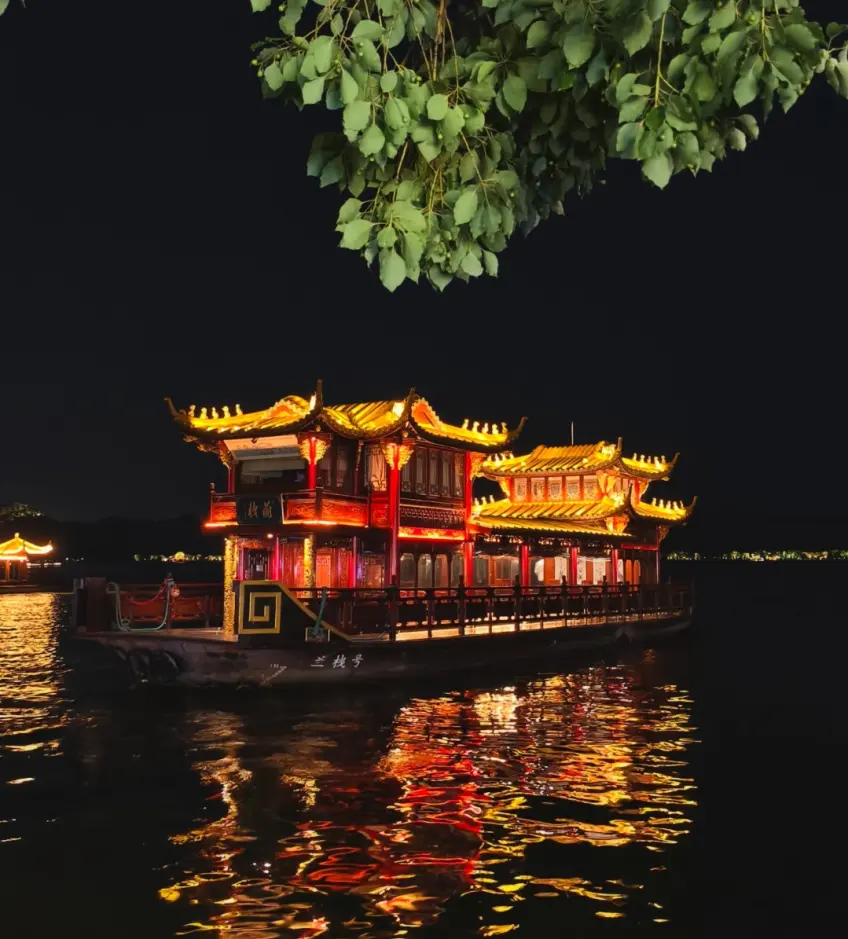
Weather risks: cold snaps, cold rain, and fog
Cold snaps: Check the forecast a week before your trip. If a cold front is moving south, temperatures can drop from the teens to around freezing within a day or two, so pack for the lower number. Cold snaps are often followed by several clear, crisp days—chilly mornings and evenings, but lovely sunshine by the lake during the day.
Cold rain: Prolonged overcast, rainy days feel worse than snow. On days like this, spend less time by the lake or on mountain trails and focus on indoor activities instead. Here are a few alternatives.
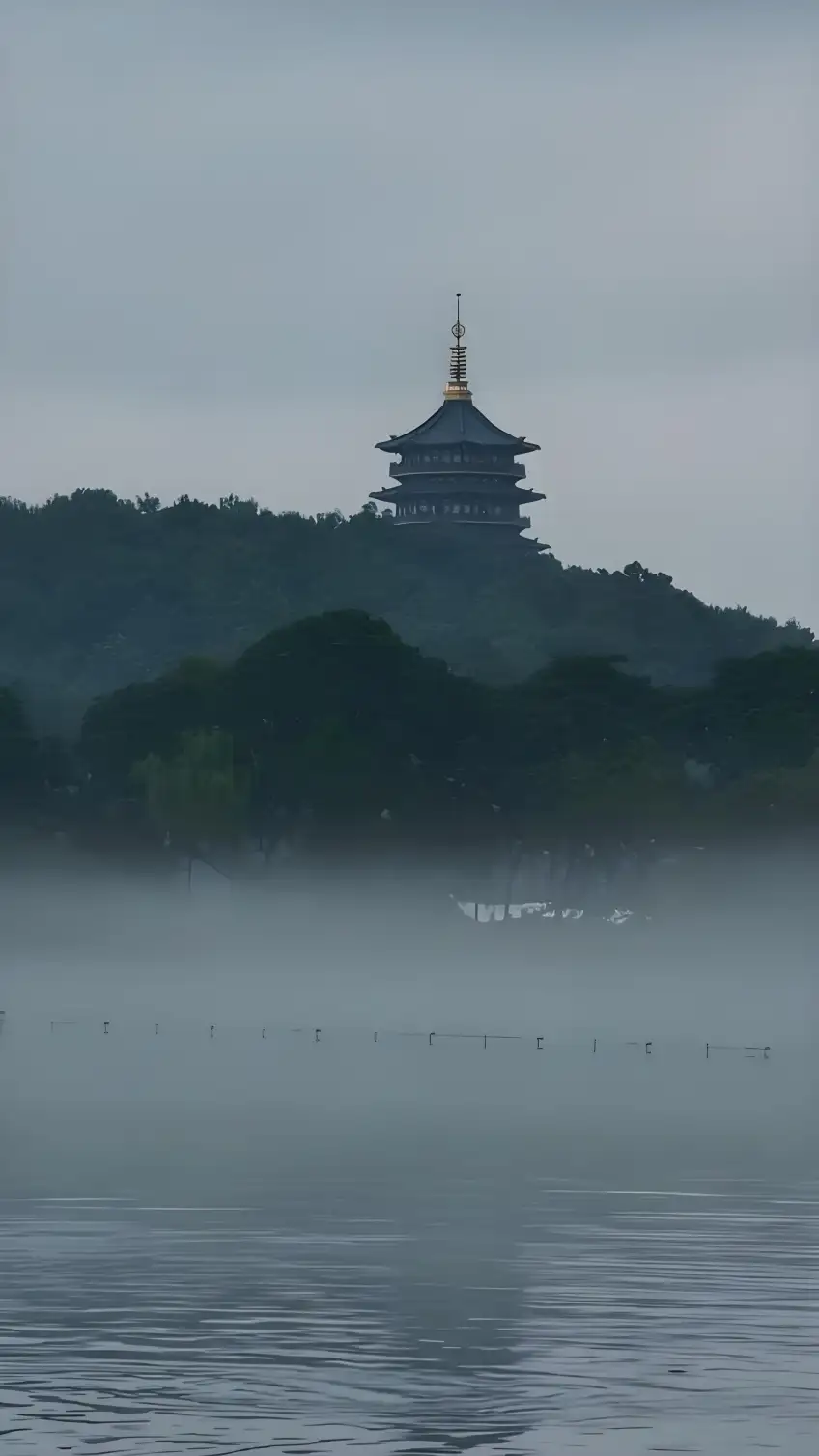
Fog and haze: On winter mornings, fog often rolls over West Lake, leaving Leifeng Pagoda and Baochu Pagoda half-hidden—a scene straight out of an ink wash painting. But heavy fog can disrupt flights and highways, so leave extra buffer time if you're catching a plane or train.
Snow: When it snows in Hangzhou, city roads rarely stay icy for long, but mountain paths around Lingyin Temple, Jiuxi, and Longjing get slippery, and outdoor attractions like the Beigaofeng Cableway may close. If you're traveling with seniors, just take photos by West Lake on snowy days and skip the mountain trails.
Alternatives for cold, rainy days
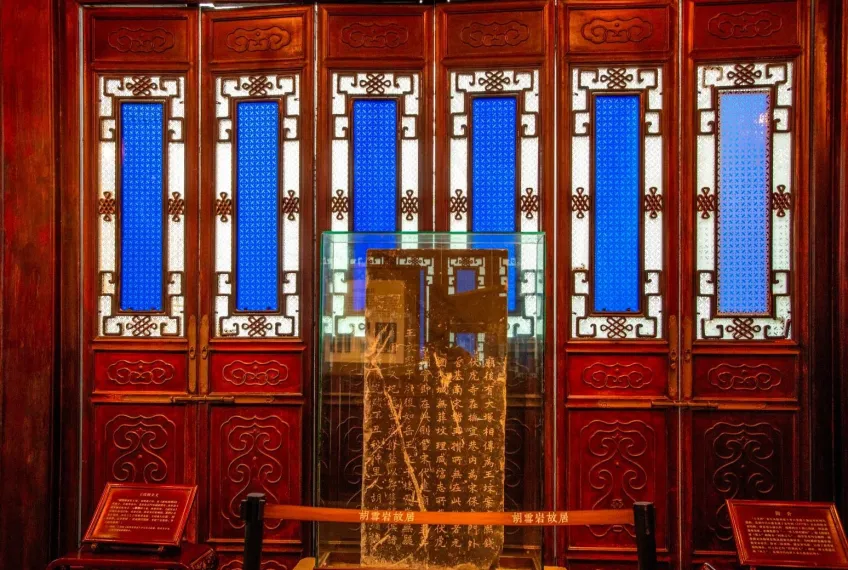
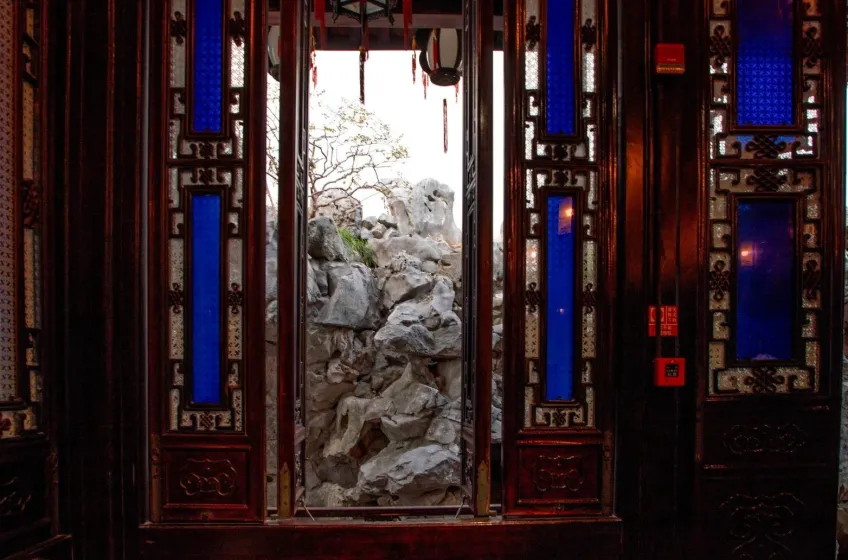
Hu Xueyan's Former Residence: The home of Hu Xueyan, a wealthy late-Qing merchant. The halls, corridors and gardens are all within one compound, so you can spend most of your time under the eaves without worrying about rain. The stained glass and carved wooden window lattices in the halls actually look more vivid on overcast days. The residence is near Hefang Street and can be combined with Wushan Hill and Southern Song Imperial Street. For tickets and opening hours, see the Hu Xueyan's Former Residence attraction page.
National Tea Museum: Located along Longjing Road, its exhibits cover tea history, varieties and production, with tea plantations right outside. December isn't tea season, but after touring the exhibits, head to Longjing Village to sit down for a hot cup of tea at a teahouse—a perfect way to escape a damp, chilly afternoon.
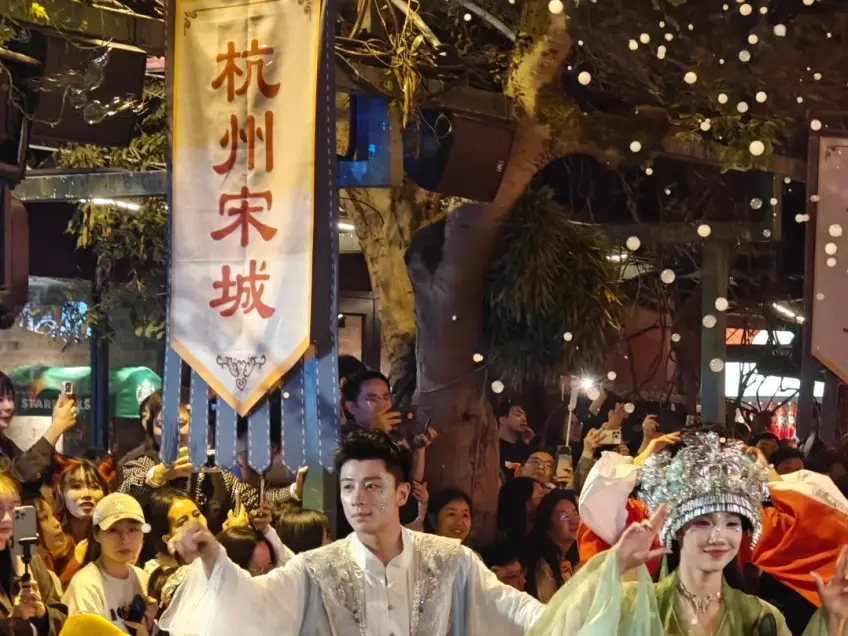
Indoor shows: "The Romantic Show of Songcheng" at Songcheng is performed in an indoor theater, so it runs even on rainy days. It's also easy to head back to the city after an evening show. For showtimes and transport, see the Romantic Show of Songcheng travel guide; for attraction details, see the Songcheng attraction page.
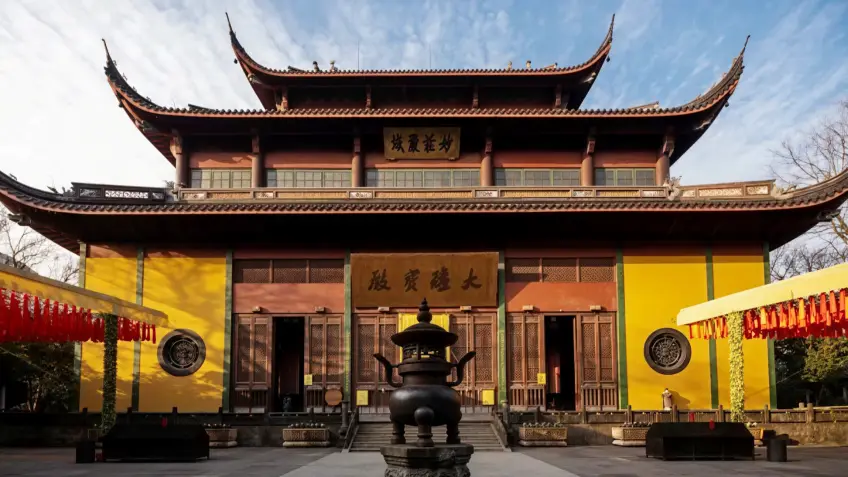
Lingyin Temple: Eaves connect the halls, so light rain means fewer crowds, and the carvings on Feilai Peak look richer in color in the damp air. Just note that the stone steps on Feilai Peak get slippery in the rain, so seniors should take it slow.
Head out to the water towns: If it keeps raining in Hangzhou, spend a night in Wuzhen. Wuzhen has fewer visitors in winter, and once Xizha lights up at night, a stroll along the river feels far more atmospheric than during the day.
How December weather affects your itinerary
When visiting Hangzhou in December, what really wears you out isn't the cold—it's the scattered minutes spent waiting for rides by the lake or walking back and forth between parking lots and attraction entrances. In damp, chilly weather, families traveling with older relatives can hand over spread-out spots like West Lake, Lingyin Temple and Longjing Village to a Hangzhou private car. The driver drops you off and picks you up as close to the entrance as possible, so you won't have to stand on the roadside hailing a cab in the rain. If you want to understand the stories behind former residences, temples and museums, hire a Hangzhou tour guide who can shuffle indoor and outdoor stops based on that day's weather. For same-day round trips from Shanghai, remember that it gets dark early in winter—booking a Shanghai to Hangzhou private car is much more relaxed than transferring between high-speed trains and subways. For more Hangzhou attractions, see the Hangzhou city page.
Best of Hangzhou 3 days 2 nights: West Lake north and south routes, Leifeng Pagoda, Dream Town, Xixi Wetland, Yuewang Temple guided tour and Hu Xueyan's Former Residence cultural discovery leisure tour
A 3-day, 2-night private tour exploring just one city, Hangzhou: Yuewang Temple and a boat ride on West Lake, Lingyin Temple and Feilai Peak, Dream Town and Xixi Wetland, plus Hu Xueyan's Former Residence and a stroll along Hefang Street. Airport transfers included, with vehicle, guide, hotel and admission tickets. An English-speaking guide is available upon request.
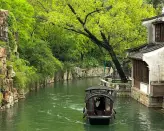
3 days 2 nights in Wuzhen: Wuzhen West Scenic Zone, Xitang, Feilai Peak, West Lake boat ride and Songcheng show
A 3-day, 2-night private tour with Hangzhou transfers: spend the first night in Wuzhen with a complimentary lantern-lit evening stroll in the West Scenic Zone, afternoon tea and a hanfu experience. Day two covers Xitang, Feilai Peak and the Romance of the Song Dynasty show at Songcheng, followed by a West Lake boat ride on the final day. Transport, guide, hotel and tickets included. An English-speaking guide is available on request.

8-day Jiangnan private car tour | 9-seat vehicle with guide-driver
Start and end in Shanghai on this 8-day exclusive Jiangnan private car tour. Your guide doubles as the driver, so you and your family or friends can travel at your own pace without joining strangers. The route links West Lake, Wuxi, Nanjing, Yangzhou, Suzhou and Puyuan in Wuzhen, showcasing lakes and mountains, ancient towns and Shanghai's cityscape. Itinerary and stops can be arranged in advance. This is a private car service only — hotels, attraction tickets and meals are not included, so you can choose accommodation and activities to suit your preferences.
For West Lake opening hours and transport info, see the West Lake scenic area page.
FAQs
Do I need a down jacket for Hangzhou in December?
Yes. The average low in December is only 4.3°C, humidity is high, and late-month cold snaps can push temperatures below freezing. In early December, a light down jacket over a sweater works; for mid to late December, bring a thicker down jacket long enough to cover your hips.
Does it snow in Hangzhou in December?
It's possible, but unlikely. Based on 1991–2020 averages, it only snows about 1.4 days in December. Snow in Hangzhou is more common in January and February. See Hangzhou January weather and what to wear for details. If you want to see "Lingering Snow on Broken Bridge," keep an eye on the forecast the week before your trip—the best time to go is the morning of the first clear day after a snowfall.
Do hotels in Hangzhou have heating in winter?
Most hotels use air conditioning for heat, which can warm rooms above 20°C, but there's no underfloor heating or radiators like in northern China. The AC dries out the air over time, so bring lip balm and moisturizer; if you get cold easily, ask the front desk for an extra blanket. For guesthouses and older buildings, check the heating setup in advance.
Can I still see red leaves in Hangzhou in December?
You still have a chance in early December. Red maples and ginkgo trees in Hangzhou usually peak in mid-to-late November, though some years it extends into early December. Maples around Lingyin Temple, Jiuxi, and the Botanical Garden tend to change color later. By mid-December, most leaves have fallen, so switch your focus to wintersweet blossoms and winter lake views.