

Shaoxing Attractions

Shaoxing Travel guide

Shaoxing Videos

Shaoxing Itinerary

Shaoxing Short videos

Shaoxing Visitor guide

Local weather
Dec - Feb
10°3°
Mar - May
22°10°
Jun - Aug
35°25°
Sep - Nov
25°15°
Time zone
China Standard Time
Currency
CNY
Official language
Mandarin
Best time to visit
Dec - FebAnchang Lunar New Year Customs Festival
Mar - MayKeqiao Fashion Week
Jun - AugNight at the Museum
Sep - NovMid-Autumn Festival and National Day Lantern Show
Suggested visit duration
3-5 days

FAQ

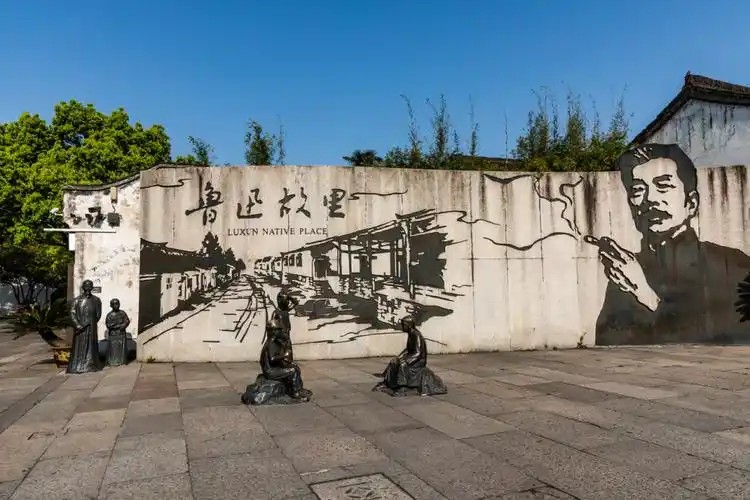
Admission to Lu Xun's Hometown is free, but you must book in advance with your real name to enter. You can reserve a time slot by following the official WeChat accounts "Shaoxing Cultural Tourism Group" or "Shaoxing Lu Xun Memorial Hall." Once booked, enter each attraction (including Lu Xun's Ancestral Residence, Sanwei Shuwu, Lu Xun Memorial Hall, and Baicaoyuan) during your reserved time slot using your ID card or facial recognition. Each account can book up to 5 people per visiting day, and each ID number can only be used once per day. If you're traveling during holidays, be sure to book a few days ahead, as slots often fill up. If you miss your time slot, you'll need to rebook—it cannot simply be extended.
Shaoxing's urban area isn't large, and attractions are clustered in the old town, making transport fairly convenient. Bus fares are about ¥1, and taxis and ride-hailing apps are readily available. We highly recommend using shared bikes to explore the ancient city—cycling through the streets and alleys of this Jiangnan water town is a unique experience. Lu Xun's Hometown, Shen Garden, and Shusheng Hometown (Shusheng Hometown) are within walking or cycling distance of each other, so you won't need to transfer often. Note that East Lake and Lanting are on the outskirts with fewer bus services, so taking a taxi or carpooling is recommended; a taxi from downtown to Lanting takes about 25 minutes. Shaoxing currently has no subway, so we suggest staying near Lu Xun's Hometown. That way you can walk to the core attractions and save plenty of travel time and money.
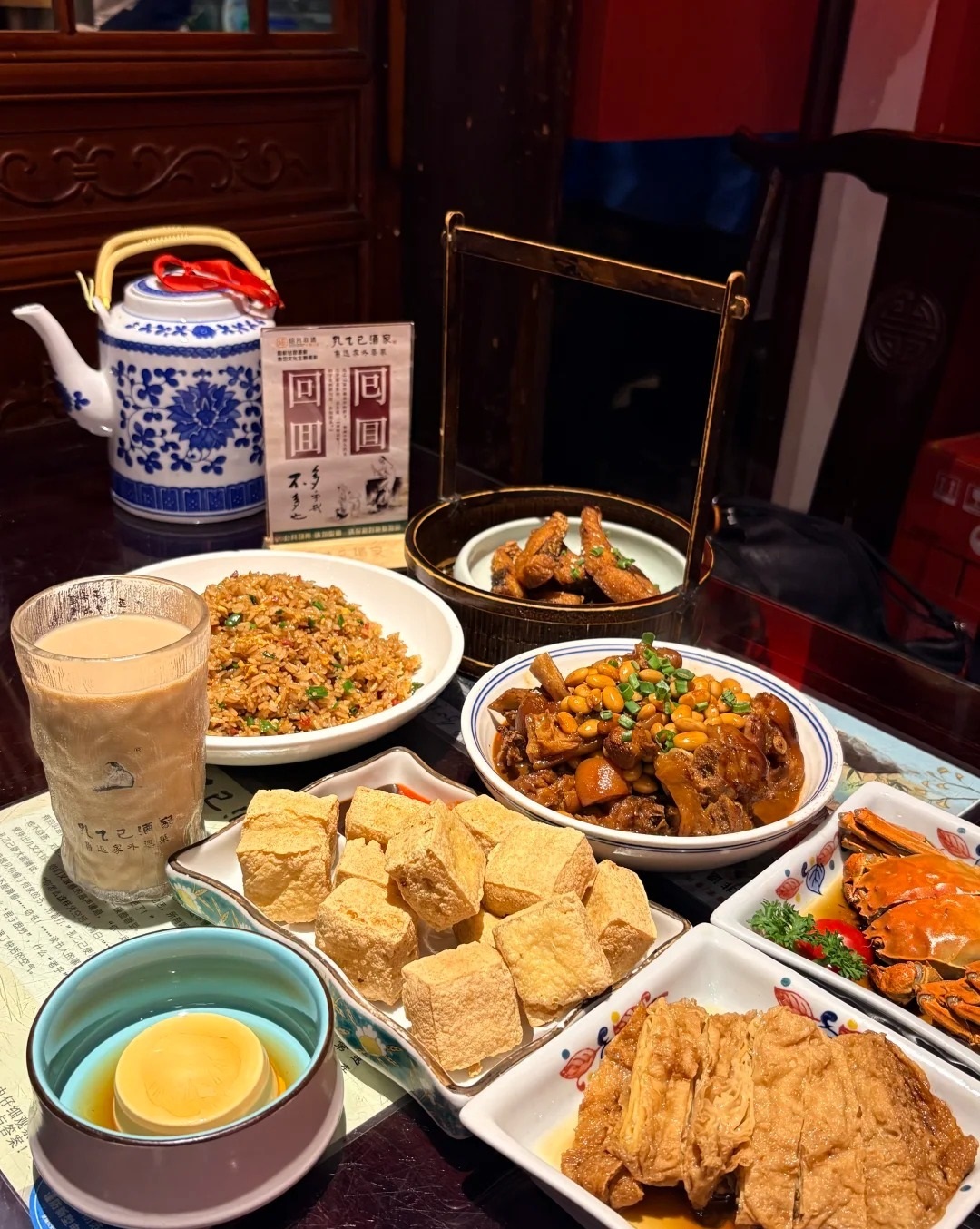
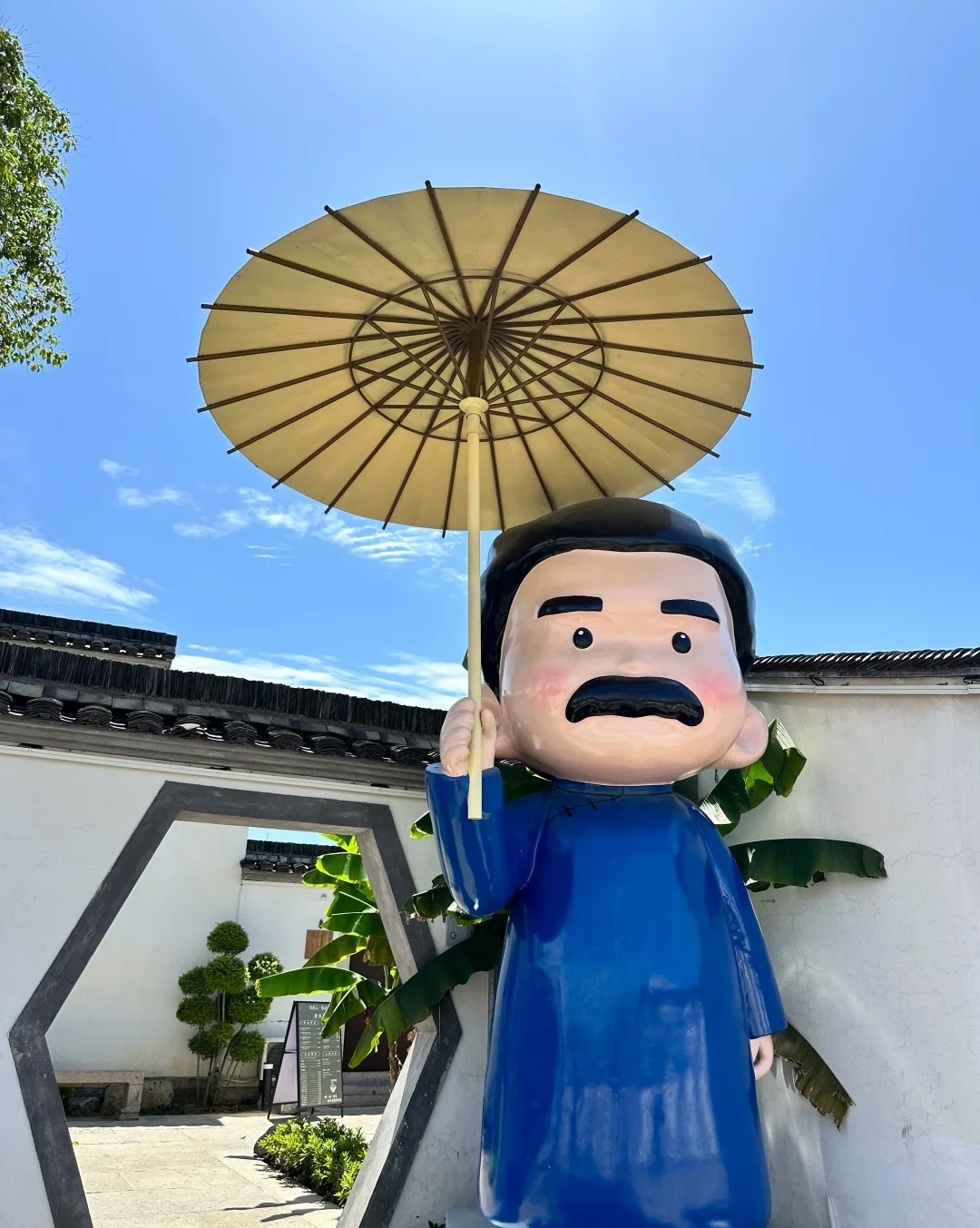
Shaoxing's most famous specialty is yellow wine (huangjiu). We recommend buying locally produced yellow wine rather than the packaged versions sold at scenic spots, as prices for the same quality can differ by more than double. The grocery stores on Jiefang North Road offer affordable yellow wine, and you can also buy local draft wine in large plastic jugs (about ¥8 per jin). Other specialties include: meigancai (dried preserved vegetables, like those used in braised pork belly with preserved vegetables), Shaoxing fermented bean curd, zao dishes (wine-lees chicken, fish, etc., which need refrigeration), fennel beans (the same snack Kong Yiji loved), and naiyou xiaopan (a cream pastry with a short shelf life). There are also cultural souvenirs like Lu Xun-themed bookmarks and fridge magnets.
Shaoxing has opened Metro Line 1, its first subway line. It runs north to south through the city, connecting Keqiao District and Yuecheng District. Line 1 stretches from Guniangqiao Station (where you can transfer to Hangzhou Metro Line 5) to Fangquan Station, passing key stops such as Keqiao Ancient Town, Guazhu Lake, Lu Xun's Hometown, City Square, and the train station—very convenient for visitors. If you're coming from Hangzhou, just take Hangzhou Metro Line 5 to Guniangqiao Station and transfer to Shaoxing Metro Line 1 to reach downtown Shaoxing. No need to exit the station; the transfer is seamless.
Yes. The visitor center at Lu Xun's Hometown offers luggage storage. With your ticket or ID card, you can store small items like backpacks for free. Large suitcases may incur a fee or size restrictions—check the on-site notices for details. In addition, both Shaoxing Railway Station and Shaoxing North Railway Station (high-speed rail) have luggage storage facilities, so you can head straight out after getting off the train. If your hotel is near Lu Xun's Hometown, we suggest leaving your bags at the front desk after checkout (most hotels offer this for free), exploring unburdened, and picking them up before heading to the station. Note: keep valuables like wallets, phones, laptops, and cameras with you. Storage areas have security cameras but generally aren't liable for lost valuables. Lines can be long during peak season, so allow extra time.