
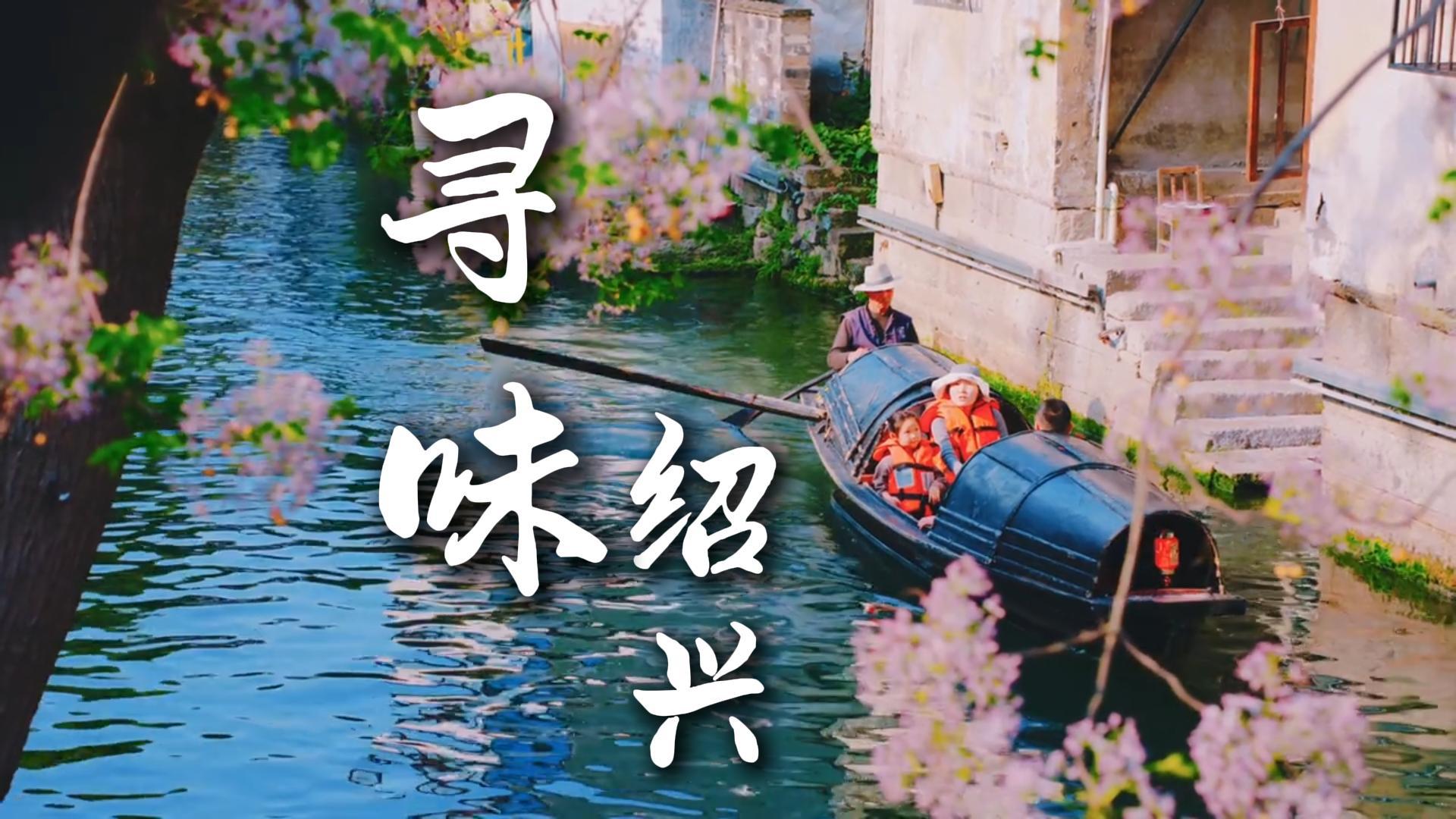

Shaoxing food tour: A feast for the taste buds in the Jiangnan water towns, giving every bite of your Shaoxing trip a story
Video highlights
- Shiwantou (Ten Bowls) is a traditional Shaoxing banquet spread, once a must for festivals and weddings
- Braised pork belly with preserved mustard greens is the star dish of the Ten Bowls banquet
- Drunken crab is marinated entirely in Shaoxing rice wine for its flavor
- In Anchang Ancient Town, cured sausages are hung along the riverside corridors every twelfth lunar month.
- Ciwu pounded noodles come from Zhuji, with stir-fried-to-order toppings and a preference for firm noodles in hot broth
- Shengzhou tangbao is actually a type of small wonton
Video transcript
Auto-generated from the video audio, some words may be inaccurate
View full transcript
After exploring Lu Xun's Hometown, taking in the scenery of Shen Garden, and hearing the tales of the winding stream at Lanting, you naturally can't miss a feast infused with the aroma of rice wine and literary charm. Shaoxing, a city born of water, carries the gentle warmth and richness of Jiangnan in every flavor. Each bite holds the unique elegance and everyday life of this ancient town.
And when it comes to the essence of Shaoxing cuisine, nothing represents it better than a steaming table of Shiwan Tou, or "Ten Bowls." Shiwan Tou is Shaoxing's most authentic banquet format, carrying the customs and warmth of waterside families. It emphasizes a balance of fresh and savory dishes, pairing meat and vegetables.
In the past, during festivals and weddings, hosts would always lay out a Ten Bowls spread to treat relatives and friends. Today, it has become a living showcase of Shaoxing's food culture. Every dish in the Ten Bowls has its own story.
Let's start with the star dish: braised pork belly with preserved mustard greens, the signature hearty dish of the Ten Bowls. The preserved mustard greens—mentioned many times by Lu Xun—are a hometown flavor etched into the bones of Shaoxing locals. If the braised pork with preserved greens represents earthy richness, then the next dish brings aquatic elegance.
Drunken crab is a perfect match between Shaoxing rice wine and river crabs. Fresh without any fishiness, sweet yet mellow, the meat is tender and springy. The wine aroma is clear but not overpowering, leaving a lingering aftertaste.
No extra seasoning is needed; the rice wine and time do all the work. One bite delivers the refreshing sweetness of Jiangnan's water towns, a taste of autumn deeply rooted in Shaoxing. Another dish uses fermented rice mash to create a completely different flavor.
Wine-marinated chicken features tender white meat with a fragrance that seeps to the bone, crisp skin and firm flesh, perfect on its own or paired with wine. Wine-marinated foods are a summer treasure for Shaoxing locals. In the old days without refrigerators, preserving cooked food with wine mash reflected the practical wisdom of waterside families.
If wine-marinated chicken is a refreshing summer treat, then in winter, nothing warms the heart quite like the Anchang sausages hanging under the riverside corridors. Anchang Ancient Town thrived along the water and prospered through trade. In the past, the twelfth lunar month, for waterside families, marked not only the end of the year's farming but also an important time for preparing delicacies to welcome the New Year.
Back then, supplies weren't as abundant as today, so the clever and hardworking townspeople came up with the idea of turning pork into sausages for long-term storage. Originally, sausages were just a simple household invention to cope with winter food shortages, but over time they evolved into the town's signature delicacy. Every twelfth lunar month, the riverside corridors are lined with them, dark red, glistening, and mouthwatering.
They're not just a treat for the taste buds; they represent the townspeople's dedication to tradition and their deep love for home, carrying a thousand years of history and the wisdom of waterside life, making them the warmest gift of winter. Strolling through Shaoxing's old streets and alleys, you'll often catch a distinctive smell: the irresistible signal of stinky tofu. Unlike Changsha-style stinky tofu, Shaoxing stinky tofu is fried until crispy outside and tender inside, then drizzled with sweet or spicy sauce.
One bite releases a burst of bean fragrance mixed with a hint of funk. Fennel beans were Kong Yiji's favorite. Buy a plate at Kong Yiji Tavern, pair it with rice wine, chew slowly, one by one; the more you chew, the sweeter it gets.
This is the true lifestyle of old Shaoxing: unhurried, letting the days slow down amid the aromas of beans and wine. But Shaoxing's highlights go beyond the ancient city. The boldness of Zhuji and the elegance of Shengzhou are hidden in their signature flavors.
First, let's look at a homestyle dish tied to a beauty and a bowl of thick soup. Legend has it that Xi Shi made this dish to bid farewell to her neighbors before leaving home. The tofu is as smooth as cream, melting in your mouth without chewing.
The soup soothes the throat and warms the heart. Today, it's the most common home-cooked dish on every street corner. If Xishi Tofu is a gentle, warming soup, then the people of Zhuji pour their passion for noodles into every hand-pounded bowl.
Ciwu Da Mian, or pounded noodles from Ciwu, hails from Zhuji, reflecting a noodle obsession deep in Shaoxing's soul. It doesn't rely on fancy presentation, just honest, solid flavor. The toppings are another highlight.
Unlike pre-made toppings at regular noodle shops, these are stir-fried to order, instantly filling the air with mouthwatering aroma. Shaoxing locals insist on firm noodles and piping hot broth, and Ciwu pounded noodles deliver exactly that. After experiencing Zhuji's bold style, let's head east to Shengzhou for a taste of Jiangnan's delicate and refined breakfasts.
You may have eaten "Hangzhou xiaolongbao" elsewhere, but nine times out of ten, the shop was run by Shengzhou locals. The wrappers are paper-thin, and the pork filling is something special: firm yet bouncy and tender. With every bite, you feel the meat spring between your teeth as the savory juices flood your mouth.
Amazingly, this richness never feels greasy; it's perfectly balanced umami that keeps you coming back for more. Xiaolongbao is delicious, but there's another misleading must-try on the Shengzhou breakfast table: Shengzhou tangbao. Despite the name (which suggests a soup-filled bun), it's actually a type of small wonton.
It slides smoothly into your mouth, the wrapper so thin you barely notice it. Just dissolve it with your tongue and savor the fresh meat filling and fragrant broth. The taste of Shaoxing is the richness of rice wine, the perfection of preserved greens, and the waterside families' devotion to natural flavors.
When you visit Shaoxing, don't overthink it. Just wander into an old alley, follow your nose, sit down for a bowl of pounded noodles and a cup of rice wine, and you'll understand: this is Shaoxing.