JiaxingAttractions

JiaxingTravel guide

JiaxingVideos

JiaxingItinerary

JiaxingShort videos

JiaxingVisitor guide

Local weather
Dec - Feb
15°1°
Mar - May
26°7°
Jun - Aug
35°22°
Sep - Nov
30°13°
Time zone
China Standard Time
Currency
CNY
Official language
Mandarin
Best time to visit
Dec - FebHot pot and melon lanterns
Mar - MayYuehe Flower Festival
Jun - AugDuanwu (Dragon Boat) Folk Culture Festival
Sep - NovQiantang River (Haining) Tidal Bore Festival
Suggested visit duration
3-5 days

FAQ

Spring (March–May) and autumn (September–November) are the most beautiful seasons in Jiaxing. The mild, pleasant weather, swaying willows, and fragrant osmanthus make it perfect for strolling through ancient towns and along the lakeside. Nanhu Lake hosts a tourism festival in spring, while Yanguan in Haining offers views of the Qiantang River tidal bore in autumn. Summer brings the humid plum-rain season, and winter is quiet with fewer crowds—each season has its own charm.
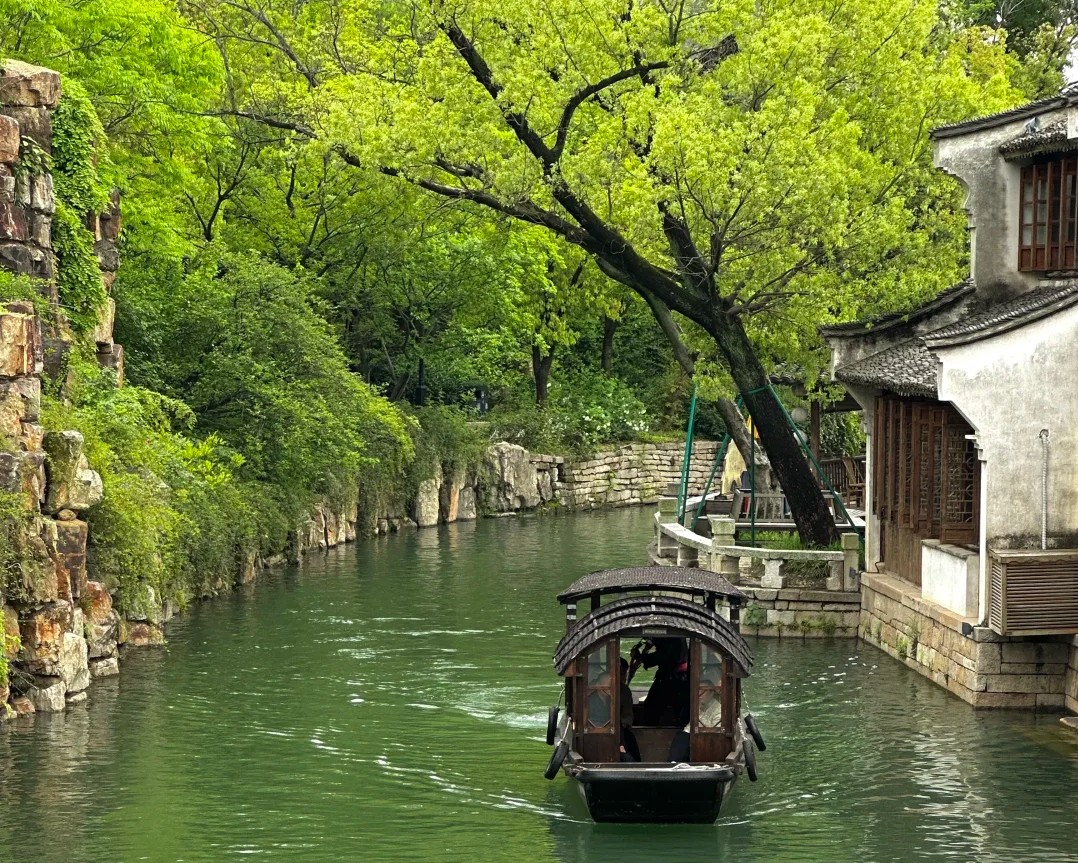
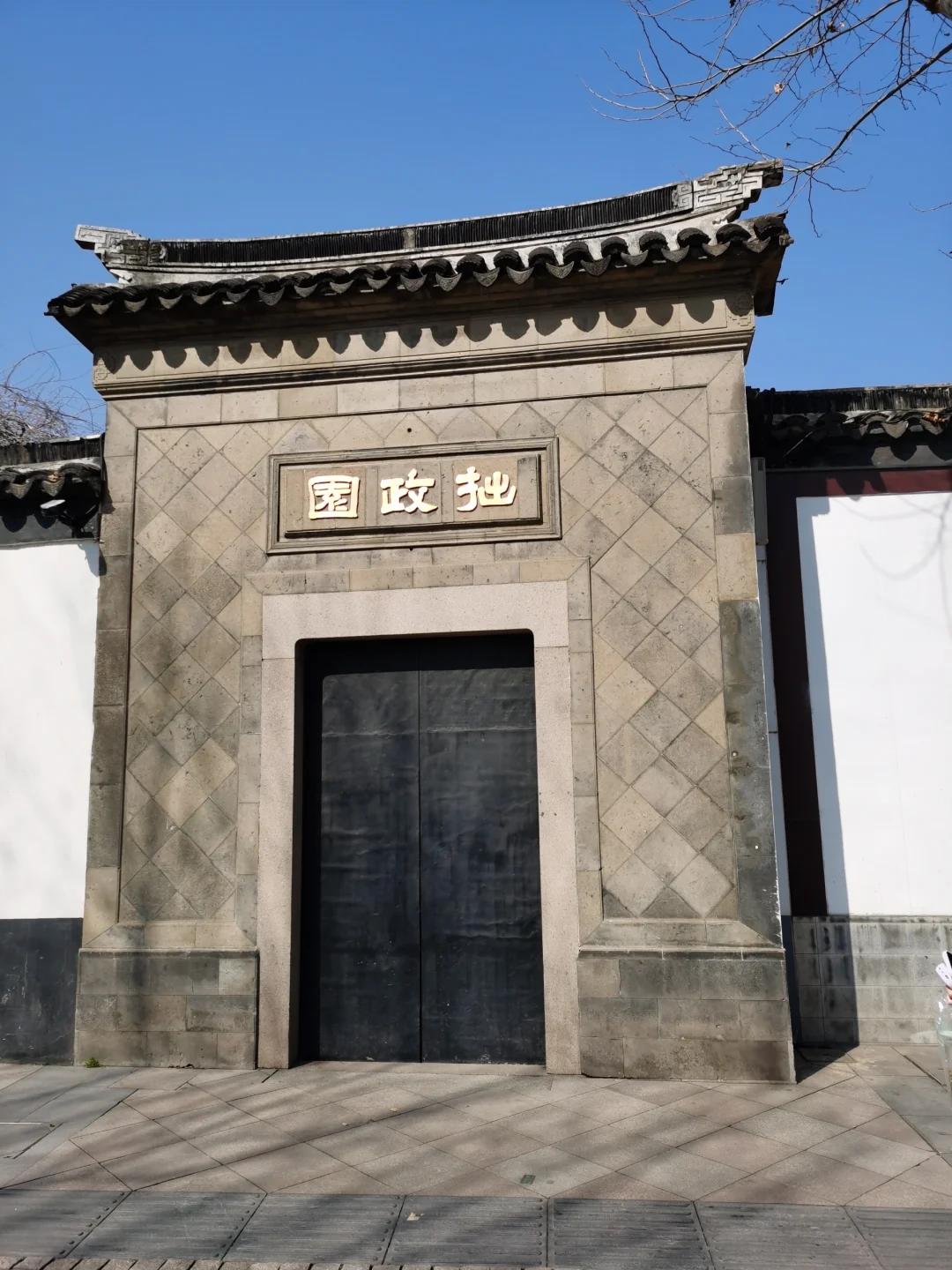
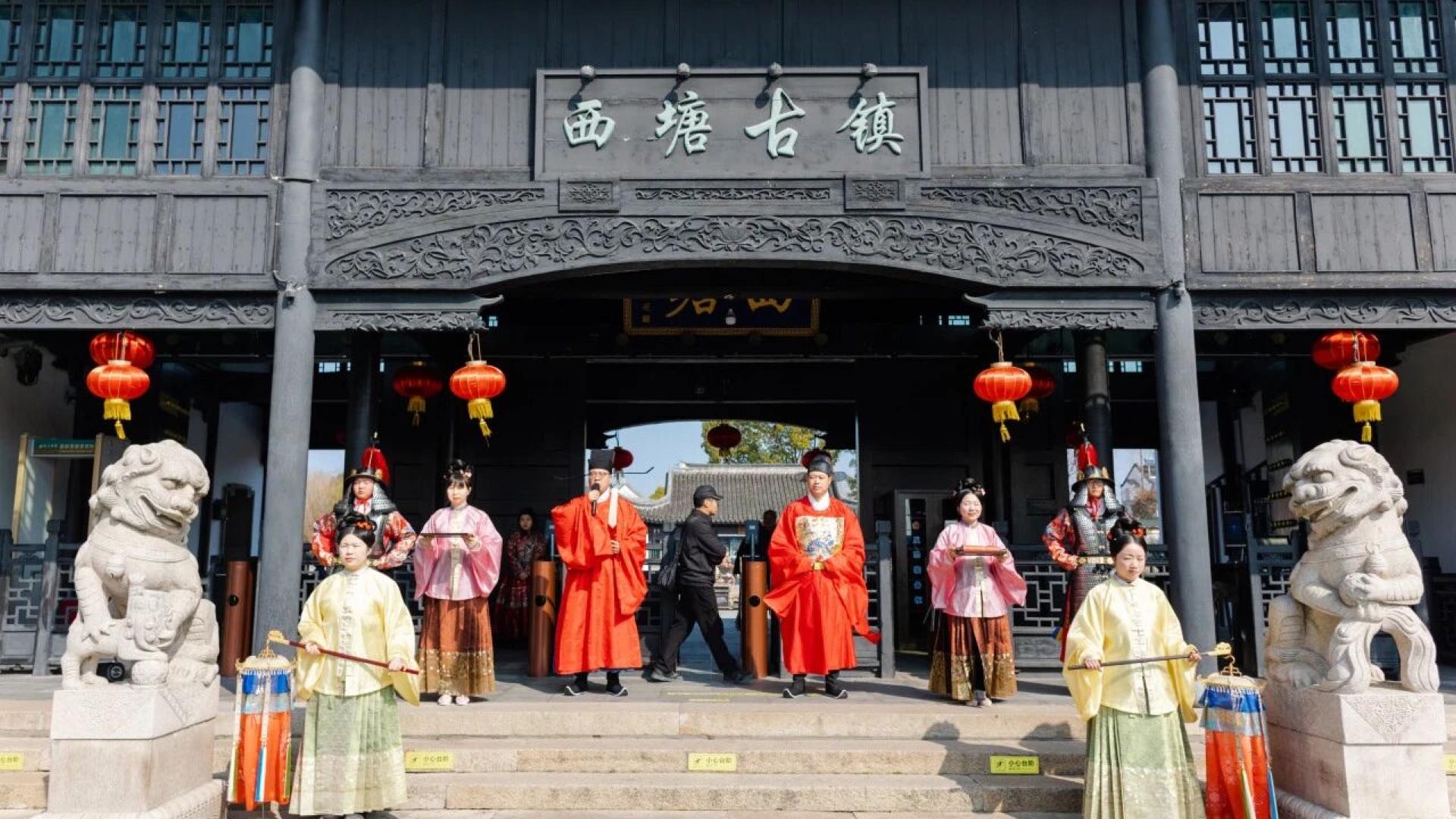
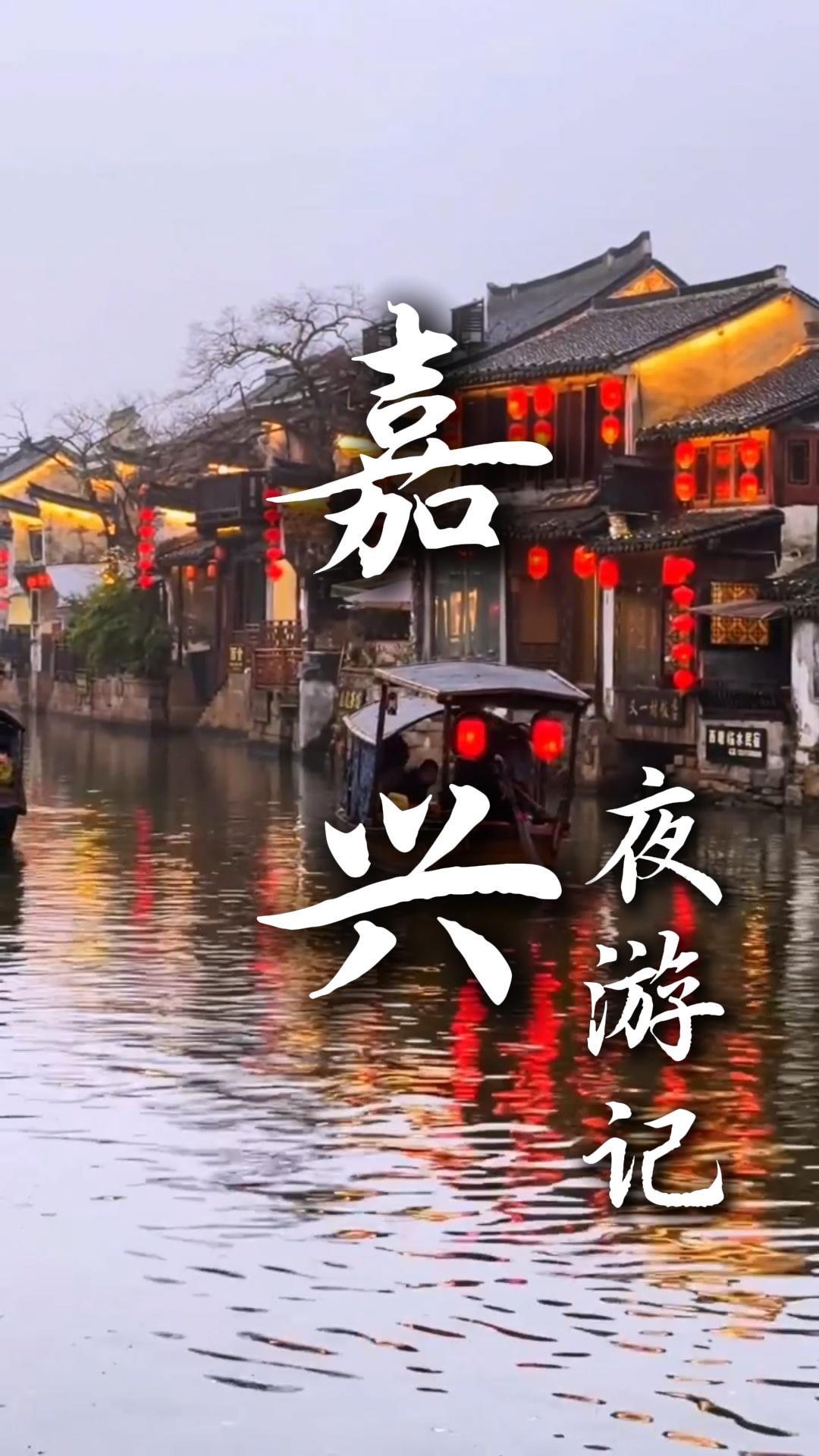
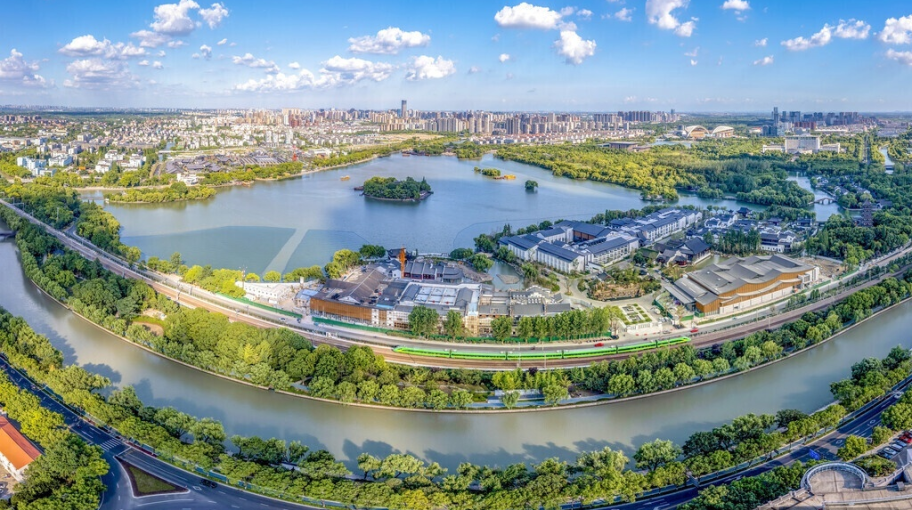
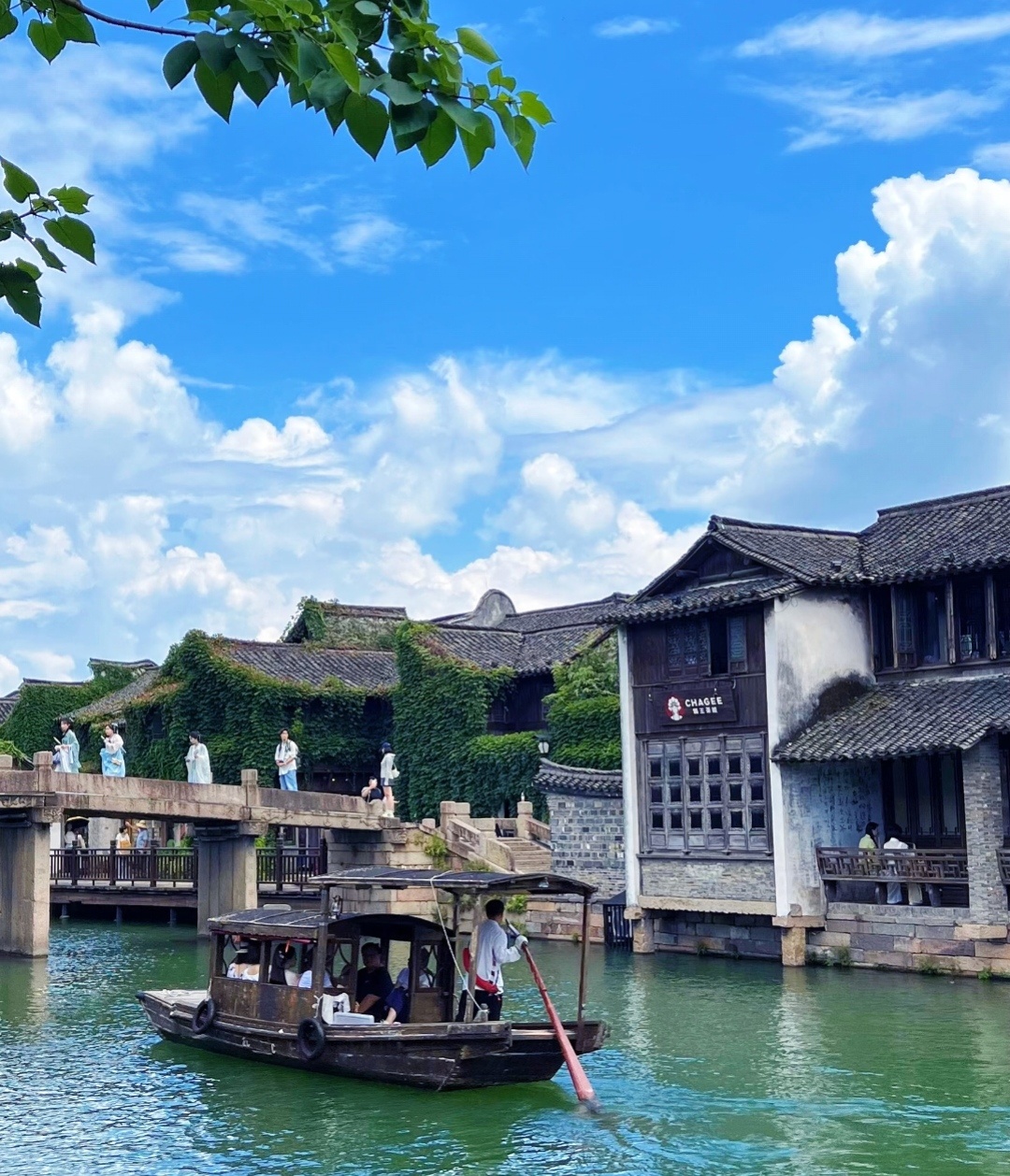
For red culture, Nanhu Lake Scenic Area is a must. The Red Boat and Yanyu Pavilion mark the site of the First National Congress of the CPC, and it's also where the "Seven Freaks of Jiangnan" held their martial arts contest in Jin Yong's novel "The Legend of the Condor Heroes." Climb Haogu Pagoda for a panoramic view of the lake. As for ancient towns, "for China's ancient towns, look to Jiaxing": Wuzhen's West Scenic Zone has stunning night views, while Xitang is famous for its covered corridors and narrow lanes (enter before 7 AM for free). In the city center, visit Yuehe Historic District (white walls, dark tiles, and a Zongzi Museum), Zicheng Ruins Park (a thousand-year-old city wall), and the Catholic Church (a Romanesque photo spot). For countryside trips, try the village entrance cafe in Lianfeng Village, the thousand-year-old catalpa tree in Panjiabang Village, or hiking through the air-raid shelter in Fengyi Village.
Jiaxing is most famous for zongzi (sticky rice dumplings). Wufangzhai is a time-honored brand whose pork and egg yolk zongzi are known nationwide, but locals prefer freshly wrapped egg yolk pork zongzi from wet markets (about ¥7 each)—much more authentic than the vacuum-packed ones sold at scenic spots. For breakfast, don't miss the shaomai on Xiexi Street: thin-skinned and juicy with fresh bamboo shoots and pork, paired with glass noodle soup. For main meals, try Nanhu Lake boat dishes (steamed whitefish and stir-fried shrimp with water caltrop), Tongxiang's A Neng Noodles (eel noodles and snakehead fish noodles), or Gaopeng Home-style Restaurant's stuffed intestines with tofu knots (¥40). Other specialties include Wenhu sauce duck, Xincheng mooncakes, Pinghu fermented eggs, and Haining pot-braised pork.

Q: Is Jiaxing easy to get to? How do I get there?

A: Very easy. High-speed rail: Jiaxing South Station is the main hub, about 23–30 minutes to Shanghai Hongqiao and 1 hour to Hangzhou—truly the "backyard garden of Shanghai and Hangzhou." To save money, take a regular train: Shanghai West Station → Jiaxing Station costs only ¥16.5, and the century-old platform instantly transports you back to the Republican era. Local transit: Tram Line 1 runs directly from the South Station
Very easy. High-speed rail: Jiaxing South Station is the main hub, about 23–30 minutes to Shanghai Hongqiao and 1 hour to Hangzhou—truly the "backyard garden of Shanghai and Hangzhou." To save money, take a regular train: Shanghai West Station → Jiaxing Station costs only ¥16.5, and the century-old platform instantly transports you back to the Republican era. Local transit: Tram Line 1 runs directly from the South Station to Nanhu Lake (¥2/person) and is cooler than a taxi; shared bikes and e-scooters are great for exploring old streets; the water bus costs ¥3 and offers views of the "Nine Rivers Connecting the Heart" nightscape. To reach Wuzhen or Xitang, take the "For China's Ancient Towns, Look to Jiaxing" tourist shuttle bus for direct point-to-point service.
Jiaxing has plenty of specialties. For zongzi, choose Wufangzhai or Zhenzhen Laolao, and look for the "Heirloom Zongzi" (about ¥5); the regular versions are factory-made. For sauce duck, try Wenhu, but note that those sold at scenic spots are overly salty—it's better to ask locals for an old shop recommendation. Other specialties include Tongxiang white chrysanthemum tea, Jiashan yellow wine, Pinghu honey, Haining home textiles, blue calico fabric, and Wuzhen silk floss. Xincheng mooncakes, Xitang Bazhen cakes, and Gusao cakes also make great gifts. Money-saving tip: "viral" souvenirs at scenic spots are overpriced. For traditional foods, stick to time-honored brands or supermarket counters for better value.