
In Hangzhou in November, the average high is 17.7°C and the average low is 10.0°C. Rain falls on about 11 days with 75 mm of precipitation for the month. Early November still feels like autumn, while late November is close to early winter. Long sleeves plus a trench coat or light jacket are enough for early November; switch to a sweater with a heavier coat or a light down jacket from mid to late November. Mornings and evenings are 7–8°C cooler than midday, so keep a scarf in your bag.
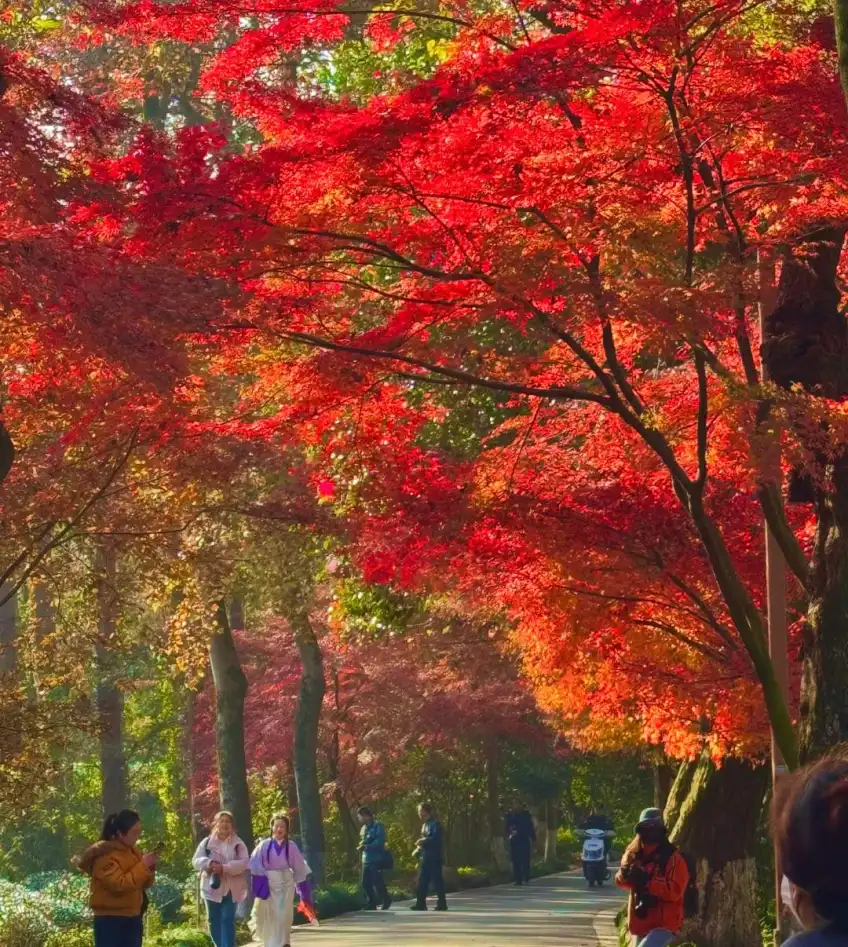
Many locals consider November the best month in Hangzhou: neither hot nor cold, little rain, red maples in the hills and golden ginkgo trees in the city. This article covers temperature changes and what to wear in November, where to see the red leaves and ginkgoes, and weather tips for the month. Figures are based on 1991–2020 averages from the China Meteorological Administration's Hangzhou station. For other months, see the Hangzhou weather and clothing overview.
November weather: two seasons in one month
In early November, daytime temperatures in Hangzhou often hover around 20°C, and you may even sweat walking around West Lake on a sunny day. By the end of the month, daytime highs drop to 12–13°C and early mornings fall to 5–6°C; once the north wind picks up, it feels like winter. So don't pack for just one temperature—what you need depends on whether you arrive in early, mid, or late November.
Temperature records show just how much conditions vary: the all-time November high reached 31.5°C, and the warmest day each November averages around 25°C. The record low hit -3.6°C, and the coldest day each November averages about 2.5°C. In other words, within the same November you might enjoy a warm "Indian summer" spell followed by a cold front—a 15°C swing over two days isn't unusual.
As for rain, November averages 10.6 rainy days and 75 mm of precipitation, similar to October and relatively low for the year. Rain usually comes as drizzle or overcast skies rather than all-day downpours. Humidity is around 75%, slightly higher than in October, and this dampness turns into a bone-chilling cold by late November. Snow is rare in November, averaging just 0.2 days per year.
What to wear in early, mid, and late November
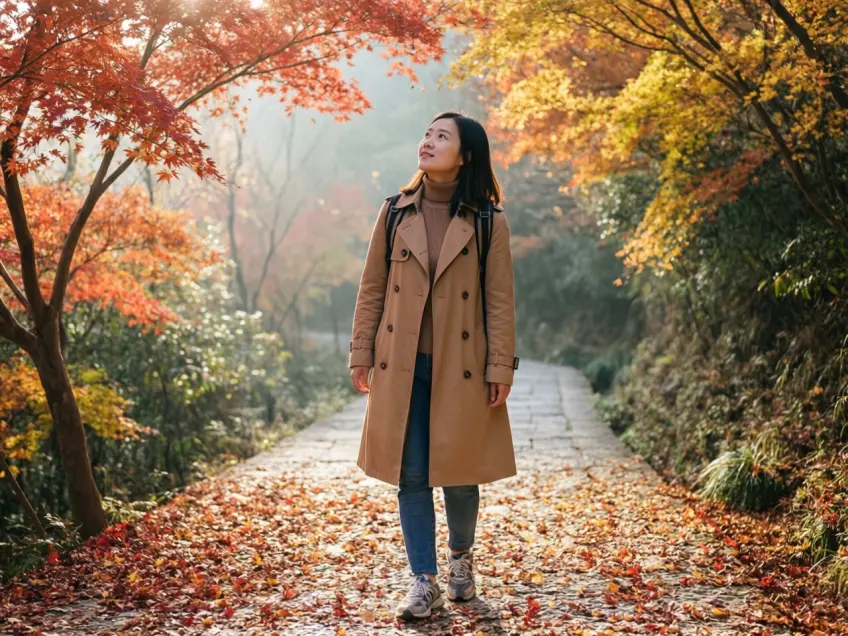
Early November (1–10): During the day, wear a long-sleeve T-shirt or shirt with a light jacket—a windbreaker, denim jacket, or thin knit cardigan all work. It gets breezy by the lake at night, so add a hoodie or sweater. On sunny noons, a long-sleeve top is plenty warm while sunbathing lakeside.
Mid-November (11–20): This is peak foliage season, and mornings and evenings start getting noticeably colder. Wear a sweater or hoodie with a windproof jacket during the day. If you head to Jiuxi or Yunqi early in the morning to photograph the red leaves, the valleys are 2–3 degrees cooler than downtown, so bring a light down vest or a thin down jacket.
Late November (21–30): Dress for early winter. Pair a sweater with a light down jacket or a thick wool coat, and bring a scarf and thin gloves. If a cold front is forecast, pack your winter down jacket so you aren't caught underdressed.
Rainy days: Rain in November isn't heavy but it's chilly, making it feel several degrees colder than on sunny days. A folding umbrella is enough, and a water-resistant jacket is ideal. Wear non-slip sneakers—the stone paths in Jiuxi and the steps along Yunqi Bamboo Path get very slippery when covered with wet leaves.
Indoors: The indoor-outdoor temperature difference in November is small. Malls and subways usually don't have the heat on yet, and sometimes still run the AC. Wear lighter layers underneath and keep an extra layer on the outside so you can adjust easily when going in and out.
Traveling with seniors and kids: Most red leaf spots are in valleys or along streams. The trails aren't difficult, but watch out for slippery stone steps and hidden dips under fallen leaves. Bring shoes with good grip and a lightweight walking stick for older travelers. Temperatures swing widely between early morning and evening, so pack an extra jacket for kids—take it off when they warm up from walking, and put it back on as soon as they stop to rest.
November packing list: a trench coat or jacket, a light down jacket (swap for a heavier one in late November), two or three sweaters or hoodies, and several long-sleeve base layers; a pair of non-slip sneakers that can handle mountain trails; a folding umbrella, lip balm, and hand cream—the air gets dry in late November, so hands and lips crack easily; if you're shooting fall foliage, bring a power bank, since phone batteries drain faster than usual in the cold.
Red leaves and ginkgo: where to find November's highlights
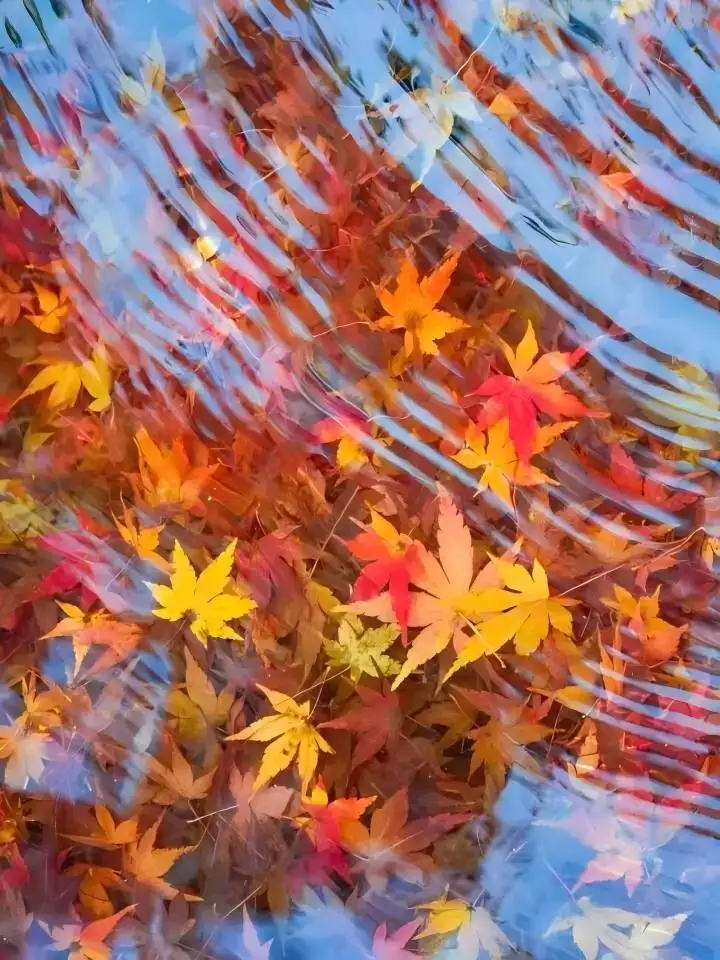
Jiuxi: Jiuxi Shiba Jian (Nine Creeks and Eighteen Gullies) follows a stream all the way down to the Qiantang River. The path is gentle, and the maples on both sides turn red in mid-to-late November, with fallen leaves drifting in the water. Walking downhill from Longjing Village takes just over an hour and is the easiest route. It gets crowded on weekends, so arrive before 8 am if you want photos of the trail without people.
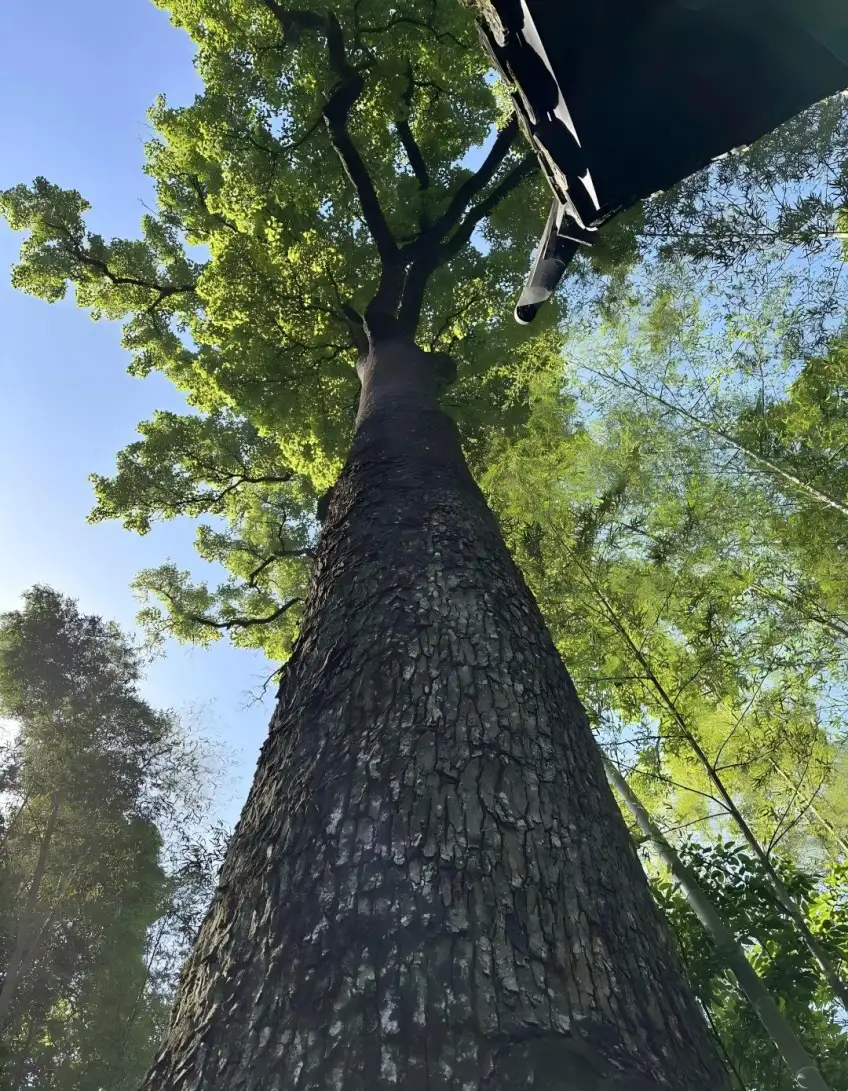
Yunqi Bamboo Path: At the foot of Wuyun Mountain, a few tall sweet gum trees stand among the bamboo groves. The most famous one is known as the "King Sweet Gum." Its leaves shift from green to yellow to red at different times, so a single tree often shows several colors at once. Late November to early December is the best time to visit. The bamboo grove is humid, so it feels cooler than outside.
Lingyin Temple and Feilai Peak: There are plenty of maple trees along the stream in front of the temple and below Feilai Peak. In early winter, the yellow walls and red leaves set each other off—many photographers consider this the best season to shoot Lingyin Temple. The Lingyin Temple and Feilai Peak scenic area doesn't charge an entrance fee, but you must make a real-name reservation on the "Hangzhou Lingyin Feilai Peak" mini program. Weekend slots fill up fast in November, so book ahead. For details, see the Lingyin Temple scenic area page.
Ginkgo trees in the city: Hangzhou's ginkgo trees usually turn golden from mid-to-late November through the end of the month. At the intersection of Huancheng East Road and Laozheda Lane, there's an ancient ginkgo over a thousand years old, and Zhaohui Park has a whole grove of them. Some years they don't peak until early December, so checking recent photos before you head out is your safest bet.
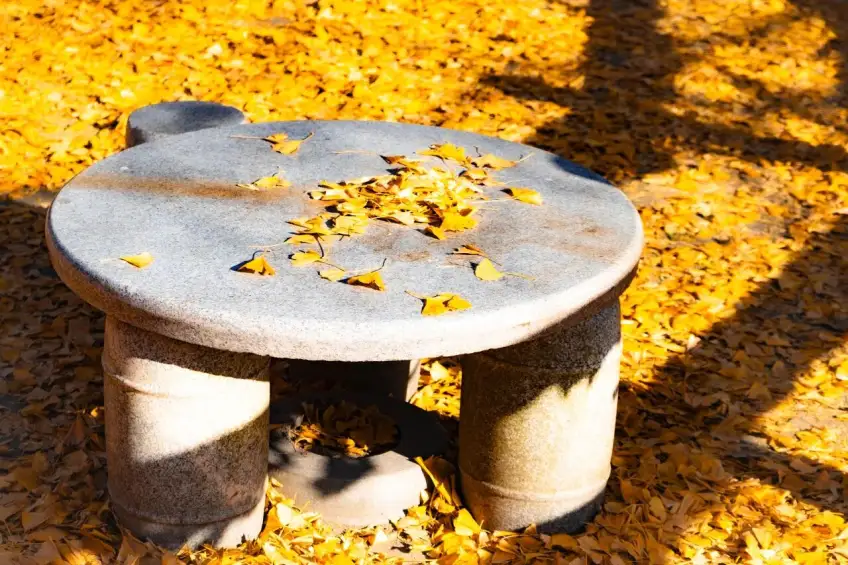
Reed plumes at Xixi: Xixi Wetland holds a Reed Festival every year from November to December. The area around Qiuxue Nunnery is the best place to see the reed plumes, which are as white as snow—hence the name "Qiuxue" (Autumn Snow). During the same period there's also a Pond Draining Festival, where you can watch traditional fishing. Admission and boat tickets for Xixi are sold separately; see the Xixi Wetland scenic page for details, and how to choose a boat at Xixi Wetland for boat options.
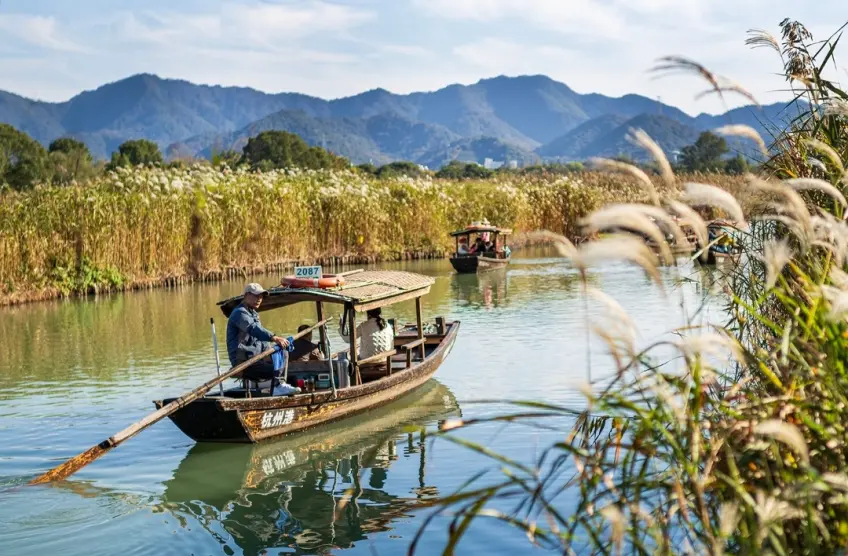
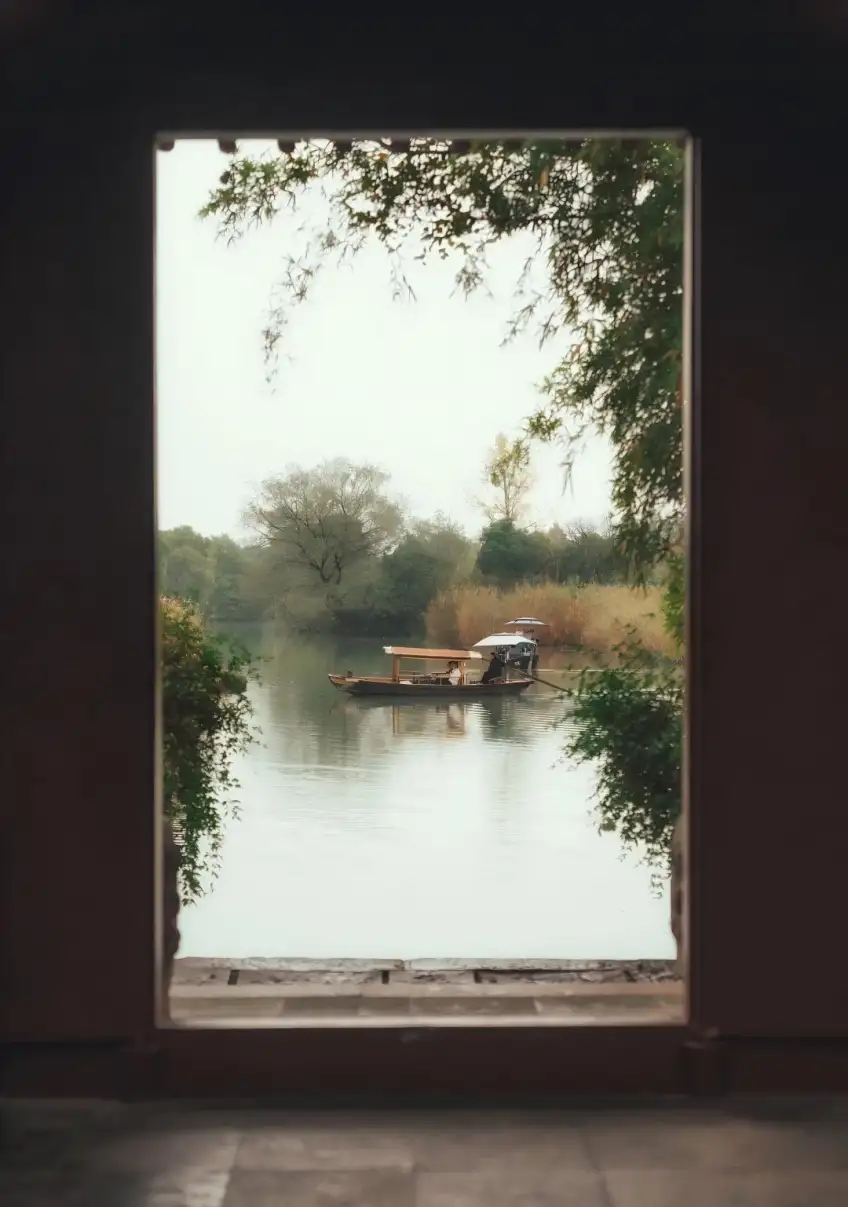
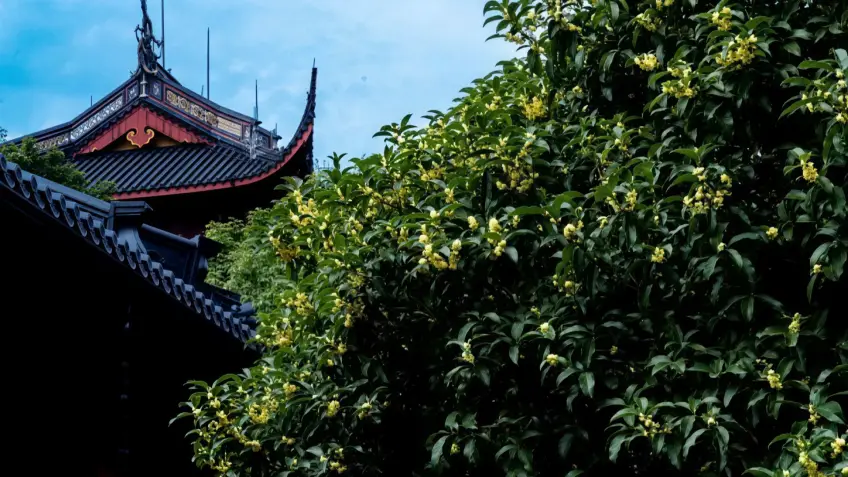
Late-blooming osmanthus: Osmanthus in Hangzhou usually blooms from late September to October, but some years it's delayed. In the summer of 2025, high temperatures and little rain pushed Hangzhou's osmanthus back by about 40 days, with flowers opening en masse only in late October and early November. If you visit Hangzhou in early November during such a year, you can still catch the scent around Manjuelong and Lingyin Temple.
Three half-day routes for autumn colors
Hills and streams route: Longjing Village – Jiuxi – Qiantang River. Start your morning in Longjing Village, stroll around the tea plantations, then head downhill along the mountain path toward Jiuxi. Follow the stream to Jiuxi Yanshu (Nine Creeks Misty Trees), and finish at the Jiuxi bus stop or the banks of the Qiantang River. It's mostly downhill, so even those with average fitness can manage it in about two to three hours. The trail gets slippery after rain, so shorten the walking portion if it has just rained.
Temples route: Lingyin Temple – Fayun Lane – Yongfu Temple. Book the first time slot of the morning to enter Lingyin Temple. See the rock carvings at Feilai Peak and the red maples along the stream, then walk the central axis inside the temple to Huayan Hall. Afterward, head toward Fayun Lane, where old houses and bamboo groves make for a quiet stroll. Yongfu Temple sits on the hillside, and the trees in its courtyard show off layers of autumn color. With plenty of eaves along the way, this route works even in light rain.
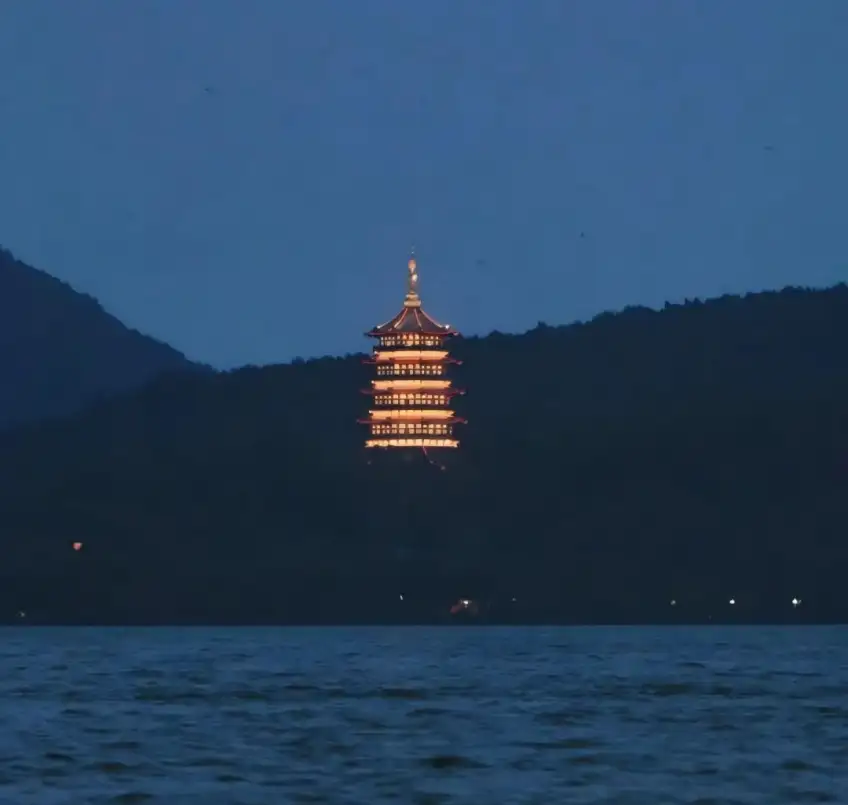
Lakeshore route: Beishan Street — Solitary Hill — Bai Causeway. In the afternoon, head west along Beishan Street. The plane trees and wingnuts lining the road slowly turn yellow in November. Cross Xiling Bridge to reach Solitary Hill; the bay behind it is quiet, with half-withered autumn lotus leaves making beautiful reflections. Finally, walk from Bai Causeway to Broken Bridge, and watch Baochu Pagoda and Baoshi Hill light up at dusk. The entire route is flat, perfect for a leisurely stroll with older travelers.
A few tips for photographing red leaves: backlight or side light makes them glow best, so shoot before 9 am or after 3 pm when the sun is low. Overcast days won't give you that translucence, but the colors look richer—great for streams and fallen leaves. The morning after rain, with wet leaves and the ground carpeted in color, offers the rarest shots of the year. Tripods block the narrow paths at Nine Creeks and Yunqi, so avoid using them on weekends.
November vs. October: which to choose
Many travelers hesitate between October and November. October is warmer with fewer rainy days, but the National Day holiday crowds the first half of the month. November is cooler—you'll need a thick jacket by late in the month—but the scenery is at its richest all year, with red leaves, ginkgos, reed plumes and fading lotus, plus no long holidays. If you dislike the cold or are traveling with seniors, pick early to mid-November. For the deepest reds, go in late November and pack for early winter.
Crowds & transportation
With no long holidays, November is much quieter than October overall, and weekday lines at West Lake and Lingyin Temple are short. Weekends, however, are peak autumn-viewing time for locals and visitors from Shanghai and Suzhou. Nine Creeks, Yunqi, Lingyin Temple and Xixi get packed on Saturday and Sunday mornings, so visit on weekdays if you can.
If you're driving, note that the West Lake scenic area often enforces odd-even license plate restrictions on weekends and public holidays from September to November, with additional traffic rules around Lingyin Temple and Nanshan Road. Check local traffic police announcements for details. Driving into the West Lake area on weekends usually means detours and hunting for parking—it's better to park outside the zone and transfer, or arrange a driver.
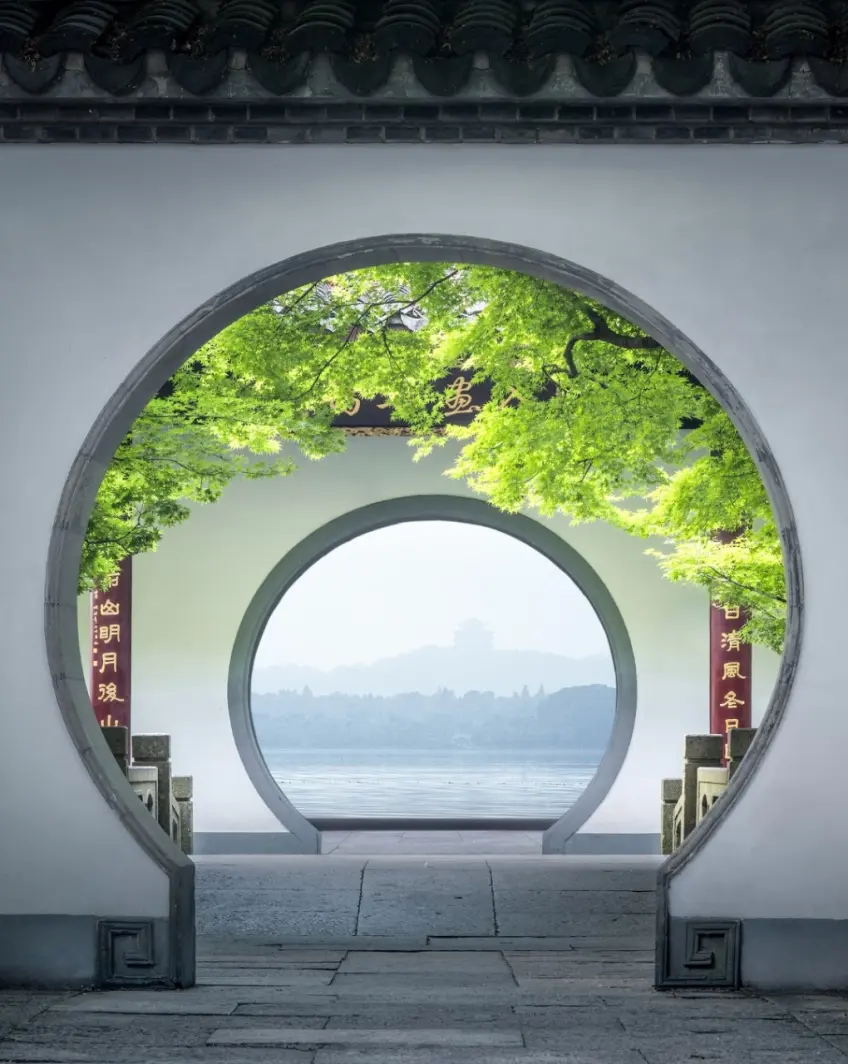
Weather to watch for in November
Cold fronts: November is when cold air masses start pushing south more frequently. A day or two before a front arrives, it often feels muggy and there may even be light rain; once the wind picks up, temperatures drop for several days straight. Check the week's forecast before you leave, and pack warmer clothes if a cooldown is expected.
Autumn rain: You may occasionally run into several rainy days in a row. The red leaves actually look more saturated then, but mountain paths get slippery. On rainy days, swap Jiuxi for covered or indoor spots like Lingyin Temple, Hu Xueyan's Former Residence, or the China National Tea Museum. For opening hours and tickets to Hu Xueyan's Former Residence, see the Hu Xueyan's Former Residence scenic page.
Morning-evening temperature swings: On sunny November days, noon and early morning can differ by more than 10 degrees. Many people head out at midday in just a light jacket, catch a chill from the lakeside breeze by evening, and regret it. Remember to layer up if you're going out at night.
Fog: From late November, calm, clear mornings often bring a thin mist over West Lake that burns off an hour or two after sunrise. To photograph the lake in the fog, get up early and reach the shore before 7:00 AM. If you're catching an early high-speed train or flight, allow an extra half hour on the road when it's foggy.
Nearby detours: autumn colors at Qiandao Lake and Suzhou
If you have several days in Hangzhou, set one aside to see autumn colors outside the city. Qiandao Lake lies southwest of Hangzhou, where the red leaves and ginkgos around the bays also turn in November. A high-speed train from Hangzhou to Qiandao Lake Station takes about an hour, then transfer into the lake area—see the Qiandao Lake scenic page and how to plan a Qiandao Lake day tour. Heading north, Tianping Mountain in Suzhou is a classic Jiangnan spot for red maples, with the season running from mid-November to early December. For directions, see how to get to Tianping Mountain.
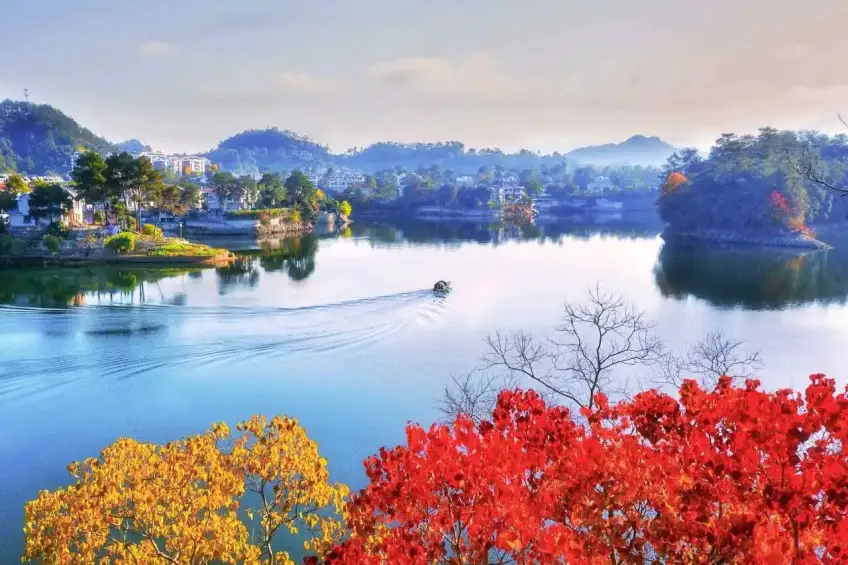
How November weather affects your itinerary
The challenge in November isn't the weather—it's that everyone heads out when it's nice. On the two best weekends for autumn leaves, traffic and crowds around Jiuxi and Lingyin Temple are heavy. If you drive yourself, you'll circle looking for parking, and even taxis line up at the scenic area exits. If you're short on time or traveling with older relatives, leave the mountain route of Jiuxi, Longjing, and Lingyin to a Hangzhou private car. You can visit each spot during quieter hours without worrying about odd-even license plate rules or parking lots. For the stories behind the scenery—like Misty Trees at Jiuxi and the origins of Lingyin Temple—hiring a Hangzhou tour guide to narrate as you walk makes it far more interesting. If you want to combine Hangzhou with the autumn colors of Qiandao Lake and Suzhou in one trip, check out our Hangzhou custom tours.
Feilai Zen Realm Day Tour: Hangzhou and Lingyin Temple
Private day tour in Hangzhou: climb Leifeng Pagoda, take a 45-minute boat ride on West Lake, and visit Lingyin Temple and the Feilai Peak grottoes in the afternoon. Pickup and drop-off at Hangzhou East Railway Station or Xiaoshan Airport included, along with transportation, guide and admission tickets. English, Japanese and other language guides available upon request. Choose your own date.

4-day, 3-night Hangzhou and Qiandao Lake tour: West Lake north and south routes, Leifeng Pagoda, Dream Town, Xixi Wetland, Yuewang Temple, Hu Xueyan's Former Residence, pure play Qiandao Lake
Stay three nights in Hangzhou with a day trip to Qiandao Lake in between: cruise West Lake, visit Yuewang Temple, Lingyin Temple and Feilai Peak, and explore Xixi Wetland. On day three, head up Tianyu Mountain for views of Qiandao Lake, and finish with Hu Xueyan's Former Residence on the last day. This private tour includes transport, guide, hotel and admission tickets, with an English-speaking guide available.

Jiangnan elegance 3-day 2-night tour: Hanshan Temple, Lingering Garden, Feilai Peak and Lingyin Temple, West Lake boat cruise, Flower Harbor Park, tea plantation photo shoot
A 3-day 2-night private tour starting in Suzhou and ending in Hangzhou: Hanshan Temple and Shantang Street, the Lingering Garden and Pingjiang Road, then Lingyin Temple and Feilai Peak in Hangzhou in the afternoon. On the last day, enjoy a West Lake boat cruise and a tea plantation photo shoot. Includes transport, guide, two nights at an upscale or luxury hotel, and admission tickets, with an English-speaking guide available.
For more Hangzhou attractions, see the Hangzhou city page. For West Lake opening hours and transport info, see the West Lake scenic area page.
FAQs
Do I need a down jacket for Hangzhou in November?
You usually won't need it in early to mid-November—a sweater with a trench coat or jacket is enough, and you can add a thin down vest for chilly mornings and evenings. For late November, bring a lightweight down jacket so you're ready if a cold front hits. The average low in November is 10.0°C, but the coldest day of the month averages around 2.5°C. For what to wear once winter sets in, see Hangzhou December weather and clothing.
Does it rain a lot in Hangzhou in November?
Not really. It rains about 11 days a month on average, with 75 mm of precipitation—one of the drier months of the year—and mostly light drizzle. A folding umbrella is all you need.
When do the red leaves in Hangzhou peak?
Usually from mid-to-late November to early December. Jiuxi, Yunqi Bamboo Path, Lingyin Temple and the Botanical Garden are popular spots. The exact timing varies with temperatures each year, so checking recent photos before you go is the most reliable way to tell.
Is November a good time to take seniors to Hangzhou?
It's perfect. November is neither too cold nor too hot, and the lakeside areas and temples are mostly flat, so you can take things slow. Just keep two things in mind: the temperature drops significantly in the morning and evening, so bring an extra jacket; and mountain paths and stone steps for leaf viewing get covered in fallen leaves that turn slippery after rain, so wear non-slip shoes and walk slowly.
Is Hangzhou crowded in November?
Weekdays are quiet, but weekends get busy. There are no long holidays in November, but during red leaf season on weekends, both locals and visitors from nearby cities come out. Popular spots like Jiuxi and Lingyin Temple get crowded after 10 a.m., so try to arrive early or visit on a weekday.