

Wuxi Plum Garden food guide: what to eat beyond the blossoms
Rong's Plum Garden was built in 1912 by brothers Rong Zongjing and Rong Desheng in Wuxi's western suburbs. You can sample local flavors as you stroll: sesame cakes outside the south gate, plum blossom cakes near Xianghai Pavilion inside the garden, vegetarian noodles at Kaiyuan Temple, and small wontons, xiaolongbao, and silver thread noodles in Rongxiang Lane just outside the east gate. Short on time? Take a group tour linking the garden with downtown. Want stories about the gardens and dining tips? hire a private guide. After landing at Hongqiao or Shuofang, airport transfers plus a private car is the easiest option. For a flexible pace, try custom travel. For an overview, see our China travel guide.

Tell our travel consultants your group size, dates, departure city, and food preferences, and we'll turn this foodie travel guide into a ready-to-go itinerary. For more on visiting the garden, see Wuxi Plum Garden guide.
Tickets, opening hours and vendor operations in the park are subject to the scenic area's announcements on the day. For the Plum Garden story and family-friendly route, see The Story of Plum Garden and Plum Garden Family Route.
How to plan a food tour of Wuxi Plum Garden
Wuxi Plum Garden (Meiyuan) is defined by its plum blossoms, and the streets outside combine with spots inside to form Wuxi's flavor map. Every brick, tile and old shop sign is tied to the seasons and local craftsmanship. Start with a flaky pastry at the South Gate, pass Xianghai Pavilion and Kaiyuan Temple, then exit the East Gate into Rongxiang Lane. In the evening, settle in for Wuxi-style cuisine at Taihu Hotel — this is the pace locals follow.

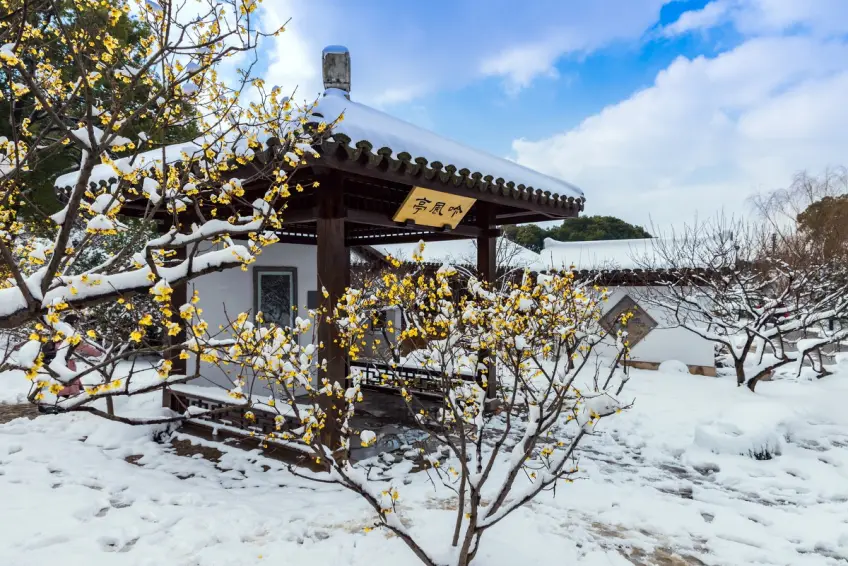
The Tianxin Terrace area is one of the most recognizable architectural landmarks in the garden, making it a good place to get your bearings before planning your food stops. For a one-day itinerary, see the Wuxi day tour; if you'd like an extra day to see Lake Tai, check out the Wuxi 3-day tour.
Plum Garden South Gate: starting your Wuxi flavors with a flaky pastry
Before you even step through the South Gate, the aroma from the small kiosk next to Meiyuan No. 2 Restaurant across the street often stops you in your tracks. Freshly baked crispy sesame cakes are covered in white sesame seeds; take a bite while they're hot and the flaky crust crumbles away — this is how countless locals have started their visits since childhood. Current prices and stall locations are subject to conditions on site that day.
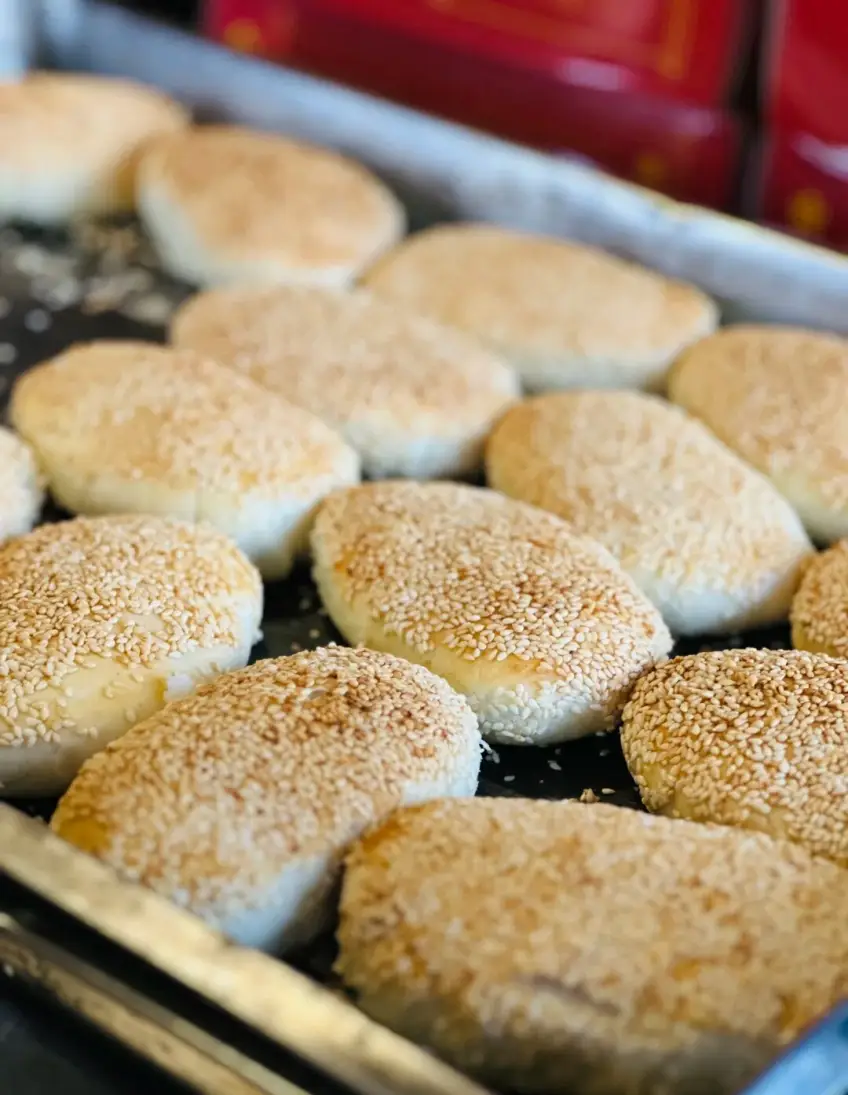
Golden sesame cakes are sold right out of the oven—eating them as you walk is the best way to enjoy them.
Sweet and savory flaky pastry
The classic flavors are usually salt-and-pepper and vegetable-lard filling: the former is savory and tasty, while the latter is rich but not greasy, evoking a more traditional Wuxi nostalgia. Stalls often have barley tea and osmanthus sugar lotus root on hand to cut the richness and warm you up.

Cut it open and you'll see the layers of the vegetable-lard filling; if you avoid animal fat, let them know in advance. Bring the hot pastry into the park—the street-food vibe pairs perfectly with the plum blossom fragrance.
Xianghai Pavilion at Wuxi Plum Garden: snacks for your visit
Enter through the South Gate and follow the main path. Amid the drifting fragrance, you'll soon reach Xianghai Pavilion. There's a permanent snack spot here in the park that relies on traditional flavors rather than flashy decor to draw visitors.
Signature meihua gao (plum blossom cake)
The signature plum blossom cake is the most atmospheric bite: glutinous rice flour baked in a plum-blossom mold, slightly charred on the outside and soft inside, with sweet but not cloying red bean paste, often topped with nuts and osmanthus sugar. In winter and spring during plum blossom season, you may find plum-scented fermented rice wine with glutinous rice balls—availability depends on the day.
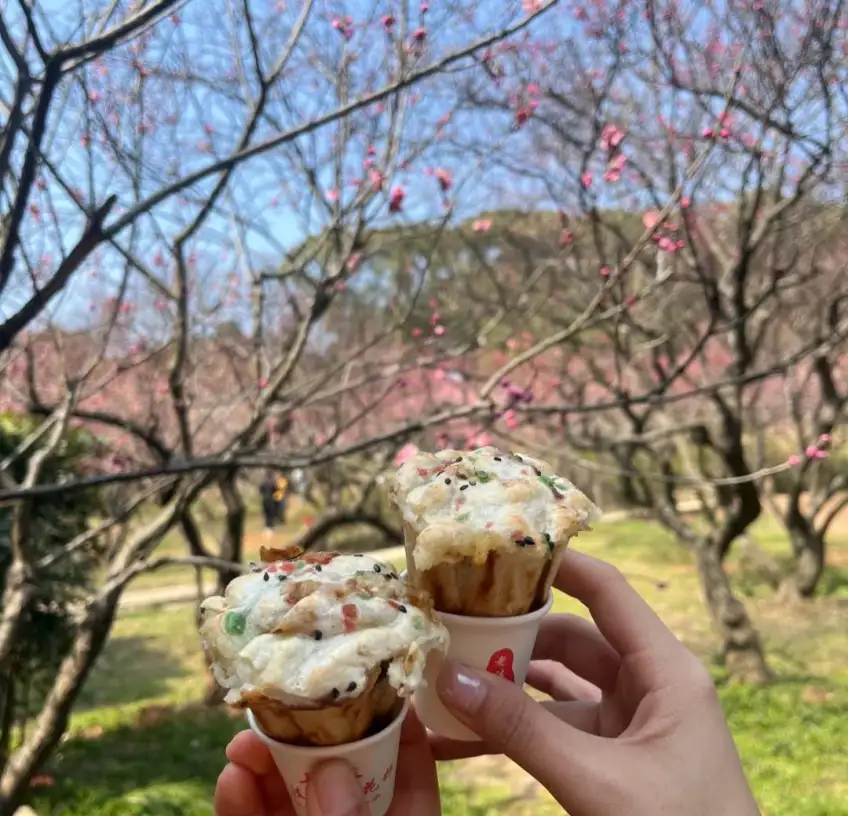
Holding up the cake with both hands against the pink plum blossoms and blue sky is a classic shot at Plum Garden, combining food and scenery. When taking photos, don't block the path or break any branches.

Kaiyuan Temple vegetarian meals: light, fresh and comforting
Deeper into the garden, the red walls and dark tiles of Kaiyuan Temple hide among the plum trees. The temple's vegetarian restaurant serves no meat or fish; mushrooms, bamboo shoots and vegetables are simmered slowly into a clear broth, perfect for resting your feet and warming your stomach. Vegetarian meal availability and serving times depend on the temple's schedule that day.
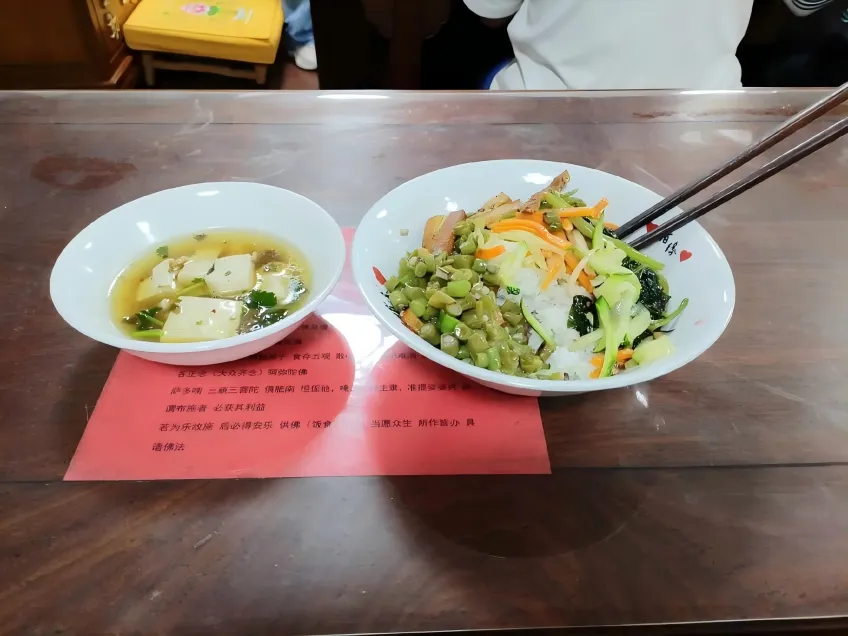
The vegetarian dining tables are clean and simple; please follow the dress code and etiquette signs when entering the temple.
A bowl of vegetarian noodles at Kaiyuan Temple
A bowl of vegetarian noodles is often the soul of the meal: the broth is slowly simmered with seasonal vegetables like mushrooms, fresh bamboo shoots, wood ear fungus, greens, and wheat gluten, resulting in a clear soup. The handmade thin noodles are springy and smooth, topped with light, simply seasoned ingredients. Vegetarian buns, usually filled with greens and mushrooms, are also common—soft and easy to eat.
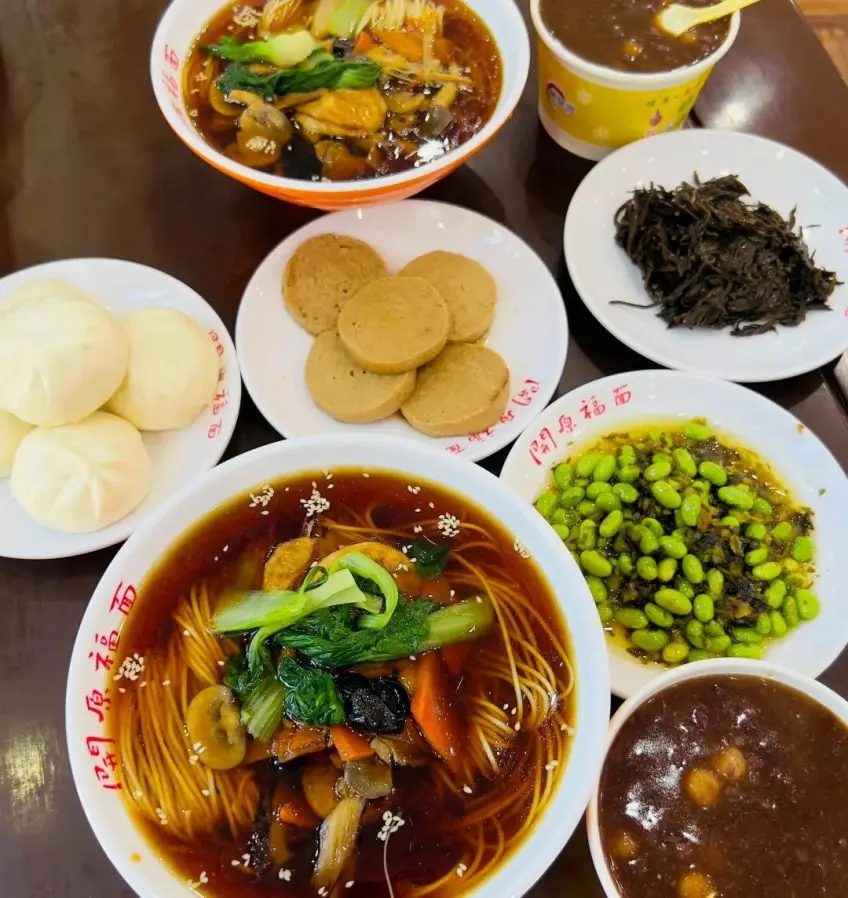
Kaiyuan vegetarian noodles are often served alongside several vegetable dishes, and a richer broth from the toppings is common; sip the broth before adding the noodles.
Rongxiang Old Street: Rongxiang wontons with thin wrappers and savory broth
Exit Plum Garden through the east gate and follow the crowd into Rongxiang Old Street: bluestone paths, plenty of old shops, and a lively local vibe. Check the shop sign and address before ordering.
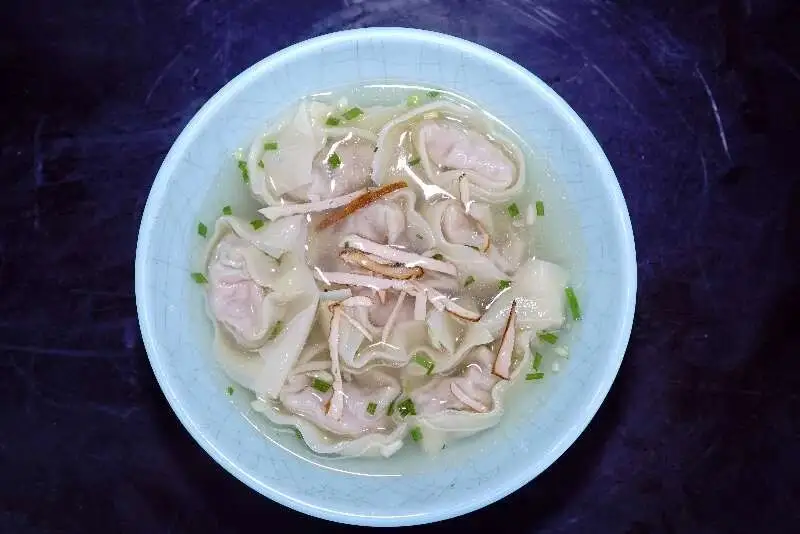
Thin-skinned wontons floating in a clear broth with seaweed and scallions are the most common sight on Rongxiang Old Street.
Small wontons on Rongxiang Old Street
Old shops here tend to have plain storefronts. The Rongxiang small wontons have skins so thin they're nearly translucent, a modest amount of filling, and a pure, fresh clear broth. Current prices and wait times depend on the day. Sitting down for a bowl feels like the warmth locals know from stopping by after school.
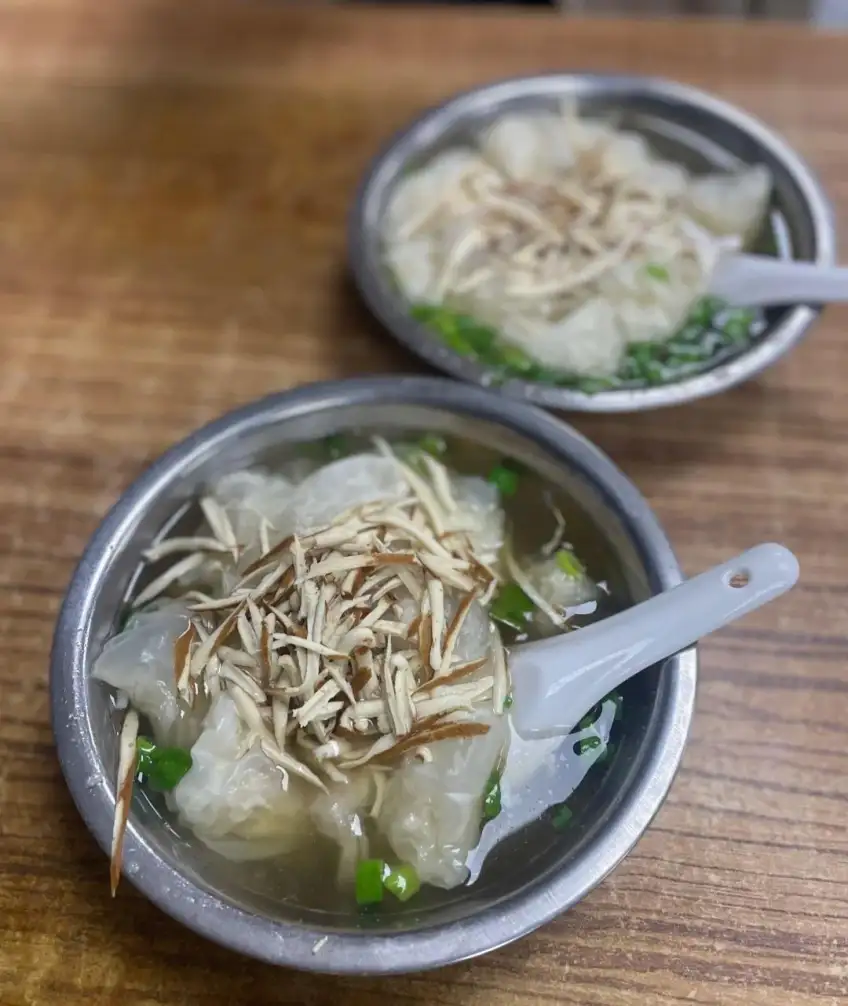
A thin, translucent wrapper is the giveaway; blow on it first before sipping to avoid burning your mouth.
Wuxi signature: sweet, savory, juicy xiaolongbao
Walking along Rongxiang's main street, you'll often pass old shops specializing in traditional soup dumplings, such as those near Xinxiang Snacks. Wuxi soup dumplings lean sweet and savory, with thin skins, tight pleats and plenty of juice—slightly different from the salty-savory Suzhou style.
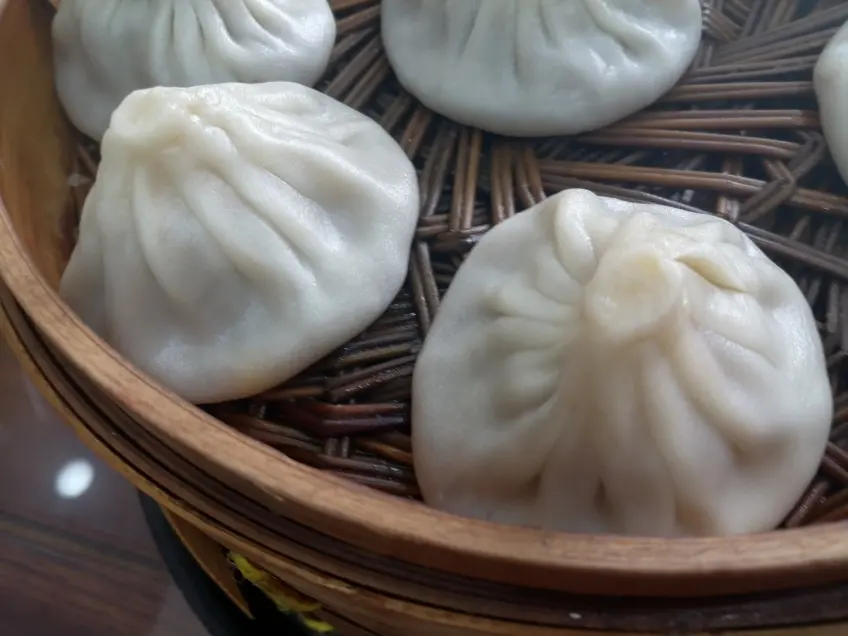
When the bamboo lid comes off, the steam reveals evenly pleated dumplings—one of the most recognizable local classics.
How to enjoy Wuxi xiaolongbao
How to eat: gently bite through the skin, sip the soup first, then eat the filling to avoid burns. Pairing it with warm soy milk is a popular local combo.
Artisan noodles: Xinwanxin silver thread noodles
If snacks aren't enough, try silver thread noodles: the dough is kneaded and stretched repeatedly until it's as fine as hair, white and chewy. Xinwanxin is a local favorite for silver thread noodles.
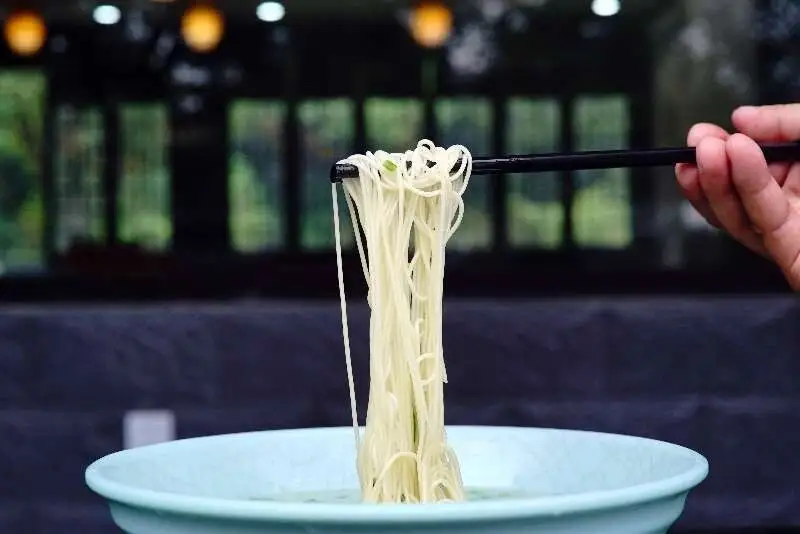
The shop's signature topping is often crispy eel, sweet and savory, offering a crunchy contrast to the silky silver-thread noodles.
What makes Xinwanxin yinsi noodles special
What sets it apart is that it doesn't rely on a rich broth for flavor, but on the chewy noodles complementing the toppings. In season, osmanthus sugar taro may be served as dessert to finish.
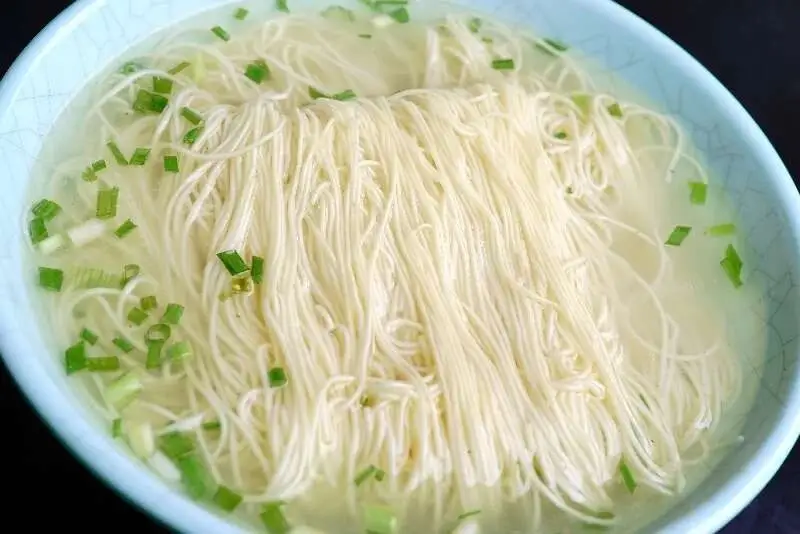
Hair-thin yet still chewy—a clear testament to the chef's skill. If you don't eat eel, you can swap it for vegetarian or other toppings.
Traditional Wuxi flavors: Afang rice cakes
Afang Pastry on Meiyuan Road sticks to handmade, old-school snacks. Its signature yulan bing has a chewy glutinous skin and a rich, savory pork filling that isn't greasy. Winter-only fillings change with the season—check in-store for what's available that day.
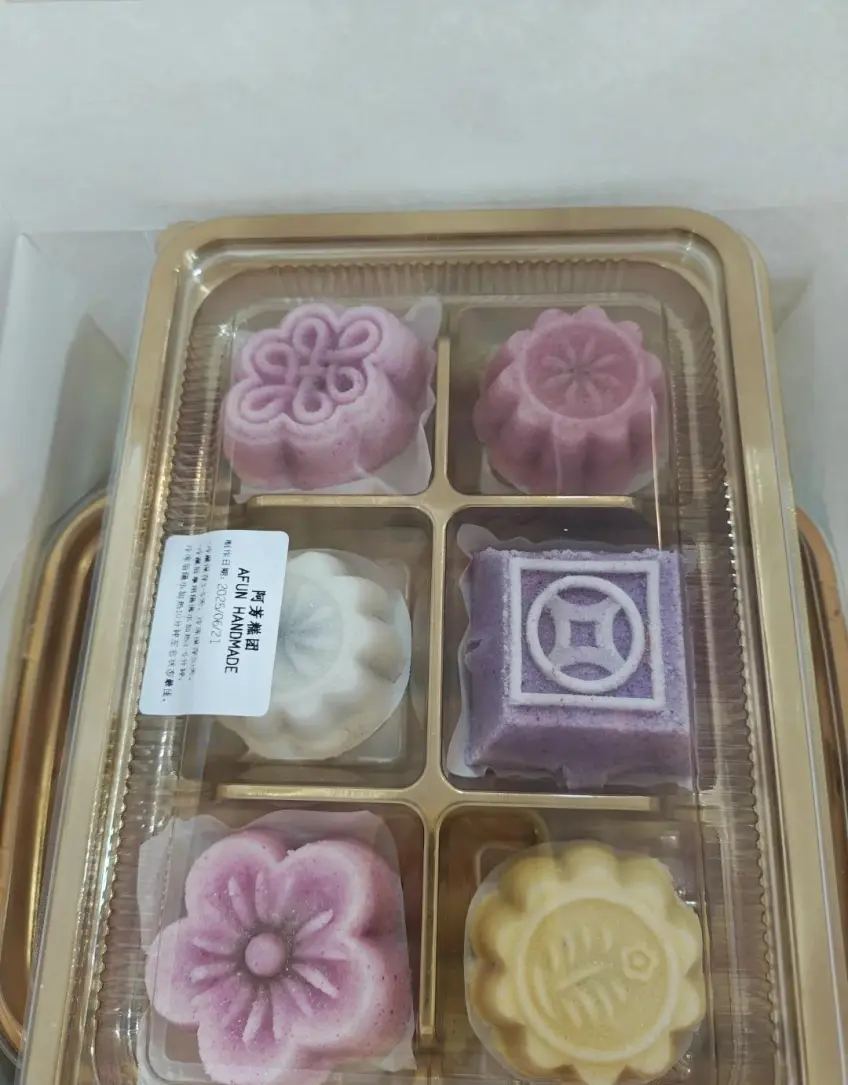
Assorted multi-colored rice cake boxes are a common display in the shop; items like Yulan pancakes are often included, so keep them warm and avoid crushing when packing.
Souvenirs: Mu Guiying sweet taro
To take a taste of Jiangnan home, Mu Guiying Sugar Taro is a popular choice: taro slow-cooked in brown sugar, creamy without being too sweet. Other Wuxi specialties include Huishan sesame cakes and clear-water fried gluten puffs. Portability and shelf life depend on the packaging.
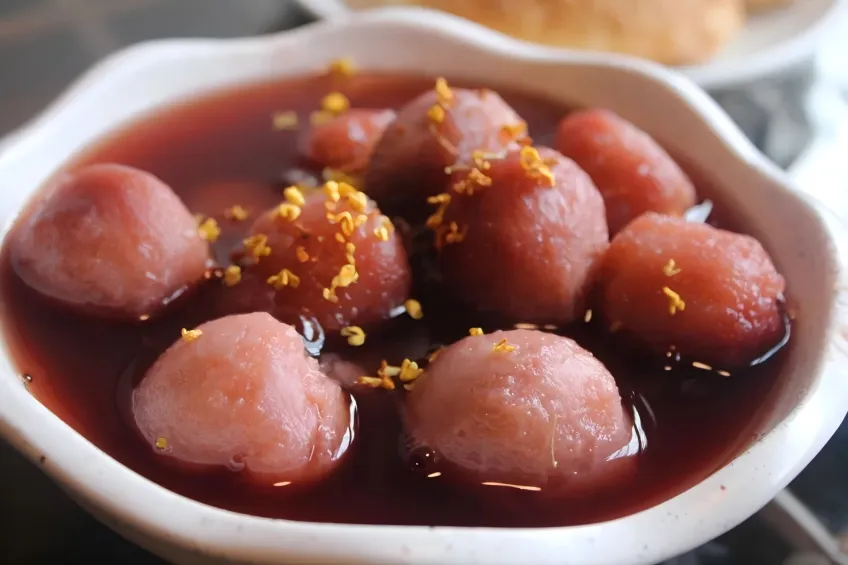
Dine-in orders are mostly served as bowl-style osmanthus sugar taro; if you'd like boxed ones as a souvenir, please confirm the packaging size at the shop.
Wuxi flavors to take home
Sweet taro is also a local winter comfort food, great for yourself or as a gift. Check for allergens before buying. For an overview of attractions, see our Wuxi attractions guide.
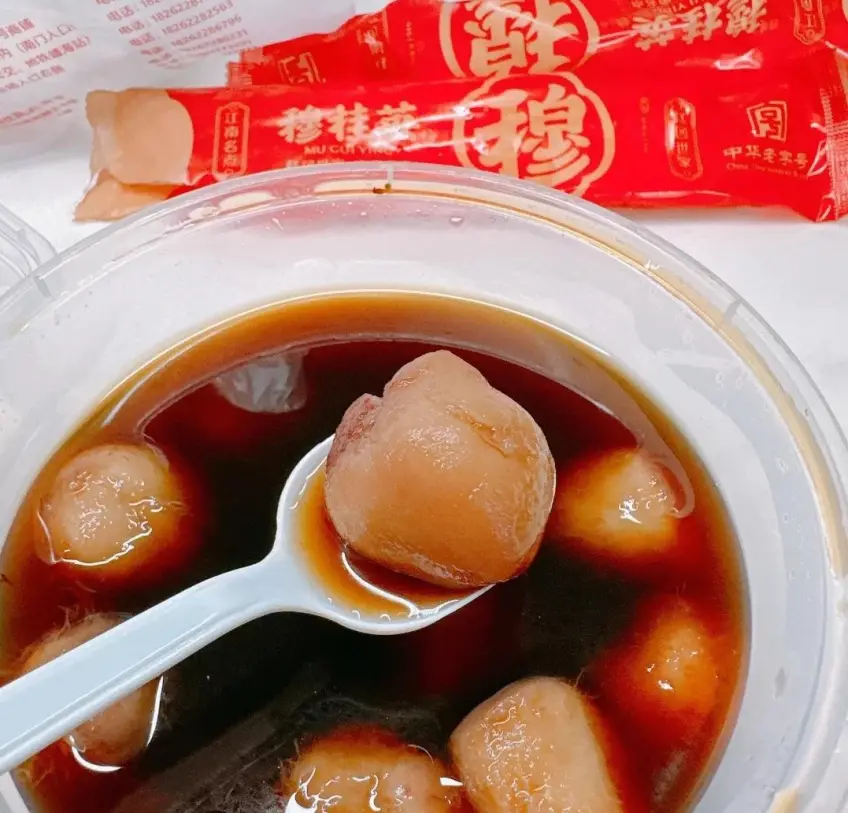
The soft, brown sugar color is how you recognize the finished product; it's best eaten soon after opening.
Taihu Hotel: a refined finale of Wuxi cuisine
Wrap up your food tour at Taihu Hotel by Lake Tai: a garden-style hotel offering a quiet retreat from the bustle, with private dining rooms overlooking the lake. Reservations, menus and current prices are subject to the hotel's information on the day.

The exterior has a distinct garden feel—confirm the entrance and parking before taking your seat.
How to order Wuxi cuisine
Classics like Wuxi braised pork ribs, sizzling eel, steamed whitefish and Lake Tai silver fish balance rich, savory sauces with fresh sweetness. Let them know in advance if you don't eat sweets or seafood.
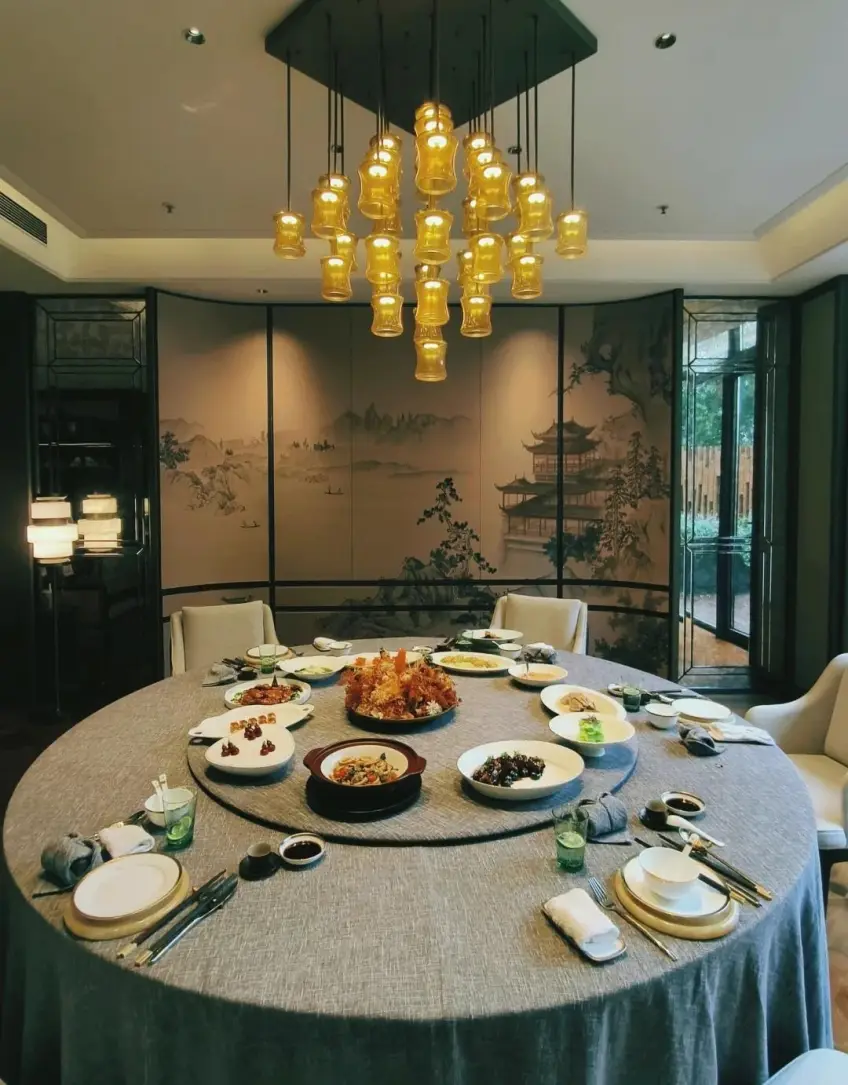
Wuxi dishes served at a round banquet table with a lazy Susan are the perfect finale to a full meal.

The video is for reference only. Actual dishes and decor may vary.
Jiangnan flavors hidden in Wuxi
If you want more, spend a night at the Taihu Hotel: open the window to lake views, stroll along the embankment by day, and reminisce about the Wuxi Plum Garden and Rongxiang Lane by night. Room types and price differences for lake-view rooms are subject to the hotel's posted rates on the day.

The lake-view windows in the guest rooms make a perfect end to a slow-paced trip.
Create a custom Wuxi food tour
To experience a different side of Wuxi: customize an eating-and-exploring route based on the season and your tastes. What to eat after leaving Plum Garden, where to rest on the old street, which spot to view the lake at night—leave it all to our travel consultants.
Prices, business hours, and locations mentioned in this article may change. Please double-check before placing an order.