

When visiting Shanghai, don't just chase the viral spots if you want to truly taste the city. The real traditional Shanghai food hides in street-side breakfast stalls, time-honored dim sum windows, and local Benbang eateries—where the sizzle beats any photo op.
Whether you arrive at Hongqiao, Pudong, or a train station, book airport/train station transfers first to drop off your bags before hitting the food spots. Use a private car to hop between alleys and save your legs. To sample Benbang cuisine and street snacks in one day, check out a group tour; to hear the stories behind the dishes and spot heritage shops, add a private guide. You can also arrange a custom private tour tailored to your tastes.
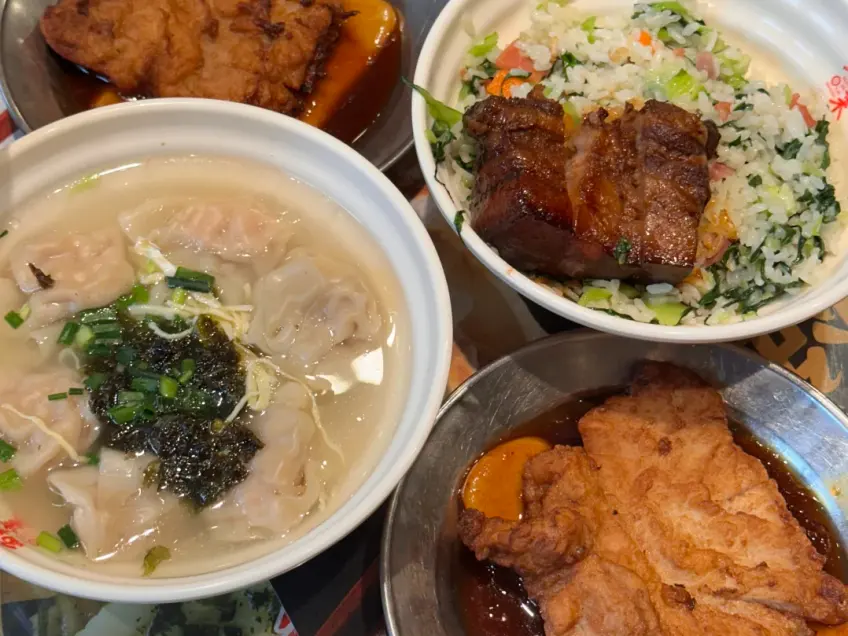
This table of Benbang hot dishes on the cover—wontons, vegetable rice with braised pork belly, and a fried pork chop—is your first glimpse of everyday Shanghai life.
Must-try breakfasts when visiting Shanghai
Many visitors to Shanghai look for the most famous, beautifully decorated Instagram-worthy spots to try local food. But the truly authentic flavors are mostly found in early-opening breakfast stalls and neighborhood eateries that have been around for decades. Locals rely on these foods in their daily lives. They've grown alongside the city over the years, witnessing streets being renovated and accompanying generation after generation.
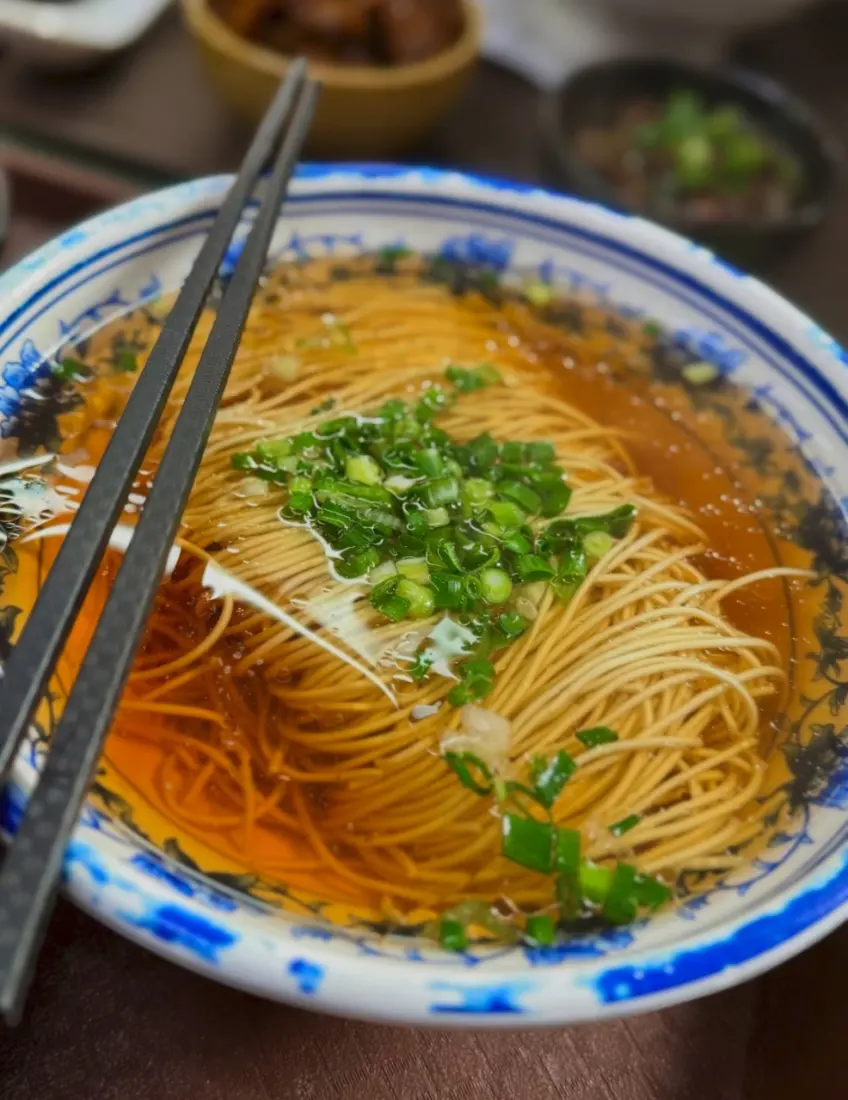
Clear broth Yangchun noodles are the most authentic foundation of a Shanghai breakfast—minimal toppings, clear soup, and springy noodles.
The most comforting bowl of noodles for Shanghai locals
First up is Yangchun noodles, arguably the most comforting bowl of noodles for Shanghai locals and the purest form of local noodle dishes. Elsewhere, noodles come loaded with various toppings and meats in endless varieties. Yangchun noodles take the opposite approach, stripping away all extra ingredients to leave just clear broth and thin noodles—simple as it gets. This seemingly plain bowl holds long-standing local habits: light but never bland, perfectly balanced without excess, hitting just the right note.
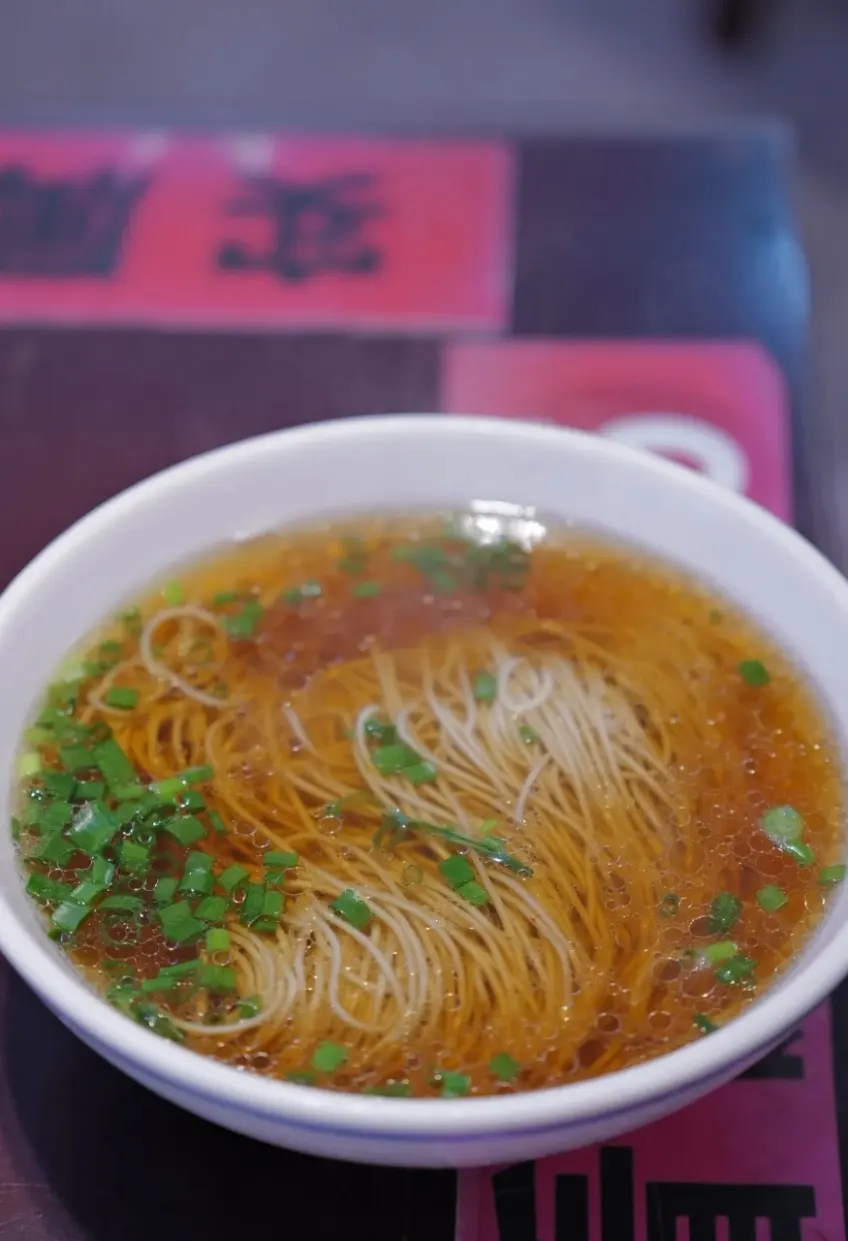
Heading out to work in the early morning, you sit down at a roadside breakfast stall and order a bowl of Yangchun noodles. The steam carries a faint wheat aroma, and as it goes down, your whole body instantly relaxes. After a late night of overtime, a small noodle shop on the street glows with warm light; one hot bowl slowly eases away the fatigue of the day. This bowl of noodles isn't flashy, but it's deeply rooted in local life. People here have eaten it since childhood, and no matter how far they travel, they always come back for another bowl. It's a flavor etched into everyday life.
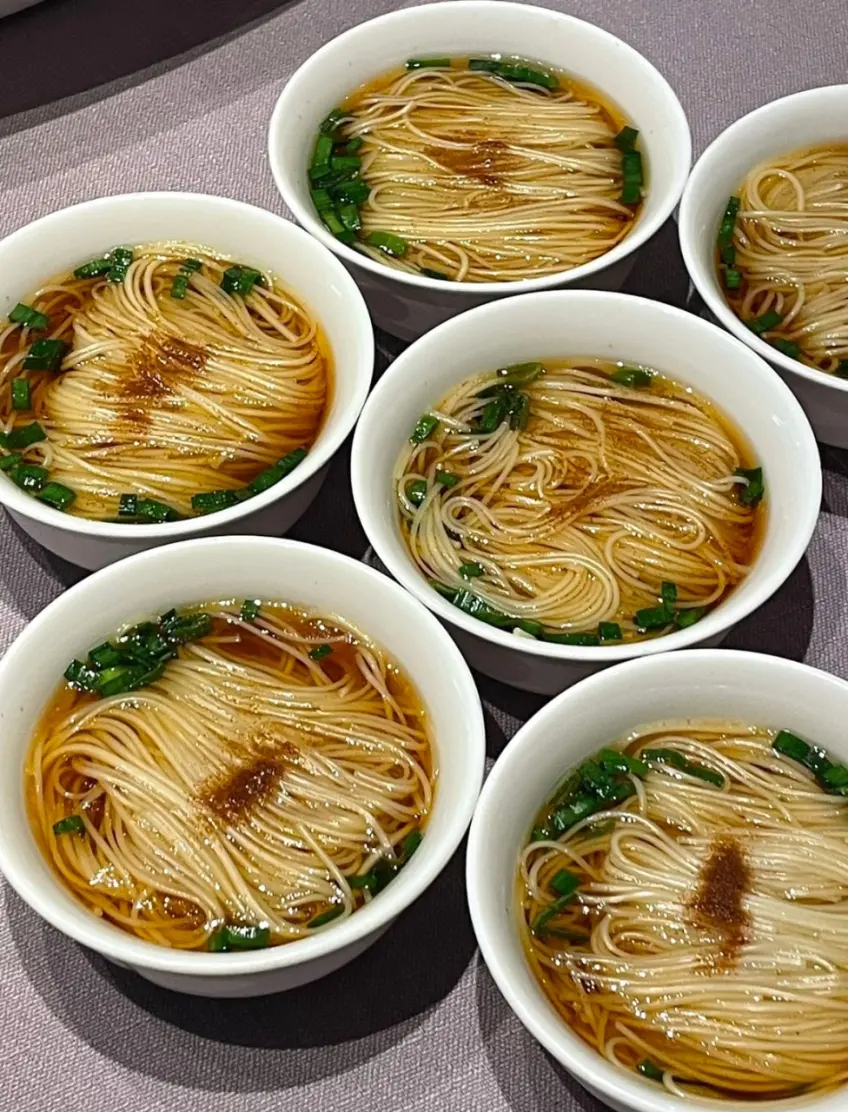
Six bowls of Yangchun noodles lined up in a row—the magic lies in the clean broth, not heavy seasonings.
Shanghai's savory soy milk
A Shanghai morning isn't complete without a bowl of savory soy milk anchoring the neighborhood's breakfast buzz. It's one of the most distinctive items on the local breakfast menu. While most places prefer sweet soy milk, Shanghai has its own way: lightly seasoned and savory, rich yet refreshing, never cloying. Freshly poured and still warm, paired with youtiao (fried dough sticks), baozi (steamed buns) or cìfàn (sticky rice rolls), enjoyed slowly at a small table by the street—this is the most ordinary and most authentic Shanghai morning routine. Walk the streets at dawn and you'll catch the scent drifting from breakfast stalls, passersby sipping from porcelain bowls. It's an unassuming scene, full of everyday charm.
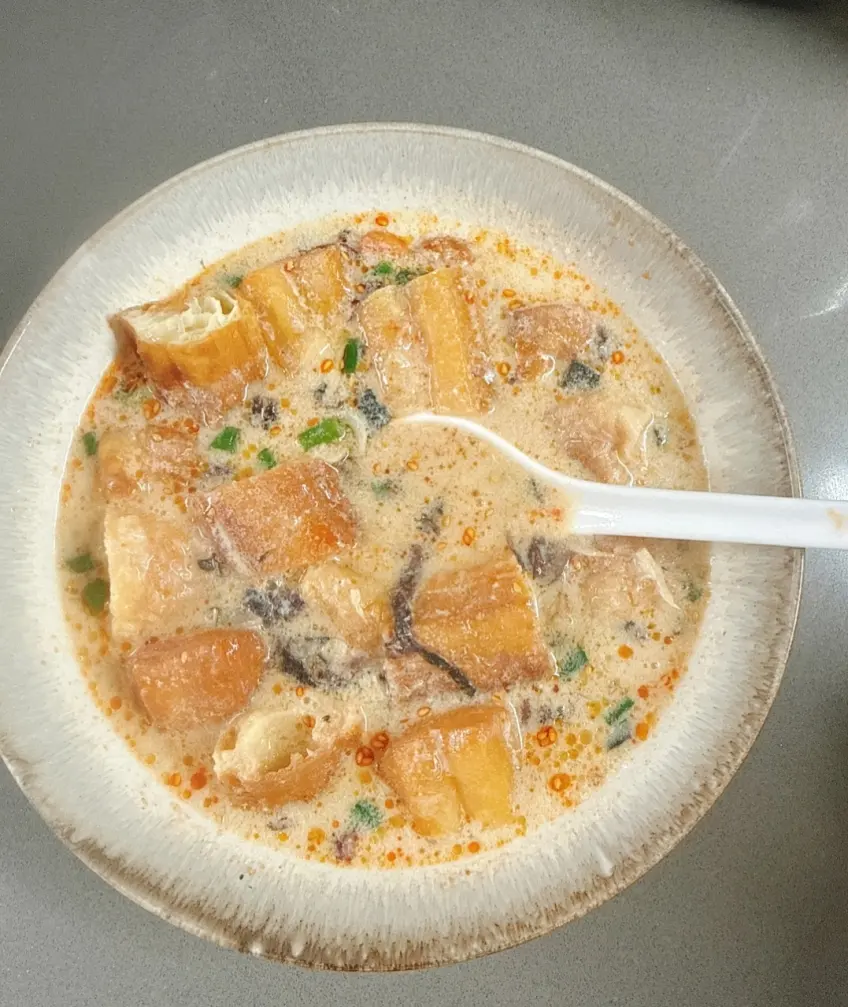
A bowl of savory soy milk is one of the most recognizable flavors of a Shanghai morning, often paired with the "Four Heavenly Kings" of local breakfasts.
Shanghai travel perks
To avoid tourist traps and eat at the old shops locals love, use a group tour to link breakfast spots with backstreets; for stories behind Benbang cuisine, hiring a private guide is even better.
[Shanghai Shanghai Day Tour] Oriental Pearl Tower, Yu Garden & Soong Ching Ling's Former Residence – No Shopping
[Thoughtful Service] Dedicated vehicle models and East China drivers with years of safe driving experience for a worry-free trip! [No Shopping Stops] A no-shopping quality group tour for a pure travel experience—one trip, memories for a lifetime! [Bonus] One bottle of branded mineral water per person per day!
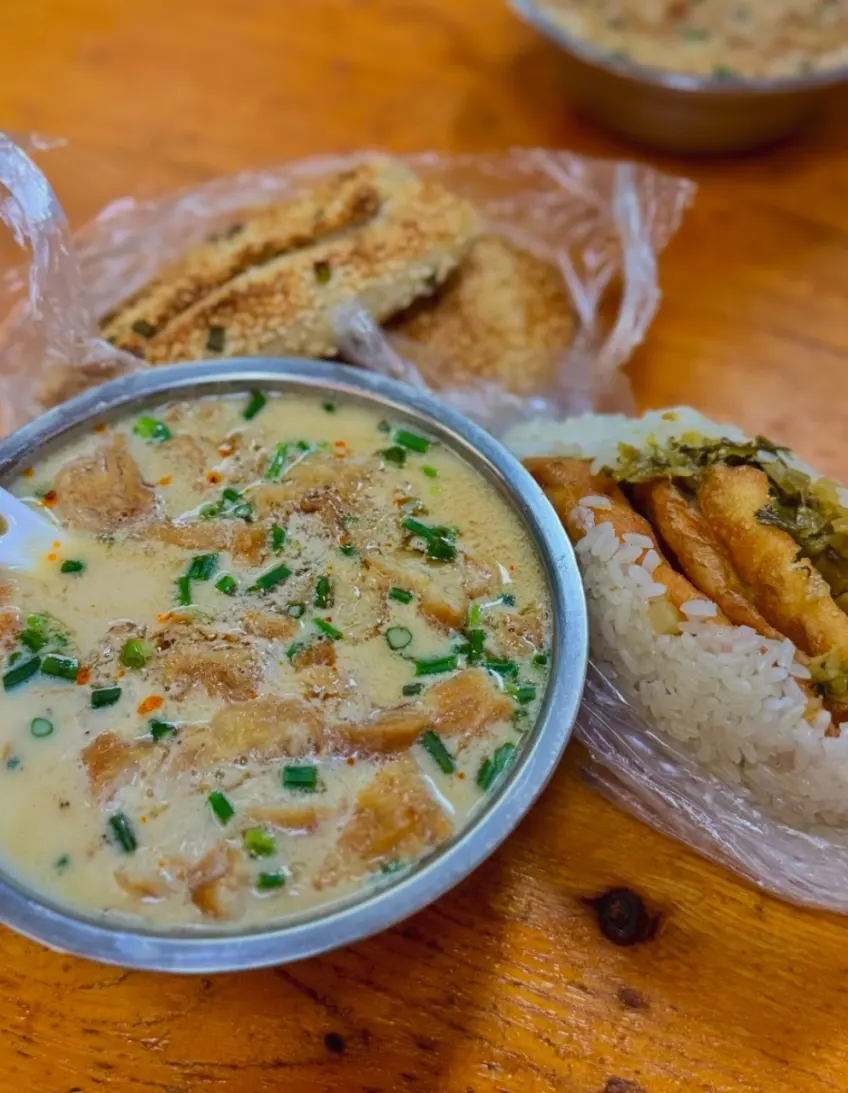
Youtiao, cifan gao and savory soy milk together complete the classic street breakfast scene.
Shengjian bao you must try when visiting Shanghai
Shengjian (pan-fried pork buns) are everywhere on the streets of Shanghai and an essential local snack, so be sure to try them when you visit—especially at Da Hu Chun.
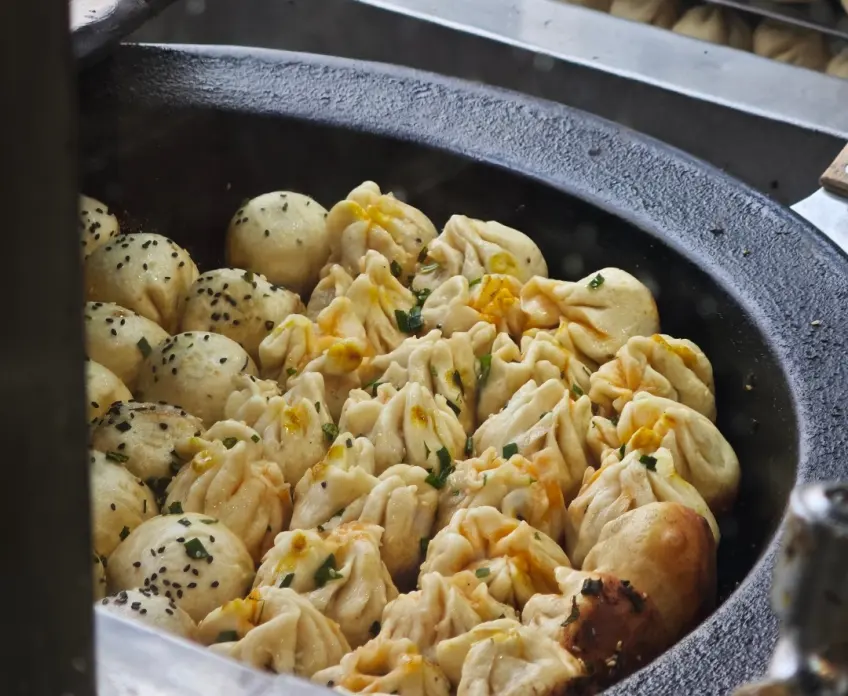
Shengjian bao offer two completely different textures: a crispy pan-fried bottom and a soft, fluffy dough on top, with a generous filling that delivers a perfectly balanced flavor in every bite. Over the decades, the recipe has barely changed. First sold at old-style lilong alleyway stalls and later moving into modern shops, the taste has stayed true to its roots. Visitors to Shanghai almost always put shengjian on their must-eat list, while locals often grab a few portions just to satisfy a craving. Much of the city's street food charm comes down to these sizzling buns.
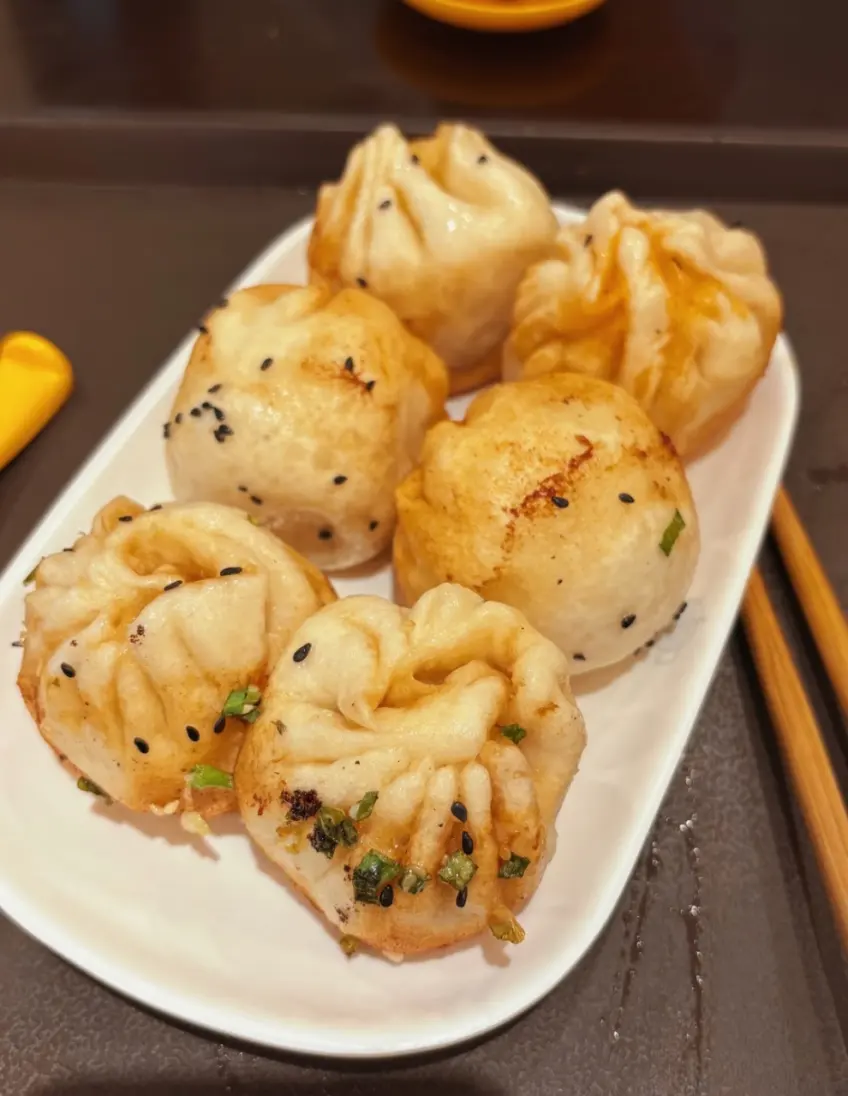
Served on a plate, the pan-fried buns are juicy with visible filling—crispy bottoms, soft skins, and plenty of broth. You can taste every layer in one bite.
Shanghai's paigu niangao
Paigu niangao (pork chop with rice cakes) holds childhood memories for many older Shanghai residents. Once found at street stalls everywhere, it remains a beloved favorite today. Tender, flavorful pork chops paired with soft, chewy rice cakes create a rich, savory taste that slowly unfolds in your mouth—hearty without being heavy.
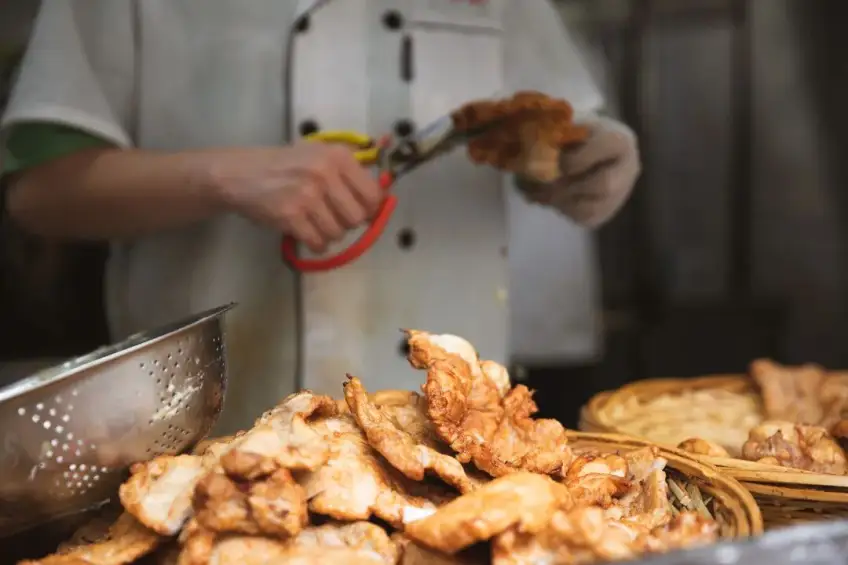
The city has been constantly reinventing itself over the years, and roadside stalls have slowly turned into proper storefronts, but the flavor of pork chop with rice cake has stayed the same. Tested by generation after generation, it still wins plenty of fans. It carries a strong sense of nostalgia and holds the simple, everyday warmth of the old town. One bite, and you'll remember this nostalgic taste of Shanghai.
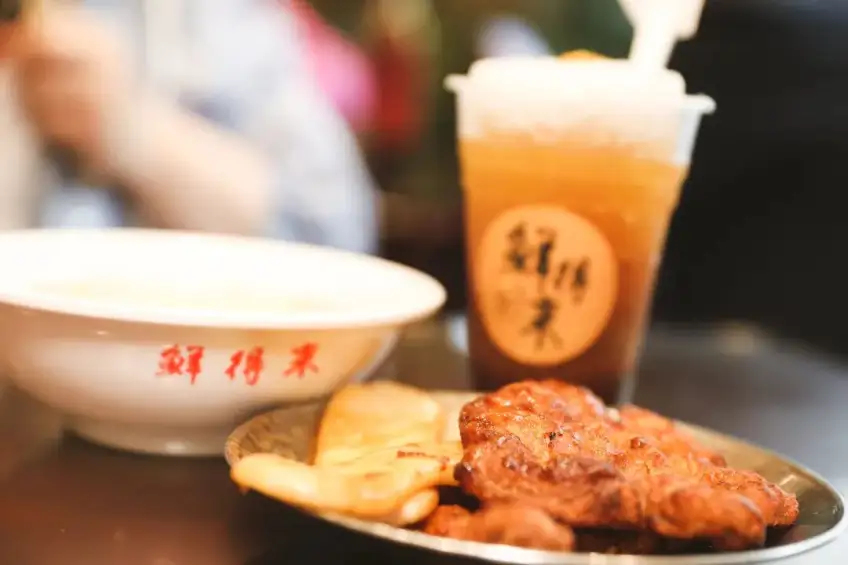
Pork chop and rice cakes pair crispy-tender pork chops with chewy rice cakes on one plate—a taste of old Shanghai childhood.
Recommended Shanghai snacks
Cifan gao (fried glutinous rice cake) holds a special place among Shanghai snacks. The ingredients are simple, yet the taste is unforgettable. Made entirely from glutinous rice, it's shaped and deep-fried until the outside turns crisp while the inside stays soft and chewy—absolutely fragrant. No complicated seasonings are added; it relies purely on the natural flavor of the rice, perfectly matching Shanghai's preference for light, delicate food.
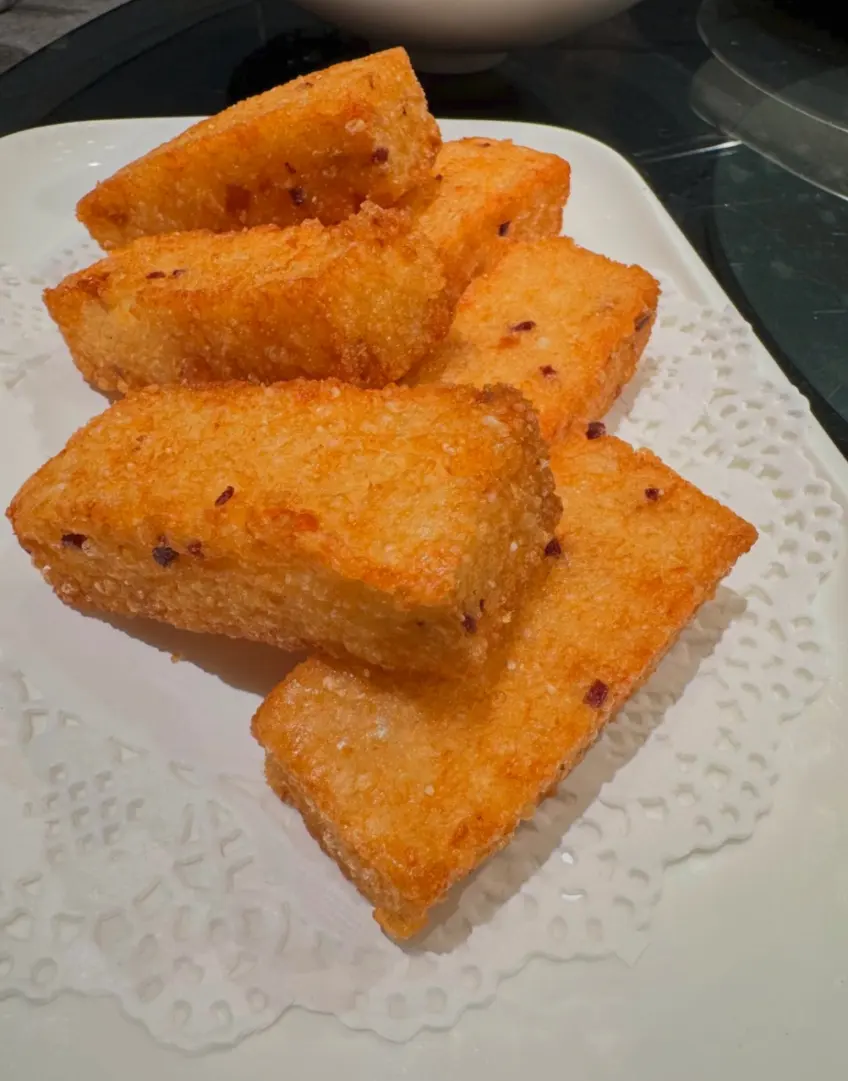
In the early morning at a small stall at the entrance of a longtang alley, golden blocks of cifan gao are neatly lined up, and the aroma of hot oil drifts far down the street. Passersby always stop to buy one, eating as they walk. Simple as it is, this is the most authentic morning vibe of the city.
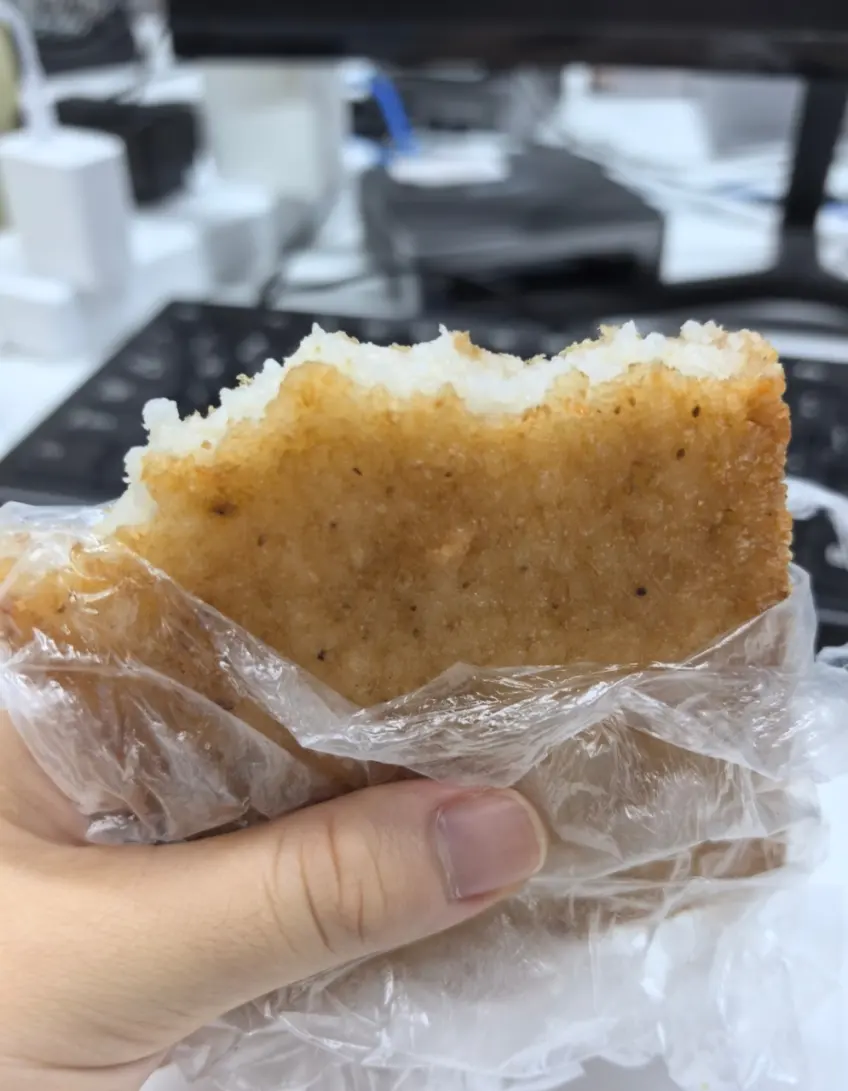
Cifan gao (fried sticky rice cake) is crispy outside and chewy inside. Bite into it and you'll see the dense sticky rice center—unforgettable.
Shanghai Travel Perks
If you only check off The Bund and Yu Garden, you'll easily miss the authentic Benbang flavors hidden deep in the alleys. For hopping between multiple spots, prioritize a private car, or simply book a custom private tour to plan your route around your tastes.
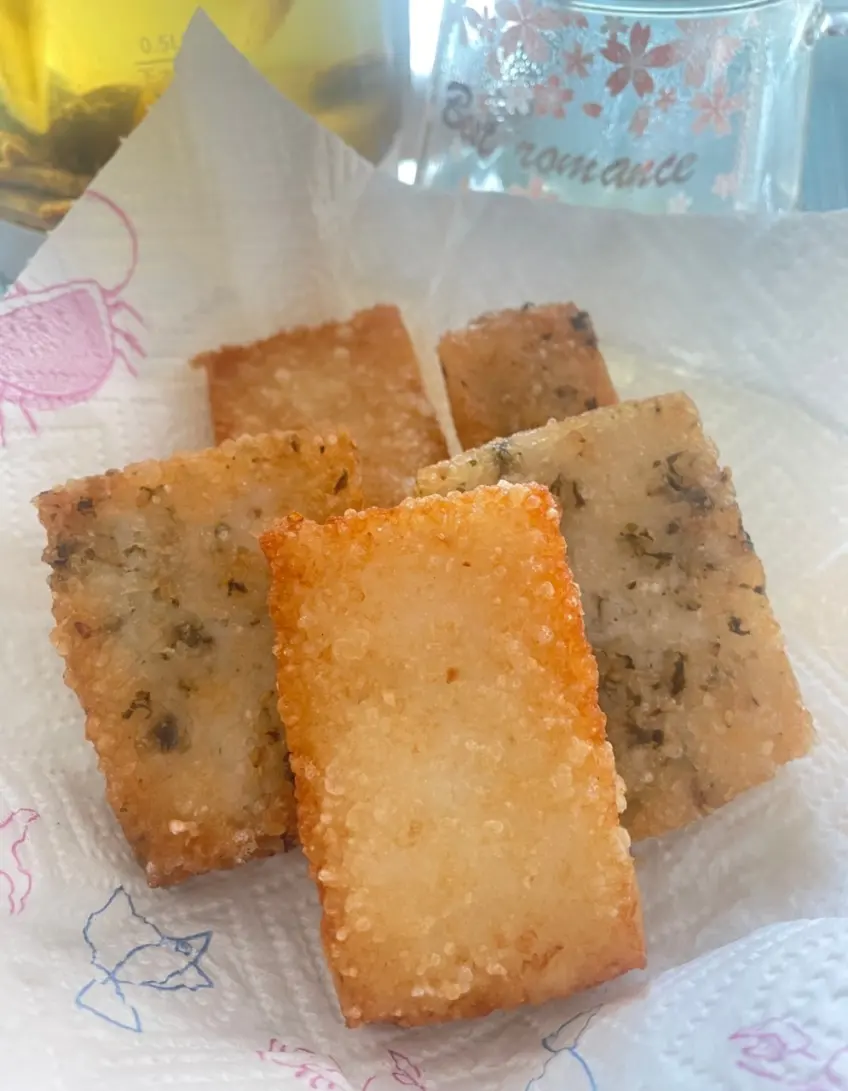
Build your route around old-school snack shops, local Shanghai-cuisine restaurants, and century-old pastry houses, and skip the crowded influencer-only spots. If you need someone to show you the way, hiring a private guide or joining a group tour is much easier. Store addresses, wait times, and opening hours are subject to on-site conditions.
Crab Roe Noodles: A Must-Try Autumn Dish in Shanghai
When autumn arrives, crab roe noodles become a one-of-a-kind treat among Shanghai's noodle dishes—a delicacy you can only enjoy during this limited season.
The waterways of Jiangnan yield incredibly fresh seafood. Stirring crab roe into noodles brings out the natural sweetness of the ingredients, creating a mellow taste without heavy seasoning masking the original flavor. Unlike many heavily seasoned noodle dishes, crab roe noodles let the ingredients speak for themselves: silky noodles, delicate roe, and the natural umami gifted by the waters in every bite. As the seasons turn and the autumn breeze picks up, gathering friends for a bowl of crab roe noodles is Shanghai locals' unique ritual for welcoming fall—gentle and full of seasonal charm.
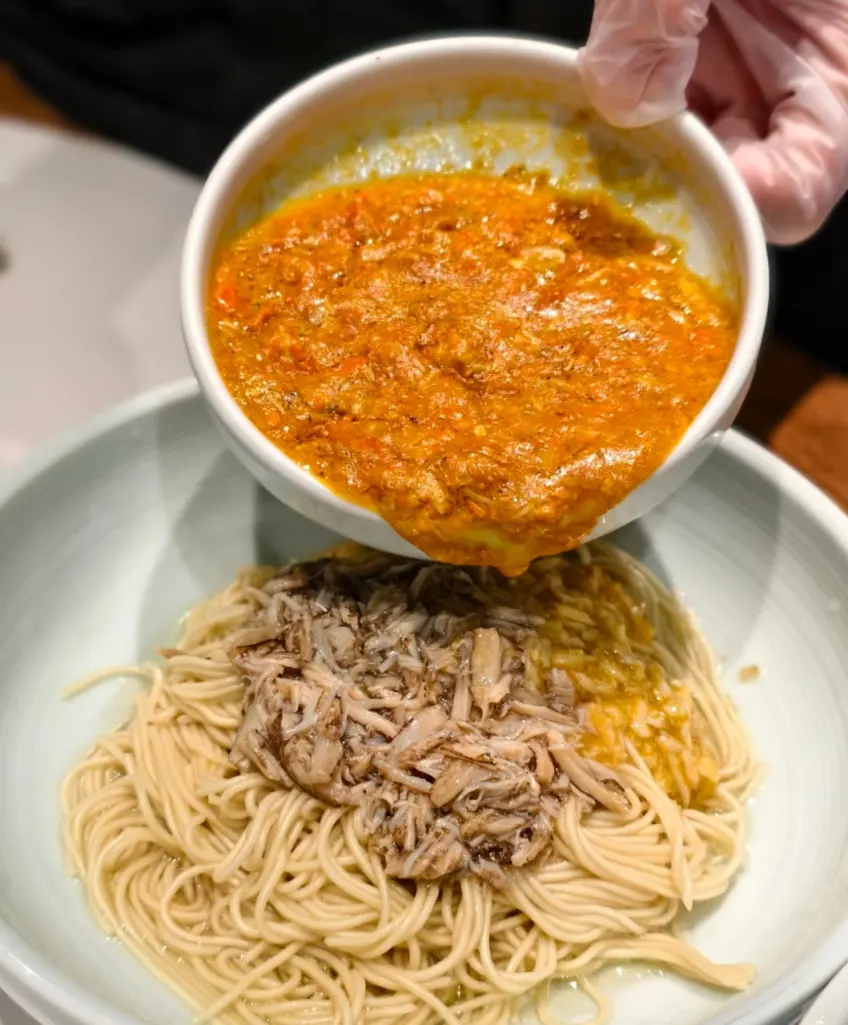
In autumn, crab roe noodles topped with rich crab roe sauce are a seasonal treat among Shanghai's noodle dishes.
Recommended Shendacheng Pastries in Shanghai
Among Shanghai's many old-school pastry shops, Shendacheng has been a part of locals' lives for over a century. Its wide variety of soft, chewy pastries perfectly preserves the delicate texture unique to Jiangnan snacks, making them a go-to everyday treat and a popular souvenir.
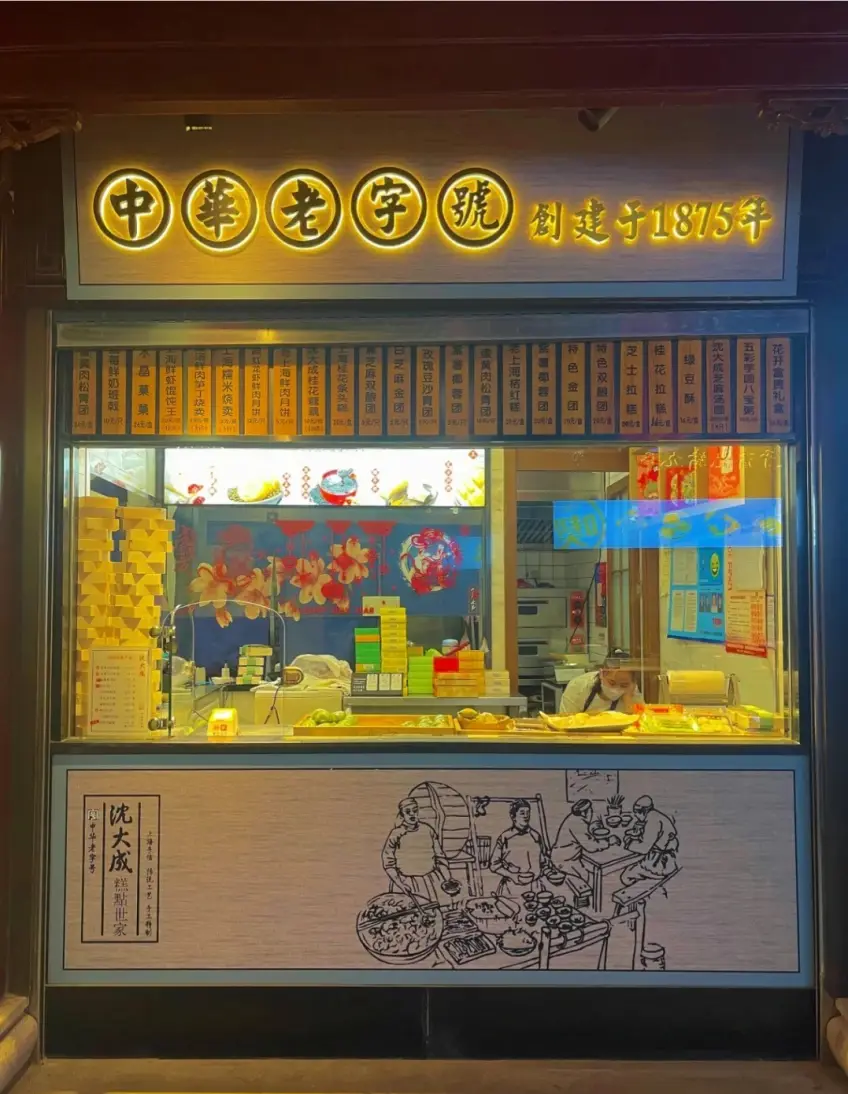
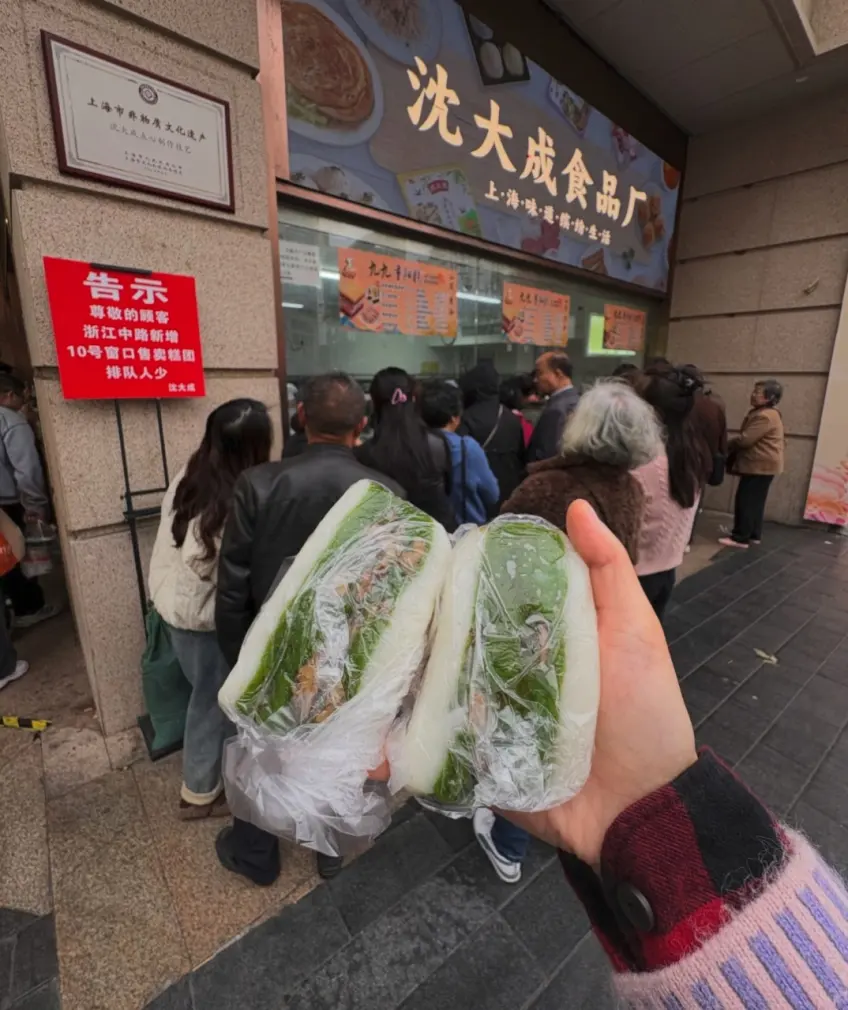
Shendacheng is a China Time-honored Brand pastry shop whose takeout window stays lit late into the night year-round.
Classic Shendacheng Pastries
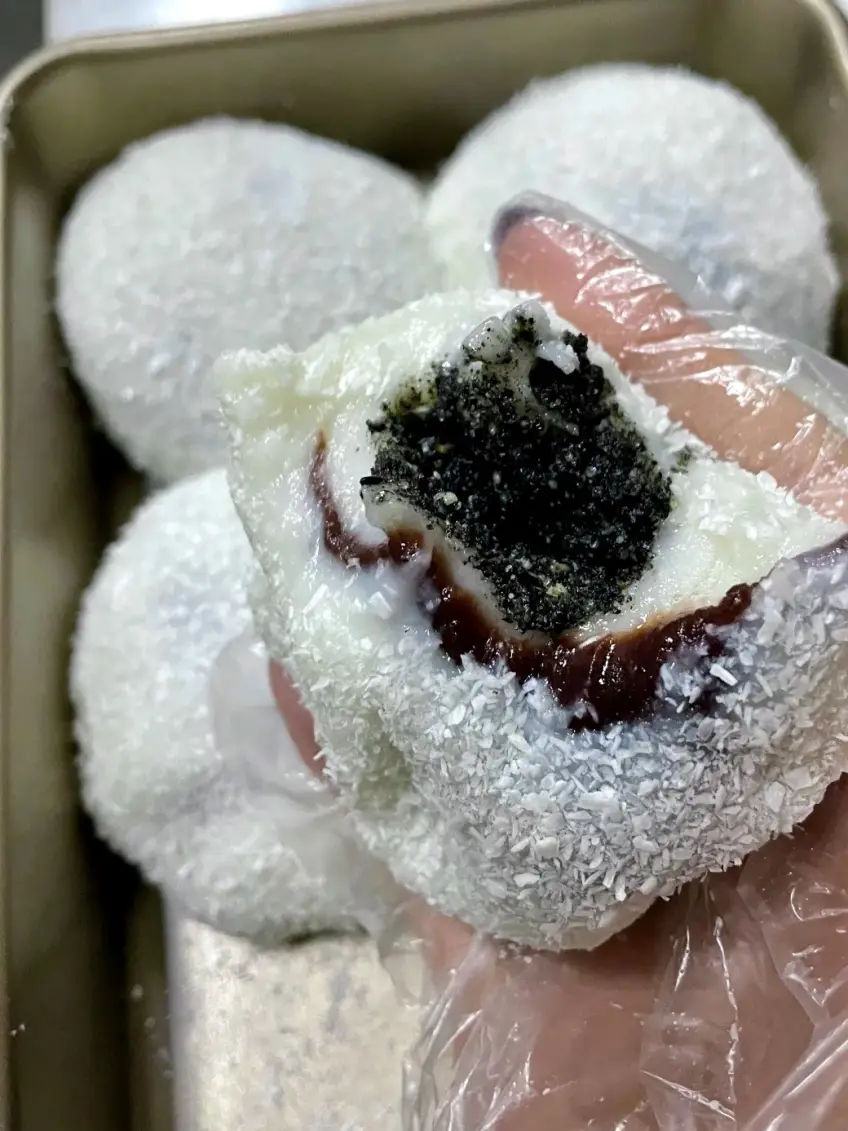
The Shuangniang Tuan is their signature item. A soft, chewy glutinous rice shell coated in shredded coconut wraps a double filling of red bean paste and black sesame. It's warm, tender, and just sweet enough without being cloying.
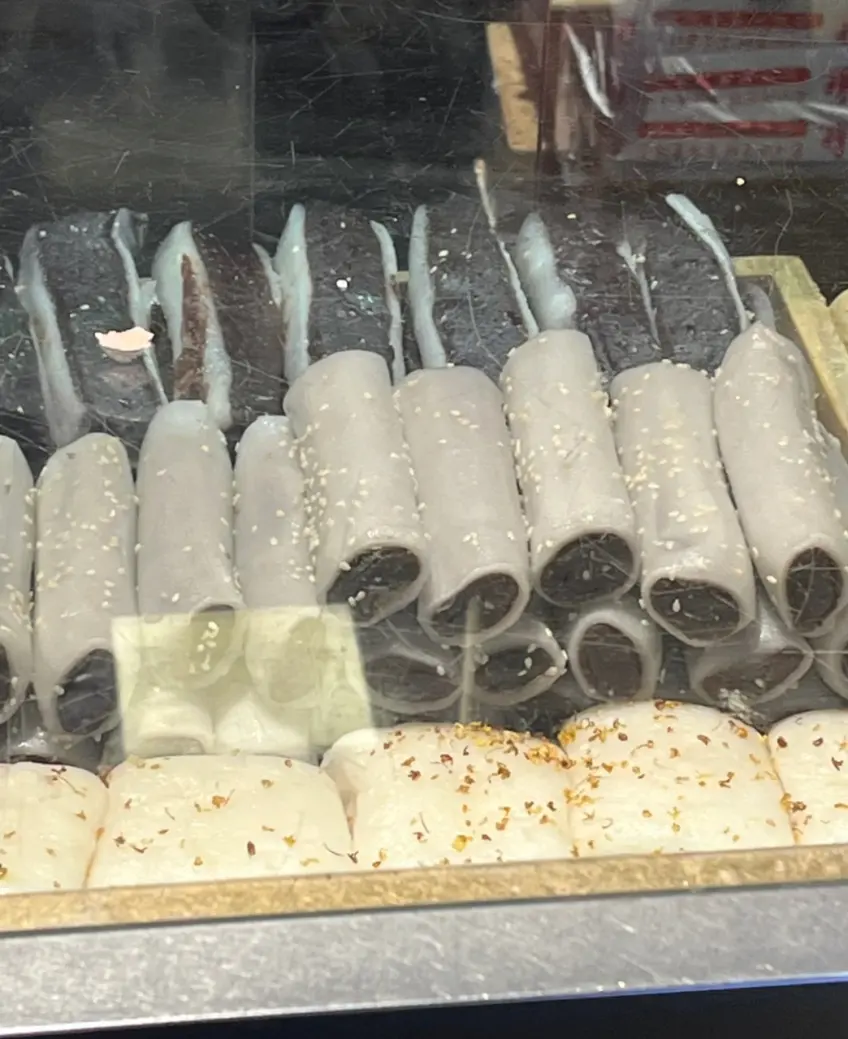
Tiaotou Gao is a long, glutinous rice cake topped with dried osmanthus flowers and filled with smooth red bean paste. Generously stuffed with a hint of osmanthus fragrance, it's soft, chewy, doesn't stick to your teeth, and pleasantly sweet.
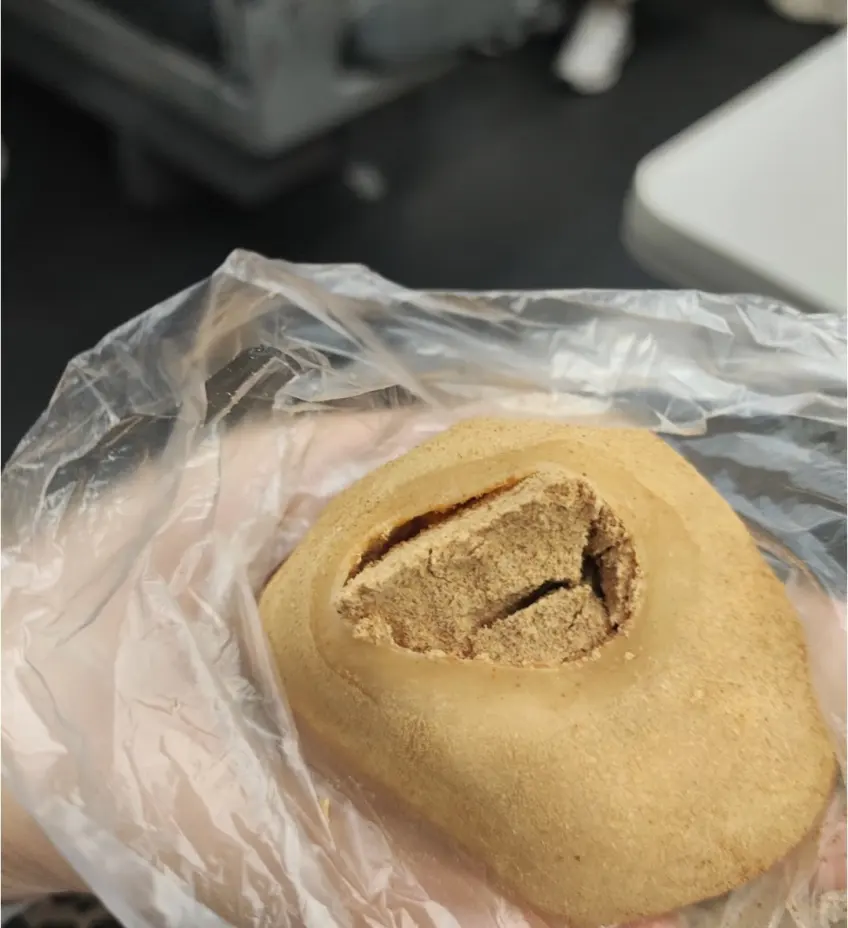
Jintuan is coated in soybean powder with a rich bean aroma. The cake is dense and chewy with a slightly dry texture, making it even better when paired with tea.
Qingtuan sells well year-round, with a soft green juice-infused outer layer. The salted egg yolk and pork floss version is savory and flavorful, while the traditional red bean paste version is smooth and lightly sweet, catering to different tastes. The mung bean cake has a fine, melt-in-your-mouth texture with a pure mung bean aroma and refreshing sweetness—best enjoyed chilled.
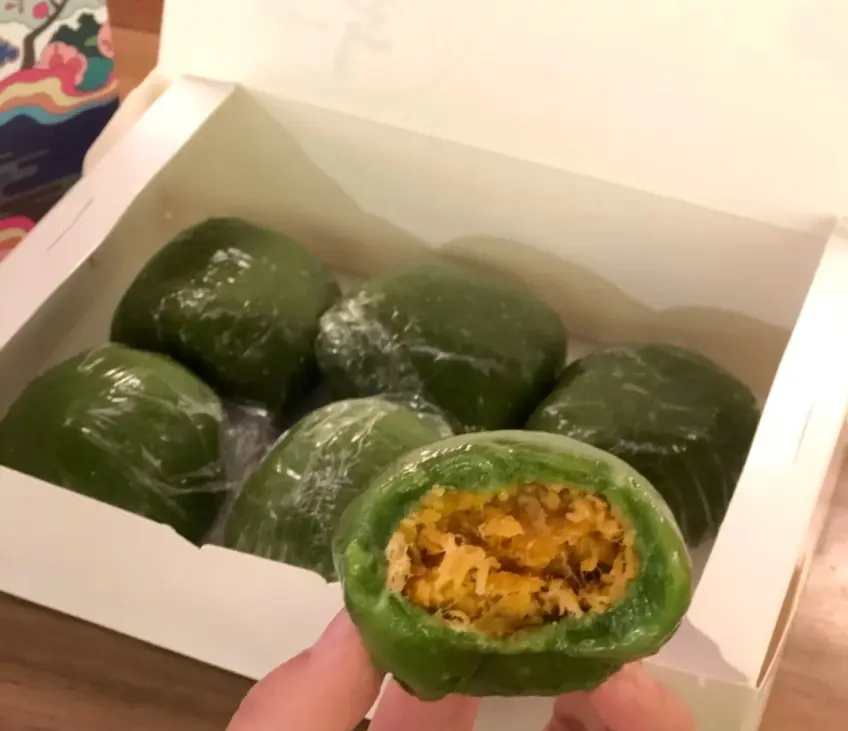
Qingtuan sells well year-round. Choose the savory salted egg yolk and pork floss version or the sweet red bean paste one based on your taste.
New Shendacheng pastry recommendations
There's always a line outside Shendacheng of people holding up qingtuan for photos. Inside, you'll also find summer specials like mint walnut cake—two-tone sticky rice that stretches when pulled, filled with crunchy walnuts and a refreshing mint coolness. New items and service windows vary by day and store.
The cream mint mung bean ice looks like a petite dessert, with a fluffy cream topping over a grainy mung bean filling. Its refreshing mint flavor makes it perfect for beating the summer heat.
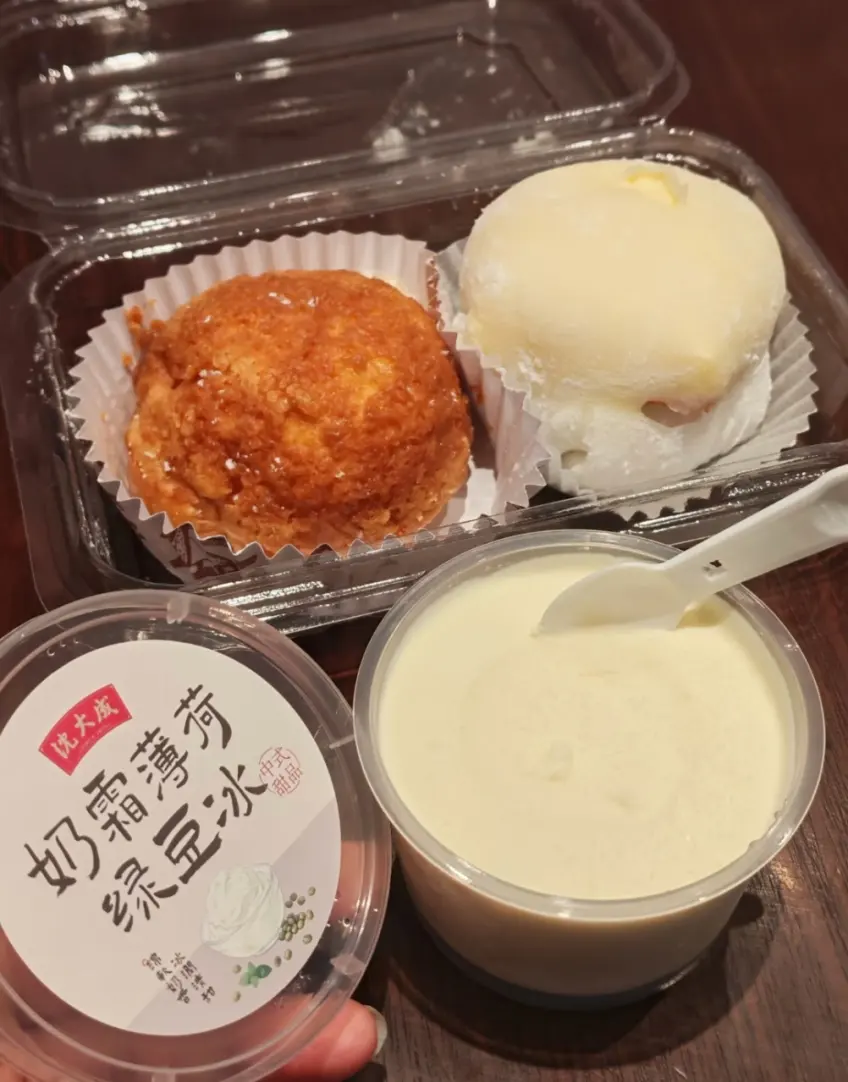
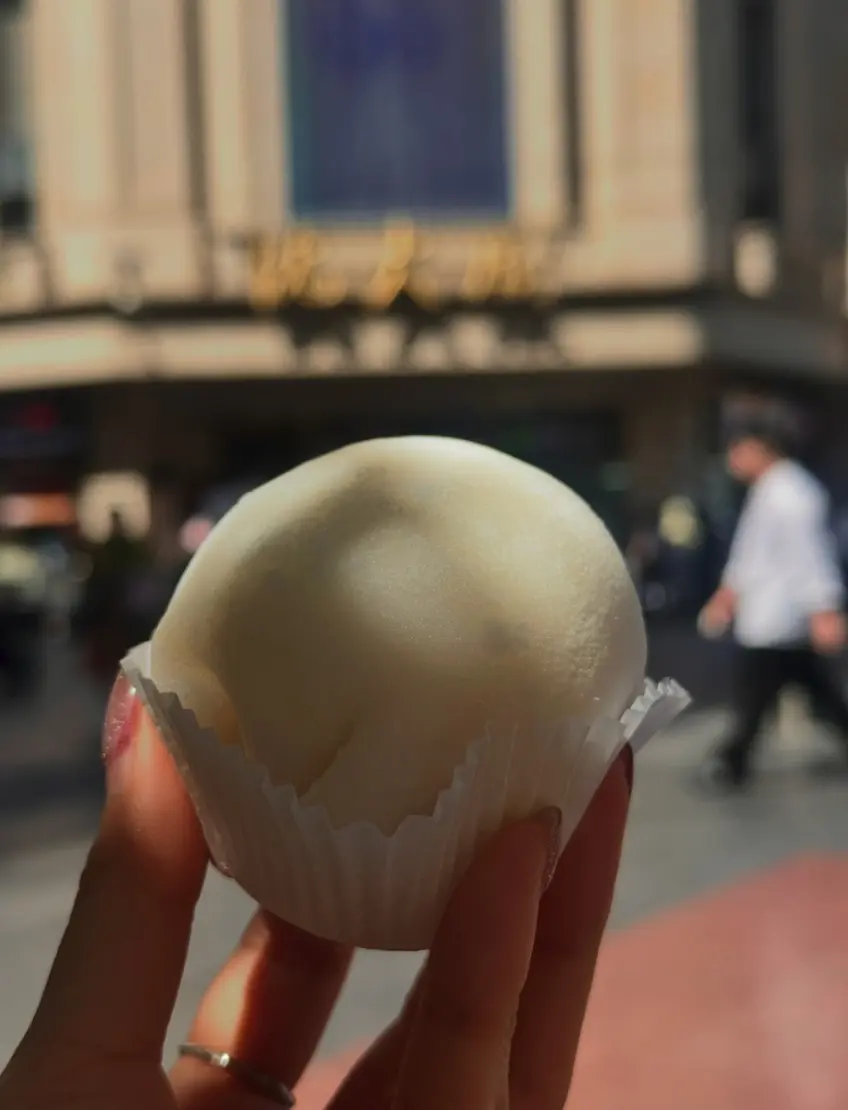
The Xuefu lemon cheese crepe has a soft, chewy skin and a filling with a perfect sweet-and-sour balance of lemon and cheese. It's light and refreshing, making it a great choice even if you don't have a sweet tooth.
The vanilla crispy cream puff features a toasted, crunchy shell filled with rich vanilla cream. It's milky and flavorful without being greasy, offering layers of texture in every bite.
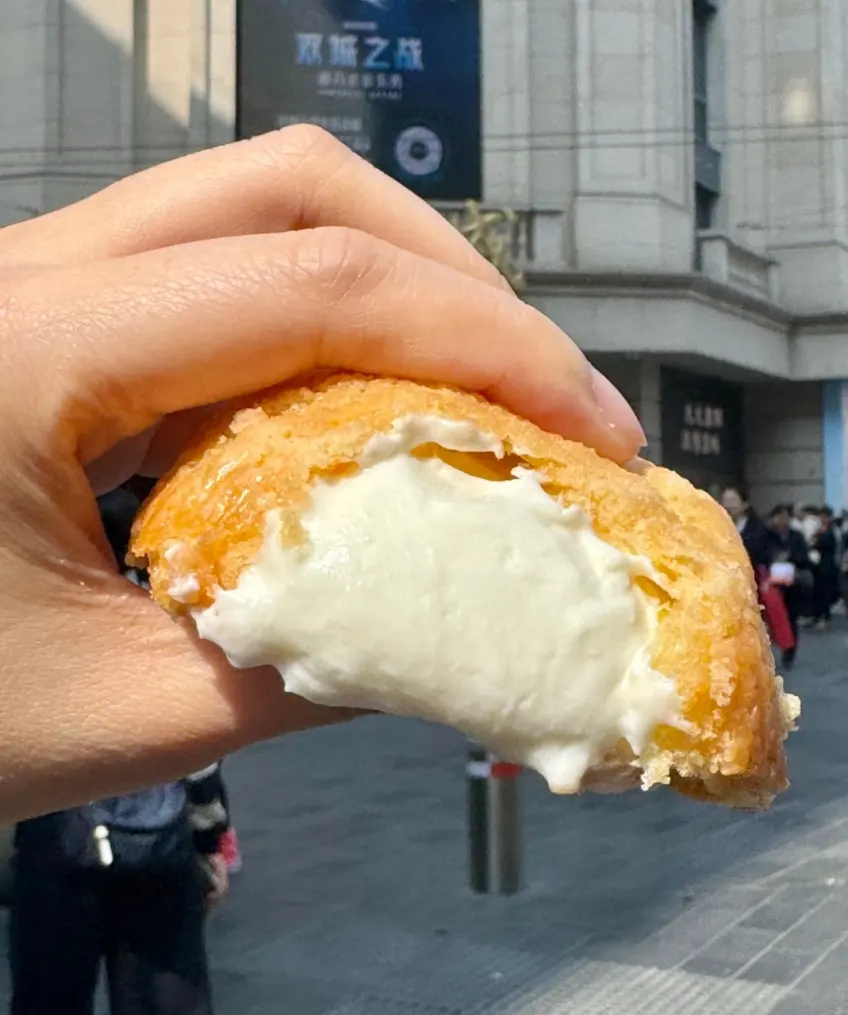
The crispy milk puff is crisp on the outside and soft inside, with a generous cream filling. It's one of the most popular new items at Shendacheng.
Tips for buying Shendacheng pastries
Your best bet is the East Nanjing Road flagship store, where everything is made and steamed fresh for the best flavor—eat it while it's hot. Window No. 8 on the side usually has shorter lines, so you'll save time. Glutinous rice cakes like these harden as they cool, so when you get home, steam them over water for three to five minutes to bring back that soft, chewy texture.
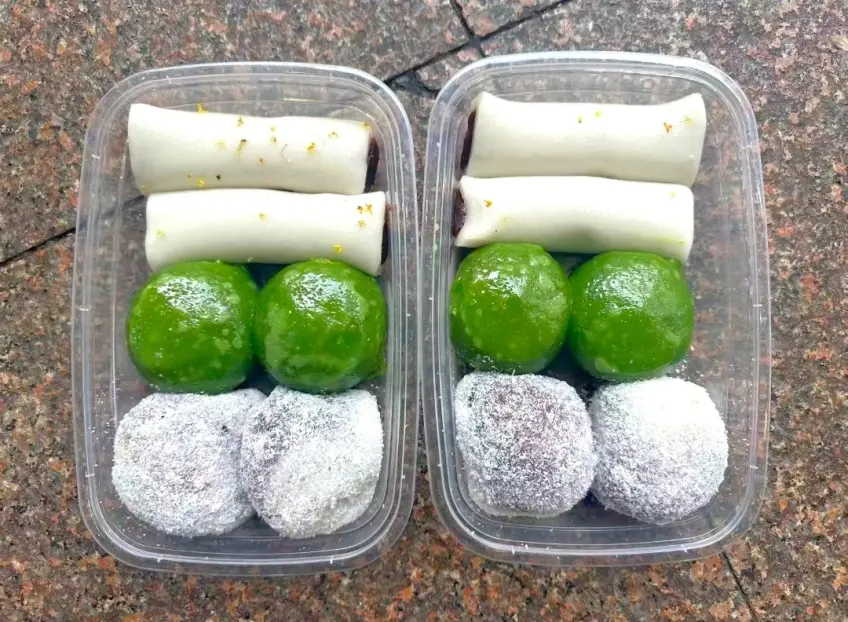
If you take tiaotou cake, qingtuan or coconut cake to go, remember to steam them over water after they cool down—they'll be softer.
What to eat for a main meal in Shanghai?
For the main course, Xiangyou Shansi (sizzling eel strips) is a standout Benbang (Shanghai-style) dish that perfectly showcases the fresh, savory essence of Jiangnan cuisine. Made with carefully prepared fresh eel strips, it's tender, mildly seasoned, and full of flavor. The dish looks rich and glossy, but it isn't greasy at all.
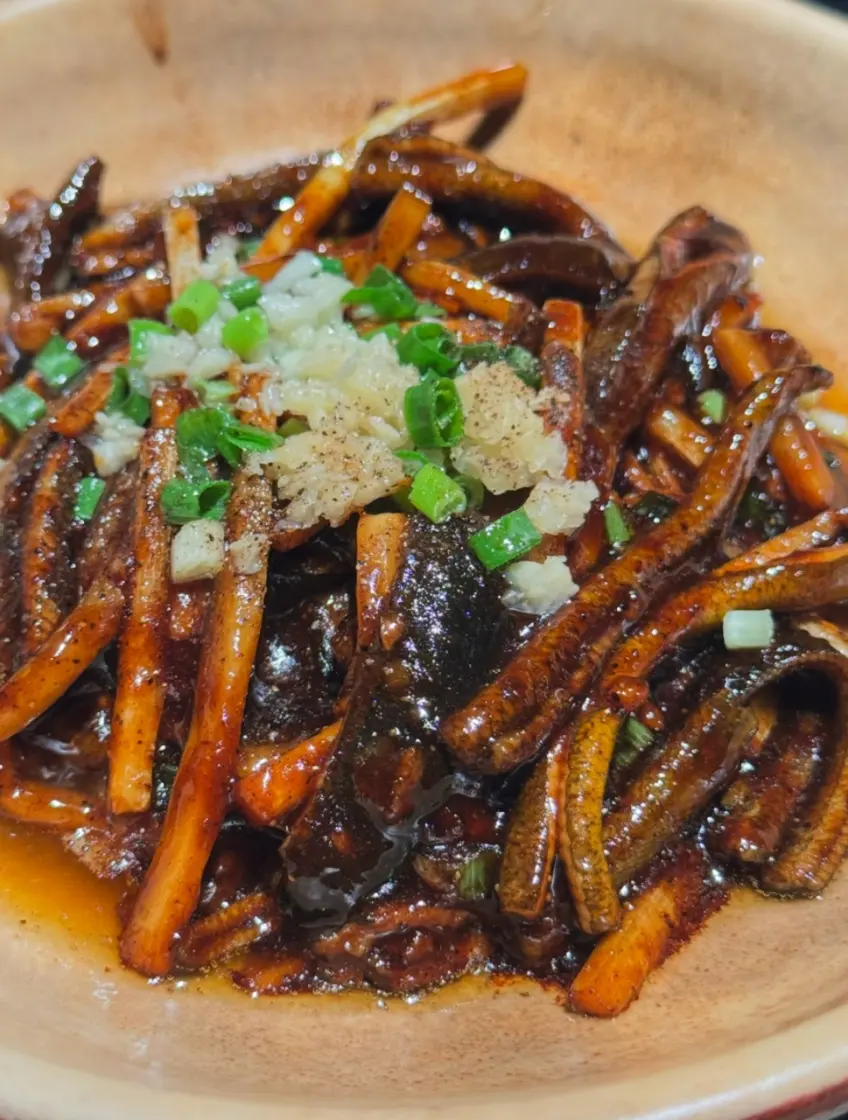
Benbang cuisine has always been known for its bold yet refined flavors, and Xiangyou Shansi captures this balance perfectly. It's made for everyday family dinners and served at banquets alike, carrying the most authentic taste of Shanghai's dining tables.
You can also watch the video below to learn more about Shanghai food.
What is Shanghai's signature traditional food?
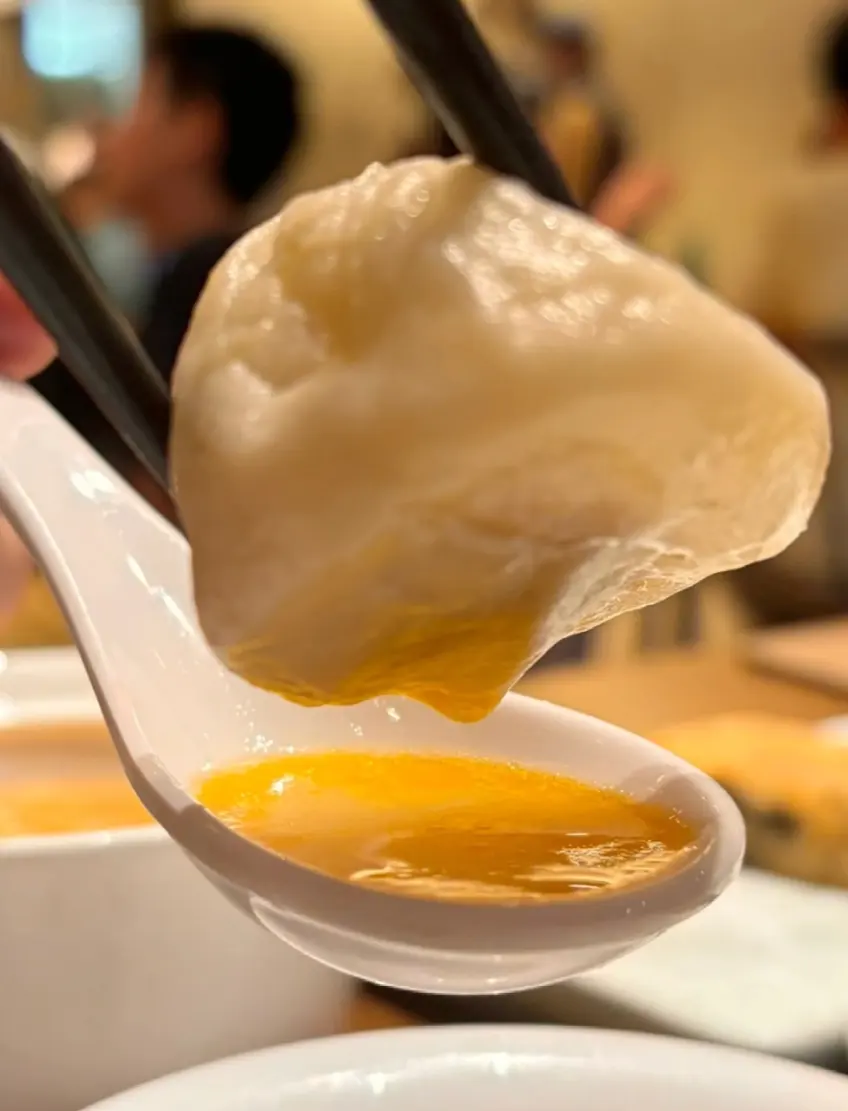
Nanxiang xiaolongbao long ago left the streets of Shanghai to become a culinary calling card for the city, and it's an intangible cultural heritage snack with a century of history.
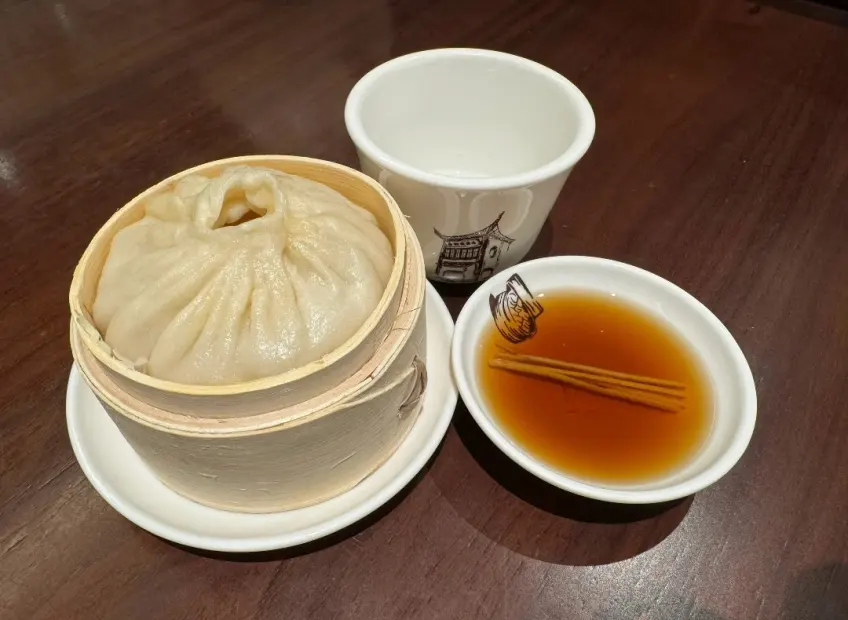
The preparation is meticulous: a thin, chewy wrapper packed with filling that bursts with rich broth when you bite in, breaking the monotony of ordinary dough-based snacks. Generation after generation of artisans have stuck to the original techniques, never cutting corners for mass production. The result keeps its down-to-earth street-food charm while showing true handcrafted care. For visitors coming to Shanghai for the first time, xiaolongbao is usually the first local bite they try. Thanks to its consistently outstanding flavor, it has become the most direct window into the taste of Shanghai.
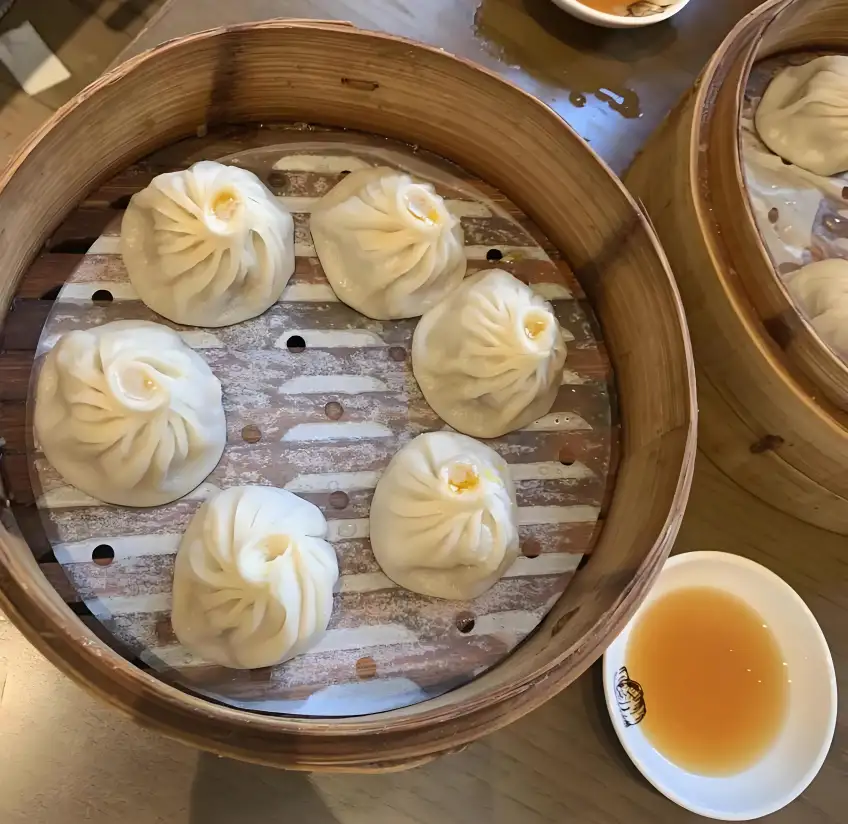
Nanxiang xiaolongbao is Shanghai's culinary calling card to the world. Eat these thin-skinned, soup-filled dumplings while they're hot.
Shanghai's autumn-only treats
Fresh pork mooncakes are a fall exclusive in Shanghai, breaking the stereotype that mooncakes must be sweet. While most mooncakes on the market use sweet fillings, Shanghai's fresh pork mooncakes take a completely different route. The baked crust is flaky and crisp, the meat filling inside is firm, and biting into it releases rich juices for an especially unique savory flavor.
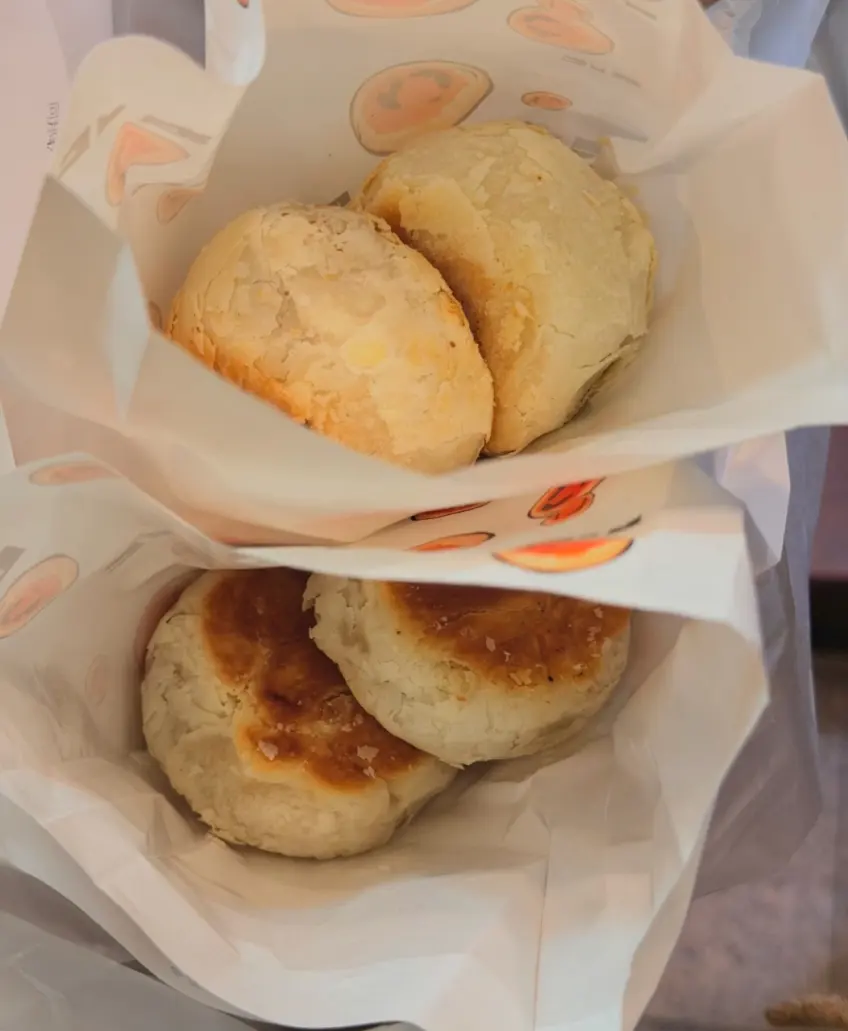
Every autumn, pastry shops across the city bake fresh pork mooncakes on the spot, filling entire streets with their aroma. Locals line up to buy them, stocking up at home to enjoy slowly. This flavor that arrives like clockwork each fall has gradually become a seasonal memory unique to the city—hidden in everyday street life, gentle and lingering.
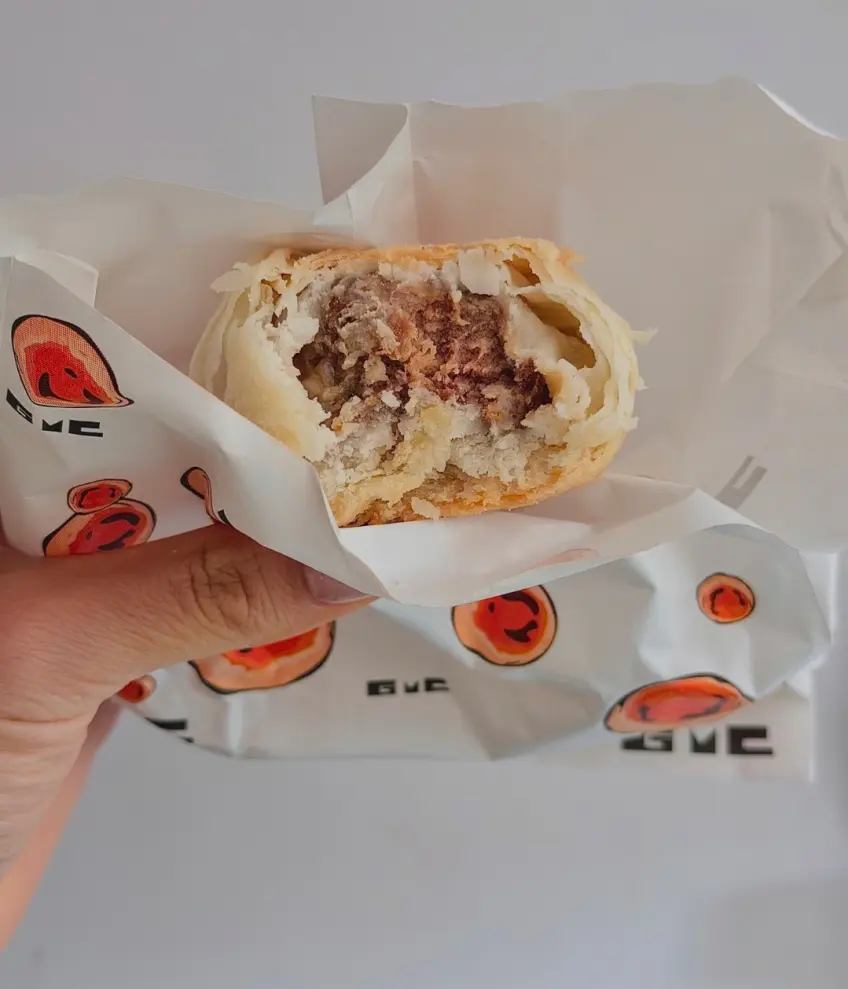
Bite into a fresh pork mooncake and you'll find flaky layers and moist meat filling, shattering the sweet-mooncake stereotype.
The Romance of Shanghai's Traditional Food
Shanghai has accumulated so many foods passed down through generations, which is inseparable from the city's inclusive nature. Rooted in local culinary traditions while embracing outside influences, it has slowly refined a variety of snacks and dishes suited to local tastes. The sizzle of breakfast stalls, hearty main meals, and seasonal surprises fill the gaps of city life—a romance unique to the people of Shanghai.
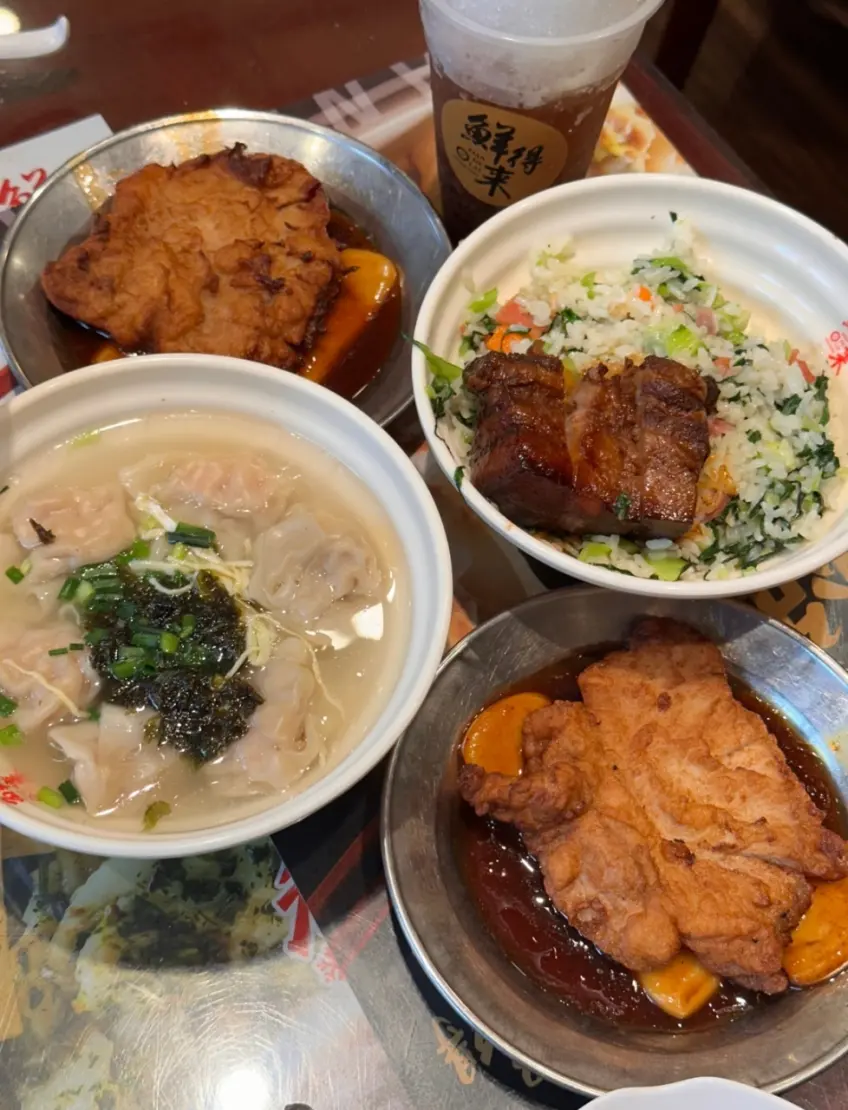
A bowl of noodles, a portion of dim sum, or a plate of hot dishes—these piece together the most authentic picture of life in Shanghai. The local land and water give ingredients their base flavors, while daily life gives the food lasting vitality. Over hundreds of years, as the city's appearance has changed time and again, these street-level flavors have never faded. Passed down from generation to generation, they continue to nourish the people who live here and touch every traveler who comes from afar to understand this city.
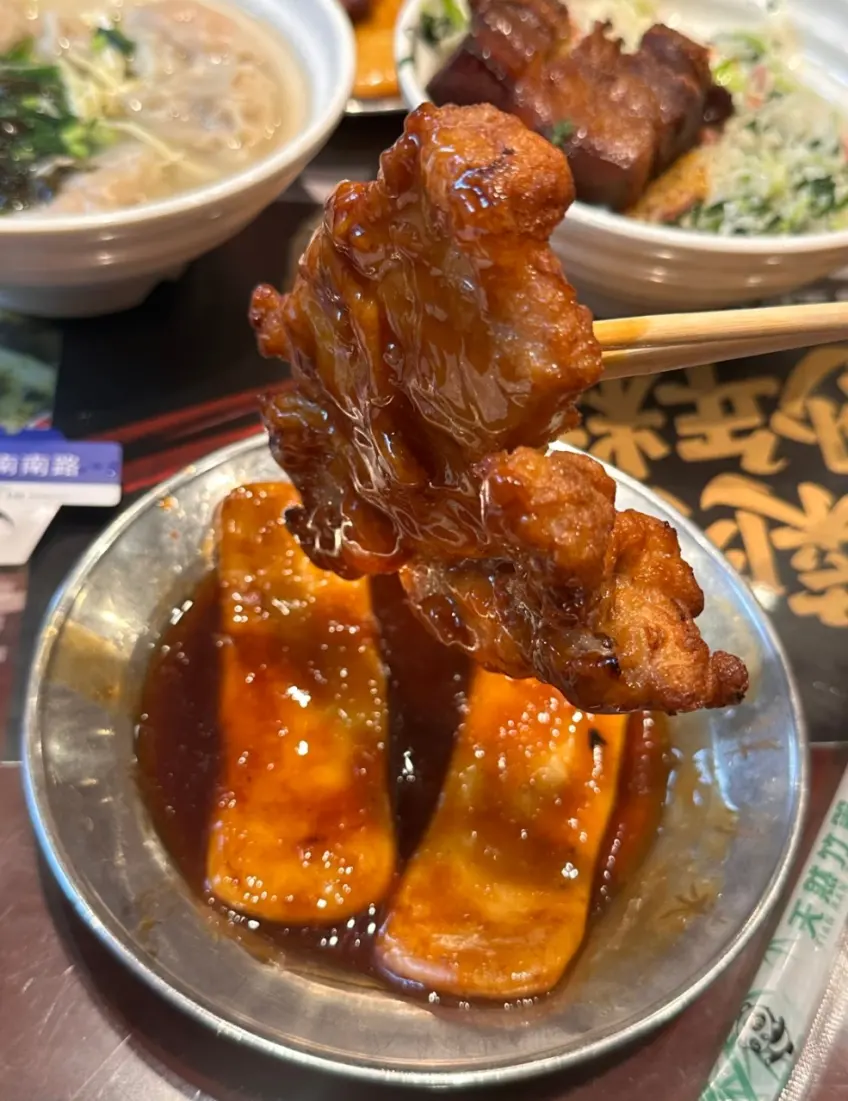
Picking up pork chop and rice cake with chopsticks and dipping it in sauce is the most photogenic move at many old shops.
Shanghai Travel Perks
To line up street food and city sights in one go, prioritize station transfers for arrivals and departures, then use a private car or a group tour around the city.
You can plan your trip as a weekend getaway or a multi-day slow journey: morning street food, traditional dim sum shops, Benbang cuisine, and xiaolongbao. Station transfers and custom private travel help you sort out transport and locations all at once.
How to plan your food itinerary smoothly
Once you've picked the old shops you want to try, lock in station transfers for arrival and departure first; use a private car to hop between multiple spots in a day so you don't waste energy on the road.
You can also arrange custom private travel based on your taste preferences, or combine a group tour with a private guide to fit breakfast, dim sum, Benbang cuisine, and xiaolongbao into one day.