
Ruiguang Pagoda at Panmen Gate: know the story before you go
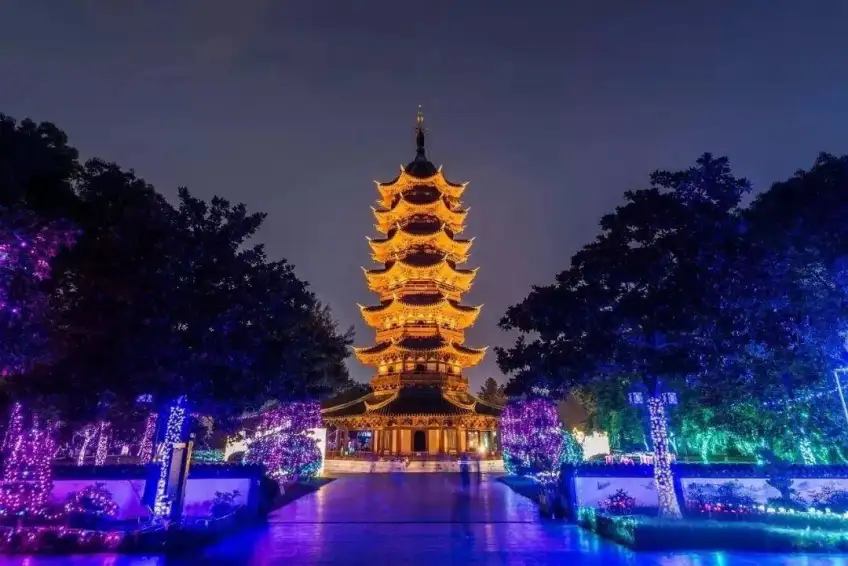
Ruiguang Pagoda stands in Panmen Scenic Area at the southwest corner of Suzhou's old city. Together with Panmen Gate Tower and Wumen Bridge, it forms the "Three Sights of Panmen." The surviving seven-story, eight-sided brick-and-timber pagoda rises about 53.57 meters, and its main structure dates from the Northern Song dynasty. In April 1978, three elementary school students looking for a bird's nest on the third floor discovered the Northern Song True Pearl Sarira Treasure Pillar. Today this treasure pillar is the crown jewel of the Suzhou Museum, and in 2013 it was added to the list of cultural relics banned from exhibition abroad.
If you'd like the commentary paced around the artifacts, consider hiring a private guide or booking a full private customized tour.
Three kids hunting for bird nests give Ruiguang Pagoda its moment of glory
In April 1978, three elementary school students in Suzhou sneaked into the overgrown, unguarded Ruiguang Pagoda at Panmen after school, hoping to find bird nests. Climbing up the crumbling inner brick walls, they reached the third floor and noticed a loose brick. Pulling it out revealed a dark hole.
Mustering their courage, they crawled inside and found a large black box with white lettering reading: "Third floor of Ruiguang Pagoda, Pearl Sarira Pillar." Prying it open revealed a painted wooden case, and inside lay a treasure wrapped in strands of pearls—something that "looked like a pagoda but wasn't one." Experts later confirmed it as the Pearl Sarira Pillar.
News spread quickly, and experts entered the pagoda to take inventory. Besides the pillar, they found a batch of precious artifacts from the Five Dynasties and Northern Song periods. The discovery was hailed as "a find that stunned the world." A mischievous act had brought this silent millennium-old pagoda into the spotlight.
The Pearl Sarira Pillar: why it's a national treasure among national treasures
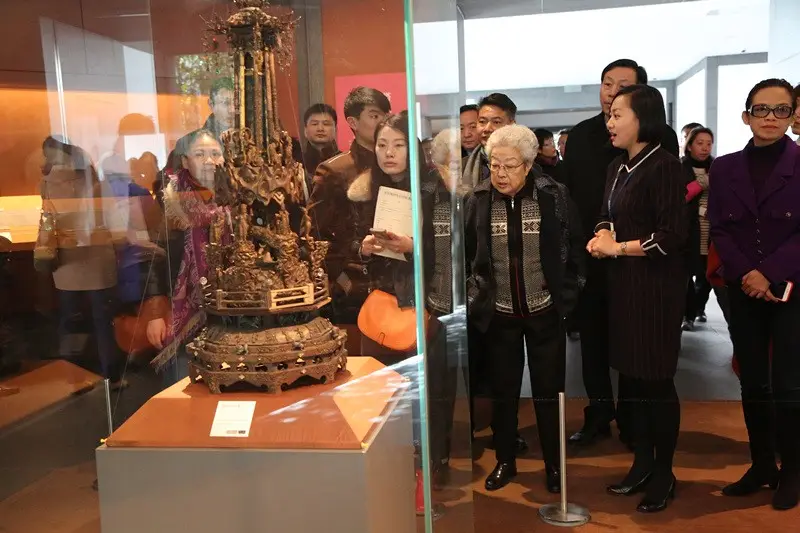
The Pearl Sarira Reliquary stands about 122.6 cm tall and consists of a Sumeru base, a Buddha palace, and a spire. Its main body is made of nanmu wood, and it was completed in the 6th year of the Dazhong Xiangfu era of the Northern Song Dynasty, over a thousand years ago. Silver lions guard the base, while gilded nine-headed dragons rise from the waves. In the clouds, the Four Heavenly Kings, celestial maidens, and dharma protectors surround it. The craftsmanship incorporates crystal, agate, amber, pearls, gold and silver wire, and other materials known as the "Seven Buddhist Treasures."
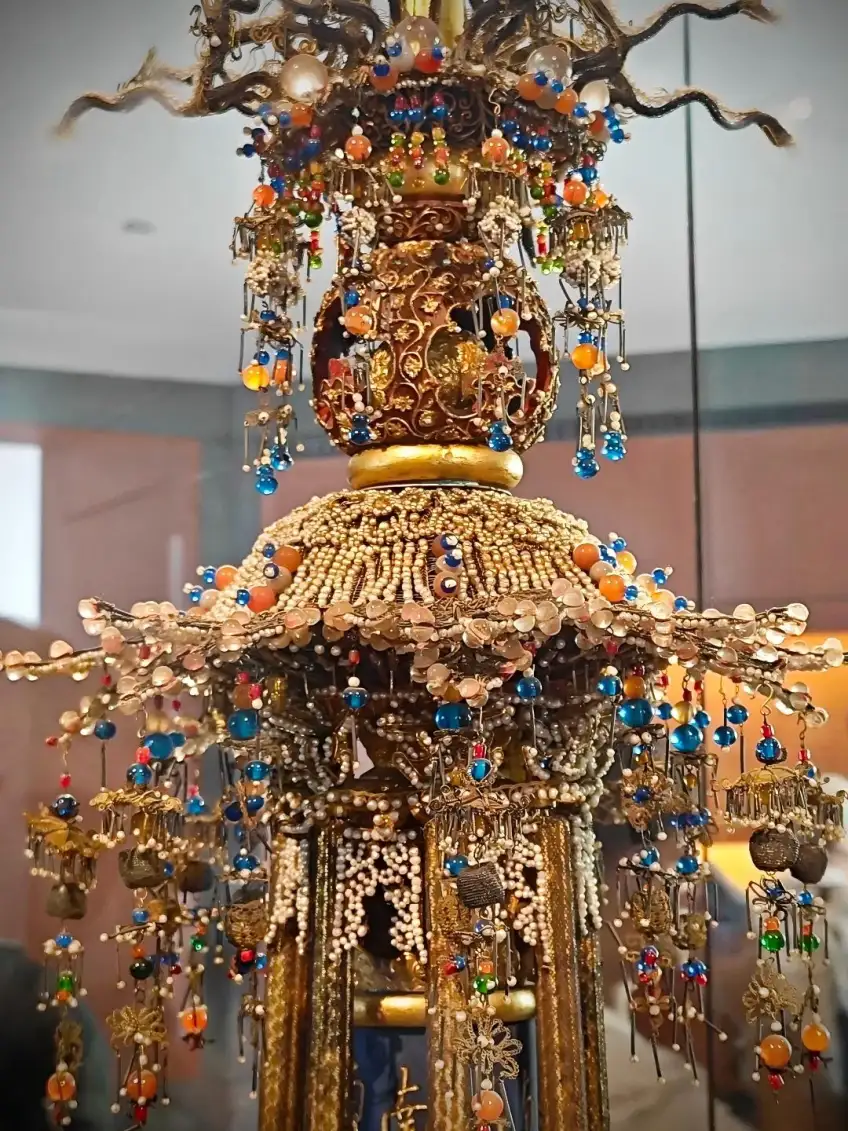
The entire pagoda uses more than 40,000 pearls, the smallest no bigger than a grain of rice. There are also 17 sandalwood figurines under 10 cm tall, each with a unique expression. A celadon vase once kept in the Buddha chamber contained sarira relics (quantity and display details are subject to the museum's notes).
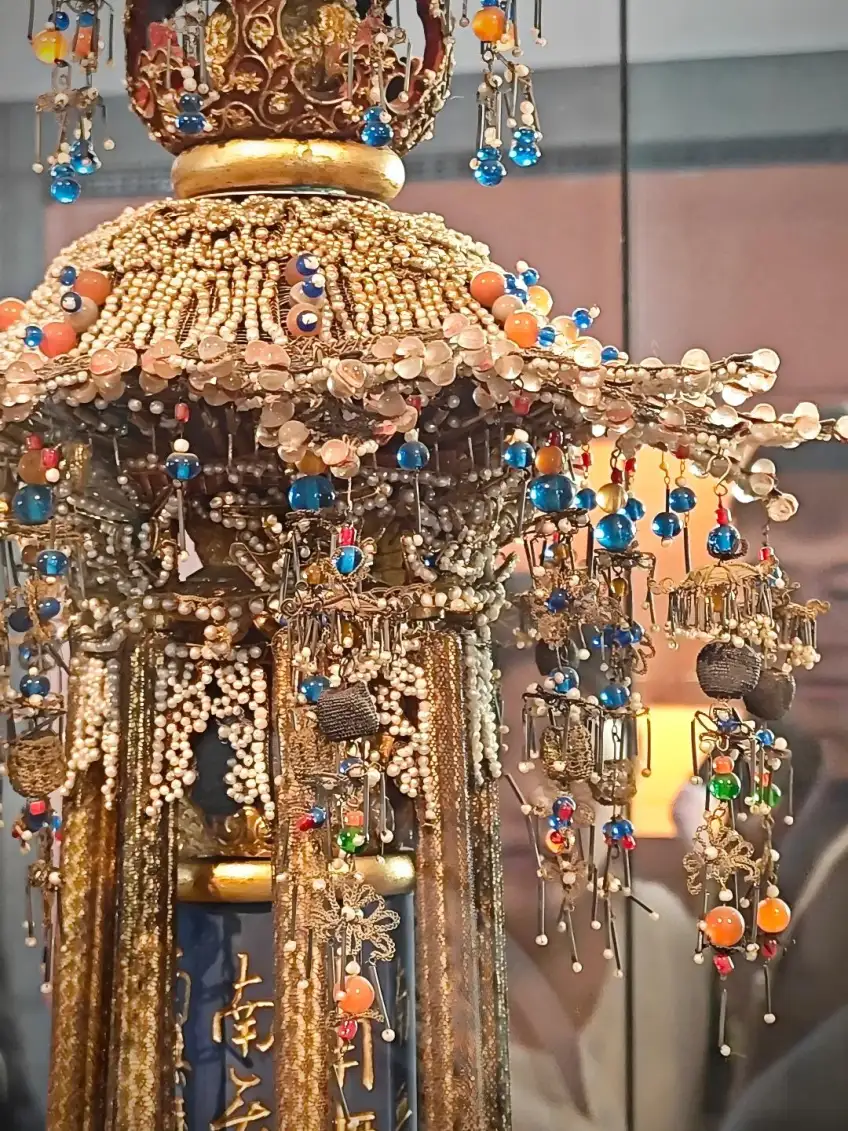
In 2013, the Pearl Sarira Pillar was included in the Third Catalogue of Cultural Relics Prohibited from Leaving China for Exhibition. As a top-grade artifact, it can never be exhibited abroad. To see it in person, you must come to Suzhou. It is now housed in the Suzhou Museum and is one of its signature treasures.
Ruiguang Pagoda past and present: an original Song structure among the Three Scenes of Panmen
Ruiguang Pagoda stands inside Suzhou's Panmen Scenic Area. Together with Panmen Gate Tower and Wumen Bridge, it forms the "Three Scenes of Panmen" in the southwest corner of the old city. In 247 AD (the 10th year of the Chiwu era), Sun Quan built a 13-story relic pagoda at Puji Zen Temple to welcome the Kangju monk Xingkang and honor his mother, Lady Wu. It was one of the earliest Buddhist pagodas in Suzhou.
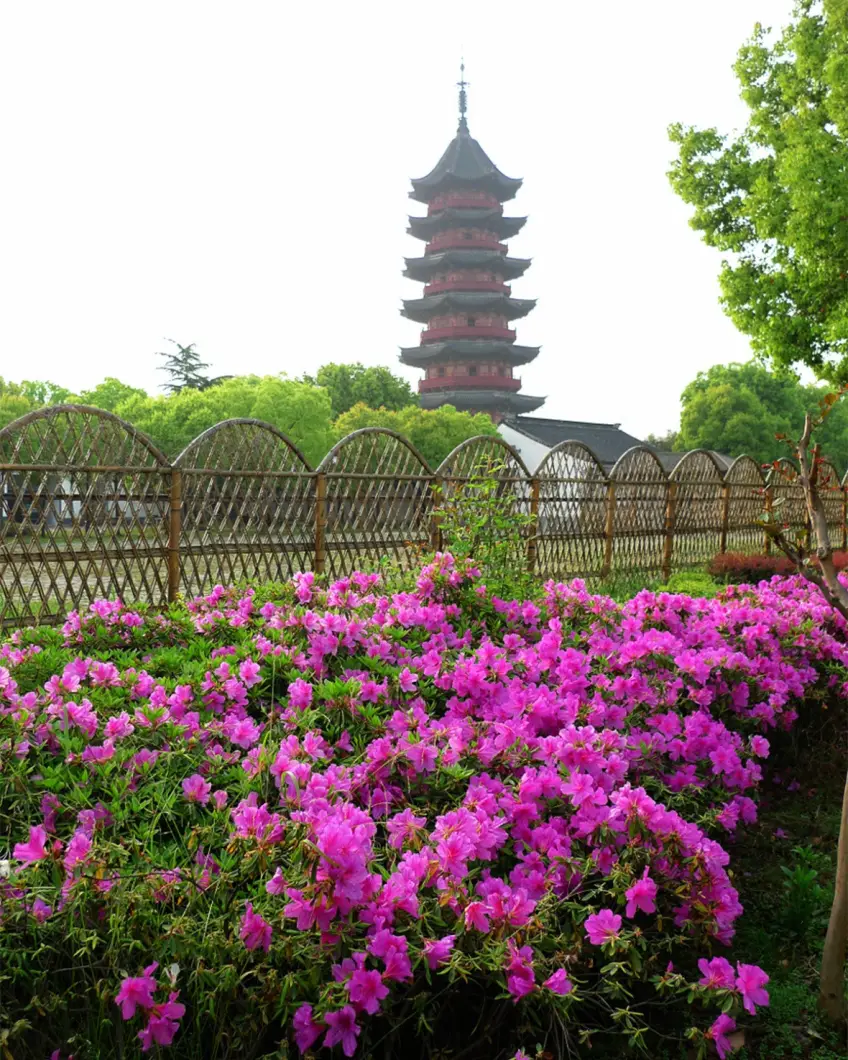
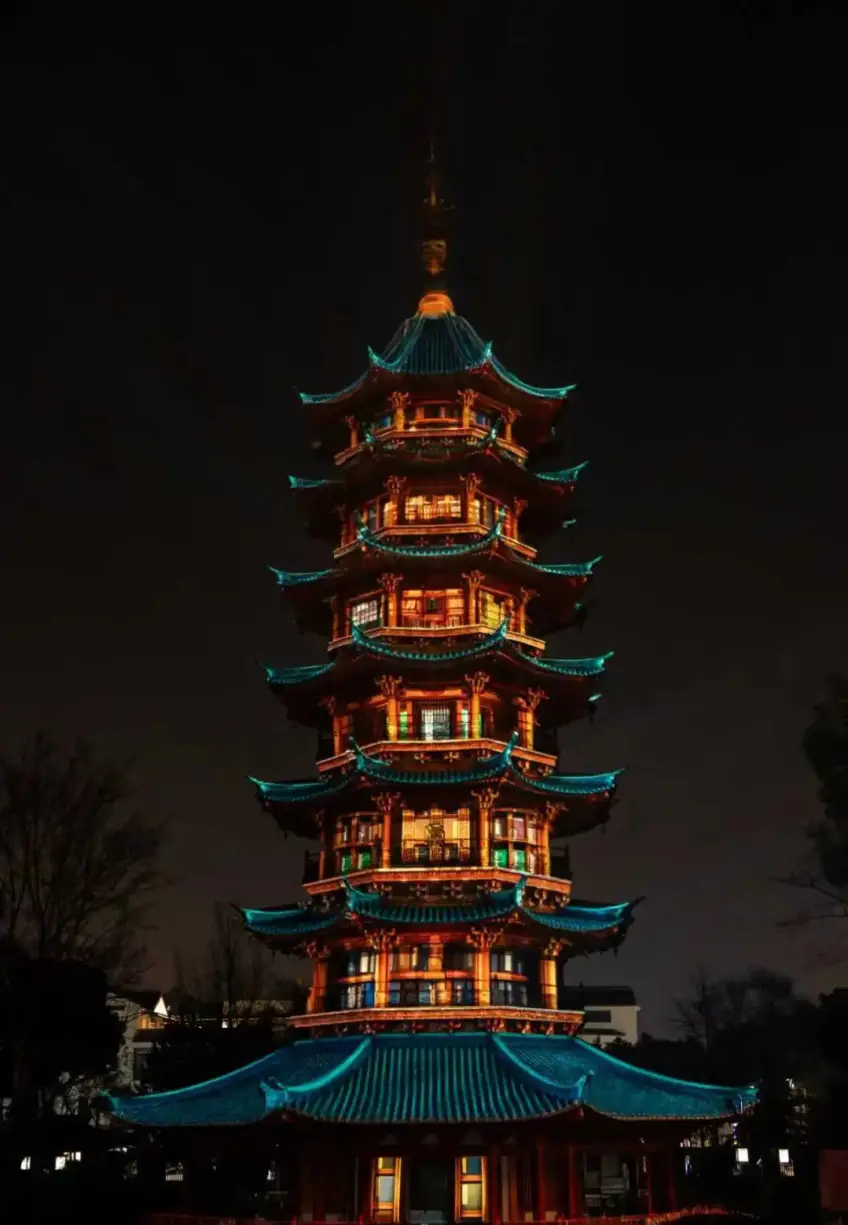
The pagoda caught fire in 937 AD (the 2nd year of Tianfu, Later Jin, Five Dynasties period) and was rebuilt with seven stories. Destroyed and rebuilt many times over the centuries, today's structure is mainly a Northern Song relic. The existing seven-story, eight-sided brick-and-timber pavilion-style pagoda stands about 53.57 meters tall, consisting of an outer wall, a corridor, and a central core. Architectural historian Chen Congzhou noted: "The pagoda's structure is an original Song dynasty work that still retains Tang dynasty features."
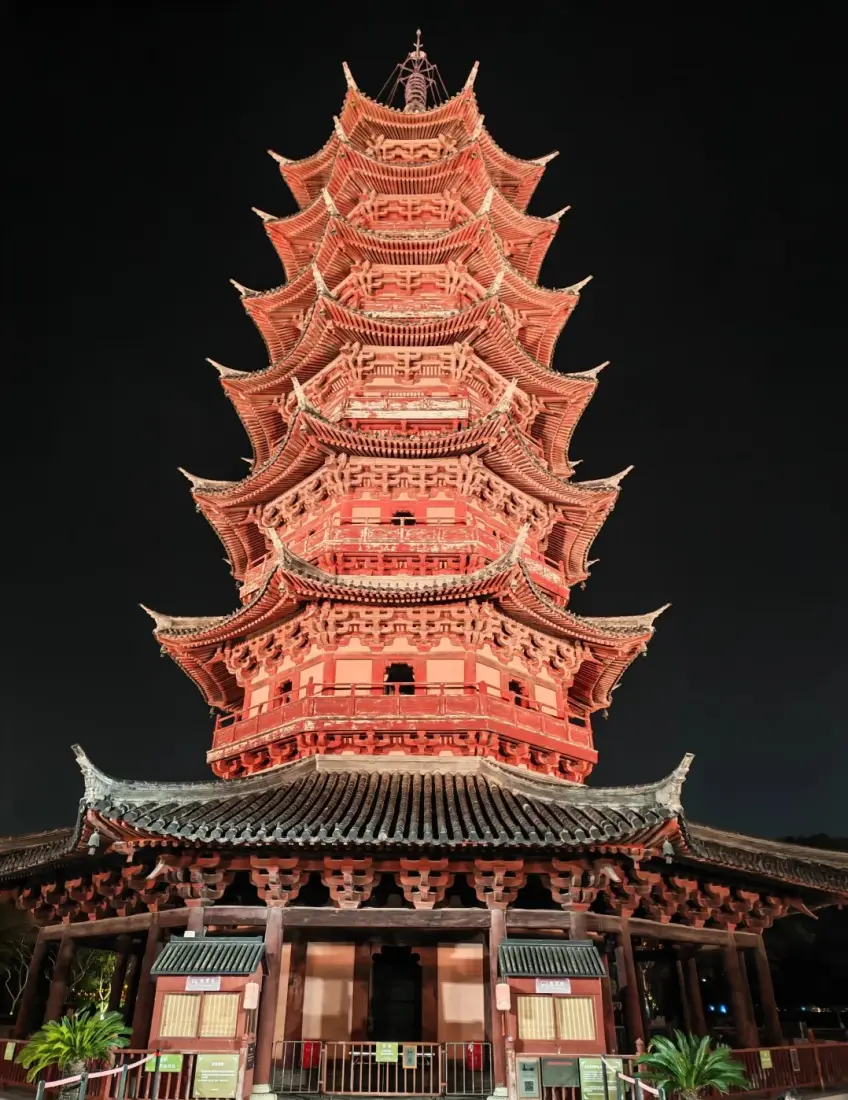
The pagoda originally had a wooden staircase leading to the top for panoramic views of the ancient city. After artifacts were discovered in 1978, access was closed for many years; today, ticket holders can usually climb it, but the stairs are narrow, so seniors and young children should proceed with caution. Whether it is open depends on the site's notice for the day. Bats still roost inside at dusk, hinting at the isolated environment that helped preserve its contents.
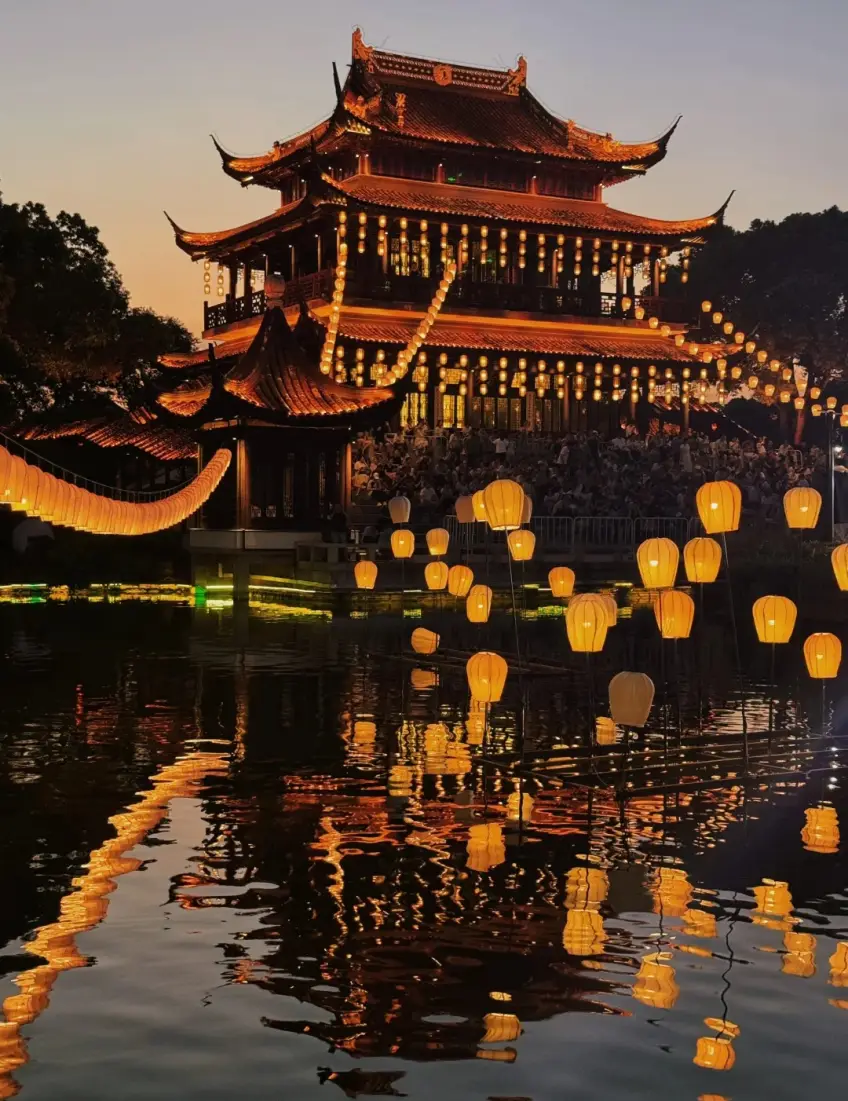
During the Panmen night lantern festival, the waterside pavilions and corridors borrow scenery from the pagoda's reflection.
Guide to the treasures unearthed from Ruiguang Pagoda
Besides the Pearl Sarira Pillar, the pagoda yielded a batch of "supporting cast" that thrilled archaeologists. Below is a brief rundown of the wooden cases, murals, bronze pagoda, Guanyin statue, sutras and bronze Buddhas; display locations are subject to the Suzhou Museum's current exhibitions.
Double wooden case: painted Four Heavenly Kings
The pillar was originally placed inside a double wooden case. The outer layer is plain black lacquer, with white regular-script characters on the front reading "Pearl Sarira Pillar inside the third story of the Ruiguang Temple pagoda." The inner ginkgo-wood case is painted with the Four Heavenly Kings on its four walls, along with ink inscriptions (the full text follows the museum's interpretation).
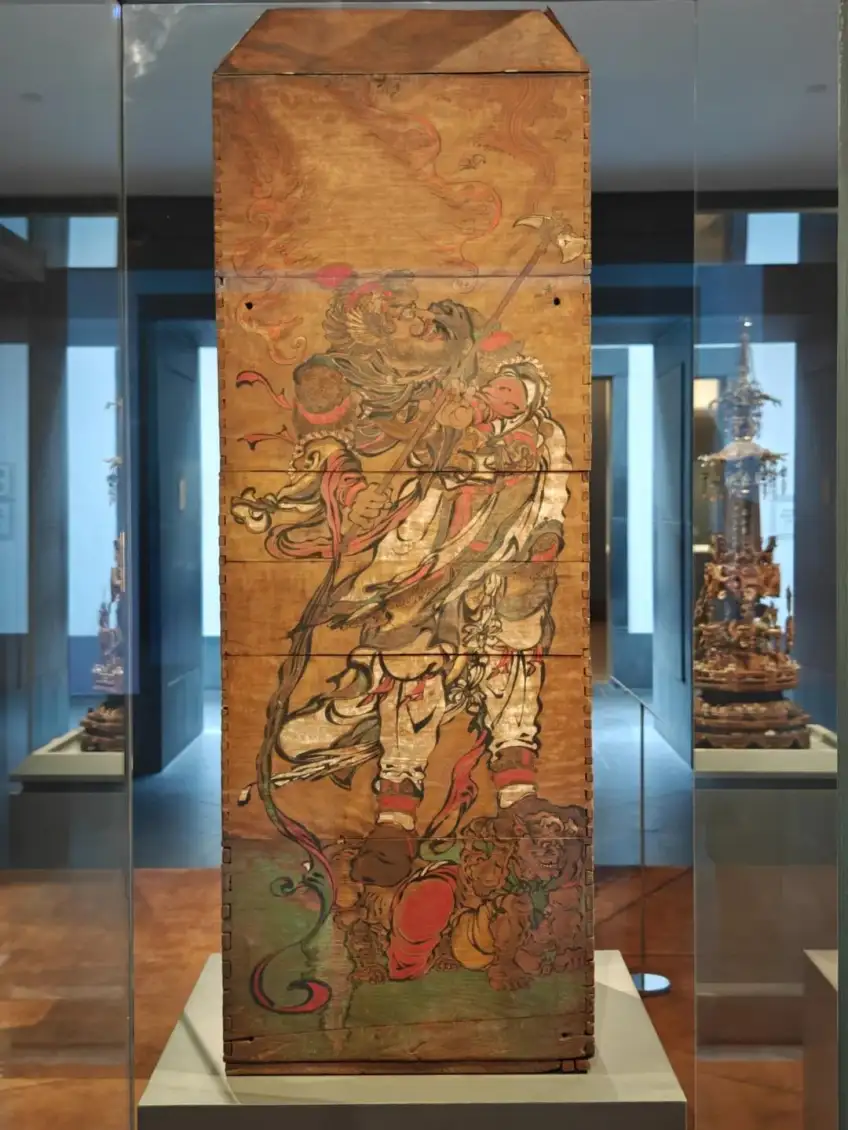
The lines of the Heavenly Kings on the case still show Song dynasty painting style, offering a firsthand look at how the pillar was reverently sealed away.
Song dynasty Guanyin mural inside the pagoda
In 2018, experts climbed the pagoda again and discovered a mottled mural of a green-robed Guanyin along with an inscription near the top of the southeast wall on the fourth floor. It is preliminarily dated to the Dazhong Xiangfu era of the Northern Song Dynasty. Very few similar images survive in China, so on-site preservation takes priority. Visitors should not touch the mural or photograph it with strong light.
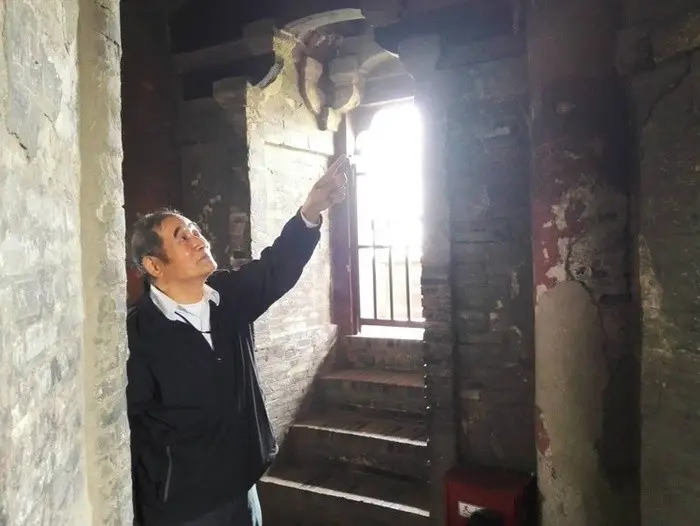
The mural is visibly damaged. For more details, rely on the museum's catalog and guided commentary rather than forcing a view with your phone flash.
Gilt bronze pagoda
The gilt bronze pagoda can be disassembled layer by layer: the Sumeru base niches, the openwork carvings of Buddha's life stories on the body, and the banana-leaf corner ornaments and Heavenly King statues at the top all show clear ancient Indian influences, indicating that the Wuyue region from the Five Dynasties to the Northern Song was directly influenced by Indian Buddhist art.
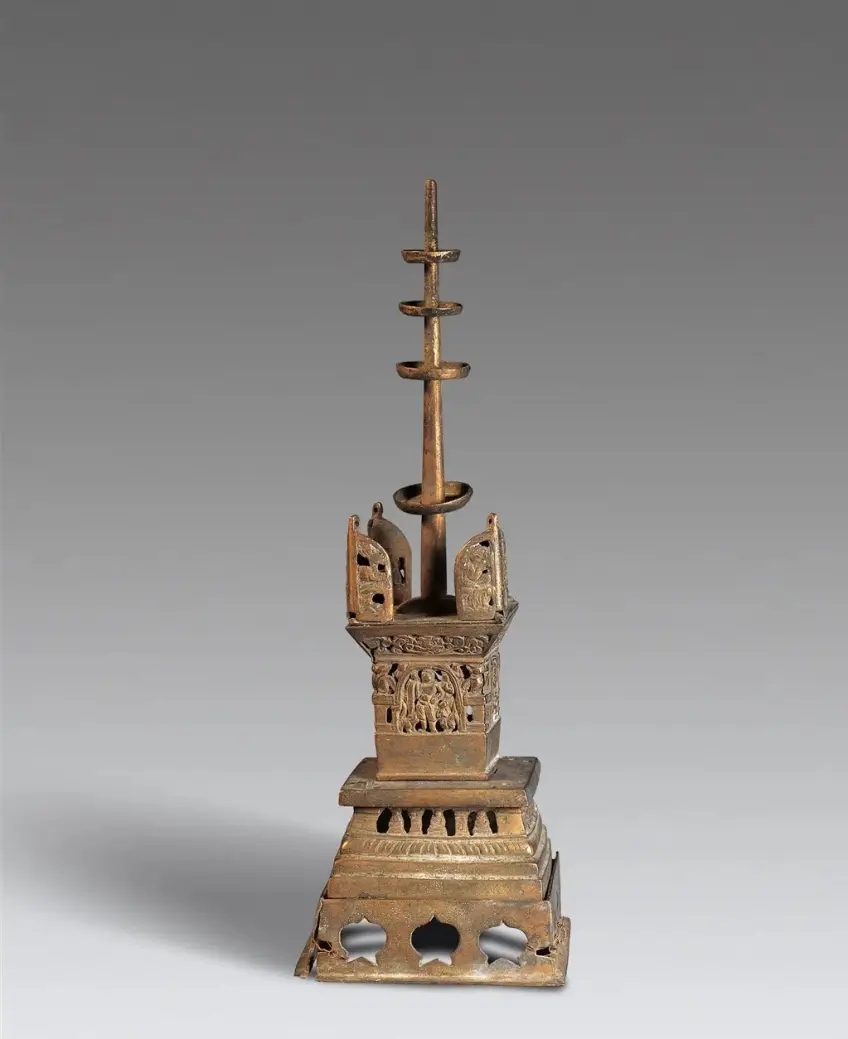
Look at the overall form first, then examine the narrative reliefs up close. Viewing both together gives you a better feel for the piece.
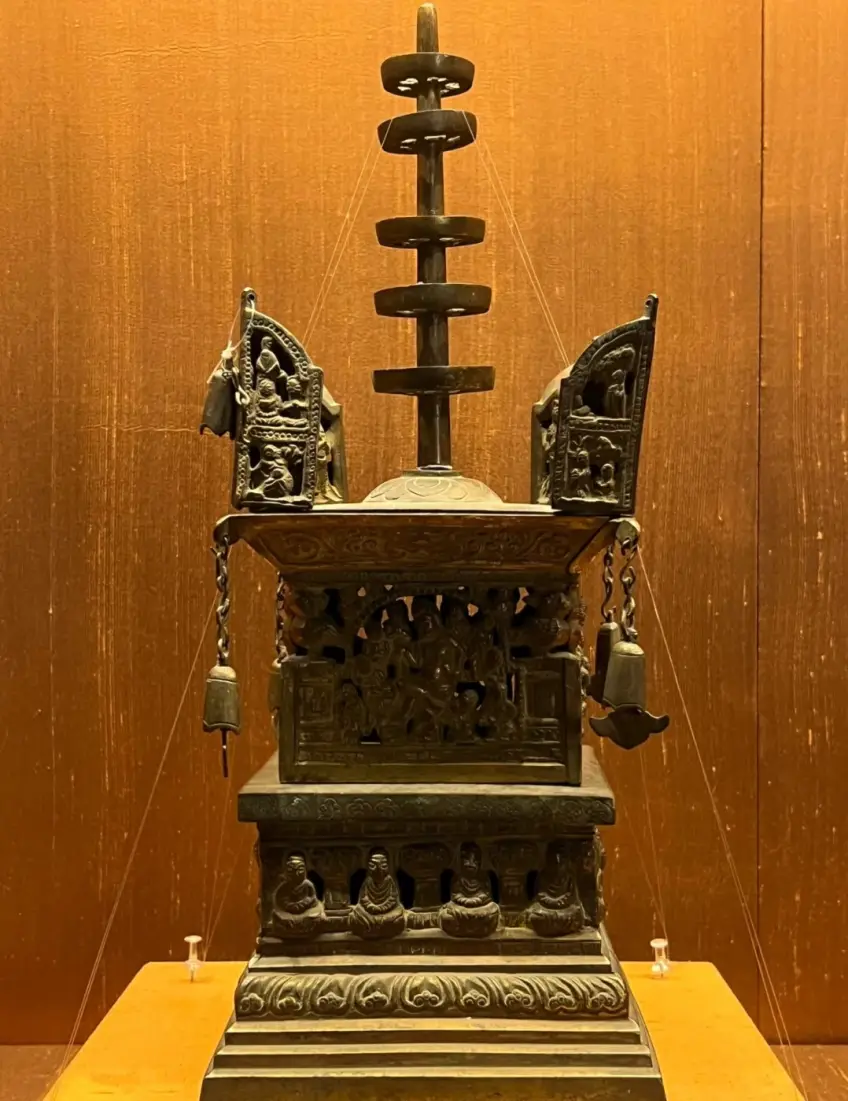
The figures and lotus pedestals on the pagoda are densely layered, so take your time with the guidebook rather than rushing through.
Painted and gilt clay standing Guanyin statues
The two standing Guanyin statues are about 38 cm tall, with full faces, arched brows and slender eyes that echo Tang dynasty style. They are among the oldest surviving clay sculptures in Suzhou. Painting and sculpture are combined: facial features and clothing folds are mostly outlined, giving a strong overall effect.
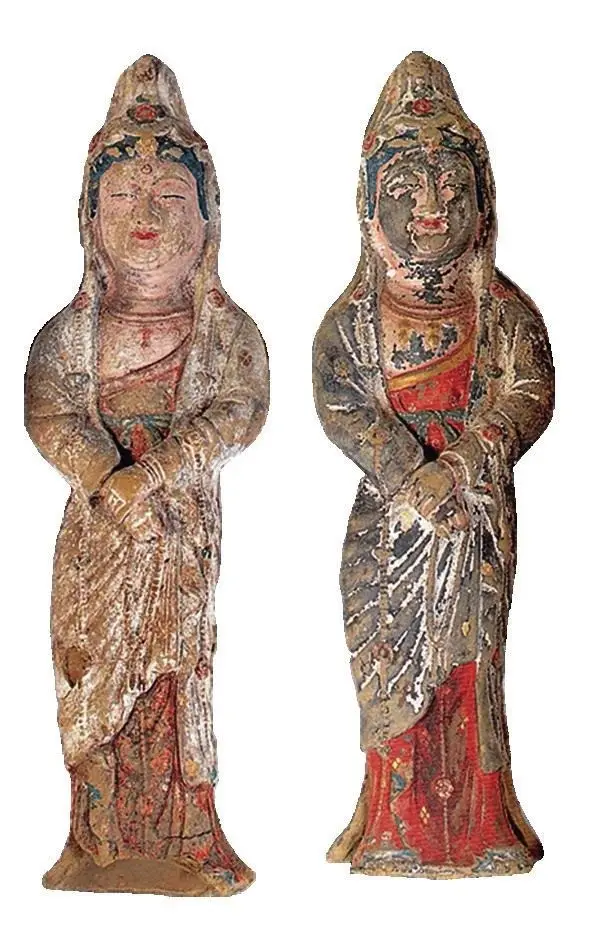
One gazes straight ahead while the other has its eyes half-closed; displayed side by side, the contrast is truly moving.
Sutras, dharani texts and Song dynasty bronze Buddhas
Among the unearthed sutras are woodblock-printed copies of the Lotus Sutra (with inscriptions dating to the first year of Tianxi, etc.) and seven scrolls written in gold on blue paper. The dharani texts include a Chinese version of the Great Sui Dharani Sutra and a Sanskrit Dharani Sutra (the latter is extremely rare; refer to the museum's labels for details). There are also nine Song dynasty bronze Buddhas, most bearing inscriptions indicating they were placed in the pagoda in the first year of Tianxi in the Northern Song dynasty, providing solid evidence for dating the statues.
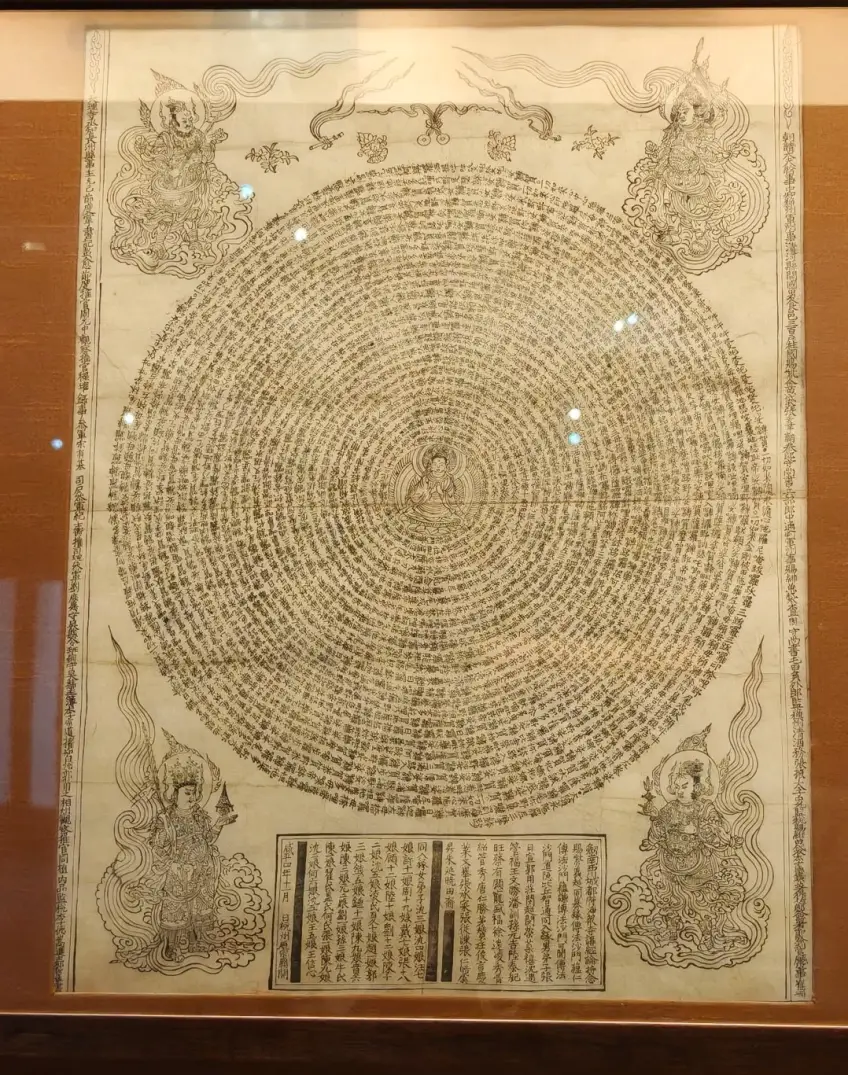
The circular woodblock-printed dharani features a rigorous composition, serving as a physical intersection of printing history and Buddhist art history.
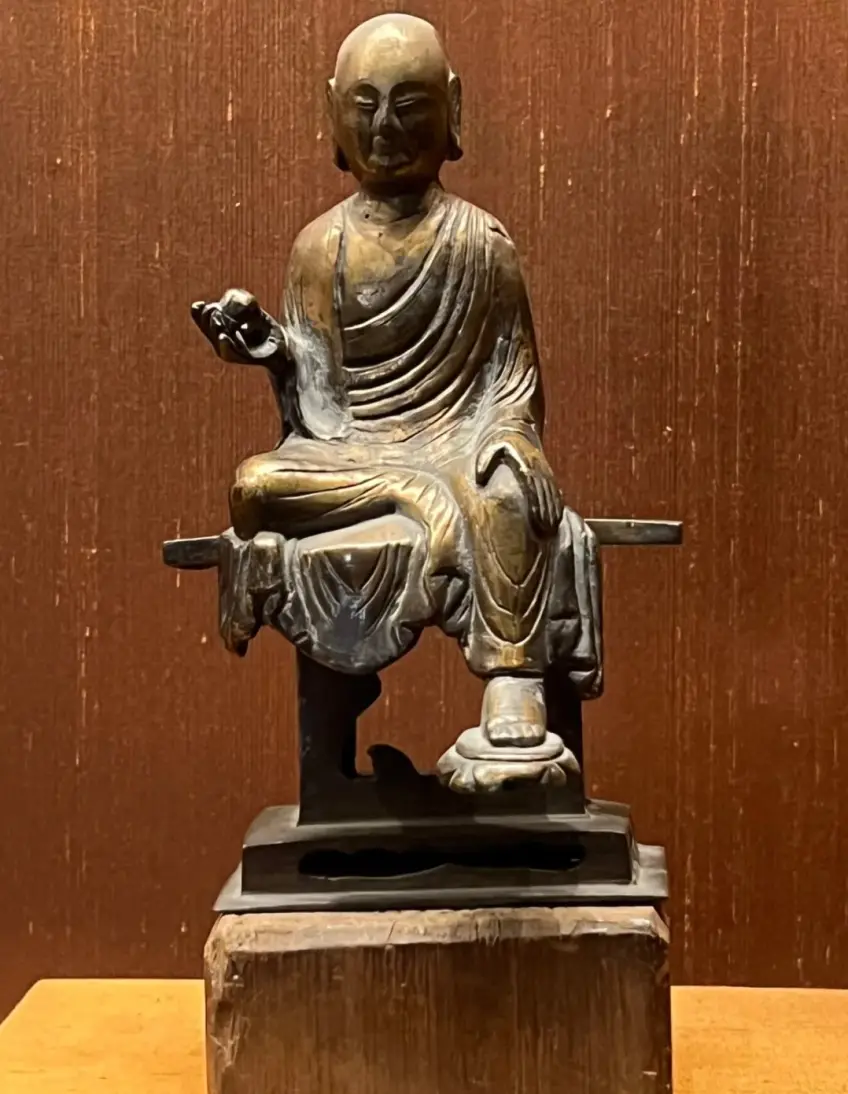
The bronze seated Buddha is small in size, but its robe folds and hand mudras remain clear. It's worth comparing with the pillar to trace the timeline of items "enshrined in the pagoda at the same time."
How to visit: Panmen's Ruiguang Pagoda and Suzhou Museum
Most of the relics are now housed in the Suzhou Museum. We suggest visiting Panmen in the morning to see the pagoda, gates, and water pass, then heading to the museum in the afternoon to view the pagoda reliquary. The two sites are about 4 km apart, roughly a 15-minute taxi ride.
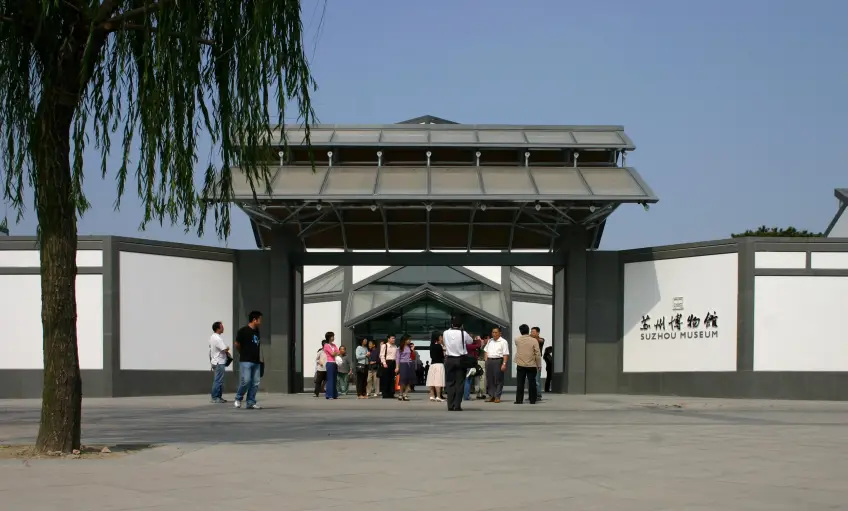
Suzhou Museum address: No. 204 Dongbei Street, Gusu District, Suzhou. Hours: Tuesday to Sunday 9:00–17:00 (last entry at 16:00); closed on Mondays (except public holidays). Timed-entry reservations under real names are required—book in advance via the official website or WeChat official account.
Getting there: Take Bus Tour 2 from Panmen Scenic Area North Station (about 30 minutes), or take Metro Line 4 to Beisi Pagoda Station, Exit 4, and walk about 800 meters along Dongbei Street.
Zhouzhuang, Wuzhen and Xitang 6-day 5-night private tour | Shanghai round-trip, three water towns
Visit three water towns on one private tour: Zhouzhuang, Wuzhen West Scenic Zone and Xitang, plus the Humble Administrator's Garden and Hanshan Temple in Suzhou, Lingyin Temple and a West Lake boat cruise in Hangzhou. Airport transfers in Shanghai included, along with transport, guide, 5 nights of hotels and admission tickets. English or other language guides available on request. Flights not included.
The card above is a reference for the Jiangsu-Zhejiang "Old Dreams" route, including the Suzhou section. Whether it covers climbing the pagoda at Panmen and Suzhou Museum reservations depends on on-site announcements.
FAQs
Can I still climb Ruiguang Pagoda?
Ticket holders can generally climb the pagoda, but the stairs are narrow and the floors are high, so seniors, young children, and those afraid of heights should skip it. Be extra careful on rainy days when the ground is slippery. Check the scenic area's daily notices for capacity limits and evening opening hours.
Where can I see the Pearl Sarira Pillar? Do I need a reservation?
Now housed in the Suzhou Museum; advance real-name reservation is recommended. The reliquary may be rotated between display cases or subject to visitor limits, so check the museum's announcements before you go.
How do I check Panmen Scenic Area tickets and opening hours?
Ticket prices, combo tickets (city wall/pagoda/garden) and light show schedules vary greatly by season. Please refer to Panmen Scenic Area's official channels.
What's the easiest way to get from Panmen Gate to the Suzhou Museum?
A taxi takes about 15 minutes and saves your legs; Bus Tour 2 or Metro Line 4 also work.
Do I really need a guide? Group tour or custom trip?
The heritage route involves a lot of terminology, so for your first in-depth look at the sutra pillar we recommend hiring a private guide. If you prefer a fixed itinerary and less coordination, choose a private tour; if you need downtime for a nap, help with reservations and timing the evening lights just right, go with custom travel.
Is it worth seeing the pagoda at night?
Once lit up, the pagoda's outline is clearly visible—great for photos. The lighting season and closing times depend on on-site announcements.
Wrap-up: see the Pearl Sarira Pillar first, then understand Panmen
The charm of Ruiguang Pagoda at Panmen lies in layering a childlike sense of discovery over the meticulous craft of Northern Song artisans on the same timeline. Stand beneath the pagoda for a moment, then head to the Suzhou Museum to match those 40,000 pearls—Suzhou will feel different. Need station transfers, a private car or a heritage-focused guide? Just reach out to us.