
Ask about these three costs before requesting a quote
People searching for "Nanjing guide prices" or "how to hire a guide" usually don't want a rigid price list. They want to understand: how half-day and full-day rates differ, how overtime is calculated, who pays for tickets and transport, and whether foreign languages cost extra. This article only covers verifiable billing methods and questions, without inventing unpublished fixed prices; final figures are subject to confirmation by your travel consultant. We'll first break down the pricing structure of hiring a guide only, then compare it with private car only, the group tour "Date with Jinling", station transfers, and custom private trips, so you don't end up mixing guiding fees, vehicle costs, and tour prices into one confusing bill.
Who it's for: families on independent travel who want to understand the etiquette of the Sun Yat-sen Mausoleum steps and the stories along the Ming Xiaoling Mausoleum Sacred Way; business hosts who need to control stops and language options; senior groups requiring a slower pace and fewer climbs. This article assumes you already know roughly what you want to see—Zhongshan Mountain, Confucius Temple and Qinhuai River, or modern history at the Presidential Palace—and shifts the focus to "how to negotiate the price." Quotes typically include three parts: the guiding service itself, whether a vehicle is added, and advance payments for attraction tickets and park electric carts. A verbal "it's all included" without clear boundaries is the most common cause of disputes on site.
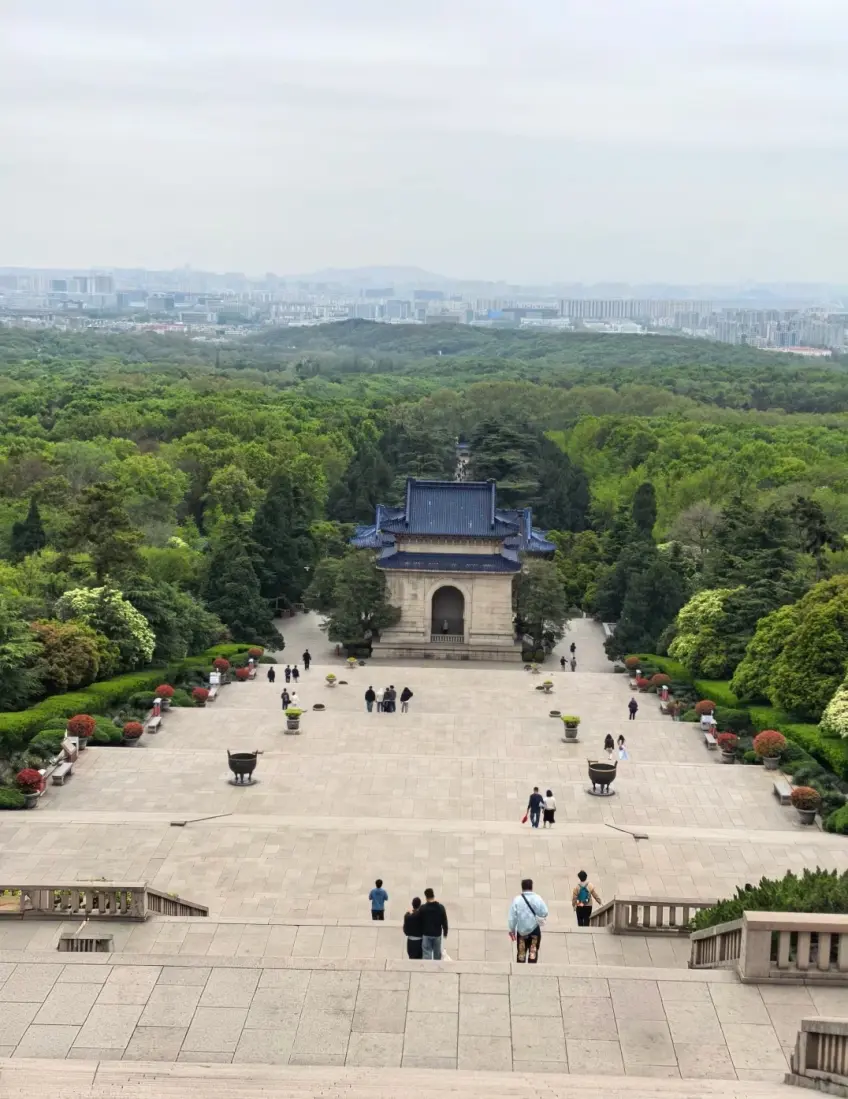
The view from the Sun Yat-sen Mausoleum steps looking down at the blue-roofed memorial hall and pine forest belongs to the main axis of the Sun Yat-sen Mausoleum in the Zhongshan Mountain Scenic Area. Do not confuse it with blue-roofed mausoleums elsewhere or river views at The Bund in Shanghai.
How half-day, full-day, and overtime are defined
The most common billing split is half-day vs. full-day. A half-day usually means "one main site, about 3–4 hours of actual guiding," such as covering only the steps and memorial hall etiquette at the Sun Yat-sen Mausoleum, or only the modern history of the east and west wings of the Presidential Palace. A full-day covers two areas and includes transit time—for example, Zhongshan Mountain in the morning (Sun Yat-sen Mausoleum + Ming Xiaoling Mausoleum Sacred Way) and Confucius Temple and Qinhuai River or the Presidential Palace in the afternoon. Whether to add a highlight section of the city wall in the evening must be clarified separately; don't assume it's bundled into the same full-day rate. A verbal "roughly half a day" often gets reclassified as a full day once it crosses lunchtime or peak reservation and security-check hours. When requesting a quote, always specify the start and end times and the meeting point.
For overtime, be sure to clarify the billing unit: is it charged by the hour, by half-day increments, or does it start after 30 minutes? Rest stops on the steps at Sun Yat-sen Mausoleum, security checks and the underground palace route at Foding Palace on Niushou Mountain, and indoor exhibit lines at the Presidential Palace can all drag out a tour. Writing an "acceptable delay buffer" and whether overtime includes driver waiting time into the notes is much cleaner than haggling afterward. If a Qinhuai River night cruise follows a daytime itinerary, it's usually billed as separate hours—don't assume it's included in the full-day rate.
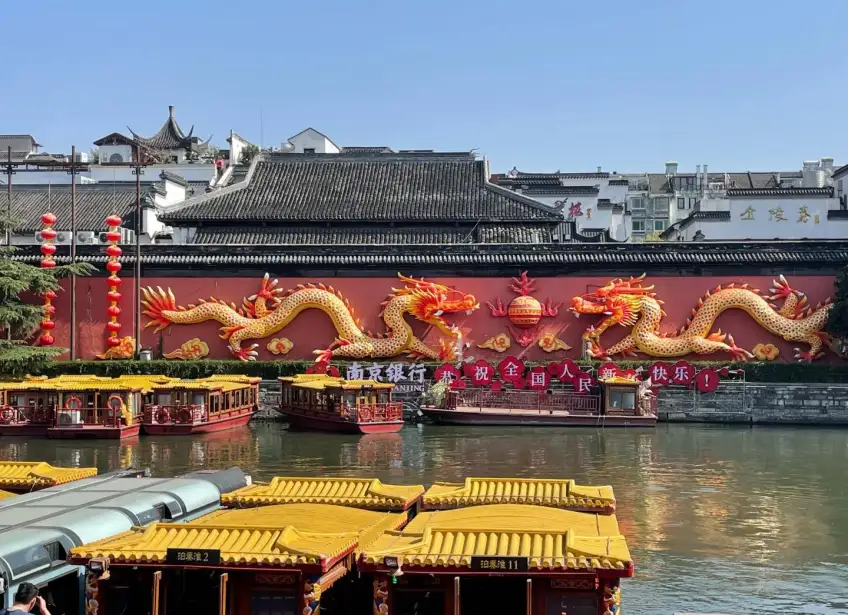
The daytime view of the Qinhuai Double Dragon Wall and yellow-roofed painted boats is on the core waterway of the Confucius Temple Qinhuai area—don't confuse it with Bund cruises or Zhouzhuang's water lanes.
Group size also affects pricing: guiding four family members differs from hosting ten business guests in workload and pacing. Some quotes charge per group, while others add fees for extra people. Specify the ratio of children and seniors so the guide can plan a slower route if needed—this doesn't automatically mean a surcharge, but it affects whether you can cover all planned stops in a half day. During holidays, cherry blossom season on Zhongshan Mountain, and National Day peaks along the Qinhuai River, tight schedules may require prepayment or a minimum booking duration. Always follow the confirmation letter; this article doesn't list fixed prices.
One more practical tip: your confirmation letter should ideally include six items—services covered, start and end times, meeting point, exclusions, overtime rules, and language. If any are missing, ask about them. Verbal quotes on WeChat are fine for reference, but always go by the stamped or system-confirmed itemized breakdown, especially regarding invoice titles and whether a travel service category can be issued—mention this upfront if you need reimbursement. If you visit Zhongshan Mountain in the morning and rush to Confucius Temple in the afternoon, transfer time counts toward the full day. Don't treat it as two half days added together and then ask for a discount—adding two halves isn't the same as a packaged full day. Requesting separate quotes makes things clearer.
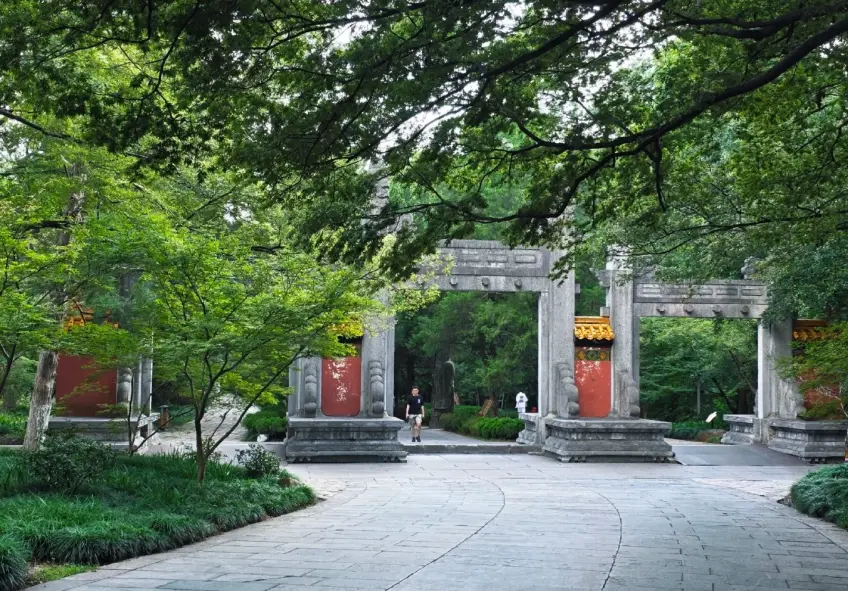
The three-arch Lingxing Gate and Sacred Way entrance at Ming Xiaoling Mausoleum sit on the ceremonial axis of the site on Zhongshan Mountain—don't confuse them with the Great Red Gate at the Ming Tombs or other imperial mausoleum paths.
Common guiding scenarios and pacing
For Nanjing guided commentary, we recommend splitting the route into four themes—"Etiquette Line, Modern History Line, City Landmarks Line, and South City Deep Dive"—rather than cramming every trending spot into a single day. Zhongshan Line: the ceremonial steps at Sun Yat-sen Mausoleum, the orderly Spirit Way and stone statues at Ming Xiaoling Mausoleum, plus short stops at the Meiling Palace veranda and the Music Stage. For older guests with limited stamina, skip the climbs and stick to the flat Spirit Way. Modern History Line: move through the Presidential Palace from the central zone to the west zone to the east zone to avoid backtracking; if pairing it with the Nanjing Museum, note that the museum is closed on Mondays and requires reservations. City Landmarks Line: count the daytime memorial arches at Confucius Temple and the evening Qinhuai River cruise as separate time blocks; Jiming Temple, Xuanwu Lake, and the Ming city wall work well as light connectors. South City Deep Dive: set aside half a day just for the Buddha's Crown Palace and underground palace at Niushou Mountain. It's far from downtown, so factor transfer time into your transport or private car plan. You can also first review our Introduction to Nanjing's Core Attractions to map out the sites before deciding how to divide your commentary segments.
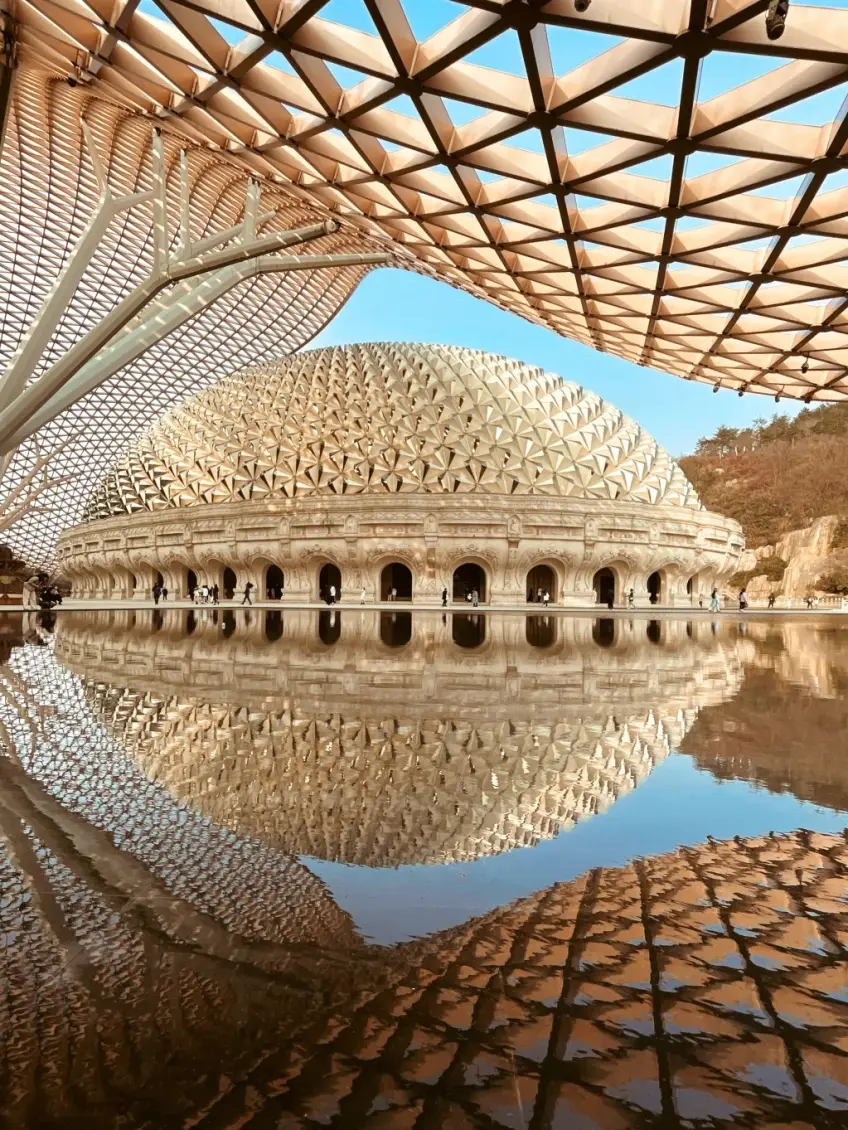
The golden dome of the Buddha's Crown Palace at Niushou Mountain and its reflection in the water are part of the mountain's core architecture. Don't mistake it for a golden-domed palace elsewhere or a quarry landmark.
In terms of pacing, half a day works best for "exploring one main site thoroughly," while a full day suits "two areas plus one transfer." Trying to squeeze a city wall walk, the Zhonghuamen Gate barbican, and the Yihelu villas into the same day usually sacrifices depth. When requesting a quote, list your must-sees and what you're willing to skip so your travel consultant can prioritize them—don't complain about rushing later.
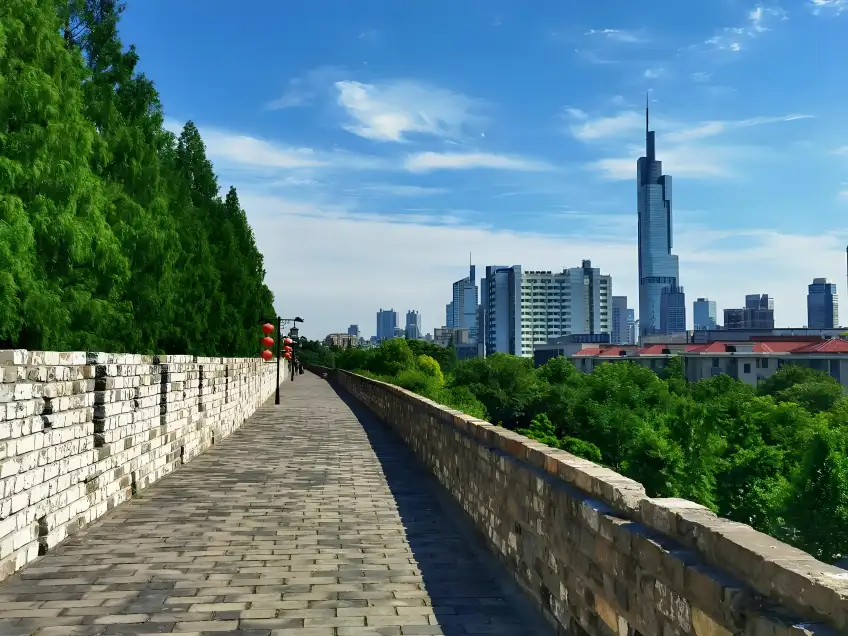
Zifeng Tower seen from the Ming city wall trail frames Nanjing's ancient wall against the modern skyline. Don't confuse it with the Forbidden City walls in Beijing or any other ancient city wall.
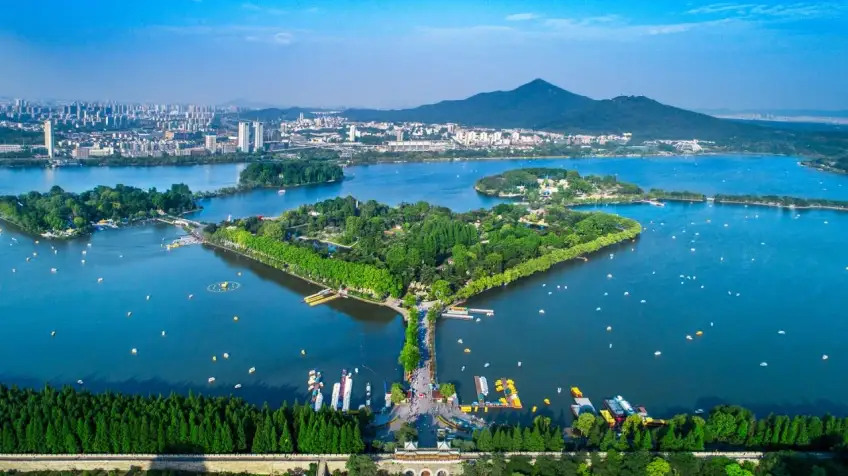
This aerial view of the five islands and city wall gate belongs to Xuanwu Lake, the city's backyard garden. Don't mistake it for a panorama of West Lake or an aerial shot of a lake elsewhere.
Who pays for tickets, transport and meals?
Guide service fees usually don't include attraction tickets, cable cars, electric carts inside the park, or boat tickets. When requesting a quote, ask three things clearly: "Do you buy tickets for us?", "Is there a service fee for ticket purchasing?", and "How are invoices issued?" Reservations for Sun Yat-sen Mausoleum, ticket types for the Presidential Palace, and combo ticket rules for Niushou Mountain are subject to the attraction's policies on the day; guides can help plan your ticket-buying route, but that doesn't mean they'll cover the cost.
Transportation is a separate expense. If you just meet the guide at the attraction entrance and get there yourself, you only pay for the guiding service. For multi-stop transfers across Zhongshan—Confucius Temple—Niushou Mountain, adding a private car saves hassle. Ask separately whether the car fare covers tolls, parking, driver meals, and overtime waiting, distinct from guide overtime, to avoid verbal "car + guide package" prices that can't be broken down later. Point-to-point shuttles from Nanjing Railway Station, Nanjing South Railway Station, or Lukou Airport aren't part of guiding services—book station transfers separately instead of cramming shuttle hours into a half-day tour.
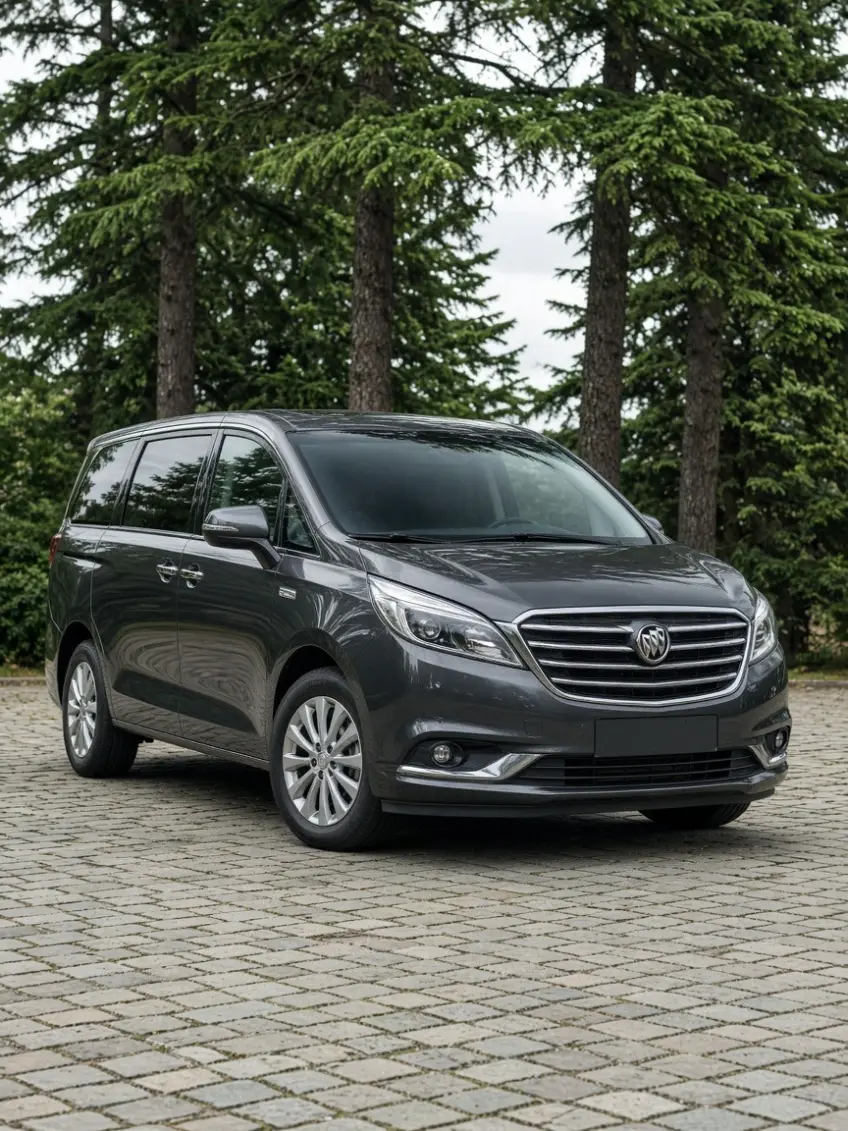
The dark business van parked by the stone path in the pine forest is just an illustration of the vehicle type. Don't treat it as a photo of a specific fleet or proof of a branded fleet; vehicle dispatch is subject to the confirmation letter.
Meals are at your own expense by default. If you'd like the guide to join you for a meal and keep answering questions, clarify whether it counts toward working hours and if there's an extra companion dining fee; don't assume "treating them to a meal equals extending the tour by half a day." Booking restaurants or buying local specialties are extra errands—whether they can do it and if there's a charge should be written into the confirmation before booking. This article won't go into food recommendations; the guiding focus here is on attractions and history, not locking your budget into snack hunting.
How to confirm languages and surcharges
Most available guides speak Mandarin Chinese; English, Japanese, and other languages require advance confirmation of availability and qualifications—don't assume you can switch languages on the spot. Dialect requests (such as Cantonese) must also be included in your inquiry, as local Nanjing guide availability and language matching vary by person. For less common languages or peak days, expect surcharges, guide changes, or rescheduling. When inquiring, simply ask: "Is this language available, is there a surcharge, and how long does confirmation take?"
Translation devices can't replace licensed guides: mausoleum etiquette, modern history context, and practical tips still rely on a person's judgment on site. If your group mixes Chinese and English speakers, clarify whether it will be "English throughout" or "mainly Chinese with key terms translated into English"—the workload differs, and so might the quote. Include your native language, backup language, and whether you need a written itinerary in a specific language in the form to reduce communication issues on the day.
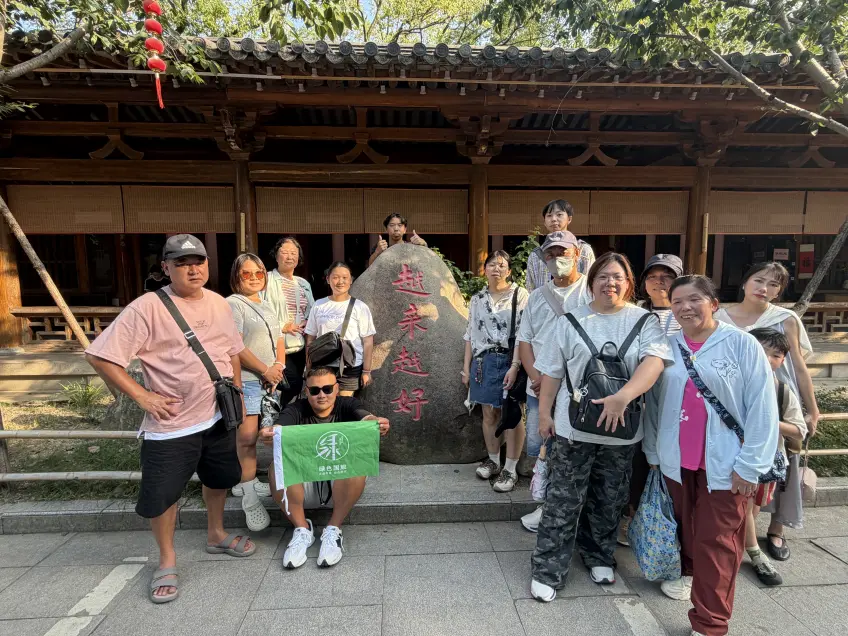
A guide holding the GreenTourAsia flag posing with guests in front of a stone tablet is a typical driver-guide group photo. The background shows garden pavilions and corridors—do not describe it as The Bund waterfront or an airport pickup at Hongqiao Terminal.
If you need an English itinerary confirmation letter for visa applications or corporate hosting, that's a separate copywriting add-on and should be negotiated apart from the on-site guiding fee. Whether audio or video recording is allowed depends on site rules and the guide's preference; commercial shoots are quoted separately and shouldn't be assumed included in the half-day rate. If seniors have hearing difficulties or kids have short attention spans, you can request "slower pace, fewer technical terms, more rest stops"—this usually doesn't cost extra, but may reduce the number of sites covered in half a day.
How pricing compares with private car, group tours and shuttles
If you prefer a hassle-free trip with fixed meeting points and schedules, check the group tour framework for the Nanjing route "Meet in Jinling" two-day itinerary (public routes including the Six Dynasties Ancient Capital and Niushou Mountain). Tour fees often cover transport and some tickets, but there's little room to change stops. If you want to control stops, get deeper commentary, and depart from your own hotel, hire a guide separately, and if needed, add a private car.
It's clearer to look at three separate bills: the tour fee is a "package price"; guiding is charged "per person-day or half-day"; and transport is "mileage plus driver hours." Comparing just one total makes it easy to overlook overtime and ticket advances. For business trips that also include Yangzhou or Zhenjiang, a standard Nanjing day tour won't work. Instead, opt for custom private travel to rearrange the days and must-see sites, then calculate guiding and transport costs separately rather than forcing a cross-city trip into a half-day rate.
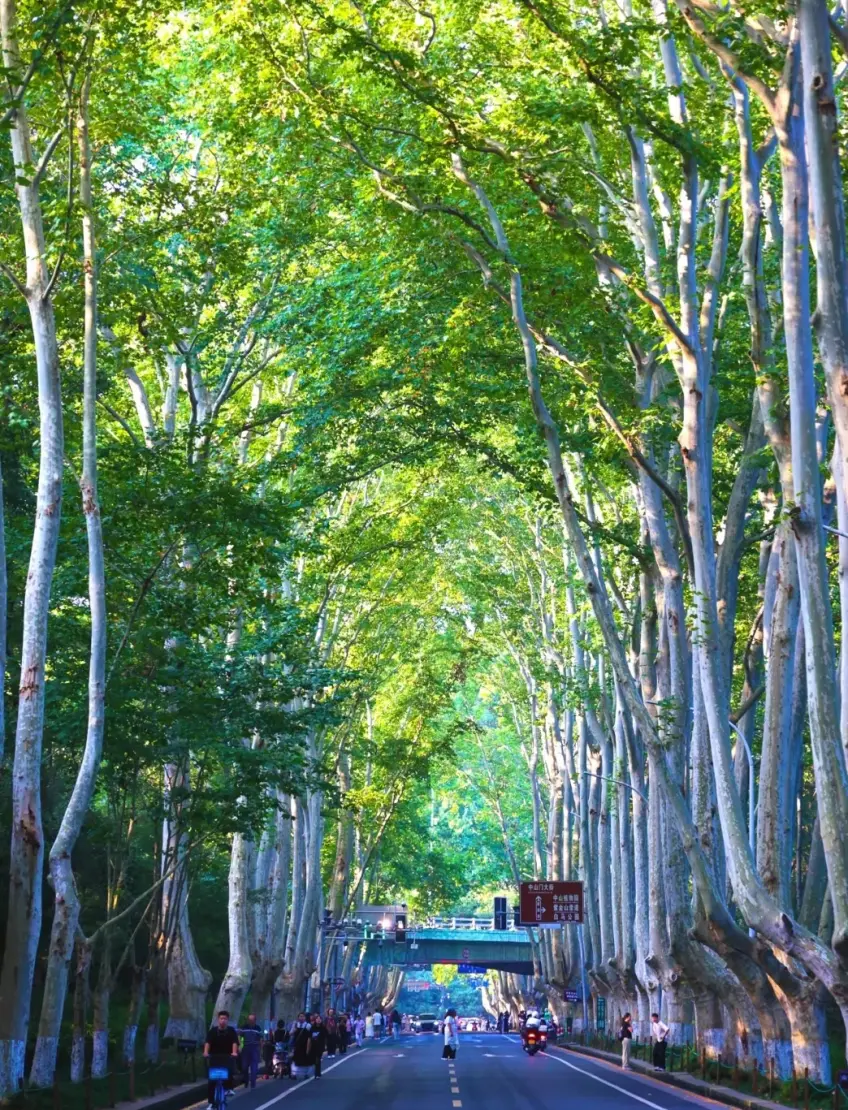
The shaded plane tree tunnel on Zhongshan Avenue in the Zhongshan scenic area, with road signs pointing toward Zhongshan Gate and Sun Yat-sen Mausoleum. Don't mistake it for the plane trees on The Bund in Shanghai or pass off a French plane tree street as Nanjing.
For transfers between your hotel and Nanjing South Station, Nanjing Station, or Lukou Airport, just use station transfer pricing and keep it separate from sightseeing guiding to avoid counting flight delay wait times as guide hours. If you want historical commentary during a Qinhuai River night tour, ask about evening rates separately. If you're just strolling and taking photos, handle your own transport and save your budget for an in-depth guided tour the next day.
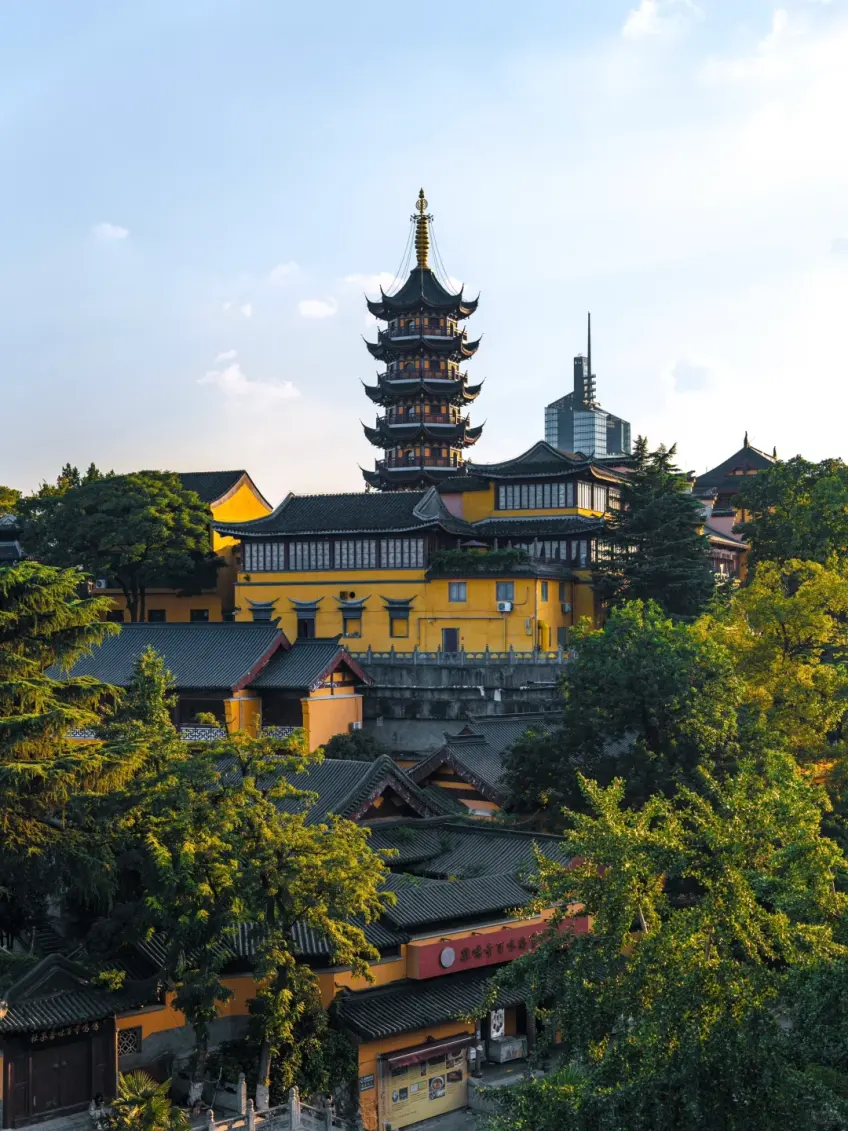
The yellow walls, gray tiles, and seven-story pagoda of Jiming Temple, with modern skyscrapers visible in the distance, form a classic view of Jiming Temple in Nanjing. Do not mistake it for a yellow-walled temple elsewhere.
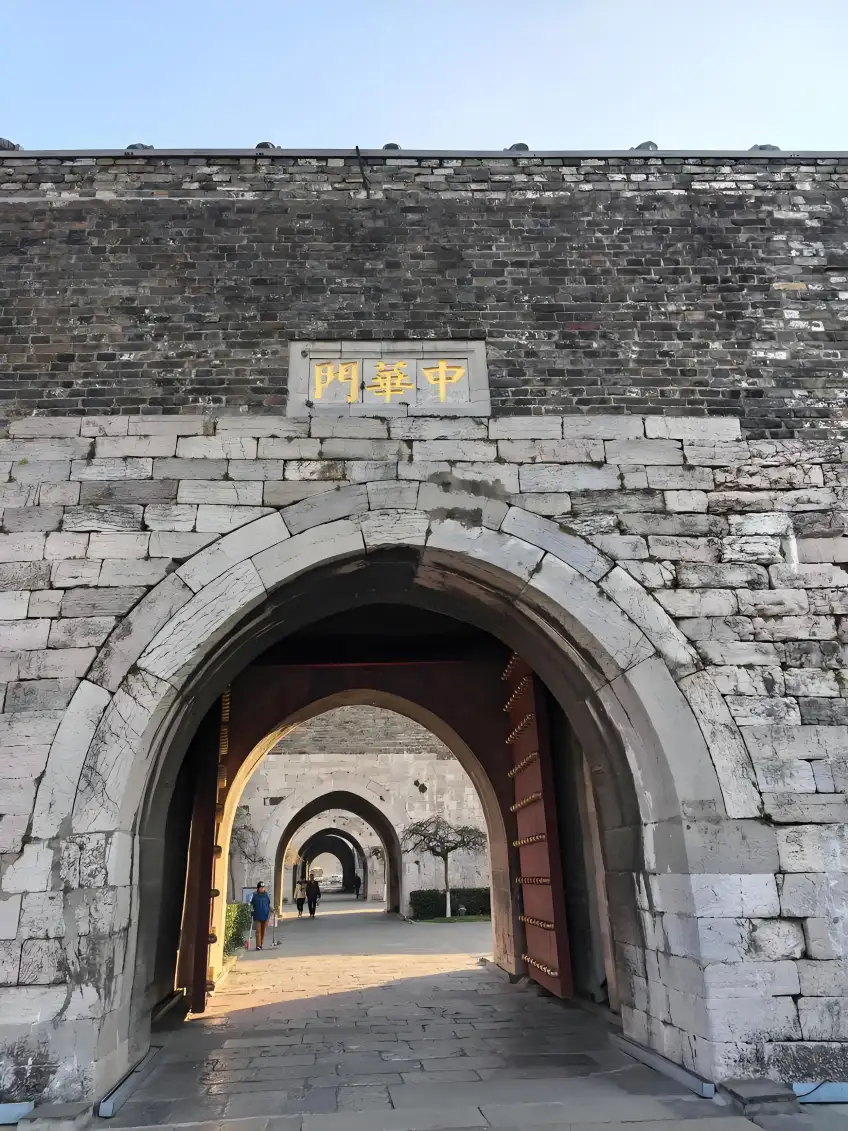
The golden plaque archway and deep barbican passage of Zhonghua Gate belong to the Zhonghua Gate Fortress in Nanjing. Do not mistake them for Xi'an city wall gates or other barbicans.
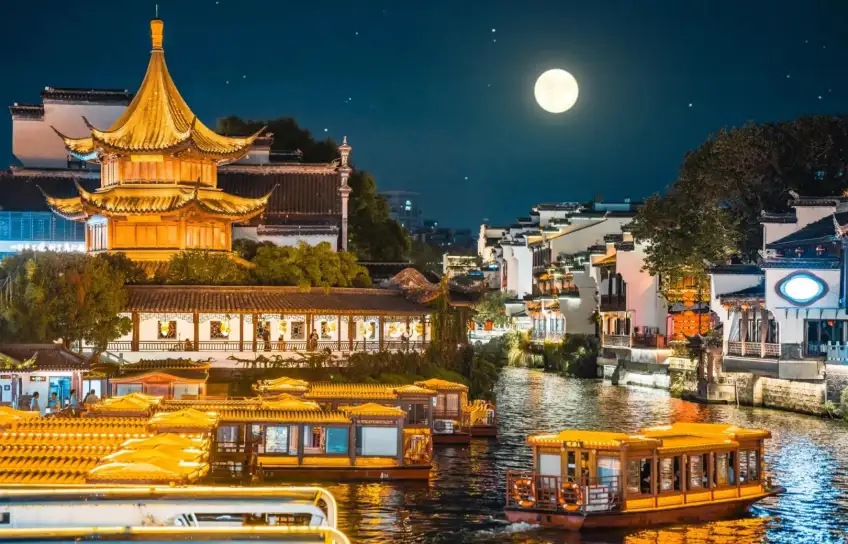
The night scene of Confucius Temple and Qinhuai River, with painted boats and lights on both banks, is the signature image of a Qinhuai night tour. Do not pass off The Bund nightscape or Zhouzhuang at night as this.
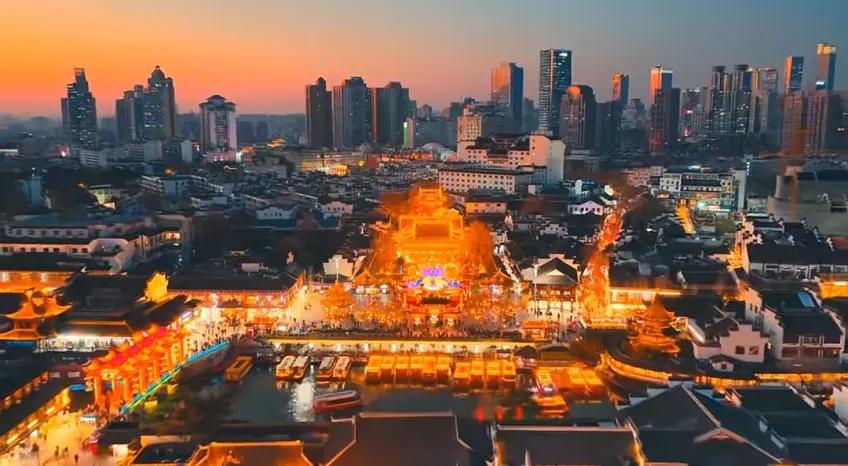
An aerial view of dusk lights at Confucius Temple and Qinhuai River alongside modern buildings, framing the old town's light trails with the new city skyline—a signature image of Nanjing. Do not mistake it for dusk at The Bund in Shanghai.
Tips for requesting a quote: send your travel consultant a checklist including dates, group size, language, half-day or full-day, whether you need a car, whether tickets should be booked for you, and overtime billing rules. If you need commentary, use the hire a guide option; if you want to change the route or rearrange the itinerary, fill out the custom trip form. All figures are subject to the confirmed reply.
FAQs
Why aren't fixed prices shown on the website?
Because prices vary widely based on schedule, language, group size, holidays and whether a car is included, publishing fixed rates can be misleading. The right approach is to request a quote for a half-day or full-day basis and get the itemized breakdown and validity period on your confirmation letter. This article only explains how to ask; it doesn't make up price ranges.
How do you define half-day vs. full-day?
Specify the start and end times, the list of main stops, and whether transfers are included. One main stop over three to four hours is a typical half-day; two areas plus transfer time usually makes a full day. If you add an evening Qinhuai River night cruise or a city wall section, confirm separately whether it costs extra—don't just agree verbally to "take a quick look."
Is an English-speaking guide always more expensive?
There's no fixed markup, but guides for English, Japanese and other languages have tighter schedules, so a surcharge or a different guide is common. When requesting a quote, ask directly whether that language is available, if there's a surcharge, and how many days in advance you need to confirm — that's more reliable than guessing a percentage.
Are admission tickets and transport included with the guide by default?
Usually not. Admission tickets, electric carts and painted boats are often charged separately. For cross-district travel, add private car service or arrange your own transport. Use station/airport transfers for short rides from stations or airports, booked separately from the guide.
Which saves more: a 2-day group tour or hiring a guide?
It depends on whether you want to change the itinerary. If you're fine with a fixed schedule, compare the "Meet in Jinling" group tour. If you want hotel pickup, control over stops and in-depth commentary, hire a guide first, then decide whether to add a car. What you save is a better match, not some abstract total.
How do we meet at the attraction? Do I need a car?
You can arrange to meet at a designated gate at Sun Yat-sen Mausoleum, Presidential Palace or Confucius Temple. If you get there yourself, you only pay for the guide. For multi-stop transfers, add private car service. For trips of two days or more, or if you insist on changing the route, use custom private travel to break down guide and car fees by day before confirming the total.