

Nanjing layers Six Dynasties heritage, Republican-era charm, and lively street life into a single city. On your first visit, focus on the main highlights: Purple Mountain, Nanjing Museum, Confucius Temple and the Qinhuai River, the Presidential Palace, and the Ming City Wall. It's far easier than ticking off spots aimlessly.
If you arrive in Nanjing by high-speed train, book station transfers first to go straight to your hotel. To really understand the artifacts and mausoleums, prioritize hiring a private guide. For multi-stop itineraries, consider a private car or a well-established group tour as your framework. If your schedule is flexible, use custom travel planning to rearrange your days based on your interests.
Nanjing's top attraction: Purple Mountain (Zhongshan) Scenic Area
Purple Mountain (Zhongshan) Scenic Area is Nanjing's core 5A-rated destination, home to the Ming imperial tomb, Sun Yat-sen Mausoleum, Meiling Palace, the Music Stage, and Linggu Temple. Half a day is rarely enough. We recommend buying the Zhongshan combo ticket (includes Ming Xiaoling Mausoleum, Meiling Palace, and the Music Stage), which offers better value than individual tickets. If you're not up for a lot of walking, take the scenic area shuttle bus, and leave the detailed commentary to a private guide for a clearer experience.
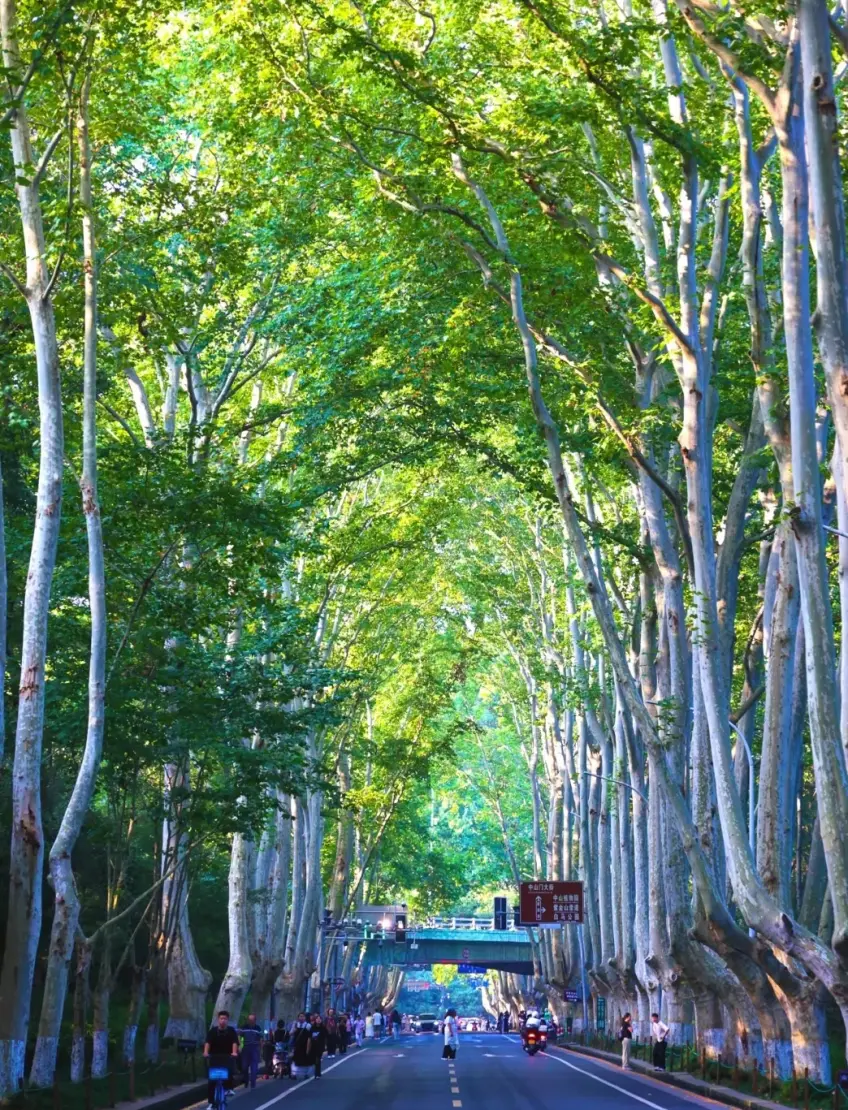
The photo above shows the shaded plane tree avenue in Zhongshan. Next, let's look at how to plan visits to Ming Xiaoling Mausoleum and Sun Yat-sen Mausoleum.
Ming Xiaoling Mausoleum
Ming Xiaoling Mausoleum is the joint tomb of Zhu Yuanzhang and Empress Ma, and a UNESCO World Heritage Site. Admission is about ¥70, but the combo ticket offers better value. The highlights are the stone statues along the Sacred Way and the Baocheng (walled burial mound). Strolling slowly along the Sacred Way is far more enjoyable than rushing through. Reservations and opening hours are subject to daily announcements.
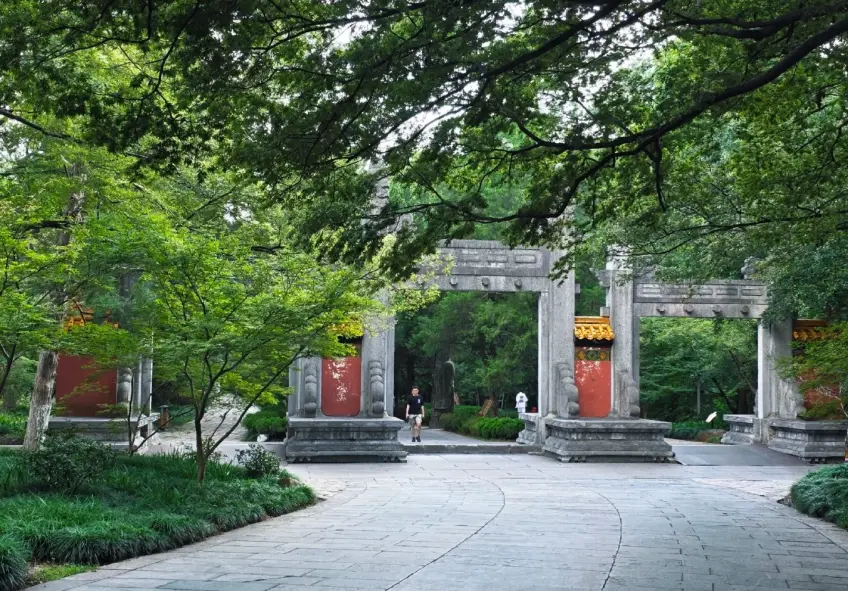
The photo above shows the stone elephants along the Sacred Way of the Ming Xiaoling Mausoleum. Walking along the Sacred Way toward the Baocheng (walled burial mound) adds a sense of ceremony.
Sun Yat-sen Mausoleum
Sun Yat-sen Mausoleum is free but requires booking 3–7 days in advance. Tickets sell out fast on holidays. Its landmark is the 392 steps, designed in sections so you can rest—no need to rush to the top. Looking back at the pine forests of Purple Mountain from the summit is one of Nanjing's classic views.
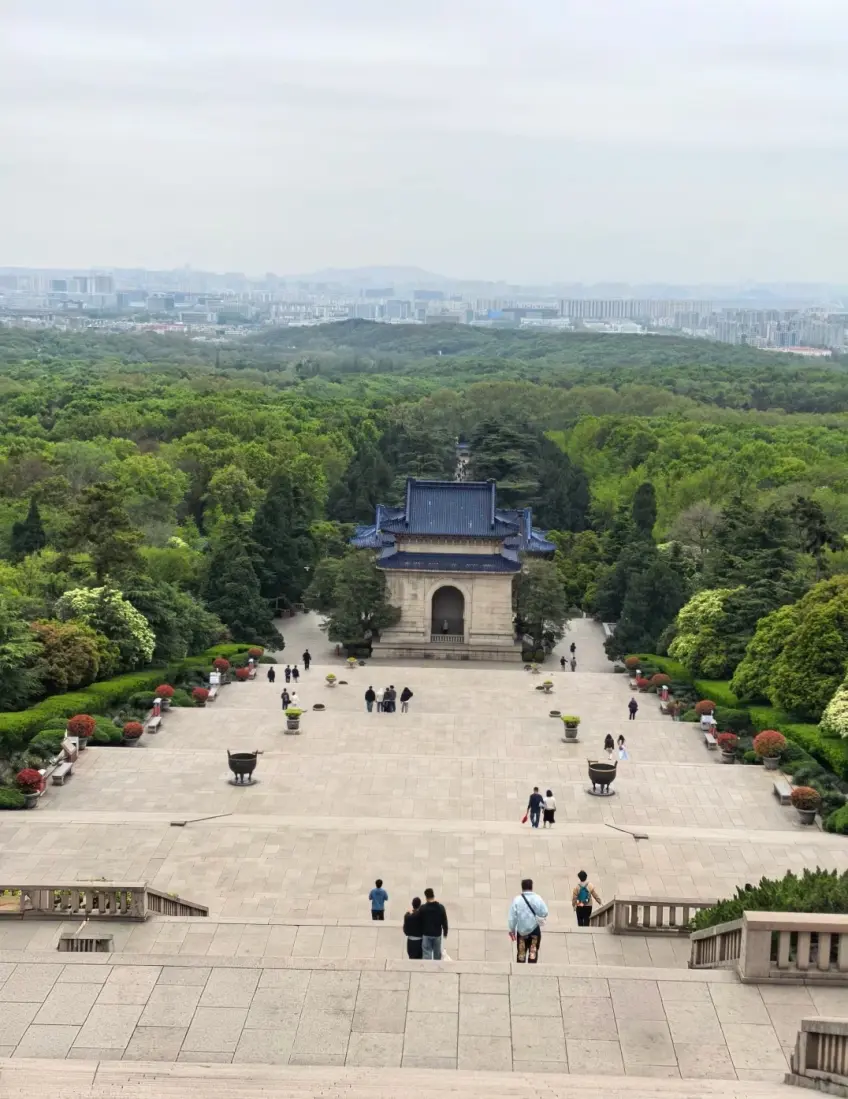
The photo above shows the view of Purple Mountain from Sun Yat-sen Mausoleum. The steps are divided into sections for resting, so don't rush to the top.
Meiling Palace
Known as the "No. 1 Villa in the Far East," Meiling Palace costs about ¥30 and is included in combo tickets. French plane trees in the courtyard form a heart shape, best seen from the air or a high vantage point; the second-floor veranda is great for close-up architectural details. Couples and photographers can visit it after Sun Yat-sen Mausoleum.
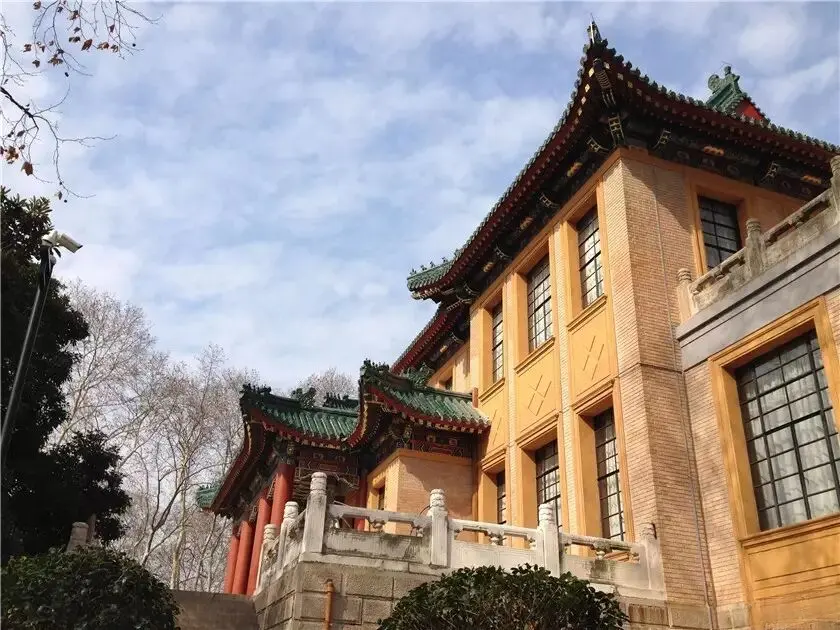
The photo above shows the second-floor veranda of Meiling Palace. You need a higher vantage point to see the heart shape formed by the plane trees in the courtyard.
Music Stage
The Music Stage is right next to Sun Yat-sen Mausoleum, with tickets around ¥10, included in combo tickets. The main draw is feeding the white doves—buy feed on site. They make great photos when they take off together. Remember to wash your hands afterward before continuing your trip.
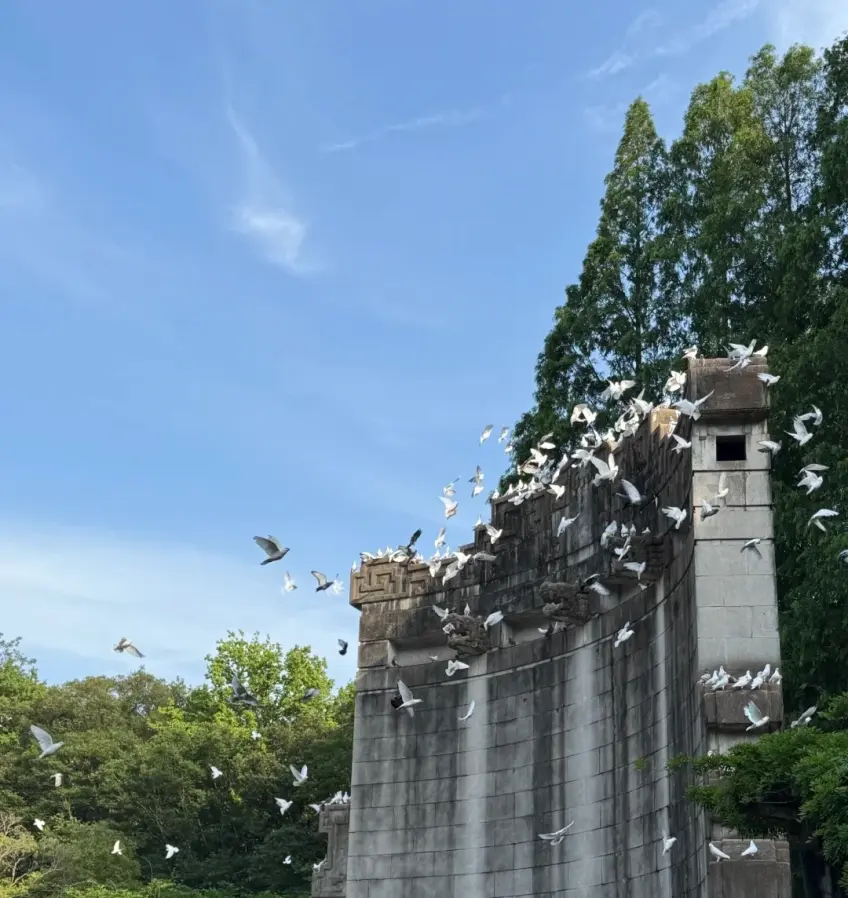
The photo above shows the white doves at the Music Stage plaza. Remember to wash your hands after feeding them before continuing your trip.
Linggu Temple
Tucked deep in the Zhongshan Mountains, Linggu Temple (tickets around ¥35) is relatively quiet. The highlight is the Beamless Hall—built entirely of gray bricks without beams or nails. To truly understand the layered history of the Six Dynasties and the Republic era, add a half-day private guide tour after your half day in the Zhongshan Mountains, or fold it into a two-day group tour itinerary to avoid backtracking.
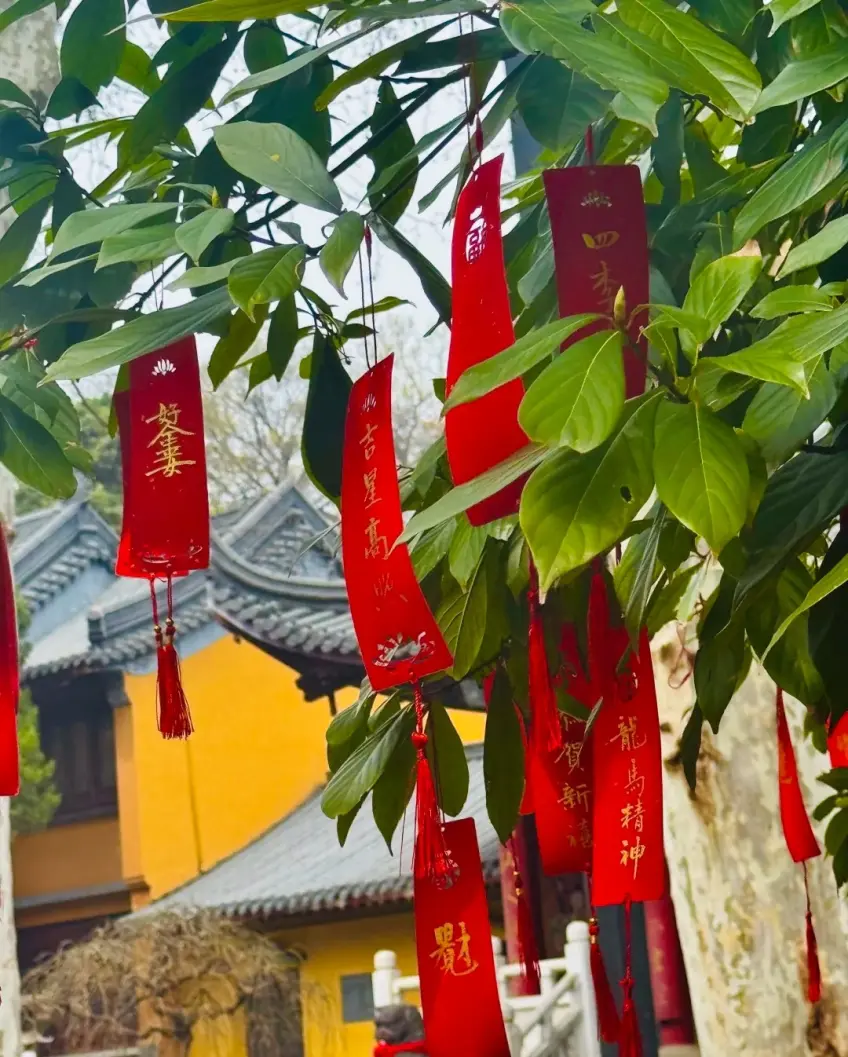
The photo above shows the brick corridor at Linggu Temple. Allow at least half an hour for the Beamless Hall.
How to explore Nanjing Museum
Nanjing Museum is one of China's three largest museums. Admission is free with advance booking, and it's closed on Mondays. During holidays, be sure to reserve tickets 3–7 days ahead. Suggested route: History Hall highlights → Republic of China Hall street scenes → special exhibitions, art or intangible cultural heritage halls based on your interests.
History Hall
The History Hall traces Jiangsu's civilization chronologically. Don't miss treasures like the Eastern Han silver-inlaid bronze ox lamp and Ming Xuande blue-and-white porcelain. If you're curious about the stories behind the artifacts, hiring a private guide for a one-on-one tour builds a better timeline than scanning the display plaques yourself.
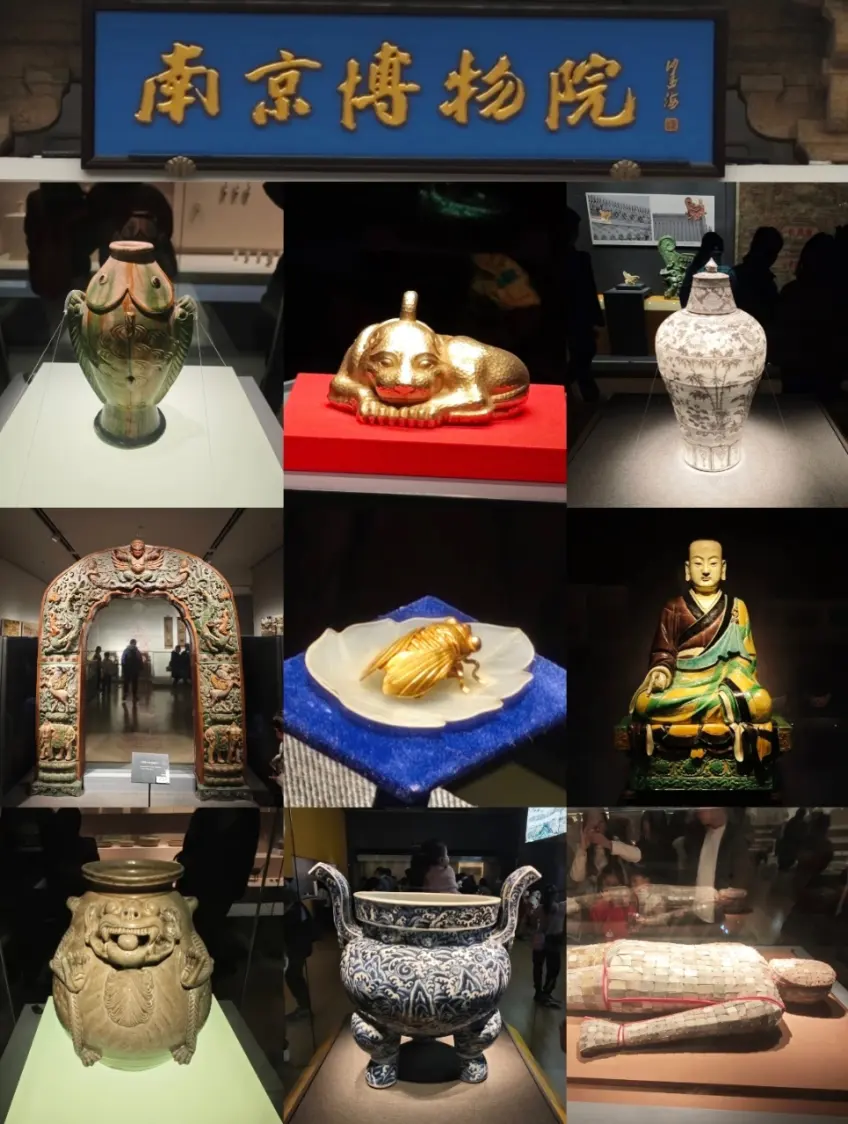
The photo above shows the main building of Nanjing Museum. It flows best to visit the History Hall first, then walk through the Republic of China Hall.
Republic of China Hall and other galleries
The Republic of China Hall recreates an old Nanjing commercial street at 1:1 scale, complete with a vintage train station, post office, and tram. It's full of details and offers plenty of great photo ops in a qipao. You don't need to see all six halls in the complex—picking two for a deeper look is more relaxing. After the Nanjing Museum, you can head straight to the Presidential Palace to keep the historical thread going.
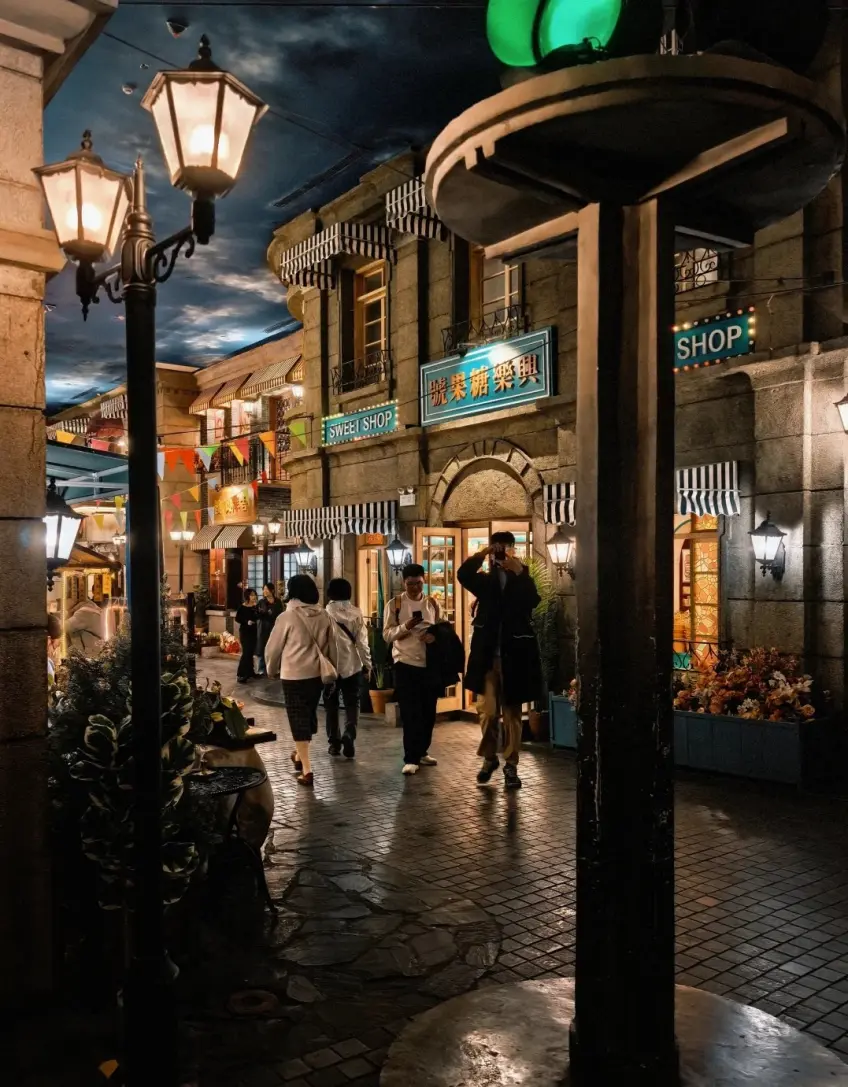
The photo above shows the retro street scene in the Republic of China Hall. There are plenty of great spots for qipao photos. Note that the museum is closed on Mondays.
A half-day combo of the Nanjing Museum and the Presidential Palace fits well into a well-planned group tour, or you can book a private car for point-to-point transfers to save time on subway connections.
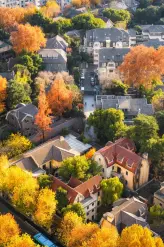
【南京一日游-市博线】 纯玩无购物
【精华景点】总统府、南京市博物馆! 【贴心服务】专属定制车型,拥有多年安全行驶经验的华东司机,让旅途更安心! 【纯玩享受】纯玩品质团,尽享纯净之旅,一次旅行,记忆一生! 【超值赠送】品牌矿泉水每人每天一瓶!
Confucius Temple · Qinhuai River · Wuyi Lane
The Confucius Temple and Qinhuai River area is Nanjing's signature attraction: explore the memorial archways and imperial examination hall by day, and enjoy the lantern-lit painted boats by night. Most of the main streets are free, while smaller sites like Dacheng Hall charge separately. Skip full meals on the main street—just sample the snacks.
Confucius Temple
Must-see spots: Tianxia Wenshu Archway, Dacheng Hall, and the Jiangnan Examination Hall. With white walls, dark tiles, and red lanterns, daytime is great for architecture photos while the atmosphere is even better at night. After arriving at Nanjing Station or Nanjing South Station, you can book a station transfer to your Confucius Temple hotel and walk into the street from there—much easier than hauling luggage.
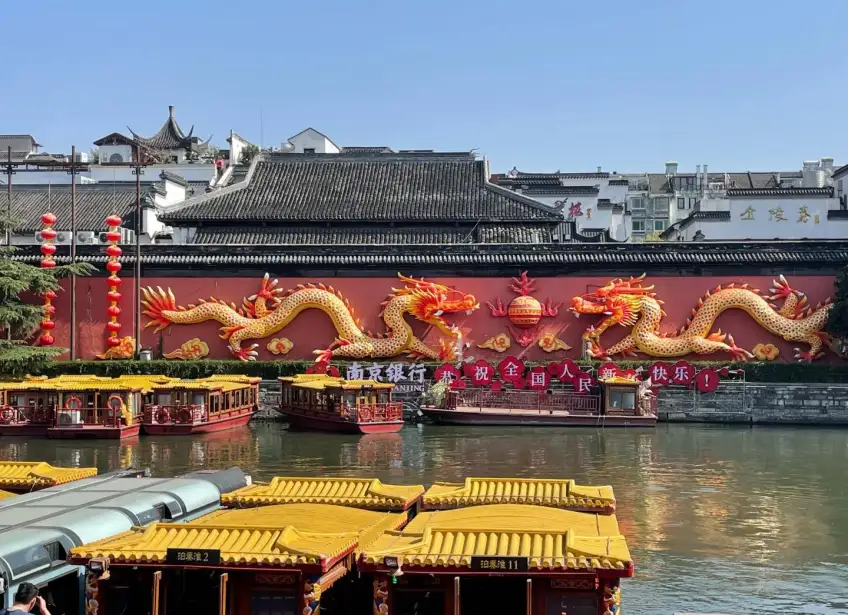
The photo above shows the Confucius Temple archway in daylight. Photographing the architecture by day and viewing the Qinhuai River at night offers the best value.
Qinhuai River night cruise
Lights are on from about 18:30–22:00, and the lighting looks best half an hour after dark. The Inner Qinhuai painted boat route is longer with more sights, and tickets usually cost ¥80–¥100; the Outer Qinhuai route is slightly shorter. If you need to travel between cities or visit multiple stops before or after the cruise, book a private car to avoid late-night transfers.
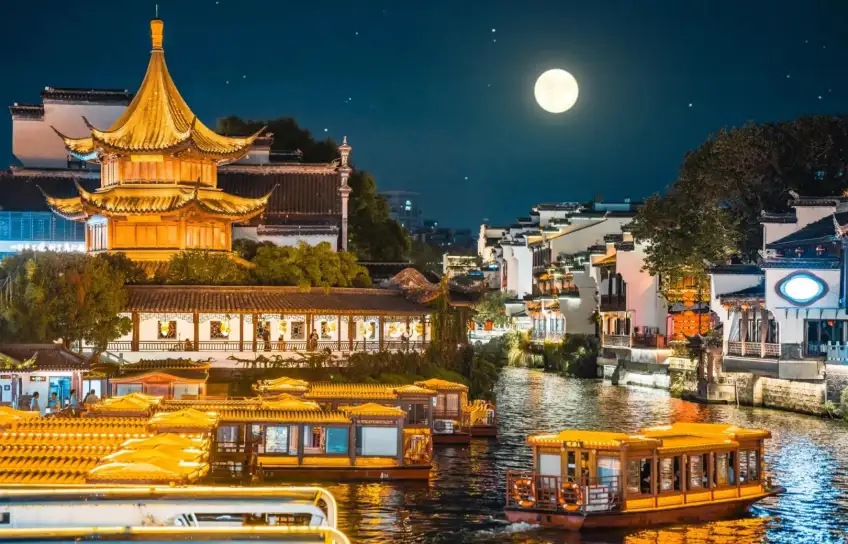
The photo above shows the night lights and painted boats on the Qinhuai River. Choose the Inner Qinhuai route for more sights.
Wuyi Lane
Wuyi Lane is tucked deep inside the Confucius Temple area and is free. The bluestone slabs and white walls with black tiles feel quieter, giving you a real sense of the classic line "swallows that once nested in the halls of noble families." It's perfect for a slow stroll—don't just tag along with the crowds on the main street for a quick photo.
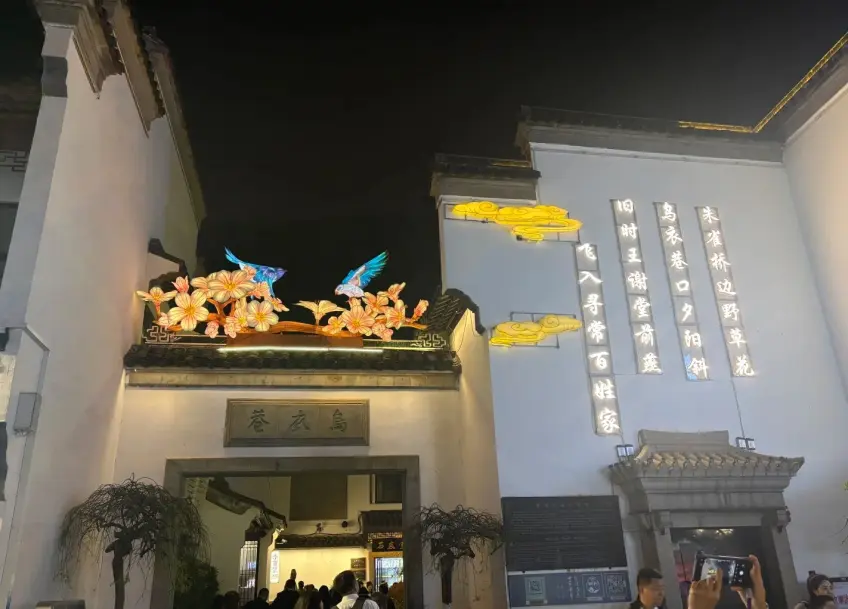
The photo above shows the narrow brick lane of Wuyi Lane. It's great for a slow walk—don't just follow the crowds from the main street.
Laomendong: A historic street where locals live
Laomendong sits right next to the Confucius Temple and is free. It's less commercialized, with more authentic Ming and Qing residences and brick lanes. Must-try snacks: Jiangyouji potstickers, Lushi plum blossom cakes, Shenji stinky tofu, and Xiaozheng crispy sesame cakes. At night, when the lanterns light up, it's perfect for a stroll.
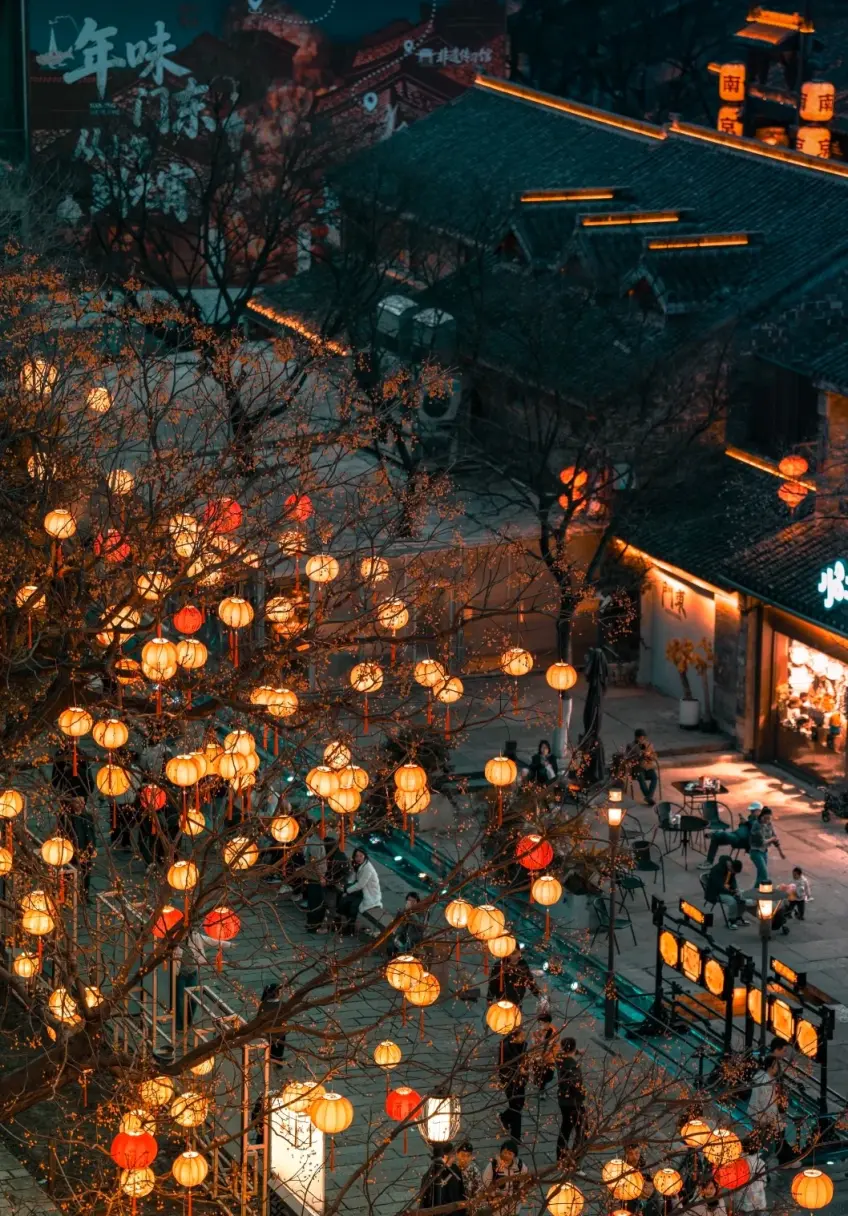
The photo above shows the lantern-lit historic street in Laomendong. The snacks here suit local tastes better than those on the main street near the Confucius Temple.
Plum blossom cakes taste best fresh off the griddle. You can spend half a day eating your way through here and combine it with an evening visit to the Confucius Temple. If your schedule is tight, use custom private travel to align your hotel and evening tour times.
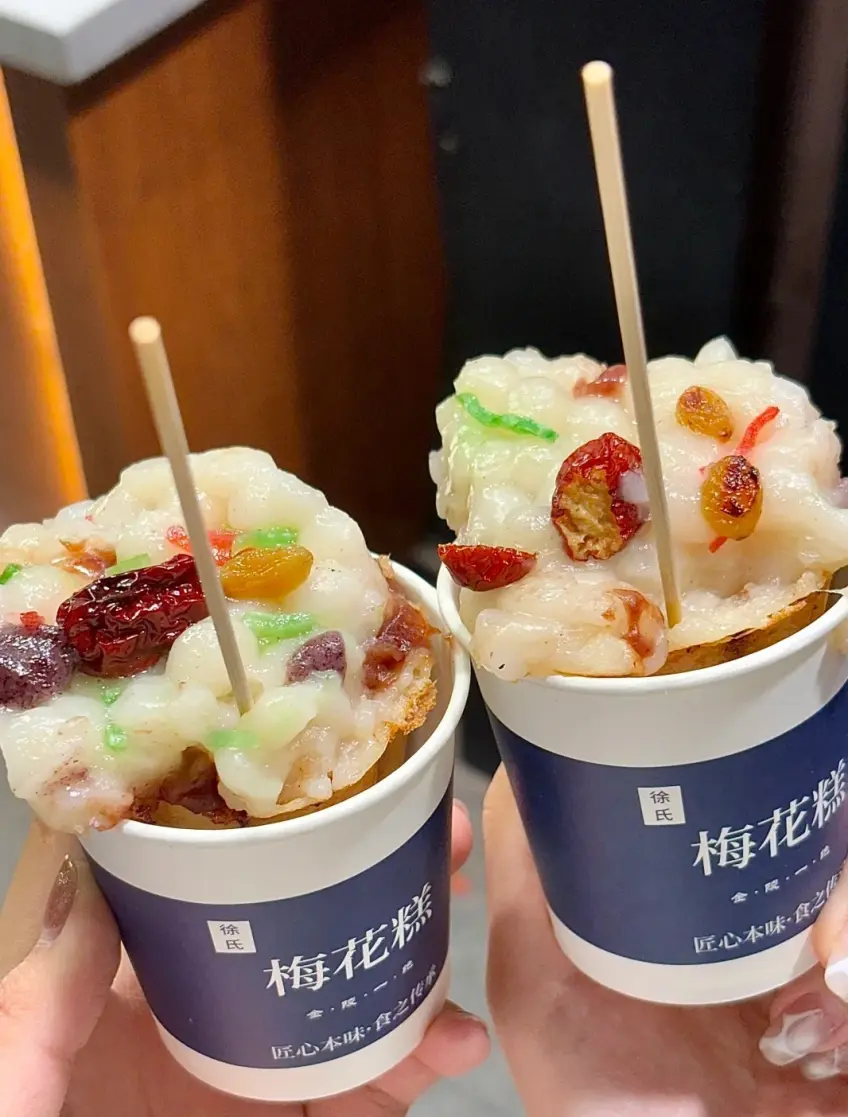
The image above shows a close-up of Jinling plum blossom cakes (meihuagao). They're made fresh to order, so eat them right away rather than saving them overnight.
Presidential Palace tickets and suggested route
Presidential Palace tickets cost about ¥35, and it is closed on Mondays. Over 600 years, the site has changed hands many times—from a Ming dynasty prince's mansion and the Viceroy's Office of Liangjiang to the Heavenly King's Palace and finally the Republican-era Presidential Palace. One garden tells half of China's modern history. We recommend going Central Zone → West Zone → East Zone to avoid backtracking.
If you'd rather skip ticket lines and route planning, add the Presidential Palace to a one-day group tour, or bundle it with the Nanjing Museum and hire a private guide; for hopping between districts, book a private car.
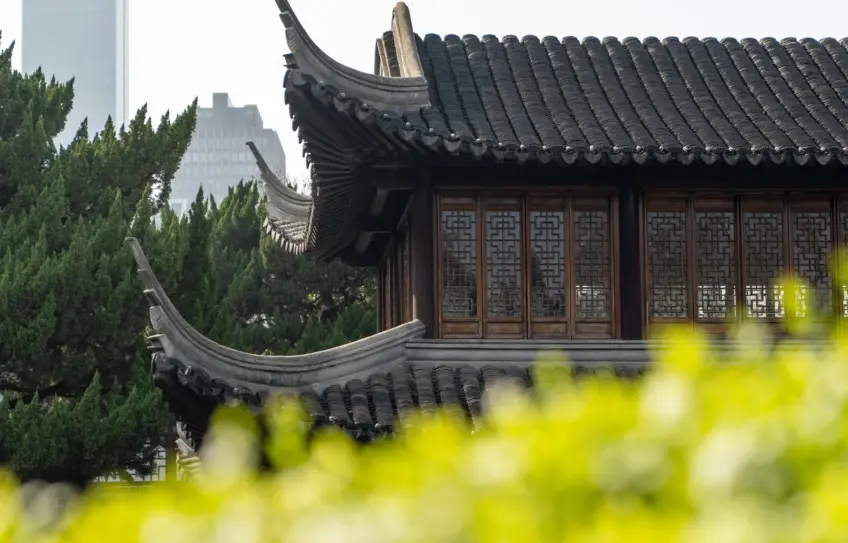
The image above shows the Presidential Palace gatehouse by day. We recommend the Central Zone → West Zone → East Zone route to avoid backtracking.
How to explore Xuanwu Lake
Xuanwu Lake is free. Right next to Jiming Temple and the Ming City Wall, it's the backyard garden for Nanjing locals. Mornings are quiet—walk around the lake or explore its five islets. You can easily combine it with Jiming Temple and the Jiefang Gate section of the city wall in half a day.
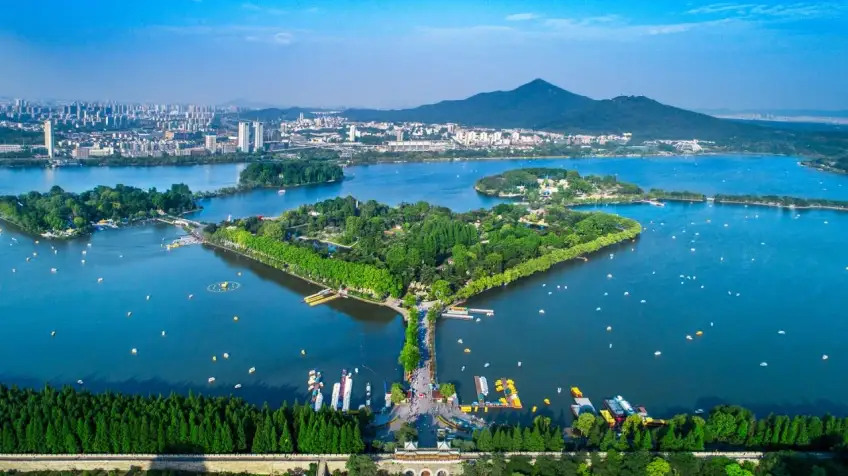
The photo above shows an aerial view of Xuanwu Lake's five islets. Mornings are quiet, and you can easily connect your visit with Jiming Temple.
Jiming Temple: The premier temple of the Southern Dynasties
Jiming Temple costs about ¥10 (usually includes incense). Its yellow walls climb the hillside amid lingering incense smoke, and many visitors come to pray for love. It's in the same area as Xuanwu Lake and the city wall, making it perfect for a light morning visit before heading to the Presidential Palace or the Nanjing Museum in the afternoon.
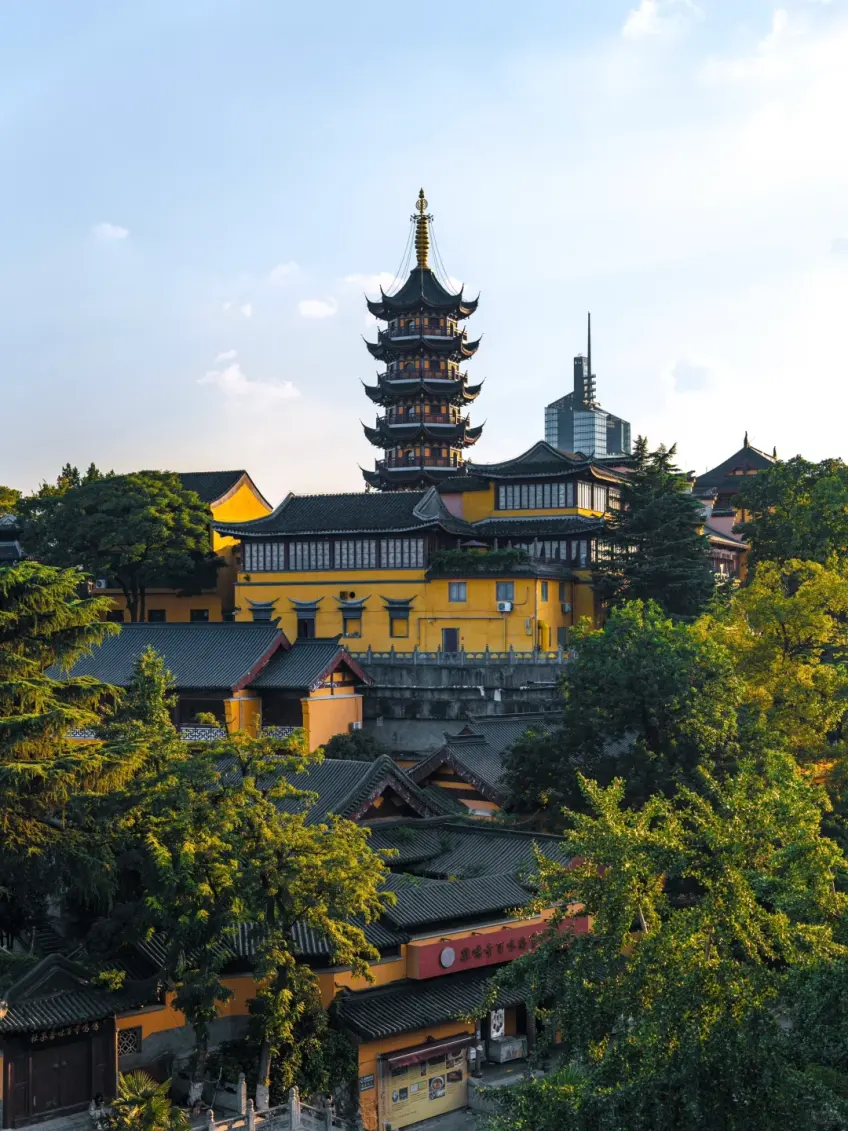
The photo above shows the yellow walls and pagoda at Jiming Temple. Admission includes incense, and most visitors come to pray for love.
Niushou Mountain: Usnisa Palace and the underground palace in the quarry
Niushou Mountain tickets cost about ¥98. Allow 4–5 hours. The Usnisa Palace was built in an old quarry, and its golden dome is visually striking; the underground palace enshrines the parietal bone relic of the Buddha, and the lighting and murals are worth taking your time with. It's far from the southern part of the city and public transit takes a while, so for a smoother multi-stop day, book a private car or a group tour that includes Niushou Mountain.
The lower level of the underground palace, Usnisa Pagoda and Usnisa Temple can be combined into a half-day route. It's very photogenic, but there are lots of stairs and walking involved, so wear sneakers.
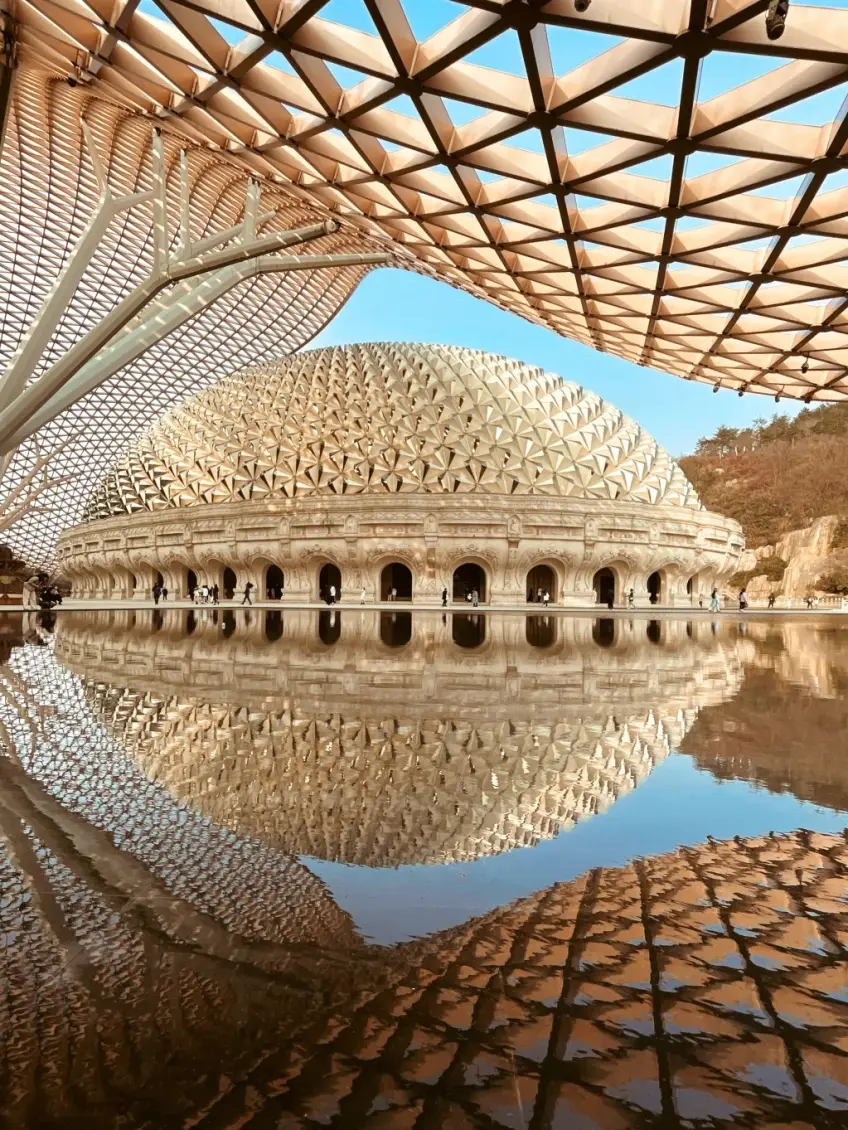
The photo above shows the exterior of Usnisa Palace on Niushou Mountain. Allow half a day, as it's quite far from the southern part of the city.
Yihe Road: One road, half the history of the Republican era
Yihe Road is free, lined with plane trees, and more than 200 Republican-era villas hide beneath the shade. The yellow walls and red tiles are perfect for a walking photo shoot—just don't disturb residents or climb over walls. Combine it with Meiling Palace and the Presidential Palace for a "Republican-era route," and use our custom private tour service to extend your stops at a photographer's pace.
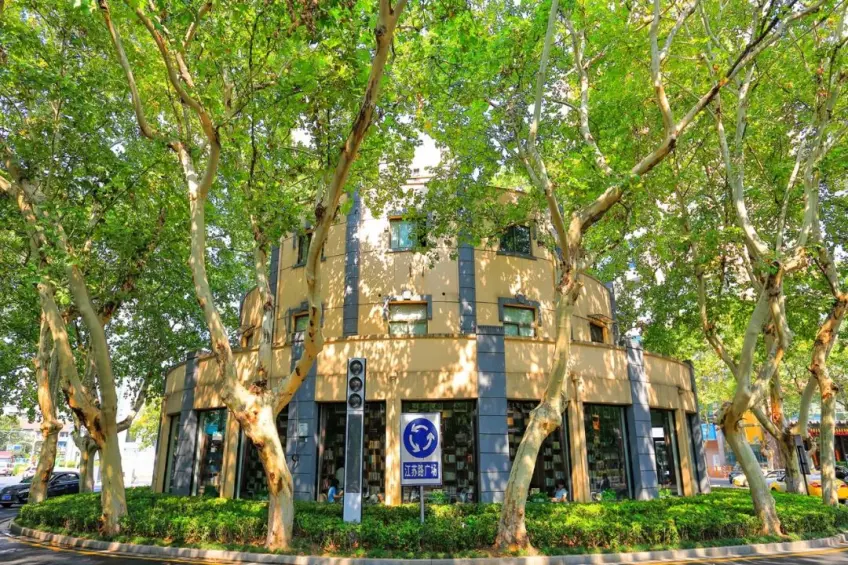
The photo above shows the plane tree-lined Western-style houses on Yihe Road. It's great for walking and photography, but please don't disturb the residents.
Zhongshan, Qinhuai, and Niushou Mountain in southern Nanjing are far apart. When linking them over two or more days, use station transfers for arrivals and departures. During the day, book a private car or a group tour to minimize transfers, hire a private guide for commentary, or arrange everything in one booking with our custom travel service.
Ming City Wall and Zhonghua Gate
Nanjing's Ming City Wall is world-class in scale, and most sections are free to walk. The highlight is the Zhonghua Gate Barbican, with tickets around ¥50. Three barbicans and four gates nest inside each other, and many gray bricks bear the names of their makers—a vivid display of ancient defensive ingenuity.
Zhonghua Gate Barbican
Zhonghua Gate is one of the best-preserved barbicans in existence. Allow at least an hour to study its structure rather than just posing for photos at the entrance.
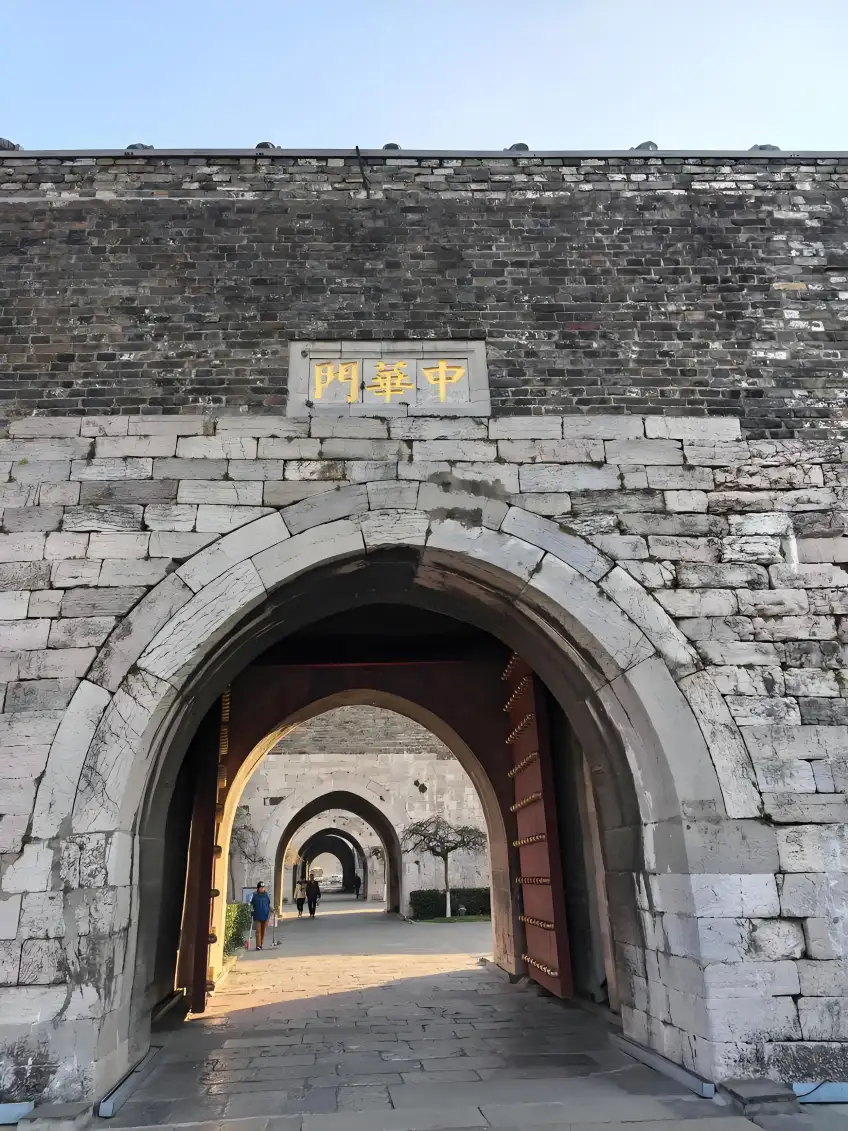
The photo above shows the walls of Zhonghua Gate Barbican. Its three-tiered defensive layout is worth a closer look.
Best section for a city wall walk
No need to walk the entire length. We recommend Xuanwu Gate → Jiefang Gate, with the city wall on one side and Xuanwu Lake on the other—the light is best at dusk. It's in the same area as Jiming Temple, so you can connect them on foot or with a short private car ride.
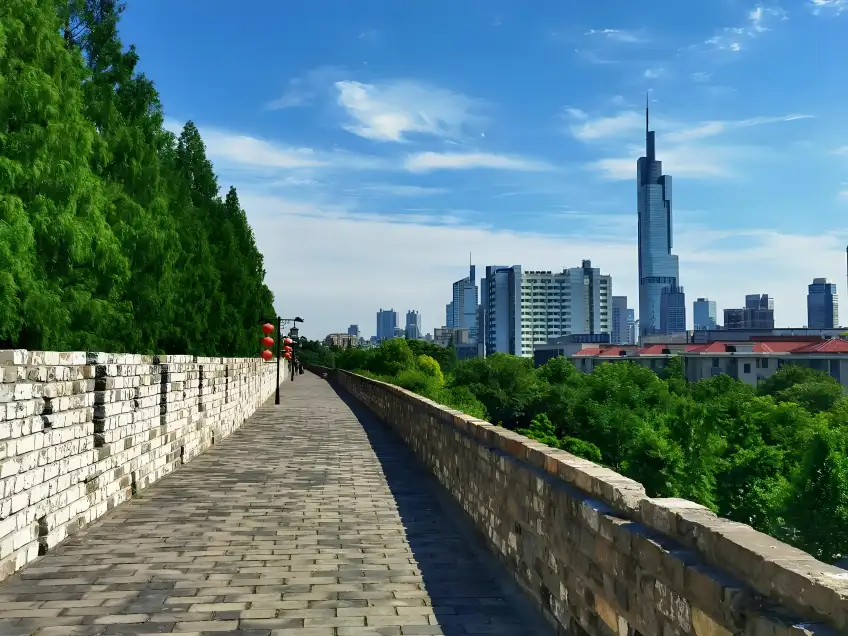
The photo above shows the lush green Ming City Wall in summer, with the lake and the wall framed together between Xuanwu Gate and Jiefang Gate.
Nanjing attraction tips to avoid tourist traps
1) For free timed-entry tickets to Sun Yat-sen Mausoleum, the Nanjing Museum, etc., book 3–7 days in advance—showing up last minute on holidays usually means missing out; 2) On Confucius Temple's main street, skip full meals and overpriced souvenirs; for authentic snacks, head to Laomendong or Kexiang; 3) Purple Mountain and Niushou Mountain are huge, so wear sneakers and take the sightseeing shuttle if you have limited stamina; 4) The Presidential Palace and the Nanjing Museum are usually closed on Mondays, so plan around that; 5) Don't squeeze onto the subway when rushing between districts—station transfers via pick-up/drop-off service and a private car are much more reliable.
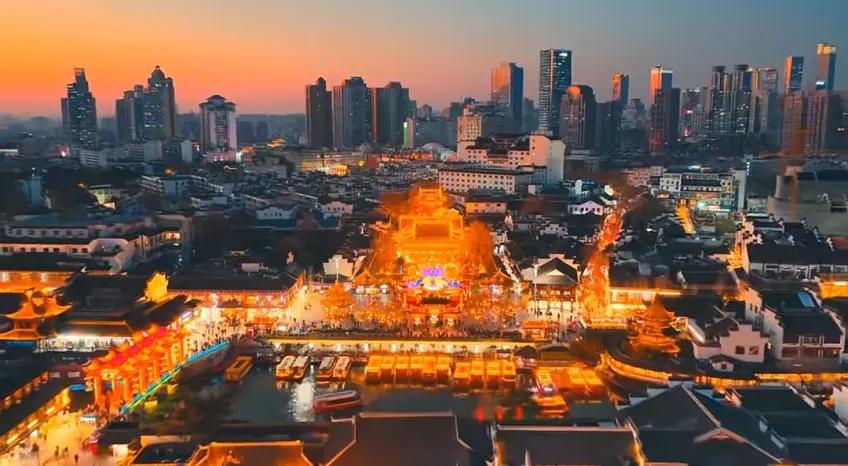
The photo above shows an aerial view of Confucius Temple and Qinhuai River at dusk. Read it alongside the night tour and tourist-trap tips for a smoother trip.
Sample 3-day Nanjing highlights itinerary
Day 1: Breakfast at Kexiang → Zhongshan (Ming Xiaoling Mausoleum + Meiling Palace + Music Stage) → Confucius Temple Qinhuai night cruise, stay near Confucius Temple; Day 2: Morning at Xuanwu Lake → Jiming Temple → Presidential Palace → Nanjing Museum → Dinner at Laomendong; Day 3: Zhonghua Gate / highlight section of the city wall → Niushou Mountain, or a Republican-era stroll along Yihelu. You can match this outline to a group tour like "Meet in Jinling," or split it into a private guide + a private car. For maximum flexibility, go with a custom private trip.
FAQs
First time in Nanjing—how should I prioritize the top sights?
Prioritize Zhongshan (Sun Yat-sen Mausoleum + Ming Xiaoling Mausoleum / Meiling Palace), Nanjing Museum, Presidential Palace, the Confucius Temple night tour, and the highlight section of the Ming City Wall. Niushou Mountain is great for photography and an in-depth half day. If you're short on time, skip Yihe Road and Linggu Temple; add them back if your schedule is relaxed.
Do I really need to book Sun Yat-sen Mausoleum and Nanjing Museum in advance?
Yes. Both usually require booking 3–7 days ahead, and slots fill up even faster during holidays. Without a reservation you may be denied entry, so always lock in your bookings before planning meals and evening activities for that day.
Confucius Temple or Laomendong—which should I choose?
Confucius Temple is the classic postcard spot with its night boat cruises; Laomendong feels more local, with street food and everyday life. A popular combo is Laomendong in the afternoon or early evening, then back to Confucius Temple at night for the lanterns—no need to pick just one.
How do I get to attractions without direct subway access?
Traveling between sites within Niushou Mountain and Zhongshan takes time. You can take the scenic area shuttle or book a private car for point-to-point transfers; use station transfers for rides to and from stations and hotels, and add a private guide if you want commentary.
Group tour, private car, or custom tour—which should I pick?
For a hassle-free trip on a proven itinerary, choose a group tour; for transport only, book a private car; for in-depth commentary, hire a private guide; to adjust both the number of days and your interests, use custom travel to align your accommodation and pace all at once.
The beauty of Nanjing lies in the stone elephants along the Sacred Way, the plane trees and Western-style villas, and the lantern-lit Qinhuai River. Lock in your reservations and route first, then add station transfers, a private guide, a private car or a group tour as needed. If you need the whole itinerary reworked, go with custom travel—less rushing, more lingering.