
Nanjing Presidential Palace is worth visiting not for any single building, but for a 600-year timeline—a Ming dynasty prince's mansion, the Qing dynasty Viceroy's Office of Liangjiang, the Taiping Heavenly Kingdom's Heavenly King Palace, the site where Sun Yat-sen took office as provisional president in 1912, and later the Nationalist Government. The grounds are laid out along three axes: Central, West, and East. First-time visitors often finish the walk without really understanding what they've seen. To get the most out of it, review the highlights of all three routes in this article first. If you're traveling with older relatives or foreign friends, or only have half a day, hiring a private guide well-versed in modern history will be far more efficient than reading the exhibit panels on your own.
A timeline: How many owners has this compound had?
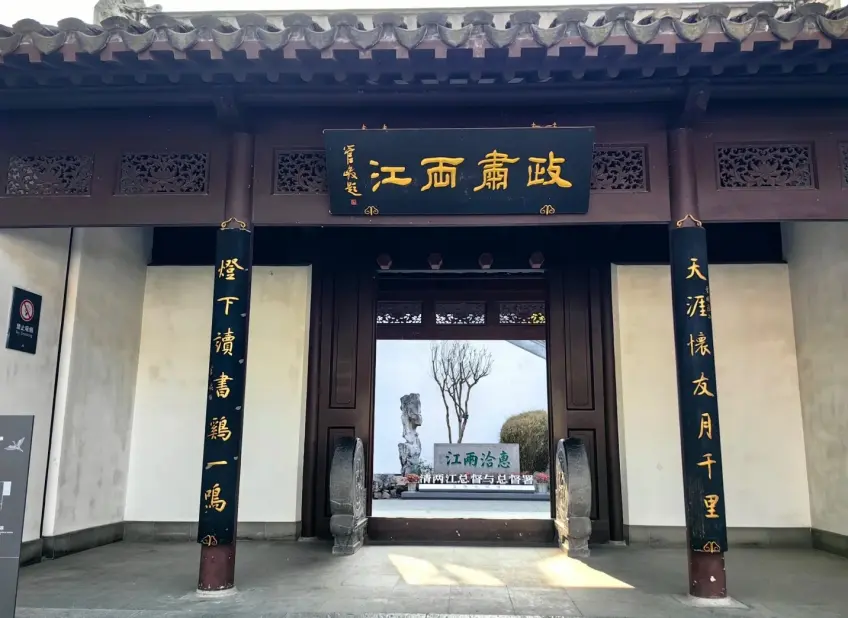
The Presidential Palace is located at 292 Changjiang Road, Xuanwu District, Nanjing. Its history can be roughly divided into five periods. In the early Ming dynasty, it was the Guide Marquis Mansion and the Prince of Han's residence. During the Qing dynasty, it served successively as the Jiangning Textile Commissioner's Office and the Viceroy's Office of Liangjiang, and Emperors Kangxi and Qianlong used it as a temporary palace during their southern tours. In 1853, the Taiping army captured Nanjing, made it their capital Tianjing, and expanded the former viceroy's office into the Heavenly King's Palace. After Tianjing fell in 1864, most of the palace was destroyed by fire. In 1870 (the ninth year of the Tongzhi reign), the Qing court rebuilt the Viceroy's Office of Liangjiang on the original site. On January 1, 1912, Sun Yat-sen took his oath here as the Provisional President of the Republic of China, and the compound later became the seat of the Nanjing Nationalist Government and the "Presidential Palace."
With this timeline in mind, the layout makes sense: the East Zone covers the Qing viceroy's office and the Taiping Heavenly Kingdom; the Central Zone follows the administrative axis of the Nationalist Government era; and the West Zone holds relics from Sun Yat-sen's time as provisional president along with Xu Garden. Today, the site is officially called the Nanjing Museum of Modern Chinese History, and its exhibits follow this structure. However, since the information panels are scattered across different courtyards, exploring on your own can easily mix up the chronological order.
This timeline also explains why the architecture looks so eclectic. The Taiping Heavenly Kingdom palaces were heavily damaged in the war, so most of what you see today reflects the viceroy's office layout rebuilt during the Tongzhi era, combined with Western-style buildings added during the Republican period. Within a single compound, traditional government halls, Jiangnan garden pavilions and corridors, and modern office buildings stand side by side—this patchwork is itself a mark left by history. As you explore, try asking yourself: which era built this structure, and who was it for?
Also note that a single spot in the compound often spans several historical periods. The Main Hall, for example, was the main hall of the Viceroy's Office during the Qing dynasty, part of the Heavenly King's Palace during the Taiping Rebellion, and a ceremonial venue during the Republic era. Peeling back these layers is the most fascinating part of the Presidential Palace, and something you can't easily grasp just by reading the exhibit panels.
Central zone: the office axis from the gatehouse and Main Hall to Zichao Building
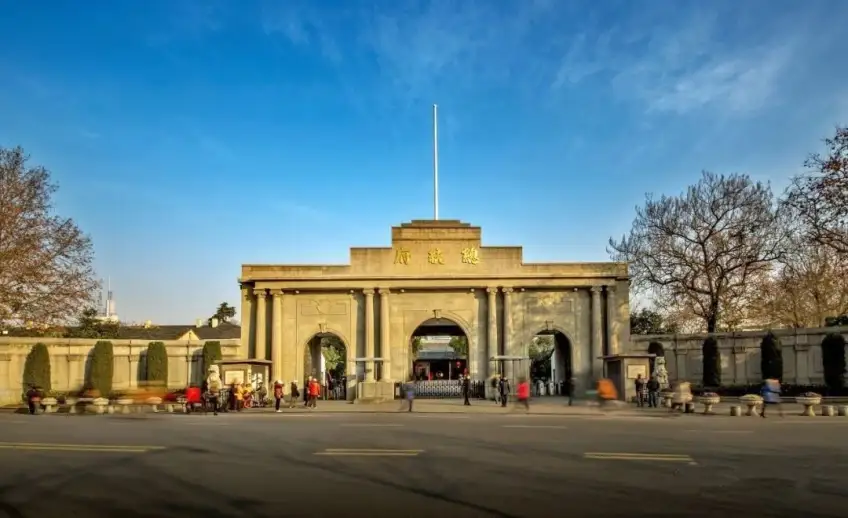
Pass through the gatehouse and you're on the central axis. The gatehouse was built by the Nationalist government in December 1929 after demolishing the viceroy's outer gate. With its Western-style columns and three archways, it's the most recognizable building in the entire Presidential Palace and where most visitors take photos. It isn't large—the real highlights lie behind it.
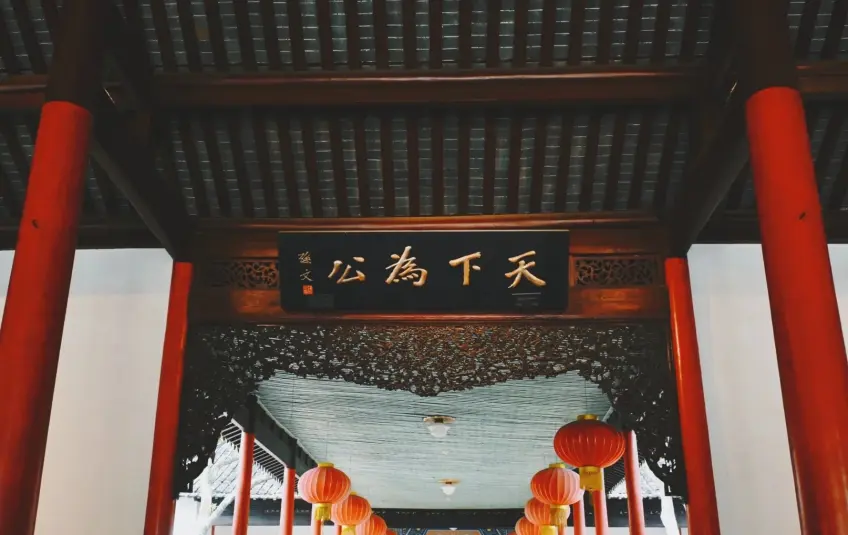
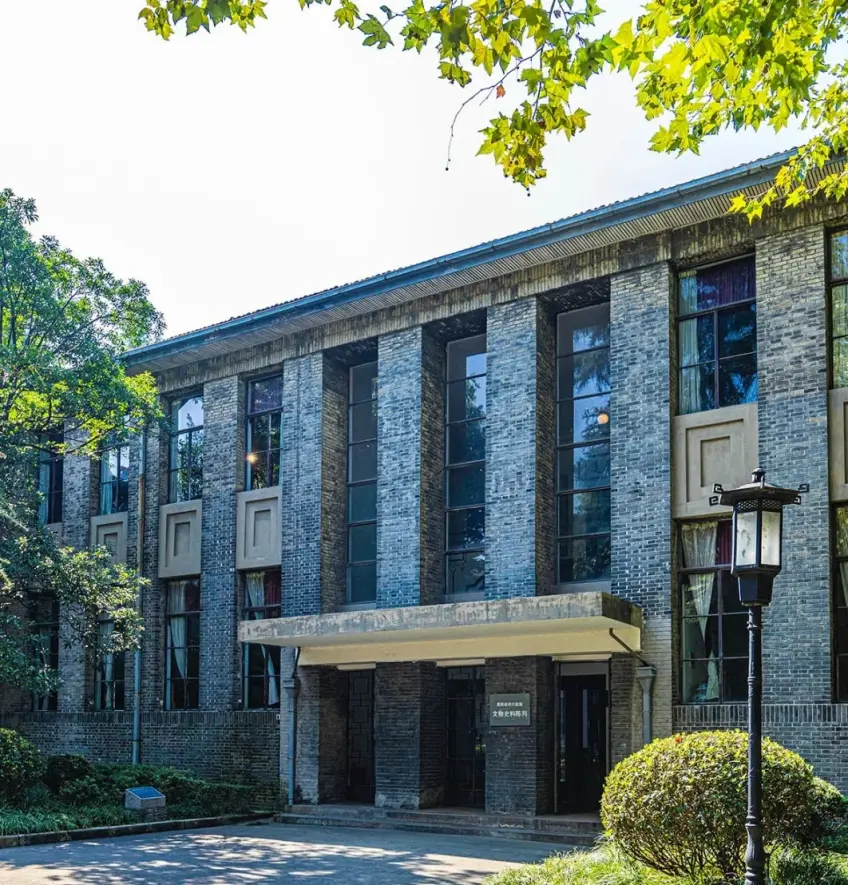
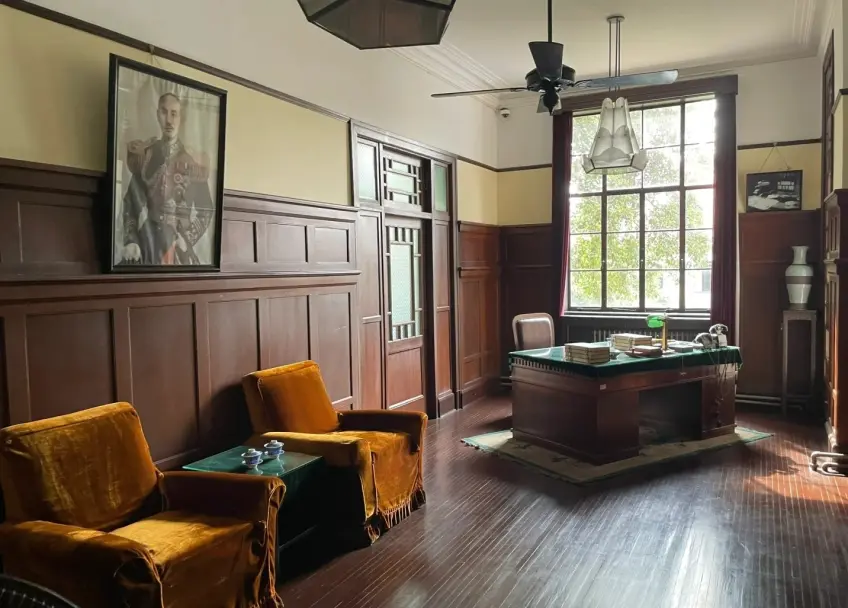
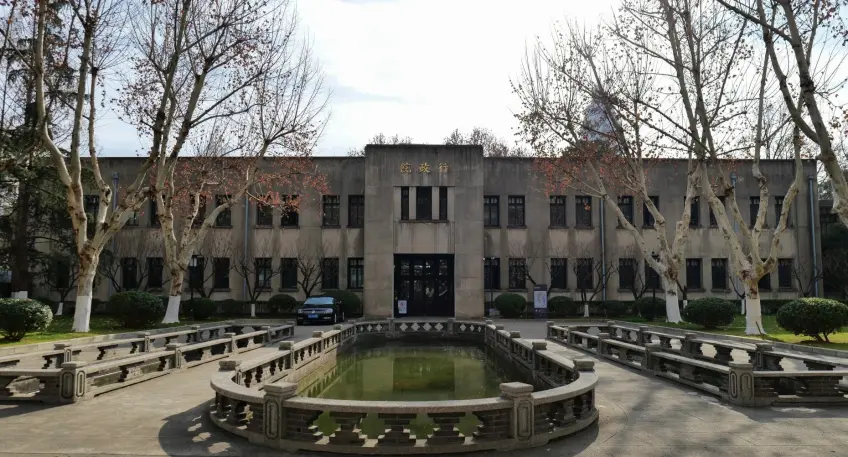
Beyond the gatehouse is the Main Hall, with a "The World Belongs to All" plaque hanging in the center. This was the site of the main hall during both the Viceroy's Office and Taiping Rebellion eras, and served as a ceremonial space during the Republic period. Further north are the Second Hall and office courtyards, with side rooms along the way displaying historical materials from various Nationalist government agencies. At the end of the axis stands Zichao Building—this gray office building was named after the courtesy name "Zichao" of Lin Sen, Chairman of the Nationalist Government. Inside, the offices are preserved exactly as they were, making it the spot where visitors spend the most time in the central zone.
The focus of commentary in the central zone is how the institutions operated. Former sites of the Executive Yuan, General Staff Headquarters and other agencies line both sides of the axis, and the exhibits feature plenty of official documents, photos and biographies. Visitors without background knowledge tend to breeze past them, which is exactly where a guide adds the most value.
When exploring the Central Zone, keep two things in mind. First is the mix of architectural styles: the Gate Tower and Zichao Building are Western or Sino-Western buildings from the Republic of China era, while the area around the First and Second Halls retains the layout of a traditional government yamen. Along this single axis, you can see the transition from a traditional yamen to a modern office building. Second is the focus of the exhibits: the Central Zone mostly covers institutional history and key figures, with a high density of information. Picking one or two institutions that interest you for a closer look is more rewarding than skimming every room.
If you're interested in historical figures, spend more time in the Central Zone. Many important figures from the Nationalist Government era worked along this axis, and the exhibits include their photos, handwritten documents, and recreated office scenes. Guides usually pick out a few exhibits with good stories—like what happened behind a certain official document—which is much easier to remember than simply memorizing dates.
There's often a line in front of Zichao Building. When it's crowded, visit the West and East Zones first and come back later. Space inside is limited, so visitors move through in one direction and can't linger. If you want a guided explanation, it's best to listen to the background info before going in.
West Zone: Provisional President's Office and Xu Garden
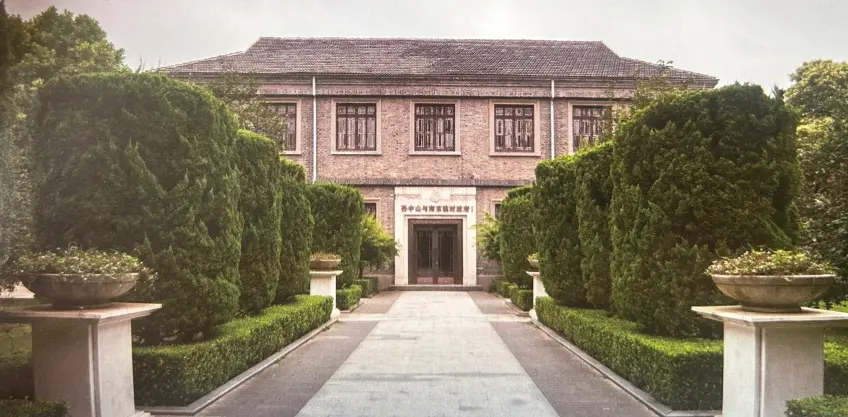
The West Zone has the highest concentration of sites related to Sun Yat-sen. The Provisional President Sun Yat-sen's Office is a row of Western-style single-story buildings completed in the late Qing dynasty, where the Nanjing Provisional Government operated in early 1912. The provisional government lasted only about three months in Nanjing, but the events here shaped the future of Chinese politics, so guides usually go into detail at this spot.
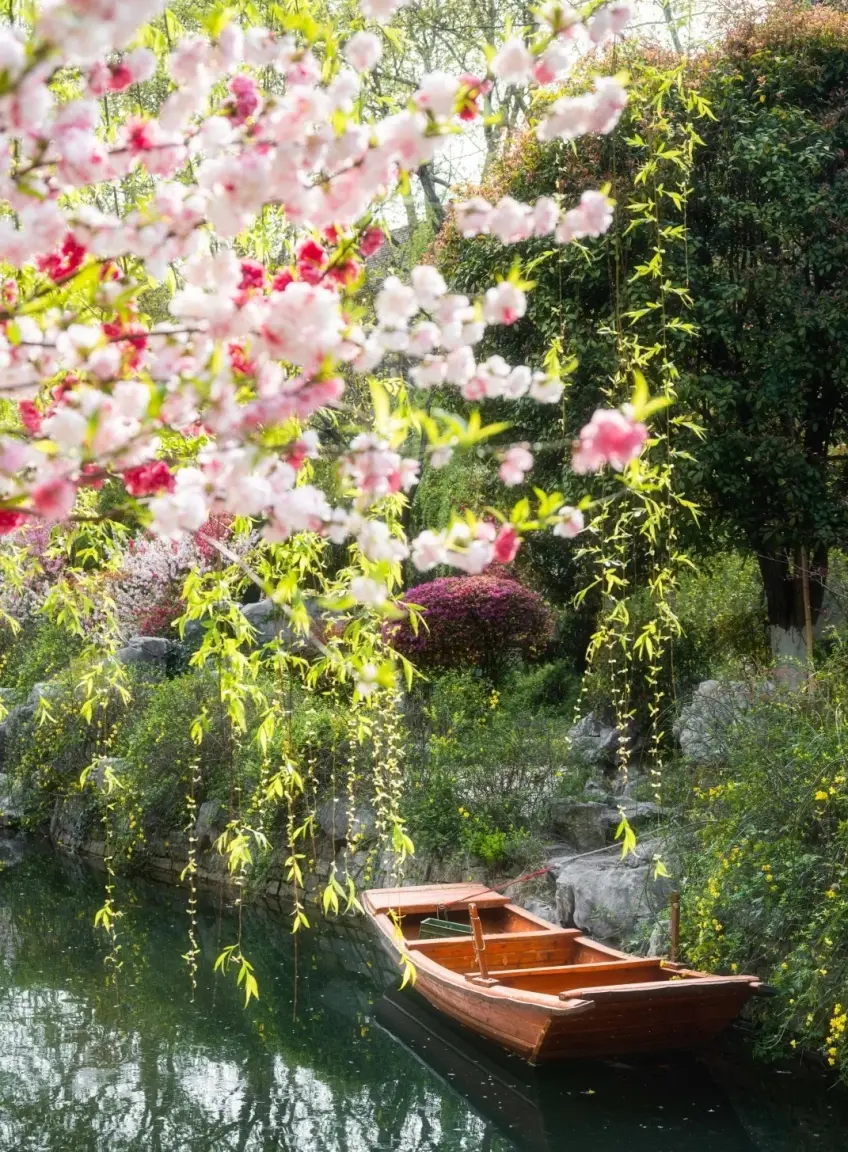
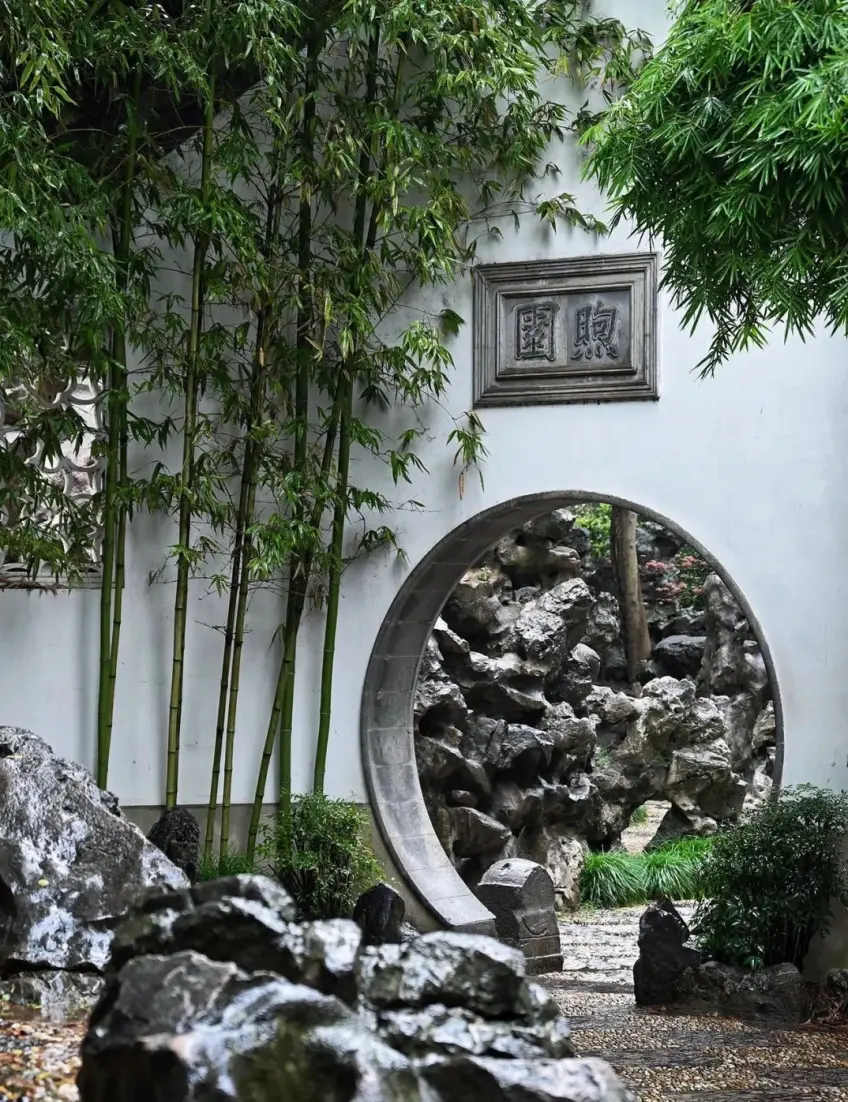
Right next to the office is Xu Garden. This Jiangnan garden dates back to the Qing dynasty. A stone boat called "Bu Xi Zhou" (Unmoored Boat) sits in the pond, surrounded by pavilions and corridors, making it the best place in the complex to rest. Many visitors treat Xu Garden as just an "extra little garden," but it actually existed during the Viceroy's Office era and remained in use through the Taiping Heavenly Kingdom and Republic of China periods. The different architectural layers in the garden form a timeline of their own.
East Zone: The Viceroy's Office of Liangjiang and the Taiping Heavenly Kingdom Palace
The East Zone is often saved for last, so many visitors are already tired by the time they get here. But if you want the history to make sense chronologically, it's best to start with the East Zone: the historical exhibits on the Viceroy's Office of Liangjiang explain how this site governed military and civil affairs across Jiangsu, Anhui, and Jiangxi provinces during the Qing Dynasty, while the Taiping Heavenly Kingdom Palace exhibits recreate the layout of the Heavenly King's residence. After the East Zone, head to the Central and West Zones—moving from the Qing Dynasty to the Taiping Heavenly Kingdom and then the Republic era keeps everything in order.
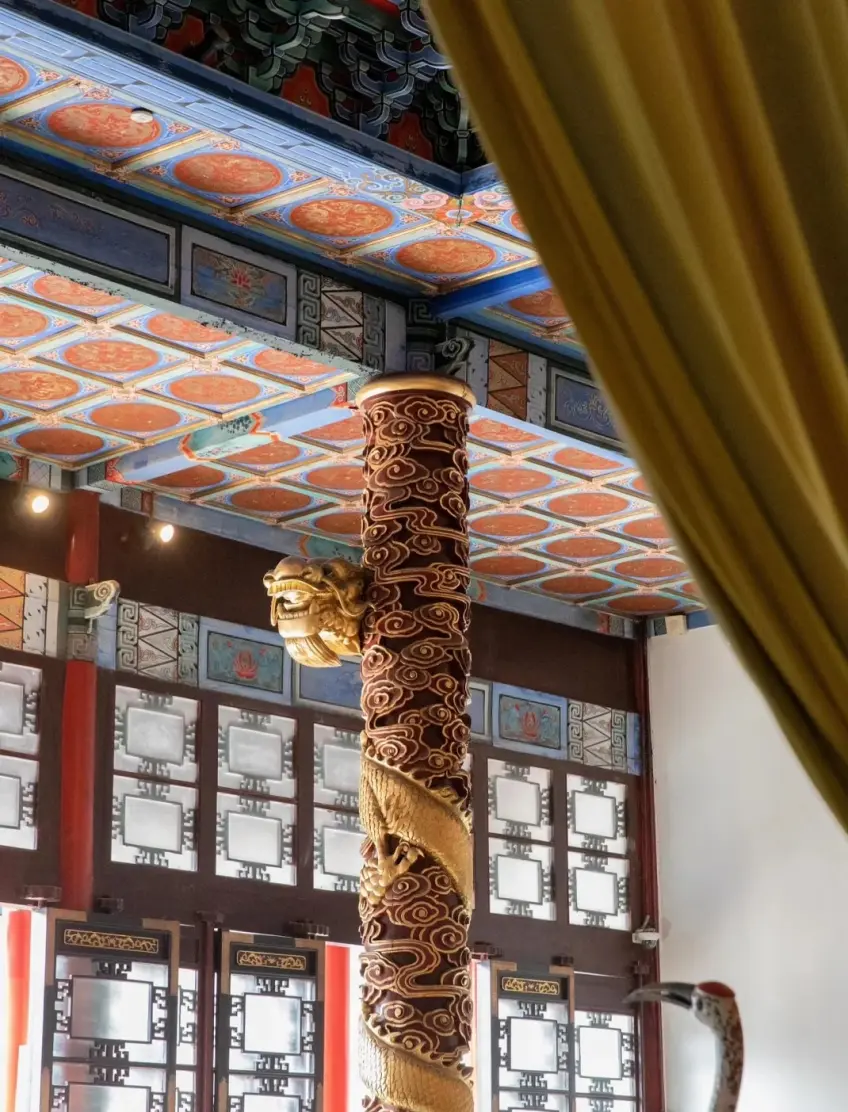
The East Zone has more text than artifacts, so it helps to know a bit of history beforehand. This is also the section where a guide is most useful if you're traveling with kids or friends from overseas.
There's another highlight in the East Zone that's easy to miss: the architectural layout from the Viceroy's Office era. The Qing Dynasty Viceroy of Liangjiang was a powerful official governing three provinces, so the scale of the yamen, its layered gates, and administrative procedures were all carefully designed. Models and diagrams in the exhibits help you picture what it looked like back then. Once you understand this part, returning to the Central Zone lets you appreciate how the Republican government reused the old yamen and added new buildings within the original layout.
Self-guided or guided tour: What a guide adds
The Presidential Palace scenic area offers its own guided tours and audio guides. Both follow a fixed route with a set script, which works well if you just want to see everything in order. A private guide is different because the tour can be tailored to your group: with older relatives, you can walk less and spend more time sitting in Xu Garden; with kids, the Taiping Heavenly Kingdom and Republic of China history can be turned into stories; foreign friends may need to start with basics like "what was the Viceroy of Liangjiang" or "why was the capital in Nanjing." The focus of Chinese and English commentary is completely different.
Tailor it to your group
With older relatives: Most of the Presidential Palace is flat, but there are many courtyards and plenty of walking back and forth. You can stick to the central axis, Xu Garden, and the Provisional President's Office, and only hit the highlights of the historical exhibits in the east zone. Older visitors often have their own memories of Republic-era figures, so leave them time to chat during the tour.
With kids: Children lose patience with walls of text, so it's better to frame things as "who used to work in this room?" or "why is this plaque hanging here?" The dragon pillars and caisson ceiling in the Taiping Heavenly Kingdom Hall and the stone boat in Xu Garden easily grab their attention. Take a break in Xu Garden when they get tired.
With foreign friends: Spend a few minutes setting the scene first—why Nanjing served as a capital in different eras, what rank the Viceroy of Liangjiang held, and what happened here in 1912. With that context, the significance of each courtyard becomes much easier to grasp.
Our private guides can be booked for a half day or full day, and combined with a Nanjing private car. We'll pick you up at your hotel, head straight to the Presidential Palace, then continue to Confucius Temple or Sun Yat-sen Mausoleum. For pricing and language options when hiring a guide only, see How much does it cost to hire a guide in Nanjing?. To compare hiring a guide, booking a private car, and joining a group tour, see How to hire a guide in Nanjing.
Which to choose
On your own: If you're familiar with modern Chinese history and have plenty of time, just follow the "east zone – central zone – west zone" route. An audio guide from the site can fill in the details.
Hire a private guide: Ideal for first-timers, those traveling with seniors or kids, visitors with foreign friends, or anyone with only half a day who wants to see the highlights. Your guide will decide where to linger and what to skip based on your interests.
When choosing how to get commentary, also consider the pace: guided tours depart in batches at fixed times; audio guides let you control the pace but only play pre-recorded content; a private guide can stop anytime to answer questions—perfect for families and small groups who like to chat as they walk.
Group tour or custom trip: Add the Presidential Palace to a one- or two-day Nanjing itinerary alongside the Nanjing Museum, Sun Yat-sen Mausoleum and more. See our Nanjing group tours and Nanjing private tours.
Things to know before you visit
Tickets, reservations and opening hours are subject to the Nanjing Presidential Palace attraction page: adult tickets currently cost ¥35 and real-name reservations are required. Exact prices and discounts follow official announcements. According to the hours listed on the attraction page, it is closed on Mondays and open 8:30–17:00 on other days. Holiday schedules also follow official notices.
The easiest way there is Metro Line 2 or 3 to Daxinggong Station, then a few minutes' walk along Changjiang Road. Parking near the Presidential Palace is limited, so driving yourself is less convenient than taking the metro or arriving by private car. Allow at least two to three hours for the full visit; if you want to explore all three zones thoroughly, set aside half a day for a relaxed pace. For an easier half-day route, see our Presidential Palace half-day itinerary.
What to do next: around Changjiang Road
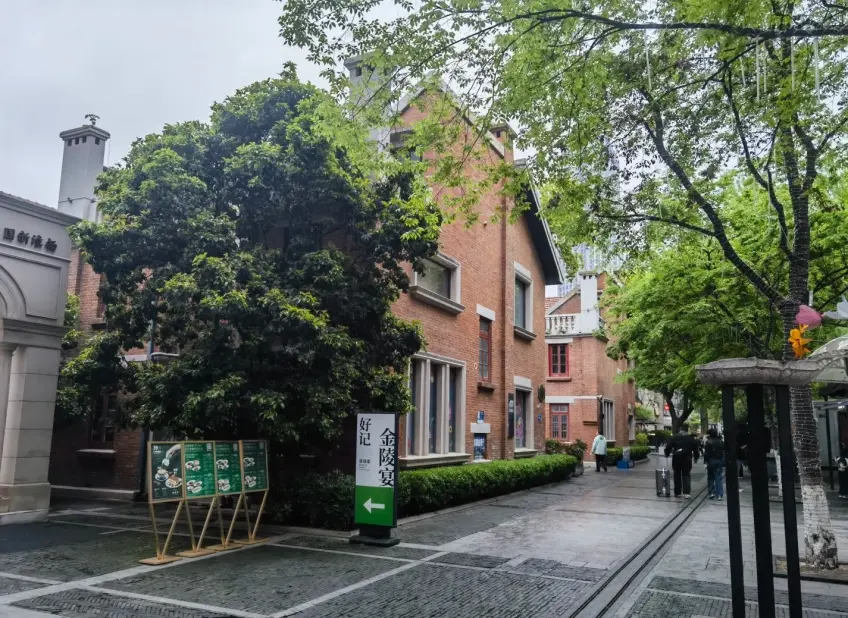
Changjiang Road, home to the Presidential Palace, is Nanjing's cultural street. Nearby attractions include the Six Dynasties Museum and the Jiangning Imperial Silk Manufacturing Museum, all within walking distance or a short taxi ride. Right next door, the 1912 District is a cluster of Republic-era buildings worth strolling through after your visit. If you also plan to see the Nanjing Museum that day, it's just a short taxi or private car ride away, making both easy to fit into one day.
We recommend booking a few days in advance through official channels, as slots fill up quickly during holidays. You'll need to scan an ID to enter; foreign visitors should use their passports. Most of the grounds are flat with just a few steps, so wheelchairs and strollers can get around easily, though some older buildings have high thresholds that may require lifting. In summer, the open courtyards get very sunny, so bring an umbrella and water. In winter, there's little temperature difference between indoors and outdoors, so regular clothing is fine.
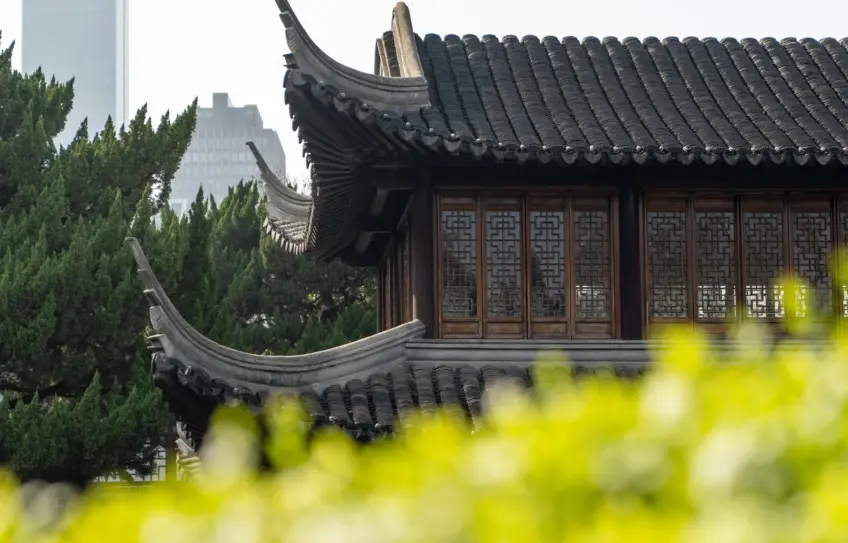
4-day, 3-night history tour of three cities: Presidential Palace, Xuanwu Lake, Nanjing City Wall, He Garden, Dongguan Street, Huai'an Prefecture Office, Shen Kun Zhuangyuan Mansion, Hexia Ancient Town, China Water Transport Museum
Private tour of three Grand Canal cities: the Presidential Palace, Xuanwu Lake and the city wall in Nanjing, He Garden and Dongguan Street in Yangzhou, plus the Huai'an Prefecture Office, Hexia Ancient Town, China Water Transport Museum and Wu Cheng'en's Former Residence. Airport pickup in Nanjing and drop-off at Huai'an Station. Includes transport, guide, hotel and tickets. English-speaking guide available.
FAQs
How long does it take to visit the Presidential Palace?
If you only walk the central axis and Xuyuan Garden, allow 1.5 to 2 hours. To see the East, Central, and West Zones, you'll need at least 3 hours. If you're traveling with seniors, set aside half a day and take a break in Xuyuan Garden along the way.
Which zone should I see first?
To follow the historical timeline, start with the Viceroy's Office of Liangjiang and Taiping Heavenly Kingdom exhibits in the East Zone, then move to the National Government axis in the Central Zone, and finish with the Provisional President's Office and Xuyuan Garden in the West Zone. When it's crowded, you can do the route in reverse to avoid the bottleneck behind the main gate.
Is the Presidential Palace open on Mondays?
Follow the opening hours listed on the attraction page. Closed on Mondays; hours may change on public holidays. Check the attraction's official channels before you go to confirm it's open that day, and complete your real-name reservation in advance.
What do international visitors need to prepare for the Presidential Palace?
You'll need your passport to complete the real-name reservation. The exhibit panels at the Presidential Palace have English text, but a lot of background needs explaining first—like the status of the Viceroy of Liangjiang or Nanjing's history as a capital. Hiring a private guide who explains things in English makes the experience much better.
Is the Presidential Palace good for kids?
Yes, but keep an eye on time and how you explain things. Kids in elementary school and up will be interested in "who worked here" and "what big events happened here." The Taiping Heavenly Kingdom Hall and the stone boat in Xu Garden are the biggest hits with them. With younger kids, you don't need to visit every hall—just pick two or three highlights and leave time to rest in Xu Garden.