

Apo tea in Zhouzhuang
Zhouzhuang (周庄), a water town in Kunshan, Suzhou, keeps some of the most traditional water-town cooking around. Make time to sit down for a cup of Apo tea ("grandma's tea"). The Taiwanese writer Sanmao visited in 1989, and a teahouse in town is still named after her. Also try the merchant-style spread of the Wansan family banquet: free-range chicken sanwei yuan, stuffed river snails and stuffed fried tofu puffs are all traditional Zhouzhuang home dishes.
As you stroll through Zhouzhuang Water Town, try the street snacks: qingtuan (green rice balls), haitang cakes, Wansan cakes and wadi su (sock-sole pastries). If you visit in season, the Three Delicacies of the Xian River, hairy crabs and steamed whitefish are also worth a try.
To combine dining with exploring the ancient town, check out our private tours. Prices and opening hours are subject to each restaurant's daily schedule.
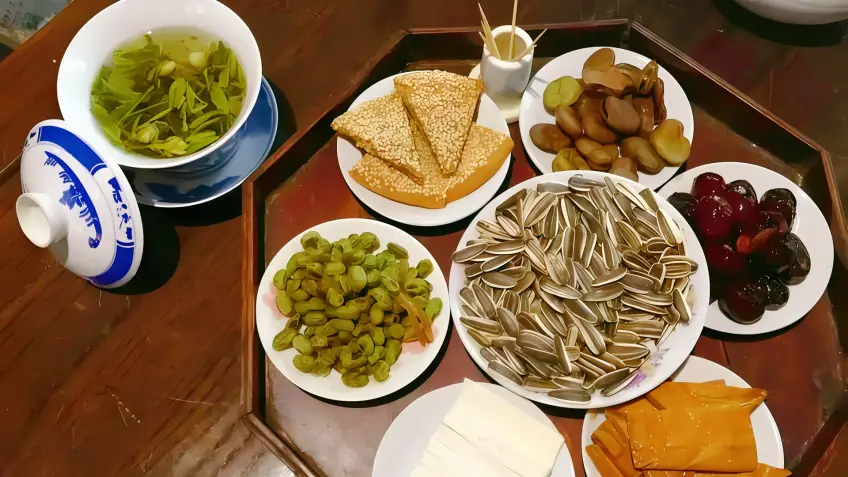
In the water town, mornings start with a bowl of Apo tea. Locals say you haven't really arrived in Zhouzhuang until you've had some, because that's where the taste of the old town lies.
What is Zhouzhuang Apo Tea?
Zhouzhuang has many tea customs, including jiang tea, wedding tea, spring tea, full-month tea for newborns, stewed tea and Apo tea, the best known of all. Locals don't say "drink tea" but "eat tea," an old and distinctive way of taking tea with a few plates of homemade snacks. These are usually pickled vegetables, soy-pickled cucumber and crispy beans; well-off families served nine plates of candied dates, longan and other fine preserved fruit. Over the tea you'll hear neighbors chatting in the soft Wu dialect. It's the classic Zhouzhuang morning.

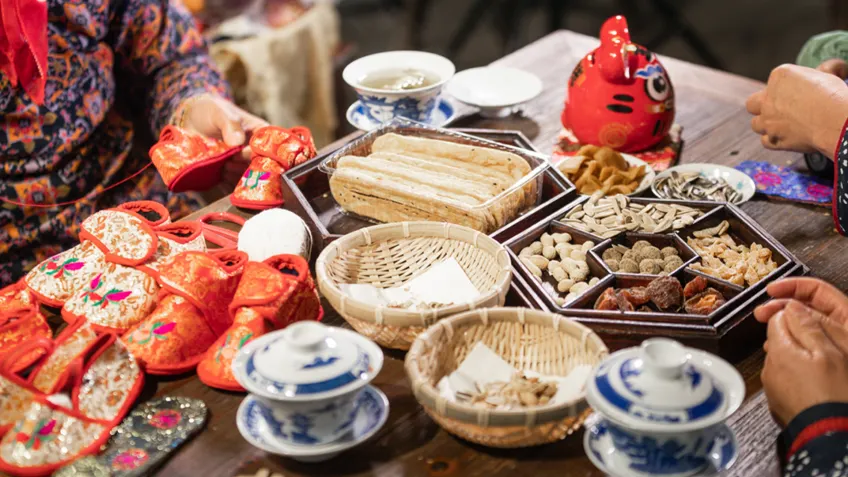
Zhouzhuang's tea customs go beyond everyday Apo tea; wedding tea and full-month tea also come with snacks on the table. Once you're in town, find a teahouse and sit down, and the pace slows right down.
The Wansan family banquet
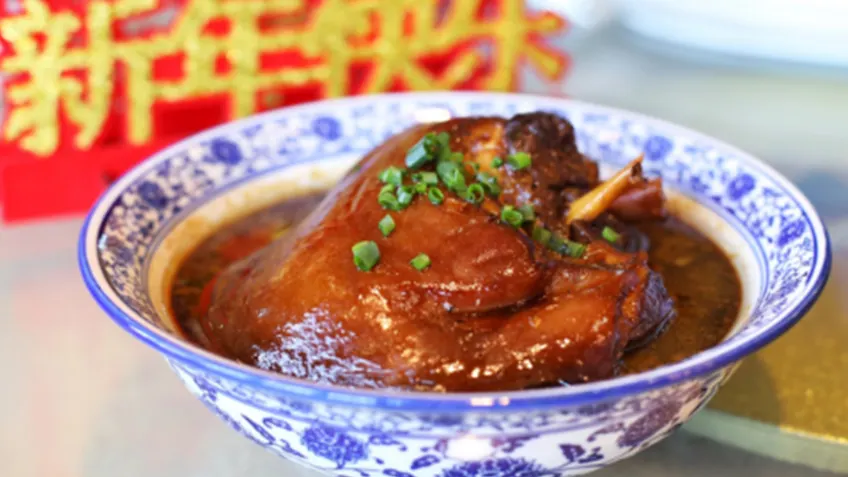
Wansan pork knuckle, the banquet's signature dish
A Wansan family banquet shows off the water town's bounty and its warm hospitality.
After he got rich, Shen Wansan took great care over food and daily life. When guests came, he hired famous chefs to cook all kinds of dishes, which became known as the "Wansan family banquet."
The banquet stresses seasonal ingredients, careful sourcing and dishes that look, smell and taste good. A midday banquet always includes the famous Wansan pork knuckle. Its skin is glossy, the meat falls apart, and the sauce is both sweet and savory. It stands for wealth and good luck, and the secret of Shen Wansan's fortune may just lie in this rich, dark sauce. In the water town, even home cooking hides real skill.
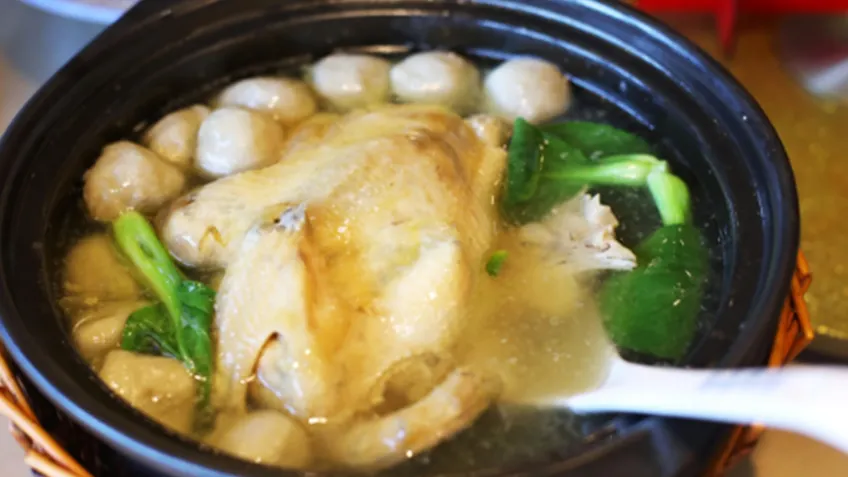
Free-range chicken sanwei yuan soup
Take free-range chicken sanwei yuan soup, known locally as "soup gluten." Local free-range chicken is simmered into a rich broth, and minced pork is wrapped in chewy wheat-gluten skins to make dumplings. As they cook, they soak up the broth, so each bite gives you a springy skin, a savory filling and rich soup all at once.
After tasting it, the noted architecture historian Chen Congzhou wrote: "Sanwei yuan of Zhouzhuang, Kunshan, Jiangsu, combines the best of soup dumplings and wontons. A delicacy under heaven." Braised eel sections in rich soy sauce often share the table, glossy red-brown and soft.
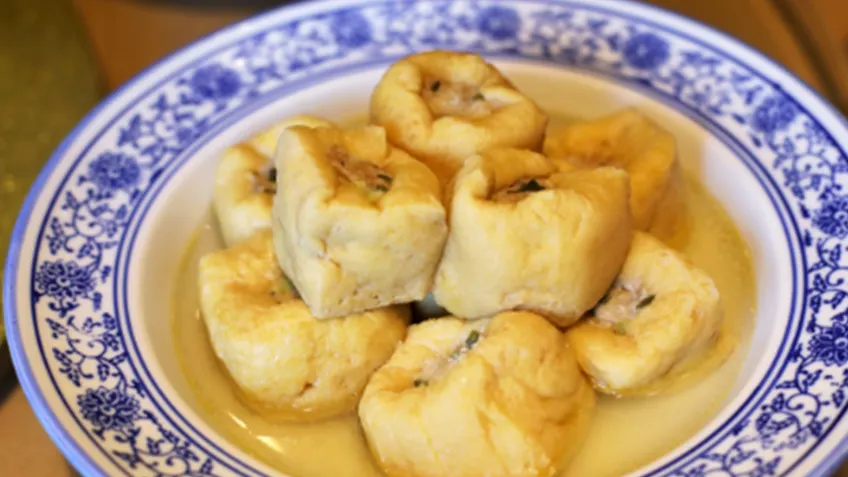
Traditional Zhouzhuang dish: stuffed fried tofu puffs
Stuffed fried tofu puffs (youbu sairou) are one of the "Eight Big Bowls" of the Wansan family banquet and a dish water-town families always make for holidays. Lean pork and wild greens are chopped fine and stuffed into golden fried tofu puffs. They're plump, and each bite releases soft tofu skin, savory filling and broth. Simple, but very good.
Stuffed river snails
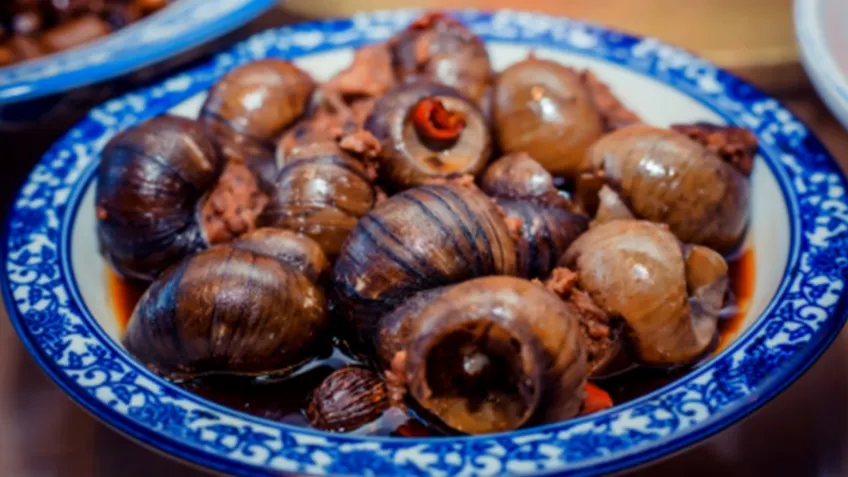
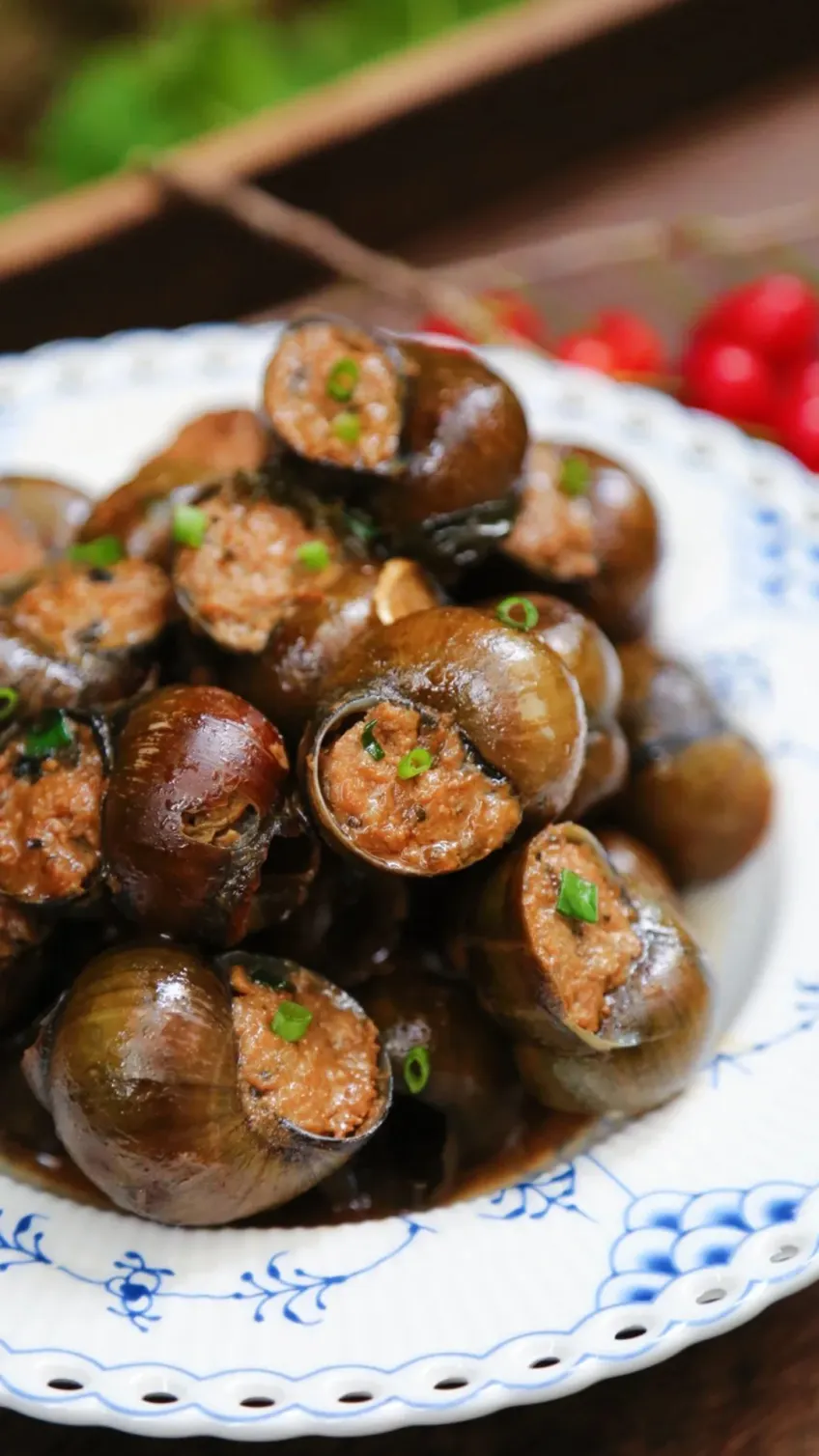
Stuffed river snails are another of the banquet's "Eight Big Bowls." Snails from the paddies are shelled, and the meat is chopped with pork leg, seasoned with scallion, ginger and cooking wine, then patiently packed back into the shells. Once cooked, the firm snail and rich pork blend together, and the shell holds in the juices, so you suck out a mouthful of flavor.
Stuffed river snails have no celebrity link and aren't as famous as Wansan pork knuckle, but the humble ingredients and careful work show the fine craft of Jiangnan cooking, which locals sum up as "building a temple inside a snail shell."
Where to try stuffed river snails?
Many local restaurants serve this dish, but the best known is Shen Ting Restaurant (沈厅酒家). The long-established restaurant is said to be where Shen Wansan entertained his guests, and it's a good place for an authentic Wansan family banquet. Many diners describe its stuffed snails as fresh and flavorful, with layered taste.
It's the warm, simple wisdom of the family kitchen. To try a full Wansan family banquet, ask your travel consultant whether they can book it and fit the meal into your day in the water town.
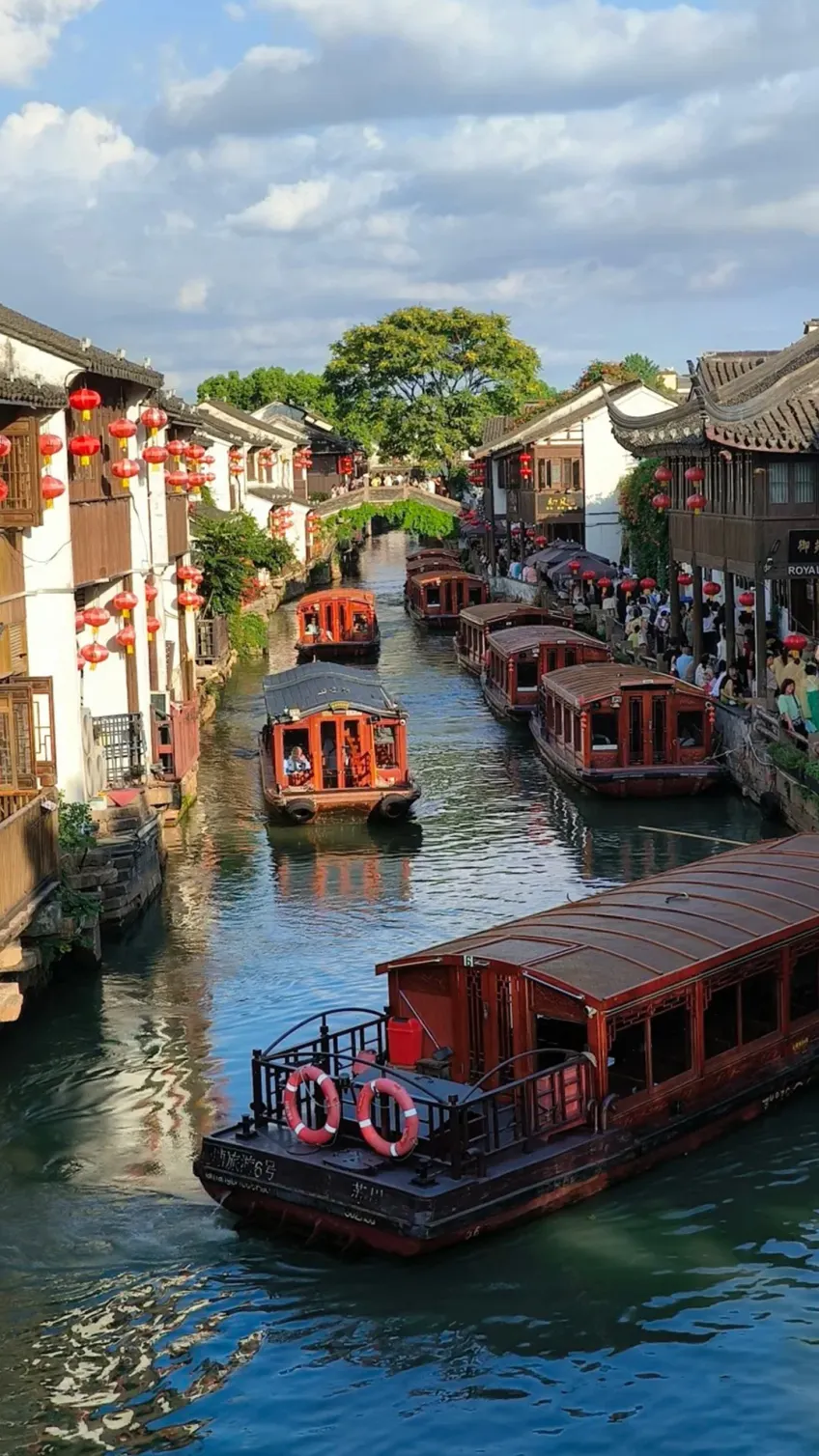
After the banquet, take a stroll along the water lanes or hop on a boat ride to make room for some street-side rice cakes and pastries.
Rice cakes and pastries
Where to buy qingtuan
Slow down and you notice more. Around the corners of the old lanes, snack shops steam with fresh qingtuan, chewy green rice balls with the fragrance and color of spring.
Qingtuan is a traditional snack from the Jiangnan region, made by kneading glutinous rice flour with mugwort juice into a green dough, wrapping it around a filling, and steaming it. You'll find it in many pastry shops in Zhouzhuang.
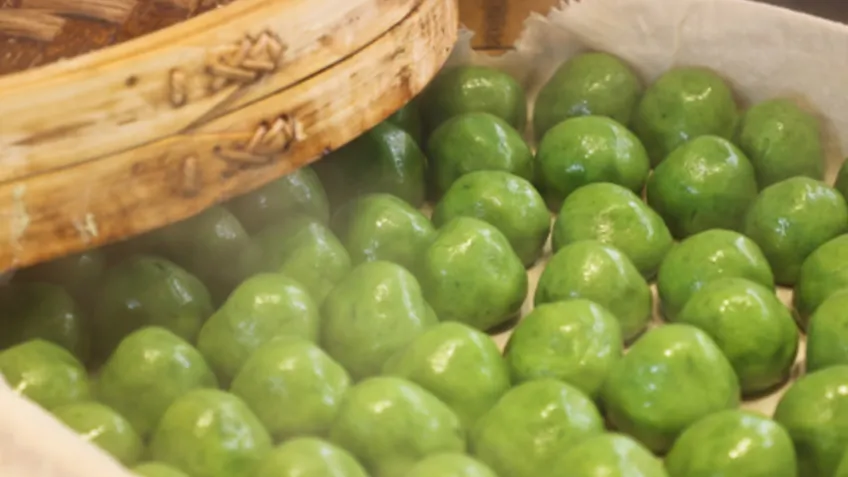
Qingtuan: Laozaotou
Address: Laozaotou, Zhenfeng Cultural Street (贞丰文化街)
Wansan family banquet: Shen Ting Restaurant
Address: No. 103 Nanshi Street (next to Shen House)
Suzhou snacks: Zhenwei Jiangnan
Address: Zhenwei Jiangnan, 96 Nanshi Street
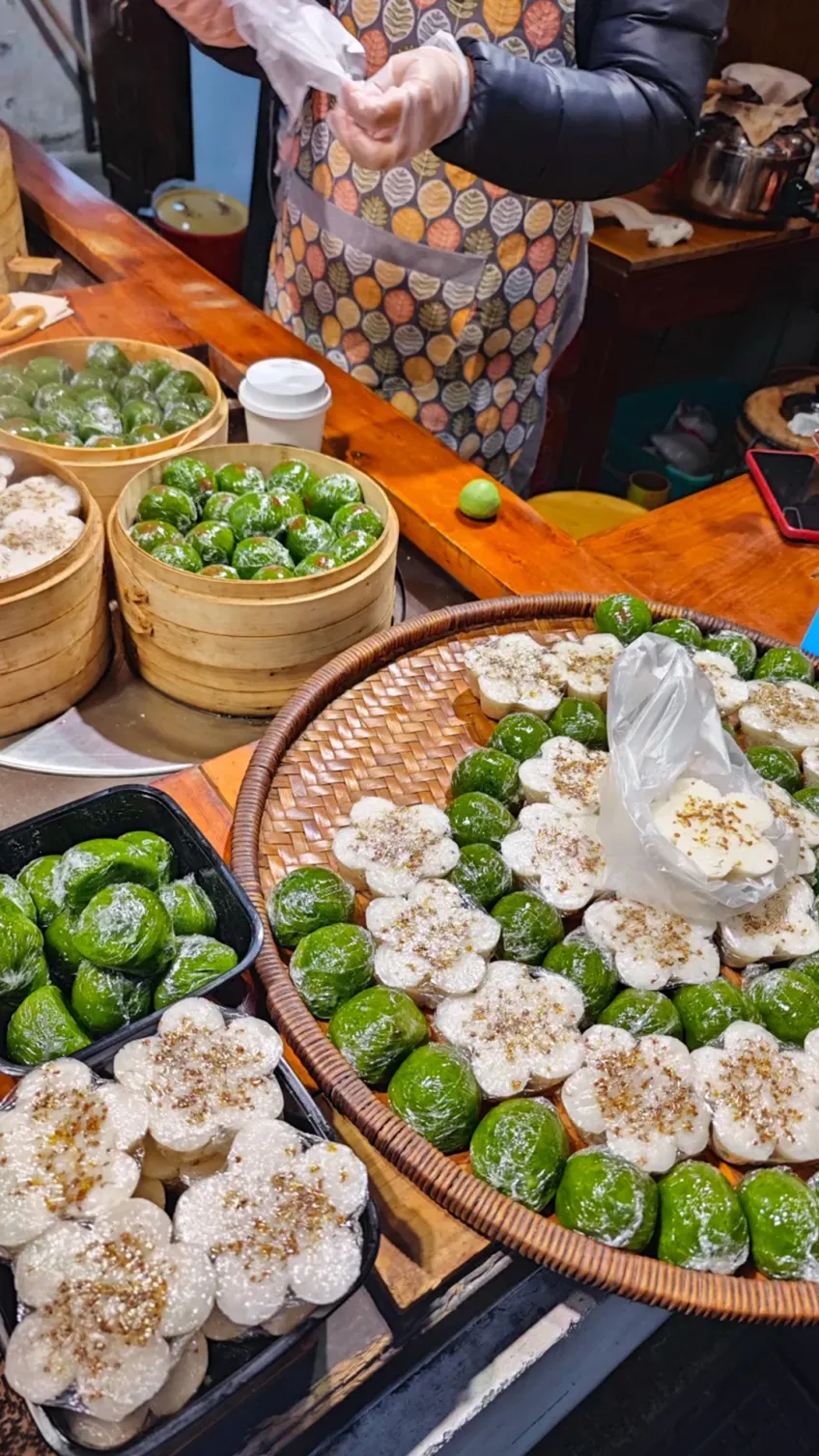
Haitang cake
Zhouzhuang's haitang cake looks plain, but its flavor is not to be underestimated. The surface of the haitang cake is coated with baked maltose that turns coffee-brown through the Maillard reaction, then sprinkled with sesame seeds and melon seeds. It tastes crispy on the outside, with a soft, sweet red bean paste filling inside.
Where to buy haitang cake
For the real thing, buy from shops that specialize in haitang cake, near the Double Bridge and Zhenfeng Cultural Street. Look for stalls with plum-blossom-shaped copper molds over a fire; that's where you'll get them fresh off the griddle.
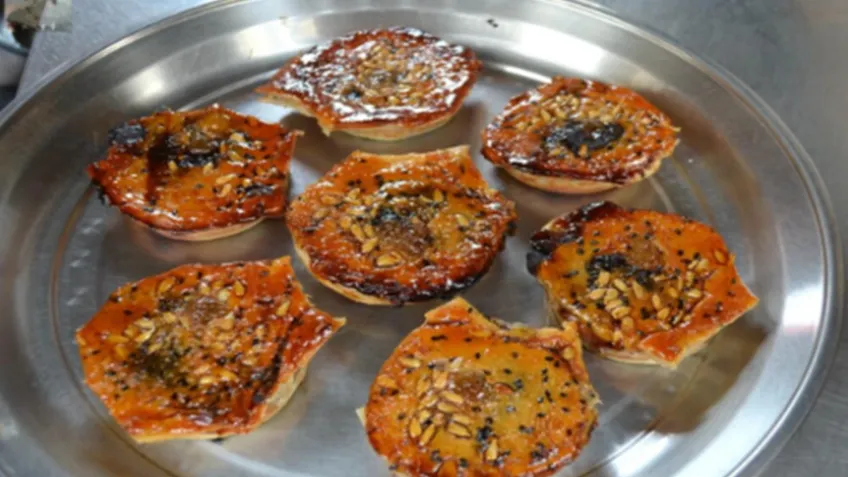
The origin and story of Wansan cake
Wansan cake is one of the best-known local pastries. Legend says it came from the Shen family. At every festival, Shen Wansan ordered large batches of cakes as gifts for family and friends, and because he was so famous, people called them Wansan cakes. The cake stands for hospitality and shared good fortune, and its soft sweetness carries that wish in every bite.
Where to buy Wansan cake?
For Wansan cake, try a Zou's Pastry shop. You can also buy it on Zhenfeng Cultural Street, one of the old town's main streets, where Laozaotou and other traditional pastry shops sell qingtuan, haitang cake and more.
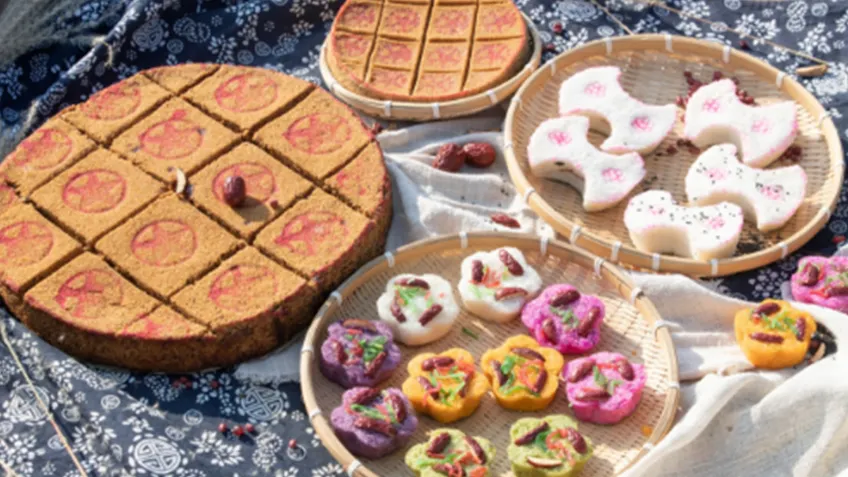
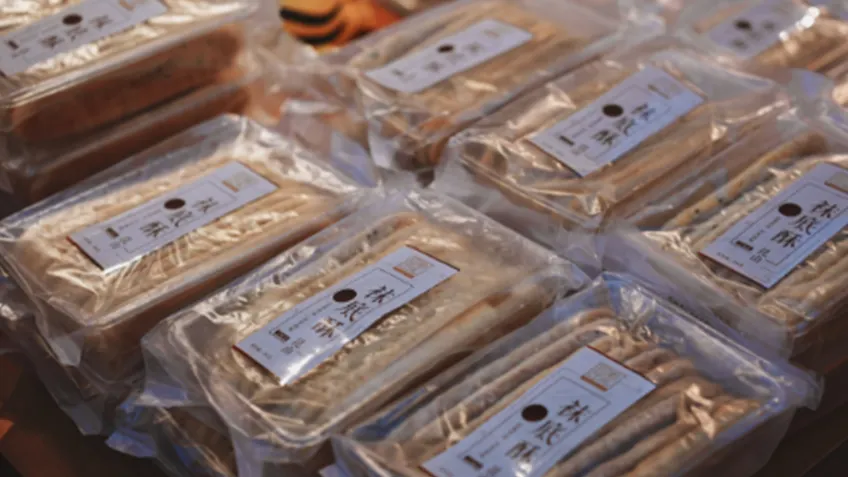
Besides chewy qingtuan, caramelized haitang cake and soft Wansan cake, there's a famous tea snack called wadi su, or "sock-sole pastry." Shaped like the sole of a sock, it's small and neat. Paper-thin layers of flaky pastry wrap a filling of jujube paste, lard and sugar. It's crisp yet dense, sweet and fragrant, and goes perfectly with Apo tea.
When visiting Zhouzhuang, consider taking a few boxes of pastries home to share the sweetness and "good fortune" of this water town with family and friends.
Hairy crab from Zhouzhuang's lakes
If you visit in late autumn, hairy crabs become the water town's grandest highlight.
What makes Zhouzhuang's crabs special?
Zhouzhuang has Taishidian, 5,000 mu (a Chinese area unit) of unspoiled, clear water that makes an ideal home for crabs. Most crabs here are raised free-range, so they're sturdy and meaty.
Zhouzhuang's hairy crabs have rich, tender meat and silky roe. Called the "king of crabs," they have a green back, white belly, golden claws and yellow hair. Open the shell and it's packed with roe and fat. Locals say, "golden roe in the ninth month, silver fat in the tenth," describing the peak of the season.
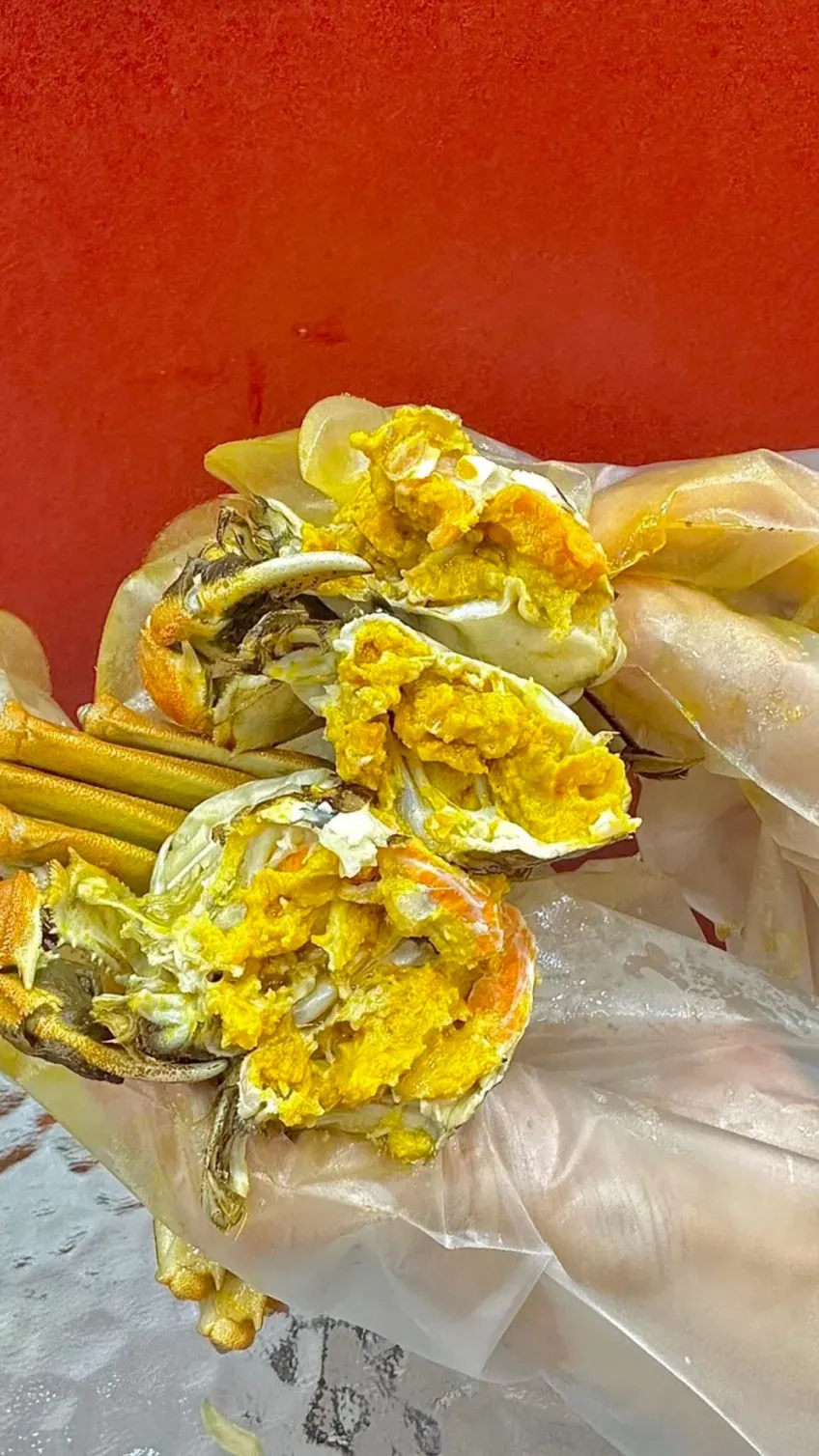
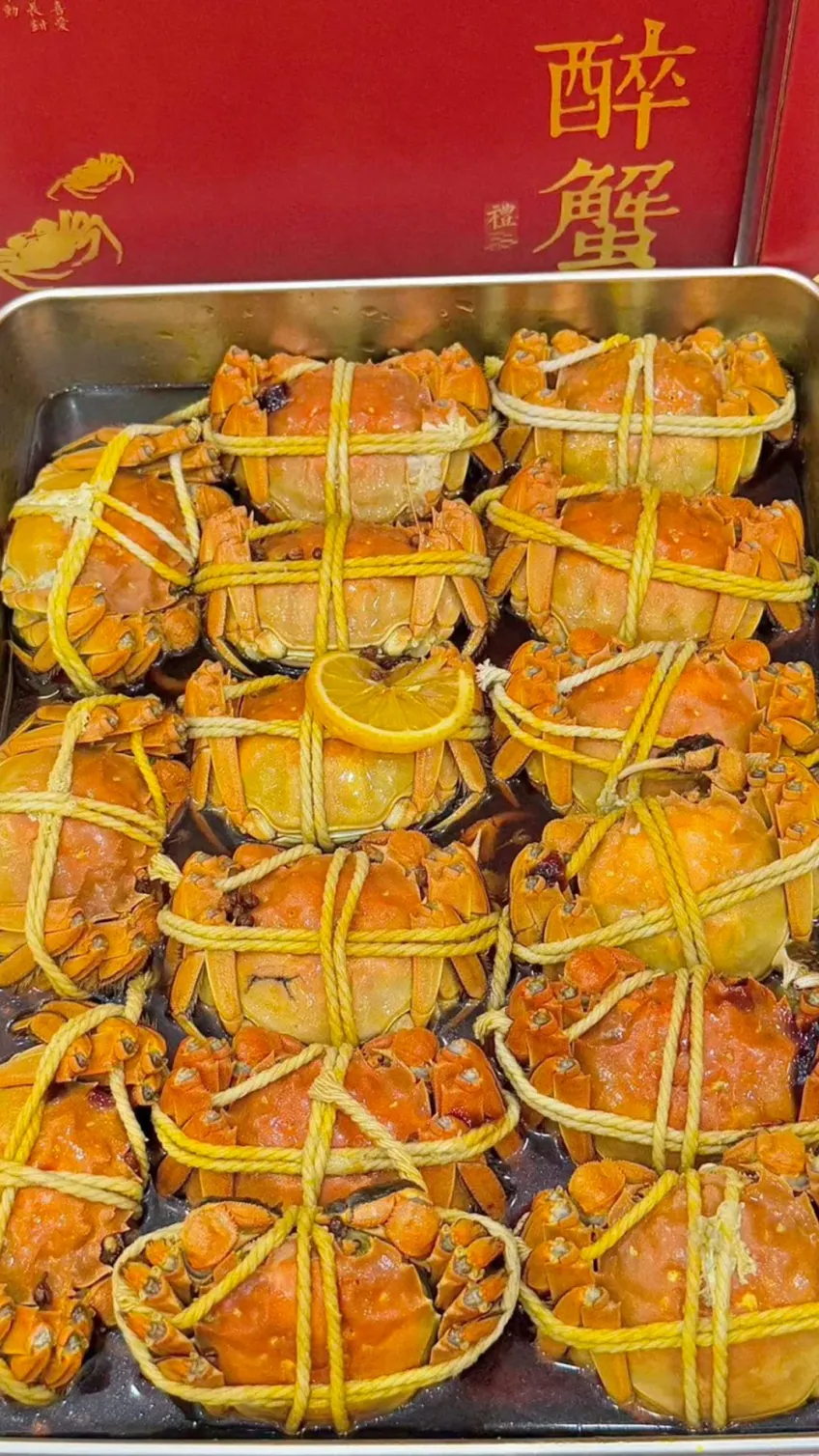
Hairy crabs don't need complicated cooking — steaming brings out their natural flavor best. Pair them with a dish of ginger vinegar and a pot of warmed yellow wine. As you pick them apart, you'll find golden roe, jade-like paste, and sweet, tender meat.
Where to eat crab in Zhouzhuang
Shen Ting Restaurant's steamed hairy crab is the classic. Pair it with the local Wansan rice wine; crab with warm rice wine is how locals eat it.

Shanghai, Wuzhen, Suzhou and Hangzhou 6-day 5-night private tour | Zhouzhuang · Humble Administrator's Garden · Xixi
A 6-day 5-night private tour starting and ending in Shanghai: East and West Scenic Zones of Wuzhen, Zhouzhuang and the Humble Administrator's Garden, a boat ride on West Lake and the Former Residence of Hu Xueyan in Hangzhou, then Xixi Wetland, finishing with The Bund and Nanjing Road. Includes airport transfers, vehicle, guide, 5 nights' hotel and admission tickets. English-speaking guide available.
At Wansan Winery, savoring crab is just as important as tasting wine. Enjoying steamed crab here alongside traditionally brewed rice wine adds a touch of elegance to the experience.
Besides excellent steamed hairy crab, Shui Zhi Yun Restaurant also crafts refined creative dishes like winter melon with crab roe.
The Xian River three treasures
The water town's proudest flavors are a gift from the Xian River: its three treasures.
Perch, white clams and whitebait aren't just stars of the Zhouzhuang dinner table — they also carry centuries of water town food culture and Jiangnan culinary elegance.
When to eat them
Spring (March and April) is the best time to enjoy whitebait. White clams are plumpest in the fourth lunar month, while perch is at its finest in autumn and winter.
When enjoying lake delicacies, pair them with a pot of warm Wansan rice wine. It cuts the fishiness, enhances the flavor, warms the stomach and wards off the chill — this is how locals traditionally eat.
Besides the three treasures, what other river delicacies can you try in Zhouzhuang? Ba fish, eel, white silk fish and more are all worth a taste.
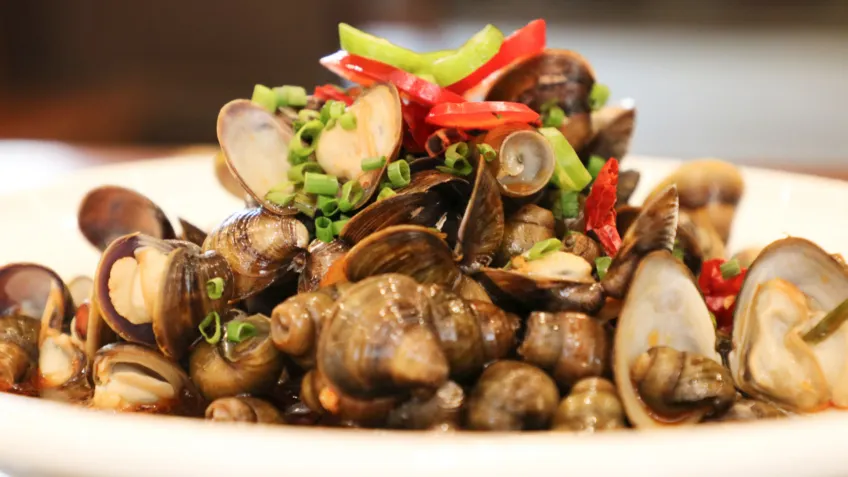
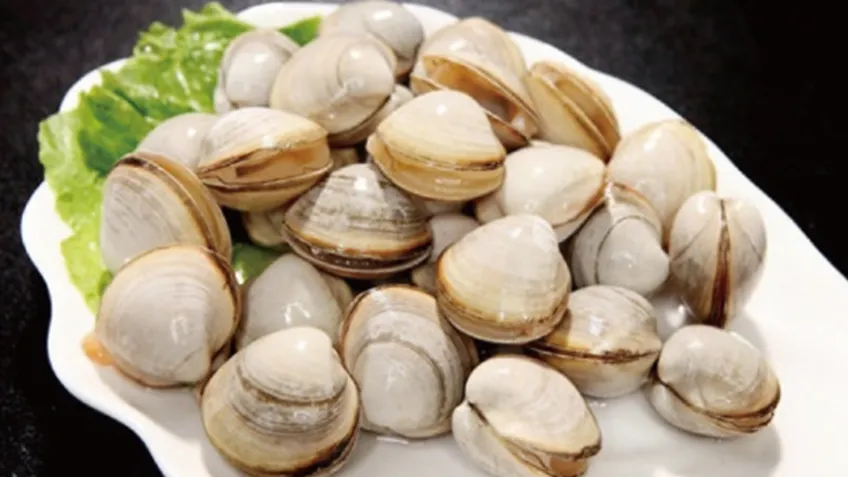
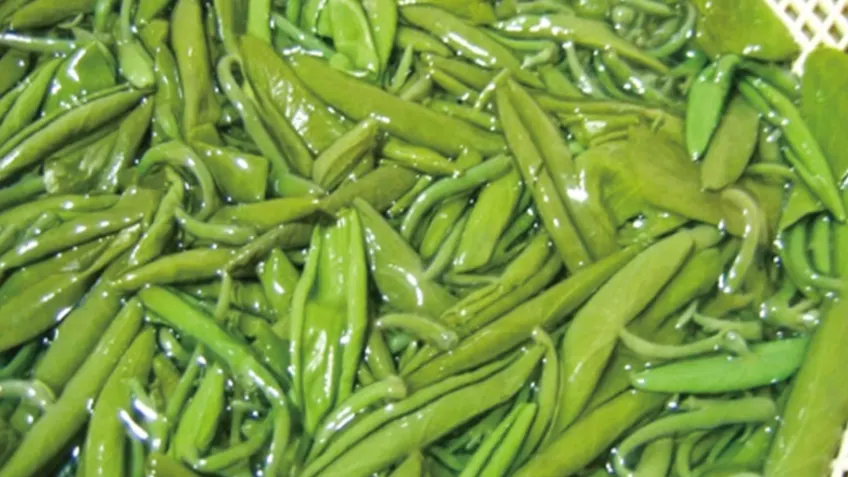
White clams are at their plumpest in the fourth lunar month. Simply boiled in salted water, they yield a pot of milky, sweet broth. Whitebait have no bones at all; stir-fried with egg, they create a classic interplay of gold and silver. In autumn and winter, perch has snow-white, tender flesh, and steaming is the best way to express its ultimate freshness.
When Zhang Han was in Luoyang, the autumn wind made him long for the water shield and sliced perch of his homeland. He said, 'What matters in life is following one's heart. Why stay thousands of miles away as an official just for fame and rank?' He then ordered his carriage and headed home. His longing for water shield and perch has been passed down as a famous tale.
In this lineup of fresh flavors, there is also a delicate specialty: the ba fish. It has been prized since ancient times, and its essence lies in its two plump pieces of liver.
Yuan Mei, the Qing-dynasty food writer, recorded how to make ba fei soup, made with the fish's liver, in his Recipes from the Sui Garden: "The ba fish is most tender. Skin it, clean it, separate the liver from the flesh, and simmer them in chicken broth..." The chicken broth brings out the rich, creamy liver and the delicate flesh. It's one of the water town's finest dishes.
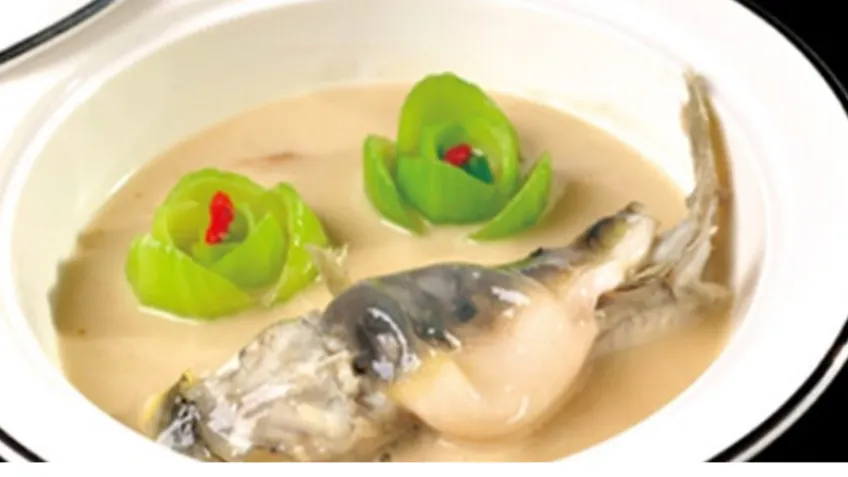
White silk fish
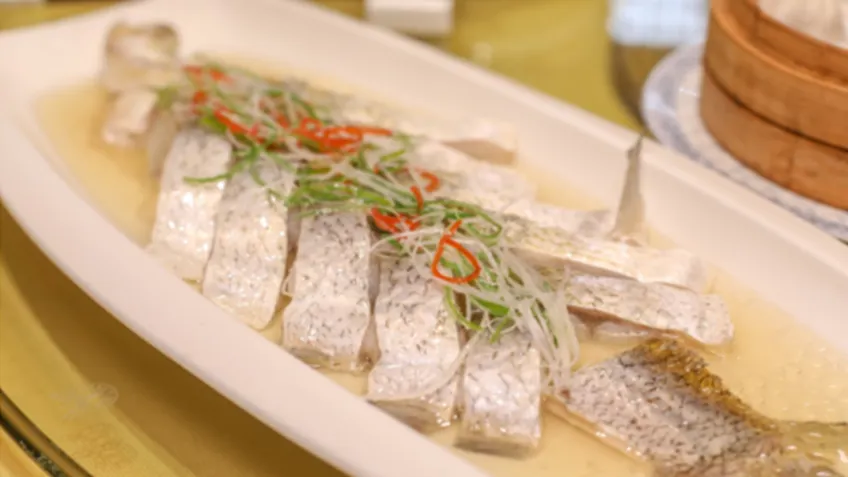
Besides the Three Treasures, another fish is a favorite among foodies: white silk fish. Sleek in shape and extremely picky about water quality, it has exceptionally tender meat. The most authentic preparation is steaming, seasoned only with ginger, scallion, and cooking wine. After steaming, a spoonful of hot oil is poured over it to release all its freshness and aroma—the purest elegance of the water town.
Where to try the three treasures
In Zhouzhuang, most local restaurants serve these three delicacies. Here are a few recommendations.
Shen Ting Restaurant highlights: rustic riverside setting; water shield and perch soup, scrambled eggs with whitebait
Address: next to Shen House; a long-established restaurant for the Wansan family banquet
Quangong Lou specialties: steamed white silk fish, assorted river delicacies
Address: No. 259 Quangong Road, Zhouzhuang Town, Kunshan City, Suzhou, Jiangsu Province (near Xian River Bridge / next to Quangong Bridge)
Shui Zhi Yun Restaurant specialties: elegant setting and refined dishes, including water shield and perch soup and scrambled eggs with whitebait
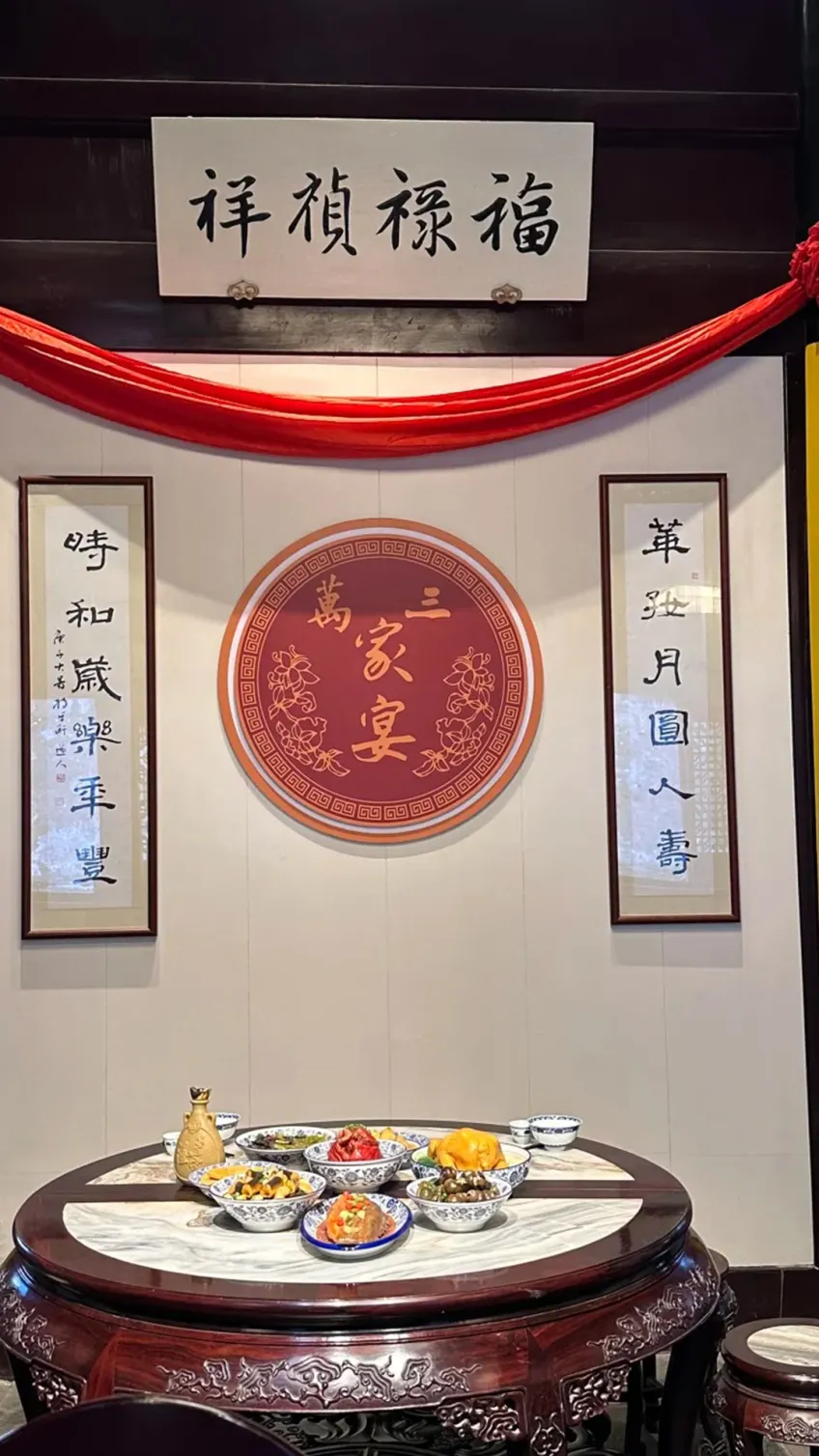
A Wansan family banquet is about a lavish spread and seasonal freshness, and it's a good way to try all the big dishes above at once. Afterward, head back to the Shen House area to keep exploring the old houses and water lanes.
Zhouzhuang, one bite at a time
From a cup of tea to a banquet table, from a lake delicacy to a pastry...
In Zhouzhuang, every flavor is a beautiful taste of water town life.
It takes its time and waits for you to find it. In Zhouzhuang, the real flavors are tucked away in winding lanes and riverside kitchens.
Real flavor doesn't shout. In Zhouzhuang, the best food hides deep in winding lanes and in the smoke of riverside kitchens: the smell of qingtuan on the old street in the morning, haitang cakes fresh from an old woman's griddle in the afternoon, a bowl of white clam soup at dusk. These simple tastes tie together daily life in Zhouzhuang and travelers' gentlest picture of Jiangnan. Come, slow down, and taste the water town for yourself.

The water lanes at dusk are perfect for photos — and for finishing off any street snacks you missed during the day. The real challenge is fitting teahouses, banquets, pastries, and lake seafood into a single day.
How to fit Zhouzhuang food into your itinerary
To avoid the crowds and enjoy real Apo tea, steamed white silk fish and pastries from long-established shops, ask a travel advisor to plan your meals and route in advance.
Your itinerary can include meals at well-regarded local restaurants, with your guide explaining the water town customs behind the food.
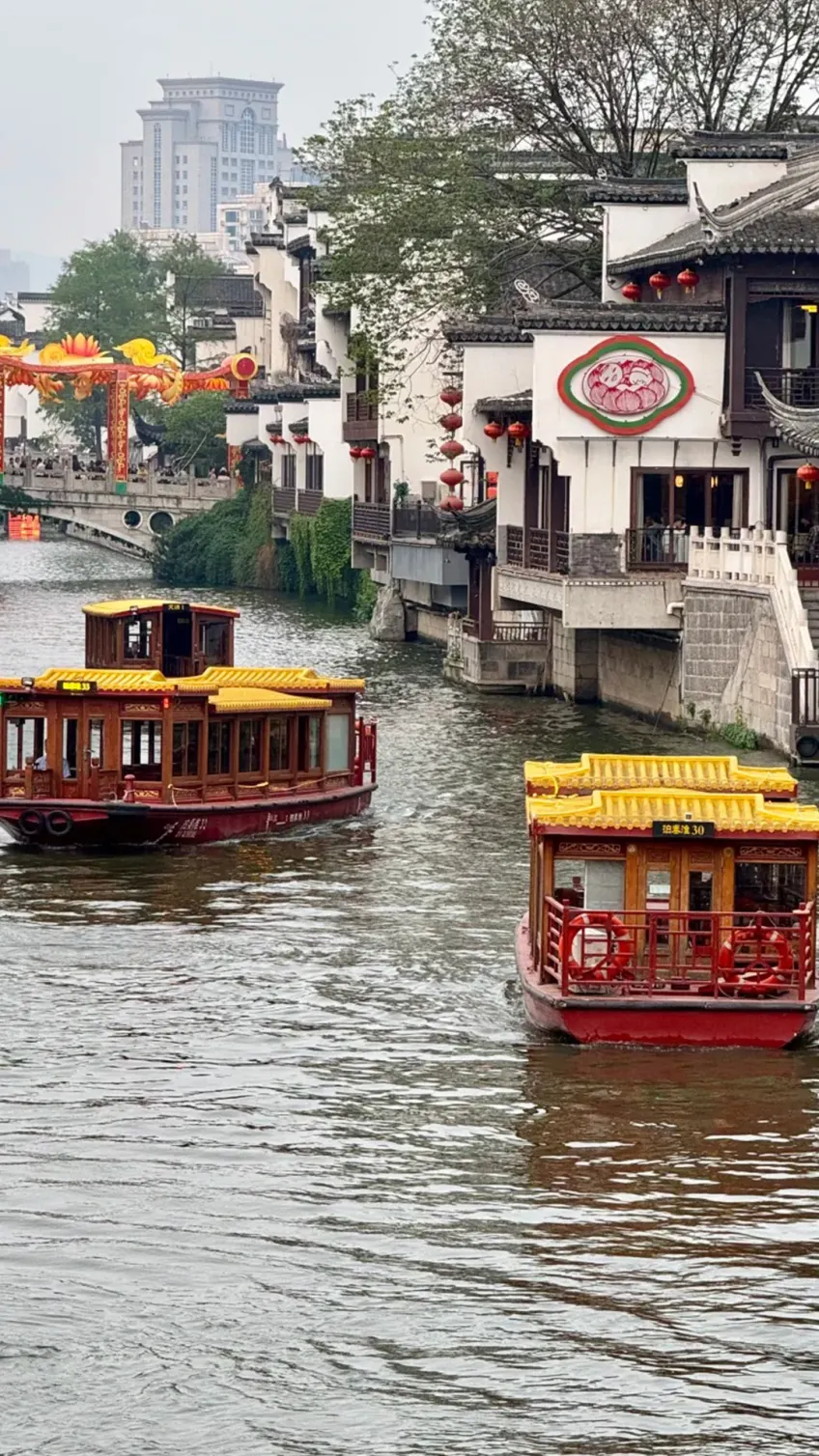
After the boat ride, if you'd rather skip wrong turns and head straight to well-reviewed restaurants, let a well-planned itinerary or a local guide map out your food stops.