
Zhouzhuang is located in southwestern Kunshan, Jiangsu Province, bordering Jinze Town in Shanghai's Qingpu District to the east. It is a Jiangnan water town surrounded by a network of canals, often called "China's No. 1 Water Town." Its main draw is its well-preserved Ming and Qing dynasty layout: the historic core covers less than half a square kilometer, with over 60% of the houses dating from the Ming and Qing eras. Canals, stone bridges, and old waterside homes are packed closely together, with Twin Bridges, Shen House, and Zhang House being the highlights. Is it worth visiting? If it's your first time in Jiangnan and you want to see a classic water town, Zhouzhuang is worth it. If you dislike crowds and prefer peace and quiet, go on a weekday morning or evening.
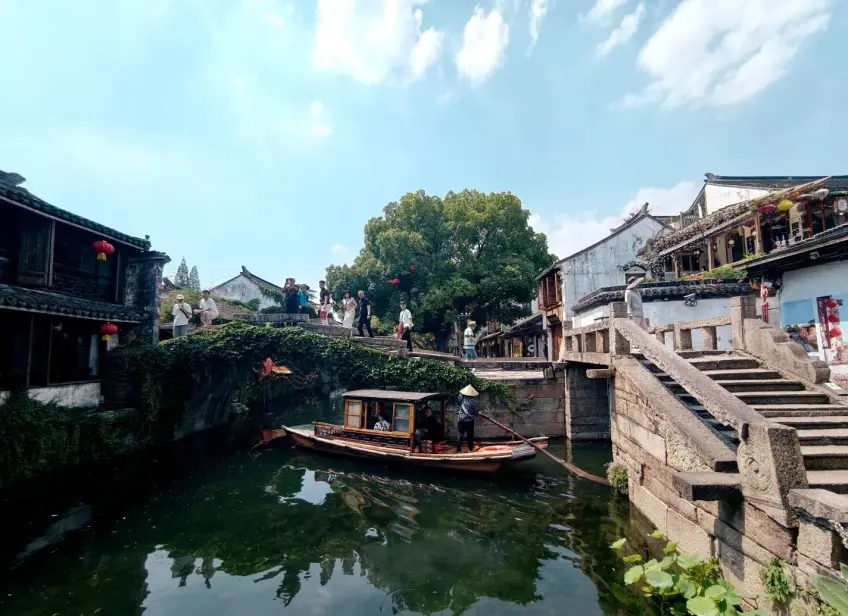
Where is Zhouzhuang: Southwestern Kunshan, between Suzhou and Shanghai
Many people think Zhouzhuang is in downtown Suzhou, but it's actually in Kunshan City, which is administered by Suzhou. Located in the southwestern corner of Kunshan, it borders Jinze Town in Shanghai's Qingpu District to the east. On a map, Zhouzhuang, Suzhou Old Town, and downtown Kunshan roughly form a triangle, with Zhouzhuang at the southeastern point—actually closer to Shanghai. So traveling to Zhouzhuang from Shanghai takes about the same time as from downtown Suzhou.
Zhouzhuang is surrounded by water on all sides, enclosed by lakes and canals such as Jishui Harbor and Baixian Lake. In ancient times, boats were the only way in and out, which is one reason the town's original layout has been preserved—the inconvenient transportation spared it from large-scale redevelopment. Today, you can drive directly to parking lots on the outskirts of the ancient town, but once inside, you'll get around on foot or by sculling boat.
Because it's so close to Shanghai, Zhouzhuang is often treated as a "day tour around Shanghai" destination. Many Shanghai locals drive here on weekends, and the roads into Zhouzhuang from Shanghai are the most likely to jam during holidays. For out-of-town visitors, you can slot Zhouzhuang between Shanghai and Suzhou: for example, spend a few days in Shanghai first, then head to Suzhou via Zhouzhuang—or do it the other way around—so you don't backtrack.
When visiting Zhouzhuang, be sure to distinguish between "Zhouzhuang Town" and the "Zhouzhuang Ancient Town Scenic Area." Zhouzhuang Town covers a large area, including the ancient town, the new town district, and surrounding villages. What travelers usually mean by Zhouzhuang is the water-encircled core of the ancient town—that is, the scenic area. Just set your navigation to the visitor center or parking lot of "Zhouzhuang Ancient Town." For details on how to get there, how to buy tickets, and how to plan a one-day route, see our Zhouzhuang Ancient Town travel guide.
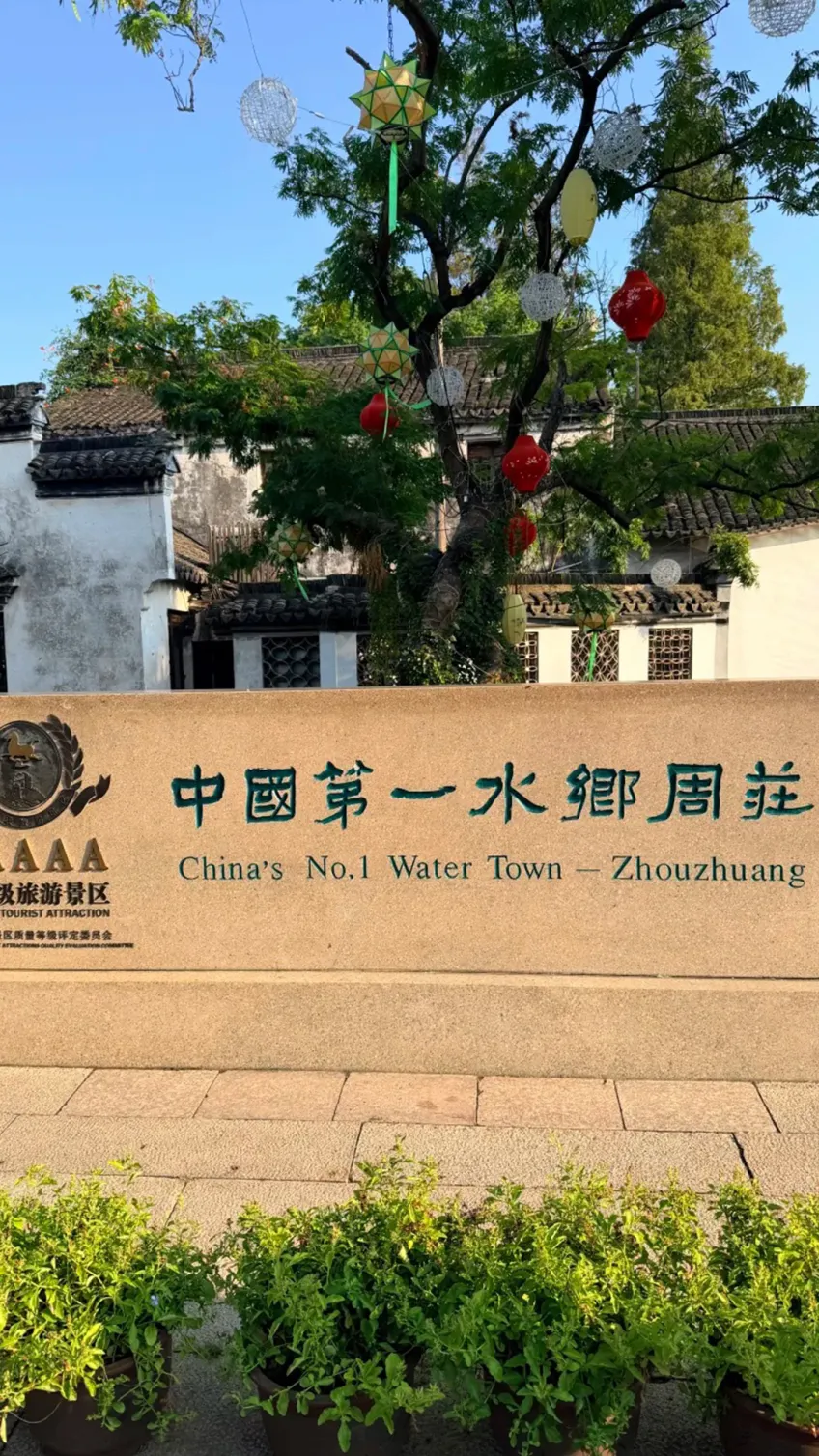
From Zhenfengli to Zhouzhuang: the name's origin and over 900 years of history
In ancient times, Zhouzhuang was called Zhenfengli. In 1086, the first year of the Yuanyou era of the Northern Song Dynasty, a man surnamed Zhou who held the title of Digonglang (a low-ranking official post in the Song Dynasty) donated his land here to Quanfu Temple as temple property. Local residents, grateful for his generosity, renamed Zhenfengli "Zhouzhuang," and the name has been used ever since. Counting from that year, Zhouzhuang has a history of more than 900 years.
During the transition from the Yuan to the Ming Dynasty, Zhouzhuang gradually prospered thanks to its convenient water transport. The town's most famous figure was Shen Wansan, a Jiangnan tycoon said to have made his fortune trading along Zhouzhuang's far-reaching waterways, which also turned the town into an important commercial hub in Jiangnan at the time. Shen Hall, still standing in town today, was built by Shen Wansan's descendants. There are many legends about Shen Wansan, and it's hard to separate fact from fiction, but they illustrate one thing: Zhouzhuang's prosperity was built on waterways and commerce.
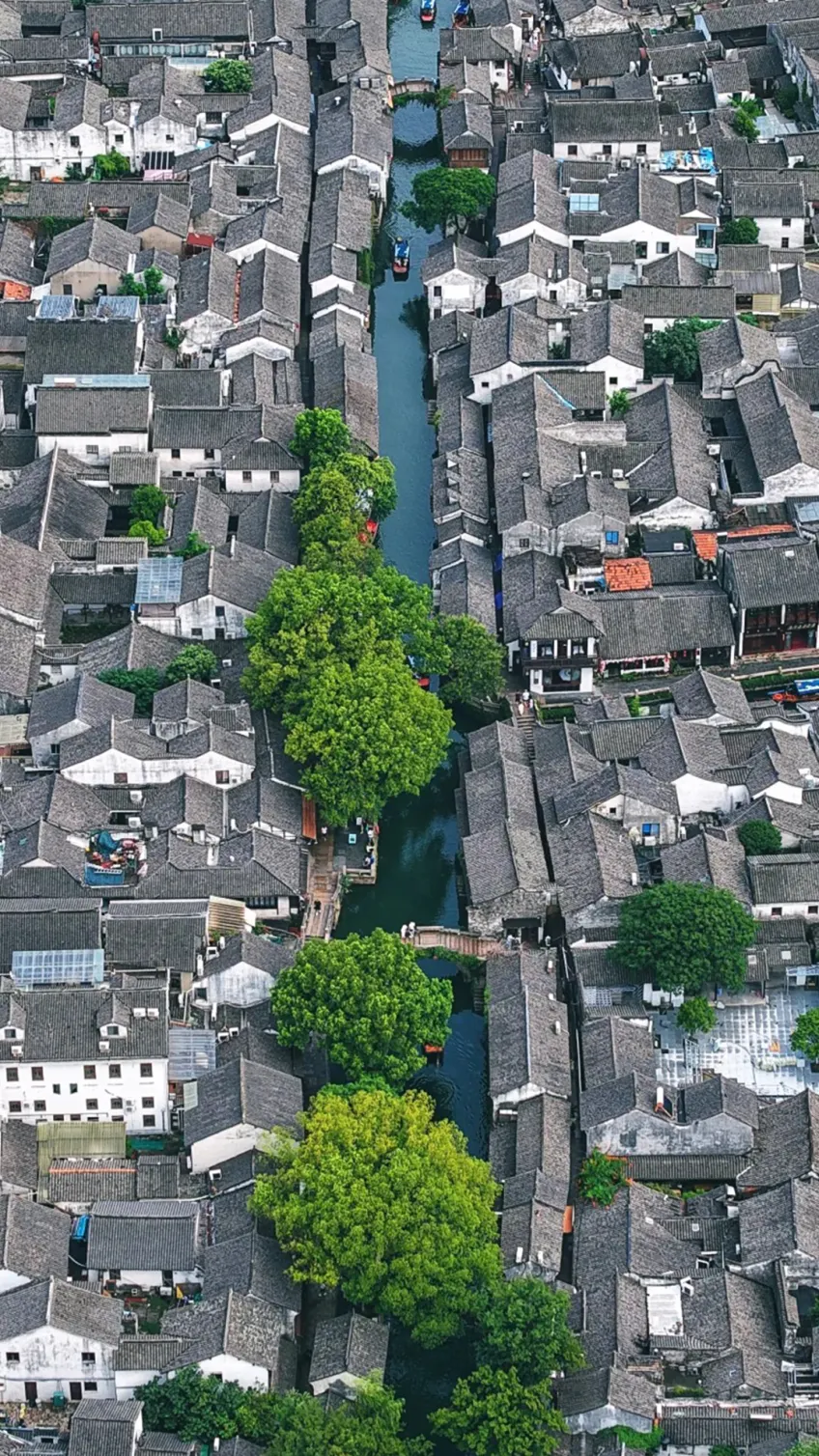
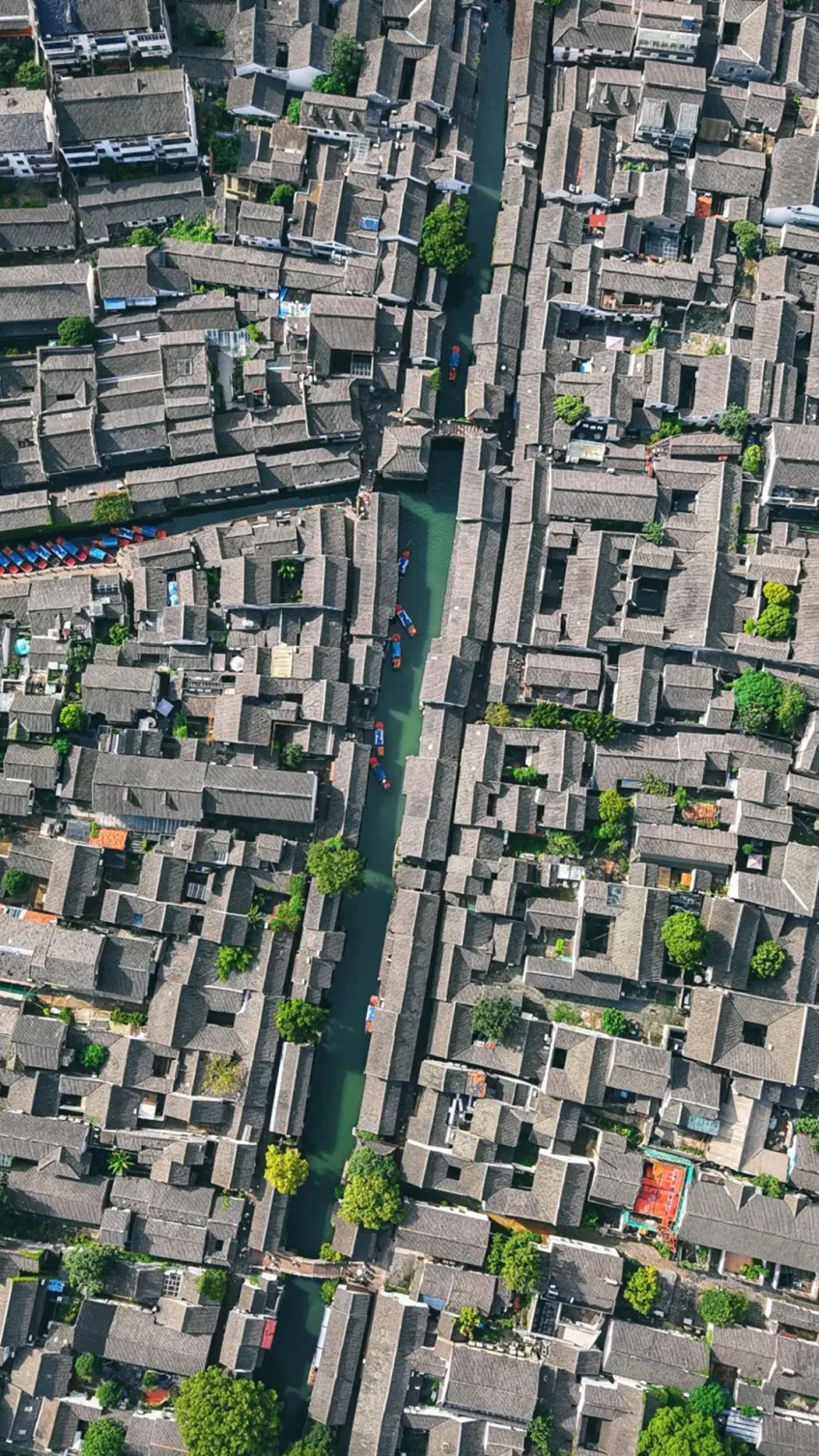
Throughout the Ming and Qing dynasties, Zhouzhuang's merchants and scholars built numerous residences in town, creating the layout we see today. The core area of the ancient town covers about 0.47 square kilometers, with over 60% of the houses still dating from the Ming and Qing periods, including nearly 100 historic courtyards and more than 60 brick-carved gate towers. Packing so many old buildings into half a square kilometer is exactly why Zhouzhuang feels so "dense."
This layout follows its own practical logic: houses along the river had their front doors facing the street and their back doors opening onto the water, so goods moved by boat while people walked the streets. Wealthy families built water gates and stone docks in front of their homes, allowing cargo boats to pull right up and unload at the doorstep. Once you understand this "front street, back river" and "dual water-and-land grid" structure, you'll notice as you walk through town that almost every old house has a connection to the water.
What to see in Zhouzhuang: water lanes, Twin Bridges and historic mansions
Water lanes and stone bridges: Zhouzhuang's streets follow the canals. The classic Jiangnan image of "small bridges, flowing water and homes" isn't just poetry here—it's daily life. Houses line both banks with boat landings right out back, and stone bridges connect the two sides. There are more than a dozen ancient stone bridges in town, so you'll cross one every few steps as you walk around.
Twin Bridges: The Twin Bridges are Zhouzhuang's landmark, made up of Shide Bridge and Yong'an Bridge. One is a stone arch bridge and the other a stone beam bridge. They meet at a right angle where the canals cross, with one round and one square opening that look like an old-fashioned key—hence the nickname "Key Bridge." Many paintings and photos of Zhouzhuang are taken from this spot.
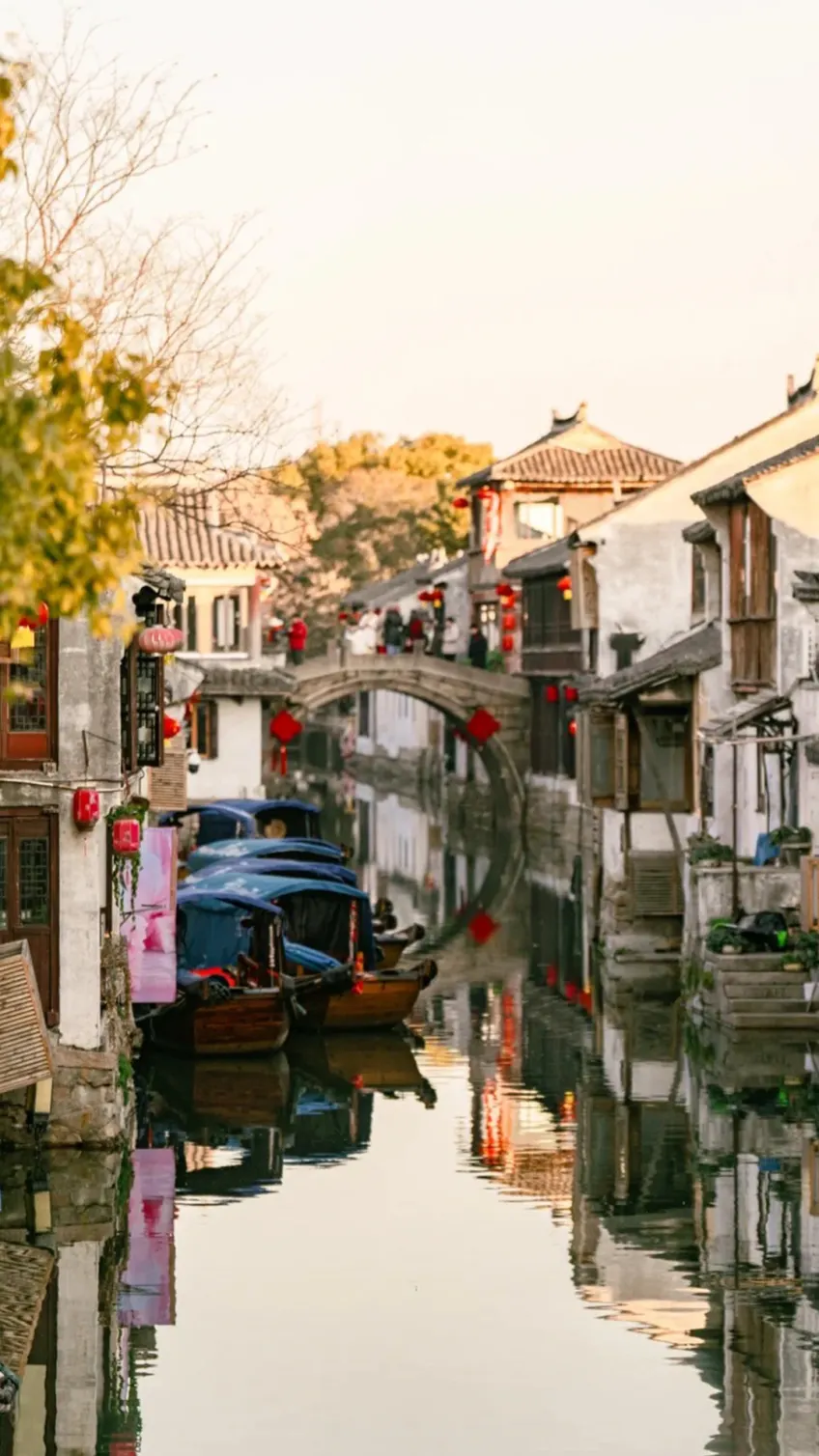
Shen Hall: Shen Hall was built in 1742 (the 7th year of the Qianlong reign) by Shen Benren, a descendant of the wealthy merchant Shen Wansan. Originally called Jingye Hall, it was renamed Songmao Hall in the late Qing dynasty. With seven courtyards from front to back and over a hundred rooms, it's the largest historic mansion in Zhouzhuang. From the waterfront entrance gate and boat landing at the front to the halls and chambers at the rear, you can see the complete layout of a grand Jiangnan merchant family home.
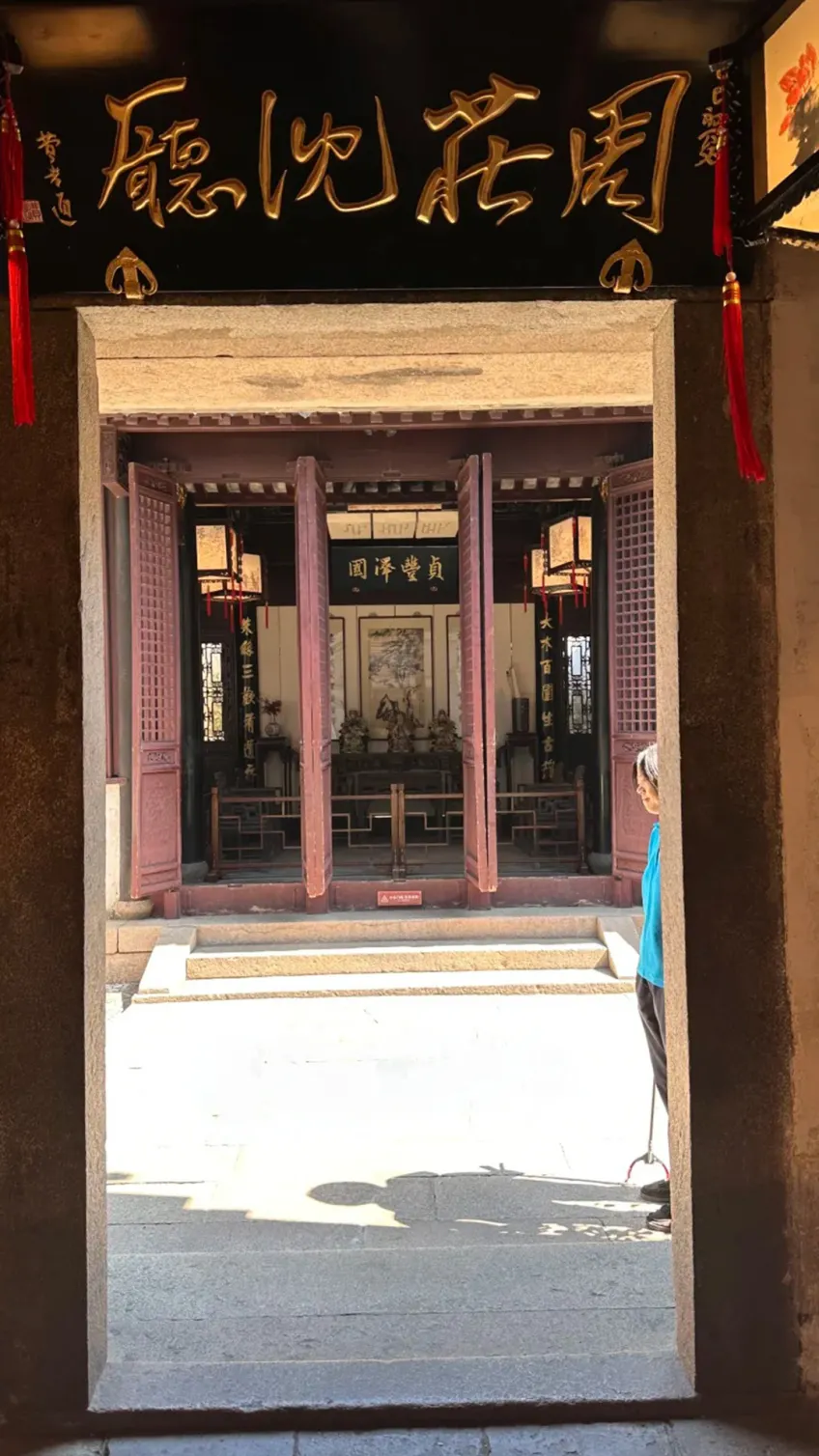
Zhang Hall: Zhang Hall is another famous old residence in Zhouzhuang, best known for the saying "sedan chairs pass the front door, boats sail through the house"—a waterway runs right through the courtyard, and boats can pull directly inside. Bringing a canal into the home is a perfect snapshot of life in a water town.
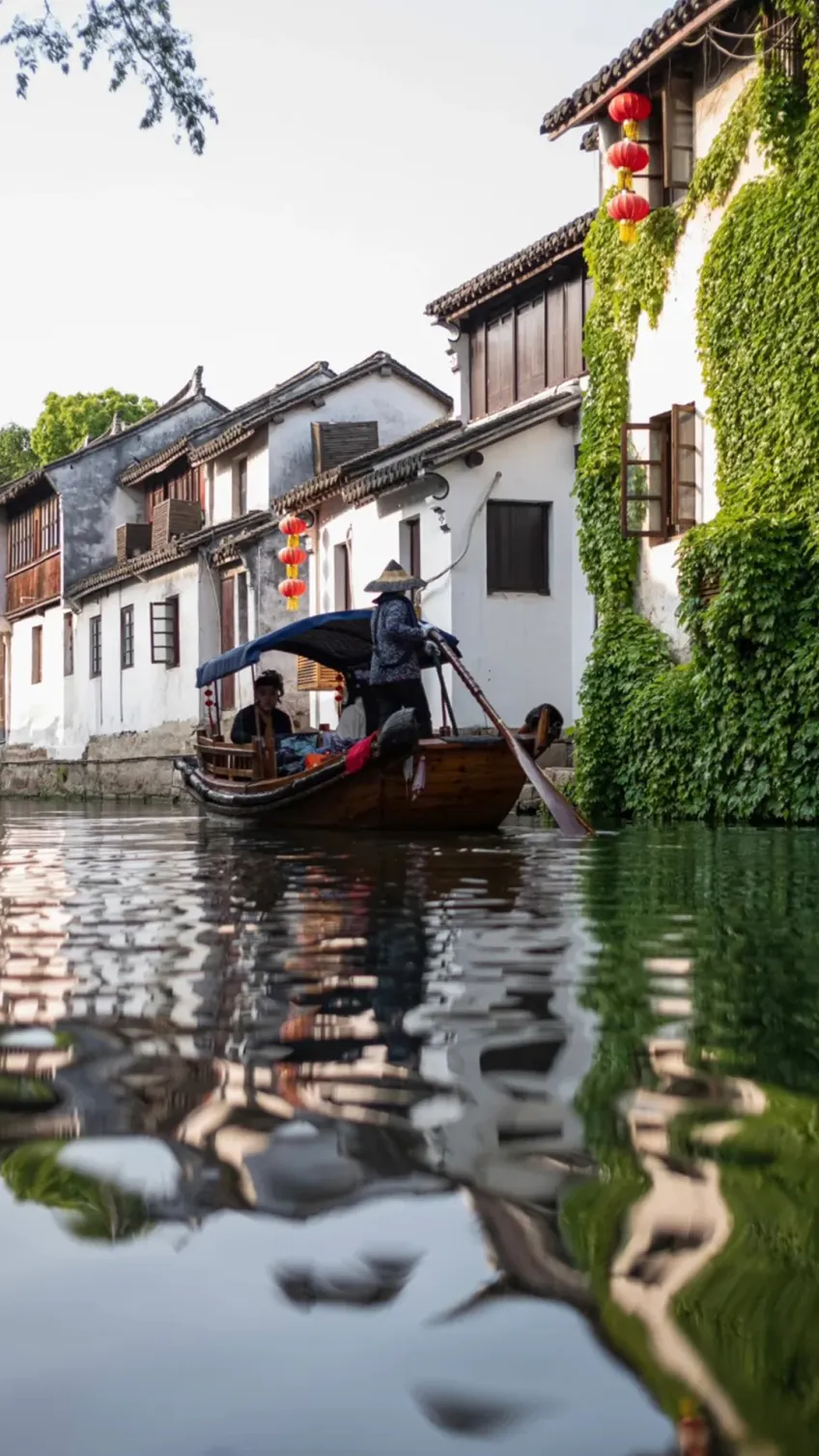
Sculling boats: Taking a boat through the water lanes is the classic Zhouzhuang experience. The boatwoman sculls while singing local folk tunes as you glide under stone bridges, with old houses on both banks sitting right at the water's edge. Seeing Zhouzhuang from the water feels completely different from walking its streets. Piers, routes and prices are subject to on-site announcements; expect lines on holidays.
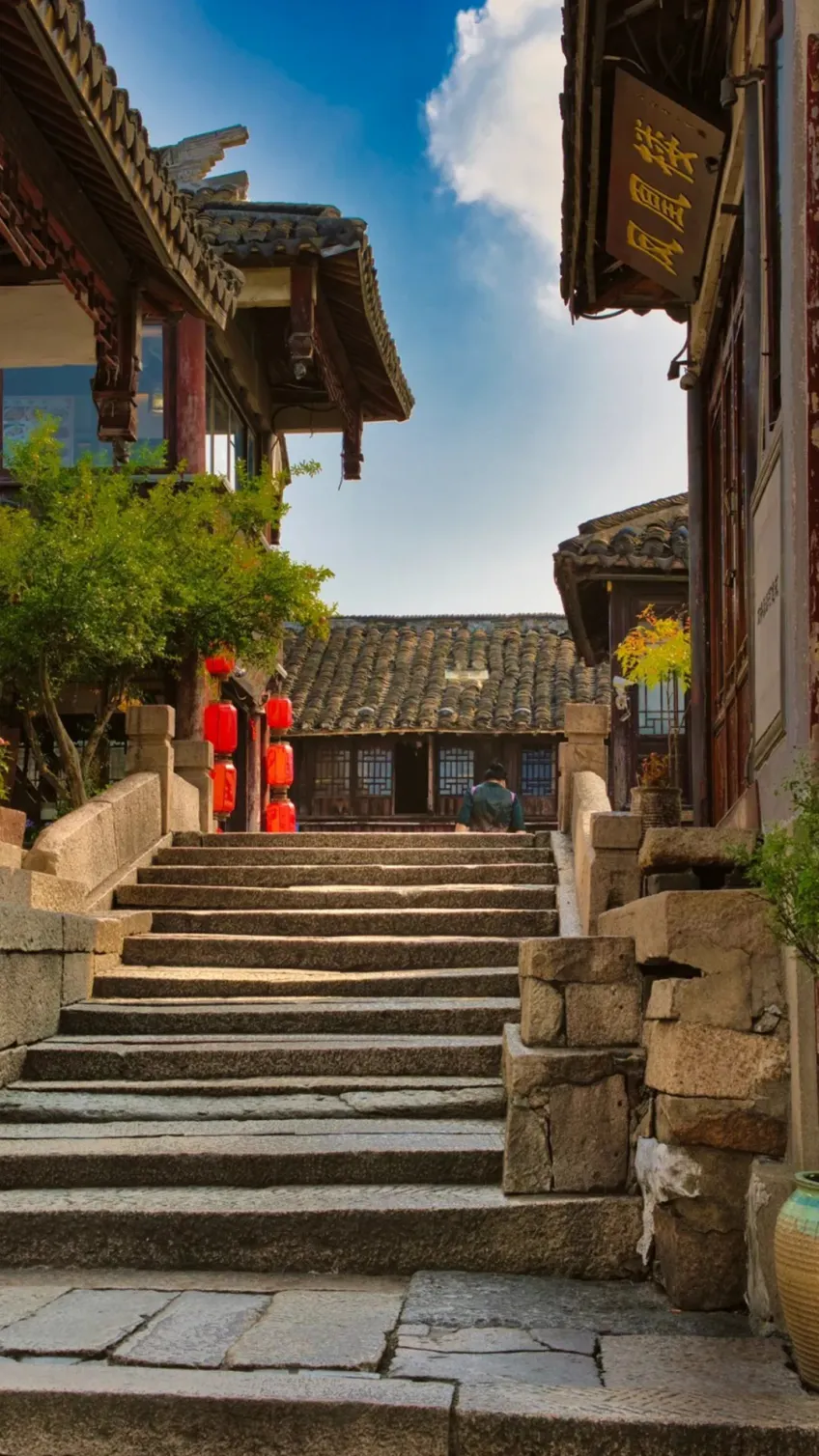
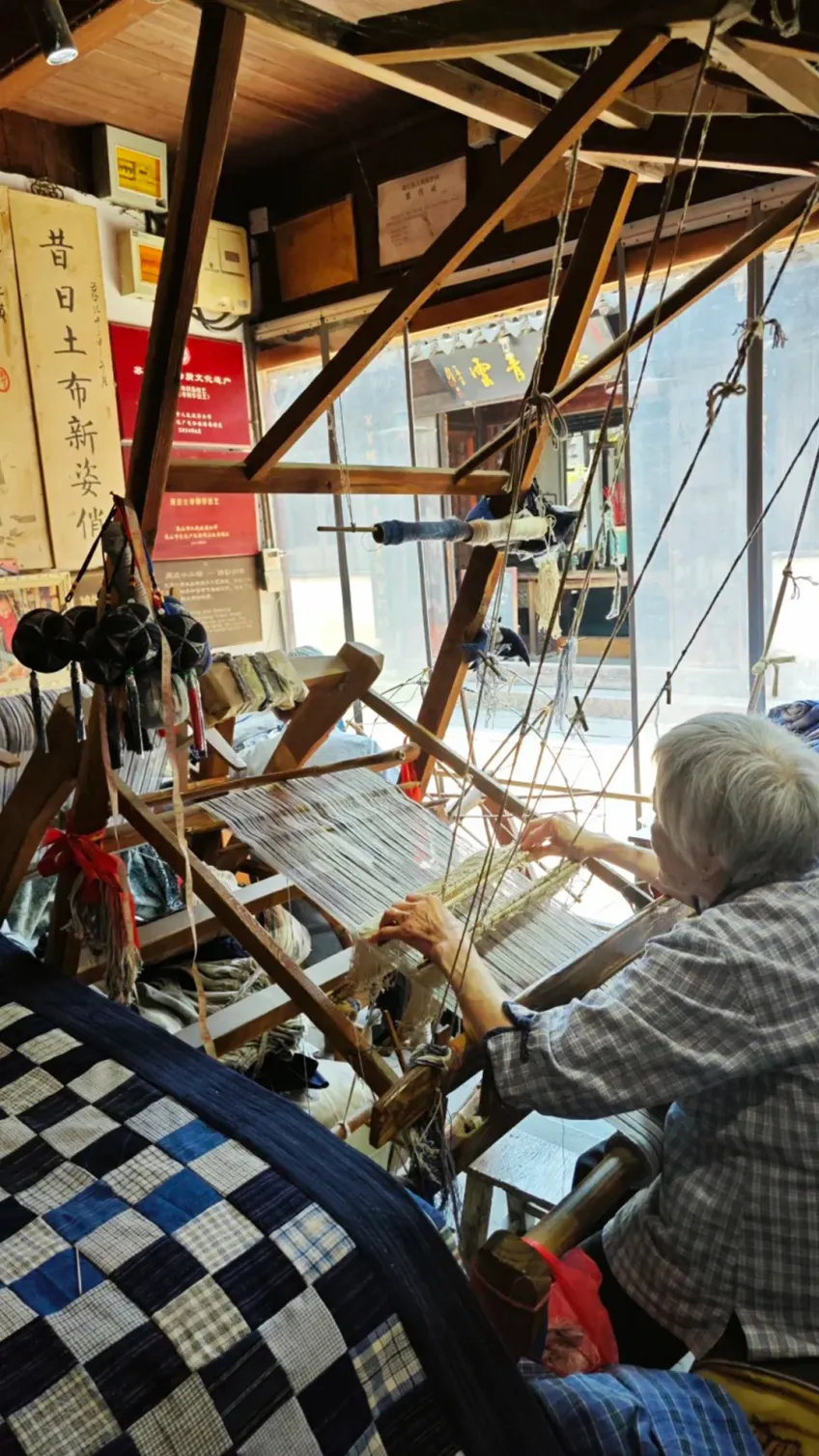
The ancient town also has plenty of small galleries and craft workshops for homespun cloth, bamboo weaving, coppersmithing and more. Some let you watch artisans at work, which is great for kids. The charm of Zhouzhuang isn't about any single attraction—it's about wandering the water lanes and watching daily life along the canals.
A tip for exploring Zhouzhuang: don't just follow the crowds down the main street. Dozens of small alleys branch off either side, and just a few dozen meters in the crowds thin out. You'll see laundry drying, potted plants by doorways and quiet river landings. These spots show what a "living" Zhouzhuang really looks like.
Zhouzhuang transforms after dark. Lanterns along the canals and lights under the eaves reflect in the water, night boats drift slowly through the lanes, and the town hosts evening performances. Night tour hours, boat tickets and show schedules are subject to current announcements—if you want to see the nightscape, push your departure back a bit.
When visiting the old residences, look closely at the details: brick carvings over gateways, couplets in the halls, patterns on window lattices—all the work of Ming and Qing craftsmen. Zhouzhuang has over 60 carved brick gateways, some depicting scenes from operas, others featuring auspicious motifs. Standing beneath one and looking up is far more rewarding than rushing past.
Is it worth visiting: who it's for and who should skip it
Zhouzhuang is one of the most famous Jiangnan water towns, as well as one of the earliest developed and more commercialized. As a result, reviews tend to be polarized. Fans praise its intact layout and authentic "water town" feel—landmarks like the Twin Bridges and Shen House are unique to this town. Critics mostly complain about the crowds and shops; on holiday afternoons, the canals are packed with tourists, making it hard to find the tranquility you see in paintings.
Who it's for: first-time visitors to Jiangnan looking for the quintessential water town layout; travelers bringing foreign friends who want to see the classic "small bridges, flowing water, and homes" all in one place; and fans of historic architecture who want to explore Ming- and Qing-dynasty residences.
If you're bringing foreign friends to Zhouzhuang, explain beforehand that this is a living ancient town, not a theme park—locals still live and run businesses here. Many international visitors love exactly this feeling of "people still going about daily life in old houses," which is far more interesting than just looking at architecture.
Consider somewhere else if: you've already visited several water towns and just want a quiet spot to zone out, or you can only visit during the day on a public holiday and hate crowds.
To avoid the crowds, try two approaches: go on a weekday morning, when Zhouzhuang is at its quietest around opening time and the misty canals look like a painting; or go at night, when the tour groups have left, the town lights up, and an evening boat ride through the canals has real charm. Staying overnight is ideal—you'll catch both dusk and early morning, the two most beautiful times in Zhouzhuang.
Compared with other Jiangnan water towns, Zhouzhuang stands out for being "small but refined." It isn't large, but the density of historic buildings is high, and the most famous sights are clustered together, so you can cover the highlights in half a day. If you only have time for one water town in Jiangnan, Zhouzhuang is a safe bet. If you have more time, visit other ancient towns for comparison.
Zhouzhuang in four seasons: When is the best time to go
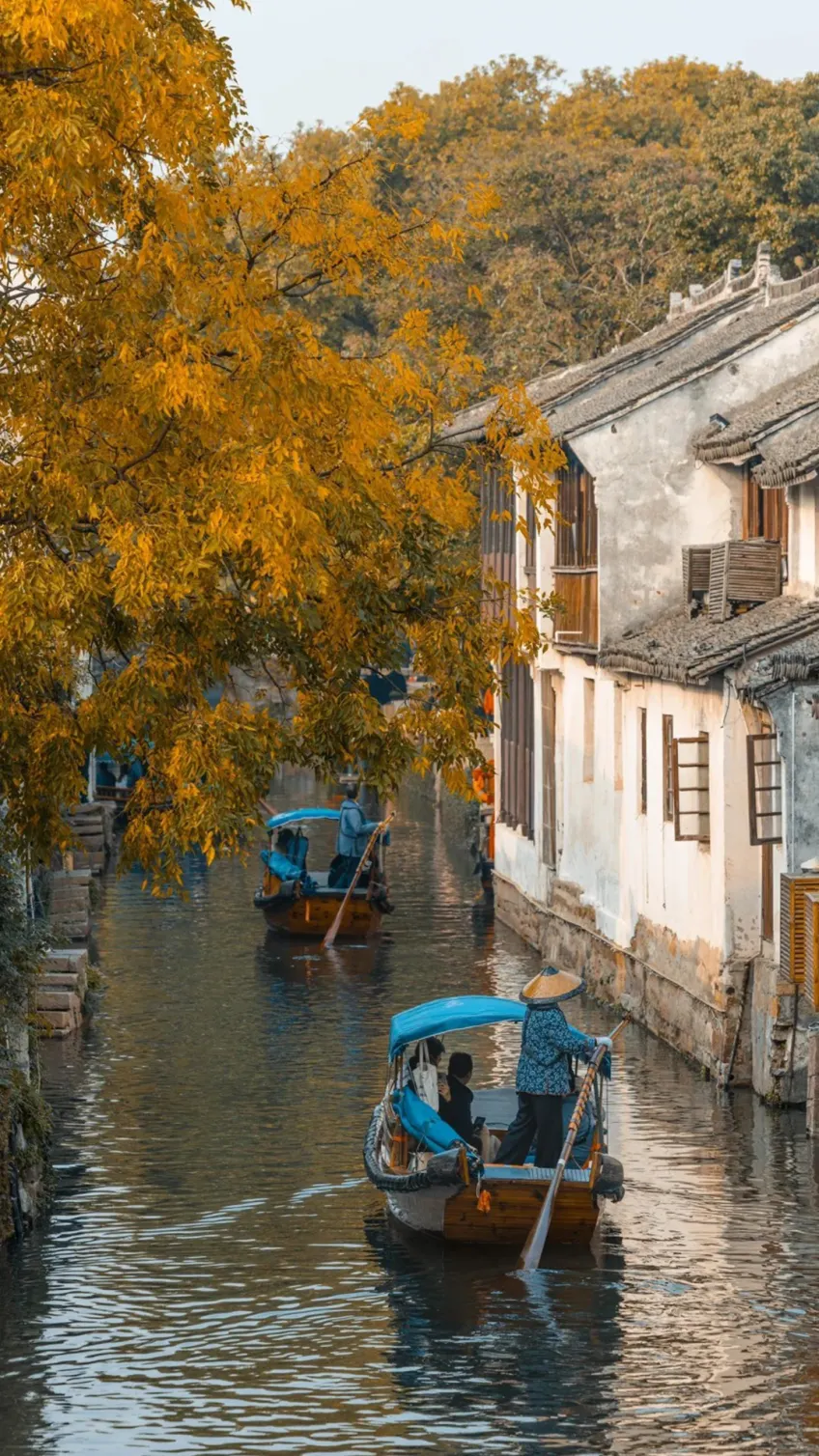
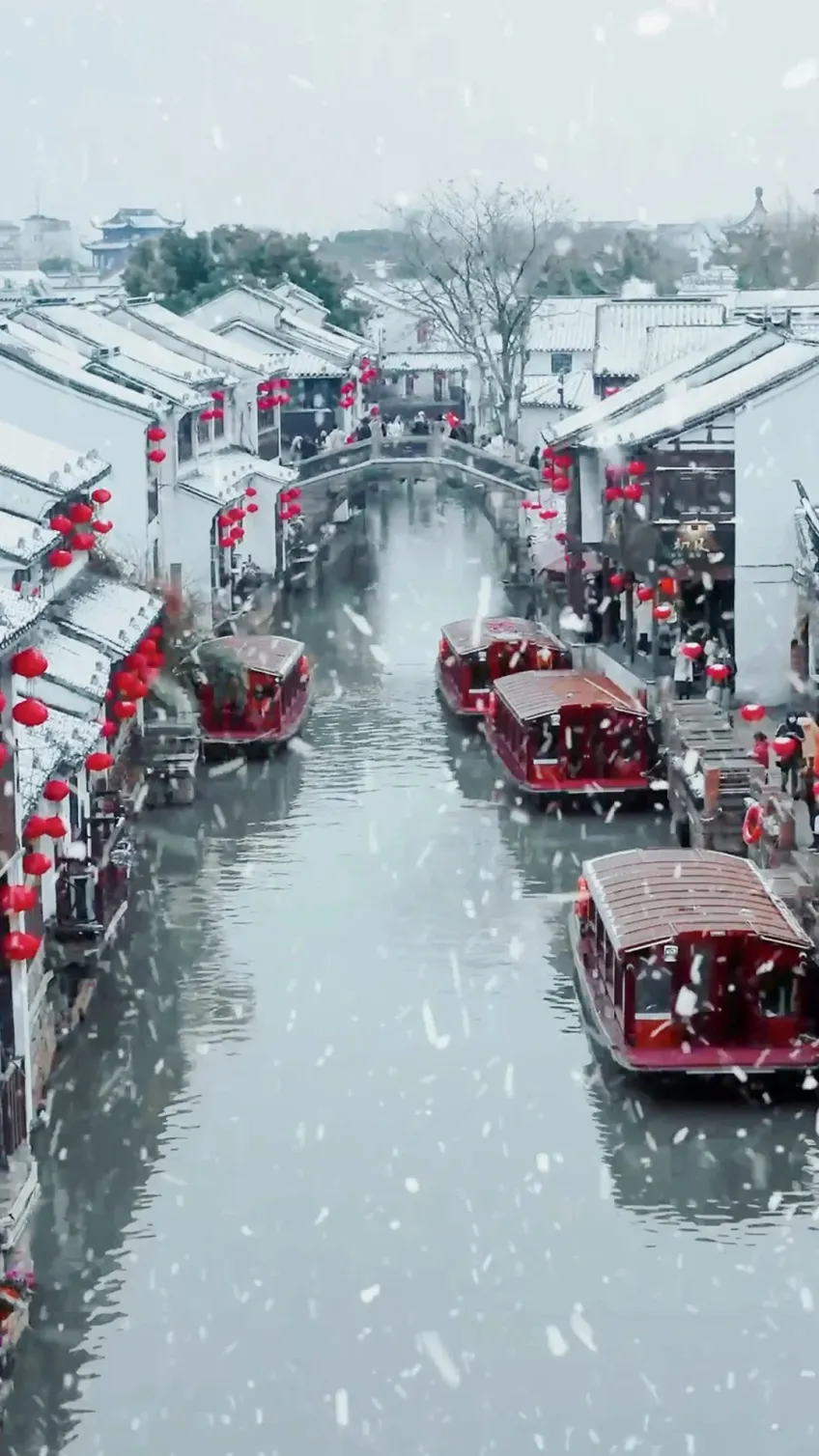
Zhouzhuang can be visited year-round, and each season has its own charm. In spring, flowers bloom along the waterways and the weather is comfortable, making it the most popular season. Summer is hot and humid, so it's best to explore the old houses indoors during the day and head out after dusk. Autumn brings clear skies, and the leaves along the water lanes change color—many consider this Zhouzhuang at its most beautiful. Winter sees the fewest visitors; when it occasionally snows, the stone bridges and red lanterns look stunning, but winters in Jiangnan are damp and cold, so dress warmly.
More important than the season is avoiding public holidays. During the May Day holiday, National Day holiday, and summer vacation weekends, daytime crowds in Zhouzhuang are huge, and you'll often have to walk in single file along the main streets and around the Twin Bridges. During Chinese New Year, the ancient town is decorated for the festival and very lively, but equally crowded. If you can take time off, choose a weekday in spring or autumn for a much better experience.
For tickets, the attraction page currently lists a discounted price of ¥80 (regular price ¥100), effective from July 9, 2026, including holidays. After registering your name, you can visit for three consecutive days. Please refer to official Zhouzhuang announcements for exact prices and rules. According to the attraction page, opening hours are 8:00–17:00 daily, with separate arrangements for night tours—please confirm on site.
How to choose: Group tour, private car or hiring a guide
Group tour day tour: Departing from Suzhou, Zhouzhuang is often combined with attractions like the Humble Administrator's Garden. This suits travelers who don't want to arrange their own transport—for example, our Suzhou and Zhouzhuang day tour. See Suzhou group tours for details.
Private car: Departing from downtown Shanghai or Suzhou, traveling with family, or wanting to arrive early and leave after the night tour—a private car offers the most flexibility. See how to book a private car in Suzhou and private car from Shanghai to Suzhou.
Stay overnight: If time allows, spend a night in or near the old town. After the tour groups leave in the evening, go see the night views; early the next morning, stroll the water lanes before the crowds arrive. These are Zhouzhuang's quietest and most beautiful moments. With private car pickup, you can head to your next stop the following morning.
Hire a guide: Every old house and stone bridge in Zhouzhuang has a story behind it. If you're traveling with foreign friends or kids, hiring a guide to talk about Shen Wansan, the Twin Bridges and life in the water town makes the experience much better. See how to hire a guide in Suzhou.
Suzhou and Zhouzhuang day tour: Humble Administrator's Garden + Zhouzhuang Water Town (no shopping)
Gardens and water towns in one day: we pick you up at Suzhou North Station, visit the Humble Administrator's Garden first, then explore the ancient town of Zhouzhuang with its small bridges, waterside homes and traditional craft street, and return you to Suzhou North Station in the evening. This private tour includes a car, guide and admission tickets, and an English-speaking guide is available on request.
For tickets and opening hours, see the Zhouzhuang scenic spot page; for the story of the Twin Bridges and Chen Yifei's painting, see Zhouzhuang in Chen Yifei's paintings.
FAQs
Which city is Zhouzhuang in?
Zhouzhuang belongs to Kunshan City, under Suzhou in Jiangsu Province. It lies in southwestern Kunshan, bordering Jinze Town in Shanghai's Qingpu District to the east.
Why is Zhouzhuang called Zhouzhuang?
Zhouzhuang was once known as Zhenfengli. In 1086, the first year of the Yuanyou era of the Northern Song Dynasty, an official surnamed Zhou donated his farmland to Quanfu Temple. In gratitude, locals renamed Zhenfengli to Zhouzhuang (Zhou's village).
Is Zhouzhuang worth visiting?
If it's your first time in Jiangnan and you want to see a classic water town layout, it's worth a visit. To avoid crowds, go on a weekday morning or evening, or stay overnight in the ancient town.
How much is the Zhouzhuang entrance ticket?
The attraction page currently lists a discounted price of ¥80 (regular price ¥100), effective July 9, 2026. After registering with your ID, you can visit for three consecutive days. Please refer to official announcements from Zhouzhuang for the latest information.
How big is Zhouzhuang Ancient Town? How long does it take to explore?
The core area of the ancient town covers about 0.47 square kilometers, and all major attractions are within walking distance. If you only walk the main streets and visit Twin Bridges, Shen House, and Zhang House, half a day is enough. If you want to take a boat ride or enjoy the night views, set aside a full day or stay overnight.