
Zhejiang has its own personality in every season: spring flowers in water towns, summer mountains and islands, autumn scenery and seafood, winter hot springs and snacks. Mountains, rivers, ancient towns and islands can all be combined into one route, whether you prefer independent travel or a small group tour.
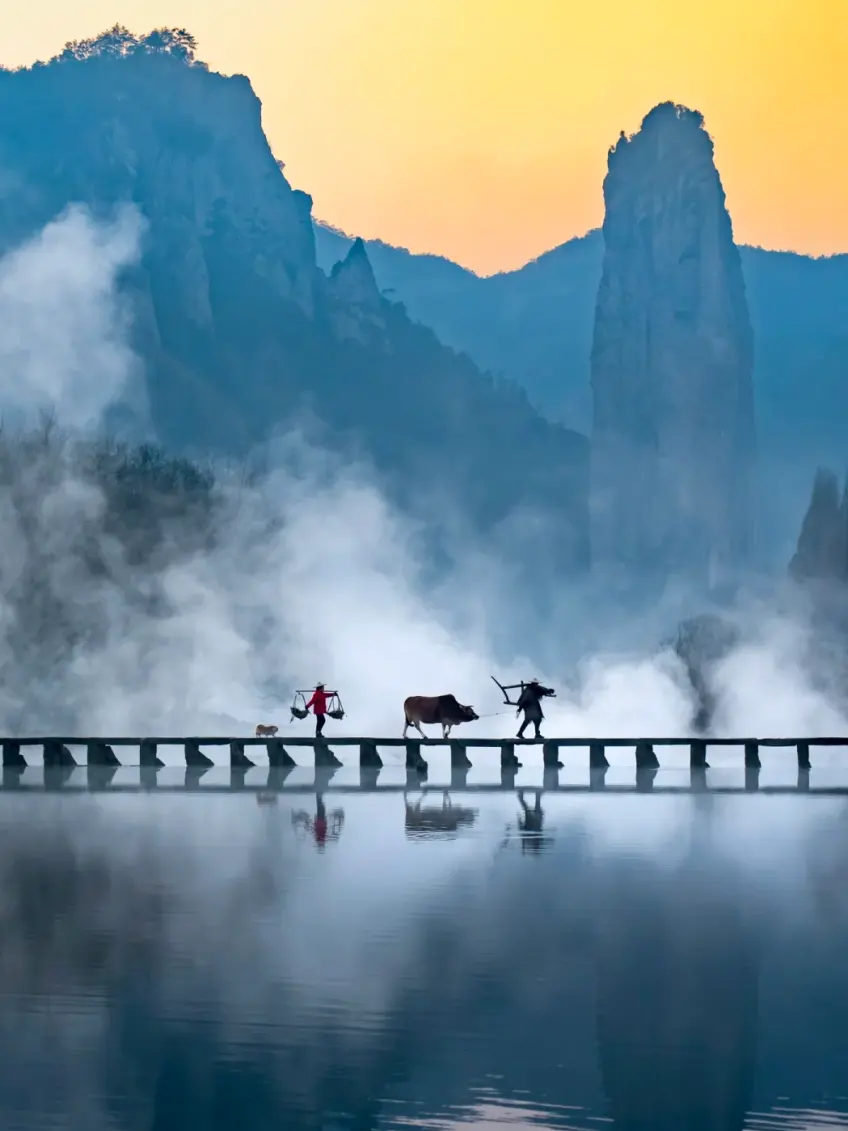
The stepping-stone bridge in the morning mist at Dinghu Peak, Xiandu, Lishui, captures the essence of Zhejiang's landscapes. This guide breaks down what to do by season, followed by transport and services. Ticket prices, schedules, and opening hours are subject to daily announcements.
To get a full picture of Zhejiang across four seasons—how to arrange mountains, ancient towns and islands—start with this guide. For long cross-city routes or traveling at your own pace, prioritize custom private trips; for hopping between West Lake in Hangzhou, Wuzhen, Xitang, Moganshan and the islands, use a private car. Airport and high-speed rail transfers are available via our pick-up and drop-off service, and you can hire a guide for key attractions. If you want a hassle-free way to see the highlights of Hangzhou and Jiangnan, check out the group tour "Suzhou, Hangzhou & Shanghai Highlights." Just send your dates, number of travelers, departure city and preferred seasonal spots to a travel consultant.
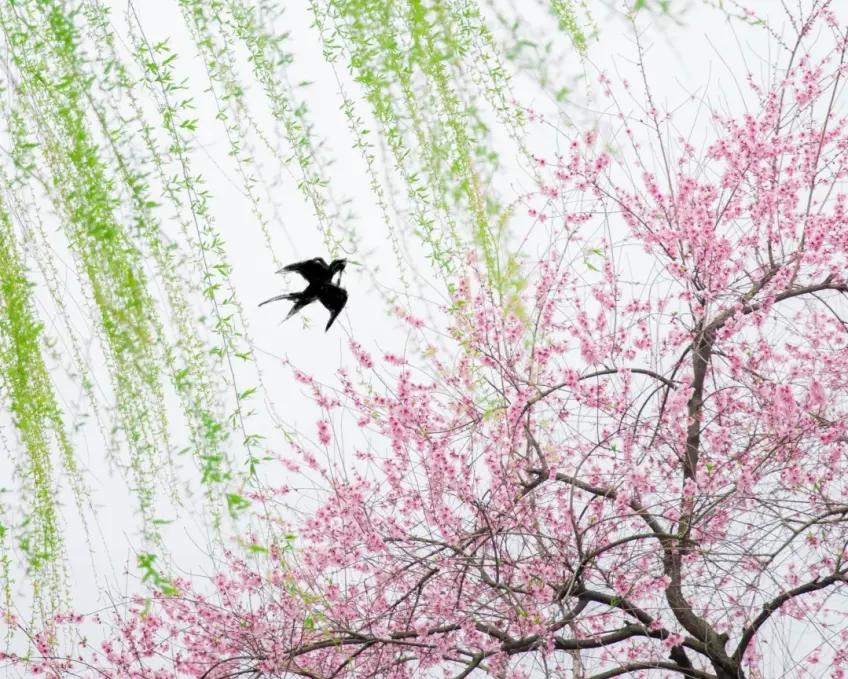
Swallows skimming the water among spring peach blossoms and willows—that's how many people picture the opening scene of Jiangnan. Below, we break it down by spring, summer, autumn and winter: each season starts with the core highlights, followed by food tips and how to link them together.
The short video gives you a quick feel for Zhejiang across the four seasons; for specific itineraries, refer to the main text and on-site notices.
Zhejiang's climate and the four seasons
Zhejiang has a subtropical monsoon climate: wet and rainy springs, hot summers with occasional typhoons, crisp autumns, and damp but rarely freezing winters. March to May is ideal for flowers and water towns; June to August for escaping the heat in the mountains or at sea; September to November for red leaves and crab; December to February for hot springs and festive ancient towns. For cross-season itineraries, plan at least 5–8 days; focusing on one season's highlights works well in 3–4 days. Adjust the length and route to your own pace.
Spring: blossoms, water towns and tea plantations
West Lake and Longjing tea plantations in Hangzhou
From late March to April, peach blossoms and willows line the shores of West Lake, and Broken Bridge and Su Causeway are best explored early in the morning or at dusk. Head into the hills to visit the Longjing tea plantations for terraced fields and tea picking. Tea experiences and access depend on each estate's daily schedule—don't trust cheap promises from roadside touts.
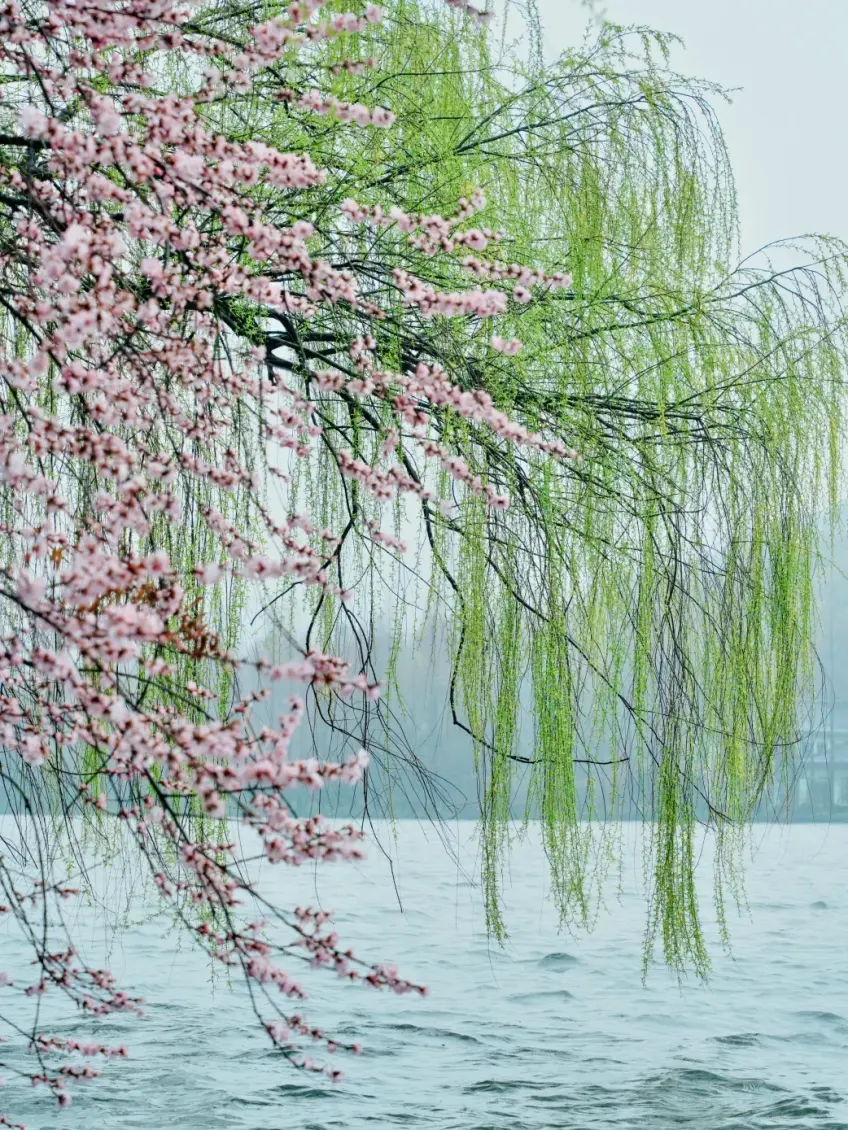
Reflections of peach blossoms and willows are a common spring sight at West Lake; mist thickens on rainy days, so bring a light jacket and non-slip shoes. To smoothly combine West Lake, Hefang Street and nearby ancient towns, check out a group tour that includes Hangzhou; if you just want a half-day deep dive into the tea plantations, a private custom trip is a better fit.
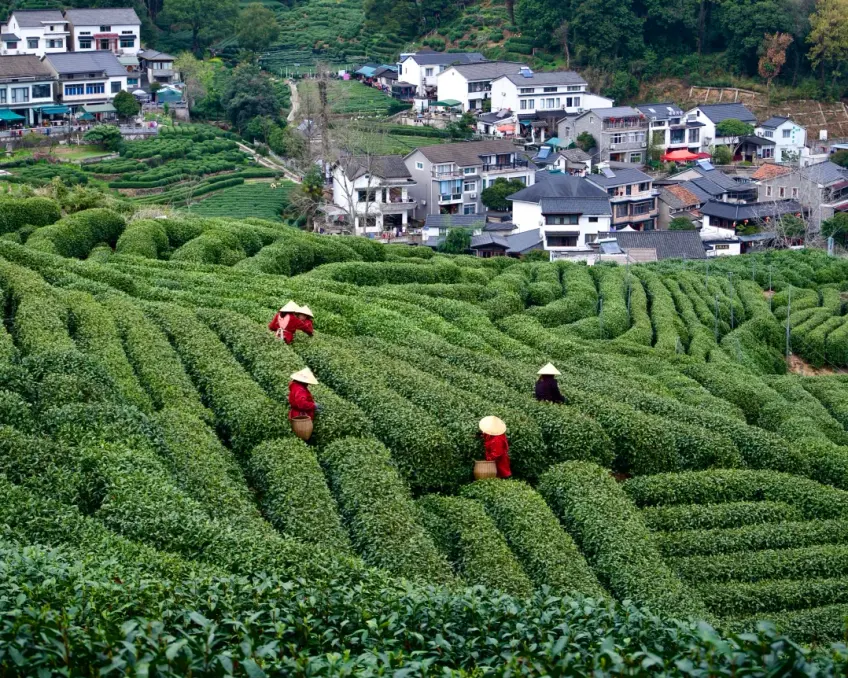
The terraced tea fields have distinct layers, perfect for light hiking and photography. It gets crowded during harvest season, so try to avoid weekend afternoons; for transport, book a private car directly from downtown to cut down on transfers.
Spring water towns
In water towns like Wuzhen, Xitang and Nanxun, white walls and Wupeng boats look their best in the spring rain. Opening hours and night tours in the Wuzhen East and West Scenic Zones, as well as Xitang's ticket policies, are subject to daily site announcements. The old towns are explored mostly on foot, so drop large luggage at your hotel before going in.
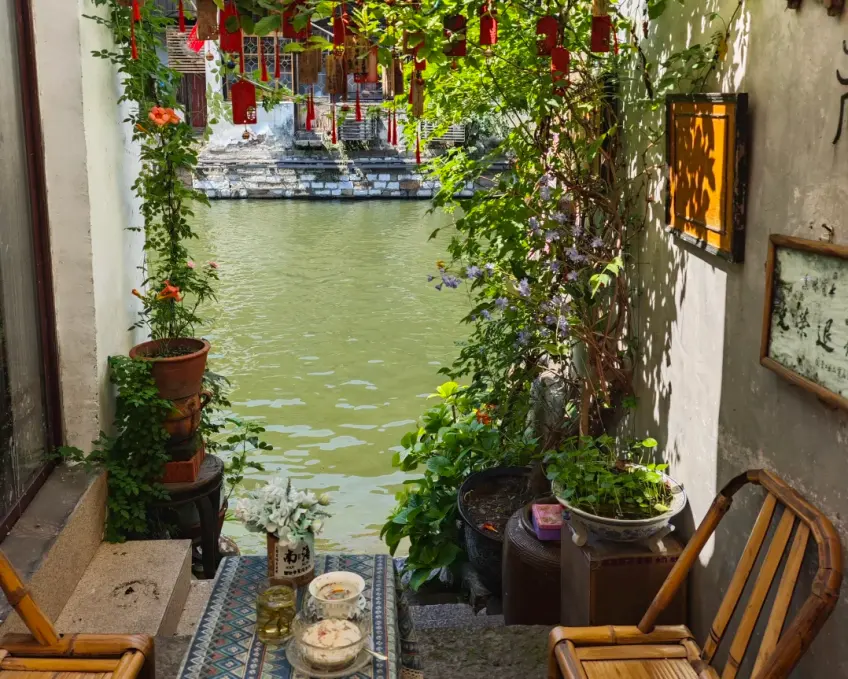
Riverside teahouses are great for resting and listening to the rain—just don't hog a table for too long. If you want to visit several ancient towns without hauling luggage back and forth, opt for a private car or a full private custom trip.
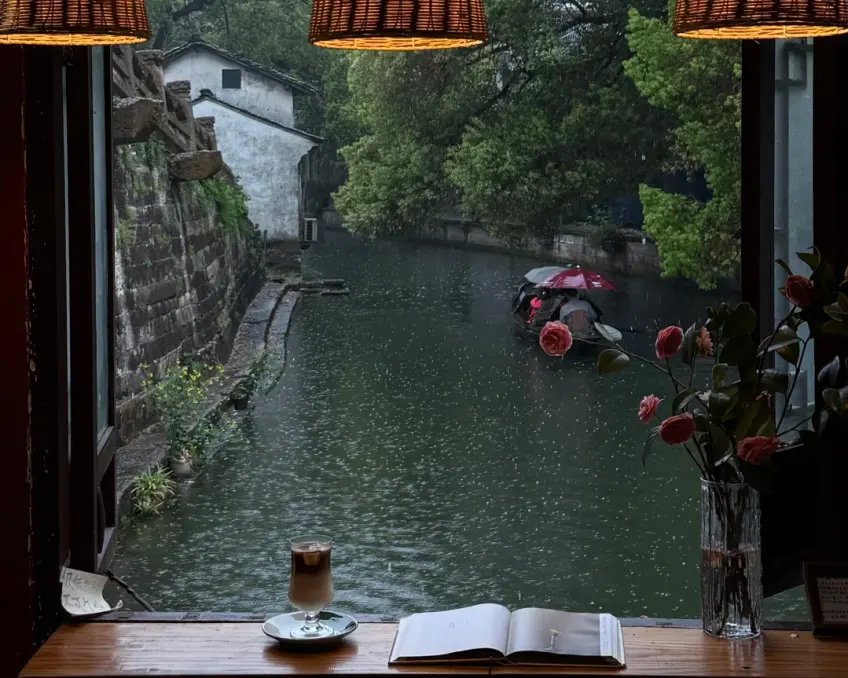
Gazing at wooden canal boats and red umbrellas from a café window along a rainy lane is a relaxed way to experience Jiangnan in spring. Bring rain gear and non-slip shoes; boat fares are subject to daily dock announcements.
What to eat in spring
Bamboo shoots, Longjing shrimp, and seasonal coastal seafood are popular choices. Specific dishes and availability depend on local, seasonal conditions. If traveling with older family members, let your travel consultant know any dietary restrictions in advance to customize your meal schedule.
Summer: mountain escapes and island beaches
Moganshan and cooler spots in western and southern Zhejiang
Moganshan's bamboo forests and guesthouses are a classic summer retreat, while Huzhou Anji, Hangzhou Lin'an and Lishui Jinyun offer even cooler mountain breezes. Mountain roads are winding, so if you're unfamiliar with driving them or have a large group with heavy luggage, consider booking a private car for door-to-door service. Attraction tickets and cable car fares are subject to daily announcements.
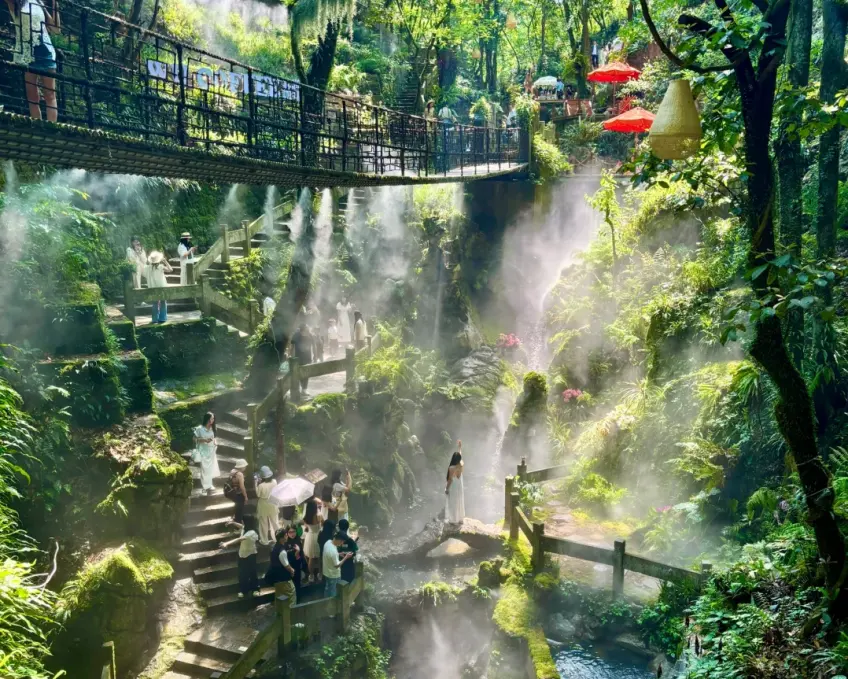
The misty mountain boardwalks and stone bridges are perfect for an easy stroll early in the morning or after the rain—just bring plenty of bug spray and wear non-slip shoes. To combine Moganshan and Hangzhou into one trip, custom private travel is much more reliable than piecing together public transit.
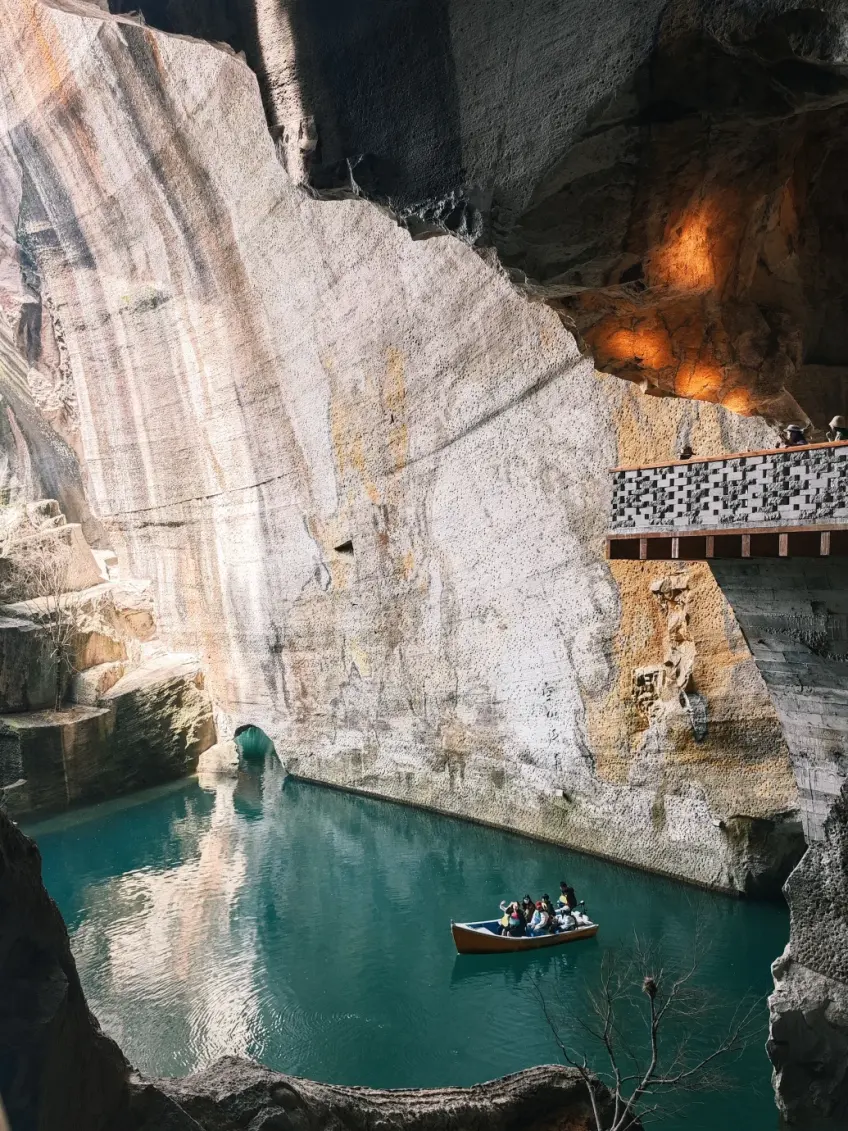
The grottoes, clear waters and wooden boats around Jinyun are a classic summer scene in southern Zhejiang; boat tours and opening hours depend on the day. Cell signal is weak in the mountains, so bring offline maps and a power bank.
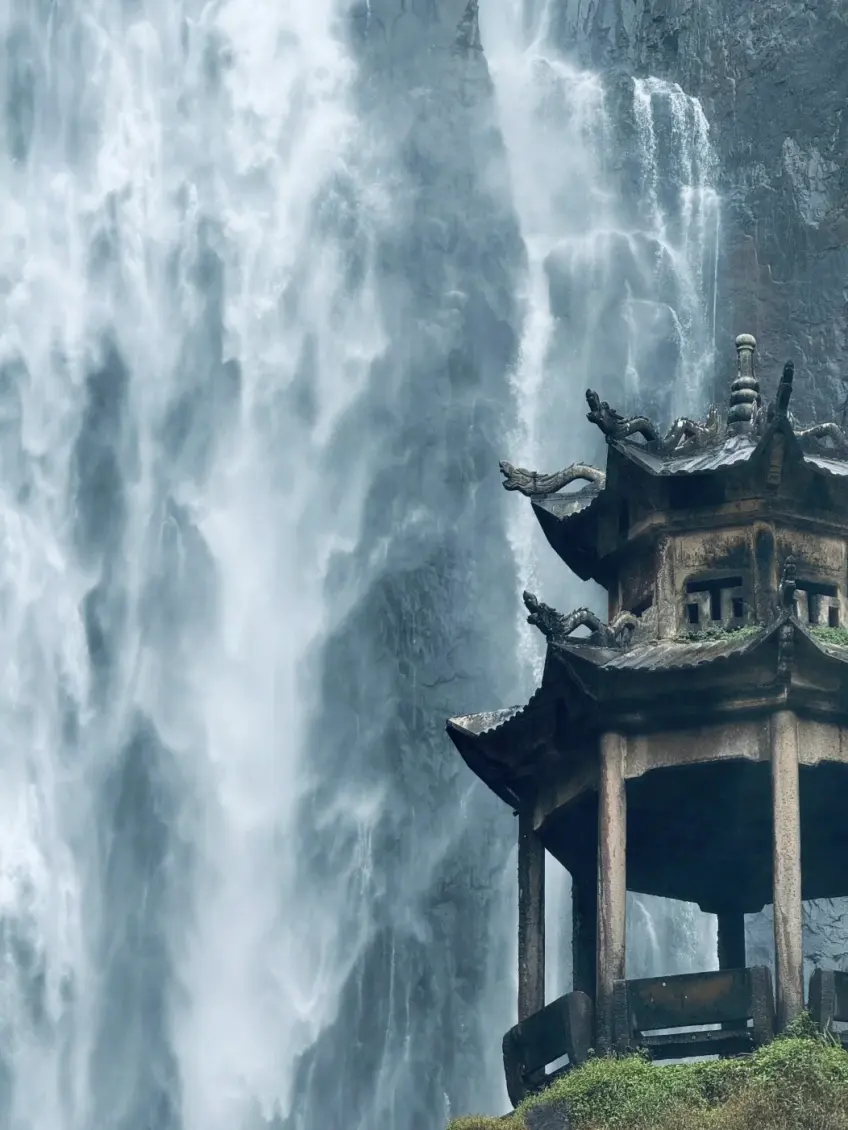
Pavilions by the waterfalls make great rest stops along summer mountain streams. If you plan to wade, watch the water level and follow safety signs. Traveling with kids? Let us know in advance and our travel consultants will arrange a low-intensity route for you.
Coastal islands
The islands of Wenling, Zhoushan and Dongtou are lively spots for water fun in summer; ferries may be suspended during typhoon season, so ferry tickets and weather conditions are subject to the day of departure. Colorful fishing villages make great coastlines for strolling and photos. Dining focuses on seafood—check freshness yourself and mind any allergies.
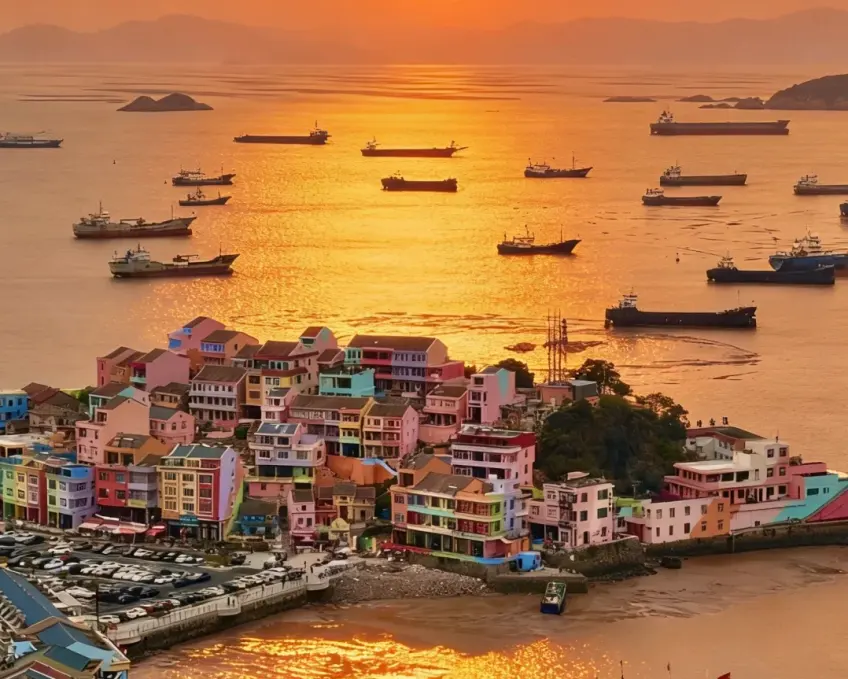
The brightly painted houses along the shore of eastern Zhejiang's colorful fishing villages are perfect for an evening stroll. For island-hopping or heading back to the city, booking a private car or station transfer to connect piers and stations makes things much easier.
Once you've covered the spring and summer routes, if you want to line up autumn foliage, winter hot springs, and island hopping all at once: rearrange the whole itinerary with custom travel planning; use a private car for multi-stop trips between cities; book station transfers for pickups and drop-offs; hire a guide for on-site commentary; or compare group tours that include Hangzhou.
Autumn: red leaves, osmanthus, and seafood
Hangzhou's osmanthus and autumn water towns
In September and October, Hangzhou fills with the scent of osmanthus, and Manjuelong is especially popular—go early or late to avoid the crowds. Water towns see fewer visitors in autumn than in spring and summer, making them perfect for a slow stroll and photos.
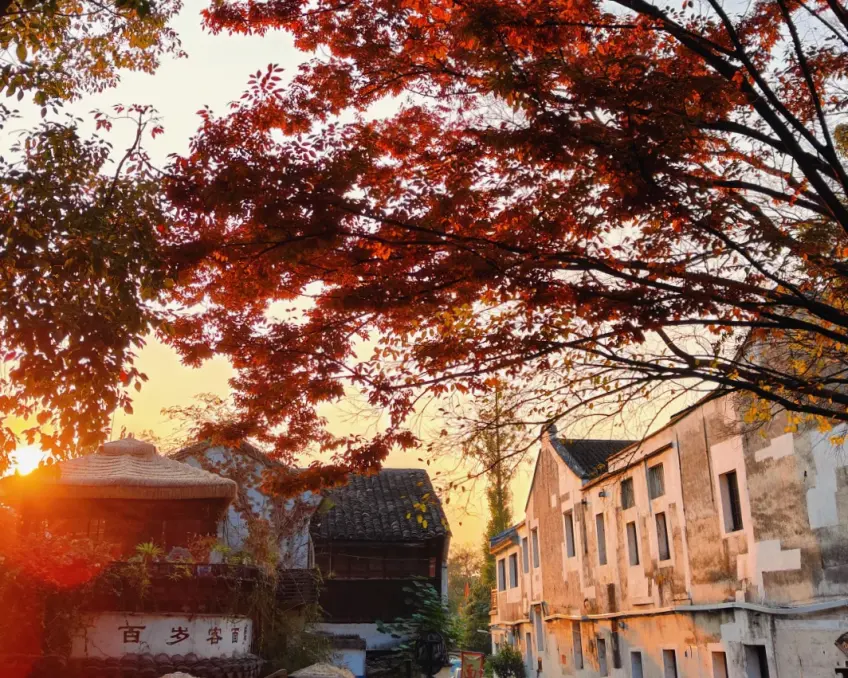
Red leaves against white walls are a classic autumn palette in Jiangnan water towns. Don't pick flowers or plants in scenic areas; check posted signs for drone regulations.
Mountain foliage
Siming Mountain and some mountain routes in western and southern Zhejiang offer rich autumn colors; the exact peak window depends on that year's climate. Fallen leaves make mountain trails slippery, so hiking shoes beat fashion sneakers.
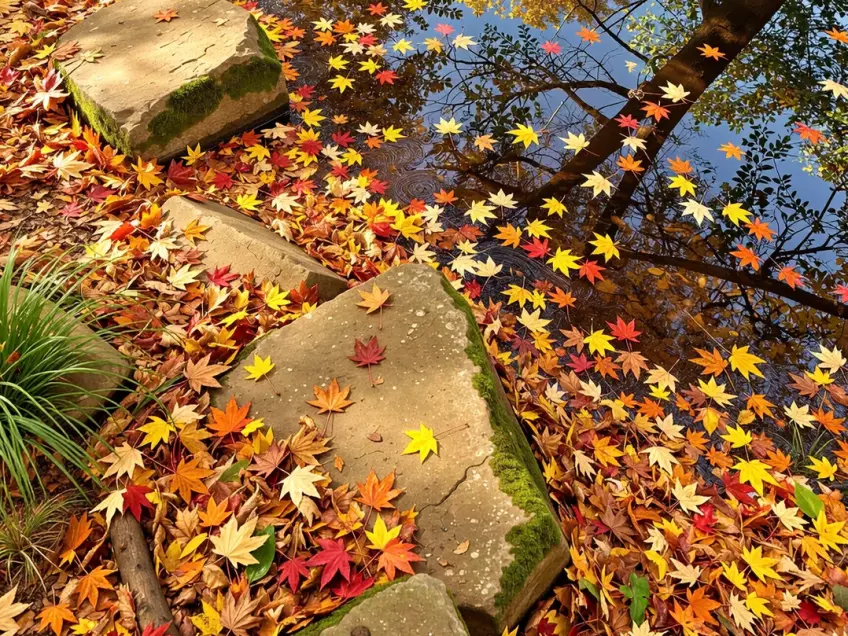
Red maple leaves carpet the stone paths by the water—perfect for a short stroll and great photos. Visit during off-peak hours for a more relaxed experience when it's crowded.
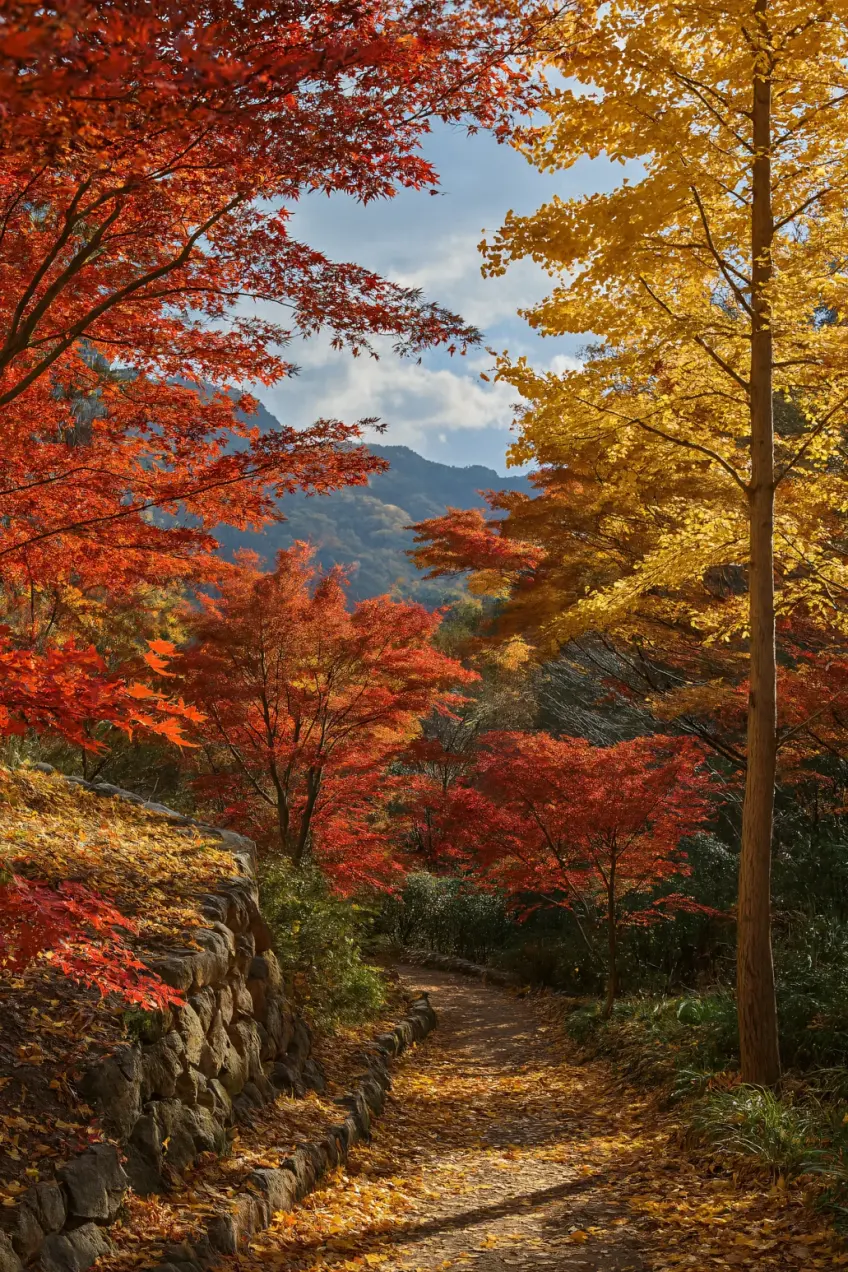
Mountain trails covered in red leaves and lined with stone walls are a common autumn sight in the hills of eastern Zhejiang. You can do a round-trip day tour or a two-day overnight trip by private car—just let custom travel planning arrange the route for you.
What to eat in autumn
Hairy crabs, swimming crabs and fresh shrimp are autumn staples. Origin and quality vary widely, and prices depend on the daily market. Those who need to avoid high-purine foods should use their own judgment.
Winter: hot springs, snow scenery and comforting snacks
Hot springs and snow
Mountain hot springs in Anji, Ninghai, Lin'an and elsewhere are popular winter picks; reservations and rates depend on the hotel or attraction that day. Hangzhou occasionally sees light snow, making Leifeng Pagoda and Broken Bridge very photogenic—watch your step on wet roads.
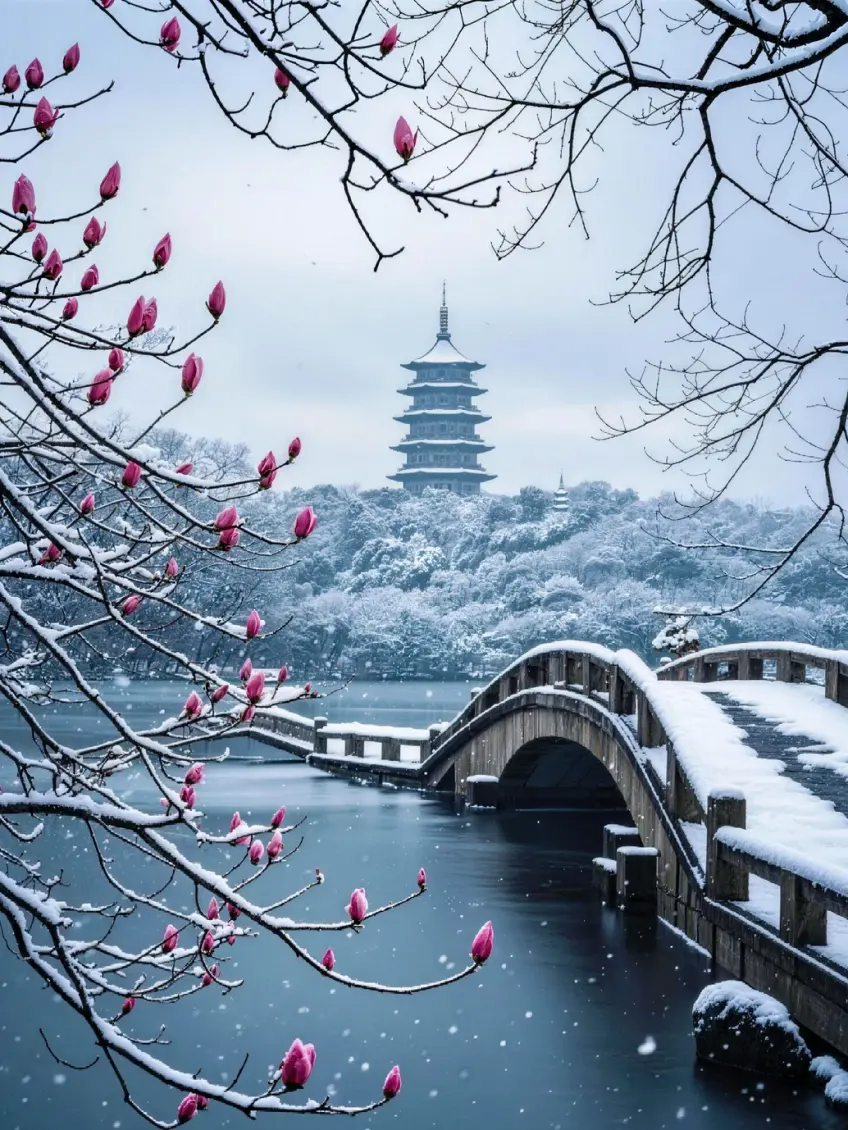
Leifeng Pagoda in the snow with a stone bridge is a classic winter composition at West Lake. Snowy weather may cause travel delays, so leave extra buffer time for arrivals and departures, or use our station transfer service.
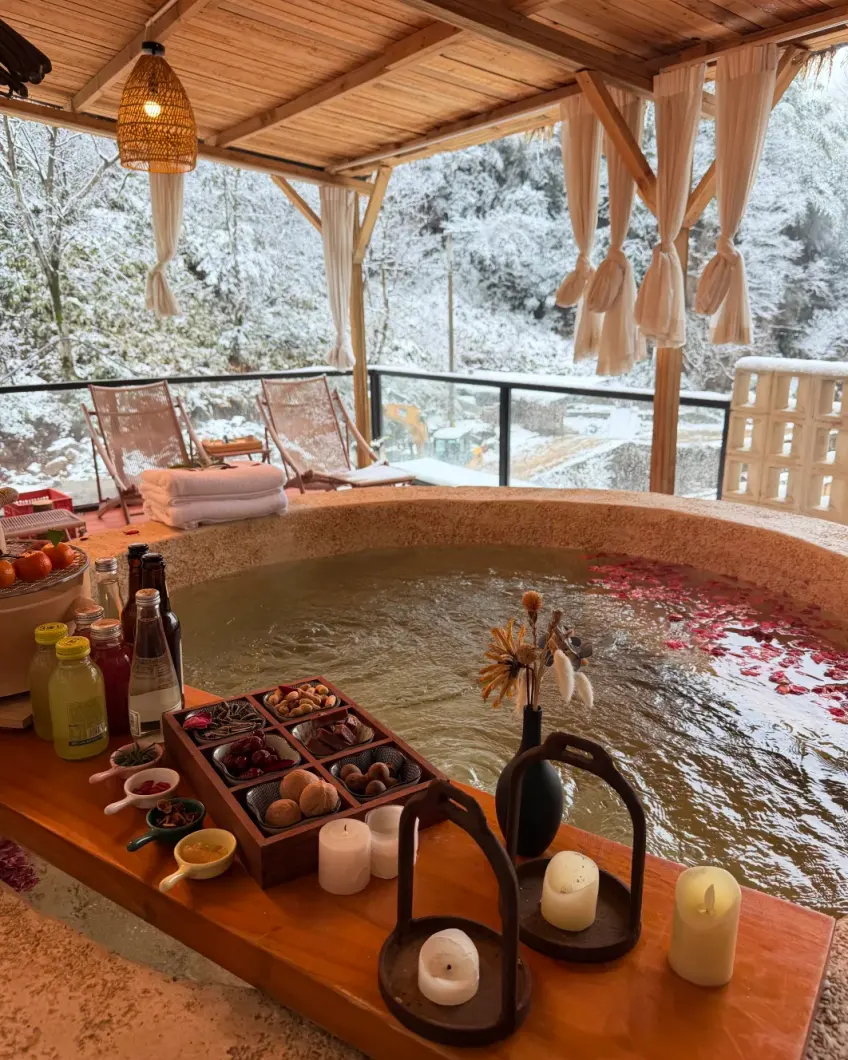
A wooden tray of flower petals by an outdoor hot spring outside a snowy forest makes for a soothing winter scene. Private and public pool rules vary by venue. You can add a hot spring stop to a custom private tour to avoid repeatedly arranging transport.
Winter water towns and snacks
In snowy or sleet-covered water towns, red lanterns and stone bridges feel extra festive. Winter night events at some ancient towns depend on organizer announcements.
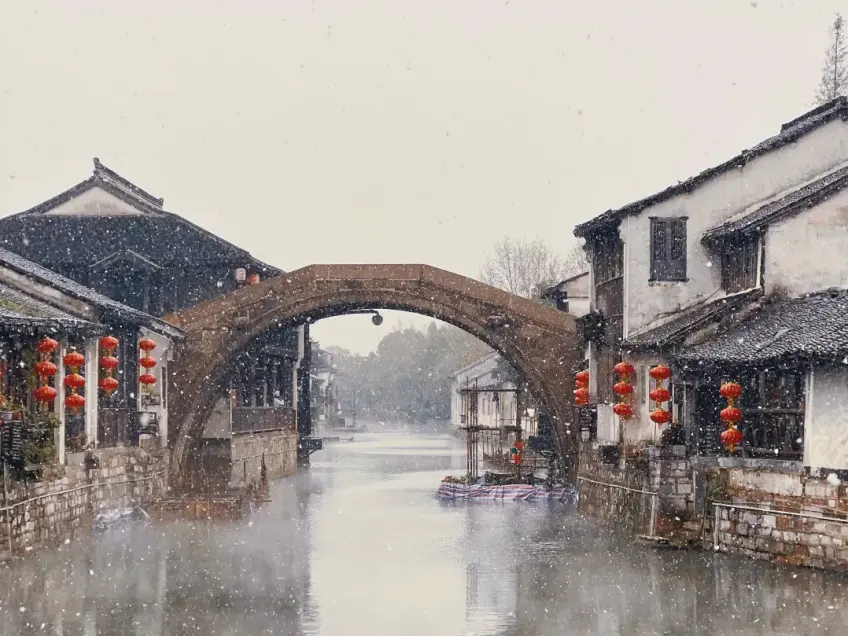
Red lanterns reflecting off a stone arch bridge in the snow make for great daytime sightseeing with light gear; stay warm and watch your step.
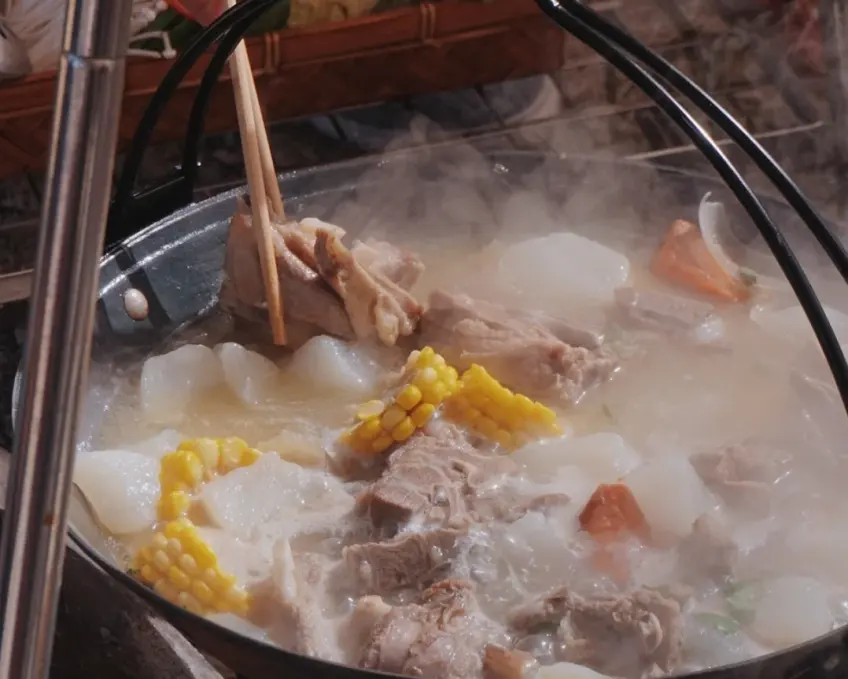
A hot pot of meat and corn is a classic winter comfort snack. Mountain farmhouse dishes and city hot pot each have their own charm—check hygiene and prices yourself.
Transportation & suggested duration
The province has a dense high-speed rail network: Hangzhou is the hub, connecting to Ningbo, Shaoxing, Jiaxing, Huzhou, Jinhua, Wenzhou and more. Same-day round trips between cities are possible but rushed; five to seven days covers "Hangzhou + one ancient town + one mountain or island," while eight days or more lets you add southern Zhejiang or an island at a relaxed pace.
Visitors from other provinces usually fly into Hangzhou Xiaoshan or take the high-speed train to hubs like Hangzhou East Railway Station, Ningbo or Wenzhou. If you have lots of luggage, arrive late at night or travel with seniors, book an airport or station transfer straight to your hotel or first stop; multi-city itineraries work best with a private car. Schedules and parking fees are subject to change daily.
Independent travelers can use this article as a seasonal menu. If you'd rather not piece together tickets and hotels yourself, hand your requirements over to our custom travel service, or start with a group tour that includes Hangzhou and add your own segments.

[Yunye Jiaxing 3 Days 2 Nights] Huzhou Lake Tai Scenic Area + Moganshan Scenic Area + Yucun + Yunshang Grassland
[Top Attractions] Huzhou Lake Tai Scenic Area, Moganshan Scenic Area, Yucun, and Yunshang Grassland! [Comfortable Stays] Choose between 4-star and 5-star hotels! [Thoughtful Service] Custom vehicles and experienced East China drivers for a worry-free trip! [No Shopping Stops] A no-shopping group tour for a pure travel experience—memories that last a lifetime! [Bonus] One bottle of branded mineral water per person per day!
The card above shows a sample route toward Moganshan and Anji in Huzhou, ideal for summer escapes or bamboo forest hikes. It complements the "Zhejiang across four seasons" theme of this article; final plans are subject to your travel consultant's proposal and the product page.
How to choose: group tour, private car or custom
Most readers here want a one-stop overview of Zhejiang in all four seasons, whether traveling independently or in small groups. For multi-season, multi-city trips or travel with family or seniors, custom travel and private car work best: the former handles your overall pace and hotel connections, while the latter offers point-to-point flexibility. If you just want a hassle-free way to tick off Hangzhou and the highlights of Jiangnan, check out the group tour Suzhou-Hangzhou-Shanghai Highlights. Add airport/station transfers for flights and trains, plus a private guide at key stops, and you're set.
Ready to book? Leave your seasonal route and number of days to custom travel, and use a private car when hopping between multiple stops. Book transfers for arrivals and departures, or a private guide if you only need commentary. For a hassle-free Hangzhou experience, see the group tour Suzhou-Hangzhou-Shanghai Highlights. Just send your dates, group size, departure city and the mountains, water towns or islands you'd like to combine to our travel consultant.
FAQs
How do I plan a seasonal Zhejiang trip without rushing?
We suggest 3–4 days for the highlights of one season, and 5–8 days to cover two seasons or a "city + water town + mountain/island" combo. Spring for water towns, summer for mountains and coast, autumn for red leaves and seafood, winter for hot springs and street snacks. Lock in one main season based on your travel month first, then decide whether to add a second—avoid crossing three cities in a single day.
Water towns, islands or mountains?
First time in Zhejiang and short on time? Prioritize West Lake in Hangzhou plus one water town. Avoid the heat on Moganshan or southern Zhejiang's mountain routes; for water fun pick an island, but watch for typhoons and ferry tickets. Families should minimize travel time, seniors should avoid steep climbs—leave the details to our custom travel service.
How to get around? How many days should I spend?
Visitors from other provinces usually transit through Hangzhou Airport or Hangzhou East Railway Station, then spread out by high-speed train or private car. Allow 2–3 days for Hangzhou alone; 4–5 days for Hangzhou plus an ancient town; and 6–8 days if adding mountains or islands for a more relaxed pace. Use airport or station transfers for late arrivals or heavy luggage, and a private car for multi-stop trips. Schedules and fares are subject to change daily.
Should I choose a group tour, a private car, or a custom trip?
Choose a group tour for a hassle-free way to see the highlights of Hangzhou and Jiangnan; pick a custom private trip to explore seasonal and off-the-beaten-path spots at your own pace; opt for a private car if you want point-to-point flexibility with a small group and lots of luggage. You can combine them: a group tour as a base plus a private car for certain legs, or a fully customized itinerary. Hiring a guide separately works well for in-depth commentary at key attractions.
Where can I find accurate ticket prices and opening hours?
Some areas of West Lake are free, while ticket policies for ancient towns and mountains vary and often change seasonally. Before your trip, check official scenic area announcements, ticketing platforms, or confirm with a travel consultant. Book in advance during holidays.