

A Food Tour of Xitang Old Town, Zhejiang
Xitang Ancient Town is in Jiashan, Zhejiang, and its food scene centers on West Street, North Gate Street and Yanyu Corridor. Near Songzi Laifeng Bridge on West Street you'll find Lu's Wontons and "No. 1 Noodles Under Heaven," which has been open for over 40 years. By Wolong Bridge on North Gate Street is Dabutong Fresh Meat Mooncakes, and Grandma Guan's Stinky Tofu is a time-honored brand from Jiaxing. For a sit-down meal, locals usually order steamed white fish and Songzi pork knuckle.
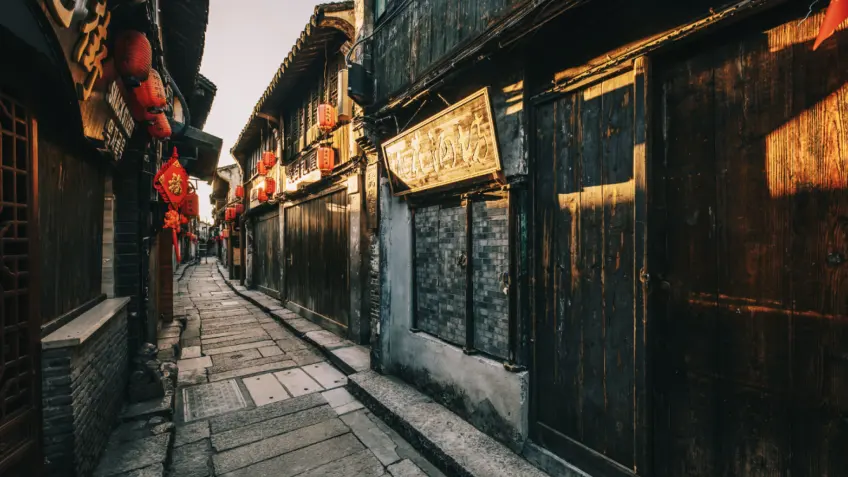
Xitang Time-Honored Brand – Lu's Small Wontons
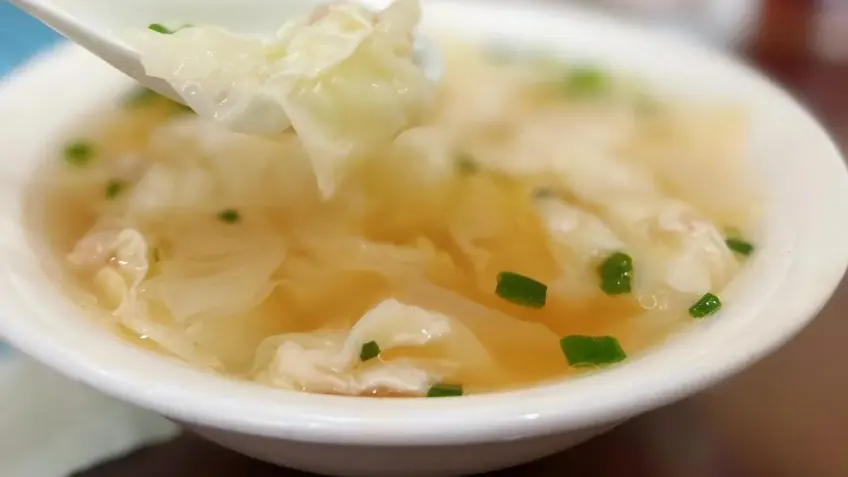
Footsteps echo on the bluestone slabs as the alley breeze carries all kinds of aromas. As I drew closer, amid the glow of lanterns reflected on the river, a savory fragrance could no longer be hidden—the authentic aroma of hand-rolled, paper-thin wonton wrappers tumbling in boiling broth. Sit by the window at Xitang's time-honored shop "Lu's Wontons," and after a steaming bowl of incredibly flavorful small wontons, you've truly embraced the first taste of everyday life this ancient town has to offer.
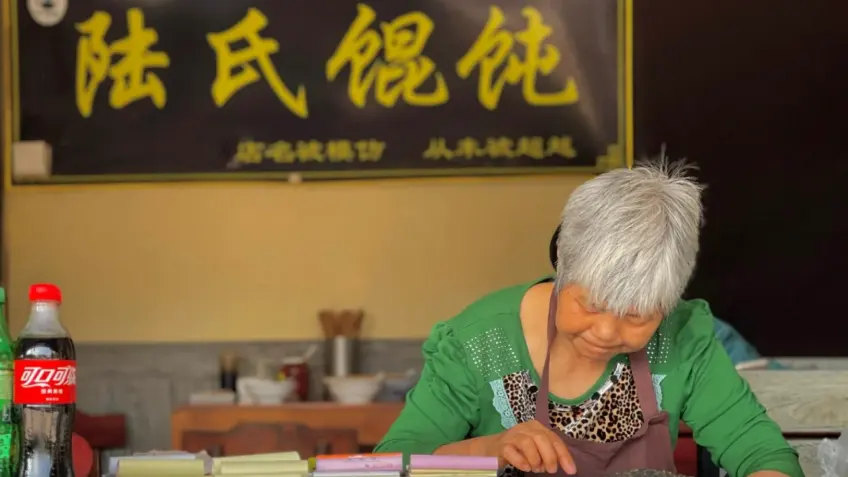
Older Xitang locals all know that this shop started with Grandma Lu carrying her wares on a shoulder pole through the streets. Back then there was no storefront—just a pole balanced on her shoulders, with a stove on one end and wontons and seasonings on the other. Grandma Lu was skillful; her wontons had thin skins and flavorful fillings, and the whole neighborhood loved them. Over time, she got a permanent shop, which was passed on to her son, and now it's said the third generation is running it.
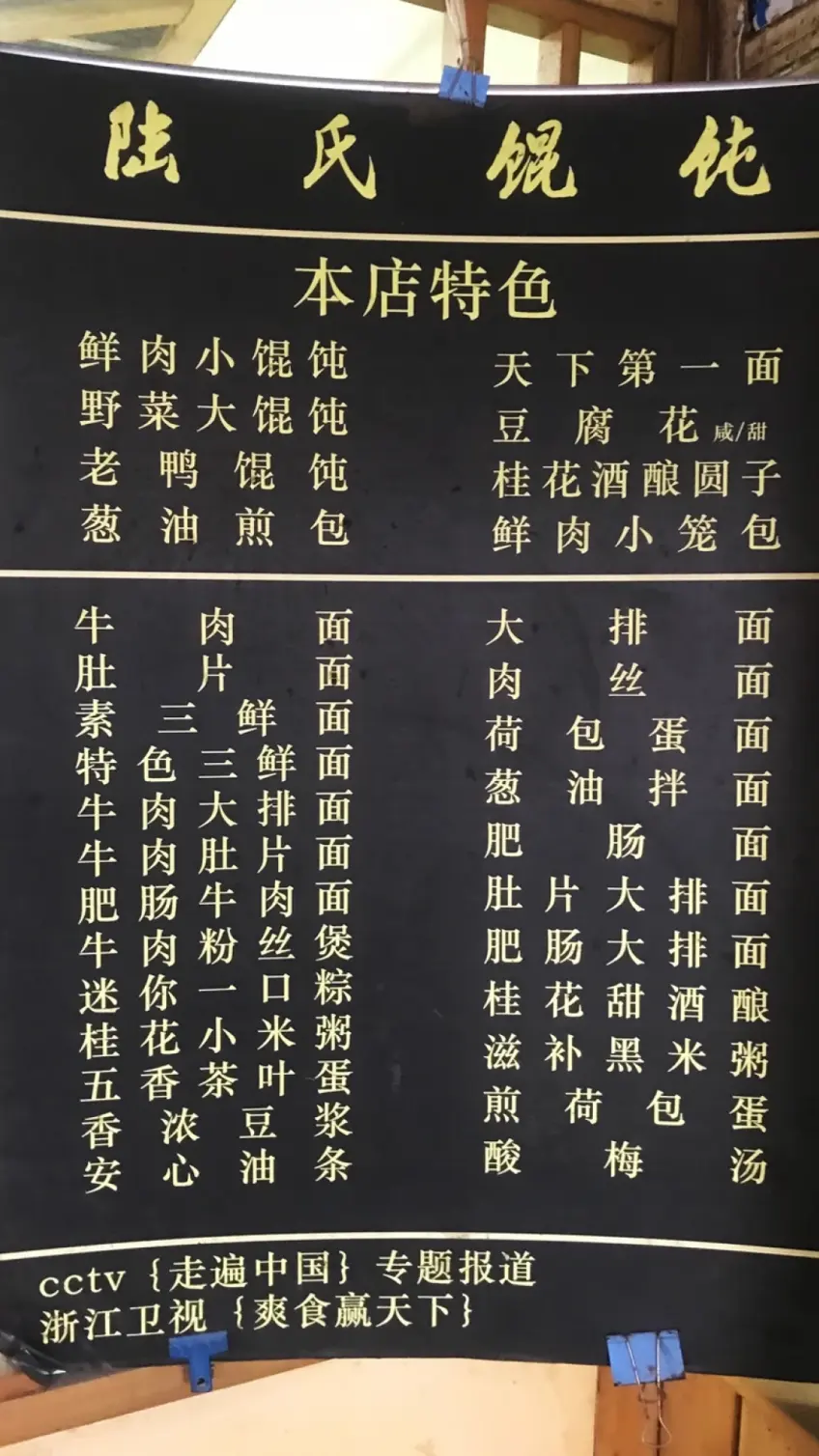
Lu's Wontons address
Lu's Wontons is on West Street in Xitang Ancient Town. It's easy to find, right near Songzi Laifeng Bridge. From the scenic area entrance, walk straight down the main street, turn left when you see Songzi Laifeng Bridge, and you'll spot the sign in two or three minutes. The shop is small and unassuming, but there's always a line out front—it does great business.
Xitang Ancient Town's "World's Best Noodles"
What kind of noodles? In Xitang, there's actually a bowl daring enough to call itself the Best Noodles Under Heaven—you have to try it!
"World's Best Noodles" address
Best Noodles Under Heaven is in the middle section of West Street in the ancient town, not far from Lu's Wontons—just a three- to five-minute walk. The shop is small and the storefront isn't flashy, but there's always a line outside, especially at mealtimes. The interior is simple, with wooden tables and chairs and a few old plaques on the wall bearing the characters "Best Noodles Under Heaven" that look like they've been around for ages. This noodle shop has been open in Xitang for over 40 years, making it one of the oldest in the ancient town, with master chefs passing down their craft for more than four decades.
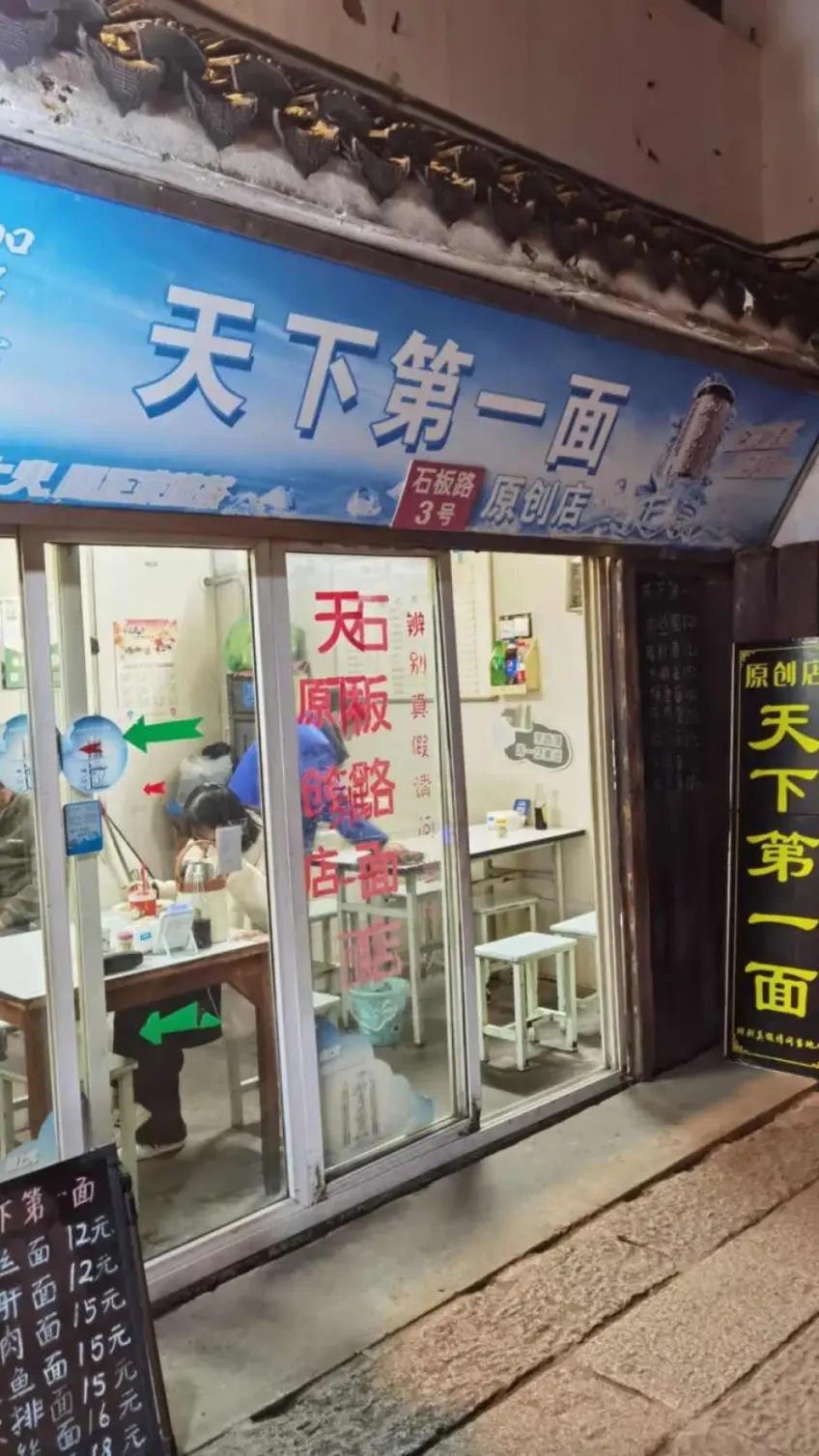
What makes the "Best Noodles Under Heaven" so good?
Their most famous dishes are the three-delight noodles and fried fish noodles, but their true signature is the eel noodles. The broth is made from pork leg bones and old hen, simmered for four or five hours. This broth is their specialty—every noodle dish uses it.
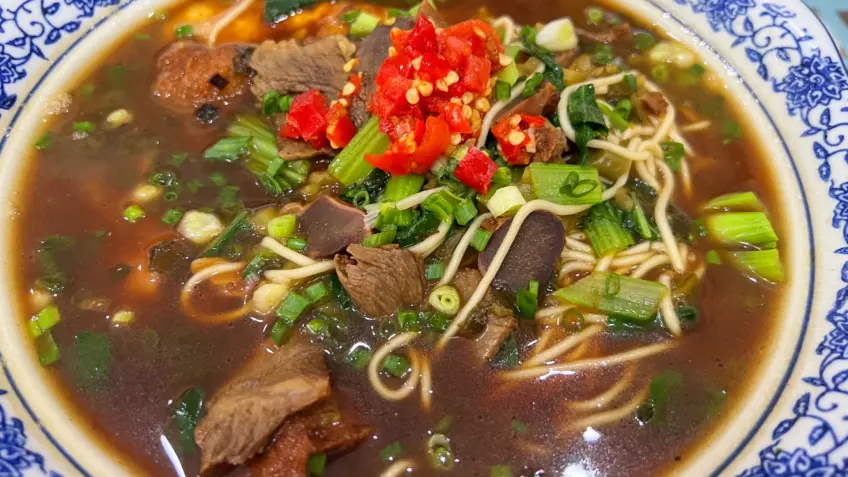
Piping hot bone broth, smooth and chewy noodles, eel segments stir-fried until caramelized and sweet, braised tripe packed with flavor, beef stewed until meltingly tender—the wok hei mixed with the savory soy aroma hits you instantly. Noodles with that smoky wok breath are what I call great noodles!
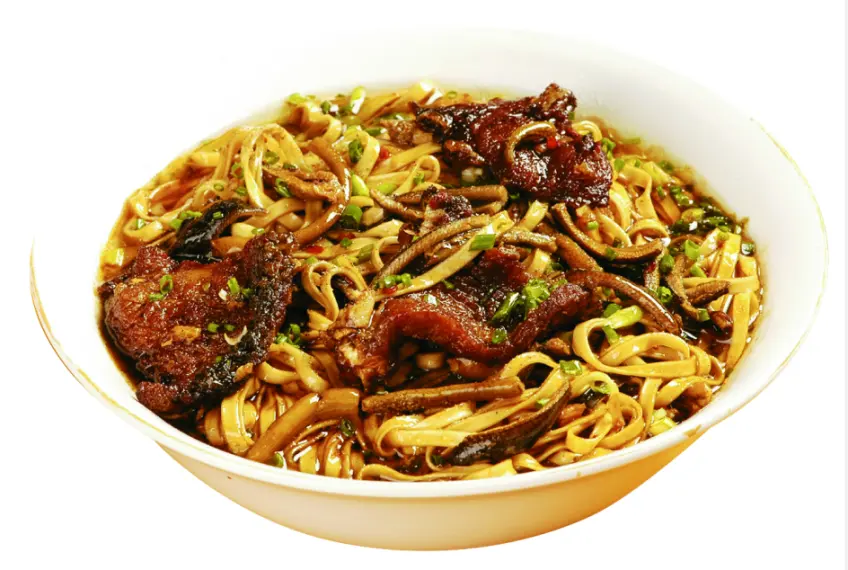
Chatting with locals, I learned that this bowl of "Best Noodles Under Heaven" warms not only the memories of residents but also draws countless food lovers from far away.
Xitang snacks loved by locals
Da Bu Tong Fresh Pork Mooncake
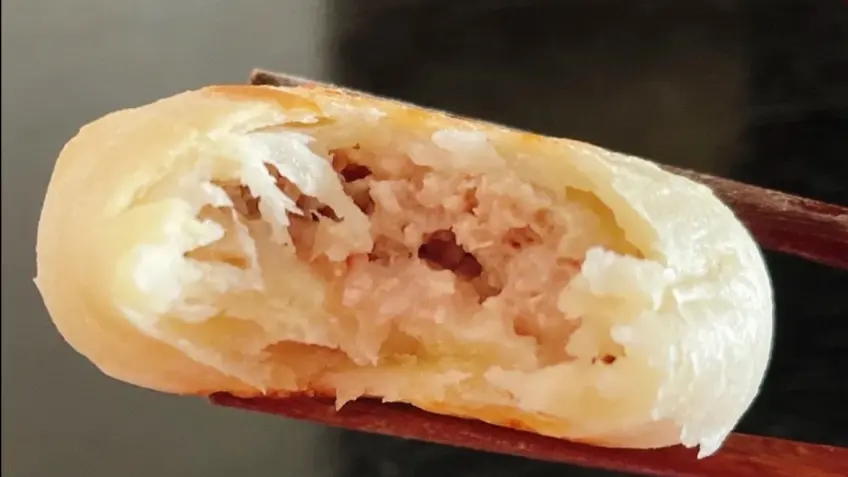
Here you'll find a decades-old shop—Dabutong Fresh Meat Mooncakes—that nearly every local has tried. In Xitang, fresh meat mooncakes aren't just for Mid-Autumn Festival; they're an everyday snack.
Da Bu Tong Fresh Pork Mooncake Address
Dabutong Fresh Meat Mooncakes is on Beizha Street in the ancient town, near Wolong Bridge. Enter from the north gate of the scenic area, walk along Beizha Street for five or six minutes, and you'll see it. There's an oven right outside the shop, and you can smell the aroma from afar. It's a local favorite—people grab a few to take home on their way back from work.
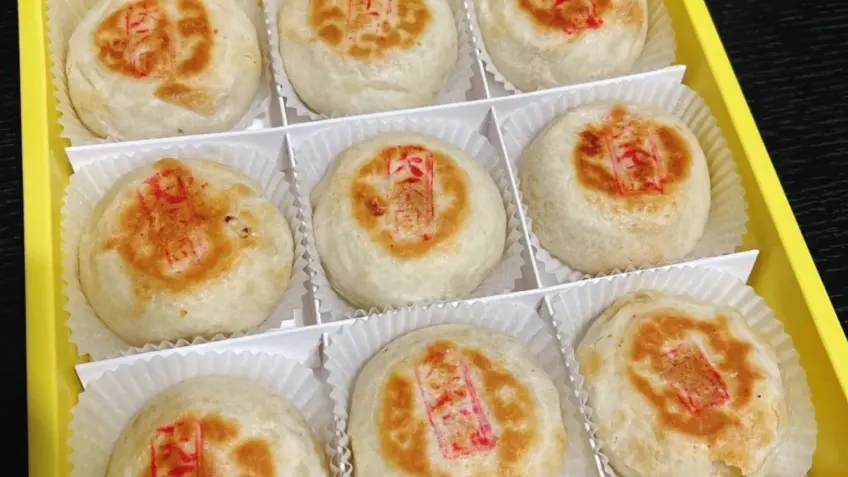
They have a rule: not a single drop of water goes into the meat filling—it relies entirely on the meat's own juices. When baked this way, one bite sends juice running down your chin. Taste the hand-laminated layers of flaky pastry soaked in savory meat broth, with salty and sweet notes unfolding layer by layer on your tongue. One bite bursts with rich broth, full of meaty flavor and abundant juice—savory with a hint of sweetness, rich but never greasy.
Intangible Cultural Heritage Snacks in Xitang Ancient Town
Intangible Cultural Heritage Snack - Grandma Guan's Stinky Tofu
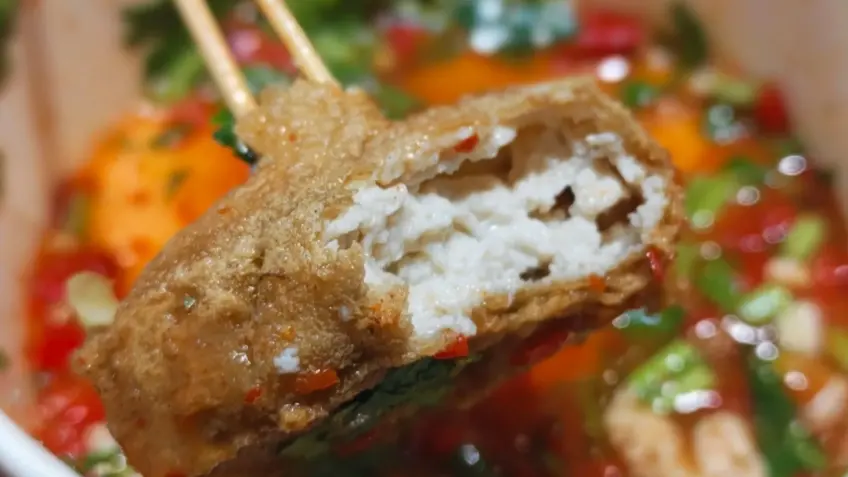
Writer Wang Zengqi once wrote, "A person's palate should be broad and varied—sweet in the south, salty in the north, spicy in the east, sour in the west. Try them all." The same goes for food and culture. That made me eager to try a truly distinctive snack: Grandma Guan's stinky tofu. This traditional stinky tofu is impossible to stop eating once you take a bite.
As an intangible cultural heritage item and a Jiaxing time-honored brand, Grandma Guan's stinky tofu in Xitang is indeed famous. Here, my taste buds remembered not only the crispiness of Grandma Guan's stinky tofu, the chewy smoothness of Tianxia Diyi Mian noodles, and the sweet aftertaste of a pot of warm Shanniang rice wine—Xitang also settled into my memory in a more intimate way. Yet the adventure of flavor never ends.
Xitang Food Tour Itinerary
After working your way through the restaurants listed above, if you'd rather not waste time wandering, consider a Xitang day group tour (including small private groups), or arrange a custom trip tailored to your tastes and pace. For travel to and from Hangzhou, we can arrange station transfers and a private car; if you'd like commentary, simply hire a guide. From booking attraction tickets to exploring morning and night markets, let the pros handle the details while you focus on enjoying authentic Xitang flavors.
Traditional Food in Xitang Ancient Town
The Finest Flavor of Jiangnan: Steamed Whitefish
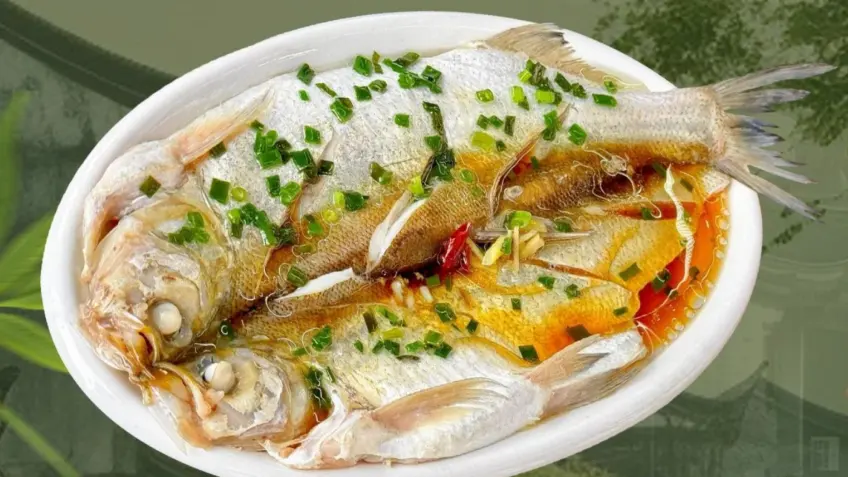
Walking along Xitang's bluestone paths, every step treads between a thousand years of everyday life and poetry. And the source of that poetry may well lie hidden in a clear stretch of lake water. Steamed white fish is the locals' ultimate definition of "fresh"—just a pinch of salt, scallion and ginger, steaming out the very soul of Lake Tai.
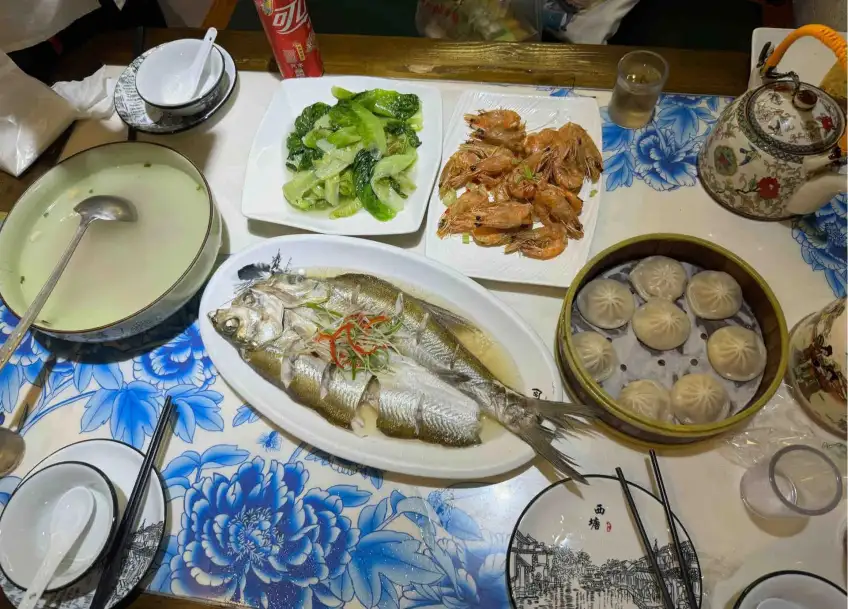
This dish is the ultimate test of a chef's timing and the freshness of the ingredients. A successful steamed whitefish has flesh as white as garlic cloves, so tender it's nearly translucent, falling off the bone at the lightest touch of your chopsticks. The first bite delivers pure lake-fresh flavor with a hint of natural sweetness. It's bony, so you have to eat slowly and patiently—and that picky pace is exactly what lets the umami linger on your tongue.
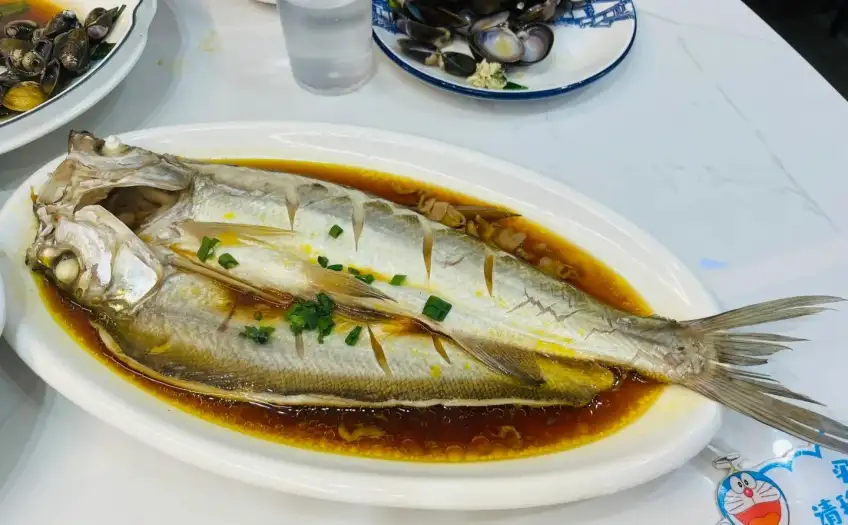
It embodies the Jiangnan culinary philosophy that "no food is too refined, no meat too finely sliced," and is the most honored seasonal star at family banquets. Once your palate has been spoiled by the exquisite freshness of steamed whitefish, you'll crave something more comforting. Just around the corner, a pot of old duck wonton stew is simmering away, slow-cooked over time.

Xitang's Hidden Gem: Old Duck Wonton Pot
Old duck wonton stew is one of Xitang's "hidden gem" dishes. It stays under the radar because most visitors focus on famous names like Lu's mini wontons and No. 1 Noodles Under Heaven, easily missing this classic flavor locals have grown up eating.
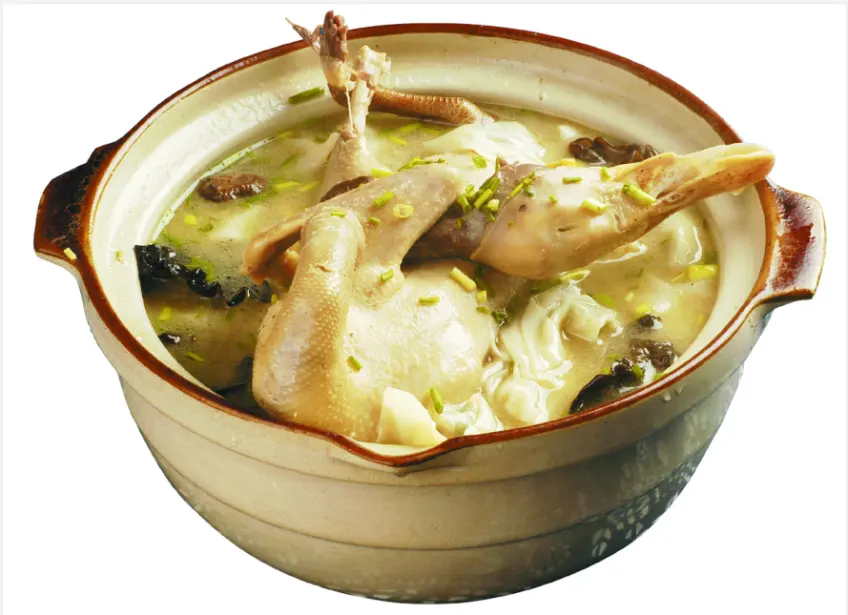
You won't find this combination of wontons and old duck anywhere else. The wontons must be freshly wrapped, with thin skins and savory filling—much like the clear-broth mini wontons you usually eat, but simmering them in duck broth elevates the flavor completely. In this rich, mellow duck soup float delicate wontons with thin wrappers and fresh filling. Paired with the tender old duck, it's simply wonderful. The broth is savory and hearty, warming both heart and stomach—the most comforting dish in the ancient town on a winter day.
Bold Jianghu Flavors: The Fried Trio
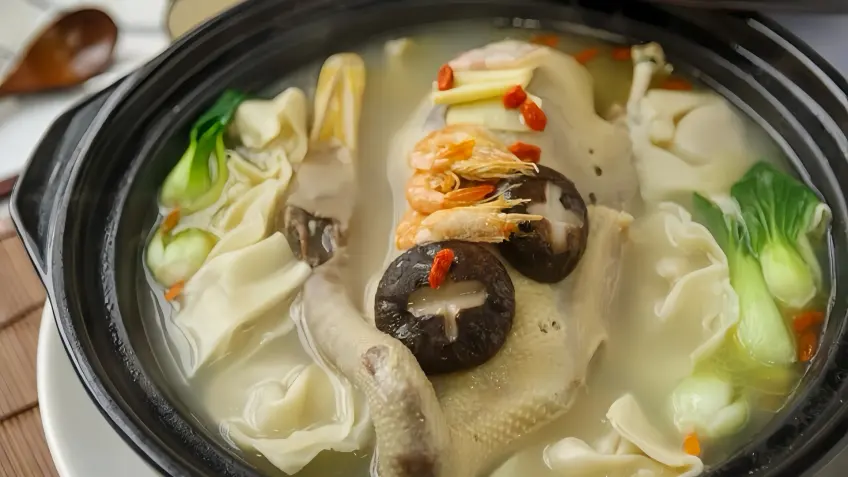
If soup represents the gentle side of this water town, then the "fried trio"—deep-fried fish, ribs, and lion's head meatballs—brings bold, sizzling energy straight from the wok. Often served as hearty sides before the main course or as drinking snacks, these three deliver crispy, fragrant, and crunchy textures all at once, an essential savory richness in Xitang's street-food scene.
In Xitang, you can go all out on fried food. Just stop by a deli or a small restaurant, buy a little of each by weight, and mix them on one plate. A few pieces of fried fish, a couple of ribs, one or two lion's head meatballs—the vendor will slice and arrange them for you to eat with bamboo skewers.
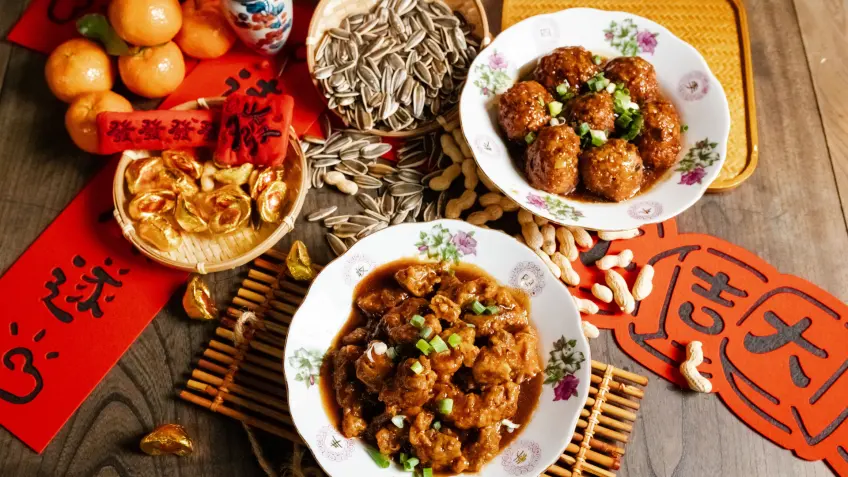
Xitang Banquet Dishes
Songzi Longti pork knuckle, a must-have for festive banquets
Songzi Longti (braised pork knuckle) is Xitang's most famous main dish, and a must-have for local weddings, funerals, and festivals. Legend has it that a merchant who longed for a child built a bridge as a good deed and was soon blessed with a son. The dish became the centerpiece of celebratory banquets, symbolizing "blessed with a child soon, reunion and good fortune," and remains essential at festive meals in town.
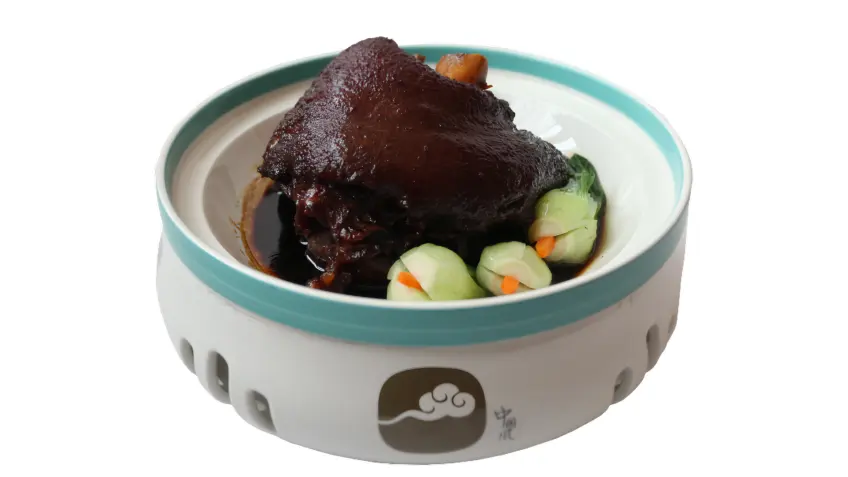
Many shops in Xitang serve Songzi Longti, but locals swear by Qiantang Renjia on West Street and Mingqing Shidai next to Songzi Laifeng Bridge. Both have been open for 10 to 20 years, serving consistently delicious Songzi Longti in generous portions. There's also Xitang Renjia on Tangdong Street, whose Songzi Longti is slightly sweeter—perfect if you like sweet flavors.
Xitang Ancient Town snacks – authentic street food vibes
A river gift: salt-and-pepper bitterling
But Xitang's culinary gifts don't stop there. Follow the crunch and you'll find a basket of salt-and-pepper bitterling fish at some alley corner. This golden-fried snack captures the wild charm of the streams, and together with all the flavors above, completes the full picture of Xitang cuisine—from river delicacies to family feasts, from street stalls to banquet halls.
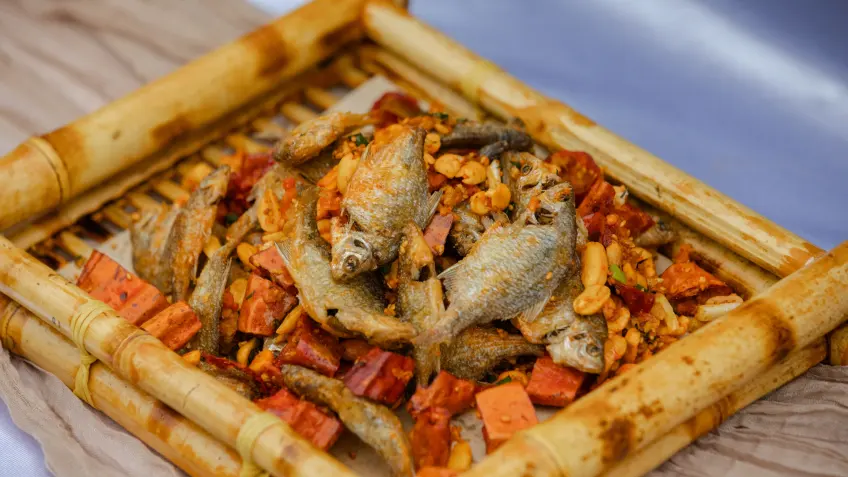
The story behind bitterling
Bitterling is a small river fish that never grows large—at most two or three inches long. Locals in Xitang call it "pangpi fish." It's everywhere in the waterways of Jiangnan. Someone eventually tried deep-frying it, and to everyone's surprise, it tasted amazing. Over time, it became a signature street snack in Xitang.
Signature dishes of Xitang Ancient Town
Xitang Silkworm Maiden – Silk merchant family cuisine
When the lanterns light up at dusk, head to Chuxi Restaurant beside the Misty Rain Corridor for dinner. The first floor faces the street and the second floor overlooks the river, right across from sculling boats gliding by.

Why do I recommend this place? First, the location is great! It's right on Misty Rain Corridor, and the restaurant has a very elegant atmosphere. Watching Xitang's sculling boats glide by, that was the moment I truly understood what it means to travel through a painting.
Can't find Xitang's popular restaurants? Click below to chat with us and get signature dish recommendations and a route map before your trip.
The restaurant also offers a wide variety of authentic local dishes!
Jasmine scrambled eggs: the delicate fragrance of jasmine perfectly cuts the eggy smell. Cooking with flowers is truly poetic.
But my favorite is Can Niang Jia's signature mackerel. Legend has it that Xitang silkworm maidens served this dish to wealthy silk merchants. The head, tail, and bones are simmered into a rich broth, so guests enjoy completely boneless fish—such thoughtful hospitality!
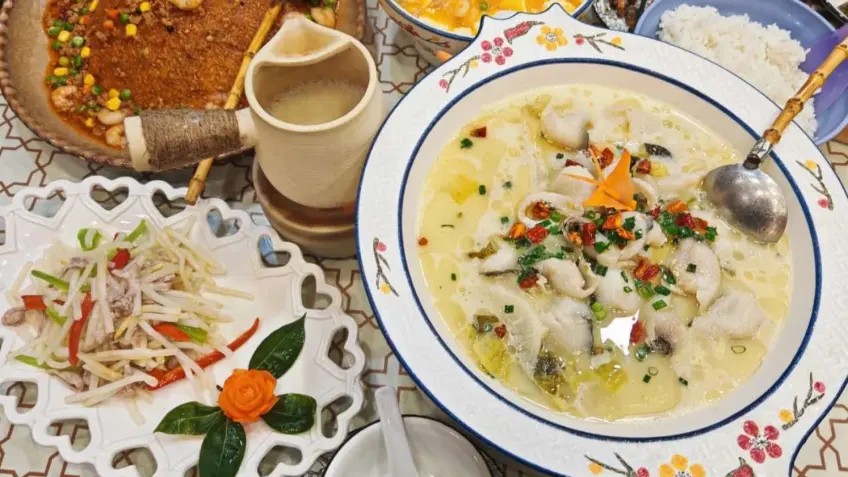
The owner says every dish at Chuxi is crafted with meticulous attention to ingredients and technique, using the most natural ingredients to create refined home-style flavors. Watching the sunset over Xitang while sipping tea brewed by the owner himself—this must be what "small bridges, flowing water, and homes" really feels like!

Intangible cultural heritage herbal cuisine in Xitang Ancient Town
Herbal pastry - Bazhen Gao (Eight Treasures Cake)
When visiting Xitang, be sure to take home Bazhen Cake, an intangible cultural heritage herbal pastry steeped in tradition.
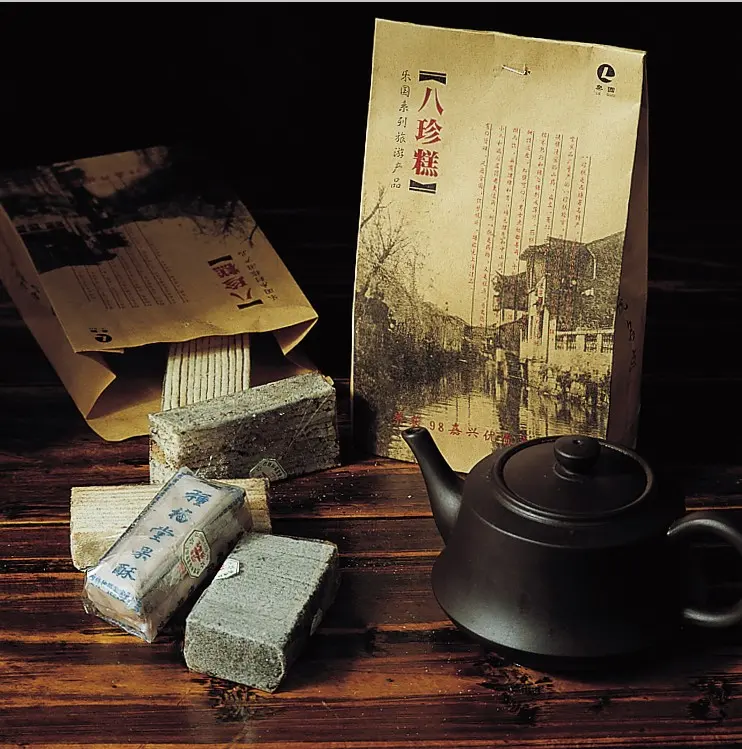
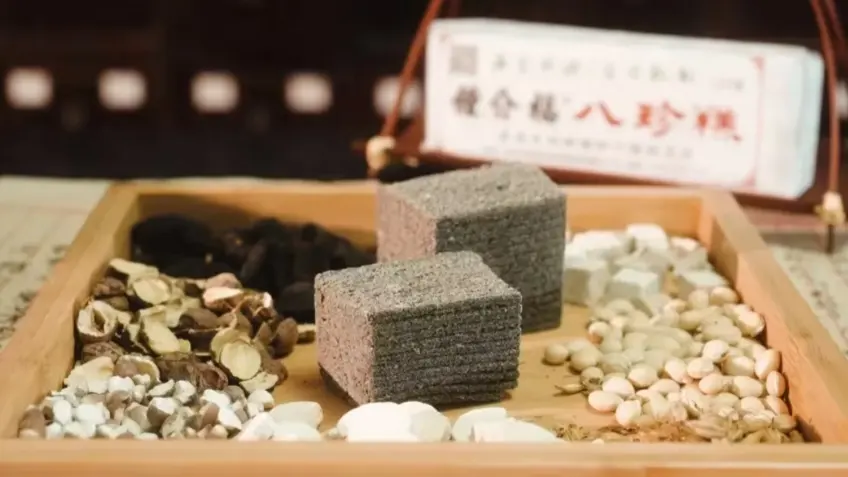
What are the "eight treasures"?
Bazhen Cake (Eight Treasures Cake) is made from local glutinous rice plus eight medicinal-food ingredients such as poria, Gordon euryale seeds, and coix seeds. The glutinous rice is bought after the autumn harvest, roasted, ground into powder, and stored in jars until the following summer to make the cakes—a method called "winter flour for summer use." The finished cakes are fragrant, sweet, and crisp, serving as both a snack and a medicinal dish.
Xitang Ancient Town souvenirs
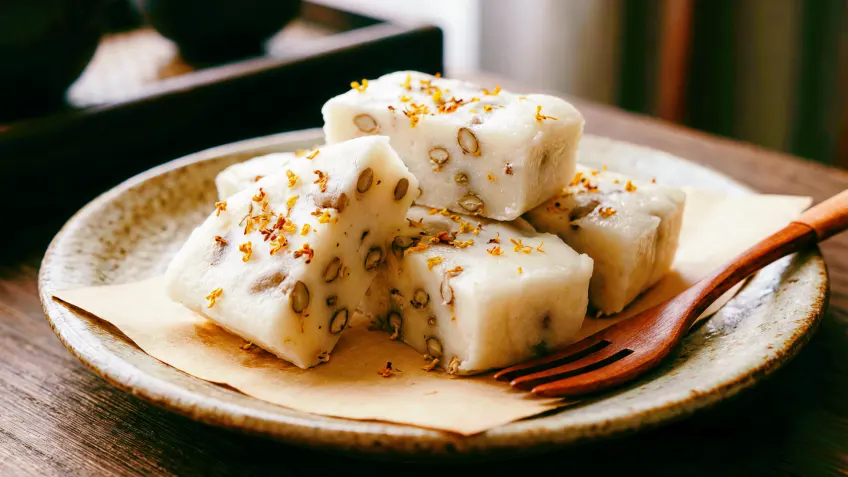
Authentic Water Town Flavor - Gorgon fruit cake
The most classic tea snack and souvenir in the ancient town is Gorgon fruit cake (qianshi gao). It started as an affordable treat for ordinary families to enjoy with tea, and spread widely thanks to its mild, nourishing qualities. Today in Xitang, you'll find a pastry shop every few steps. The flavor is simple and unpretentious—what you're really tasting is the authentic water town essence of the ingredients. It isn't flashy, yet it best represents the sweet, everyday charm of Xitang life. Buy a piece and eat it as you stroll; that's the best way to fall into the rhythm of the ancient town.
As the land where Wu and Yue cultures meet, Xitang carries a rich heritage. Before you leave, pack some local souvenirs in your bag. We hope you can savor the everyday charm and delicious flavors of this thousand-year-old water town from dawn to dusk.
[Xitang Dreamy Day Tour] Water Town Xitang Leisure Day Tour
[Water Town Express] Solo water town stroll, premium no-shopping tour [Thoughtful Service] Making your trip easier [Service Guarantee · In-depth Exploration] no shopping stops, expert guide, one vehicle all day, relaxed vacation pace, worry-free travel [Bonus] One bottle of branded mineral water per person per day!