
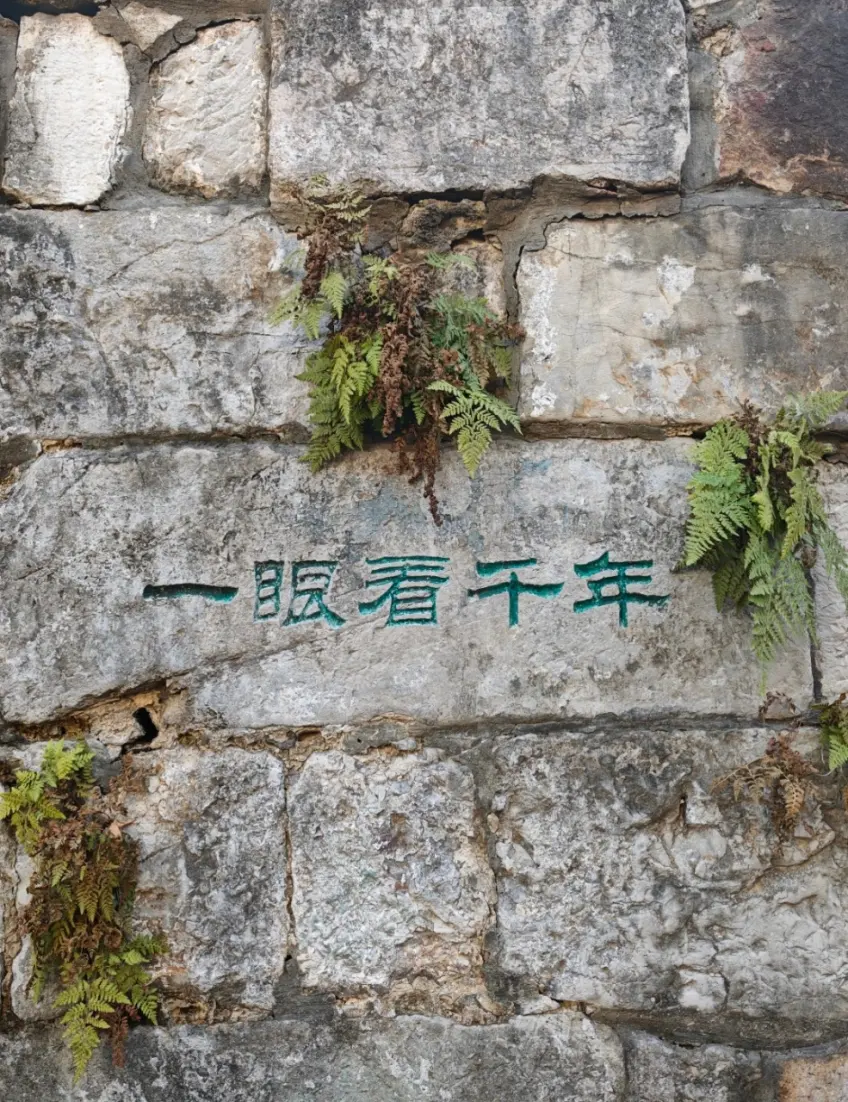
The Xijindu Historical and Cultural Block sits at the foot of Yuntai Mountain in the northwest of Zhenjiang's old town, not far from Zhenjiang Railway Station. It takes about 10 minutes by taxi from the station, or you can take a bus. The block is free to enter, but the exhibition halls and shops along the ancient street have their own opening hours. The best plan is to enter the block around 3 or 4 pm: see historic sites like Zhaoguan Stone Pagoda and the "One Glance Through a Thousand Years" exhibit during the day, wait for the lights to come on at dusk, then enjoy the night view after dark—the whole visit takes about three hours. It's just over a kilometer from Jinshan Temple, so visiting Jinshan Temple in the morning and Xijindu in the afternoon makes for a perfect day.
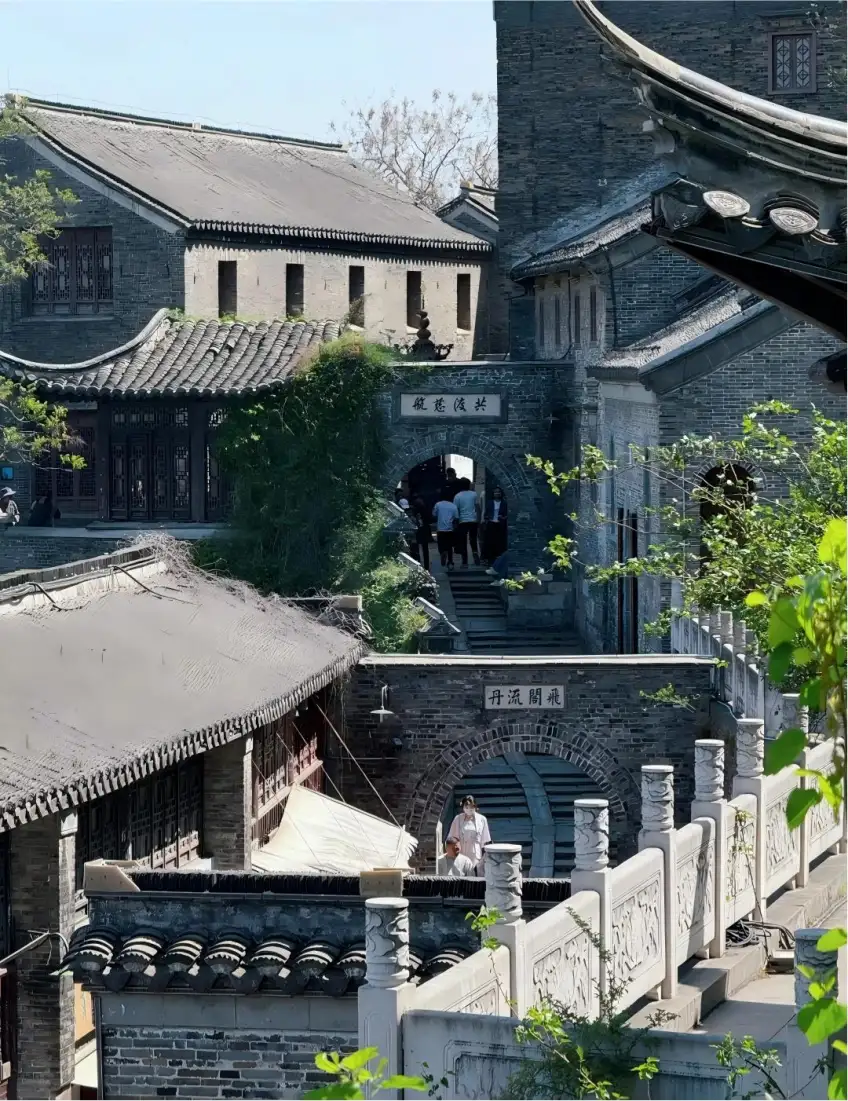
What is Xijindu? An ancient ferry landing preserved in the city
Xijindu was Zhenjiang's ancient ferry crossing for the Yangtze River. During the Three Kingdoms period it was called "Suanshan Ferry," in the Tang Dynasty "Jinling Ferry," and only from the Song Dynasty onward "Xijindu." Back then, the Yangtze lapped right at the foot of the neighborhood, and traveling merchants waited here for boats to cross to Guazhou and Yangzhou on the opposite bank. Over time, the riverbank shifted north and the ferry moved further from the water. The docks were left behind in the city, but the street that grew along the hillside has survived.
Once you understand this, you'll see that Xijindu is quite different from a typical "ancient street." Its heart isn't the shops, but the traces left by the old ferry crossing—road surfaces from the Tang and Song dynasties through the Ming and Qing dynasties layered one on top of another, a stone pagoda spanning the street built to bless passing travelers, a lifesaving society dedicated to rescuing people who fell into the water, and a waiting pavilion where passengers rested for their boats. Keep in mind that this was once a working dock, and many details will suddenly make sense.
Xijindu's importance comes down to Zhenjiang's location. Zhenjiang sits right where the Yangtze River meets the Beijing-Hangzhou Grand Canal. Grain transport boats heading north and merchants traveling in all directions had to cross the river here, with Guazhou and Yangzhou on the opposite bank. From the Six Dynasties through the Ming and Qing dynasties, this was one of the busiest ferry crossings in Jiangnan, which is why the historic sites are so densely packed.
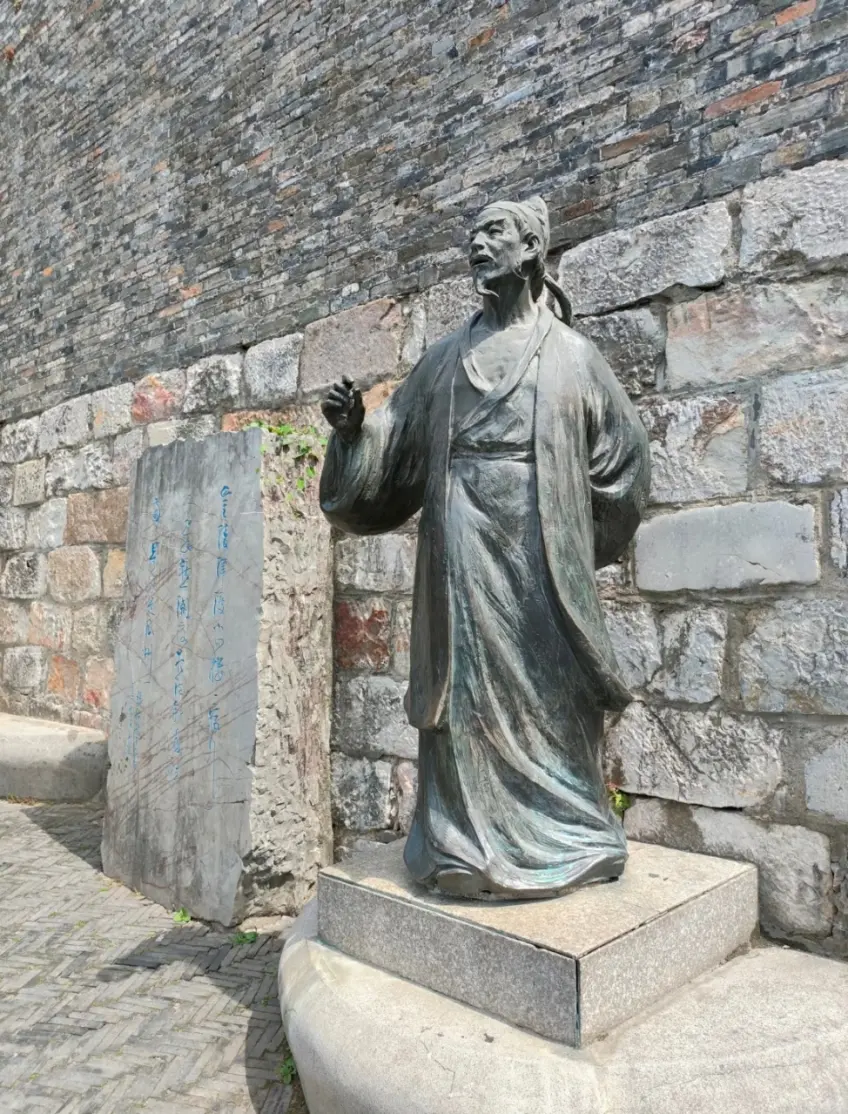
Tang dynasty poet Zhang Hu wrote his famous poem "Inscribed at Jinling Ferry" here: "At the small tower by Jinling Ferry, / A traveler spends the night in sorrow. / As the tide ebbs under the slanting moon on the night river, / Two or three lights flicker—that must be Guazhou." The Jinling Ferry in the poem is Xijindu, and you can still find his bronze statue and a stele carved with the poem in the district.
How to get there: from Zhenjiang Station, Zhenjiang South Station and Jinshan Temple
From Zhenjiang Station: Zhenjiang Station is in the old town and serves the Shanghai-Nanjing Intercity Railway. Most intercity trains from Shanghai, Suzhou and Nanjing stop here. After exiting, a taxi to Xijindu takes about 10 minutes. You can also take the bus—routes 15 and 17 pass near the district, but schedules change occasionally, so it's best to check real-time info on a map app before you go.
From Zhenjiang South Station: Zhenjiang South Station serves the Beijing-Shanghai High-Speed Railway and is located south of the city center, farther from Xijindu, so a taxi ride takes considerably longer. If train times allow, choose Zhenjiang Station for Xijindu.
An intercity train from Nanjing to Zhenjiang Station takes about 20 minutes, while the trip from Shanghai takes just over an hour—check specific train times, but a same-day round trip is entirely doable. If you're coming from Yangzhou, drive across the Runyang Yangtze River Bridge; the southern end of the bridge is close to Xijindu, making this the most convenient route from Yangzhou to Zhenjiang.
From Jinshan Temple: The two are about 1.5 km apart, a 15-minute walk or a few minutes by taxi. Many visitors tour Jinshan Temple in the morning and walk over in the afternoon, arriving just in time for Xijin Du's evening lights.
Driving or private car: The street is pedestrian-only, so cars can't enter. Set your navigation to a nearby parking lot. Parking gets tight on holidays. If you hire a private car, the driver can drop you off at the entrance and pick you up at an agreed spot when you're done.
If you're flying in, Nanjing Lukou Airport is relatively close to Zhenjiang. After landing, you can take a direct ride or head to Nanjing South Railway Station first and transfer to an intercity train. If your flight arrives late or you have luggage, booking an airport pickup straight to your hotel in Zhenjiang is much easier than making transfers yourself.
Which end to enter from
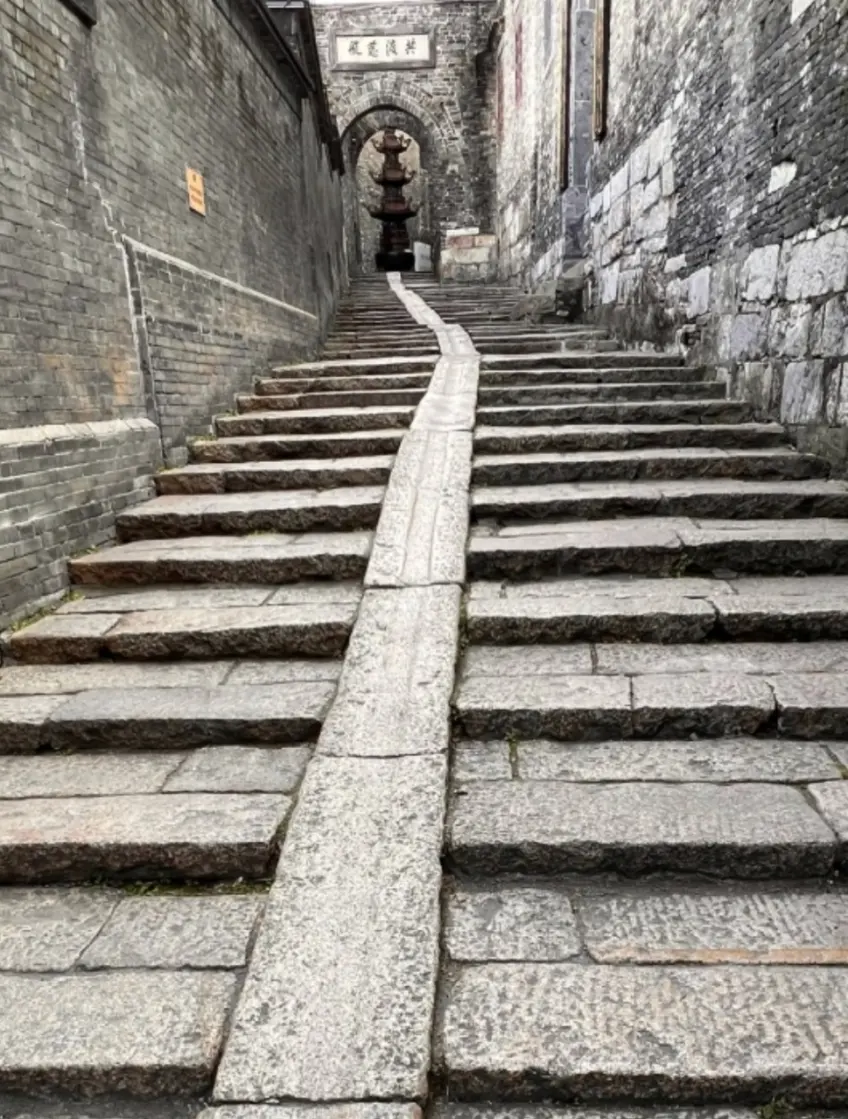
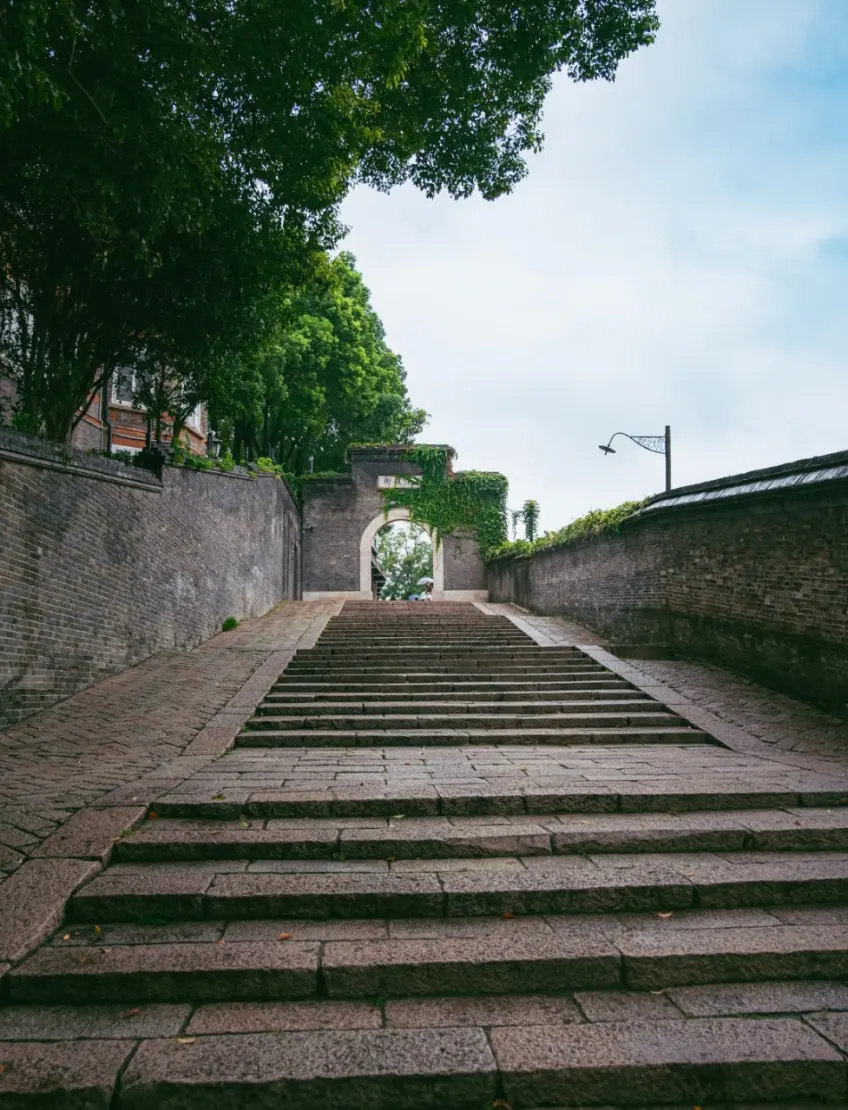
Xijin Du stretches along the slope of Yuntai Mountain, with one end lower than the other. Entering from the lower Changjiang Road side, you can walk up the stone steps, passing the Lifesaving Society and Daidu Pavilion first, then Zhaoguan Stone Pagoda and Guanyin Cave, before finally reaching Yuntai Pavilion. It's uphill but not steep. Entering from the top means walking downhill, which is easier and better if you're traveling with older relatives. Whichever end you choose, there's only one main street, so it's hard to get lost.
There are many stone steps and slopes in the district, making it difficult for strollers and wheelchairs—some sections need to be carried over. If you bring a baby, a carrier is recommended. For older visitors with limited mobility, stick to the lower section and rest near Daidu Pavilion while younger members of your group head up to see the stone pagoda and Yuntai Pavilion.
When to go: historic sites by day, lights at dusk
Xijindu Street is open 24 hours, but what you see varies by time of day.
Morning: The fewest crowds, ideal for photographing the stone-paved lanes and old buildings. Morning light on the bluestone slabs looks great. The downside is that some shops aren't open yet, and the exhibition halls generally open around 9:00 according to the attraction page.
Afternoon: All shops and exhibition halls are open, perfect for exploring the historic sites up close. Daylight offers better visibility for details at spots like the "A Thousand Years at a Glance" archaeological strata, Zhaoguan Stone Pagoda, the former Lifesaving Association site, and the former British Consulate. The attraction page lists closing time as 17:00; indoor halls usually stop admitting visitors before then, so check on-site notices.
Late afternoon to night: Around dusk, lights gradually come on across the street, illuminating the eaves, lanterns, stone pagoda, and Yuntai Pavilion on the hilltop—this is when Xijindu is most photogenic. It gets busier at night than during the day, especially on weekends and holidays. Exact lighting times vary by season, so check on site.
All things considered, the most relaxed option is to enter the block around 3 or 4 pm: spend an hour or two seeing the historic sites in daylight, rest near Daidu Pavilion at dusk, then walk through again for the night view. The whole visit takes about three hours—unhurried and never tiring.
Spring and autumn are the most comfortable seasons. In summer, the street gets hot and sunny during the day, and the stone steps heat up, so it's best to arrive after 4 or 5 PM and focus on the night views. In winter, it gets dark early, so arriving around 2 or 3 PM is enough—you'll see the lights turn on by 5 PM. But it gets windy on the hill at night, so dress warmly.
Daytime must-sees: A Thousand Years at a Glance, Zhaoguan Stone Pagoda & the Lifesaving Association
A Thousand Years at a Glance is Xijindu's most famous sight. A section of the street has been carefully excavated and covered with glass, revealing layers of road surfaces from the Tang, Song, Yuan, Ming and Qing dynasties stacked on top of each other. Standing here, you can see over a thousand years of road changes in a single look—the most vivid way to understand how a ferry crossing turned into a street.
If you're traveling with kids, this is the best "history class" around: let them count how many layers of road they can see under the glass and guess which one is the oldest. The information plaques label the era of each layer, so adults can read them aloud and kids will easily grasp that "the deeper you go, the older it gets."
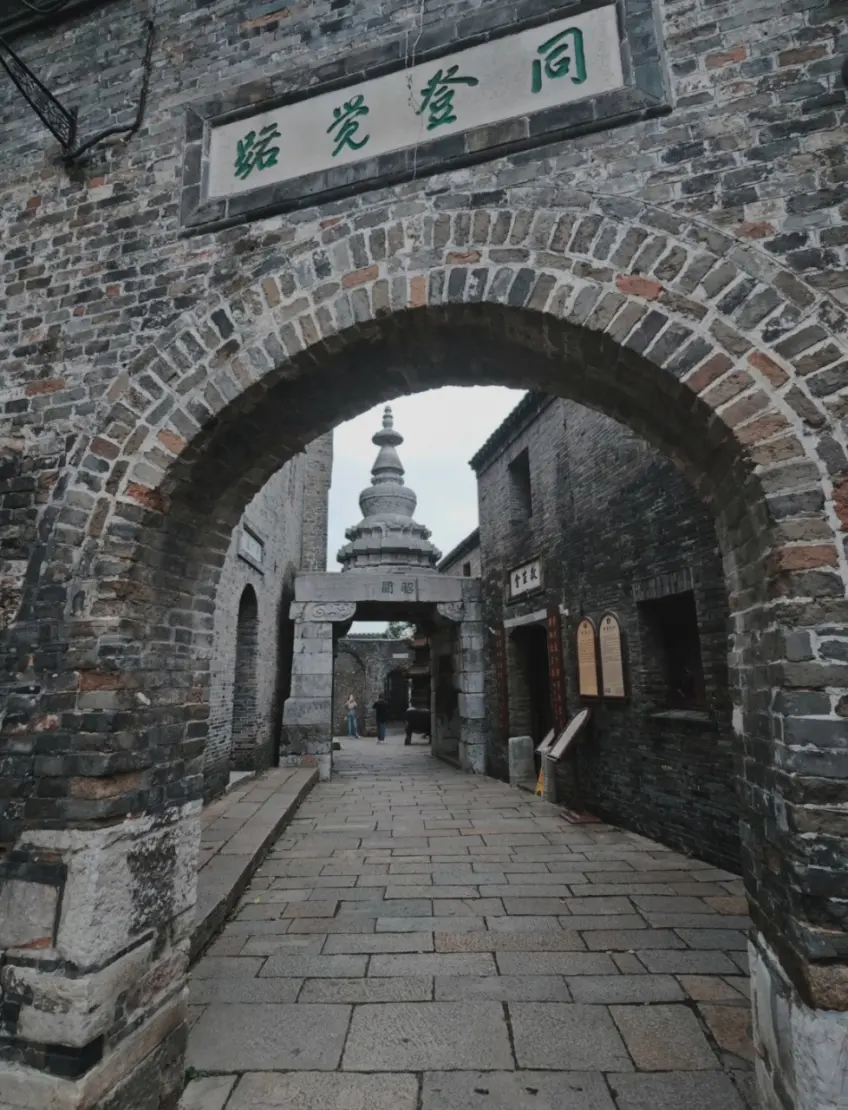
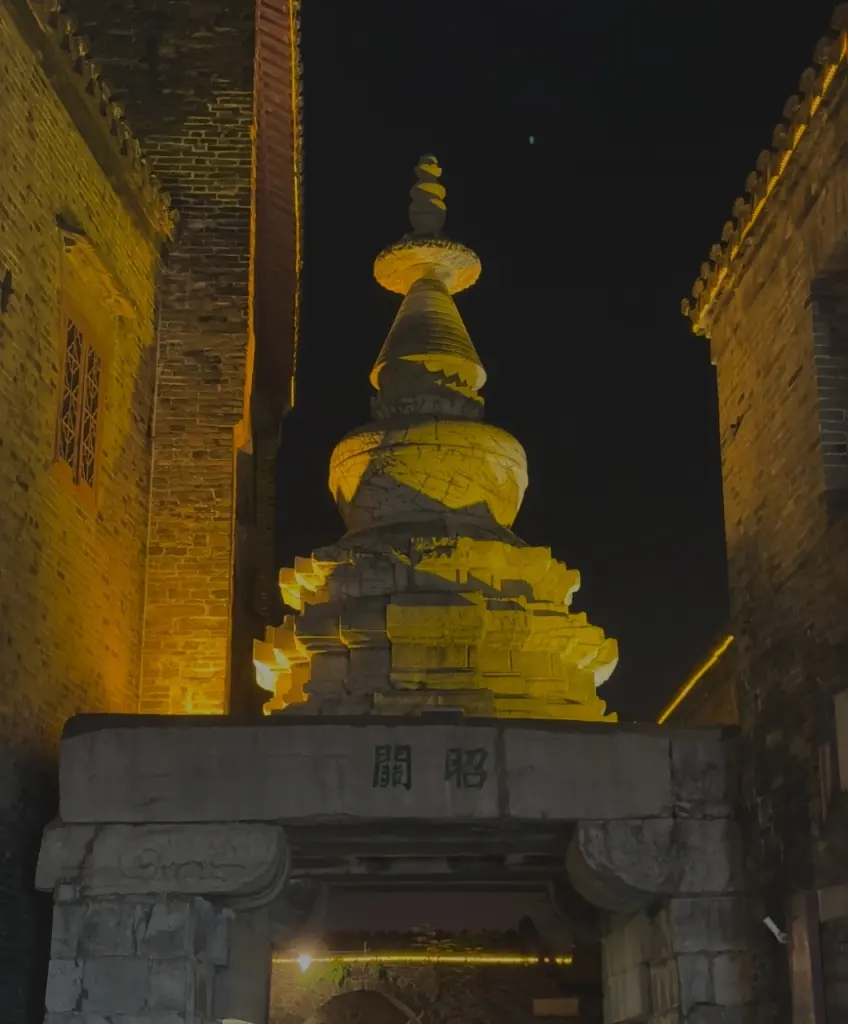
Zhaoguan Stone Pagoda is a stone pagoda spanning the street, first built during the Zhida era of the Yuan Dynasty (1308–1311) and rebuilt in the 10th year of the Wanli reign of the Ming Dynasty (1582). It stands about five meters tall. Passersby walk beneath it, symbolizing Buddha's blessing and a safe river crossing. It is one of the best-preserved Yuan Dynasty street-spanning stone pagodas in China and was listed as a Major Historical and Cultural Site Protected at the National Level in 2006. It's worth stopping to admire the stone carvings by day and the illuminated silhouette by night.
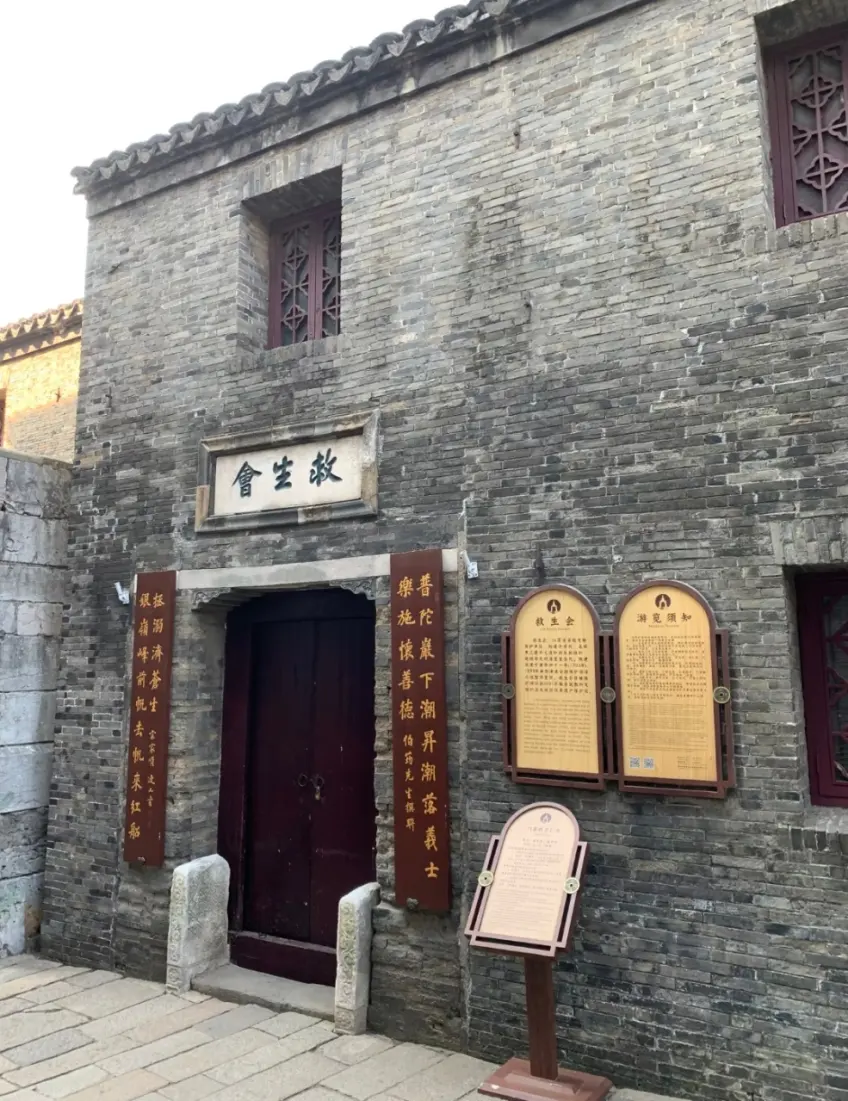
The Lifesaving Society Former Site was home to a Qing Dynasty lifesaving society. The Yangtze River is wide with strong winds and waves, and boats capsized frequently. The lifesaving society was a civilian organization dedicated to rescuing people who fell into the water. The site displays rescue boats and tells another side of the ferry's story.
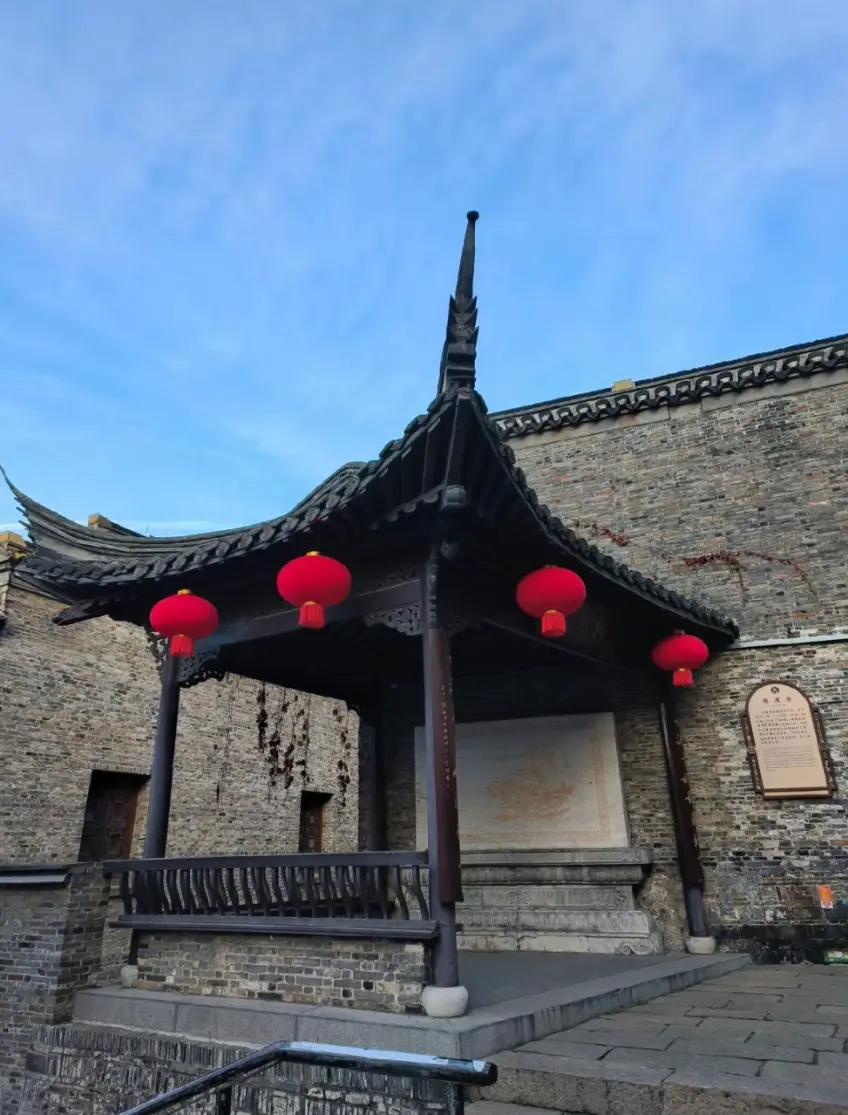
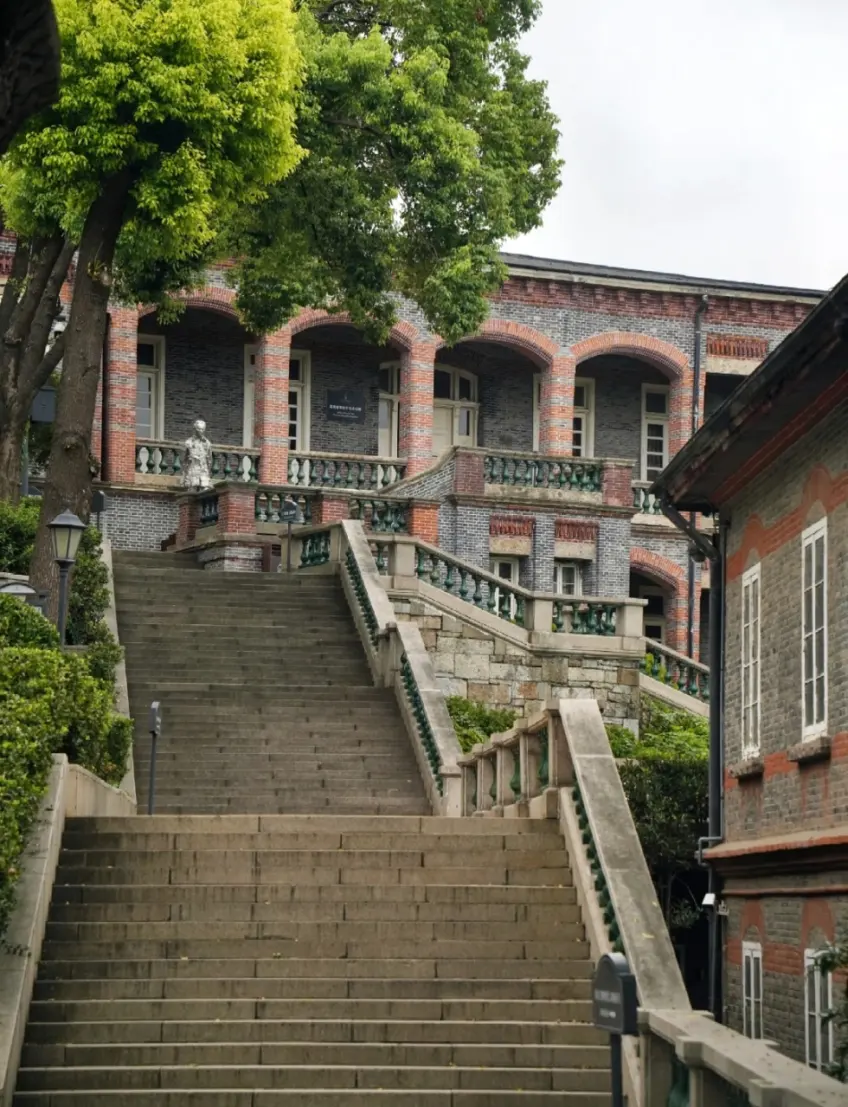
There's also Daidu Pavilion—where travelers once rested while waiting for boats, now a great spot to sit when your legs get tired; Guanyin Cave, a small grotto built into the hillside; and Wushisan Slope, a flight of stone steps. At the western end of the district along Boxian Road, you'll find the Former British Consulate. Its red-brick Western-style buildings are a testament to Zhenjiang's opening as a treaty port in modern times, and today house the Zhenjiang Museum. If you have time, visit the museum too—it gives you a fuller picture of the history of Xijindu and Zhenjiang.
Boxian Road is worth a stroll in its own right. Named after Zhao Sheng (courtesy name Boxian), a Zhenjiang native and pioneer of the 1911 Revolution, the street is lined with well-preserved Republican-era buildings, including former chambers of commerce and banks. It contrasts sharply with the ancient ferry atmosphere of Xijindu: on one side lies a thousand-year-old crossing, and on the other, an early modern cityscape from when the port first opened to foreign trade.
After dark: how to enjoy the Xijindu night view
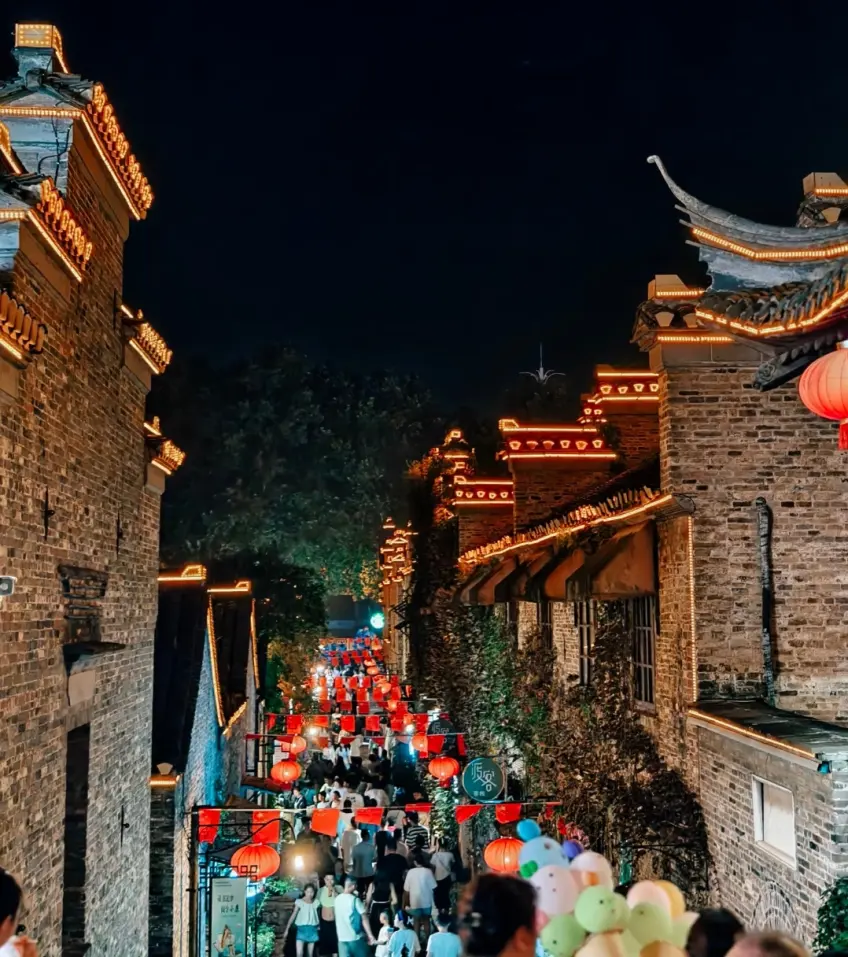
Xijindu looks completely different at night. Red lanterns line both sides of the main street, light strips trace the eaves, and the stone-paved road glows under the lights. We recommend walking uphill: start at the Changjiang Road end to take in the lights at the street entrance, then climb the stone steps past Zhaoguan Stone Pagoda. Once you reach the top, turn around for a bird's-eye view of the entire illuminated ancient street.
Yuntai Pavilion at the summit is also lit up at night and visible from many spots in the district. Whether you can go inside and the opening hours depend on conditions on site. Even if you don't climb up, looking up at the illuminated pavilion from below is part of the Xijindu night experience.
For night photography, the best time is just after sunset when the sky still holds a hint of blue—the warm glow of the lanterns contrasts beautifully with the cool tones of the sky. It gets crowded near Zhaoguan Stone Pagoda, so step back a bit to frame the pagoda along with the eaves on either side. From higher up, you can shoot down the ancient street and capture the string of lights winding down the hill.
A few tips for visiting at night: the stone steps are hard to see in the dark, so walk slowly if you're with seniors or kids; weekend nights get crowded, so keep an eye on your belongings; taxis are in high demand when you leave, so book a ride in advance or walk to a main road to hail one.
If you still have energy after enjoying the night view, take a stroll along Boxian Road — the old Western-style buildings look great at night too. If you need to catch an early train the next day, don't stay in the area too late. Once you've seen the main street lit up, head back to your hotel. The best time to see Xijindu is the first hour after dark.
How to visit: independent travel, half-day private car, or hire a guide
Independent travel: Travel light and just visit Xijindu and Jinshan Temple. Taking the high-speed train plus a taxi gives you the most flexibility.
Station pickup plus half-day private car: If you're coming from Nanjing or Yangzhou for just half a day, or traveling with seniors, kids, and luggage, you can arrange a pickup at Zhenjiang Railway Station. Visit Jinshan Temple and Xijindu together, and after the night view, get dropped off directly at the station or your hotel. See Zhenjiang half-day tour and Zhenjiang private car tours.
Hire a guide: Most of Xijindu's highlights are "invisible" history — the age of the paving stones, the symbolism of the stone pagoda, the story of the Lifesaving Society. Having a guide explain it all makes a huge difference. See how to hire a guide in Zhenjiang.
Stay overnight: If you have plenty of time, spend a night near Xijindu. Arrive in the afternoon to explore Xijindu and enjoy the night view; visit Jinshan Temple the next morning, then Beigu Hill or Jiao Hill in the afternoon. This way, you won't have to rush through any site, and you can take your time enjoying the night view.
Zhenjiang day tour private group | Jinshan Temple, Beigu Mountain, Xijin Ferry
Pickup and drop-off at Zhenjiang Railway Station. Spend a day visiting Jinshan Temple, Beigu Mountain and the old street at Xijin Ferry. All three are in the city center, so the pace is relaxed. This private tour is just for your group and includes transportation, a guide and admission tickets. An English-speaking guide is available on request — feel free to ask about dates.
For basic information about Xijindu, see the Xijindu scenic area page; for a gentle walking route suitable for older travelers, see Visiting Xijindu with seniors; for directions to Jinshan Temple, see Where is Jinshan Temple and how to get there.
FAQs
Do I need a ticket for Xijindu?
The Xijindu street area is free to enter. Some exhibits, boat rides and other attractions inside may charge separately; check on-site announcements for details.
How do I get from Zhenjiang Railway Station to Xijindu?
About 10 minutes by taxi. You can also take the bus—routes 15 and 17 serve the area. Check your map app for real-time route info.
What time are the lights turned on at Xijindu at night?
Lighting times vary by season, but they usually come on gradually around dusk. Check on site for exact times. We recommend arriving around 3 or 4 pm so you can explore the historic sites in daylight before staying for the night views.
Is Xijindu worth visiting on a rainy day?
You can still visit in light rain. The bluestone paths look darker and more atmospheric after a shower, giving the old street extra charm. But the stone steps get slippery, so wear non-slip shoes and take it slow if you're with seniors or kids. Heavy rain makes outdoor strolling tough, so plan more indoor stops like the Zhenjiang Museum.
How long does it take to explore Xijindu?
Just walking the main street takes about an hour. If you want to see historic sites like the "One Glance Through a Thousand Years" glass walkway, Zhaoguan Stone Pagoda, and the Lifesaving Society, then stick around for the night lights, allow three hours for a relaxed visit.