
The Jinshan Temple of the famous "Flooding Jinshan" legend is in Zhenjiang, Jiangsu, located inside Jinshan Park in the northwest of Zhenjiang's urban area on the south bank of the Yangtze River. It is not in Shanghai's Jinshan District, nor is it in Hangzhou. The most common way to get there is to take a high-speed train to Zhenjiang Station, then take a taxi or bus to Jinshan Park—it's a short ride. It's just over a kilometer from Xijin Ferry, so you can easily visit both in the same half day. If you're doing a day trip from Shanghai or Nanjing, or traveling with seniors or kids, booking a private car or station pickup is much easier.
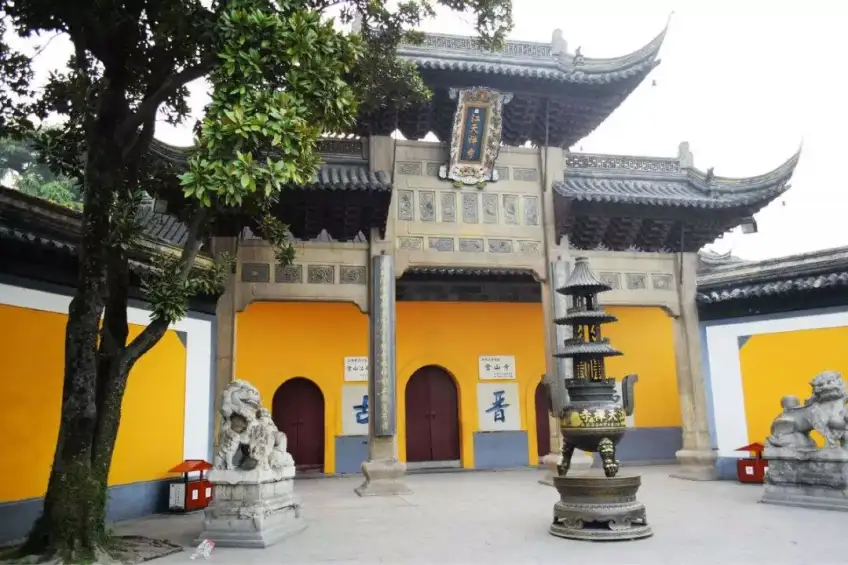
First things first: which one is the real "Jinshan Temple"?
When searching for "Jinshan Temple," the easiest thing to mix up is the location. Shanghai has a Jinshan District, which also contains "Jinshan" in its name, but it has nothing to do with the story of Lady White Snake and Fahai; there's also a place called Jinshan in Taiwan. The Jinshan Temple from the legend of "flooding Jinshan" refers to Jinshan Temple in Zhenjiang, Jiangsu. The temple's official name is Jiangtian Zen Temple, but locals and visitors usually just call it Jinshan Temple.
This temple was first built during the Eastern Jin Dynasty and was originally named Zexin Temple. It has had several names throughout history, and Emperor Kangxi of the Qing Dynasty inscribed "Jiangtian Zen Temple." Once you arrive in Zhenjiang, you can enter either "Jinshan Temple" or "Jinshan Park" into your navigation app—they point to the same place. When buying high-speed train tickets, make sure to select "Zhenjiang Station" or "Zhenjiang South Station," and don't accidentally book a ticket to one of the Jinshan-related stations in Shanghai.
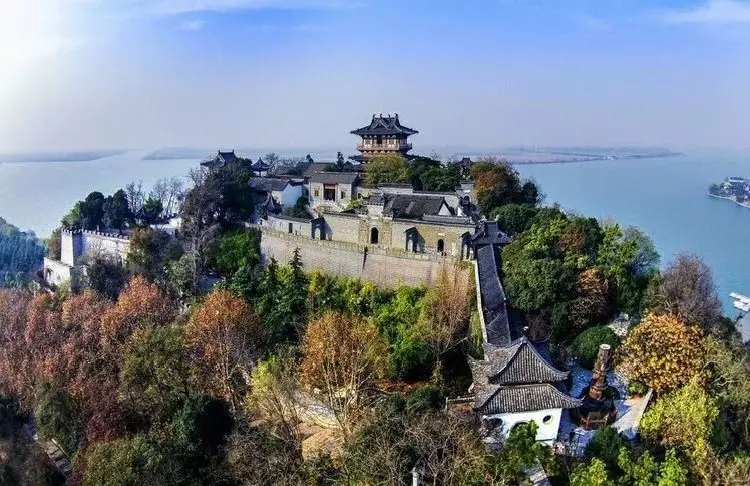
Another common source of confusion is "Jinshan" itself. Today, Jinshan is a small hill on the edge of the city, surrounded by parks and lakes, but in ancient times it was an island in the middle of the Yangtze River, and people had to take a boat to reach it. Later, as the main channel of the Yangtze shifted north and sediment accumulated, Jinshan finally connected to the southern bank around the end of the Guangxu reign of the Qing Dynasty. So the "mid-river" Jinshan described in ancient poems looks very different from what you see today.
As for the origin of the name "Jinshan" (Golden Mountain), local legend says that during the Tang Dynasty, a monk digging into the mountain found gold, giving rise to the name. This is just a legend, but it shows that Jinshan Temple's history is much longer than many people realize—dating back well before the Legend of the White Snake became popular.
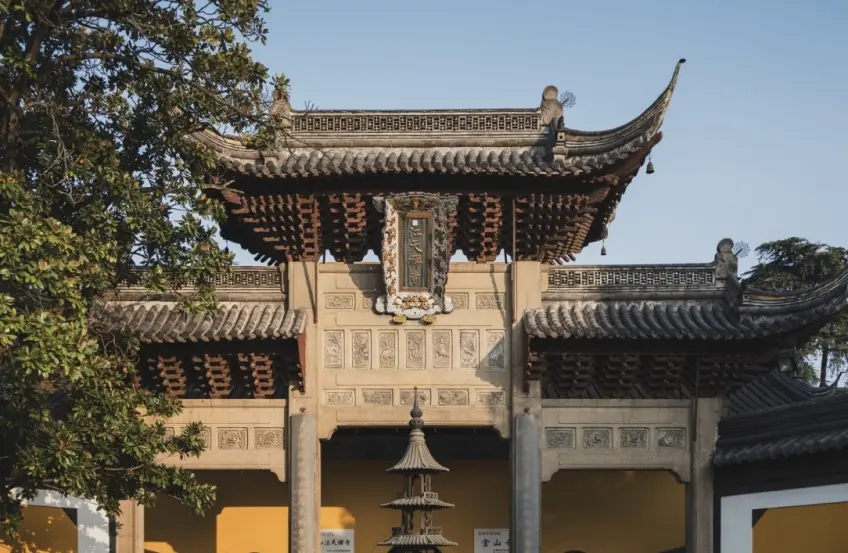
Taking the high-speed train to Zhenjiang: Zhenjiang Station or Zhenjiang South Station?
Zhenjiang has two main high-speed rail stations: Zhenjiang Station is in the old town area on the Shanghai-Nanjing Intercity Railway, where most intercity trains from Shanghai, Suzhou, Wuxi, and Nanjing stop; Zhenjiang South Station is south of the city center and serves the Beijing-Shanghai High-Speed Railway. If you're heading to Jinshan Temple, Zhenjiang Station is closer—a taxi ride of about ten minutes gets you to Jinshan Park. Zhenjiang South Station is farther away, so the taxi ride takes considerably longer.
If you're traveling south from northern cities like Beijing or Jinan on the Beijing-Shanghai High-Speed Railway, your train will usually stop at Zhenjiang South Station. After getting off, allow extra travel time for the taxi ride into the city to Jinshan Temple. Alternatively, you can transfer at Nanjing South Station to an intercity train to Zhenjiang Station—just choose whichever option works best for you.
From Nanjing, an intercity train to Zhenjiang Station takes about 20 minutes. From Shanghai, the ride is just over an hour, depending on your train. There are plenty of services along the Shanghai–Nanjing line, so a same-day round trip is easy. If both stations have suitable trains when you book, choose Zhenjiang Station for Jinshan Temple.
If you're coming from Yangzhou, you can drive across the Runyang Yangtze River Bridge. The south end of the bridge is just west of downtown Zhenjiang, not far from Jinshan. From Suzhou or Wuxi, which are also on the Shanghai–Nanjing intercity line, Zhenjiang Station is the most convenient stop. If you're flying in, Nanjing Lukou Airport is closer to Zhenjiang; after landing, you can take a car or transfer to a high-speed train. Plan your route around your flight schedule.
After exiting the station, taking a taxi is the most direct way to Jinshan Temple. You can also take the bus—several routes near Zhenjiang Station pass by Jinshan Park, but schedules change occasionally, so check real-time routes and stops on a map app before you leave and follow the navigation. Buses aren't very convenient with luggage, so drop your bags at your hotel first or store them at the station.
If you're driving or arriving by private car, set your navigation to the Jinshan Park parking lot. It fills up quickly on holidays, so arrive early. The advantage of a private car is that the driver can drop you off at the park entrance while you explore, then go find parking and pick you up at an agreed spot afterward—no need to worry about parking yourself.
At Jinshan Park: entrances and getting uphill
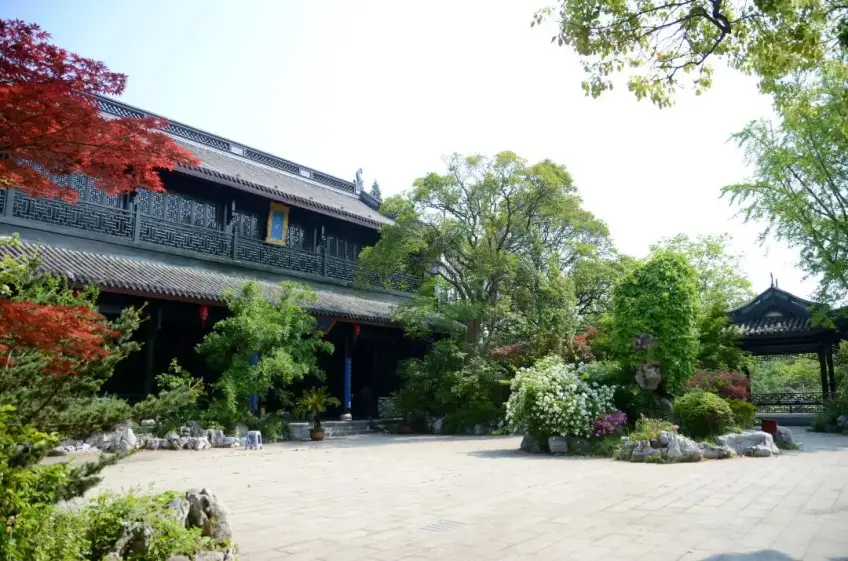
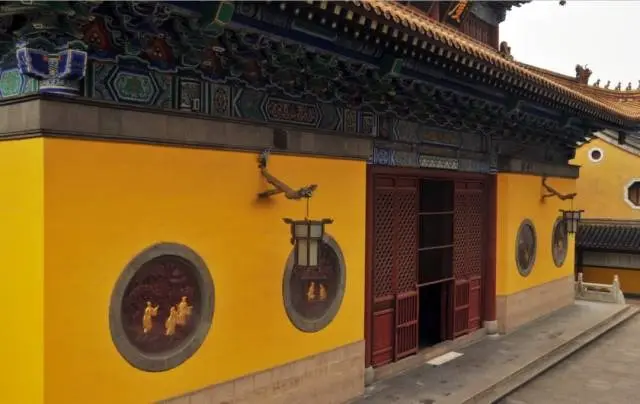
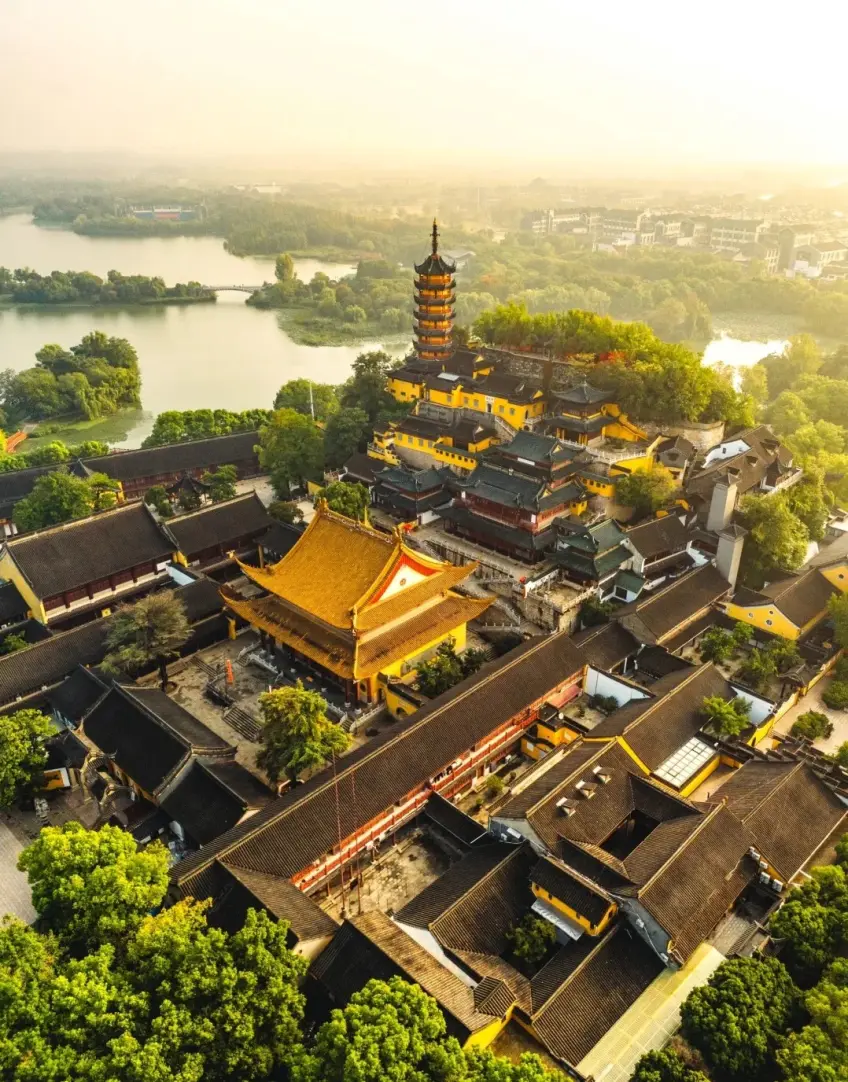
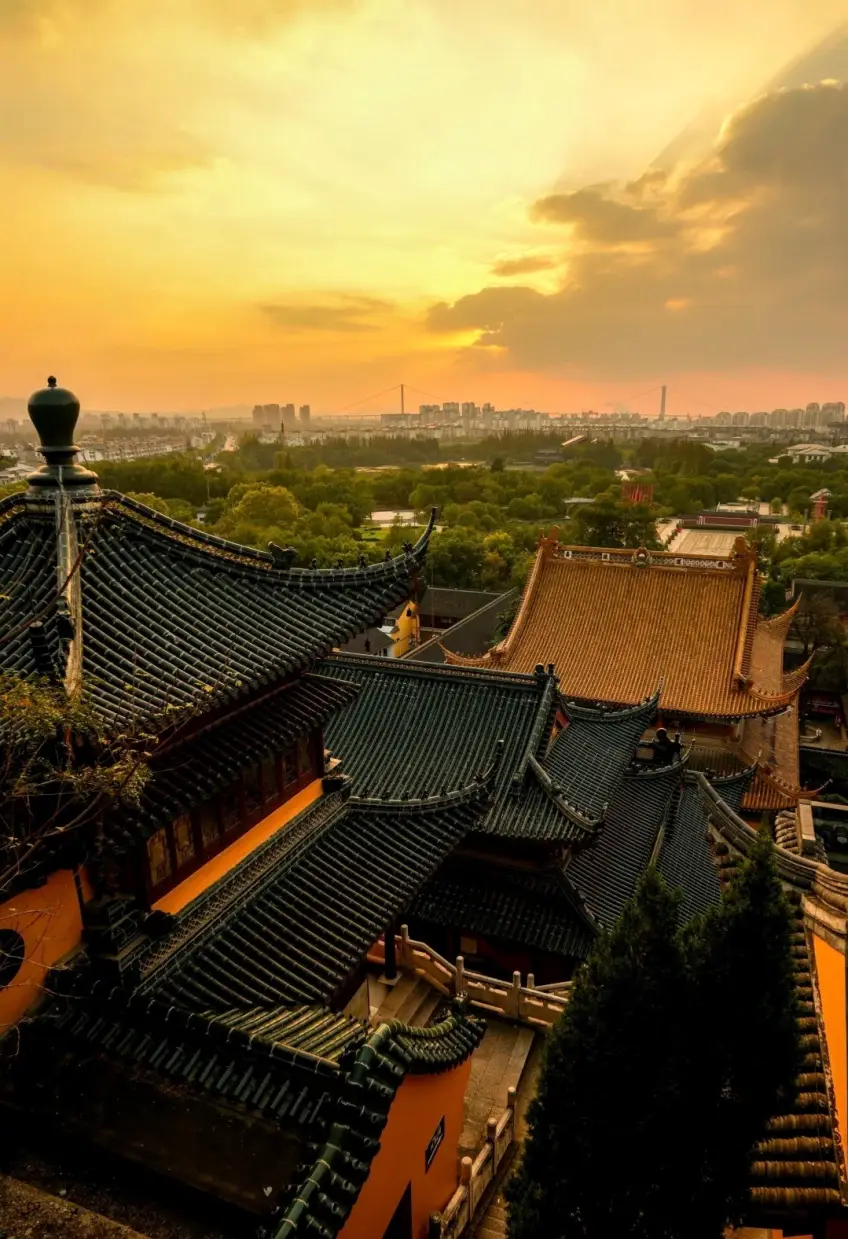
Jinshan Temple sits inside Jinshan Park, and it's still a bit of a walk from the park entrance to the temple gate. The park has a lake and walking paths, mostly flat, so strolling around isn't tiring. The real workout starts once you enter the temple—Jinshan Temple is built into the hillside, with halls rising level by level. From the gate at the foot of the hill to Cishou Pagoda at the top, there are plenty of stairs to climb.
According to the attraction page, Jinshan Temple is open daily from 8:00 to 17:30. Tickets and opening hours are subject to official announcements. We recommend arriving early in the morning—fewer crowds and cooler weather for climbing the stairs. Allow about two hours for a relaxed visit covering the whole temple, the pagoda climb, and the caves on the hill.
Spring and autumn are the most comfortable seasons. Summer stair-climbing is hot and shade in the temple is limited, so try to reach the summit before 10:00 AM. In winter, the river wind at the top is strong, so dress warmly. On the 1st and 15th days of the lunar month and major Buddhist festivals, the temple gets especially crowded with worshippers. For a quieter visit, avoid these dates.
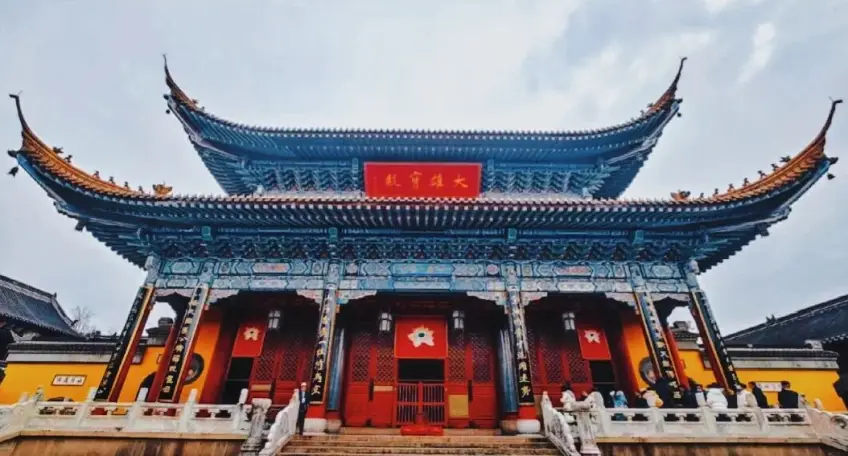
If you're traveling with older relatives, you can just visit the section from the mountain gate to the Mahavira Hall, which has relatively few steps. Reaching Cishou Pagoda or Fahai Cave higher up the hill involves a lot more stairs, so pace yourself and take frequent breaks. The temple is a religious site—keep quiet inside the halls, dress modestly, and check for "no photography" signs before taking pictures.
First time here? Pick your sights based on your stamina
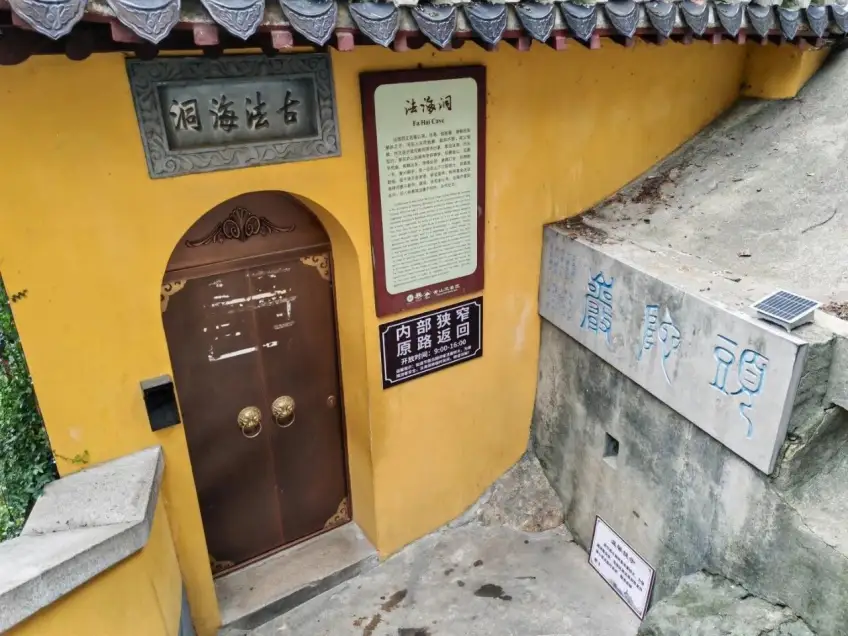
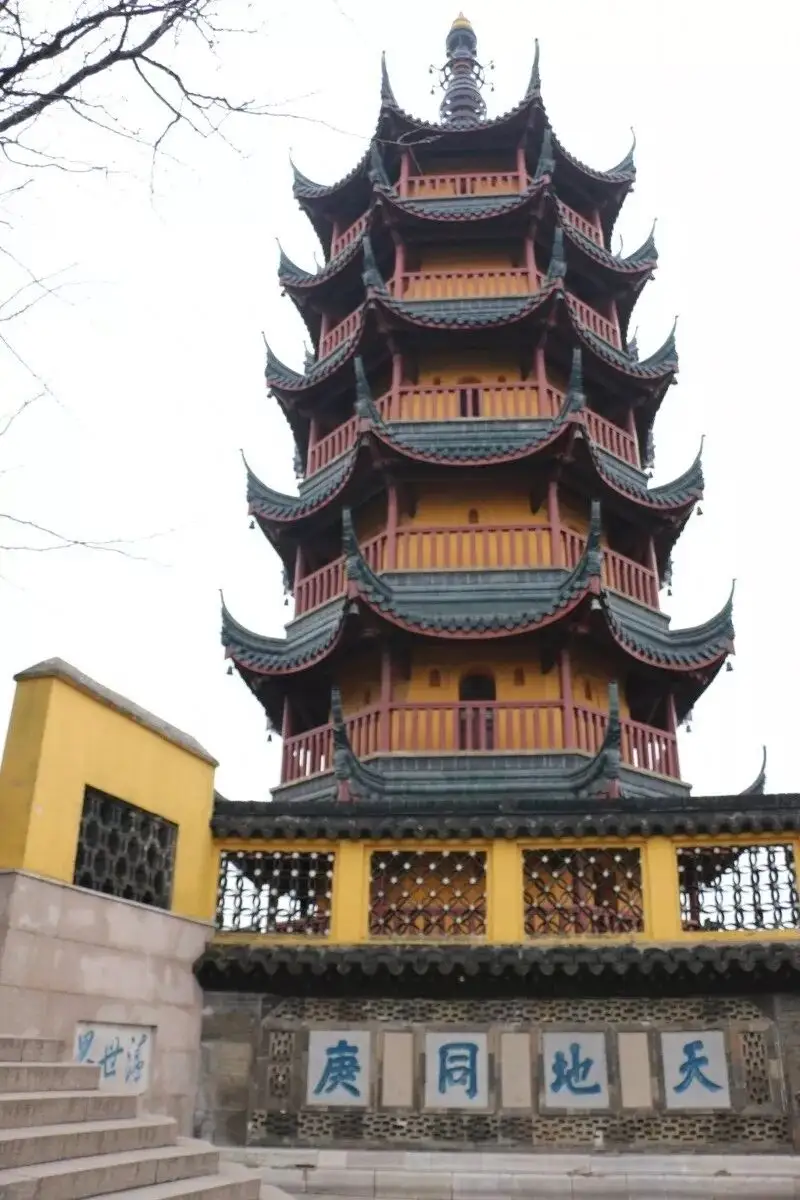
Jinshan Temple has plenty to see, roughly divided into three sections by the number of steps. The base section runs from the mountain gate through the Hall of Heavenly Kings to the Mahavira Hall. With few steps and the densest cluster of halls, visitors with average fitness can get a good sense of the temple's scale here. The mid-mountain section includes caves linked to the Legend of the White Snake, such as Fahai Cave and White Dragon Cave, plus Wenzong Pavilion, the temple library. It requires more climbing. The summit section features Cishou Pagoda and the Jiangtian Yilan viewpoint, offering panoramic views of Jinshan Park and the Yangtze River in the distance, but it has the most steps.
If you're short on time or have average stamina, explore the base of the hill and then head up to Fahai Cave halfway up—it takes about an hour. If you want to hike the whole hill and reach the summit, allow at least two hours. There are plenty of historical stories and legends here, so reading up a bit before entering the temple makes the visit much more interesting.
How to combine Jinshan Temple and Xijindu
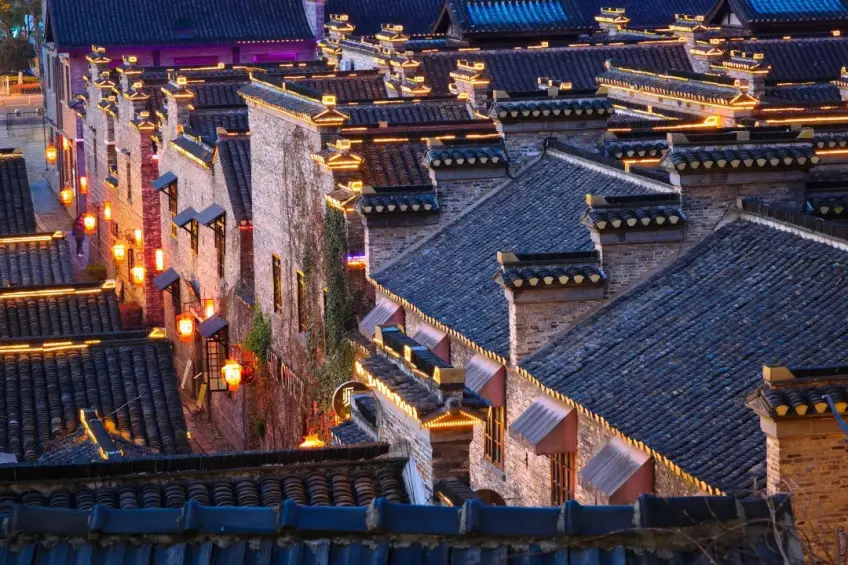
Jinshan Temple and Xijindu Historic District are both in the northwest of downtown Zhenjiang, about 1.5 kilometers apart—a 15-minute walk or just a few minutes by taxi. The easiest plan is to visit both in the same half day or full day.
Jinshan Temple in the morning, Xijindu in the afternoon is the most popular route: mornings are quieter, so climb the hill and explore the temple first; head to Xijindu in the afternoon to stroll the old street, watch the lights come on at dusk, and have dinner nearby in the evening. You can do it the other way around, but Xijindu's night view requires darkness, so saving it for later makes more sense.
A relaxed half-day itinerary might look like this: arrive at Jinshan Park at 8:30 am, enter the temple at 9:00 am, see the halls at the foot of the hill first, then head up to the mid-slope and summit, and come back down around 11:00 am. Take a walk in the park, then take a taxi or walk to Xijindu and have lunch nearby. In the afternoon, explore the old street and Zhaoguan Stone Pagoda at Xijindu, watch the lights turn on at dusk, and return to your hotel or catch the high-speed train in the evening.
If you only have half a day and need to catch a train, reverse the order: do a quick loop of Xijindu first, then visit Jinshan Temple, and head straight to Zhenjiang Railway Station from Jinshan Park—it's the shortest route.
If you're staying overnight in Zhenjiang, you can take it easier: arrive in the afternoon on day one and explore Xijindu for the night view; visit Jinshan Temple the next morning, head to Beigu Hill or Jiao Hill in the afternoon, and leave in the evening. This way you won't feel rushed anywhere, and you'll avoid Jinshan Temple's busiest morning hours.
If you have more time, you can fit in all three of Zhenjiang's "Three Hills": Jinshan, Jiao Hill, and Beigu Hill. They line up along the river through the city, with Beigu Hill to the east and Jiao Hill further east in the river itself. You can link them by car in a single day, though it will be tight. For routing ideas, see our Zhenjiang day tour routes and how to plan a day at Zhenjiang's Three Hills.
Before you go: clothing, etiquette, and background for foreign friends
Jinshan Temple is a working Buddhist temple, not just a tourist attraction. Dress modestly when visiting, keep your voice down inside the halls, don't step on thresholds, don't touch the Buddha statues, and walk around anyone praying or chanting. Incense burning is only allowed in designated areas—just follow the signs. There's no need to buy overpriced incense at the gate.
Wear comfortable, non-slip shoes. The temple has many steps, and the stone stairs get slippery in the rain. In summer, bring a hat and drinking water, as there are few places to buy drinks on the hill. Pack light—climbing stairs with a heavy backpack is exhausting.
If you're bringing foreign friends, tell them the story of the Legend of the White Snake beforehand: Lady White Snake and Xu Xian fall in love, but the monk Fahai keeps Xu Xian at Jinshan Temple, so Lady White Snake floods the temple to rescue her husband. It's one of China's most famous folk tales. Knowing the story makes visiting spots like Fahai Cave and White Dragon Cave much more interesting for them. You can also mention that Jinshan Temple holds an important place in Chinese Buddhist history—it isn't famous just because of this legend.
Private car, pickup, or DIY: which to choose
High-speed train plus taxi: Best for one or two people traveling light who only want to see Jinshan Temple and Xijindu. It's the most flexible and cheapest option.
This option works best if you're comfortable navigating on your own: using maps and ride-hailing apps, finding your own transport after exiting the station, and walking between attractions. Most young travelers in a group choose this.
Station pickup plus half-day private car: If you're traveling with seniors or kids, carrying luggage, or coming from Nanjing or Yangzhou for just half a day, you can arrange a driver to meet you at Zhenjiang Station, take you to Jinshan Temple and Xijindu, and drop you back at the station afterward. See Zhenjiang half-day tour for details.
A station pickup saves you the time spent looking for a ride or waiting in line for a taxi after you arrive — the driver waits based on your train schedule. A half-day private car lets you hop on and off between Jinshan Temple and Xijindu whenever you like, so you won't have to worry about finding a cab when you're tired, and you can leave your luggage in the car.
Round-trip private car from Shanghai or Nanjing: If your whole family is traveling together and you'd rather skip the high-speed train transfers, you can book a private car directly from your hotel to Zhenjiang and return the same day. See Zhenjiang private car tours and car rental with driver in Zhenjiang.
Add a guide: Jinshan Temple is full of history and legends. On your own, you might only scratch the surface. To really understand it all, hire a guide — see how to hire a guide in Zhenjiang.
Zhenjiang day tour private group | Jinshan Temple, Beigu Mountain, Xijin Ferry
Pickup and drop-off at Zhenjiang Railway Station. Spend a day visiting Jinshan Temple, Beigu Mountain and the old street at Xijin Ferry. All three are in the city center, so the pace is relaxed. This private tour is just for your group and includes transportation, a guide and admission tickets. An English-speaking guide is available on request — feel free to ask about dates.
For opening hours and ticket info, see the Jinshan Temple scenic area page. For how to explore the halls and Legend of the White Snake sites inside the temple, check out our Jinshan Temple travel guide.
FAQs
Which city is Jinshan Temple in?
The Jinshan Temple of the "water flooding Jinshan" legend is in Zhenjiang, Jiangsu Province. It sits inside Jinshan Park in the northwest of the city, and its official name is Jiangtian Chan Temple. It has nothing to do with Shanghai's Jinshan District.
How far is Jinshan Temple from Zhenjiang Railway Station?
Zhenjiang Railway Station is in the old town, and a taxi to Jinshan Park takes just over 10 minutes. You can also take a bus—check your map app for real-time routes. Zhenjiang South Railway Station is farther away.
How do I get from Jinshan Temple to Xijindu?
The two are about 1.5 km apart—a 15-minute walk or a few minutes by taxi. You can visit Jinshan Temple in the morning, explore Xijindu in the afternoon, and watch the ancient street light up at dusk.
Do I need to book Jinshan Temple in advance?
On regular days you can usually just buy tickets at the gate. During holidays or major events, reservations or visitor caps may apply—check the attraction's official announcements. For peace of mind, verify the day's opening info on official channels before you go.
Do you need to climb a mountain to visit Jinshan Temple?
Yes. The temple is built along the hillside, and it takes quite a few steps to get from the mountain gate to Cishou Pagoda at the summit. If you're traveling with elderly family members, you can just visit the section from the foot of the hill to the Mahavira Hall—go at your own pace.