

New Poetic West Lake: A Local's Hidden Guide
When visiting West Lake in summer, head into the hills early in the morning: the bamboo-lined imperial path at Yunqi Bamboo Path and the valleys of Nine Creeks Meandering Through a Misty Forest offer deep shade, far cooler than standing by Broken Bridge at noon. This article walks through each of the New Ten Scenes of West Lake, selected in 1985, with transport tips, best seasons and sightseeing highlights.
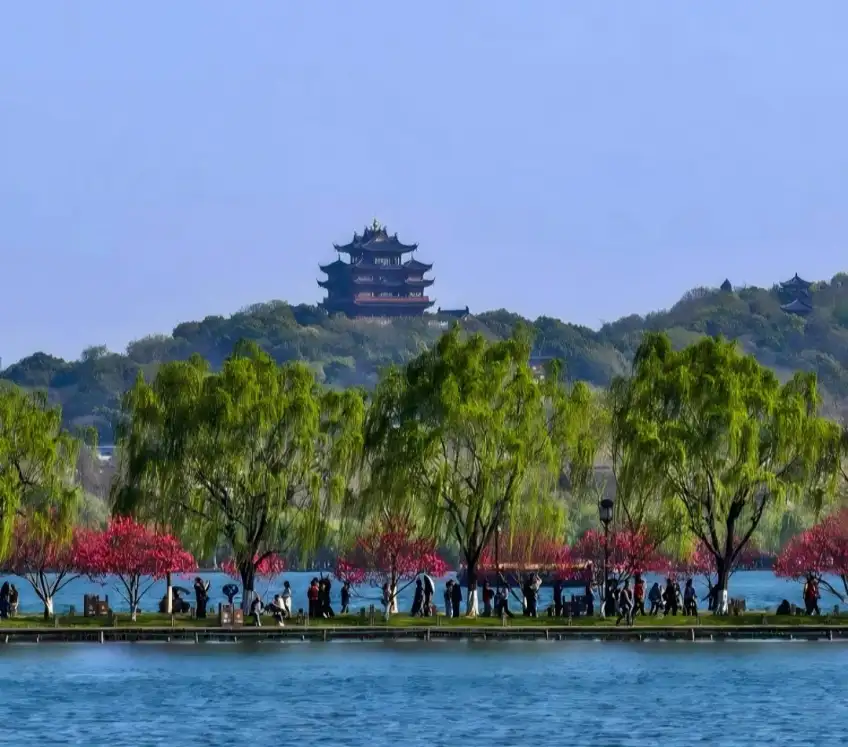
The easiest way to travel to and from Hangzhou Railway Station/Xiaoshan Airport is door-to-door station transfers plus a private car; for a relaxed hop between sights, try a group tour Hangzhou day tour or a Hangzhou itinerary; to set your own pace, use custom private travel or hire a guide. For an overview of China routes, see the China travel guide. Tell us your group size, dates, Hangzhou station or Xiaoshan Airport, and whether to include Lingyin Temple/night views, and our travel consultant can arrange these scattered New Ten Scenes into an unhurried day.
Yunqi Bamboo Path: Step into a sea of bamboo and listen to the wind
Getting there & tickets (subject to on-site info)
Buses 103/1314/121/324M stop at Yunqi Bamboo Path. You can also take the metro to Fenghua West Road and transfer to bus 324M; a taxi from there costs about ¥15. If driving, set your navigation to Yunqi Bamboo Path — the scenic area has a parking lot.
Ticket prices are subject to official scenic area announcements; opening hours are mostly 7:00–17:00.
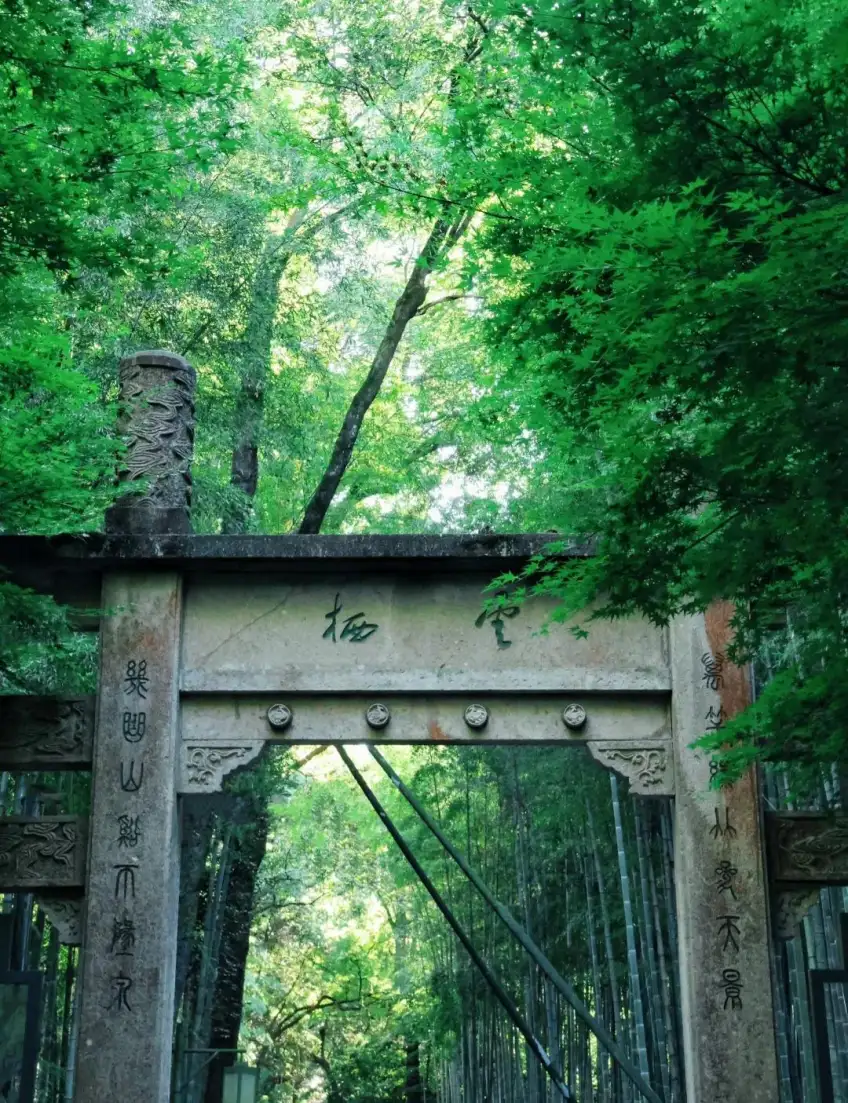
The southern foot of Wuyun Mountain is less crowded and was once visited by Qing emperors. Emperor Kangxi inscribed "Yunqi" and "Songyunjian," and the imperial path is shaded by towering moso bamboo on both sides, making it ideal for summer hiking to escape the heat.
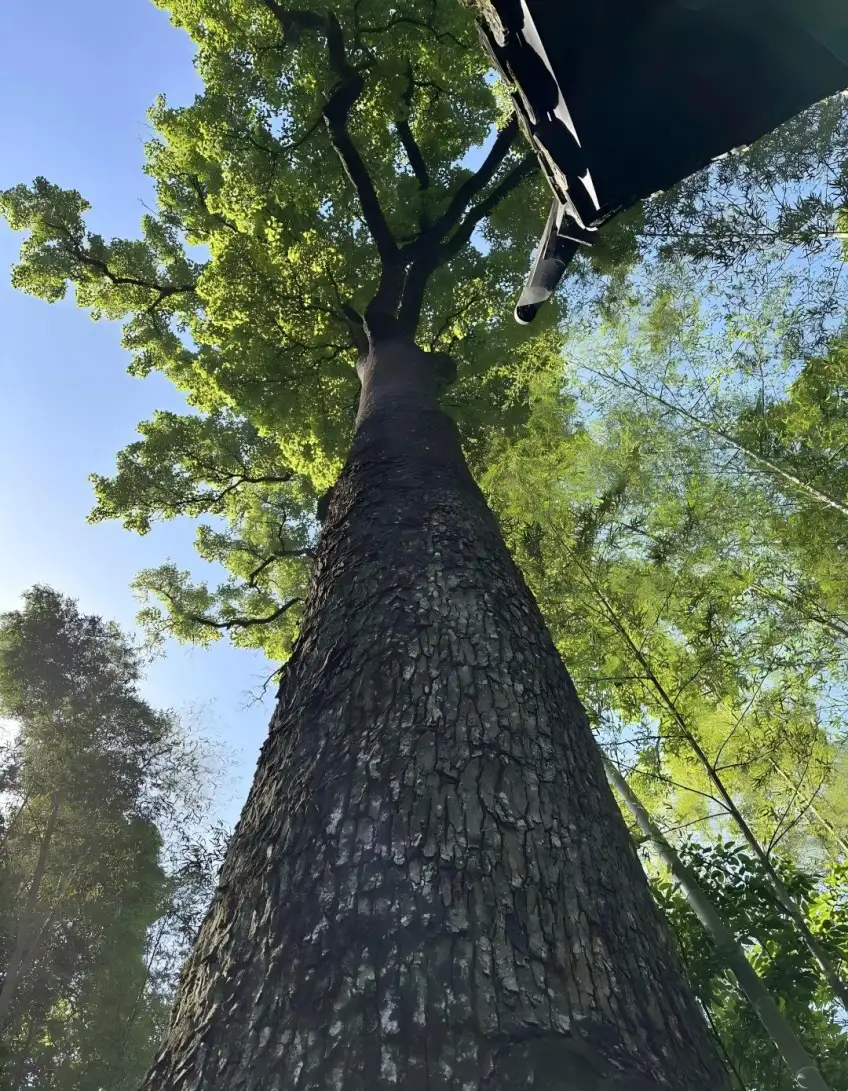
If you still have energy on the way back, detour into the ancient sweet gum grove and give one of those massive trees a hug — some need three people linking arms to encircle them. In the bamboo forest, all you'll hear are your own footsteps. We recommend visiting Xixin Pavilion and Shuangbei Pavilion between June and August.
Nine Creeks in Misty Trees: Hiking the Eighteen Streams
Getting there
Take bus 314 or 308 to Jiuxi Station. Driving into the scenic area on weekends isn't recommended (parking is limited and usually costs about ¥30 per hour); the attraction itself is free.
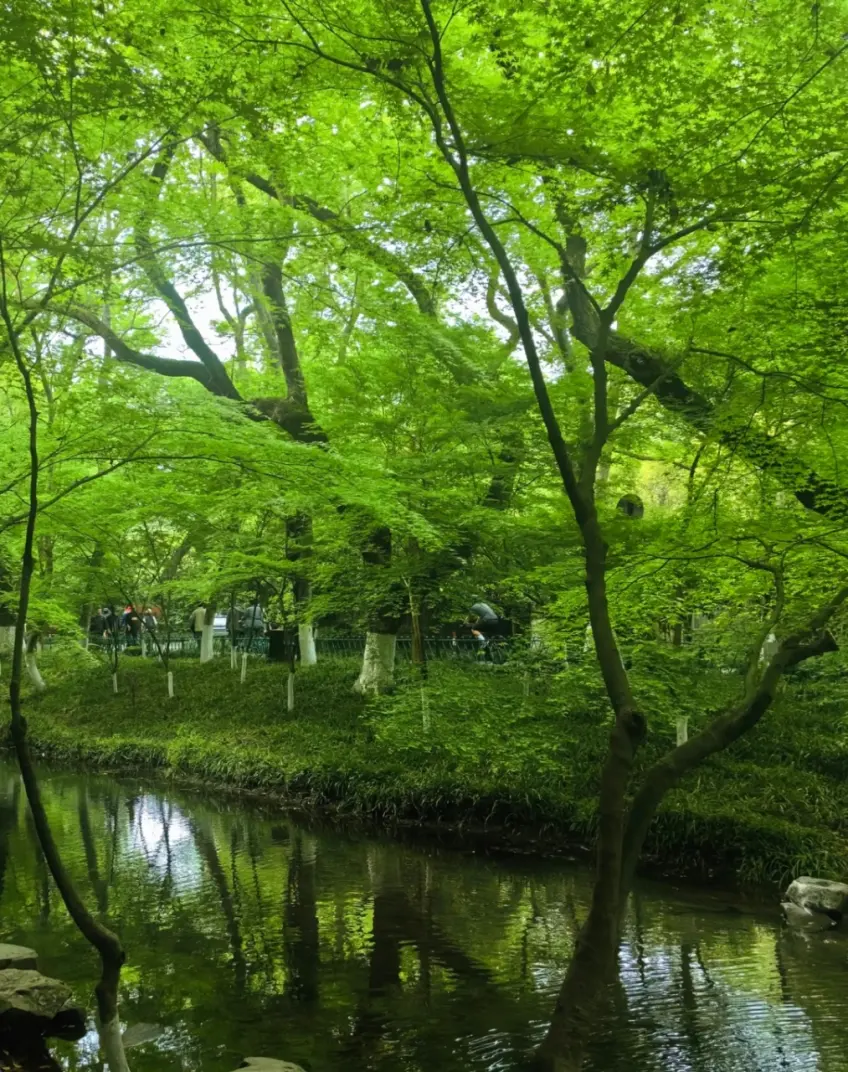
The highlight is hiking Jiuxi Shiba Jian (Nine Creeks and Eighteen Gullies): nine creeks weave together into eighteen mountain gullies. The slopes are gentle and mist drifts through the forest — the real-life scene behind Yu Yue's lines about "layer upon layer of hills, winding and looping paths."
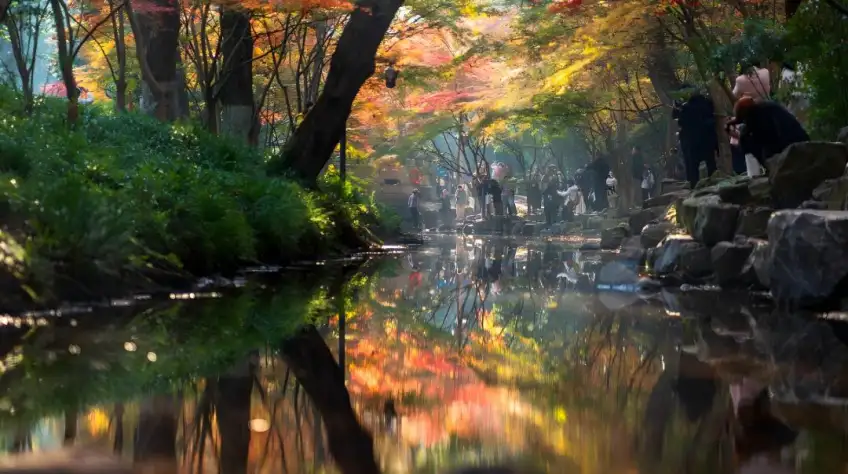
The high-water season usually runs from April to October. You can also hike from Longjing Village to Jiuxi, then enjoy authentic Hangzhou cuisine.
Huanglong Tucui: Yuan Yuan Garden and the Matchmaker Temple
Yellow Dragon Cave/Yuanyuan Folk Park is home to "Yellow Dragon Dressed in Green," one of the New Ten Scenes. Take Metro Line 3 to Yellow Dragon Cave Station for direct access; buses 16, 28 and 103 also work. Ticket prices are subject to official scenic area announcements.
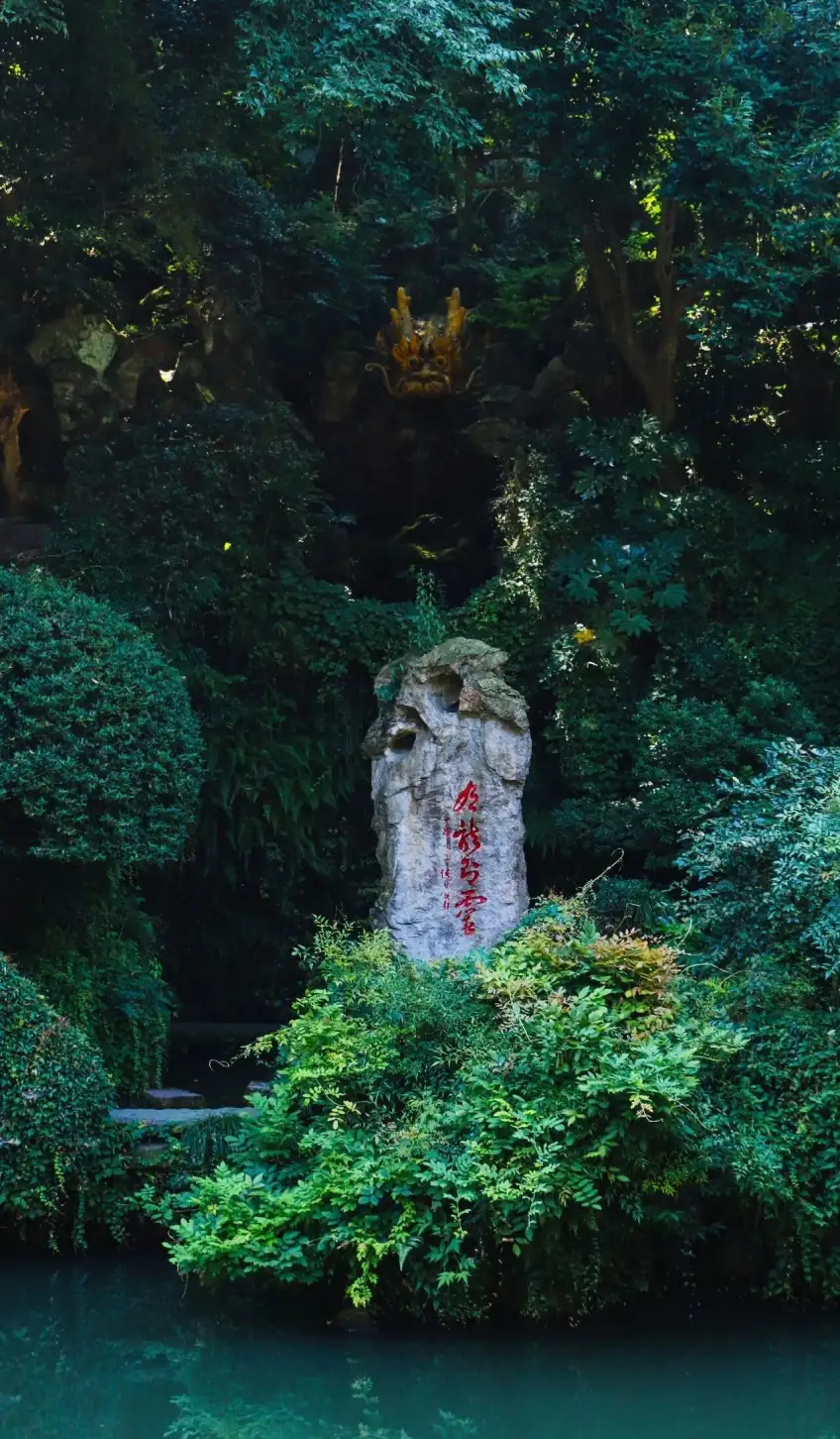
The "Yellow Dragon Dressed in Green" stone carving and golden dragon at the entrance are landmarks; you can draw fortune sticks at the Matchmaker Temple, with the Affinity Pool nearby. The peach blossom season in spring (March–May) makes for better photos.
Manlong Guiyu: Autumn osmanthus rain
Manjuelong lies on the southern slope of South Peak, home to over 7,000 gold, silver and red osmanthus trees. In autumn the blossoms fall like rain and the air fills with a sweet fragrance — this is Manlong Guiyu (Sweet Osmanthus Rain at Manjuelong). Admission is free.
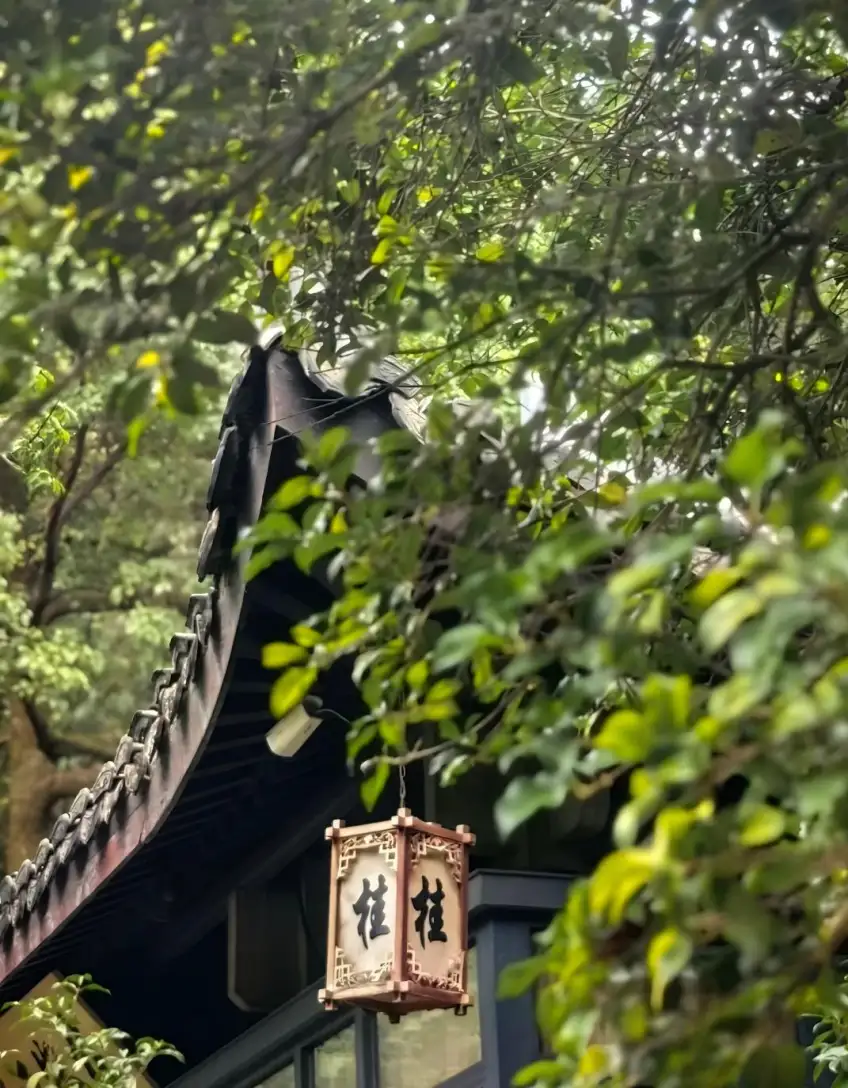
Take the metro and transfer to the osmanthus-viewing shuttle bus to Manjuelong/Shiwudong or Siyanjing (routes are subject to the day's transit schedule). We recommend visiting during the Osmanthus Festival in September–October to try osmanthus chestnut soup or candied osmanthus.
Clouds Scurrying over Jade Emperor Hill: Summit views of the lake and river
From the summit, you can overlook West Lake and the Qiantang River. Zilai Cave is cool in summer, and Bagua Field features farmland shaped like a bagua (Eight Trigrams), said to have been plowed by Southern Song emperors. You can rest and enjoy tea at Fuxing Temple.
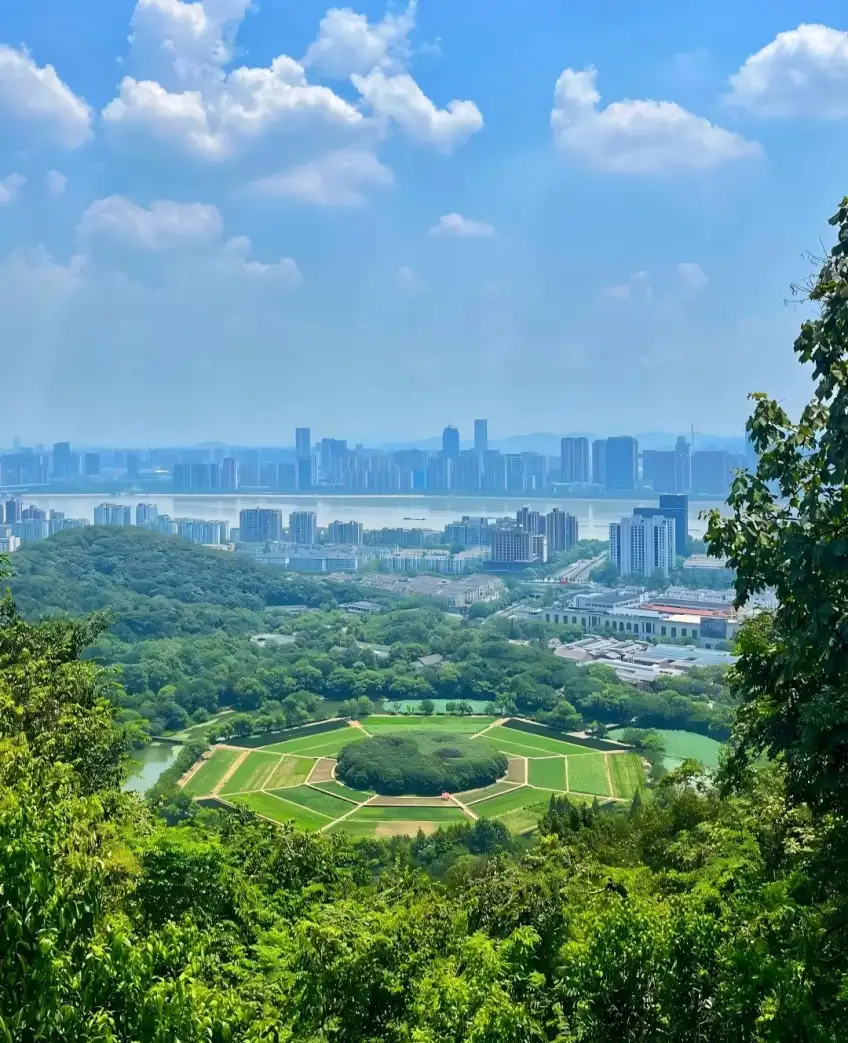
The mist is most visible after rain or early in the morning. Take bus No. 12 to the Clouds Scurrying over Jade Emperor Hill stop, or take Metro Line 4 to Shuichengqiao Station and walk to Bagua Field. If driving, set your navigation to Fuxing Temple; parking fees are subject to on-site charges.
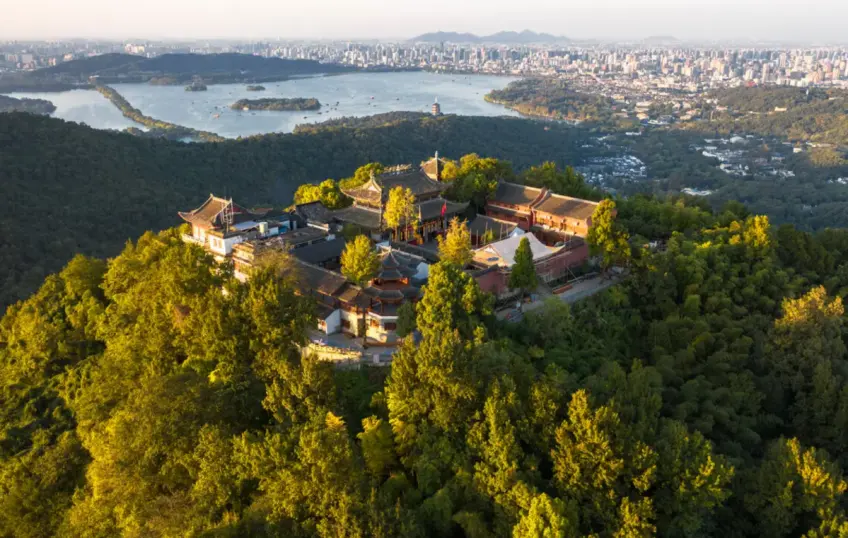
Jade Emperor Hill tickets are subject to official scenic area announcements; Eight Trigrams Field is free.
Longjing Tea Tasting: Sit Down in the Tea Village
Longjing tea ranks among China's top ten famous teas and is produced around Longjing Village. As the saying goes, "Tea is China's national drink, and Hangzhou is its tea capital." How could you visit Hangzhou without savoring a cup?
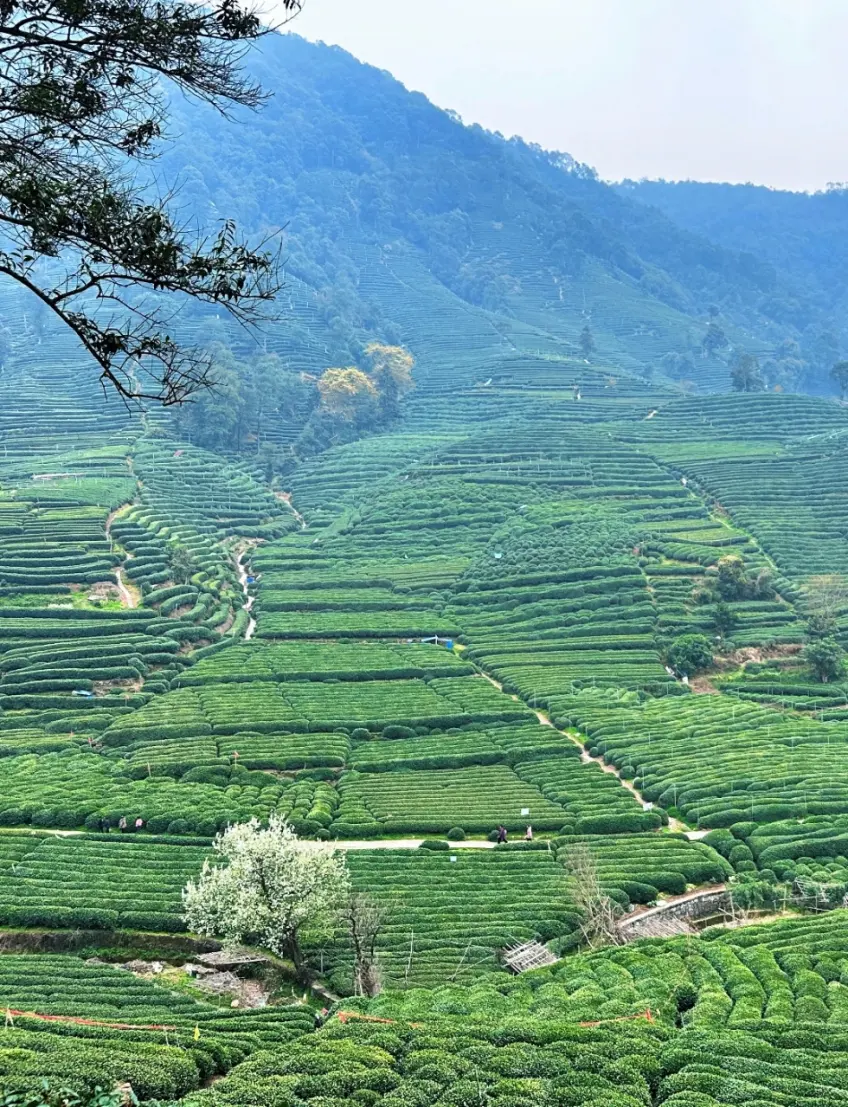
Take bus 27 or 87 to Longjing Tea House Station; from Longxiangqiao Metro Station, a transfer is required.
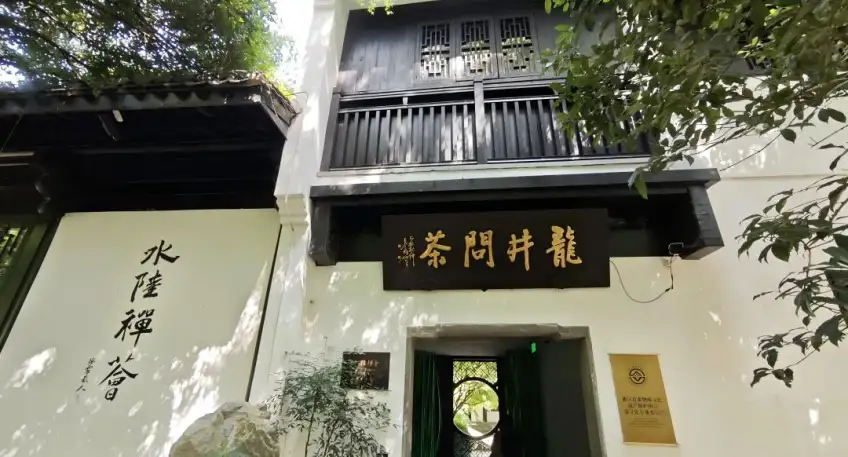
The Longjing Wencha teahouse is easy to spot. Use a glass or white porcelain cup with water around 80℃: rinse the leaves first, then fill the cup and watch them unfurl. Pre-Qingming tea in March–April is the most sought-after.
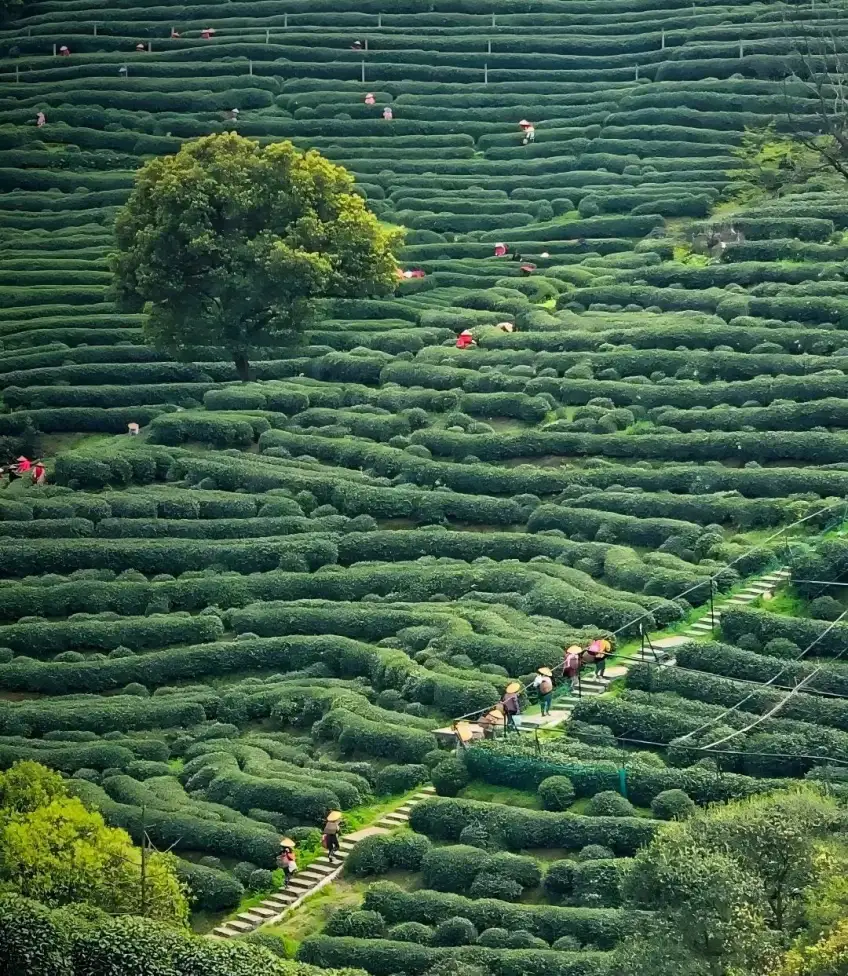
You can stroll along the stone paths through the terraced tea plantations; the Longjing teahouse sits on the site of an old temple. You can also visit the China National Tea Museum.
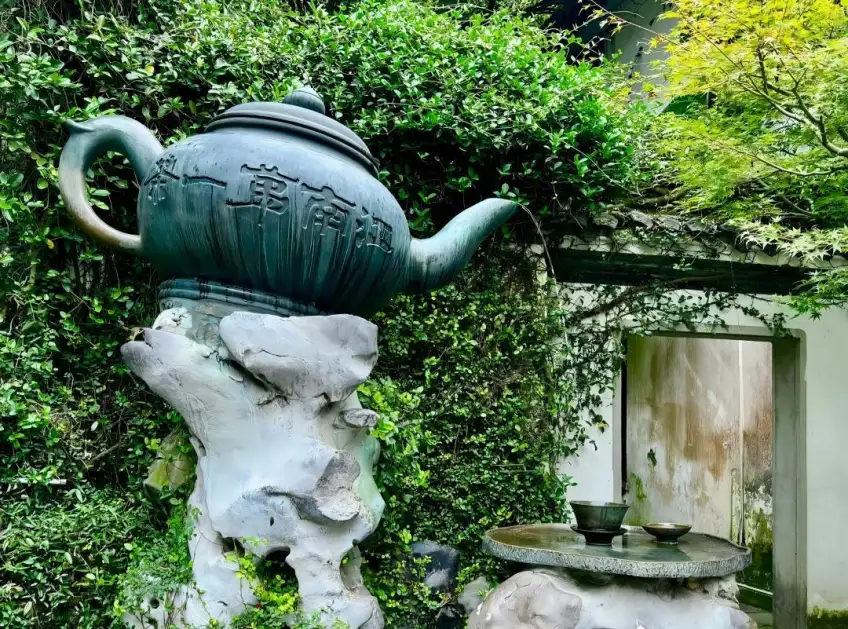
The teapot fountain marked "No. 1 Tea in Jiangnan" at the tea museum is great for photos; after your visit, you can hike onward to Jiuxi.
Baoshi Liuxia: Sunset glow beneath Baochu Pagoda
Baochu Pagoda stands on Baoshi Hill, praised as "graceful as a beauty." At sunrise or sunset, the purplish-brown rocks glow red, forming the classic one lake reflecting two pagodas composition with West Lake. Free entry; hike up via the Geling Trail.
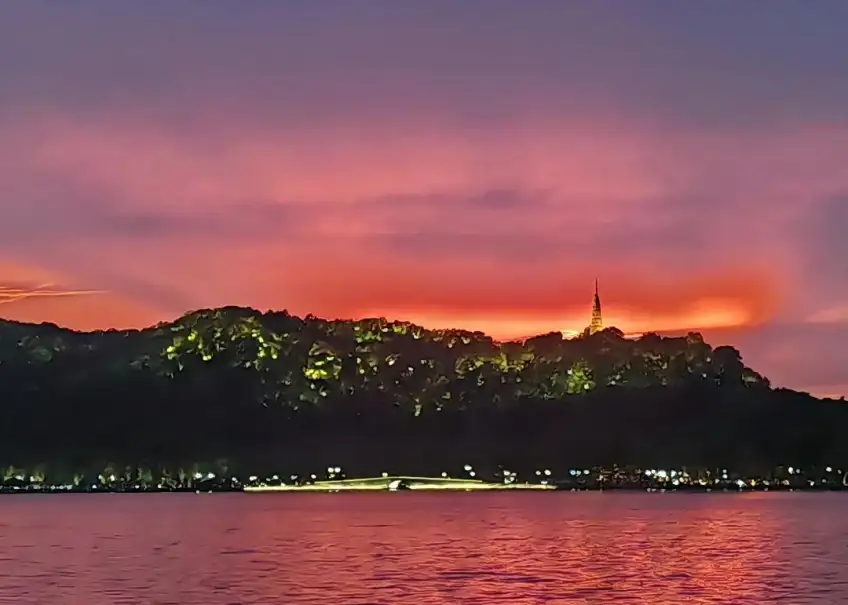
We recommend winter sunset or early morning.

The short video above helps you plan the pace of a multi-day Hangzhou trip, so you can decide whether to just visit the New Ten Scenes or add a Feilai Peak day tour with Lingyin Temple.
Heavenly Wind over Wu Hill: A family-friendly hill in the city
Wu Hill has gentle slopes, making it great for kids. You can spot and climb the Twelve Zodiac Stones (watch your step). Visit Chenghuang Pavilion at night for the lights, then grab snacks on Hefang Street.
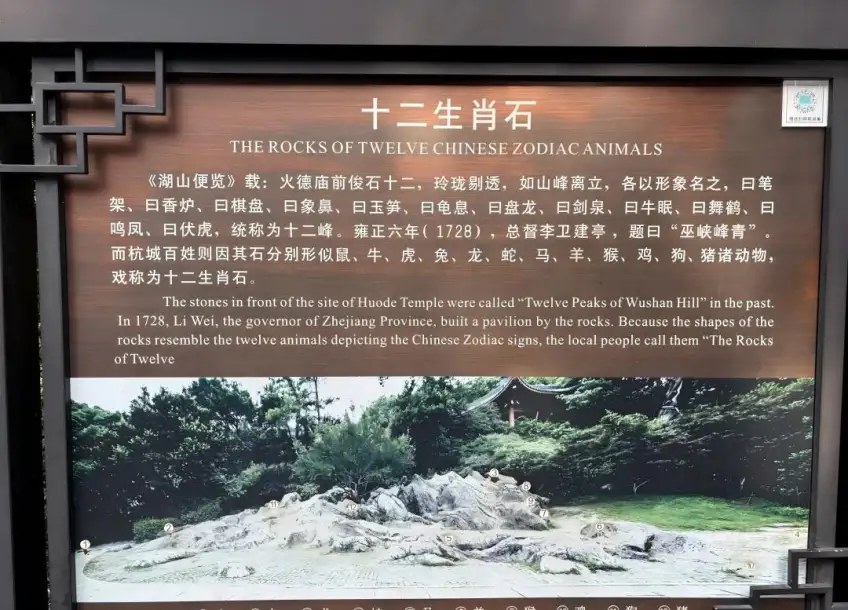
During the day, read the info boards to learn the zodiac animal stones, then spot them on site, and wait until evening for Chenghuang Pavilion to light up.

Chenghuang Pavilion ticket prices are subject to official announcements; take Metro Line 7 to Wushan Square Station and walk up the hill from Exit C. If you want to see the night view, arrive early—entry usually stops at 20:30.
Hupao Dream Spring: Sip the mountain spring water
Legend says the monk Xingkong had a dream in which two tigers pawed the ground to create a spring, hence the name Hupao (Tiger Pawing). It's also said to be where the eccentric monk Jigong passed away. There are water taps in the park, so bring an empty bottle (check posted signs to see if the water is safe to drink).
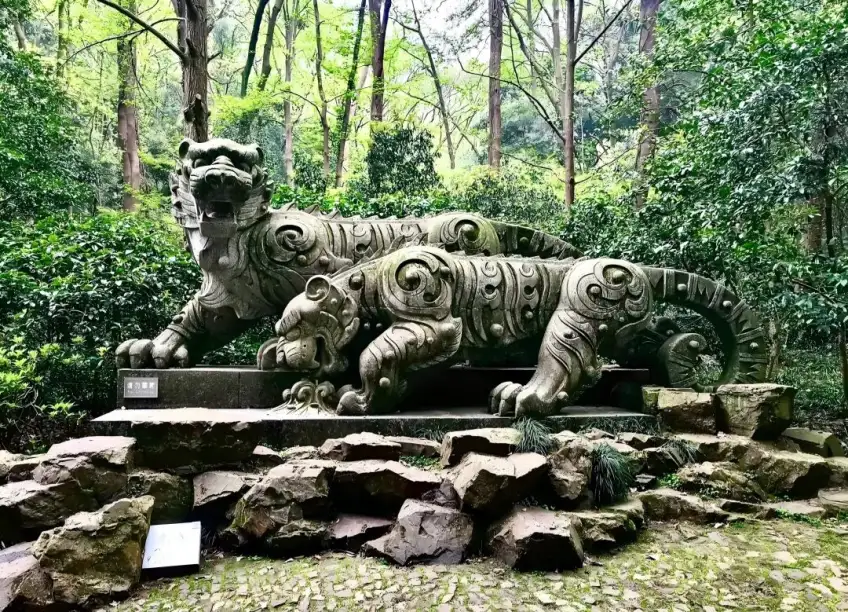
Ticket prices are subject to official announcements; it's a great place to escape the heat in summer (June–August).
Ruangongdun Islet: A green island you can only admire from afar
Named "Ruandun Huanbi" in honor of Ruan Yuan, this is one of West Lake's smaller islands. Night boat tours used to run here, but it's currently closed for ecological restoration (check official announcements for updates). You can still admire its patch of greenery from Su Causeway, Bai Causeway, or Beishan Road.
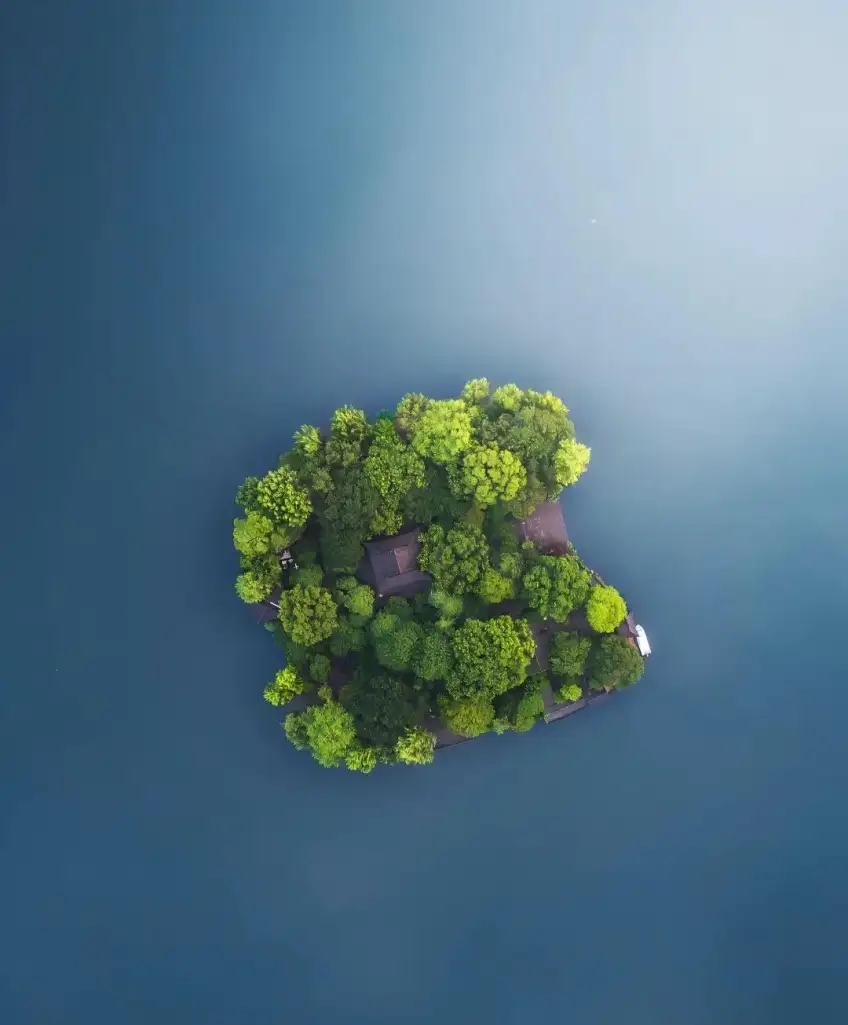
The view from afar is scenery enough. No need to force a landing—save your time for the New Ten Scenes you can actually walk into.
If you only have one day, check out our Hangzhou day tour. For a multi-day trip covering West Lake, Lingyin Temple and water towns, see Water Town Dream; for classic Hangzhou night views, see Beautiful Hangzhou.
A different West Lake day tour: how to choose your service
Many visitors tick off Broken Bridge, Leifeng Pagoda and Su Causeway from a list, walking tens of thousands of steps yet barely remembering the hidden corners. Local favorites are: watching the sunset from Baoshi Hill at dusk, wading the streams from Longjing to Nine Creeks, and wandering through Manjuelong Village in autumn when it's filled with osmanthus blossoms.
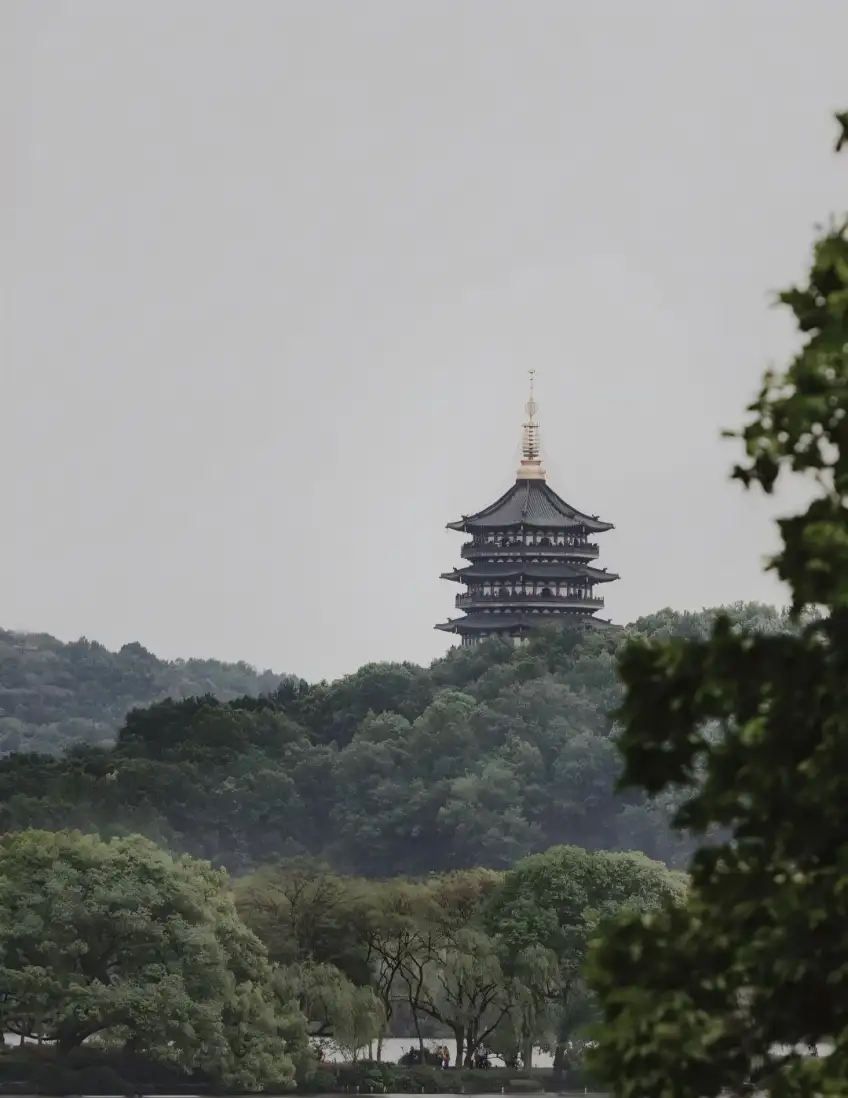
Leifeng Pagoda in Sunset Glow remains a classic finale, but there's no need to cram all of the old Ten Scenes into one day. You can also read our custom travel guide first.
FAQs
What's the best season to visit each of the New Ten Scenes of West Lake?
The best season varies by attraction: Yunqi Bamboo Path is ideal from June to August to escape the heat; Jiuxi Misty Trees has its highest water levels from April to October; Yellow Dragon Cave Dressed in Green looks best in photos during peach blossom season from March to May; Sweet Osmanthus Rain at Manjuelong is all about the osmanthus blooms in September and October; and Precious Stone Hill Bathed in Rosy Clouds is best at sunrise or sunset in winter.
How do I get to Jiuxi Misty Trees in Hangzhou?
Take bus 314 or 308 to the Jiuxi stop. Driving into the scenic area on weekends isn't recommended due to limited parking. You can also hike from Longjing Village to Jiuxi, focusing on the gently sloping Nine Creeks and Eighteen Gullies.
Where can I take kids near West Lake in Hangzhou?
Wushan Heavenly Wind is great for families, with gentle slopes where kids can spot and climb on the Twelve Zodiac Animal Stones—just keep an eye on safety. In the evening, enjoy the lights from Chenghuang Pavilion and grab snacks on Hefang Street. Check the official site for current Chenghuang Pavilion ticket prices.
Can you visit Ruangongdun Islet in West Lake?
Ruangongdun Islet is currently closed for ecological restoration; please check official announcements for updates. You can view this green island from Su Causeway, Bai Causeway, or Beishan Road. There's no need to insist on landing—save your time for the New Ten Scenes you can actually walk into.
How do I get to Longjing Tea Tasting in Hangzhou, and how should I brew Longjing tea?
Take bus 27 or 87 to the Longjing Chashi stop. Brew Longjing in a glass or white porcelain cup with water around 80°C: rinse the leaves first, then pour in the water and watch them unfurl. Pre-Qingming tea from March to April is the most sought after. After your visit, you can hike onward to Jiuxi.
Ticket prices, opening hours, and night session admission are subject to official or on-site information on the day of your visit. This article does not replace ticket purchase or safety notices.