
How to plan a Wuzhen day trip
For a Wuzhen day tour, should you visit Dongzha or Xizha first? If it is your first time and you want to see the night view, just buy a Xizha ticket (¥150 for adults). Visit Bailian Pagoda and the Water Market during the day, then stay for the lights in the evening. If you also want to see Mao Dun's Former Residence and the workshops, buy a Dongzha-Xizha combo ticket (¥190 for adults) and spend the morning in Dongzha and the afternoon in Xizha (prices are reference rates for Nov 2026; check the scenic area's official announcements for current prices). It takes about one to two hours by car from Shanghai, Hangzhou or Suzhou, and most high-speed trains go to Tongxiang Station or Jiaxing Station, where you transfer. For a hassle-free trip, book the private tour Dream of Jiangnan.
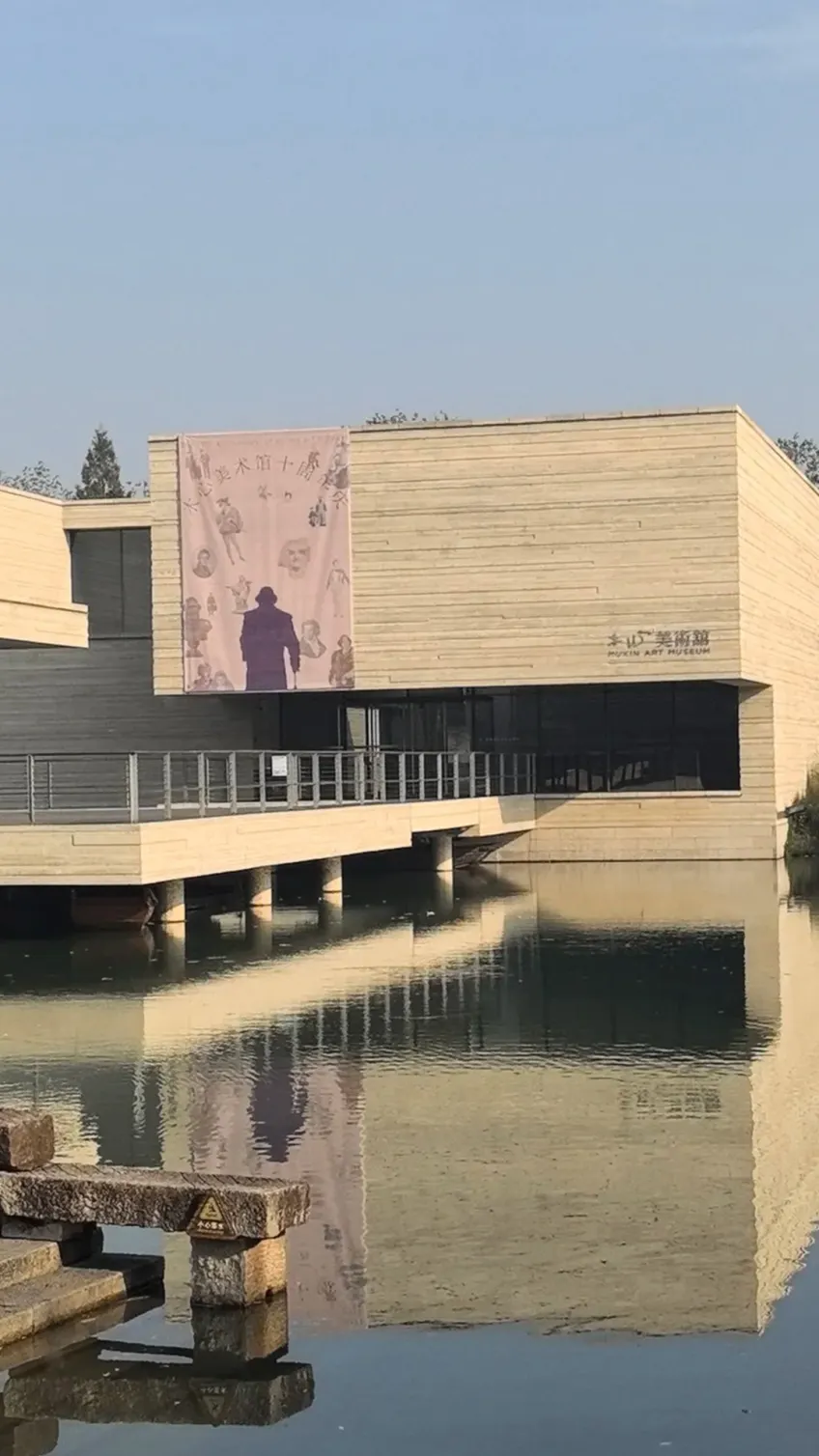
Wuzhen isn't a one-street photo stop. The West Zone has a dense web of canals and is at its best at night. The East Zone is more about daily life and culture: Mao Dun's Former Residence and workshops such as the blue calico dye house are on this side. The Mu Xin Art Museum is at the West Zone, next to the Wuzhen Grand Theater. A good day trip isn't about packing in sights. It's about picking one plan: the West Zone only, the combo ticket, or half a day in the East Zone plus the West Zone at night. Once you've chosen, decide whether you want a boat ride, a guide and a fixed return time.
Before you choose, answer three questions: Do you want to stay for the night views? Are you OK moving between zones? Is anyone in your group elderly or very young? Those answers will mostly settle East versus West.
Getting to Wuzhen: station transfers and private cars
Most high-speed trains stop at Tongxiang or Jiaxing Station, and you change there for the ride into town. From Shanghai, Hangzhou or Suzhou the drive takes one to two hours. If you piece together buses and ride-hailing yourself, say from Pudong or Hongqiao into town, or from Hangzhou East Station to the West Zone gate, you can easily lose half an hour or more changing rides and finding pickup points. With lots of luggage or older travelers, or if you'd rather not hunt for a car at the gate, book a station transfer straight to the West or East Zone entrance. To cover both zones and get back to the station in one day, a private car is the easiest choice, since the driver knows the parking lots and drop-off points.
Traveling on your own? Train tickets to Tongxiang or Jiaxing can be booked on the 12306 English website or app after you register with your passport; Hong Kong, Macao and Taiwan residents use their Mainland Travel Permit. Bring the original ID you booked with, and expect passport holders to use the staffed gate. From the station, DiDi is the usual ride-hailing app and has an English interface, or you can book a ride inside Alipay and pay with your linked foreign card.
If you're driving, expect parking around the site to be tight on holidays. (Foreign visitors generally can't drive in China on a home or international license, so a private car or taxi is the usual choice.) Park farther out and walk or take the shuttle in, rather than spending your first hour looking for a space. Families with strollers can skip a couple of staircases by choosing the right drop-off point. If your flight or train might run late, leave a wider pickup window instead of timing your entry to the minute.
A day trip from Shanghai usually means leaving early and getting back late: arrive at the West Zone around opening time and head back after the evening boat ride or sunset. From Hangzhou or Suzhou the ride is shorter, so you can spend the morning in the East Zone, the afternoon in the West, and decide on the night visit based on your energy. Whichever city you come from, book your return train and transfer together so you don't miss the last ride out.
East or West Zone: which to pick
Wuzhen's two ticketed areas, the East and West Scenic Zones, have separate tickets and routes. Most day trips follow one of three plans: the West Zone only, including the night visit; the combo ticket for both zones by day; or half a day of culture in the East Zone followed by the West Zone at night. If you're not a big walker, it's your first visit and you want the lights, stick to the West. Choose the combo ticket if you want to compare everyday town life with the night scene.
Count the cost and the time too. The combo ticket and the transfer between zones both add expense, and with only six or seven hours of real sightseeing, squeezing in both means rushing both. You'll get more from seeing the West Zone properly, with Bailian Pagoda, the water market and the night views, than from an hour on each side. Photographers will find more layers of water and light in the West Zone; fans of literature and crafts will prefer the East.
West Zone only: best for a first visit
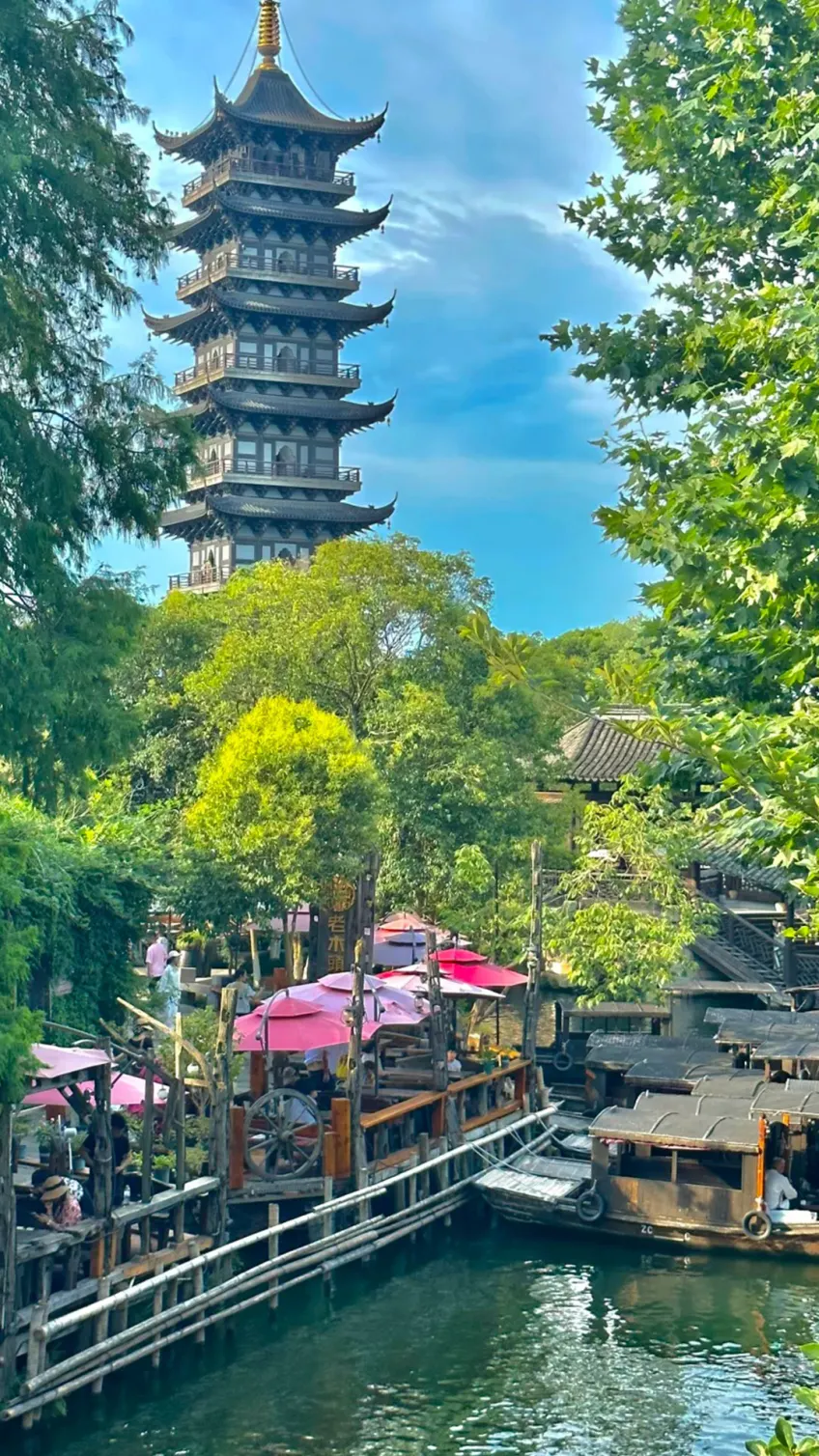
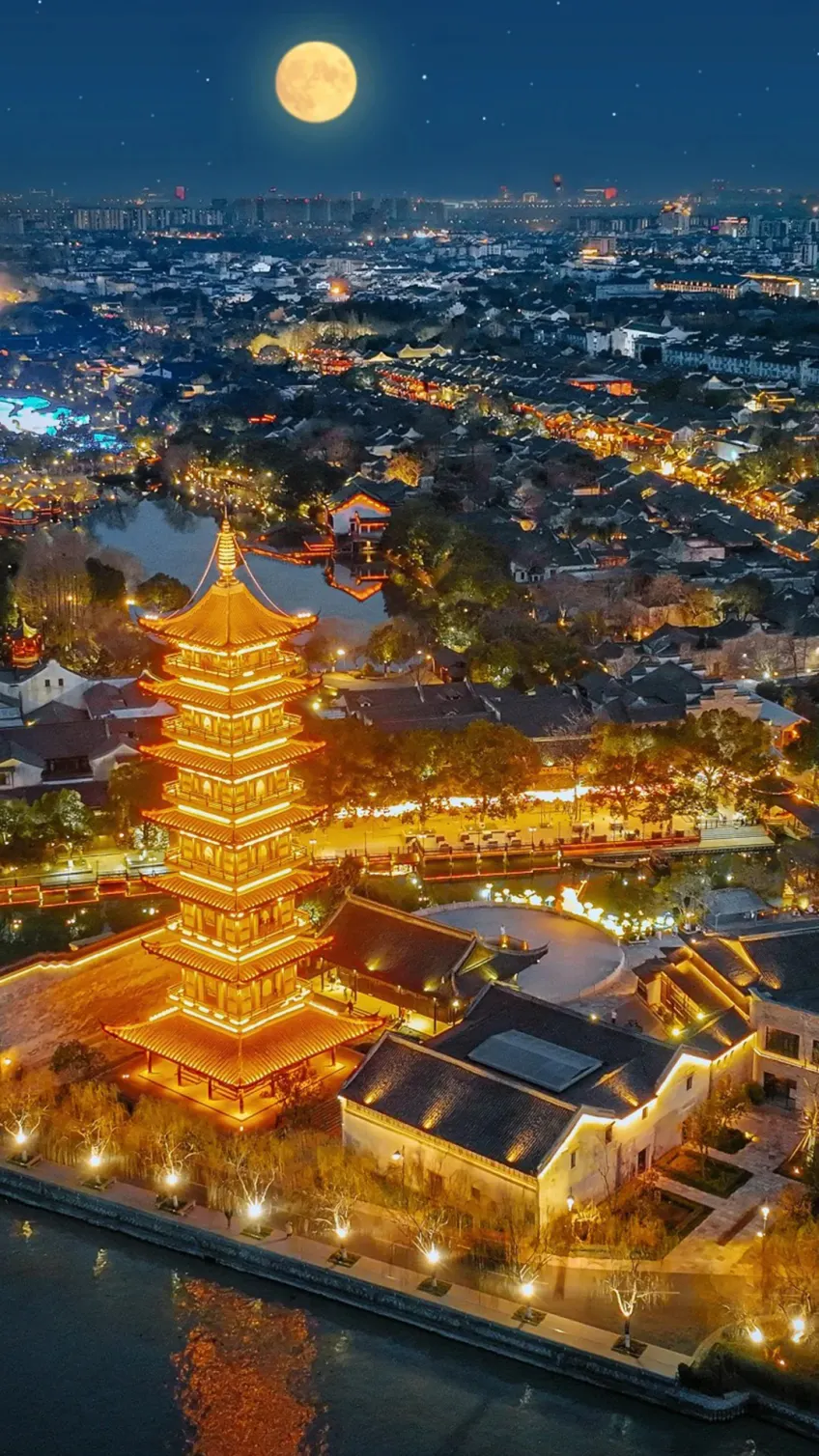
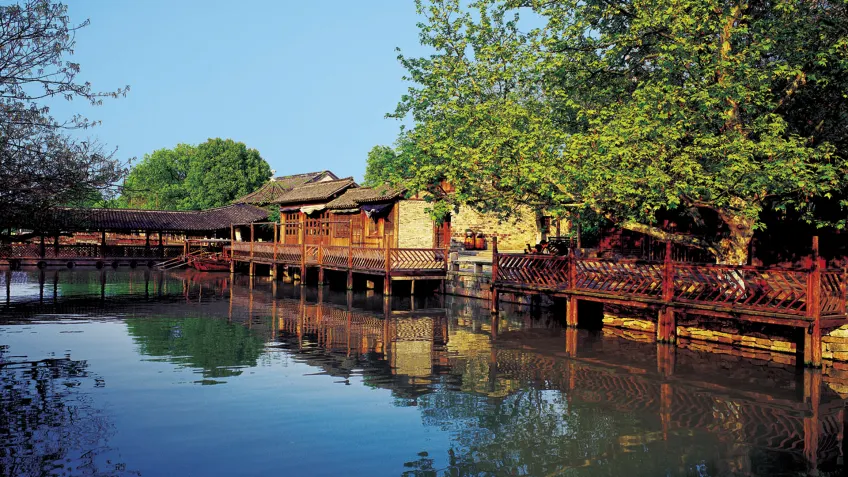
The West Zone is larger, with a denser web of canals, and Bailian Pagoda, covered bridges over the water lanes, bars and the night boat rides are all here. With one day and a wish to see the night views, go in during the morning and stay for the lights at dusk; there's no need to squeeze in the East Zone. Walk mainly along both sides of the main canal and leave time for a boat ride and a tea break, instead of tiring yourself out on the shopping streets at the edge. Around noon, rest for 40 minutes at a waterside teahouse, then explore the side lanes in the afternoon. It's far more relaxing than rushing from one photo spot to the next.
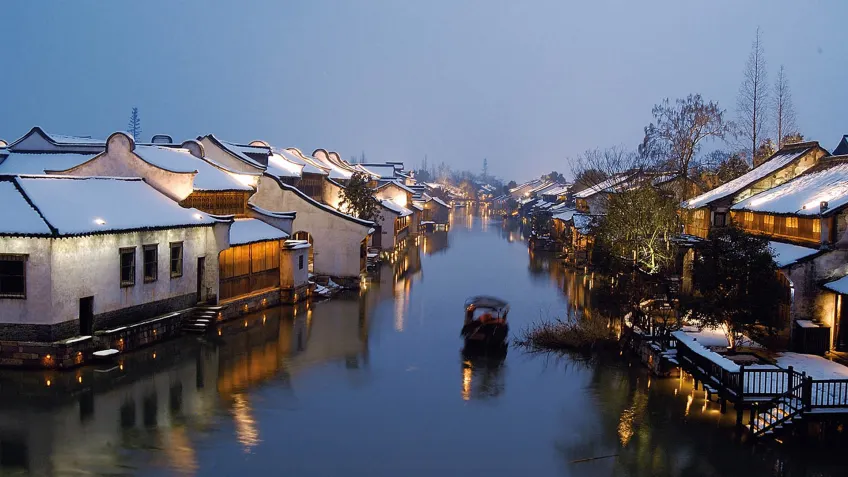
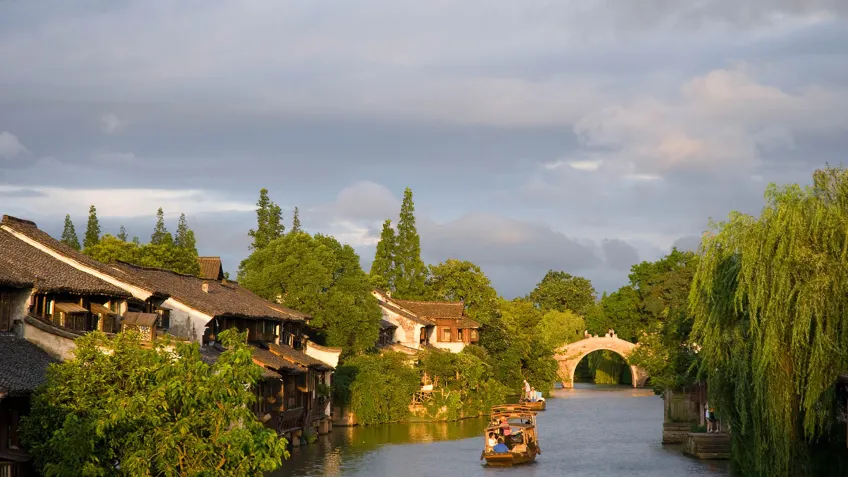
Photo tips for the West Zone: in the harsh morning light, skip backlit portraits and shoot buildings and water instead. After 4 p.m., golden light suits the arched bridges and Wupeng boats (black-roofed canal boats). When the lights come on, switch to warmer settings. For an easy stroll, just walk one stretch of the main canal and back; you don't need to hit every spot on the map.
Combo ticket: how to avoid backtracking
The combo ticket suits travelers who want to compare the everyday East Zone with the West Zone at night. Spend the morning in the East Zone at Mao Dun's Former Residence, the workshops and the old streets, move over around noon, and give the afternoon and evening to the West Zone, staying there for the night boat ride. A private car for the transfer saves half an hour or more over public transit, especially with older travelers. Avoid the West Zone in the morning, the East in the afternoon and then a dash back west for the night. That's the most backtracking of all.
Plan your energy on a combo day. The East Zone's workshops and former homes are all on foot, and the West Zone at night adds another two hours. With older travelers or kids, keep the East Zone to two or three stops, move over a little before noon and save energy for a tea break and the night visit in the West. If literature is your priority, give the Mu Xin Art Museum more time and drop some of the workshops.
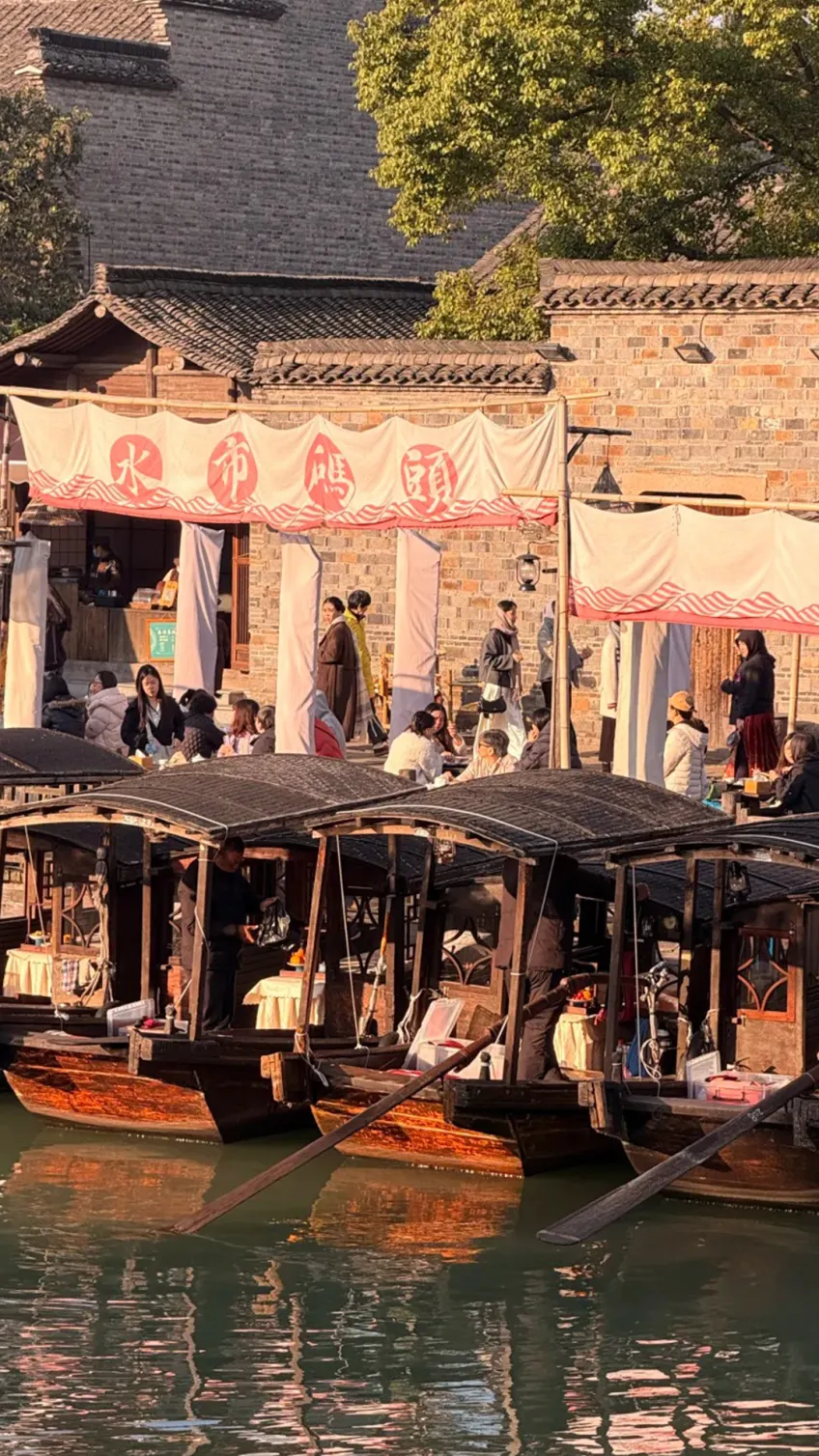
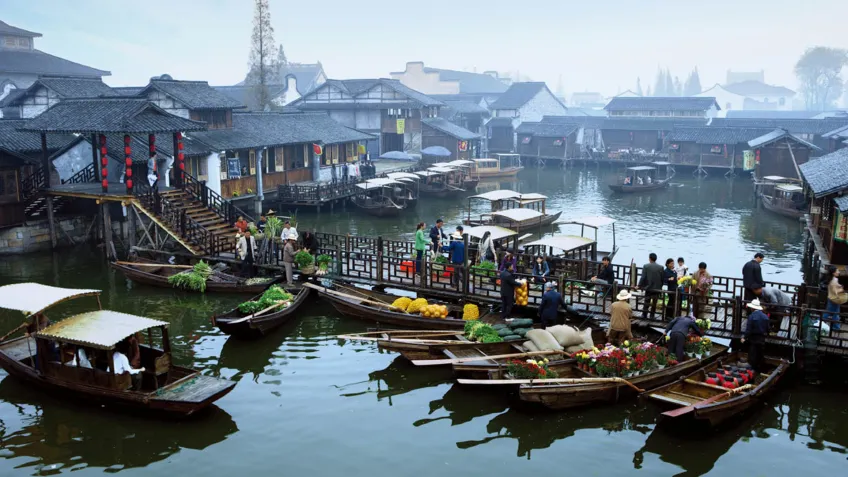
After the transfer, start at the West Zone's water market pier to see the Wupeng boats and the crowds.
Half-day walk in the West Zone: Bailian Pagoda to the water market
Once inside the West Zone, follow the main canal to the open water where Bailian Pagoda comes into view, then double back to see the covered bridges and waterside homes. Halfway along, take a Wupeng boat for a change of view; it's easier than walking the whole way. The water market sits mostly around the bridges and landings, with vegetables, flowers and soy sauce vats in the same shot. Take your time with photos; you don't need to fight tour groups for the same angle. The boat ride is short. The point is to see the arcaded buildings and water pavilions on both banks from mid-canal, which shows why Wuzhen's homes over the water look so different from the Twin Bridges layout of Zhouzhuang.
Walking tips: stone paths get slippery in the rain, so older travelers should wear non-slip shoes. With a stroller, stay on the main paths and avoid narrow lanes with steps. For tea breaks, pick a spot with a river view so you can carry on along the water afterward. For local stories and building history, book a private guide for half a day; it's much easier than hunting for sights on your phone map. Snacks and souvenirs are mostly on the main street, so buy them in the afternoon on your way out instead of carrying bags all day.
Mao Dun's Former Residence and the Mu Xin Art Museum
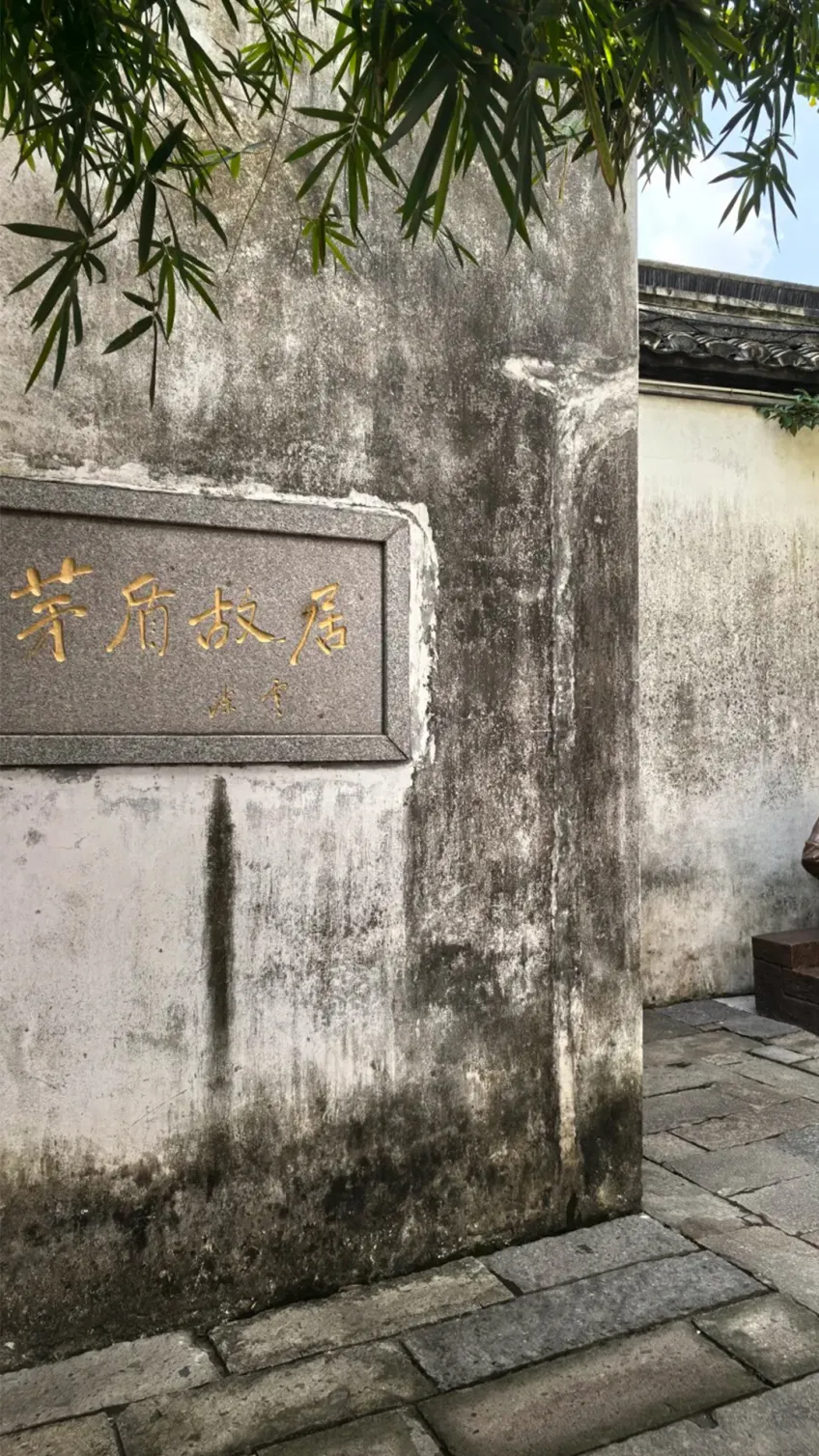
The East Zone leans toward daily life and culture. At Mao Dun's Former Residence, look at the gate wall, the plaques and the layout of the old house; workshops such as the blue calico dye house and the Hundred Beds Museum reward a slow look. The Mu Xin Art Museum is at the West Zone, next to the Wuzhen Grand Theater. Its modern stone building sits on the water, a sharp contrast with the old lanes, and literature fans can give it an hour. If you only have half a day in the East Zone, see the former residence and one or two workshops, then head west. To see both museums properly, a private custom trip can be tuned around their opening hours.
Take Mao Dun's Former Residence slowly: read the plaques and history panels at the gate first, then go inside to see the exhibits and how Wuzhen's rural life found its way into modern Chinese literature. Kids enjoy watching crafts being made in the workshop area, but expect lines on holidays, so visit the workshops after the residence and before you move on. The Mu Xin Art Museum's waterside exterior is worth a photo on its own; whether you go in depends on the exhibitions and your energy. Don't let it eat into your evening in the West Zone.
Best seasons and times for photos
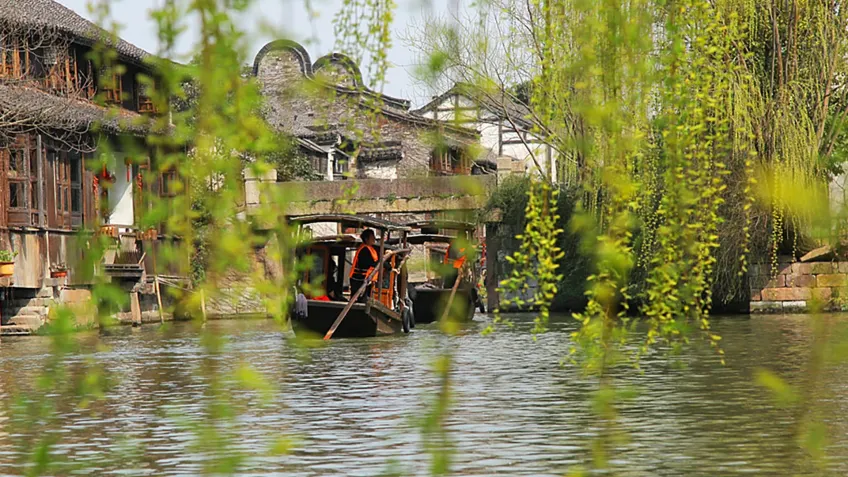
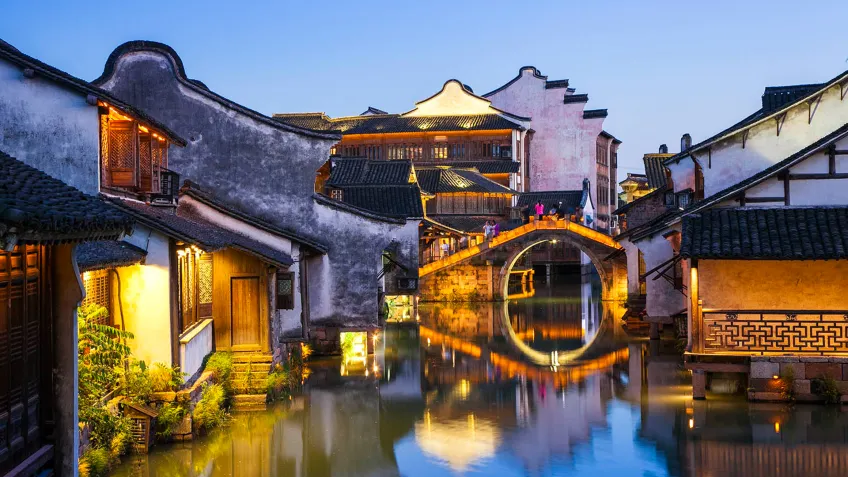
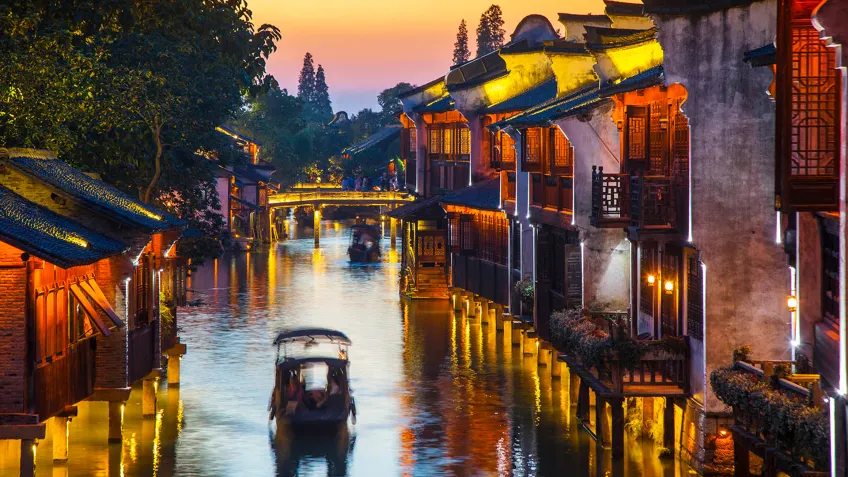
Spring willows along the river and summer boats in their shade bring soft light and plenty of green, ideal for daytime walks. Fall and winter are quieter, and the night views after snow are especially photogenic, but paths get slippery, so older travelers should slow down. The night visit is the West Zone's big bonus: lit stone steps at the landings and warm lights on the water feel completely different from the daytime. If you're staying outside town and the last bus or train leaves early, book a transfer or private car ahead to fix your return time, rather than cutting your night visit short.
Match the season to your group. Families with kids tend to like spring and summer, when children can watch boats and ducks and there are plenty of places for a break. If older travelers dislike heat and crowds, go on a fall or winter weekday and save the highlights for the morning and dusk. Photographers often see blue hour, when the lights come on, as the peak of the West Zone at night; scouting a spot by the water ahead of time works better than running around.
Group tour, private car, or custom trip?
If you want to visit Hangzhou, Suzhou and Wuzhen in one trip with less planning, choose the private tour Dream of Jiangnan, which compares Wuzhen's Dongzha and Xizha with Jiangnan gardens and water towns. If you only need a car and want to plan your own itinerary, private car service is the most flexible option. If you just want commentary and half a day of stories, hire a guide. For rides from the airport or station to your hotel or the scenic area entrance, use transfers. If you need to adjust opening times, night tours, dietary needs or a kid-friendly pace, use custom travel to fit a Wuzhen day into a bigger itinerary.
Some examples: two people coming from Shanghai for a weekend who only want the West Zone at night usually need just a private car plus transfers. A family of four working around Mao Dun's Former Residence opening hours and a child's nap does better with a custom trip that's easy to reorder. Older travelers who want fewer decisions and the Jiangnan highlights in one go can take the Dream of Jiangnan group tour, which fits Wuzhen into a multi-day route. Once you've decided, send your travel consultant the number and ages of travelers, whether you want the night visit, which zones you'll see and your train or flight details. That's much easier than changing tickets on the spot.
FAQs
Which zone should I pick for a day trip?
On a first visit, if you want the night views, spend the whole day in the West Scenic Zone (adult ticket ¥150). To compare everyday town life with the evening scene, buy the East + West combo ticket (adult ¥190; both are reference prices, check the official rates): the East Scenic Zone in the morning, the West Scenic Zone in the afternoon. Literature fans can see Mao Dun's Former Residence in the East Scenic Zone in the morning, the Mu Xin Art Museum in the West Scenic Zone in the afternoon, then stay for the evening. With less than six hours of actual sightseeing, the combo ticket isn't worth squeezing in.
What's the easiest way to get to Wuzhen from Shanghai or Hangzhou?
You can take the high-speed train to Tongxiang or Jiaxing and transfer from there. With lots of luggage or older travelers, a station transfer straight to the entrance is easier. If you also need to get back to the station the same day, add a private car to link the stops. Foreign visitors generally can't drive in China on a home or international license, so book a private car or take a taxi.
Do I need to stay for the West Zone at night?
No, but the night scene is very different from the day and worth two hours. If your last train or bus is tight, book the transfer or private car for the return first, then decide whether to buy anything for the evening. A daytime-only visit still covers Bailian Pagoda and the water market; you just miss the lights.
Group tour or private custom tour—which should I choose?
For a set package that covers Wuzhen's East and West Scenic Zones and other Jiangnan towns, choose the Dream of Jiangnan group tour. To plan just one Wuzhen day around opening hours and the evening, choose a private custom trip. Either can add station transfers. If you only need a car, without a guide or itinerary planning, book a private car.
How does Wuzhen differ from Zhouzhuang and Xitang?
Wuzhen is split into East and West Zones, with night views and cultural sights close together. Zhouzhuang is famous for its Twin Bridges, and Xitang is known for its long street of bars. Decide what kind of town you want first, then plan your day.
How to minimize walking with seniors and kids?
Stick to the main canal and avoid steps and narrow lanes. Break up the walk with a Wupeng boat ride and a tea stop. Use a private car or station transfer for moving between zones and getting back. If you see only the former residence in the East Zone, you'll have more energy for the West Zone at night. When booking a custom trip, tell us about strollers or knee problems so we can reorder the stops.