

Wuxi Rong Family Plum Garden: worth visiting in every season
Wuxi Rong's Plum Garden is located next to Mount Hui in the western suburbs. Take Metro Line 2 to Meiyuan Kaiyuan Temple Station, and the entrance is right outside. Brothers Rong Zongjing and Rong Desheng began building it in 1912. Over 400 varieties of plum blossoms bloom into a "fragrant sea of snow" every February and March. Spring also brings century-old wisteria and tulips; around July there's a firefly garden party; in October more than 1,500 osmanthus trees bloom; and in winter you can see wintersweet and the ice-and-snow world at Holland Square.
To visit Plum Garden, Yuantouzhu (Turtle Head Isle) and Nanjing by season, choose a private tour. To match your itinerary to bloom times and night tours, go with custom private travel. Need just a dedicated car between spots? Book a private car. Need someone to meet you at the station or pier? Arrange a transfer. Only need commentary? Hire a guide separately.
Getting there and history of Wuxi's Rong Family Plum Garden
Wuxi metro routes
Meiyuan Plum Garden is also easy to find: from the airport or train station, take Wuxi Metro Line 2 to Meiyuan Kaiyuan Temple Station, and the entrance is right outside.
The Rong Family Plum Garden is located beside Huishan Hill in the western suburbs of Wuxi, not far from Lake Tai. Construction began in 1912, giving it over a century of history and making it a classic example of traditional Chinese garden design.
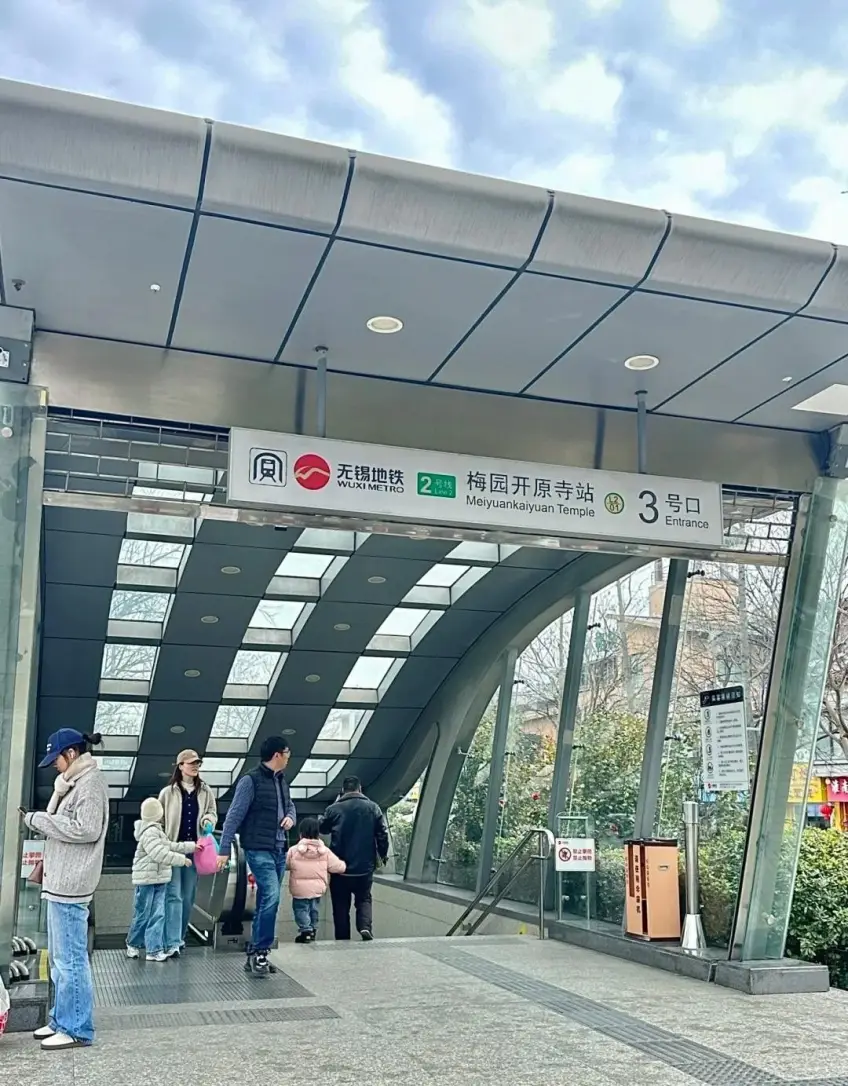
The glass canopy and wayfinding signs at the metro station exits are most visitors' first stop. Follow the signs for a few minutes after getting off the train, and you'll be inside the garden.
A century of history at the Rong Family Plum Garden
In Wuxi, you can't talk about Plum Garden without mentioning the Rong family. Brothers Rong Zongjing and Rong Desheng bought the land here, planted plum trees extensively, and collected unusual rocks, gradually building this garden. The Rongs made their fortune in flour milling and textiles, but their original motivation for creating the garden was even more touching—Rong Desheng once said he wanted to "spread fragrance across the world," sharing beautiful things with others.
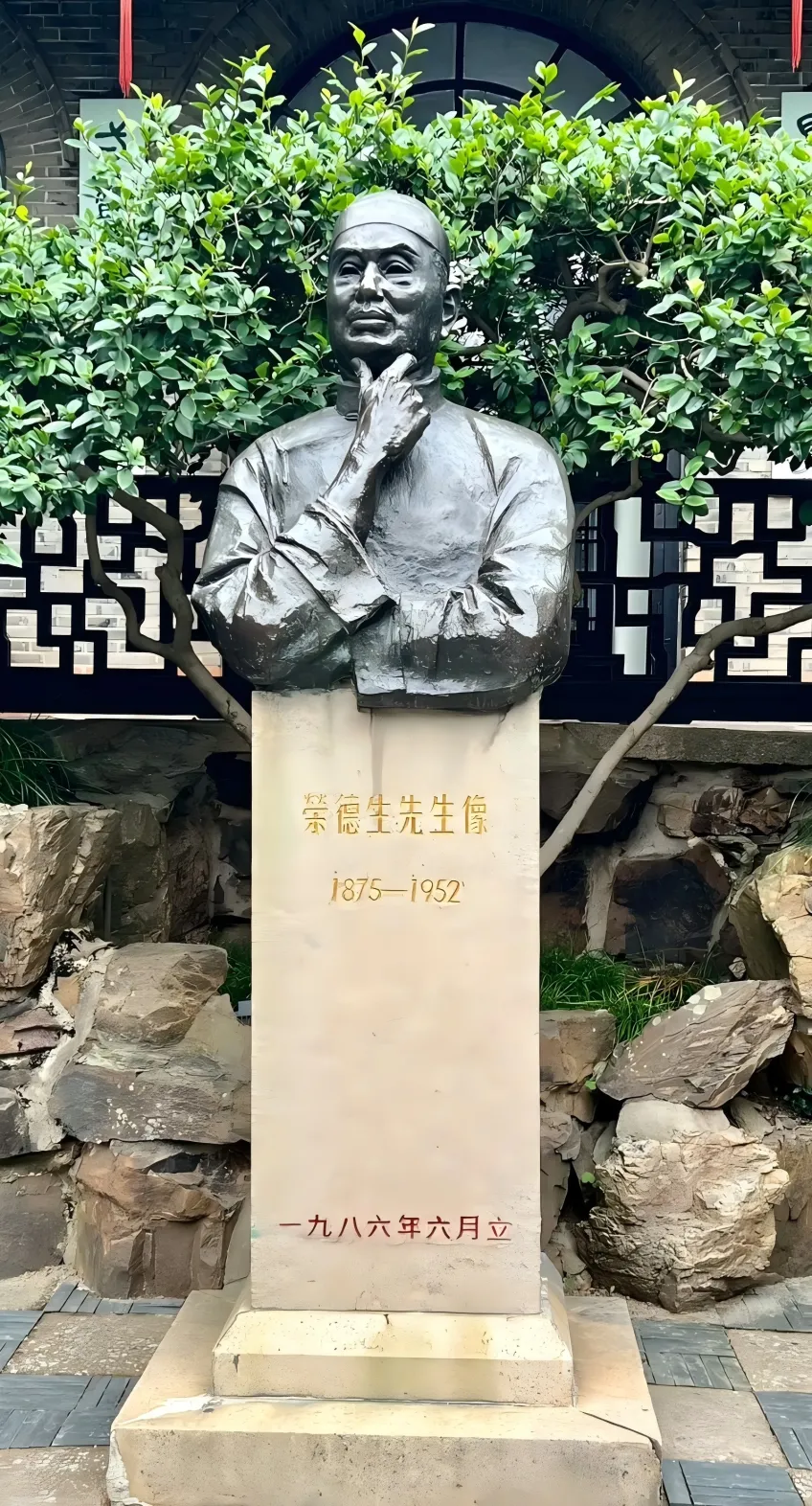
The bronze statue and stone inscription in the garden remind visitors that Plum Garden is about more than flowers—it's also a memory of China's early industrial pioneers and their open-minded spirit.
The open philosophy of Wuxi's Rong family
In China, private gardens were historically closed to the public, but the Rong Family Plum Garden long had no walls and charged no admission, allowing neighbors to stroll in and admire the blossoms. Tickets were only introduced later when it became a scenic area. Such openness was remarkably progressive for its time.
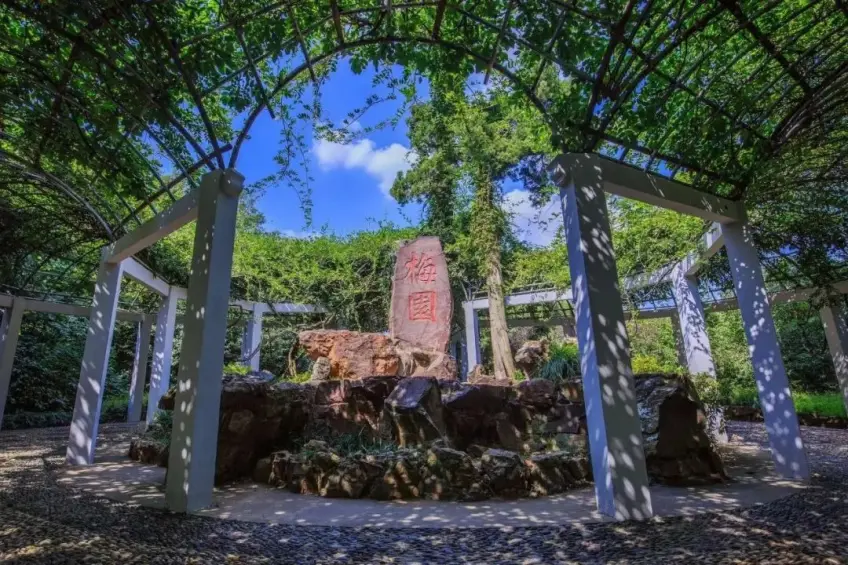
The "Plum Garden" stone stele arched over by the wisteria corridor feels like a formal yet welcoming gate—marking the garden's name while leaving room to pause or pass through.
A top spot for blossoms in Wuxi: spring at the Rong Family Plum Garden
Locals in Wuxi always say spring begins at the Plum Garden. When the first plum blossom quietly opens beneath Nianqu Pagoda and a faint fragrance drifts through the cool air, people know that Jiangnan has awakened from its winter slumber.
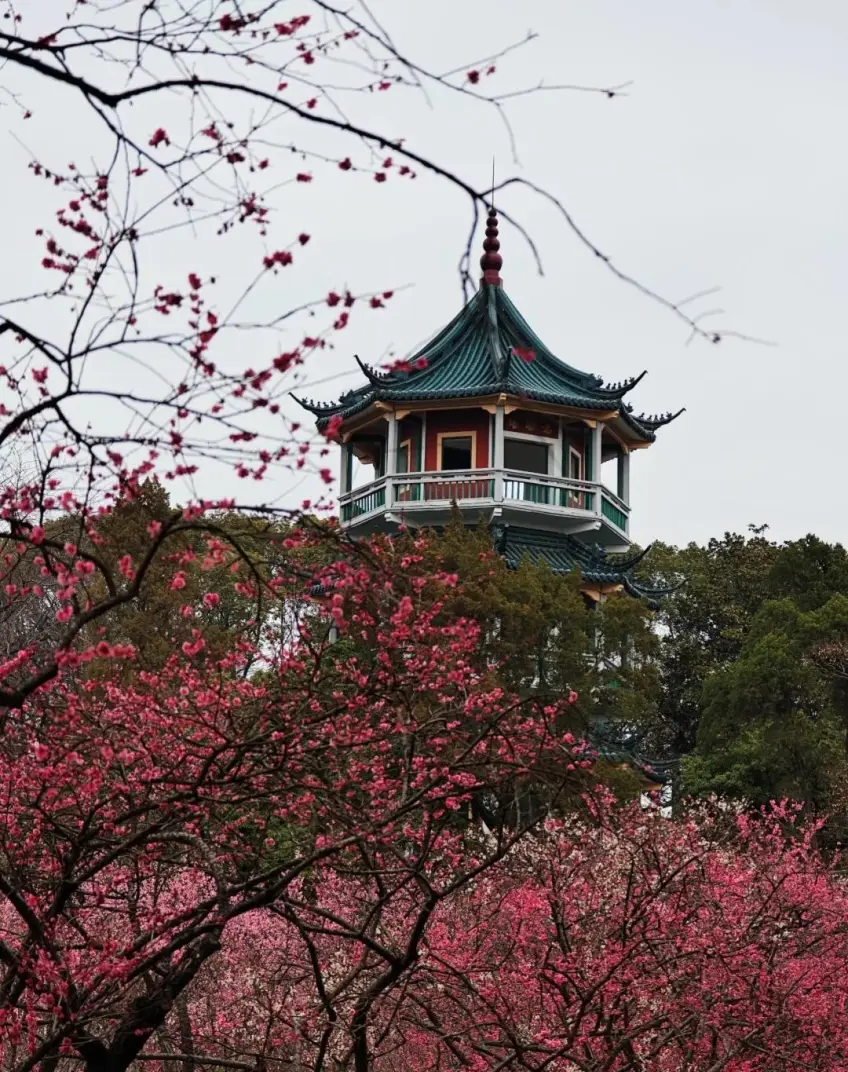
The pagoda silhouette framed by pink plum blossoms is the most popular photo angle in the garden during spring. Stand beneath the tower and look up—the flowering branches nearly brush the upturned eaves.
Spring colors of century-old wisteria
Next to the west gate, just west of Xixin Spring, stands a century-old wisteria. When it blooms, clusters of purple flowers hang low, and every passerby stops for a look. A stone carving beneath the trellis records the garden's founding wish: "To spread fragrance across the world"—when the flowers open, anyone passing by can enjoy them.
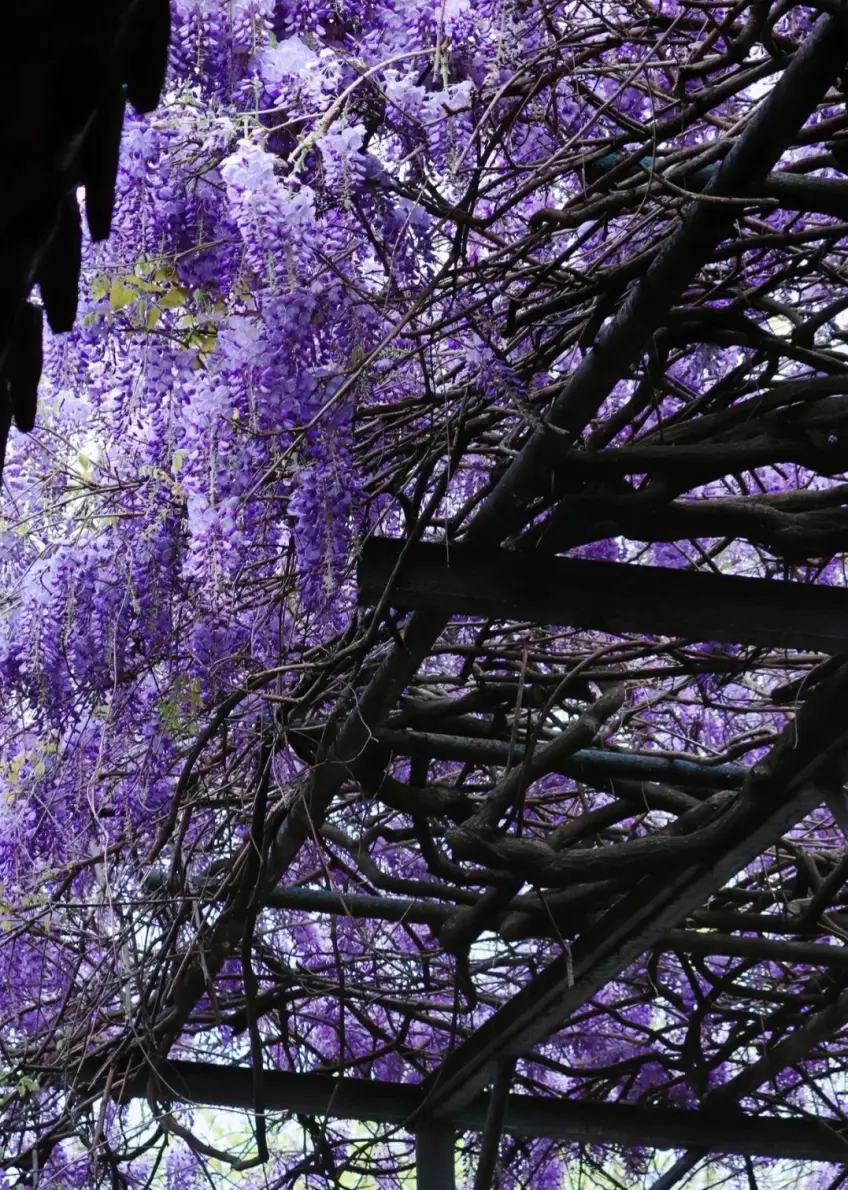
Wisteria clusters hang low beneath the trellis while visitors look up to take photos. If you're only chasing plum blossoms in spring, save ten minutes for the wisteria too.
A relay of plum blossoms and flower seas
The main reason to visit Plum Garden is, of course, the plum blossoms. The garden holds thousands of plum trees, including common varieties such as Yudie, green-calyx and cinnabar plum. Blooming peaks from February to March each year, when the hillsides merge into a fragrant "sea of snow."
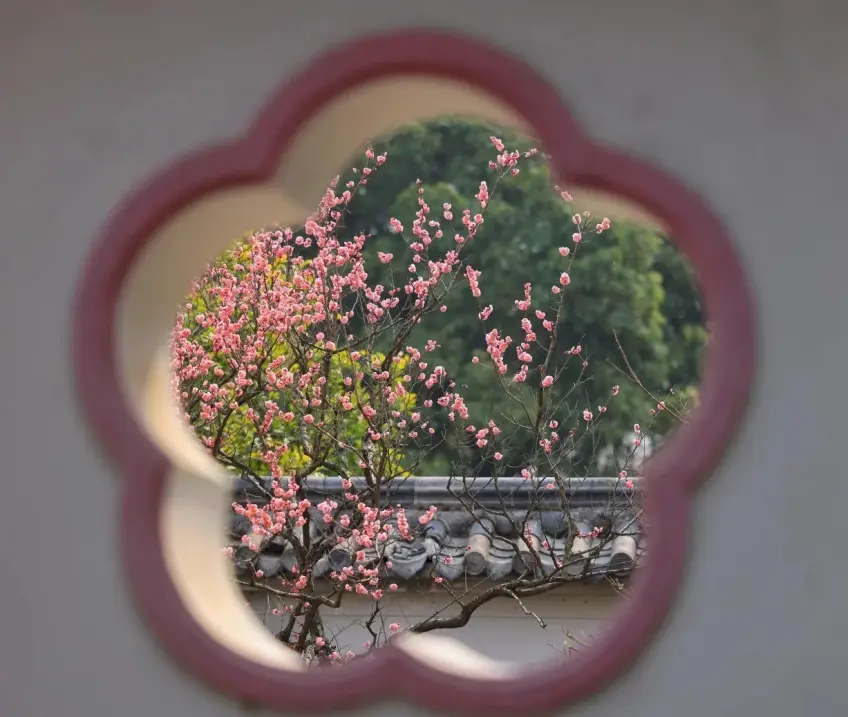
Gazing at pink plum blossoms and ancient roof tiles through a plum-shaped lattice window feels like framing a Jiangnan spring. We recommend strolling through the historic site area, along the main path and into the northern section.
Before the plum blossoms fade, magnolias appear on the branches; after cherry blossoms fall like snow, tulips spread out like a colorful carpet, and wisteria weaves purple clouds beneath the corridors—spring is one continuous relay of blooms. For tulips, head to Tianxin Terrace, the Monet Manor area and Holland Square.
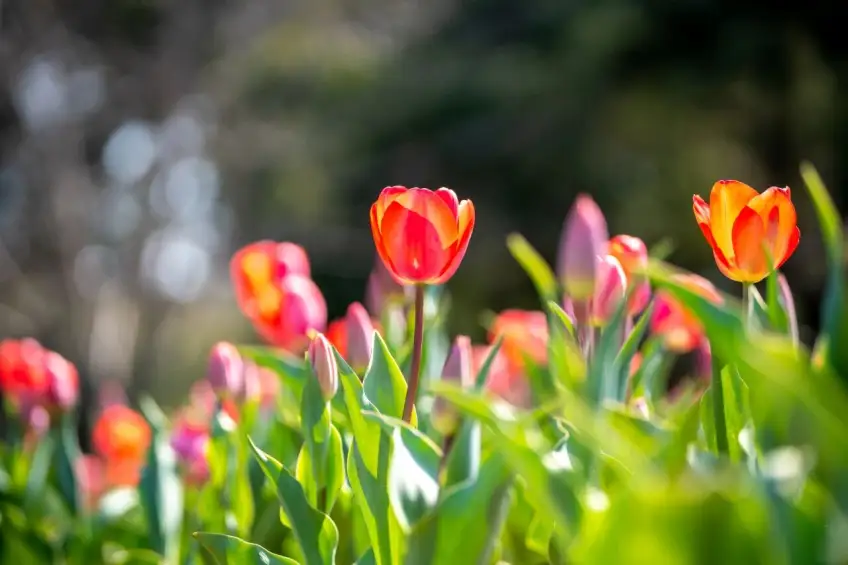
The orange-red tulips in shallow depth of field are just one corner of Plum Garden's "East-meets-West" flower sea. It gets especially lively during the transition from late spring to early summer.
A cool summer escape at the Rong Family Plum Garden
Summer at Plum Garden isn't about chasing flowers—it's about the quiet charm of old buildings nestled in greenery. Xianghai Hall is tucked deep in the shade and feels especially serene when the crowds thin out. You can also stroll along Huaxi Stream, wander through the Ancient Plum and Rare Stone Garden, then stop by Kaiyuan Temple's vegetarian restaurant for a bowl of veggie noodles.
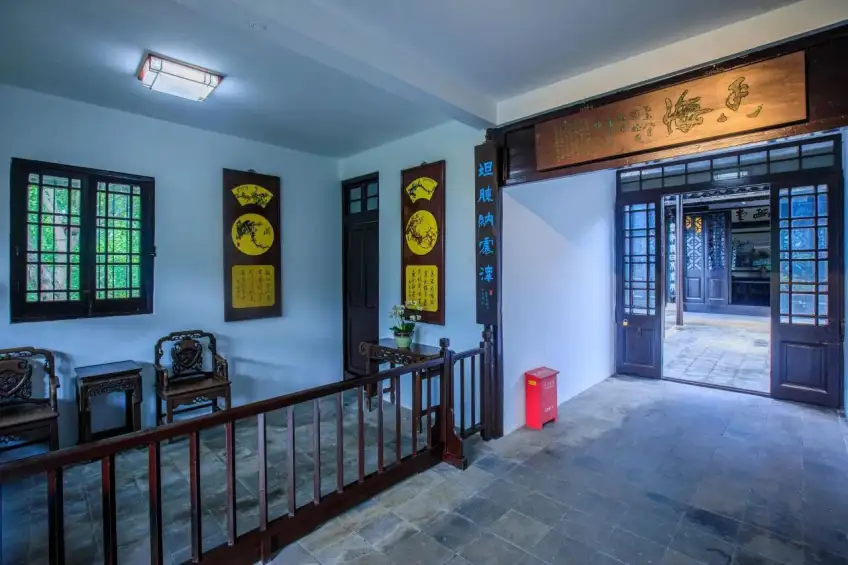
Gazing out from the chairs and tables inside the hall toward the stone courtyard, slowing your pace in summer actually helps you better appreciate the garden's true character.
Fireflies and cold fireworks on summer nights
Around July each year, Plum Garden hosts a Firefly Garden Party. After dark, the garden lights are dimmed, and fireflies begin to glow here and there in the grass and along the tree lines near Xianghai Hall. This faint light, so rare in the city, becomes an exclusive summer night gift.
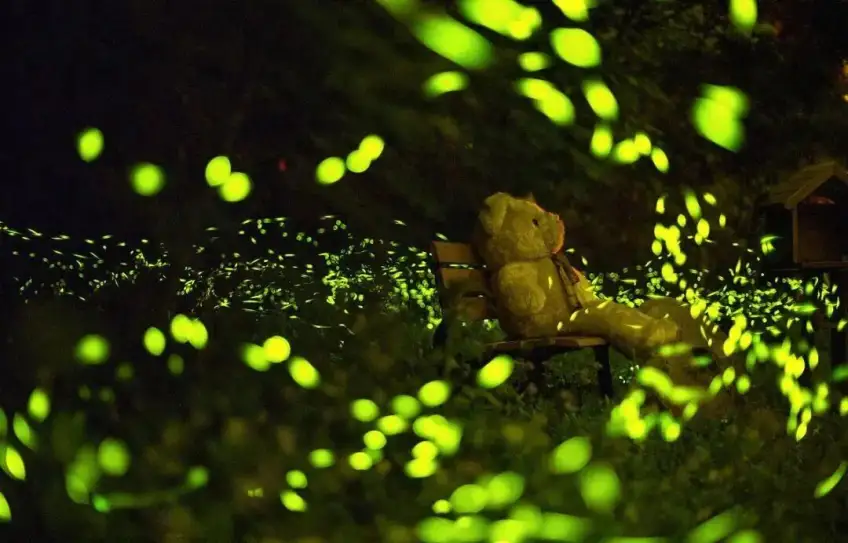
Bench displays and twinkling firefly lights are often seen together at the event. Around 8:30 PM there are also cold fireworks, with cascading light mixing with the glow of the insects. The season is short—if you miss it, you'll have to wait until next year.
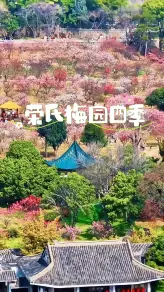
The night tour clips in the short video are just a preview; only by walking Huaxi Stream and the lawns yourself do the lights and shadows truly come alive.
Golden autumn at Wuxi Plum Garden
In autumn, golden ginkgo leaves carpet both sides of the paths, blending with the warm hues of osmanthus blossoms. Before the ginkgo leaves have all fallen, the maples turn red, making the Plum Garden feel like an autumn treasure trove.
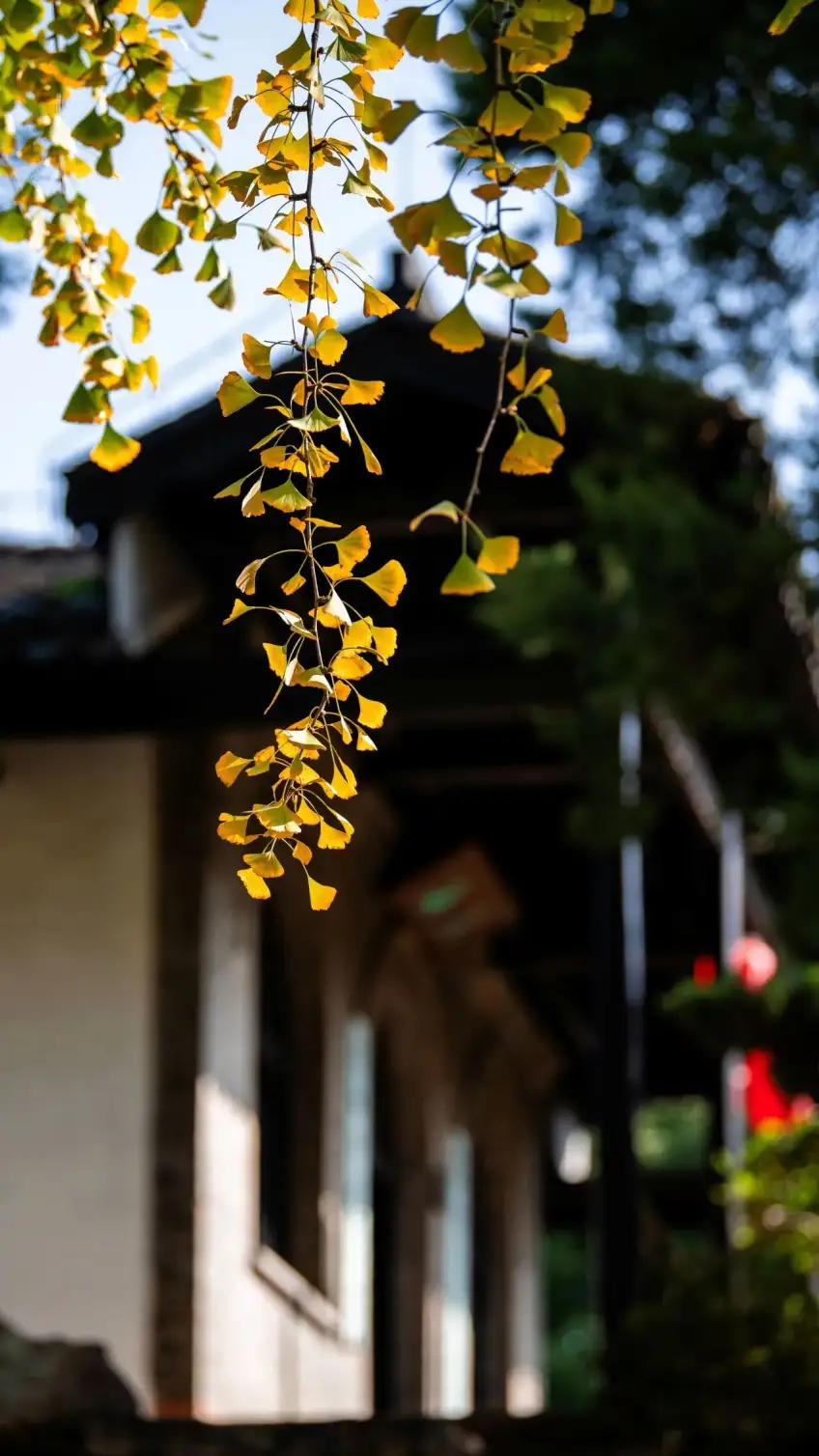
The paths lined with golden trees are perfect for a leisurely stroll. For autumn scenery, we recommend the historic site area, the Ancient Plum and Rare Stone Garden, and the route along Huaxi Stream.
October osmanthus and nights aglow
In golden October, more than 1,500 golden, silver and red osmanthus trees bloom in the garden. Around Xianghai Hall, the fragrance is so thick it hits you in the face—especially intoxicating in the early morning when the dew is still on the blossoms.
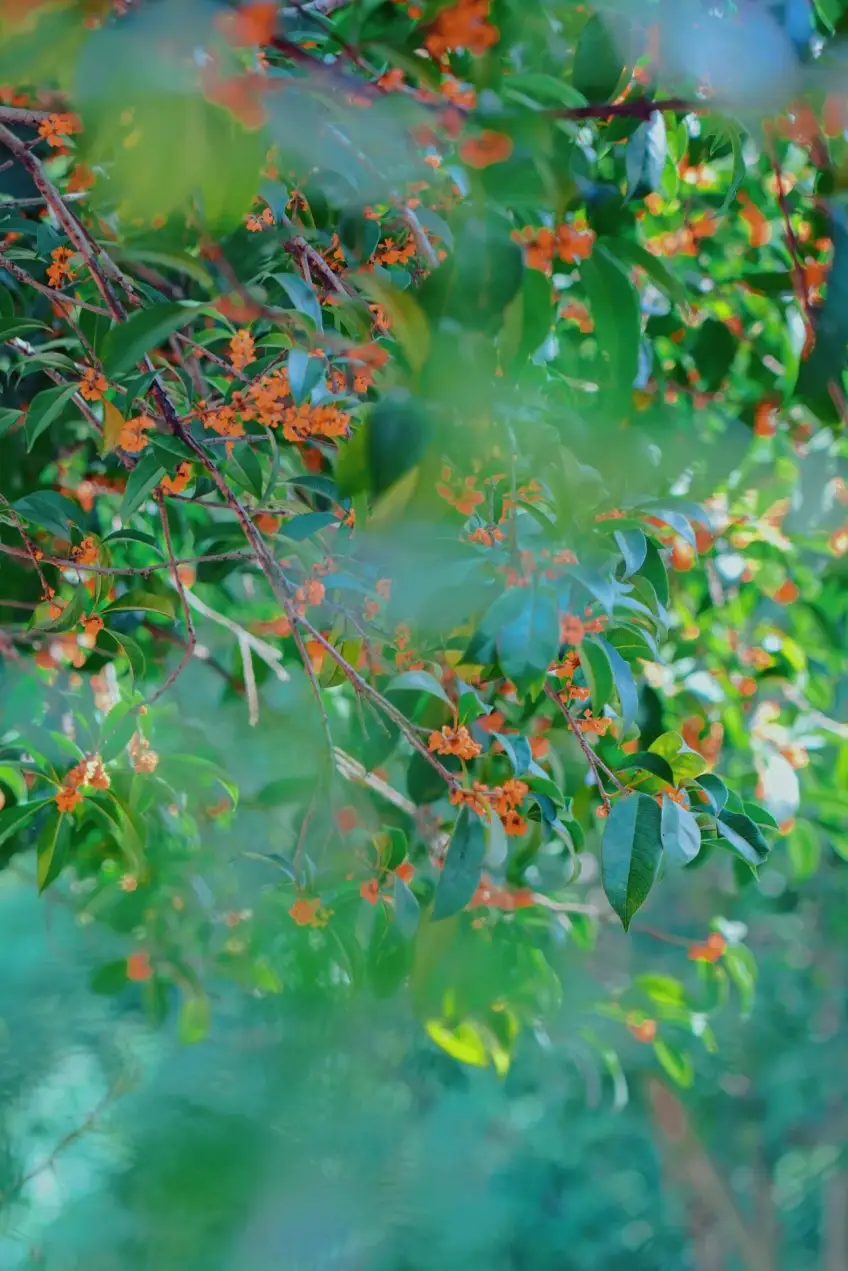
Dense clusters of orange-red osmanthus pressed against glossy green leaves are October's most eye-catching—and nose-catching—sign.
After dark, the "Insect Kingdom" light show along Huaxi Stream turns the grass and trees into a fairy tale: colorful butterfly lights flutter their wings while green light reflects off the stream. Autumn colors by day, glowing lights by night—one day, two seasons.

A close-up of a firefly's glowing abdomen on a leaf reminds you: some lights only appear when you bend down to look.
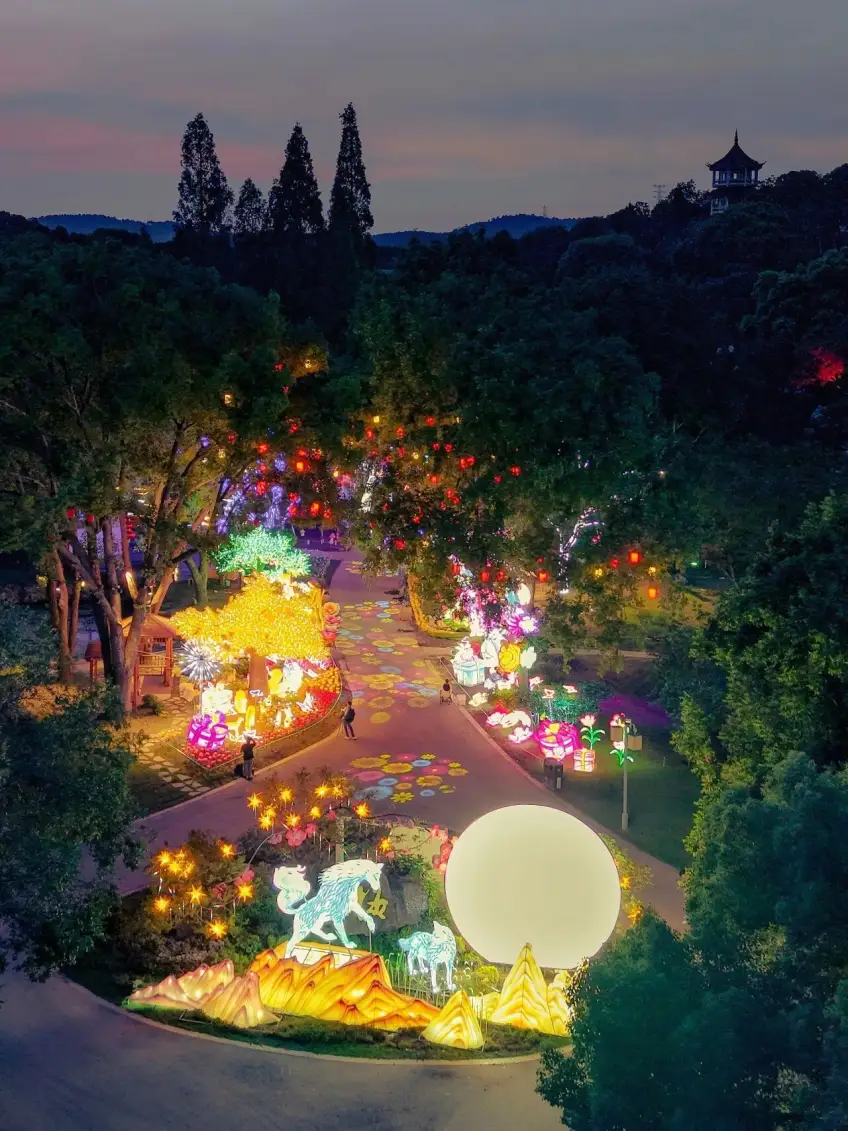
At night, winding light strips illuminate Huaxi, and Tang-style lanterns reflect on the water. Autumn at Plum Garden can stretch from early morning deep into the starry night.
Visit Wuxi Plum Garden in winter for history and snow
Wintersweet and ancient architecture in the snow
In the depths of winter when other flowers fade, wintersweet blooms alone. Wintersweet and spring plum blossoms are different plants: wintersweet has slightly translucent golden petals with a sweet fragrance and usually peaks in midwinter, while spring plum blossoms wait until February. If it snows, the ancient buildings and yellow flowers look even cleaner and more beautiful.
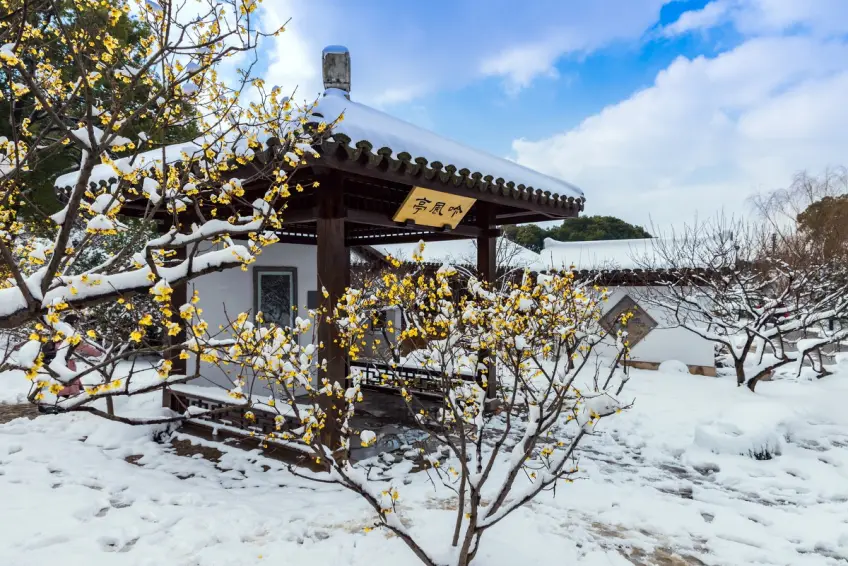
A close-up of the yellow wintersweet blossoms in front of Yinfeng Pavilion is the most reliable reward of a winter visit—after a snowfall, the plaque and yellow flowers framed together look even cleaner and more beautiful.
Catching real snow is even rarer: Nianqu Pagoda's gray tiles turn white, the stone steps are spotless, and the yellow blossoms cradle snowflakes. The garden is especially quiet after snow, with footsteps crunching softly. Look back and you'll see only a trail of footprints against white walls and dark tiles.
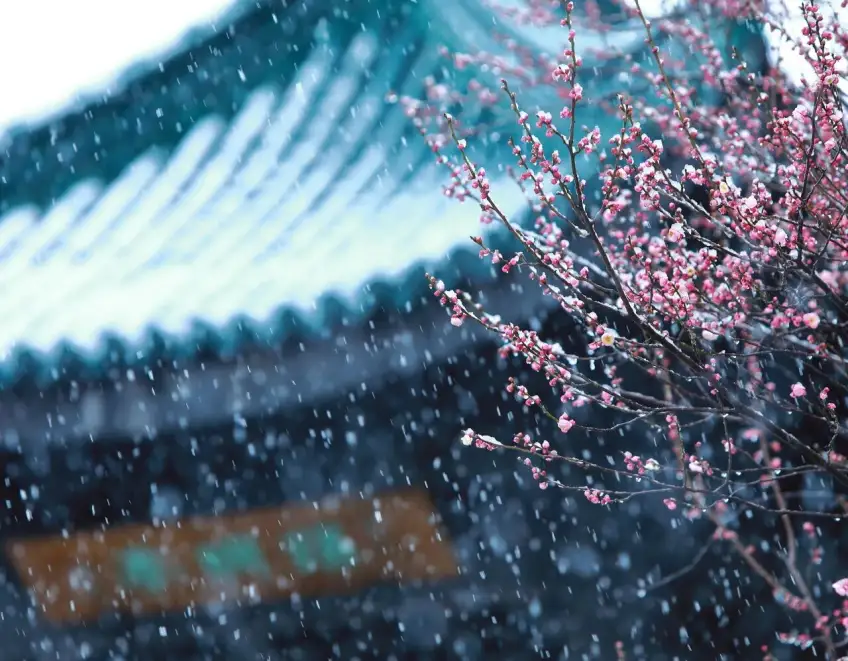
A close-up of plum branches beside snow-dusted stone steps, turning the classic "seeking plum blossoms in the snow" into a tiny detail.
Things to do at Ice and Snow World
In winter, about 6,600 square meters around Holland Square is transformed into an Ice and Snow World: themed zones, fun activities, snow-covered pine groves, wooden cabins and snow mushrooms, with the warm glow of lanterns reflecting off the artificial snow. Even if you miss real snowfall as a visitor from the south, you can still step into a winter fairytale (usually open from early to late February; check the official announcement for exact dates).

Visitors posing for photos while playing in the snow in front of the artificial-snow wooden cabins is the most common sight at Ice and Snow World. If you're lucky enough to catch real snowfall too, the park has "two kinds of snow."
Unique rocks and historic buildings at the Rong Family Plum Garden
Beyond its seasonal blooms, Plum Garden is worth lingering in for its unique rocks and historic buildings. The Taihu rock arrangement in front of Tianxin Terrace is the most famous; three stones standing side by side, shaped like the gods of fortune, prosperity and longevity, are called the Three Stars Rocks. Through the holes in the stones you can glimpse Nianqu Pagoda—a framed view deliberately designed when the garden was built.
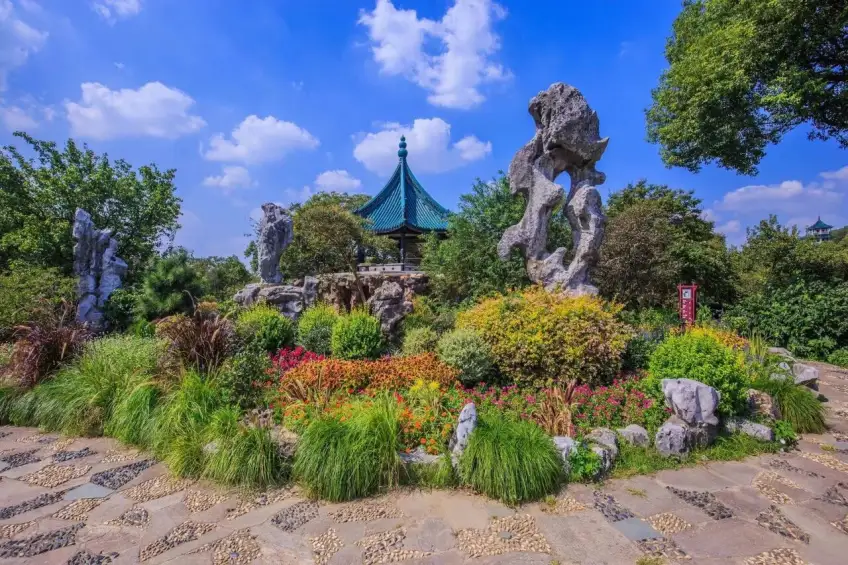
Stand in front of the stone formation and try to find that line of sight—the pagoda tip will quietly peek through one of the holes.
Mi Fu Bowing to the Stone
South of Tianxin Terrace stands a Taihu rock about three meters tall, named Mi Xiangyang Bowing to the Stone (Mi Fu Bowing to the Stone). The stone is slender and rises upward with a slightly pointed top, resembling a person bowing with hands clasped. It is said to have so many holes that when incense is lit at the base, the smoke drifts out through them.
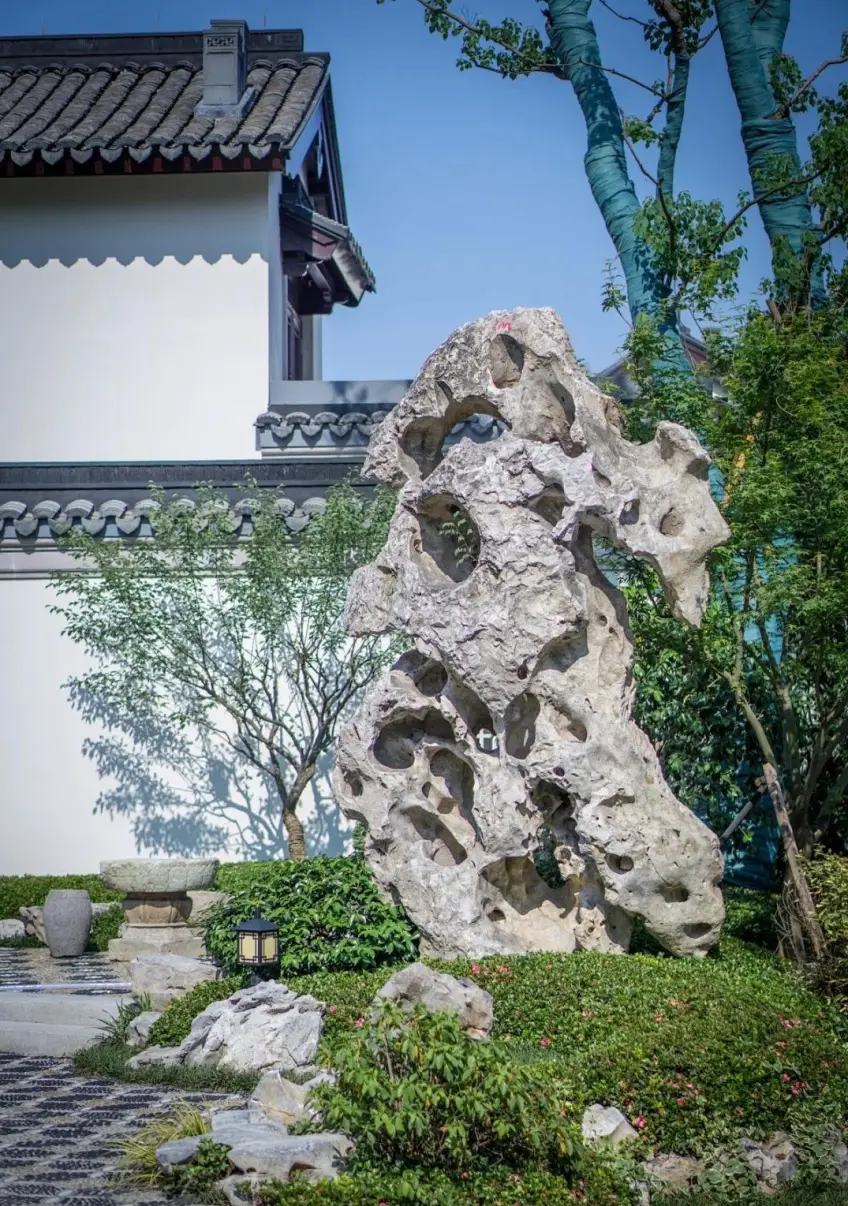
Looking closely at the holes and wrinkles, you realize that "slender, wrinkled, porous and translucent" isn't just textbook vocabulary—it's a stone you can stand and admire for a long time.
Nianqu Pagoda: the height of filial piety
The Nianqu Pagoda was built by the Rong brothers in 1930 in memory of their mother. This three-story structure stands at the highest point of Plum Garden and serves as its landmark. Climb it for sweeping views, while looking up at the plum blossoms from below offers an entirely different perspective.
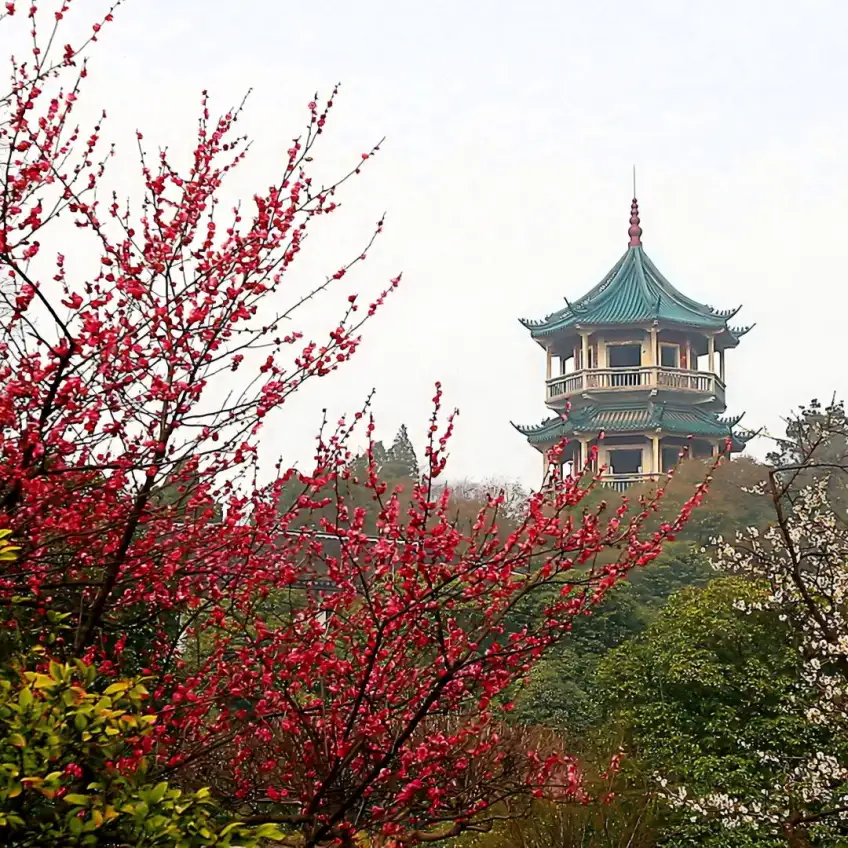
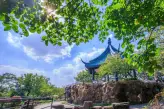
Outside, the pagoda and green pines frame each other perfectly. On sunny days the sky is a crisp blue; on overcast days it feels like a Jiangnan ink painting.
Songbin Hall: never forget your roots
The name of the main hall, Songbin Hall, comes from the Book of Songs, which describes how ancient people farmed and harvested with the seasons. Rong Desheng wove this meaning into the hall's name to remind later generations that food, clothing, and shelter all come from the land—never forget your roots.
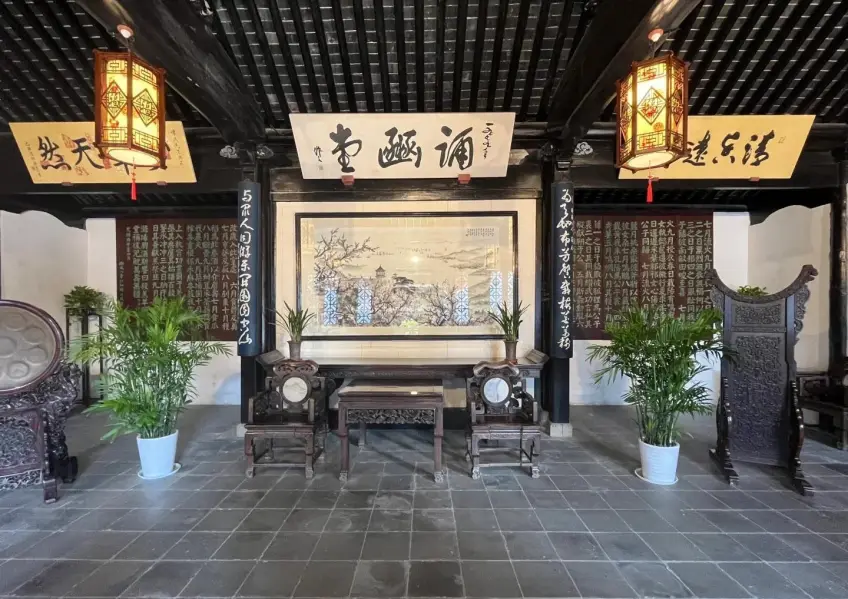
Inside Songbin Hall, the plaque, tables and chairs are neatly arranged, and when no one is around, the space feels as quiet as a family precept. Look up at the plaque first when you enter, then take your time exploring the furnishings.
The stone mill "treasure" in front of Lenong Villa
The stone table outside Lenong Villa was originally a flour millstone the Rong family bought from France—grayish-white, round, and nearly a meter in diameter. The Fuxin and Maoxin flour mills once used these stones to grind fine flour. When the machinery was upgraded, Rong Desheng couldn't bear to throw them away, so he moved them to Plum Garden for visitors to rest on, turning them into a witness to industrial history.
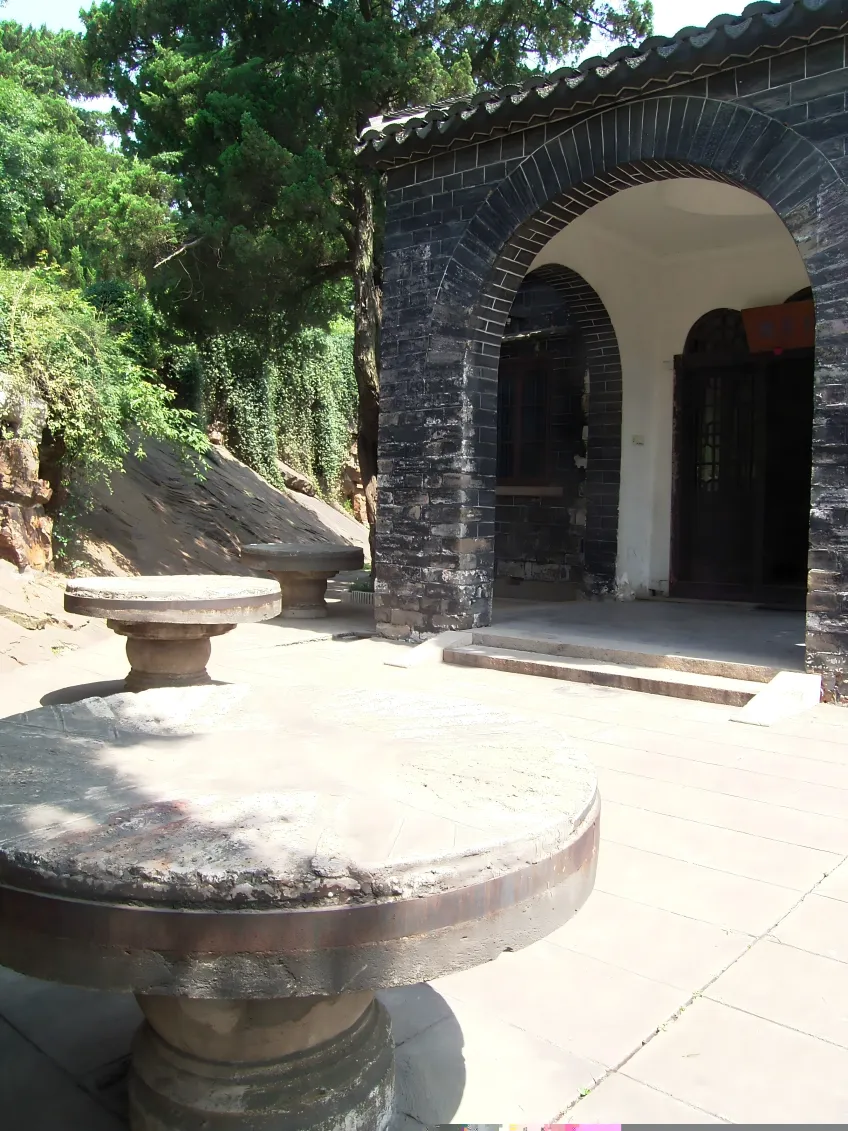
In spring, visitors sit on the millstone for photos; in summer, they lean against it to cool off; in autumn, they rest a cup on it to sip osmanthus tea; in winter, snow caps its top. The stone mill hasn't turned in years, but Plum Garden keeps turning with the seasons.
Come to Wuxi and see Plum Garden through the four seasons
Wuxi and Nanjing 3-day 2-night private tour | Yuantouzhu (Turtle Head Isle) · Nanjing Museum · Niushou Mountain
A 3-day 2-night private tour starting in Wuxi and ending in Nanjing: Day 1 features a boat ride on Lake Tai at Yuantouzhu (Turtle Head Isle), Plum Garden and Nanchang Street; Day 2 covers Huishan Ancient Town followed by the Nanjing Museum; Day 3 visits Niushou Mountain. Includes transportation, guide, two nights of hotel accommodation and admission tickets. Flights or trains are not included. An English-speaking guide is available upon request.
The "Wuxi–Nanjing Heritage Tour" links Yuantouzhu (Turtle Head Isle), Plum Garden, Nanchang Street, and Huishan Ancient Town with the Nanjing Museum and Niushou Mountain on one route—perfect for visitors who want to grasp the cultural corridor from Wuxi to Nanjing in a single trip.
Plum Garden is a place with stories: over a century later, the plum trees planted by the Rong family are still blooming. Feel free to share your own seasonal encounters, and pass this travel guide along to friends heading to Jiangnan.
Just let us know which blooms you want to see, whether you'd like an evening visit, and if you need a pickup or drop-off.