
For a Yangzhou day tour, Slender West Lake + Daming Temple is the easiest two-stop route: enter Slender West Lake through the south gate, exit the north gate, and walk about 10 minutes to the south gate of Daming Temple—half a day of lake views, half a day of Zen. Ticket prices, opening hours, and pagoda climbing rules are subject to the scenic area's notices on the day, so please double-check before you go.
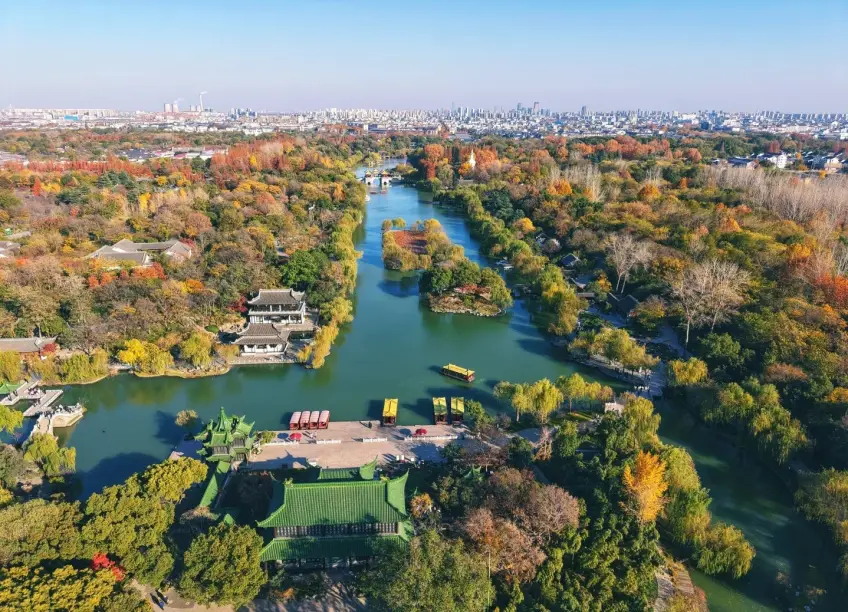
If you've just arrived at the high-speed rail station or Yangzhou Taizhou Airport with lots of luggage, first check out station transfers straight to the South Gate of Slender West Lake. If you want to link both spots with fewer transfers, consider a private car or hiring a guide. Below, we'll break down the route and photo spots.
Full-day route: enter the South Gate, exit the North Gate, then head to the temple
Recommended order: Slender West Lake South Gate → Long Causeway Spring Willows → Xu Garden → Little Jinshan/Fishing Platform → Five-Pavilion Bridge/White Pagoda → Xichun Terrace/Twenty-Four Bridge → Wanhua Garden → Exit North Gate → Walk along Pingshan Hall Road → Daming Temple South Gate → Hall of Heavenly Kings/Mahavira Hall → Jianzhen Memorial Hall → Pingshan Hall/Gulin Hall → Qiling Pagoda → Fifth Spring in the West Garden → Exit via West Gate or South Gate. If you're not up for a long walk, skip the Xichun Terrace lights and the pagoda climb, and spend more time taking photos at the Fishing Platform and visiting the Jianzhen Memorial Hall.
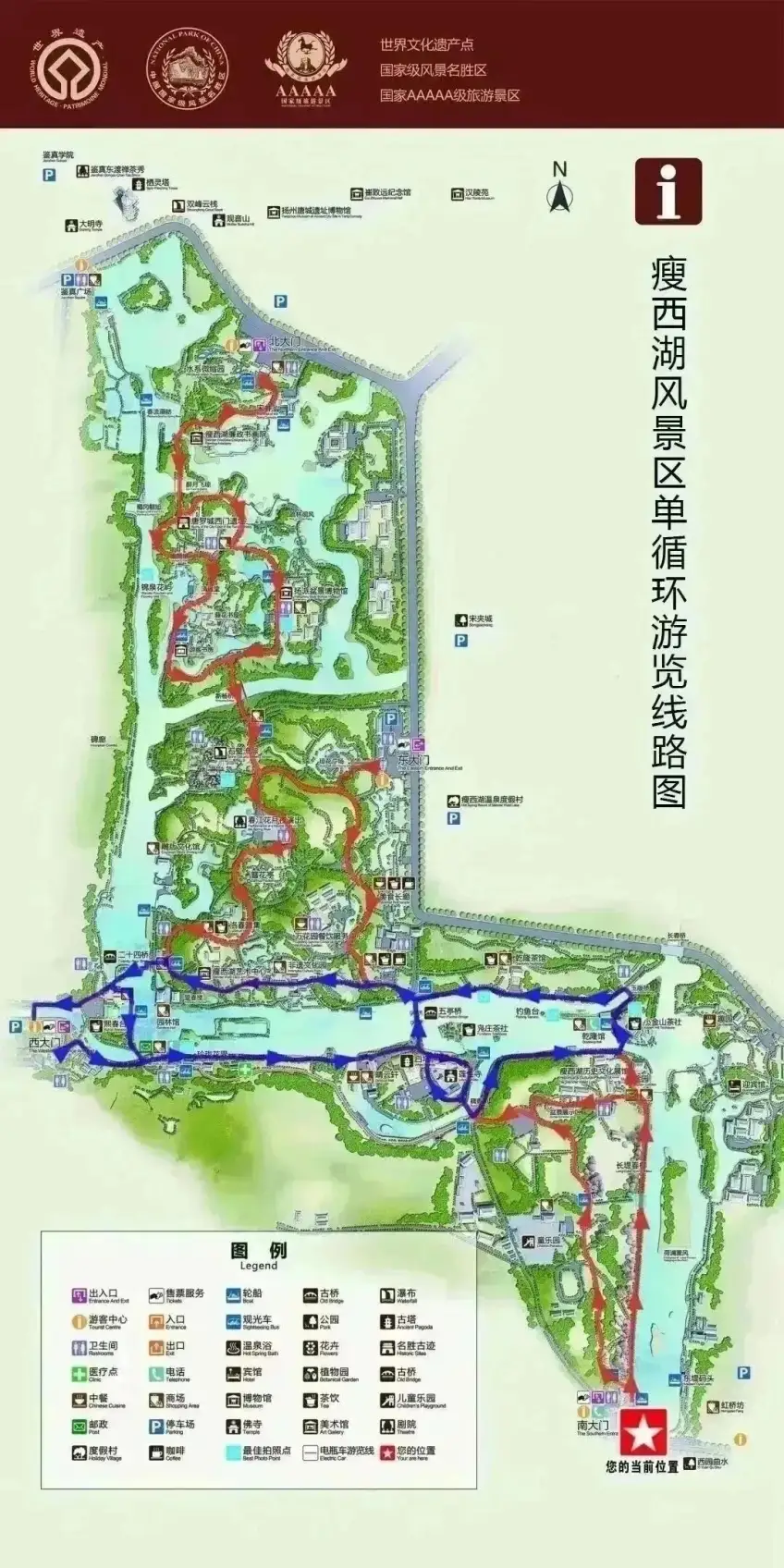
You can use the single-loop tour route map to match up entrances, exits, and electric cart stops. The map is for reference only; temporary closures and one-way routes follow on-site signage. You don't need to backtrack to the South Gate to get from the North Gate to Daming Temple, which saves you some walking.
Slender West Lake: enter from the South Gate and stroll the shores
Changdi Chunliu (Long Causeway in Spring): the first sight inside the gate
Right inside the South Gate is Changdi Chunliu. Willows and peach trees line the causeway, and the lake here is long and narrow—perfect for a walk and outdoor photos. It gets crowded in spring, so we recommend entering after the morning rush. Walk along the causeway with the lake on your left and the gardens on your right, and avoid blocking the middle of bridges.
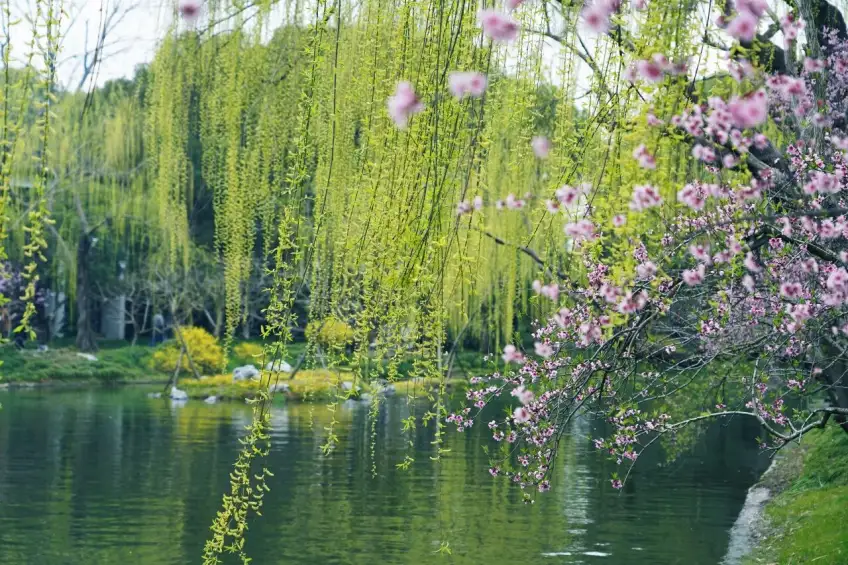
Pink peach blossoms and green willows are the classic colors of "misty March" posters. Even outside bloom season, the willow branches and water are still beautiful, so don't worry if you miss the flowers.
Xu Garden: a small but refined salt merchant garden
At the end of the causeway, turn into Xu Garden, where a moon gate and stone lions greet you first. Pavilions, corridors, ponds and rockeries are packed closely together, making it ideal for a slow stroll. Hefeng Simian Pavilion sits right by the water and is most photogenic in summer when the lotus leaves are thick. Please keep your voice down inside the halls.
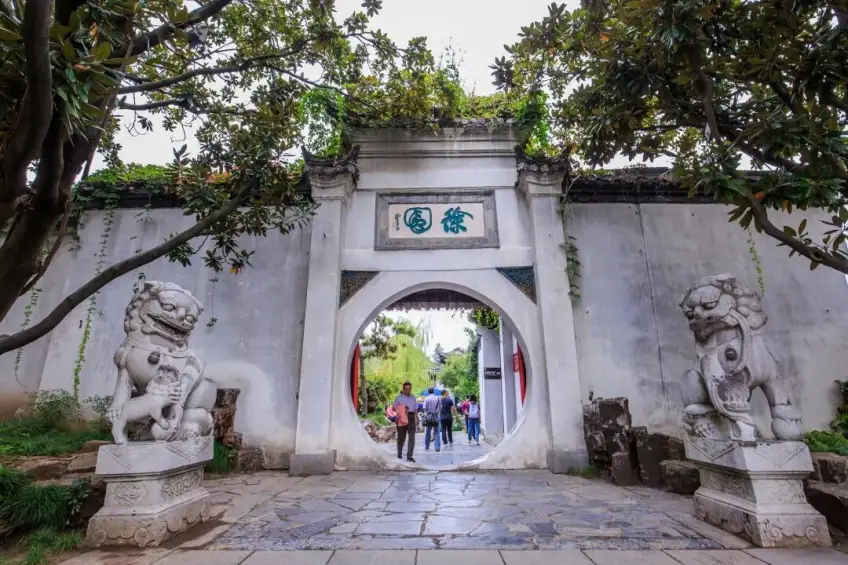
The circular moon gate makes a great photo frame, but don't block the entrance for too long. The stone slabs get slippery after rain, so seniors and children should watch their step. To hear stories about how the garden was built, you can hire a private guide for a half-day tour.
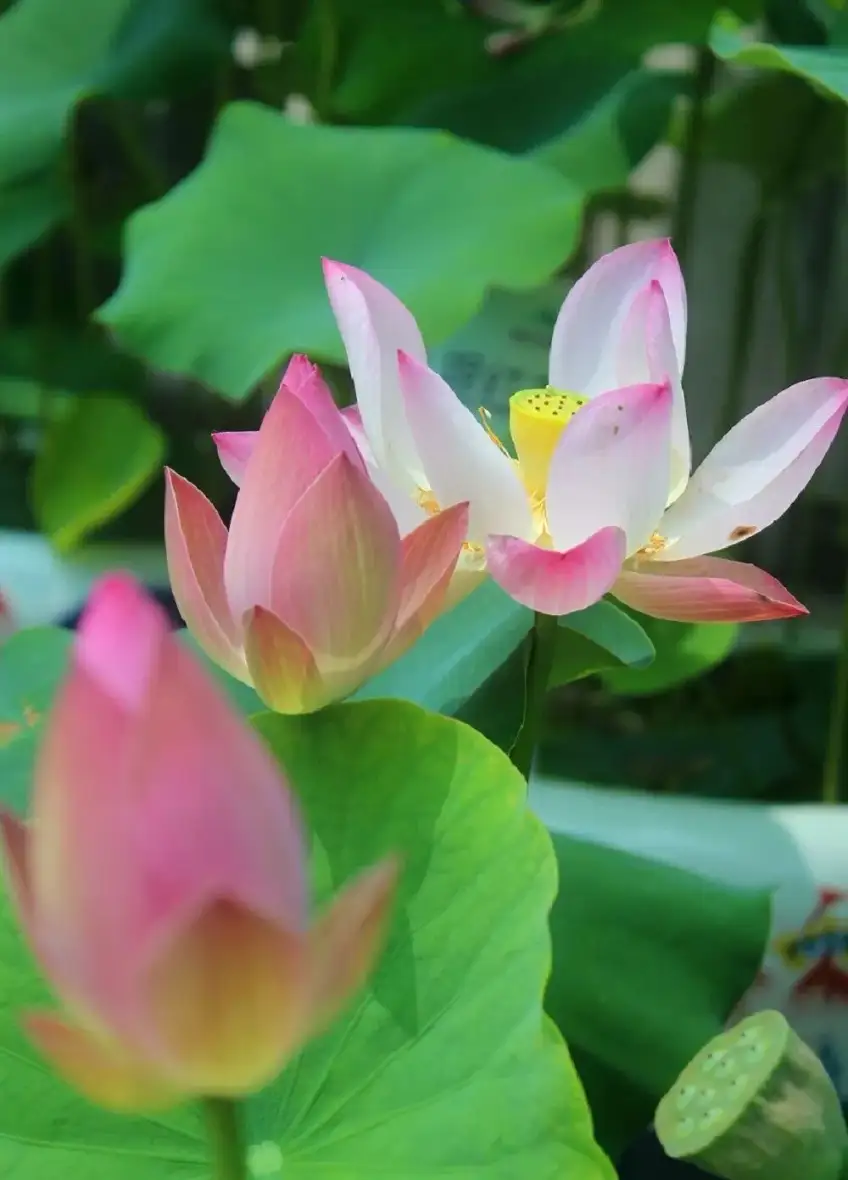
A vertical composition brings out the layers of the lotus flowers. Blooming seasons and water levels change with the seasons, so don't try to match old photos exactly.
Little Jinshan and Diaoyutai: one pavilion, three views
Little Jinshan is a large island in the center of the lake—climb up for a view of the lake's curves. Continue to Diaoyutai, where the circular openings in the pavilion frame the Five-Pavilion Bridge, the White Pagoda, and the lake surface separately—a classic Slender West Lake composition. When lining up for photos, take one shot per person and move on; don't hog the circular openings.
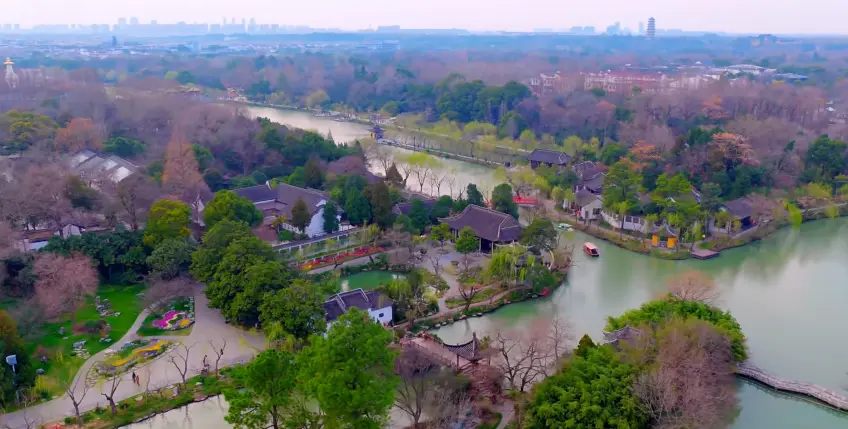
The green shores and boat routes crisscross each other. Bring a light jacket for sun protection in summer and wind protection in winter.
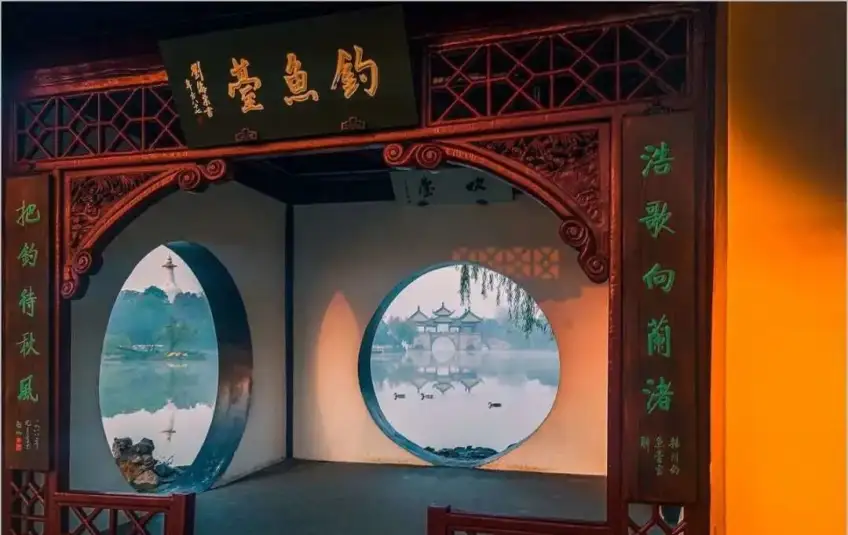
Framing through the circular opening is sensitive to light; mist or overcast skies produce cleaner reflections. If you bring a tripod, please follow park rules.
Five-Pavilion Bridge and White Pagoda: the twin highlights of Slender West Lake
With its yellow-tiled pavilions and linked stone arches, Five-Pavilion Bridge is one of Yangzhou's city symbols. The White Pagoda on the opposite bank was modeled after the one in Beihai Park, and framing both together creates the "twin highlights." Watch your step for uneven surfaces on the bridge, as the stones get slippery when wet.

Have your camera ready when the boat passes under the arches, but don't lean over the gunwale. To combine both sights with a meal in the old town in one go, booking a private car is easier than hailing multiple taxis.
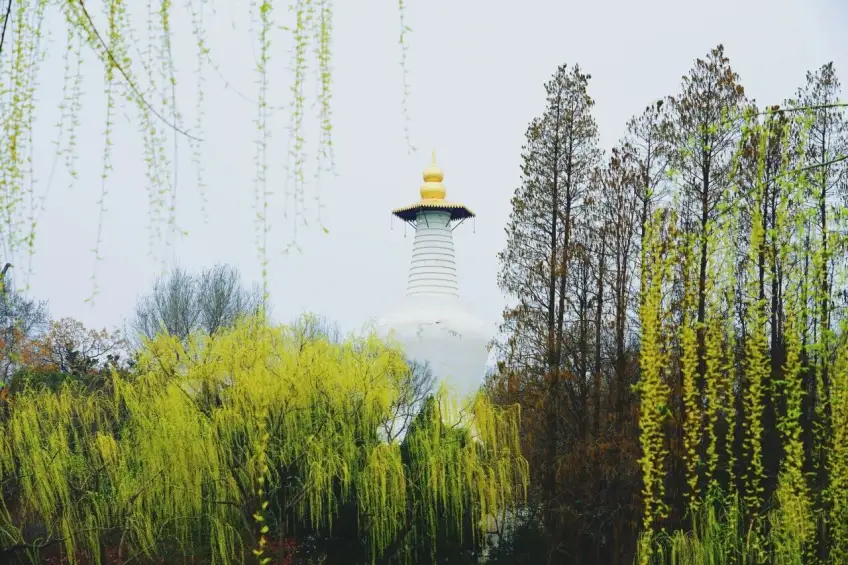
Up close, the Tibetan-style silhouette of the White Pagoda stands out even more. Do not climb over the railings to get closer.
Xichun Terrace, Twenty-Four Bridge and Wanhua Garden
Head west to reach Xichun Terrace and Twenty-Four Bridge. Light shows are occasionally held at night; schedules and ticket availability depend on the official announcements for the day. By day, the green-tiled pavilions framed by lotus flowers are already a sight to behold. Continue into Wanhua Garden, where the floral displays change with the seasons—perfect for a closing stroll.
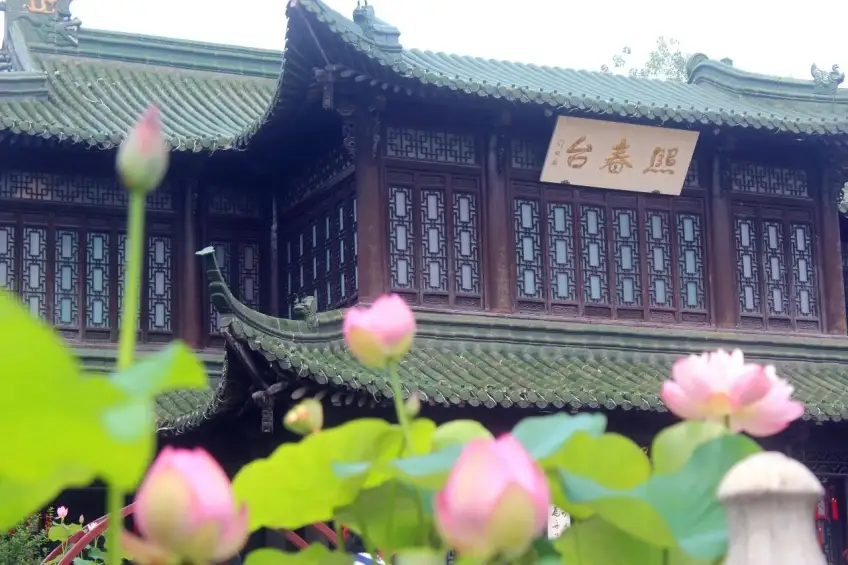
The "Xichun Terrace" plaque is clearly visible, and the view is best when the lotus flowers in front are in full bloom. Outside of flower season, the architecture and willow-lined banks take center stage.
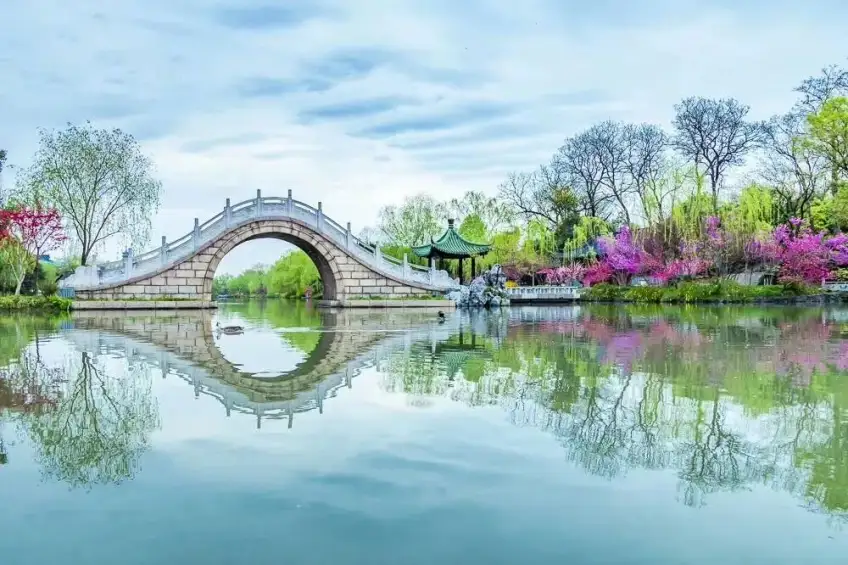
The bridge takes its name from a poem by Du Mu. Today's structure is a modern reconstruction in classical style—great for photos, but please don't block the middle of the bridge for extended livestreaming.
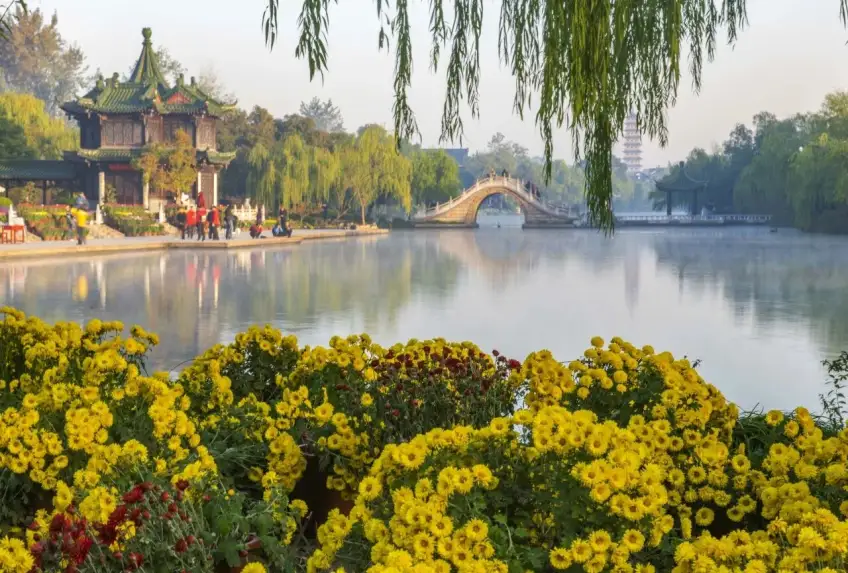
Wanhua Garden features flower beds dotted with pavilions—a good place to hydrate and rest before exiting through the North Gate.
Exit via the North Gate and head to Daming Temple
The North Gate is quieter than the South Gate. After exiting the park, walk along Pingshantang Road for about 10 minutes to reach the South Gate of Daming Temple. In the heat of summer or if you have a lot of luggage, you can ask your driver to wait outside the North Gate and take you the rest of the way—this is exactly where station transfers and private car services come in handy.
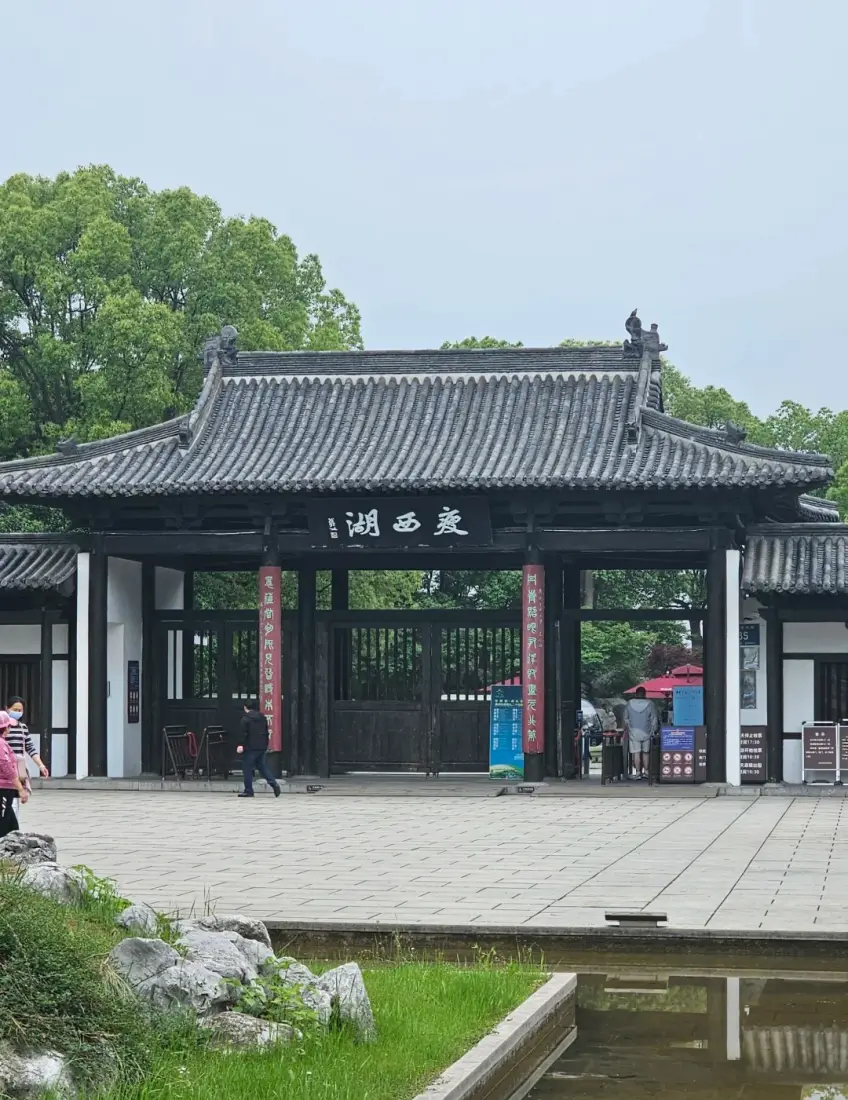
The North Gate plaza is a convenient meeting point; whether electric carts run near the North Gate depends on the day's operations inside the park.
Daming Temple: Zen vibes and scholars' halls
South Gate memorial archway and temple etiquette
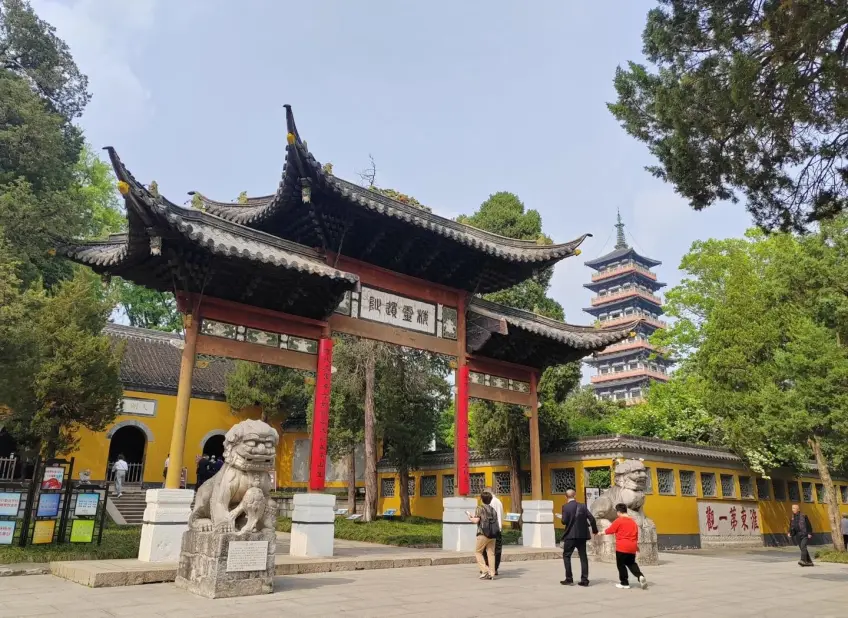
At the South Gate, you'll first see the Qiling Ruins memorial archway, with Qiling Pagoda often photobombing behind it. When entering the temple, dress appropriately, don't step on the thresholds, and don't photograph Buddha statues inside the halls. Please turn down the volume on audio guides.
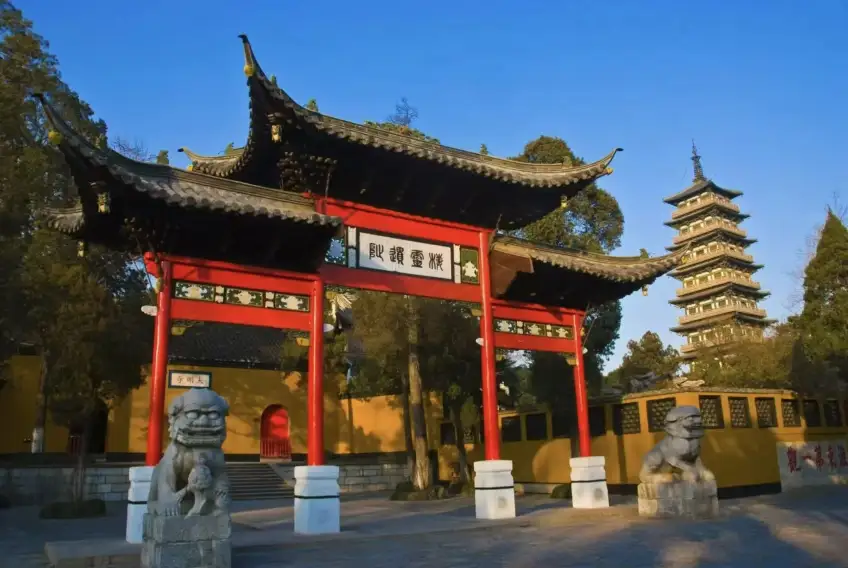
Framing the archway and pagoda together makes for your first "been there" photo upon entering the temple; leave the paths beside the two stone lions clear for worshippers.
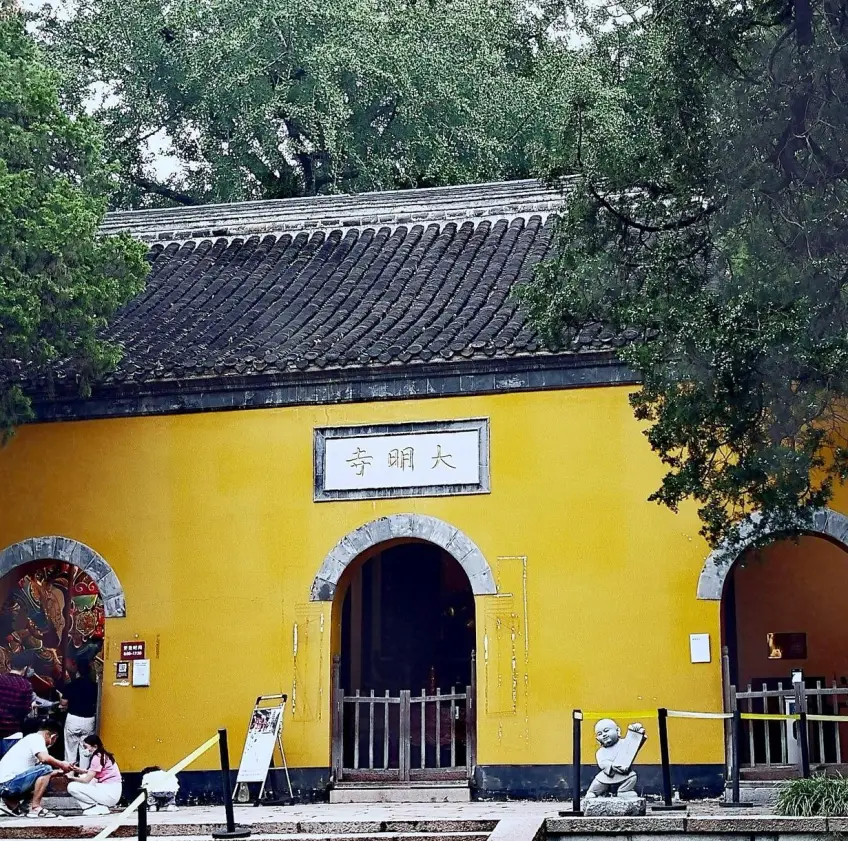
Above the three yellow-walled arches hangs the "Daming Temple" plaque. Beyond the gate are the Hall of Heavenly Kings and then the Mahavira Hall.
Hall of Heavenly Kings and Mahavira Hall
The Hall of Heavenly Kings enshrines the Four Heavenly Kings and Maitreya; the Mahavira Hall is the main building. Please follow temple rules when taking photos inside—close-up shots of Buddha statues are discouraged.
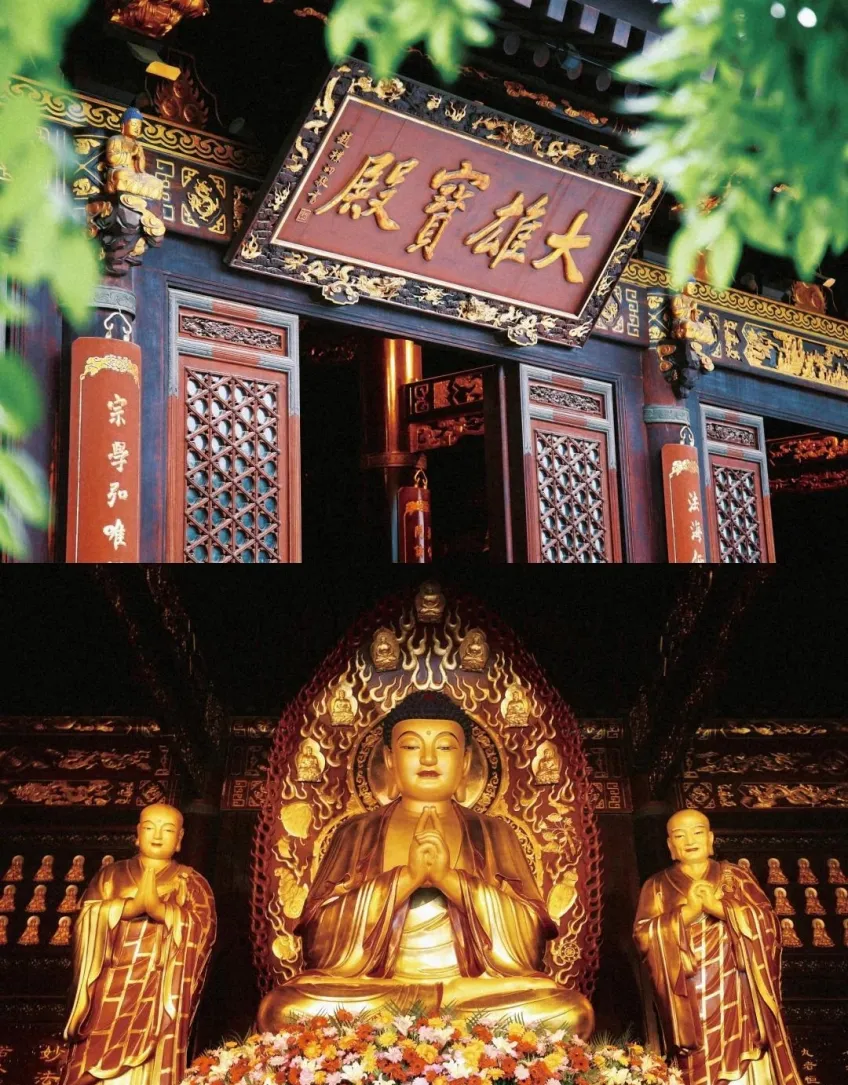
The exterior photo helps identify the plaque, while the interior shot only shows the layout. When incense offerings are busy, wait in line to pay respects and don't block the doorway for photos.
Jianzhen Memorial Hall
Behind the main hall, the Jianzhen Memorial Hall was co-designed by Liang Sicheng. Its Tang-style corridors commemorate Monk Jianzhen's voyage east to Japan. A guide explains his life and Sino-Japanese cultural exchange—this is where hiring a private guide really pays off.
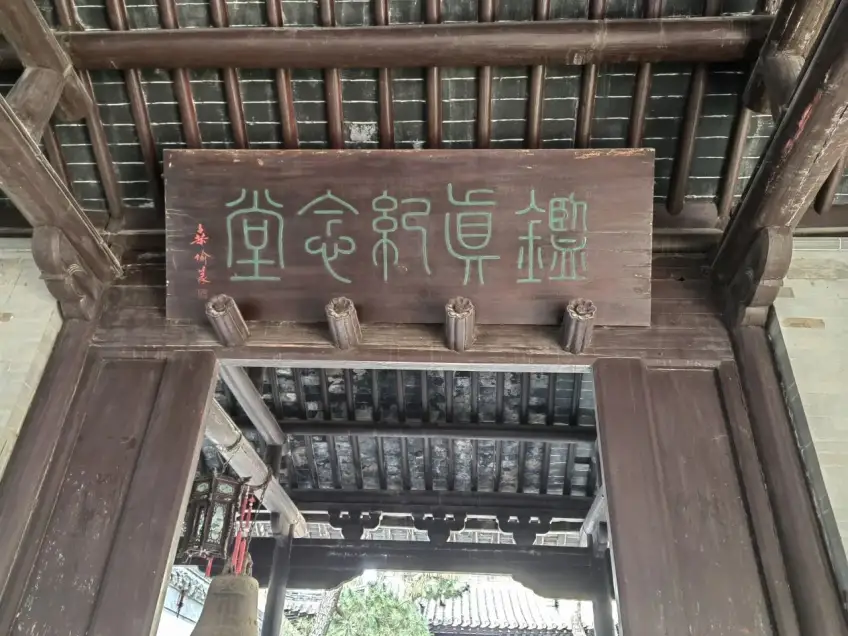
The courtyard is quiet and perfect for a short rest. Please do not touch the relics or stone lanterns.
Pingshan Hall and Gulin Hall
Pingshan Hall is associated with Ouyang Xiu; it was named because the distant mountains seen from the front of the hall appear level with it. The adjacent Gulin Hall commemorates the bond between teacher and student. Plaques, palace lanterns, and rubbings on display are subject to on-site conditions, and some exhibition rooms may rotate their displays.
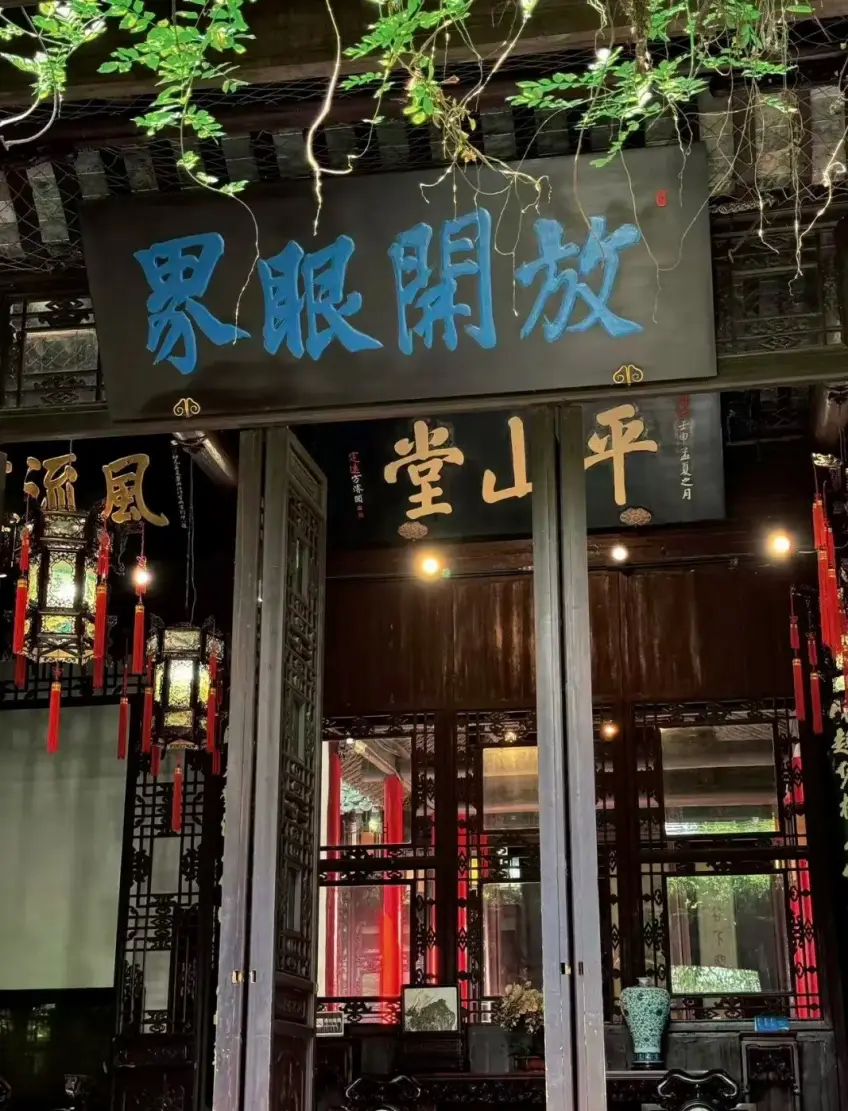
Framing the "Broaden Your Horizons" plaque together with the Pingshan Hall plaque is a popular photo op. Whether the lights are on at night depends on the on-site announcements.
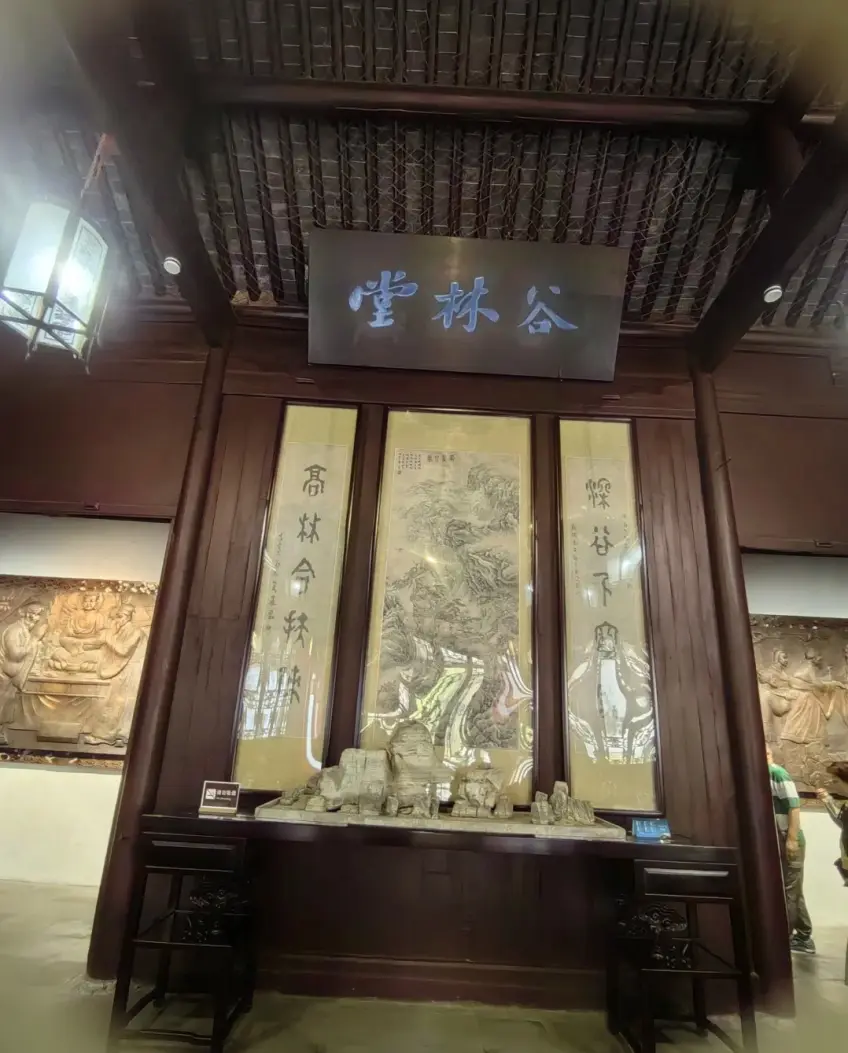
Take your time viewing the indoor plaques and tables in Gulin Hall, and please do not touch the exhibits, calligraphy, or paintings.
Qiling Pagoda and the Fifth Spring in Xiyuan Garden
Qiling Pagoda offers panoramic views of the city. How many floors you can climb and whether there's an extra fee depend on the ticket office's instructions for the day. Next to the pagoda, Xiyuan Garden houses the Fifth Spring Under Heaven, said to have been rated by Lu Yu, the Sage of Tea. The well curb and stone inscriptions make a nice way to wrap up your visit.

The spring blossoms frame the pagoda beautifully for photos. Be careful when climbing on windy days; if you're afraid of heights, just take pictures from the ground.
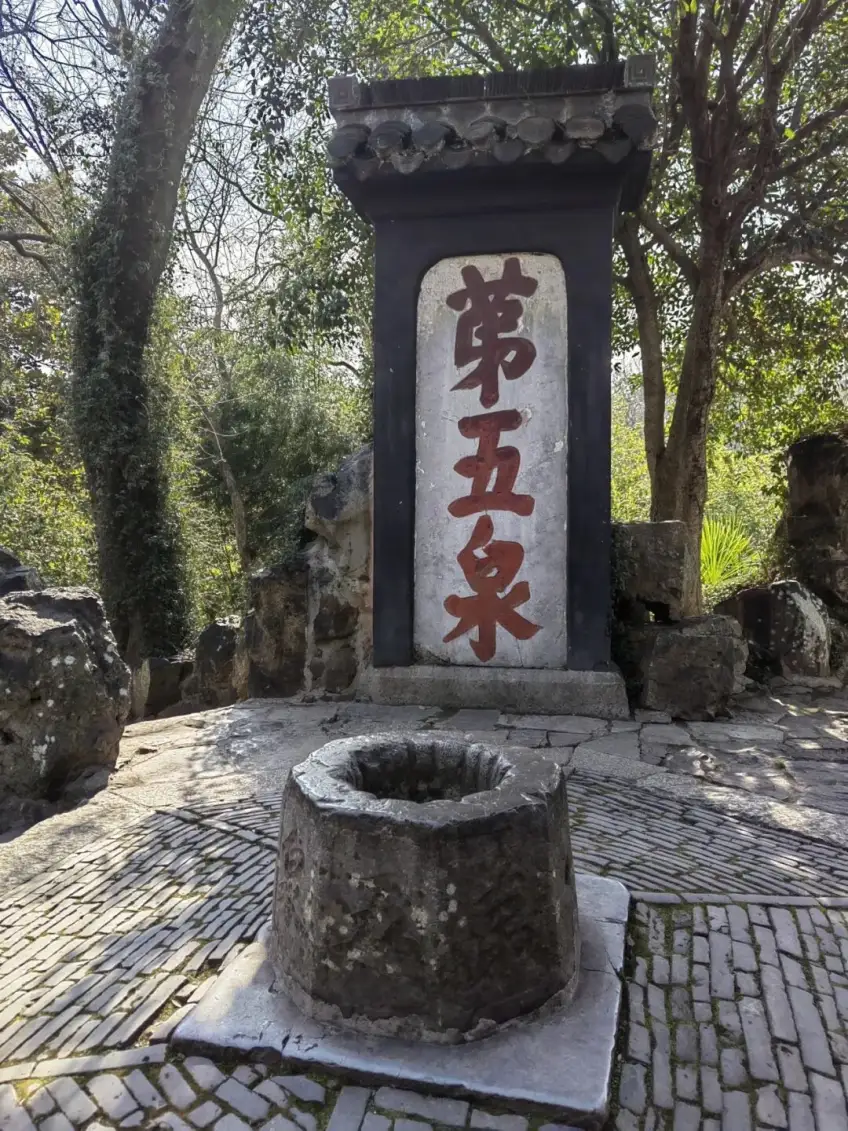
Frame the "Fifth Spring" stele together with the well curb in one shot. Please don't throw coins into the well.
You can exit through either the west or south gate. If you'd like to head back to the old town for Huaiyang cuisine after leaving, have your private car driver meet you outside the gate, or contact our custom travel service to arrange dinner and the next day's canal route together.
Tickets, transport & hours: double-check before you go
Slender West Lake and Daming Temple usually sell tickets separately. For combo tickets, student/senior discounts, and peak/off-peak price differences, always check official channels (Yangzhou tourism official accounts or the scenic area ticket windows). Opening hours are typically during the day; if night events require separate tickets, don't try to enter with a daytime ticket.
Transport: from Yangzhou Station or Jiangdu Station (high-speed rail), take a bus or taxi to the south gate; Taizhou Airport is farther away. If you have lots of luggage or are traveling with seniors, book a station transfer first. Electric cart and boat fares inside the park, plus last departure times, depend on the day's notices. For multi-day itineraries around Jiangsu, Zhejiang and Shanghai, also check whether a group tour includes Yangzhou (check the itinerary page for schedules).
FAQs
Is one day enough for Slender West Lake and Daming Temple?
Yes. Following this guide—south gate in, north gate out, then into the temple—a focused visit takes about 6–8 hours (including a quick meal). If you want to climb the pagoda, catch a night show, or explore Wanhua Garden in detail, move Daming Temple to the next morning or shorten the section west of Five-Pavilion Bridge.
How do I buy tickets? Do I need a combo ticket?
In most cases, you'll need to buy separate tickets for each site. Whether combo tickets are available or include Qiling Pagoda depends on the official policy for the day. Online advance prices may differ from ticket window prices, so bring your original ID when entering.
Opening hours and best season?
Best visited during the day; spring brings pink blossoms and green willows, while autumn offers colorful foliage. For exact opening hours and weather-related closures, check the on-site notices for the day.
How do I get from the station to Slender West Lake's south gate?
From Yangzhou Railway Station, you can take a bus or taxi. If you're traveling in a group or have heavy luggage, booking a station transfer is more reliable. If driving, note that parking near the south gate is limited—ask your driver if they know the temporary drop-off point outside the north gate.
Should I hire a guide or book a private car?
If it's your first visit and you'd like to hear the stories of Jianzhen and Ouyang Xiu, hiring a guide is well worth it. To link two sites plus a meal in the old town, booking a private car saves you from repeatedly hailing rides. Walking the whole way is possible, but tiring in summer. For a multi-day Jiangsu itinerary, consider a custom trip or a group tour.
Is it suitable for seniors and kids?
Yes. Much of the route is flat, though bridges and pagoda stairs have steps. For wheelchair access and rest spots, ask the scenic area service desk. Toddlers can nap at Xu Garden or in the car at the North Gate meeting point.
Turn this day tour into your itinerary
Follow the travel guide to explore the lake and temple first, then decide whether to add transport and a guide: prioritize a station transfer for smooth arrival in Yangzhou, a private car/a guide for linking multiple stops, and a custom trip for multi-day plans. Need help planning? Use the card below to contact a travel consultant directly.