

There are three main public ferry lines near The Bund. The Dongjin Line (Jinling East Road–Dongchang Road) runs mostly in the daytime. The Dongfu Line (Fuxing East Road–Dongchang Road) runs until about 9 p.m., and the Taigong Line (Gongping Road–Taitongzhan) until about 9:40–9:50 p.m. A pedestrian ticket is ¥2 (reference price; check the fares posted at the pier). These ferries are river-crossing transport, not sightseeing cruises. Cruises sell tickets per sailing and usually cost much more.
If you'd rather not check the piers and schedules yourself, take a look at our private tours that connect The Bund and Lujiazui.
Below, each line's piers and where to check times. For first and last sailings and any temporary stops, check that day's information under Cloud Routes (云上航线) in the Shanghai Ferry WeChat official account. To find the account, search for "Shanghai Ferry" (上海轮渡) in WeChat.
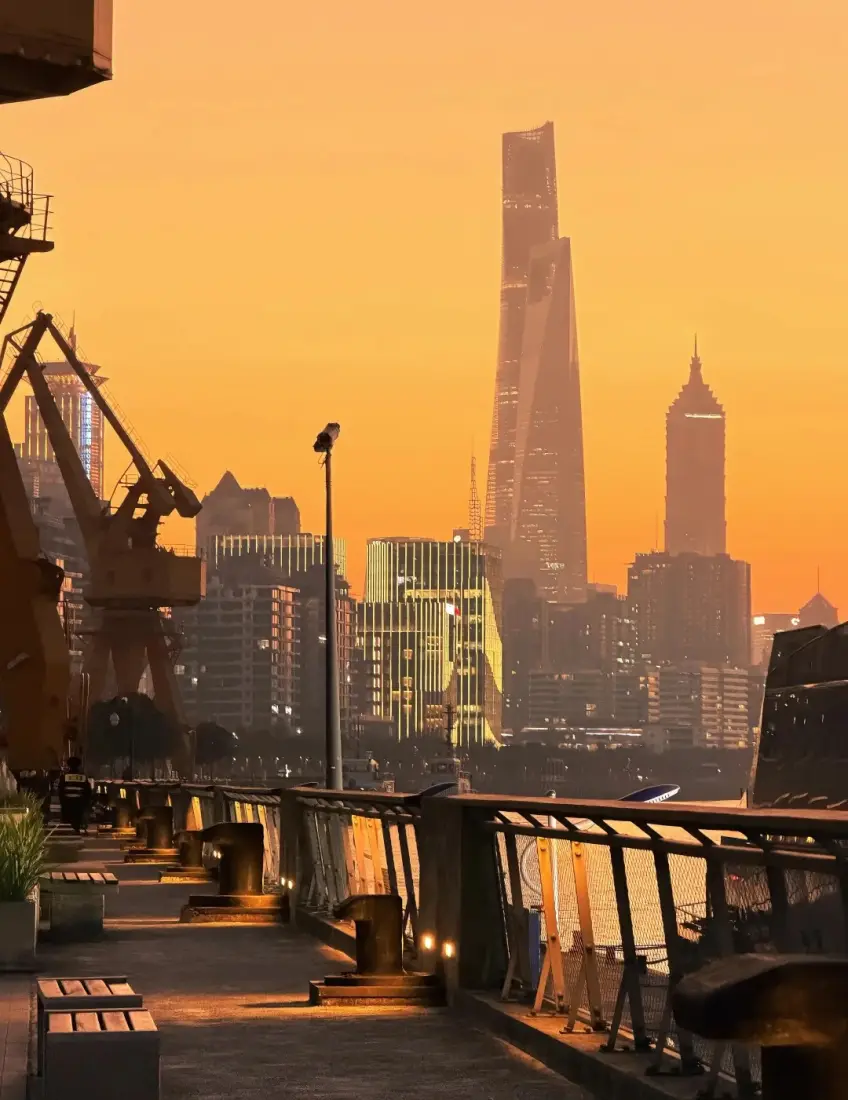
Which ferry line to take
Dongjin Line
Route: Jinling East Road Pier (金陵东路渡口) – Dongchang Road Pier
Take Metro Line 2 or 10 to East Nanjing Road Station, leave by Exit 3, and walk about 800 meters to Jinling East Road Pier.
The Shanghai government's international services portal lists reference ferry hours. The Dongjin Line (Dongchang Road–Jinling East Road) runs mostly in the daytime. In its example, the last sailing is around 6:30 p.m. from the Puxi side and 6:15 p.m. from the Pudong side, and the line carries pedestrians only. On holidays it may stop early for crowd control. During the 2026 National Day holiday, for example, an official notice suspended the Dongjin Line from the afternoon.
Before you go, check the Shanghai Ferry account to confirm the line is running that day. This line is a short walk from the heart of The Bund and good for daytime views of the Lujiazui skyline, but don't count on it for a late-night crossing.
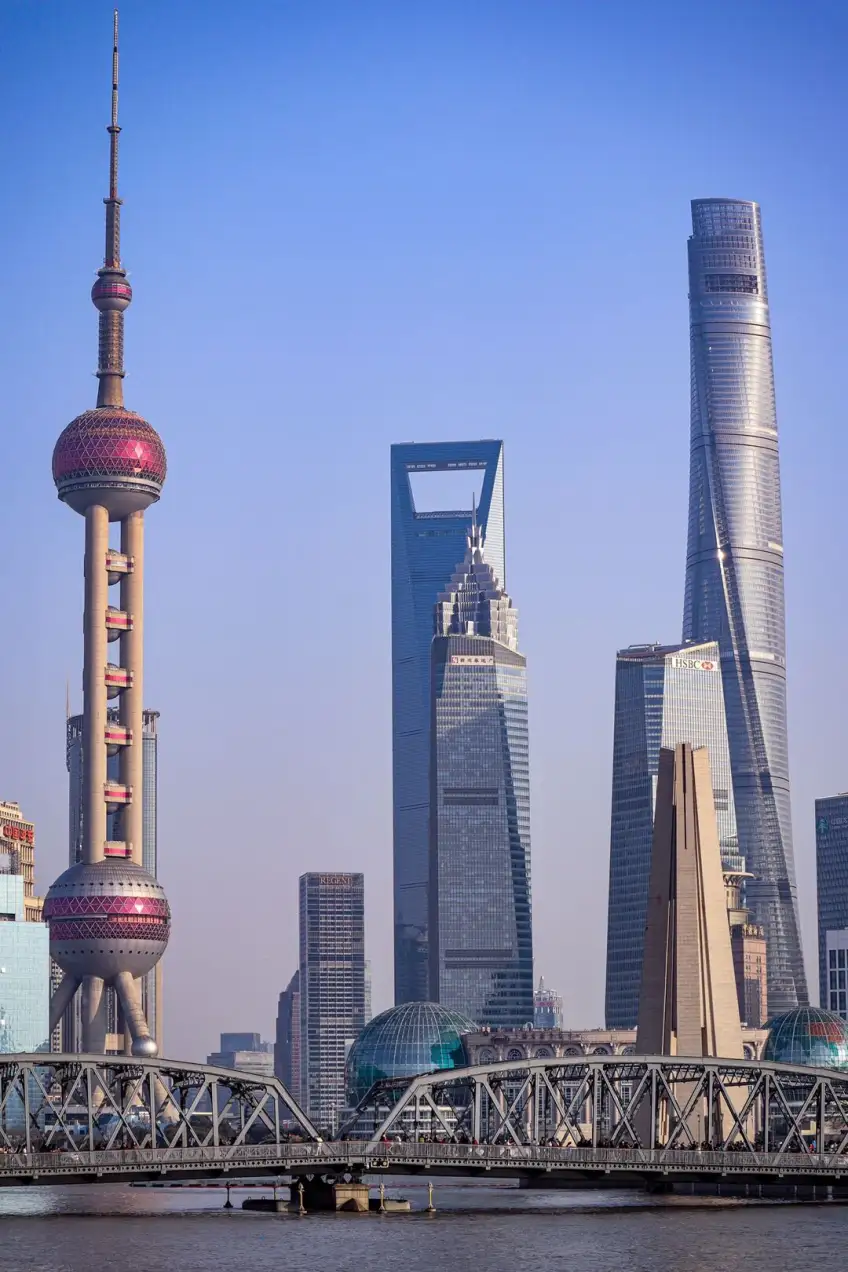
The Dongjin Line faces Lujiazui directly, making daytime or dusk the best time for photos. Check how to get to the pier first, then decide whether to catch the sunset ferry.
Dongfu Line
Route: Fuxing East Road Pier (复兴东路渡口) – Dongchang Road Pier
Take Metro Line 9 to Xiaonanmen Station; the pier is a short walk away.
The official transport guide lists reference hours for the Dongfu Line (Fuxing East Road–Dongchang Road) that reach into the evening (around 9 p.m. in its example), so it's a popular public ferry for night views of the river. For the actual last sailing, seasonal extensions and temporary stops, check Cloud Routes. Don't assume every ferry line runs late.
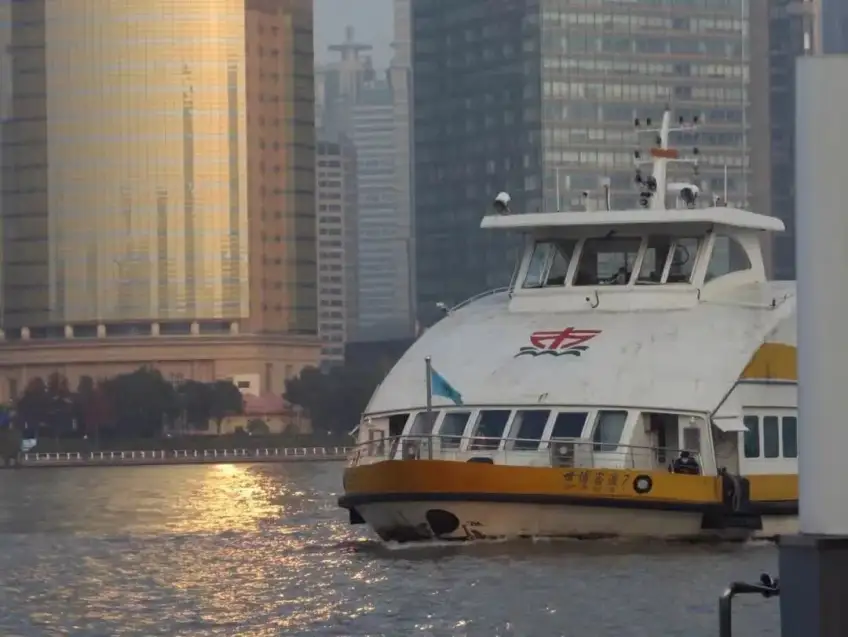
The Dongfu Line is less crowded and runs later, so it's better at night. If you want to watch the lights in peace, it's more relaxed than the Dongjin Line.
Taigong Line
Route: Gongping Road Pier (公平路渡口) – Taitongzhan Pier
Take Metro Line 4 to Yangshupu Road Station and walk to Gongping Road Pier.
Official materials list the Taigong Line (Gongping Road–Taitongzhan) as another public ferry with good views, with sample hours until about 9:40–9:50 p.m. It runs on the North Bund–Lujiazui side, with fewer tourists and more local commuters. Again, check the account for that day's times rather than copying times from old guides.
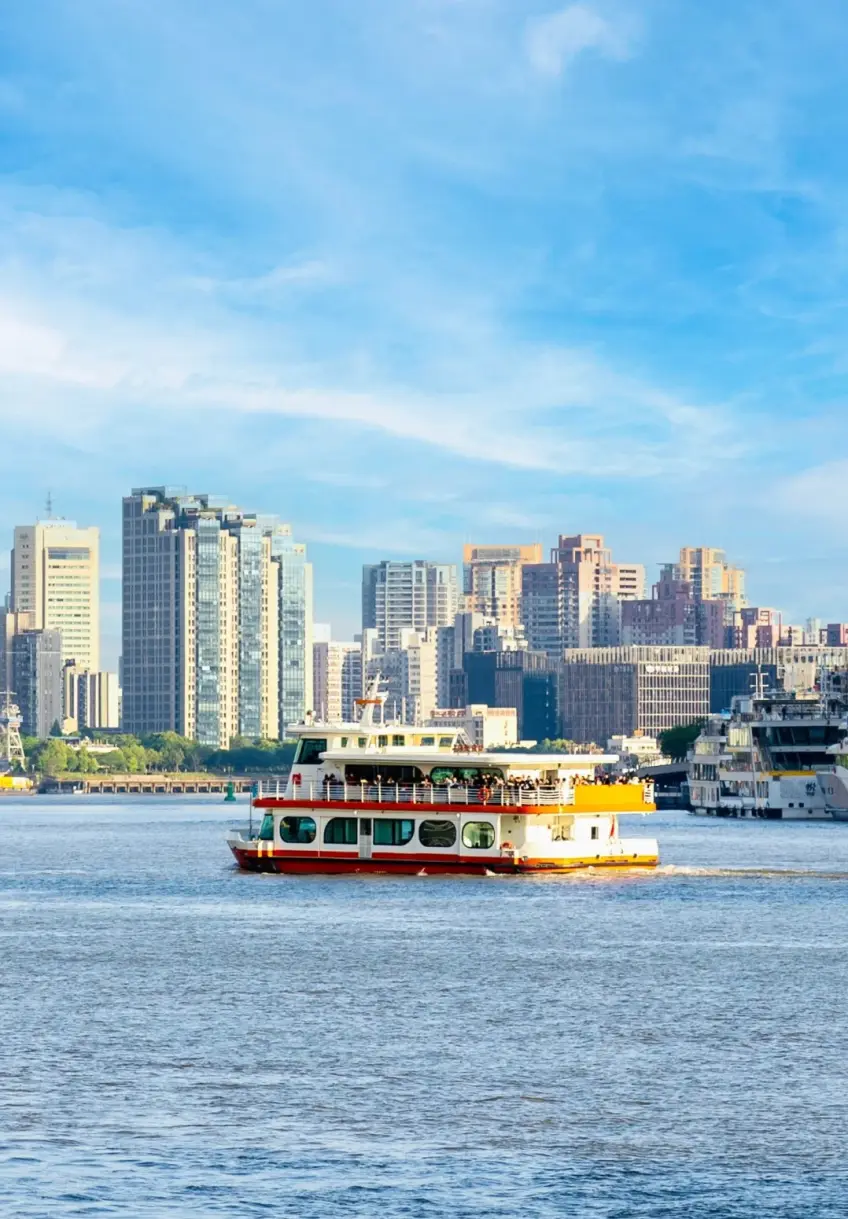
The Taigong Line sails close to Lujiazui, with mostly locals and wide-open views. If you want shorter lines and great skyline views, make this your top choice.
A suggested day route
During the day, you can start at Nanjing Road Pedestrian Street, stroll past the historic buildings on The Bund, take the Dongjin Line ferry across, and explore Lujiazui. For details, see Walking from Nanjing Road to The Bund and Dining near The Bund.
Tickets and fares
Tickets are mostly bought at self-service machines at the pier, which usually take transit cards or transit QR codes. Whether coins or cash still work depends on the machines and notices at the pier.
How to pay
You can pay with coins, a transit card, or by scanning a QR code.
If you pay cash, bring small change and drop it in the fare box as you go through.
Whether transit cards offer round-trip discounts on the same line depends on the pier's rules for the day, so we won't list specific discount amounts here.
To pay by QR code, open the transit QR code in WeChat or Alipay, not the regular payment code. If you're a foreign visitor with an overseas card linked to Alipay or WeChat, whether the transit code works at the pier depends on the equipment there, so carry some small change as a backup.

Public ferry (not a sightseeing cruise)
The Shanghai government's international services portal lists these reference fares for public ferries: ¥2 for pedestrians, ¥2.8 for bicycles and e-bikes, and ¥4 for motorcycles. These are public ferry fares, not Huangpu River cruise prices, and not a standard price for every boat on the river. Check the notices at the pier and the Shanghai Ferry account before you board.
Rules for children and other discounts follow the notices at the pier and the ferry company's current rules, so we don't list height or age limits here.
Tips for The Bund ferry in Shanghai
Don't bring prohibited items such as chemicals or flammable or explosive materials. They aren't allowed on board, and serious cases are referred to the police.
If you want to bring your pet along to enjoy the scenery, it must be kept in a carrier bag or cage.
Last sailing and service status: check Cloud Routes in the Shanghai Ferry WeChat account before you set out. It can be windy on the river, so bring a jacket. If a boat is full, wait for the next one. Flammable, explosive and other prohibited items aren't allowed, and pet rules follow the staff at the pier.
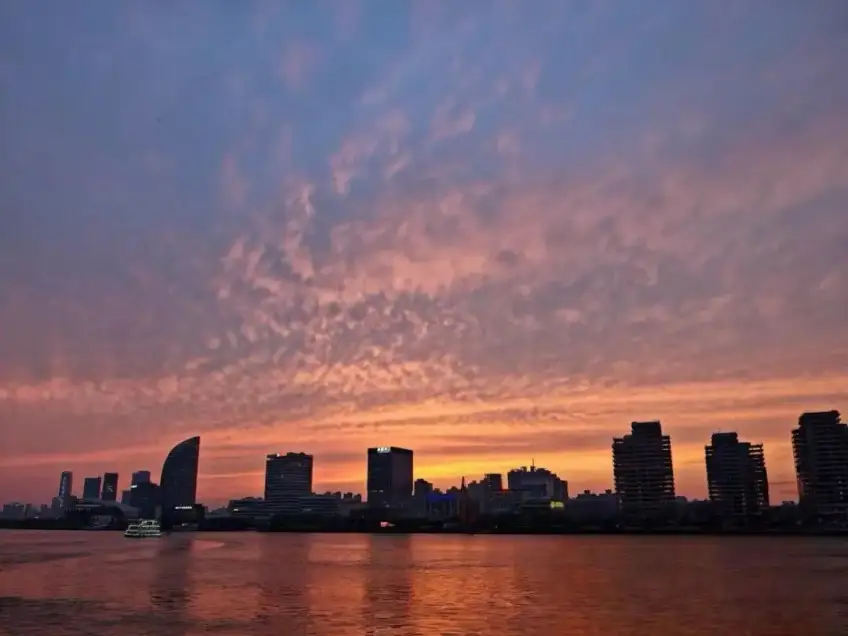
The river breeze can be strong and you don't want to miss the last boat, so bring a jacket. Keep these tips in mind for a worry-free ride.
Why ride the public ferry
Why do so many people mention The Bund public ferry?
Both run on the Huangpu River, but sightseeing cruises sell tickets per sailing. The official portal has published peak-season reference prices of around ¥100 for day and night cruises, which change with the season and holidays. The public ferry is river-crossing transport with a pedestrian reference fare of ¥2. Boarding points, the experience and how long you stay on board are all different, so don't confuse the two.
The ferry isn't commercialized at all—no sales pitches and no noisy performances.
The ferry lets you see both the historic buildings along The Bund and the skyscrapers of Lujiazui, so you won't miss either side.
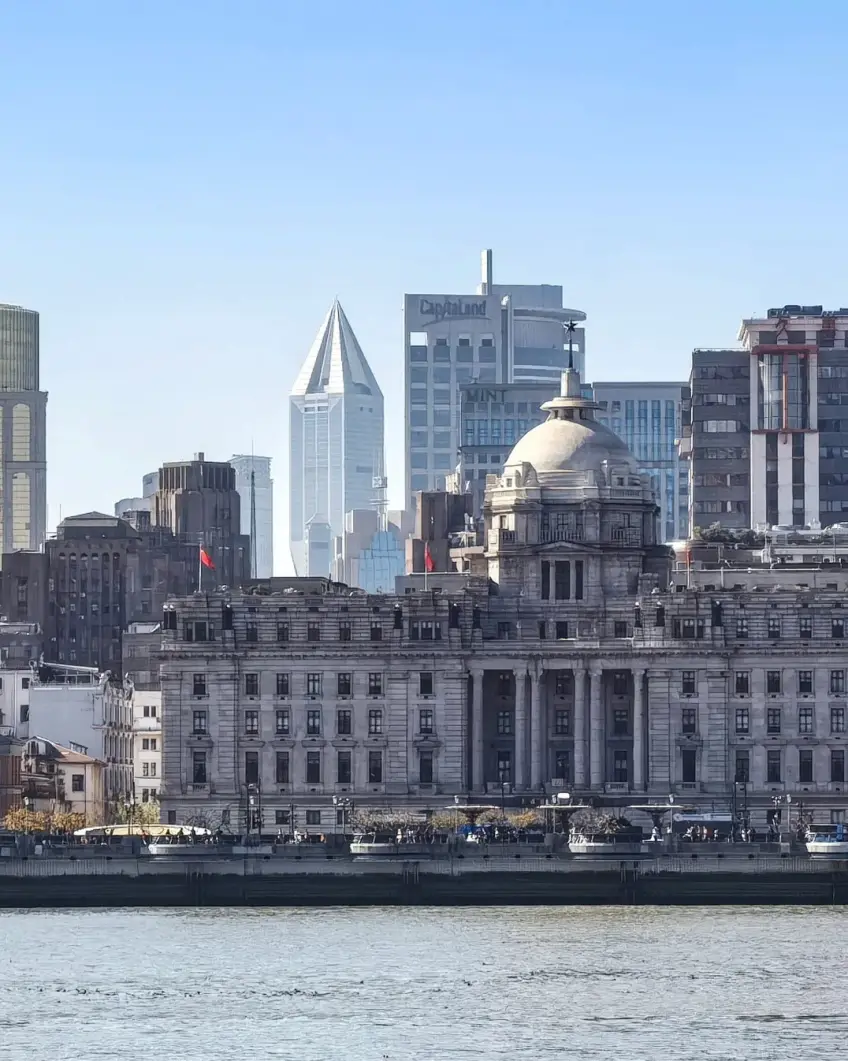
The ferry has no sales pitches, the crossing is usually short, and you can fit both banks in one frame. If you want a longer cruise on the river, look at licensed sightseeing cruises instead.
Everyday life on the ferry
The public ferry is also one of the ways Shanghai locals cross the river every day, and you'll often see cyclists and commuters on board. The trip is usually short. The exact time depends on the line, the current and docking, so we don't give a number of minutes here. Treat it as transport, not a cruise show.
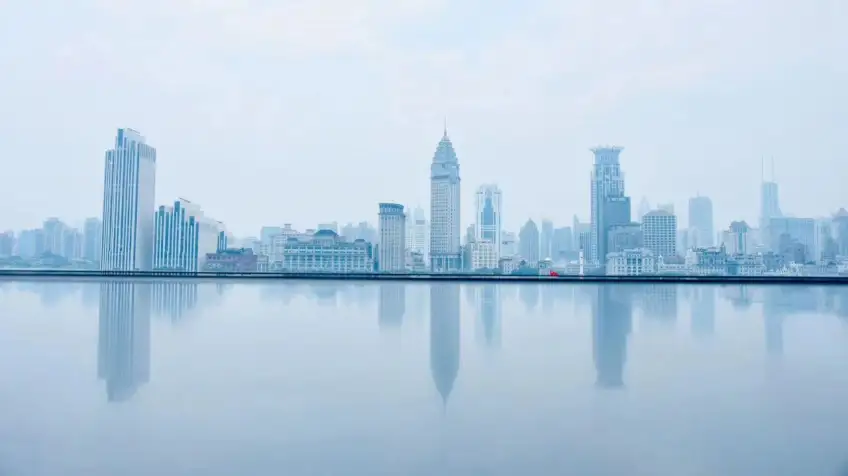
This ferry has a long history and was once the main link between Pudong and Puxi. Compared with sightseeing cruises that cost over ¥100, it's a great value. Just keep in mind that it can be quite windy on the river, so bring a light jacket in spring, fall, or winter. Try to avoid peak hours to skip the crowds.
The three lines up close
Dongjin Line: the best daytime views
The Dongjin Line faces the Lujiazui skyline directly, making it a popular choice for daytime views. Follow the walkway to the riverfront and you'll see the ferries docked; the onboard decor is usually plainer than that of sightseeing cruises. Whether you can access the upper deck depends on the crew's instructions.
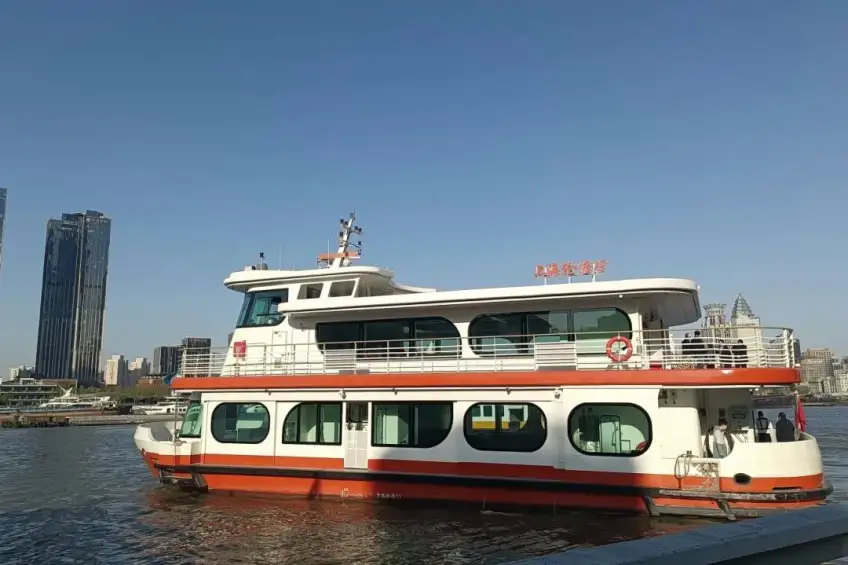
Once on board, follow the crowd flow. If the upper deck is open, the view is usually better but the wind is stronger; keep your balance and follow the onboard signs.
This route is popular with sightseers, but you'll also see locals heading to study, work, or the market. Everyone is a stranger, yet this little ferry brings them all into the same view.
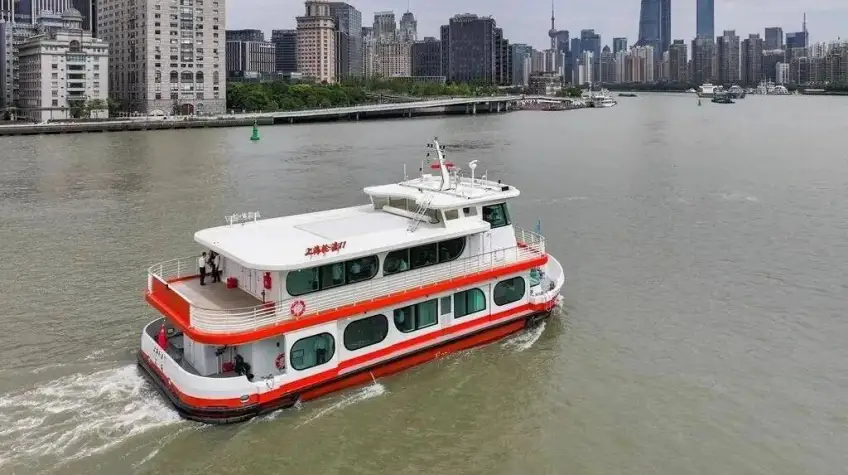
Seeing The Bund from the ferry is different from seeing it from the shore. On the shore, crowds break up the view. On the ferry, nothing blocks it, and you see the whole waterfront at once.
From the ferry you see both banks: the century-old Bund on the left and Lujiazui on the right. With the sunset behind them, it's a moving sight.
Dongfu Line: best at night
If you want to see the Huangpu River lit up at night, the Dongfu Line is the one to take. After dark, both waterfronts look like long strips of colored light from the deck, and you can take in the whole river at night.
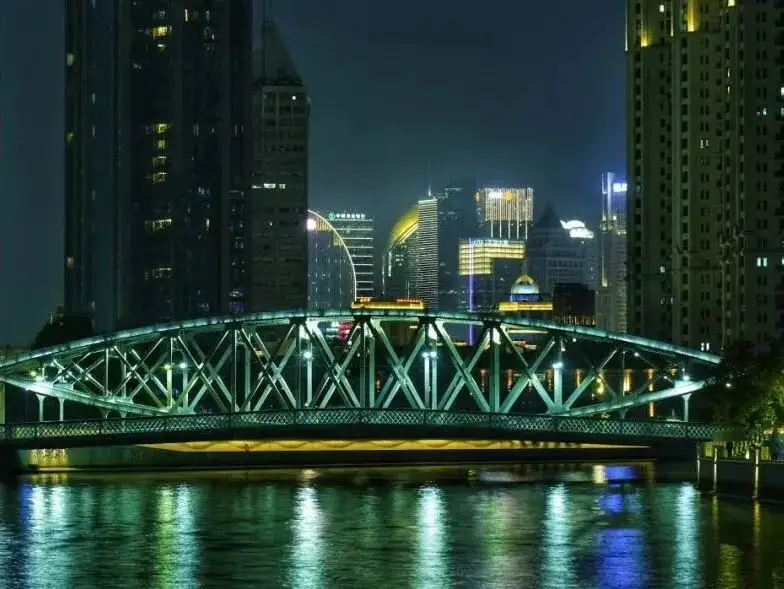
This line has fewer tourists, so you can quietly enjoy the lights and some time to yourself. Do bring a light jacket, because the wind picks up at night and it's easy to get chilled. A view like this costs very little; see the official notices for the pedestrian reference fare.
Taigong Line: Lujiazui up close
This line has fewer tourists and open views. It runs close to the east side of Lujiazui, so you can see the Lujiazui skyline and Shanghai's North Bund. Outside rush hour you usually won't wait long; check the account for exact times.
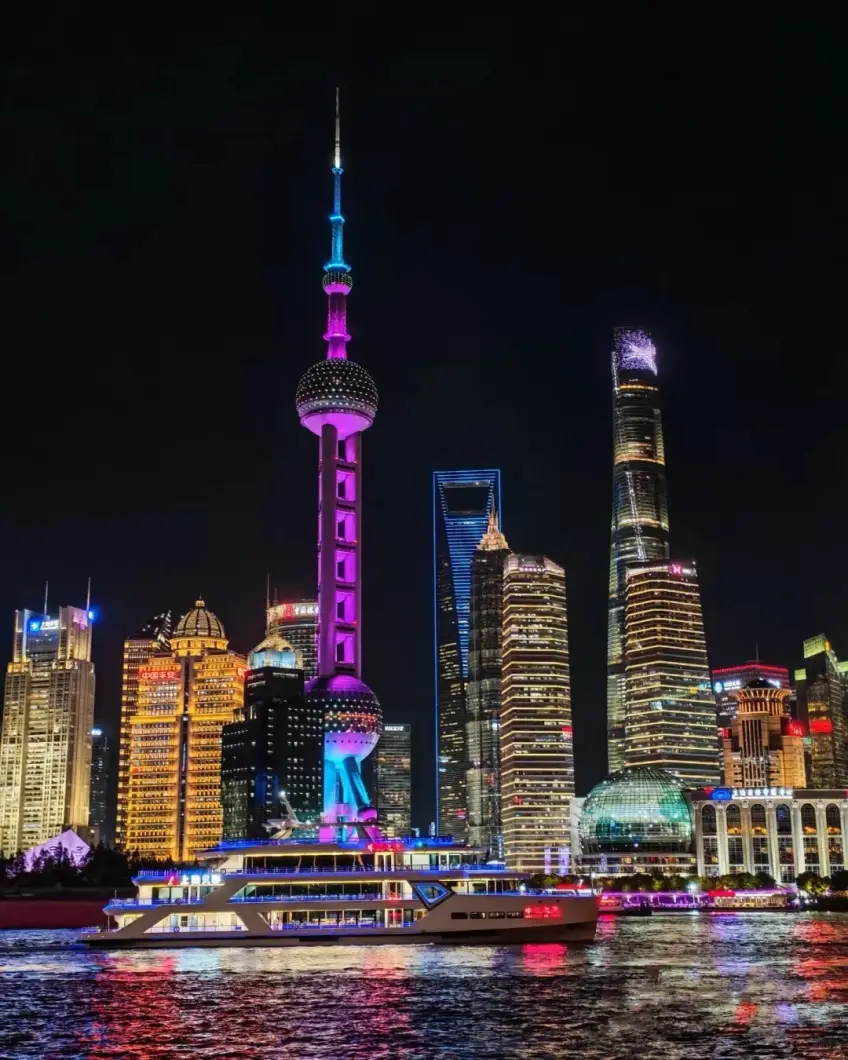
At night, the lights of Lujiazui reflect on the water like a landscape painting. For night photos, take the Dongfu Line or the Taigong Line. The riverside buildings are lit up and mirrored in the water, a very different look from daytime.
The Bund by day and by night

If time allows, try taking the public ferry once during the day and again in the evening on the same day to compare the different lighting.
The daytime ride shows the shoreline and building materials more clearly, while the night ride highlights the reflections of the lights. Which one is "better" depends on your personal preference—there's no need to choose just one.
The Bund by day
In daytime the light on the Huangpu River is bright, the sky is clear, and you can see the buildings' colors clearly. The breeze is fresh and people on deck chat and laugh. It's a good choice for a first ride, for photos, and for seeing both banks clearly. The mood is bright and easy.
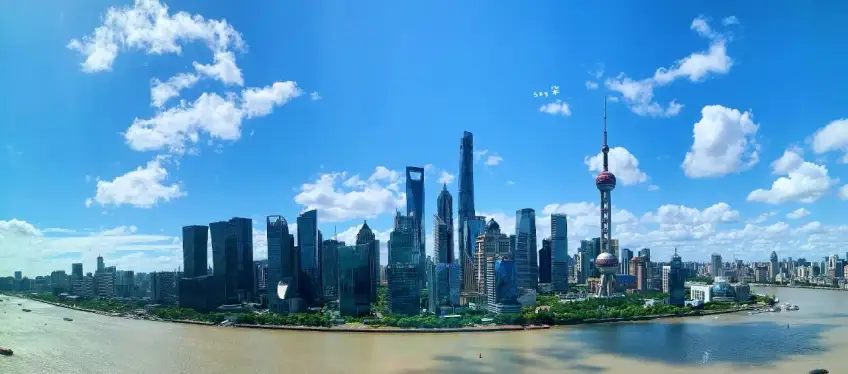
The daylight is crisp, perfect for getting your bearings along the riverbanks on a first visit. If you have time, take another ride at dusk—the view is completely different.
The Bund at dusk
Dusk is the most romantic ride. The setting sun turns the river warm gold, and the buildings on both banks start to light up. The sky goes from blue to orange-red and then deep blue as the lights come on one by one.
The lights of The Bund and Lujiazui, and their reflections on the river, are soft enough to make you go quiet.
The breeze is cooler at dusk and the surroundings quieter, with most people silently taking in the scenery. If time allows, ride once during the day and once at dusk: daytime reveals Shanghai's outlines, while dusk lets you watch the lights come on.
Photo tips for the Shanghai Bund ferry
The Dongjin Line runs mostly during the day. If you want to photograph the sunset, first confirm that the line is still operating that day and that the last ferry departs late enough, then plan around the actual sunset time. Don't assume there will still be a Dongjin Line ferry in the evening. The upper deck usually offers a wider view, but safety rules and access depend on the crew's instructions.
From Dongchang Road Pier to the Pudong riverfront
After you arrive at Dongchang Road Pier in Pudong, take a walk along the riverside promenade if you have the energy. You can also link up with the walk from Nanjing Road to The Bund, or plan a meal with our dining guide for The Bund.
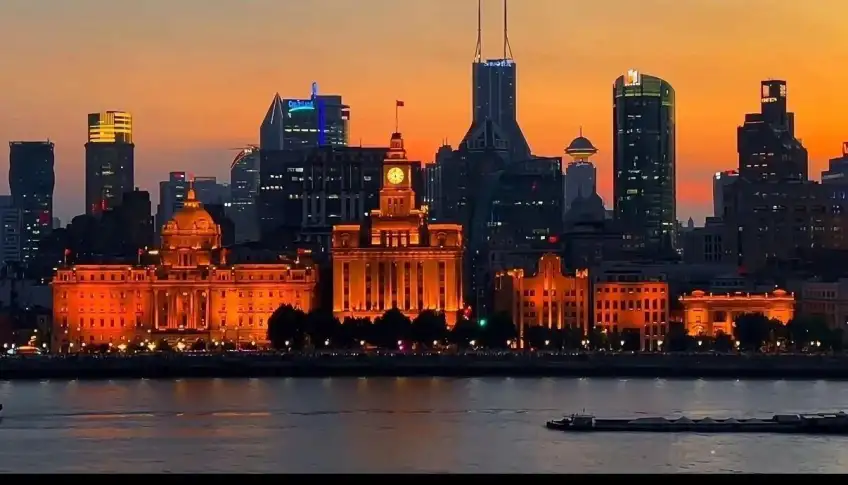
This is also a good spot for panoramic photos of The Bund. Walk along the river from the pier and look back toward Puxi: the row of historic buildings is lit up end to end, with nothing in the way.
Along the way you'll see locals strolling, walking their dogs, jogging, or chatting—it feels wonderfully alive. Sometimes street musicians sing softly, their gentle voices blending perfectly with the river breeze.
The riverside promenade is perfect for a short stop to enjoy the breeze and take photos, and you can set your own pace.
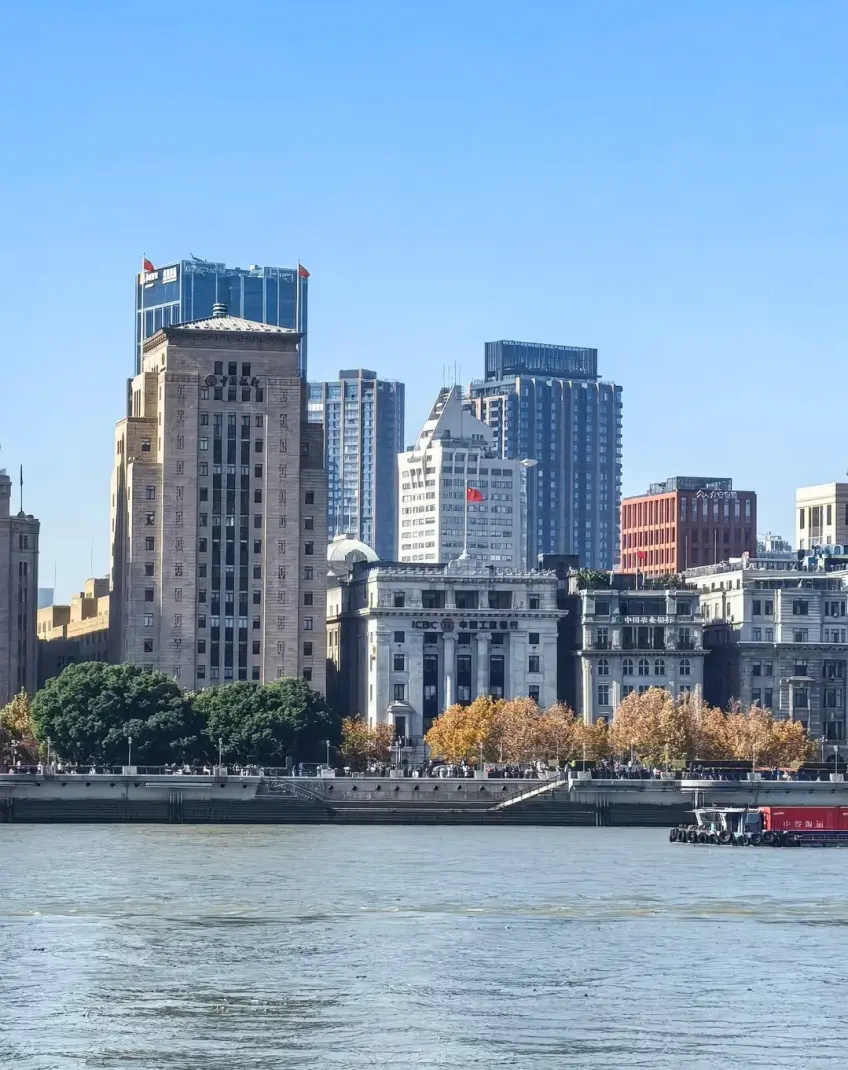
If your schedule allows, the public ferry is a cheap way to cross the river and see the skyline. It's not a cruise show you have to tick off a list.
Where to take photos on board
The upper deck is the best place for photos. The bow or stern works better than the sides, giving you cleaner shots and an open, unobstructed view — perfect for portraits, river scenery, or architecture.
Taking the Dongjin Line during the day makes it easier to see the outlines of both banks; for night views, check first whether the Dongfu or Taigong lines are still running. For exact schedules, refer to the official WeChat account.
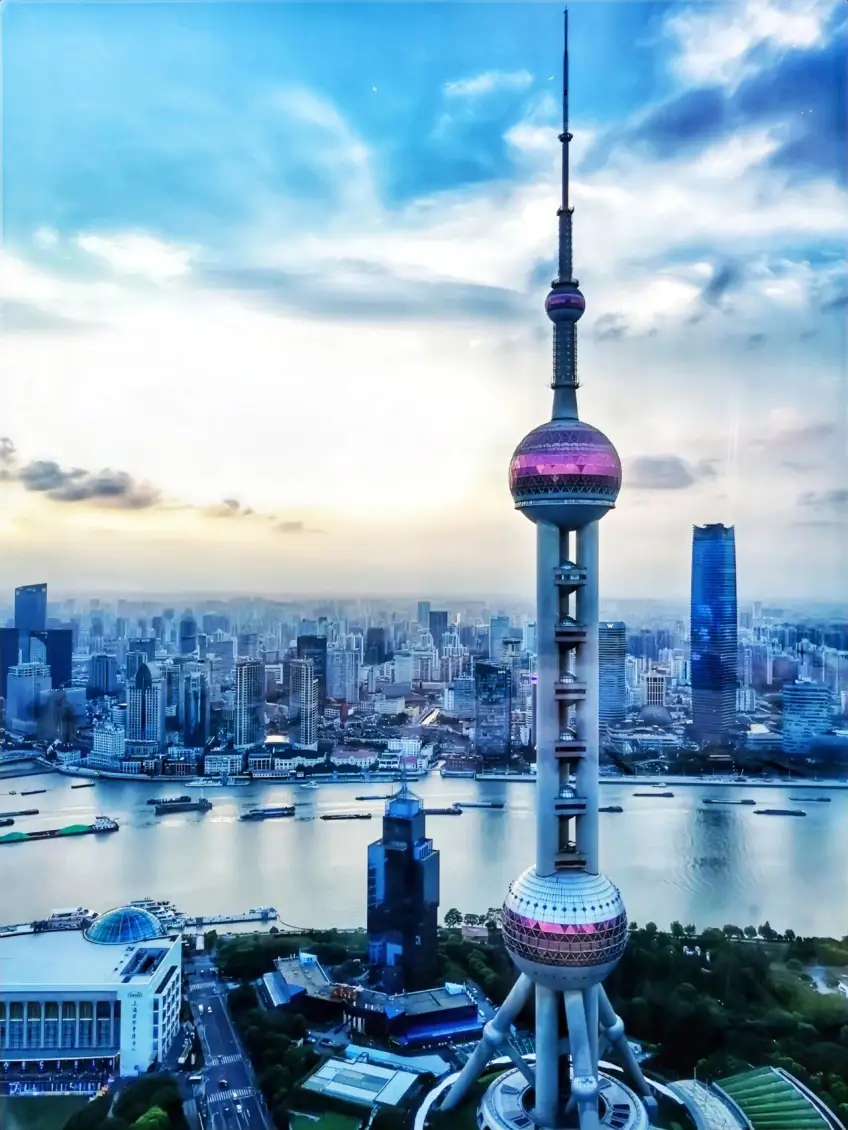
In the evening, take the Dongfu Line. The river reflects the scenery on both banks, and the tall, architecturally striking buildings paired with colorful lights make you feel like part of the scene when you pose for photos — very much in the spirit of modern Shanghai.
When shooting against the light, try profile or backlit shots. The river breeze can be strong, so bring a small comb to fix your hair anytime.
Public ferry or cruise: pick before you board
Once the boat docks, step off the ferry and back into the bustling crowds of The Bund. Public ferries keep shuttling across the river on schedule—whether to ride another leg depends on your energy level and that day's timetable on the official account.
Many people assume that experiencing Shanghai requires pricey tickets or rooftop restaurants.
If your goal is simply to cross the river cheaply and see the skyline, the public ferry is usually the most direct option. If you want a full river cruise with commentary and comfortable seating, book a proper sightseeing boat instead, and double-check the departure point and ticket price on the product page.
Before boarding, take a minute to confirm three things: whether you're taking a public ferry or a sightseeing cruise, whether the route matches the pier, and whether the official account or the terminal shows normal service today.

Shanghai Disneyland 3-day 2-night private tour | Full day at the park · Oriental Pearl Tower
A 3-day 2-night private tour with airport transfers in Shanghai: Nanjing Road, The Bund and Yu Garden on day one, a full day at Shanghai Disneyland on day two with an evening fireworks show (canceled in rain or if the show is suspended), and a visit to the Oriental Pearl Tower on the final day. Includes transportation, guide, two nights' hotel and admission tickets. English-speaking guide available.
Cheap, convenient, and with views of both banks at once: that's what makes the Bund ferry worth it.
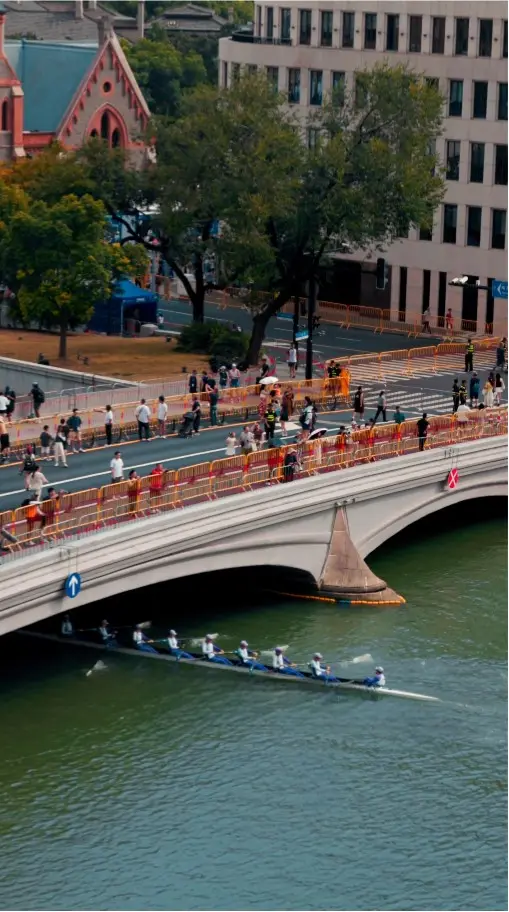
If you need station or airport transfers before or after your ferry ride at The Bund, or transport between Puxi and Pudong, just share your dates and group size and inquire about Shanghai private car or transfers; add a Shanghai tour guide if you'd like commentary. You can also fill out our online inquiry form directly.
FAQs
What's the difference between the public ferry and a Huangpu River cruise?
The public ferry is river-crossing transit. For pedestrian reference fares, check the information published on the municipal government's international service portal and the notices posted at the piers. Huangpu River sightseeing cruises sell tickets by voyage, usually costing around ¥100, with prices varying by season and holidays. The boarding points, routes and experiences are all different, so don't mix them up.
How do I buy a public ferry ticket? Is it ¥2 for pedestrians?
Most ferry terminals use self-service ticket machines and accept transit cards or QR ride codes. Whether coins are accepted depends on the terminal. For foreign visitors, whether a QR ride code linked to a bank card works at the ferry terminal depends on the equipment on site, so it's a good idea to carry some small change. According to the municipal government's international service portal, reference fares for public ferries are ¥2 for pedestrians, ¥2.8 for bicycles and e-bikes, and ¥4 for motorcycles. These apply only to public ferry transit tickets, not sightseeing cruises, and are not a uniform fare for all boats on the river. Check the posted fares at the terminal before boarding.
Which public ferry should I take to see the night view? Does the Dongjin Line still run at night?
The Dongjin Line is officially described as a daytime service, so don't assume it runs late at night. The Dongfu and Taigong lines are often recommended for evening river views, but the last departure and whether boats are running must be confirmed via the "Cloud Routes" section of the Shanghai Ferry WeChat official account on the day of travel.
How do I check for temporary suspensions or schedule changes?
Rely on the "Cloud Routes" section of the "Shanghai Ferry" WeChat official account and the notices posted at the piers. For example, during the 2026 National Day holiday, the Dongjin Line suspended afternoon service per an official notice, showing that routes may be temporarily adjusted due to traffic controls. Past notices are only examples of potential disruptions and don't mean the route is currently suspended.
Can I bring luggage or a stroller? What if it's windy on the river?
Rules for luggage, strollers and pets follow the staff at the pier, so we don't list them here. It's usually windy on the river, so bring a jacket. If a boat is full, wait for the next one.
To fit the ferry into your day itinerary, see how to plan a Shanghai day tour. For an overview, check out our Shanghai travel guide.