

The sunken ancient city, intangible heritage on shore
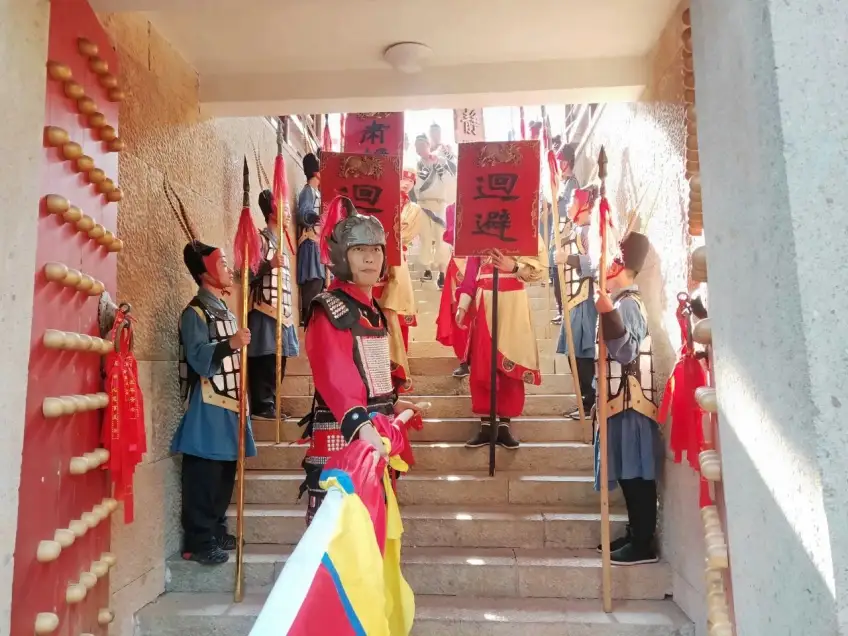
Two ancient cities lie beneath Qiandao Lake: Shicheng, founded in the Han Dynasty, and Hecheng, from the Three Kingdoms period. Both were submerged in 1959 to build the Xin'an River Hydropower Station, displacing 290,000 residents. On shore, Chun'an's intangible folk heritage lives on—the Heqi Temple Fair around October each year, "Gan Shiba" (Rushing the Eighteenth) on the 18th day of the first lunar month in Ruhong Village, Dashu Town, the "Pig Head Race" on the 6th day of the first lunar month in Zhu Family Village, Jinfeng Township, plus the national-level intangible heritage Chun'an Bamboo Horse and Lishang Ren Lanterns. For an overview, start at the Chun'an County Museum in Qiandao Lake Town.
The most hassle-free way in and out is door-to-door station transfer plus private car from Chun'an Station / Qiandao Lake Station. For a relaxed village-hopping holiday, check out the private tour roaming Qiandao Lake or Sweet Qiandao Lake. To set your own pace, use custom private travel or hire a guide. For an overview of China routes, see the China travel guide. Just tell us your group size, dates, Chun'an or Qiandao Lake Station, and whether you plan to attend a temple fair or Lantern Festival, and our travel consultant can arrange the scattered villages into a relaxed day without rushing.
Underwater ancient cities: Shicheng and Hecheng
Beneath more than a thousand islands lie two perfectly preserved thousand-year-old cities—Shicheng and Hecheng. Their bluestone archways, Huizhou-style houses, flagstone streets and bustling neighborhoods quietly sank to the bottom in 1959 to make way for the Xin'an River Hydropower Station.

Residents dismantled their homes, packed what they could carry, and left the land of their ancestors. In a single day and night the water rose more than ten meters; a month later, both ancient cities had vanished beneath the surface. Shicheng was built during the Han Dynasty and Hecheng during the Three Kingdoms period—their streets once lined with archways, ancestral halls, old lanes and academies.

Think it's all gone? The water preserved it. Geography returned the city to history, but left its soul on the shore—those folk customs and intangible cultural heritage, guarded generation after generation, are what carry that soul forward.
Chun'an County Museum: gateway to the past and present
To learn about the past and present of Qiandao Lake, Chun'an County Museum on Zhenzhu Avenue, Qingxi New Town, Qiandao Lake Town is the best place to start.
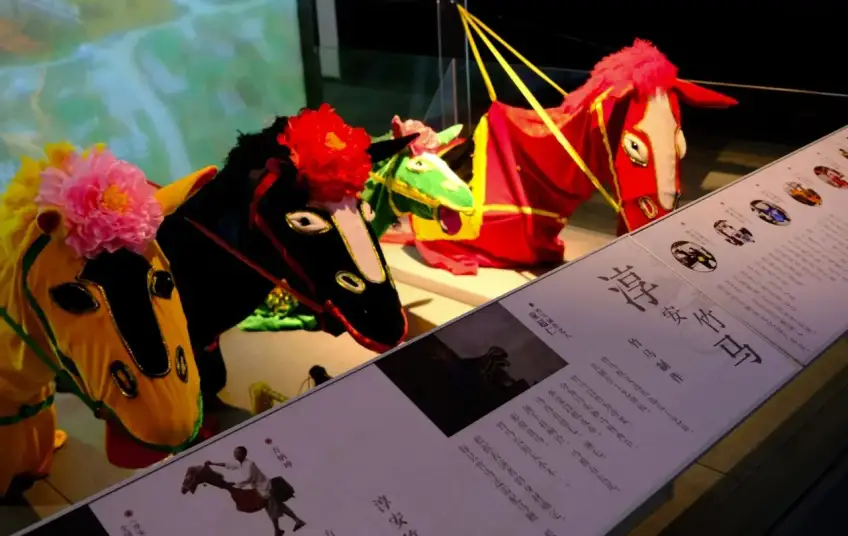
Inside the hall, you can see Chun'an Bamboo Horse displays and info panels, along with folk artifacts like Lishang Ren Lanterns, Badu hemp embroidery, and Fuwen wheat-straw fans. Few people still know how to make them today, but the museum preserves this cultural heritage well.
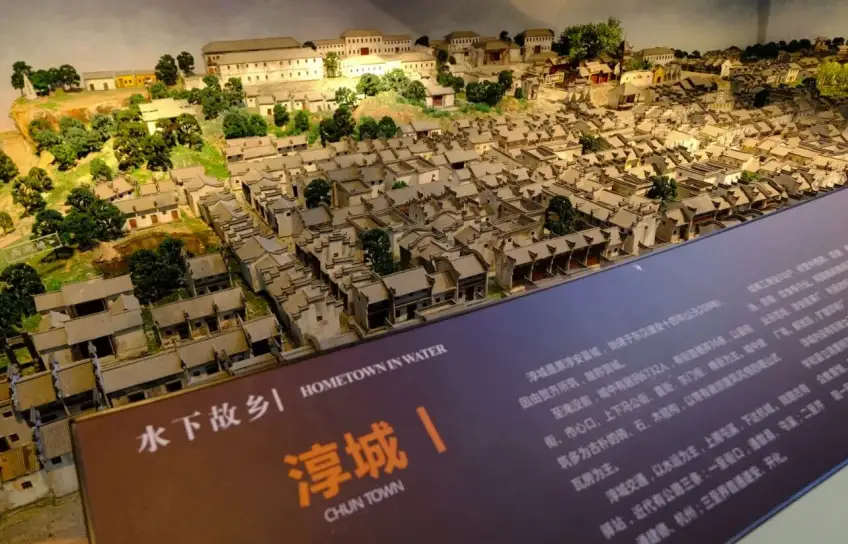
The "Underwater Hometown · Chuncheng" sand table uses old maps, vintage photos and models to tell the story of the county's 1,800-plus-year history, the hydropower station construction and the departure of 290,000 relocated residents.
He Qi Temple Fair: A thousand-year legacy of the county's founder
He Qi was the first county magistrate in Chun'an's history and is revered as the founding father of the county. He pacified the Shanyue tribes, won over the locals, and established the county seat. In return, the people built a temple and statues in his honor, worshipping him year after year for over a thousand years.
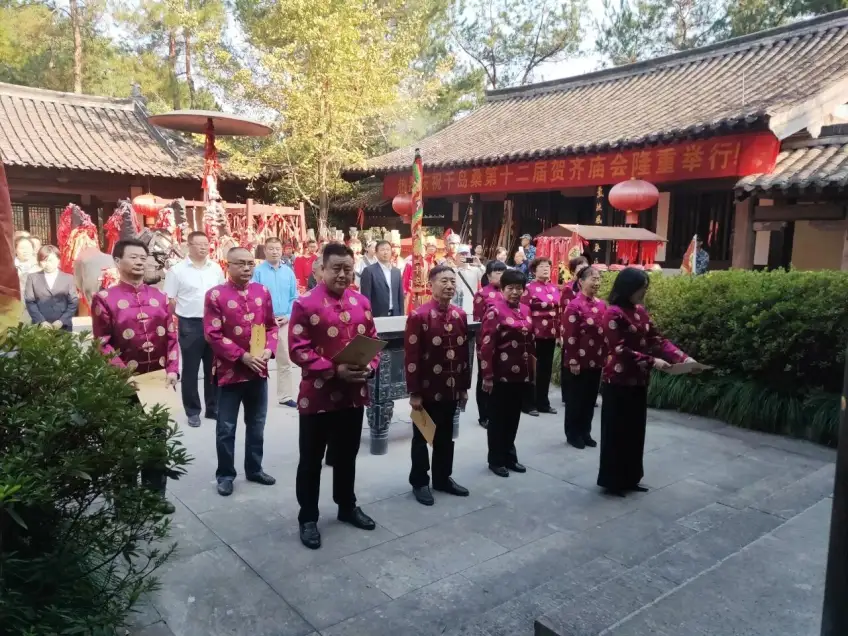
Today, around October each year, you can catch the Heqi Temple Fair on Xiushui Street in Qiandao Lake: ritual processions, intangible cultural heritage performances and market stalls take turns on stage, with bamboo horse dances, lion dances and dragon dances woven throughout.
Ruhong's "Gan Shiba": Lantern Festival three days late
In Ruhong Village, Dashu Town, the Lantern Festival is celebrated on the 18th day of the first lunar month instead of the 15th—a tradition unbroken for over 600 years. Legend has it that Prefect Cheng Bing "borrowed rain" during a drought and offered to postpone his own family's Lantern Festival by three days. When the rain came, villagers set the 18th as their Lantern Festival, and it continues to this day.
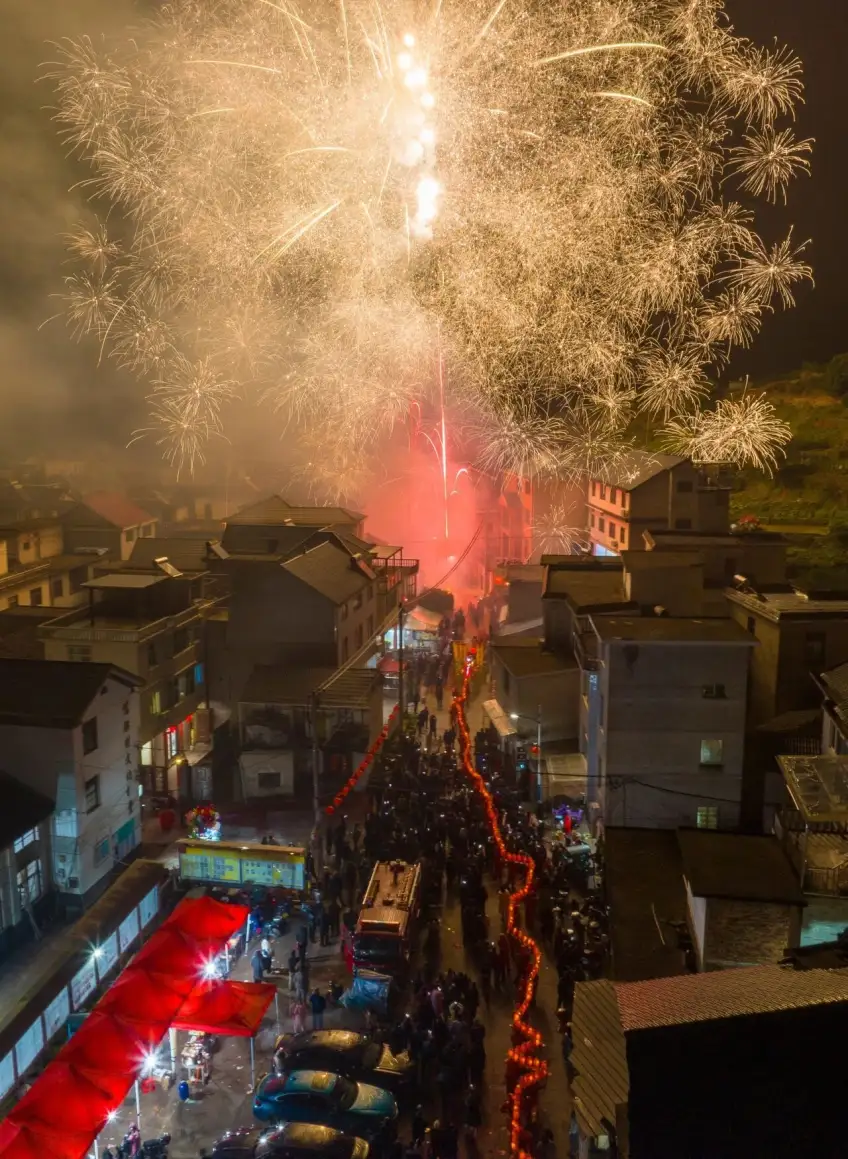
The highlight is the 100-meter bench dragon procession: every household carries out a bench for the dragon's head, body, and tail, usually linking about 88 sections together. Small flags are tucked into the lantern shades, and at night the fiery dragon winds through the streets amid gongs and drums (the number of participants and sections varies by year).
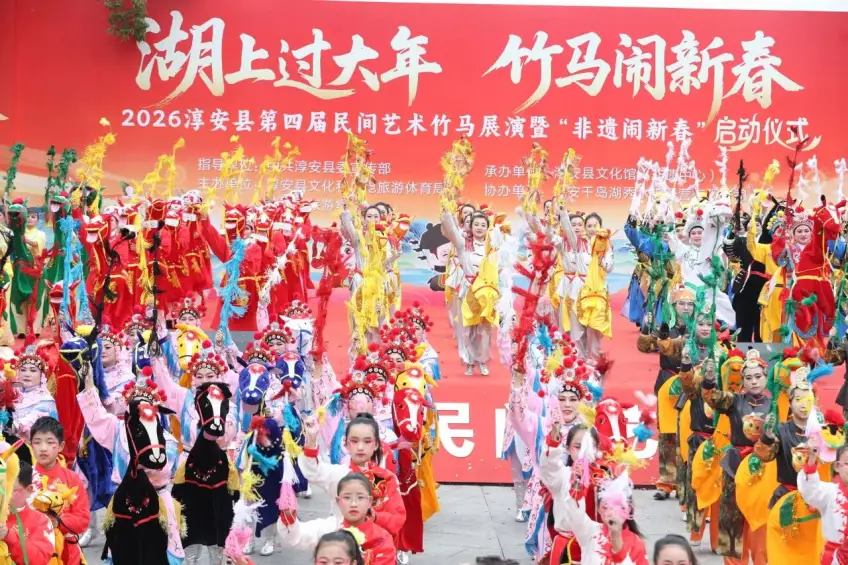
After the blessings comes the bamboo horse dance—a national-level intangible cultural heritage where veteran performers share the stage with young dancers. You can also guess lantern riddles, pound glutinous rice cakes and browse the market; the open banquet welcomes everyone, so passersby are free to sit down and eat.
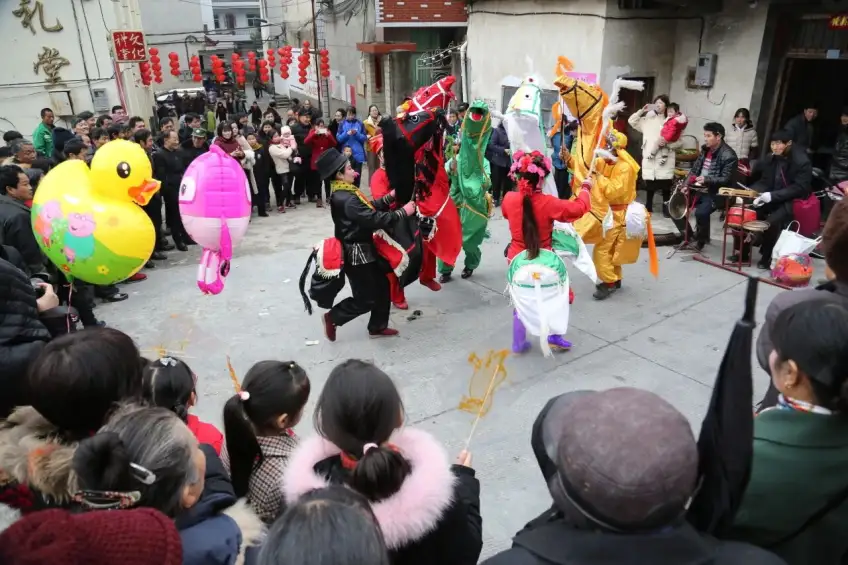
When the bamboo horses start dancing through the lanes, crowds of adults and children pack the street with festive cheer—this is the living spirit the sunken ancient town left behind on the shore.
Pig Head Contest in Zhujia Village on the 6th Day of the First Lunar Month
In the ancestral hall of Zhujia Village, Jinfeng Township, over a hundred huge pig heads line the offering tables by candlelight—some adorned with red double-happiness characters, others holding cypress branches or gold flowers. This is the "Pig Head Ancestor Worship" (Pig Head Contest), a tradition that has continued for about 800 years.
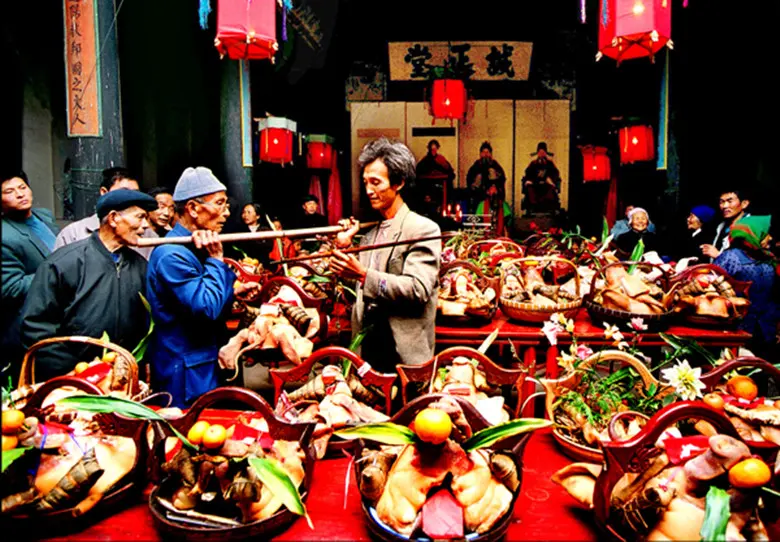
Around midnight on the 6th day of the first lunar month, each household boils a pig's head and prepares offerings. After the rooster crows twice, they carry them on trays to the ancestral hall, burn incense, light candles, set off fireworks, and pay respects to their ancestors (exact times follow that year's village schedule).
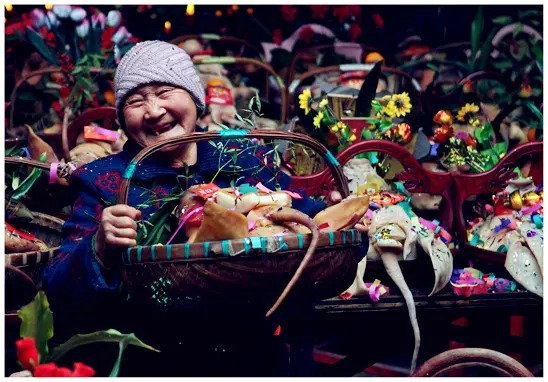
Outside the ancestral hall, bamboo horse dances and lion dances add to the festivities. After the contest, villagers gather to read the Zhu Family Instructions. If you want to try "walnut meat," shredded pig ear, or pig face meat, it's best to book ahead at a local farmhouse restaurant, or join a "Xiding Banquet" celebrating a newborn son.
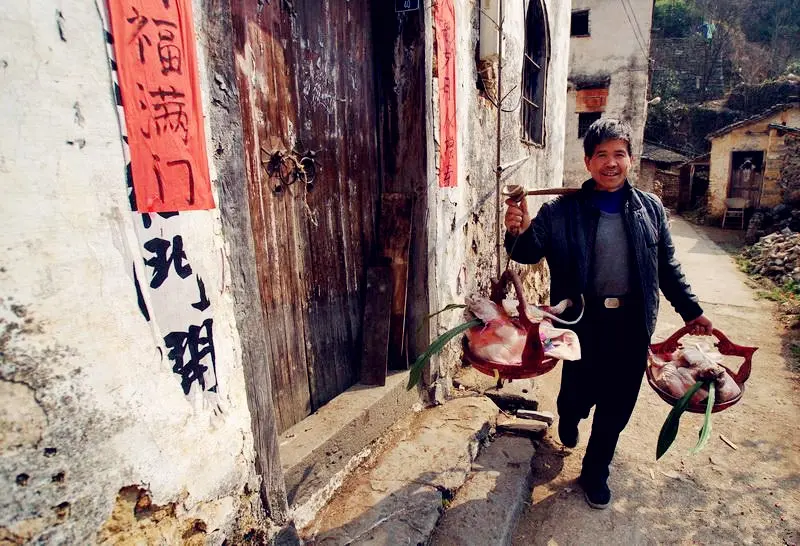
A shoulder pole carrying red baskets through the old alleys is the most everyday yet touching sight of the festival.
Chun'an Bamboo Horses and Themed Cruises
Around Chinese New Year, themed cruise boats like the "Dragon Horse" sail the lake: the hulls feature Year of the Horse motifs, while Chun'an bamboo horse dances are performed on deck. The steady grace of veteran performers blends with the energy of the young, creating a moving spectacle on the water.
Board a boat to explore islands with different themes: light shows on Moonlight Island, prayers on Longshan Island, giant-pot fish balls on Yule Island and more (attractions depend on that year's operations).
Lishang Ren Lanterns: A Dragon of Filial Piety
The Lishang Ren Lantern tradition dates back over 500 years. Legend says that when Prime Minister Shang Lu turned 70, Emperor Xianzong of Ming gifted him 100 lanterns, which captivated his elderly mother. To delight her, Shang Lu requested permission to hold a dragon lantern dance in his hometown during the Lantern Festival.
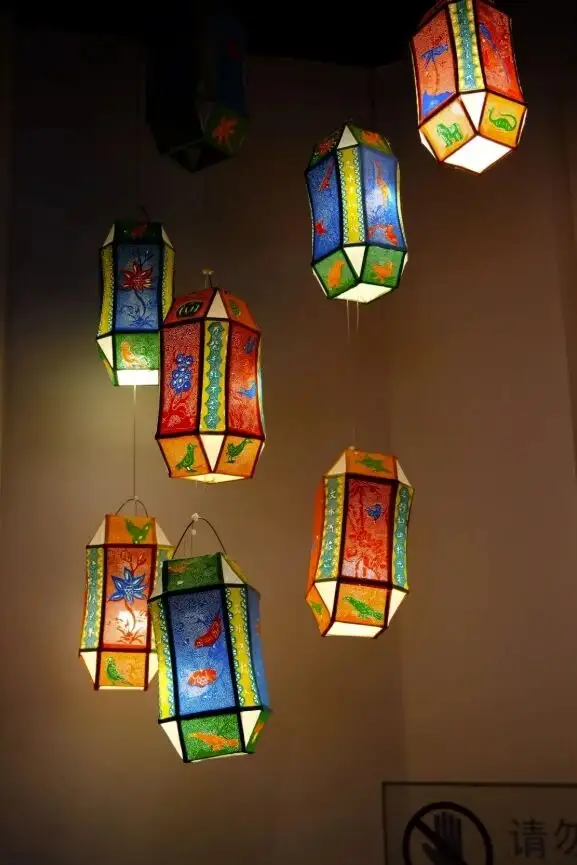
Ren lanterns are actually a type of bench dragon: wooden boards are fitted with patterned lanterns pricked with needle holes, casting dappled light. On the 15th day of the first lunar month, every household shoulders a lantern to form a glowing dragon. During the Lantern Festival, you may get one-on-one sessions with intangible cultural heritage inheritors (bamboo weaving, paper cutting, lantern riddles).
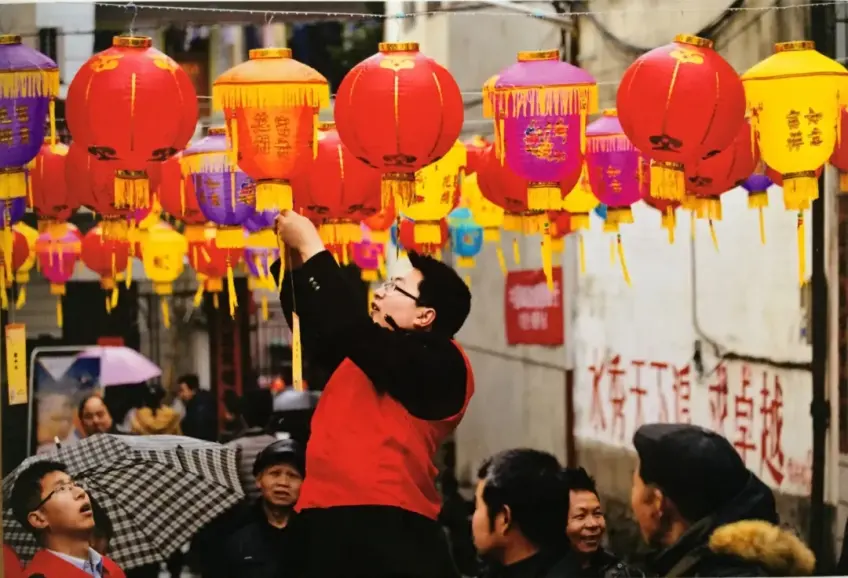
Hanging lights along the streets and tidying up lanterns is the most down-to-earth preparation before the festival.
Qilong Lane and Xiushui Market
The underwater ancient city offers historical depth, while Qilong Lane captures everyday life: an old-world lane in the heart of Qiandao Lake Town, where 122 open-air stone steps rise like a dragon's spine.
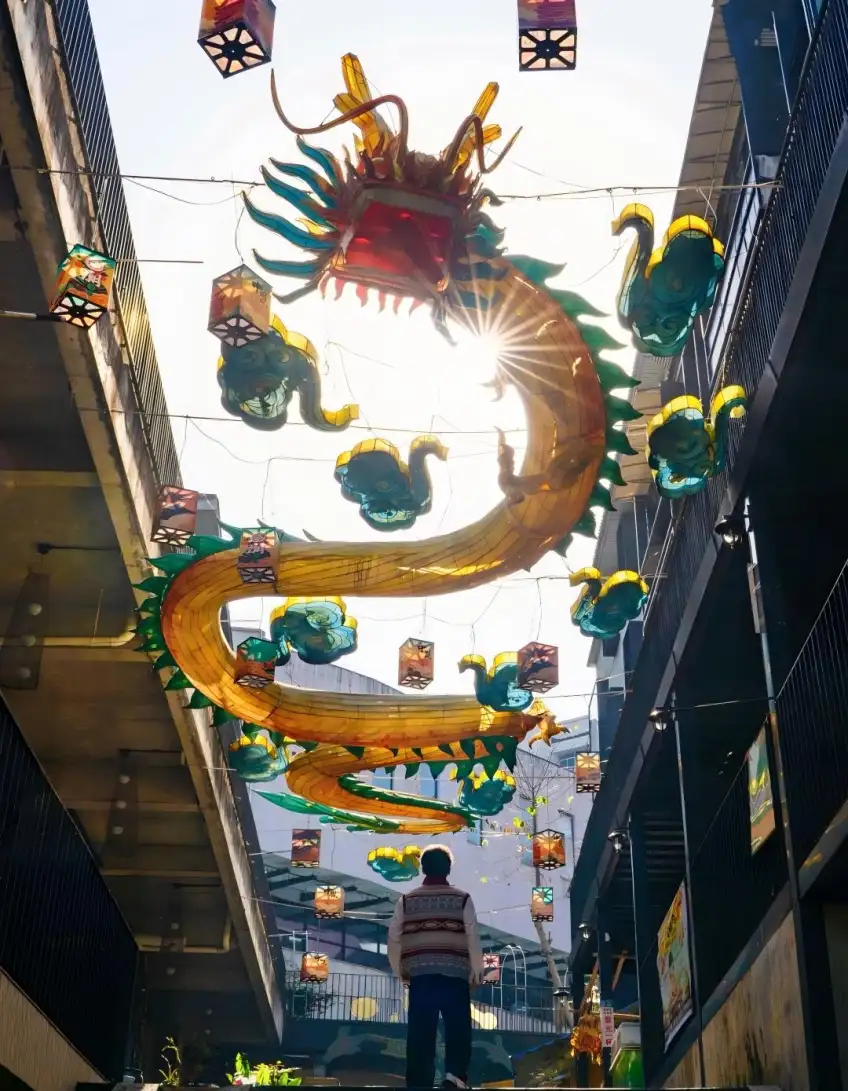
Looking up at the dragon lanterns strung above the alley makes for great photos, framed by traditional Huizhou-style white walls and dark tiles on both sides. The air is filled with the crunch of walnuts, the aroma of rice sheets, rice soup, and sesame cakes—and it's also a hub for shadow puppetry, paper cutting, and bamboo horse dances.
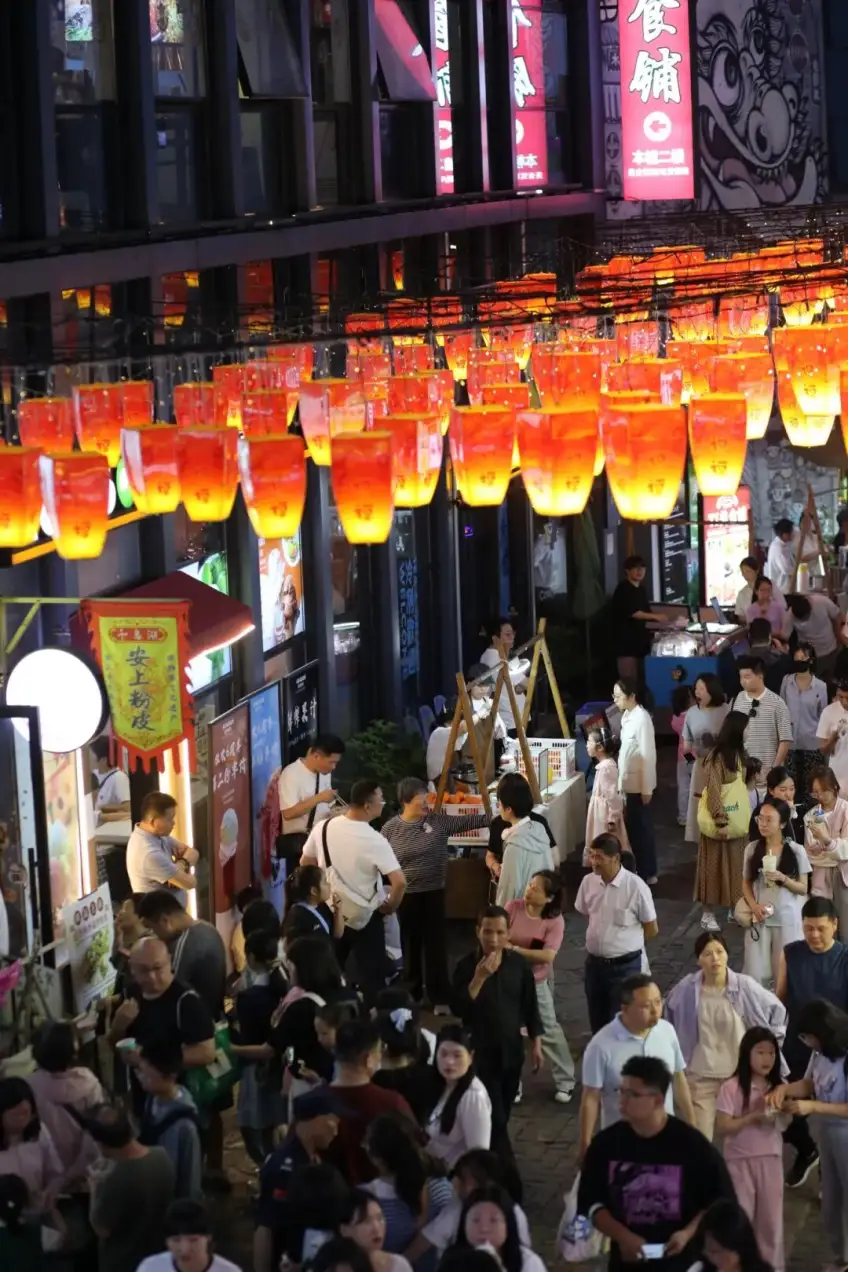
Under the night market lanterns, classic flavors like Anshang sheet jelly leave the strongest impression.
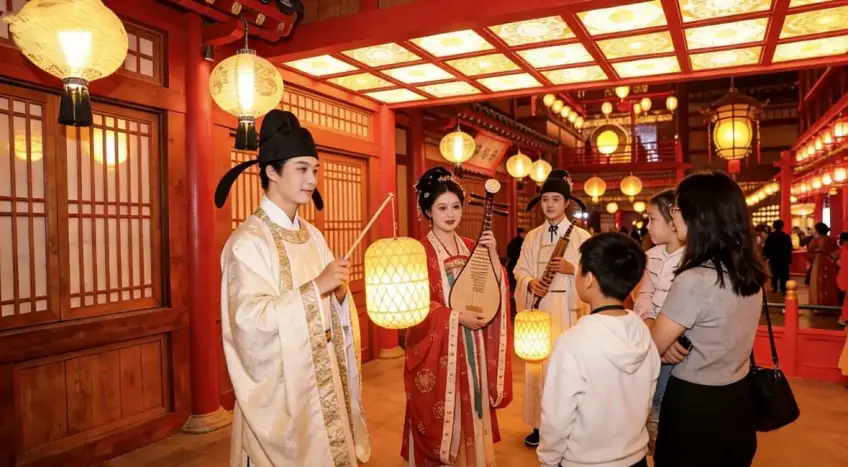
The New Year market occasionally features interactive performances like Hanfu lantern processions.

Private Qiandao Lake Day Tour | Round-trip from Hangzhou, Yacht + Tianyu Observation Deck
A private Qiandao Lake day tour with pickup and drop-off at Hangzhou East Railway Station or Xiaoshan Airport: cruise the lake on a leisure yacht, then head up to the Tianyu Mountain glass observation deck for 270° lake views. This premium private tour includes transportation, a guide and admission tickets, just you and your travel companions; foreign-language guides available.
For couples or an easier route, also check out Romantic Qiandao Lake.
6-day 5-night private tour of Shanghai, Hangzhou, Wuzhen and Qiandao Lake | Xitang · West Lake boat ride
A 6-day 5-night private tour starting and ending in Shanghai: Wuzhen East Scenic Zone and West Scenic Zone, Xitang, Lingyin Temple and Feilai Peak, plus a day at Tianyu Mountain on Qiandao Lake. On the way back, take a boat ride on West Lake and visit City God Temple and Nanjing Road. Includes airport transfers, transportation, guide, 5 nights of hotels and admission tickets. English-speaking guide available.
Getting there: Group tour or station pickup with private car
Temple fairs, Lantern Festival events, boat tours, ticket prices and opening hours are subject to official or village announcements for the current year. Feel free to share your visit experiences so more people can discover Chun'an's intangible cultural heritage.