
For foreign visitors and overseas Chinese returning home, there are three things to figure out before strolling Nanjing Road Pedestrian Street: entry requirements, payment methods, and departure tax refunds. Eligible travelers can use the 240-hour transit visa exemption to enter Shanghai. Set up a mobile payment app linked to your overseas bank card in advance, and you can pay at most shops along the street. If you buy goods at stores displaying the tax refund sign and spend ¥200 or more at the same store on the same day, you can apply for a departure tax refund; some stores even offer instant refunds. Taking your parents or foreign friends for a leisurely walk—browsing shops during the day and heading to The Bund by evening—is the most comfortable pace.

Entry & arrival: Transit visa exemption and getting downtown
Before heading to Nanjing Road, confirm how you'll enter China. China offers a 240-hour transit visa exemption to travelers from over 50 countries. If you hold a connecting ticket to a third country and enter through a designated port, you can stay in the permitted area for up to 10 days, and Shanghai's airports are among the eligible ports. For the exact list of eligible countries, ports, and permitted areas, refer to the latest announcements from the National Immigration Administration and double-check before you depart.
Besides the transit visa exemption, China also grants unilateral visa-free entry to a growing list of countries. If you don't qualify for visa-free entry, you'll need to apply for a visa in advance. Overseas Chinese traveling on a foreign passport are subject to the policies applicable to their passport's nationality. Whichever route applies, always rely on official information checked right before departure rather than outdated travel guides online.
To get from the airport to Nanjing Road, the easiest option is booking an airport pickup in advance—the driver waits at the exit with a sign and takes you straight to your hotel. You can also take the metro: People's Square Station (Lines 1, 2, and 8) and East Nanjing Road Station (Lines 2 and 10) sit at either end of Nanjing Road, and Line 2 runs directly from both Pudong Airport and Hongqiao Airport. However, hauling large suitcases in and out of metro stations can be tough. If it's your first time in Shanghai, you're traveling with your parents, or you land late at night, we recommend booking a transfer. See How to book Shanghai airport transfers for details.
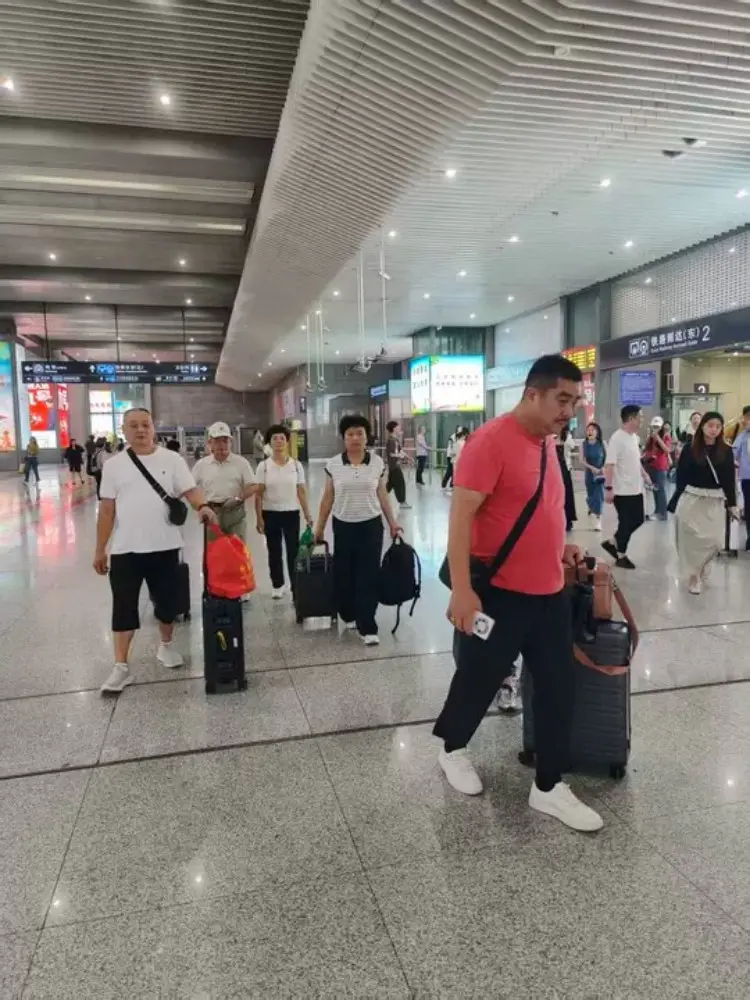
For accommodation, if your itinerary focuses on the city center, staying near Nanjing Road, People's Square, or The Bund is the most convenient—you can simply walk back to your hotel after an evening stroll along the pedestrian street. Staying a bit farther out is fine too; Metro Line 2 connects Hongqiao, Jing'an Temple, Nanjing Road, and Lujiazui on a single route, making travel very easy.
Payment: mobile payment, bank cards, and cash
In China, daily spending relies mainly on scanning QR codes with your phone. Malls, time-honored brands, and convenience stores on Nanjing Road almost all accept scan-to-pay. Foreign visitors can install popular payment apps on their phones in advance and link an overseas-issued bank card, using passport details for real-name verification. Specific rules for linking and usage, per-transaction limits, and fees are subject to each platform's announcements. We recommend completing the setup and testing it with a small transaction at home before you depart.
Large malls and department stores usually accept overseas bank cards, but smaller shops and stalls may not. Carry a small amount of RMB cash as a backup so you won't be caught off guard if a QR code fails or your phone dies. Currency exchange is available at airports and bank branches; opening hours vary by location.
Overseas Chinese traveling with parents can set up payment methods for them in advance, or simply have one person handle all payments to avoid any hassle at the counter.
For the metro, you can buy single-journey tickets at self-service machines in stations or scan a QR code via a mobile app to enter. If you're unfamiliar with the process the first time, just ask station staff for help. You can also use mobile apps to hail taxis—confirm the license plate number before getting in and the payment method before getting out.
One often overlooked detail is mobile data. When roaming in China with a foreign SIM card, some apps and websites commonly used abroad may not work properly. It's best to switch your maps, translation, and payment tools to versions that work in China ahead of time, or buy a local SIM card or data package upon arrival. Most malls along Nanjing Road offer free Wi-Fi, but logging in usually requires receiving a verification code via a phone number.

Tax Refund: Where and How to Claim It
Overseas travelers who shop at stores displaying the tax refund sign can apply for a VAT refund when leaving China. Starting in April 2025, several policy adjustments were made: the minimum purchase amount dropped from ¥500 to ¥200, meaning you can apply as long as you spend at least ¥200 at the same tax-refund store on the same day; the cash refund limit increased from ¥10,000 to ¥20,000; and the "buy and refund instantly" service is being rolled out more widely, letting you receive your refund on the spot at pilot stores and simply complete confirmation procedures at the port when you depart.
Shanghai was one of the first cities to introduce buy-and-refund-instantly. The Nanjing East Road shopping district even installed China's first self-service tax refund kiosk—just scan your passport and receipt to generate a refund application form. Major department stores and some brand boutiques on Nanjing Road are tax-refund stores. Before shopping, look for the tax refund sign at the entrance or checkout counter, or just ask the staff.
You'll need to show your passport when claiming a refund. Keep the goods in good condition, carry them with you when you leave, and complete confirmation at the airport's tax refund counter. Specific requirements, eligible goods, and procedures are subject to the rules of the tax authorities and the store. If you're buying a lot or spending a large amount, allow extra time for the paperwork at the airport.
Breaking it down makes the process clearer: First, before checking out, confirm whether the store participates in tax refunds and supports buy-and-refund-instantly. Second, show your passport so the staff can issue a refund application form and receipt. Third, keep the documents and goods together, and don't open or use the items. Fourth, when departing, have customs verify your goods at the airport first, then go to the tax refund counter to collect your refund or complete confirmation. Even if you used buy-and-refund-instantly, you still need to complete the confirmation process when leaving, or you may have to return the refund you already received.
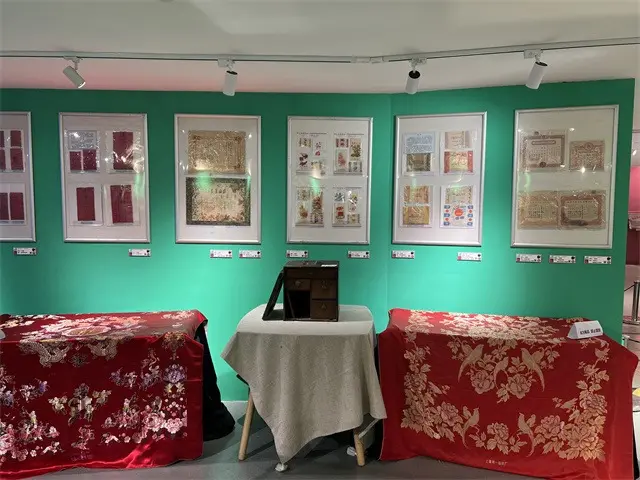
What to Shop: Stores Great for Foreign Friends and Parents
Nanjing Road has countless shops, but you don't need to visit every one when exploring with foreign friends or parents. Pick a few types based on your interests:
Classic department stores: Time-honored department stores like Shanghai No. 1 Department Store and Wing On are landmarks of Nanjing Road. The buildings themselves are historic, and inside you'll find silk, embroidery, tea, and handicrafts that make great gifts—foreign visitors are often fascinated by them. Tax-refund shops are also mostly clustered in these large department stores.
Time-honored brands: Nanjing Road is home to many heritage shops that have been around for decades or even over a century, selling silk fabrics, stationery, watches, food, and more. Compared with younger travelers, parents tend to feel more attached to these old stores—let them lead the way and share stories from the past.
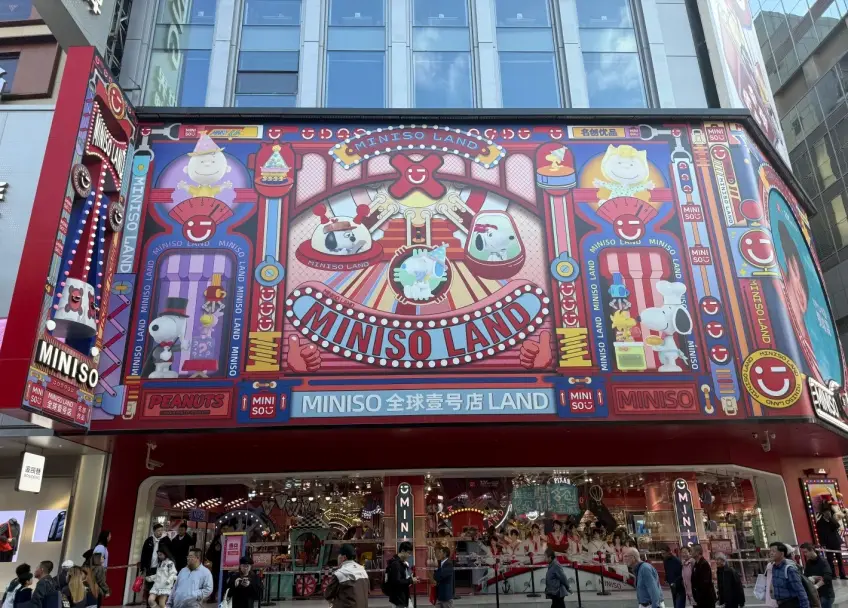
Flagship and themed stores: In recent years, Nanjing Road has welcomed plenty of brand flagship and themed stores featuring building blocks, trendy toys, lifestyle goods, and more—big hits with kids and young adults. Some stores have large installations and displays, so you can pop in and look around even if you're not buying anything.

Indoor attractions: Near the pedestrian street are indoor venues such as wax museums—great backup options for rainy or scorching hot days. Check each venue's official announcements for ticket prices and opening hours.

Taking it slow with your parents: pace, rest stops, and luggage storage
Many overseas Chinese returning to China take their parents or accompany them for a stroll along Nanjing Road. Older folks move at a different pace than younger travelers, so keep these points in mind when planning:
Limit the walking. Walking from People's Square to The Bund, plus going in and out of shops, can easily add up to 10,000–20,000 steps in an afternoon. You can just walk part of it—for example, from East Nanjing Road Station eastward to The Bund—or ride the sightseeing shuttle along the pedestrian street for a stretch.
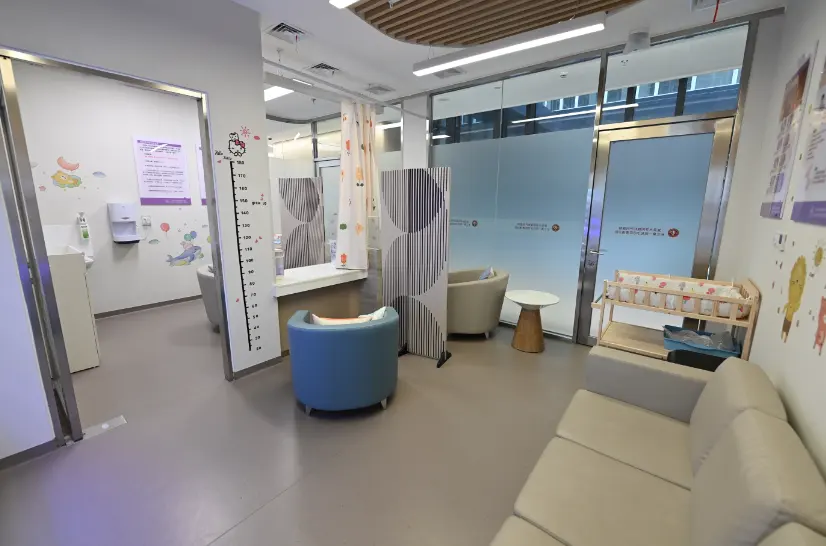
Schedule plenty of breaks. Malls have seating and restrooms, and some department stores even have nursing rooms, so stop inside to sit down after about an hour of walking. In summer, stay indoors during the hottest midday hours; in winter, the riverside gets windy by evening, so bring an extra jacket for your parents.
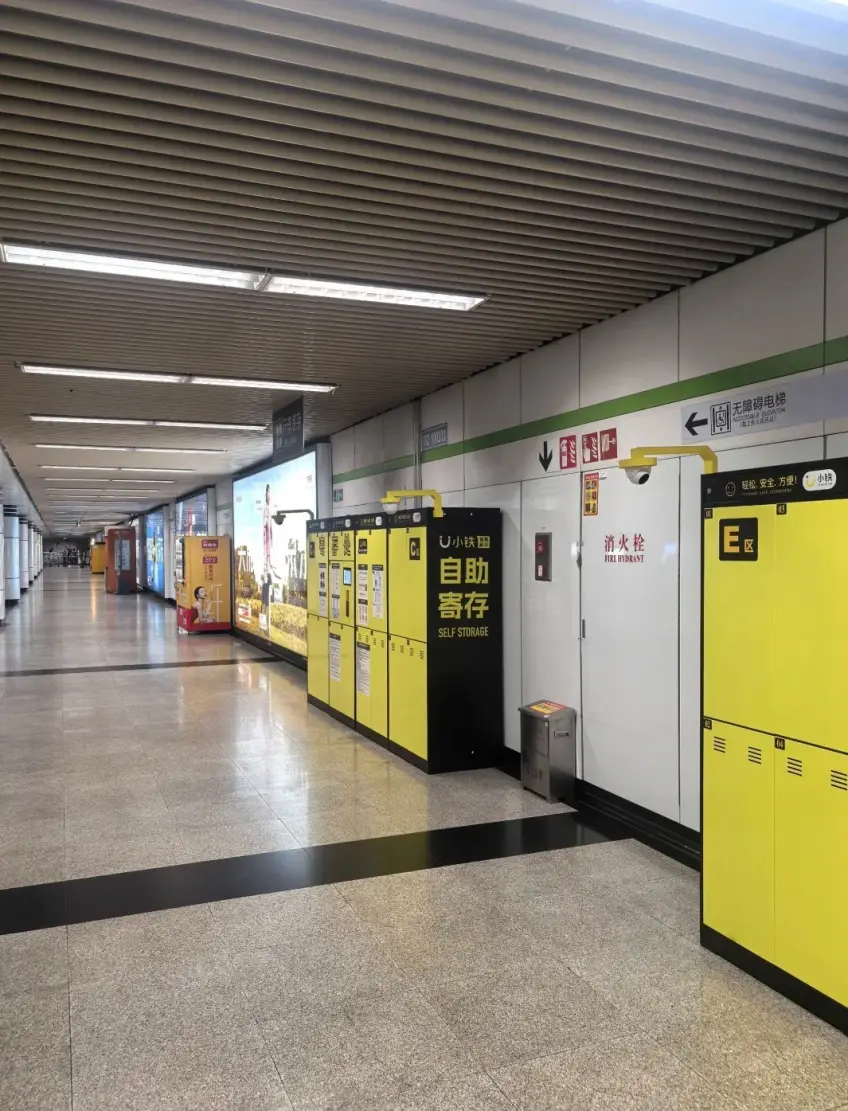
Store your luggage. If you're shopping in the gap between checkout and heading to the airport, don't drag large bags around. There are self-service lockers in metro stations and some malls, or you can leave your luggage at the hotel front desk—check what's available on site.
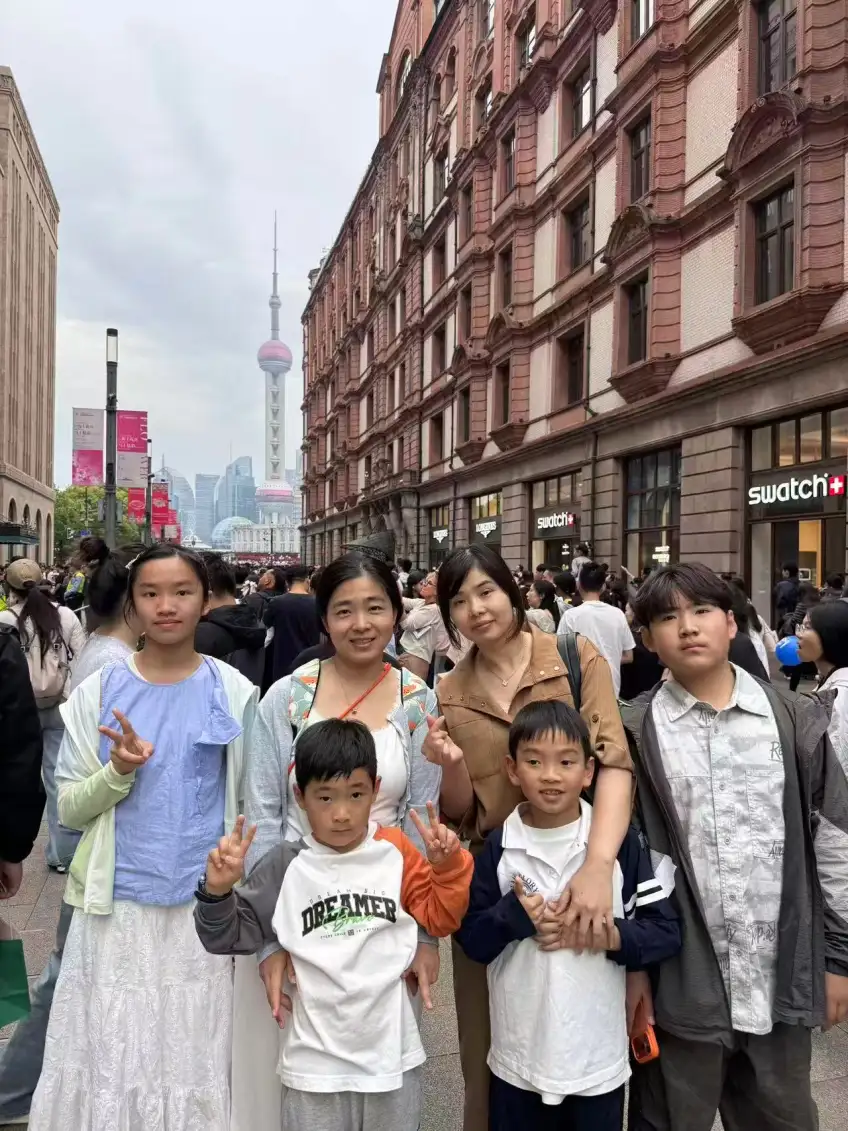
Avoid peak crowds. On weekend and holiday evenings, Nanjing Road and The Bund get extremely crowded, making it easy for older visitors and children to get separated—and it isn't safe. Try to go on a weekday, or visit during the day and leave before dark.
A half-day plan suited for older travelers might look like this: leave your hotel around 2 pm, get off at East Nanjing Road Station, browse one or two historic department stores, then grab a drink and rest inside a mall around 3:30 pm. After 4:30 pm, stroll slowly east toward The Bund to take in the river views and old buildings, watch the lights come on around dusk, and head back to your hotel by taxi or private car around 7 pm. This keeps the walking manageable while letting you see Nanjing Road in both its daytime and evening moods.
Language, Guided Tours & Safety: Common Questions from International Visitors and How to Choose
Nanjing Road metro stations, street signs, and most malls have English signage, so asking for directions isn't too hard. However, not all shop staff speak English, so use a translation app on your phone to help communicate. Save your hotel address in Chinese on your phone in advance so you can show it directly to taxi drivers.
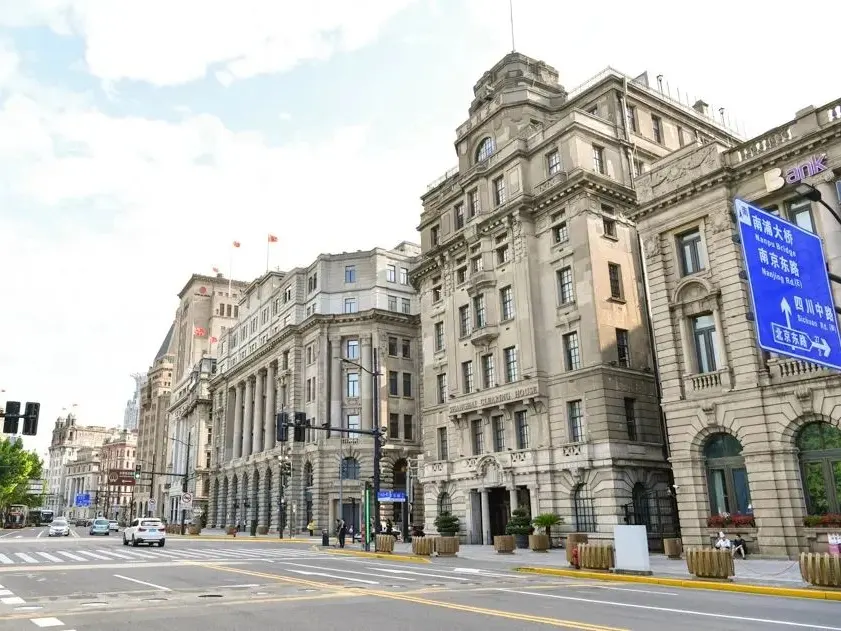
If you're interested in old Shanghai history—why Nanjing Road is known as "China's No. 1 Commercial Street," or what the historic buildings on The Bund were originally used for—you won't learn much just from street signs. Hire an English-speaking private guide to walk with you and share stories; two or three hours are enough to cover plenty of ground on Nanjing Road and The Bund. For details, see How to hire a Shanghai tour guide; for half-day or full-day pricing options, see How to choose a private Shanghai guide.
As for safety, Nanjing Road is generally well-ordered, but keep your passport, phone, and wallet secure in crowded areas, especially at night when the viewing platform on The Bund gets packed. If strangers approach you to chat, invite you for tea, or try to sell you something, just politely decline.
In case of emergency in China, dial 110 for police and 120 for medical assistance. It's best to carry your original passport and keep a photo of it on your phone—you'll need it for hotel check-ins, tax refunds, and buying tickets.
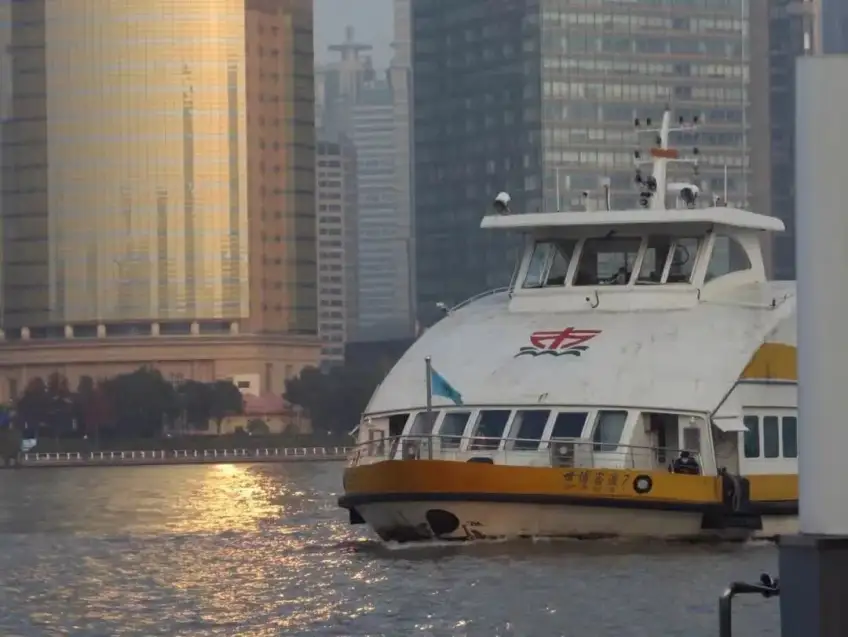
From The Bund, you can also take a ferry across the river to Lujiazui in just a few minutes—a great way to see the scenery along both banks of the Huangpu River. Ferry schedules and fares are subject to on-site information; international visitors can scan a QR code with their phone or pay in cash.
How to choose: independent travel, private car or a guide
Independent travel: If you're comfortable with mobile payments and map apps and plan to stay in the city center, you can easily cover Nanjing Road and The Bund by subway.
Transfers plus independent travel: Book airport transfers for arrival and departure, then explore on your own in between. Great for families traveling with bulky luggage or elderly parents.
Private car or private guide: If you want to visit Nanjing Road, The Bund, Yu Garden and Lujiazui all in one day, or help foreign friends understand the stories of old Shanghai, book a private car with a guide. See How to book a private car in Shanghai.
Custom tours: If you're heading to Suzhou, Hangzhou, Nanjing or other cities after Shanghai and want visas, transport and hotels arranged all at once, see How to book a custom tour in Shanghai.

Shanghai 1-day tour: Shanghai, Oriental Pearl Tower
Private day tour with Shanghai airport transfers: walk the 259-meter glass corridor on the second sphere of the Oriental Pearl Tower, visit the Former Residence of Soong Ching Ling, and explore Yu Garden. Ideal for layovers or short stays in Shanghai. Includes vehicle, guide and admission tickets. English-speaking and other foreign-language guides available on request.
For basic info on Nanjing Road Pedestrian Street, see the Nanjing Road Pedestrian Street attraction page. To find out the best time of day to visit, see Best time to visit Nanjing Road Pedestrian Street.
FAQs
Can foreign tourists pay with bank cards on Nanjing Road?
Large malls and department stores generally accept foreign bank cards, but small shops and stalls may not. The most convenient option is to link your foreign bank card to a mobile payment app in advance and carry some RMB cash as a backup.
How do I get a tax refund for purchases on Nanjing Road?
At stores displaying the tax refund sign, spending ¥200 or more at the same store on the same day qualifies you for a departure tax refund. You'll need to show your passport and keep the receipt. Some stores offer instant refunds so you receive the money on the spot, with confirmation completed at the port when you depart. Specific conditions are subject to the regulations of the tax authorities and individual store policies.
Can I visit Nanjing Road in Shanghai under the 240-hour visa-free transit policy?
Eligible travelers entering through designated ports in Shanghai can stay within the permitted area, which includes the downtown district where Nanjing Road is located. Eligible countries, connecting ticket requirements, and permitted areas are subject to the latest announcements from the National Immigration Administration.
Do I need a ticket for Nanjing Road?
No. Nanjing Road Pedestrian Street is open 24 hours a day, year-round, and admission is free. Nearby indoor venues, boat cruises, and other attractions charge separately according to their own published prices.