

When visiting Nanjing's historical sites, don't just snap photos and move on. From Six Dynasties imperial tombs and Ming city walls to Republican-era mansions and museums, this guide breaks down reservations, ticket prices, and routing by district. Opening hours and prices are subject to official announcements on the day.
If you've just arrived by high-speed train or plane with luggage in hand, first check out station transfers. To truly understand the stories of the Six Dynasties and the Republic era, consider hiring a private guide. First, let's cover the common pitfalls and districts.
Tips for visiting Nanjing's historical sites
The most common mistakes for first-timers: no reservation, Monday closures, wrong shoes, and staying too far out. Read this section before planning your routes to Purple Mountain, Confucius Temple, and the Presidential Palace.
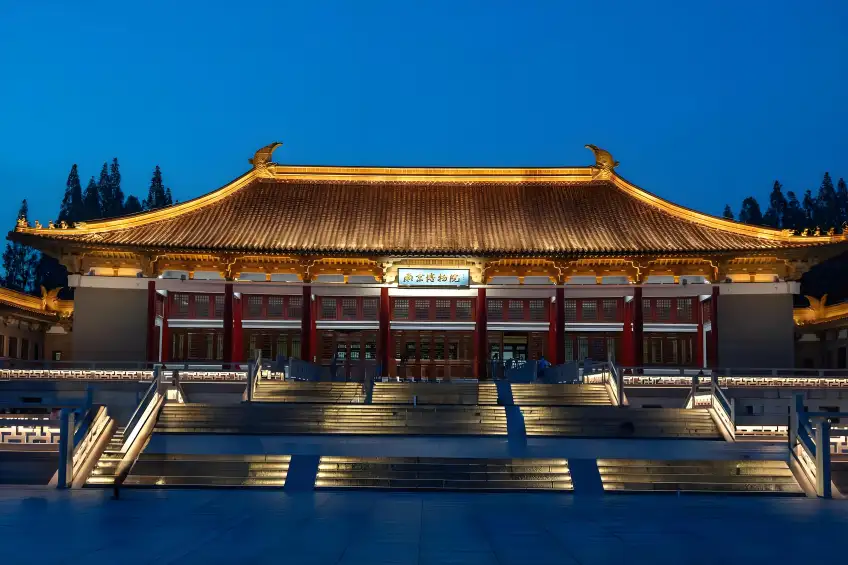
Nanjing Museum looks stunning at night, but you still need a reservation to enter. Popular free attractions also require advance booking—don't count on walking in last minute.
Book in advance
Sun Yat-sen Mausoleum, Nanjing Museum, the Memorial Hall of the Victims in Nanjing Massacre by Japanese Invaders and others require real-name reservations. We recommend booking through official channels 3–7 days in advance, or even earlier during holidays. Paid attractions such as Ming Xiaoling Mausoleum and Presidential Palace offer online ticketing; please follow the official rules.
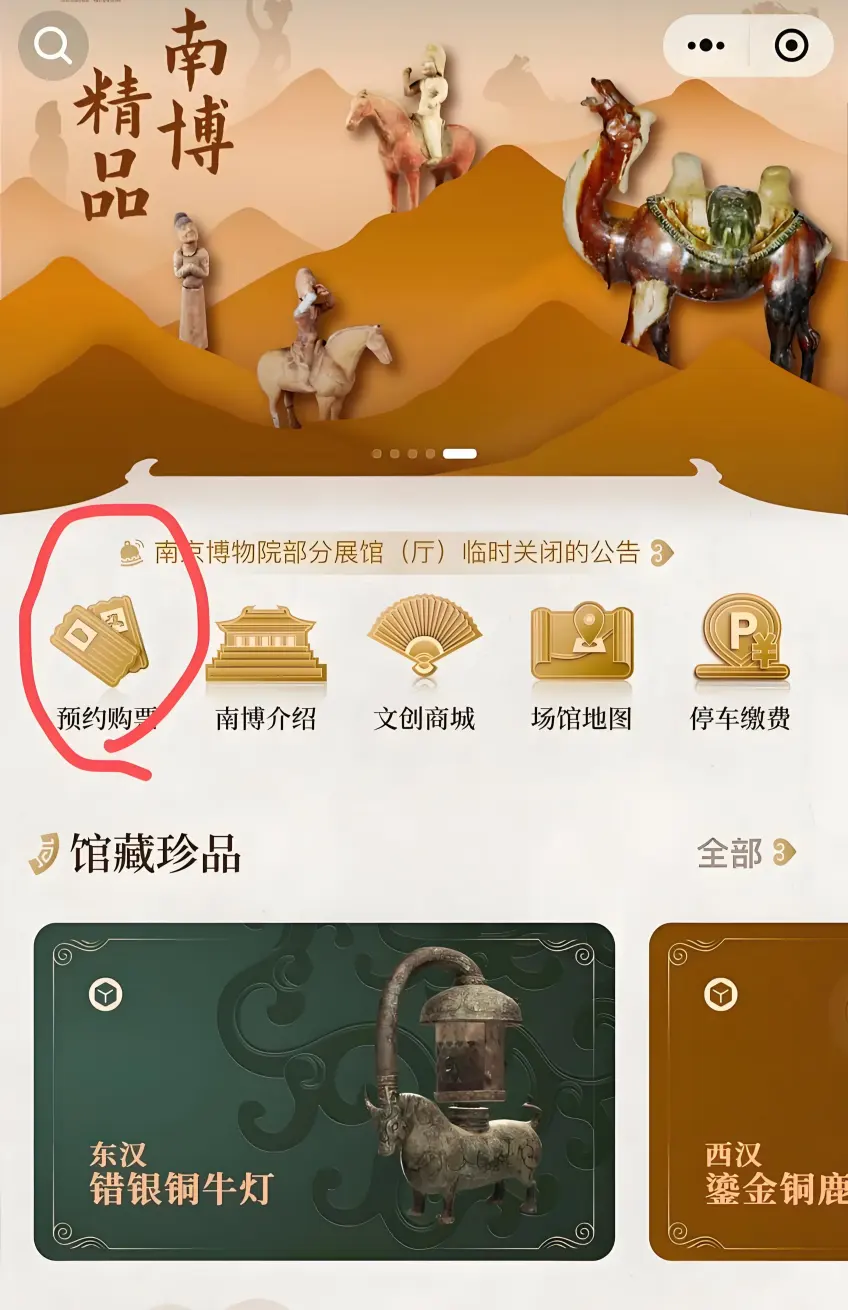
Book through each museum's official mini program or WeChat official account. Screenshots only illustrate the steps—don't treat them as real-time availability.
Best time to visit
Spring and autumn are the most comfortable: April–May and September–October bring mild weather and beautiful foliage. In summer, start early and return late. Winter is damp and cold but less crowded, so you can still take your time if you dress warmly.
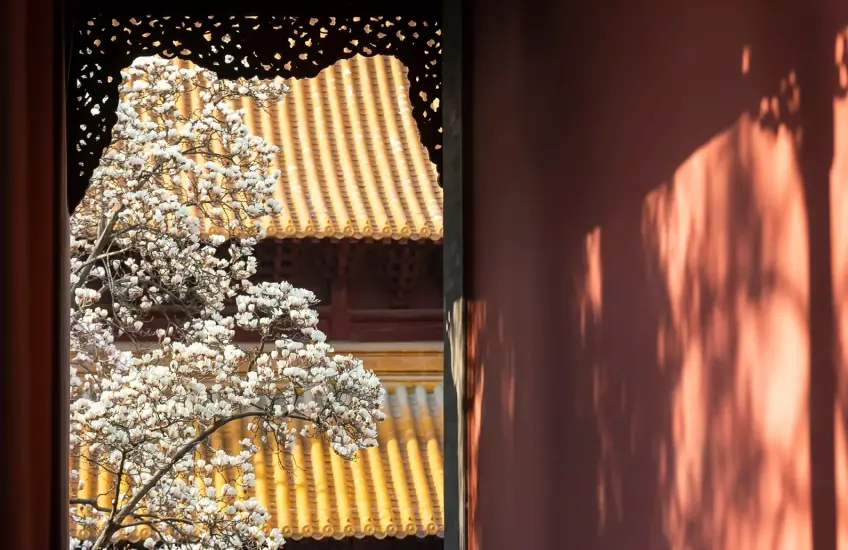
Spring magnolias make great photos alongside the historic buildings. Bloom times vary each year, so check current conditions for the season.
Getting around and where to stay
Within the city, Metro Lines 1, 2, and 3 are your best bet, covering most historic sites—just scan your phone to ride. For hotels, stay around Xinjiekou, Daxinggong, or Confucius Temple to cut down on backtracking. If you're arriving from or departing to another city with lots of luggage, consider booking a station transfer.
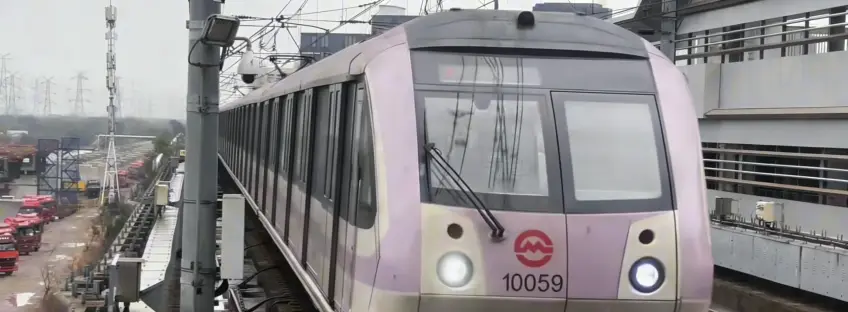
Most stations are just one or two stops from the attractions. If you want to combine Purple Mountain and the southern old town in a single day, check out our private car option to skip the transfers.
What to wear & bring
Exploring historic sites means a lot of walking, so be sure to wear comfortable sneakers. Pack a small backpack with water and a power bank, plus sunscreen for sunny days and an umbrella for rain. Allow extra rest time at Sun Yat-sen Mausoleum and along the city wall sections, which have plenty of steps.
Purple Mountain Scenic Area: Ming Xiaoling Mausoleum · Sun Yat-sen Mausoleum · Meiling Palace · Linggu Temple
Zhongshan is the core area for historical sites in Nanjing: Ming Dynasty imperial tombs, Republican-era mausoleums, and ancient temples are all clustered here. The attractions connect to each other, and combo tickets are usually a better deal.
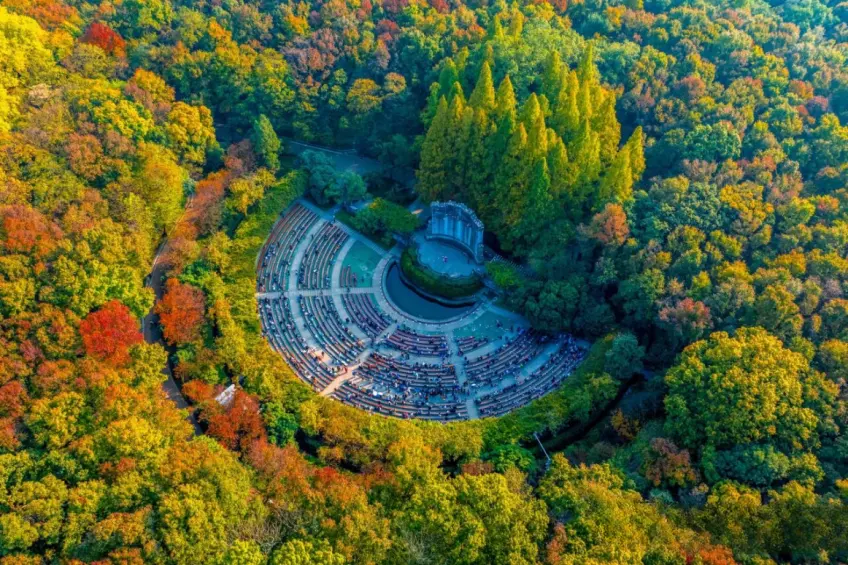
The Music Stage, wrapped in autumn colors, makes a relaxing pause on the Zhongshan route. If you're short on energy, just stick to the main mausoleum trail.
Ming Xiaoling Mausoleum
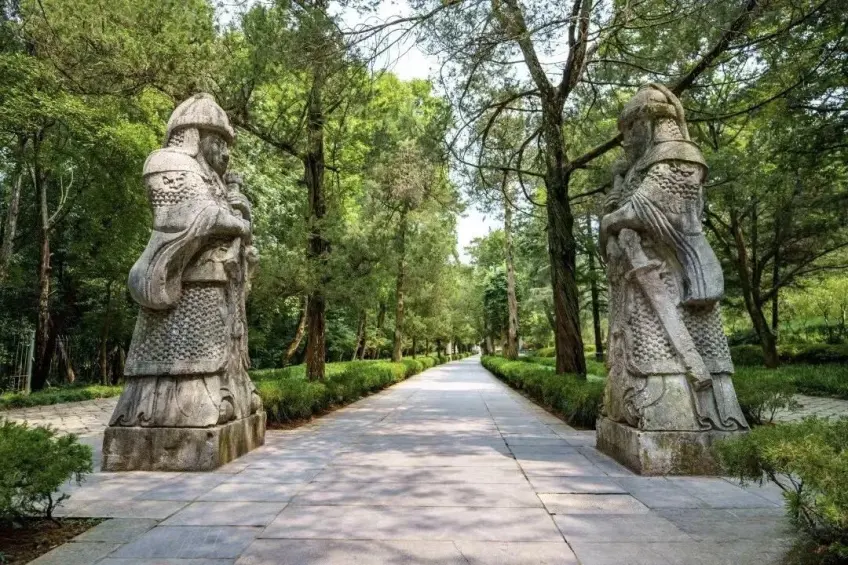
Ming Xiaoling Mausoleum is the joint tomb of Zhu Yuanzhang and Empress Ma, and a UNESCO World Heritage Site. The highlight is the roughly 600-meter Sacred Way, where stone animals and figures have stood for centuries. It's perfect for a slow stroll and photos under spring greenery or autumn leaves.
The warrior statues along the Sacred Way are one of Nanjing's iconic sights. Ticket prices and opening hours are subject to the site's daily notice.
Sun Yat-sen Mausoleum
Sun Yat-sen Mausoleum is free but requires a reservation; you can't enter without one. Its landmark is the 392 steps: looking up you see only stairs, looking down you see only terraces. Take breaks along the way—there's no need to rush to the top.
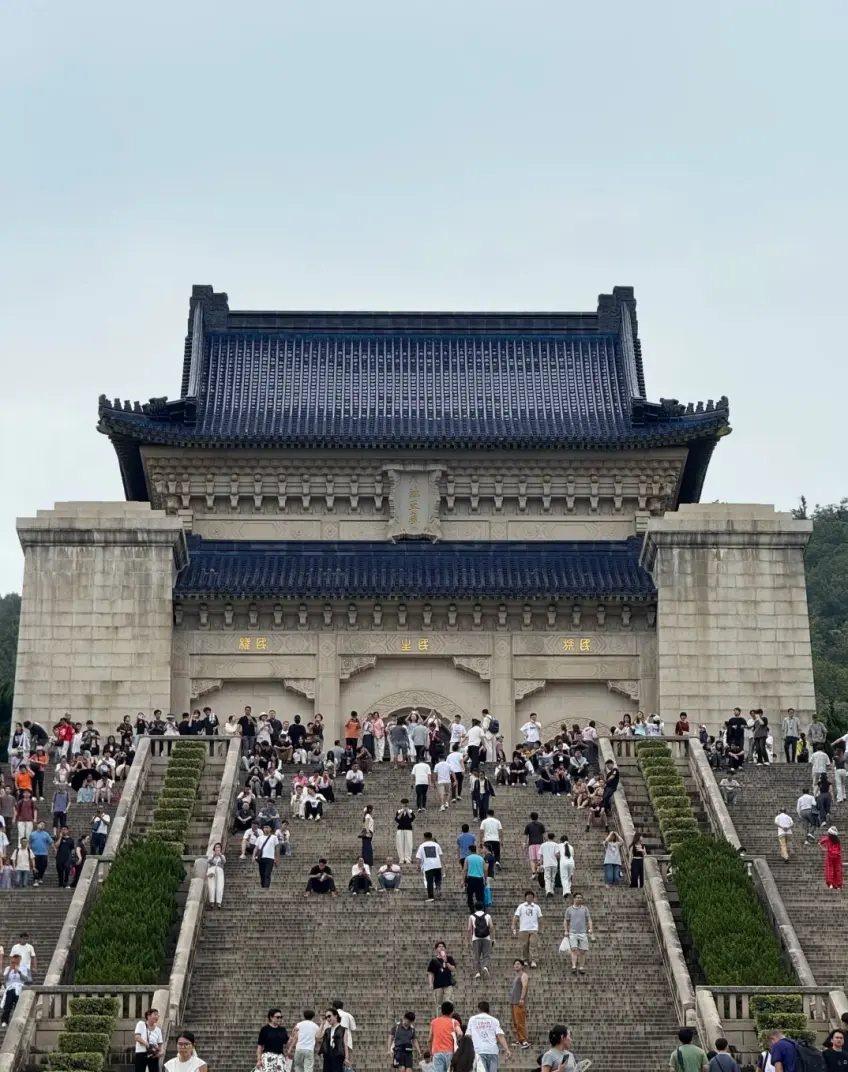
The memorial hall with its blue tiles and the steps get crowded, so visiting off-peak is more comfortable. For guided commentary, ask about hiring a private guide.
Meiling Palace
Meiling Palace is a Republican-era villa known as the "No. 1 Villa in the Far East." A standalone ticket is usually around ¥30, but it's often cheaper with the Zhongshan combo ticket. Aerial shots reveal French plane trees forming a "necklace" shape, making it a popular photo spot for couples.
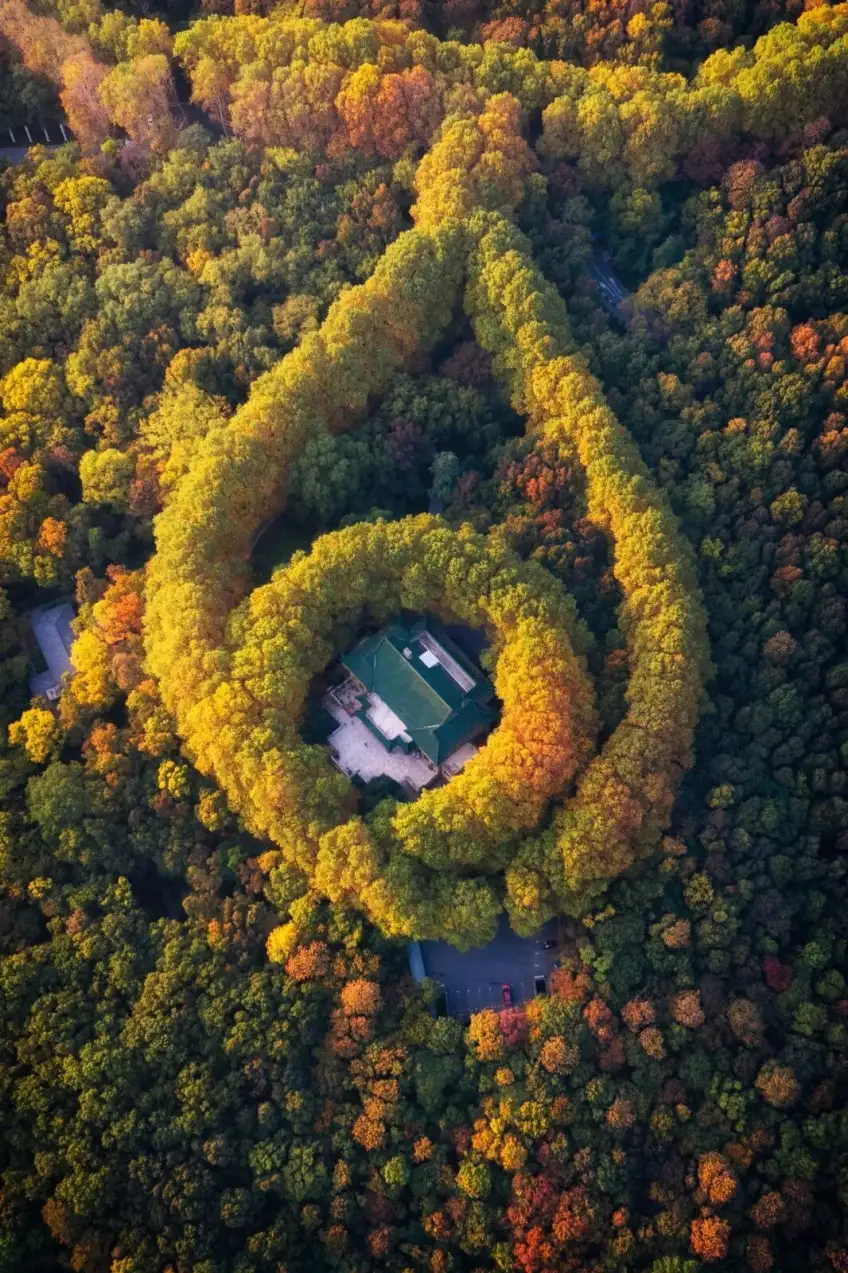
Autumn offers the best photos. Climbing or drone views are subject to on-site access and safety rules—do not climb over fences.
Linggu Temple
Linggu Temple sits deep in the Zhongshan scenic area and is relatively quiet; tickets are usually around ¥35. Highlights include the Beamless Hall: built entirely of gray bricks without beams or nails, the craftsmanship itself is a historical relic.
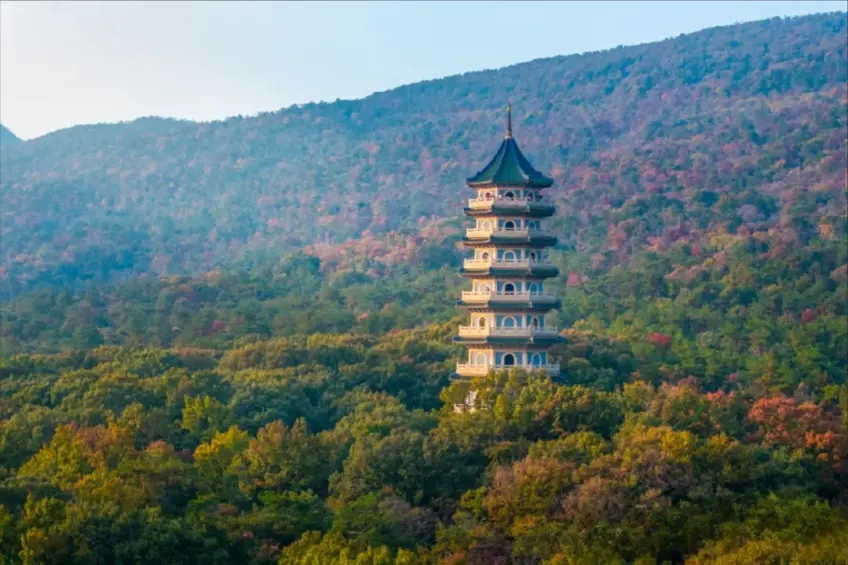
Linggu Pagoda rises above the forest—a peaceful way to end your visit. Skip climbing the pagoda if you're low on energy.
Confucius Temple & Qinhuai River: culture and night views
The Confucius Temple and Qinhuai River area is where Nanjing's Six Dynasties heritage meets everyday life. Explore the cultural sites by day, or take an evening boat cruise for the night views. The main streets are free to enter, while key venues like Dacheng Hall charge separate admission.
Confucius Temple
Don't miss the Tianxia Wenshu Archway, Dacheng Hall, and Jiangnan Examination Hall. The Ming- and Qing-style streets feature white walls, dark roof tiles, and rows of red lanterns. Watch your belongings when it gets crowded.
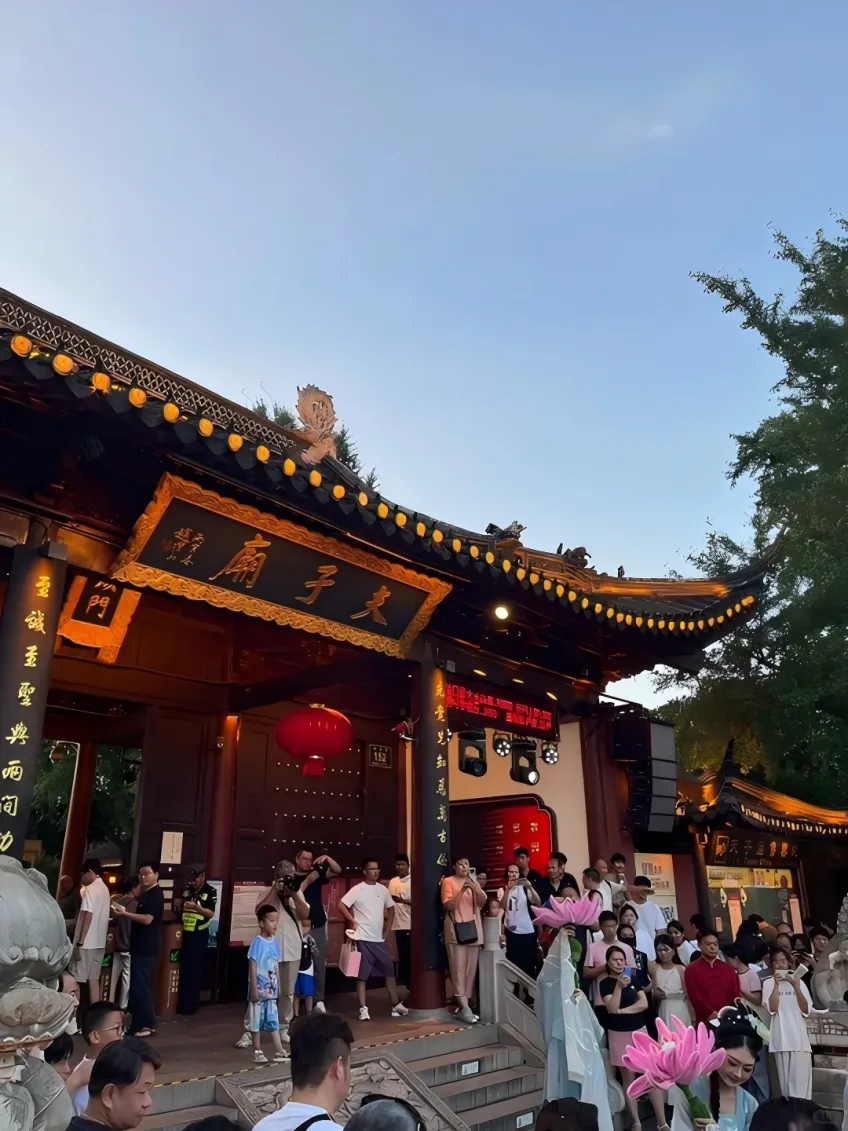
The entrance plaque is easy to spot. It gets livelier at night—if you just want to photograph the archway, try to avoid peak dining hours.
Qinhuai River night cruise
A night cruise on the Qinhuai River is one of Nanjing's signature experiences. Ticket prices, departure times, and whether a guide is included are subject to the pier's schedule on the day. Watch your step in windy or rainy weather.
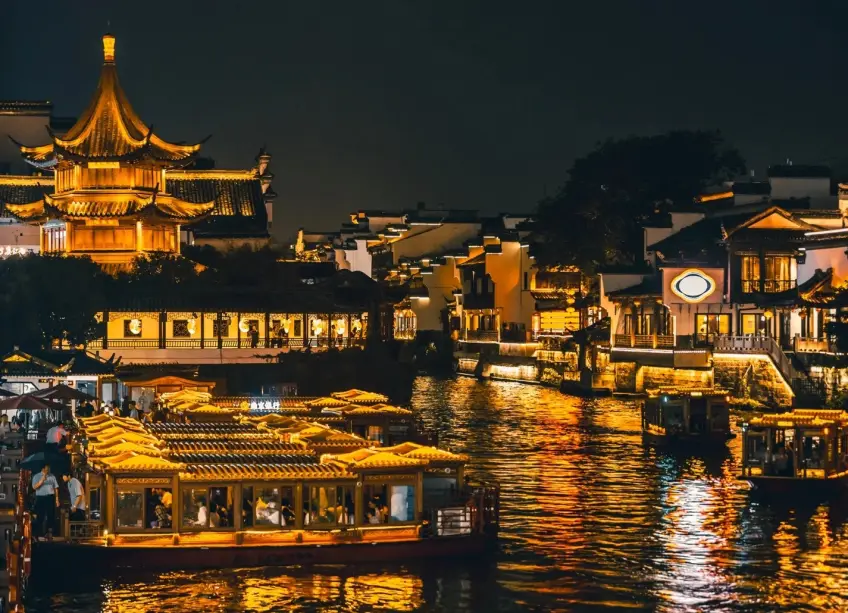
The lights from both banks reflect on the river—take care not to block foot traffic when taking photos. If your itinerary includes a night tour transfer, let your custom travel consultant know in advance.
Wuyi Lane
Wuyi Lane lies deep within the Confucius Temple area and is completely free. With its bluestone paving and white walls with black tiles, it's poetic and peaceful—the lane holds both the legacy of the Wang and Xie families of the Eastern Jin Dynasty and the famous poem by Liu Yuxi.
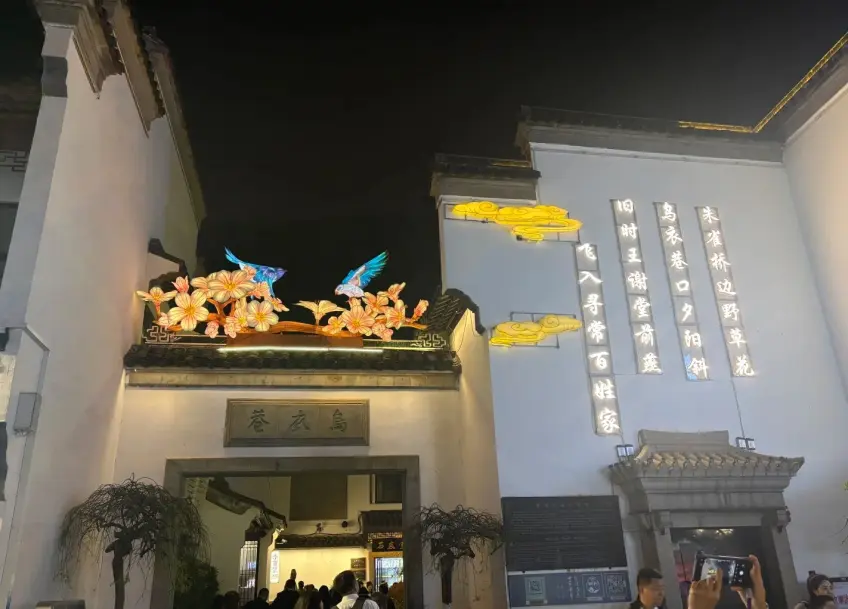
The illuminated poem wall at the entrance makes for great night photos. The lane is short, perfect for slowing down after exploring the main street of the Confucius Temple area.
Jiangnan Examination Hall
The Jiangnan Examination Hall is right next to Confucius Temple, with tickets usually around ¥30. Once a major imperial examination venue, its exam cells and artifact exhibits make it a great cultural stop for families.
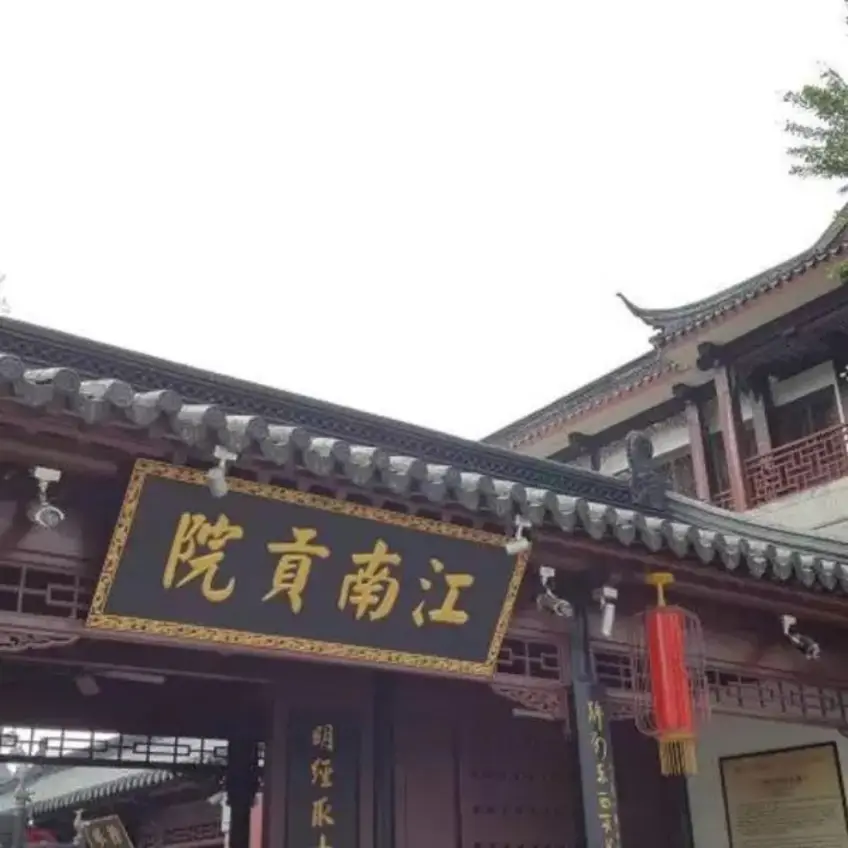
The plaque above the lintel is eye-catching. A guide deepens your understanding of the imperial examination system—families can ask whether a private guide can add extra commentary.
Presidential Palace: Modern history in one garden
Presidential Palace tickets are usually around ¥35, and it's closed on Mondays, so don't make a wasted trip. We suggest going Central Zone → West Zone → East Zone to avoid backtracking: government offices in the center, modern history exhibits in the west, and gardens in the east.
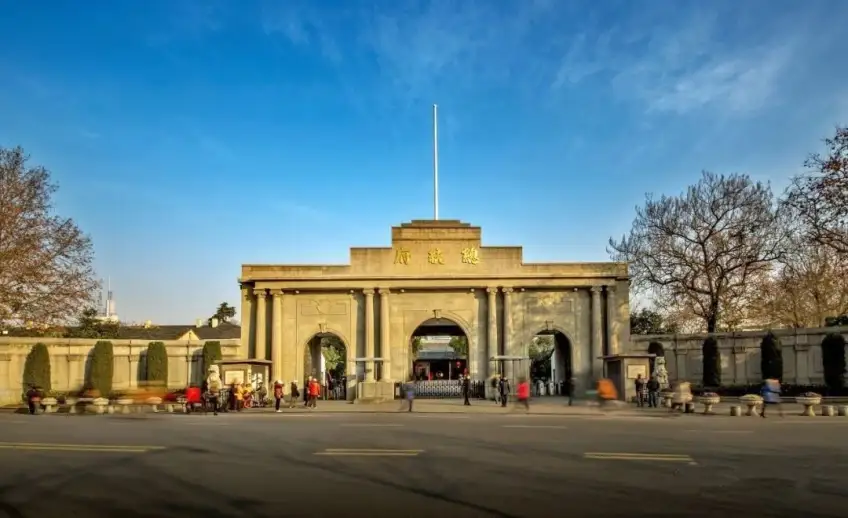
The three-arch gate with its gold plaque is easy to spot. The exhibits are full of detail, so for the full story, hiring a private guide is best. You can also add the Presidential Palace to a private car day tour hitting several spots.
Nanjing Museum: History Hall and Republic of China Hall
The Nanjing Museum has a rich collection and is free, reservation required, closed on Mondays. Slots often fill up on holidays, so book well ahead.
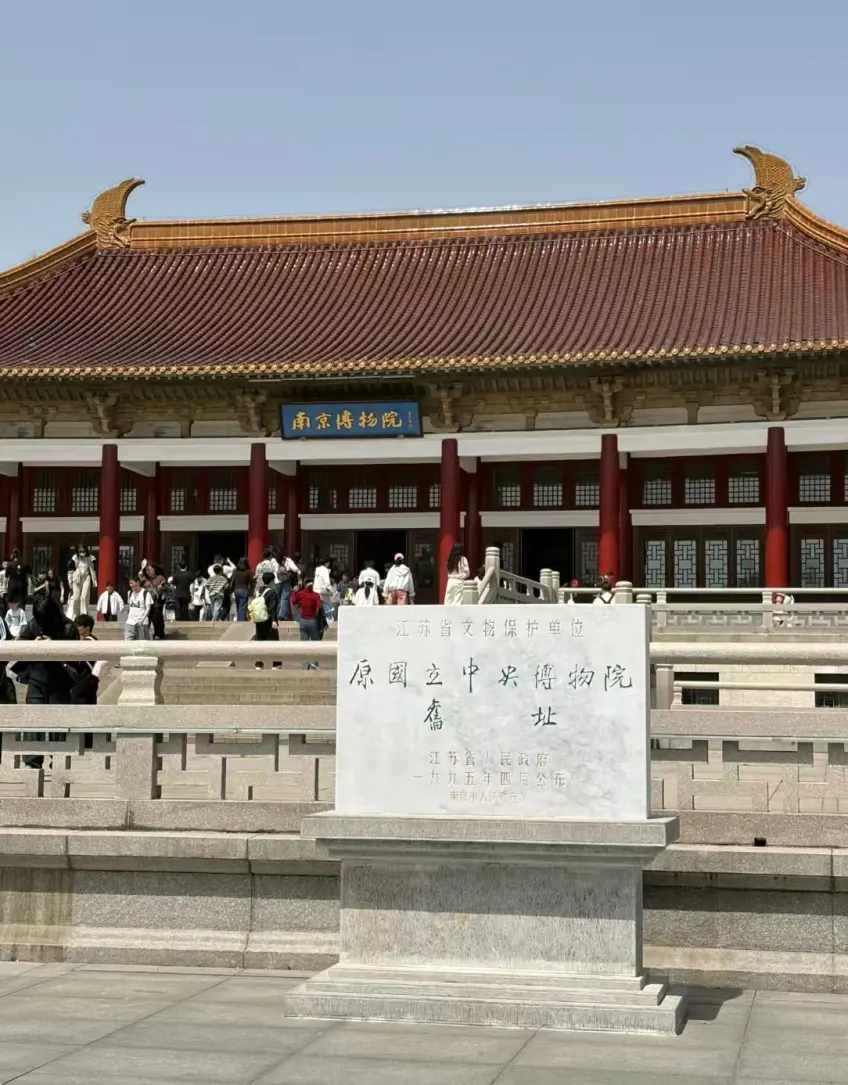
The heritage protection stele at the entrance reads "Former Site of the National Central Museum." Enter during your reserved time slot.
History Hall
The History Hall is arranged chronologically, with a clear timeline from prehistoric times to the Ming and Qing dynasties. Whether the museum's star exhibits are on display depends on the day's exhibition notices.
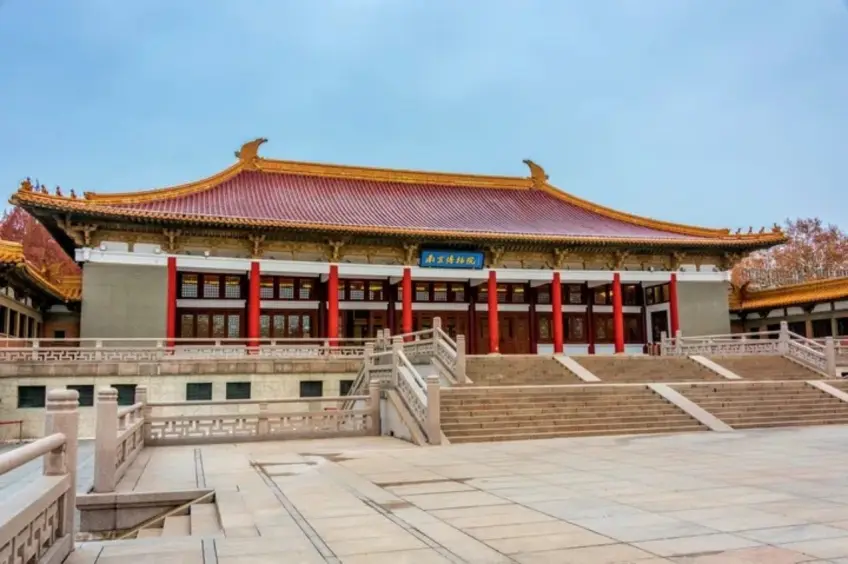
The red pillars and golden tiles in the outer courtyard make a nice spot to pause before heading inside. No flash photography indoors, and please follow the visitor route.
Republic of China Hall
The Republic of China Hall features a 1:1 replica of a 1930s street scene, complete with a post office, shop fronts and tram props, making it a popular photo spot. Visit during off-peak hours when it's crowded, and do not block the walkways.
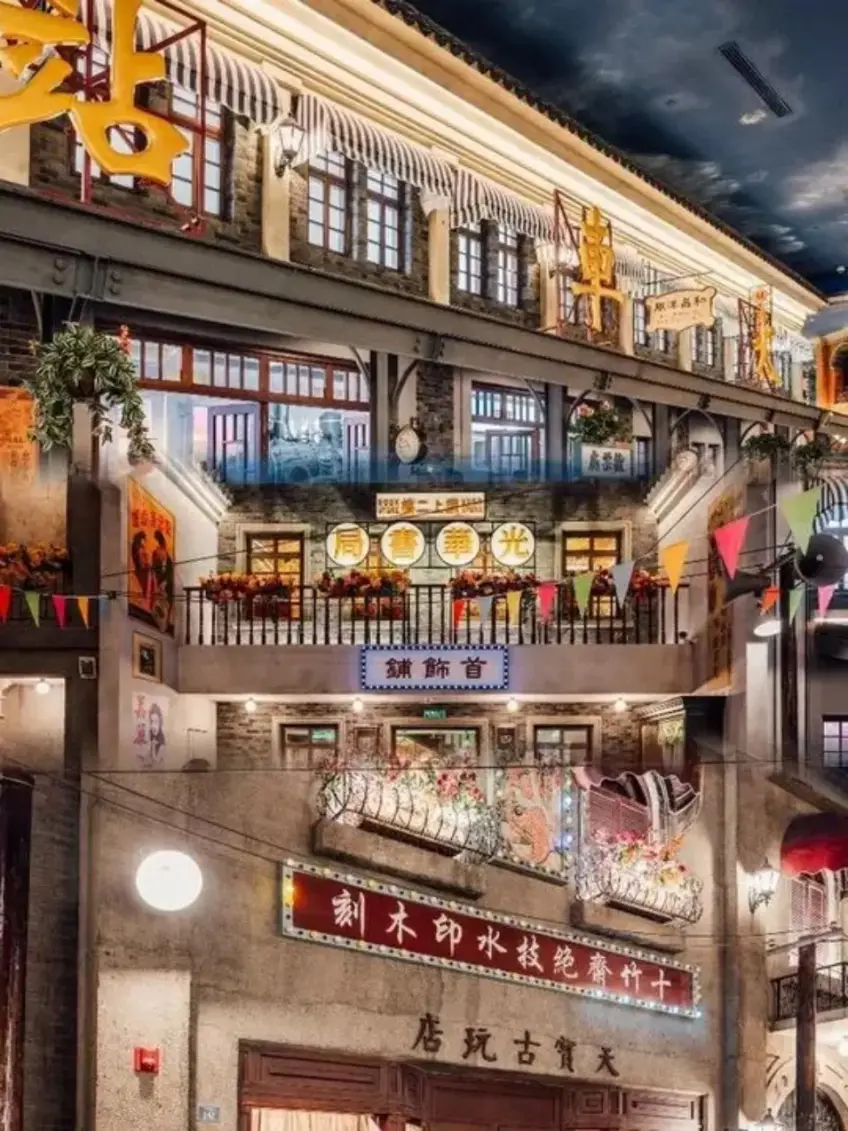
The replica shop signs are great for photos; please be considerate of other visitors when taking pictures.
Ming City Wall: Zhonghua Gate and the best walking sections
The Nanjing Ming City Wall is massive and well preserved. Many sections of the main wall are free to enter; the Zhonghua Gate barbican charges separately, usually around ¥50.
Zhonghua Gate Barbican
Zhonghua Gate is one of the best-preserved barbicans still standing: its multi-layered gate passages and enclosed courtyards showcase ancient defensive design, and the craftsmen's inscriptions on the bricks remain clearly legible.
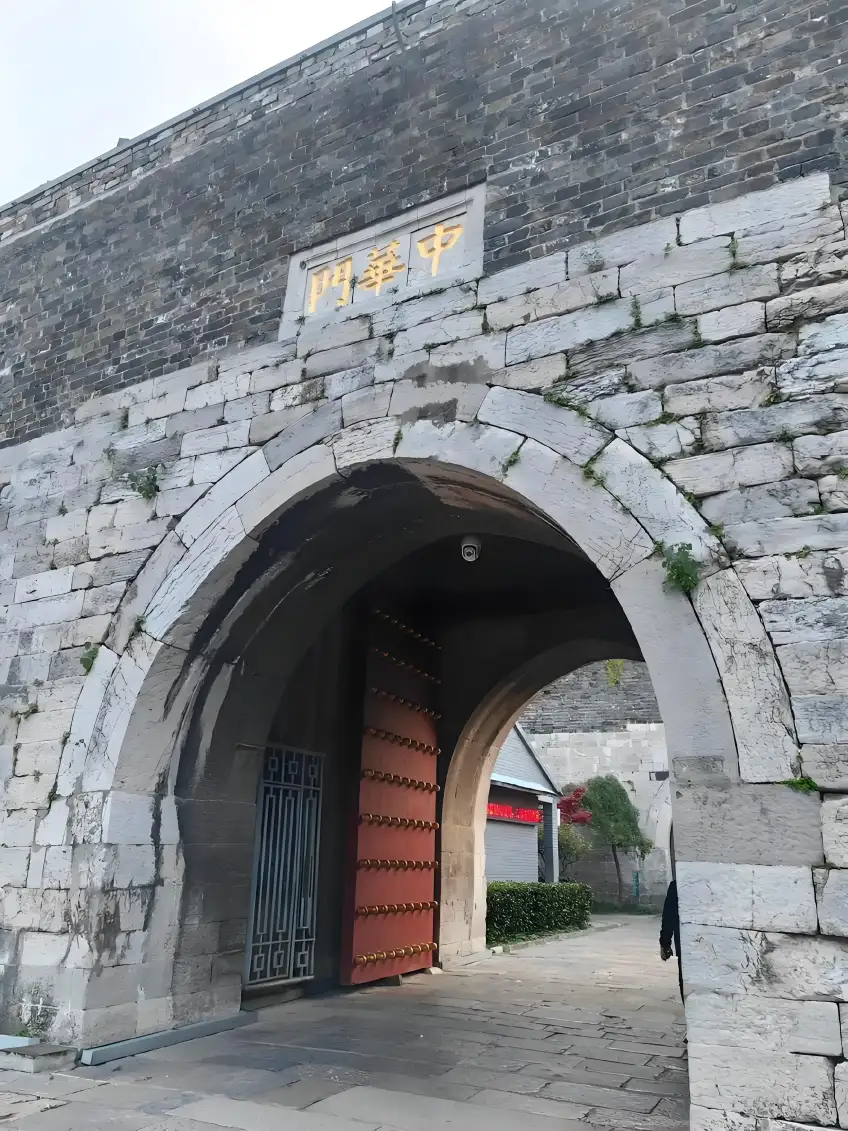
The vermilion door studs in the gate passage make a classic photo; when climbing the wall, watch your step on the stairs and check opening hours.
Recommended city wall walks
You don't have to walk the entire route. First-timers should prioritize the Xuanwu Gate–Jiefang Gate section: the city wall on one side and Xuanwu Lake on the other, with mountains, water, walls and trees all in one frame. The light is soft at dusk, perfect for a stroll and photos.
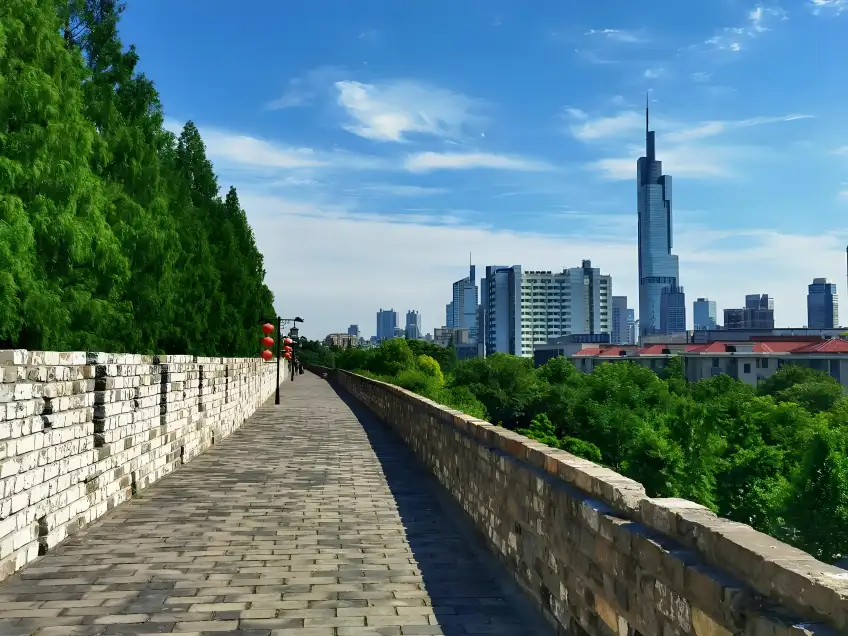
The shaded walkway atop the wall offers distant views of Zifeng Tower and the lake. The entrances on and off the wall are different—follow the signs and don't take shortcuts by climbing over.
Jiming Temple and Taicheng: Southern Dynasties Zen vibes
Jiming Temple tickets are usually around ¥10. Built along the hillside, it has a long history of worship. The back gate connects to the Taicheng section of the city wall, framing the ancient temple and wall together; cherry blossoms bloom nearby in spring. The Medicine Buddha Pagoda offers great lake views—check with the temple for current tower access rules.
To easily visit Jiming Temple, the city wall, and Xuanwu Lake in one trip, consider booking a private car or a private guide.
Laomendong: Authentic old Nanjing streets
Laomendong is completely free. It's right next to Confucius Temple but feels more local, blending Ming and Qing residential architecture with intangible cultural heritage shops and time-honored snack stalls.
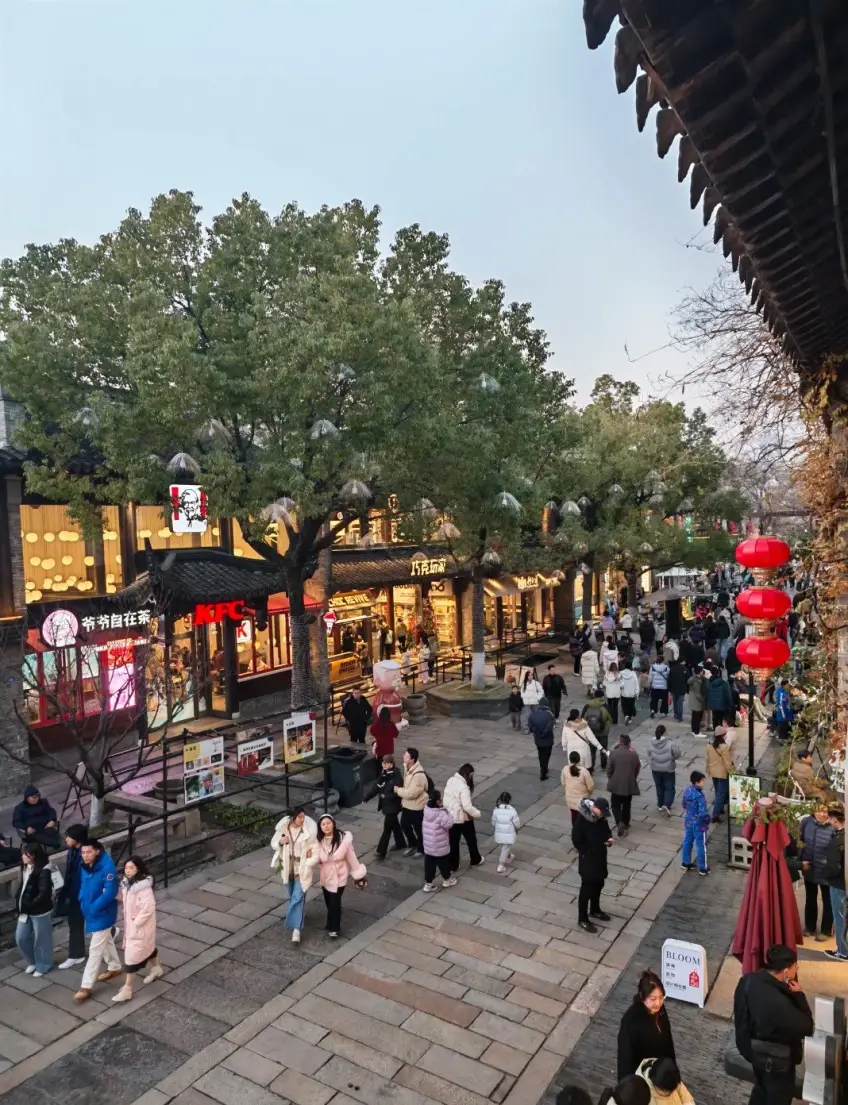
The stone-paved streets and red lanterns create a great atmosphere. For potstickers, plum blossom cakes and other snacks, skip the overpriced stalls on the main street of Confucius Temple. Taste and prices are subject to each shop.
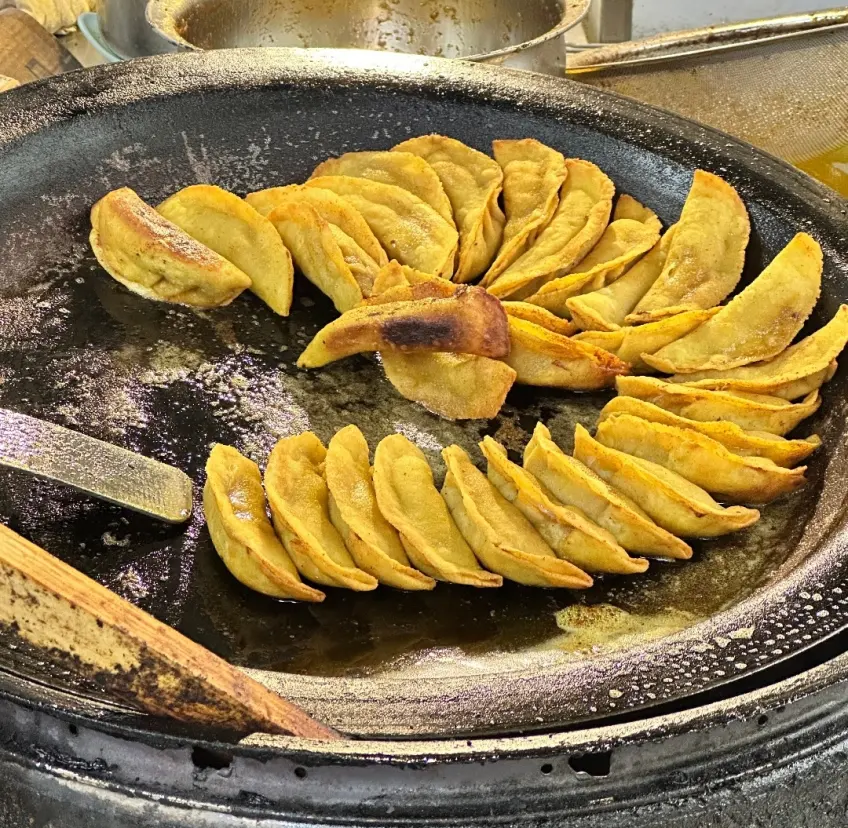
Pan-fried potstickers are a must-try here; the streets are best explored slowly at night once the lanterns are lit. Check on-site notices for Deyunshe and other performance schedules.
Xuanwu Lake: A royal garden lake in the city
Xuanwu Lake is free to enter and sits right next to Jiming Temple and the Ming City Wall, making it a relaxing stroll between historic sites. Spring cherry blossoms, summer shade, autumn colors and winter quiet each have their own charm. Boat ticket prices are subject to on-site notices.
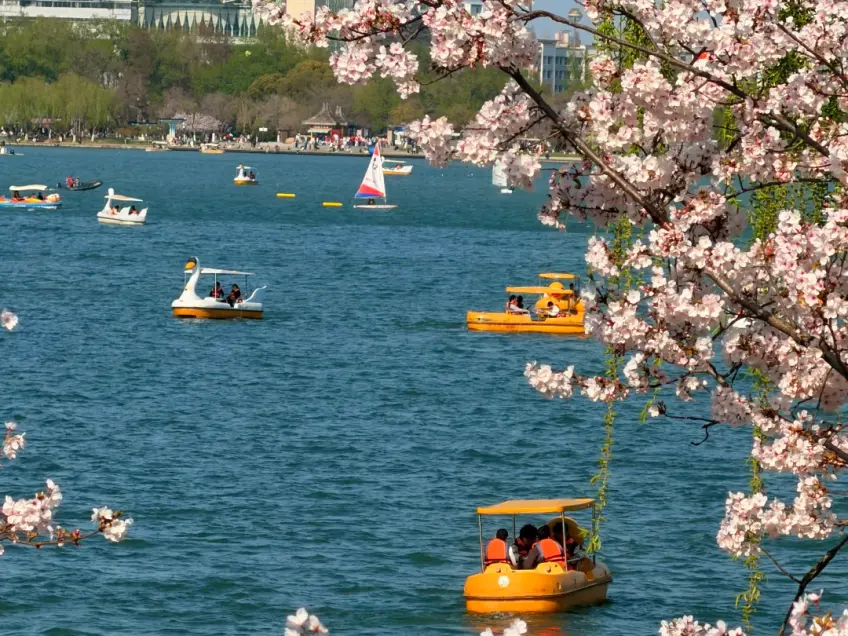
Boat rides on the lake during cherry blossom season make for great photos; watch your step and follow the dock rules when it's crowded. If you need to catch a train that day, allow extra time for station transfers.
Zhan Garden & Taiping Heavenly Kingdom history
Zhan Garden tickets are usually around ¥30. One of Nanjing's oldest surviving private gardens, its pavilions, pools, and rockeries offer new views at every turn.
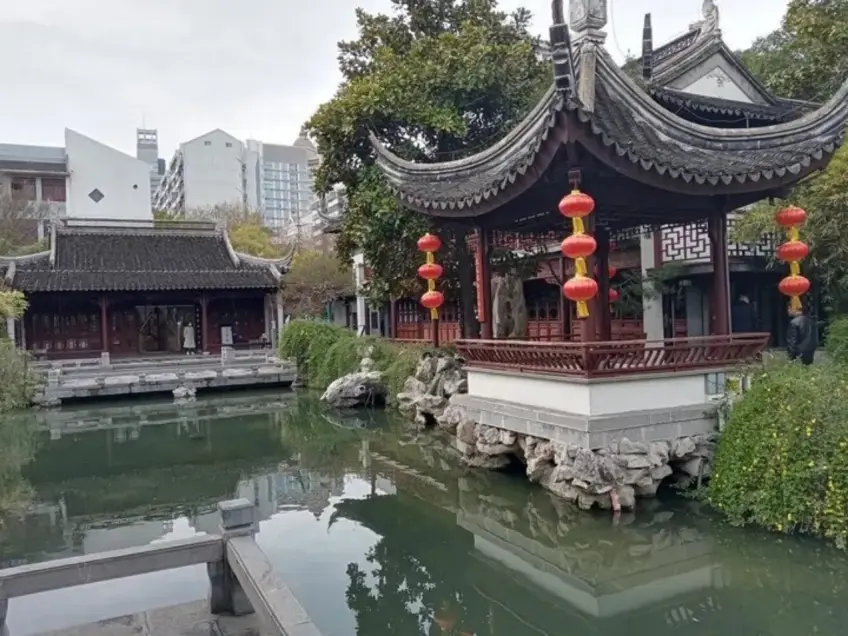
The waterside pavilions and red lanterns create a peaceful atmosphere. The garden also houses a Taiping Heavenly Kingdom history exhibition, ideal for history buffs.
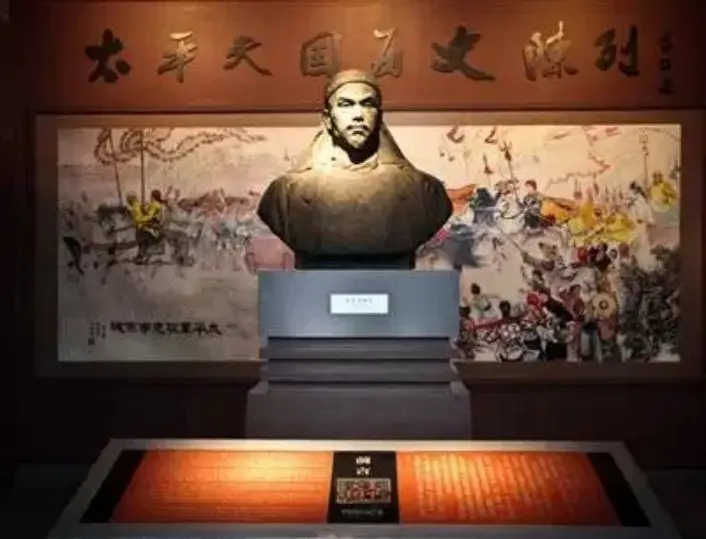
Bronze statues and historical exhibits inside the museum are best understood via the on-site info plaques. Please follow museum rules when taking photos.
How to book services: plan the trip first, then choose transfers and guides
Once you've decided on the areas and reservations, choosing transport and guides is easier: if you have lots of luggage, prioritize station transfers; for Six Dynasties or Republican-era stories, hire a guide; to hit multiple spots in one day, check out a private car; for a multi-day deep dive, ask about custom private trips. If you'd rather just follow a group, compare group tour schedules (see the itinerary page for details).
When contacting us, please specify your date, group size, departure point, and the areas you want to visit. We don't make ranking promises; prices and availability are subject to our confirmation reply.
FAQs
Which Nanjing historical sites require advance reservations?
Popular free attractions like Sun Yat-sen Mausoleum, Nanjing Museum, and memorial halls usually require reservations; for Ming Xiaoling Mausoleum, Presidential Palace, etc., buying tickets online is recommended. Opening hours and quotas are subject to official announcements on the day.
How can I fit Six Dynasties relics and Republican-era architecture into one day?
If you have moderate stamina, try this: morning at Purple Mountain (Ming Xiaoling Mausoleum / Sun Yat-sen Mausoleum) → afternoon at Presidential Palace or Nanjing Museum → evening at Confucius Temple and Qinhuai River. Since crossing districts means lots of transfers, consider a private car or hiring a guide.
Is the Ming City Wall suitable for seniors and kids?
It's safer to choose flat, scenic sections like Xuanwu Gate to Jiefang Gate; Zhonghua Gate Barbican has many steps, so pace yourself and watch out for slippery surfaces.
How do I get from the high-speed rail station to Zhongshan or Confucius Temple?
The metro goes directly to most areas. If you have a lot of luggage, arrive at night, or are traveling with family, it's best to ask about station transfers to your hotel or first attraction.
Should I hire a guide for the Presidential Palace and Ming Xiaoling Mausoleum?
The exhibits and the stories along the Sacred Way are dense, so if you want to follow the narrative clearly, we recommend hiring a guide. If you just need transportation between sites, choose a private car only. For an in-depth multi-day trip, consider a custom private tour.