

As one of China's top museums, Nanjing Museum holds the complete historical timeline of Jiangsu and even the Jiangnan region from ancient times to the present. It's perfect whether you want to learn about history, see precious artifacts, take great photos, or soak up the cultural atmosphere.
Nanjing Museum ticket guide
Most visitors to Nanjing make time for Nanjing Museum. The key isn't the visit itself but the prep work before you go. Many people waste a trip because they didn't understand the reservation system or plan their route. This section covers every detail—just follow along.
Reservation rules
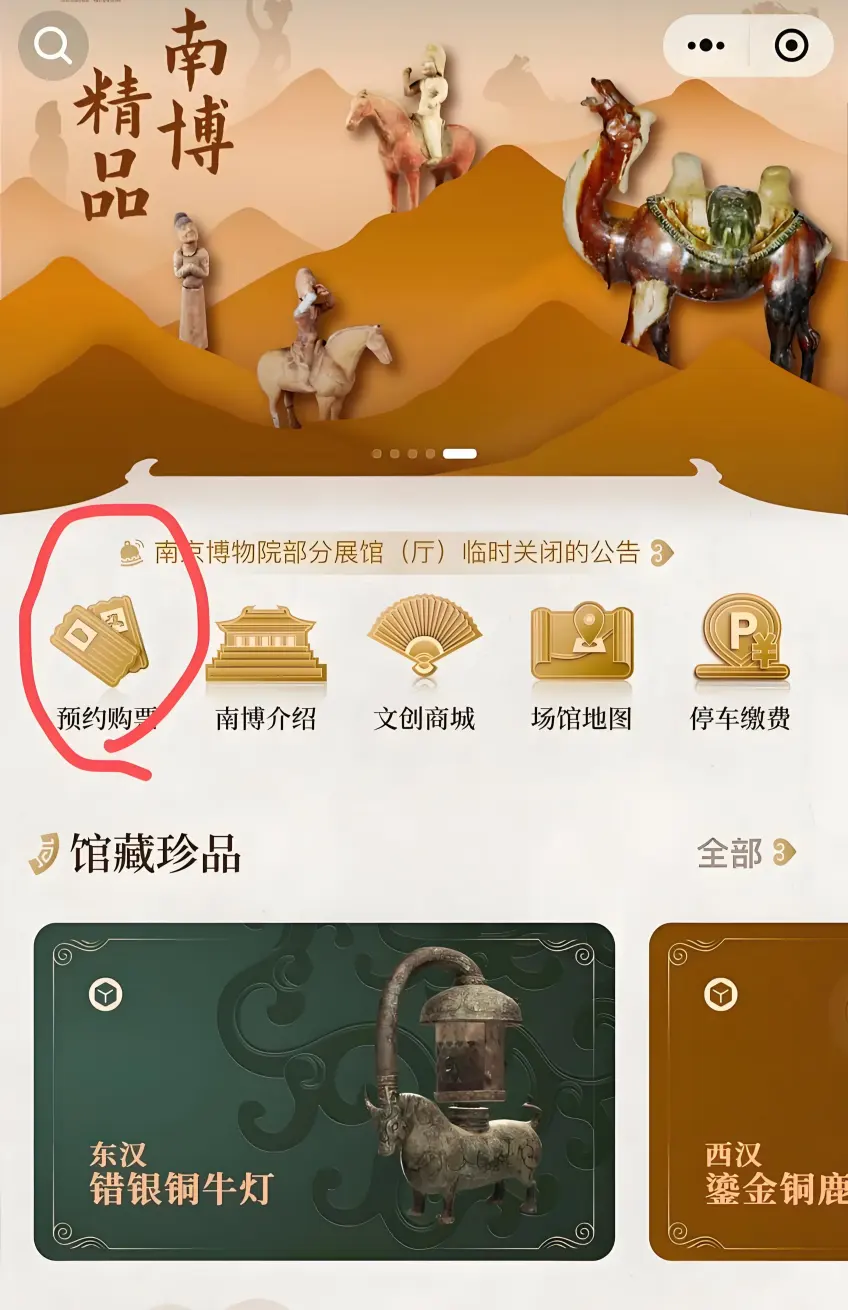
Nanjing Museum is free to enter, which is great, but free doesn't mean walk-in. You must reserve a named ticket in advance. Without a reservation you won't be admitted, and no temporary tickets are issued on site. That's the most important rule.
To smoothly combine Nanjing Museum with Sun Yat-sen Mausoleum and Confucius Temple, start by checking out group tours that include the museum or other Nanjing stops (such as the Dream of Jinling route). For deeper dives into the collections and galleries, hiring a guide works best. Need station transfers for arrivals and departures at Nanjing Railway Station or the airport? Use a private car to link the museum with nearby sights. To rearrange the itinerary around your reserved time slot and energy level, opt for a custom private trip. Just tell your travel consultant your travel date, group size, departure city, and the galleries you want to see.
Reservations can only be made through the official WeChat account or mini program—there are no other channels. Always use the official entry points to avoid fake links that could leak your information. Ticket release times are fixed: every day at 6 PM, reservation slots for the next seven days open up. For example, at 6 PM on Monday you can book a ticket for the following Monday. Slots for weekends and holidays are extremely tight and usually sell out the moment they're released, so set an alarm and be ready to grab one.
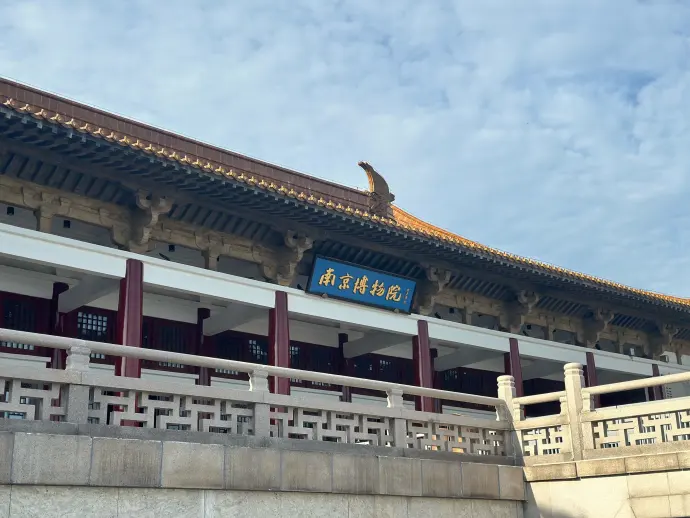
Nanjing Museum
Located at 321 Zhongshan East Road, Nanjing Museum is one of China's three great museums, where 430,000 artifacts take you through 5,000 years of Jiangsu historyHow to get to Nanjing Museum?
To visit Nanjing Museum, public transit is your best bet. Driving often means traffic jams, limited parking, and high fees. The subway is the easiest option: take Line 2 to Minggugong Station, exit from Exit 1, and walk a few hundred meters east. It takes just a few minutes with no detours. If you prefer the bus, many routes stop nearby, including No. 5, 34, 36, 55, 59, and 80.
What to wear and bring
A day at Nanjing Museum involves a lot of walking—usually around 20,000 steps—so comfort comes first. Wear flat, soft-soled shoes like sneakers or casual shoes. Skip the heels and brand-new shoes, or your feet will be hurting halfway through and you won't be in the mood to enjoy the exhibits.
Don't bring too many personal items, but your ID card, power bank, and umbrella are essential. Taking photos on your phone inside the museum drains the battery fast, so definitely bring a power bank. The weather in Nanjing is unpredictable, so keep an umbrella with you to avoid getting caught in the rain.
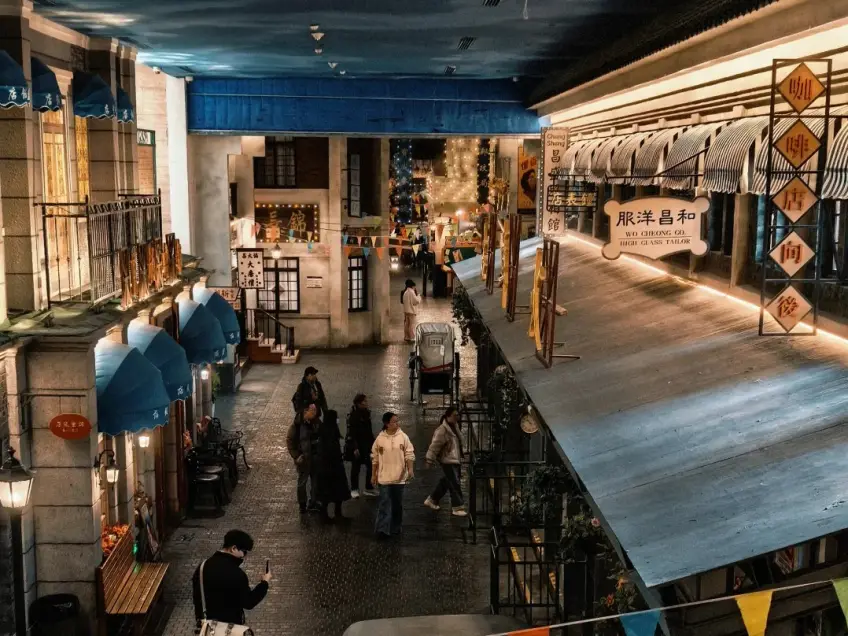
The Republic of China Hall is a life-size replica of old Nanjing streets, with Western clothing shops, awnings, and rickshaws all in one frame—the most photogenic spot in the museum.
Nanjing Museum introduction
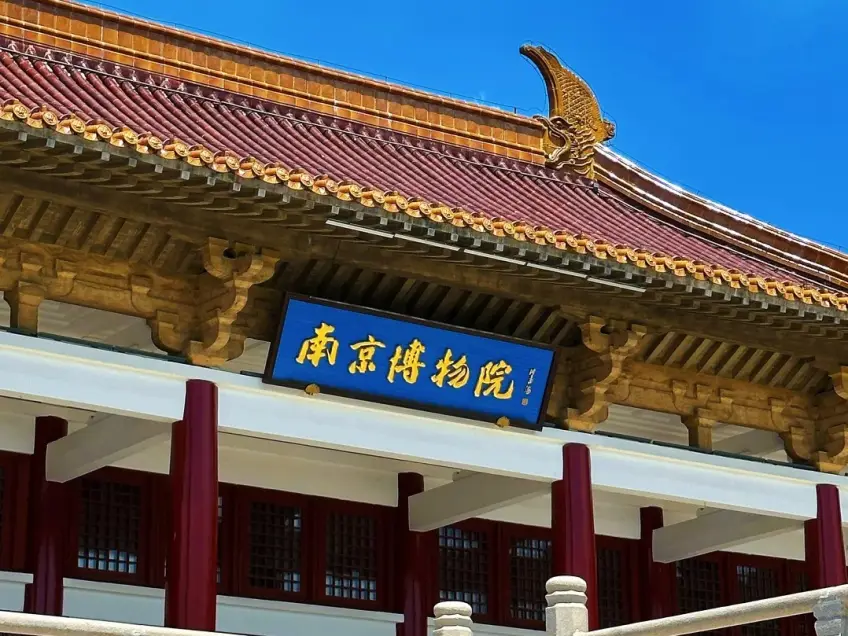
Nanjing Museum follows a "one museum, six halls" layout and covers a huge area. Each of the six exhibition halls has its own theme. If you just wander around aimlessly, you'll likely backtrack, miss the highlights, and get tired quickly. This section explains the overall layout and the best route, so you can follow it to explore efficiently without wasting time.
Core themes of the six halls
Nanjing Museum has six main exhibition halls, each with different content and styles. Understanding what each hall focuses on will help you navigate without getting lost. The History Hall is the absolute core, featuring a general history of Jiangsu from ancient times to the present. It holds the most precious artifacts and is a must-see;
The Special Exhibition Hall hosts temporary exhibitions, often featuring major touring relics—if you're lucky, you'll see treasures not normally on display. The Art Hall focuses on calligraphy, painting, jade, and porcelain, appealing to art lovers. The Republic of China Hall recreates Republican-era streets, perfect for photos.
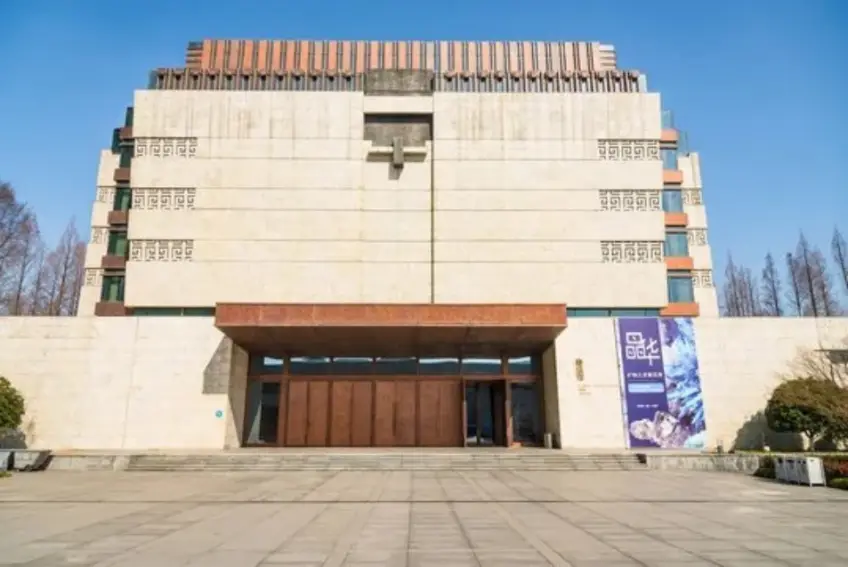
The Intangible Cultural Heritage Hall showcases traditional crafts from Jiangsu, including paper cutting, Yunjin brocade and wood carving. The Digital Hall is the most interactive area, using technology to bring history to life—great for kids.
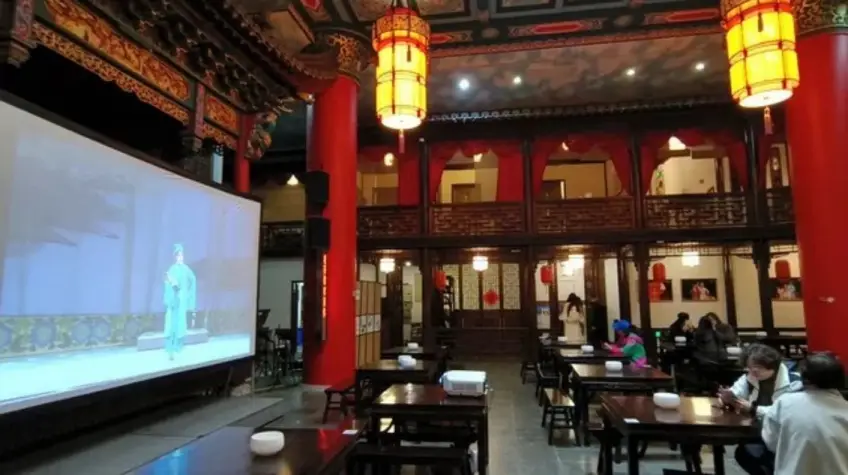
In the teahouse theater of the Intangible Cultural Heritage Hall, red pillars and tea tables pair with a large opera screen—sit down and let the intangible heritage reach your ears.
Recommended Nanjing Museum routes
The most logical route is to enter through the main gate, head first to the History Hall, then the Special Exhibition Hall, followed by the Art Hall, stop by the Republic of China Hall for photos, and finish with the Intangible Cultural Heritage Hall and Digital Hall. This order moves from core artifacts to unique experiences, from static exhibits to interactive photo ops, without any backtracking and with the most reasonable use of energy.
Nanjing Museum visitor guide
You can also link the History Hall to the Republic of China Hall in one day: if time is tight, choose a group tour that includes Nanjing Museum; if you want the full historical narrative and stories behind the star exhibits, prioritize hiring a private guide. Shuttling between Kexiang, Laomendong and Ming Palace ruins, using a private car or station transfer saves your legs. Reservation quotas and opening hours may need fine-tuning, so go with a custom private trip.
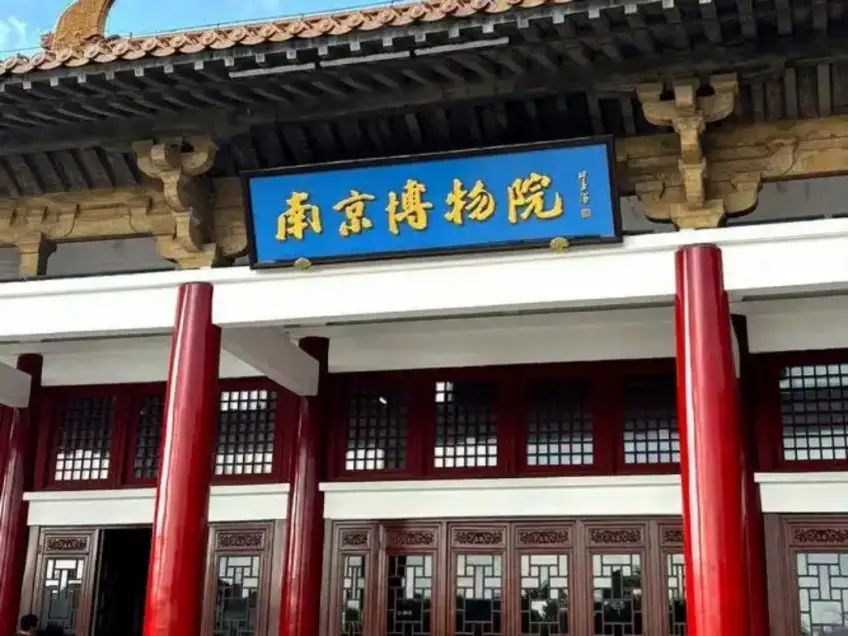
This section highlights what to see, the vibe and the key focus in each main hall. You don't need to memorize complicated artifact names—just know what to look at and feel. Anyone can understand the stories and value behind the relics.
History Hall
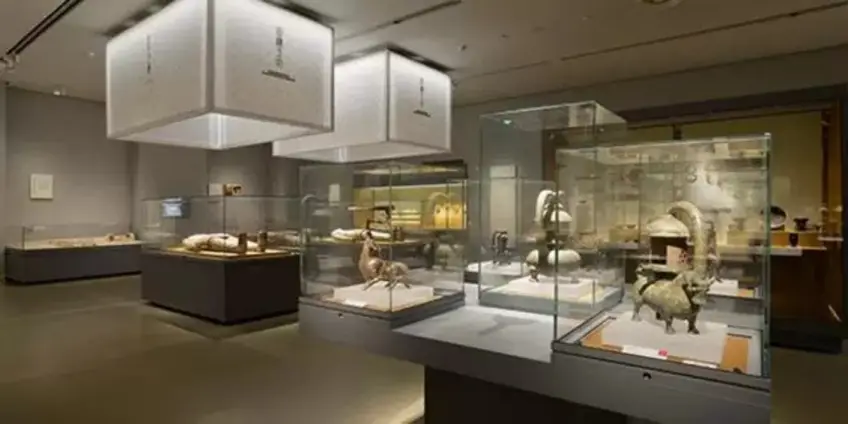
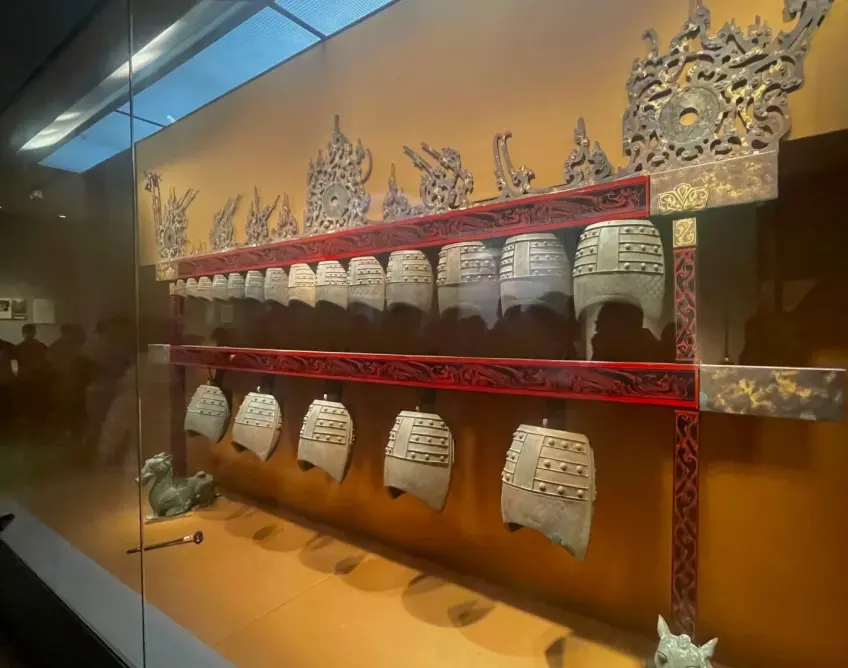
The History Hall is the soul of Nanjing Museum and its most valuable gallery. The exhibits are arranged chronologically from ancient to modern times—from simple stone tools of primitive society to Shang and Zhou dynasty bronzes, then exquisite Tang and Song porcelain, and finally Ming and Qing jade treasures. Walking through it all, you get a clear picture of over ten thousand years of development in the Jiangnan region.
The artifacts on display have been carefully selected, and each one is representative. From rough stone tools to delicate gold and silver pieces, you can clearly see how ancient craftsmanship improved over time, as well as the enduring prosperity and cultural depth of the Jiangnan region.
Special Exhibition Hall
Unlike the History Hall, the Special Exhibition Hall doesn't have permanent displays. Exhibitions change periodically, often featuring major artifacts borrowed from other museums or highly themed special exhibitions, so there's always something new to discover on every visit.
The exhibits here carry real weight—whether ancient calligraphy and paintings, precious porcelain, foreign artifacts, or relics of historical figures, every piece deserves a closer look. When visiting, start by reading the exhibition introduction to understand the core theme, then take your time appreciating the artifacts. This helps you better grasp their value and the stories behind them.
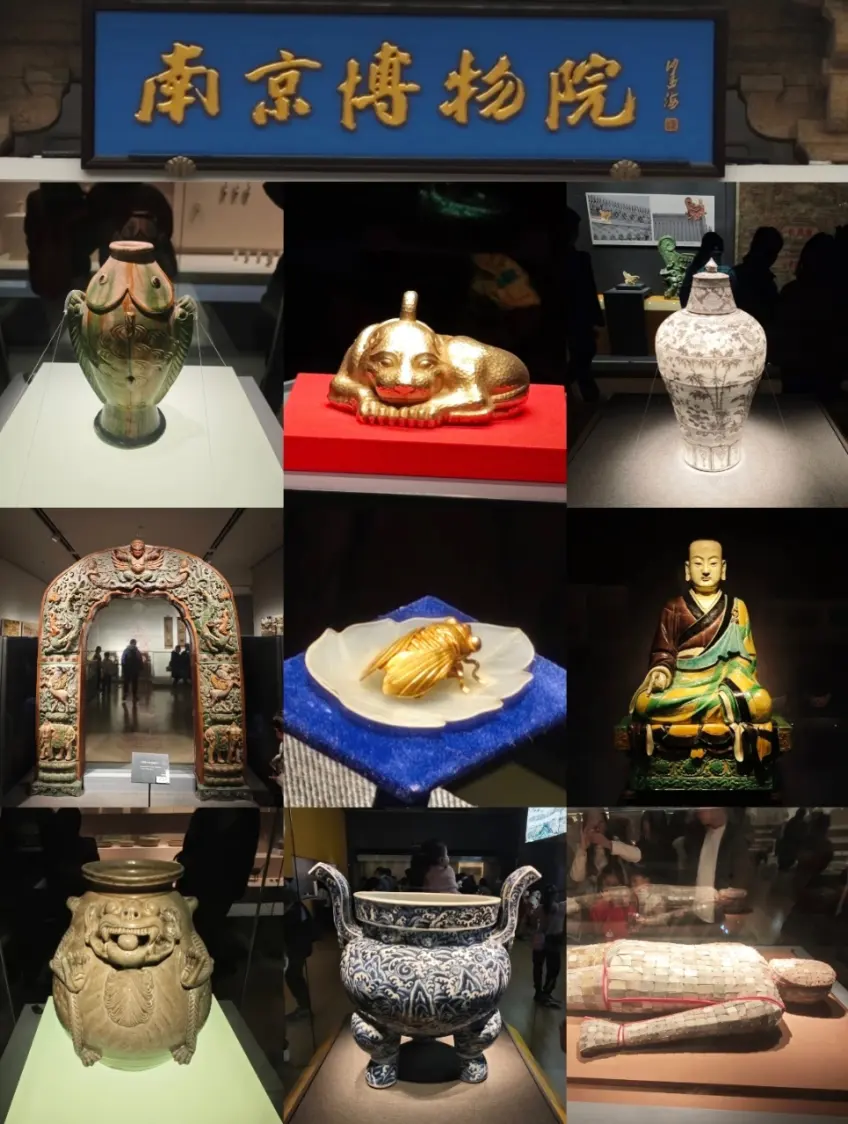
The gold cicada on a jade leaf, the jade burial suit, blue-and-white porcelain and stone carvings in one frame—a collage cheat sheet for Nanjing Museum's top highlights.
Republic of China Hall
The Republic of China Hall is the liveliest and most popular spot among young visitors. Rather than a traditional artifact gallery, it features a full-scale replica of a Nanjing street scene from the Republican era.
Stepping into the Republic of China Hall feels like traveling back to Nanjing in the 1920s and 1930s. The streets, buildings, shops, and vehicles are all exact reproductions. Take your time strolling through, browsing the shop displays on both sides, soaking up the everyday atmosphere of old Nanjing, and imagining what life was like during the Republican era. This immersive experience is fascinating and unique to the Nanjing Museum.
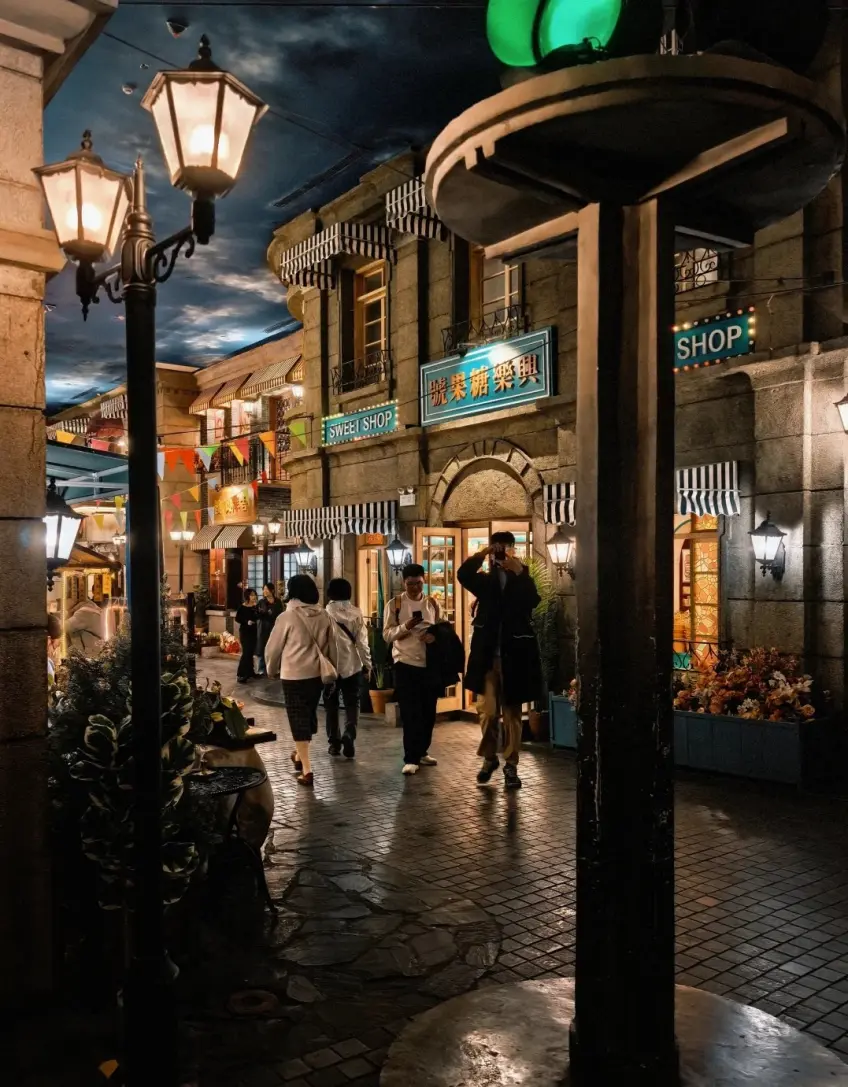
When the neon of Xingle Candy Shop lights up at night, the Republic of China Hall comes alive with old-street charm—perfect for taking your time with photos.
Art Gallery
The Art Hall focuses on traditional calligraphy and painting, jade, porcelain, and other artworks. Its atmosphere is quiet and elegant—a contrast to the bustling History Hall and Republic of China Hall—making it perfect for slow, mindful viewing.
Most of the calligraphy and paintings here are original works by ancient masters, full of charm in both brushwork and mood. Even if you know nothing about Chinese art, you can still appreciate their elegance. The jade and porcelain pieces feature exquisite shapes, delicate craftsmanship, and harmonious colors that offer a direct glimpse into ancient aesthetics. There's no need to rush through the Art Gallery. Take your time with each piece, soak in the beauty of traditional art, and enjoy the peaceful break from the busier halls.
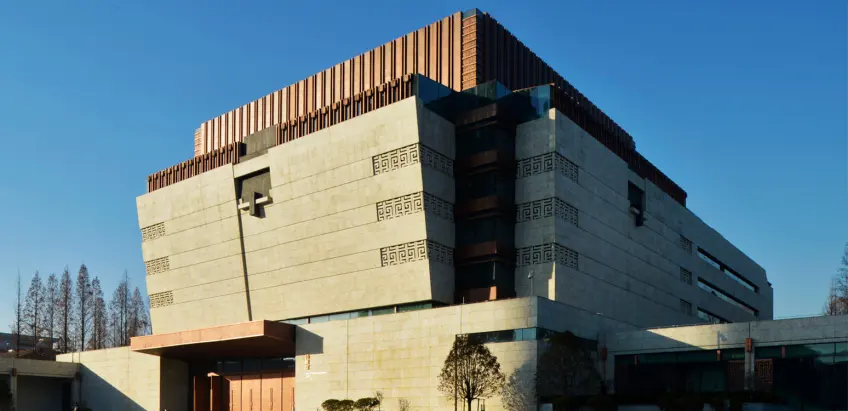
The Art Gallery's exterior is more modern and quiet. Inside you'll find calligraphy, paintings, jade and porcelain—a great escape from the bustling streets.
Intangible Cultural Heritage Hall & Digital Hall
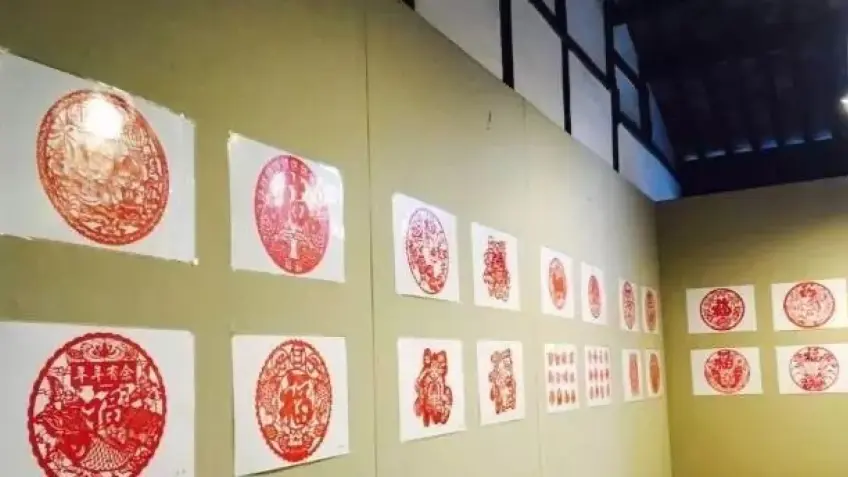
The Intangible Cultural Heritage Hall mainly showcases Jiangsu's local intangible cultural heritage. You can see finished works of traditional crafts such as paper cutting, Yunjin brocade, wood carving and lacquerware, and watch artisans at work to get a firsthand look at how these time-honored crafts are made. Here you can feel the dedication behind traditional craftsmanship—every piece reflects the artisan's patience and skill—and learn about the rich folk culture of the Jiangsu region.
Practical Tips for Visiting Exhibitions in Nanjing
When visiting the Nanjing Museum, besides knowing what to see, it helps to keep a few practical details in mind to avoid common pitfalls. Contact customer service to make your visit more comfortable and hassle-free.
Timing Your Visit
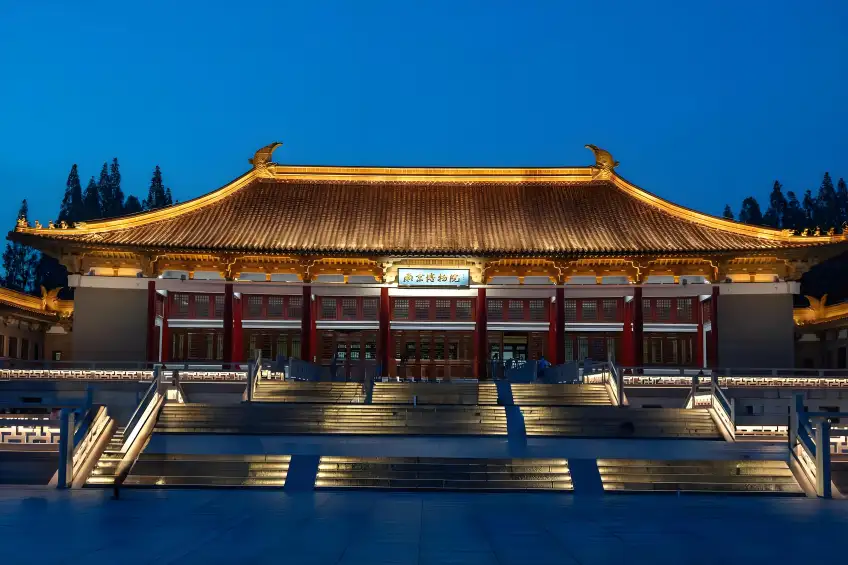
Try to arrive early. On weekdays, enter right when the museum opens at 9 am—the crowds are smallest, the experience is most relaxed, and you won't have to wait to take photos. After 2 pm, visitors start piling up, especially on weekends when it gets very crowded and the experience suffers. Also note that entry stops at 4 pm, so be sure to go in before then or your trip will be wasted. The museum closes at 5 pm, so plan your time wisely and don't leave everything until the last minute.
Guide services
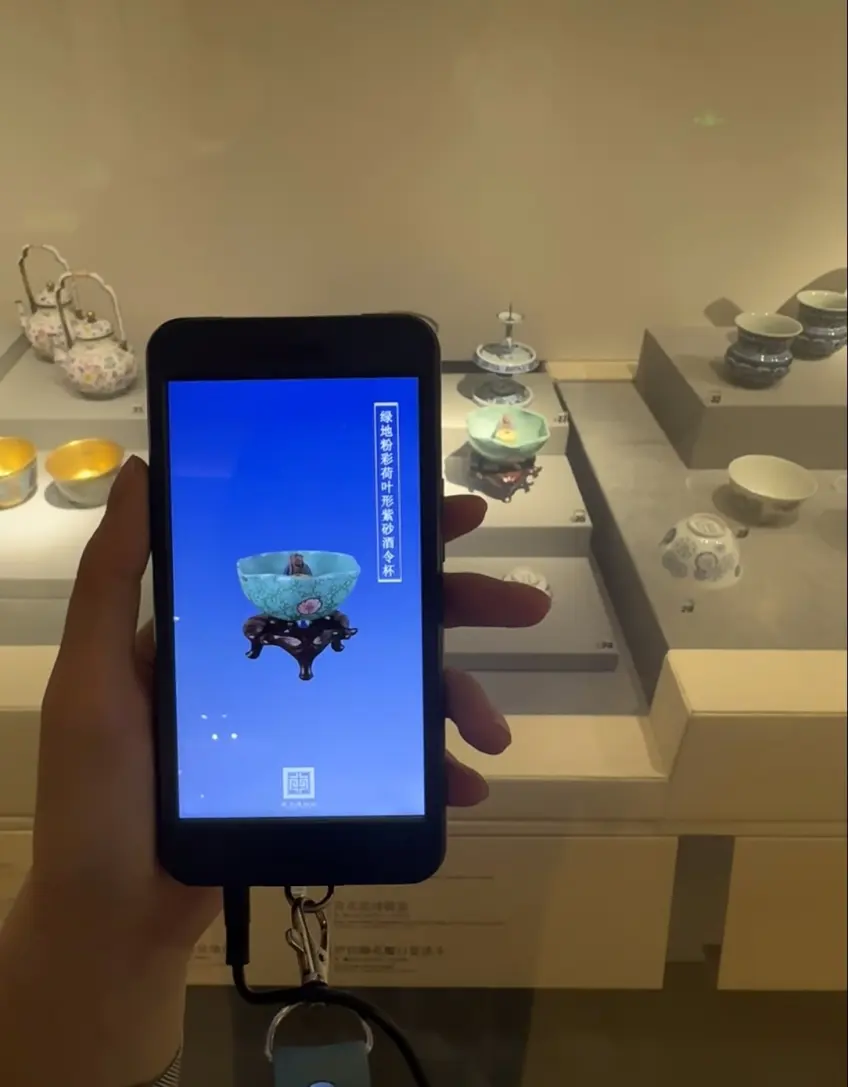
If you want to learn more about the stories behind the artifacts, you can rent an audio guide for ¥20 a day. It automatically plays commentary as you approach each exhibit, which is super convenient. You can also follow the official WeChat mini program for free audio guides—great value since it costs nothing. The History Hall offers free guided tours by volunteers at 10:00 AM and 2:00 PM. Joining a volunteer-led tour lets you pick up plenty of facts you won't find in textbooks.
The museum's audio guides and official voice tours are enough for a basic visit. If you want deeper insights into the bronzes, jade burial suits and Republican-era street scenes, consider hiring a private guide. When guide availability is tight, use our custom travel service to build the tour into a full-day itinerary, or pair it with a private car to cut down on transfers.
Dining and rest areas
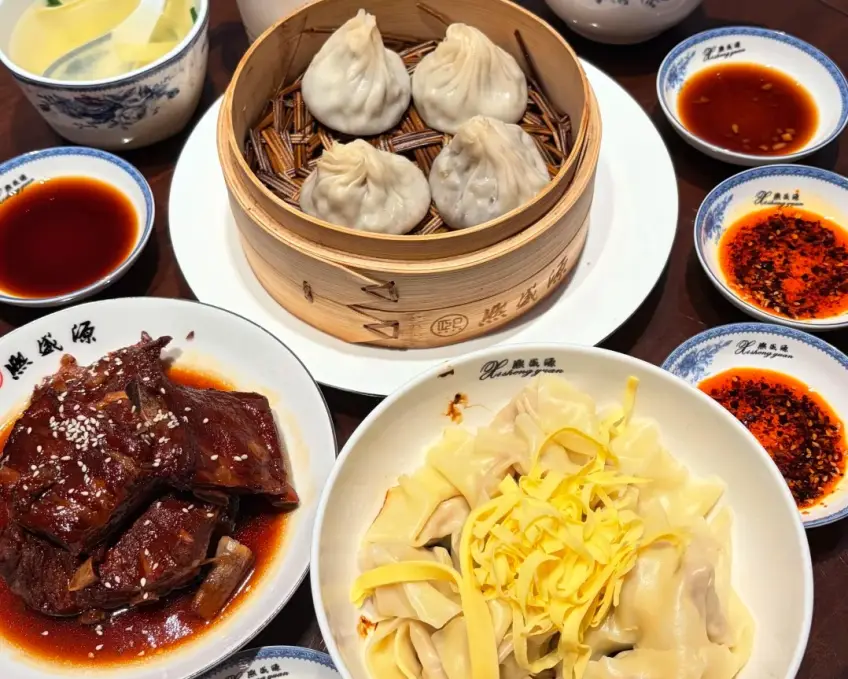
There are restaurants and cafes inside the museum where you can eat and rest when you get tired. The food is home-style and reasonably priced, so you don't have to worry about being overcharged. You can also bring your own snacks and water to enjoy in the rest areas and save time. There are plenty of seats throughout the venue, so you can sit down whenever you need a break instead of pushing yourself to keep going. Pacing yourself makes the visit much more enjoyable.
Souvenir shopping
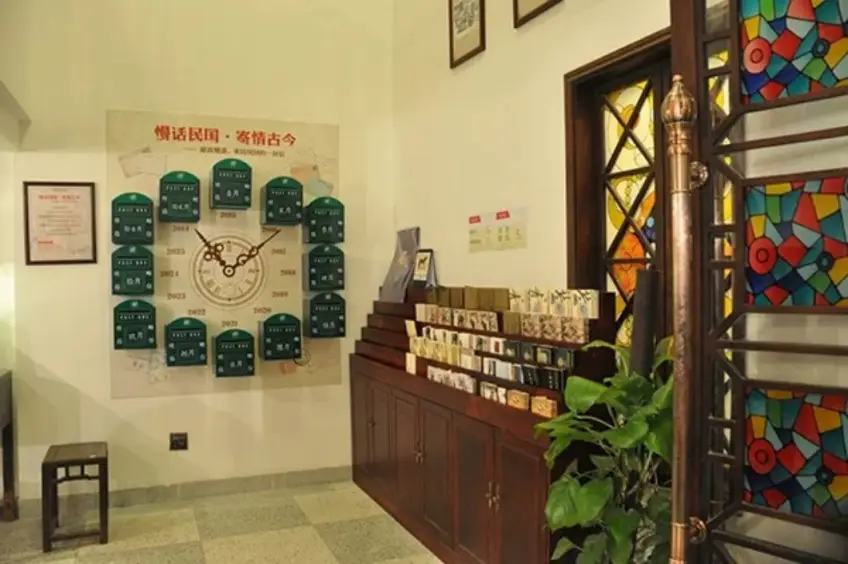
The souvenir shop near the exit sells plenty of keepsakes like fridge magnets, bookmarks, decorative items, and notebooks. They're beautifully designed and reasonably priced—perfect for gifts. No need to overdo it; just pick one or two practical pieces instead of wasting money on flashy but useless stuff.
Food recommendations near Nanjing Museum
If you've been exploring until noon, head out for a bite nearby instead of settling for museum food. There are plenty of small shops locals love, serving authentic flavors at affordable prices—a great way to taste real Nanjing cuisine.

[Dreaming of Jinling 6 Days 5 Nights] Confucius Temple + Sun Yat-sen Mausoleum + Presidential Palace + Linggu Temple + Meiling Palace + Xuanwu Lake + Nanjing City Wall + Yangzhou Morning Tea + Slender West Lake + Ge Garden + Daming Temple, no shopping stops
[Quality Promise] Custom private trips, butler service, and an exclusive journey! [Top Attractions] Highly rated spots including Ge Garden, Dongguan Street, Slender West Lake, Daming Temple, Confucius Temple, Sun Yat-sen Mausoleum, Ming Xiaoling Mausoleum, Linggu Temple, and Meiling Palace! [Comfortable Stays] Choose between 4-star and 5-star hotels! [Transportation Guarantee] Dedicated staff ready to meet your needs throughout the trip! [Bonus] One bottle of branded mineral water per person per day!
Kexiang Food Street
A quick taxi or subway ride from Nanjing Museum takes you to Kexiang, a long-established local food street packed with shops that have been open for over a decade. No trendy markups here—just fair prices and generous portions.
The whole street is lined with snacks and home-style dishes. You don't need to hunt for specific spots; just stroll around and look for the places where locals are lining up—you can't go wrong. Expect chewy pastries, fragrant flatbreads, and savory bites. A dozen or so yuan will fill you up, making it an incredible value.
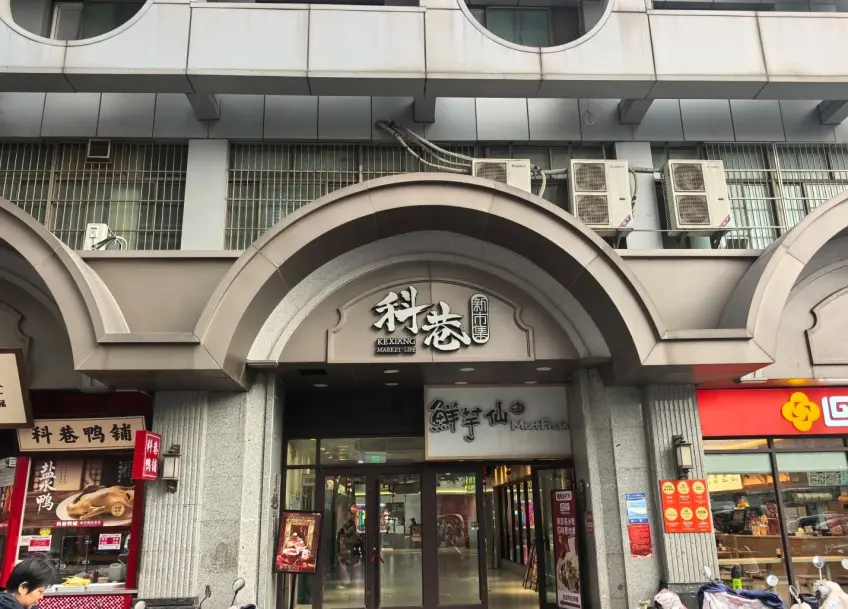
Step through the archway of Kexiang Market and you'll find old shops where locals line up—no influencer markups here.
Nearby casual eateries
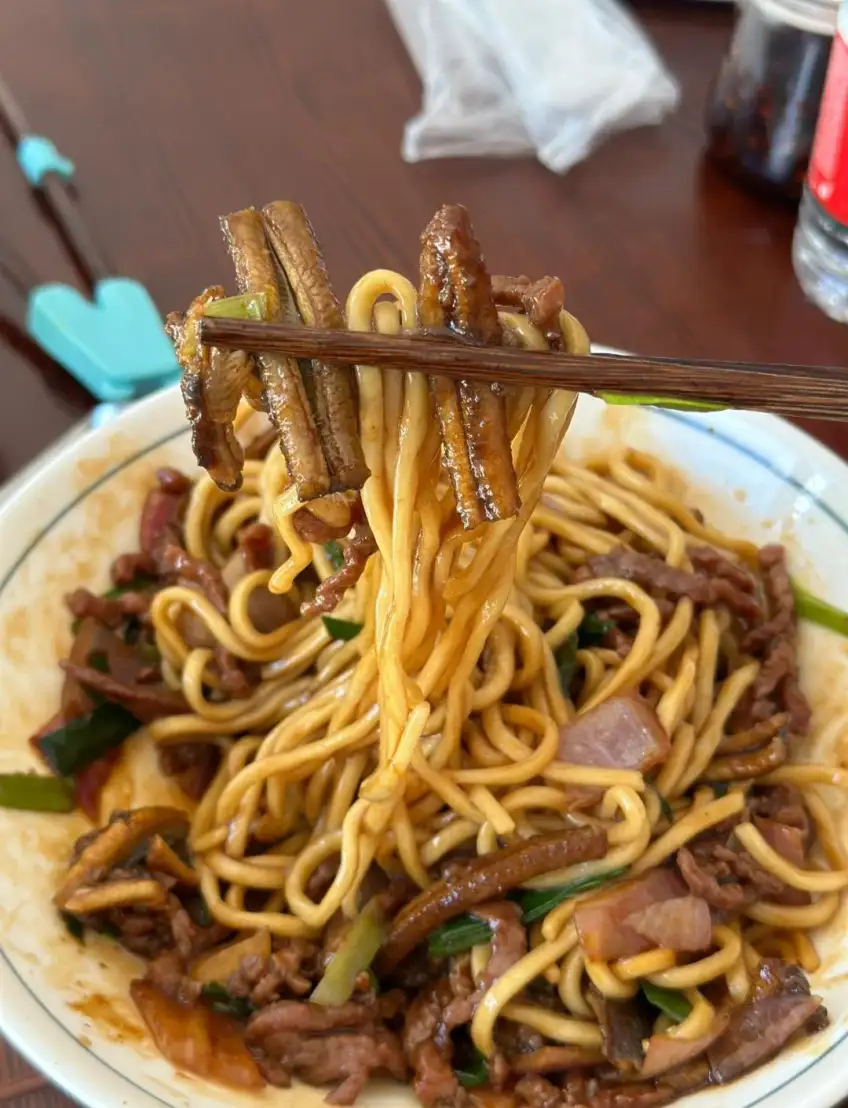
If you don't want to go far, there are plenty of casual eateries around the Nanjing Museum serving local home-style dishes like noodles, rice with toppings, and duck blood vermicelli soup. The food is authentic and served fast, so you can head back to the exhibits quickly and save time. These spots mainly serve local residents, so prices are fair—no need to worry about being overcharged.
Things to Do Near Nanjing Museum
If you finish exploring the Nanjing Museum by early evening and still have time, you can plan a final stop based on your interests to make the most of your day.
Night views and street snacks at Laomendong
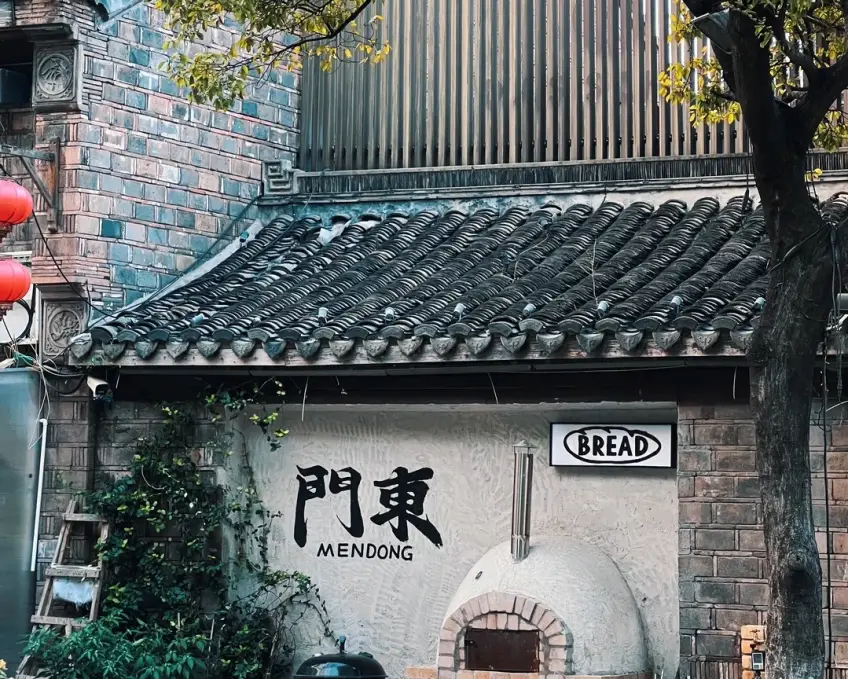
A 10-minute taxi ride from the Nanjing Museum takes you to Laomendong, a historic neighborhood in Nanjing with flagstone paths and traditional white-walled, dark-tiled houses. When the red lanterns light up at dusk, the atmosphere is magical. Stroll through the old lanes, admire the historic architecture, and try some local snacks to experience everyday life in Nanjing—a perfect way to end your day.
A stroll in Ming Palace Ruins Park
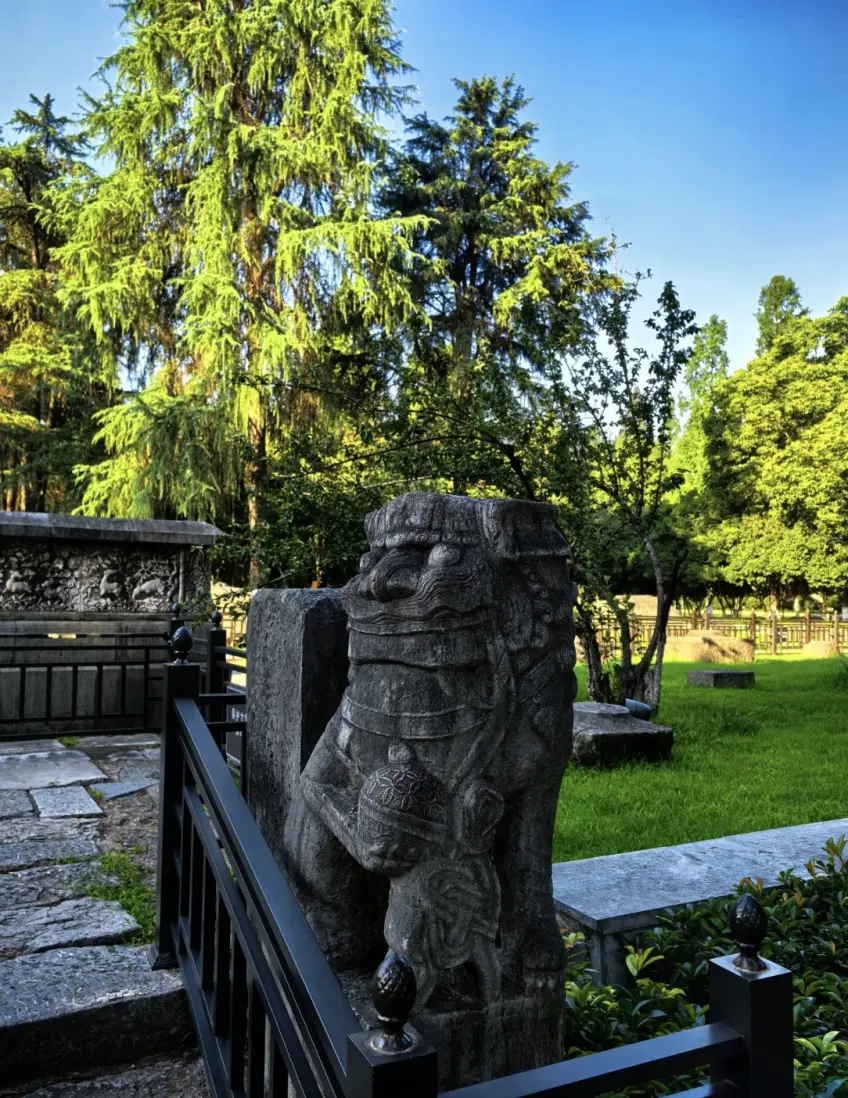
Right next to Nanjing Museum is Ming Palace Ruins Park, which is free to enter. After touring the museum, you can take a walk inside, see the ancient palace ruins and soak up the history. No need to set aside extra time—just drop by on your way.
Common Pitfalls to Avoid at Nanjing Museum
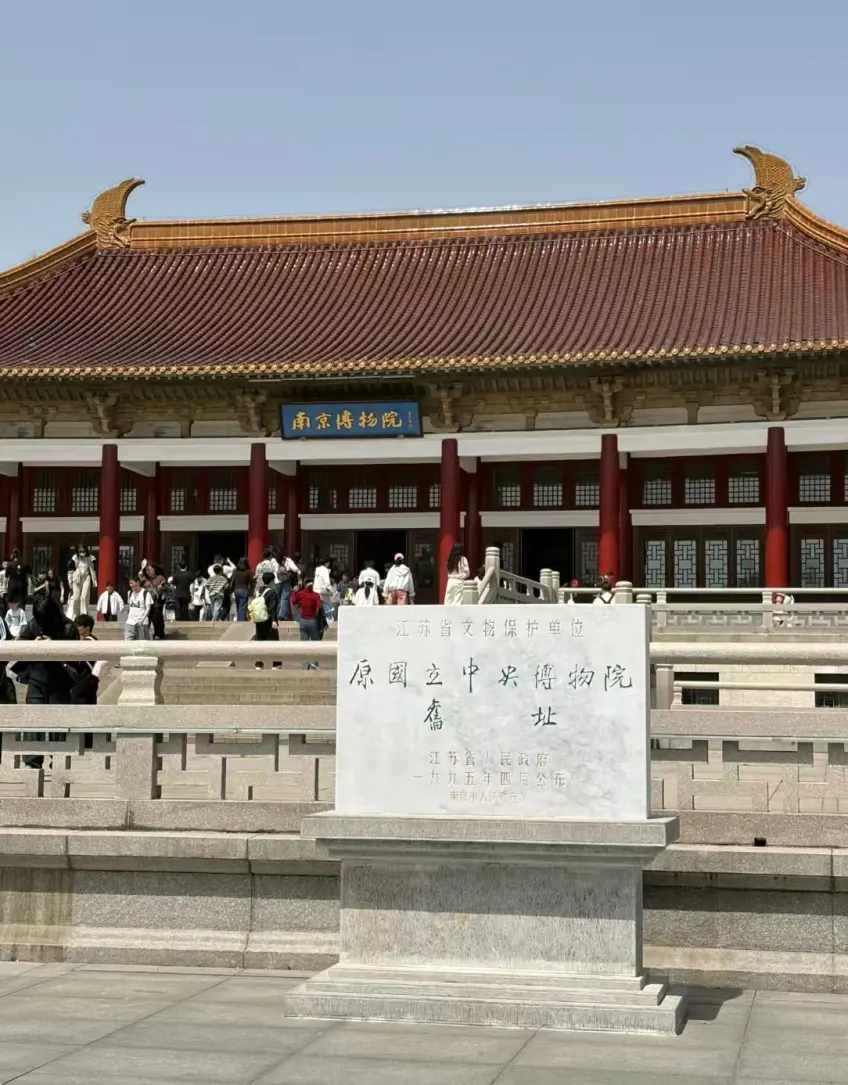
Finally, here's a summary of common mistakes first-time visitors make. Keep these tips in mind to avoid most problems and enjoy a smoother visit. First, reservations: always book your tickets in advance. On weekends and holidays, set an alarm—don't leave it to the last minute, as you absolutely won't get in without a reservation. Second, timing: avoid Mondays, enter before 4 pm, and don't be late.
Third, transportation: take the subway if possible, as driving often means traffic jams and expensive parking. Fourth, what to wear: definitely wear flat shoes, and light-colored clothes look great in photos. Finally, shopping: don't buy too many souvenirs—just pick practical items, and avoid overpriced keepsakes at the attraction.
Visiting Nanjing Museum
Only after stepping into the Nanjing Museum during a trip to Nanjing did I realize this is far from a cold building that merely houses artifacts. It's a vibrant space carrying a thousand years of Jiangnan history, culture and art. From ancient stone tools to Republican-era street scenes, from exquisite artworks to bustling everyday life, you can experience the historical depth, cultural warmth and local flavor of Nanjing all at once.
On a small-group tour of Nanjing Museum, a professional guide creates a custom itinerary for you. You don't need deep historical knowledge or art expertise—just slow down, wander, look and soak it all in. Understanding this museum means understanding the charm of Nanjing, an ancient capital with over a thousand years of history. That's what visiting Nanjing Museum is really about.
FAQs
Do I need to book tickets for Nanjing Museum? How?
Nanjing Museum is free to enter, but you must book a named ticket in advance. Walk-in tickets are generally not issued on site (rules are subject to official announcements on the day). Use the official WeChat account/mini program, which usually releases slots for upcoming days each evening. You can leave the booking to a travel consultant and fit it into your itinerary via station transfers or custom private tours to avoid wasted trips.
What are the opening hours? How do I see it all in one day?
It typically opens during the day and stops admitting visitors in the afternoon (exact times are subject to official announcements on the day). We recommend setting aside half a day to a full day: History Hall → Special Exhibitions → Art Hall → Republic of China Hall → Intangible Cultural Heritage/Digital Hall. Short on time? Choose a group tour that includes the museum so the schedule stays on track.
How do I get to Nanjing Museum from Nanjing Railway Station or Lukou Airport?
The museum is near Minggugong Station on Metro Line 2, within walking distance from the station (check real-time transit apps for bus routes). If you have lots of luggage or need direct station transfers, prioritize station transfers. For shuttling between the museum, Sun Yat-sen Mausoleum and Confucius Temple, a private car means fewer transfers.
Are audio guides enough? Is a professional guide worth it?
The audio guide and the official mini program narration cover the basics. To dive deeper into the historical timeline, star exhibits and Republic of China street scenes, hiring a guide is well worth it. For a hassle-free experience, choose a group tour covering Nanjing Museum or Nanjing. Just tell your travel consultant your language and group size.
How do I combine it with Laomendong and Ming Palace?
Common itinerary: Nanjing Museum by day, then Laomendong in the evening for night views and street food; or take a stroll in Ming Palace Ruins Park right after leaving the museum. If you're not super fit, don't cram in the Sun Yat-sen Mausoleum night session on the same day. Need to rearrange based on reservations and your energy? Go with custom travel; using a private car between attractions is more reliable.
Want to see all six halls without backtracking? Leave the guiding and route planning to a private guide; to check off the best of Nanjing in one go, try a group tour. Use station transfers or a private car for getting to and from Nanjing; mix and match the Nanjing Museum, Laomendong and Sun Yat-sen Mausoleum with custom travel. Just send your dates, group size and departure city to our travel consultant.