
Nanjing Museum is worth visiting, and worth giving plenty of time to. It's laid out as "one museum, six halls"—exploring the History Hall alone takes over two hours, and seeing all six halls would take more than a full day. For most visitors, the best plan is the museum in the morning and Purple Mountain in the afternoon: enter at 9:00 AM, explore the History Hall plus one or two other halls until early afternoon, then head to Sun Yat-sen Mausoleum or Ming Xiaoling Mausoleum. Admission to Nanjing Museum is free but requires advance booking with ID, and it's closed on Mondays. If you're traveling with older relatives or want to skip transfers, using a private car between the two spots is the easiest option.
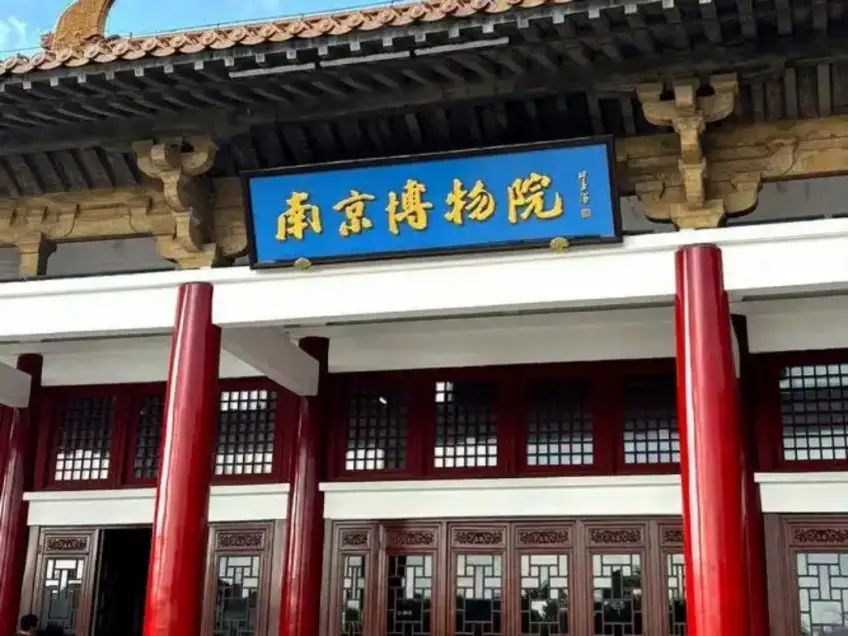
Is the Nanjing Museum really worth visiting? Here's what it has
The Nanjing Museum is one of China's richest comprehensive museums, with exhibits centered on historical artifacts from Jiangsu. Unlike many city museums, it isn't just about seeing a few national treasures—it traces the history of Jiangnan from prehistoric times through the Ming and Qing dynasties in one continuous narrative. For first-time visitors to Nanjing, the museum is as essential as the Presidential Palace and Sun Yat-sen Mausoleum for understanding the city.
Whether it's "worth it" depends on your interests. History buffs can easily spend a full day at the Nanjing Museum. If artifacts aren't your main thing, just focus on the highlights in the History Hall and the Republic of China Hall—you'll still get plenty out of two or three hours. For families with kids, the interactive exhibits in the Digital Hall and Intangible Cultural Heritage Hall are usually the biggest hit. Here's how to prioritize based on your travel style.
One quick heads-up: the Nanjing Museum and the Nanjing Municipal Museum are not the same place. The Nanjing Museum is on Zhongshan East Road—it's the provincial-level museum people usually call "Nanbo." The Nanjing Municipal Museum is at Chaotian Palace, a completely separate institution. When using maps or making a reservation, make sure you select "Nanjing Museum" so you don't book the wrong one.
Compared to other major museums in China, the Nanjing Museum stands out for its strong Jiangsu flavor. Most of the artifacts were unearthed locally—from prehistoric Liangzhu culture jade to gold pieces and jade burial suits from Han dynasty royal tombs, all the way to Ming and Qing imperial kiln porcelain. They all tell the story of Jiangnan. So if you're heading to Suzhou, Yangzhou, or Zhenjiang next, a visit here first will add a lot more depth to the rest of your trip.
How to choose among the six halls: Prioritize by interest
The Nanjing Museum has six halls: the History Hall, Special Exhibition Hall, Digital Hall, Art Hall, Intangible Cultural Heritage Hall, and Republic of China Hall. Each has a very different focus, so there's no need to split your time evenly.
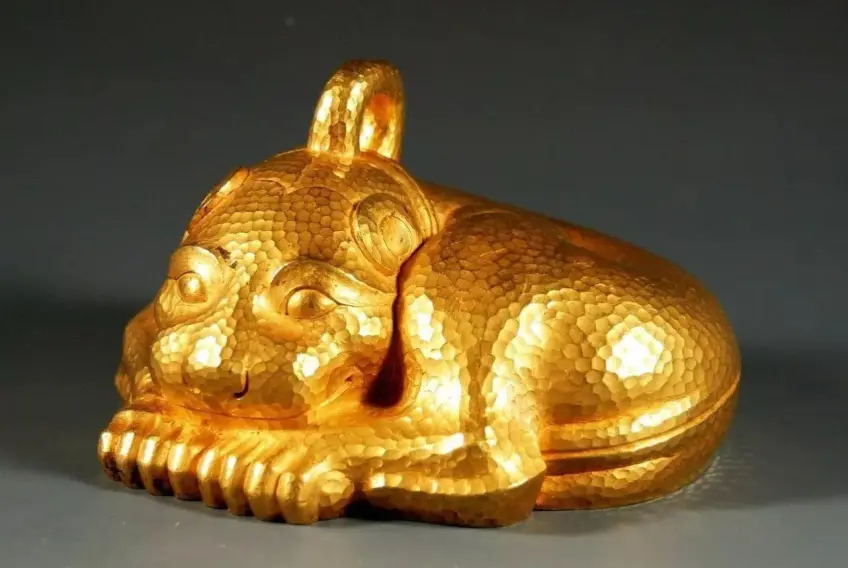
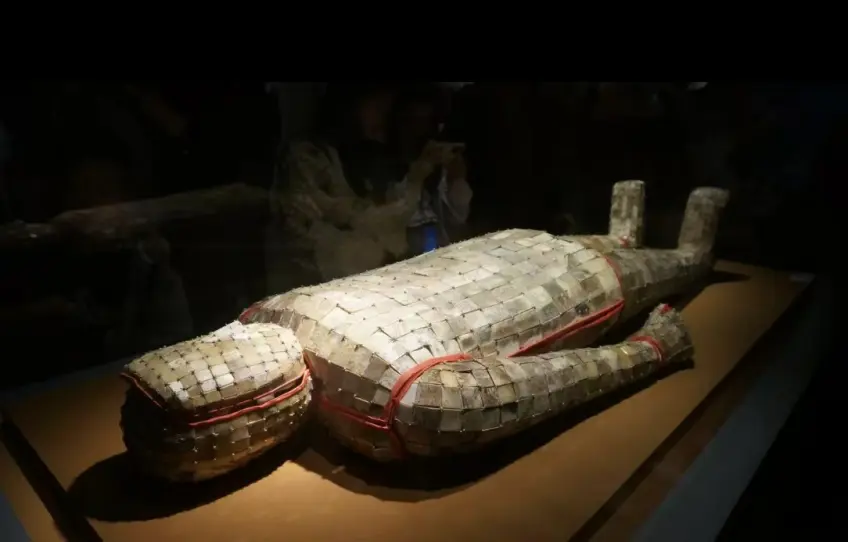
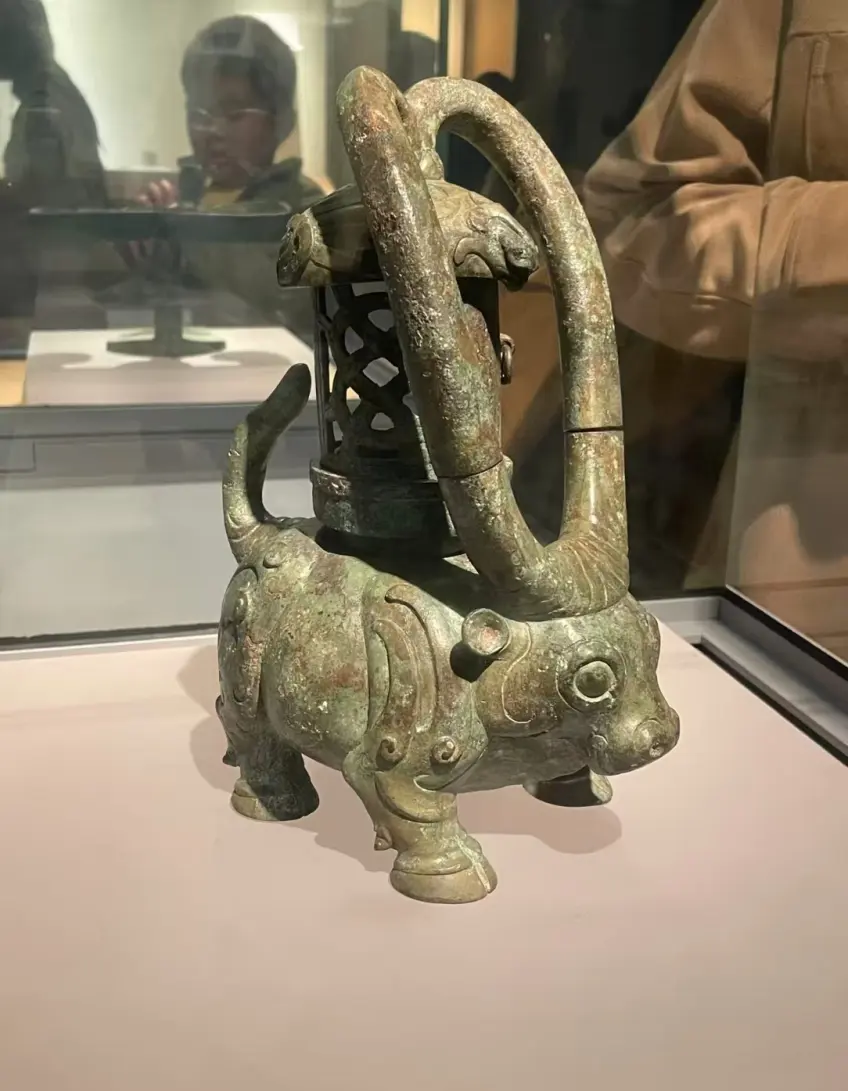
The History Hall is the core, showcasing ancient Jiangsu civilization by era. Star exhibits like the Western Han gold beast, the silver-threaded jade burial suit, and the bronze ox lamp with silver inlay are mostly here. If it's your first visit, make this hall your top priority and allow at least two hours.
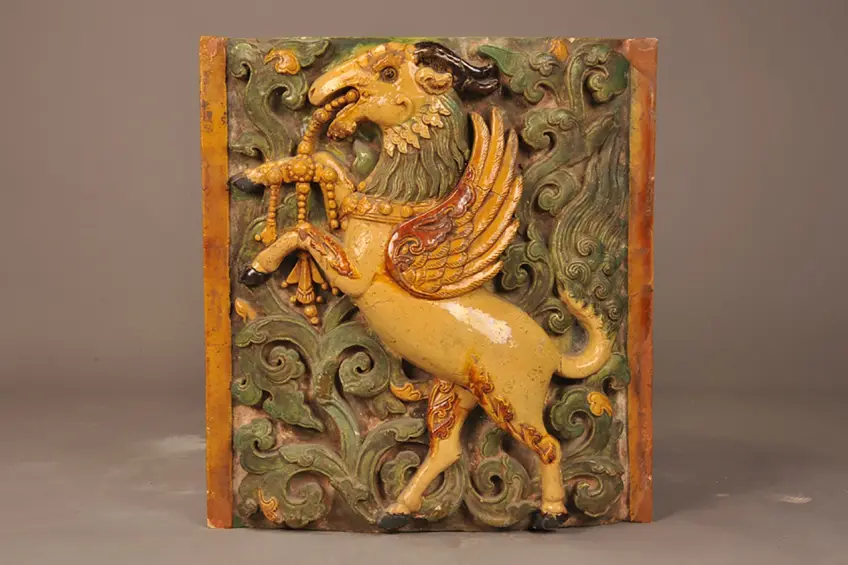
The History Hall follows a chronological route, so it's best to walk through in order rather than skipping around. The first section covers prehistoric cultures—Liangzhu jade cong pieces here are worth a close look. The middle section focuses on the Han dynasty and Six Dynasties, with the highest concentration of gold artifacts, jade burial suits, and lamps from royal tombs; it's also the busiest area. The final section spans the Sui, Tang, Song, Yuan, Ming, and Qing dynasties, featuring components from the glazed pagoda of Da Bao'en Temple, Ming dynasty gold and silverware, and imperial kiln porcelain. Many visitors spend too much time in the first half and run out of energy by the end, so plan your time accordingly.
The Special Exhibition Hall hosts traveling temporary exhibitions and themed shows from the museum's collection. The exhibits change regularly, so check the official channels for current exhibitions before your visit and add it to your itinerary if something catches your eye. The Art Gallery has long-term displays of fine calligraphy, paintings, ceramics, sculptures and other collection highlights—perfect for art lovers who like to take their time. Some sections may occasionally close for maintenance; check the museum's announcements for details.
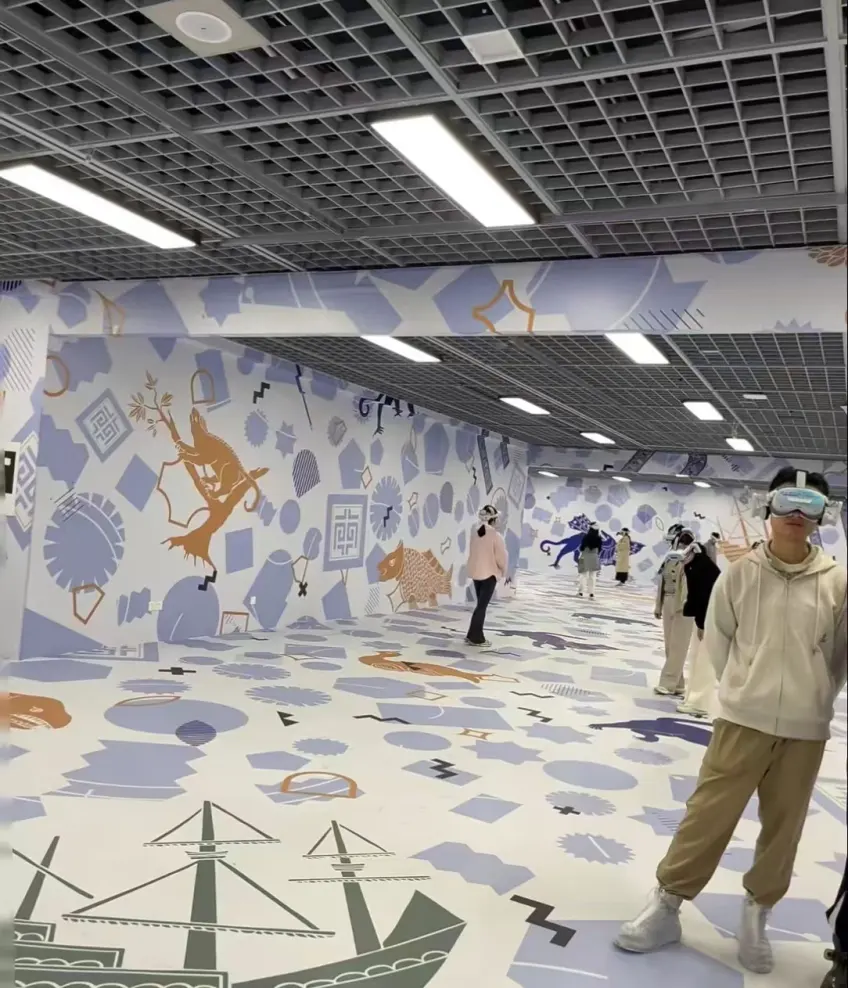
The Republic of China Hall recreates Nanjing street scenes from the Republic of China era, complete with shops, a post office and teahouses. Walking in feels like strolling down an old street. It's popular for photos, and even visitors who aren't big on artifacts will enjoy it. The Intangible Cultural Heritage Hall showcases intangible cultural heritage through dynamic displays, and you can sometimes catch live performances and craft demonstrations. The Digital Hall focuses on interactive experiences and is a hit with kids.
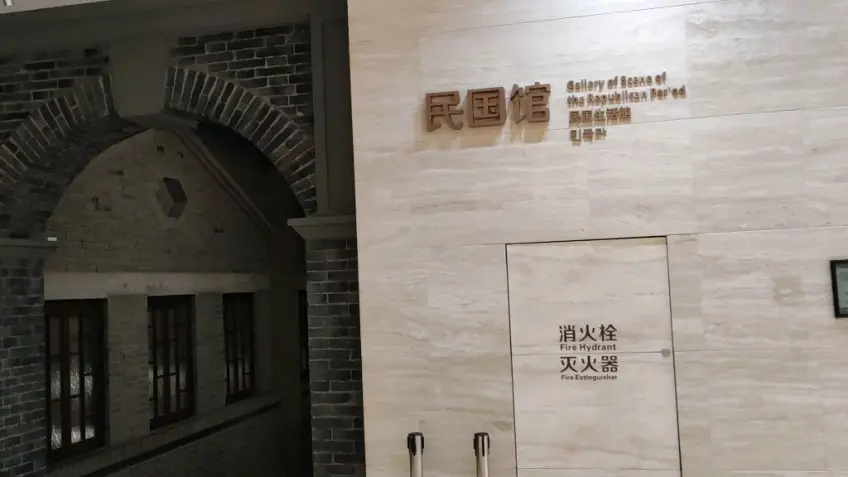
The Republic of China Hall is located in the basement with dim lighting to recreate the atmosphere of an old street at dusk. The signs, shop windows and furnishings along both sides are styled after the Republic of China era, and you can step inside some of the shops. The street gets crowded when it's busy, so arrive early in the morning or avoid the afternoon rush if you want to photograph the street scenes. What you'll see in the Intangible Cultural Heritage Hall depends on the day's schedule—you might catch live opera or craft demonstrations, so stick around a bit longer if you do.
Three common itinerary options
Only two or three hours: Focus on the highlights in the History Hall, then add the Republic of China Hall. This is what most day tour visitors choose—you'll see the most representative artifacts and experience the Republic-era street scenes.
Half a day or more: Take your time in the History Hall, then add the Republic of China Hall and the Intangible Cultural Heritage Hall. If the current exhibition in the Special Exhibition Hall appeals to you, include that too. Grab lunch inside the museum or nearby, then continue in the afternoon.
With kids: Pick a few "story-rich" artifacts in the History Hall to talk about, like the gold beast or the bronze ox lamp, then head to the Digital Hall and the Republic of China Hall. Kids have limited attention spans—it's better to skip a few halls than wear them out.
How long to stay and when to arrive: plan your time carefully
The Nanjing Museum offers free entry with real-name reservations and timed admission slots. As shown on the attraction page, it is closed on Mondays. On other days it opens at 9 am, and no entry is allowed after 4 pm. Opening hours, holiday adjustments, and reservation rules are subject to official announcements from the Nanjing Museum. Slots fill up fast during holidays and summer vacation, so it's best to book a few days ahead.
The most common scheduling mistake is arriving in the afternoon. If you enter at 2 or 3 pm, you'll need to leave by 4 or 5 pm—not even enough time to finish the History Hall. We recommend entering around 9 am, when crowds are smaller and your energy is high. By around noon, you'll have basically covered the History Hall and the Republic of China Hall.
A relaxed schedule might look like this: enter around 9 am and explore the History Hall until 11:30; spend 30 to 40 minutes in the Republic of China Hall; have lunch and rest nearby; head to Zhongshan Mountain between 1 and 1:30 pm, spend two to three hours at Sun Yat-sen Mausoleum or Ming Xiaoling Mausoleum, and wrap up around 5 pm. If you'd rather spend the afternoon exploring the museum's other halls, move Zhongshan Mountain to the next day.
Tips for visiting the exhibitions
First, make a "must-see list." The History Gallery has so many exhibits that it helps to pick five or six favorites in advance. Find them first when you enter, then explore the surrounding displays. Second, commentary matters. Every artifact at the Nanjing Museum has a story behind it, and reading the labels alone won't do it justice. Rent an audio guide, or hire a docent or private guide to show you around. Third, pace yourself. There are rest areas between galleries, so sit down after about an hour of walking—it works much better than pushing through to the end.
For photos, most galleries allow photography without flash, though some special exhibitions may prohibit it. Follow the signs on site. Don't linger too long in front of popular display cases—take your shot and move aside for others.
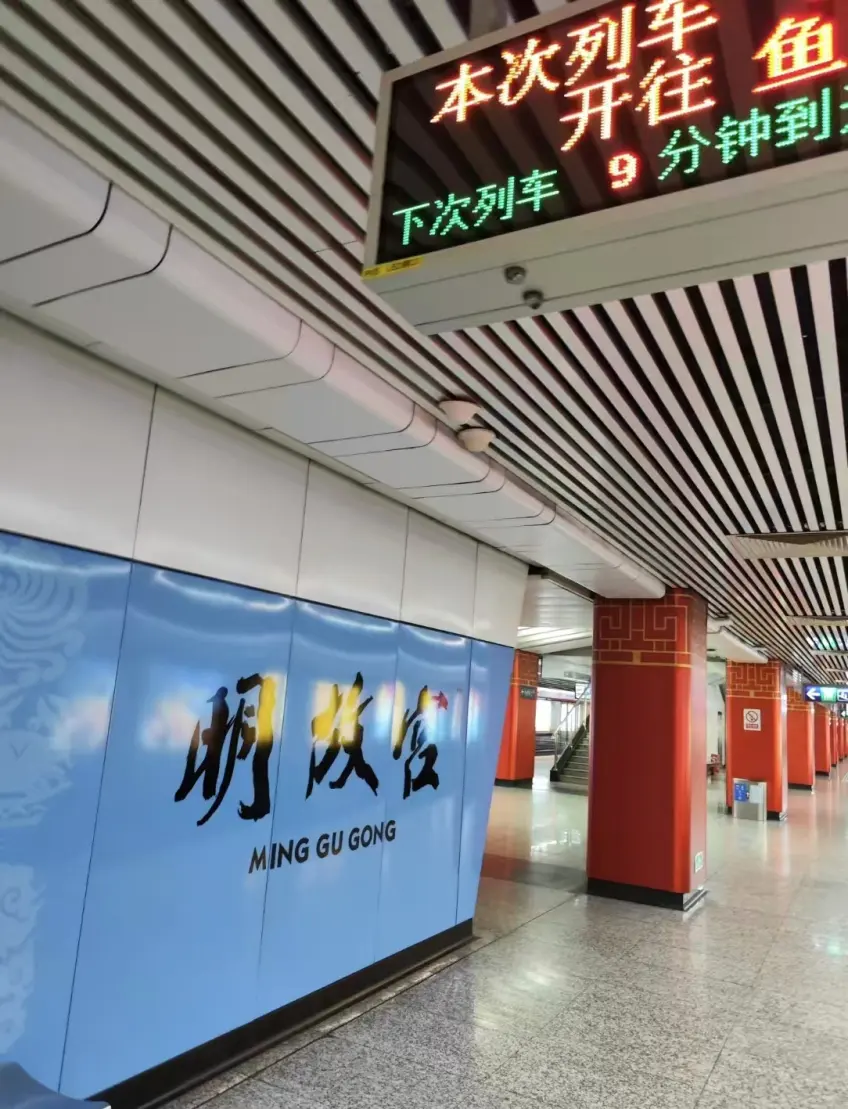
The Nanjing Museum is located on Zhongshan East Road. Take Metro Line 2 to Minggugong Station, and it's a short walk from the exit. Luggage storage and audio guide rentals are available inside; check on site for details. You'll do a lot of walking in the galleries, so wear comfortable shoes. The air conditioning is strong in summer, and the temperature difference between indoors and outdoors is noticeable in winter, so bring a light jacket.
If you're arriving in Nanjing by high-speed train, both Nanjing Station and Nanjing South Station are on Metro Line 3. Ride to Daxinggong Station and transfer to Line 2—Minggugong Station is two stops east. It's awkward to enter the museum with luggage, so drop your bags at your hotel first or use the museum's storage service (storage rules apply on site). The trip from the airport takes a while, so we don't recommend rushing to the Nanjing Museum on the morning you land. Going early the next day is much more relaxed.
Afternoon at Purple Mountain: Sun Yat-sen Mausoleum or Ming Xiaoling Mausoleum?
The Nanjing Museum is in the eastern part of the city, not far from the Purple Mountain Scenic Area, so "museum in the morning, Purple Mountain in the afternoon" makes for a smooth day. Where you go in the afternoon depends on your interests.
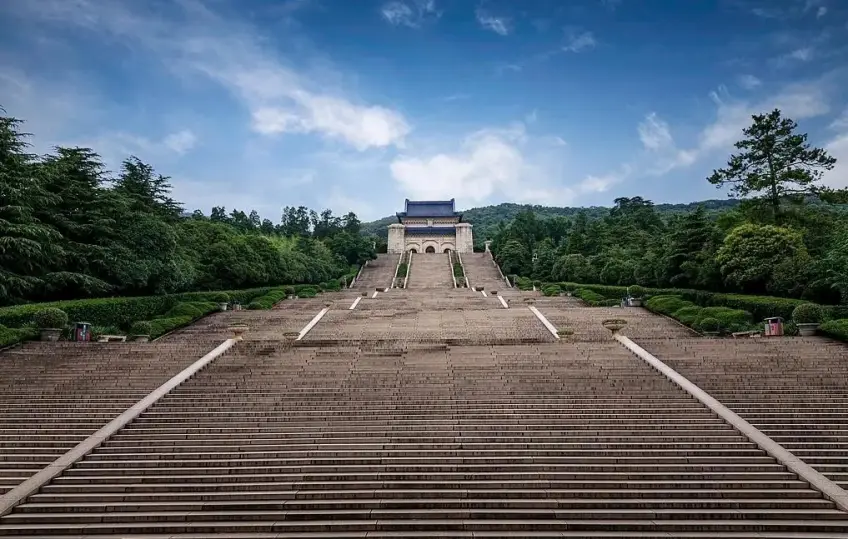
Sun Yat-sen Mausoleum is the tomb of Dr. Sun Yat-sen. Walking from the Bo'ai Archway along the tomb path to the Memorial Hall means climbing 392 steps. If you visit the Republic of China Gallery at the Nanjing Museum in the morning and come to Sun Yat-sen Mausoleum in the afternoon, the whole Republic of China route comes together. The steps aren't steep but they are long, so if you're traveling with older relatives, pace yourselves and take breaks along the way.
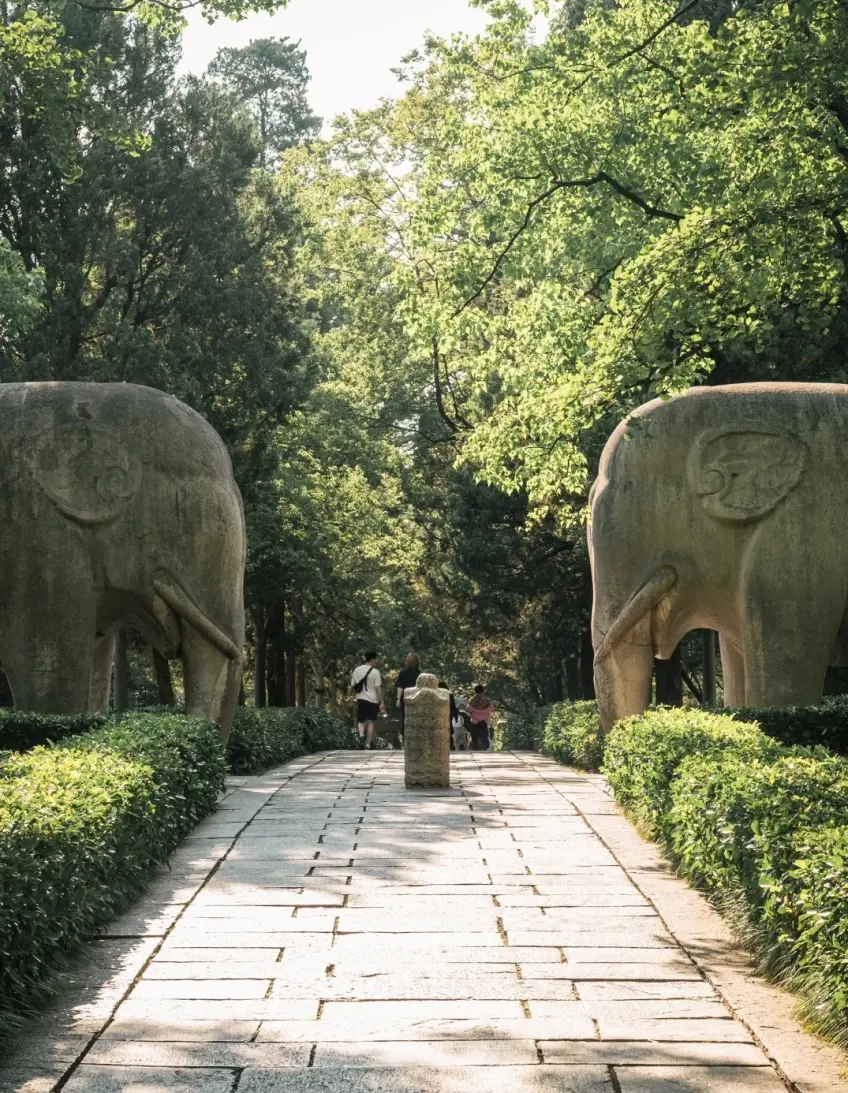
Ming Xiaoling Mausoleum is the joint tomb of Zhu Yuanzhang, the founding emperor of the Ming Dynasty, and Empress Ma. It was added to the World Heritage List in 2003 as part of the Imperial Tombs of the Ming and Qing Dynasties. The stone animals lining Sacred Way and the civil and military official statues on Wengzhong Road are the highlights here, and they look especially beautiful in autumn when the ginkgo trees turn yellow. If you visit the History Gallery at the Nanjing Museum in the morning and come to Ming Xiaoling Mausoleum in the afternoon, you'll get a much clearer picture of Ming Dynasty Nanjing.
Here's how to decide: if you're interested in modern history and want to complete the "Republic of China Nanjing" route, choose Sun Yat-sen Mausoleum; if you prefer ancient sites, stone carvings and garden scenery, choose Ming Xiaoling Mausoleum; if you're traveling with older relatives and want to avoid too many stairs, the Sacred Way at Ming Xiaoling Mausoleum is mostly flat and easier to walk. If you have plenty of time, you can visit both, just be prepared for a busy afternoon.
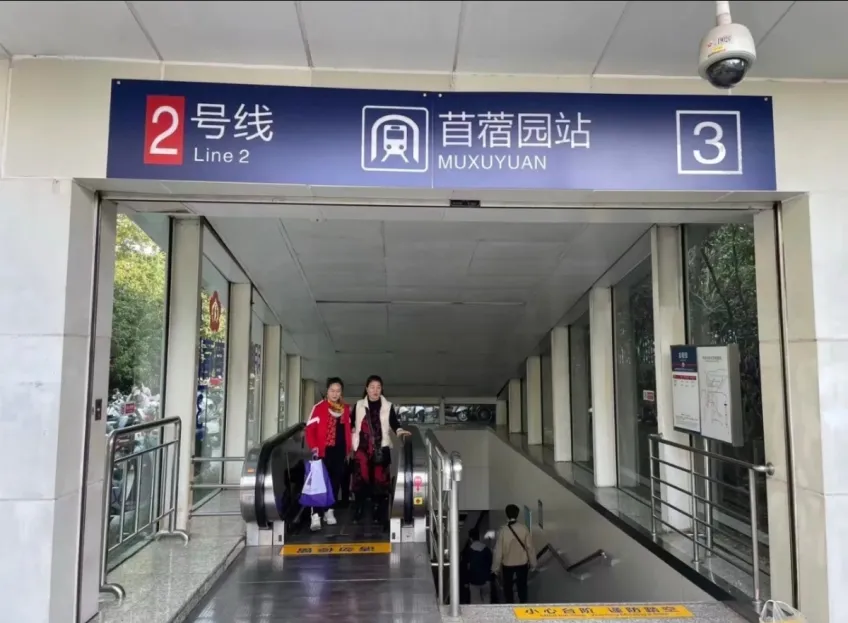
If you want to visit both, your afternoon will be tight. You can use the scenic area shuttle buses to travel between Sun Yat-sen Mausoleum and Ming Xiaoling Mausoleum. To reach Zhongshan by metro, Muxuyuan Station and Zhonglingjie Station on Line 2 are the most convenient stops. Note that the Memorial Hall at Sun Yat-sen Mausoleum is usually closed for maintenance on Mondays, which works out well since the Nanjing Museum is also closed on Mondays.
Getting around: metro, taxi or private car
The Nanjing Museum and Zhongshan Mountain are both along Metro Line 2, so you can cover both in a day of independent travel by subway. But getting around inside the Zhongshan Mountain Scenic Area in the afternoon is often more tiring than expected: it's a walk from the parking lot or metro station to the attraction entrances, and you'll need to transfer between sightseeing shuttles to get from one site to another.
If you're traveling with seniors or kids, or just have one day and want to see more, consider Nanjing private car: drop-off at the Nanjing Museum in the morning, pick-up for Zhongshan Mountain at noon, seamless transfers between Sun Yat-sen Mausoleum and Ming Xiaoling Mausoleum, and a ride straight back to your hotel in the evening. If you'd like commentary, add a private guide to explain both the museum artifacts and the history of Zhongshan Mountain. For pricing, see How much does a private guide cost in Nanjing?.
The benefits of a private car are most obvious in the afternoon: the entrances, parking lots, and attractions in the Zhongshan Mountain Scenic Area are spread out, so your driver can pick you up and drop you off at agreed spots, saving you a lot of unnecessary walking. If you have lots of luggage or need to catch a high-speed train later, leave your bags in the car and head straight to Nanjing South Railway Station or Nanjing Railway Station when you're done.
Which to choose
Independent travel: Best if you're comfortable using maps and booking mini programs, have good stamina, and want the flexibility of the metro.
Group tour: If you don't want to handle bookings and planning yourself, try our Nanjing day tour covering the Nanjing Museum. Transfers between the museum and other sites are all arranged—see Nanjing group tours for details.
If you only have one day in Nanjing but want to visit both the Nanjing Museum and Zhongshan Mountain, a group tour or private car saves you hours of navigating and transferring. With two or three days, combining independent travel and a private car works great—for example, take the metro to the Nanjing Museum and Presidential Palace on day one, then hire a private car for Zhongshan Mountain and southern Nanjing on day two.
Private car or custom tour: Ideal for families with seniors or kids, travelers who prefer their own pace, or those spending two or three days in Nanjing. Check out Nanjing custom tours to spread the Nanjing Museum, Presidential Palace, and Sun Yat-sen Mausoleum over several relaxed days.
Nanjing day tour - Nanjing Museum route, no shopping stops
A private day tour centered on the Nanjing Museum, with visits to the Presidential Palace, Confucius Temple and Qinhuai River, and the Great Bao'en Temple. Museum tickets are released seven days in advance; if fully booked, Xuanwu Lake is visited instead. Pickup and drop-off at Nanjing Railway Station. Includes vehicle, guide and admission tickets, with an English-speaking guide available.
For the exact locations of the Nanjing Museum halls, which gallery houses the museum's treasures, and reservation details, see How to visit the Nanjing Museum; for more visitor information, see the Nanjing Museum attraction page.
FAQs
Do I need a ticket for Nanjing Museum?
The Nanjing Museum is free to enter, but you must book a named reservation in advance and enter during your assigned time slot. Foreign visitors should reserve using their passport. Some temporary exhibitions in the Special Exhibitions Hall may charge an additional fee; check the museum's announcements for details.
Can you see the whole Nanjing Museum in one day?
It's hard to thoroughly explore all six halls in a single day. Most visitors find that spending the morning in the History Hall and the Republic of China Hall is already plenty, then they can continue with the other halls in the afternoon or head over to Zhongshan Mountain.
Can I visit the Nanjing Museum and the Presidential Palace in one day?
Yes, both are in the eastern part of the city and not far apart. You can do the Nanjing Museum in the morning and the Presidential Palace in the afternoon, linking them into a Republic of China-themed route. Just note that both require reservations and are closed on Mondays, so plan accordingly.
Is the Nanjing Museum suitable for foreign visitors?
Yes. The main exhibits at the Nanjing Museum have English descriptions, but you may need some background knowledge on topics like the Liangzhu Culture or Han dynasty vassal kings. You can book entry with your passport. For a better understanding, consider hiring a private guide who offers tours in English.
Is it tiring to visit the Nanjing Museum with seniors?
The exhibition halls are mostly flat, but there is a lot of walking. We recommend limiting your visit to two or three hours, focusing on the key exhibits in the History Hall and the Republic of China Hall, and taking breaks along the way. Wheelchair rental availability is subject to on-site conditions.