

Top 108 Vegetarian Dishes at Lingyin Temple in Hangzhou
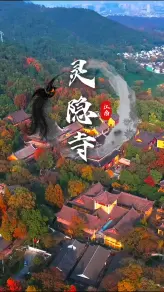
The vegetarian food available at Lingyin Temple mainly consists of Changsheng noodles and simple vegetarian dishes served daily at Shifang Yuan inside the temple. If you walk up the stone steps to Taoguang Temple, you can enjoy vegetarian noodles at Taoguang Tea Nunnery while gazing at West Lake in the distance. The temple also gives out Laba porridge on the Laba Festival. The often-mentioned "108 Lingyin vegetarian dishes" are recorded in Lingyin Qinggong, a cookbook compiled by Lingyin Temple—it is not the temple's everyday menu.
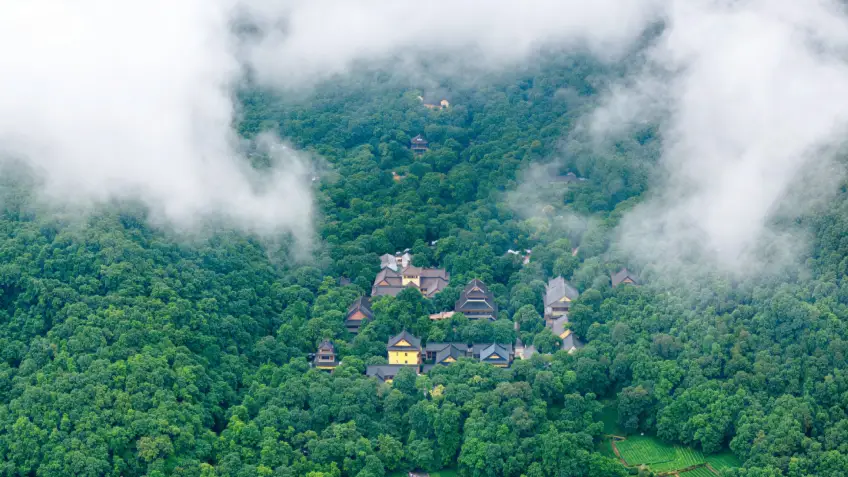
Lingyin-Feilaifeng Scenic Area will be free of charge starting December 1, 2025 (including Lingyin Temple, Yongfu Temple, and Taoguang Temple). Real-name timed reservations are required. Open daily from 7:30 to 17:30, with last entry at 17:00.
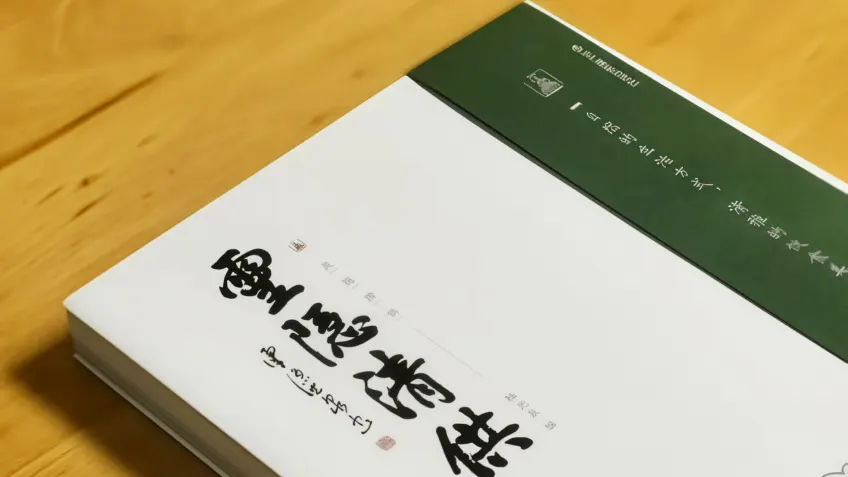
About the Book Lingyin Qinggong
Hangzhou's vegetarian tradition runs deep. The Southern Song dynasty book "Mengliang Lu" records: "There are also shops specializing in vegetarian dishes and tea, so that fasting precepts are not broken." Lin Hong, a scholar of the same era, elevated the charm of wild mountain vegetables to an art form in his work "Shanjia Qinggong." Reading "Lingyin Qinggong," which carries on this ancient spirit, I felt the elegant and solemn character of Zhejiang's vegetarian culture, preserved over a thousand years.
What are the recommended dishes among Lingyin's 108 vegetarian dishes?
Lingyin Temple's 108 signature vegetarian dishes are fully documented in the book "Lingyin Qinggong" compiled by the temple. This is not an everyday menu, but a cookbook showcasing the pinnacle of the temple's vegetarian culinary aesthetics. The dishes emphasize using local ingredients, seasonal freshness, and careful preparation, with the core philosophy of following nature and the seasons.
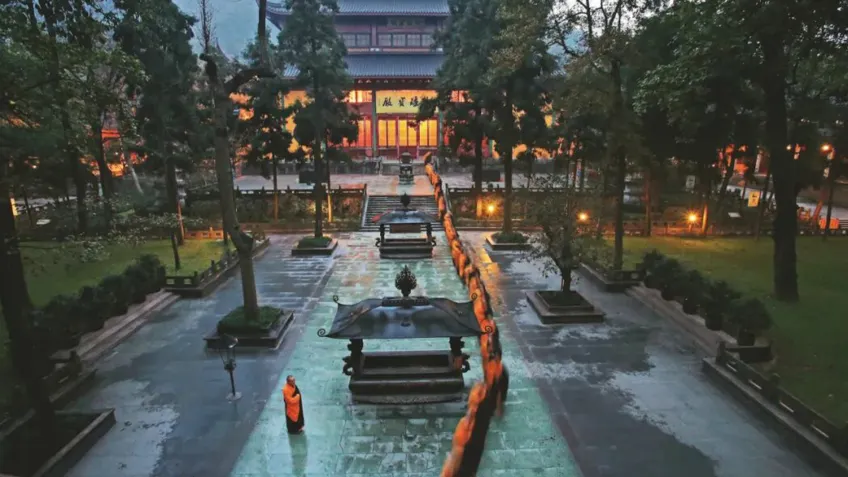
The 108 vegetarian dishes are systematically divided into six chapters: cold dishes, hot dishes, soups, staples, desserts, and pastries. Each category contains dozens of vegetarian items, all embodying profound Buddhist culture and generations of culinary wisdom.
The highlight is the seasonal hot dishes, carefully arranged to follow the four seasons: "Spring Dawn Silkworm Charm" in spring, "Moonlight over the Lotus Pond" in summer, "Three Flavors Within" in autumn, and "Zen Taro Delight" in winter. Each reflects a philosophy of eating with the seasons for better health.
Recommended spring vegetarian dishes at Lingyin Temple
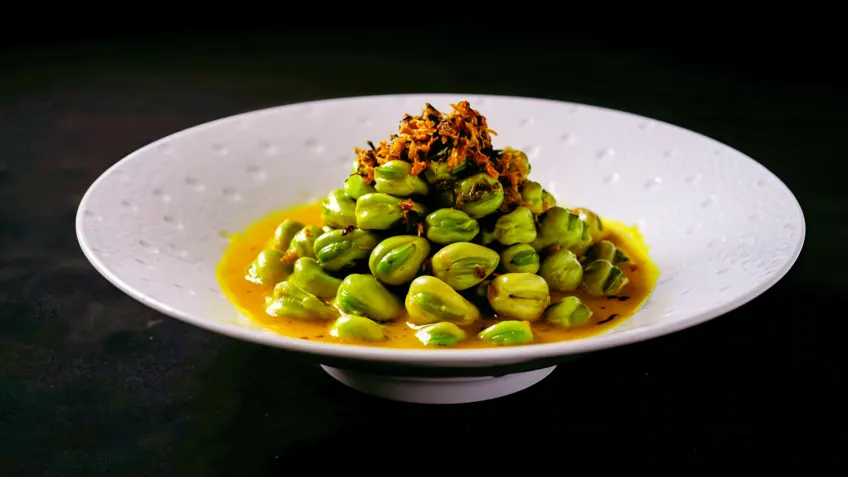
Lingyin Temple's vegetarian cuisine embodies the ancient wisdom of "eating only what's in season." In spring, we recommend "Spring Dawn Silkworm Charm." The main ingredient is fresh fava beans, which are naturally sweet and full of spring vitality. Just shelled from their pods, the beans are plump and bright green. The dish has a rich bean aroma and a tender, sweet flavor without any greasiness—the truest taste of spring ingredients.
Summer Vegetarian Dishes at Lingyin Temple
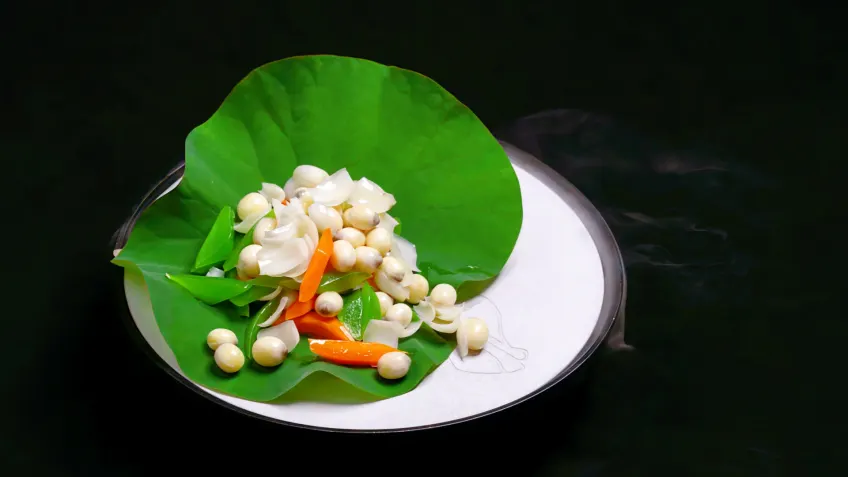
In summer, try "Moonlight over the Lotus Pond." This dish cleverly uses fresh aquatic ingredients like lotus seeds and is plated on a lotus leaf. It's light and elegant, with a crisp, refreshing taste that helps cool you down and calm the mind. It's mainly stir-fried or tossed cold with very little seasoning to highlight the natural flavors of the ingredients. Served on a fresh lotus leaf, the green leaves set off the white lotus seeds beautifully, creating a cooling visual effect.
Autumn Vegetarian Dishes at Lingyin Temple
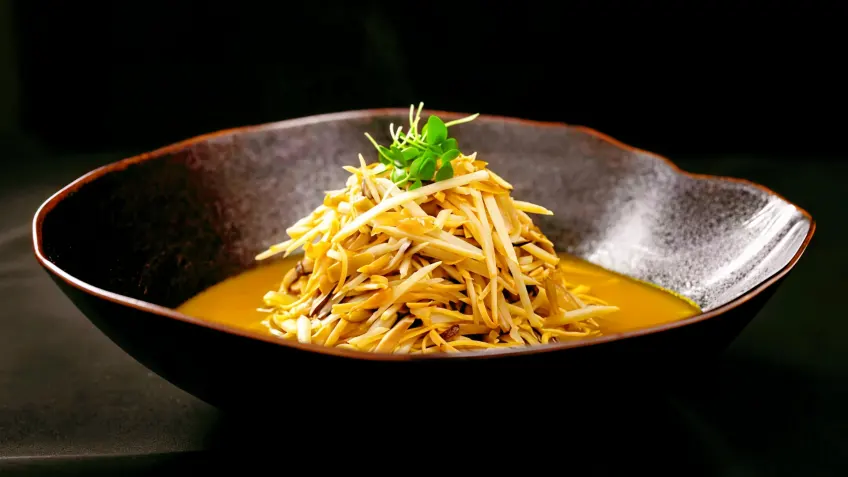
In autumn, don't miss "Gezhong Sanwei." This vegetarian three-shred dish is made mainly from shiitake mushrooms, dried bamboo shoots, dried orchid tofu, and shredded pickled mustard tuber—all low-calorie, high-fiber ingredients with a rich flavor that captures the satisfaction of the autumn harvest.
Winter Vegetarian Dishes at Lingyin Temple
In winter, try "Chanye Yuqu." The star ingredient is seasonal winter taro, cut into chunks and slow-simmered with a handful of mushrooms. Just before serving, it's briefly baked to dry out the surface, forming a thin, appetizing golden crust. It's a nourishing vegetarian gem enjoyed by all ages.
This dish is soft and tender, falling apart with just a gentle squeeze of your chopsticks and practically melting in your mouth. The natural starchy aroma of the taro is fully released during slow simmering, and the sauce is reduced to just the right consistency, coating every piece with a rich, mellow flavor that never feels greasy. There are no complicated seasonings or fancy garnishes—just simple, comforting home-style cooking. A spoonful of this hot taro stew on a winter day warms you from your mouth to your stomach. It's easy to digest and especially suitable for seniors and children, making it a great nourishing choice for winter.
Together, these 108 vegetarian dishes form a complete culinary system. Cold appetizers whet the appetite, soups nourish and refresh, while staples and pastries provide hearty satisfaction. Every dish has a story behind its name, and the ingredient pairings are chosen for their various health benefits. Tasting these dishes is like following the rhythm of the four seasons, experiencing a peaceful and mindful way of life.
If you'd like to buy this vegetarian cookbook and recreate the dishes at home, contact us. Our customer service team will provide purchasing options or recipes for the dishes.
Which Hangzhou vegetarian dishes can you try at Lingyin Temple?
While you may not be able to taste all the dishes featured in "Lingyin Qinggong," you still have plenty of opportunities to experience the vegetarian culture at Lingyin Temple.
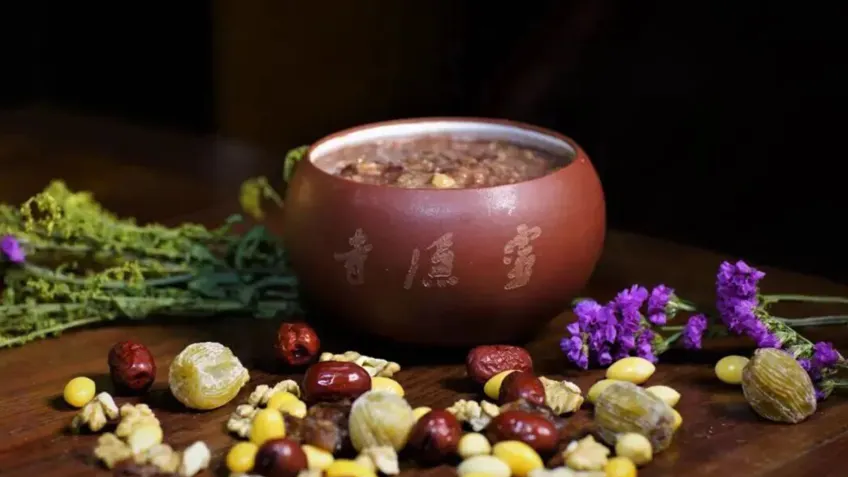
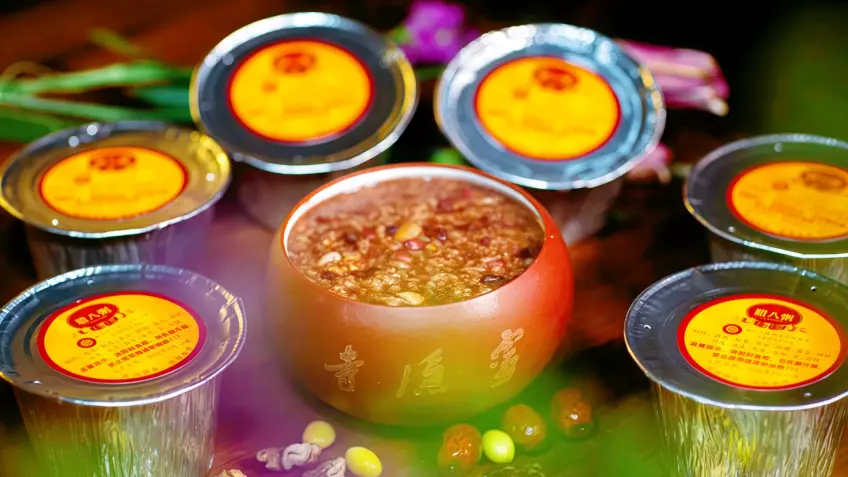
Festival experiences: The 8th day of the 12th lunar month each year is China's traditional Laba Festival, which also commemorates the enlightenment of Sakyamuni Buddha. On this day every year, Chinese Buddhist communities hold ceremonies, cooking porridge from grains and fruits as an offering to the Buddha and distributing it to local residents. Lingyin Temple cooks and gives away free Laba porridge to locals and visitors, a practice now recognized as a National Intangible Cultural Heritage. Porridge distribution dates and locations are subject to the temple's annual announcement.
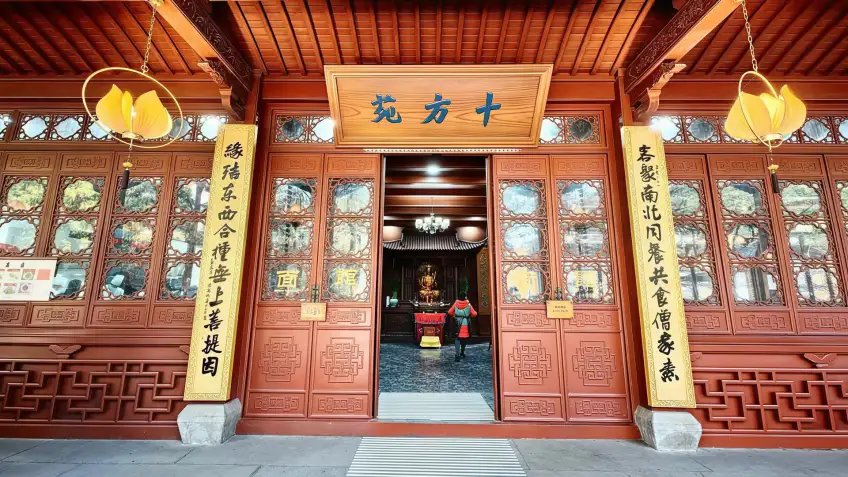
Daily vegetarian meals: Shifang Yuan inside Lingyin Temple usually serves vegetarian noodles and simple vegetarian dishes. Its signature Changsheng Noodles come in a light, fresh broth with wheat gluten, wood ear mushrooms, greens and other toppings—a perfect everyday example of the book's philosophy of "ordinary ingredients, prepared with care." Unlike the systematic, refined dishes in Lingyin Qinggong, these are more everyday fare, yet full of pure intention and homely warmth.
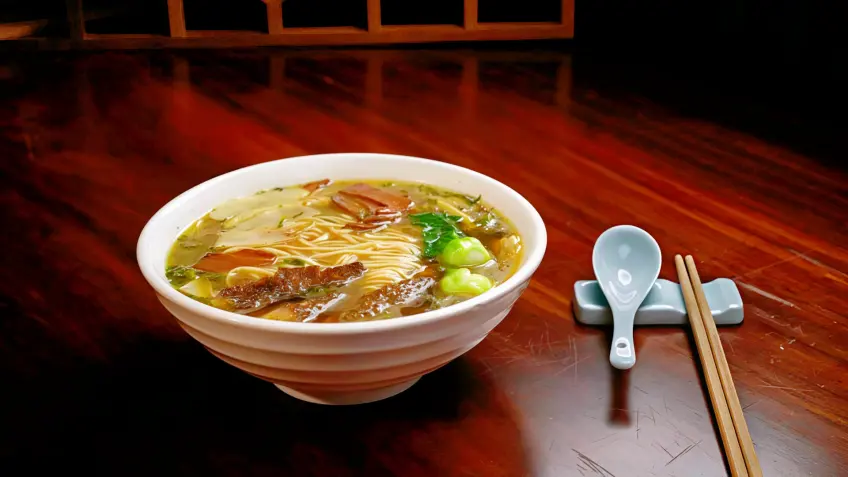
Taoguang Tea Hut – eat the best vegetarian noodles in Hangzhou
If you still have the energy to keep climbing, head up toward Yongfu Temple, climb a flight of stone steps and pass through the gate of Taoguang Temple to find it. That hike is exactly what makes this bowl of noodles feel so rewarding. If you care about dining atmosphere and scenery, don't miss the bowl of vegetarian noodles hidden inside Taoguang Temple—it has the best view in all of Hangzhou.
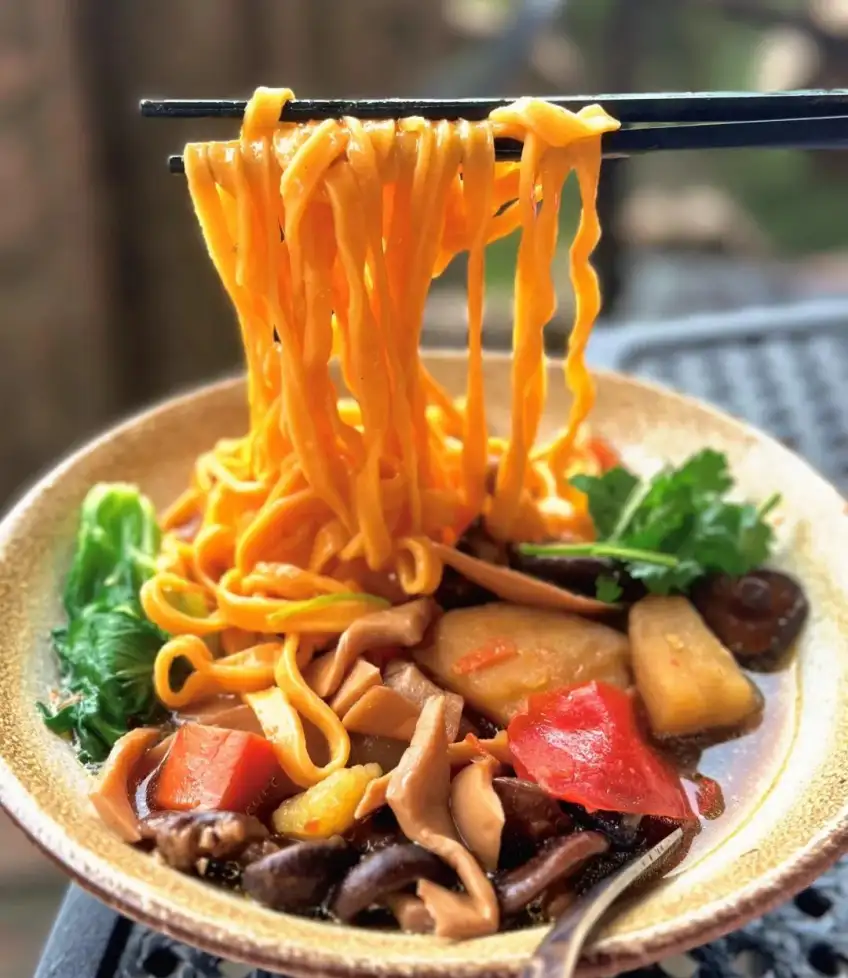
The noodles here are cooked just right—firm and chewy, never mushy. The portion is moderate, perfect for women, though men might want to add a side dish. To keep everything fresh, each vegetable is sliced to order, staying crisp and crunchy. The toppings are generous, with colorful vegetables piled on top that look appetizing before you even take a bite.
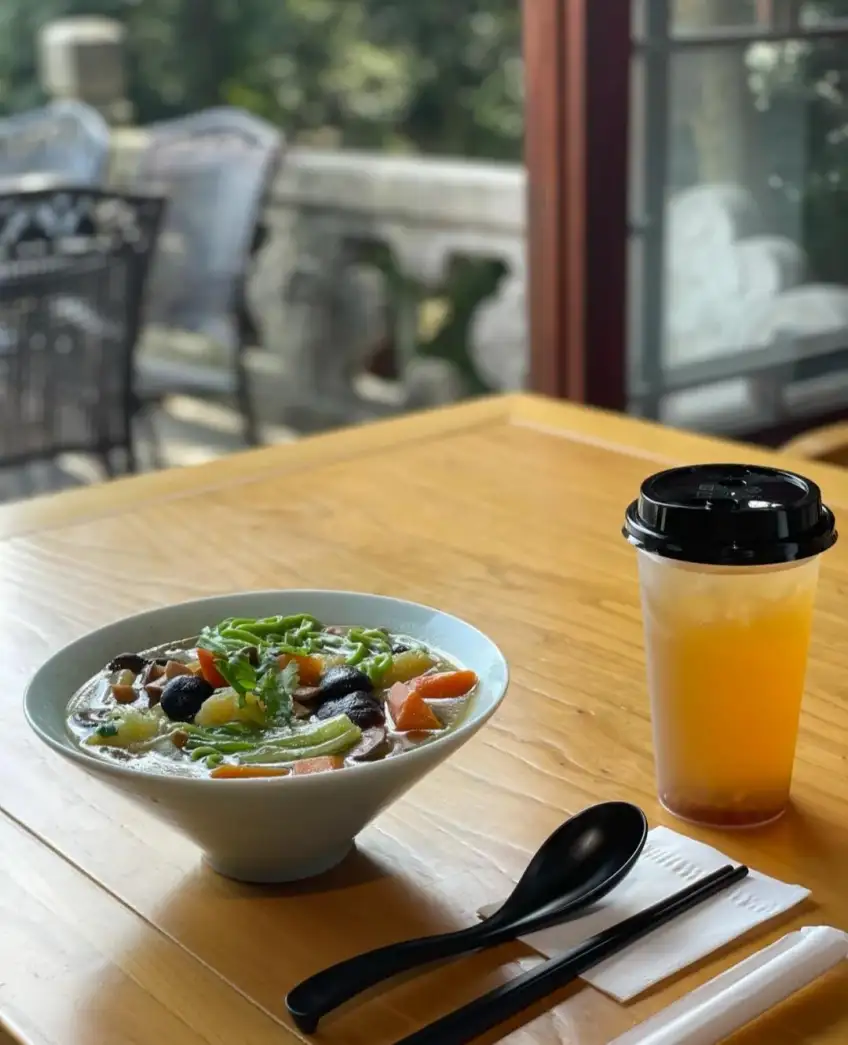
Although a bowl of vegetarian noodles here costs ¥38, a bit pricier than down the mountain, you're paying for the great setting. There's a scenic terrace where you can sit outdoors facing the forested hills, with West Lake visible in the distance. Enjoying noodles while taking in the view makes the climb well worth it. Prices and whether you need to queue are subject to the restaurant's daily notices.

[Water Town Dream 5 Days 4 Nights] Hangzhou (West Lake + Lingyin Feilai Peak) + Two Classic Water Towns (Wuzhen West Scenic Zone + Xitang) + Songcheng Show
[Quality Promise] Relax and enjoy your trip! [Famous Attractions] Wuzhen East and West Scenic Zones, Xitang Ancient Town, Lingyin Feilai Peak, West Lake Scenic Area, Songcheng, Hefang Street, and City God Temple — a trip worth taking! [Bonus] One bottle of branded mineral water per person per day!
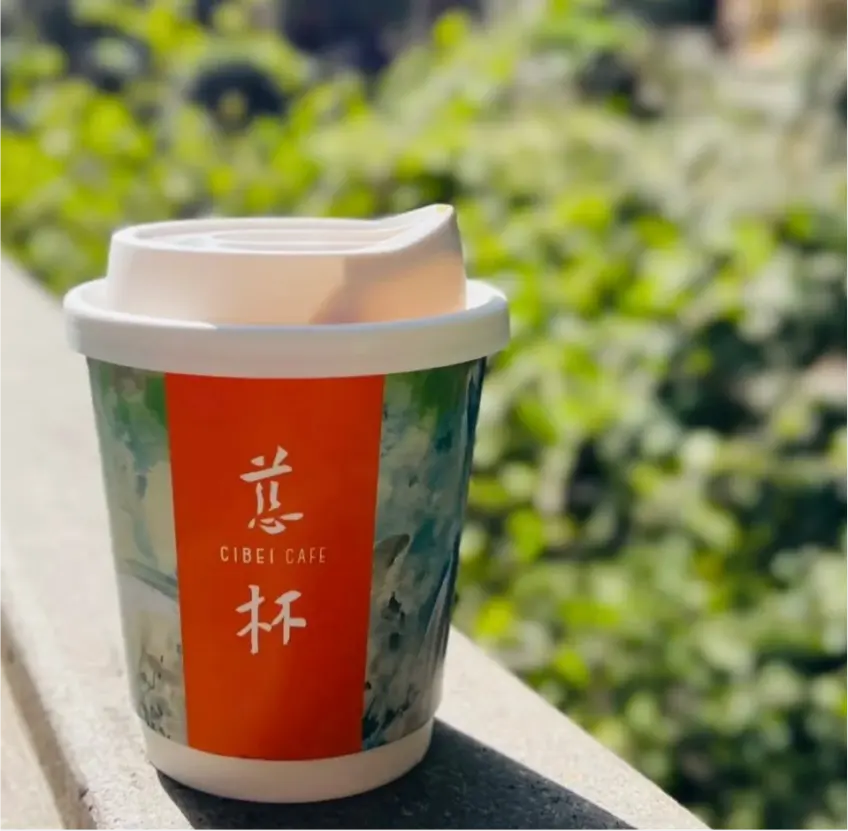
Cibei Coffee at Yongfu Temple: A great place to rest your feet
When heading down from Taoguang Temple and passing Yongfu Temple, if you're not in a hurry, you can take a seat at Cibei Coffee right by the temple gate.
This shop opened at the entrance of Yongfu Temple in 2021 and has been popular ever since. Whether visitors have hiked up the mountain or come specifically to burn incense, most are a bit tired by the time they get here—perfect for a rest. There's often a short line outside, with people chatting while waiting for their coffee, creating a lively atmosphere.
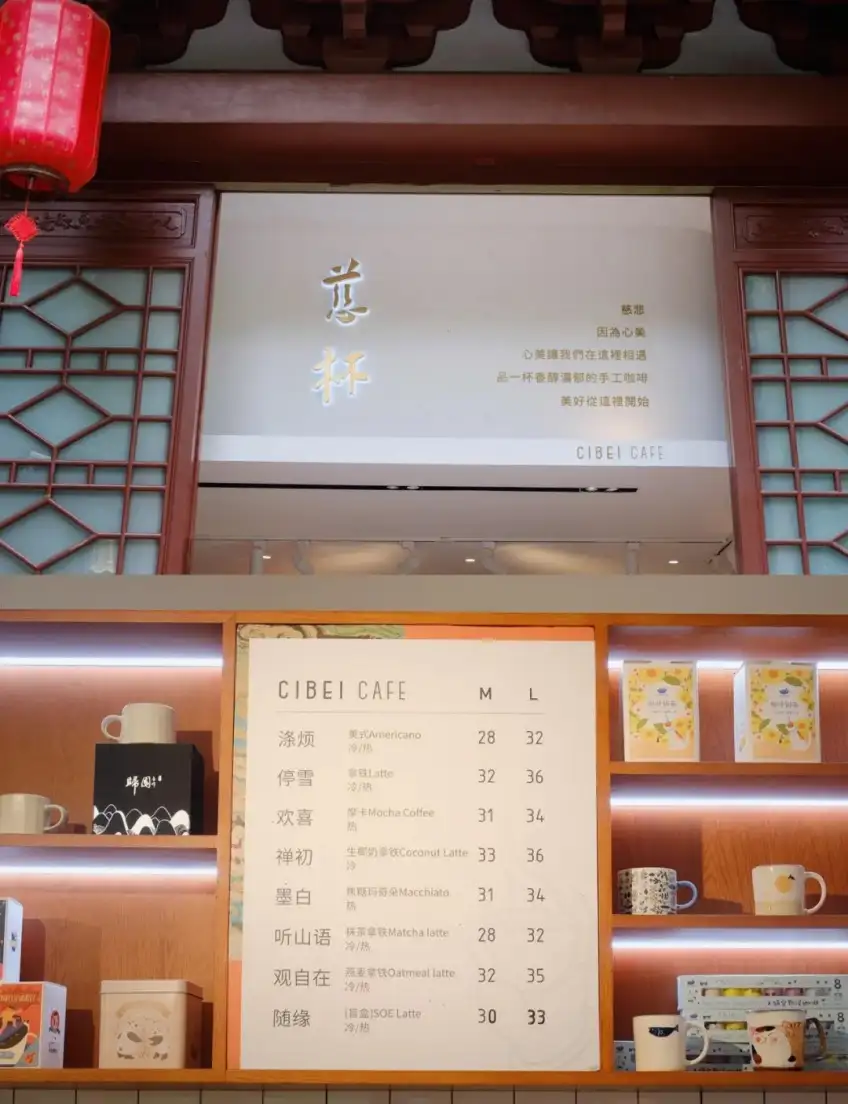
Opening a mystery box at Cibei Coffee in Yongfu Temple
This coffee shop is located inside Yongfu Temple in the Lingyin Scenic Area. Its name is a homophone for "compassion" in Chinese. The most unique item on the menu is called "Suiyuan" (as fate wills), which works like a coffee blind box. "Difan" is an Americano, the latte is called "Tingxue", and the mocha is "Huanxi" (joy). Here, anything is possible and everything is left to fate—you draw lots to decide what you drink. It's perfect for travelers who struggle to make choices. Beside this thousand-year-old temple, hold a cup of "Cibei" coffee and experience the fun intersection of tradition and modernity. Menu prices are subject to the daily display on the ordering wall inside the shop.
How to bring Lingyin Temple's vegetarian flavors home?
Lingyin Qinggong book: This is the most direct and complete resource. It details 108 vegetarian recipes with full instructions, cultural background stories, and beautiful photos. You can buy it at bookstores or online shops, then follow the recipes to recreate dishes like "Spring Dawn Silkworm" or "Zen Wild Taro" in your own kitchen, bringing these elegant Zen-inspired meals home.
Signature Vegetarian Products at Lingyin Temple
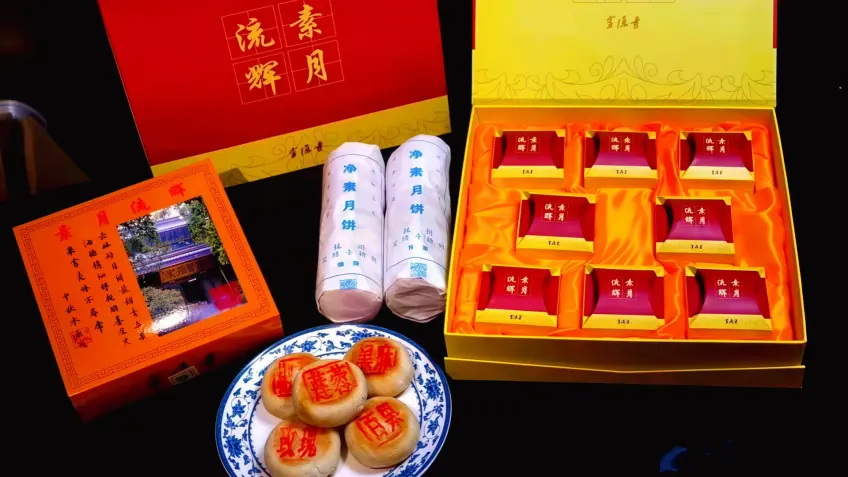
Every Mid-Autumn Festival, locals in Hangzhou line up to buy Lingyin Temple's "Liuhui Suyue" mooncakes. These pure vegetarian mooncakes from Lingyin Temple are a hugely popular holiday treat. Made using traditional methods and purely plant-based ingredients, the flaky pastry wraps classic fillings like black sesame, salt and pepper, rose, lotus seed paste, and mixed nuts—fragrant, mellow, and sweet without being cloying.
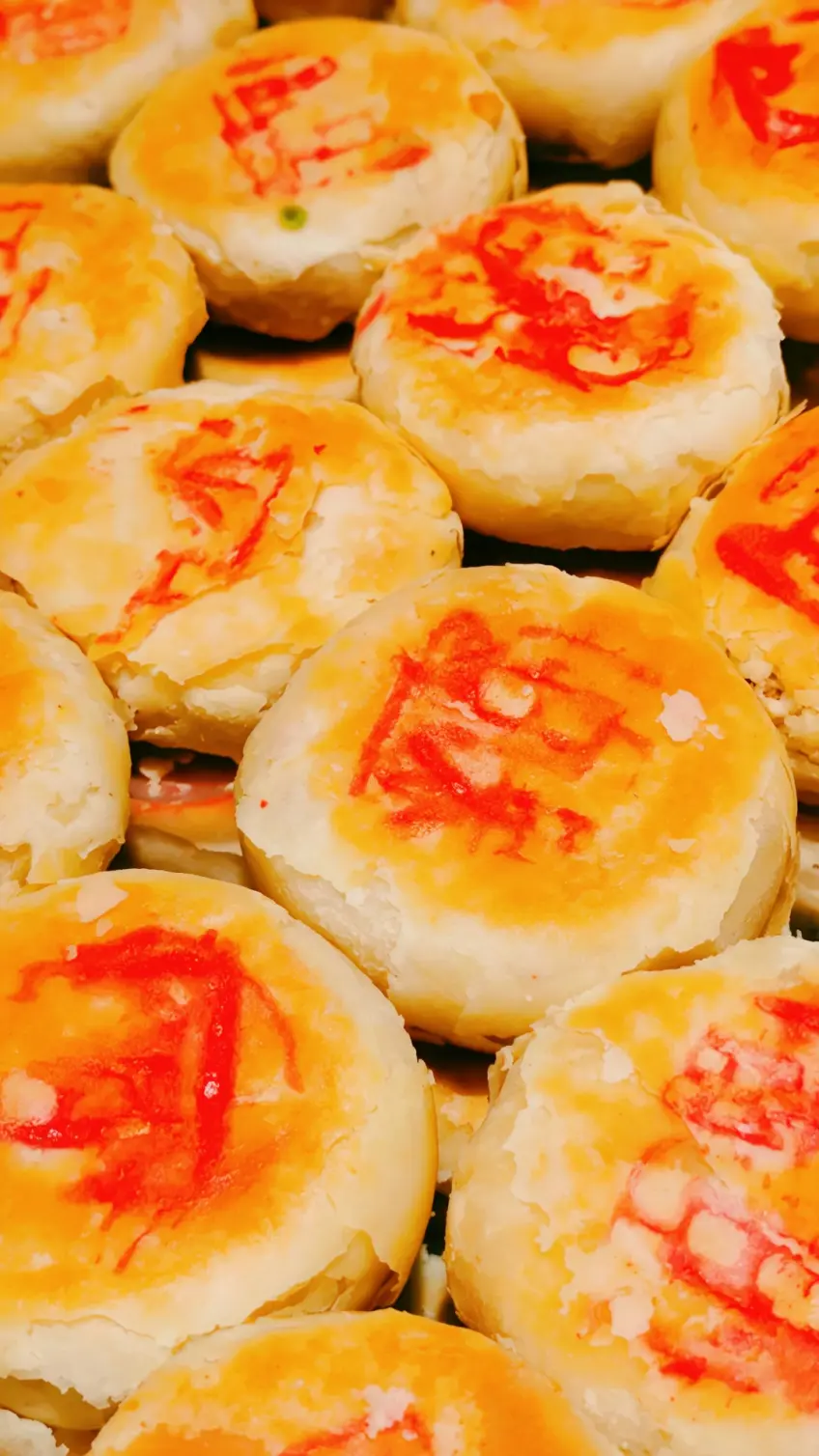
Lingyin Temple's mooncakes are more than just a seasonal treat—they carry deep cultural meaning. Every Mid-Autumn Festival, the temple donates "Suyue Liuhui" mooncakes to nursing homes, welfare institutions, and other organizations through charities, sharing compassion and blessings. This makes them a uniquely heartwarming souvenir.
There's also the "Yuanju Shenshen" Lingyin vegetable bun, filled with fresh seasonal greens for a simple, clean flavor—every bite feels like forming a good karmic connection, with a mild and peaceful taste. And the "Meixiang Baorong" preserved mustard green pastry, whose soul is fragrant meigancai (preserved mustard greens), features a multi-layered crispy crust and a savory, lingering filling that symbolizes tolerance and generosity. Together with the "Liuhui Suyue" mooncakes, these two snacks reflect the purity and elegance of temple cuisine, carrying blessings infused with everyday warmth.
Traditional Hangzhou Vegetarian Specialties
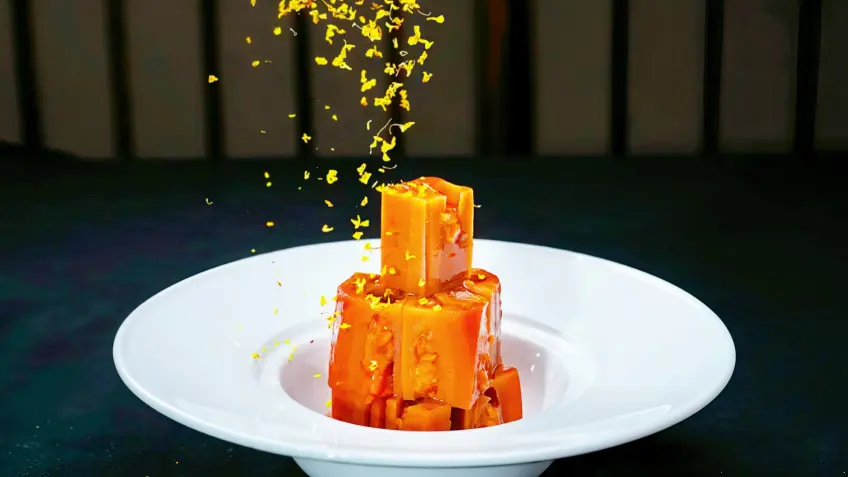
Around Lingyin Temple and at time-honored food shops in downtown Hangzhou, you can easily pick up classic local vegetarian treats like Tianzhu dried tofu, Hangzhou vegetarian roast goose, and osmanthus sugar lotus root. They are also an important part of the city's vegetarian food culture.
Tianzhu dried tofu is one of the most famous vegetarian snacks in this area. Along Tianzhu Road, many small shops cook and sell it fresh. The tofu is slowly braised in soy sauce with spices like cinnamon and star anise until it turns a deep reddish-brown. Take a bite and you'll get a rich bean flavor bursting with savory broth.
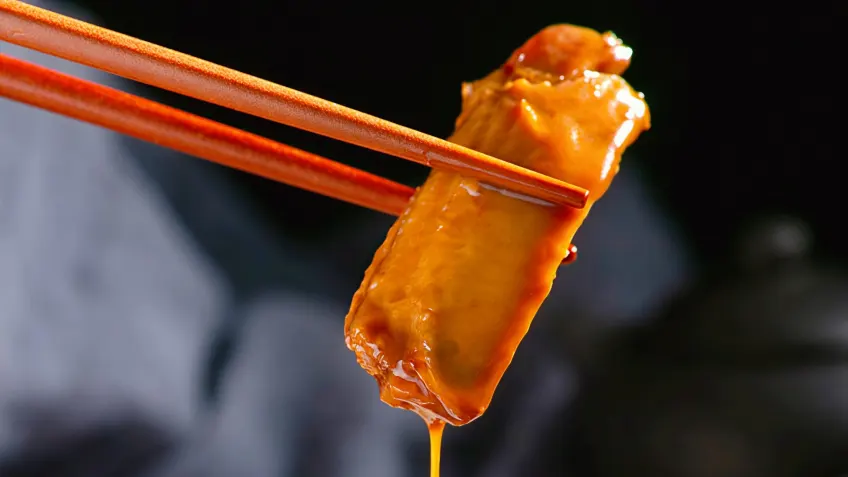
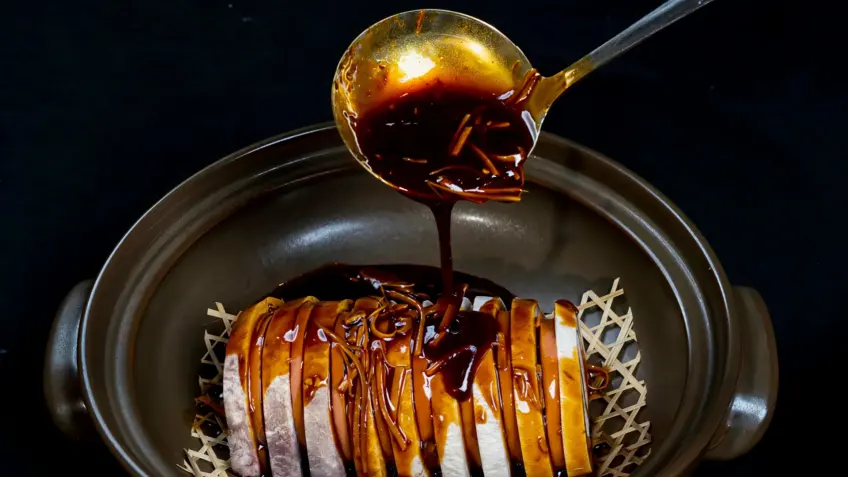
Vegetarian roast goose is another classic in Hangzhou. It isn't real goose meat but made from tofu skin. Time-honored vegetarian restaurants in Hangzhou like Gongdelin and Suchunzhai sell it, and you can also find it at some braised food shops. Take it home, slice it, and serve it on a plate — eat it cold or steam it briefly. It pairs perfectly with porridge or drinks.
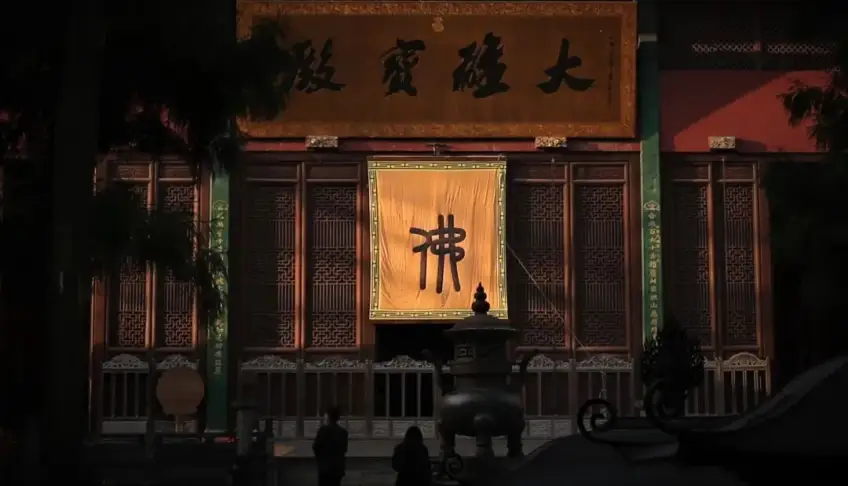
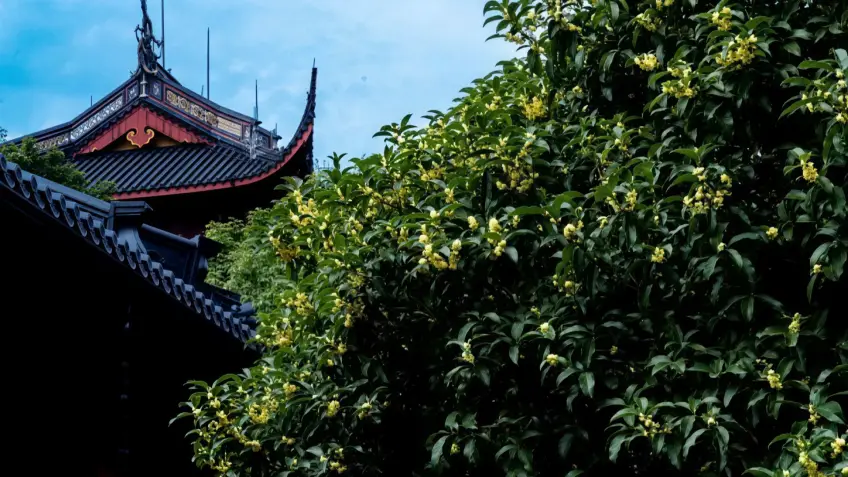

If you're drawn to this vegetarian culture that blends Zen spirit with delicious flavors, we can arrange an in-depth Lingyin Temple vegetarian experience for you. Whether savoring a steaming bowl of noodles at Shifang Yuan or experiencing the solemn atmosphere of the Laba porridge offering during special seasons, you'll get to taste this pure flavor firsthand.
If you'd like to bring this refined elegance home or share it with friends and family, we can also provide a detailed guide to buying vegetarian products. From the "Lingyin Qinggong" recipe book and seasonal gift boxes supervised by the temple to traditional Hangzhou specialties, you can easily find that sincere, healthy touch of Lingyin.
How to join a custom private group tour in Hangzhou?
If you want an easy, hassle-free way to complete this route in one go: start with a group tour covering West Lake and Lingyin-Feilai Peak to warm up. If you'd like to fit blessings and commentary, Shifangyuan vegetarian noodles, Taoguang Tea House, and Cibei Coffee into a single day, opt for a private customized trip, using private car service to connect the hikes and stops. If you're unfamiliar with the stations and airport, book a transfer. For temple commentary and managing queues, hiring a private guide is the safest bet. Please follow the itinerary and pricing confirmed by your travel consultant. Ticket reservations, noodle prices, and coffee prices are subject to the official or in-store notices on the day.
FAQs
What are the recommendations among Lingyin's 108 vegetarian dishes?
The 108 vegetarian dishes are recorded in "Lingyin Qinggong," compiled by Lingyin Temple, and fall into six categories: cold dishes, hot dishes, soups, staples, desserts, and snacks. The signature dishes for the four seasons are Chunxiao Canyi, Hetang Yuese, Gezhong Sanwei, and Chanye Yuqu.
Which Hangzhou vegetarian dishes can you try at Lingyin Temple?
Shifang Yuan inside the temple serves Changsheng noodles and simple vegetarian dishes daily. On the Laba Festival, the temple gives out Laba porridge. Continue uphill to Taoguang Temple for vegetarian noodles at Taoguang Tea House.
How can you bring the flavors of Lingyin Temple's vegetarian food home?
You can buy "Lingyin Qinggong" and recreate the recipes from the book. During the Mid-Autumn Festival, you can purchase Lingyin Temple's "Liuhui Suyue" vegetarian mooncakes. Famous Hangzhou vegetarian specialties like Tianzhu dried tofu, vegetarian roast goose, and osmanthus sugar lotus root are also available around Lingyin Temple and at time-honored shops in the city center.