

Book first, even though entry is free
Since December 1, 2025, the Lingyin–Feilai Peak Scenic Area, including Lingyin Temple (灵隐寺), Yongfu Temple and Taoguang Temple, has been free, and the old Lingyin Temple incense-and-flower ticket was dropped. You still need a real-name, timed booking in the "Hangzhou Lingyin Feilai Peak" mini-program (杭州灵隐飞来峰) in Alipay or WeChat. The site is open daily 7:30 a.m.–5:30 p.m., last entry 5 p.m. Plan the main halls for the morning.
Free entry doesn't mean you can skip booking. The temple gives each visitor three sticks of incense, and you can't bring your own incense or candles. For an easy, low-cost two-day trip, sort out your booking, transport and room first.
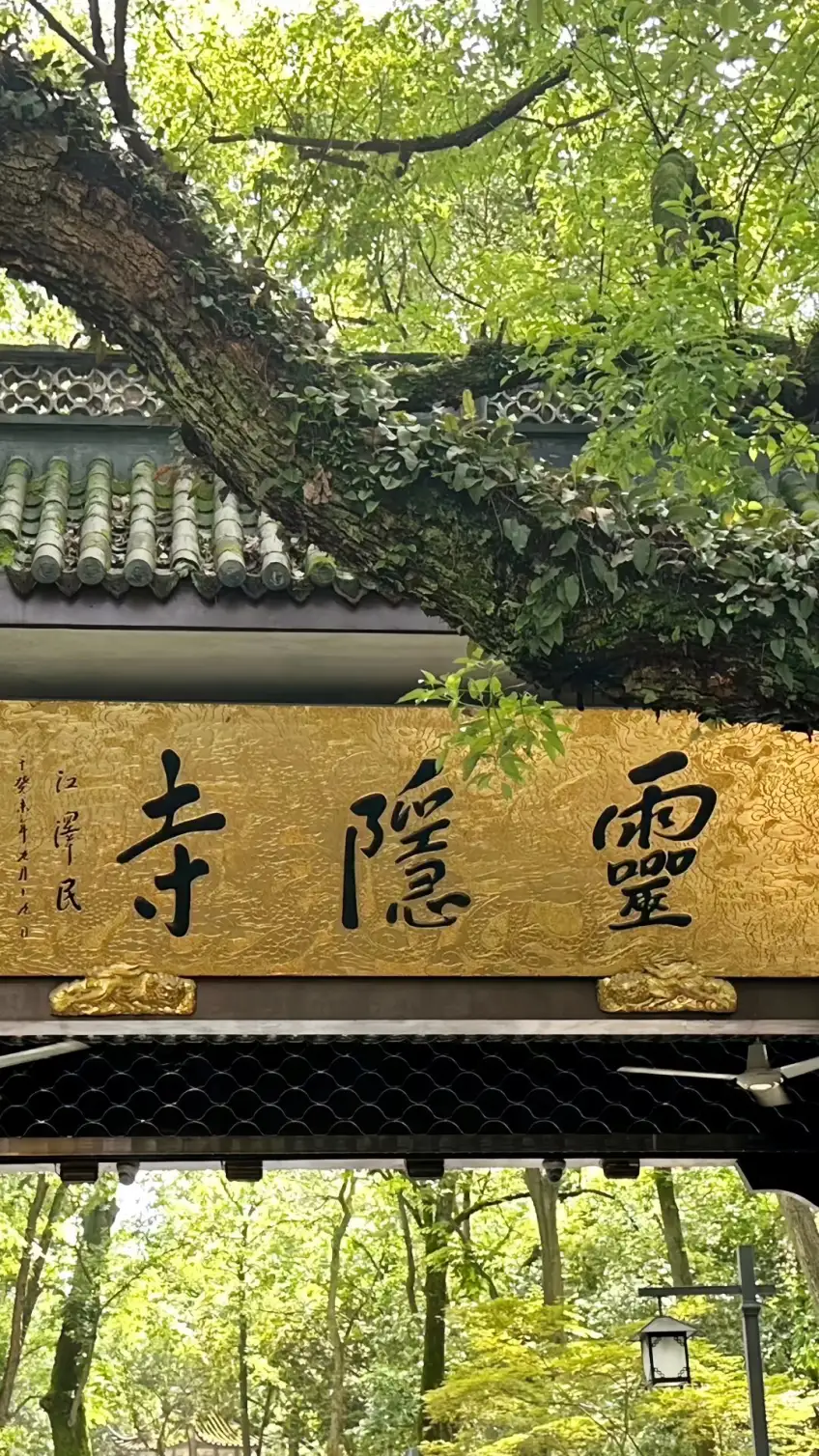
The gold "Lingyin Temple" plaque over the gate is a favorite photo spot. If the booking steps feel like a lot, or holiday slots are tight, don't struggle with it. Contact our customer service and we'll plan the two days for you.
How free entry works and daily quotas
To handle the crowds that came with free entry and to protect the relics, the site uses real-name, timed booking. Commonly published caps are about 35,000 visitors a day on weekdays, 50,000 on weekends and 65,000 on public holidays, split into morning and afternoon slots (check the booking system on the day for actual quotas and slots).
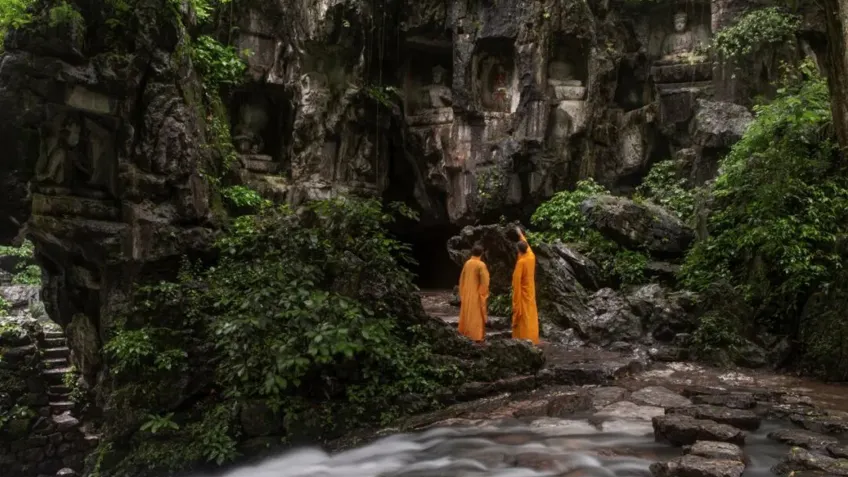
The Feilai Peak (飞来峰) grottoes and the temple are on the same walking route. Take it slowly and look closely; there's no need to rush from spot to spot.
How to book, and the no-show rules
Walk-up registration has ended. Booking is now online and real-name, with an online waitlist. Search for the "Hangzhou Lingyin Feilai Peak" mini-program in Alipay or WeChat (a mini-program is a small app that runs inside those apps). Foreign visitors can book with a passport, and Hong Kong, Macao and Taiwan residents with their Mainland Travel Permit. Book at least 1 day and up to 7 days ahead; same-day booking isn't available. Bring the original document to get in.
If you don't enter by 5 p.m. on your booked day and haven't canceled, it usually counts as a no-show. That can affect future bookings for your account and for the people booked with you, and repeated no-shows bring longer suspensions. If your plans change, try to cancel before 5 p.m. Beijing time the day before (follow the rules shown in the mini-program).
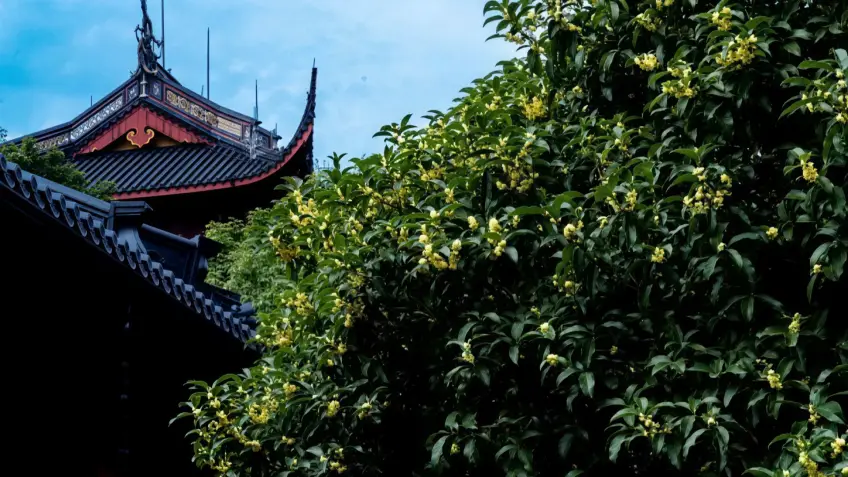
Osmanthus next to gray roof tiles sums up Lingyin's feel as a temple tucked into the hills. Once you have your booking, spend half a day at the temple and half at West Lake to keep costs down.
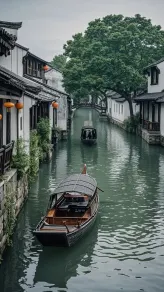
6-day 5-night private tour of Shanghai, Hangzhou, Wuzhen and Qiandao Lake | Xitang · West Lake boat cruise
A 6-day 5-night private tour starting and ending in Shanghai: Wuzhen East Scenic Zone and West Scenic Zone, Xitang and Lingyin Temple's Feilai Peak, plus a day at Tianyu Mountain on Qiandao Lake. On the way back, enjoy a West Lake boat cruise and visit City God Temple and Nanjing Road. Includes airport transfers, transportation, guide, 5 nights' hotel and admission tickets. English-speaking guide available.
How do I get to Lingyin Temple?
Public transit is the cheapest way. Take the metro to Longxiangqiao (Line 1), Huanglongdong (Line 3) or Huanglong Sports Center (Lines 3/10), then change to a Lingyin-bound bus, either a dedicated line or a regular route such as No. 7, Tourist Line 1, Tourist Line 2 or 507H (check live bus info). Buses are fine off-peak, but roads jam on holidays. Hangzhou's metro and buses accept the transit QR code in Alipay's "Transport" section, and overseas visitors can get one too.
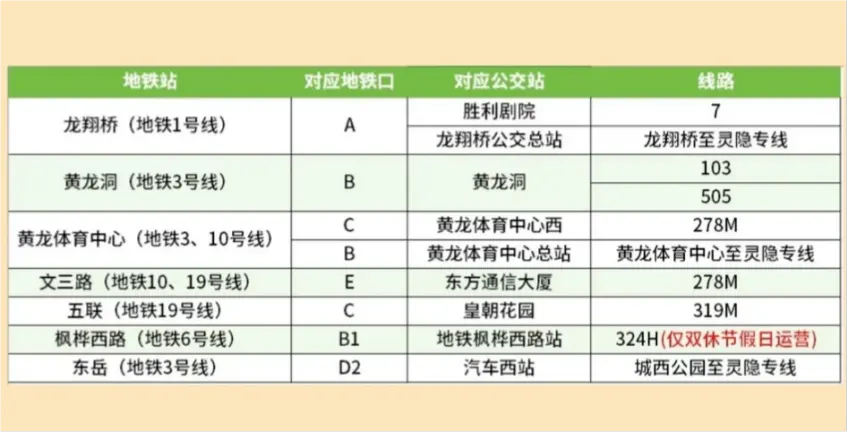
The table above shows which buses serve each metro station exit. Check stop signs or a transit app on the day for times and end stops.
If you take a taxi, set the destination to the No. 608 Xixi Road parking lot (西溪路608号停车场), then switch to the official "Xixi Road Parking Lot to Lingyin" shuttle. It's usually faster than sitting in traffic at the main gate.
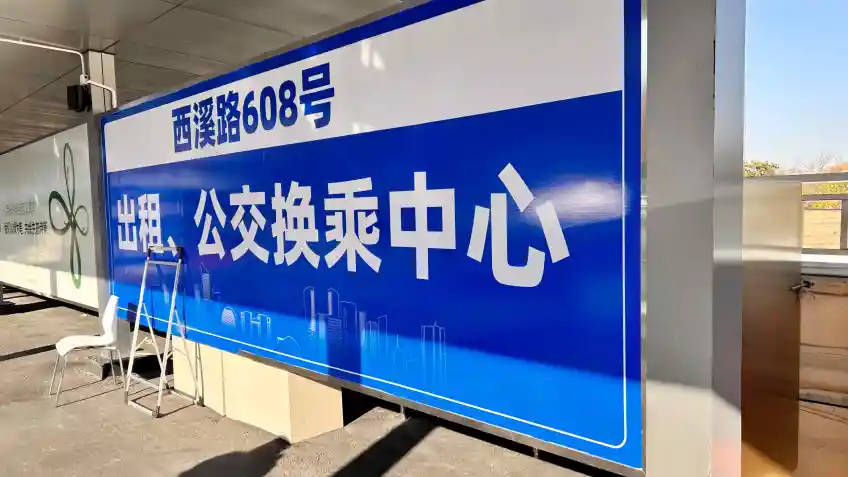
The blue-and-white sign at the Xixi Road Transfer Center is easy to spot. Ride-hailing cars and shuttles often drop off here.
Where to stay near Lingyin on a budget
Option 1: stay at a temple
Fajing Temple (Shangtianzhu Fajing Temple), next to the site, often has dorm beds and standard rooms. The temple's guest office sets the prices, and you book by calling the guest office. Ask when you book whether foreign visitors can stay and what ID is needed. Rooms are basic, you follow the temple's daily schedule, and beds are limited. It suits travelers on a budget who want to wake to the morning bell.
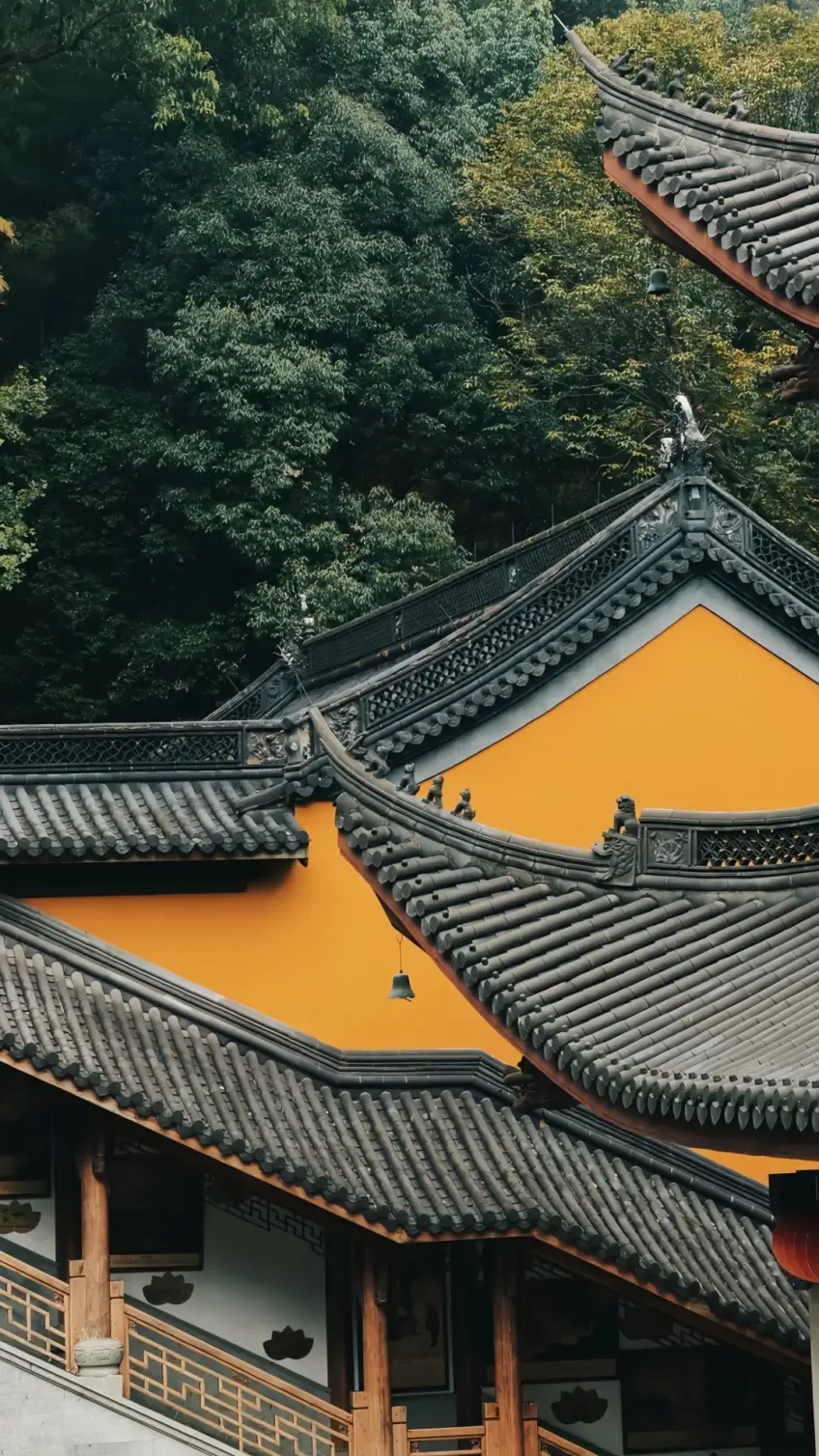
Around Fajing Temple, yellow walls and gray roofs rise in layers, and the windows often look out on lots of green. Rooms usually don't include meals, but you can eat vegetarian breakfast and dinner at the temple.
In the evening, walk along Lingzhu Road, lined mostly with vegetarian restaurants, noodle shops and teahouses. In tea-picking season you may be able to visit the tea fields. Farther along is the Three Lives Stone, where people sometimes exercise in the early morning.
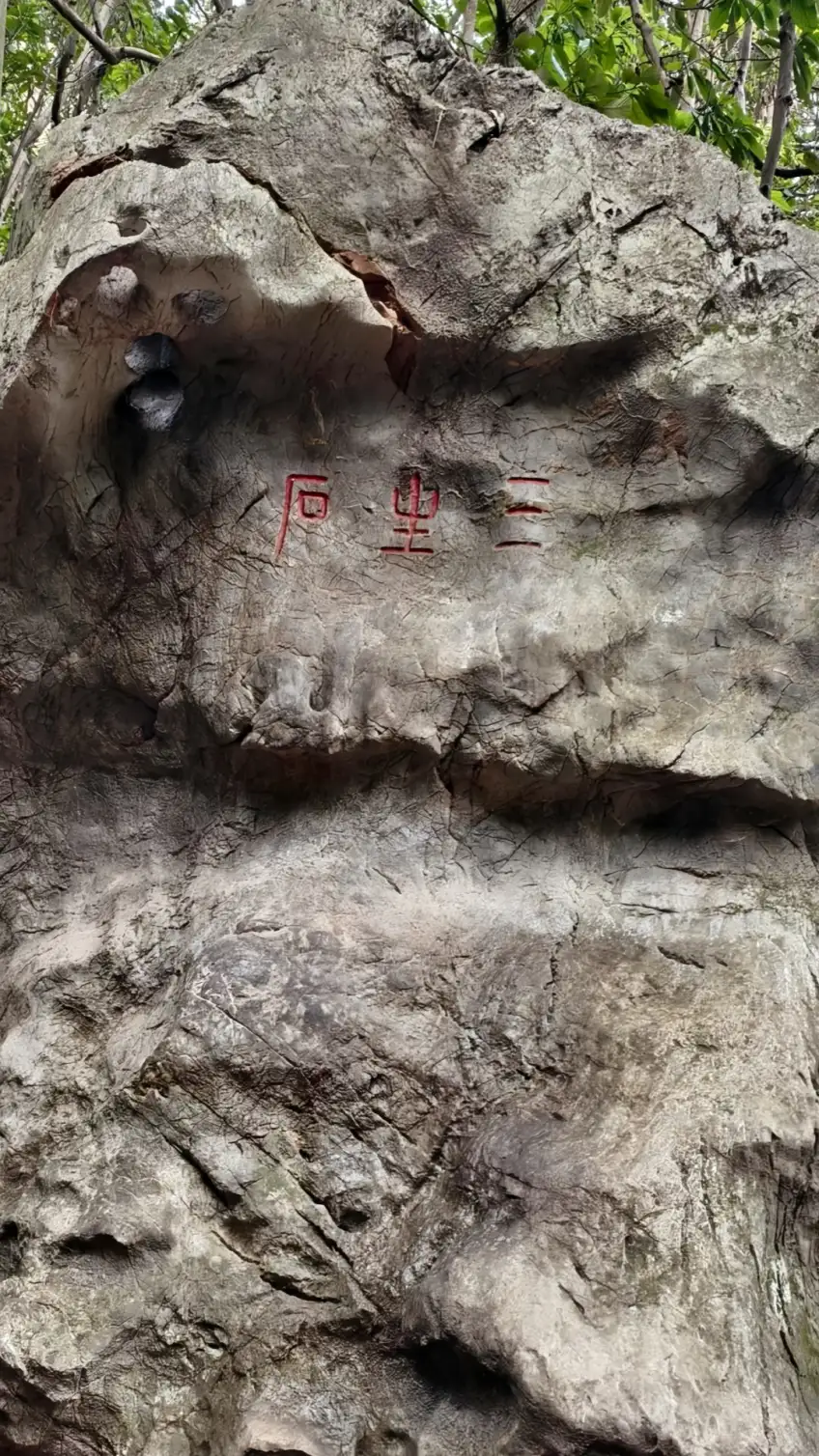
The red characters of the Three Lives Stone by Lingzhu Road are a classic photo stop, and they're on the way if you stay at the temple.
Back in the main temple area, take a look at the wooden Drum Tower. Its gold plaque hangs between the double eaves; slow down to look at the brackets and window lattices.
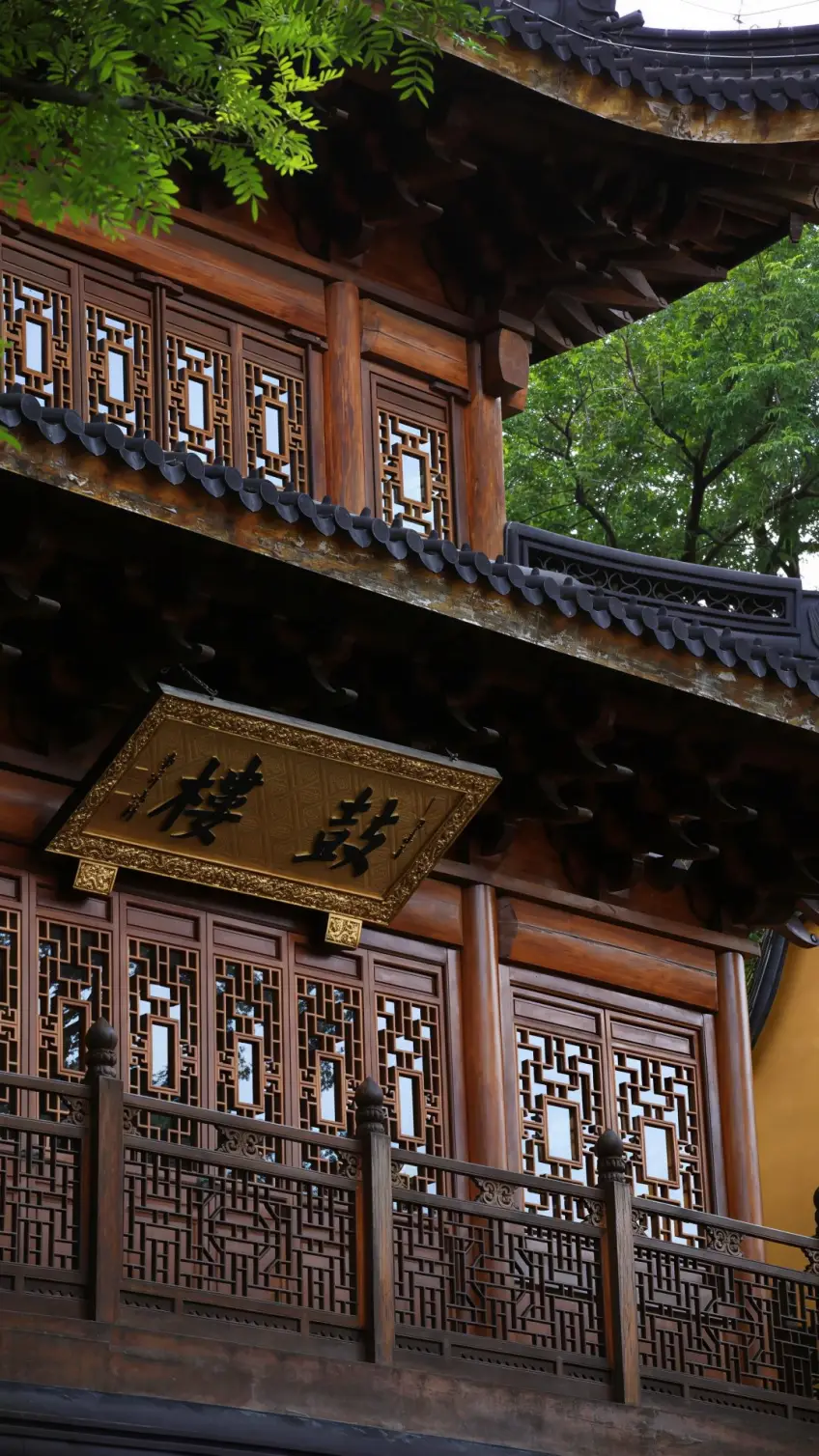
Option 2: nearby hotels or guesthouses
Guesthouses around Baile Bridge and Tianzhu Road, or hotels near Longxiangqiao and Fengqi Road metro stations, usually cost about ¥300–800 a night for a comfortable room (prices swing a lot by season). They have more facilities and suit families and travelers who don't need total quiet.
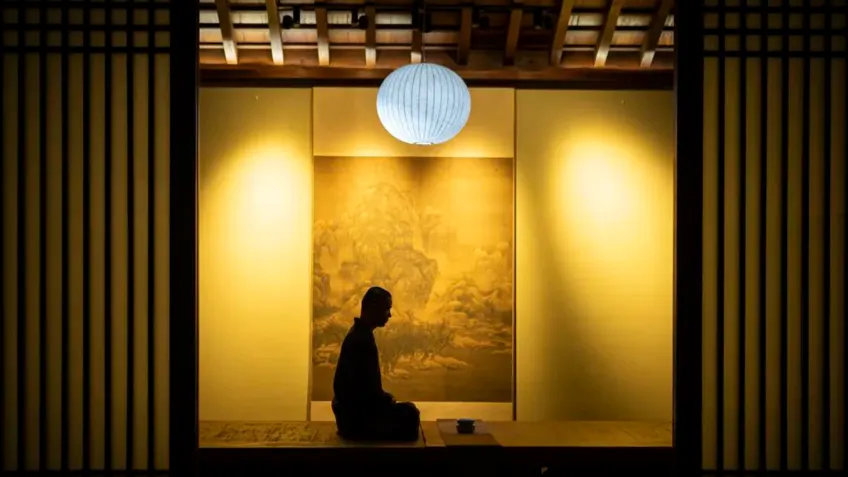
For a calm, Zen-like night, you could also pick a guesthouse with a meditation space.
A two-day Lingyin trip on a budget
Lingyin Temple dates back to the Eastern Jin dynasty. Its main halls include the Mahavira Hall, Medicine Buddha Hall and Huayan Hall. With entry free, two days and one night is enough: Day 1, the temple early in the morning plus the mountain trails; Day 2, the classic West Lake sights. Most of your money goes on your room and meals, since you no longer pay for tickets.
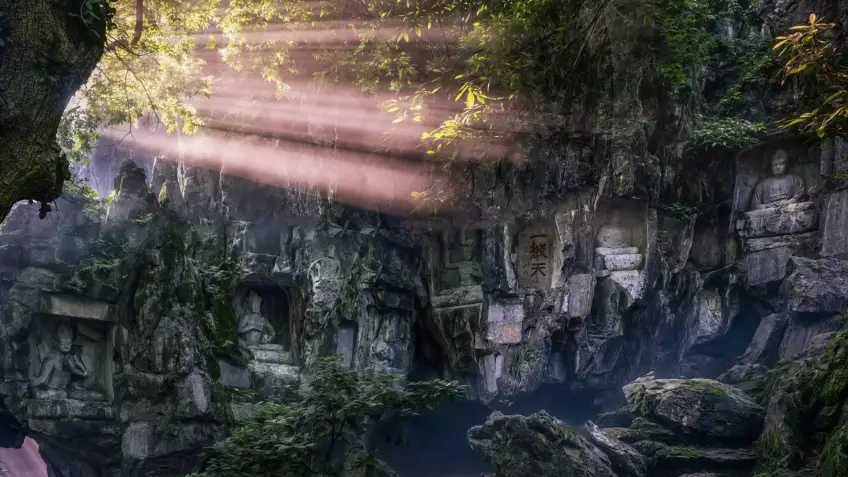
Feilai Peak's One-Line Sky and its Buddha carvings make a good Day 1 afternoon stop, and they photograph best in slanting light.
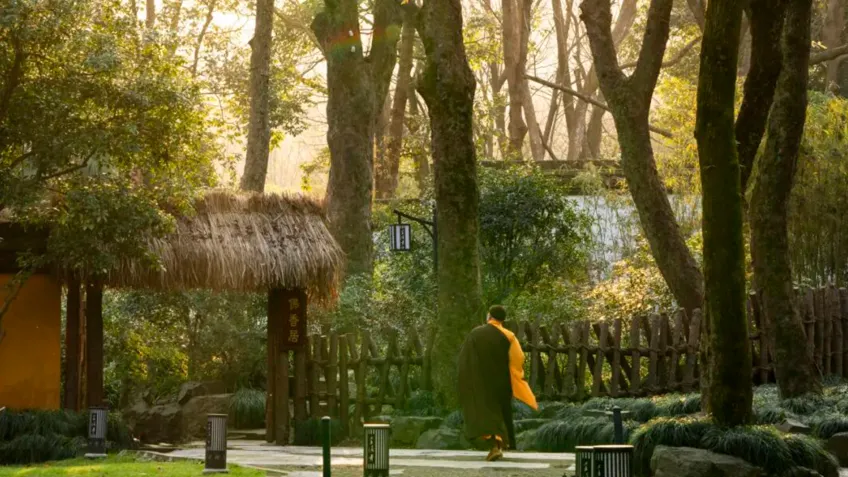
Exploring Lingyin in full
A one-day walk with little backtracking
Go top to bottom: Beigao Peak cableway → Lingshun Temple (God of Wealth Temple) → Taoguang Temple → Yongfu Temple → Lingyin Temple. You hardly retrace your steps, and anyone with average fitness can do it.

The valley temples in golden sunset light make a good last photo. For an easier walk around just the main area, skip the cableway and take the level path into the temple.
What's the fastest way to the God of Wealth Temple?
The quickest way is the Beigao Peak cableway, which takes you straight up to Lingshun Temple (灵顺寺), known as the "First God of Wealth Temple Under Heaven." From the viewing deck you can see West Lake and the Qiantang River together. Drawing fortune sticks in the temple usually costs extra and may be cash only, so bring small bills.
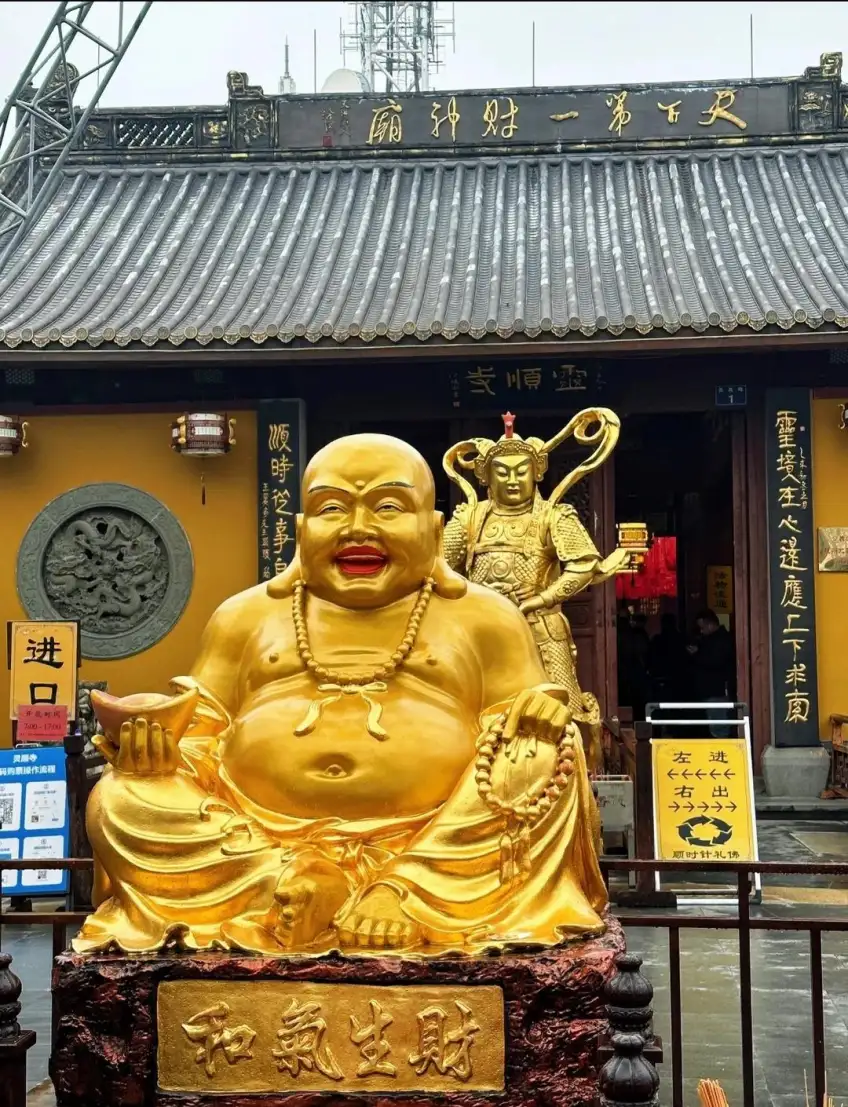
The golden Maitreya sits right next to the plaques reading "First God of Wealth Temple Under Heaven" and "Lingshun Temple," so you can't mistake the gate.
Vegetarian noodles at Taoguang Temple
Walk down the trail from Lingshun Temple and you reach Taoguang Temple (韬光寺) first. Look out toward West Lake from Guanhai Pavilion, then have a bowl of vegetarian noodles. Outdoor seats with a view at Taoguang Tea House are limited, so expect a wait at mealtimes on weekends. Check prices in the shop.
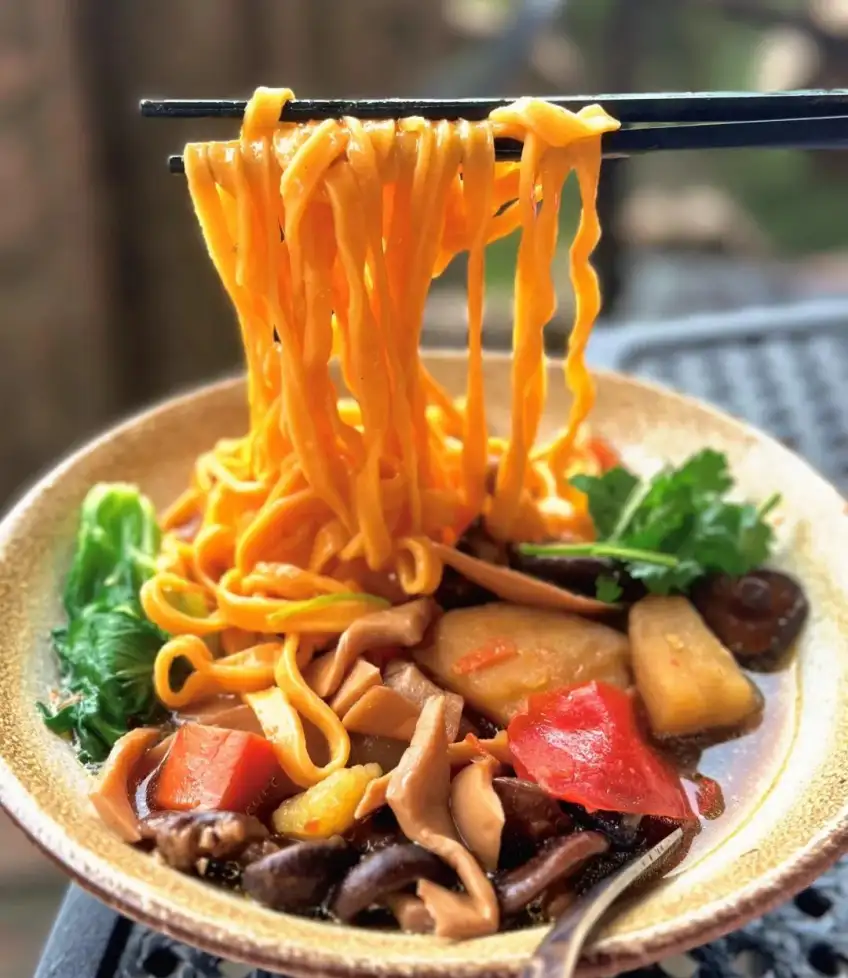
Noodles with mushrooms and greens are the most filling meal on this trail.
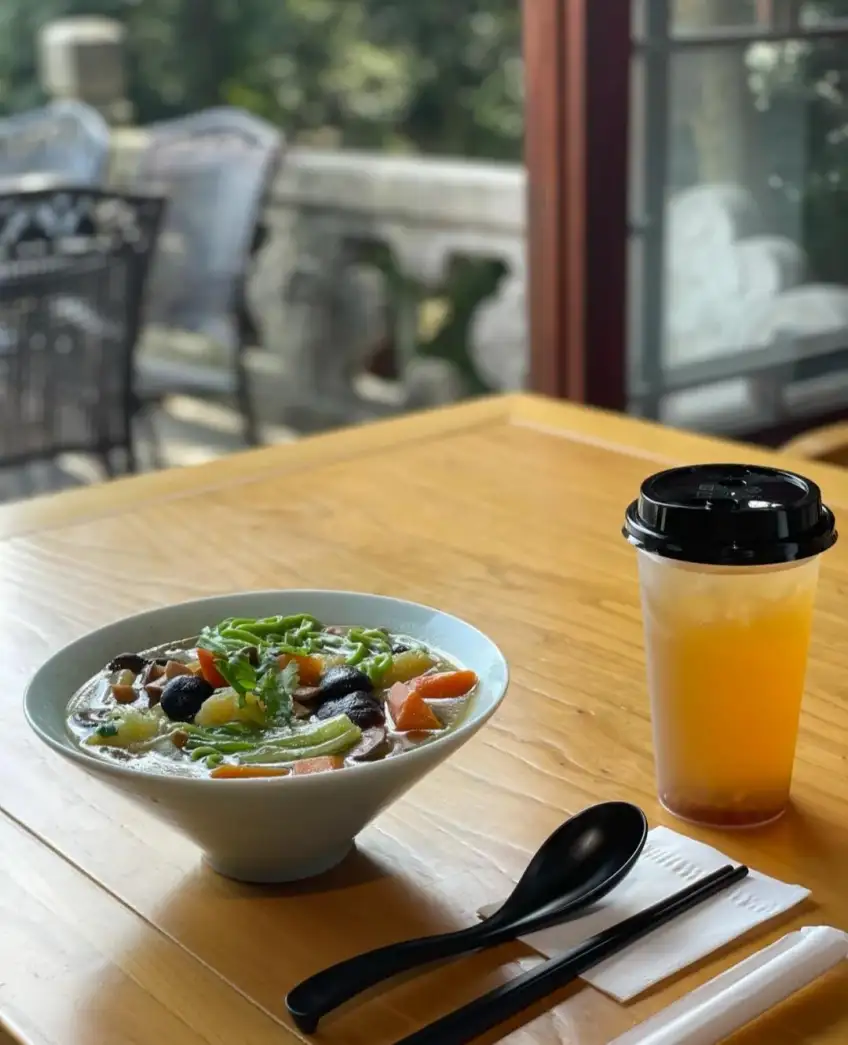
Eating noodles on the deck with trees all around is what most people remember about Taoguang. If you want a sure seat, we can arrange it in advance as part of a custom trip.
Yongfu Temple, Qiantang's "first blessed place"
Longjing tea at Fuquan Tea House
Yongfu Temple's courtyards are spread through the woods and are good for photos. When you need a break, stop at Fuquan Tea House for a cup of Longjing that the temple's monks help make, or try Tieguanyin. Tea prices change with the season, so check the prices posted in the shop.
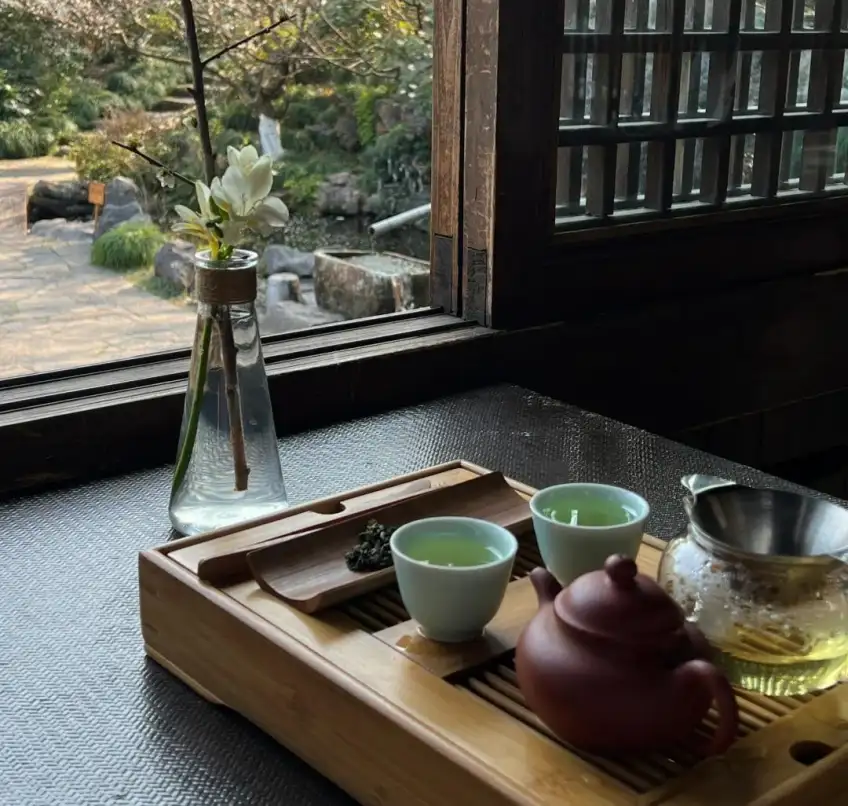
The window-side tea tables overlook the courtyard's stone paths—perfect for slowing down before continuing toward the main Lingyin area.
Cibei Coffee and its lucky-draw drink
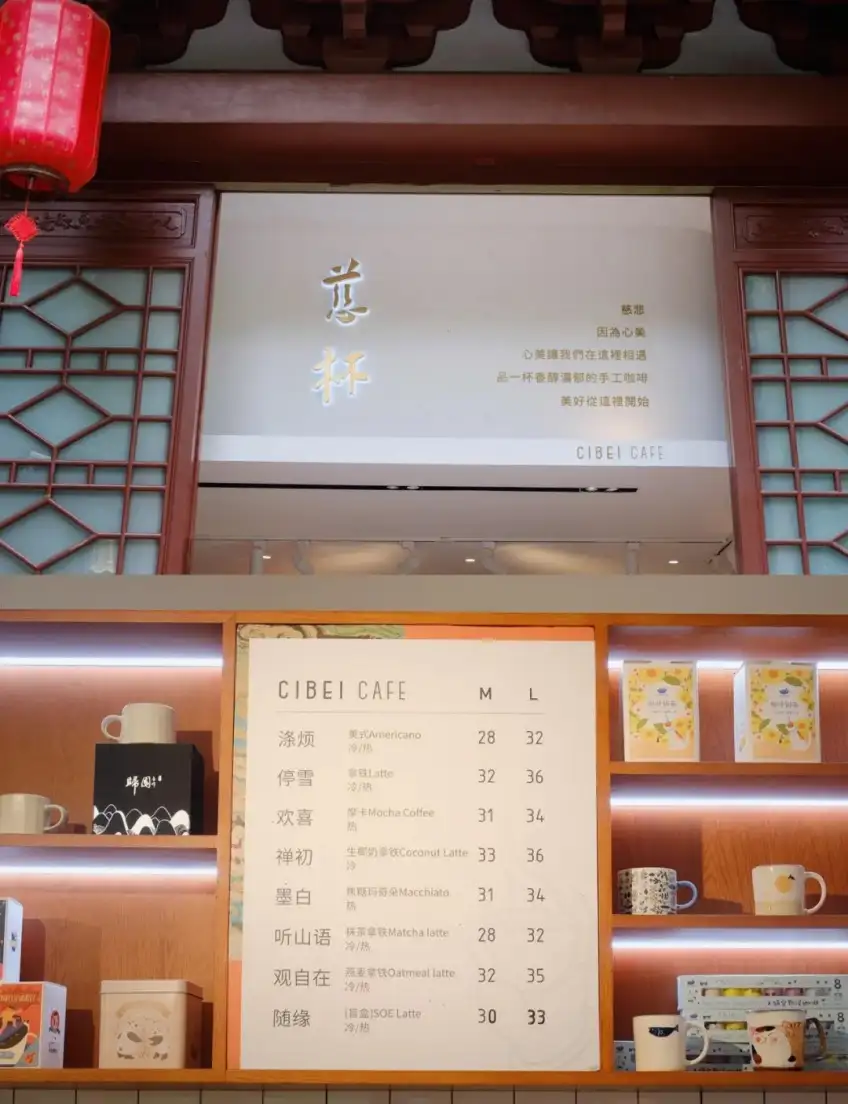
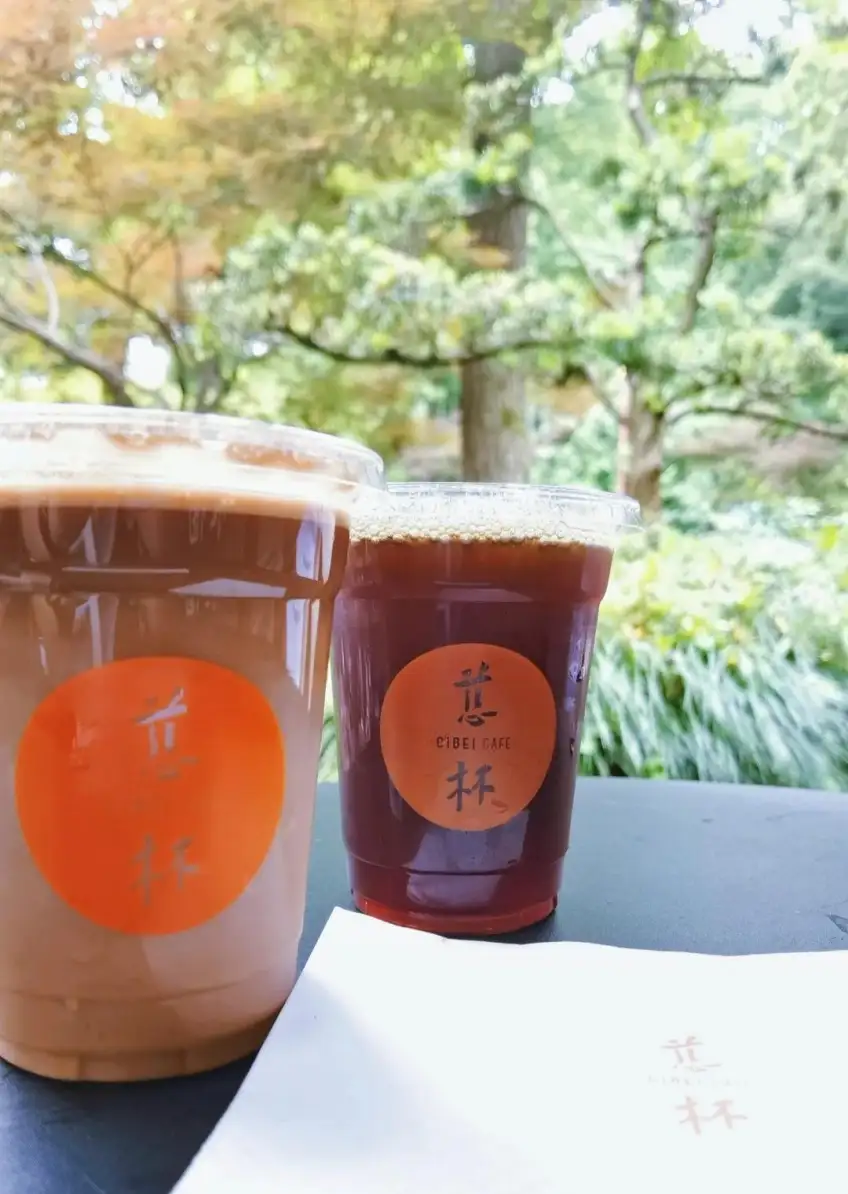
Cibei Coffee, beside the path inside the temple grounds, gives its menu a Zen theme, at about ¥28–36 per person. Order the "Suiyuan" ("go with the flow") and your drink is usually picked by drawing a lot. Cups often carry stickers with Zen sayings, and it's a pleasant place for a break.
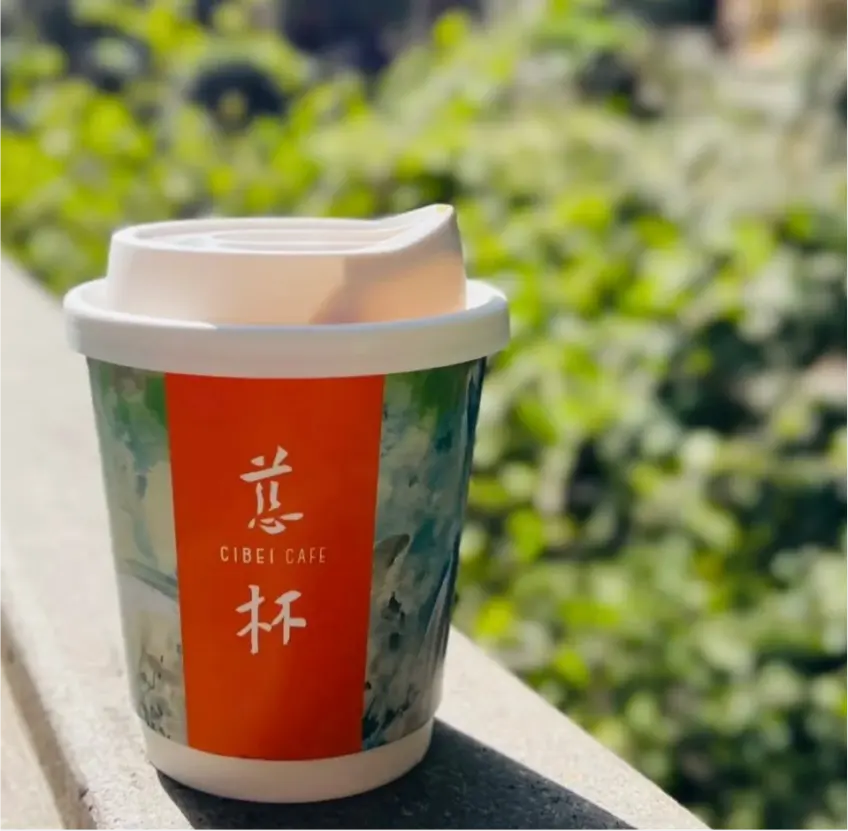
A takeaway cup leaning against the shaded stone railing makes for the easiest souvenir photo before leaving the temple.
Touring Lingyin Temple's main halls
Lingyin Temple itself is a few minutes' walk from Yongfu Temple. Follow the central axis: Mountain Gate / Hall of Heavenly Kings → Mahavira Hall → Medicine Buddha Hall → Huayan Hall → Jigong Hall.
Mountain Gate and Hall of Heavenly Kings
First pass through the Mountain Gate with its yellow walls and stone steps, then enter the Hall of Heavenly Kings. Inside, a smiling Maitreya greets you while Skanda stands guard. Pilgrims often pray here for family harmony, peace and happiness.
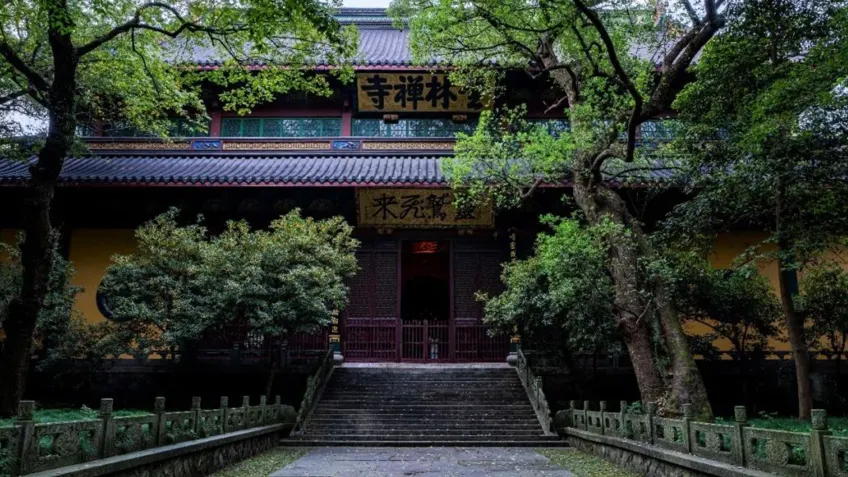
The yellow walls, stone steps and stone lanterns of the Mountain Gate are your first sign that you've arrived—take it in before heading inside.
Mahavira Hall
The main statue is a seated Shakyamuni on a lotus throne, about 24.8 meters tall and one of the largest seated camphor wood carvings in China (see the temple's signs for exact height and material). Looking up, you really feel the scale.
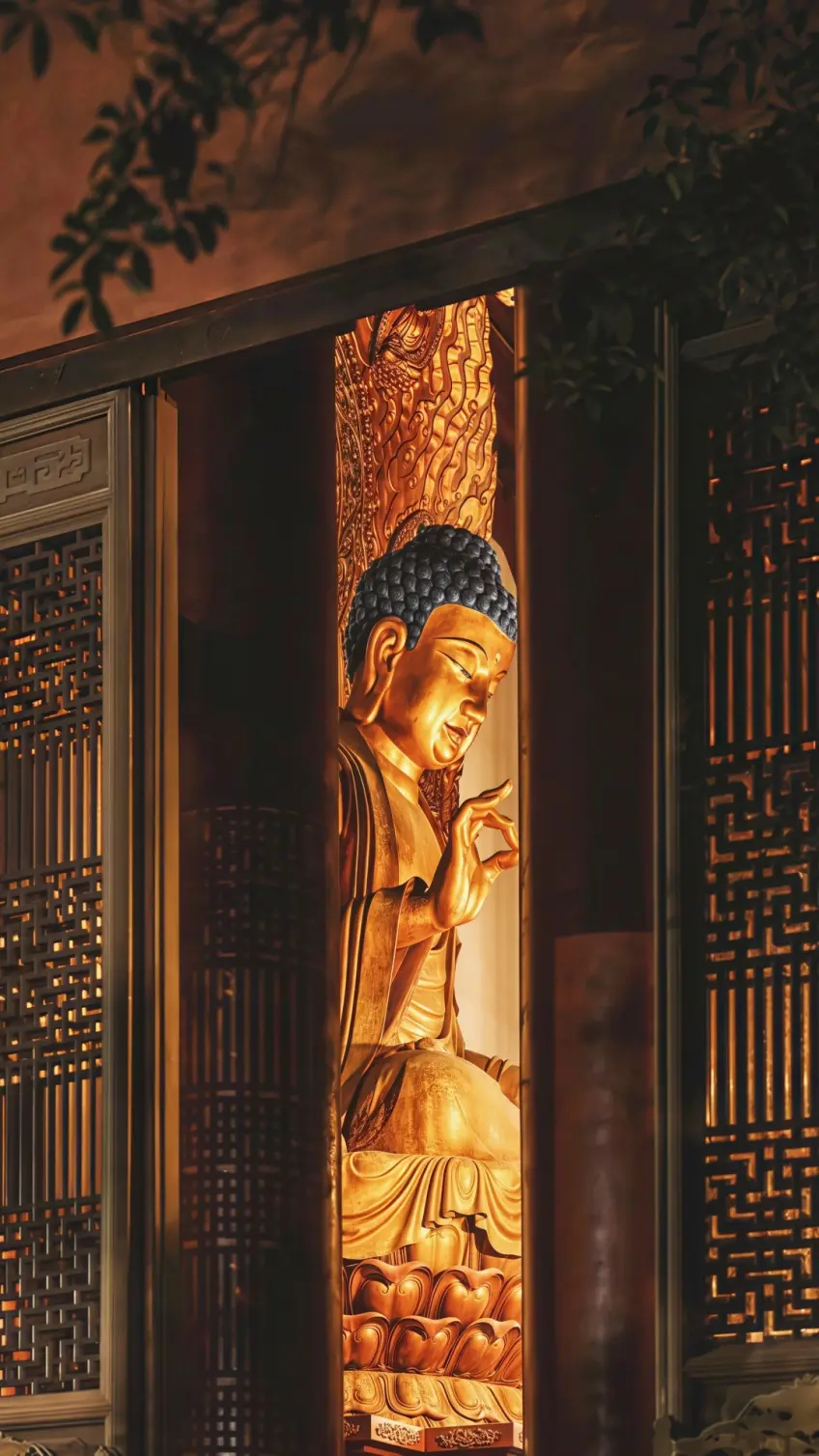
The side profile of the golden statue, viewed through the wooden door frame, is easier to photograph than the crowded front view and much quieter.
Medicine Buddha Hall
Head uphill from the back door of the Mahavira Hall to reach the Medicine Buddha Hall, where visitors often pray for health, safety, and longevity for their parents and themselves.
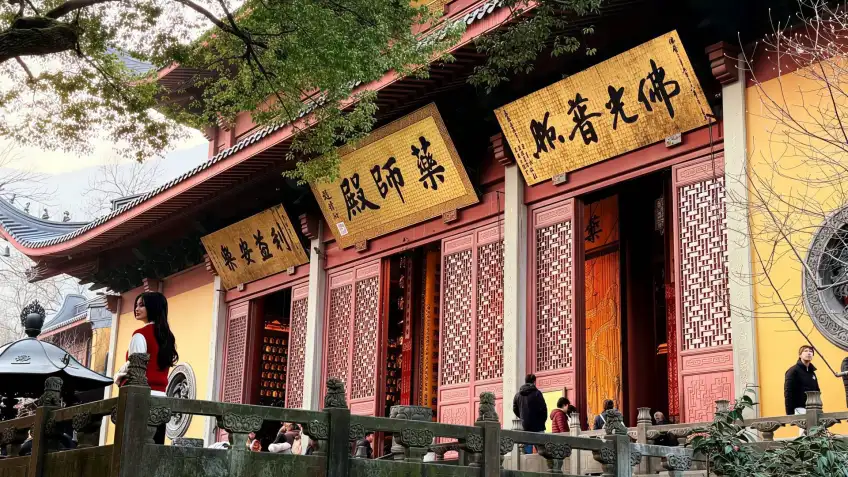
Huayan Hall
Huayan Hall is associated with wisdom and study. It sits higher up in the complex and is quiet; families with students often stop at the statues of Manjushri and Samantabhadra.
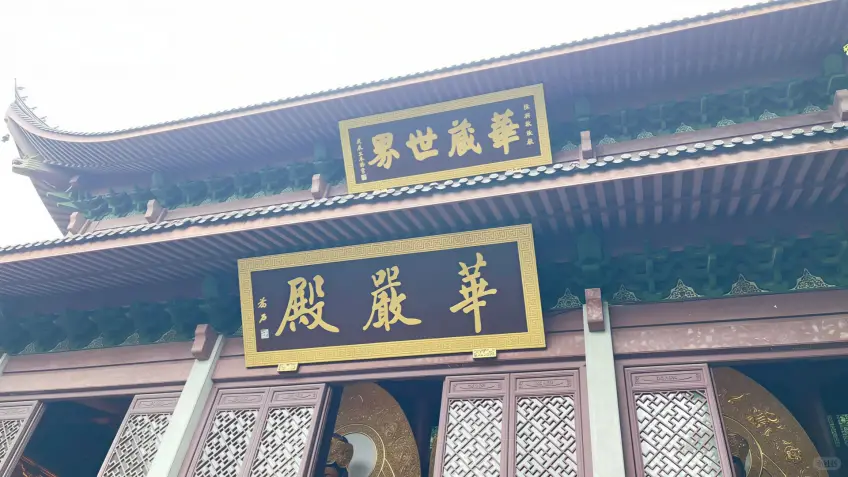
Jigong Hall
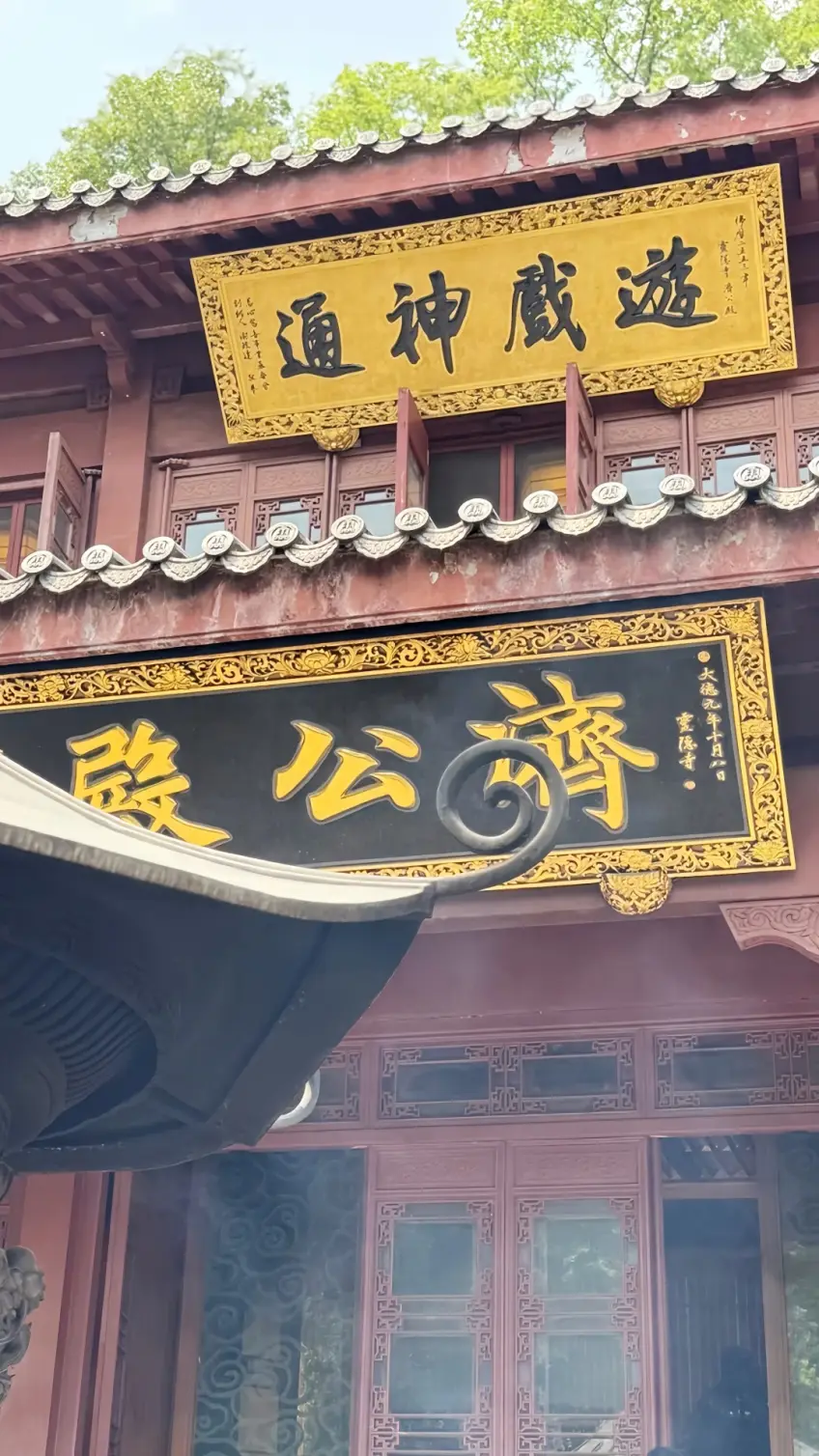
Jigong, an eminent monk of the Southern Song, is closely tied to Lingyin Temple. Murals and reliefs in the hall tell stories of him punishing wrongdoers and helping the good. Take your time with them before you leave.
Plan your two-day Lingyin trip with us
If you don't want to rush through, let us handle your reservations, vegetarian meal and tea seating, guided commentary, and the West Lake portion together. For fixed dates, check out our private tours; if you just want Lingyin Temple and West Lake, try our custom private travel. For transport between West Lake and Lingyin Temple, choose a Hangzhou private car, and for in-depth commentary, hire a guide.
Experiences we can help arrange
We can help arrange view seats at Taoguang Tea House, the vegetarian meal in the dining hall on the 1st and 15th of the lunar month, the Cibei "Suiyuan" drink and Zen tea talks (confirm with customer service).
FAQs
How to get to Lingyin Temple?
Public transit is the cheapest way. Take the metro to Longxiangqiao (Line 1), Huanglongdong (Line 3) or Huanglong Sports Center (Lines 3/10), then change to a Lingyin-bound bus, either a dedicated line or a regular route such as No. 7, Tourist Line 1, Tourist Line 2 or 507H (check live bus info). Buses are fine off-peak, but roads jam on holidays.
What's the fastest way to the No. 1 God of Wealth Temple?
The quickest way is the Beigao Peak cableway, which takes you straight up to Lingshun Temple (灵顺寺), known as the "First God of Wealth Temple Under Heaven." From the viewing deck you can see West Lake and the Qiantang River together. Drawing fortune sticks in the temple usually costs extra and may be cash only, so bring small bills.
How do I find my way around Lingyin Temple's halls?
A few minutes' walk from Yongfu Temple brings you to the main Lingyin Temple. We recommend following the central axis: Mountain Gate / Hall of Heavenly Kings → Mahavira Hall → Medicine Buddha Hall → Huayan Hall → Jigong Hall.