
What to pray for at Jinshan Temple: know your wish first
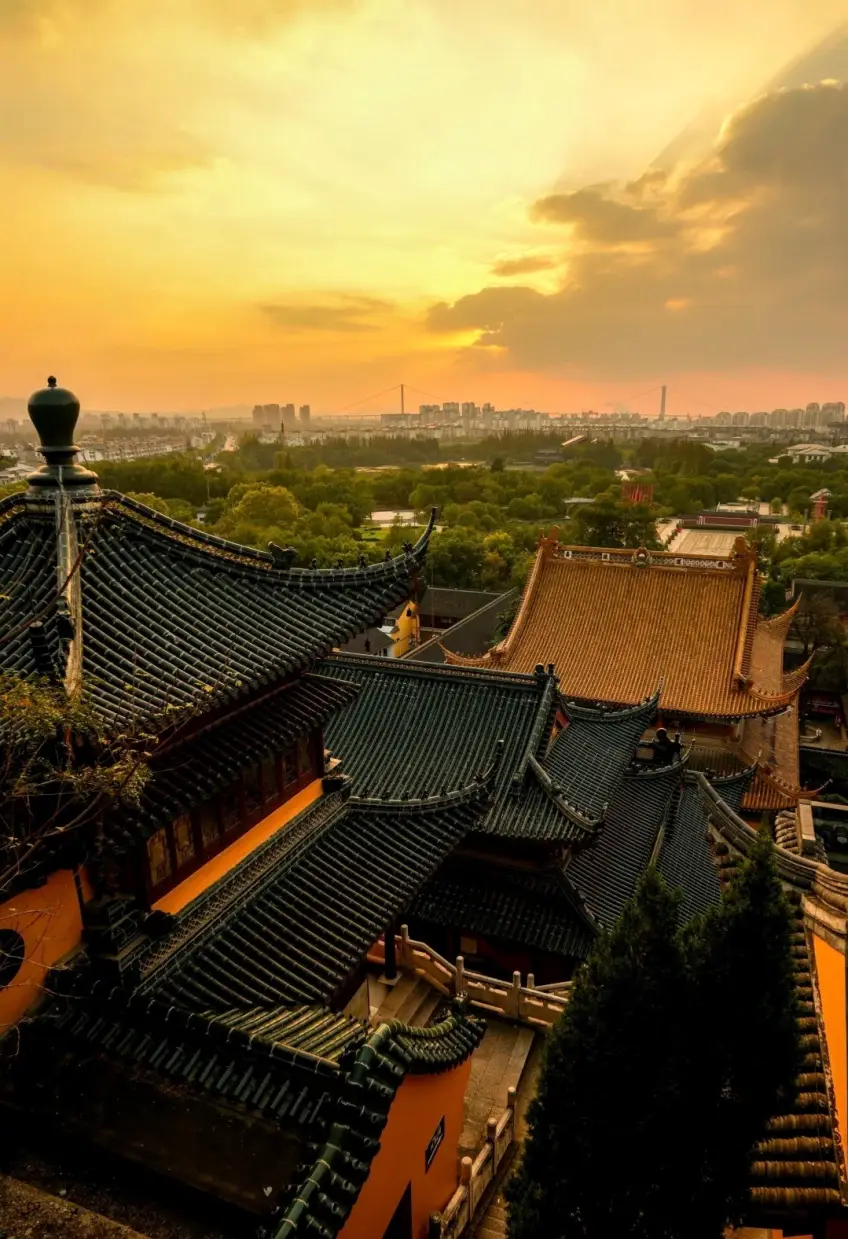
Jinshan Temple (金山寺) in Zhenjiang (镇江), officially Jiangtian Chan Temple (江天禅寺), was first built in the Eastern Jin dynasty. It sits on Jinshan Hill in the northwest of the city, with halls rising in tiers up the slope, which is why people say the temple "wraps around the hill." The seven-story Cishou Pagoda stands at the top. Most visitors come to pray for career and wealth or for health and peace. For the first, start at the Mahavira Hall and then walk around Cishou Pagoda; for the second, go to the Guanyin Pavilion and Sutra Library area. You can get incense inside the temple, so there's no need to buy it from the vendors at the gate.
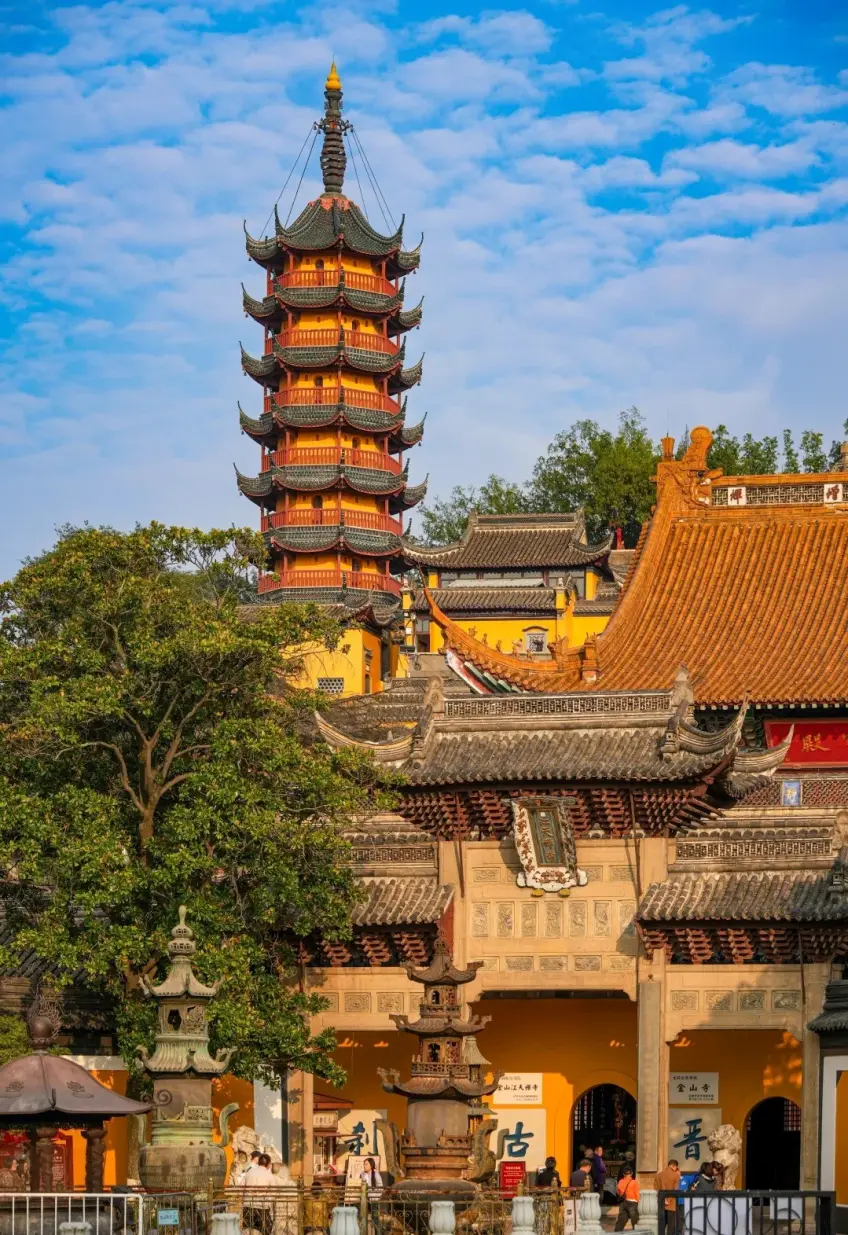
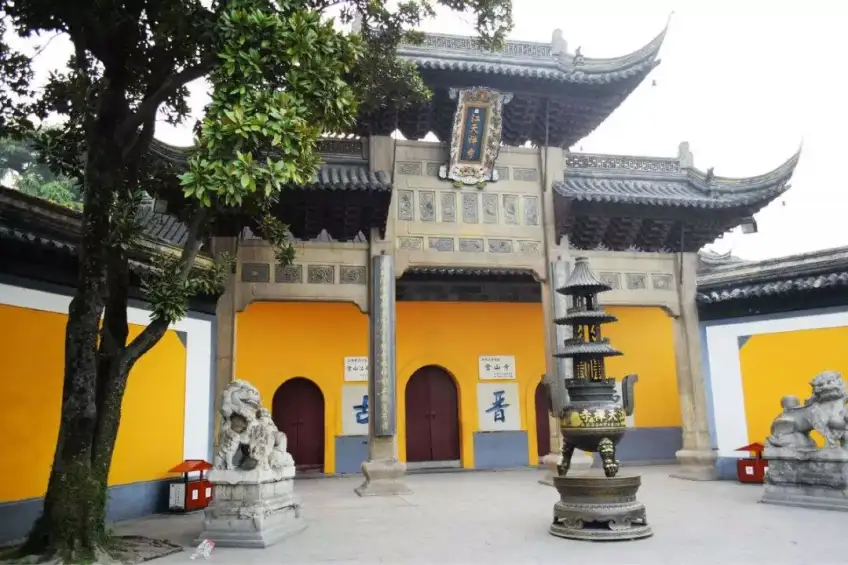
Cishou Pagoda rising behind the incense burner in front of the hall is Jinshan Temple's best-known view.
If you'd like to follow the halls in order with someone explaining the etiquette and stories on site, you can hire a private guide. For group tours, car hire or pick-up and drop-off, just ask our travel consultant.
Which hall should I pray at for which wish?
What matters most is sincerity. The temple often encourages visitors to "burn three sticks of incense, with a sincere heart." The customary links between halls and wishes below are for reference only; follow the monks' guidance on site.
Career and wealth: Mahavira Hall and Cishou Pagoda
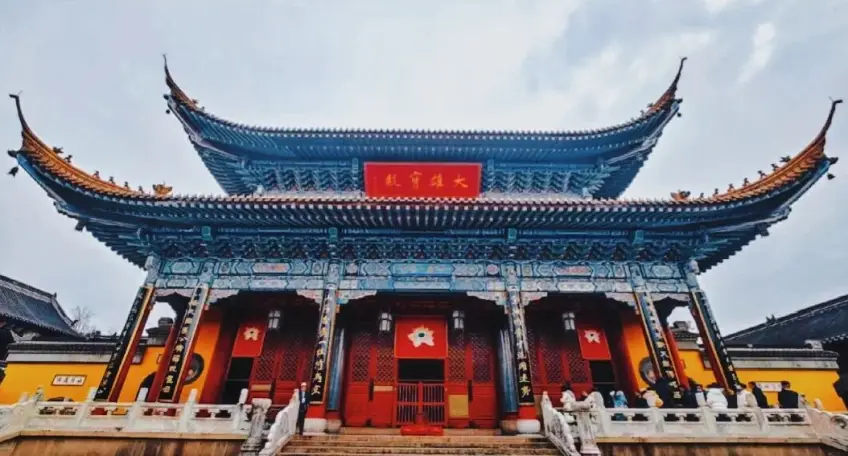
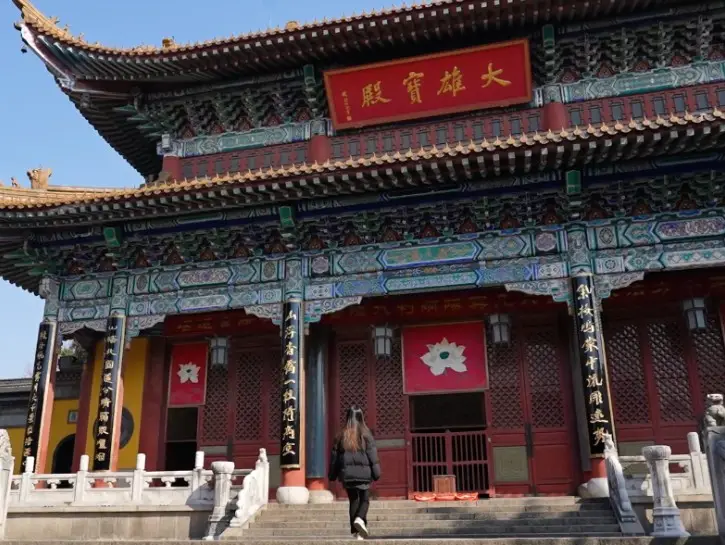
By popular reputation, Jinshan Temple is a favorite place to pray for career and wealth. Start by paying respects at the Mahavira Hall, then walk around Cishou Pagoda (people usually say three times, but follow on-site rules).
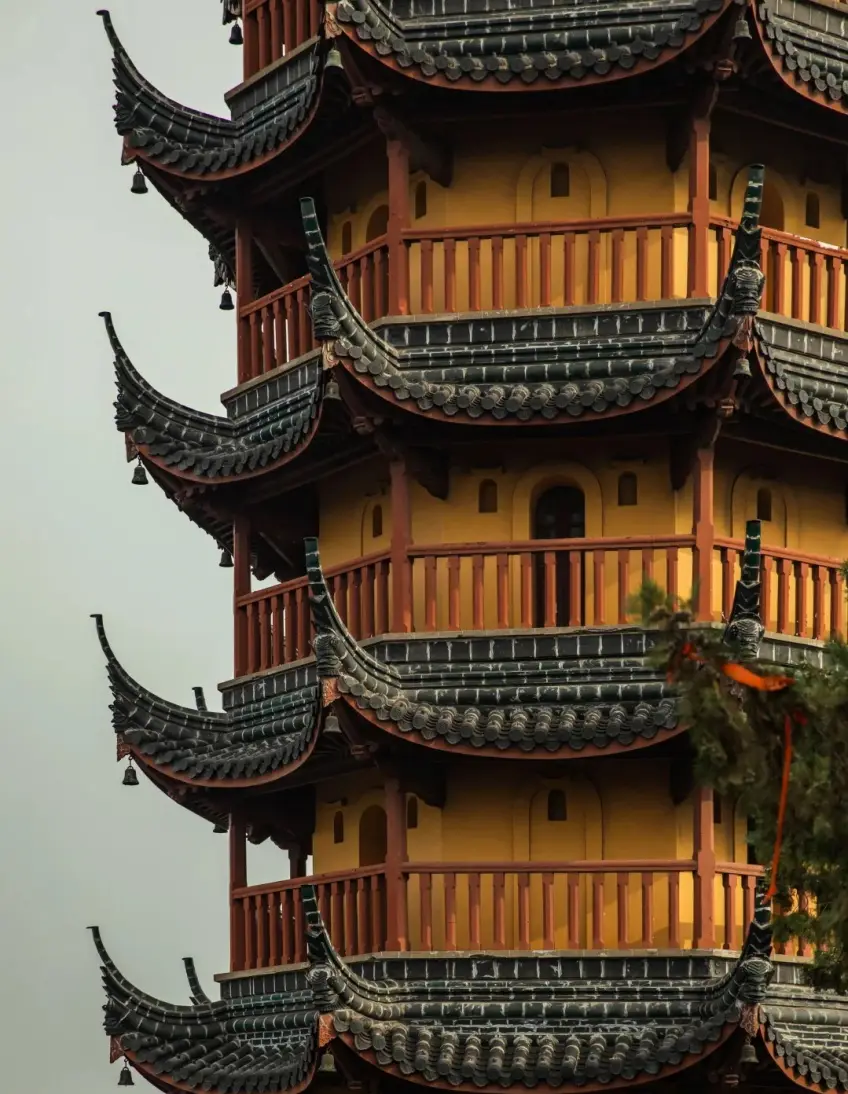
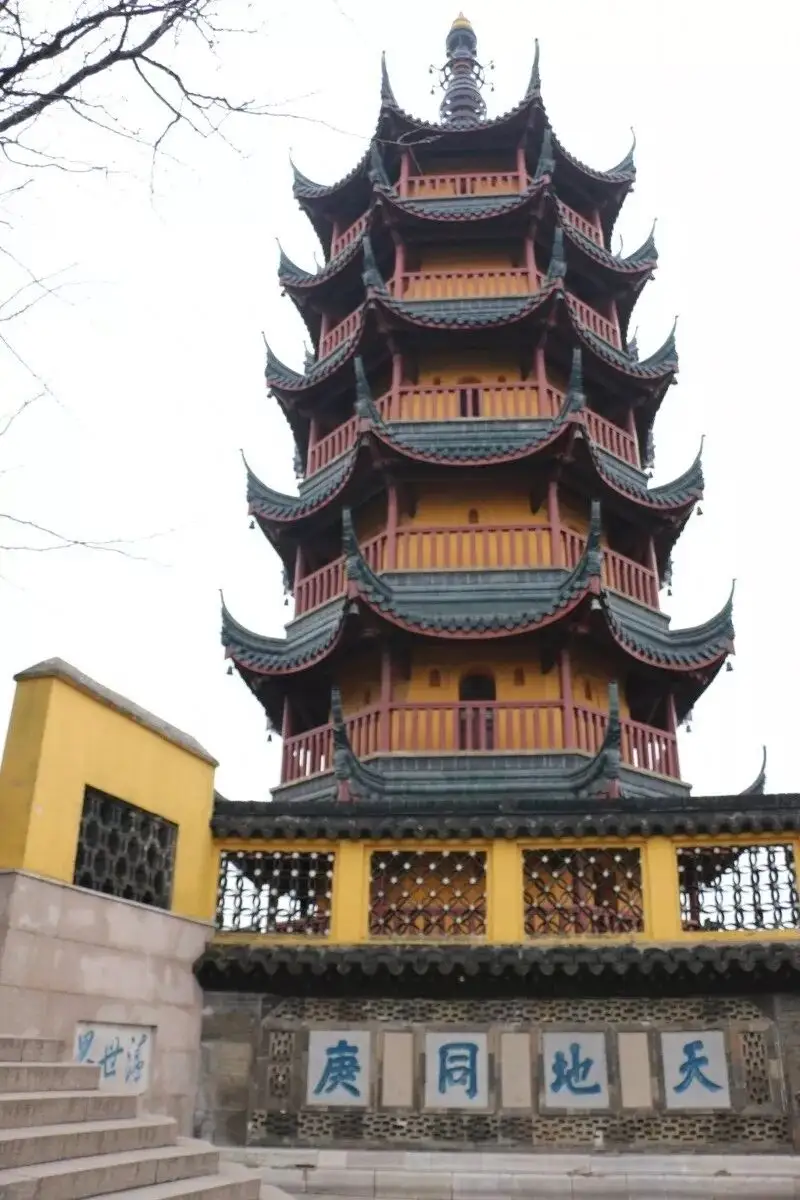
Cishou Pagoda has seven stories, and the wall beside it is inscribed with the characters Tian Di Tong Geng ("as old as heaven and earth"). The pagoda is often closed to climbing, so check the notices on site.
Health and peace: Guanyin Pavilion and the Sutra Library
For health and peace, people usually mention the Guanyin Pavilion and Sutra Library area. You can silently say your family members' names; keep your movements gentle. Whether a hall is open and whether incense is allowed follows the notices on site.
Studies, love and other wishes
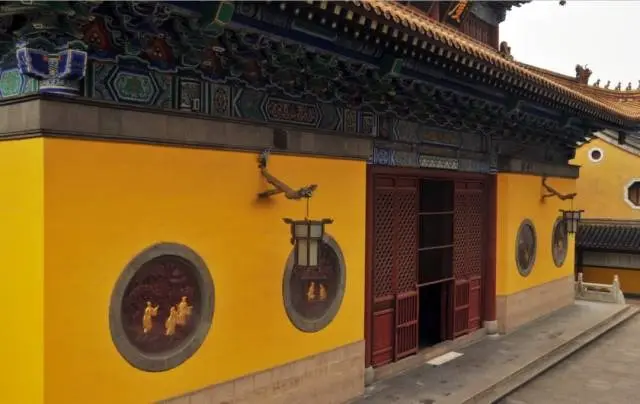
For studies, love or family harmony, people pray without fixing on a particular hall. Find a quiet corner, put your palms together and pray silently. There's no need to hunt for "the most powerful hall."
Hours, tickets and getting there
Commonly cited hours (check with the site on the day): about 8 a.m.–5 p.m. in peak season and 8 a.m.–4:30 p.m. in low season. Check official ticket prices with the site. Come early for a quieter visit with fewer people. Allow 3–4 hours to pray and see the whole temple.
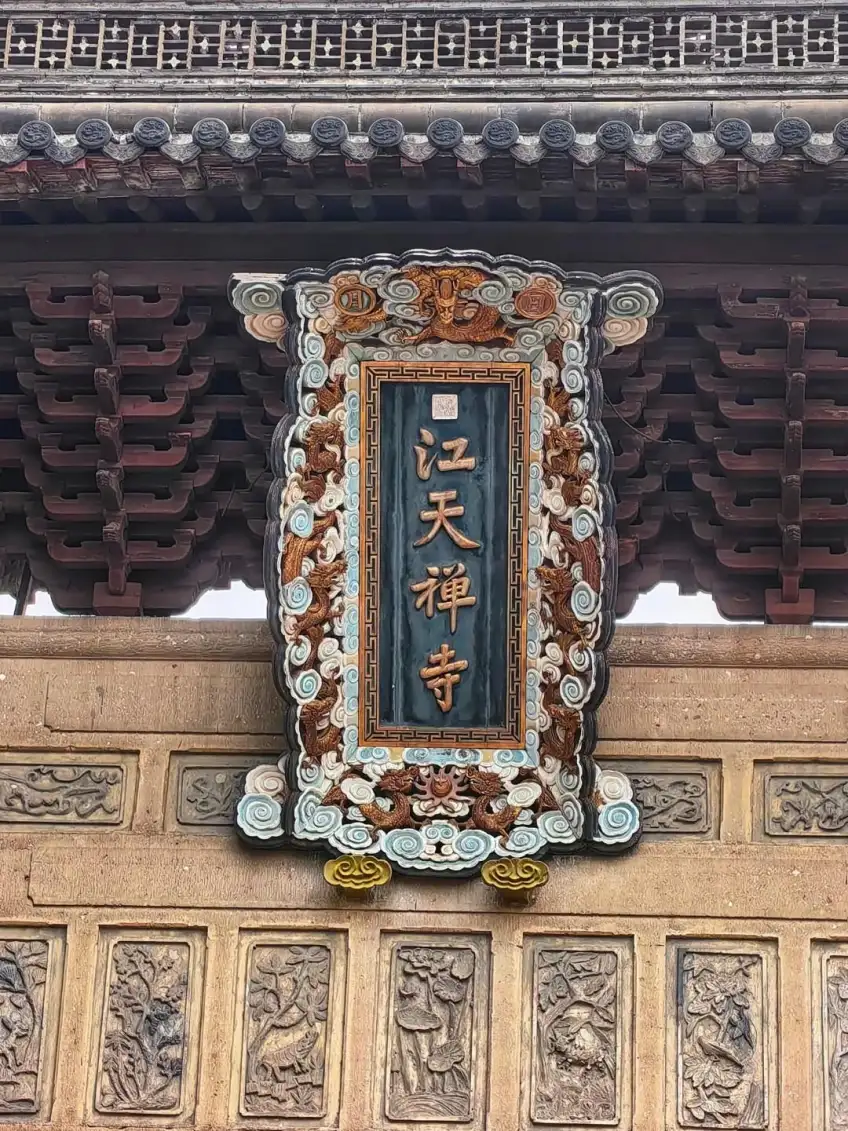
Before you head up, look for the temple's official name, Jiangtian Chan Temple, so you don't mistake the vendors' incense stalls outside for the temple.
From Zhenjiang Station (镇江站) or Dashikou, take a bus or a taxi; travel times and parking fees follow on-site notices. For taxis, DiDi has an English version of its app. Once you've linked a foreign card to Alipay, you can also book and pay for rides inside it.
Incense and entry etiquette
In Chinese you don't "buy" incense; you "invite" it. Vendors at the gate sell it if you want some, and the temple often gives out three free sticks, which you can also get inside. The middle "empty gate" is for monks only. Visitors enter by the left door and leave by the right, and it's often said that men step in left foot first and women right foot first. The threshold stands for the Buddha's shoulders, so never step on it. Dress neatly and modestly, and speak softly in the halls.
Prayer etiquette: from washing your hands to circling the pagoda
The usual steps (follow the monks and posted signs on site): ① Wash your hands before offering incense. ② The three sticks stand for body, speech and mind, offered to the Buddha, the Dharma and the Sangha; most people light them with the right hand and place them with the left. ③ Stand still at the burner, raise the incense to your brow, make your wish silently, then set the sticks in the burner. ④ In the halls, bow with palms together or bow three times, and don't touch ritual objects. ⑤ Walk around Cishou Pagoda (direction and number of laps as instructed on site).
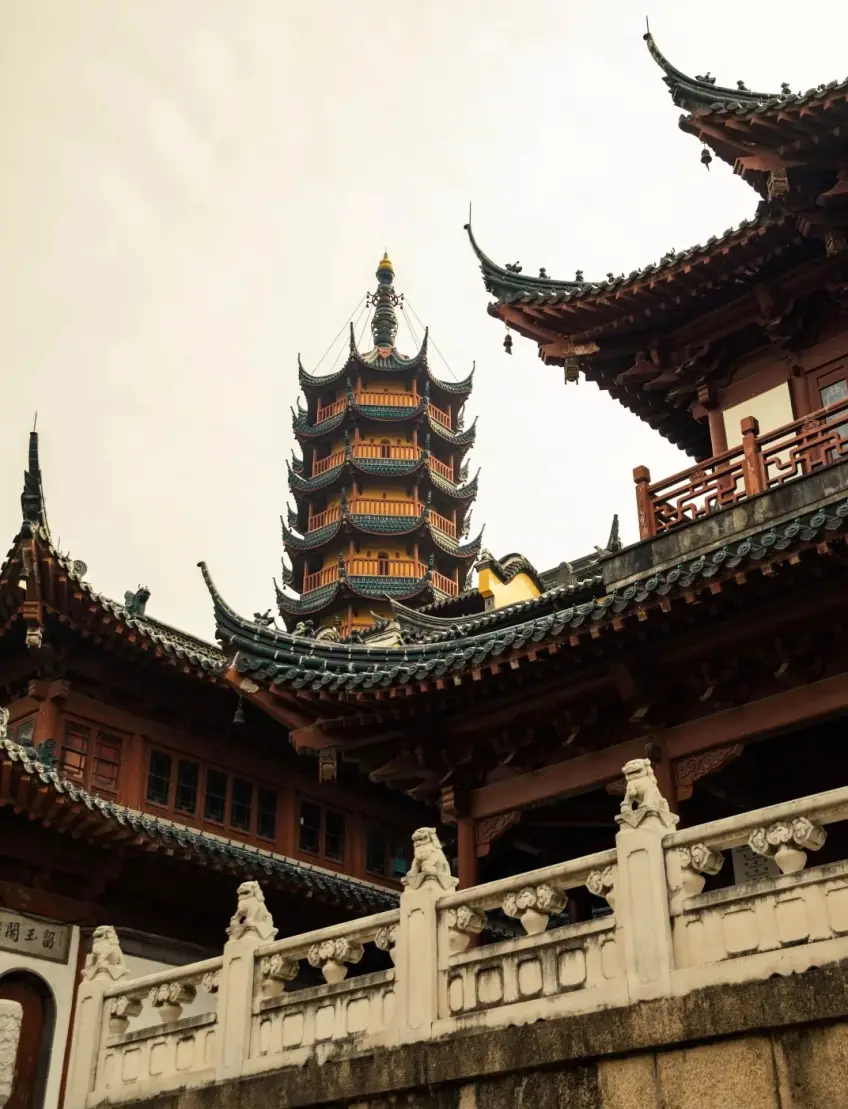
A half-day route for prayer and sightseeing
Suggested order: Mountain Gate → get incense → Mahavira Hall → Guanyin Pavilion and Sutra Library → Fahai Cave → Cishou Pagoda → Jiangtian Yilan pavilion → Miaogao Terrace → Baodai Minglan → vegetarian meal. When it's crowded, swap Fahai Cave and Cishou Pagoda.
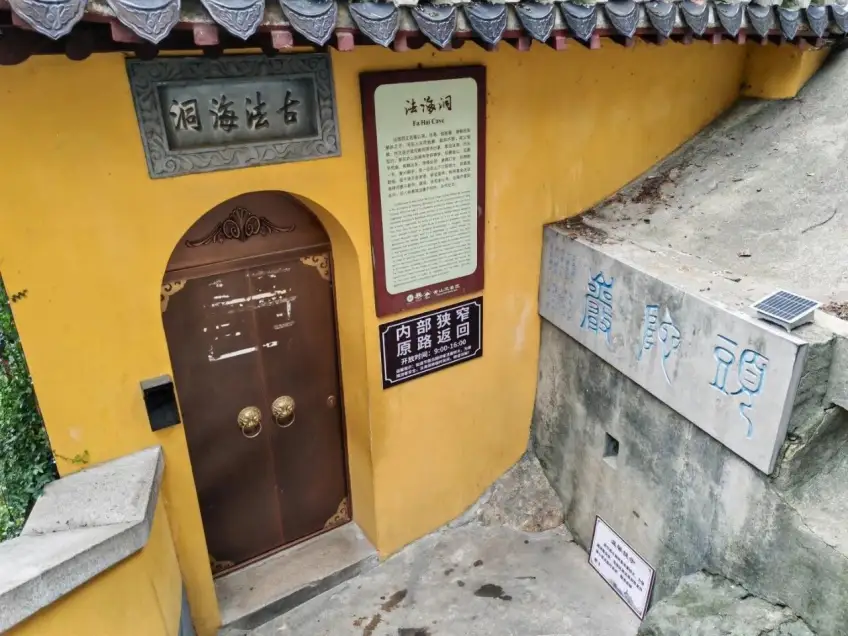
Fahai Cave: the cave linked to the Legend of the White Snake
The entrance has an "Ancient Fahai Cave" plaque and a sign saying it's narrow inside and you return the same way. Posted hours are usually about 9 a.m.–4 p.m. The space is tight, so decide whether seniors and children are up to it.
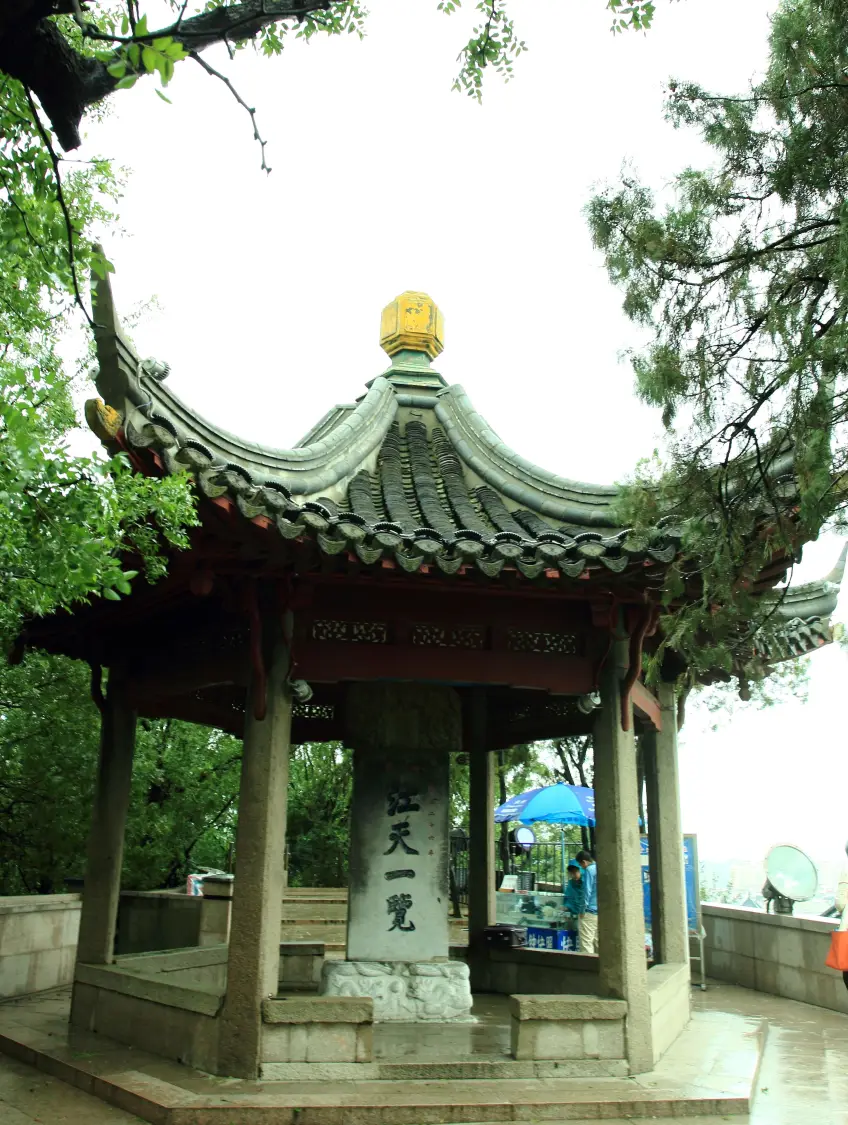
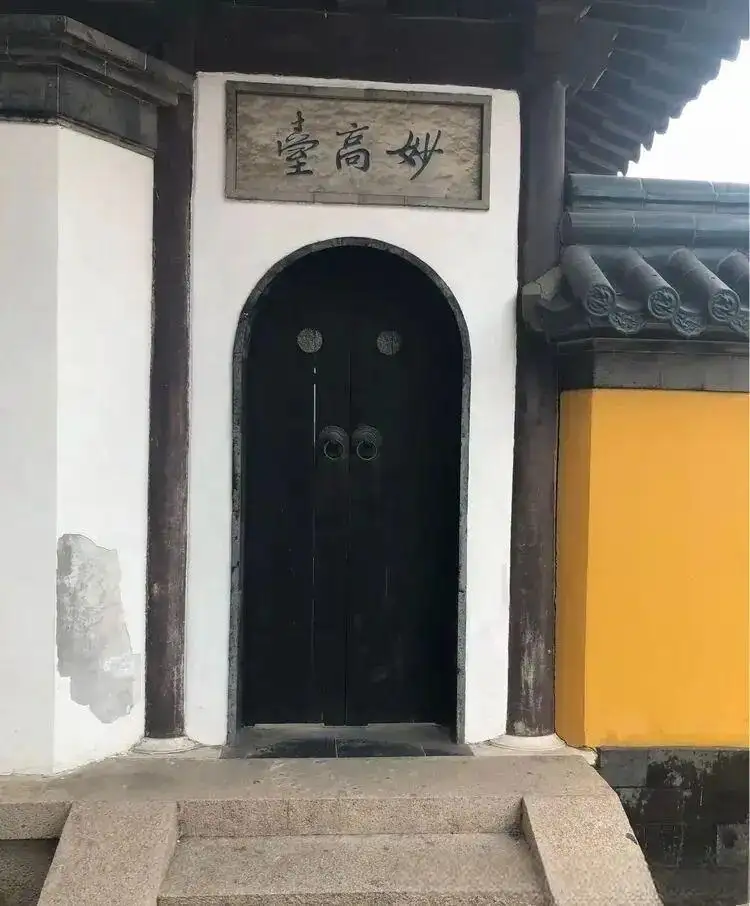
Jiangtian Yilan pavilion and Miaogao Terrace
The Jiangtian Yilan ("river and sky at a glance") stele pavilion, tied to an inscription by Emperor Kangxi, is a high point of the visit. Miaogao Terrace clings to the cliff, and its gate plaque is easy to spot.
Baodai Minglan and a last look over the temple
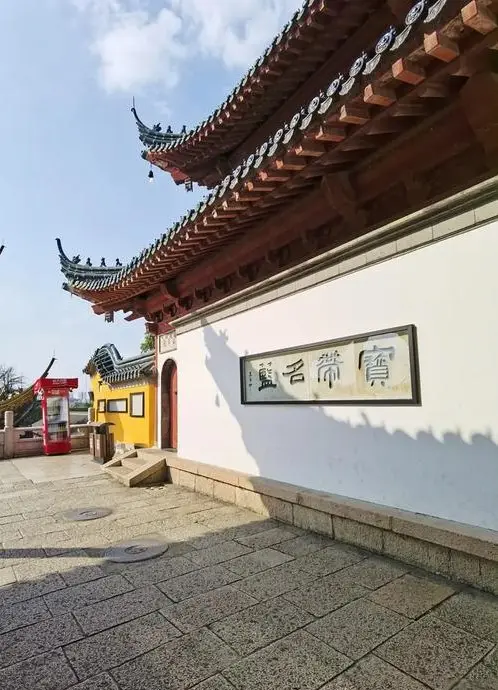
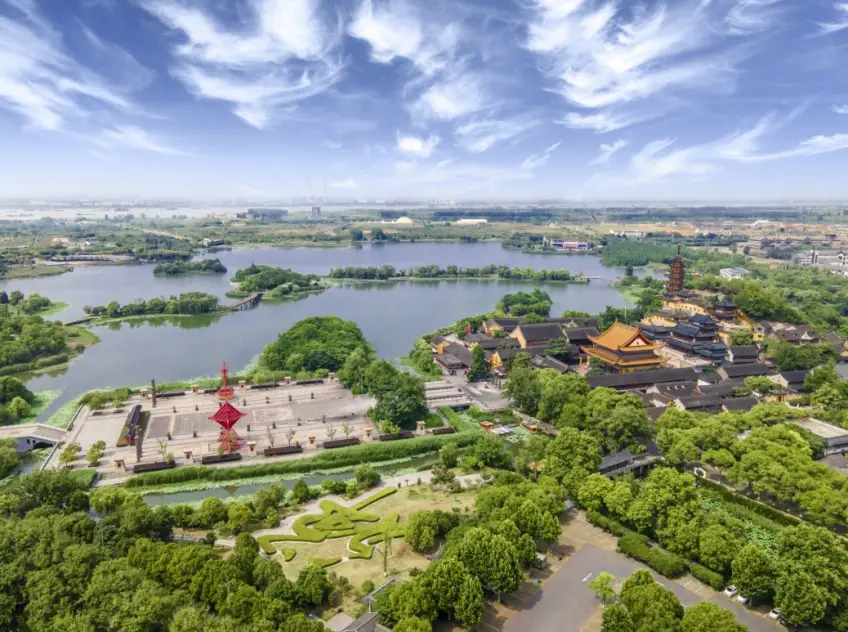
The Baodai Minglan plaque is linked to the legend of Su Dongpo's jade belt, and the plaque on the white wall makes a good photo. Before you leave, look back from a high spot to see how the temple wraps around the hill.
Vegetarian food and practical tips
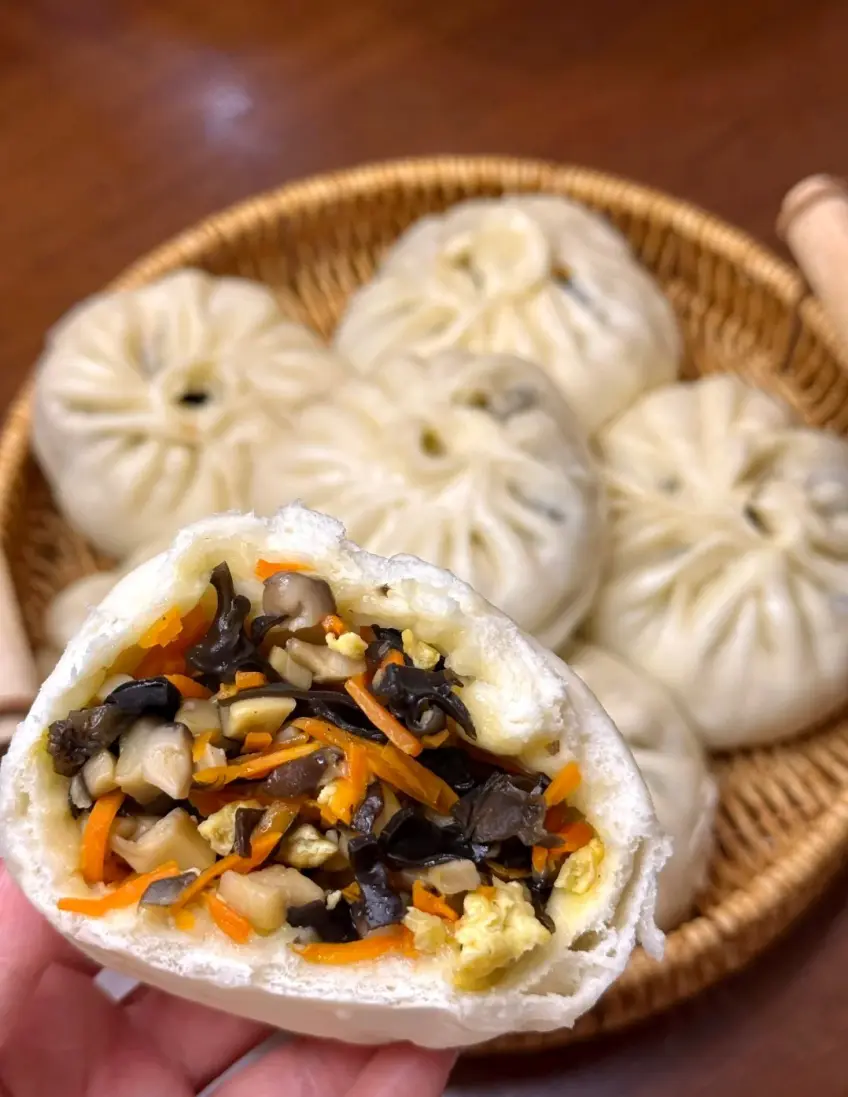
Vegetarian food in and around the temple is mostly buns and noodles; taste and prices vary by vendor and day. Keep your voice down when eating after prayers. Don't flash photos straight at Buddha statues, and follow any "No Photography" signs in the halls.
Praying with kids: what to know
Explain the rules beforehand: don't step on thresholds, no running or jumping, and no shouting. Keep away from burning incense and burners. Fahai Cave is narrow, so let an adult go in first. Bring water and a light jacket.
FAQ
Which hall should I pray at for which wish?
By reputation, prayers for career and wealth go to the Mahavira Hall and Cishou Pagoda, and prayers for health and peace to the Guanyin Pavilion and Sutra Library. Whether a prayer is answered differs from person to person; sincerity and good manners matter more.
What are Jinshan Temple's opening hours and ticket prices?
Commonly cited hours are about 8 a.m.–5 p.m. in peak season and 8 a.m.–4:30 p.m. in low season. Ticket prices, whether Cishou Pagoda can be climbed and any booking requirements follow on-site notices.
Is Jinshan Temple a good place to bring kids?
Yes, but keep them away from incense burners and watch them on the steps. You may want to skip the narrow Fahai Cave.
Do I have to buy incense at the entrance?
No. The temple often provides free incense. You're welcome to buy from vendors at the gate, but check the quantity and price. Please offer incense respectfully—don't burn whole bundles at once.
How do I choose between a group tour, custom trip, private car, or station transfer?
For a hassle-free day trip including Jinshan Temple, our top pick is the private tour "First Glimpse of Zhenjiang Day Tour". To plan an in-depth itinerary around your preferences and etiquette, use custom private travel or hire a guide only. For station arrivals and departures only, choose station transfer. For all-day door-to-door service, choose private car.
Turn this guide into a trip

Zhenjiang day tour private group | Jinshan Temple, Beigu Mountain, Xijin Ferry
Pickup and drop-off at Zhenjiang Railway Station. Spend a day visiting Jinshan Temple, Beigu Mountain and the old street at Xijin Ferry. All three are in the city center, so the pace is relaxed. This private tour is just for your group and includes transportation, a guide and admission tickets. An English-speaking guide is available on request — feel free to ask about dates.
The "First Glimpse of Zhenjiang Day Tour" above covers the main sights, including Jinshan Temple. Compare it first, then have it adapted into a custom prayer day.
Once you know what you want to pray for, the route falls into place. Choose your date and group size, and tell your consultant your wishes and which station you'll arrive at; we'll take it from there.