

Hangzhou Xixi traditional food guide: know what to eat before you go
Xixi Wetland area offers local flavors including clear soup fish balls, Xixi rice wine, and on Hezhu Street, Pian Er Chuan noodles, Dingsheng cake, Congbaohui (scallion-wrapped fried dough sticks), and freshly pounded rice cakes, as well as Jiangcun Restaurant's soy sauce duck and dried fish. Depending on the season, you can also pick strawberries at a strawberry farm, or if you visit in autumn during the Fire Persimmon Festival, pick persimmons yourself.
Schedules, prices, opening hours and reservation requirements are subject to the shop or attraction's notice on the day.
If you want to combine West Lake, Lingyin Temple and Xixi food into a single day, first check whether the private tour "Feilai Zen Realm" suits you. To plan multiple days around your tastes and the season, use custom private travel or book a private car. You can arrange station transfers from the high-speed rail station to your hotel, and if you want to hear the stories behind Hezhu Street in full, hire a private guide.
River delicacies and mountain treasures gifted by Xixi Wetland
On a food tour in Hangzhou, what sticks with you most is the local wisdom of living off the water.
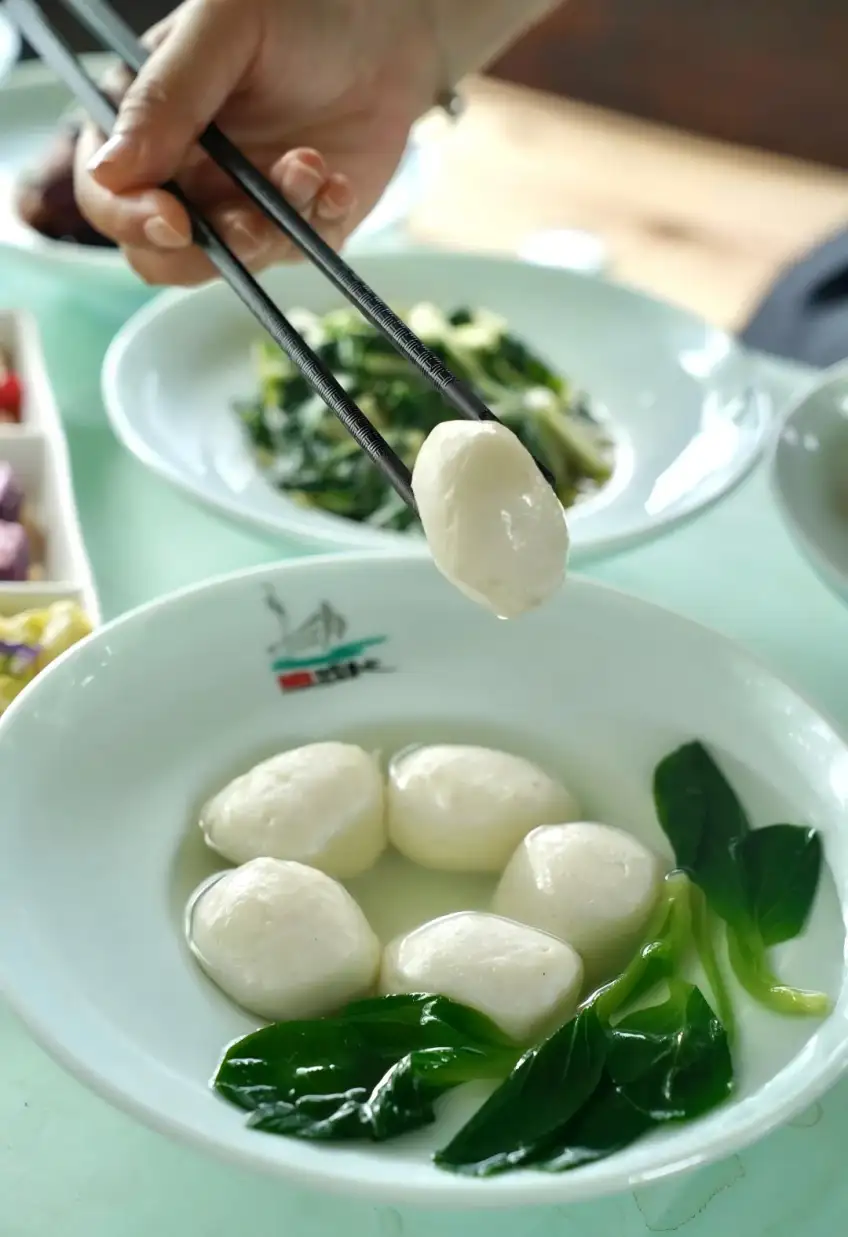
A famous Hangzhou dish, Xixi Clear Fish Ball Soup, often brings to mind Liang Shiqiu's affectionate memories of his mother making fish balls in "Yashe Tan Chi" (Talks on Food from the Elegant Cottage).
No egg white is added to the fish balls—the book notes that "egg white is only added when the fish isn't fresh"—so they turn out even whiter. The broth used to cook them is already so flavorful that no extra stock is needed, highlighting the "clear" in its clarity and natural taste, and bringing out a white, clear, tender, and fresh texture like soft cream.
It really is "as tender as tofu" on the tongue: soft, smooth, and almost melting in your mouth. The restaurant insists on using live fish, scraping only the flesh slowly into a paste to preserve as much sweetness as possible.
Xixi has long been known as a source of imperial tribute, with duck, bamboo shoots, persimmons and rice wine once featured in royal menus. Today, visitors can still taste these water-town flavors around the wetland.
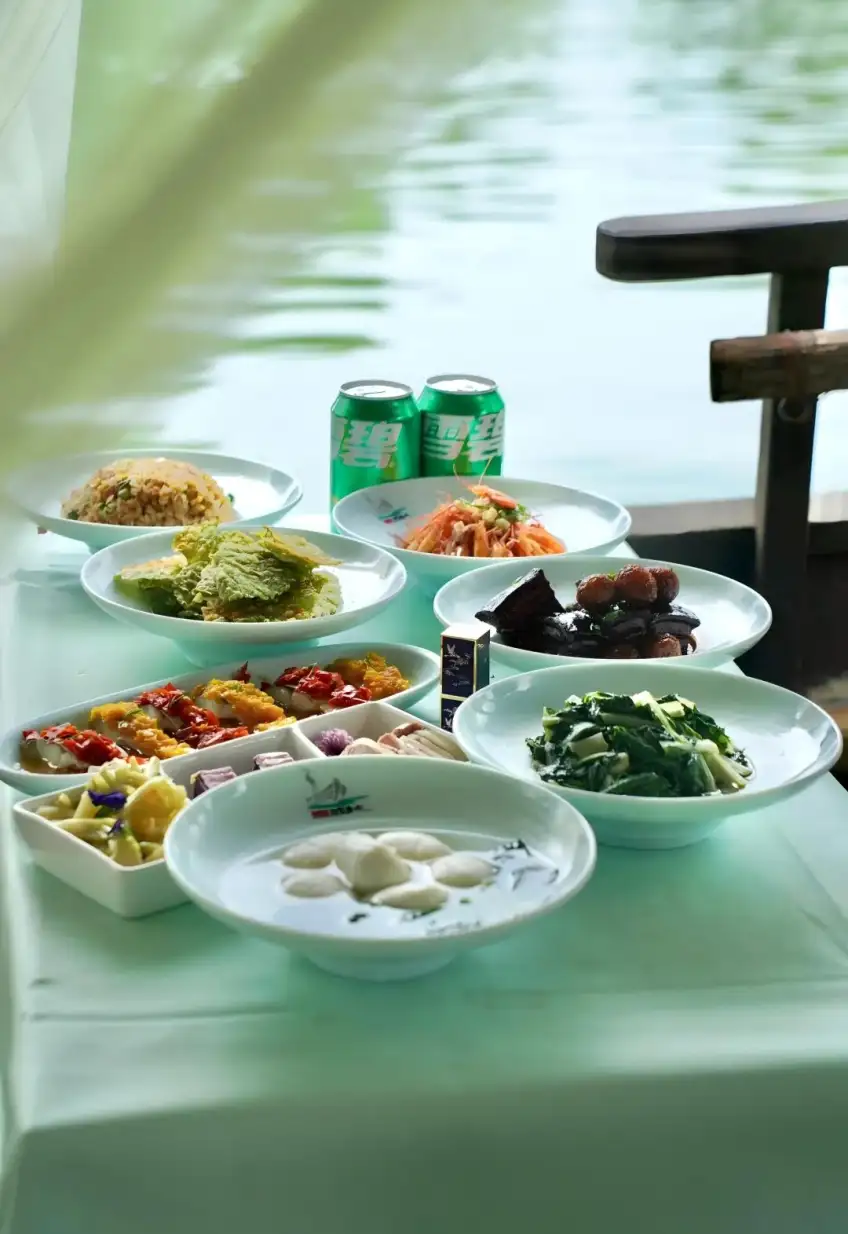
A full spread on a boat or by the water is even better: clear soup fish balls in the center, surrounded by river seafood, greens and snacks. Eating while watching the reeds along the waterways is the true "living off the water" experience of Xixi. When ordering, just check whether the fish balls are freshly made and the broth is clear. Prices depend on the restaurant's daily menu.
Experience fruit picking at Xixi, Hangzhou
Xixi Wetland Strawberry Garden
The area around Xixi is rich in fruit, with the strawberry gardens being the most popular. Depending on the season, you may also find mulberries, cherries, peaches, pomegranates and plums.
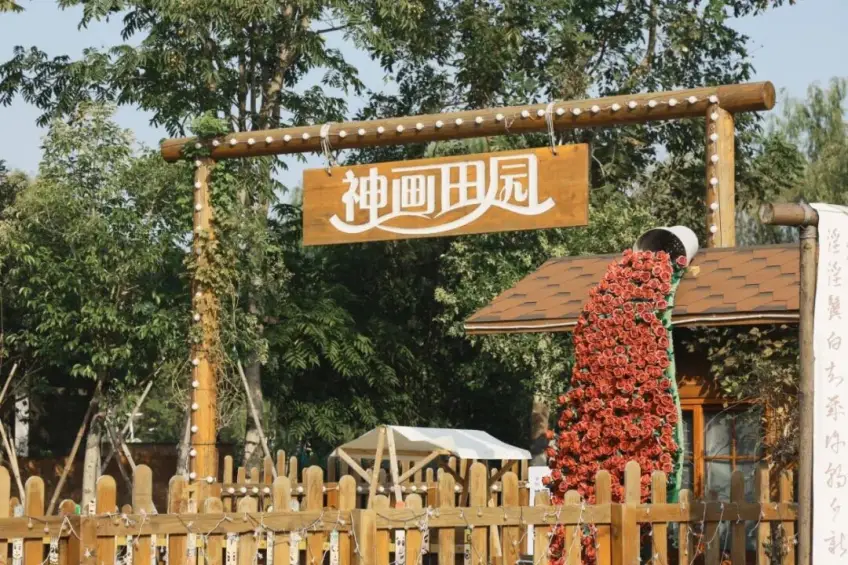
The garden entrance is often decorated with rustic woodwork and cascading flowers. Before going in, check the open areas and signs at the gate to decide which row to pick first.
Several strawberry varieties are grown here: Hongyan is brightly colored, sweet-tart and juicy; cream strawberries are highly fragrant; white varieties like Snow Rabbit and Pink Jade are also popular. Whether hands-on picking and strawberry-themed activities are available depends on seasonal announcements.
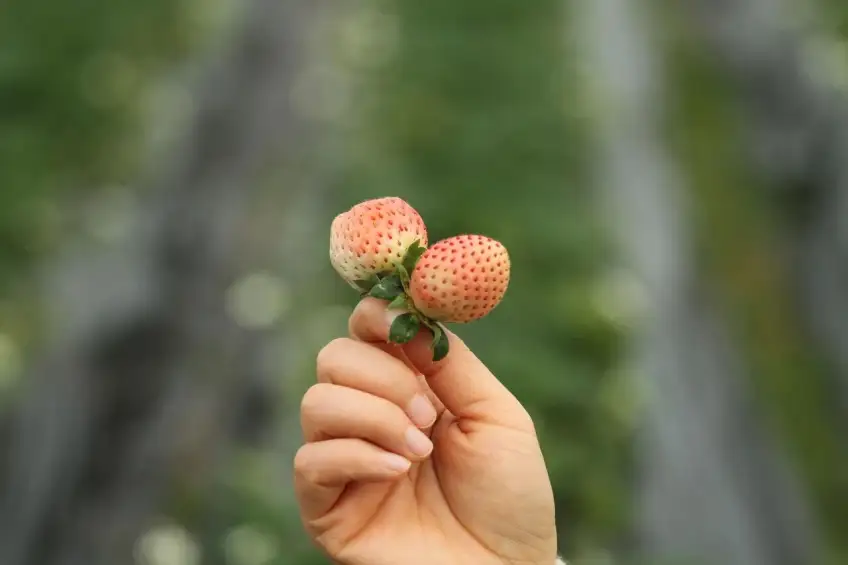
The sweet-tart Hongyan strawberries are a real treat. It's a great place to stroll slowly with kids—no need to rush your itinerary.
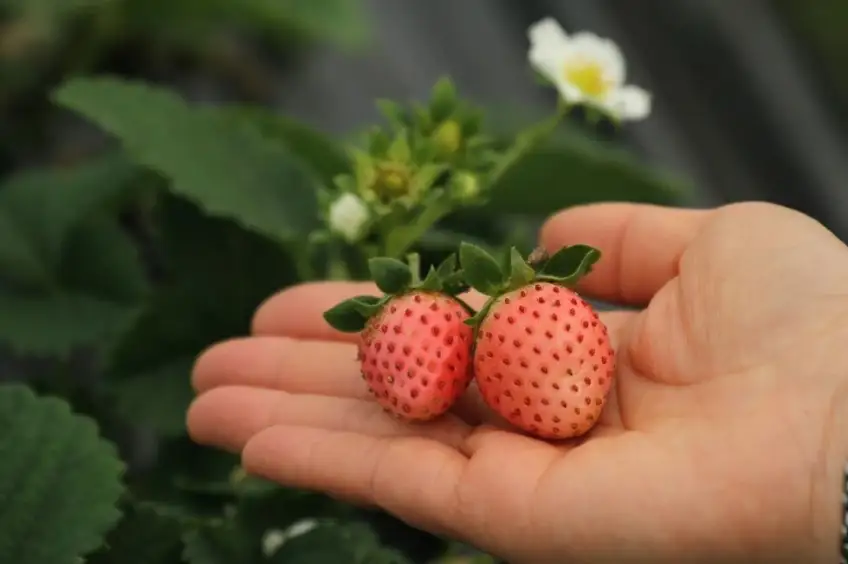
The freshly picked pink fruits in your palm still carry the scent of leaves; the lighter pink varieties tend to have a softer fragrance. After picking, you can tidy up at the hand-washing area near the orchard. Don't rush to stuff them all into a sealed bag—letting them air out briefly before packing helps prevent bruising.
The fun of the Fiery Persimmon Festival at Xixi Wetland
During certain seasons, you can join the Fiery Persimmon Festival and pick your own fruit. There's nothing quite like the satisfaction of plucking one straight from the branch.
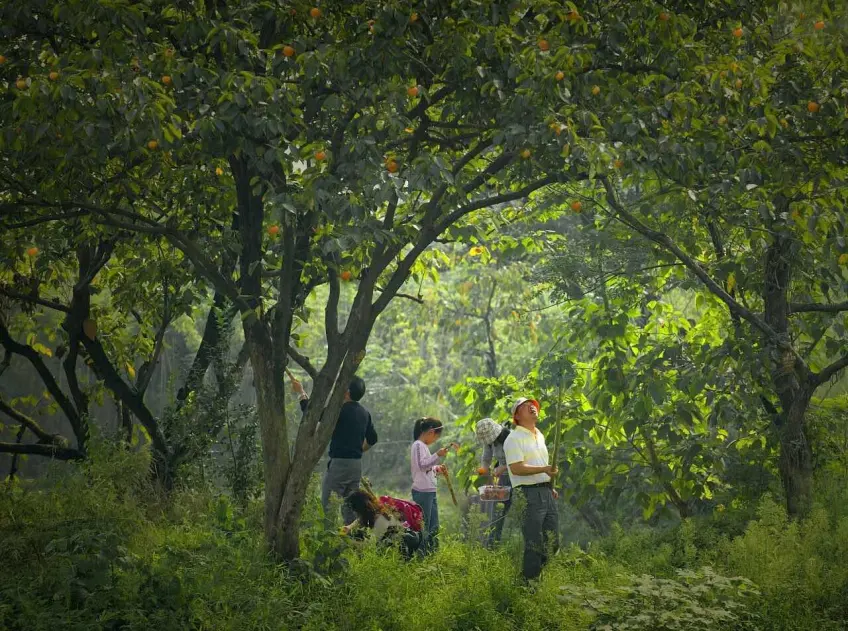
Xixi persimmons are mainly panshi, fangshi, and huoshi varieties: huoshi persimmons are small and ripen early, and can often be eaten right after picking; fangshi persimmons usually need processing before eating. Local residents pass down a "water town" method: dig a hole by the water's edge, bury fresh persimmons, seal with soil for about a week, then peel and eat (this is a traditional practice—use your own judgment regarding hygiene and safety).
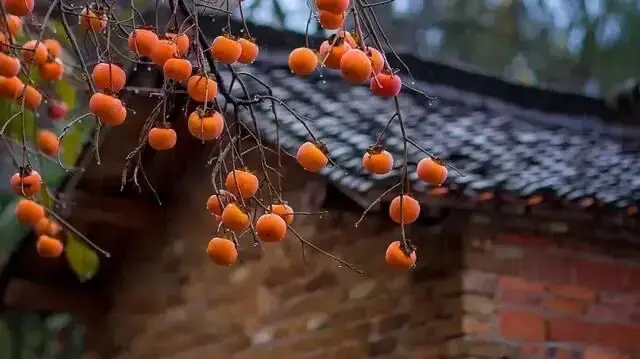
To soften green persimmons faster, villagers suggest dabbing a drop of rice vinegar on the stem or storing them with apples. Don't seal them tightly in a plastic bag, or the flavor will turn dull—it's similar to how bananas are ripened.
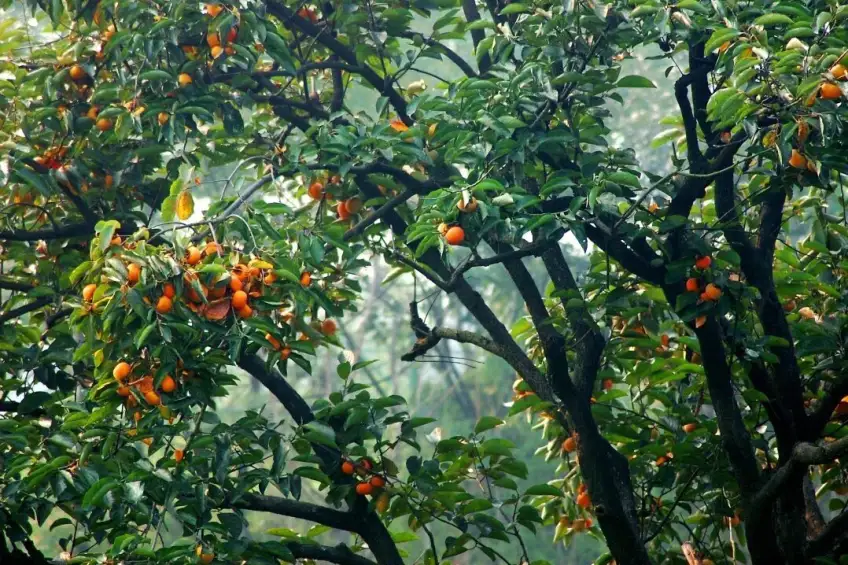
Xixi is said to still have many persimmon trees, including century-old ones, and the persimmon has witnessed the local customs of generations.
Pastry culture in Xixi, Hangzhou
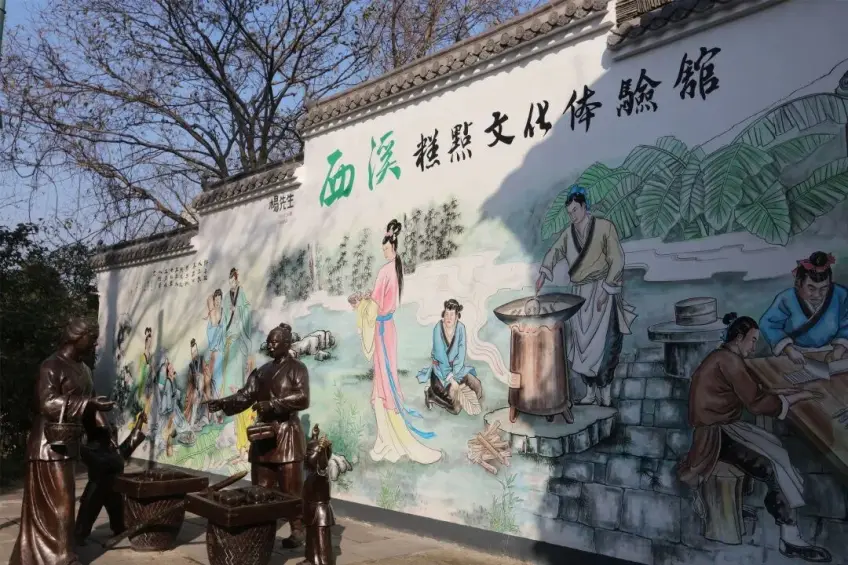
Around Hezhu Street you'll find the Mr. Yang Pastry Culture Experience Hall. Su Shi's poem "Cold Snacks" describes twisted dough sticks: "Slender hands roll them into lengths of jade, fried in green oil to a deep golden hue..." The golden, crispy twists before you are a continuation of this traditional fried pastry.
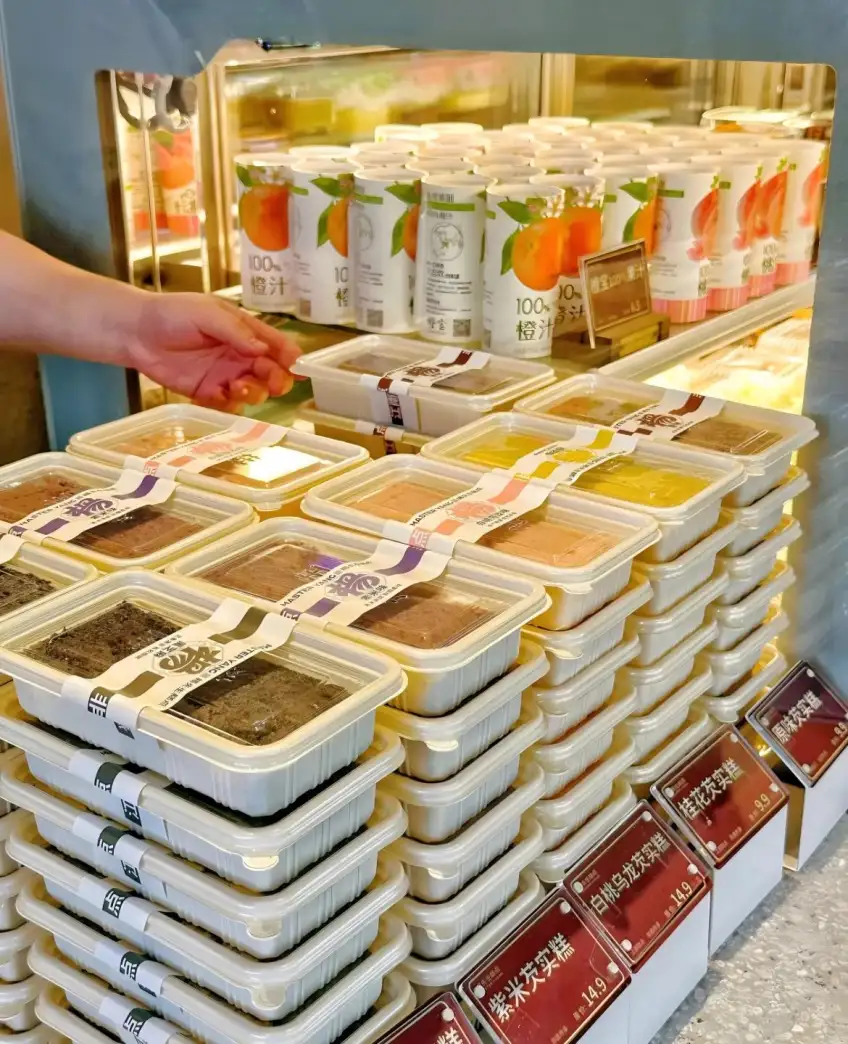
The shop displays handmade pastries and souvenirs, ranging from traditional fried dough twists to mung bean cakes, euryale (fox nut) seed cakes, snowflake crisps, cream puffs and Xiandou cakes. The euryale seed cakes commonly come in white peach and osmanthus flavors.
Staff often share stories about intangible cultural heritage and traditional craftsmanship. After listening, watching the twisted dough rolls tumble in hot oil becomes even more vivid.
In the experience area, you can knead the dough, roll it into strips and deep-fry your own brown sugar fried dough twist under a master's guidance. The steps are simple but very rewarding.
After making your own snacks, stroll through Jiangshi on Hezhu Street, one of Hangzhou's hubs for intangible cultural heritage treats.
The aroma of Dingsheng cake drifts from the steamer; Congbaohui sizzles on the griddle, getting crispier with every press of the spatula. The sign at the door boasts recipes passed down through generations—crispy sesame cakes, lotus flower pastries, Longjing tea cakes, and osmanthus chestnut soup. Just sample one every few steps.
Xixi rice wine with a lingering finish
Xixi rice wine is similar to common fermented sweet rice wine yet different: it's less cloyingly sweet, refreshingly mellow, with a natural sweetness from the fermented rice.
In midsummer, fermented glutinous rice is best served chilled for a refreshing bite; in winter, warm it up with honey dates or eggs for a sweet, soothing treat. Rice wine brewing is one of Xixi's traditional crafts, carrying the living memories of this water town.
Pounding rice cakes at Xixi in Hangzhou
Walking through the crowds on Hezhu Street, the aroma of rice drifts from an old shop. The "thud, thud" of wooden mallets signals freshly pounded rice cakes, and visitors can try the traditional pounding method themselves.
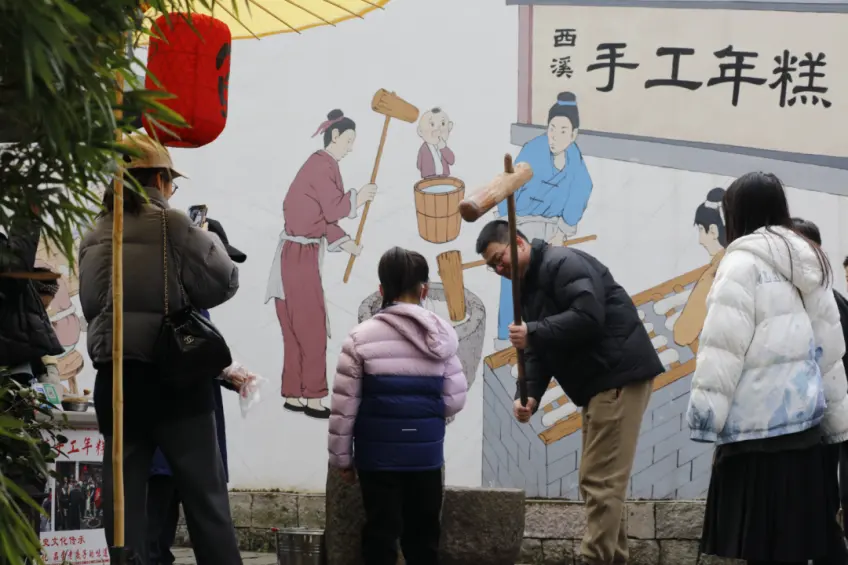
The vendor kneads and presses the dough into soft little cakes, then rolls them in soybean powder. The golden powder instantly coats the tender white rice cakes.
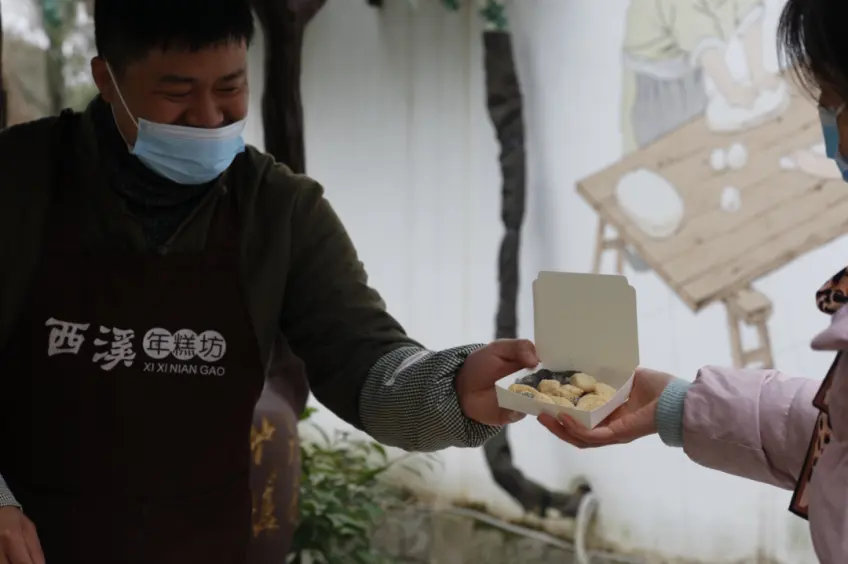
Rice cakes are best eaten hot: first the dry, fragrant soybean powder, then the soft, stretchy chew of glutinous rice.
A bowl of Pian'er Chuan, a taste of Hangzhou legend
You can't visit Hangzhou without trying Pian Er Chuan. This bowl of noodles is often paired with Dingsheng Cake as a traditional "exam snack" — you're savoring the fresh, savory flavor along with a lucky wish for success.
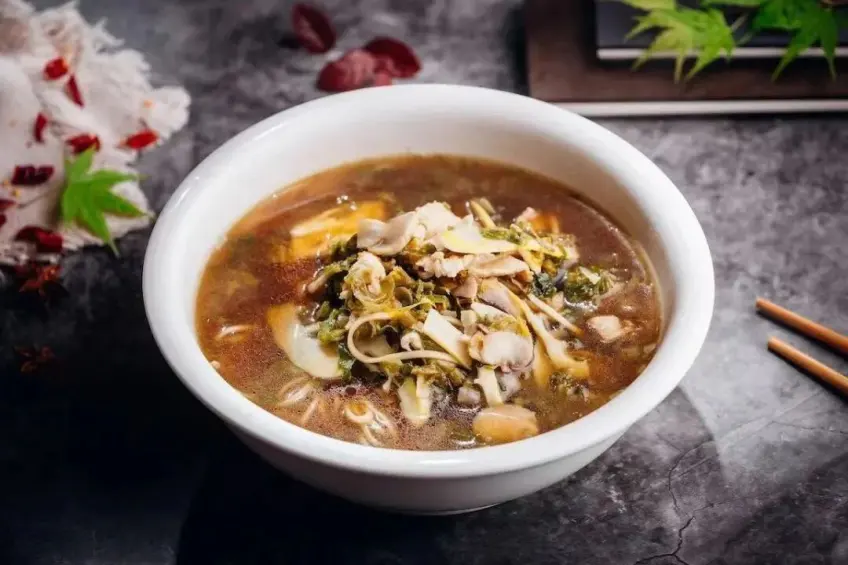
Legend has it that during the Tongzhi reign of the Qing Dynasty, Kuiyuanguan, an old restaurant in Hangzhou, created an affordable noodle dish of pickled mustard greens, bamboo shoots, and lean pork for scholars heading to the imperial exams, adding three eggs to symbolize "passing all three levels." From the cooking fires along Imperial Street to the tip of your tongue, a single bowl of noodles ties together Hangzhou's cultural heritage.
All the toppings are cut into slices (pian'er) and blanched (tun) in boiling water. In the Hangzhou dialect, tun sounds just like chuan (river), so with the local "er" suffix, pian'er tun became pian'er chuan.
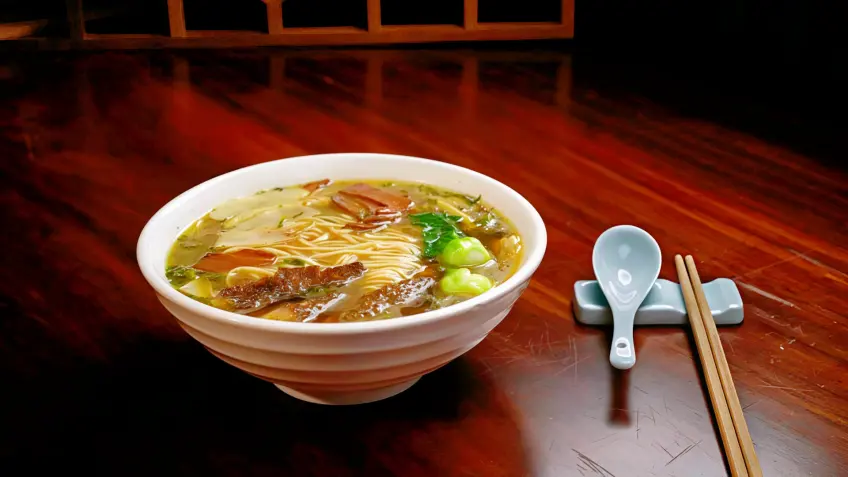
A good bowl follows the seasons: winter bamboo shoots are plump, spring ones are fresh. The pickled greens are often Jiande-style daoducai—dry, slightly dark, salty and full of flavor (check with each restaurant for ingredient origins).
Cup a steaming bowl at a small eatery on Hezhu Street: the pickled greens are savory but not too salty, the bamboo shoots crisp and tender, the pork silky, the noodles chewy, and the broth carries a faint hint of lard. Many out-of-town visitors say this alone made their trip to Jiangnan worthwhile.
The "victory cake" in the hearts of Hangzhou locals
If Pian'er Chuan is Hangzhou's "exam-bound noodles," then Dingsheng Cake is the "victory cake" in many people's hearts. In Xixi, these two treats are like two sides of Southern Song culture: one bowl of noodles for the courage to set out, one piece of cake for the joy of coming home victorious.
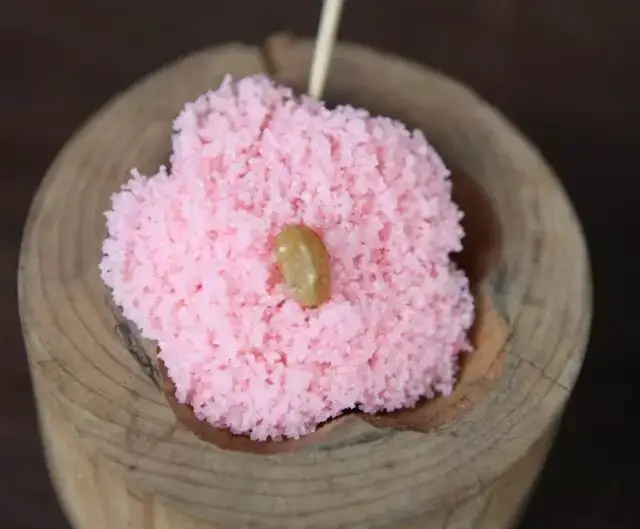
The story usually begins in the Southern Song Dynasty: as Jin troops retreated north, Han Shizhong set an ambush in Zhenjiang for the Battle of Huangtiandang. Locals made cakes—thick at both ends and narrow in the middle—and sent them to the camp. When broken open, they revealed a note: "The enemy camp is like a peg, thick at the ends and thin in the waist. Cut it in the middle, and both ends fall apart." (Versions of the legend vary.)
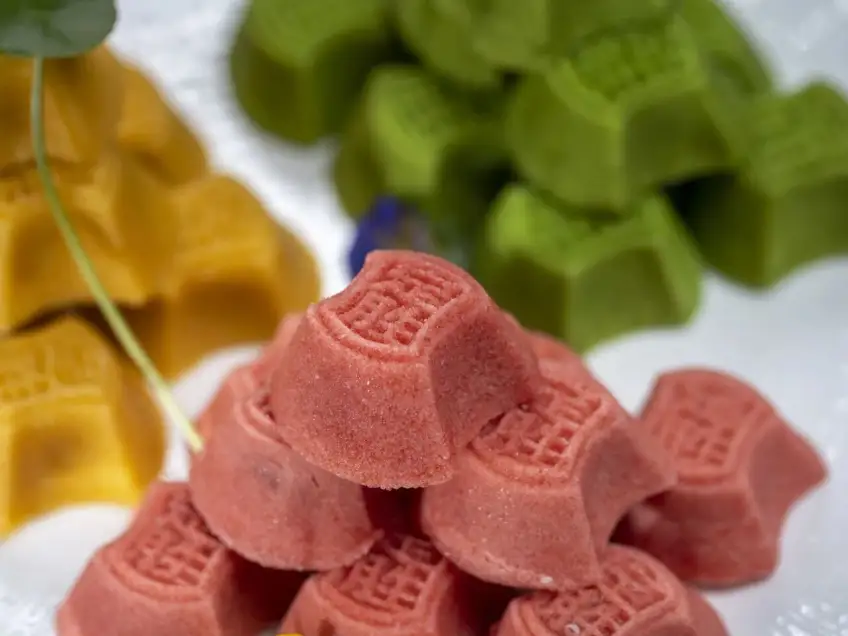
After the formation was broken at its narrow waist, the cake was named for its resemblance to a tenon ("dingsun"), which sounds like "dingsheng" (certain victory). Other versions say it rewarded Yue Fei's army or the Yang family generals. That sentiment stayed in Hangzhou when the Song people fled south. On Hezhu Street, pink pine cakes, molded pastries and dingsheng cakes are often displayed side by side—just check the name before you order.
A must-try in Hangzhou: congbaohui
Congbaohui, also called "cong pao hui'er," is one of Hangzhou's most down-to-earth street snacks. You'll find a stall every few steps along Hezhu Street in Xixi.
It's an everyday breakfast for locals, with a unique texture and a story passed down through generations.
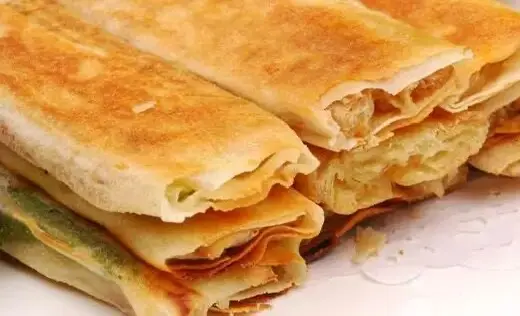
Legend has it that after Yue Fei was killed, locals hated the treacherous official Qin Hui but dared not curse him openly. A cook twisted dough into figures of Qin Hui and his wife and deep-fried them, calling the snack "you zha hui'er" ("hui" sounds like Qin Hui's name). Later, people wrapped fried dough sticks and scallions in spring pancakes and pressed them hard on a griddle, symbolizing pinning down the traitor so he could never rise again. The snack was renamed Congbaohui.
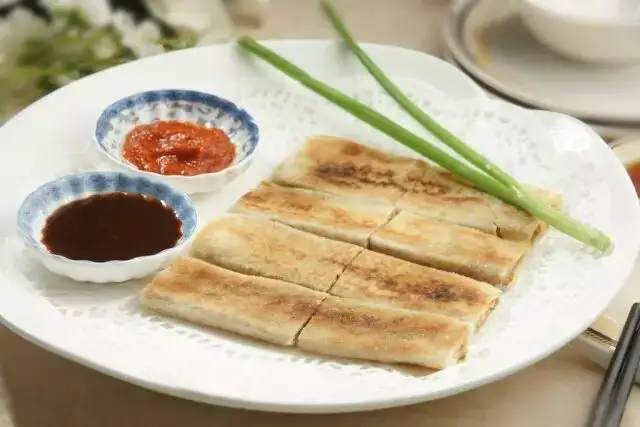
The authentic method wraps youtiao and scallion segments in a spring pancake, presses it repeatedly in a pan until golden, then spreads on chili sauce or sweet bean sauce. Street vendors often sell scallion pancakes and other griddle snacks at the same stalls, so look for the "Cong Bao Hui" sign when ordering to avoid mix-ups.
Jiangcun Restaurant's signature sauce-cured meats
Wondering where to find Xixi's most authentic local flavors? Locals often point straight to the signature sauce-cured meats at Jiangcun Restaurant.
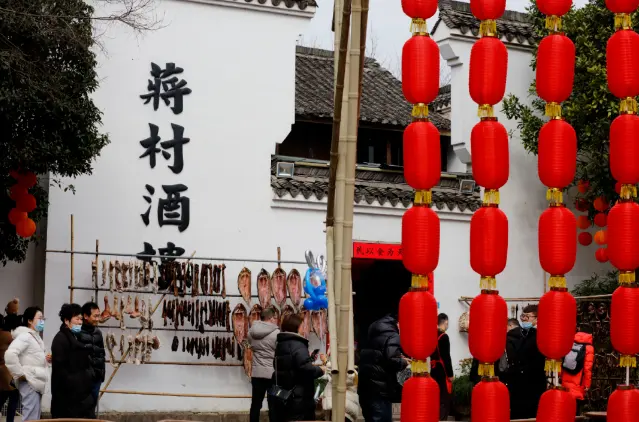
As Chinese New Year approaches, you'll often see rows of sauce duck, dried fish, and cured pork hung up around the scenic area—glossy, deep reddish-brown from the soy marinade, with a savory aroma you can smell from far away. The sauce duck is usually the bestseller.
Sauce duck calls for ducks raised free-range along the lakes of the Hangzhou-Jiaxing-Huzhou region, feeding on loaches and small fish for richer, more flavorful meat (check with each shop for their specific sourcing standards).
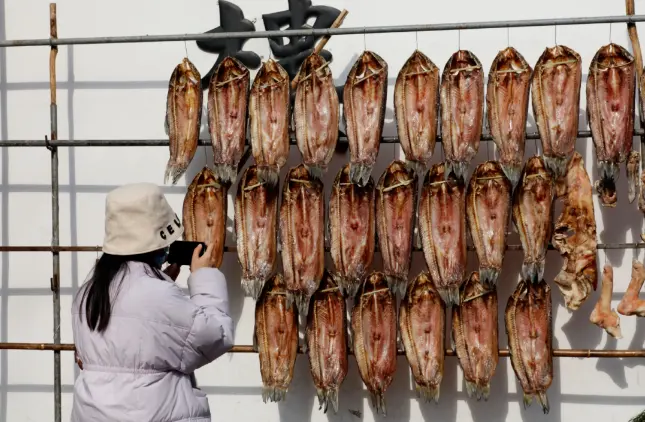
Jiangcun dried fish is a local specialty: fishing was the traditional livelihood here, and the craft has been passed down through generations. Locals typically use freshly caught black carp weighing 10 to 15 jin; for soy-marinated fish, the scales are left on to lock in moisture and flavor. It's delicious steamed or braised with pork.
For sauce-cured pork, choose well-marbled pork belly or collar butt, wash, air-dry, marinate in soy sauce, then sun-dry. Alternating layers of fat and lean turn glossy and succulent when steamed. A local New Year's table isn't complete without sauce duck and dried fish—buying some for home or as gifts is very common.
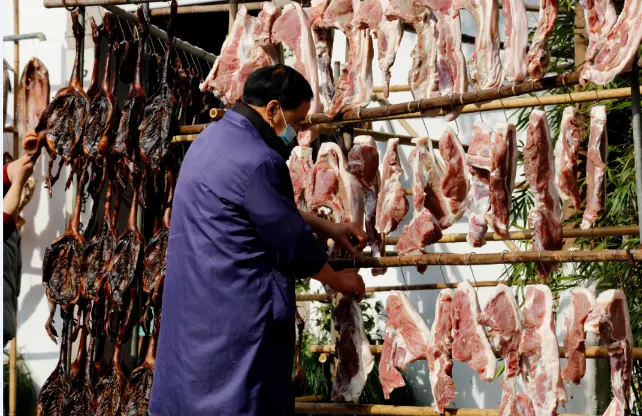
Sauce ducks and cured meats hang side by side on bamboo poles, turned occasionally by the makers for even drying. As you pass by, take in the savory aroma and admire the layers of fat and lean. Before buying, ask whether the meat is already cooked and how to store and reheat it—don't judge the price by looks alone.
How to eat hassle-free at Xixi
If you're planning a trip to Xixi Wetland and want to avoid tourist traps, start by checking what's in season—strawberries, persimmons, pastries, or soy-marinated meats—then decide on a one- or two-day itinerary. A travel consultant familiar with the area can help you coordinate boat times, meals, and less crowded hours.

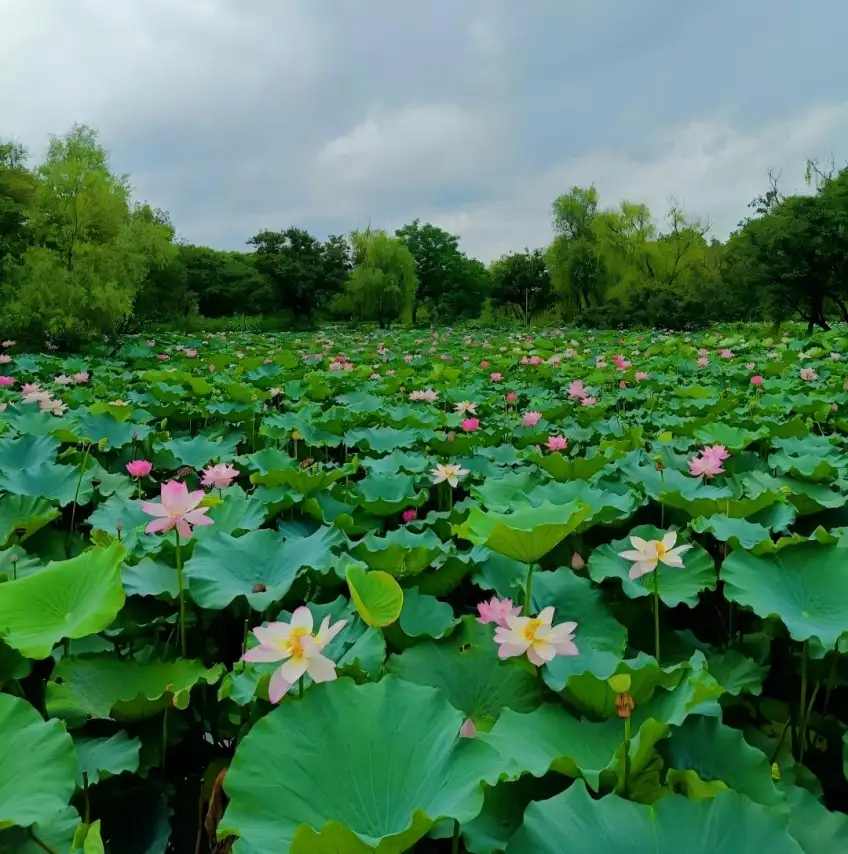
When the pink and white lotus flowers bloom, the flavor of Xixi isn't just in the bowl — it's in the breeze over the water. Save your food list and come back during flower season or reed season, and the memories of the wetland and your taste buds will blend together.