
Dongji Island is worth visiting, but it isn't an "easy resort island." Its appeal lies in being remote, quiet, and unspoiled: it's one of China's easternmost inhabited island groups. You can watch the sunrise on Dongfushan, see Qingbang's terraced stone houses, and enjoy clearer water than at islands closer to shore. The trade-offs are just as clear: the boat ride takes about two hours, sailings are infrequent, ferries are often canceled due to wind and waves, facilities on the islands are basic, and getting around means walking and climbing hills. If you're fine with all that, you'll find Dongji the most special place in Zhoushan; if you expect convenience and comfort, you'll probably be happier going to Mount Putuo or Zhujiajian.
First, figure out what you expect
Many people's impression of Dongji comes from the 2014 movie "The Continent." That "end of the world" feeling really does exist here: sea breeze, lighthouses, stone houses, fishing harbors, and quiet for most of the day. On Miaozihu, you can still visit filming locations and a themed museum, where fans will recognize plenty of scenes. What the movie didn't show is the hassle of getting there: you first have to reach Zhoushan's main island, then take a two-hour ferry that may be canceled without warning due to weather.
To decide if Dongji is worth it, ask yourself three questions: First, can you accept your plans being disrupted by weather, even getting stuck on the island for an extra night? Second, are you okay with simple accommodations, mostly fisherman-run guesthouses? Third, are you willing to hike up mountain paths and stairs every day? If the answer to all three is yes, Dongji will reward you handsomely; if any answer is no, think twice.
What a day on the island looks like
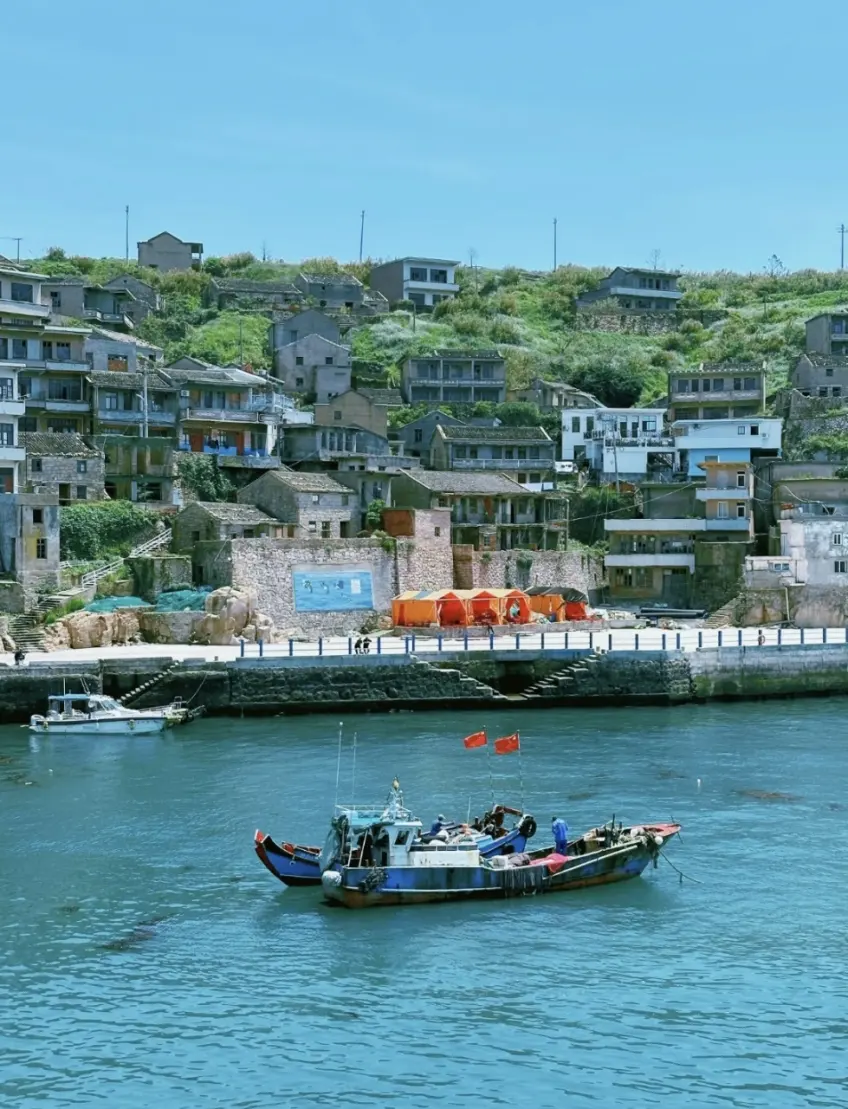
Once you settle in at Dongji, a typical day goes something like this: in summer, get up around 4 a.m. to watch the sunrise, then head back for another nap; in the morning, stroll along the island ring road and watch fishing boats coming and going in the harbor and the stone houses on the hillsides; rest at your guesthouse during the hottest part of midday; in the afternoon, head to the lighthouse or Dongji Pavilion area, or take a boat to another island; watch the sunset in the evening, then enjoy the breeze by the pier and the lights of the fishing harbor at night—and if the weather is clear, stargaze.
There are no malls, bars, or night markets here. Entertainment on the island means the sea, the wind, and walking. If you love this pace, every day feels long and full; if you're used to city buzz, you might start feeling bored by day two.
Accommodation
Accommodation in Dongji consists mainly of fisherman-run guesthouses, many built on the hillsides where you open the window to the sea. Rooms are generally small, with simpler facilities than hotels on Zhoushan Island, and prices rise in peak season. When booking, clarify three things: how far it is from the pier, whether someone can help carry your luggage, and whether the room has a sea view and a private bathroom. For tips on choosing a guesthouse across different islands and locations, see our Dongji Islands accommodation travel guide.
What Dongji offers: three islands, three personalities
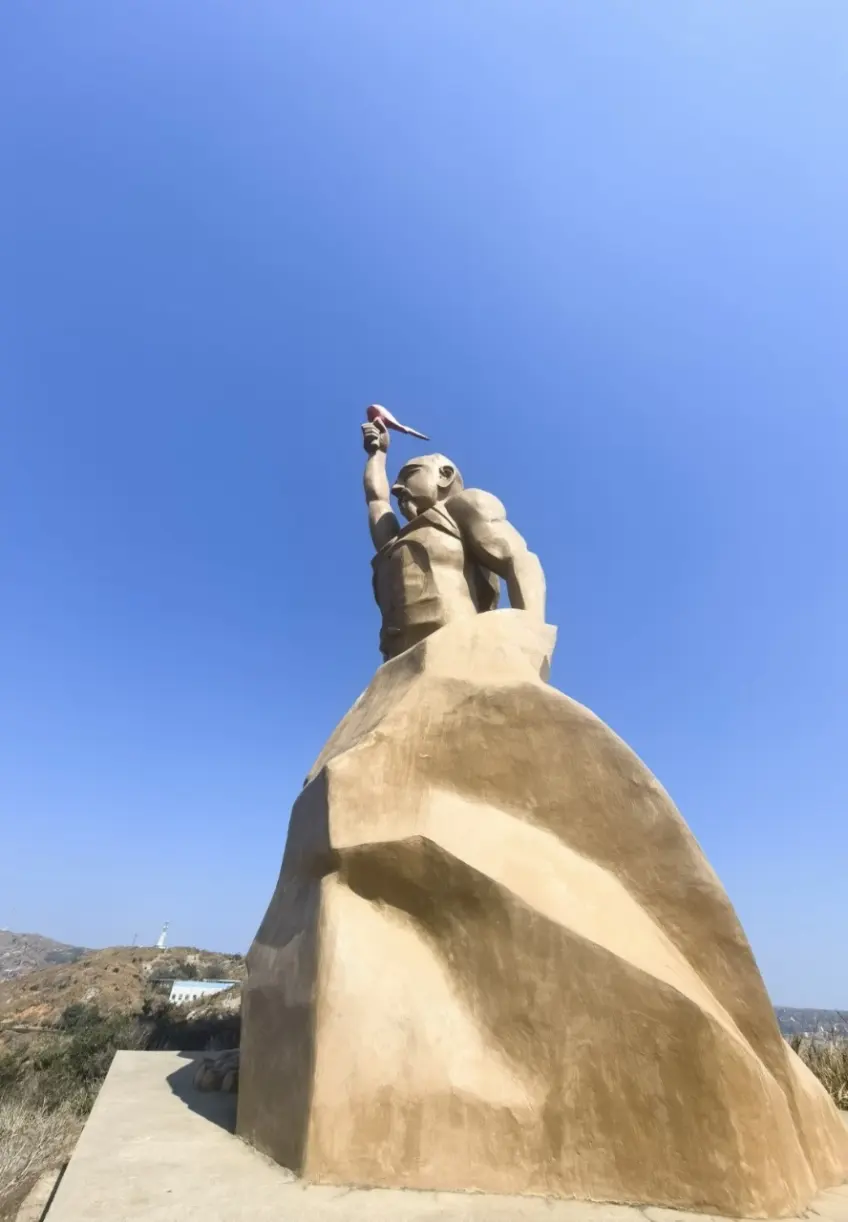
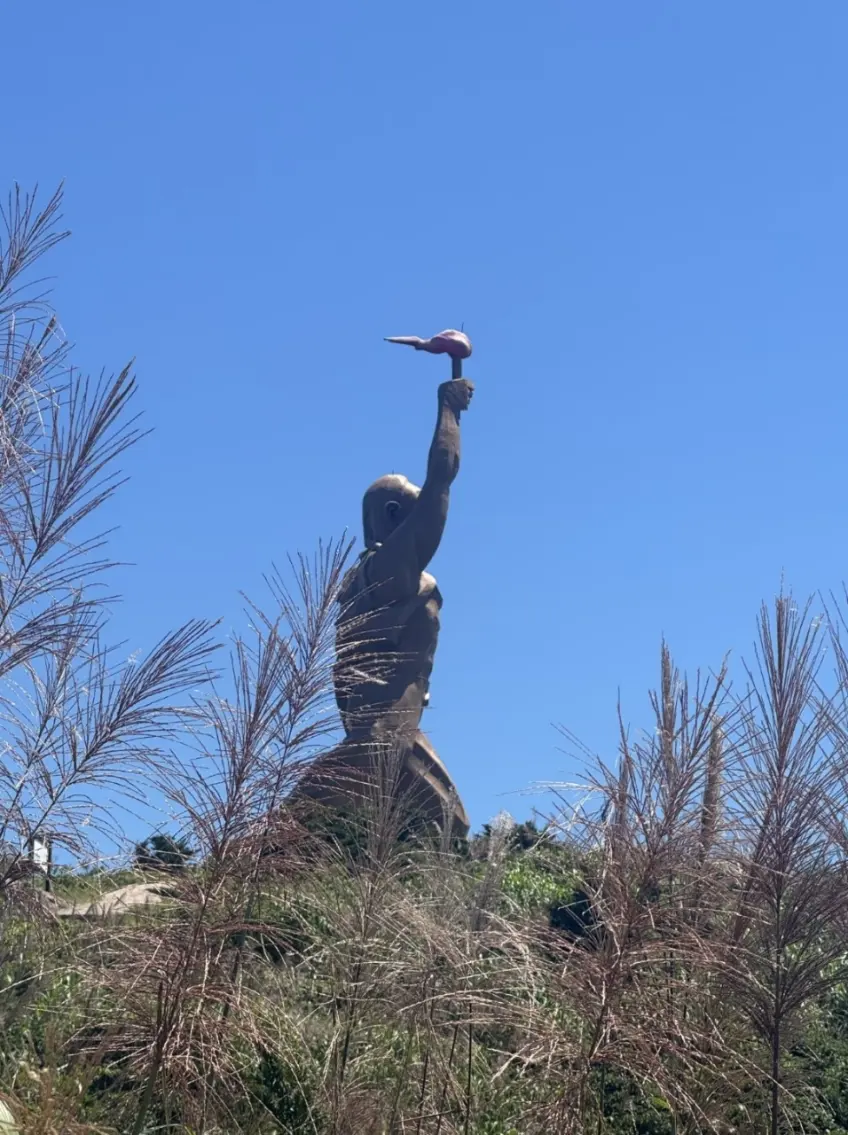
Miaozihu: The main island and transport hub, with the best facilities. According to the attraction page, the island features the Caibogong Statue, the red-and-white lighthouse, filming locations from "The Continent," and the Dongji History and Culture Museum. The museum tells the story of the 1942 Lisbon Maru sinking: a Japanese transport ship carrying British POWs sank in the waters near Dongji, and local fishermen risked their lives to sail out and rescue hundreds of men from the water. This history is the best way to understand Dongji.
Lisbon Maru: The most important history to know about Dongji
In October 1942, the Japanese transport ship Lisbon Maru was carrying over 1,800 British POWs captured in Hong Kong northward when it was struck by a torpedo from a US submarine near Dongji. As the ship sank, many prisoners were trapped below deck, while those who escaped jumped into the sea. Local Dongji fishermen saw what was happening and rowed out again and again in small sampans, rescuing more than 300 men from the water. They hid them on the island and gave them food and clothing.
This story remained little known for decades, but recent wreck surveys and the release of the documentary "The Sinking of the Lisbon Maru" have brought the fishermen's bravery to wider attention. Watch the documentary before visiting Dongji, then explore the Dongji History and Culture Museum on Miaozihu Island and Xiaohai Cave on Qingbang Island — you'll see this small island in a completely different light. For British travelers and overseas visitors interested in WWII history, this is what makes Dongji truly unique.
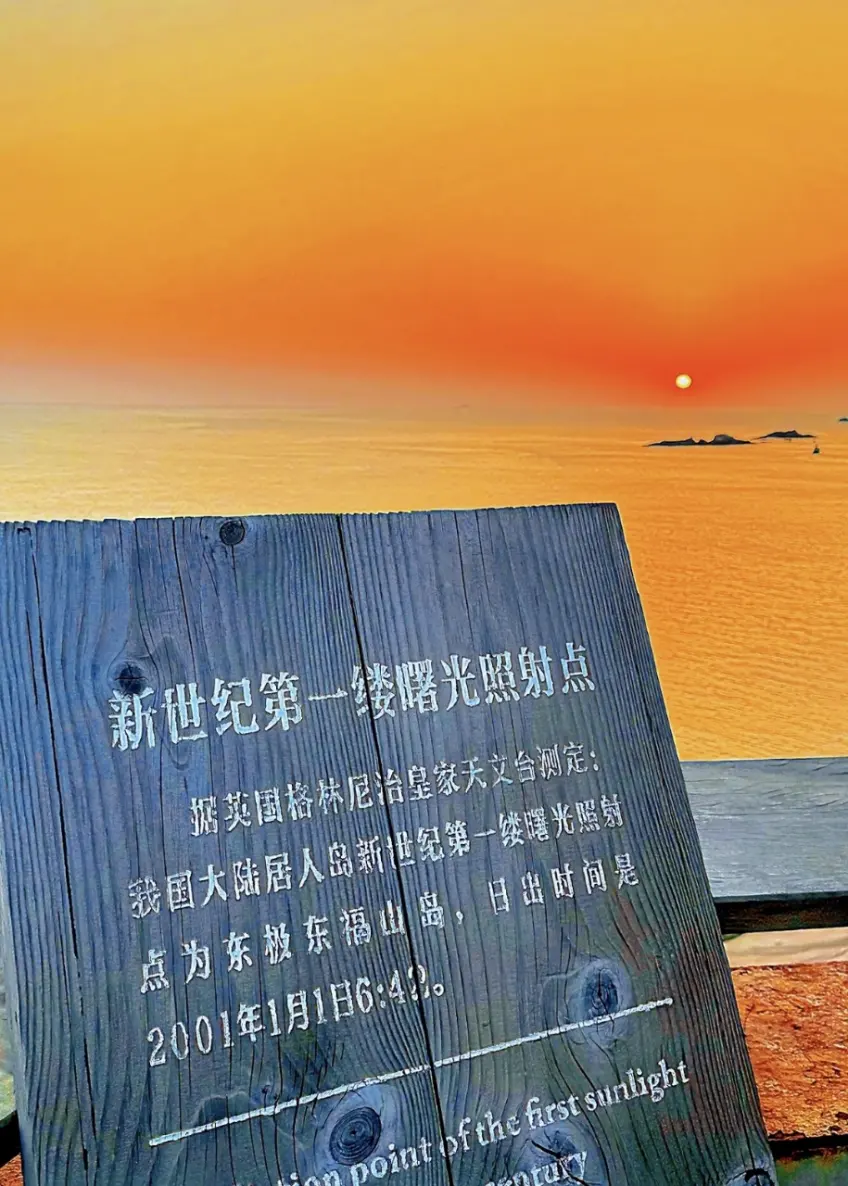
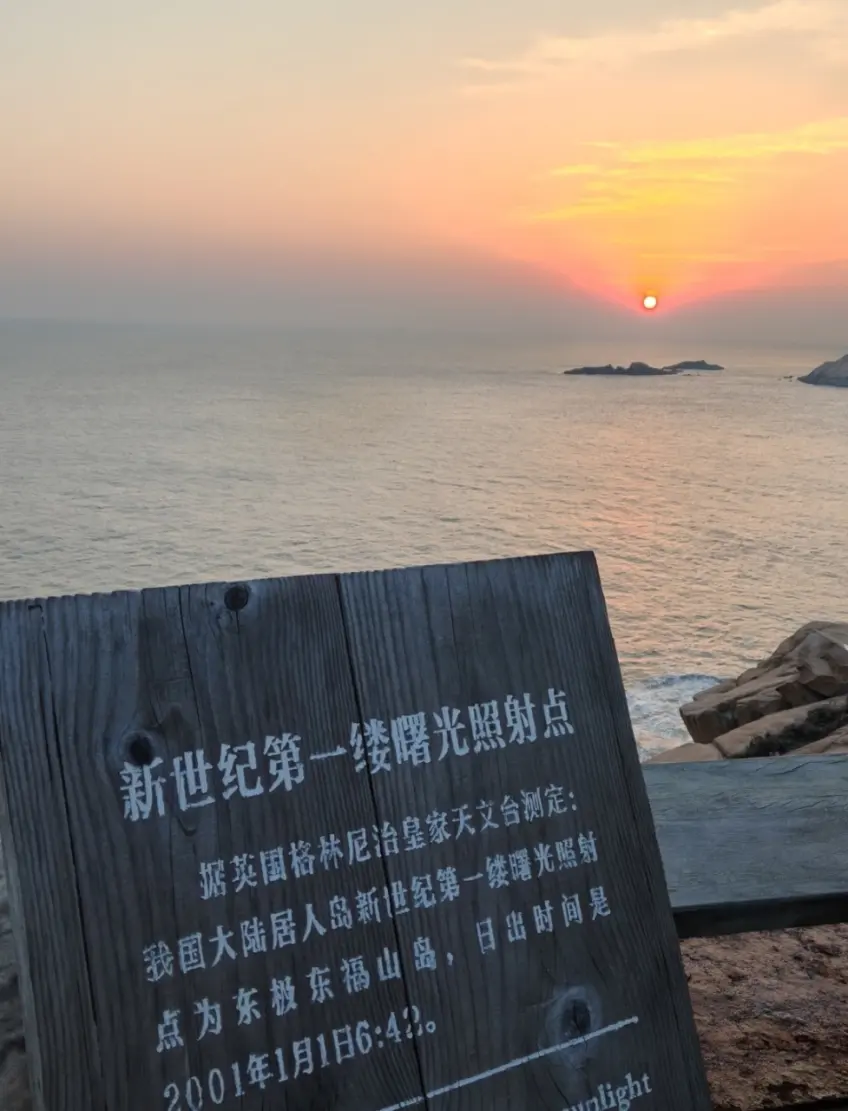
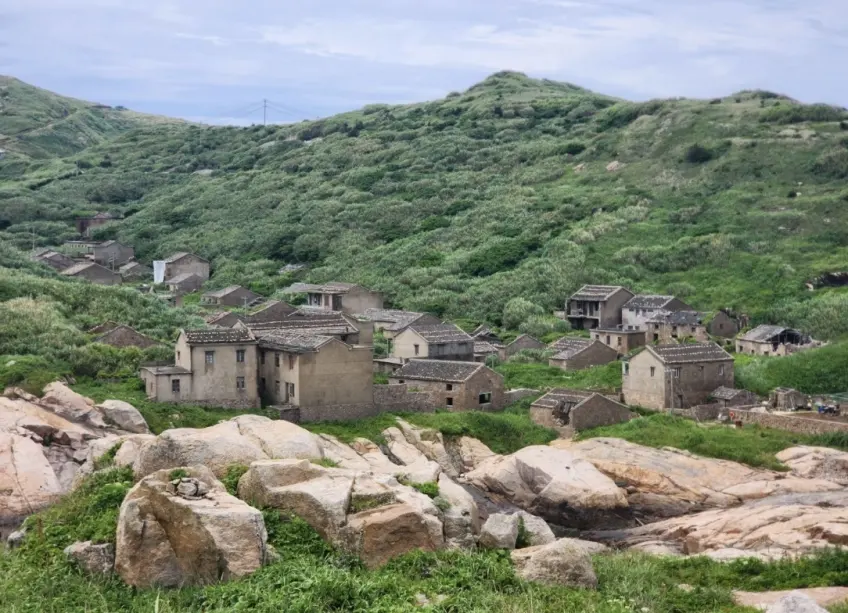
Dongfushan: According to the attraction page, Britain's Royal Observatory Greenwich identified this island as the first inhabited island in mainland China to catch the dawn of the new millennium. The sunrise viewing platform is the spot to watch the sun come up; in summer, sunrise is around 4:50 AM. There are few entertainment facilities on the island. Hiking the 8.5 km loop takes four to five hours, passing stone house clusters and Elephant Trunk Peak along the way.
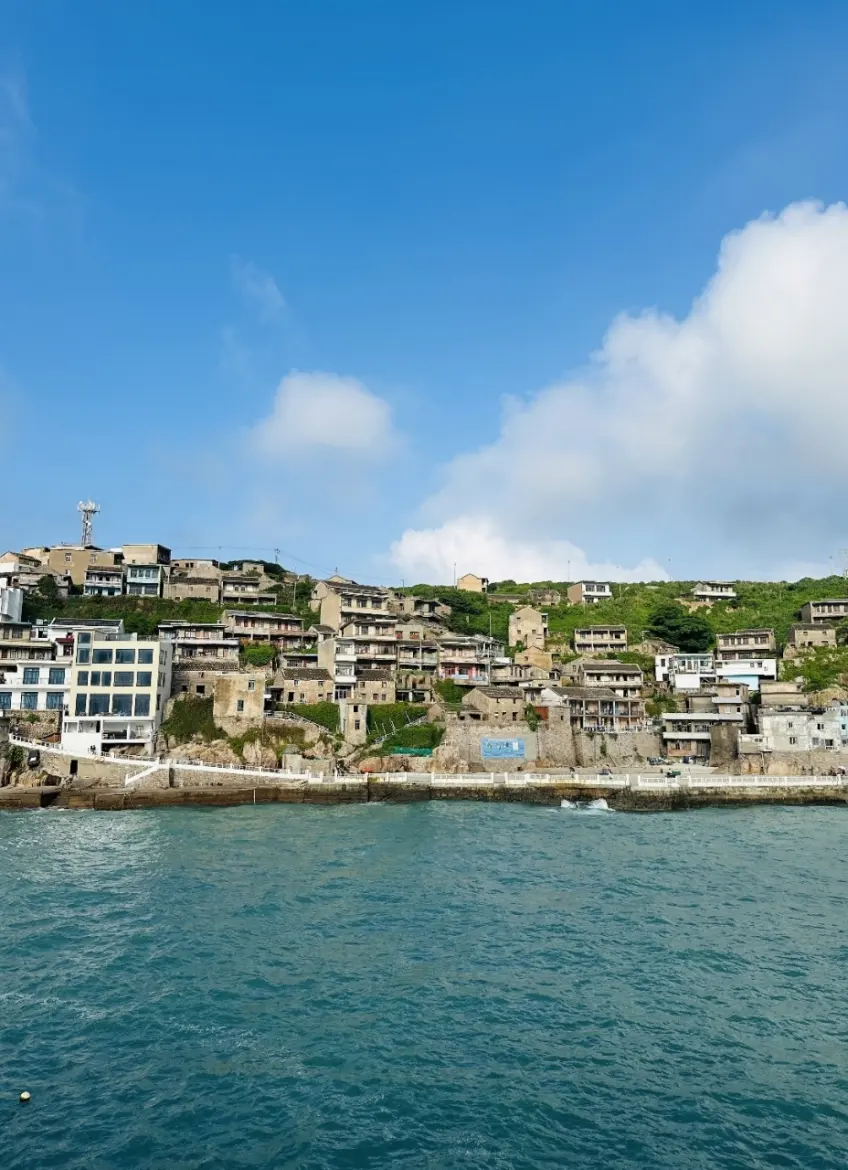
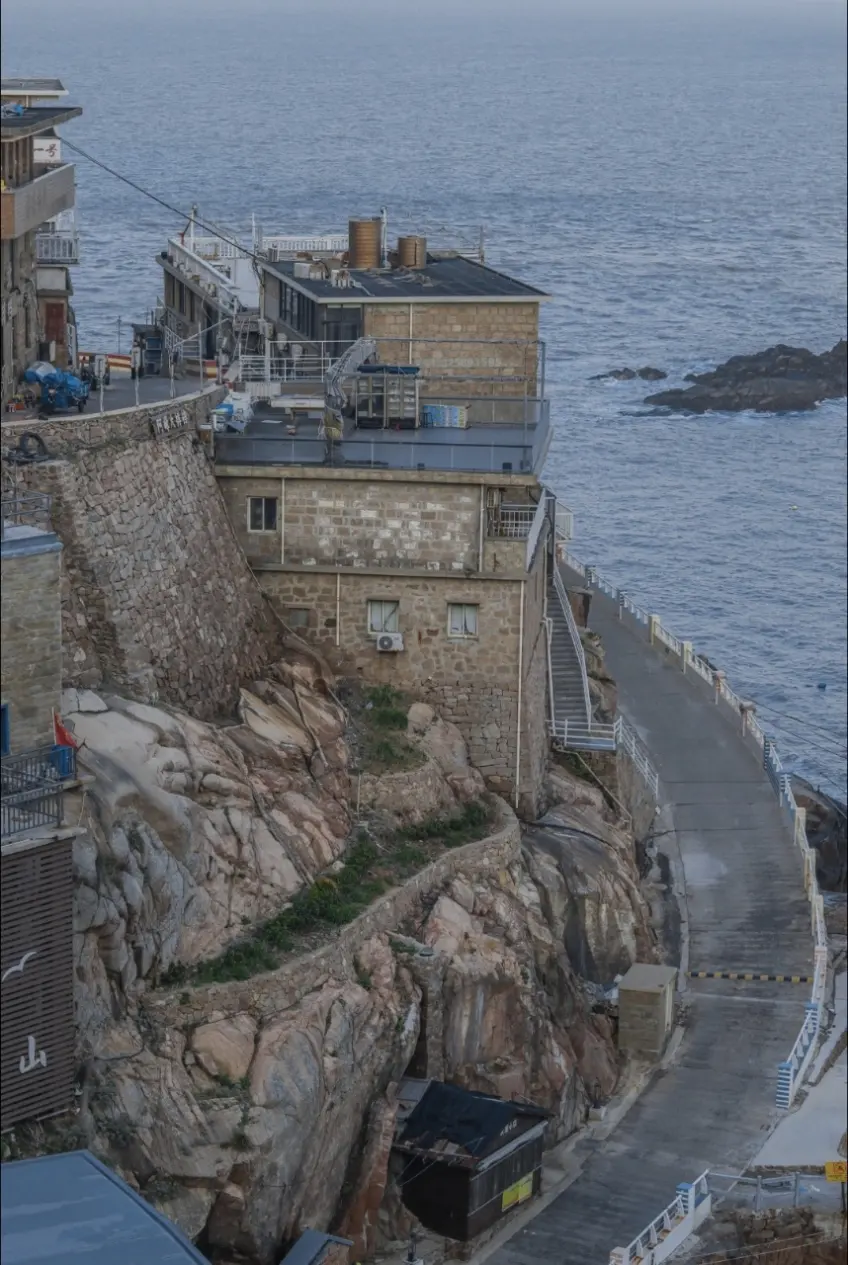
Qingbang: The most unspoiled of the three islands, with stone houses built into the hillside in tier upon tier, earning it the nickname "Potala Palace of the Sea." Xiaohai Cave, mentioned on the attraction page, is the very cave where fishermen hid the POWs during the Lisbon Maru incident. From May to September, Shapu Beach occasionally glows with bioluminescent waves at night, and the pebble beach at Xifeng Bay is equally distinctive — the attraction page calls it a great spot for sea fishing and beachcombing.
For how to link up the sights on each island and where to watch the sunrise, see our Dongji Island travel guide.
Who it's for and who should skip it
Great for: Young travelers who love hiking, ocean views, and photography; anyone looking for a quiet place to unwind for a few days; history buffs interested in WWII and the Lisbon Maru story; and fans of the movie "The Continent" wanting to visit its filming locations.
Think twice if: You're on a tight schedule or can't change your departure from Zhoushan; you get seasick easily and can't handle a two-hour boat ride; you're traveling with older guests who have bad knees or trouble with stairs; or you expect hotel-style service and a lively nightlife.
International visitors: Dongji's appeal to foreign travelers is split between the ocean scenery and sunrises, and the UK-linked history of the Lisbon Maru. A few things to know in advance: English signage and English speakers are rare on the islands, inter-island ferry tickets must be bought in person with cash, and service suspensions are usually announced only in Chinese. If that sounds challenging, it's best to travel with a Chinese-speaking companion or guide.
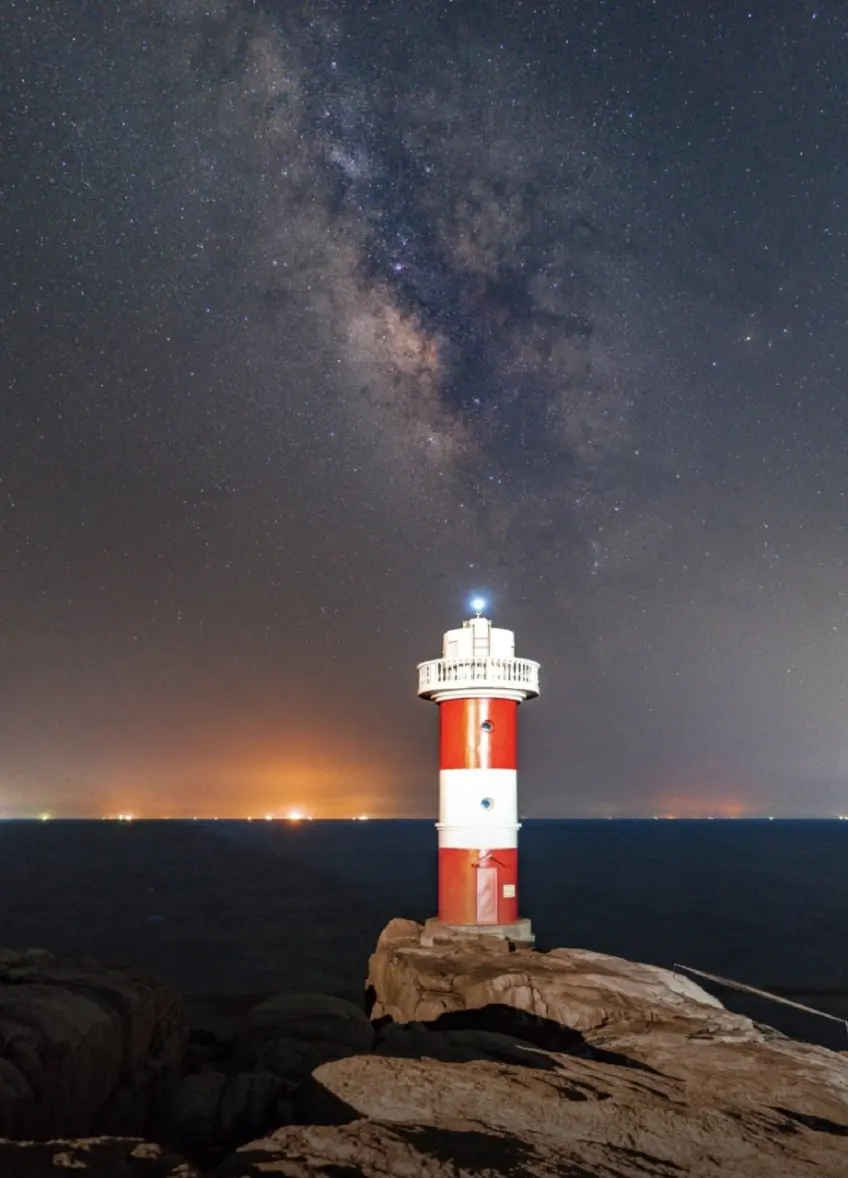
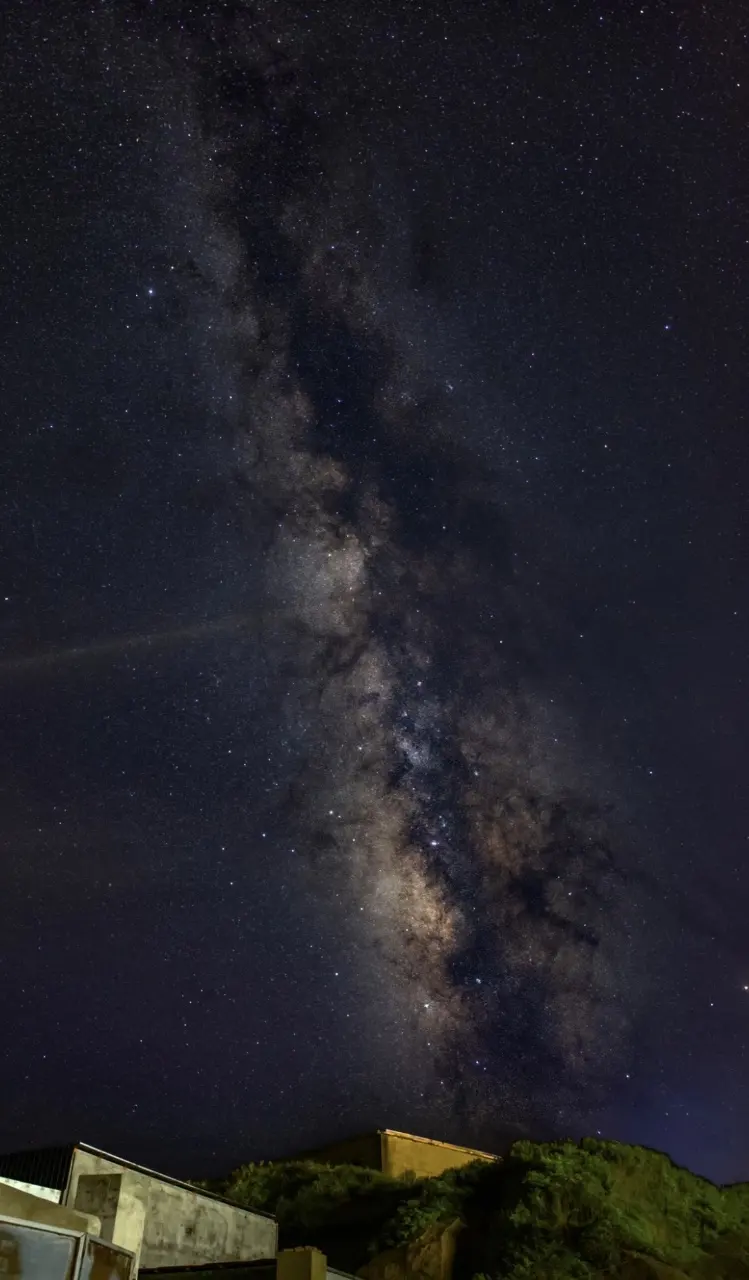
Photographers and stargazers: Far from city lights, Dongji offers incredibly clear skies on cloudless nights. Dongfushan and Qingbang are both excellent spots for astrophotography and Milky Way shots, while sunrises, lighthouses, stone houses, and fishing harbors make great subjects too. For stargazing, pick a night with little moonlight and no clouds, bring a tripod and warm layers, and never walk near cliff edges alone after dark.
If you're already planning to visit Mount Putuo or Zhujiajian, adding two days for Dongji is a natural fit: most of your travel time is already spent getting to Zhoushan, so taking a boat from Zhujiajian is just one more leg. On the other hand, if you're traveling a long way specifically for Dongji, you need to factor in the weather and the risk of ferry cancellations even more carefully.
Taking kids to Dongji works too, but choose your island and pace carefully: stay only on Miaozihu, minimize ferry transfers, and skip the long hikes on Dongfushan. For detailed tips, see Dongji Island with kids. The same advice applies when traveling with older guests—stick to Miaozihu, where the sightseeing shuttles save a lot of walking.
How many days: one night is rushed, two nights is just right
One night only: Arrive at Miaozihu in the morning, explore the island in the afternoon, enjoy the harbor lights at night, take another stroll the next morning, then catch a boat back to Zhoushan main island around noon. You'll only see one island and the pace is tight—best if you just want a quick look at Dongji.
Two nights: Explore Miaozihu on day one, head to Dongfushan or Qingbang on day two, and return to the main island on day three. You can catch the sunrise, go hiking and visit an outer island—the length of stay most travelers are happiest with. For accommodation tips, see our Dongji Islands accommodation guide.
Three nights or more: Stay on all three islands at a relaxed pace, with plenty of buffer for bad weather. Ideal if you have time to spare and genuinely love island life. Spending one night each on Dongfushan and Qingbang lets you experience both islands at dawn and after dark—something you'll miss if you only stay on Miaozihu.
No matter how long you stay, always factor in possible ferry cancellations: avoid booking anything non-refundable for the first day after leaving Dongji. The safest way to wrap up your trip is to spend an extra night on Zhoushan main island before heading to the airport or back to Shanghai the next day.
Safety on the islands
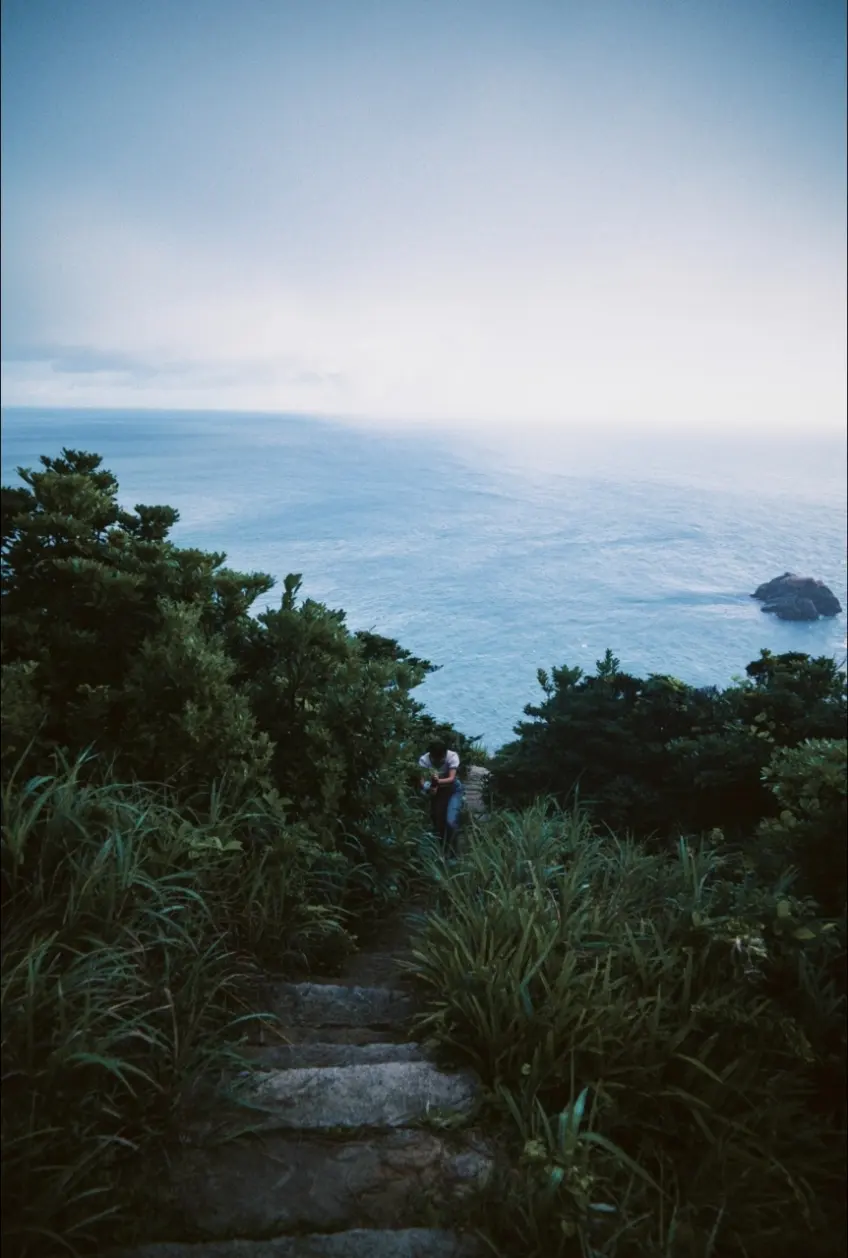
Many viewpoints in Dongji are on cliffs and reefs. Don't approach areas without railings, and never climb over them for photos. When fishing or beachcombing on the reefs, watch the tides—the water rises fast and the moss is slippery. Stay away from the sea during typhoons or strong winds. The loop hiking trail on Dongfushan Island is long, so go with others, bring plenty of water, and tell your guesthouse owner your planned route and return time before setting out.
When to go
Spring: Comfortable temperatures and fewer visitors, but frequent sea fog means ferries are more likely to be delayed or canceled. Best for travelers with flexible schedules.
Summer: Dongji's peak season, with the bluest water, earliest sunrises, and a chance to see bioluminescent seas. But ferry tickets and guesthouses are hardest to get, and you need to watch for typhoons. There's little shade on the islands and UV is strong during the day, so plan hikes for early morning or evening.
Fall: Clear skies and blue seas. Crowds thin out after National Day, making it many repeat visitors' favorite season—just keep checking the weather until typhoon season ends.
Holidays: May Day, summer weekends, and National Day are Dongji's busiest times. Book ferry tickets and guesthouses well ahead, as trails and viewpoints get packed and the island's prized quiet is hard to find. If possible, visit on weekdays; if you must travel during holidays, include quieter islands like Dongfushan and Qingbang in your plans.
Winter: Strong winds, high waves, and frequent ferry cancellations. Some guesthouses close for the season. Unless you specifically want to experience an island in winter, it's generally not recommended.
Sunrise times: According to the attraction page, summer sunrises on Dongfushan Island are around 4:50 AM, while winter sunrises are much later. Sunrise times vary greatly by season, so check the local weather app for the exact time and arrive at the viewing platform 30 minutes early. You won't see the sunrise on overcast or foggy days, and summer fog is common in Dongji, so be prepared for the possibility of missing it.
For details on what to see and do on the islands in each season, see the Dongji Islands Four Seasons Travel Guide.
How to choose
If you're okay with uncertainty: Book your own ferry tickets and guesthouses, stay two nights, and visit Miaozihu Island plus Dongfushan or Qingbang Island.
If you want a hassle-free trip: Leave the transport on Zhoushan Island and your island transfers to a Zhoushan private car, and stay only on Miaozihu Island in Dongji.
International travelers: Hire a Zhoushan tour guide or let a travel consultant arrange everything for you. They'll handle ferry schedules, cash ticket purchases, and rebooking if services are canceled.
FAQs
Which is more worth visiting, Dongji Island or Mount Putuo?
It depends on what you're looking for. Mount Putuo is a famous Buddhist mountain with convenient transportation; Dongji is a remote island known for its seascapes, sunrises, and fishing villages. If you have enough time, visit Mount Putuo first and then Dongji—that way, if ferries to Dongji are canceled, your Mount Putuo plans won't be affected.
Do I have to visit Dongfushan on Dongji Island?
Not necessarily. Dongfushan offers views of the day's first rays of sunlight, but getting there requires changing boats and involves a lot of hiking. If you're only staying one night or traveling with seniors or kids, Miaozihu is plenty. You can also catch the sunrise over the sea near Dongji Pavilion on Miaozihu—it just doesn't carry the "first light" reputation.
Dongji Island or Shengsi—which should I choose?
Shengsi is closer to Shanghai, has more beaches, and better facilities, making it ideal for a beach vacation. Dongji is farther and more rugged, better suited for watching sunrises, hiking, and experiencing fishing village life. If it's your first time visiting the Zhoushan islands or you're traveling with seniors or kids, Shengsi is the easier choice.
Is the water around Dongji Island clean?
Dongji is out in the open sea, so the water is noticeably bluer than along the Zhoushan coast—especially clear on sunny days, though it gets murkier when the wind and waves pick up. If you swim, stick to supervised areas; currents around the reefs are tricky, so never go in alone.
How do I get to Dongji Island?
First head to Zhoushan Island, then catch a boat from Banshengdong in Shenjiamen or Wugongzhi Wharf in Zhujiajian. For detailed directions, see Where is Dongji Island and how to get there; for attraction info, see the Dongji Island scenic area page.