
How to explore Daming Temple in Yangzhou across the four seasons
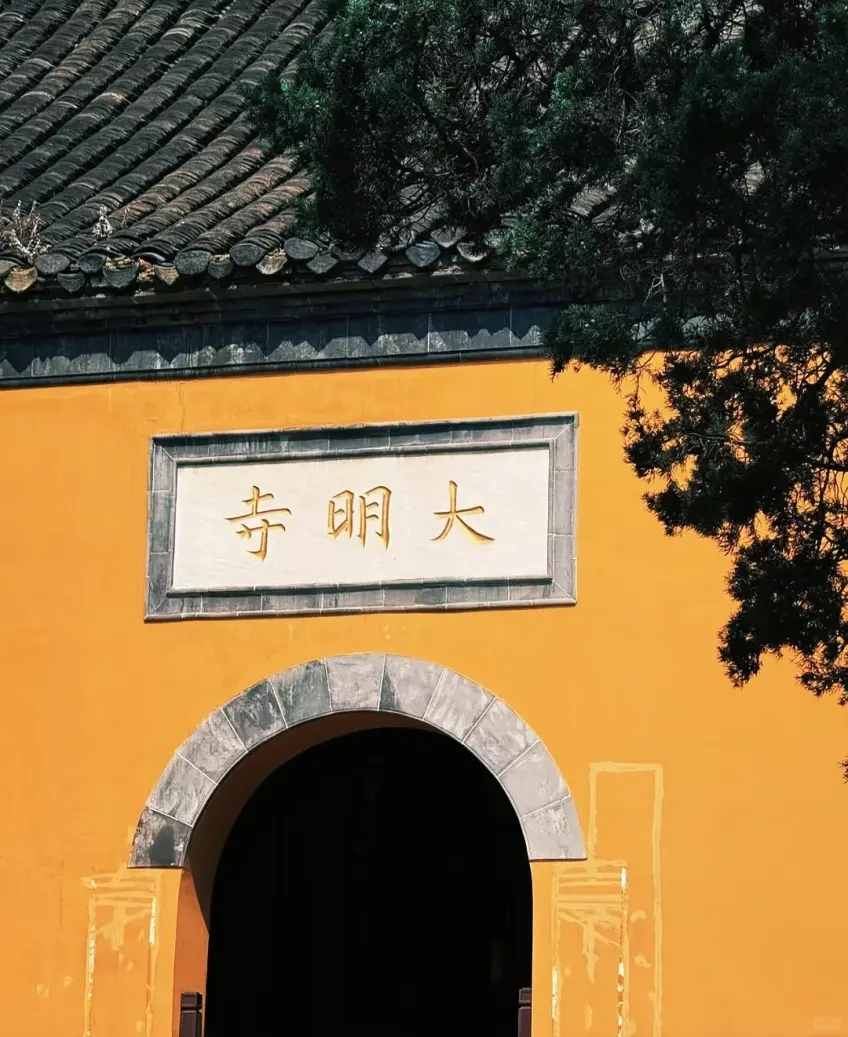
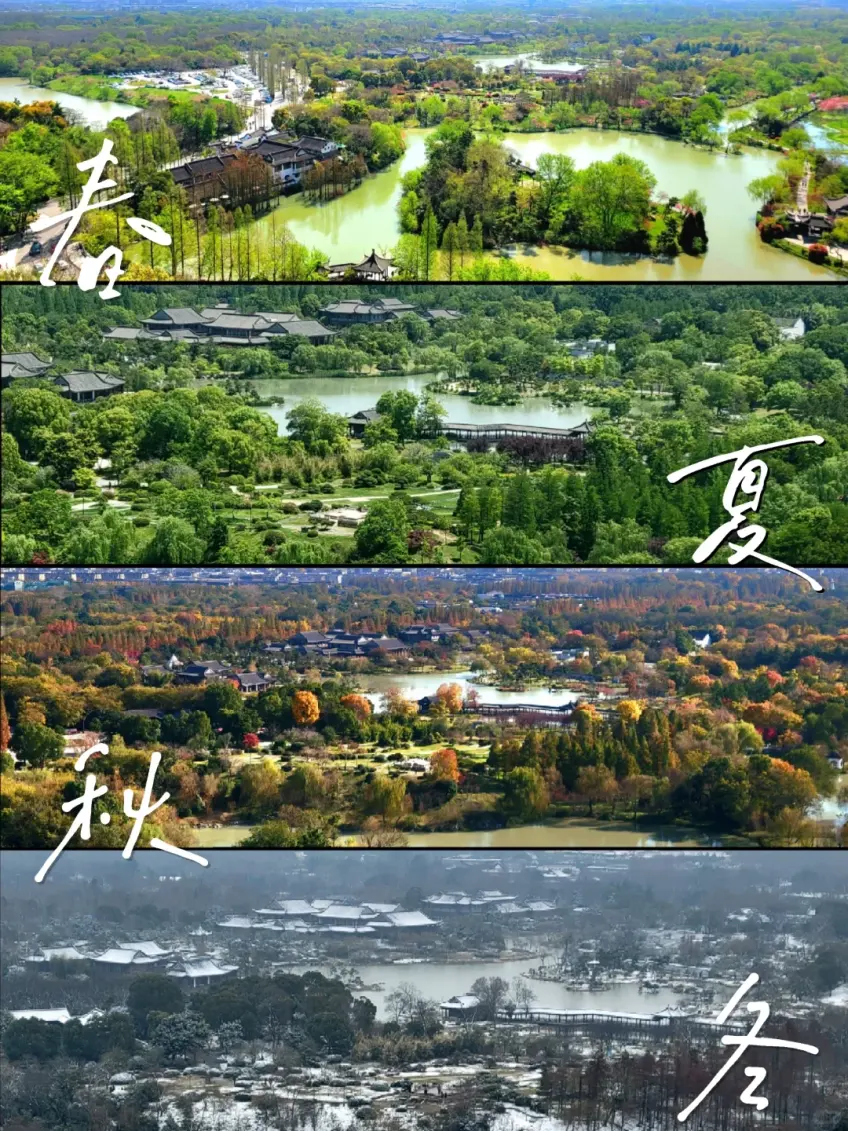
Daming Temple in Yangzhou sits on the middle peak of Shugang Hill. First built during the Daming era of the Southern Dynasties' Song dynasty over 1,500 years ago, it was where the Tang dynasty monk Jianzhen served as abbot before sailing to Japan. Each season offers something different: cherry blossoms beside Qiling Pagoda peak from mid-March to mid-April; the lotus pond in the West Garden and the Fifth Spring Under Heaven are the coolest spots in summer; ancient ginkgo trees turn yellow from late October to mid-November; and winters bring fragrant plum blossoms, which look even more stunning after a snowfall.
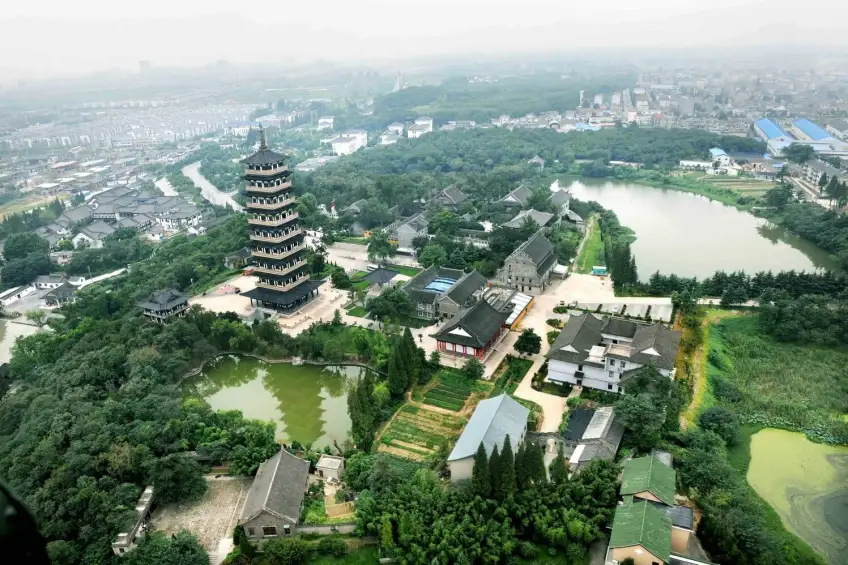
This temple isn't just rich in history—its architecture is stunning too. The nine-story Qiling Pagoda towers above, alongside historic buildings like the Mahavira Hall, Jianzhen Memorial Hall, and Pingshan Hall. Paired with the lotus pond in the West Garden and the Fifth Spring Under Heaven, the scenery is exceptionally elegant. Literati such as Ouyang Xiu and Su Shi once paused here to compose poems.
Tips for visiting Daming Temple in Yangzhou
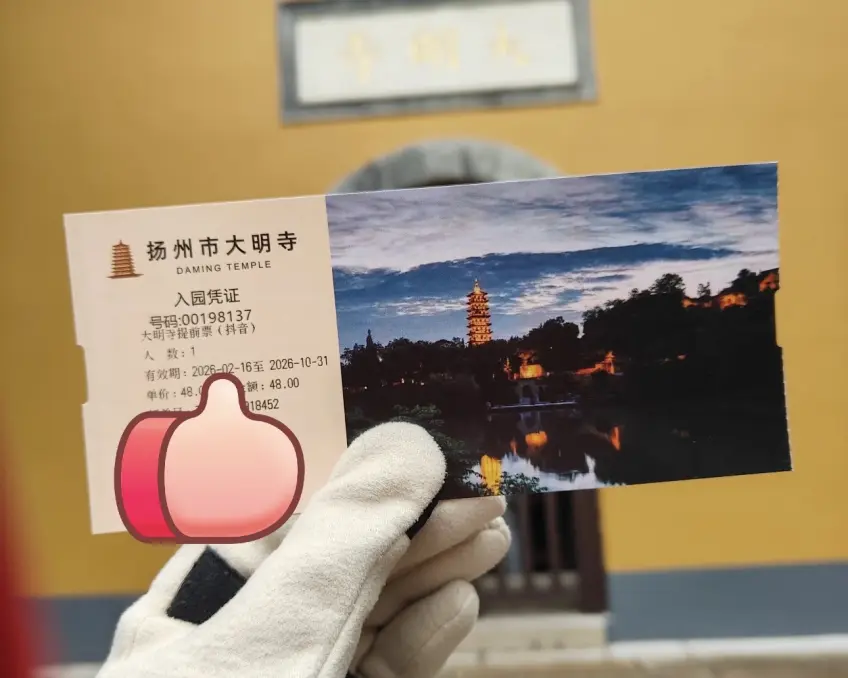
Daming Temple is open year-round, generally from 8:00 am to 5:00 pm. Admission is ¥48 in peak season (February–October) and ¥30 in low season (November–January). Student and other discounts follow the site's posted notices. Different times of year reveal different scenery: visit March–April for spring blossoms, June–August to escape the heat, late October–mid-November for golden ginkgos, and December–February for snow and plum blossoms.
The paths inside the temple are flat with no steep steps, making them easy to walk. It's perfect for seniors taking a stroll, family tours, or just a casual visit. Getting here is convenient too—accessible by bus or car.
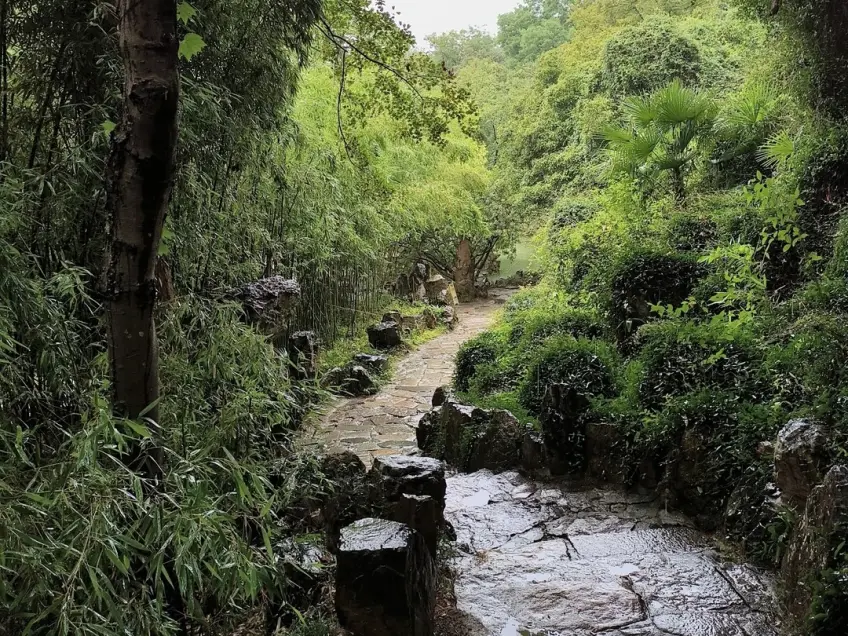
Spring flower viewing at Daming Temple
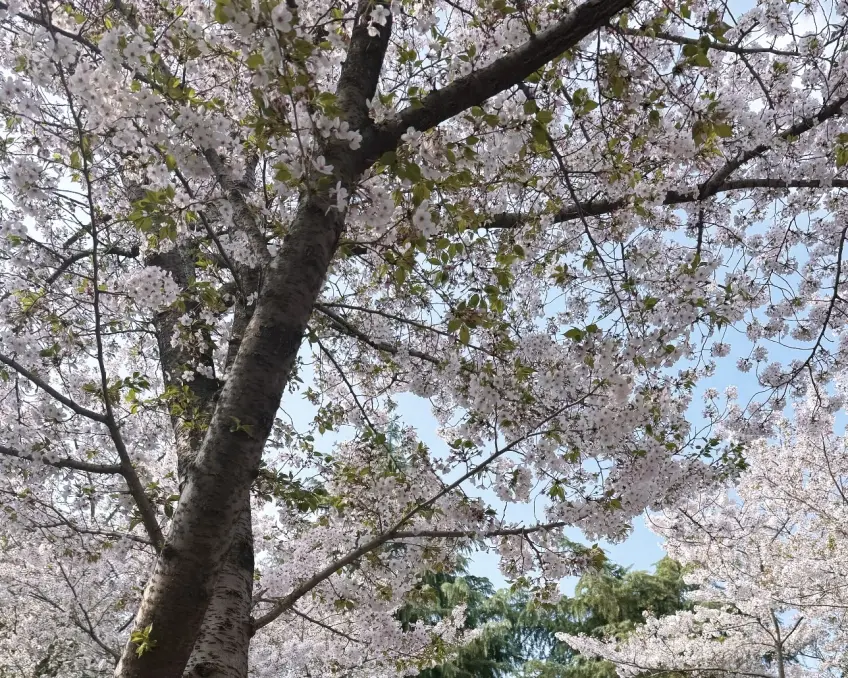
From mid-March to mid-April each year, Daming Temple is at its most beautiful. The weather gradually warms up, and even the breeze feels gentle. Everywhere is full of life, and the cherry blossoms beside Qiling Pagoda are the loveliest of all—a vast expanse of pale pink and white. When the wind blows, petals drift down onto the bluestone slabs, red pillars and gray tiles, pairing perfectly with the pagoda's golden roof. It looks just like a scene from a period drama—absolutely stunning.
Besides the cherry blossoms, the crabapple trees in front of the Mahavira Hall bloom brilliantly. The peach and plum trees beside Pingshan Hall have their own charm too, with white and pale pink petals crowding the branches and falling near the old vines like a painting—full of poetic appeal.
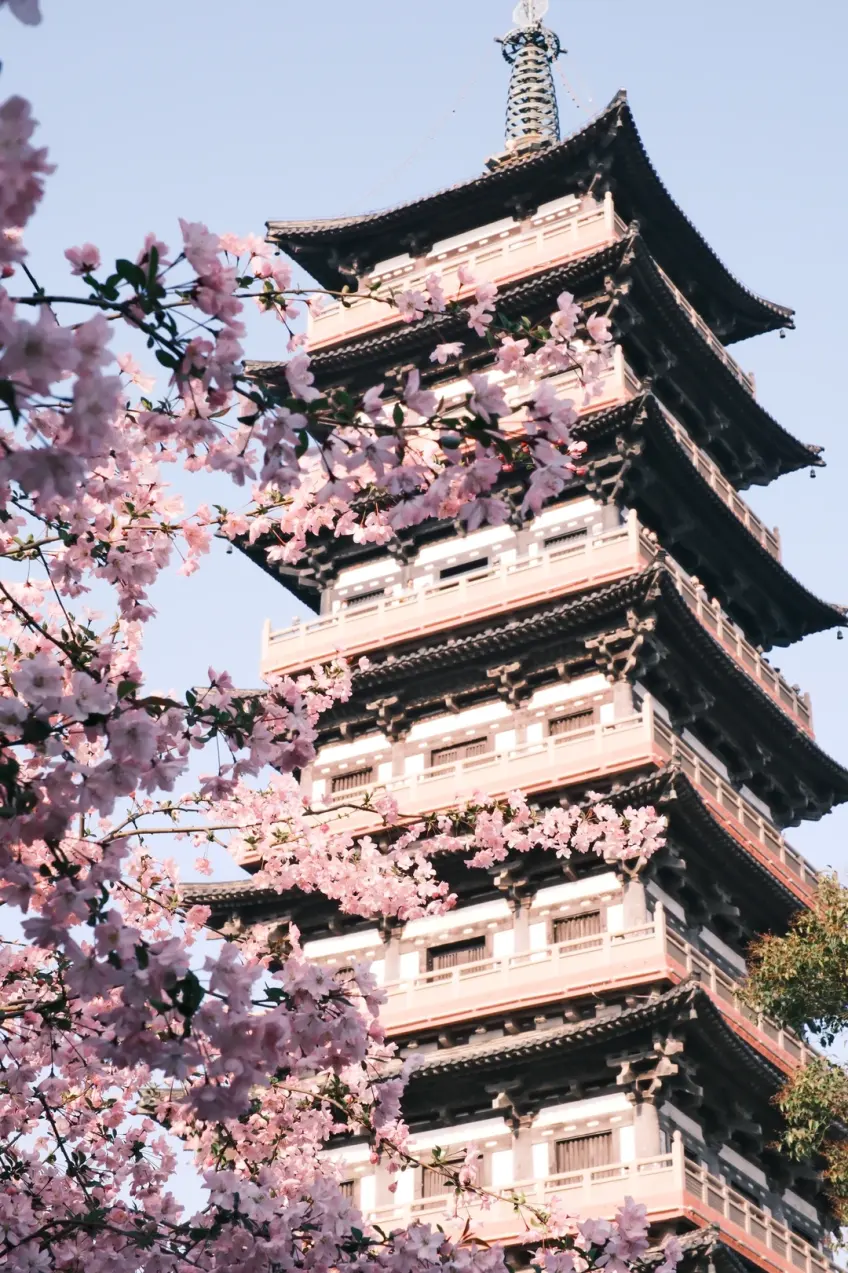
The upturned eaves of the Hall of Heavenly Kings and the Mahavira Hall gain a lively touch when surrounded by flowers, instantly feeling vibrant rather than solemn. The temple's trees sprout tender green buds, and the water in the West Garden is so clear it reflects the petals and eaves. Birds sing in the branches as you stroll through the temple, wrapped in the joy of spring without any noise. Even the air carries a faint floral scent—what a beautiful scene.
Spring seasonal food at Daming Temple in Yangzhou

When visiting Daming Temple in spring, be sure to try Yangzhou's local seasonal snacks. At the small shops and teahouses near the temple, try the specialty shepherd's purse spring rolls. The wrapper is fried crispy, and one bite reveals a generous filling of refreshing shepherd's purse—it truly tastes like spring. There's also blanched shredded tofu, finely cut and drizzled with sesame oil and soy sauce, topped with shredded ginger for an appetizing treat. Stir-fried river shrimp is equally delicious and incredibly tender. Follow that with a piece of thousand-layer oil cake, soft and fluffy with a hint of osmanthus fragrance. Finally, brew a cup of pre-Qingming Biluochun tea, sit down to admire the flowers and sip your tea, and let the breeze blow—it doesn't get more relaxing than this!
Climb the pagoda to see Yangzhou in spring
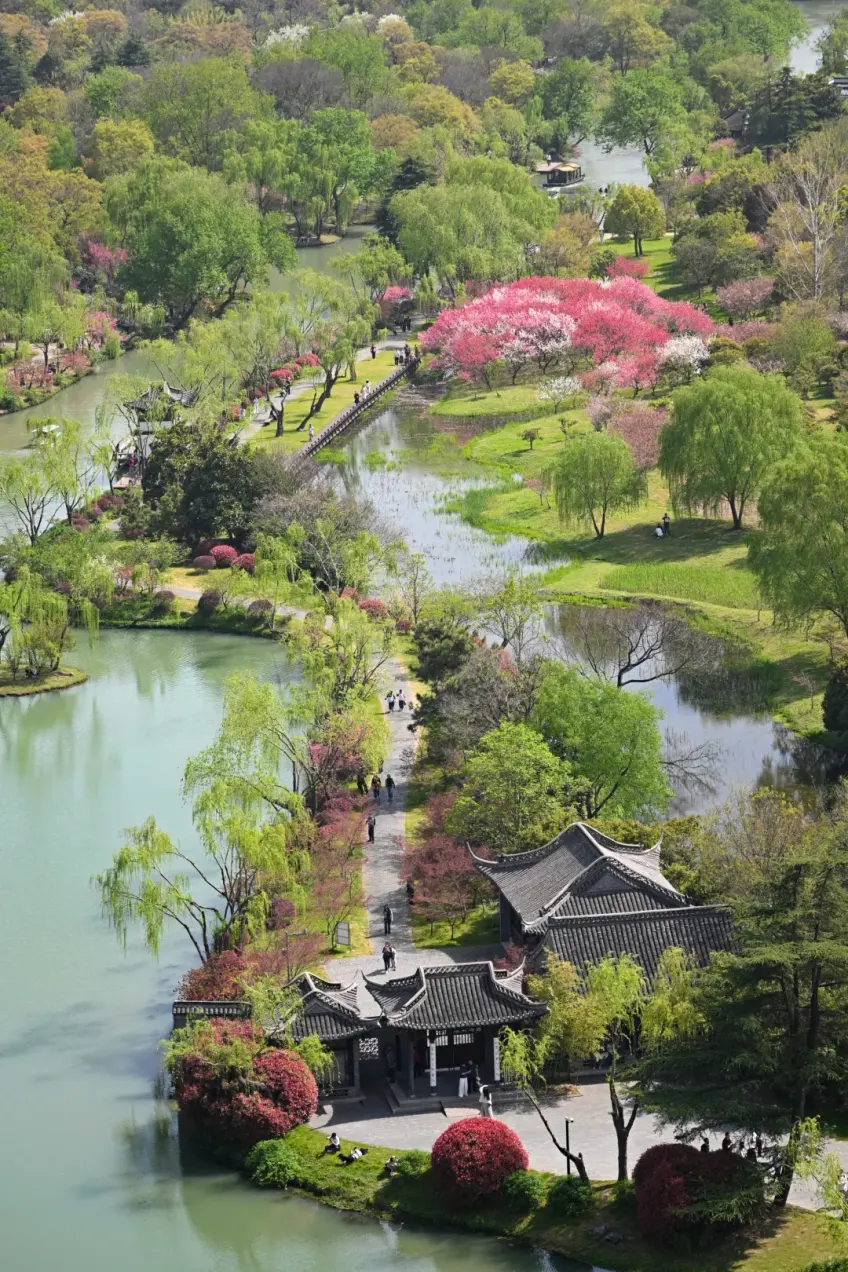
Qiling Pagoda is the landmark of Daming Temple. It has nine stories, and spring is the most comfortable time to climb it. The weather is neither too cold nor too hot. From the ground floor, you can look around and see cherry blossoms and crabapple flowers blooming around the pagoda. As you head up to the middle floors, you'll see the lush greenery of Shugang Hill. Once you reach the top, the view opens up—looking down from the top floor, you can see all of Yangzhou. Take your time, enjoy the flowers and architecture, and soak in the spring atmosphere. It's a great way to take in the scenery and relax.
Cool off at Daming Temple in summer
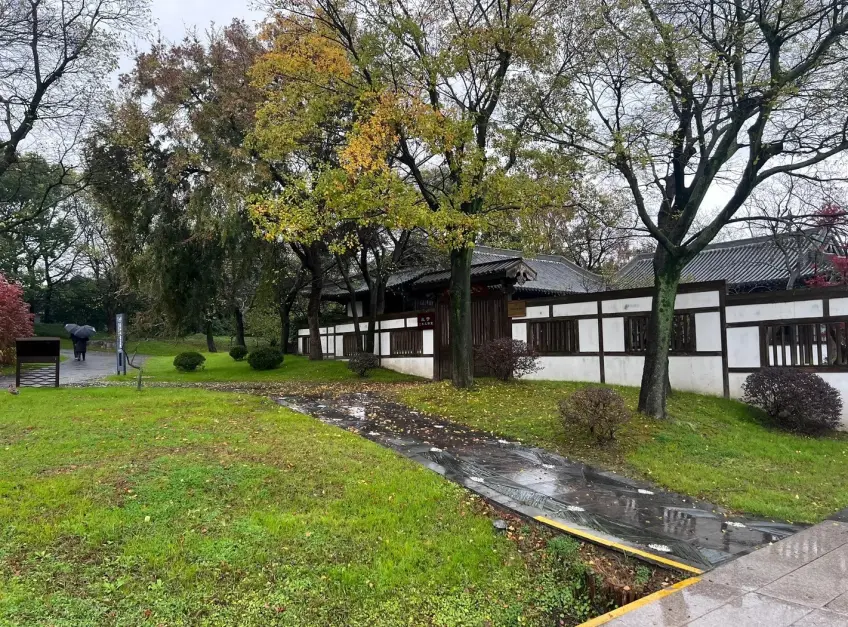
Summers in Yangzhou can be hot, but Daming Temple stays cool and comfortable. There's a huge parking lot at the entrance, and inside the temple grounds you'll find plenty of camphor and ginkgo trees over a century old. They grow tall and dense, blocking out the sun completely, and the breeze feels wonderful.
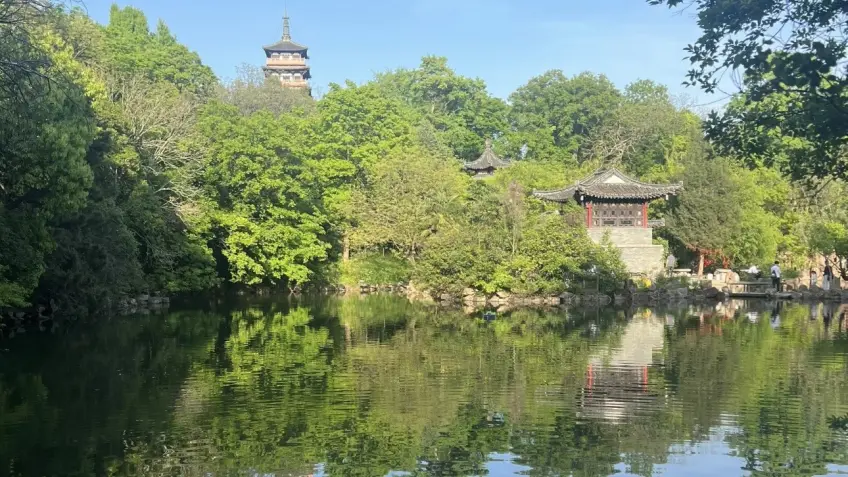
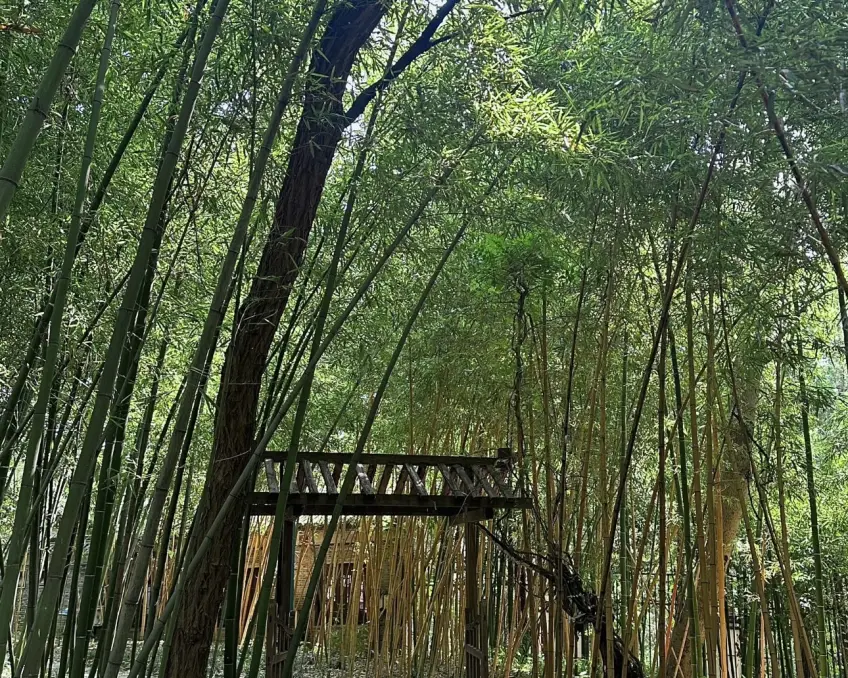
The West Garden of Daming Temple, also known as the "Imperial Garden" or "Fangpu," features the Kangxi Imperial Stele Pavilion engraved with poems by Emperor Kangxi—a must-visit spot in summer. The pond at Yuehu Lake is covered with lotus leaves, and sometimes you can spot dragonflies perched on them, making for a picture-perfect scene. The Fifth Spring Under Heaven is also located in the West Garden. The clear water reflects the ancient buildings, and groves of bamboo surround the spring. Strolling here while listening to the cicadas actually helps calm your mind.
Summer Snacks at Daming Temple in Yangzhou
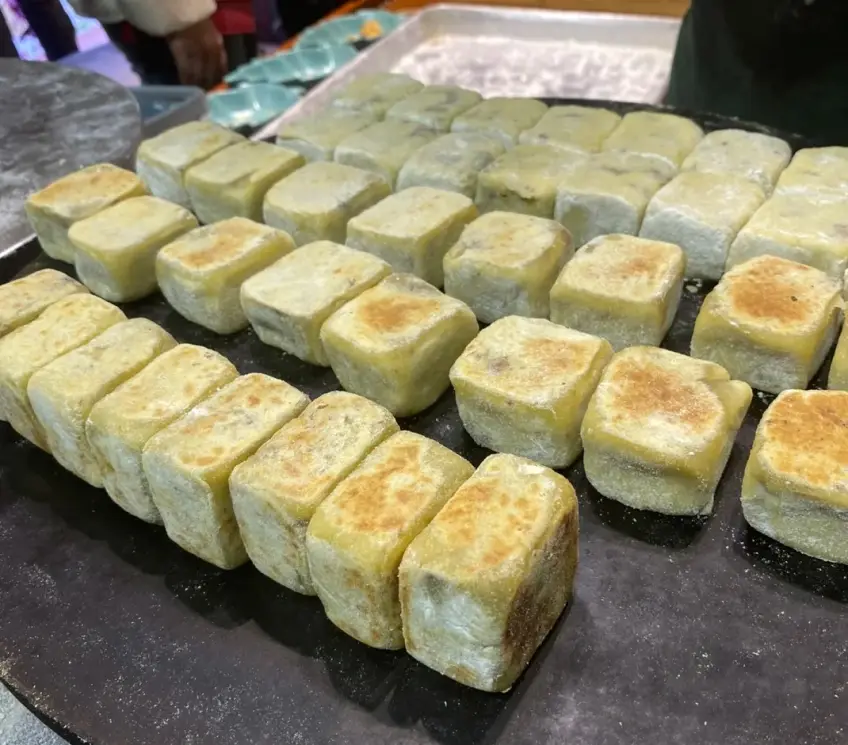
In summer, something cool and refreshing hits the spot. The mung bean cakes from the time-honored shop next to the temple are soft, chilled, and sweet without being cloying. There's also osmanthus lotus seed soup—the lotus seeds are simmered until tender, and the broth is light and sweet, soothing your throat and quenching your thirst. A bowl feels incredibly comforting. If you get hungry while strolling around in the evening, grab a bowl of Yangzhou cold noodles. The noodles are springy, tossed with sesame paste and vinegar—refreshing, filling, simple, and satisfying.
Want to know the best times to visit without waiting in line? Contact our customer service team, and we'll put together a list of Yangzhou's refreshing summer treats so you can savor the flavors of a Yangzhou summer bite by bite.
Lotus Viewing in the West Garden of Daming Temple
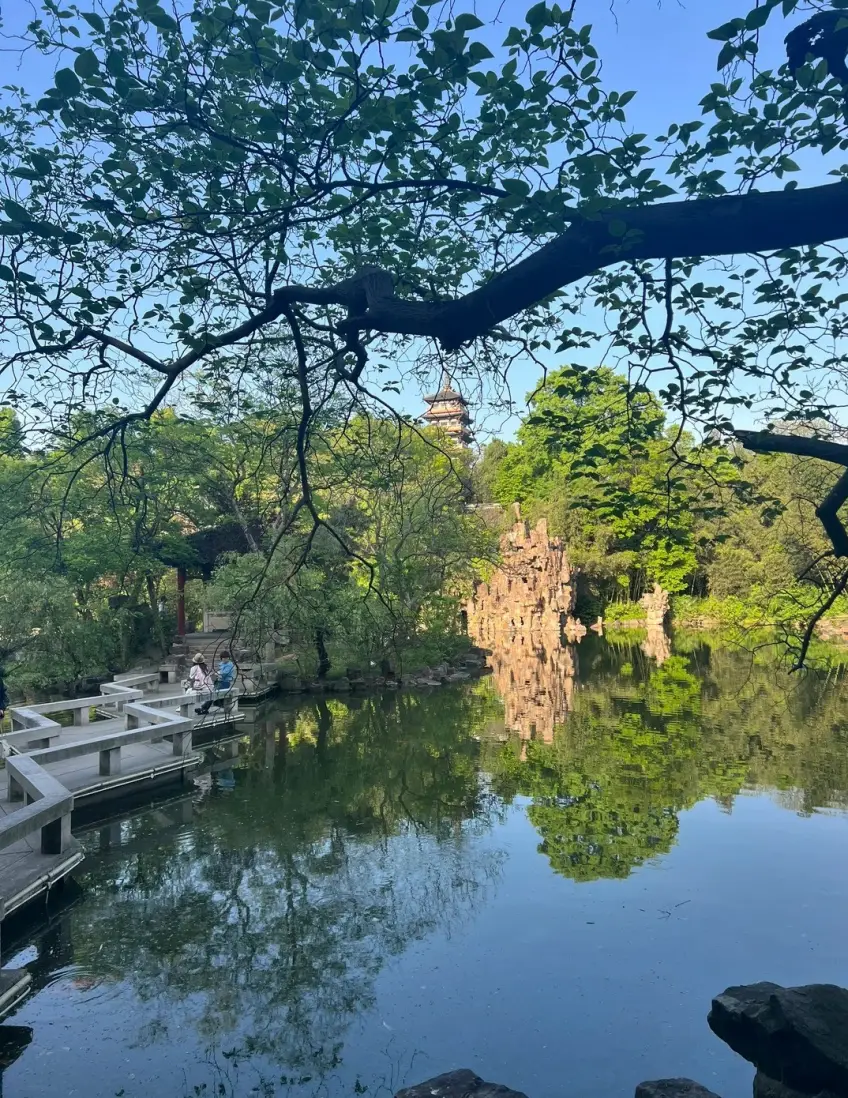
By the lotus pond in the West Garden, stone tables and stools sit beneath the shade of large trees—the perfect spot to cool off. Lotus leaves cover the pond, their surface reflecting eaves and tree shadows like a painting. Resting on a stone stool by the water, watching small fish dart about and listening to the spring, your mind settles into calm—a uniquely relaxing summer experience.
Yangzhou's Fifth Spring Under Heaven
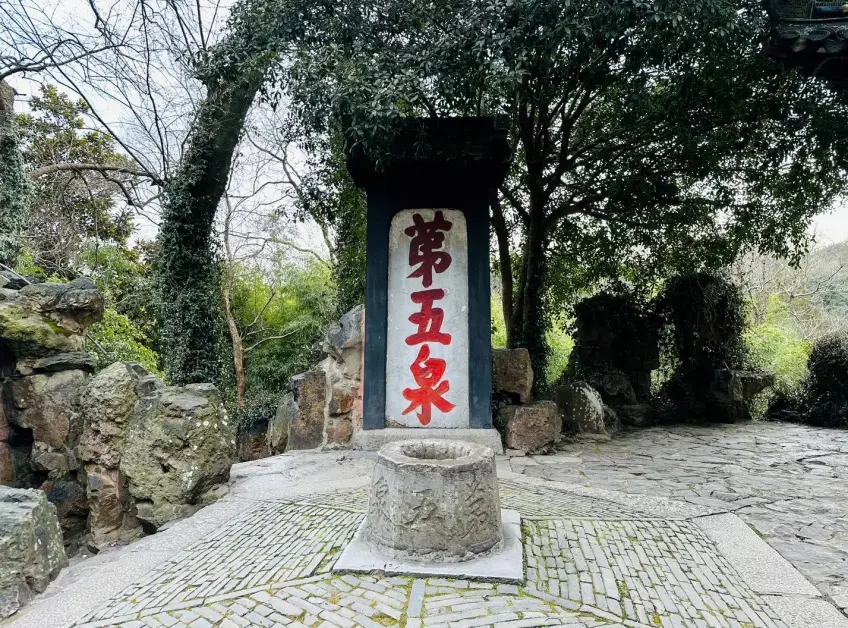
The Fifth Spring Under Heaven isn't just a fancy name. It sits inside the West Garden, and Emperor Qianlong visited it three times. The spring water is crystal clear and has been flowing for over a thousand years. The pavilions, stone railings, and ancient wells around the spring are all centuries old, blending historic charm with a sense of spirit. You can feel the cool air as soon as you stand by the spring. Every season has its own appeal, but summer is the most refreshing.
Autumn travel guide to Daming Temple
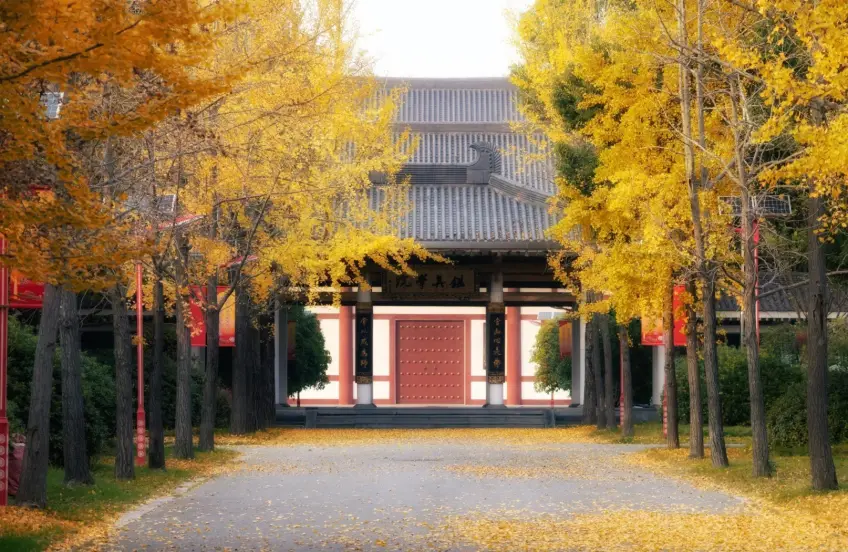
From late October to mid-November, Daming Temple is at its most beautiful. The ancient ginkgo trees in the temple turn completely yellow, glowing golden under the sun. When the wind blows, the leaves drift down and carpet the ground in thick gold.
The ancient architecture looks even more majestic alongside the yellow ginkgo leaves and red maple leaves. No need to hunt for angles—every casual snap is full of autumn vibes. The lotus leaves in the West Garden start to turn yellow, but when golden ginkgo leaves drift onto them, it looks like a quiet painting.
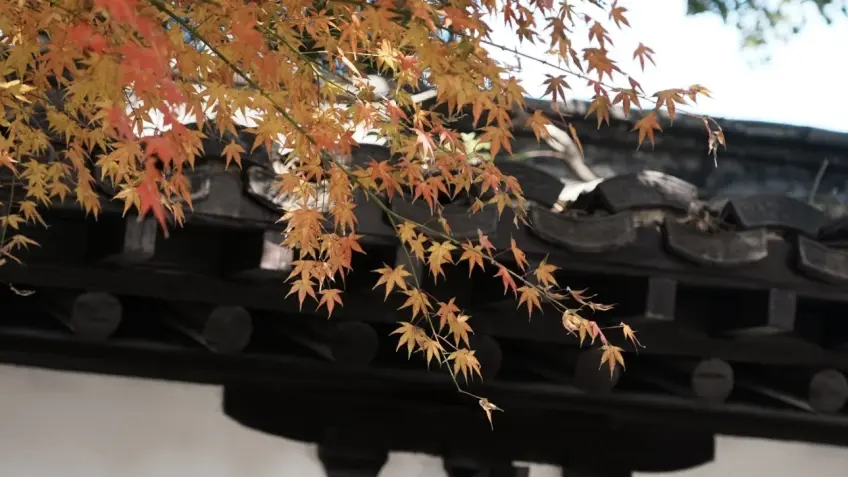
The ginkgo trees in front of the Mahavira Hall and Jianzhen Memorial Hall are especially stunning, with leaves scattered across the eaves, incense burners, and stone steps. Any photo here turns out cinematic. At dusk, stroll along the paths with your partner or family, listening to the fallen leaves crunch underfoot. With the autumn breeze brushing past, it's a moment of pure comfort and happiness.
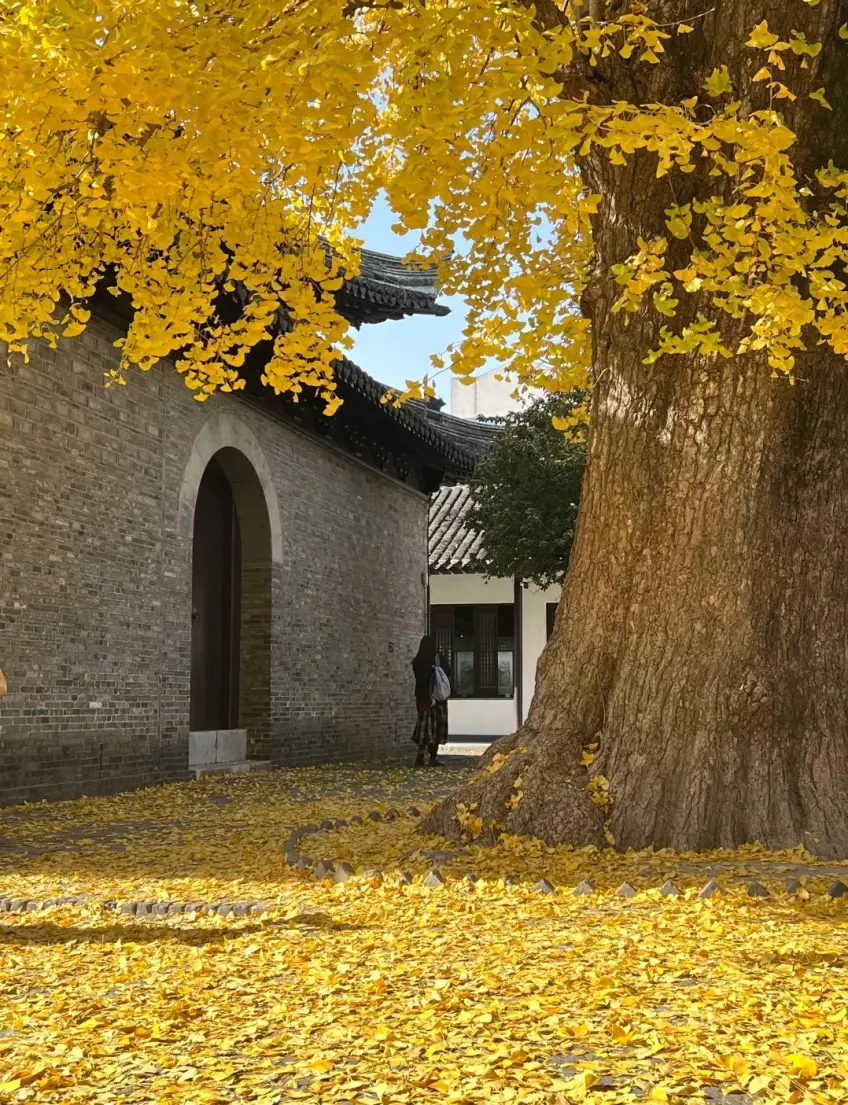
In autumn, fallen leaves from the ancient ginkgos form a golden carpet—the area in front of the halls is the most photogenic spot. Peak leaf fall usually runs from late October through November.
Autumn Food at Daming Temple

Autumn weather is cool, making it the perfect time for something warm. Yangzhou's classic crab roe lion's head meatballs are incredibly savory—rich but not greasy, and wonderfully warming. The braised shredded tofu in rich broth comes coated in a thick, flavorful soup. Along the streets, you'll find freshly roasted sugar chestnuts, fragrant, soft, and starchy. Strolling through the temple while snacking on chestnuts fills the air with the spirit of autumn.
Autumn Views of the Halls at Daming Temple
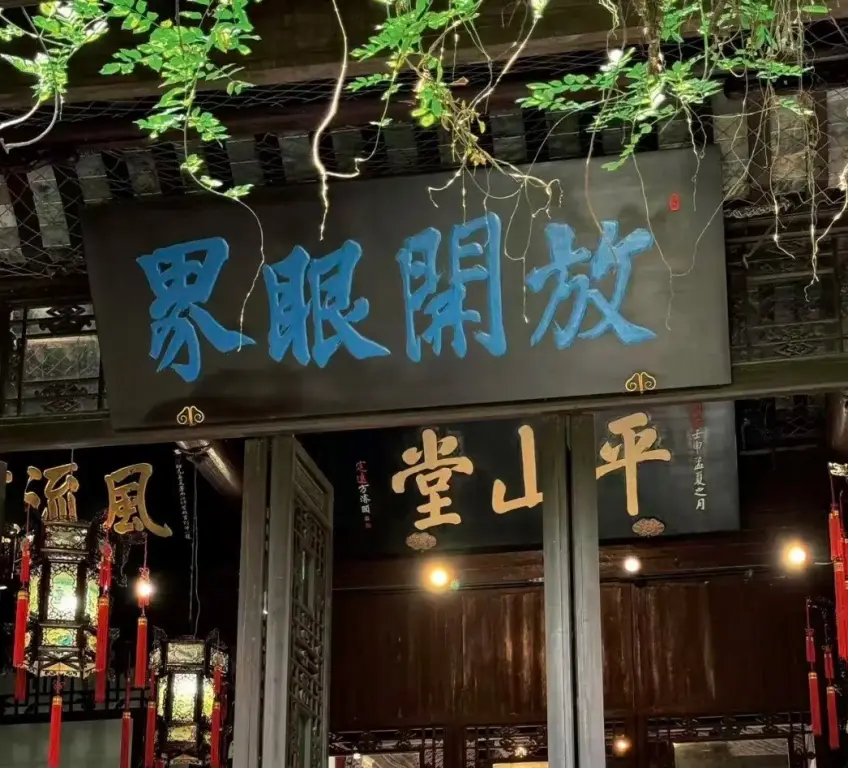
In autumn, every hall at Daming Temple pairs beautifully with the ginkgo leaves. Pingshan Hall has an antique charm, surrounded by golden foliage. Standing in front of it, you can take in the autumn scenery of Yangzhou and imagine ancient poets pausing here to compose their verses. The Jianzhen Memorial Hall features Tang dynasty-style architecture that looks both dignified and stunning against the golden leaves—every view is worth lingering over.
The paths inside the temple are clean and flat, lined entirely with ginkgo trees. Take a slow walk, step on the fallen leaves, listen to the rustling sound, and admire the old buildings along the way. There's no need to hunt for specific sights or rush—beautiful scenery is everywhere. Embrace the autumn and let your mind find peace.
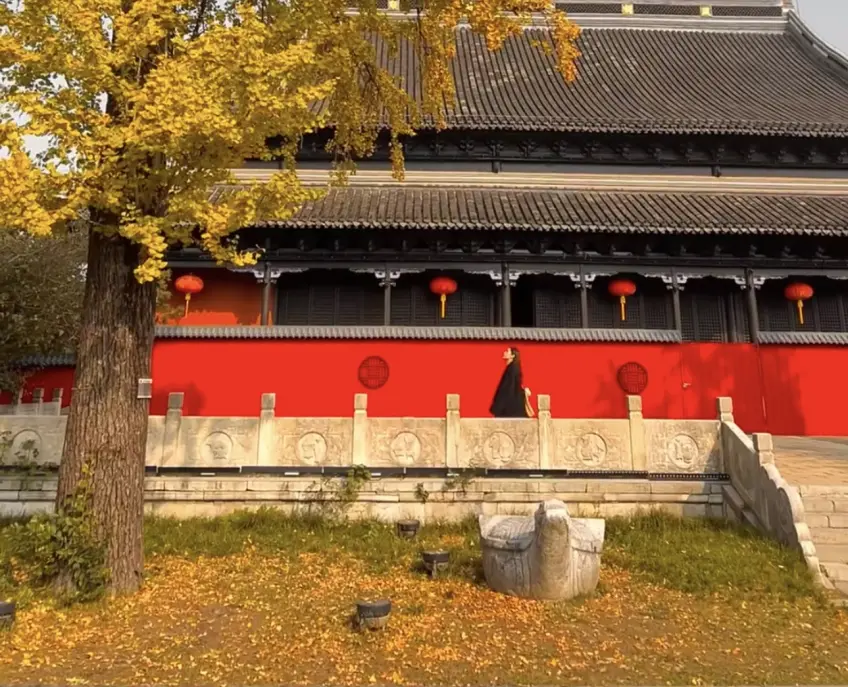
Visiting Daming Temple After Snow
Wintersweet in Bloom at Daming Temple
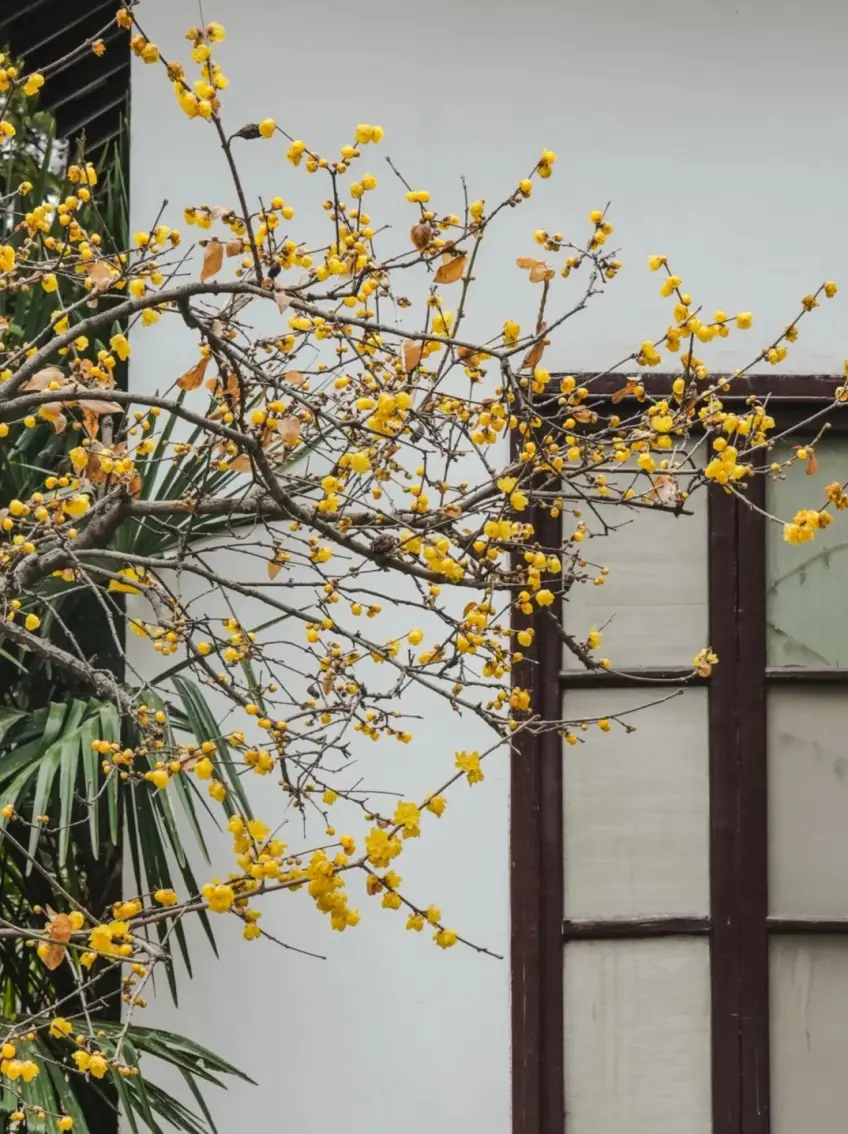
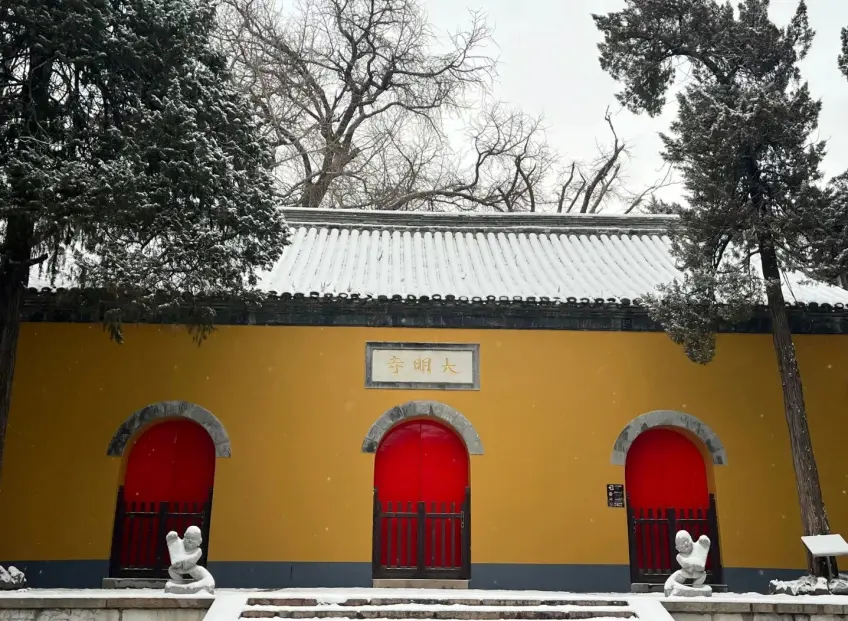
Daming Temple is quieter and less crowded in winter. The leaves have all fallen, and the yellow walls look especially warm under the winter sun. Wintersweet blossoms gradually open throughout the temple, with pale yellow flowers on the branches giving off a faint but lasting fragrance. Around the Jianzhen Memorial Hall and the West Garden in particular, waves of floral scent add life and color to the chilly season.
If you happen to catch a snowfall, it's even more spectacular. White snow settles on the eaves, pagoda roofs, and stone steps, sharpening the outlines of the ancient architecture. Yellow walls paired with white snow look so pure that the entire temple resembles an ink wash painting. Snowflakes drift slowly through the sky while the temple stays perfectly still, full of Zen atmosphere. Even without snow, there are fewer visitors in winter, and a quiet stroll around the grounds is incredibly soothing.
Winter Comfort Food at Daming Temple, Yangzhou
When visiting a temple in winter, be sure to eat something hot. Yangzhou soup dumplings have thin skins and plenty of broth—one bite is warm and savory. The mutton soup is simmered until milky white; add some side dishes and a bowl will warm you right up. There's also yangchun noodles, with a flavorful broth and silky noodles—simple and comforting.
Daming Temple Plum Blossom Travel Guide
Plum blossoms at Daming Temple: Best photo spots
Many wintersweet trees are planted near the Jianzhen Memorial Hall and the West Garden. When they bloom in winter, their faint fragrance drifts through every corner of the temple. The blossoms against yellow walls and bamboo shadows look naturally filtered—every snapshot turns out great.

Breathing in the floral scent while wandering among the ancient buildings brings a sense of calm. Truly slowing down to feel the spirit of this old temple makes winter unlike any other season.
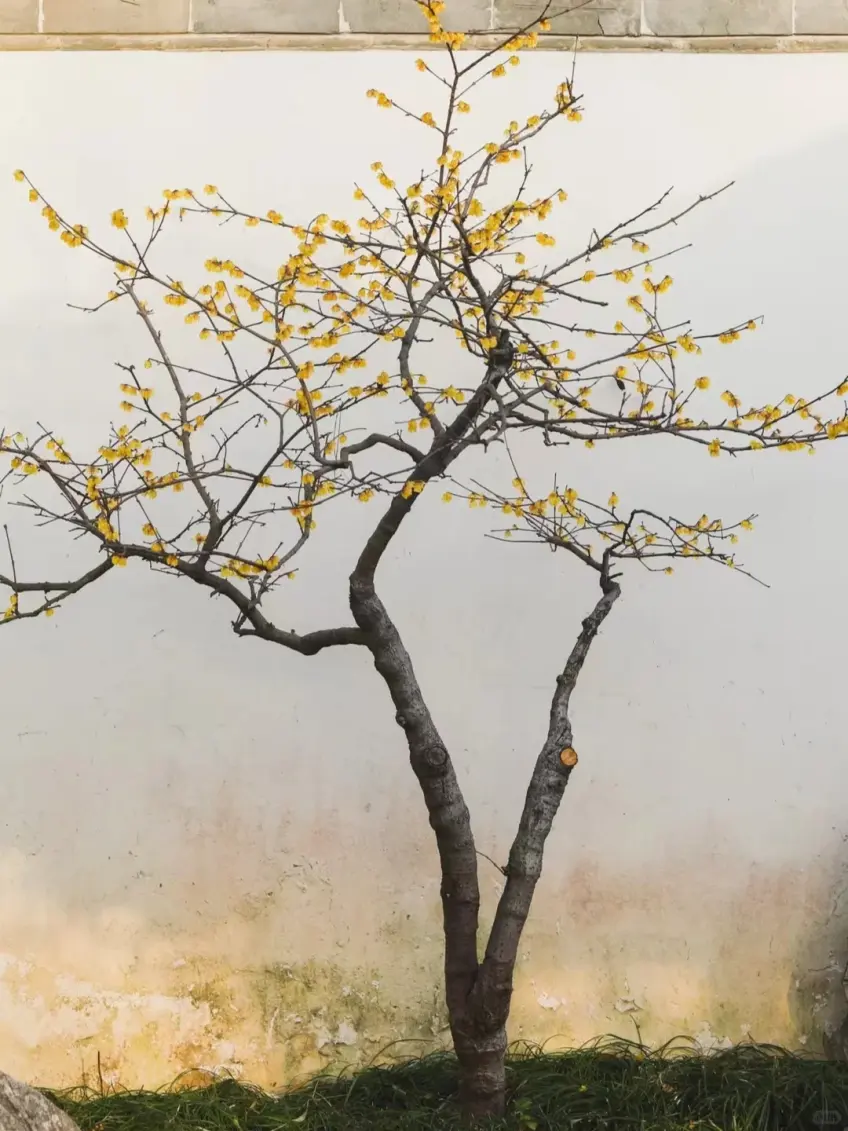
The sparse shadows of wintersweet against the white wall are perfect for slow photography; follow the temple's signs for visiting etiquette.
Ancient temples of Yangzhou after snow
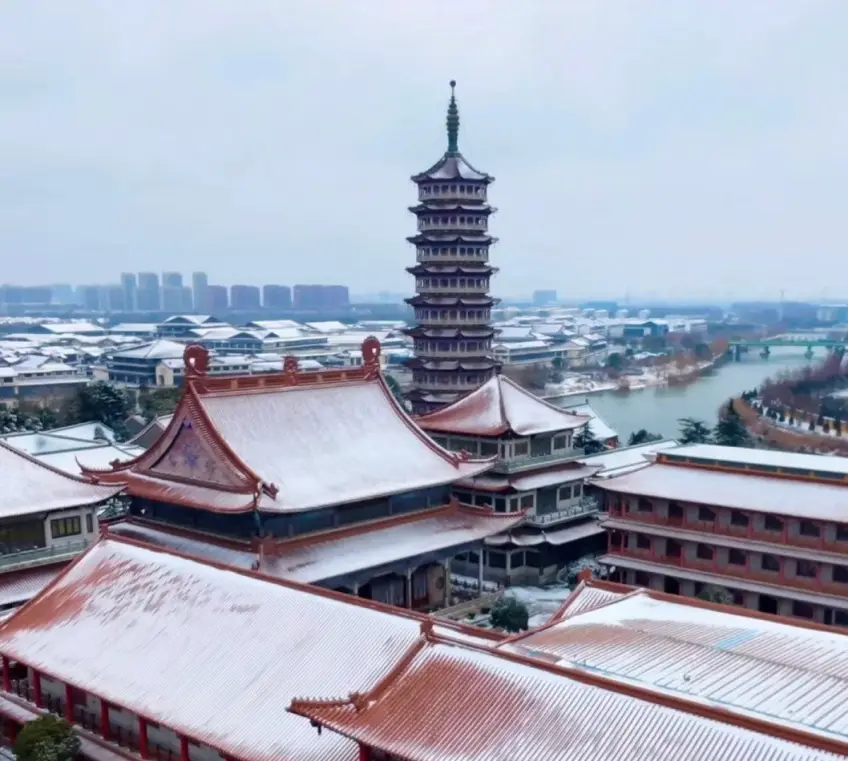
If you happen to visit on a snowy day, be sure to take your time exploring Daming Temple — the snow makes it even more beautiful. After a snowfall, there are almost no visitors, and the temple is perfectly quiet, with nothing but white snow, ancient buildings, and plum blossoms. It's a rare sight that you'll never forget once you've seen it.
Introduction to the Ancient Architecture of Yangzhou Daming Temple
Mahavira Hall of Daming Temple
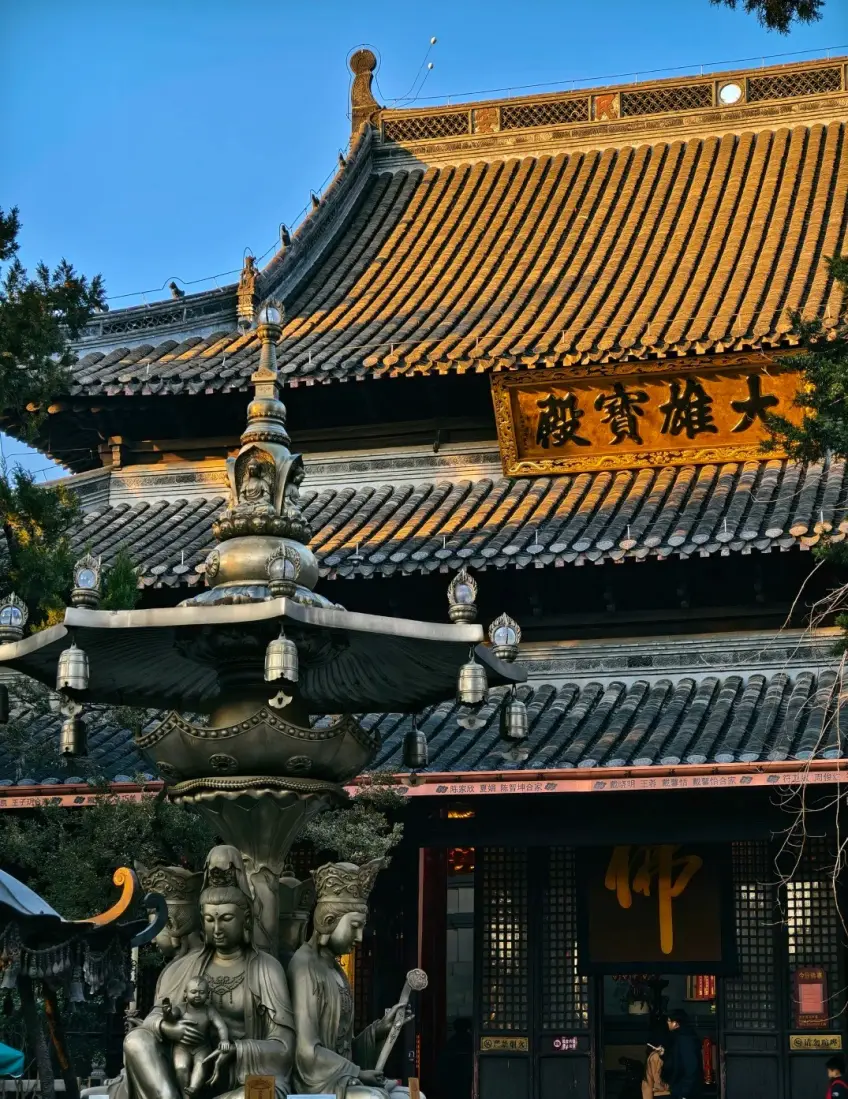
The Mahavira Hall is the main hall of Daming Temple. It's large and imposing, with wide eaves, exquisite decorations, and a solemn interior. No matter the season, this hall stands firmly at the center of the temple — surrounded by flowers in spring, shaded by trees in summer, framed by ginkgo leaves in autumn, and blanketed in snow in winter. Each season brings its own charm, making it the soul of the entire temple.
Jianzhen Memorial Hall at Daming Temple
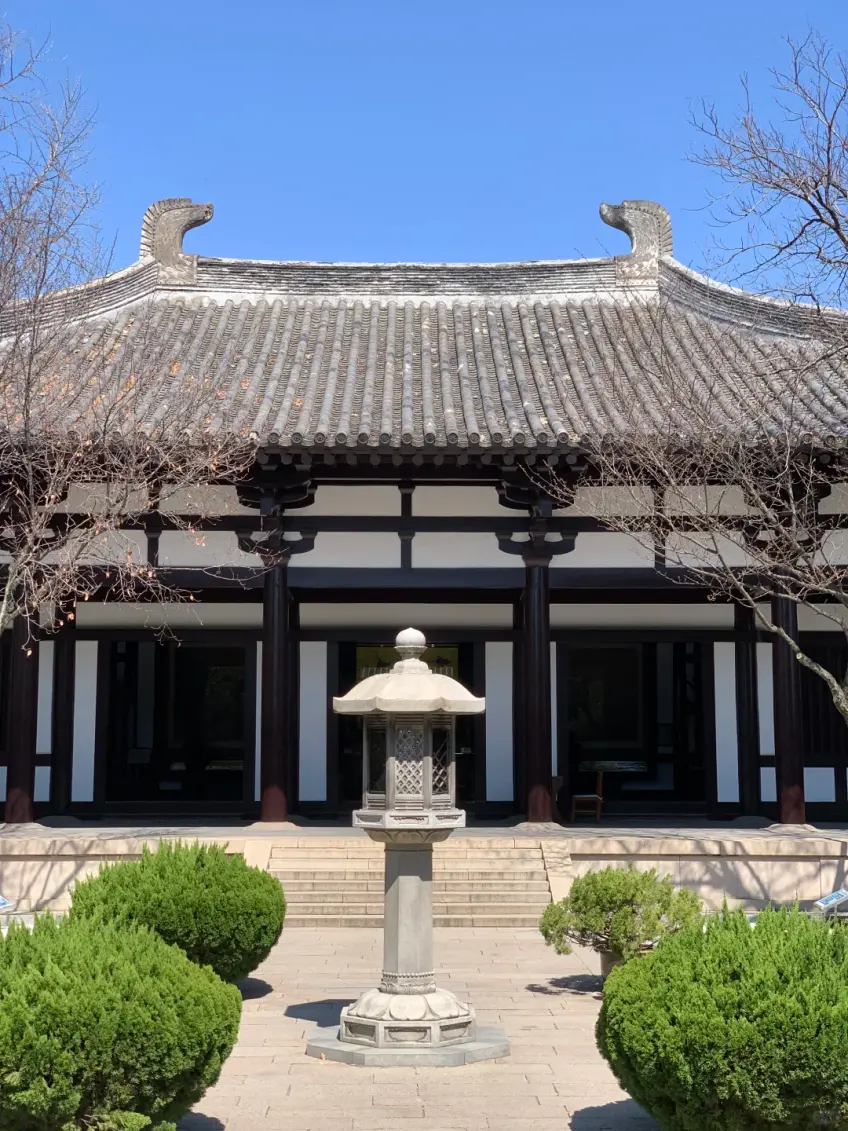
The Jianzhen Memorial Hall was built to honor Master Jianzhen. Designed in Tang Dynasty style, it's simple yet grand. The courtyard in front features cherry blossoms in spring and golden ginkgo trees in autumn. With different plants blooming throughout the year, it's worth visiting in any season.
Literary spots at Daming Temple
Pingshan Hall was built by Ouyang Xiu long ago. Quiet and serene, it and Gulin Hall are the most literary buildings in Daming Temple. The views are wide open, and the scenery changes with the seasons—flowers in spring, falling leaves in autumn.
FAQs
What are the opening hours and ticket prices for Daming Temple in Yangzhou?
Generally open 8:00–17:00; tickets are ¥48 in peak season (Feb–Oct) and ¥30 in off-season (Nov–Jan of the following year). Discount policies are subject to the attraction's announcements on the day.
How do I get to Daming Temple? Do I need station transfers or a private car?
Buses and self-driving both reach Shugang. If you have lots of luggage, are catching a train, or want to add Slender West Lake, we recommend station transfers or a private car. Cross-city drives across Jiangsu, Zhejiang and Shanghai can be arranged using the private car info on the same page.
What's there to see in each season? Which month is best to visit?
Visit in spring for cherry blossoms and crabapples, summer for the lotus ponds in the West Garden, autumn for ginkgo photos, and winter for wintersweet and the snow-covered mountain gate.
Should I hire a guide for the temple's historic buildings?
The Mahavira Hall, Jianzhen Memorial Hall and Pingshan Hall are packed with history—first-timers will benefit from hiring a guide; if you only need transport, a private car is enough. Please follow the temple's guidelines for worship etiquette.
How to combine Daming Temple and Slender West Lake in one day?
A common plan is the temple in the morning and the lake in the afternoon, or vice versa to avoid the crowds. The two attractions are close together, so a private car is the most hassle-free option. If you're short on time, look for a private tour covering both spots. To add morning tea and Ge Garden, go with a custom private trip.

6-day 5-night private tour of Shanghai, Yangzhou and Nanjing | Slender West Lake, Sun Yat-sen Mausoleum, Ming Xiaoling Mausoleum
A 6-day 5-night private tour starting and ending in Shanghai: Slender West Lake, Dongguan Street, Ge Garden and Daming Temple in Yangzhou; Confucius Temple, Sun Yat-sen Mausoleum, Linggu Temple, the city wall and Xuanwu Lake in Nanjing; and finally Ming Xiaoling Mausoleum and Meiling Palace. Includes airport transfers, vehicle, guide, 5 nights' hotel and admission tickets. An English-speaking guide is available on request.
Standing here, you can take in the changing scenery of all four seasons while feeling the refined tastes of ancient scholars. Be sure to stop here when visiting Daming Temple.
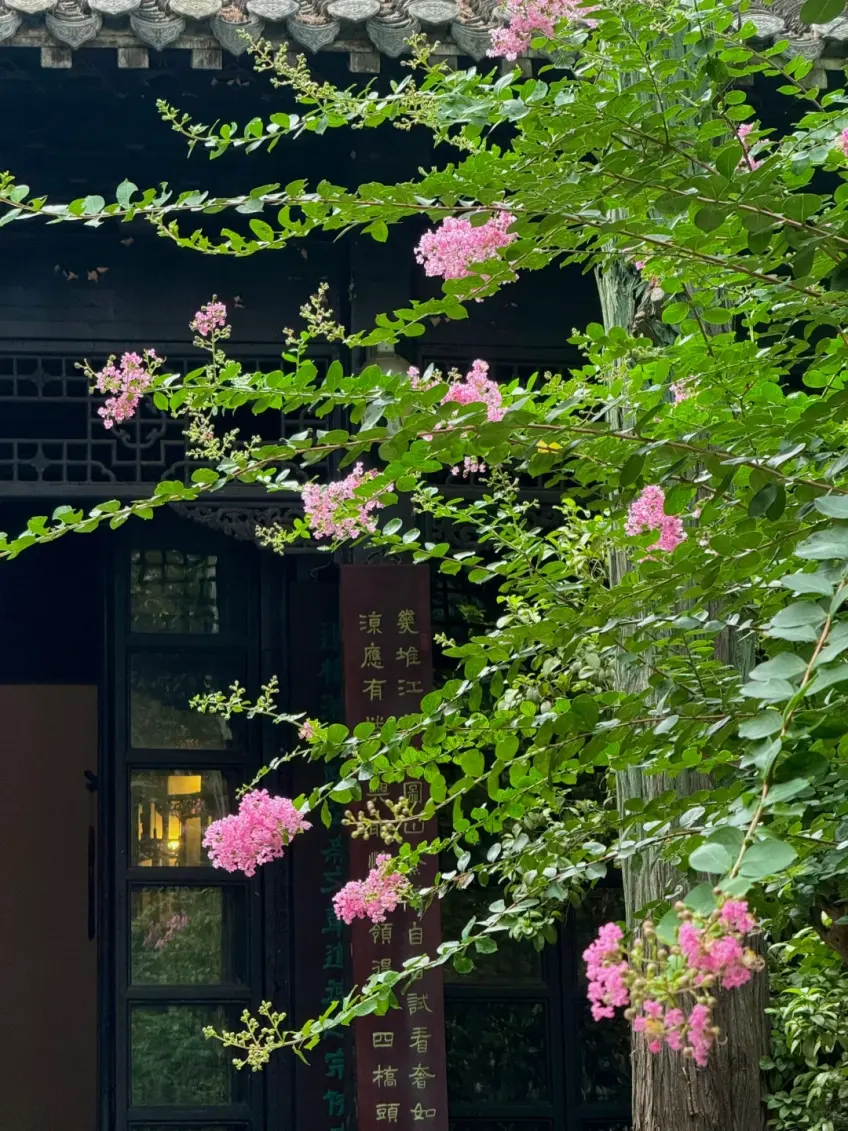
The flowers and trees in front of Pingshan Hall change with the seasons, and scholars and poets often linger here.
Yangzhou travel guide
If you're visiting from out of town for the first time and don't want to plan everything yourself, worry about missing the best viewpoints, or hassle with routes, joining a small group tour in Yangzhou is the easiest option.
The guide knows every corner of Daming Temple, including the best seasons and angles for photos, and can clearly explain the historical significance of the ancient buildings.
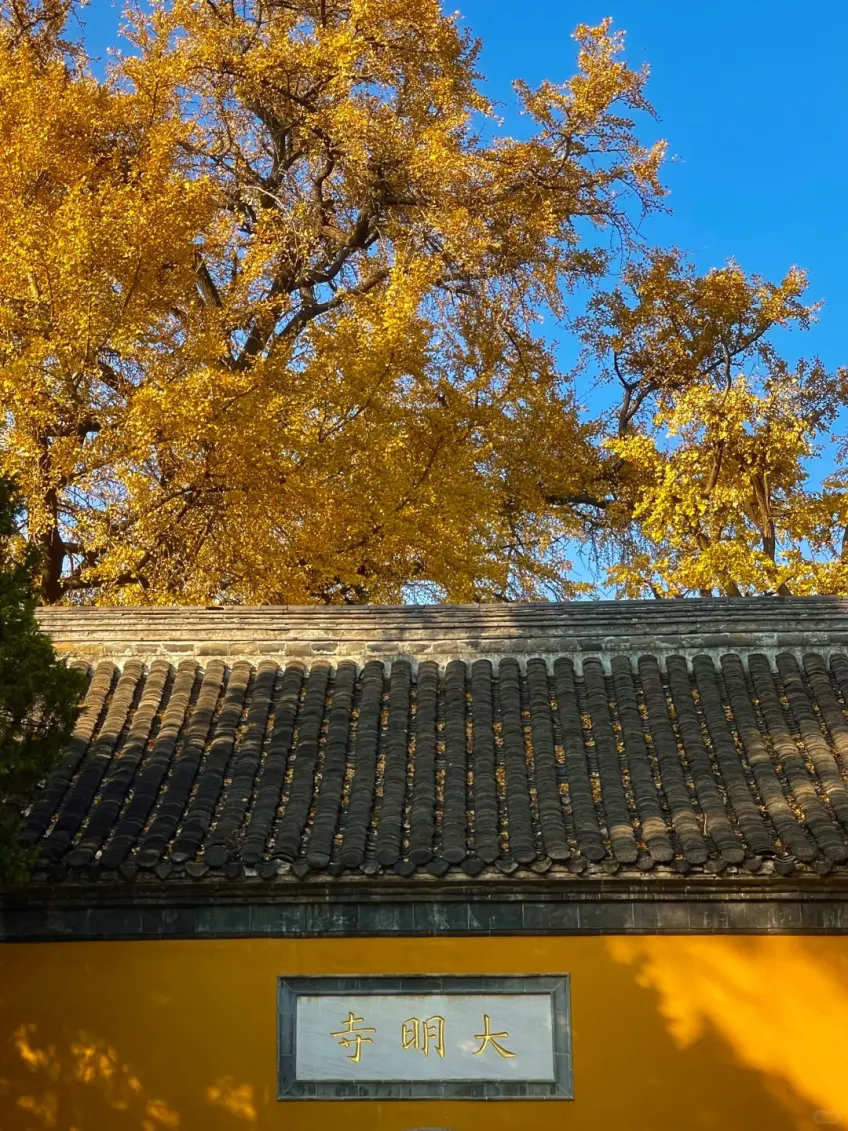
Joining a group tour means you don't have to worry about tickets or routes—just follow along, and the guide will even help take photos. They'll also recommend authentic local snacks. You get to see the scenery of all four seasons while learning about the temple's history, making for a much better experience.
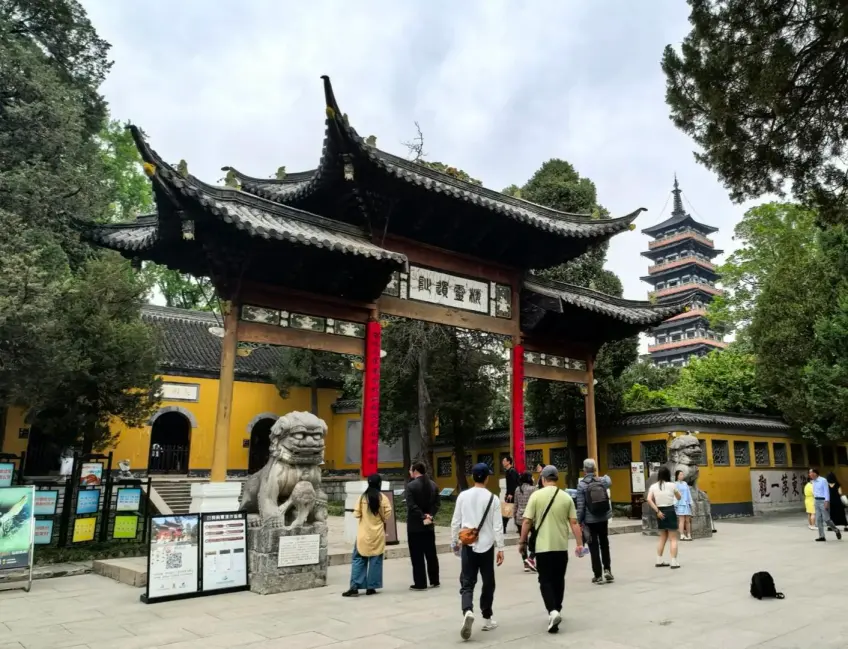
Reflections on the Scenery of Daming Temple in Yangzhou
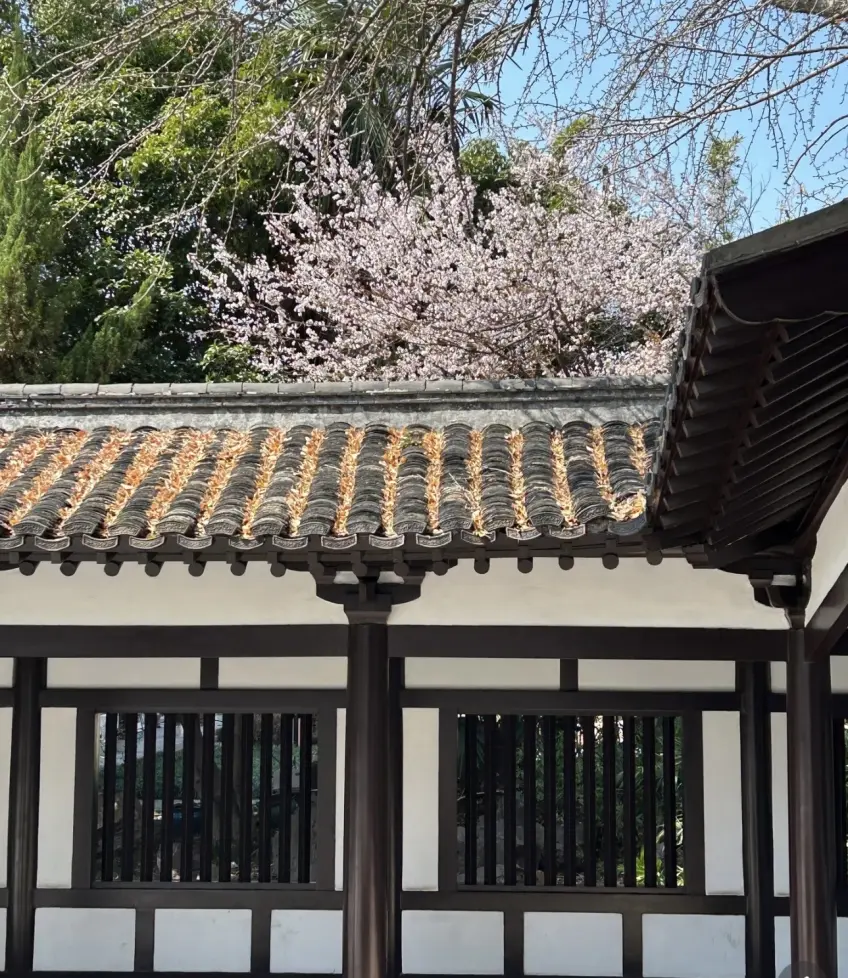
Daming Temple is beautiful in every season and never disappoints. In spring, the courtyard bursts into bloom; in summer, the trees offer cool shade; in autumn, the ginkgo leaves turn golden; and in winter, the snow and wintersweet blossoms create a unique picture. With over 1,500 years of history, every spot here has a story, blending the grandeur of ancient architecture with the elegance of Jiangnan gardens. No matter when you visit, you'll see something different.
Pair that with seasonal local snacks, and your stroll becomes even more enjoyable. There's no need to rush—just walk slowly, take it all in, and savor the beauty of Daming Temple across the seasons at your own relaxed pace. If you're visiting ancient temples in Yangzhou, Daming Temple is an absolute must!
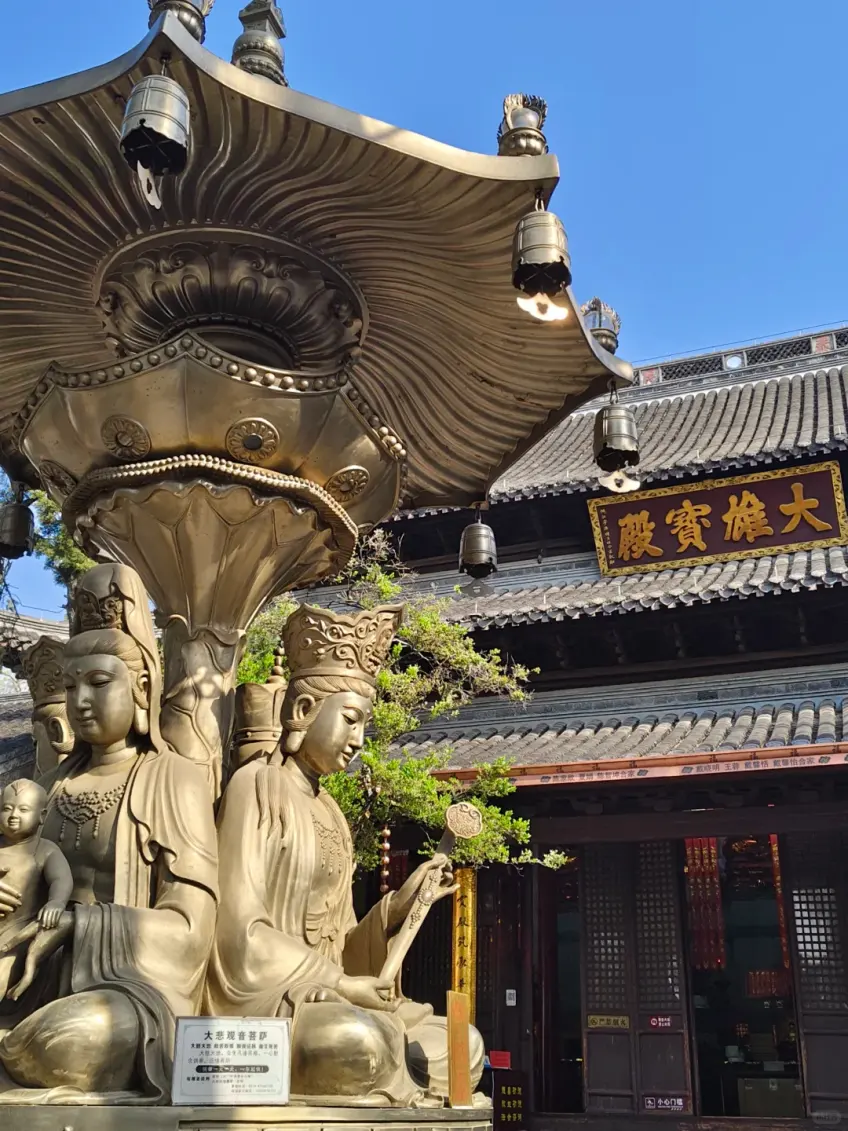
If you also want to visit Slender West Lake and have morning tea after exploring the four seasons and ancient architecture, you can hire a guide for commentary, or choose a private tour for a hassle-free multi-attraction itinerary. Use station transfers or a private car for your arrival and departure. If bloom times or fitness levels vary widely, opt for a custom private trip. Just send your dates, group size and departure city to a travel consultant.