
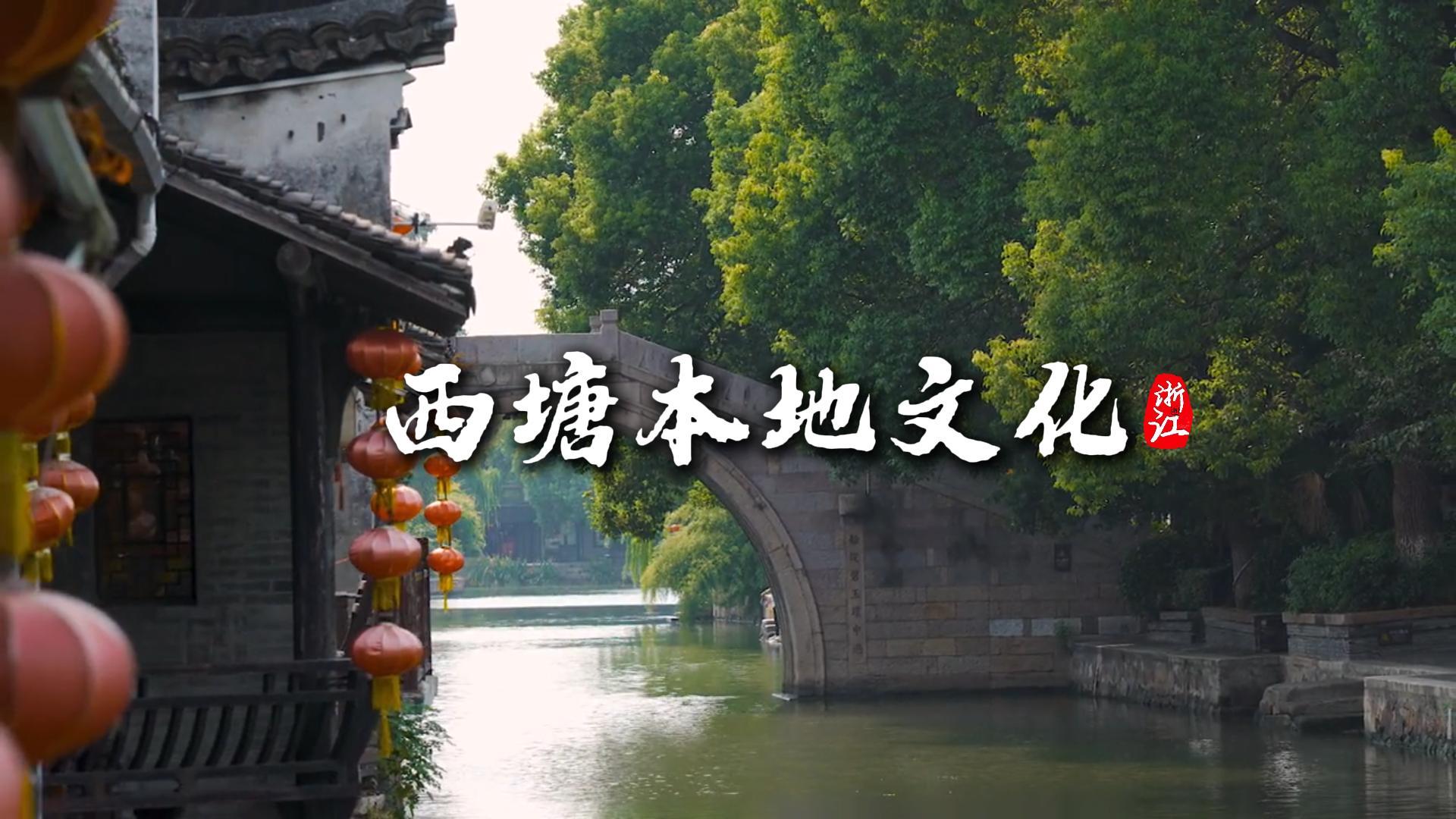

How to travel in Zhejiang? Join us in Xitang to explore museums and historic sites and discover local stories
Video highlights
- The Xitang Button Museum displays over 10,000 ancient and modern buttons, where you can watch artisans at work and make your own.
- The Xitang Wine Culture Experience Hall showcases the ancient brewing history of Jiashan rice wine.
- Huguo Suiliang Wang Temple, commonly known as Qi Laoye Temple, hosts a temple fair on the third day of the fourth lunar month.
- Xiyuan Garden is the largest and best-preserved Ming dynasty private garden in Xitang.
- At Xiyuan Garden, you can enjoy tea at Tingtao Pavilion and visit the calligraphy exhibition hall
- The legend of the Fifth Sister has been adapted into a water town folk song in Xitang
Video transcript
Auto-generated from the video audio, some words may be inaccurate
View full transcript
Leave the city noise behind, pick a day that suits your mood, and head to Xitang for a date with the misty rain of Jiangnan.
Shaped by a thousand years of history, Xitang offers not only small bridges over flowing water, misty rain corridors, streets and riverbanks, but also unique cultural sights scattered throughout.
Stroll slowly through Xitang, listen to the water flowing under the bridges, watch the lanterns glow in the dusk, and feel the peace of time passing.
In this unhurried pace, you'll meet the gentle charm of the water town.
As one of Xitang's most representative intangible cultural heritage exhibition halls, the Button Museum records the century-long rise and fall of commerce and the inheritance of craftsmanship in Xitang, known as the "Hometown of Buttons."
Its two floors are divided into several themed zones, tracing a clear timeline of how buttons evolved from nothing to something, and from practical items to decorations.
The museum holds a rich collection, displaying over 10,000 authentic ancient and modern buttons, each reflecting the aesthetic characteristics of its era.
It also houses the world's largest button—massive in size and exquisite in craftsmanship.
Known as the "King of Buttons," it is an iconic symbol of the ancient town's button culture.
Beyond static exhibits, the museum offers immersive intangible cultural heritage experiences.
Veteran folk artisans demonstrate shell button making and knotted flower button techniques on site.
You can watch and learn up close, or even polish and craft one yourself, feeling the warmth of traditional handicrafts passed down over centuries and taking home a unique Xitang intangible heritage memory.
Step into the Xitang Wine Culture Experience Hall to discover the history of Jiashan rice wine.
Xitang's fertile land and water provide ideal natural conditions for brewing rice wine.
For thousands of years, local artisans have stuck to ancient brewing methods, blending the farming wisdom of Jiangnan into every jar of fine wine.
The hall features rustic, elegant decor, with old wine vessels, aged wine jars, and traditional tools neatly displayed.
Paired with detailed historical texts, images, and recreated scenes, a century-old story unfolds, fully showing how Jiashan rice wine transforms from grain into fine brew.
Walking through the hall, you can almost see the smoke rising from an old-style winery.
A jar of rice wine carries not only a unique water-town flavor, but also the dedication of generations of Xitang people and their deep-rooted, nature-following spirit.
Standing quietly by the river, the Huguo Suiliang Wang Temple (Temple of the Grain-Transporting King Who Protects the Nation) is Xitang's most heartwarming ancient building.
Locals call it the Qi Laoye Temple (Seventh Master Temple).
Every brick and tile is engraved with centuries of loyalty and kindness.
Legend has it that during the Ming Dynasty, a grain transport official named Jin Qi was escorting imperial grain through Xitang when the water town was hit by a severe drought and famine, leaving people homeless.
Seeing the suffering of the masses, Jin Qi felt deep compassion and willingly defied imperial orders, opening the granaries to feed thousands of starving people, trading his own life for the survival of the water town.
The court, moved by his benevolence, posthumously honored him as "Huguo Suiliang Wang."
Grateful for saving their lives, locals raised funds to build a temple, worshipping him for generations.
Every year on the third day of the fourth lunar month, the temple fair features water parades and lively performances, an intangible custom lasting hundreds of years.
The ancient temple stands quietly by the river with incense burning endlessly, serving as a spiritual anchor for the townspeople and Xitang's most touching cultural mark.
Xi Garden is the largest and best-preserved private Ming Dynasty garden in Xitang.
Originally the residence of a local Zhu family, it was later restored and rebuilt, perfectly retaining the ultimate charm of classical Jiangnan gardens.
Built around water, this century-old garden balances movement and stillness, with lush trees and bamboo.
Winding corridors, pavilions, and terraces are scattered along the water, while streams and rockeries outline the gentle scenery of Jiangnan.
Since the Ming and Qing dynasties, it has been a gathering place for Jiangnan scholars and poets.
Countless literati traveled here to compose and discuss poetry.
In modern times, renowned writers like Liu Yazi also gathered here, leaving behind many classic poems and literary tales.
Take a break, sip tea at Tingtao Pavilion, and watch the plants stretch by the water.
You can also visit the Zhuanke Calligraphy Exhibition Hall to experience the scholarly spirit of Jiangnan.
Away from the noisy streets, wander among pavilions, flowers, and trees, immersing yourself in the antique charm hidden in the bricks and tiles.
Deep within the everyday life of thousand-year-old Xitang lingers a gentle yet tragic folk legend—the well-known story of the Fifth Maiden.
Legend says the fifth daughter of the Fu family fell in love with a young man named Changgong.
Their love across social classes faced family opposition.
Unwilling to be forced apart, they held hands and jumped into the river together.
This tragic romance has been passed down by word of mouth in Xitang.
Admiring their courage to defend true love against convention, locals turned the story into water-town ballads and folk tunes that spread to every corner of the ancient town along the flowing streams.
The riverbanks are gentle and serene, with small bridges reflecting in the water.
As you walk along the shore, soft folk melodies linger in your ears.
This pure, brave love story gives Xitang a vivid, simple folk warmth and cultural depth.
Misty rain, flowing water—Xitang has settled for a thousand years.
Unlike bustling cities, this ancient town flows with water as its lifeline, hiding elegance and tenderness in its streets and stone bridges.
It's not just a moving ink-wash painting of Jiangnan, but a living cultural town where every scene carries the poetry unique to Jiangnan.
After exploring Xitang, you'll find it offers more than beautiful water-town scenery—it's filled with history and everyday charm.
Its ancient vibe is gentle and healing, leaving a lasting impression.