
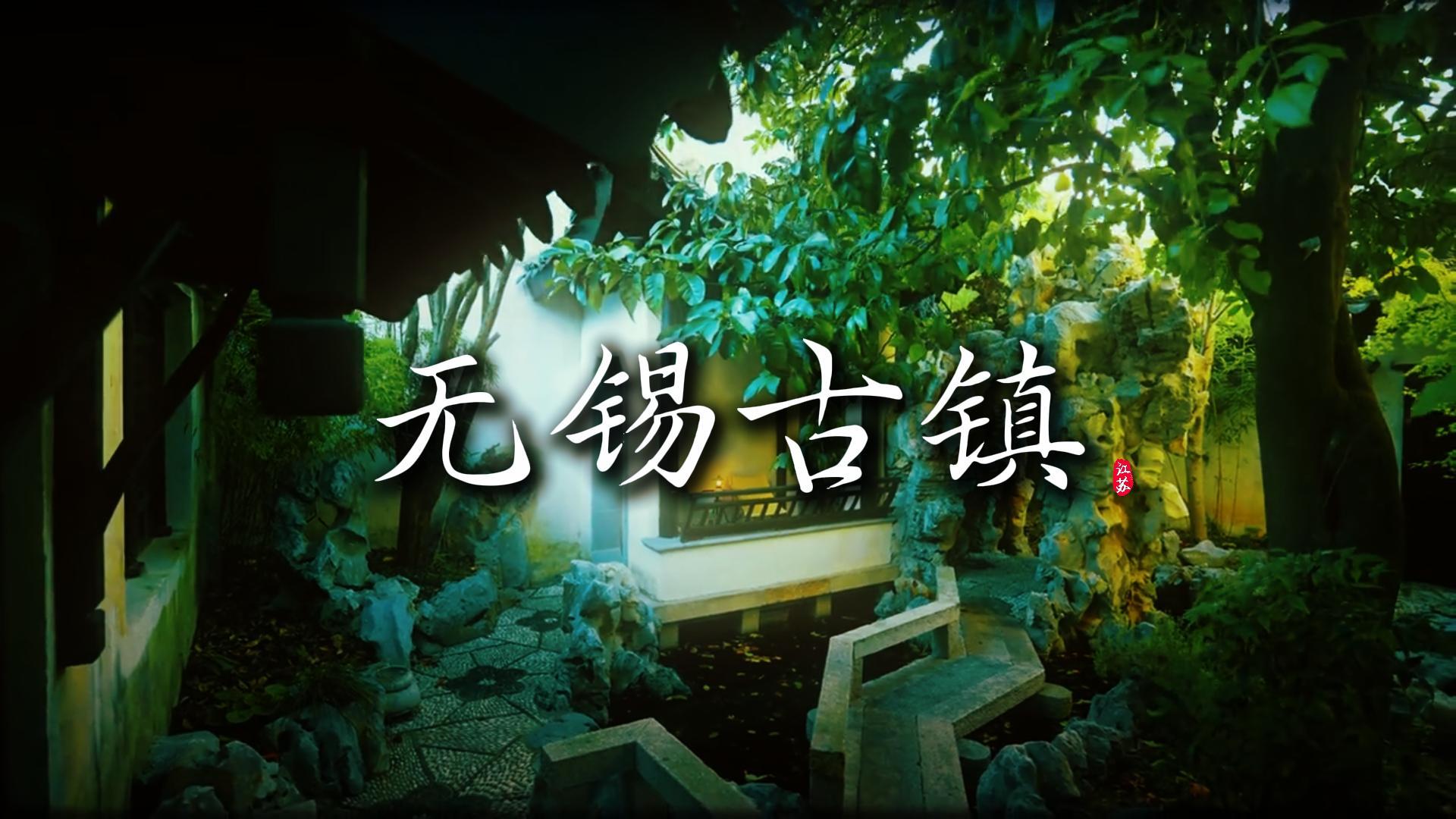

Which of Wuxi's Three Ancient Towns Should You Choose? Watch This Wuxi Ancient Town Guide to Find Your Favorite
Video highlights
- Over a hundred ancestral halls line both banks of Longtou River in Huishan Ancient Town.
- In the afternoon at Huishan Ancient Town, you can hike Huishan — it takes about half an hour to reach the summit and overlook Wuxi
- Meili Ancient Town is the birthplace of Wu culture, with Taibo Temple at its heart.
- Taibo Temple Fair is held on the 9th day of the first lunar month every year
- Dangkou Ancient Town is famous for its water lanes. We recommend staying overnight to take a night cruise
- The signature dish of Dangkou Ancient Town is zouyou pork (fried, then braised pork belly)
Video transcript
Auto-generated from the video audio, some words may be inaccurate
View full transcript
If you ask me what you absolutely can't miss in Wuxi, the answer is definitely the ancient towns. And there isn't just one to visit. Huishan Ancient Town, Meili Ancient Town and Dangkou Ancient Town are all places you shouldn't miss. Why? Because even though they're all called ancient towns, their vibes are completely different. One is for sipping tea at the foot of a mountain, one is for experiencing everyday life through history, and one is for zoning out by the water. This video shows you the best way to explore Wuxi's three ancient towns. Let's start with Huishan Ancient Town. What's its biggest feature? "Comfortable" is definitely the best word. Half of the town's soul lies in the mountains, and half in the water. Look up here and you'll see the "No. 1 Mountain Under Heaven" — Huishan. Even Emperor Qianlong praised it as elegant and tranquil. Longtou River, once used as Emperor Qianlong's imperial canal, is now the lifeline of the ancient town. Over a hundred ancestral halls stand on both banks, unfolding the town's thousand-year story before your eyes. The bluestone paths have been polished smooth, lined with old teahouses, ancestral halls and snack shops. Walking here, time seems to gently hit the slow-motion button. The best way to experience Huishan Ancient Town is to set out in the morning. Don't rush to explore — find a cozy teahouse, sit down, order a cup of fine Wuxi tea, and watch the locals stroll by. You'll immediately feel the peace and quiet. There are a lot of ancestral halls here, reportedly over a hundred, dedicated to various historical figures from the Tang Dynasty to the Republic of China era. These halls aren't just snapshots of history and culture; they're also art galleries. The mix of vintage charm and natural light means every casual photo tells a story. If you want to do something different in the ancient town, you must go hiking. Stroll around the town in the morning, then head straight up Huishan in the afternoon. It takes just half an hour to reach the summit, where you can enjoy nature and tranquility while overlooking the entire city of Wuxi. After exploring Huishan, let's take a look at Meili Ancient Town. This place has quite a background — it's the birthplace of Wu culture. The story of Taibo fleeing to Wu happened right here. Over 3,000 years ago, Taibo, the eldest son of King Tai of Zhou, came here and founded the state of Gouwu so his younger brother could inherit the throne. That's why Meili Ancient Town feels completely different from Huishan. It's weightier, more like an open-air history museum. The heart of Meili Ancient Town is Taibo Temple, with its white walls and dark tiles, solemn and dignified. Every year on the ninth day of the first lunar month during the Taibo Temple Fair, descendants of Wu from all over come to pay respects to their ancestors — it's a truly spectacular scene. The streets here are wider than in Huishan, and the buildings are more orderly, clearly the result of unified planning. But don't think that makes it feel fake; the details everywhere are meticulously crafted. If you're into history, be sure to visit the Meili Ruins Museum, which displays numerous unearthed artifacts and historical documents. Wandering through it gives you a clearer understanding of Taibo's journey to Wu and other stories that unfolded on this land. If you love Wu region history, want to soak up cultural depth, or enjoy lively temple fairs, Meili Ancient Town won't disappoint. It's more formal than Huishan — less casual, more dignified. Finally, there's Dangkou Ancient Town. If Huishan is about tea and Meili about scholarship, Dangkou is all about water lanes. Water is everywhere here, and the whole town feels like it's floating. Its most famous feature is the "water alley," where the river is so narrow that people on opposite banks can chat across the water. Watching small boats glide through while listening to the local dialect drifting over the surface, you really feel the town's everyday vibe. What's the biggest difference between Dangkou and the other two towns? It's slow — not just regular slow, but the kind of slow where time seems to have stopped. The former residences of Hua Hengfang and Qian Mu are here, but these celebrity homes aren't showy at all; they're quietly tucked away deep in the alleys. Dangkou is especially beautiful at dusk, when the setting sun dyes the white walls pale gold and the lights along the river gradually turn on. The colors in the sky and the surrounding buildings reflect in the water, and the air is filled with the warmth of everyday life. That slow pace from days gone by becomes crystal clear. When you visit Dangkou Ancient Town, make sure to stay overnight and try a boat ride after dark. Nightlife here isn't about bars and neon lights — it's about lanterns reflecting in the water, the occasional sound of residents chatting, and the warm glow of dim lights. Taking a boat ride at night to enjoy the river light show lets you savor the town's charming nightscape. At mealtimes, be sure to try Dangkou's zouyou rou (deep-fried pork belly). Reddish and glossy, tender but not greasy, it's the town's signature dish. So how do you choose between these three ancient towns? If you're short on time, go to Huishan. It has the best transport links, is close to downtown, is the largest of the three, and offers the most to do. If you want to learn something and explore history, go to Meili Ancient Town. Taibo Temple is one of a kind nationwide and helps you better understand Wu culture. If you want true peace and a water-town atmosphere, stay a night in Dangkou. Of course, if you have plenty of time, visit them all. Start with the mountains and waters of Huishan, move on to the temple in Meili, and finish by the water in Dangkou. You'll discover just how many faces Wuxi's ancient towns have. Now that you know about these three ancient towns, have you found the one you want to visit most? Take your time, book a ticket when you can, and come see Wuxi for yourself.