
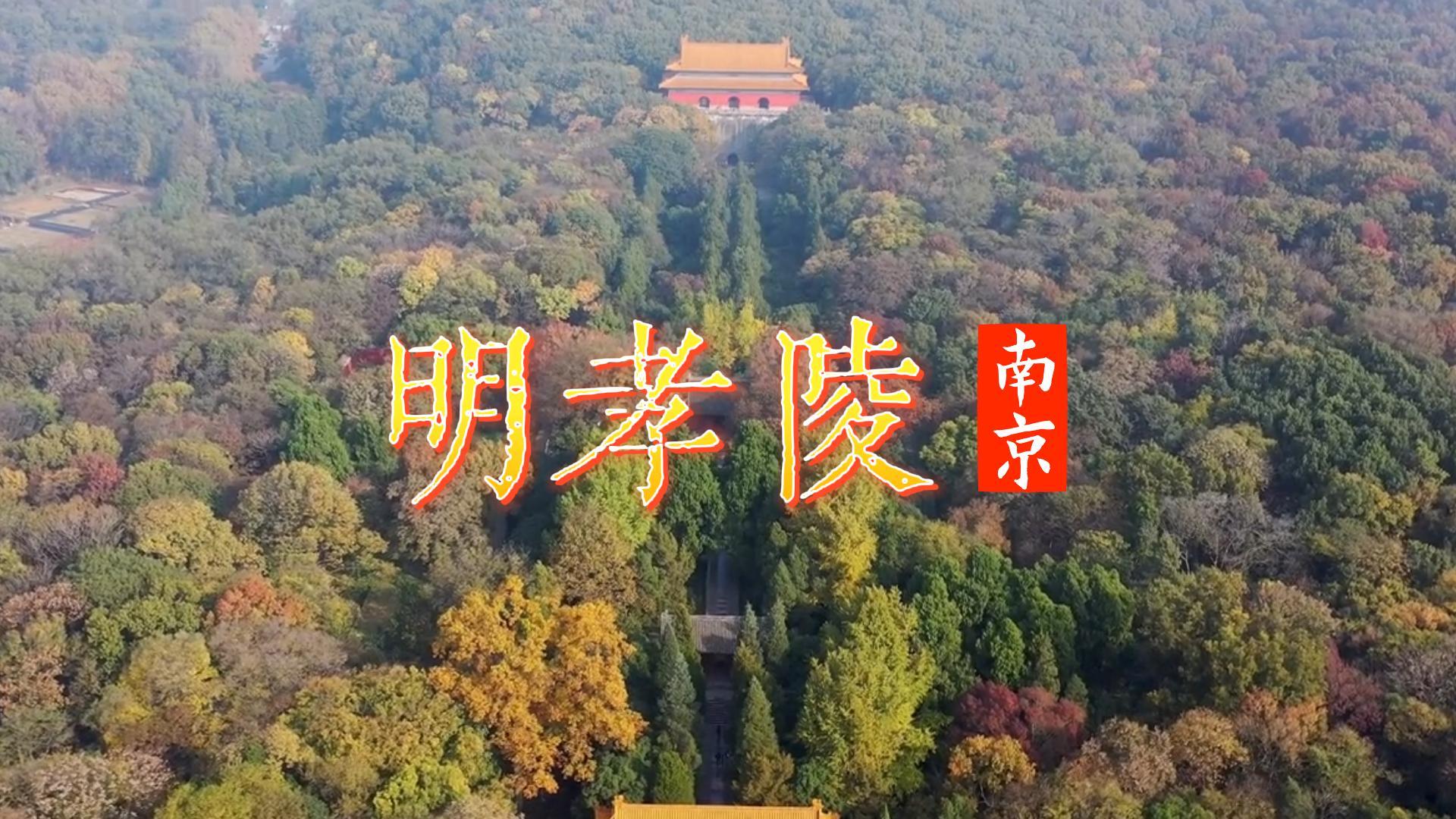

Visiting Nanjing? Don't Just Stick to the Viral Photo Spots—This Nanjing Day Trip Guide Takes You Into the Ming Xiaoling Mausoleum
Video highlights
- Tickets for the Ming Xiaoling Mausoleum must be purchased one day in advance; admission is ¥70.
- Take Metro Line 2 to get there; the scenic area shuttle bus requires a separate ¥10 ticket.
- Walking the entire historical route takes about three to four hours.
- The Xiamafang Archway is inscribed with six characters meaning "all officials dismount here".
- The Sacred Way is divided into two sections: the Stone Elephant Road and the Wengzhong Road.
- The underground palace beneath the Treasure Mound (Baoding) is not open to the public and can only be viewed from a distance.
Video transcript
Auto-generated from the video audio, some words may be inaccurate
View full transcript
Exploring a 600-year-old imperial tomb in Nanjing, understanding the splendor of the Ming Dynasty: the Ming Xiaoling Mausoleum is true imperial romance. When traveling in Nanjing, don't just focus on viral photo spots. The Ming Xiaoling Mausoleum, hidden in Purple Mountain, is the true soul of Jinling.
This royal mausoleum has weathered 600 years. Every corner holds the grandeur and stories of the Ming Dynasty. Stone Elephant Road is beautiful in all four seasons.
Whenever you come, you'll find a different kind of beauty. Red walls reflecting ancient cypresses: a casual snap makes an atmospheric photo. Guaranteed great shots.
Buy tickets for the Ming Xiaoling Mausoleum one day in advance. Tickets are ¥70. Getting here is very convenient.
Take Metro Line 2 to Xiamafang. Get off at Ming Xiaoling Mausoleum Station. A scenic area shuttle bus goes directly to the core area.
To ride the scenic area shuttle bus, you need to buy a ticket in advance. The ticket price is ¥10. The Ming Xiaoling Mausoleum is the joint tomb of Emperor Taizu of Ming, Zhu Yuanzhang, and Empress Ma.
As the opening work of Ming and Qing imperial tombs, its front court and rear chamber, central axis symmetry, influenced architecture for centuries. To understand this World Heritage Site, the most common way is to walk the full historical route: Xiamafang, Dajinmen Gate, Sifangcheng, Sacred Way, Lingxing Gate, Golden Water Bridge, Wenwu Fangmen, Stele Pavilion, Xiangdian Hall, Fangcheng, Minglou Tower, Baoding. The whole trip takes about three to four hours.
From the start of the rites to the emperor's final resting place, step by step, unlock the secrets of the Ming imperial tomb. Xiamafang is the first landmark of the Ming Xiaoling Mausoleum. The archway is carved with six large characters meaning "Officials dismount here," meaning civil and military officials alike must dismount and walk from here, showing the supreme majesty of the imperial tomb.
This was the starting point of Ming Dynasty burial rituals, and the boundary between the tomb area and the outside world. Nearby are also the Jin Yuebei and Shenlieshan stele relics. After a brief look at Ming tomb-guarding rules, walk straight along the Sacred Way to reach Dajinmen Gate.
Dajinmen Gate is the formal entrance of the Ming Xiaoling Mausoleum, built with red walls and a gable-and-hip roof, originally with three doorways. The middle door was only for the emperor's coffin and royal sacrificial processions. Though the building has weathered time, its thick brick walls and orderly doorways still show the grandeur of early Ming royal architecture.
Passing through Dajinmen Gate, you officially enter the core tomb area. The atmosphere instantly becomes solemn. Sifangcheng's formal name is the Divine Merit and Virtue Stele of the Great Ming Xiaoling Mausoleum.
North of Dajinmen Gate, named for its square shape and lack of a roof, inside stands a giant stele erected by Emperor Chengzu of Ming, Zhu Di, for his father Zhu Yuanzhang. The stele details Zhu Yuanzhang's life and achievements. It is one of the largest ancient steles remaining in Nanjing.
The Sacred Way is the most iconic feature of the Ming Xiaoling Mausoleum. Divided into two sections; curving instead of going straight was an original design of Ming imperial tombs. The first section is Stone Elephant Road, where stone beasts are carved from single massive stones with simple yet powerful shapes, each guarding the tomb for 600 years.
The second section is Wengzhong Road, separated by stone pillars, lined with four pairs of civil officials and military general statues. Civil officials look elegant; military generals look fierce, symbolizing the court officials guarding the emperor left and right. After the Sacred Way, you reach Lingxing Gate.
Passing through it means entering the mausoleum palace area, transitioning from ceremonial guards to royal chambers. Continuing forward is Golden Water Bridge, also called Wulong Bridge, a stone arch bridge, the core passage connecting the Sacred Way and the mausoleum palace. Wenwu Fangmen is the main gate of the mausoleum palace.
Vermilion doors with eighty-one door studs symbolize imperial rank. Five doorways each serve a purpose, strictly following Ming etiquette. Inside is the Stele Pavilion.
The most eye-catching feature is the stele inscribed by Emperor Kangxi, praising Zhu Yuanzhang's achievements as comparable to Emperor Taizong of Tang and Emperor Taizu of Song. There are also sacrificial steles from emperors like Qianlong and Yongzheng, testifying to the revered status of the Ming Xiaoling Mausoleum during the Qing Dynasty. North of the Stele Pavilion is Xiangdian Hall, Xiaoling Hall.
Today only huge stone pillar bases and terrace ruins remain, but from the scale of over sixty bases, you can still imagine the grand hall with its heavy eaves, yellow tiles and red walls. This was the core site for Ming sacrifices to Zhu Yuanzhang. The hall originally enshrined spirit tablets of the emperor and empress, with incense burning constantly.
Though only ruins remain, they convey the weight of history even more. North of Xiangdian Hall is Fangcheng, a tall brick-and-stone fortress-style structure. In the center of Fangcheng is an arched tunnel.
Exit the tunnel to reach Minglou Tower. Minglou Tower is built atop Fangcheng, the highest point of the Ming Xiaoling Mausoleum. Yellow tiles and brick walls create a majestic sight.
Climb the tower for a distant view of the red walls and yellow tiles, pines and cypresses, all within sight. Mount Zhong scenery unfolds completely, showing the imperial aura of ruling all under heaven. North of Minglou Tower is Baoding, a large round earthen mound surrounded by brick walls, where the underground palace of Zhu Yuanzhang and Empress Ma lies.
Baoding is lush with trees and dense vegetation. The wall is carved with seven large characters reading "Tomb of Emperor Taizu of Ming." Archaeological surveys show the underground palace beneath Baoding is intact, never looted.
It is not open to the public now, so you can only admire it from afar, feeling the mystery and solemnity of a 600-year-old imperial tomb. It's not just a royal tomb, but a frozen piece of history. No noise of over-commercialization, no crowds of viral tourist spots, only traces left by time.
Here, you can touch the spirit of the Ming Dynasty's founding and feel the deepest heritage of Jinling. This slow-paced historical journey is the most worthwhile and unmissable trip in Nanjing.