
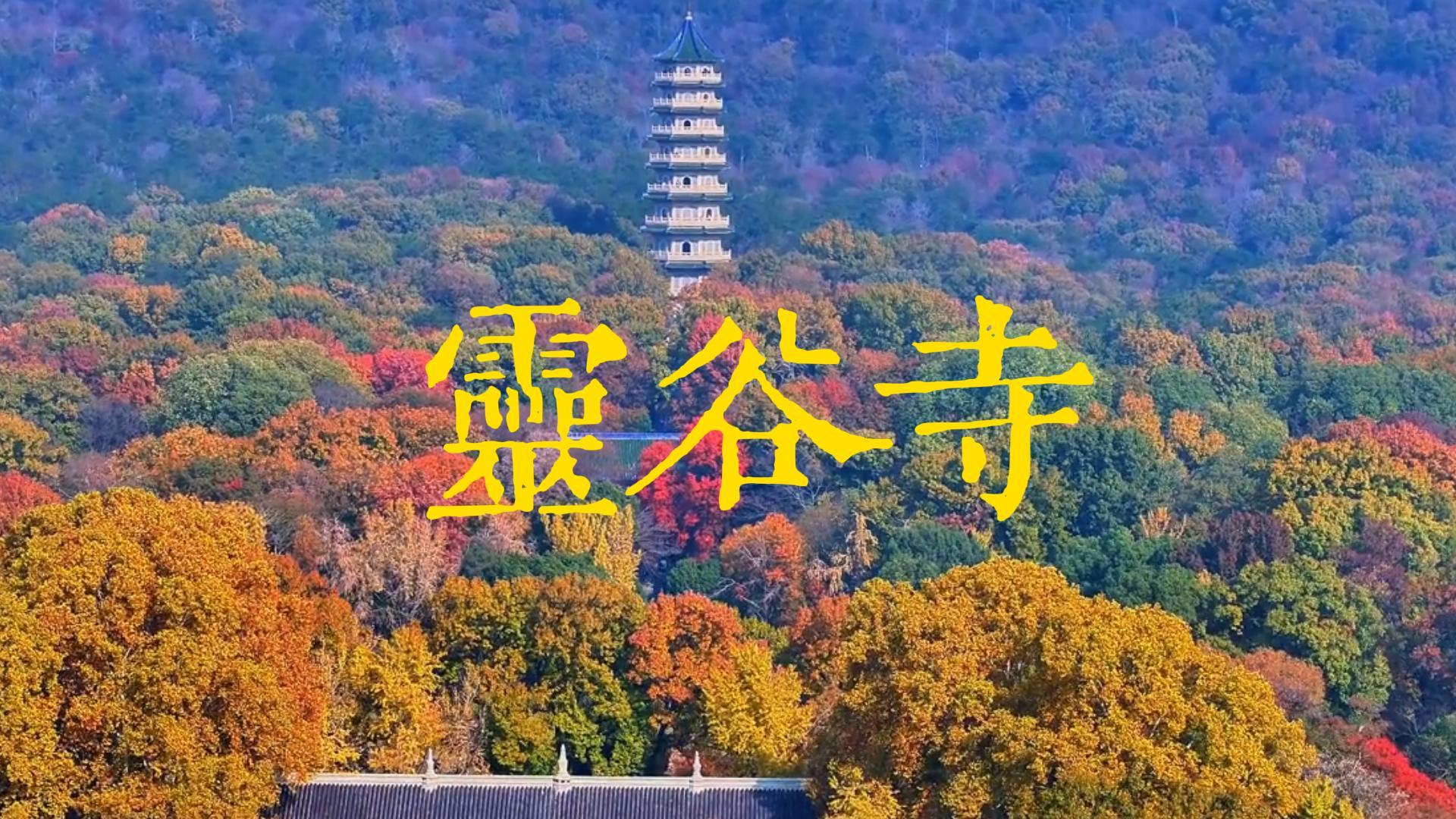

Why Has the Beamless Hall Stood for 600 Years Without a Single Beam? This Linggu Temple Day Tour Video Takes You Inside to Find Out
Video highlights
- Night tours during firefly season require booking 3–7 days in advance; for public holidays, booking 3 days ahead is recommended.
- Take Metro Line 2, or ride Bus 202 directly there.
- The Beamless Hall is built entirely without wood, with its roof supported solely by brick arches.
- Linggu Pagoda was rebuilt during the Republic of China era, and you can climb to the top via a spiral staircase.
- A bowl of vegetarian noodles at the temple's vegetarian restaurant costs about ¥30.
- July to August is firefly season every year, and September to October is the Osmanthus Festival.
Video transcript
Auto-generated from the video audio, some words may be inaccurate
View full transcript
A miracle hidden in Nanjing's Linggu Temple: the Beamless Hall has no beams, yet has stood for 600 years. If the Ming Xiaoling Mausoleum showcases the imperial grandeur of the Ming Dynasty, then Linggu Temple carries this city's most tranquil Zen spirit and cultural heritage, linking the misty Six Dynasties with Republican-era charm.
Walking through here, you can admire the architectural ingenuity of the Beamless Hall and the sweeping views from Linggu Pagoda, and even pay respects to a sacred Buddhist relic, the parietal bone relic of Xuanzang, feeling a faith that spans a millennium. This is truly a deep cultural pilgrimage. Tips: outside holidays and firefly season, tickets bought online can be used immediately.
For night tours during firefly season, buy 3–7 days in advance. For public holidays, buying 3 days ahead is recommended. The Xuanzang relic display opens irregularly; check the scenic area notices beforehand.
To get here, take Metro Line 2 and walk from Muxuyuan Station or Xiamafang Station, or take Bus 202 directly to Linggu Temple Park Station. Just inside the main gate, the first thing you see is Wanguard Pool, said to have been dug by over 10,000 craftsmen, hence the name. Walking along the pool, cicadas and wind gradually drown out the city noise, and before you know it, you've stepped into the greenery of Purple Mountain.
Past Wanguard Pool is Hongshan Gate. Its vermilion doors look solemn, and the four bold characters "Linggu Shengjing" above them carry real presence. From here, slow down and savor the atmosphere of this ancient temple.
Hongshan Gate was originally Linggu Temple's main entrance; though restored several times, it retains the simple style of Ming architecture. Further ahead is the Beamless Hall, Nanjing's oldest Ming Dynasty brick-and-stone building. It uses no wood at all; the roof is held up entirely by brick arches, hence the name "Beamless Hall".
Sunlight streams through high windows, casting dappled shadows on the stone steles, letting you feel both the skill of ancient craftsmen and the patriotic spirit enshrined here. Climb east from the Beamless Hall and you'll spot the towering Linggu Pagoda. Rebuilt during the Republic of China era, it's one of Purple Mountain's most famous viewing platforms.
Follow the spiral staircase upward and the view widens with every step. At the top, you can see all the greenery of Purple Mountain, with the distant Ming Xiaoling Mausoleum and Sun Yat-sen Mausoleum faintly visible, and the outline of Nanjing slowly unfolding among the clouds. Descending the pagoda brings you to the heart of the route: Linggu Temple.
Founded in the Southern Dynasties, it was known as the "Number One Zen Temple Under Heaven" in the Ming Dynasty, and you can still smell the incense today. Its greatest treasure is the parietal bone relic of Xuanzang, the remains of the eminent Tang Dynasty monk, a true gem of Linggu Temple. It isn't always on display, so check the scenic area notices in advance.
Even if you miss the relic, strolling through the temple is deeply calming. The Buddha statues in the Mahavira Hall are solemn, wind chimes tinkle under the eaves, and monks can sometimes be heard softly chanting, instantly quieting a restless mind. The temple's everyday warmth lives in a bowl of vegetarian noodles.
When you're tired, head to the vegetarian dining hall. A bowl costs about ¥30; the noodles are chewy, the broth savory, topped with mushrooms and greens, light yet delicious. Sitting by the window, watching the old trees and incense burner in the courtyard while eating slowly is a healing moment unique to Linggu Temple.
Leaving Linggu Temple and following the forest path leads to Tan Yankai's Tomb, the final resting place of the politician and calligrapher. The cemetery winds along mountain paths, blending the elegance of Chinese gardens with the openness of Western ones. Stone archways, memorial halls, and tombstones are scattered among the pines.
There's no noise, just birdsong and wind, wonderfully peaceful. A slow walk here lets you admire Republican-era architecture and catch your breath among the trees, very relaxing. Deeper into the hills is Guilin Stone House, built by a Republican-era official entirely of stone and tucked away in an osmanthus grove, simple yet charmingly rustic.
Every autumn, 20,000 osmanthus trees bloom together, golden flowers covering the branches and fragrance filling the valley. Take a deep breath and it's all sweet osmanthus. The paths around the stone house are lined with these trees; walking among them feels like stepping into a fragrant breeze, one of Nanjing's most romantic autumn spots.
Linggu Temple's beauty isn't just its old buildings and Zen atmosphere, but also its seasonal romance. Firefly season in July and August is its most magical time. After dark, thousands of fireflies rise in the woods beside Wanguard Pool, tiny lights flickering in the night.
Walking through the firefly forest is the gentlest summer romance in Nanjing. During the Osmanthus Festival in September and October, the whole temple is steeped in fragrance. From Wanguard Pool to Linggu Temple, from Tan Yankai's Tomb to Guilin Stone House, the scent is everywhere.
When the wind blows, fine osmanthus petals drift down, paving a golden path. Visiting then means breathing in the fragrance, enjoying the scenery, and feeling autumn's gentleness amid the Zen calm: Nanjing's most healing experience. Linggu Temple isn't large, but it holds Nanjing's quietest beauty, and every corner deserves a slow look.
Following this classic route lets you explore history, enjoy the scenery, and unwind. If you want to escape the city noise, Linggu Temple won't disappoint.